

Chihuahua Pug Mix (Chug): Complete Breed & Health Guide
A Chihuahua Pug mix, usually called a Chug (or sometimes a Pughuahua), is a small designer cross between a Chihuahua and a Pug. Most adults weigh roughly 10 to 19 pounds and live about 10 to 16 years. Chugs are typically playful, affectionate and people-focused, and they suit apartments well. Because they aren’t a recognized breed, looks and personality vary a lot, even within one litter.
The biggest thing to know is health. A Chug that inherits the Pug’s short, flat face can have breathing trouble and overheat easily, while the Chihuahua side brings risks like slipping kneecaps, dental disease and heart valve problems. With the right care, though, a Chug can be a loyal, funny companion for many years.
Get emergency vet care if your Chug: struggles to breathe, has blue or gray gums or tongue, collapses, or seems overheated (heavy panting, drooling, weakness). For a tiny puppy that is weak, wobbly or trembling, low blood sugar is possible, so see a vet right away.
Key takeaways
- A Chug is a Chihuahua crossed with a Pug; it is not a Chiweenie, which is a Chihuahua and Dachshund mix.
- Expect a small dog of about 10 to 19 pounds, with a lifespan of roughly 10 to 16 years.
- Flat-faced Chugs need protection from heat and hard exercise.
- Watch for knee, eye, dental and heart problems inherited from either parent.
- Adoption is often cheaper than buying; breeder puppies usually start around $500.
In this guide
Chihuahua Pug Mix at a Glance
| Trait | Details |
|---|---|
| Other names | Chug, Pughuahua |
| Parent breeds | Chihuahua × Pug |
| Weight | About 10 to 19 pounds (some sources say 18 lb or less) |
| Height | About 9 to 14 inches |
| Lifespan | About 10 to 16 years |
| Coat | Short and smooth; fawn, black, brown, cream, apricot, silver or white |
| Temperament | Playful, affectionate, attention-loving, sometimes stubborn |
| Exercise | Moderate: short walks and indoor play |
| AKC recognized? | No |
What Is a Chihuahua Pug Mix?
PetMD describes the Chug as a cross between a Chihuahua and a Pug and notes that the American Kennel Club doesn’t recognize it. Without a breed standard, there’s no guarantee of size, coat or face shape. Two puppies from the same litter can look like different dogs.
Both parents were bred as companions rather than working dogs, which shows in the Chug’s love of being close to people. The Pug brings a sturdy, wrinkly, easygoing side, while the Chihuahua adds alertness, a longer muzzle in many dogs, and a big personality in a small body.
People sometimes confuse the Chug with the Chiweenie. A Chiweenie is a Chihuahua and Dachshund mix with a longer back, so its health concerns differ. Our Chiweenie guide explains that mix in detail.
Chihuahua Pug Mix Size, Appearance and Lifespan
Because the Chug is a mix, sources give slightly different numbers. Looking at them side by side gives a realistic range.
| Source | Adult weight | Height | Lifespan |
|---|---|---|---|
| PetMD | About 18 lb or less | Not listed | 13 to 16 years |
| Petfinder | 10 to 19 lb | 9 to 14 in | 10 to 13 years |
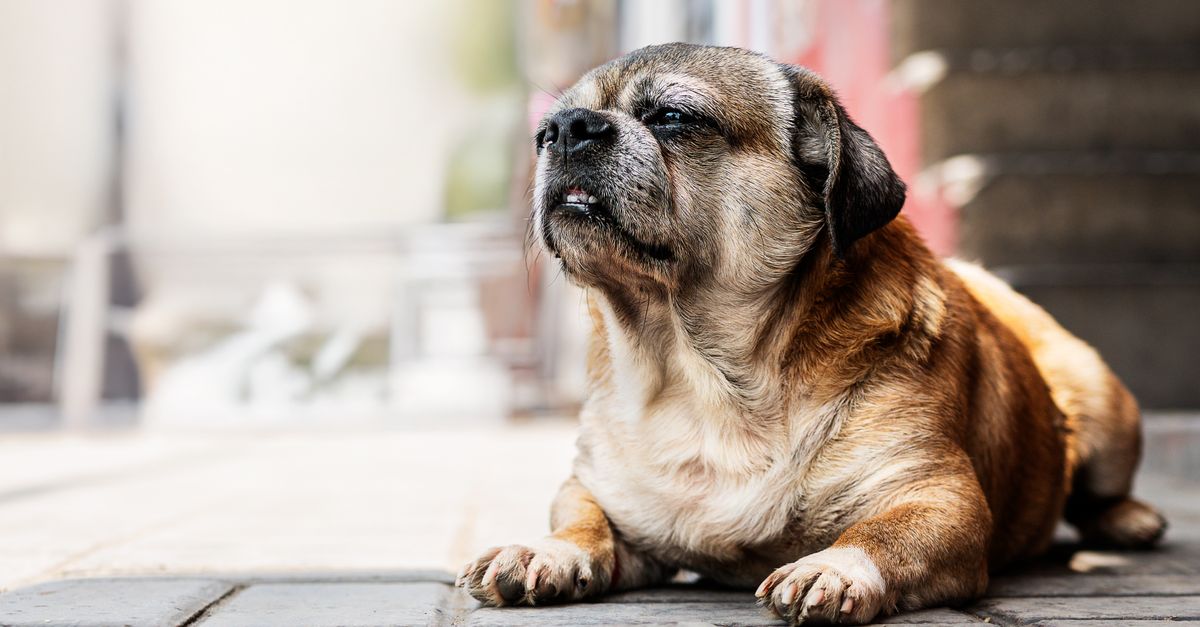
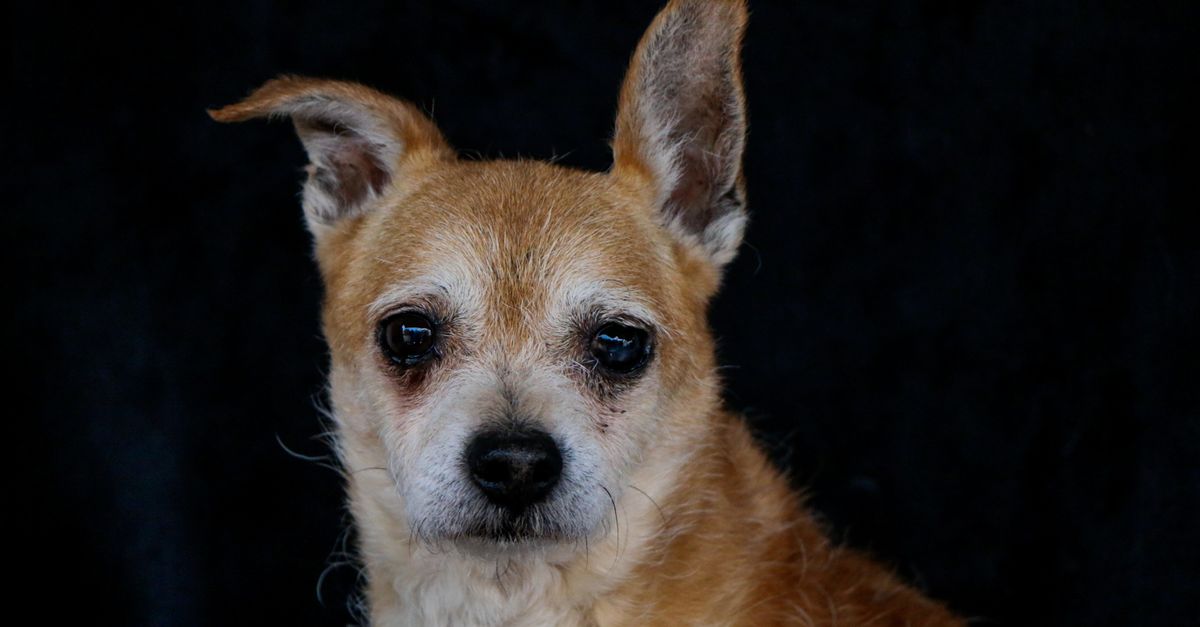
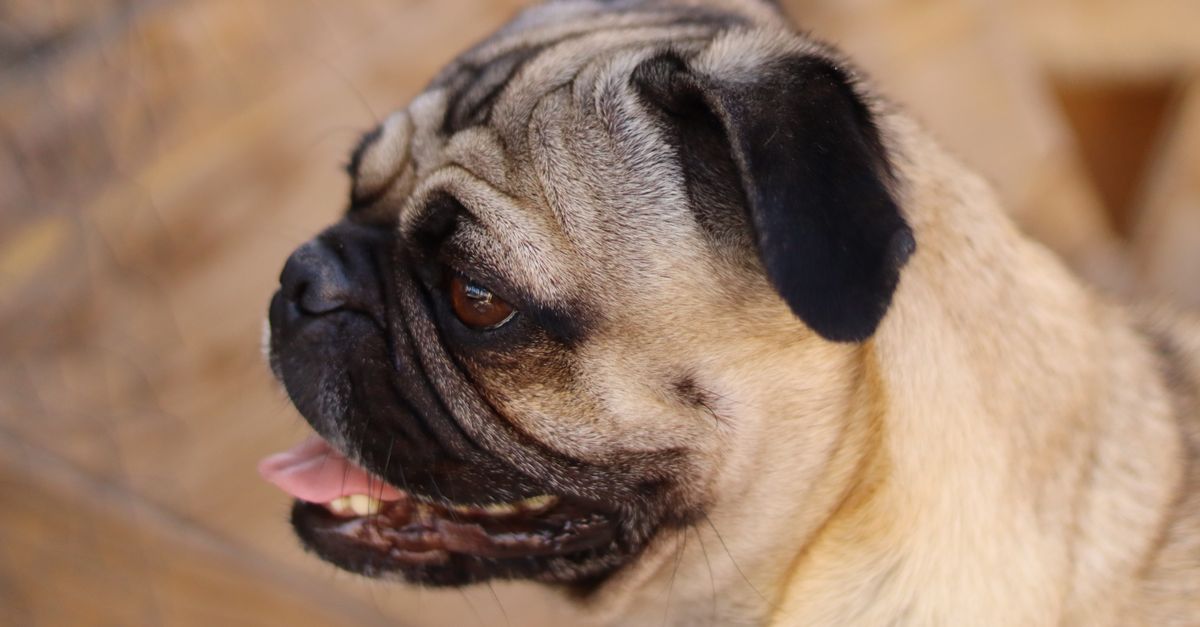
A Chihuahua-leaning puppy may stay small and fine-boned, with upright ears and a longer nose. A Pug-leaning puppy is often stockier, with a flatter face, folded ears and forehead wrinkles. If possible, meet both parents. Their size and face shape are the best clue to how a puppy will turn out.
What to expect from a Chihuahua crossed with a Pug
When a Chihuahua is crossed with a Pug, the first-generation puppies get half their genes from each parent, but which traits show up is a lottery. Some breeders also pair two Chugs together, which can make the litter even less predictable. If you have your heart set on a longer muzzle for easier breathing, choose an adult or older puppy whose face shape is already clear, rather than guessing from a young puppy.
Coat and colors
Petfinder lists brown, black, fawn, silver, apricot, cream and white coats, in solid colors or mixes. The coat is short and smooth, but don’t expect a low-shedding dog. PetMD notes that Chugs with a Pug-like coat can shed heavily, and Petfinder confirms they aren’t hypoallergenic.
Chihuahua Pug Mix Temperament
Most Chugs are playful, affectionate little dogs that want to be part of everything you do. PetMD describes them as attention-seeking companions that can also be stubborn and independent. Petfinder calls them lively, outgoing and talkative, with a mischievous streak.
- Velcro tendencies: Chugs dislike being alone, and PetMD warns that some bark or develop separation anxiety.
- Barking: Petfinder calls them talkative, so some Chugs are quick to sound the alarm at noises or visitors.
- With strangers: early, gentle socialization helps a Chug grow into a confident adult.
- Training: Petfinder notes they respond well to positive training; expect some stubbornness along the way.
Every dog is an individual. Some Chugs are calm lap dogs, while others are busy and vocal. If you’re adopting an adult, spend time with that dog before deciding. For help with a nervous puppy, see our guide to socializing a shy or fearful puppy.
Chihuahua Pug Mix Health Problems
A mixed breed isn’t automatically healthier. A Chug can inherit problems from either parent, so it helps to know what to watch for.
| Condition | Comes from | Signs to watch |
|---|---|---|
| Brachycephalic airway syndrome | Pug | Loud breathing, gagging, tiring fast, overheating |
| Eye problems | Both (prominent eyes) | Squinting, redness, cloudiness, discharge |
| Patellar luxation | Both (small breeds) | Skipping, hopping on one back leg |
| Dental disease | Both (toy breeds) | Bad breath, tartar, dropping food |
| Mitral valve disease | Chihuahua | Heart murmur, coughing, tiring easily with age |
| Obesity | Both | Weight gain; worsens breathing and joints |
Breathing problems and heat
Chugs with a Pug-style face may have brachycephalic syndrome. The American College of Veterinary Surgeons lists noisy breathing, gagging, exercise intolerance, blue gums and collapse as signs, often set off by activity, excitement, heat or humidity. It adds that extra weight makes the problem worse, and that surgery can help dogs with significant symptoms. Petfinder also warns that a Chug’s short snout makes it prone to heat stroke.
Eyes, knees and teeth
PetMD lists eye ulcers, glaucoma, cataracts and dry eye among the main concerns for a Chihuahua Pug mix, noting that their prominent eyes are easy to injure. Kneecap dislocation and dental disease are also common in small and toy breeds. See your vet promptly for squinting, a cloudy eye, limping or bad breath.
Heart, trachea and blood sugar (Chihuahua side)
PetMD’s Chihuahua guide reports that degenerative mitral valve disease is the leading cause of death in older Chihuahuas, and it also lists collapsing trachea and low blood sugar in young dogs. The AKC notes that tiny toy-breed puppies are at risk of hypoglycemia, with signs like weakness, trembling and collapse. Feed small puppies frequent meals, and use a harness instead of a collar to protect the windpipe.
Caring for Your Chug: Exercise, Grooming and Food
Exercise
Chugs need only moderate activity, such as short walks and games of fetch indoors. Walk in the cooler morning or evening, keep outings short on hot or humid days, and stop if your dog’s breathing gets loud or labored. A well-fitted harness is kinder to both the airway and a fragile trachea.
Grooming
PetMD suggests weekly brushing for most Chugs and only occasional baths to avoid dry skin. If your dog has facial wrinkles, wipe and dry the folds regularly, and check the ears for redness or odor. Brush teeth often, ideally daily, and trim nails every few weeks.
Training and house-training
Use short, upbeat sessions with tiny treats and lots of praise; harsh corrections can make a small, sensitive dog more fearful. Reward quiet behavior to curb nuisance barking, and practice short absences early so your Chug learns that being alone is safe. Small dogs have small bladders, so plan frequent potty breaks, especially for puppies, and be patient if house-training takes a little longer than it would with a larger dog.
Feeding
Feed a complete and balanced small-breed food, measured to your dog’s ideal weight. Count treats as part of the daily total. PetMD warns that Chugs can become overweight, which raises the risk of arthritis and pancreatitis, so weigh your dog regularly and ask your vet to check body condition at each visit.
Chihuahua Pug Mix Cost and Where to Find One
PetMD says Chug puppies from breeders generally cost $500 or more, and Petfinder notes that adopting from a shelter or rescue is usually much cheaper. Search Petfinder and local shelters for “Chug,” “Pug mix” or “Chihuahua mix,” and check Pug and Chihuahua rescues, which sometimes take in crosses.
If you buy, choose a breeder who lets you meet the mother, shares vet records, and can talk about the parents’ breathing, eyes, knees and hearts. The Chihuahua Club of America recommends cardiac, eye and patella screening for breeding Chihuahuas, so ask whether the Chihuahua parent had those checks. Walk away from sellers who won’t let you visit or push “teacup” sizes. Budget for food, vet care, dental cleanings and an emergency fund too.
Is a Chug Right for You?
| Good fit if you… | Think twice if you… |
|---|---|
| Live in an apartment or small home | Want a running or hiking partner |
| Are home much of the day | Work long hours away from home |
| Have adults or older, gentle kids | Have toddlers or very large, rough dogs |
| Can budget for vet and dental care | Live somewhere very hot without air conditioning |
Example scenario (illustrative)
Brandon in Phoenix adopted Peanut, a 3-year-old Chihuahua Pug mix, from a local rescue. Peanut snored loudly and tired quickly on walks, so Brandon’s vet checked her airway and recommended keeping her lean and avoiding midday heat. Brandon switched to early-morning walks, used a harness, and kept her indoors with the air conditioning on during summer afternoons. Peanut slimmed down by two pounds and now plays happily indoors.
Chihuahua Pug Mix FAQs
What is a Chihuahua Pug mix called?
It’s usually called a Chug, and sometimes a Pughuahua. It is not a Chiweenie, which is a Chihuahua and Dachshund mix.
How big does a Chihuahua Pug mix get?
Most adult Chugs weigh about 10 to 19 pounds and stand around 9 to 14 inches tall, depending on the parents.
How long do Chugs live?
Estimates range from about 10 to 16 years. Weight control, dental care and regular vet visits all help.
Do Chugs have breathing problems?
Some do, especially those with a short, flat Pug-style face. Keep them cool and lean, and see a vet if breathing is loud or labored.
Are Chugs good apartment dogs?
Often, yes. They’re small and need only moderate exercise, though barking may need training.
Are Chugs hypoallergenic?
No. They shed, and Pug-like coats can shed quite a lot.
Final Verdict: Is the Chihuahua Pug Mix a Good Dog?
A Chihuahua Pug mix can be a loving, playful companion for apartments and homes where someone is around most of the day. The trade-off is health: flat-faced Chugs need protection from heat and hard exercise, and every Chug needs good dental care, weight control and regular vet checks. Meet the individual dog, ask about the parents’ health, and plan for lifelong care.
Your next steps
- Search Petfinder and local rescues for Chugs and Pug or Chihuahua mixes.
- Ask any breeder about the parents’ breathing, heart, eye and knee checks.
- Book a vet visit within the first week of bringing your Chug home.
- Browse more breed guides in our dogs section.
Share your Chug’s photo with other owners in our Facebook community.
About the author — Written and reviewed by the Pets Store Home Editorial Team: pet owners and animal lovers who check every guide against trusted US veterinary and animal-welfare sources. This article is general information, not a substitute for professional veterinary advice. Always talk to your veterinarian about your own dog’s health.
How we checked this guide: Breed details come from PetMD and Petfinder; health information from the American College of Veterinary Surgeons, PetMD’s Chihuahua guide (Katie Grzyb, DVM), the AKC and the Chihuahua Club of America. We review it every 12 months.
Last reviewed: October 2026.
Sources
- PetMD, Chug Dog Breed (accessed October 2026)
- Petfinder, Chug (accessed October 2026)
- American College of Veterinary Surgeons, Brachycephalic Syndrome (accessed October 2026)
- PetMD, Chihuahua (Katie Grzyb, DVM; reviewed by Veronica Higgs, DVM) (accessed October 2026)
- American Kennel Club, Hypoglycemia in Dogs (accessed October 2026)
- Chihuahua Club of America, Breed Health Statement (accessed October 2026)
Your content goes here. Edit or remove this text inline or in the module Content settings. You can also style every aspect of this content in the module Design settings and even apply custom CSS to this text in the module Advanced settings.
[…] Which foreign pets are legal in Washington State? […]