
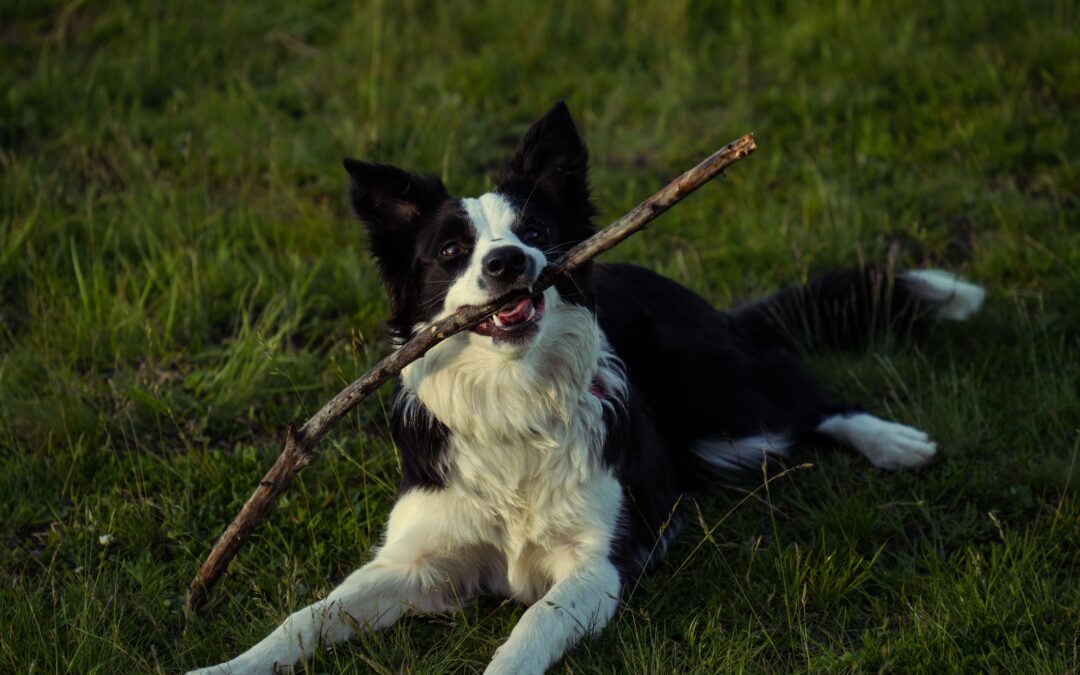
Border Collie Heeler Mix: Size, Temperament, Health and Care (2026)
What is a Border Collie heeler mix? It is a cross between a Border Collie and an Australian Cattle Dog (blue or red heeler), often called a Border Heeler. Expect a medium-sized, very smart, high-energy herding dog of roughly 30 to 55 pounds that needs one to two hours of activity daily, plus training and mental work.
Both parents are working herders, so this cross is rarely a lap dog. A Border Collie heeler mix can be a brilliant partner for an active owner, a farm or dog sports, but it can struggle in a quiet home. This guide covers size, looks, temperament, exercise, health, grooming and who this mix suits best.
Key takeaways
- A Border Collie heeler mix crosses a Border Collie with an Australian Cattle Dog.
- Parents stand about 17 to 22 inches and weigh about 30 to 55 pounds, per PetMD.
- Plan for one to two hours of exercise a day, plus training games.
- Herding instincts can show up as chasing, circling or nipping at heels.
- Ask about eye DNA tests and hearing (BAER) tests for both parents.
In this guide
What Is a Border Collie Heeler Mix?
A Border Collie heeler mix has one Border Collie parent and one Australian Cattle Dog parent. “Heeler” is the common nickname for the Australian Cattle Dog, a breed developed to move cattle by nipping at their heels. As a crossbreed, the mix has no official breed standard, so each puppy can lean toward either parent in looks and personality.
PetMD, in an article by Tiffany Paul, DVM, describes Border Collies as highly intelligent, high-energy dogs that may try to herd children or other pets. PetMD, in an article by Veronica Higgs, DVM, describes Australian Cattle Dogs as intelligent, hard-working and protective, often bonding closely with one person and staying wary of strangers.
| Trait | Border Collie | Australian Cattle Dog |
|---|---|---|
| Height | 18 to 22 inches | 17 to 20 inches |
| Weight | 30 to 55 pounds | 35 to 50 pounds |
| Lifespan | 12 to 15 years | Not stated by PetMD |
| Daily exercise | One to two hours | At least 45 minutes of running or jogging |
| Coat | Medium-length double coat | Short, dense double coat |
| With strangers | Can be reserved | Often wary |
Source: PetMD breed profiles for the Border Collie (Tiffany Paul, DVM) and Australian Cattle Dog (Veronica Higgs, DVM).
Blue Heeler or Red Heeler Border Collie Mix?
PetMD explains that blue and red heelers are the same breed, the Australian Cattle Dog, simply in different coat colors. So a Border Collie blue heeler mix and a red heeler Border Collie mix are the same cross. As general advice, you may also see the names “Border Heeler,” “Border Collie cattle dog mix” or simply “blue heeler mix dog” on shelter listings.

How Big Does a Border Heeler Get? Size and Appearance
There is no official size range for a Border Collie heeler mix, so the parents are your best guide. PetMD lists Border Collies at 18 to 22 inches and 30 to 55 pounds, and Australian Cattle Dogs at 17 to 20 inches and 35 to 50 pounds. Hepper estimates the mix at about 17 to 20 inches and 35 to 50 pounds. As general advice, individual dogs can fall outside that range.
As general advice, most Border Collie heeler mix dogs end up medium-sized and athletic, with males a little larger than females. Because both parents are similar in size, this cross tends to be more predictable than mixes of very different breeds.
| Size measure | Estimated range | Source |
|---|---|---|
| Height | About 17 to 20 inches | Hepper estimate |
| Weight | About 35 to 50 pounds | Hepper estimate |
| Border Collie parent | 18 to 22 in, 30 to 55 lb | PetMD |
| Australian Cattle Dog parent | 17 to 20 in, 35 to 50 lb | PetMD |
Mix estimates are not a breed standard. Individual dogs vary.
Coat Colors and Shedding
PetMD describes the Australian Cattle Dog’s coat as blue or red speckled, with a short, dense undercoat and a water-resistant outer coat. The Border Collie has a medium-length double coat. As general advice, a Border Collie heeler mix may show speckling, patches or a black and white Border Collie look, with a short to medium coat.
Both parents shed. PetMD says Border Collies shed year-round, more in spring and fall, and need brushing two to three times a week, while cattle dogs shed moderately to heavily and blow their undercoat twice a year. Cuteness describes these crosses as heavier-boned than a purebred Border Collie.

Border Collie Heeler Mix Temperament, Training and Exercise
As general advice, expect a clever, loyal and busy dog. PetMD says Border Collies are high-energy and may try to herd children or other pets. It says Australian Cattle Dogs are protective, wary of strangers and may nip or herd people, especially children, and that socialization helps curb nipping. A Border Collie heeler mix can inherit any of these traits.
Early socialization matters. The American Veterinary Society of Animal Behavior (AVSAB) says puppy classes can start at 7 to 8 weeks once a puppy has had a first set of vaccines, and that the key window for meeting new people, dogs and places runs until about 3 to 4 months. As general advice, keep introducing calm visitors, kids and other dogs well after that window closes.
Training a Border Collie Heeler Mix
Both PetMD profiles recommend positive reinforcement. PetMD notes that cattle dogs are very trainable but can be stubborn, and that Border Collies need early training and steady mental work to prevent destructive behavior. As general advice, teach a reliable “leave it,” a solid recall and a calm “settle,” and redirect nipping onto a toy instead of scolding.
| Daily need | Guidance | Source |
|---|---|---|
| Exercise | One to two hours (Border Collie); 45+ minutes of running (cattle dog) | PetMD |
| Mental work | Training games, puzzle toys, herding or agility | PetMD, general advice |
| Living space | Poor fit for apartments or small yards | PetMD (cattle dog) |
| Kids | May herd or nip; supervise and teach kids calm play | PetMD |
| Strangers | Can be reserved or wary; socialize early | PetMD |
Pet Care Tip: Our suggestion is to give your dog a “job” every day, such as fetching a specific toy by name, a short scent search or a beginner agility course. A herding mix with a purpose is usually calmer at home.
As general advice, a very active dog also needs the right food to fuel and maintain muscle. Read our guide on how to build muscle on a dog with food.
Border Collie Heeler Mix Health, Grooming and Lifespan
A mix can inherit health risks from both sides. PetMD lists hip dysplasia, epilepsy (usually starting around 2 to 5 years of age), collie eye anomaly, the MDR1 gene mutation, trapped neutrophil syndrome and neuronal ceroid lipofuscinosis for Border Collies. For Australian Cattle Dogs, PetMD lists heart conditions, eye defects including progressive retinal atrophy, inherited deafness and hip dysplasia.
The UC Davis Veterinary Genetics Laboratory says collie eye anomaly is an inherited eye disorder that ranges from no visible signs to blindness. It is autosomal recessive and testing is listed for both Border Collies and Australian Cattle Dogs. UC Davis says PRCD is a late-onset form of progressive retinal atrophy, that most affected dogs have noticeable vision loss by 4 years of age, and that the Australian Cattle Dog is a breed listed for testing.
| Health issue | Parent breed risk | Source |
|---|---|---|
| Hip dysplasia | Both | PetMD |
| Collie eye anomaly | Both (DNA test listed) | PetMD, UC Davis |
| Progressive retinal atrophy (PRCD) | Australian Cattle Dog | PetMD, UC Davis |
| Congenital deafness | Australian Cattle Dog | PetMD, OFA |
| Epilepsy | Border Collie | PetMD |
| MDR1 gene mutation | Border Collie | PetMD |
| Trapped neutrophil syndrome | Border Collie | PetMD |
A mix may inherit some, all or none of these risks.
Hearing Tests for Puppies
The Orthopedic Foundation for Animals (OFA) says the BAER test is the only accepted way to diagnose congenital deafness, can be done from 35 days of age and only needs to be done once. It adds that white in the coat raises the chance of deafness. As general advice, ask whether your puppy and both parents have BAER results, especially if the puppy has a lot of white.
Grooming and Lifespan
PetMD recommends brushing a Border Collie two to three times a week with a slicker brush, while cattle dogs benefit from daily brushing during shedding. PetMD gives Border Collies 12 to 15 years, and Hepper estimates 13 to 17 years for the mix, a non-vet figure. As general advice, plan for roughly 12 to 15 years with good care.
As general advice, a lean body helps protect the hips. If your dog needs to slim down, see our guide on how to help your dog lose weight.
When to call a vet right away: As general advice, call your vet or a 24/7 emergency animal hospital if your dog has a seizure lasting more than a few minutes or several in a row, sudden vision loss or bumping into things, limping that does not ease, or signs of a bad reaction after a new medication.
Curious about other heeler and herding mixes? Read our guides to the blue heeler and Corgi mix and the German Shepherd husky mix. Not sure what your rescue is? A dog DNA test can help.
7 questions to ask a breeder or rescue
- Can I meet both parents, or at least the mother?
- Do the parents have hip screening results?
- Were the parents DNA tested for collie eye anomaly and PRA?
- Do the puppy and parents have BAER hearing results?
- Was the Border Collie parent tested for MDR1?
- How does the dog react to kids, strangers and other pets?
- Will you take the dog back if it does not work out?
Example Scenario (illustrative)
Ryan in Boise adopted a 40-pound Border Heeler who nipped at his kids’ heels during backyard games. He swapped running games for fetch and tug, taught a “find it” scent game, and added a daily trail run. Within a few weeks, the nipping faded, and the dog settled on his mat in the evenings.
| Myth | Fact |
|---|---|
| “A big yard is enough exercise.” | Border Collies need one to two hours of exercise a day (PetMD). |
| “Nipping means the dog is aggressive.” | Cattle dogs may nip or herd, and socialization helps (PetMD). |
| “Blue and red heelers are different breeds.” | Both are Australian Cattle Dogs in different colors (PetMD). |
| “Mixes can’t inherit eye disease.” | Collie eye anomaly is inherited and listed for both parent breeds (UC Davis). |
What most owners get wrong
In our experience, many owners give a herding mix plenty of running but little brain work. A tired body with a bored mind can still chew, herd and nip. Mix physical exercise with training, puzzles and short “jobs,” and most problem behaviors shrink.
Border Collie Heeler Mix: FAQs
What is a Border Collie heeler mix called?
It is often called a Border Heeler. You may also see Border Collie blue heeler mix or Border Collie cattle dog mix.
How big does a Border Heeler get?
Hepper estimates about 17 to 20 inches and 35 to 50 pounds. Both parents fall within roughly 17 to 22 inches and 30 to 55 pounds, per PetMD.
Are Border Heelers good family dogs?
They can be with active families, training and socialization. PetMD notes both parent breeds may try to herd or nip children, so supervise play.
How much exercise does a Border Heeler need?
PetMD recommends one to two hours a day for Border Collies and at least 45 minutes of running for cattle dogs.
Do Border Heelers shed?
Yes. PetMD says both parent breeds shed, with heavier seasonal shedding.
How long does a Border Collie heeler mix live?
PetMD gives Border Collies 12 to 15 years. Hepper, a non-vet source, estimates 13 to 17 years for the mix.
Can a Border Heeler live in an apartment?
As general advice, it is a poor fit. PetMD says cattle dogs do poorly in apartments or small yards.
Final Verdict: Is a Border Collie Heeler Mix Right for You?
A Border Collie heeler mix can be a loyal, brilliant and tireless companion, but it needs an active owner, one to two hours of exercise a day, daily mental work and early socialization to manage herding and nipping. Ask about eye, hip and hearing tests before you commit. If that fits your life, a Border Heeler can be an outstanding partner for adventures and dog sports.
Your next steps
- Meet adult dogs of both parent breeds.
- Ask for hip, eye DNA and BAER results.
- Plan daily exercise and a training class.
Share your Border Heeler on the Pets Store Home Facebook page, and find more breed guides in our Dogs section.
About the author: Written and reviewed by the Pets Store Home Editorial Team, pet owners who check every guide against trusted sources.
How we checked this guide: Parent breed traits and health come from PetMD profiles written by Tiffany Paul, DVM, and Veronica Higgs, DVM. Eye disease genetics come from UC Davis, hearing test guidance from the OFA, and socialization timing from AVSAB. Mix size and lifespan estimates come from Hepper and Cuteness.
Where sources differ, such as lifespan, we show each figure and its source. This guide was written in November 2026 and is reviewed every 12 months.
Last reviewed: November 2026.
Sources (accessed November 7, 2026)
- PetMD: Border Collie
- PetMD: Australian Cattle Dog
- UC Davis Veterinary Genetics Laboratory: Collie Eye Anomaly
- UC Davis Veterinary Genetics Laboratory: PRA-prcd
- OFA: Congenital Deafness
- AVMA News: Behavior society supports early puppy socialization
- Hepper: Border Heeler
- Cuteness: Border Collie Heeler Mix
[…] Which foreign pets are legal in Washington State? […]