
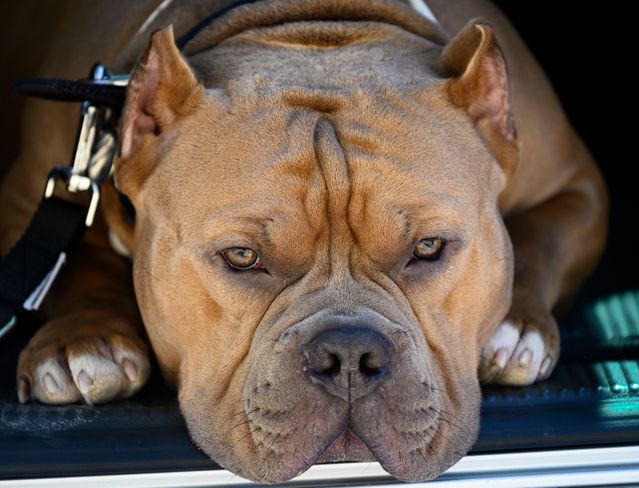
A micro pocket bully is a very small, compact American Bully, usually bred to be shorter than the official Pocket size. “Pocket” is a recognized American Bully variety, but “micro” is a marketing label with no official height range. These dogs are often affectionate and people-focused, but extreme breeding for tiny size and heavy bone can raise health risks.
Micro and pocket bullies are all over social media, with their wide chests, big heads and short legs. Before you buy one, it’s worth knowing what the labels actually mean, what the breed standards say, and which health problems to watch for. This guide explains these little dogs in plain terms, including size, pocket bully weight, temperament, health, care, cost and legal checks for US owners.
Key takeaways
- The Pocket American Bully is an official variety. The UKC standard sets Pocket males at 14 to under 17 inches and females at 13 to under 16 inches.
- “Micro” has no official size range. It usually means a dog bred smaller than Pocket size.
- The UKC standard has no weight standard, so there’s no official pocket bully weight.
- The UKC disqualifies dwarfism and muzzles so short they interfere with breathing.
- Choose health over looks, and ask breeders for parent health screenings.
- Check local laws, landlord rules and insurance before bringing one home.
In this guide
What Is a Micro Pocket Bully?
A micro pocket bully is a small American Bully that’s marketed as smaller than a standard Pocket. You’ll also see the names micro pocket American bully, micro American pocket bully and micro American bully. All of them describe the same idea: a short, heavily muscled companion dog.
The American Bully itself is a recognized breed. The United Kennel Club (UKC) recognized it in 2013 and describes it as developing from an American Pit Bull Terrier foundation blended with other bull breeds. The UKC defines it as a companion dog with a gentle, friendly demeanor, and says aggression toward people is uncharacteristic and highly undesirable. The American Kennel Club (AKC) doesn’t register the American Bully.

Micro Pocket Bully vs. Pocket American Bully: What’s the Difference?
The Pocket American Bully, also called the American pocket bully or American Bully pocket, is an official size variety. Kennel clubs measure it at the withers, the highest point of the shoulders.
The micro label isn’t a variety in the UKC standard. Sellers generally use it for dogs below the Pocket height range, but there’s no agreed definition, so two “micro” puppies can grow into very different adults. A label alone doesn’t tell you a dog’s parentage, adult size, structure or health.
Why it matters: breeding for ever-smaller dogs with massive heads and very short legs can push dogs toward the extremes the UKC standard penalizes. The standard says quality should never be sacrificed for size and mass, and it disqualifies dwarfism and dogs whose size compromises health, structure or movement.
Micro Pocket Bully Size and Weight
The UKC American Bully standard sets heights for each variety. If you want an American Bully dog pocket size, the Pocket variety is the smallest official option, and micro dogs are usually marketed as falling below it:
| Variety | Males (at withers) | Females (at withers) |
|---|---|---|
| Micro (marketing label) | No official range; usually under 14 in | No official range; usually under 13 in |
| 14 to under 17 in | 13 to under 16 in | |
| Standard/Classic | 17–20 in | 16–19 in |
| XL | Over 20–23 in | Over 19–22 in |
Pocket bully weight. The UKC standard gives no weight ranges, so there’s no official pocket bully weight or micro weight. A compact, heavily built dog can weigh far more than its height suggests. What matters most is a lean, healthy body condition: you should be able to feel the ribs easily, and see a waist from above. Ask your vet what’s a healthy weight for your individual dog.
Puppy size is hard to predict. If a seller promises an exact adult size for a “micro” puppy, treat that as an estimate, not a guarantee. Seeing both parents gives you a better idea.
Appearance and Colors
The UKC describes the American Bully as a compact, thickset dog with a smooth coat. Typical features of a pocket bully dog include a broad head, a muscular chest, a short back and strong legs. The coat should be short, glossy and close. Long coats are disqualified.
The UKC accepts any color or pattern except merle, and it also disqualifies albinism and blue eyes. If a breeder is promoting “rare” merle micro bullies, know that the UKC American Bully standard disqualifies merle.
Micro Pocket Bully Temperament
The American Bully was developed as a companion. The UKC standard describes a gentle, friendly companion breed, and many owners find pocket and micro bullies affectionate, playful and eager to be close to their people.

Still, every dog is an individual. The AVMA notes that any dog can bite, regardless of breed, and that a dog’s history and behavior matter more than its label. Early socialization, reward-based training and good management help any bully grow into a well-mannered adult. Supervise young children, and introduce other pets gradually.
Micro Pocket Bully Health Problems
There’s little reliable research on micro or pocket bully health or lifespan, so sellers’ lifespan figures are estimates. What we do know is that very compact, short-faced and short-legged body types carry known risks. Here are the main ones to discuss with your vet:
| Concern | Why it matters | Signs to watch for |
|---|---|---|
| Breathing problems | Short muzzles can narrow the airway | Noisy breathing, snoring, tiring quickly, collapse |
| Heat intolerance | Less effective panting | Heavy panting, drooling, weakness in warm weather |
| Back and disc disease (IVDD) | Short legs relative to body are linked to disc degeneration | Back pain, reluctance to jump, wobbly or weak hind legs |
| Hip dysplasia | Seen in related pit bull-type breeds | Hind-leg lameness, trouble rising or jumping |
| Skin allergies | Common in related breeds | Itching, redness, hair loss, licking paws |
| Obesity | Extra weight worsens breathing and joint strain | No visible waist, ribs hard to feel |
- Breathing. The American College of Veterinary Surgeons explains that short-headed dogs can have narrowed nostrils and an elongated soft palate, causing noisy breathing, exercise intolerance and occasional collapse. Signs often worsen with heat, excitement and obesity. The UKC treats a muzzle short enough to interfere with breathing as an eliminating fault.
- Spine. Cornell’s Riney Canine Health Center links chondrodystrophy, or short legs relative to body length, with early disc degeneration and a higher risk of IVDD, which can cause pain or paralysis. A DNA test can show whether a dog carries a variant linked to this risk.
- Joints and skin. PetMD (veterinarian-reviewed) lists hip dysplasia, allergies and obesity among health issues in the American Pit Bull Terrier, the American Bully’s foundation breed.
Call your vet right away for collapse, blue or gray gums, struggling to breathe, sudden back pain or weakness in the legs. Book a visit for loud snoring, limping or itchy skin. Before buying, ask for parent hip and elbow evaluations and a breathing and movement check, and avoid puppies bred for extreme features.
Exercise, Training and Care for a Pocket Bully Dog

- Exercise. Most pocket and micro bullies enjoy short daily walks and play. Avoid hard running, stairs and jumping for dogs with back or breathing concerns, and exercise in the cooler parts of the day.
- Use a harness. VCA recommends a harness rather than a collar for dogs with airway issues, since collars can press on the neck.
- Beat the heat. VCA notes these dogs overheat more easily. Provide shade, water and air conditioning. Our guide to pet heatstroke covers warning signs and first aid.
- Training. Use reward-based training and start socialization early. Short, upbeat sessions suit most bullies.
- Grooming. The short coat needs only a weekly brush. Clean any facial skin folds gently and keep them dry, and trim nails and brush teeth regularly.
- Feeding. Keep your dog lean with measured meals of a complete and balanced food. For portion ideas, see our American Bully feeding chart, and confirm amounts with your vet.
How Much Does a Micro Pocket Bully Cost?
There’s no reliable national price for a micro or pocket bully. Prices vary widely by region, breeder and bloodline, and “micro” or “rare color” marketing can push them up. A high price doesn’t prove a dog is healthy. These general dog-care costs help you budget:
| Expense | Estimated cost (USD) |
|---|---|
| Shelter or rescue adoption | Free to a couple hundred dollars (Best Friends) |
| Breeder puppy | Many hundreds to thousands of dollars (Best Friends) |
| Routine vet care | About $700–$1,500 a year (AKC) |
| Pet insurance (accident and illness) | US dog average of $836 a year in 2025 (NAPHIA) |
| Possible surgery (e.g., airway or spine) | Can cost several thousand dollars or more (Best Friends) |
Sources: Best Friends Animal Society, the AKC and NAPHIA. It’s also worth checking local shelters and rescues. For tips on choosing a puppy, see our guide to the female American Bully puppy.
Legal and Housing Checks in the US
Some US cities, counties, landlords and insurers have rules targeting pit bull-type dogs, and an American Bully may be treated as one. The AVMA opposes breed-specific laws and notes that breed can’t be reliably identified by looks. Even so, check your local ordinances, lease or HOA rules and homeowners or renters insurance before you bring a dog home.
Is a Micro Pocket Bully Right for You?
| Pros | Cons |
|---|---|
| Bred as an affectionate companion | Extreme builds can mean breathing, back and joint problems |
| Compact size and short, easy coat | Poor heat tolerance |
| Moderate exercise needs | “Micro” size isn’t standardized or guaranteed |
| Often people-focused and playful | Possible legal, housing or insurance limits |
A pocket American bully can suit owners who want a loyal, moderately active companion and are ready for training, careful health monitoring and possible vet costs. If you choose one, look for a dog with a moderate build, an open nose and easy breathing, and sound movement, rather than the smallest or most extreme puppy.
Micro Pocket Bully FAQs
How big does a micro pocket bully get?
There’s no official micro size. “Micro” usually means smaller than the UKC Pocket range of 14 to under 17 inches for males and 13 to under 16 inches for females. Adult size varies, so meet the parents if you can.
What is the difference between a pocket and micro bully?
Pocket is an official American Bully variety with set height ranges. Micro is a marketing term with no standard, generally used for dogs below Pocket size.
How much should a pocket bully weigh?
The UKC standard has no weight requirement. A healthy pocket bully should be lean and muscular, with ribs easy to feel and a visible waist. Ask your vet about your dog’s ideal weight.
Are micro bullies healthy?
Some are, but very small, short-faced or short-legged dogs face higher risks of breathing, heat and spinal problems. Choose a dog with a moderate build and health-tested parents, and keep regular vet checkups.
Are pocket bullies good family dogs?
The UKC describes the American Bully as a gentle, friendly companion, and many are affectionate with their families. Socialize early, train with rewards and always supervise young children, as with any dog.
Final Thoughts
A micro pocket bully can be a loving, loyal companion, but the “micro” label promises less than it seems. The Pocket variety has official height ranges; micro does not. Put health ahead of size: pick a dog that breathes easily and moves well, keep it lean and cool, and partner with your veterinarian for life.
Your next steps
- Ask any breeder for parent health results and meet both parents if possible.
- Check local laws, your lease and your insurance policy.
- Browse more dog breed guides.
Share your bully’s story with other owners on our Facebook page.
About the author
Written by the Pets Store Home Editorial Team: pet owners and animal lovers who check every breed guide against official breed standards and trusted US veterinary sources. This article is general information, not veterinary or legal advice.
How we checked this guide: We used the UKC American Bully standard, the AVMA, the American College of Veterinary Surgeons, Cornell University, VCA Animal Hospitals, PetMD, Best Friends Animal Society and NAPHIA. We review this article every 12 months.
Last updated: November 2026
Sources
- United Kennel Club – American Bully Official Breed Standard (accessed Nov 2026)
- American College of Veterinary Surgeons – Brachycephalic Syndrome (accessed Nov 2026)
- VCA Animal Hospitals – Brachycephalic Airway Syndrome in Dogs (accessed Nov 2026)
- Cornell Riney Canine Health Center – Chondrodystrophy and IVDD (accessed Nov 2026)
- PetMD – American Pit Bull Terrier Health and Care (accessed Nov 2026)
- AVMA – Why Breed-Specific Legislation Is Not the Answer (accessed Nov 2026)
- Best Friends Animal Society – How Much Does a Dog Cost? (accessed Nov 2026)
- AKC – Cost of Owning a Dog From Puppy to Senior Years (accessed Nov 2026)
- NAPHIA – State of the Industry 2026 Highlights (accessed Nov 2026)
[…] Which foreign pets are legal in Washington State? […]