
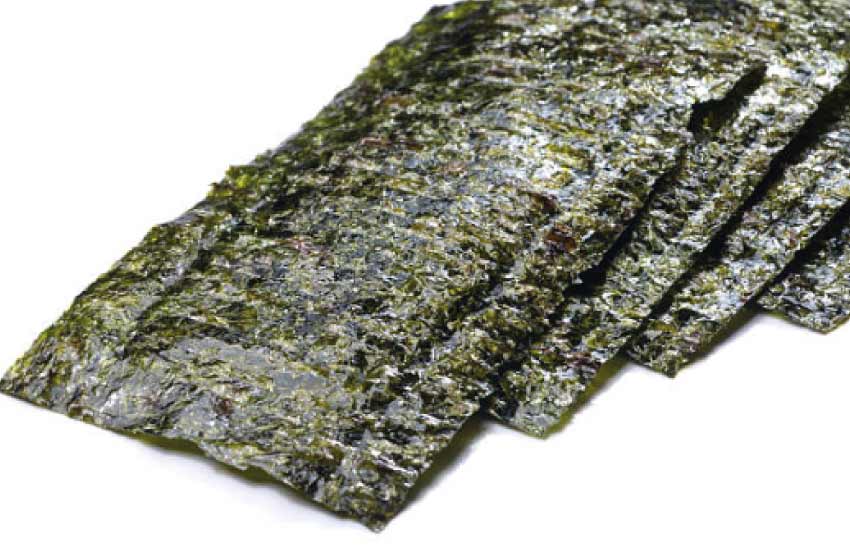
Quick Answer: Yes, plain, unseasoned nori (dried seaweed sheets) is generally safe for cats in small amounts as an occasional treat, but it shouldn’t be a regular part of their diet due to its high iodine content and lack of taurine, an amino acid cats need. Avoid seasoned varieties with salt, sesame oil, or other additives, and keep portions small and infrequent.
Key Takeaways
- Plain nori is not toxic to cats and can be offered occasionally in small pieces.
- High iodine content means seaweed shouldn’t become a regular or large part of a cat’s diet.
- Seaweed lacks taurine, an essential amino acid cats need from animal-based protein, so it can’t substitute for real nutrition.
- Avoid seasoned, salted, or oil-coated seaweed sheets, which can contain ingredients unsuitable for cats.
- If your cat has thyroid issues, check with your vet before offering seaweed given its iodine content.
Why Trust This Guide?
This guide is researched and written by the Pets Store Home editorial team, drawing on general feline nutrition guidance. It’s intended as general information; consult your vet before introducing new treats if your cat has an existing health condition.
Can Cats Safely Eat Seaweed Sheets?
In small amounts, plain and unseasoned nori (the dried seaweed used for sushi) is generally considered safe for cats as an occasional nibble. It isn’t toxic, and many cats are drawn to its salty, fishy smell. That said, it shouldn’t become a regular treat: seaweed’s high iodine content, lack of taurine, and unsuitable additives in most store-bought sheets mean it’s best offered rarely, plain, and in small pieces. We break down exactly why below, along with the potential benefits and what to watch for.
What are seaweed sheets and their nutritional value?
Seaweed sheets, or nori sheets, are thin sheets of edible seaweed commonly used in making sushi rolls and other Asian dishes. They are made by pressing and drying edible seaweed into thin, flat sheets. Seaweed sheets wrap rice, fish, and vegetables in sushi, creating a convenient and flavorful package.
The nutritional value of seaweed sheets can vary depending on the type of seaweed used and any additional seasonings or flavorings. However, here is a general overview of the nutritional components found in seaweed sheets, particularly the commonly used nori:
Low Calories: Seaweed sheets are low in calories, making them a relatively light snack option.
Rich in Minerals:
Iodine: Seaweed is a significant source of iodine essential for thyroid function and overall health. However, excessive iodine intake can concern some individuals, so moderation is key.
Iron: Seaweed contains iron, a mineral essential for carrying oxygen in the blood.
Vitamins:
Vitamin A: Seaweed is a good source of certain types of vitamin A compounds, which are essential for vision, skin health, and immune function.
Vitamin C: Some types of seaweed contain vitamin C, an antioxidant that supports the immune system and skin health.
Dietary Fiber: Seaweed contains dietary fiber, which can contribute to feelings of fullness and aid digestion.
Protein: Seaweed does contain some protein, although the amount is relatively low compared to other protein sources.
Antioxidants: Seaweed contains various antioxidants, which help protect cells from damage caused by free radicals.
It’s important to note that while seaweed sheets have nutritional benefits, they might not provide all the necessary nutrients for a balanced diet, especially for cats, as mentioned earlier. Additionally, the nutritional composition of seaweed can vary depending on factors such as the type of seaweed, growing conditions, and processing methods.
If you’re interested in incorporating seaweed sheets into your diet, enjoying them in moderation is a good idea as part of a well-rounded diet. Always read the nutrition label if purchasing packaged seaweed sheets to be aware of added ingredients or seasonings.
Potential benefits of seaweed for cats
Seaweed, precisely certain types of marine algae, does have potential benefits for cats when used in a controlled and appropriate manner. However, it’s important to note that seaweed should not be a cat’s primary food source, and any inclusion in their diet should be discussed with a veterinarian.
Here are some potential benefits of seaweed for cats:
Nutrient Variety: Seaweed can provide a source of additional nutrients and minerals that might be lacking in a cat’s regular diet. These include trace minerals like iodine, magnesium, and iron.
Dental Health: Some types of seaweed have a natural abrasive texture that can help promote dental health in cats. Chewing on the slightly abrasive surface of seaweed might assist in removing plaque and tartar buildup on their teeth.
Digestive Support: Seaweed contains dietary fiber that could help support healthy cat digestion by promoting regular bowel movements.
Antioxidants: Seaweed contains various antioxidants that can help protect cells from oxidative stress and may contribute to overall health.
Weight Management: Seaweed is low in calories and fat, which could make it a suitable option for cats that need to manage their weight or as a low-calorie treat.
Coat and Skin Health: The nutrients found in certain types of seaweed, such as omega-3 fatty acids, could potentially contribute to a cat’s coat and skin health.
Potential Immune Support: Some types of seaweed contain compounds that have been studied for their possible immune-modulating effects. While more research is needed, these compounds could offer immune support in cats.
Despite these potential benefits, it’s essential to approach seaweed supplementation for cats with caution:
Consult a Veterinarian: Before introducing any new food, including seaweed, into your cat’s diet, consult a veterinarian. They can help you determine whether seaweed is appropriate for your cat’s health needs and recommend a safe amount.
Choose the Right Type: Not all types of seaweed are suitable for cats. Some varieties might be safer and more appropriate than others. Your veterinarian can guide you on the best options.
Moderation: If seaweed is safe for your cat, it should only be used as an occasional treat or supplement, not as a primary food source.
Watch for Allergies or Reactions: As with any new food, monitor your cat for adverse reactions or allergies.
In conclusion, while seaweed has potential benefits for cats, it’s crucial to prioritize their specific dietary requirements and consult a veterinarian before introducing any new food into their diet.
Potential Risks and Dangers of Seaweed for Cats
There are several potential risks and dangers associated with feeding seaweed to cats. While some types of seaweed might have certain benefits, it’s essential to be aware of the potential dangers:
Iodine Overload: Seaweed is a rich source of iodine, essential for human health, but can be harmful to cats when consumed in excess. Cats have much lower iodine requirements than humans, and excessive iodine intake can lead to thyroid dysfunction and other health issues.
Taurine Deficiency: Cats require taurine, an amino acid found predominantly in animal tissues, for their health. Seaweed does not contain sufficient taurine to meet a cat’s needs. Feeding seaweed as a primary source of nutrients could lead to taurine deficiency, which can cause severe heart and eye problems in cats.
Digestive Upset: Cats are obligate carnivores with digestive systems adapted to animal-based protein sources. Plant-based foods like seaweed can be problematic for cats to digest and might lead to gastrointestinal upset.
Allergic Reactions: Cats can develop allergies or sensitivities to new foods, including seaweed. Introducing unfamiliar foods increases the risk of adverse reactions.
Additives and Contaminants: Seaweed sheets for human consumption may contain additives, flavorings, or unsafe cat seasonings. Additionally, contaminants from the ocean, such as heavy metals or pollutants, could be present in the seaweed.
Obstruction Risk: If not adequately prepared or ingested in large amounts, Seaweed sheets could cause intestinal blockages in cats.
Unbalanced Diet: Relying on seaweed as a significant part of a cat’s diet could lead to nutritional imbalances, as it only provides some of the necessary nutrients that cats need for optimal health.
Species Variability: Different types of seaweed have varying nutritional profiles and potential risks. Some may contain compounds that are harmful to cats.
Medication Interference: Seaweed or its compounds might interact with medications that your cat is taking, potentially affecting their effectiveness or causing adverse reactions.
Bottom line: a small taste of plain nori now and then is unlikely to hurt a healthy cat, but it should never replace a proper feline diet. If you’re generally cautious about sharing human snacks with your cat, our guide on whether cats can have McDonald’s fries covers another common “can my cat eat this?” question.
FAQ: Cats and Seaweed Sheets
Can cats eat nori seaweed snacks?
Plain, unseasoned nori in small amounts is generally fine as an occasional nibble. Flavored or seasoned varieties (spicy, sesame oil, heavy salt) should be avoided.
Is seaweed toxic to cats?
Plain seaweed itself isn’t toxic, but it’s not nutritionally complete for cats and can cause problems in large amounts, mainly from excess iodine and a lack of taurine.
How much seaweed can I give my cat?
Treat it as an occasional nibble, a small torn piece once in a while, not a daily treat or a meal topper.
What should I do if my cat ate a seasoned seaweed snack?
Check the ingredient list for garlic, onion, or high sodium seasonings, and contact your vet if your cat shows vomiting, lethargy, or other symptoms afterward.
Wondering What Else Is Off-Limits for Cats?
If your cat is a regular table-food scavenger, our guide to whether cats can have McDonald’s fries breaks down the real risks (and debunks a common myth about hidden seasoning) so you know when to worry and when it’s fine.
[…] Which foreign pets are legal in Washington State? […]