google-site-verification=ASrSFqKsKmxqlSloaozW_qZZYHGwV5yjQG-dPyX1MuY
Rear dew claws dog breeds | Which dog breeds have rear dewclaws?

Rear dew claws dog breeds | Which dog breeds have rear dewclaws?

What are rear dew claws and which dog breeds have them?

Rear dew claws dog breeds: Rear dew claws are extra digits located on the back of a dog’s leg, just above the paw. Not all dog breeds have them, but they are more commonly found in breeds that were developed for specific purposes such as hunting, herding, or working in rugged terrain.

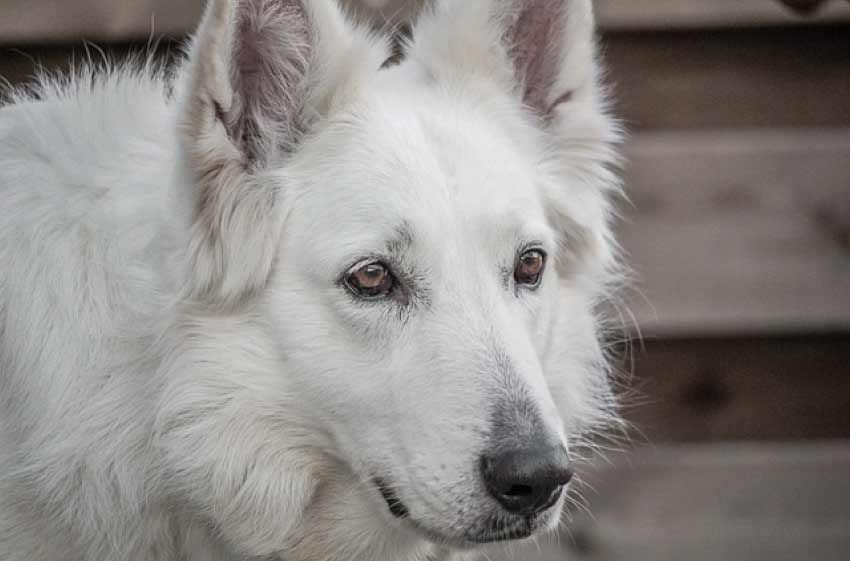
Some breeds that are known to have rear dew claws include the Great Pyrenees, Saint Bernard, Briard, Anatolian Shepherd, Norwegian Lundehund, and some breeds of spaniels, such as the English Springer Spaniel and the Cocker Spaniel.

Rear dew claws can serve a functional purpose, such as providing extra traction when a dog is running or climbing, or helping them to grip objects when they are working. However, in many cases, they are vestigial and have no practical use. 

Some breeders choose to remove them shortly after birth, while others leave them intact. It is important to note that removing dew claws can be a controversial practice, and should only be done by a licensed veterinarian using appropriate anesthesia and pain management techniques.


Which dog breeds have rear dewclaws?

There are several dog breeds that have rear dewclaws, including:

  1. Great Pyrenees
  2. Saint Bernard
  3. Briard
  4. Anatolian Shepherd
  5. Portuguese Sheepdog
  6. Spanish Mastiff
  7. Beauceron
  8. Belgian Tervuren
  9. Norwegian Lundehund
  10. Estrela Mountain Dog 
Here are some additional dog breeds that can have rear dewclaws:
  1. Basenji
  2. Cão de Castro Laboreiro
  3. Catalonian Sheepdog
  4. Entlebucher Mountain Dog
  5. Finnish Lapphund
  6. Icelandic Sheepdog
  7. Maremma Sheepdog
  8. Polish Lowland Sheepdog
  9. Puma
  10. Pyrenean Mastiff

Again, it’s important to keep in mind that not all dogs within these breeds will have rear dewclaws and that some may have had them removed for various reasons. It’s always a good idea to consult with a veterinarian or breeder if you have any questions about your specific dog’s dewclaws.


The debate around the purpose of rear dew claws

The purpose of rear dew claws in dogs is a subject of debate among experts and breeders. Some argue that they serve a functional purpose, while others believe that they are vestigial and have no practical use. 

Those who believe that rear dew claws are functional argue that they provide extra traction and stability when a dog is running or climbing. 

They also suggest that rear dew claws may help a dog grip objects when they are working, such as when they are herding or retrieving.

On the other hand, those who believe that rear dew claws are vestigial argue that they are remnants of a digit that was once necessary for dogs’ survival in the wild. 

They suggest that as dogs evolved and became domesticated, the rear dew claw became less important and eventually lost its practical use.

Ultimately, the purpose of rear dew claws in dogs may vary depending on the breed and individual dog. Some dogs may use them for functional purposes, while others may not. 

It is important for dog owners to be aware of their dog’s anatomy and any potential issues that may arise with rear dew claws, such as injury or infection.


Advantages and disadvantages of rear dew claws in dog breeds

There are potential advantages and disadvantages to having rear dew claws in dog breeds. Here are some of the main points:

Advantages:

Extra grip and traction: Rear dew claws may provide dogs with extra grip and traction when running, climbing, or working on uneven terrain.

Balance and stability: Some argue that rear dew claws help dogs maintain balance and stability, especially when making sudden turns or changes in direction.

Help with certain tasks: For some working breeds, such as those used for herding or hunting, rear dew claws may be useful for gripping and holding objects.

Disadvantages:

Injury: Rear dew claws can be prone to injury, especially if they are not kept trimmed or if a dog engages in high-impact activities.

Infection: If rear dew claws are not kept clean, they can become infected, which can be painful and require veterinary treatment.

Interference with movement: Some argue that rear dew claws can get in the way of a dog’s movement or become caught on objects, which can be uncomfortable or even dangerous.

It is important to note that the potential advantages and disadvantages of rear dewclaws may vary depending on the breed and individual dog. 

Ultimately, the decision to remove rear dewclaws should be made in consultation with a licensed veterinarian and based on the individual dog’s anatomy, lifestyle, and potential risks.


Evolution of rear dew claws in certain dog breeds

The evolution of rear dew claws in certain dog breeds is not well understood, and there is still much debate about how they developed over time. 

However, there are several theories that have been proposed to explain their presence in certain breeds.

One theory is that rear dew claws are a vestigial trait that was inherited from dogs’ wild ancestors. In the wild, dew claws may have served a functional purpose, such as helping dogs to climb rocky terrain or grip prey while hunting. 

Over time, as dogs became domesticated and their lifestyles changed, rear dew claws may have lost their practical use but were retained as a remnant of their evolutionary history.

Another theory is that rear dew claws developed as a result of selective breeding by humans. Some dog breeds were developed for specific purposes, such as herding or hunting, and rear dew claws may have been selectively bred into these breeds because they provided an advantage in performing those tasks.

It is important to note that the evolution of rear dew claws in dog breeds is not well documented and likely varies from breed to breed. Further research is needed to better understand how they developed and what role they play in the function and behavior of different breeds.


How to care for rear dew claws in dogs

Proper care for rear dew claws in dogs is essential to keep them healthy and prevent injury or infection. Here are some tips for caring for your dog’s rear dew claws:

Keep them trimmed: Rear dew claws can become overgrown if not trimmed regularly, which can cause them to snag on objects or become torn, leading to injury or infection. Trim them regularly using a pair of sharp, clean scissors or clippers.

Check for signs of injury or infection: Regularly check your dog’s rear dew claws for signs of injury or infection, such as redness, swelling, discharge, or a foul odor. If you notice any of these signs, consult with your veterinarian.

Clean them regularly: Clean your dog’s rear dew claws regularly with a mild antiseptic solution and warm water. Be sure to dry them thoroughly afterward to prevent moisture buildup.

Be mindful of activities: Be mindful of your dog’s activities and lifestyle, as certain activities such as running, jumping, or rough play can increase the risk of injury to the rear dew claws. Take precautions to protect your dog’s paws, such as using booties or paw wax.

Consider removal: In some cases, rear dew claws may be prone to injury or infection or may interfere with a dog’s movement. In these cases, removal may be recommended. However, it’s important to consult with a licensed veterinarian before considering removal, as it can be a complex and potentially risky procedure.

By following these tips, you can help ensure your dog’s rear dew claws stay healthy and free from injury or infection.


Final thoughts on rear dew claws in dog breeds – should they be removed or left intact?

The decision of whether to remove rear dew claws in dog breeds is a matter of debate and should be based on a careful assessment of the individual dog’s anatomy, lifestyle, and potential risks. While there are potential advantages to having rear dew claws, such as extra grip and traction and aiding in certain tasks, there are also potential risks, such as injury or infection.

If the dog is not at risk of injury or infection, the rear dewclaws may be left intact. However, if the dog is at risk or if the rear dew claws are interfering with their movement or comfort, removal may be recommended. 

It’s important to consult with a licensed veterinarian before making a decision on whether to remove rear dew claws, as it can be a complex and potentially risky procedure.

Ultimately, the decision whether to remove or keep rear dew claws in dog breeds should be made on a case-by-case basis, with the welfare and safety of the individual dog as the top priority.


Final thoughts on rear dew claws in dog breeds – should they be removed or left intact?

The decision whether to remove rear dew claws in dog breeds is a matter of debate and should be based on a careful assessment of the individual dog’s anatomy, lifestyle, and potential risks. While there are potential advantages to having rear dew claws, such as extra grip and traction and aiding in certain tasks, there are also potential risks, such as injury or infection.

If the dog is not at risk of injury or infection, the rear dewclaws may be left intact. However, if the dog is at risk or if the rear dew claws are interfering with their movement or comfort, removal may be recommended. It’s important to consult with a licensed veterinarian before making a decision on whether to remove rear dew claws, as it can be a complex and potentially risky procedure.

Ultimately, the decision whether to remove or keep rear dew claws in dog breeds should be made on a case-by-case basis, with the welfare and safety of the individual dog as the top priority.

French Bulldog with long tail | Are french Bulldogs born with long tails?

French Bulldog with long tail | Are french Bulldogs born with long tails?

Introduction to French Bulldogs and their breed standards

French Bulldog with long tail

French Bulldogs, also known as “Frenchies,” are a small breed of domestic dog that originated in France in the 1800s. They are known for their distinctive bat ears, short stature, and affectionate personalities.

French Bulldogs typically weigh between 16-28 pounds and stand around 11-12 inches tall at the shoulder. They have a short, smooth coat that can come in a variety of colors including brindle, fawn, white, and black.

The breed standard for French Bulldogs, as outlined by the American Kennel Club, includes several physical characteristics that are specific to the breed. These include a short, compact body with a broad chest, well-defined musculature, and a smooth, shiny coat. 

Frenchies should have a short, smooth head with a flat skull and wrinkles around the nose and forehead. Their bat ears should be broad at the base, set high on the head, and erect.

French Bulldogs should have a friendly and affectionate personality and are known for being excellent companion animals. They are also highly adaptable and can do well in both city and rural environments. 

However, they can be prone to certain health issues due to their flat faces and short snouts, so it’s important for potential owners to do their research and choose a reputable breeder.


Discussion on the controversy surrounding French Bulldogs with long tails

There has been controversy surrounding French Bulldogs with long tails, as traditionally, Frenchies have had their tails docked, meaning a portion of their tail is surgically removed shortly after birth. 

Tail docking was originally done for practical reasons such as preventing injury to working dogs, but over time it became common practice for many breeds of dogs in order to conform to breed standards.

However, in recent years, there has been a growing movement against tail docking and cropping, with many countries banning the practice. 

The rationale behind this is that tail docking is seen as a cosmetic procedure that can cause unnecessary pain and suffering to the animal, and it is not in the best interest of their welfare.

As a result of these changing attitudes, some breeders have started to breed French Bulldogs with long tails, which are not typically seen in the breed. 

However, this has also led to controversy within the French Bulldog community, with some breeders and enthusiasts arguing that long tails are not in keeping with the breed standard and can detract from the dog’s overall appearance.

There are arguments on both sides of this debate, with some arguing that breed standards should evolve to reflect changing attitudes toward animal welfare, and others arguing that the physical traits of a breed are an essential part of its identity and should not be altered.

 Ultimately, it is up to individual breeders and owners to decide whether or not to breed or adopt French Bulldogs with long tails, and they should be mindful of the potential risks and benefits of doing so.


Explanation of the genetics behind long-tailed French Bulldogs

Long-tailed French Bulldogs are a result of a genetic mutation that affects the length of the tail. The long tail mutation is a dominant trait, which means that if a dog inherits the gene from one parent, it will have a long tail even if the other parent has a short tail.

The specific gene responsible for long tails in French Bulldogs is not yet fully understood, but it is believed to be related to the BMPR1B gene. This gene is involved in bone development, and a mutation in this gene can result in changes to the length of the tail.

In order for a French Bulldog to have a long tail, it must inherit the long tail gene from at least one parent. If both parents have the long tail gene, then all of their offspring will have long tails. If only one parent has the gene, then there is a 50% chance that each puppy will inherit the long tail gene.

It is important to note that long-tailed French Bulldogs are still a relatively new phenomenon, and there is not yet a lot of research on the potential health implications of this trait. 

Some breeders and veterinarians have expressed concerns about the potential for long tails to cause injury or discomfort to the dog, and it is important for anyone considering a breeding or adopting a long-tailed French Bulldog to do their research and make an informed decision.


Benefits and drawbacks of owning a French Bulldog with a long tail

Owning a French Bulldog with a long tail has its benefits and drawbacks, and it is important to consider both before making a decision.

Benefits:

More natural appearance: Long-tailed French Bulldogs have a more natural appearance, as the tail is not surgically removed shortly after birth. Some owners and breeders feel that this is a more humane option, as it avoids unnecessary surgical procedures.

Improved communication: The tail is an important means of communication for dogs, and a long tail can allow a French Bulldog to communicate more effectively with its owner and other dogs. This can be especially important in social situations, where the dog needs to communicate with other animals.

Increased mobility: Some owners and breeders believe that long-tailed French Bulldogs have improved mobility, as the tail provides an additional point of balance and coordination.

Drawbacks:

Breed standards: Long tails are not typically seen in French Bulldogs and are not in keeping with the breed standard. This can make it difficult to show or breed long-tailed French Bulldogs, and they may not be as highly valued by breed enthusiasts.

Health concerns: There is some concern that long tails can cause health issues, such as injury or discomfort to the dog. Some breeders and veterinarians advise caution when breeding or adopting long-tailed French Bulldogs, as the long tail gene is still a relatively new phenomenon, and the long-term implications are not yet fully understood.

Limited availability: Long-tailed French Bulldogs are still relatively rare, and it may be more difficult to find a breeder or adopt a long-tailed French Bulldog than it is to find a more traditional, short-tailed French Bulldog.

Ultimately, the decision to own a long-tailed French Bulldog will depend on a variety of factors, including personal preference, breed standards, and potential health concerns. It is important to do thorough research and consult with breeders and veterinarians before making a decision.


Are French Bulldogs born with long tails?

French Bulldogs are not typically born with long tails. In fact, long tails are considered a genetic anomaly in the breed, and they are not recognized as part of the breed standard by major kennel clubs such as the American Kennel Club (AKC) or the United Kennel Club (UKC).

 French Bulldogs are generally born with short, stumpy tails or with no tails at all, due to a genetic mutation that affects tail length. 

However, there are some breeders who specialize in breeding French Bulldogs with long tails, although these dogs are not recognized by major kennel clubs and are considered controversial by some breed enthusiasts. 

It is important to note that if you are interested in owning a long-tailed French Bulldog, you should do your research and choose a reputable breeder who breeds for health, temperament, and soundness, and who performs appropriate health testing on their breeding dogs.


Tips for finding a reputable breeder who specializes in long-tailed French Bulldogs

Finding a reputable breeder who specializes in long-tailed French Bulldogs can be challenging, but here are some tips to help you get started:

Research breeders online: Look for breeders who specialize in French Bulldogs and who have experience breeding long-tailed French Bulldogs. Check their websites and social media pages for information about their breeding practices, health testing, and customer reviews.

Attend dog shows: Dog shows are a great way to meet breeders in person and see their dogs in action. Look for shows in your area that feature French Bulldogs and try to attend. You can also ask breed enthusiasts and exhibitors for recommendations on reputable breeders.

Check breed club listings: The French Bulldog Club of America and other breed clubs often have breeder directories on their websites. These directories can help you find breeders who specialize in French Bulldogs and who may have experience breeding long-tailed French Bulldogs.

Ask for health testing: Reputable breeders will typically perform health testing on their dogs to ensure that they are not passing on any genetic health problems to their puppies. Ask any breeder you are considering if they perform health testing and what tests they perform.

Visit the breeder in person: Once you have identified a breeder who specializes in long-tailed French Bulldogs, arrange to visit their facility in person. This will allow you to meet the breeder and their dogs, see the living conditions of the dogs, and ask any questions you may have about their breeding program.

Ask for references: A reputable breeder should be able to provide you with references from past customers. Contact these references to ask about their experience with the breeder and their dogs.

Remember that finding a reputable breeder takes time and effort, but it is well worth it to ensure that you are getting a healthy, well-socialized puppy.


Advice for caring for and training a French Bulldog with a long tail

Caring for and training a French Bulldog with a long tail is similar to caring for and training a short-tailed French Bulldog, but there are some additional considerations to keep in mind:

Grooming: French Bulldogs with long tails may require more grooming than short-tailed French Bulldogs, as the tail can collect dirt and debris. Make sure to clean the tail regularly with a damp cloth or baby wipes to keep it clean.

Exercise: French Bulldogs with long tails may benefit from exercises that help improve their balance and coordination. Consider incorporating activities such as agility or balance exercises into your dog’s exercise routine.

Socialization: French Bulldogs with long tails may communicate differently than short-tailed French Bulldogs, so it is important to socialize them with other dogs and people from a young age to help them learn appropriate communication skills.

Training: Training a French Bulldog with a long tail should be similar to training any other dog. However, because French Bulldogs can be stubborn, it is important to use positive reinforcement techniques such as treats and praise to encourage good behavior.

Health: French Bulldogs with long tails may be more prone to tail injuries, so it is important to monitor your dog’s tail for any signs of injury or discomfort. If your dog does experience a tail injury, seek veterinary care immediately.

Breed Standards: Remember that long-tailed French Bulldogs are not in keeping with breed standards, so if you plan to show or breed your dog, it may be more difficult to find opportunities to do so.

Overall, caring for and training a French Bulldog with a long tail requires some additional considerations, but with proper care and attention, these dogs can make loving and loyal companions.


Conclusion on the unique and lovable qualities of long-tailed French Bulldogs

Long-tailed French Bulldogs are a relatively new and controversial breed, but they offer some unique and lovable qualities that set them apart from their short-tailed counterparts. These dogs are known for their playful and affectionate personalities, and their long tails can add to their charm and uniqueness.

While there may be some additional considerations when caring for and training a long-tailed French Bulldog, these dogs can make wonderful companions for the right owner. Whether you prefer a short-tailed or long-tailed French Bulldog, it is important to choose a reputable breeder and provide your dog with the love, care, and attention they deserve.


Lilac Merle French Bulldog Price

Lilac Merle French Bulldog Price

Description of Lilac Merle French Bulldog

The Lilac Merle French Bulldog is a rare and unique breed of French Bulldog that features a unique coloration and pattern. This type of French Bulldog has a base color that is a light grayish-purple, also known as lilac, and a merle pattern consisting of patches of darker lilac, gray, and black, creating a marbled effect on the coat.

This breed has a compact and muscular body with a short, smooth coat that is easy to maintain. They typically have a broad, flat face with large, expressive eyes and bat-like ears that stand erect. Lilac Merle French Bulldogs have a friendly and outgoing personality and are known to be loyal and affectionate companions.

It’s important to note that the Lilac Merle French Bulldog is a rare color variation that can come with potential health issues, including deafness and blindness, due to the merle gene’s effect on pigmentation. It’s crucial to only obtain this breed from reputable breeders who prioritize health testing and proper breeding practices.

History and origin

The Lilac Merle French Bulldog is a relatively new color variation of the French Bulldog breed, which originated in France in the 19th century. 

The breed was developed from a cross between English Bulldogs and smaller, local French breeds.

French Bulldogs were initially bred as companion dogs for the middle class in France, and their popularity quickly spread to other parts of Europe and the United States. 

The breed’s friendly and playful temperament and their unique appearance, with a short, compact body and bat-like ears, made them popular with families and city dwellers.

The Lilac Merle French Bulldog is a result of selective breeding to achieve the desired lilac color and merle pattern. 

While merle patterns are common in other breeds such as the Australian Shepherd, it is not a recognized color pattern in the French Bulldog breed standard. 

As such, Lilac Merle French Bulldogs are not recognized by major kennel clubs such as the American Kennel Club (AKC) or the United Kennel Club (UKC).

It’s worth noting that some breeders may use unethical practices such as inbreeding or breeding for extreme physical features to achieve rare color variations like the Lilac Merle French Bulldog. 

Therefore, it’s essential to do thorough research and only purchase from reputable breeders who prioritize the health and well-being of their dogs.


Appearance

The Lilac Merle French Bulldog has a distinctive and eye-catching appearance that sets it apart from other French Bulldog color variations. 

As the name suggests, this breed has a lilac base color with a merle pattern, which can vary from dog to dog. The merle pattern consists of patches of darker lilac, gray, and black, creating a marbled effect on the coat.

In addition to their unique coloration, Lilac Merle French Bulldogs have a muscular, compact body with a short, smooth coat that is easy to maintain. They typically have a broad, flat face with large, expressive eyes and bat-like ears that stand erect. 

The breed’s body is sturdy and well-proportioned, with a wide chest and a thick, strong neck. Lilac Merle French Bulldogs can come in different shades of lilac, ranging from a pale silver color to a deeper, more saturated shade. 

Their merle pattern can also vary in size and intensity, creating a unique look for each individual dog.

It’s worth noting that while the Lilac Merle French Bulldog’s appearance is stunning, it’s essential to prioritize their health and well-being over their appearance. 

As with any breed, it’s crucial to only obtain a Lilac Merle French Bulldog from reputable breeders who prioritize health testing and proper breeding practices.


Personality

Lilac Merle French Bulldogs are known for their friendly and outgoing personalities, making them excellent companions for families and individuals alike. 

They are known to be loyal and affectionate, and they love to spend time with their owners. This breed is highly adaptable and can do well in various living situations, including apartments and small homes. 

They are relatively low energy and don’t require a lot of exercises, making them a good choice for people who prefer a more laid-back lifestyle. Lilac Merle French Bulldogs are also known for their playful and curious nature. 

They love to explore their surroundings and interact with their owners, and they often enjoy playing games and puzzles that challenge their intelligence. As with any breed, proper socialization and training are essential to ensure a well-behaved Lilac Merle French Bulldog. 

It’s essential to start training early and to use positive reinforcement techniques to encourage good behavior.

Overall, the Lilac Merle French Bulldog is a friendly, adaptable, and loving breed that makes an excellent companion for those looking for a loyal and affectionate furry friend.


Health

As with any breed, Lilac Merle French Bulldogs can be prone to certain health issues. 

However, it’s essential to note that the Lilac Merle French Bulldog is a relatively new color variation, and the long-term health effects of selective breeding for this color pattern are not yet fully understood. 

As such, it’s crucial to obtain a Lilac Merle French Bulldog from a reputable breeder who prioritizes the health and well-being of their dogs and conducts health testing on their breeding dogs.

Some potential health issues that Lilac Merle French Bulldogs may be more prone to include:

Deafness: Merle coloring can cause issues with pigmentation in the ears, which can lead to deafness in one or both ears.

Eye problems: Merle coloring can also affect the pigmentation of the eyes, which can lead to various eye problems, including cataracts and blindness.

Skin issues: Merle coloring can sometimes cause issues with the skin, including sensitivity to sunlight and an increased risk of skin cancer.

Breathing problems: French Bulldogs, in general, are prone to breathing problems due to their flat faces and narrow airways, and this can be exacerbated by selective breeding for a particular color pattern.

It’s crucial to monitor your Lilac Merle French Bulldog’s health closely and to work closely with your veterinarian to address any potential health concerns promptly. 

Regular vet checkups, a healthy diet, and plenty of exercises can also help promote your dog’s overall health and well-being.


Activity Level

Lilac Merle French Bulldogs are relatively low-energy dogs and do not require a lot of physical activity to stay healthy and happy. They are well-suited for apartment living and can adapt to a variety of living situations.

While they do not need extensive exercise, they still require some physical activity to keep them in good health. Daily walks or short play sessions in the yard can help keep them active and prevent obesity, which can be a problem in French Bulldogs.

It’s important not to over-exercise Lilac Merle French Bulldogs, especially in hot weather, as they are prone to breathing difficulties due to their flat faces and narrow airways. 

Overheating can also be a concern for this breed, so it’s essential to provide plenty of shade and fresh water when they are outside.

Overall, Lilac Merle French Bulldogs are a good fit for people who prefer a more relaxed lifestyle and do not have the time or energy for a highly active dog. 

They make great companions for individuals or families and are content with spending most of their time indoors with their owners.


Training

Training a Lilac Merle French Bulldog should be approached with patience, consistency, and positive reinforcement techniques. They are intelligent dogs that respond well to reward-based training but can be stubborn at times, so it’s essential to keep training sessions short and engaging.

Start training your Lilac Merle French Bulldog as early as possible, ideally as soon as you bring them home. Socialization is also crucial to ensure they are comfortable around people, other dogs, and new environments.

Basic obedience training, including commands such as “sit,” “stay,” and “come,” is an essential part of any dog’s training, and Lilac Merle French Bulldogs are no exception. Crate training is also an important part of house training, and it can help prevent destructive behaviors when you are not home.

When training your Lilac Merle French Bulldog, it’s essential to use positive reinforcement techniques such as treats, praise, and toys to encourage good behavior. Avoid using punishment or physical correction methods, as these can damage the bond between you and your dog and lead to behavioral issues.

Consistency is key when training your Lilac Merle French Bulldog. Make sure everyone in the household is using the same commands and techniques to avoid confusing your dog. Also, keep training sessions short and fun, so your dog does not lose interest.

Overall, training a Lilac Merle French Bulldog requires patience, consistency, and a positive attitude. With the right approach, they can learn to be well-behaved and obedient companions.

Maintenance and care for a Lilac Merle French Bulldog

Lilac Merle French Bulldogs require regular maintenance and care to ensure their health and well-being. Here are some tips:

Grooming: Regular grooming is important for Lilac Merle French Bulldogs to keep their coat healthy and shiny. Brush their coat at least once a week to remove any loose hair and prevent matting. Bathe them once a month or as needed, and use a mild shampoo specially formulated for dogs.

Dental care: Brush your dog’s teeth regularly to prevent plaque buildup and tooth decay. Use a soft-bristled toothbrush and dog toothpaste. Also, provide them with dental chews and toys to help keep their teeth clean.

Exercise: Lilac Merle French Bulldogs require regular exercise to maintain a healthy weight and prevent obesity. Take them for a daily walk or play games with them to keep them active.

Nutrition: Feed your Lilac Merle French Bulldog a high-quality diet that meets its nutritional needs. Consult with your vet to determine the best diet for your dog based on age, weight, and health.

Regular check-ups: Take your Lilac Merle French Bulldog to the vet for regular check-ups and vaccinations. Also, schedule appointments with the vet if you notice any changes in their 

Here are some tips for the care and maintenance of Lilac Merle French Bulldogs:

Socialization: Lilac Merle French Bulldogs can be a bit stubborn and may become anxious or aggressive around other dogs or people if they are not socialized properly. To avoid this, expose them to different environments, people, and other dogs from an early age.

Training: Lilac Merle French Bulldogs are intelligent dogs, but they can be stubborn and challenging to train. Consistency, positive reinforcement, and patience are key to successful training. Start with basic obedience commands such as sit, stay, and come, and gradually progress to more advanced training.

Eye and ear care: Lilac Merle French Bulldogs have wrinkles around their eyes and ears, which can become a breeding ground for bacteria if not cleaned properly. Use a damp cloth to clean the wrinkles around their eyes and ears regularly to prevent infections.

Heat sensitivity: Lilac Merle French Bulldogs are prone to overheating due to their short snouts, so it’s essential to keep them cool during hot weather. Provide them with plenty of water and shade, avoid exercising them during the hottest part of the day, and never leave them in a hot car.

Love and attention: Finally, Lilac Merle French Bulldogs thrive on attention and affection from their owners. Spend quality time with them, play with them, and show them love and attention to help them stay happy and healthy.


Health Problems Affecting the Lilac Merle French Bulldog

Lilac Merle French Bulldogs, like all dog breeds, are prone to certain health problems. Here are some health issues that can affect Lilac Merle French Bulldogs:

Brachycephalic airway syndrome: Due to their short snouts, Lilac Merle French Bulldogs can have difficulty breathing, especially during exercise or in hot weather. This can lead to respiratory problems, such as snoring, coughing, and shortness of breath.

Hip dysplasia: This is a common condition in which the hip joint doesn’t develop properly, causing pain, stiffness, and eventually arthritis. Lilac Merle French Bulldogs can be prone to hip dysplasia, so it’s important to have them screened for this condition.

Skin allergies: Lilac Merle French Bulldogs can be prone to skin allergies, which can cause itching, redness, and inflammation. Allergies can be triggered by various factors, including food, pollen, and dust mites.

Eye problems: Lilac Merle French Bulldogs can be prone to several eye problems, such as cataracts, cherry eye, and progressive retinal atrophy (PRA). Regular eye exams and early detection can help prevent or manage these conditions.

Spinal problems: Lilac Merle French Bulldogs can be prone to spinal problems such as intervertebral disc disease (IVDD), which can cause pain, paralysis, and even death. It’s important to keep them at a healthy weight and avoid activities that could strain their spine.

Here are some health problems that can affect Lilac Merle French Bulldogs:

Ear infections: Lilac Merle French Bulldogs have floppy ears, which can trap moisture and dirt, leading to ear infections. Regular cleaning and inspection of their ears can help prevent infections.

Heat stroke: Due to their short snouts, Lilac Merle French Bulldogs are prone to overheating, especially in hot and humid weather. Symptoms of heat stroke include panting, drooling, vomiting, and loss of consciousness. It’s essential to provide them with plenty of water and shade, avoid exercising them during the hottest part of the day, and never leave them in a hot car.

Obesity: Lilac Merle French Bulldogs can easily become overweight or obese, which can lead to various health problems, such as joint pain, diabetes, and heart disease. Proper diet, exercise, and portion control can help prevent obesity.

Von Willebrand’s disease: This is an inherited bleeding disorder that affects the blood’s ability to clot. Lilac Merle French Bulldogs can be prone to this condition, which can cause excessive bleeding and bruising.

Intestinal problems: Lilac Merle French Bulldogs can be prone to digestive problems such as flatulence, diarrhea, and constipation. Proper diet and regular exercise can help prevent these issues.

As with any dog breed, it’s important to keep up with regular vet check-ups and screenings to detect and prevent health problems early. By providing your Lilac Merle French Bulldog with proper care, attention, and love, you can help them lead a happy and healthy life.


Will a Small Amount of Onion Hurt my Dog?

Will a Small Amount of Onion Hurt my Dog?

Will a Small Amount of Onion Hurt my Dog?

Introduction to the concern

Onions are a common ingredient in many human foods, but they can be harmful to dogs. The toxic compounds in onions can cause a range of symptoms in dogs, including gastrointestinal upset, lethargy, weakness, anaemia, and in severe cases, collapse or coma. 

Because onions can be hidden in many foods, it’s essential to be aware of the signs of onion poisoning in dogs and take steps to prevent accidental exposure. If you suspect that your dog has consumed onions, it’s important to contact your veterinarian immediately for advice and guidance on how to proceed. With prompt intervention and treatment, most dogs with onion poisoning can recover fully.

Can dogs eat onions?

No, dogs should not eat onions or any food that contains them. Onions, as well as garlic and other related vegetables, contain compounds called thiosulphates that can be toxic to dogs when consumed in sufficient quantities. Consumption of onions can damage a dog’s red blood cells, leading to a condition called hemolytic anaemia. Symptoms of onion toxicity in dogs can include vomiting, diarrhoea, lethargy, weakness, and discoloured urine. In severe cases, it can lead to collapse, coma, or even death.

Therefore, it’s best to keep onions and any food that contains them away from your furry friends. If you suspect your dog has consumed onions or any other toxic substance, contact your veterinarian immediately.

How do onions affect dogs?

Onions and other Allium species, such as garlic, contain compounds called organosulfur compounds and disulfides that can be toxic to dogs when consumed in sufficient quantities. 

These compounds cause oxidative damage to the red blood cells, leading to a condition called hemolytic anemia. When a dog ingests onions, these compounds are absorbed into the bloodstream and react with the hemoglobin in red blood cells, causing them to rupture and break down. As a result, the body’s ability to transport oxygen is compromised, and the dog can suffer from anemia, weakness, lethargy, and other symptoms. 

The severity of the symptoms depends on the amount of onion consumed and the size of the dog. In some cases, even small amounts of onions can be toxic to small dogs or puppies. The symptoms of onion toxicity can appear within a few hours or several days after consumption. 

If you suspect your dog has eaten onions, it’s essential to contact your veterinarian immediately for treatment. Treatment may involve inducing vomiting, administering activated charcoal, and providing supportive care such as oxygen therapy or blood transfusions, depending on the severity of the anemia.

What is a safe amount of onions for a dog?

There is no safe amount of onions for dogs to consume. Even a small amount of onions can be harmful to dogs, especially if they are consumed regularly or over an extended period. The toxic effects of onions can build up in a dog’s system over time, leading to potentially life-threatening anemia.

As a responsible pet owner, it’s essential to keep onions and other Allium species, such as garlic and shallots, away from your dog’s diet. This includes not only raw onions but also cooked onions, onion powder, and other products that contain onions, such as soups, stews, and sauces.

If you suspect that your dog has ingested any amount of onion, it’s best to seek immediate veterinary care. Your veterinarian can perform blood tests to assess your dog’s red blood cell count and provide treatment to manage any symptoms of onion toxicity. Prompt treatment can be critical in preventing severe or potentially fatal complications of onion poisoning in dogs.

What are the symptoms of onion poisoning in dogs?

The symptoms of onion poisoning in dogs can vary depending on the amount of onion ingested and the size and health of the dog. Here are some common signs and symptoms of onion poisoning in dogs:

Gastrointestinal upset: Dogs may experience vomiting, diarrhea, and loss of appetite shortly after ingesting onions.

Lethargy and weakness: The toxic compounds in onions can damage a dog’s red blood cells, leading to anemia, which can cause lethargy, weakness, and fatigue.

Pale gums and mucous membranes: Anemia can also cause a dog’s gums and other mucous membranes to become pale.

Increased heart and respiratory rate: Dogs may experience rapid heart rate, increased breathing rate, and panting due to the reduced oxygen-carrying capacity of their blood.

Discolored urine: The breakdown of red blood cells can cause the urine to become dark or reddish-brown.

Collapse or coma: In severe cases, onion poisoning can lead to collapse, coma, and even death.

If you suspect that your dog has ingested any amount of onion, it’s essential to contact your veterinarian immediately. Your vet can perform blood tests to evaluate your dog’s red blood cell count and provide supportive care to manage any symptoms of onion poisoning. Early intervention and treatment can be critical in preventing severe or potentially fatal complications of onion poisoning in dogs.

Here are some additional symptoms of onion poisoning in dogs:

Increased heart rate: The toxic compounds in onions can cause an increase in a dog’s heart rate, which can be a sign of anemia and other cardiovascular issues.

Jaundice: Some dogs with onion poisoning may develop yellowing of the skin and eyes, a condition known as jaundice. This is due to the excessive breakdown of red blood cells, which releases a pigment called bilirubin.

Abdominal pain: In some cases, dogs with onion poisoning may experience abdominal pain, which can cause them to become restless or uncomfortable.

Rapid breathing or panting: Onion poisoning can cause dogs to breathe more rapidly or pant excessively, which can be a sign of respiratory distress.

If you suspect your dog has consumed onions or any other toxic substance, contact your veterinarian immediately. It’s essential to provide as much information as possible about the amount and type of substance your dog has ingested, as this will help your vet determine the best course of treatment. With prompt intervention and treatment, most dogs with onion poisoning can recover fully.

What to do if your dog eats Onions?

If you suspect that your dog has eaten onions, take the following steps:

Contact your veterinarian immediately: Call your vet or an animal poison control center right away to get advice on how to proceed. Time is of the essence in treating onion poisoning, so it’s essential to act quickly.

Observe your dog’s symptoms: Keep an eye on your dog’s behavior and symptoms. Note any signs of gastrointestinal upset, lethargy, weakness, or pale gums and mucous membranes.

Don’t induce vomiting: Do not try to induce vomiting unless instructed to do so by a veterinarian. In some cases, inducing vomiting can make the situation worse, especially if your dog is already showing signs of distress.

Provide supportive care: Your veterinarian may recommend supportive care such as oxygen therapy, intravenous fluids, and blood transfusions to manage your dog’s symptoms.

Monitor your dog closely: Monitor your dog’s condition closely over the next few days, and be sure to follow any instructions provided by your veterinarian.

Prevent future exposure: Keep onions and other Allium species, such as garlic and shallots, away from your dog’s diet. This includes not only raw onions but also cooked onions, onion powder, and other products that contain onions.

In summary, if you suspect that your dog has consumed onions, contact your veterinarian immediately for advice and guidance on how to proceed. Prompt intervention and treatment can be critical in preventing severe or potentially fatal complications of onion poisoning in dogs.

Here are some additional steps to take if your dog eats onions:

Provide detailed information: When you contact your veterinarian, provide as much information as possible about the type and amount of onions your dog has ingested, as well as your dog’s weight and any pre-existing medical conditions.

Follow your vet’s instructions: Follow any instructions provided by your veterinarian closely, including any recommendations for diagnostic tests, medication, and follow-up care.

Consider an animal poison control center: If your veterinarian is not available, consider contacting an animal poison control center such as the ASPCA Animal Poison Control Center or Pet Poison Helpline for advice.

Prevent access to onions: Make sure to keep onions and other Allium species out of your dog’s reach. Store onions in a secure location, and do not leave them on countertops or in other areas where your dog can access them.

Remember, even a small amount of onions can be toxic to dogs, so it’s important to be vigilant and take steps to prevent accidental exposure. By taking these steps and being proactive, you can help keep your dog safe and healthy.

Conclusion and final thoughts.

Onions can be harmful to dogs and can cause a range of symptoms, including gastrointestinal upset, lethargy, weakness, anemia, and in severe cases, collapse or coma. If you suspect that your dog has eaten onions, it’s essential to contact your veterinarian immediately for advice and guidance on how to proceed. Your veterinarian can provide supportive care and treatment to manage your dog’s symptoms and prevent further complications.

To prevent onion poisoning in dogs, it’s important to keep onions and other Allium species out of your dog’s reach. This includes not only raw onions but also cooked onions, onion powder, and other products that contain onions. If you’re unsure about the safety of a particular food or ingredient for your dog, it’s always best to err on the side of caution and avoid feeding it to your pet.

By being vigilant and proactive, you can help keep your dog safe and healthy and prevent the potentially serious complications of onion poisoning.

Blue heeler and corgi mix puppies

Blue heeler and corgi mix puppies

Introduction to the Blue Heeler and Corgi Mix

The Blue Heeler and Corgi mix, also known as the Corgi Heeler or the Cowboy Corgi, is a designer breed that combines the Australian Cattle Dog (Blue Heeler) and the Welsh Corgi. This hybrid breed is known for its intelligence, loyalty, and high energy level. Both parent breeds have a strong work ethic and were originally bred for herding and driving cattle. The Blue Heeler is known for its protective nature and loyalty to its family, while the Corgi is known for its intelligence and playfulness.

As a result, the Corgi Heeler mix is a highly intelligent and active dog that requires plenty of mental and physical stimulation. This breed can be trained to do a variety of tasks, including herding, agility, and obedience training. In terms of appearance, the Corgi Heeler mix can inherit traits from both parent breeds. They typically have a stocky build, short legs, and a thick coat that can come in a range of colors such as black, blue, red, or sable.

Overall, the Corgi Heeler mix is a great choice for active individuals or families who have plenty of time to devote to their pets and enjoy outdoor activities. They make great companions for those who enjoy hiking, running, or participating in dog sports.


Blue heeler and corgi mix

Description of breed characteristics and temperament

The Blue Heeler and Corgi mix is a high-energy, intelligent breed that typically inherits the best traits of both parent breeds. Here are some of the key characteristics and temperament traits of the Corgi Heeler mix:

Active and Energetic: This breed is very active and requires plenty of exercise and playtime to stay healthy and happy. They are a great choice for active individuals or families who enjoy outdoor activities like hiking or running.

Intelligent and Trainable: The Corgi Heeler mix is highly intelligent and trainable. They have a strong work ethic and are eager to please their owners. This makes them a great choice for tasks like herding, agility, and obedience training.

Loyal and Protective: Both parent breeds are known for their loyalty and protective nature, and the Corgi Heeler mix is no exception. They form strong bonds with their owners and will do anything to protect their families.

Social and Friendly: This breed is typically very social and friendly with other dogs and people. They enjoy being around others and are great with children.

Strong-Willed: The Corgi Heeler mix can be strong-willed at times, which can make training a challenge. It’s important to be patient and consistent when training this breed.

Alert and Watchful: This breed is always on the lookout for potential threats or dangers. They have a strong sense of awareness and will alert their owners to anything out of the ordinary.

Overall, the Blue Heeler and Corgi mix is a great choice for anyone who is looking for an active, intelligent, and loyal companion. With the right training and socialization, this breed can make an excellent family pet or working dog.

Here are some additional characteristics and temperament traits of the Blue Heeler and Corgi mix:

Affectionate: While this breed is highly active and independent, they also have a very affectionate and loving nature. They enjoy spending time with their owners and are known to be great lap dogs.

Protective: This breed is very protective of its family and home. They have a strong sense of loyalty and will not hesitate to defend their loved ones if they feel threatened.

Herding Instinct: Both parent breeds were originally bred for herding cattle, so the Corgi Heeler mix may display some herding instincts. They may try to herd small children or other pets in the household, so early training and socialization are important.

Vocal: This breed can be vocal and may bark or howl if they sense a threat or if they want attention. Proper training can help minimize excessive barking.

Good Watchdogs: The Corgi Heeler mix is an excellent watchdog and will alert their owners to any unusual sounds or activity. They are very alert and can make great guard dogs.

Independent: This breed can be independent at times and may exhibit a stubborn streak. However, with positive reinforcement training and patience, they can be trained to follow commands and behave appropriately.

In summary, the Blue Heeler and Corgi mix is a high-energy, intelligent, and loyal breed that is well-suited for active individuals or families who are committed to providing them with plenty of physical and mental stimulation. With proper training and socialization, they make great companions and working dogs.

Here are some more characteristics and temperament traits of the Blue Heeler and Corgi mix:

Strong Prey Drive: This breed has a strong prey drive, which can make them prone to chasing after small animals like squirrels or rabbits. They should always be kept on a leash or in a securely fenced area.

Adaptable: The Corgi Heeler mix is adaptable to various living environments, including apartments or smaller homes. However, they still require plenty of exercise and playtime.

Grooming Needs: This breed has a thick coat that requires regular grooming to prevent matting and shedding. They should be brushed regularly and bathed as needed.

Health Concerns: Like all breeds, the Corgi Heeler mix may be prone to certain health conditions. These can include hip dysplasia, deafness, and eye problems. It’s important to buy from a reputable breeder and schedule regular vet check-ups to ensure their health and well-being.

Socialization: Early socialization is important for this breed to ensure they are comfortable and friendly around other dogs and people. It’s important to expose them to a variety of people, animals, and environments during their early development.

Training Needs: This breed is highly intelligent and trainable, but they can also be stubborn at times. Positive reinforcement training methods work best for this breed, and consistency is key to their success.

Overall, the Blue Heeler and Corgi mix is a great choice for those who are looking for an active, intelligent, and loyal companion. With proper training, socialization, and care, they can make a great addition to any home or family.


Socialization and interaction with other pets and people

Socialization is crucial for the Blue Heeler and Corgi mix to ensure that they are comfortable and friendly around other people and pets. Here are some tips for socializing and interacting with other pets and people:

Start Early: Socialization should begin as early as possible, ideally during the puppy stage. Introduce your puppy to a variety of people, animals, and environments so that they become accustomed to new experiences.

Positive Reinforcement: Use positive reinforcement training techniques to reward good behavior and encourage your dog to interact with other people and pets. Treats, praise, and affection can all be effective ways to reinforce positive behavior.

Supervision: Always supervise your Blue Heeler and Corgi mix when they are interacting with other pets or people, especially if they are still learning to socialize. This can help prevent any negative interactions or accidents.

Training: Obedience training can be helpful in teaching your dog how to interact appropriately with other people and pets. This can include commands like “sit,” “stay,” and “come,” which can help you control your dog’s behavior in social situations.

Gradual Exposure: Gradually expose your Blue Heeler and Corgi mix to new people and pets, starting with short interactions and gradually increasing the duration and intensity. This can help your dog feel more comfortable and less overwhelmed in new situations.

By socializing your Blue Heeler and Corgi mix and providing them with positive interactions with other people and pets, you can help ensure that they are well-adjusted and friendly companions.

Here are some additional tips for socializing and interacting with other people and pets:

Use Controlled Environments: When introducing your Blue Heeler and Corgi mix to new people or pets, it’s often best to use controlled environments, such as a fenced yard or a quiet room. This can help prevent overstimulation and make the introduction process easier.

Monitor Body Language: Pay attention to your dog’s body language during interactions with other people and pets. Signs of stress or discomfort, such as raised hackles, growling, or backing away, can indicate that your dog is feeling overwhelmed or uncomfortable.

Avoid Punishment: Avoid using punishment or negative reinforcement when socializing your Blue Heeler and Corgi mix. This can make them feel anxious or scared, which can further harm their socialization.

Expose Them to Different Situations: Exposure to different situations and environments can help your dog become more confident and adaptable. Take them on walks in different locations, bring them to pet-friendly events, or invite guests over to your home.

Be Patient: Socialization takes time and patience, and every dog is different. Some dogs may take longer to warm up to new people or pets, while others may be more outgoing. Be patient and consistent in your socialization efforts, and always reward positive behavior.

By following these tips, you can help your Blue Heeler and Corgi mix become a well-socialized and friendly companion. Remember that socialization is an ongoing process, and it’s important to continue exposing your dog to new experiences throughout their life.


History and Origin of the Blue Heeler and Corgi Mix

The Blue Heeler and Corgi mix, also known as the Corgi Heeler, is a designer breed that is not recognized by any major kennel club. As a hybrid breed, it does not have a detailed history or origin story as some purebred dogs do. 

However, we can learn more about the histories of the two parent breeds to understand more about this mix.

The Blue Heeler, also known as the Australian Cattle Dog, was developed in the 1800s in Australia for the purpose of herding cattle over long distances in rough terrain. The breed was created by crossing several breeds, including the Dingo, Collie, and Dalmatian, to create a hardy, intelligent, and adaptable dog that could thrive in the harsh Australian environment.

The Corgi, on the other hand, has a more well-documented history. The breed originated in Wales and was originally used as a herding dog for cattle and other livestock. 

There are two types of Corgis: the Pembroke Welsh Corgi and the Cardigan Welsh Corgi. It is not clear which type is used more often in the breeding of Corgi Heelers, as there is some variation in the breed.

It is likely that the Blue Heeler and Corgi mix was first bred in recent years as a way to combine the traits of two popular and well-loved breeds. 

The Corgi Heeler is known for being an intelligent, active, and loyal companion that is well-suited for families and individuals who enjoy an active lifestyle.


Training and exercise requirements

The Blue Heeler and Corgi mix is an intelligent, active, and energetic breed that requires regular exercise and training to stay healthy and happy. Here are some guidelines for training and exercise for this breed:

Training Requirements:

Consistency: The Blue Heeler and Corgi mix responds best to consistent training with clear and concise commands.

Positive Reinforcement: Positive reinforcement training, using treats and praise, is an effective way to motivate and reward good behavior.

Early Socialization: Early socialization with other people and pets is important to help this breed develop good manners and appropriate behavior.

Obedience Training: Obedience training is crucial to ensure that this breed learns basic commands, such as sit, stay, come, and heel.

Exercise Requirements:

Daily Exercise: This breed requires at least 30-60 minutes of exercise each day to stay healthy and happy.

Mental Stimulation: Mental stimulation is important to keep this breed mentally challenged and engaged. Interactive toys, puzzles, and games are great options for mental stimulation.

Outdoor Activities: Outdoor activities, such as hiking, running, and playing fetch, are great ways to provide exercise and mental stimulation for this breed.

Training Activities: Training activities, such as agility training and obedience training, are also great ways to provide exercise and mental stimulation for this breed.

It’s important to note that this breed may have a tendency to herd, due to the instincts inherited from both parent breeds. As a result, it’s important to provide them with appropriate outlets for this behavior, such as participating in herding trials or playing fetch. Overall, the Blue Heeler and Corgi mix is a high-energy breed that requires regular exercise, mental stimulation, and positive training to thrive.


Grooming and care tips

The Blue Heeler and Corgi mix has a short, dense coat that requires minimal grooming. However, they still require regular care to maintain their health and hygiene. Here are some grooming and care tips for this breed:

Brushing: This breed’s coat should be brushed weekly to remove loose hair and debris. Use a slicker brush or a shedding tool to brush the coat thoroughly.

Bathing: Bathe your Blue Heeler and Corgi mix as needed, typically every 2-3 months. Use a dog-specific shampoo to avoid drying out the skin.

Nail Trimming: Trim your dog’s nails every 4-6 weeks to keep them from becoming too long and causing discomfort. If you hear clicking sounds when your dog walks, it’s time to trim its nails.

Dental Care: Brush your dog’s teeth regularly, ideally daily, to prevent plaque and tartar buildup. Use dog-specific toothpaste and a soft-bristled toothbrush.

Ear Cleaning: Check your dog’s ears regularly for signs of infection or irritation. Clean the ears with a dog-specific ear cleaner and cotton balls or pads.

Exercise and Diet: Provide your dog with regular exercise and a healthy diet to maintain its overall health and well-being. This breed may be prone to obesity, so it’s important to monitor their weight and adjust their diet and exercise routine as needed.

Regular Checkups: Take your dog to the veterinarian for regular checkups and vaccinations to ensure they are healthy and up-to-date on their shots.

By following these grooming and care tips, you can help your Blue Heeler and Corgi mix stay healthy, happy, and well-groomed.

Here are some additional grooming and care tips for the Blue Heeler and Corgi mix:

Coat Care: This breed’s coat is relatively low maintenance, but they do shed moderately throughout the year. You may notice an increase in shedding during seasonal changes. Regular brushing will help to control shedding and keep the coat healthy and shiny.

Skin Care: Check your dog’s skin regularly for any signs of irritation, redness, or hot spots. If you notice any issues, consult with your veterinarian for advice on treatment and prevention.

Eye Care: Keep your dog’s eyes clean and free from discharge by wiping them with a damp cloth or using a dog-specific eye wash solution. Be sure to check for any signs of redness, swelling, or discharge, as these may be indicators of an infection or other issues.

Joint Care: Due to their active lifestyle, this breed may be prone to joint issues as they age. To help maintain joint health, provide regular exercise, and a healthy diet, and consider using joint supplements or medications as recommended by your veterinarian.

Climate Considerations: The Blue Heeler and Corgi mix may be more sensitive to extreme temperatures due to their short coat. During hot weather, be sure to provide plenty of shade, and freshwater, and avoid excessive exercise during the hottest parts of the day. During cold weather, provide warm shelter and protect their paws from salt and ice melt products.

Overall, the Blue Heeler and Corgi mix is a relatively low-maintenance breed that requires regular care and attention to maintain its health and well-being. By following these grooming and care tips, you can help your dog stay healthy, happy, and comfortable.


Here are some additional grooming and care tips for the Blue Heeler and Corgi mix:

Flea and Tick Prevention: This breed loves to spend time outdoors and may be at risk for flea and tick infestations. To prevent these pests from causing discomfort and disease, use a dog-specific flea and tick preventative treatment recommended by your veterinarian.

Anal Gland Expression: Some Blue Heeler and Corgi mixes may be prone to issues with their anal glands, which can become impacted and cause discomfort. If you notice your dog scooting their bottom on the ground or licking the area excessively, it may be a sign of an issue with its anal glands. In these cases, it may be necessary to have them expressed by a veterinarian or trained groomer.

Socialization: This breed requires socialization and interaction with other pets and people to prevent shyness or aggression. Regular exposure to new experiences, people, and pets can help to socialize your dog and promote positive behaviour.

Training: The Blue Heeler and Corgi mix is a highly intelligent breed that requires mental stimulation and regular training. Use positive reinforcement methods to train your dog, and provide plenty of opportunities for play and exercise to keep their mind engaged.

Dental Chews: Providing your dog with dental chews or toys can help to promote good oral health and prevent dental issues such as tartar buildup and gum disease.

By following these additional grooming and care tips, you can help ensure that your Blue Heeler and Corgi mix is healthy, happy, and well-cared for.


Feeding and Nutrition

Feeding and nutrition are important aspects of caring for a Blue Heeler and Corgi mix. Here are some tips to ensure that your dog is getting the proper nutrition they need:

Choose a high-quality dog food: Look for a dog food that contains high-quality protein sources and essential vitamins and minerals. You can choose a commercial dog food or a homemade diet, but be sure to consult with your veterinarian to ensure that your dog is getting all of the necessary nutrients.

Consider your dog’s age: Puppies require more frequent feedings than adult dogs and senior dogs may have different nutritional needs. Be sure to choose a dog food that is appropriate for your dog’s age and consult with your veterinarian if you have any concerns.

Measure portions: Overfeeding can lead to weight gain and other health issues. Use a measuring cup to ensure that you are feeding your dog the appropriate amount for its size and activity level.

Provide fresh water: Access to fresh water is essential for your dog’s health. Be sure to provide a clean, fresh water source at all times.

Watch for food allergies: Some dogs may have food allergies or sensitivities that can cause digestive issues, skin problems, or other health issues. If you notice any signs of an allergy or sensitivity, such as vomiting, diarrhea, or itching, consult with your veterinarian to determine the best course of action.

By following these feeding and nutrition tips, you can help ensure that your Blue Heeler and Corgi mix is getting the proper nutrition they need to stay healthy and active.

Here are some additional feeding and nutrition tips for the Blue Heeler and Corgi mix:

Avoid overfeeding treats: Treats can be a great way to reward your dog or provide mental stimulation, but they should not make up a significant portion of your dog’s diet. Too many treats can lead to weight gain and other health issues. Stick to small, healthy treats and limit the amount you give your dog each day.

Monitor your dog’s weight: Regularly monitor your dog’s weight to ensure that they are not becoming overweight or obese. Obesity can lead to a number of health problems, including joint issues, heart disease, and diabetes.

Adjust feeding amounts as needed: If you notice that your dog is gaining or losing weight, adjust their feeding amount accordingly. Consult with your veterinarian for guidance on the appropriate amount to feed your dog.

Provide variety: Dogs can get bored with the same food day after day. Consider rotating between different types of dog food or adding healthy, dog-friendly human foods to their diet for variety.

Consult with your veterinarian: If you have any concerns about your dog’s diet or nutrition, consult with your veterinarian. They can provide guidance on the best dog food options for your dog’s specific needs and can help you create a healthy feeding plan for your pet.

By following these additional feeding and nutrition tips, you can help ensure that your Blue Heeler and Corgi mix is getting the balanced diet they need to stay healthy and happy


How much is a Merle French Bulldog

How much is a Merle French Bulldog

Introduction about Merle French Bulldogs

How much is a Merle French Bulldog? Merle French Bulldogs are a type of French Bulldog with a distinct Merle coat pattern. The merle pattern is caused by a genetic mutation that affects the distribution and concentration of pigment in the fur, resulting in a marbled or speckled appearance. 

Merle French Bulldogs are highly sought after for their unique and eye-catching coat colors, which can range from blue to silver to chocolate, among others. 

However, the breeding of Merle French Bulldogs has become controversial due to potential health issues associated with the Merle gene, including deafness, blindness, and skin problems. As such, responsible breeders are careful to only breed healthy dogs and to avoid perpetuating any genetic health issues.

What Makes Merle French Bulldogs Valuable

Merle French Bulldogs are valuable because of their unique and eye-catching coat patterns, which are relatively rare in the French Bulldog breed. The Merle coat pattern can come in a range of colors, including blue, silver, chocolate, and others, making each Merle French Bulldog a one-of-a-kind pet. 

The rarity and beauty of these dogs have made them highly desirable to some people, which has driven up their value in the market.

However, it’s important to note that the value of a Merle French Bulldog should not be determined solely by its coat pattern. Responsible breeders prioritize the health and temperament of their dogs above all else, and potential owners should consider these factors before making a purchase decision. 

Additionally, buyers should be aware that Merle French Bulldogs may be more prone to certain health issues than other French Bulldogs, so it’s important to choose a reputable breeder who takes steps to minimize these risks.

Factors Affecting the Price of Merle French Bulldogs

The price of Merle French Bulldogs can vary widely depending on various factors. Some of the most important factors that can affect the price of a Merle French Bulldog include:

Coat pattern and color: The rarity and uniqueness of the Merle coat pattern can drive up the price of Merle French Bulldogs. Dogs with desirable color combinations or patterns may be more valuable than others.

Pedigree and bloodline: Merle French Bulldogs with a strong pedigree and bloodline can be more valuable due to their potential for producing high-quality offspring with desirable traits.

Breeder reputation: Reputable breeders who prioritize the health and well-being of their dogs may charge more for their Merle French Bulldogs due to the quality of care they provide.

Demand: High demand for Merle French Bulldogs can drive up the price of these dogs, especially in certain regions or countries where they are particularly popular.

Health and medical history: Merle French Bulldogs with a clean bill of health and no genetic issues may be more valuable than those with health problems or a history of medical issues.

It’s important to note that the price of a Merle French Bulldog should not be the only factor considered when choosing a pet. Potential owners should prioritize finding a reputable breeder who prioritizes the health and well-being of their dogs above all else.

Age: The age of the Merle French Bulldog can also impact its price. Puppies may be more expensive than adult dogs due to the amount of care and attention they require during their early development.

Training and socialization: Merle French Bulldogs that have undergone training and socialization may be more valuable than those that have not, as they may be easier to integrate into a household and exhibit better behavior.

Location: The location of the breeder can impact the price of Merle French Bulldogs. Dogs from breeders in more expensive areas may be priced higher to account for the increased cost of living.

Show potential: Merle French Bulldogs that have the potential to compete in dog shows may be more valuable than those that do not, as they may be able to earn awards and increase the value of their offspring.

It’s important to note that the price of a Merle French Bulldog can vary widely depending on these factors, and potential owners should be prepared to invest a significant amount of money into the purchase of one of these dogs. 

However, it’s crucial to prioritize finding a reputable breeder who prioritizes the health and well-being of their dogs over profits and to be prepared for the potential health risks associated with the Merle gene.


Price Range for Merle French Bulldogs

The price range for Merle French Bulldogs can vary widely depending on the factors mentioned earlier. However, in general, the price for a Merle French Bulldog puppy can range from $3,000 to $10,000 or more.

It’s important to note that the price of a Merle French Bulldog should not be the only factor considered when choosing a pet. Potential owners should prioritize finding a reputable breeder who prioritizes the health and well-being of their dogs above all else. They should also be prepared to invest in ongoing healthcare costs, including regular veterinary visits, vaccinations, and potential health issues associated with the merle gene.

Additionally, it’s important to be cautious of breeders who offer Merle French Bulldogs at unusually low prices, as this may indicate that the breeder is not providing proper care or is engaging in unethical breeding practices. It’s always a good idea to do thorough research and ask plenty of questions before making a purchase decision.

Tips for Choosing a Merle French Bulldog

Choosing a Merle French Bulldog can be an exciting but also challenging process. Here are some tips to help you choose the right Merle French Bulldog for you:

Choose a reputable breeder: Look for a breeder who has a good reputation, has experience breeding French Bulldogs, and can provide you with references from past customers. Ask about their breeding practices, health testing, and socialization process for their puppies.

Ask about health testing: Make sure that the breeder conducts health tests on their dogs to screen for any genetic health issues, including those associated with the merle gene. Ask to see the results of these tests and ensure that they are up to date.

Visit the breeder: Visit the breeder in person if possible to meet the dogs and see their living conditions. This can give you a good idea of the breeder’s overall care and the temperament of their dogs.

Consider the dog’s temperament: Look for a Merle French Bulldog with a friendly and outgoing temperament. Avoid dogs that show signs of aggression, excessive shyness, or fearfulness.

Evaluate the dog’s health: Look for a Merle French Bulldog that appears healthy, has clear eyes, clean ears, and a shiny coat. Avoid dogs that show signs of lethargy, excessive coughing or sneezing, or any other signs of illness.

Ask about training and socialization: Inquire about the level of training and socialization the puppy has received. Choose a puppy that has been well-socialized and introduced to various sights and sounds to help them adjust to new environments and experiences.

Consider your lifestyle: Think about your lifestyle and whether a Merle French Bulldog is a good fit. They are a relatively active breed but also require a lot of rest and can have breathing difficulties due to their flat faces. Make sure you can provide them with the appropriate care and attention they need.


Conclusion and Final Thoughts

In conclusion, Merle French Bulldogs are a unique and eye-catching breed of French Bulldogs with a distinct coat pattern. 

However, due to potential health issues associated with the Merle gene, it’s important to find a reputable breeder who prioritizes the health and well-being of their dogs.

When choosing a Merle French Bulldog, it’s important to consider factors such as the breeder’s reputation, the dog’s health and medical history, its temperament, and its training and socialization. 

It’s also crucial to be prepared for ongoing healthcare costs and to prioritize finding a breeder who takes steps to minimize the risks associated with the Merle gene.