google-site-verification=ASrSFqKsKmxqlSloaozW_qZZYHGwV5yjQG-dPyX1MuY
Can Hamsters see color | What colors can see?

Can Hamsters see color | What colors can see?

Introduction to Hamsters and Their Vision


Hamsters are small, nocturnal rodents belonging to the subfamily Cricetinae. They are popular pets due to their compact size, friendly demeanor, and relatively low maintenance. While hamsters are primarily known for their burrowing behavior and love for running on exercise wheels, their visual abilities are also an intriguing aspect of their biology.


Natural Habitat and Behavior:

In the wild, hamsters inhabit semi-arid regions of Europe and Asia, where they construct elaborate burrows for shelter and food storage. They are crepuscular or nocturnal animals, meaning they are most active during dawn, dusk, or nighttime. This lifestyle influences their visual system, which has adapted to function effectively under low-light conditions.


Anatomy of the Hamster Eye:

Like other rodents, hamsters have relatively small eyes compared to their body size. Their eyes are positioned laterally on the head, providing them with a wide field of view to detect potential threats or prey. The structure of the hamster eye is similar to that of other mammals, consisting of a cornea, lens, iris, retina, and optic nerve.


Visual Acuity and Color Vision:

While hamsters have relatively poor visual acuity compared to humans, they possess some degree of color vision. Their retinas contain both rod and cone photoreceptor cells, with cones being responsible for color discrimination. However, their color vision is likely not as sophisticated as that of diurnal animals like primates, as they primarily rely on other senses such as smell and touch to navigate their environment.


Adaptations for Nocturnal Vision:

To thrive in low-light environments, hamsters have several adaptations in their visual system. They have a higher density of rod photoreceptors in their retinas, which are more sensitive to dim light than cones. Additionally, they possess a specialized reflective layer behind the retina called the tapetum lucidum, which enhances their ability to detect light by reflecting it back through the retina.


Research on Hamster Vision:

Scientific studies on hamster vision have primarily focused on understanding their adaptations to nocturnal life and the mechanisms underlying their visual perception. Researchers employ behavioral experiments, electrophysiological recordings, and anatomical studies to unravel the complexities of hamster vision and its evolutionary significance.


In summary, while hamsters may not have the visual acuity or color vision capabilities of diurnal animals, their visual system is finely tuned to meet the challenges of their nocturnal lifestyle. Continued research into hamster vision provides valuable insights into the diversity of visual adaptations across the animal kingdom.

Scientific studies on the color vision of hamsters

Research on the color vision of hamsters is relatively limited compared to other animals, especially compared to well-studied species like primates. However, there have been some studies that shed light on this topic. Here’s an overview:


Color Vision in Hamsters:

Hamsters are nocturnal rodents, which means they are most active during the night. Their visual system has adapted to low light conditions, and they primarily rely on their sense of smell and touch to navigate their environment. However, they still possess some degree of color vision.


Behavioral Studies:

Some studies have used behavioral experiments to assess the color vision of hamsters. For example, researchers might train hamsters to discriminate between different colored objects or lights. By observing how accurately the hamsters can perform these tasks, researchers can infer information about their color vision capabilities.


Physiological Studies:

Physiological studies involve examining the anatomy and physiology of the hamster’s visual system. This can include studying the structure of the retina, the distribution of different types of photoreceptor cells (e.g., rods and cones), and the neural pathways involved in processing visual information.


Electrophysiological Recordings:

Electrophysiological techniques such as electroretinography (ERG) can be used to measure the electrical responses of the retina to light stimuli. These recordings can provide information about the sensitivity of different photoreceptor types to different wavelengths of light, which in turn can inform our understanding of color vision in hamsters.


Comparison with Other Species:

Comparing the color vision of hamsters to that of other animals can also provide insights. For example, researchers might compare the spectral sensitivity of hamster photoreceptors to those of other nocturnal or diurnal animals to understand how their visual systems have adapted to their respective ecological niches.


Genetic Studies:

With advancements in molecular genetics, researchers can now investigate the genetic basis of color vision in hamsters. By identifying the genes responsible for encoding the visual pigments in their photoreceptor cells, scientists can gain a better understanding of the molecular mechanisms underlying hamster color vision.


Overall, while there is still much to learn about the color vision of hamsters, ongoing research using a combination of behavioral, physiological, and molecular techniques continues to expand our knowledge in this area.

The debate surrounding hamsters’ ability to see color


The debate surrounding hamsters’ ability to see color revolves around their visual anatomy, behavior, and the interpretation of experimental findings. While it is generally accepted that hamsters possess some degree of color vision, the extent and specificity of this ability are subjects of ongoing research and discussion. Here are key points from both sides of the debate:


Arguments for Color Vision in Hamsters:


Presence of Cone Photoreceptors: Studies have demonstrated the presence of cone photoreceptors in the retinas of hamsters, suggesting that they have the anatomical basis for color vision. Cones are responsible for color discrimination in mammals, indicating that hamsters likely have the ability to perceive different wavelengths of light.


Behavioral Responses: Behavioral experiments have shown that hamsters can distinguish between objects or lights of different colors. For example, researchers have trained hamsters to discriminate between colored stimuli in laboratory settings, with results indicating that they can learn to differentiate between certain colors.


Evolutionary Considerations: While hamsters are primarily nocturnal animals, their ancestors may have had diurnal habits. As such, retaining some level of color vision could confer advantages, such as detecting ripe fruits or identifying potential mates based on color cues.


Arguments against Color Vision in Hamsters:


Nocturnal Lifestyle: Hamsters are nocturnal creatures, and their visual system has likely evolved to prioritize sensitivity to low light levels rather than color discrimination. In dim lighting conditions, the utility of color vision may be limited, leading some researchers to question its importance in hamster behavior.


Limited Behavioral Evidence: While some studies suggest that hamsters can discriminate between colors under controlled laboratory conditions, the ecological relevance of these findings remains uncertain. It is unclear whether hamsters use color cues in their natural environment or if their color discrimination abilities are primarily a result of associative learning.


Spectral Sensitivity: Research on the spectral sensitivity of hamster photoreceptors has yielded mixed results, with some studies indicating broad sensitivity to a range of wavelengths and others suggesting a more limited range. This variability complicates our understanding of how hamsters perceive color.


In conclusion, while there is evidence to support the presence of color vision in hamsters, the debate continues due to conflicting findings and interpretations. Further research, particularly studies conducted in naturalistic settings, is needed to elucidate the role of color vision in hamster behavior and ecology.


Factors that may affect a hamster’s vision


Several factors can influence a hamster’s vision, ranging from inherent biological characteristics to environmental conditions. Understanding these factors is crucial for comprehending how hamsters perceive their surroundings and how they adapt to different visual challenges. Here are some key factors:


Nocturnal Lifestyle: Hamsters are primarily nocturnal animals, meaning they are most active during the night. As such, their visual system is adapted to function effectively in low-light conditions. Their eyes have a higher density of rod photoreceptor cells, which are more sensitive to dim light, enabling them to navigate and forage in darkness.


Visual Acuity: While hamsters have relatively poor visual acuity compared to humans, they can still detect movement and distinguish shapes. However, their ability to discern fine details is limited. This adaptation is sufficient for their nocturnal lifestyle and the types of tasks they typically encounter in their natural environment.


Color Vision: There is ongoing debate about the extent of color vision in hamsters. While they possess cone photoreceptor cells capable of color discrimination, the ecological relevance of color vision in their nocturnal habitat is uncertain. Factors such as ambient light levels and the availability of color cues in their environment may influence the importance of color vision for hamsters.


Tapetum Lucidum: Hamsters, like many nocturnal animals, have a reflective layer behind their retinas called the tapetum lucidum. This structure enhances their night vision by reflecting light back through the retina, increasing sensitivity to low light levels. However, it can also cause “eyeshine” in photographs or when exposed to bright light.


Environmental Factors: The visual capabilities of hamsters can be influenced by environmental factors such as lighting conditions, habitat complexity, and the presence of visual obstacles. For example, artificial lighting in captivity may affect their circadian rhythms and alter their activity patterns.


Age and Health: As with any animal, age and health can affect a hamster’s vision. Older hamsters may experience declines in visual acuity or develop ocular conditions such as cataracts. Additionally, diseases or injuries affecting the eyes can impair vision and affect the hamster’s ability to interact with its environment.


Genetics: Genetic factors play a role in determining the structure and function of the hamster’s visual system. Variations in genes encoding visual pigments or other components of the retina can influence aspects of visual perception such as color vision and sensitivity to light.


By considering these factors, researchers and pet owners can gain a better understanding of how hamsters perceive the world around them and how to provide optimal care for their visual needs.

Observations from pet owners


Observations from pet owners provide valuable insights into the behavior and visual capabilities of hamsters in home environments. While these observations are anecdotal and may vary from one individual to another, they offer a glimpse into how hamsters interact with their surroundings. Here are some common observations reported by pet owners regarding their hamsters’ vision:


Nocturnal Activity: Many pet owners note that their hamsters are most active during the night, exhibiting behaviors such as running on their exercise wheel, exploring their habitat, and foraging for food. This nocturnal behavior aligns with the natural instincts of hamsters as nocturnal animals adapted to low-light conditions.


Preference for Dim Lighting: Hamsters often prefer dimly lit environments and may exhibit signs of stress or discomfort in brightly lit spaces. Pet owners may observe their hamsters seeking shelter in darkened areas of their habitat or displaying behaviors indicative of discomfort, such as hiding or burrowing.


Use of Scent and Touch: While vision is important for hamsters, they also rely heavily on their sense of smell and touch to navigate their environment. Pet owners may notice their hamsters using their whiskers to explore their surroundings and relying on scent cues to locate food, bedding, or potential threats.


Response to Colored Objects: Some pet owners report that their hamsters show interest in colored objects placed within their habitat. While the ecological significance of this behavior is unclear, it suggests that hamsters may have some ability to perceive and distinguish between different colors.


Startle Response to Sudden Light Changes: Hamsters may exhibit a startle response or freeze when exposed to sudden changes in lighting conditions, particularly when transitioning from darkness to bright light. This behavior is likely a protective mechanism to avoid potential predators or perceived threats.


Exploration of Habitat: Hamsters are curious animals and enjoy exploring their habitat. Pet owners may observe their hamsters investigating new objects, climbing on structures, and using their paws and whiskers to examine their surroundings.


Adaptation to Captivity: Hamsters kept as pets may adapt to their human-controlled environments, including artificial lighting and consistent feeding schedules. Observations from pet owners can provide insights into how hamsters adjust to captivity and interact with the stimuli present in their surroundings.


Overall, observations from pet owners offer valuable firsthand accounts of hamsters’ behavior and visual capabilities in home settings. While individual experiences may vary, these observations contribute to our understanding of hamster behavior and can inform best practices for their care and enrichment.

Common misconceptions about hamster’s color vision


Several misconceptions exist regarding hamsters’ color vision, often stemming from incomplete information or oversimplified assumptions. Here are some common misconceptions about hamsters’ color vision:


Hamsters Are Colorblind: One prevalent misconception is that hamsters are completely colorblind. While it’s true that their color vision is not as sophisticated as that of humans or some other diurnal animals, research suggests that hamsters do have some degree of color vision. They possess cone photoreceptor cells in their retinas, which enable them to perceive different wavelengths of light and discriminate between certain colors.


Hamsters See in Black and White: Another misconception is that hamsters see the world in black and white. While hamsters’ color vision may not be as vivid or precise as that of humans, studies have shown that they are capable of perceiving at least some colors. Their color discrimination abilities likely play a role in tasks such as identifying food or detecting predators in their natural habitat.


Color Vision Is Irrelevant to Hamsters: Some people believe that color vision is irrelevant to hamsters because they are nocturnal animals. While it’s true that hamsters primarily rely on their other senses, such as smell and touch, to navigate their environment, color vision may still have ecological significance for tasks like identifying edible plants or distinguishing between potential mates.


Hamsters Can See All Colors Equally: There is a misconception that hamsters perceive all colors with equal clarity. In reality, the spectral sensitivity of their cone photoreceptors may vary, affecting their ability to discriminate between different colors. Additionally, factors such as ambient light levels and the specific wavelengths present in their environment can influence how hamsters perceive color.


Color Vision Is the Primary Sense for Hamsters: While color vision is an important sensory modality for some animals, such as birds and primates, it may not be as crucial for hamsters. Given their nocturnal lifestyle and reliance on other senses, such as olfaction and tactile perception, color vision is likely just one component of their overall sensory repertoire.


Hamsters See Colors the Same Way Humans Do: It’s important to recognize that hamsters’ color vision may differ from that of humans in terms of the range of colors they can perceive and the way their brains process color information. While there may be some overlap in the colors they can discriminate, hamsters’ visual experience is likely distinct from that of humans.


In conclusion, while hamsters’ color vision may not be as well-understood as that of some other animals, it is clear that they are not colorblind and are capable of perceiving at least some colors. Further research is needed to fully elucidate the intricacies of hamsters’ color vision and its ecological significance in their natural habitat.

Conclusion: What we know and don’t know about hamsters and color vision


In conclusion, our understanding of hamsters’ color vision is still evolving, with both known facts and areas of uncertainty. Here’s a summary of what we know and don’t know about hamsters and color vision:


What We Know:


Presence of Cone Photoreceptors: Hamsters possess cone photoreceptor cells in their retinas, indicating that they have the anatomical basis for color vision.


Some Degree of Color Discrimination: Behavioral experiments and physiological studies suggest that hamsters are capable of discriminating between certain colors, albeit with less precision than humans or diurnal animals.


Importance of Other Senses: While hamsters have the ability to perceive colors, their reliance on other senses such as smell and touch may overshadow the significance of color vision in their daily activities.


Nocturnal Adaptations: Hamsters’ color vision capabilities are likely influenced by their nocturnal lifestyle and adaptations to low-light conditions, emphasizing the importance of sensitivity to brightness and contrast rather than color per se.


What We Don’t Know:


Ecological Relevance: The ecological significance of color vision in hamsters remains uncertain. Further research is needed to determine the extent to which hamsters use color cues in their natural environment for tasks such as foraging, mate selection, or predator avoidance.


Spectral Sensitivity: The spectral sensitivity of hamsters’ cone photoreceptors and the range of colors they can perceive are still not fully understood. Variability in individual hamsters and differences across species or populations may contribute to this uncertainty.


Integration with Other Senses: It’s unclear how hamsters integrate color information with other sensory inputs to form a cohesive perception of their environment. Understanding the interactions between color vision and olfaction, touch, and hearing could provide insights into the multimodal nature of hamsters’ perception.


Comparative Studies: More comparative studies with other nocturnal and diurnal species could help contextualize hamsters’ color vision capabilities within the broader evolutionary and ecological context of mammalian vision.


In summary, while we know that hamsters have some capacity for color vision, many aspects of this sensory modality remain elusive. Further research is needed to elucidate the mechanisms, ecological relevance, and behavioral implications of color vision in hamsters, contributing to our broader understanding of sensory perception in nocturnal mammals.
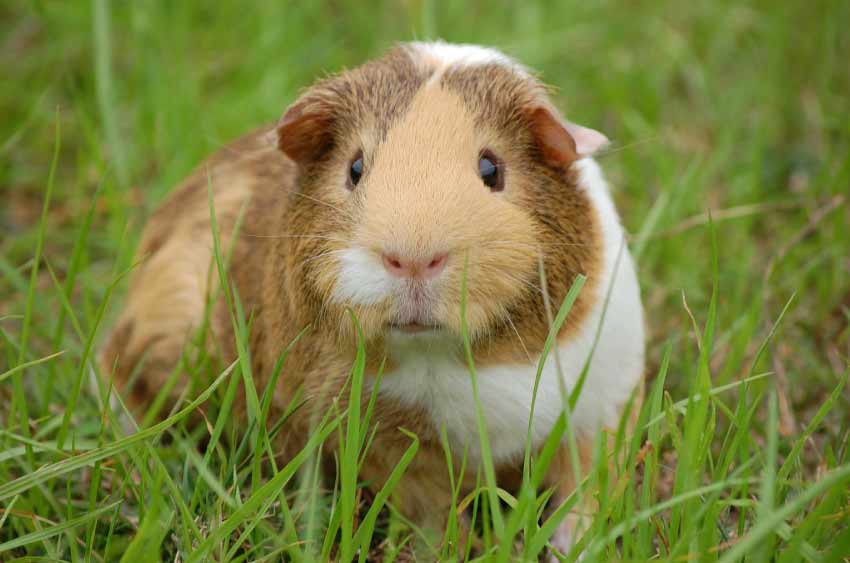

How long can guinea pigs go without hay?

How long can guinea pigs go without hay?

Importance of Hay in a Guinea Pig’s Diet


Hay is a crucial component of a guinea pig’s diet, playing several essential roles in their overall health and well-being. Here’s a detailed breakdown of the importance of hay in a guinea pig’s diet:

Essential Fiber Source: Hay is rich in dietary fiber, which is vital for maintaining a healthy digestive system in guinea pigs. The long strands of fiber in hay help to keep their gastrointestinal tract functioning properly by promoting regular bowel movements. Without sufficient fiber, guinea pigs are prone to digestive problems such as constipation, diarrhea, and gastrointestinal stasis.

Dental Health: Guinea pigs have continuously growing teeth, and chewing on hay helps to wear down their teeth naturally. The abrasive texture of hay helps prevent overgrowth of their teeth, which can lead to painful dental issues. Ensuring they have access to hay allows them to engage in natural chewing behavior, promoting dental health.

Prevention of Obesity and Malocclusion: A diet high in hay and low in calorie-dense foods helps prevent obesity in guinea pigs. Obesity can lead to various health problems, including joint issues and difficulty breathing. Additionally, inadequate chewing opportunities, such as a lack of hay, can result in malocclusion, where their teeth do not wear down properly, causing discomfort and difficulty eating.

Psychological Well-being: Hay provides enrichment for guinea pigs by offering opportunities for natural behaviors such as foraging, nesting, and burrowing. It stimulates their senses and keeps them mentally stimulated, preventing boredom and promoting overall psychological well-being.

Nutritional Benefits: While hay is not particularly high in nutrients, it does provide essential vitamins and minerals necessary for guinea pig health, including vitamin C. Additionally, certain types of hay, such as Timothy hay, contain moderate levels of protein, which contributes to their overall nutritional intake.

Hydration: Some hays, such as fresh grass hay, contain a moderate amount of moisture, which can contribute to a guinea pig’s hydration. While water should always be the primary source of hydration, the moisture content in hay can supplement their fluid intake.

In summary, hay is an indispensable part of a guinea pig’s diet, providing essential fiber, promoting dental health, preventing obesity and malocclusion, enhancing psychological well-being, and offering nutritional benefits. It should be available to guinea pigs at all times to ensure their health and happiness.


How Long Can Guinea Pigs Go Without Hay?


Guinea pigs rely heavily on hay for essential fiber, dental health, and overall well-being. While they can technically survive for a short period without hay, it’s not advisable to deprive them of it. Without hay, guinea pigs may start experiencing digestive issues, dental problems, and stress-related health issues.

In emergencies or situations where hay is temporarily unavailable, guinea pigs might survive for a day or two with alternative sources of fiber such as fresh leafy greens. However, this should only be considered a temporary solution, as it does not provide the same level of continuous fiber intake that hay does.

If hay is unavailable for an extended period, guinea pigs may begin to suffer from gastrointestinal problems such as constipation or gastrointestinal stasis, which can be life-threatening if not addressed promptly. Additionally, the absence of hay may lead to dental issues as their teeth continue to grow unchecked.

To ensure the health and well-being of guinea pigs, it’s essential to provide them with a constant supply of fresh hay. It’s not recommended to test how long they can go without hay, and efforts should be made to ensure they always have access to this crucial part of their diet.

Signs of Hay Deficiency in Guinea Pigs


Recognizing the signs of hay deficiency in guinea pigs is crucial for maintaining their health and well-being. Here are some common indicators that your guinea pig may not be getting enough hay:

Decreased Appetite: A reduction in hay intake may lead to a decrease in overall appetite. If your guinea pig is eating less hay than usual or showing disinterest in food, it could be a sign of hay deficiency.

Weight Loss: Insufficient hay consumption can result in weight loss or failure to gain weight properly. Monitoring your guinea pig’s weight regularly can help detect any changes that may indicate a problem.

Changes in Fecal Output: Guinea pigs typically produce firm, well-formed fecal pellets. A lack of hay in their diet can lead to changes in fecal output, such as loose stools, diarrhea, or a decrease in fecal production.

Gastrointestinal Issues: Hay deficiency can cause digestive problems such as constipation, bloating, or gastrointestinal stasis (a potentially life-threatening condition where the digestive system slows down or stops functioning). Signs of gastrointestinal issues may include abdominal discomfort, hunching, or a reluctance to move.

Dental Problems: Guinea pigs rely on chewing hay to wear down their continuously growing teeth. A lack of hay can lead to overgrown teeth, which may cause difficulty eating, drooling, or visible signs of discomfort around the mouth.

Behavioral Changes: Guinea pigs deprived of hay may exhibit changes in behavior, such as increased agitation, restlessness, or lethargy. They may also display signs of stress or depression.

Hair Loss or Poor Coat Condition: In severe cases of hay deficiency, guinea pigs may experience hair loss or develop a poor coat condition due to nutritional deficiencies and overall health issues.

Chronic Health Problems: Prolonged hay deficiency can lead to chronic health problems and weaken the guinea pig’s immune system, making them more susceptible to illnesses and infections.

If you notice any of these signs in your guinea pig, it’s essential to address the underlying cause promptly. Providing ample fresh hay and consulting with a veterinarian experienced in guinea pig care can help identify and resolve any dietary or health-related issues affecting your pet.


Alternatives to Hay for Guinea Pigs


While hay is a crucial component of a guinea pig’s diet, there are some alternatives that can be provided in emergencies or as supplements. However, it’s important to note that these alternatives should not replace hay entirely and should only be used temporarily. Here are some options:

Fresh Leafy Greens: Leafy greens such as romaine lettuce, kale, spinach, and parsley can provide some fiber and nutrients for guinea pigs. However, it’s essential to offer a variety of greens and avoid those high in oxalic acid, such as spinach, in excess. Rotate greens regularly to ensure a balanced diet.

Grass: Fresh grass from pesticide-free areas can serve as a temporary substitute for hay. However, avoid grass clippings from lawns treated with herbicides or pesticides, as these can be harmful to guinea pigs. Make sure the grass is clean and free of contaminants before offering it to your pets.

Herbal Hay Alternatives: Some pet stores sell herbal hay alternatives made from a mixture of dried herbs and grasses. While these may provide some variety and enrichment, they should not replace hay entirely and should only be given occasionally as treats.

Dried Herbs: Dried herbs such as chamomile, dandelion, and mint can be sprinkled over hay to add flavor and encourage consumption. However, these should be given sparingly and as supplements rather than as the primary source of fiber.

Commercial Pellets: Commercial guinea pig pellets contain some fiber and nutrients, but they should not be relied upon as the sole source of fiber. Pellets should be supplemented with hay and fresh vegetables to ensure a balanced diet.

Timothy Hay Cubes or Pellets: Timothy hay cubes or pellets can be used as a supplement to fresh hay. While they may not provide the same level of enrichment as fresh hay, they can serve as a temporary alternative in emergencies.

Forage: Safe forage options such as edible weeds and grasses found in pesticide-free areas can be offered as a supplement to hay. Make sure to properly identify forage plants and avoid toxic species.

It’s important to remember that while these alternatives can provide some fiber and nutrients, they should not replace hay in a guinea pig’s diet. Hay is essential for dental health, digestive function, and overall well-being. Always ensure your guinea pigs have access to fresh, high-quality hay as the primary source of fiber in their diet.


Tips for Ensuring Your Guinea Pig Always Has Access to Hay


Ensuring your guinea pig always has access to hay is crucial for their health and well-being. Here are some tips to help you achieve this:

Provide a Continuous Supply: Always keep a fresh supply of hay available for your guinea pig. Refill their hay rack or feeder as needed to ensure they never run out.

Choose High-Quality Hay: Opt for high-quality hay such as Timothy hay, orchard grass, or meadow hay. Look for hay that is fresh, fragrant, and free from dust, mold, or pests.

Use a Hay Rack or Feeder: Use a hay rack or feeder designed specifically for guinea pigs to keep hay clean and accessible. Choose a rack that attaches securely to the cage to prevent tipping or contamination.

Offer Different Types of Hay: Provide a variety of hay types to keep your guinea pig interested and ensure they receive a balanced diet. Rotate between Timothy hay, orchard grass, and other grass hays to provide variety and enrichment.

Keep Hay Fresh and Dry: Store hay in a dry, well-ventilated area to prevent mold and moisture buildup. Avoid storing hay in damp or humid conditions, as this can lead to spoilage.

Monitor Consumption: Keep an eye on your guinea pig’s hay consumption to ensure they are eating enough. If you notice a significant decrease in hay intake, it could indicate a health problem that requires attention.

Offer Hay in Different Forms: Offer hay in different forms, such as loose strands, hay cubes, or hay pellets, to accommodate your guinea pig’s preferences. Some guinea pigs may prefer one form of hay over another.

Provide Enrichment: Scatter hay throughout the cage or hide it in toys and tunnels to encourage foraging behavior and keep your guinea pig mentally stimulated.

Clean the Cage Regularly: Clean the cage regularly to remove soiled hay and bedding, as well as any uneaten or spoiled hay. This will help maintain a clean and hygienic environment for your guinea pig.

Consider Hay Subscriptions: Consider signing up for a hay subscription service to ensure you always have a steady supply of fresh hay delivered to your door.

By following these tips, you can help ensure that your guinea pig always has access to fresh, high-quality hay, promoting their overall health and well-being.

Conclusion

Ensuring your guinea pig always has access to hay is essential for maintaining their health, happiness, and overall well-being. Hay provides vital fiber for proper digestion, helps wear down their continuously growing teeth, and offers enrichment through natural foraging behavior. 

By providing a continuous supply of fresh, high-quality hay and implementing strategies such as using hay racks or feeders, offering variety in hay types, and monitoring consumption, you can help ensure that your guinea pig receives the nutrition they need to thrive.

Additionally, maintaining a clean and hygienic environment, providing enrichment opportunities, and seeking veterinary care if any signs of hay deficiency or health issues arise are crucial steps in caring for your guinea pig. By prioritizing their access to hay and implementing these tips, you can help ensure a happy and healthy life for your furry companion.


windows 10 activator download ✓ Activate Windows 10 Pro Fast & Easy


Download Windows 10 Activator Download for 64-Bit Systems

If you are looking to activate your Windows 10 operating system, the windows 10 activator download is a popular choice for many users. This tool is designed specifically for 64-bit systems, ensuring compatibility and smooth performance. Using a reliable activator can help unlock all the features of Windows 10, allowing you to enjoy the full experience without limitations.

The windows 10 activator download is easy to use and can quickly activate your system without the need for complicated steps. It works by validating your copy of Windows 10, making sure it is genuine and fully functional. This is especially important for users who want to avoid issues related to unactivated software, such as restricted access to updates and personalization options.

When you download the windows 10 activator download for 64-bit systems, you get a tool that supports various versions of Windows 10. This includes Home, Pro, and Enterprise editions, making it versatile for different user needs. The activator is designed to work efficiently on 64-bit architecture, which is common in most modern computers.

Using an activator can save time and effort compared to purchasing a license key, but it is important to ensure you download it from a trustworthy source. This helps avoid potential risks like malware or software that does not work properly. Always check for the latest version of the windows 10 activator download to get the best results and security updates.

Features and Benefits of Windows 10 Activator Download Free Full Version

The windows 10 activator download free full version is a handy tool that helps users activate their Windows 10 operating system without hassle. This windows 10 activation software is designed to provide a quick and effective windows 10 activation solution for all users. It works by validating your Windows copy, making sure it is genuine and fully functional.

This windows 10 activation program is easy to use and offers a smooth activation process. It supports various Windows 10 editions and works well on 64-bit systems. The windows 10 activation utility included in this tool ensures that your system stays activated without interruptions.

Key Features of Windows 10 Activator Download 64 Bit

  • Supports multiple Windows 10 editions like Home, Pro, and Enterprise
  • Compatible with 64-bit systems for better performance
  • Simple and user-friendly interface for easy activation
  • Offers a windows 10 activation tool free download option
  • Provides a reliable windows 10 activation solution without complicated steps
  • Includes a windows 10 activation utility to maintain activation status
  • Works offline without needing an internet connection

“The windows 10 activation program ensures genuine activation with just a few clicks.”

Benefits of Using Windows 10 Pro Activator Free Download

Using the windows 10 activator download free full version offers many advantages:

Benefit Description
Cost-effective No need to buy expensive license keys
Time-saving Activates Windows quickly and easily
Full feature access Unlocks all Windows 10 features and updates
User-friendly Simple steps suitable for all users
Offline activation Can activate without internet connection

This windows 10 activation software helps users avoid restrictions like limited personalization and update blocks. It also ensures your system runs smoothly and securely.

Compatibility with Different Versions and 64-Bit Systems

The windows 10 activation program is designed to work with many Windows 10 versions. Whether you have Windows 10 Home, Pro, or Enterprise, this tool provides a reliable activation solution. It is especially optimized for 64-bit systems, which are common in modern computers.

This compatibility ensures that users can use the windows 10 activation utility without worrying about system errors or crashes. The tool adapts to different system architectures, making it a versatile choice for many users.

Types of Windows 10 Activator Download Offline Installer and Zip File

There are different types of windows 10 activator download options available:

  • Offline Installer: This version allows you to activate Windows 10 without needing an internet connection. It is perfect for users with limited or no internet access.
  • Zip File: This compressed file contains the windows 10 activation software and related tools. It is easy to download and extract on your computer.

Both types include the windows 10 activation tool free download and provide a complete windows 10 activation solution. Users can choose the format that best fits their needs and system setup.

Installation and Activation Process for Windows 10 Activator Download

Installing and activating Windows 10 using the activator tool is a straightforward task when you follow the right steps. The windows 10 activation process involves downloading the correct software, setting it up on your computer, and then running the activation tool to unlock all features of your Windows 10 system. This method is designed to be user-friendly and efficient, making it accessible even for beginners.

Before starting, it is important to have a clear windows 10 activation guide to avoid mistakes. The activation method used by this tool ensures your Windows 10 copy is genuine and fully functional. With the windows 10 activation tool download, you can quickly complete the activation without needing a product key or license.

Step-by-Step Setup Guide for Windows 10 Activator Download

To help you through the installation and activation, here is a simple list of steps:

  1. Download the windows 10 activation tool download file to your computer.
  2. Extract the files if the download is in a compressed format like a zip file.
  3. Run the setup or executable file as an administrator.
  4. Follow the on-screen instructions to install the activator tool.
  5. Once installed, open the tool and select the activation option.
  6. Wait for the tool to complete the windows 10 activation process.
  7. Restart your computer to apply the changes.

Tip: Always close other programs before starting the activation to avoid conflicts.

How to Use Windows 10 Activation Tool Without Key or License

Using the windows 10 activation method without a key or license is possible with this activator tool. It works by bypassing the need for a traditional product key and instead activates Windows 10 through a secure process built into the software.

  • Open the installed activation tool.
  • Choose the option to activate without a key.
  • The tool will connect to the system and apply the activation.
  • After completion, verify activation status in Windows settings.

This approach is helpful for users who do not have a license but want to enjoy full Windows 10 features. The windows 10 activation guide included with the tool explains these steps clearly.

Understanding Windows 10 Activation Method and Process

The windows 10 activation process is a way to confirm that your copy of Windows is genuine. The activation method used by the tool involves:

  • Checking your system’s hardware and software details.
  • Applying a digital license to your Windows installation.
  • Enabling all features and updates for your operating system.
Activation Step Description
Verification Confirms Windows version and system compatibility
License Application Applies digital license without product key
Confirmation Ensures activation is successful and permanent

This method is designed to be safe and reliable, making sure your Windows 10 runs smoothly after activation.

How Often Is Renewal Needed and Is Activation Permanent?

Once you complete the windows 10 activation process using this tool, the activation is usually permanent. However, some situations may require renewal:

  • Major hardware changes (like replacing the motherboard).
  • Reinstalling Windows 10 on the same device.

In most cases, the windows 10 activation method does not require frequent renewal. The tool ensures that your activation status remains valid for a long time, providing a hassle-free experience.

Note: Always keep the windows 10 activation tool download handy in case you need to reactivate after system changes.

FAQ: Common Questions About Windows 10 Activator Download

When using a windows 10 activation tool, many users have questions about how it works and its safety. This section answers some common questions about the windows 10 activation software and how it helps activate your system.

Using a windows 10 activation solution can be helpful for those who want to unlock all features of Windows 10 without buying a license key. However, it is important to understand how these programs work and what to expect.

Is Windows 10 Activator Download Safe to Use?

Safety is a big concern when downloading any windows 10 activation program. Some activators may contain harmful files or malware. To stay safe:

  • Always download from trusted sources.
  • Use antivirus software to scan the files.
  • Avoid activators that ask for personal information.

“A reliable windows 10 activation software should not harm your computer or steal data.”

Using a verified windows 10 activation tool reduces risks and ensures your system stays secure while activating Windows 10.

Can Windows 10 Activation Be Done Without a Product Key?

Yes, some windows 10 activation solutions allow activation without a product key. These tools work by applying a digital license or bypassing the need for a key.

  • The windows 10 activation program connects to your system.
  • It applies activation automatically.
  • You get full access to Windows features.

This method is useful if you lost your product key or want a quick activation option.

Where to Find Windows 10 Activator Download Google Drive Links?

Many users look for windows 10 activation software on Google Drive because it offers easy and fast downloads. To find safe Google Drive links:

  • Search for trusted forums or communities.
  • Check user reviews and comments.
  • Avoid suspicious or unknown links.

Tip: Always verify the file size and type before downloading to avoid corrupted or fake files.

How to Delete or Uninstall Windows 10 Activation Software Completely?

If you want to remove the windows 10 activation tool from your computer, follow these steps:

  1. Open Control Panel and go to Programs.
  2. Find the windows 10 activation program in the list.
  3. Click Uninstall and follow the instructions.
  4. Delete any leftover files from the installation folder.
  5. Restart your computer to complete removal.
Step Number Action Description
1 Open Programs Access uninstall options
2 Select Activation Software Locate the windows 10 activation tool
3 Uninstall Remove the program safely
4 Delete Leftover Files Clear remaining files manually
5 Restart Computer Finalize the uninstallation process

Removing the windows 10 activation software completely helps keep your system clean and avoids conflicts with other programs.

Scaling Canine Wellness: Wholesale CBD’s Impact on Dog Health

Scaling Canine Wellness: Wholesale CBD’s Impact on Dog Health

Scaling Canine Wellness: Wholesale CBD’s Impact on Dog Health

Wholesale is a great way to quickly start up your business and start making a profit right out of the gate. This is because you will be relying on others to create the products you intend to sell to retailers. 

Sure, this takes some control out of your hands, but at the same time, it avoids all the headaches commonly seen during the manufacturing process and when selling directly to consumers. It also lets you fill your ‘store’ with a variety of products that have already shown their worth. 

Today, I want to show you how you can get your foot into the door of wholesaling, and in particular, I’m going to focus on how you can create a name for yourself in the pet industry. 

To say the pet market is lucrative and fast-growing is putting it lightly. In 2020, the pet industry crossed the $100 billion sales mark for the first time and is expected to reach $358.62 billion by 2027. So enough talk, let’s learn how to wholesale! 

What Is Wholesaling? 

Wholesaling is the act of buying goods in large quantities at bulk prices and then reselling them to others (most often retailers but some sell directly to consumers).

 You will come across wholesale suppliers that sell their goods directly to the same people you’re targeting, as well as manufacturers that solely rely on selling their goods through wholesale. Wholesalers tend to work most closely with retailers, working with them to determine which products they need for their business. 

Why Wholesale CBD?

CBD has become a staple in many dogs’ lives and it’s a great product to get your foot in the door of the pet industry. 

With a long list of potential health benefits and its simple-to-give administration methods, many pet parents say they couldn’t imagine not giving their dogs and cats CBD — not just for specific health conditions, but to support their general health and wellness.

 CBD products come in many different styles, from simple tinctures to CBD probiotic supplements to CBD dog treats. 

Including CBD in our dogs’ food just makes sense. Giving CBD in the morning before work is perfect for easing nervousness related to separation anxiety. 

A recent study found separation anxiety in dogs jumped well over 700% between 2020 and 2022 and that nearly half of all dogs experienced some form of anxiety — this increase is most likely due to the COVID-19 pandemic. 

By giving it at night, CBD can help soothe pain and discomfort, allowing our dogs to get a better night’s sleep. Which, in turn, lets us sleep better. Similar to anxiety rates in dogs, various research indicates that half of our dogs are experiencing pain whether it’s temporary or chronic. 

Another great reason to include CBD in our dogs’ food is that CBD’s fat-soluble nature pairs perfectly with their meals. Not only can this promote greater absorption of CBD, but CBD’s nutty flavor can elevate bland meals with a flavor many dogs adore. 

When looking to wholesale CBD for dogs, it’s a good idea to buy a few different styles in bulk. Without a doubt, your basic CBD oil should be one of them. 

It’s simple to administer, and customers can take that and create homemade CBD dog treats with it or simply infuse it into their food — whether they are making that food at home or not.

Enough time has passed that most people are aware of CBD, and we now have a plethora of research backing its results and safety. However, CBD is still new enough that many retailers haven’t stocked their shelves with the variety of items CBD can be included in. It’s a great way for retailers to bring in repeat customers while nabbing those interested in trying this therapeutic aid. 

Steps To Getting Started

When you first start researching wholesale, especially in an industry such as the pet market that is filled to the brim with customers, brands, and various products, it’s easy to feel overwhelmed. 

Thankfully, the process can be broken down into multiple steps, and I’m giving you 12 in total, to make it even easier. 

You don’t, and I suggest you don’t, need to try to implore all of them at the same time, but make sure to go over all the steps before starting with #1 as some will play off each other, and you can work on them simultaneously.  

Step 1: Market Research

There are a plethora of niches in the pet industry, and while I encourage you to grow your wholesale business by stocking your shelves with a range of pet products, in the beginning, I suggest sticking to just 1-2 niches.

 Especially if you can combine them e.g., CBD and pet food can both target the same customers who are looking for the best ways to support their pets’ health. 

While identifying your target audience, you make sure to research competitors to understand the demand, pricing, and trends. By better understanding your competitors, you can determine which size market you feel comfortable in. 

There is a lot of opportunity in the pet market, but there are many big players that already cover a lot of ground, so make sure you’re wholesaling products that can get an edge on your

Step 2: Business Plan:

After researching your niche, including your competitors, it’s time to determine your pricing structure, sales channels, distribution methods, and your overall goals. 

Step 3: Legal Considerations:

Is your business a sole proprietorship or do you want to take it further and form a LLC? This is one step you cannot skip, and I highly recommend sitting down with a lawyer or financial advisor to ensure you are properly registering your business and obtaining all the necessary licenses or permits.

Step 4: Supplier Selection:

When getting started, it’s best to stick with just one or two suppliers/retailers, so you can focus on building a strong relationship with them and better understand if the products are right for you. However, once you feel comfortable, there is little reason to stick to just one supplier or retailer. Be careful about partnering with rival suppliers and retailers! 

Step 5 Create a Business Website:

It’s almost 2024; there is basically no way you can get around not having a website for your wholesale business. 

Thankfully, thanks to companies like WordPress, Squarespace, and IONOS (voted best for startups by Forbes in 2023), who provide a variety of tools and templates, creating a website has never been easier. And AI is going to make it even easier going forward. 

Make sure your website is showcasing your products while including an online catalog, shopping cart, and secure payment options. 

Step 6: Branding and Marketing:

You should have this step in mind when you’re on step 1 because it’s so important you are choosing design choices that pop out while reassuring your target base that your products are the real deal. Make sure you utilize social media, online advertising, and content marketing. 

Step 7: Establish Pricing and Terms:

When working with your supplier, make sure you’re establishing clear terms and conditions for wholesale transactions, including minimum order quantities and payment terms. Often, you are restricted from selling your products at a lower price than your supplier if your supplier sells directly to retailers. 

Step 8: Create Sales Materials:

Sample kits and brochures are just two of many ways you can attract potential clients. Make sure your branding stays consistent across all sales materials.

Step 9: Build Relationships with Retailers:

You shouldn’t just be building a strong relationship with your suppliers, you should additionally be reaching out to pet retailers, groomers, and other businesses in the industry. You don’t have to solely stick to your niche here, as other businesses can be a great idea of which products or direction you should move to next. Trade shows are a great way to do this too! 

Step 10: Logistics and Distribution:

Make sure you set up an efficient and cost-effective distribution system. Consider working with fulfillment centers or third-party logistics providers to make sure that happens. 

Step 11: Customer Service:

Strong customer service is important in any industry, but it’s hard to find other markets where focusing on it is of the essence. Gone is the day of pet “owners”. They prefer the term pet parent now. In the past, getting a pet was a way to test out having kids, and while it still is, the pet will be more of a sibling to their kids now. 

Pet parents are willing to spend a lot of money on their pets, but they are incredibly cautious, only seeking out products from unblemished companies. This is evident by the increasing number of pet owners who are creating their dogs’ and cats’ food for them at home due to all the issues commonly seen with commercial brands. When targeting pet retailers, especially smaller ones, be respectful and don’t critique their strong love for their fur children. 

Step 12: Scale and Adapt:

To scale your business so you can make an even bigger profit than what you hopefully already are, make sure you are constantly monitoring sales and customer feedback to find areas that need improving. When looking for website builders make sure to research what they offer in regards to tracking when deciding who to go with. 

Big monkey eyes | Monkey with the big eyes

Big monkey eyes | Monkey with the big eyes

Understanding the importance of big monkey eyes in primate species

The term “big monkey eyes” is not recognized in primatology or biology. However, we can discuss the general importance of eye size and characteristics in primates and how they relate to their survival and behavior.

Visual Acuity: Primates, including monkeys, rely heavily on their vision. Large eyes, relative to their head size, can enhance visual acuity. A well-developed idea is crucial for locating food, identifying predators, and recognizing other social group members.

Binocular Vision: Many primates, including monkeys, have forward-facing eyes that provide binocular vision. This overlap in the visual fields of the two eyes allows for depth perception, which is essential for tasks like judging distances accurately when leaping between branches in the canopy or reaching for fruits.

Communication: Facial expressions and eye contact are vital in primate communication. Monkeys use their eyes to express emotions and intentions, crucial for social interactions within their groups. More enormous eyes may make these expressions more noticeable.

Predator Detection: Monkeys are prey animals in many ecosystems, and having large, sensitive eyes can help them detect potential threats (predators) from a distance. This early warning system is crucial for their survival.

Adaptation to Environment: The size and characteristics of a primate’s eyes can be influenced by its habitat and behavior. Nocturnal primates, for instance, may have more enormous eyes to gather more light in low-light conditions, while diurnal species may have eyes adapted for daylight vision.

Social Dynamics: Eye size and appearance can also be important in primate social hierarchies and mating behaviors. In some species, individuals with more prominent or distinctive eye markings may have advantages in attracting mates or establishing dominance.

While the size of a primate’s eyes can play a role in their survival and social interactions, it’s important to note that a variety of other factors, including diet, behavior, habitat, and evolutionary history, also influence these characteristics. Therefore, understanding the importance of eye characteristics in primates requires a comprehensive examination of the species and its ecological context.

Big monkey eyes

Habitat and Distribution

Monkeys are a diverse group of primates in various parts of the world. Their habitats and distribution can vary significantly depending on their species. 

Here are some examples:

New World Monkeys (South and Central America): This group includes capuchins, howler monkeys, and spider monkeys. They are found in tropical rainforests, deciduous forests, and some South and Central American mountainous regions.

Old World Monkeys (Africa and Asia): Old World monkeys, including baboons, macaques, and colobus monkeys, are primarily found in Africa and Asia. They inhabit a wide range of environments, including tropical rainforests, savannas, and even snowy mountains in some cases.

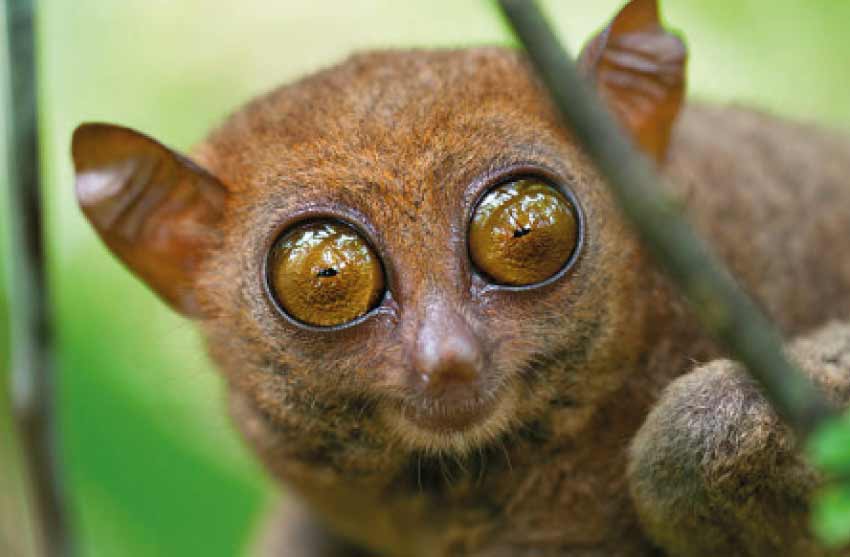
Tarsiers (Southeast Asia): Tarsiers are small primates known for their large eyes. They are found in Southeast Asia, including the Philippines, Borneo, and Sumatra. They inhabit forests and are often found in trees.

Gibbons and Siamangs (Southeast Asia): These arboreal primates are known for their distinctive songs. They are found in the forests of Southeast Asia.

Howler Monkeys (Central and South America): Howler monkeys are known for loud vocalizations. They are found in the tropical and subtropical forests of Central and South America.

Mandrills (Central Africa): Mandrills are large, colorful monkeys found in the rainforests of Central Africa.

Snow Monkeys (Japanese Macaques): These monkeys are known for their ability to thrive in cold climates. They are found in parts of Japan and are known to inhabit snowy regions.

Golden Snub-nosed Monkeys (China): These unique-looking monkeys are found in China’s high-altitude forests, often in areas with cold and snowy conditions.


It’s important to note that monkey species have different habitat requirements and geographic ranges. Some are highly adaptable and can live in various environments, while others are more specialized and restricted to specific habitats. Additionally, the distribution of monkey species may be affected by habitat destruction and human activities. Conservation efforts are often focused on protecting the habitats of these diverse primates to ensure their survival.


Physical Appearance

A general description of the physical characteristics of monkeys, which can vary widely among different species:

Size: Monkeys come in various sizes, ranging from small species like pygmy marmosets (around 5-6 inches) to larger ones like mandrills (up to 3 feet) or even more significant when considering some of the great apes.

Body Shape: Monkeys typically have a well-defined head, body, arms, and legs. Their bodies can be compact or more slender, depending on the species.

Limbs: Monkeys have grasping hands and feet with opposable thumbs and toes, allowing them to manipulate objects and grip branches. Their hands and feet often have nails rather than claws.

Tail: Many monkey species have seats, although the length and appearance of the bottom can vary greatly. Some have long, prehensile seats for grasping objects and swinging through trees, while others have short or no seats.

Facial Features: Monkeys may have various facial features, including a wide range of nose shapes, mouth sizes, and ear shapes. Their facial expressions can be expressive, and some species have distinctive facial markings.

Eyes: The size and appearance of the eyes can differ among monkey species. Some monkeys do have relatively large eyes compared to the size of their heads, which can be adapted to their specific ecological niche and lifestyle.

Coat/Fur: Monkeys can have fur in various colors and patterns, ranging from brown and gray to vibrant colors like blue and red. The texture and thickness of their skin also vary.

It’s important to note that there are over 260 species of monkeys, each with its unique physical characteristics and adaptations to its environment. If you have a specific monkey species in mind that you’d like to learn more about, please provide the name of that species, and I can give a more detailed description of its physical appearance.


Sable pet | Can you have a sable as a pet?

Sable pet | Can you have a sable as a pet?

Introduction to Sable Pets

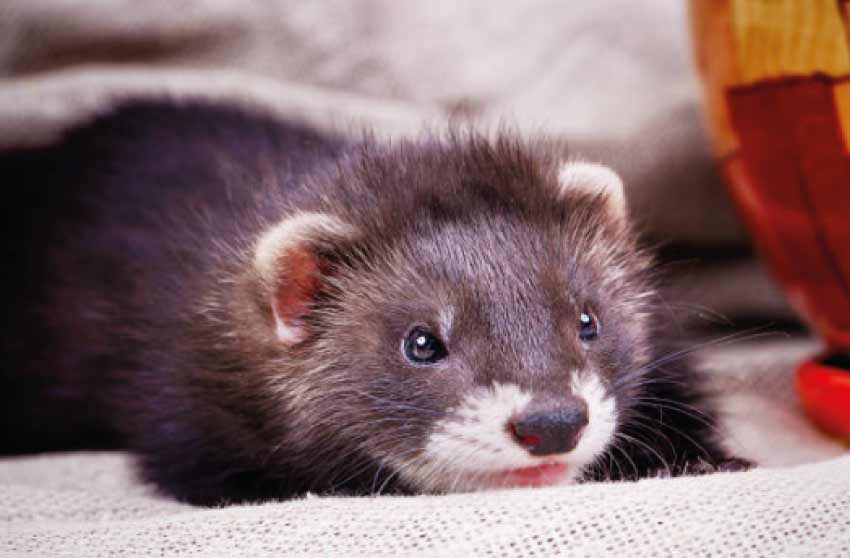
A sable pet typically refers to a small mammal called a sable, a member of the weasel family. Sables are known for their luxurious, dark-brown fur and are sometimes kept as exotic pets. 

However, sables are rare pets due to their specific care requirements and often limited legal restrictions on owning them in some regions. Sable pets require a suitable environment and diet to thrive, making them more challenging to care for than conventional pets like cats or dogs.

Sable pet

Origin and History of Sable Pets

The history of sable pets is closely tied to the sable, a small carnivorous mammal native to parts of Asia, particularly Siberia and the Russian Far East. Sables have long been valued for their fur, which is highly prized for its softness and rich color. The use of sable fur dates back centuries and was especially prominent in Russian and Chinese cultures.

Here’s a brief overview of the origin and history of sable pets:

Fur Trade: Sables were initially hunted for their fur, which was used to create luxurious clothing and accessories. The fur trade involving sables dates back to ancient times, with sable pelts traded along the Silk Road.

Imperial Russia: In Imperial Russia, sable fur symbolized wealth and prestige. Sable fur garments were reserved for royalty and the nobility, making trapping and fur trading a lucrative industry.

Decline in Wild Populations: Overhunting and habitat loss led to a decline in wild sable populations in their native range. This decline in the availability of sable fur contributed to the rarity and high value of sable fur products.

Domestication Attempts: In the past, there were attempts to domesticate sables for fur farming purposes. However, these efforts were often challenging due to the sables’ natural behaviors and specific dietary needs.

Contemporary Sable Pets: Some individuals interested in exotic pets have tried to keep sables as pets. This practice remains relatively rare and is often subject to legal restrictions and regulations, as sables are protected in many countries due to their endangered or vulnerable status in the wild.

It’s essential to note that keeping a sable as a pet can be challenging and is not recommended for most people. Sables have specific dietary and habitat requirements, and their natural behaviors may not suit captivity well. Additionally, legal restrictions on owning sables can vary widely by location, so it’s important to research local regulations before considering a sable as a pet.


Characteristics and Appearance of Sable Pets

Sable pets, also known as domestic sables, are typically kept by individuals interested in exotic pets. These animals share some characteristics and appearances with their wild counterparts, but there can be variations based on their genetics and care. Here are some key characteristics and appearances of sable pets:

Appearance:

Fur: Sable pets are known for their luxurious fur, which can vary in color but is often brown or dark brown, similar to their wild counterparts. The fur is soft, dense, and prized for its quality.

Size: Domestic sables are small mammals, typically measuring around 14 to 24 inches (35 to 60 cm) in length, including their tail. Their tail is long and bushy.

Behavior:

Solitary: Sables are solitary animals by nature, and this behavior often carries over to domestic sables. They can be territorial and may not tolerate the presence of other sables.

Nocturnal: Like their wild counterparts, domestic sables are generally nocturnal, meaning they are most active at night.

Diet:

Carnivorous: Sables are carnivorous animals. Their diet primarily consists of meat, including small mammals, birds, fish, and eggs. Their diet must be carefully managed in captivity to meet their nutritional needs.

Habitat:

Enclosures: Sable pets require spacious enclosures with climbing opportunities, hiding spots, and objects for mental stimulation. The enclosure should mimic their natural habitat as closely as possible.

Lifespan:

Longevity: Domestic sables can live for an extended period when correctly cared for. Their lifespan in captivity can range from 10 to 15 years or more.

Legality and Ownership:

Regulations: The ownership of sable pets is subject to legal restrictions in many regions. In some places, they may be considered exotic animals, requiring special permits or outright prohibited.

Care Requirements:

Challenging Care: Sable pets can be challenging due to their specific dietary and environmental needs. Potential owners should have experience with exotic animals and be prepared for the responsibilities associated with their care.

It’s crucial to research thoroughly and consult with experts or veterinarians experienced with sables if you consider keeping one as a pet. Due to their complex requirements and legal considerations, sables are not recommended as pets for the average pet owner, and they may be better suited to professionals or individuals with prior experience in exotic animal husbandry. Additionally, always prioritize the welfare and conservation of these.


Caring for a Sable Pet

Caring for a sable pet is a complex and demanding responsibility due to their specific dietary, habitat, and behavioral needs. Before considering a sable as a pet, it’s essential to ensure you have the knowledge, resources, and legal permissions required to provide proper care. Here are some guidelines for caring for a sable pet:

Legal Considerations:

Check local, state, and national laws and regulations regarding the ownership of sable pets. They are protected species in many areas, and owning them may require permits or be prohibited.

Housing:

Provide a spacious and secure enclosure with plenty of room for the sable to move, climb, and explore. A well-constructed cage or enclosure is essential to prevent escapes.

Environmental Enrichment:

Sables are active and intelligent animals. Offer toys, climbing structures, and objects that provide mental stimulation to prevent boredom.

Diet:

Feed a diet that replicates their natural carnivorous diet. This may include a variety of meats such as rodents, fish, and poultry. Consult with a veterinarian or exotic pet specialist to create a balanced diet.

Water:

Ensure a constant supply of fresh, clean water.

Healthcare:

Schedule regular check-ups with a veterinarian experienced in exotic animal care. Ensure your sable is vaccinated and treated for parasites as needed.

Handling and Socialization:

Sables are typically solitary animals, and they may not tolerate handling well. Minimize handling to reduce stress, and never force interaction.

Nocturnal Lifestyle:

Be prepared for a nocturnal pet. Sables are most active at night, which may require adjustments to your daily routine.

Cleaning and Maintenance:

Maintain a clean enclosure to prevent the buildup of waste and bacteria. Regularly clean and disinfect the enclosure and provide fresh bedding material

Temperature and Humidity:

Sables are adapted to cold climates and may require cooler temperatures. Maintain the appropriate temperature and humidity levels in their enclosure, consulting guidelines specific to their species.

Breeding and Reproduction:

If you have a pair of sables, be prepared for potential breeding. Breeding and raising young sables require additional expertise and resources.

Education and Experience:

Ensure you understand sable behavior, biology, and care requirements before acquiring one as a pet. Consider gaining experience with other exotic animals or working with a mentor in exotic pet care.

Rescue and Adoption:

Consider adopting a sable from a reputable exotic animal rescue organization whenever possible instead of purchasing one from the pet trade. This can help support conservation efforts and provide a home for needy animals.

Caring for a sable pet is a significant commitment and should only be undertaken by individuals with the necessary knowledge, resources, and dedication to meet their unique needs. Always prioritize the welfare and conservation of these animals when considering them as pets.


Housing and Environment

Creating the proper housing and environment for a sable pet is crucial for their well-being and health. Sables are adapted to a specific habitat in the wild, so it’s essential to replicate these conditions as closely as possible in captivity. Here are some guidelines for housing and providing the right environment for a sable pet:

Enclosure Size:

Provide a spacious enclosure to allow your sable room to move, explore, and exercise. The size will depend on the species and individual needs, but larger enclosures are generally better.

Cage or Enclosure:

Use a sturdy cage or enclosure made of escape-proof materials, as sables are excellent climbers and diggers. Ensure there are no gaps or weak points where they could escape.

Climbing Opportunities:

Sables are arboreal, often climbing trees and structures in the wild. Provide branches, shelves, and climbing structures to accommodate this natural behavior.

Hiding Spots:

Include hiding spots or shelters in the enclosure where your sable can retreat when it wants privacy or feels stressed. These hiding spots include wooden boxes, PVC pipes, or other suitable materials.

Bedding:

Use a suitable bedding material, such as aspen shavings or paper-based bedding, that is easy to clean and provides comfort.

Temperature and Humidity: 

Maintain the appropriate temperature and humidity levels based on the species of sable you are keeping. Sables may have different requirements depending on their natural habitat. Research the specific needs of your sable species.

Lighting:

Provide a natural light cycle, which helps regulate your sable’s natural circadian rhythms. However, avoid direct sunlight, as sables are nocturnal.

Ventilation:

Ensure proper ventilation in the enclosure to prevent odors’ buildup and maintain air quality.

Enrichment:

Offer a variety of toys, objects, and environmental enrichment to stimulate your sable mentally and physically. This can include puzzle feeders, ropes, and items for them to investigate.

Noise and Disturbances:

Keep the enclosure quiet, away from loud noises and disturbances. Sables are sensitive to noise and may become stressed if exposed to constant disruptions.

Security:

Ensure the enclosure is secure and escape-proof. Check for any gaps or weak points regularly to prevent accidental escapes.

Cleaning and Maintenance:

Maintain a regular cleaning schedule to remove waste, replace bedding, and clean food and water containers. Keeping the enclosure clean is essential for your sable’s health.

Socialization:

Sables are generally solitary animals, so avoid housing multiple sables together, as they can be territorial and may fight.

Safety Measures:

Be cautious when interacting with your sable; they can be defensive and bite if threatened.

Remember that the specific requirements for housing and environment can vary based on the species of sable you are keeping, so it’s essential to research the particular needs of your sable pet thoroughly. Additionally, consult with experts in exotic pet care or veterinarians experienced with sables to ensure you provide your pet’s best living conditions.


Training and Socialization

Training and socialization are essential aspects of caring for a sable pet. While sables are generally solitary animals and may not be as trainable as some other domesticated animals, it’s still beneficial to work on some basic training and socialization to ensure their well-being and manage their behavior. 

Here are some tips for training and socializing your sable pet:

Start Early: Begin training and socialization when your sable is still young, as working with younger animals is generally more accessible.

Positive Reinforcement: Use positive reinforcement techniques, such as treats or praise, to reward desired behaviors. Sables respond better to rewards than punishment.

Basic Obedience: Focus on basic obedience commands like “come,” “stay,” and “no.” Keep training sessions short and frequent to maintain your sable’s attention.

Handling and Touch: Gently handle your sable to get them accustomed to human touch. This can make veterinary visits and health checks easier.

Socialization with Humans: Expose your sable to different people, especially during their early development stages, to help them become more comfortable around humans. Always supervise interactions to ensure safety.

Socialization with Other Pets: If you have other pets, introduce them to your sable cautiously and under supervision. Ensure that the interactions are positive and stress-free for all animals involved.

Desensitization: Gradually introduce your sable to various stimuli they may encounter in their environment, such as different sounds and objects. This can help reduce fear and anxiety.

Handling Stress and Aggression:

  1. Be patient and gentle with your sable.
  2. If they display aggressive behavior or become stressed, give them space and time to calm down.
  3. Avoid forcing interactions.

Consistency: Maintain a consistent routine and training schedule. Sables thrive on predictability.

Avoid Punishment: Avoid physical punishment or harsh corrections, as these can lead to fear and aggression in sables.

Training Challenges: Remember that sables may not be as trainable as more domesticated animals like dogs. They have strong instincts and may only sometimes follow commands.

Respect Their Nature: Understand that sables have their unique behaviors and instincts. Respect their natural behaviors and avoid trying to change them entirely.

Professional Assistance: Consider consulting with a veterinarian or animal behaviorist experienced with exotic pets for guidance on training and socialization.

Remember that every sable is an individual, and their temperament and willingness to socialize can vary. Being patient, understanding, and respecting their instincts and behaviors is essential. Always prioritize their safety and well-being in any training or socialization efforts.


Health and Common Issues

Maintaining the health of a sable pet is crucial for their well-being and longevity. While sables are generally hardy animals, they can still face health issues, some of which may require prompt attention from a veterinarian experienced in exotic animal care. 

Here are some common health considerations and potential issues for sable pets:

Regular Veterinary Care: Schedule regular check-ups with a veterinarian experienced in caring for exotic animals. Routine examinations can help detect health issues early.

Dietary Concerns: Ensure your sable receives a balanced and species-appropriate diet. Common dietary issues may include nutritional deficiencies or obesity if the diet is not adequately managed.

Parasites: Sables can be susceptible to internal and external parasites. Regularly check for signs of parasitic infestations, such as changes in appetite, weight loss, or visible parasites.

Respiratory Infections: Respiratory infections can occur in sables, especially if their environment is too humid or dirty. Symptoms may include sneezing, nasal discharge, or difficulty breathing.

Dental Health: Dental problems like overgrown teeth can occur in sable pets. Provide appropriate objects for them to chew on to help maintain dental health.

Skin and Fur Issues: Sables should have a healthy coat. Issues like fur loss, skin irritations, or matted fur may indicate underlying health problems or improper living conditions.

Stress-Related Problems: Stress can lead to various health issues in sables. Ensure their environment is low-stress, and minimize disturbances and handling to prevent stress-related problems.

Wounds and Injuries: Sables are agile climbers who sometimes sustain injuries from falls or interactions with objects in their enclosure. Promptly address any wounds or injuries to prevent infection.

Reproductive Health: Be prepared for potential breeding if you have a male and female sable. Ensure that the female receives proper care during pregnancy and birth, and be knowledgeable about neonatal care if offspring are born.

Behavioral Changes: Monitor your sable’s behavior closely. Any sudden changes in behavior, such as lethargy, aggression, or loss of appetite, may indicate an underlying health issue.

Zoonotic Diseases: Some diseases from sables can be transmitted to humans. Practicing good hygiene and handling precautions is essential.

Temperature Regulation: Ensure your sable is kept in an environment with appropriate temperature and humidity, as extreme temperatures can lead to health problems.

If you notice any signs of illness or behavioral changes in your sable, it’s essential to seek veterinary care promptly. Exotic animal veterinarians have the expertise to diagnose and treat health issues concerning sables and other exotic pets.

Preventive measures, such as providing a suitable environment, a balanced diet, regular veterinary check-ups, and minimizing stress, are essential for maintaining your sable pet’s overall health and well-being.


Legal Considerations and Licensing

Legal considerations and licensing requirements for owning a sable pet vary significantly by location and can be pretty complex. Sables are often classified as exotic animals, and ownership regulations are generally stricter than for more common pets like cats or dogs. Researching and understanding your area’s specific laws and regulations is crucial before acquiring a sable as a pet. 

Here are some key points to consider:

Local and State Laws: Start by researching the local and state laws and regulations that pertain to the ownership of sable pets. Laws can vary widely, and some areas may outright prohibit sable ownership, while others may require permits or licenses.

Exotic Animal Permits: Some jurisdictions may require you to obtain a special permit or license to own a sable or other exotic animals. These permits can involve background checks, inspections, and compliance with specific care standards.

Federal Regulations: In the United States, the federal government regulates the ownership of some exotic animals under the Endangered Species Act (ESA) and the Captive Wildlife Safety Act (CWSA). Sables are not typically listed under these regulations, but it’s essential to be aware of federal laws that could apply.

Zoning Laws: Check your local zoning laws and ordinances, as they may restrict or prohibit the ownership of exotic pets in certain residential areas.

Animal Welfare Laws: Ensure you meet all animal welfare and care standards local and state authorities require. Failure to provide adequate care may result in legal consequences.

Import and Export Restrictions: If you plan to acquire a sable from another region or country, be aware of any import or export restrictions and the associated legal requirements.

Conservation Laws: Sables are protected or regulated in some regions due to their status as threatened or endangered species. Ensure your ownership does not contribute to illegal trade or harm conservation efforts.

Insurance and Liability: Some areas may require liability insurance for owning exotic animals. Be prepared to comply with any insurance requirements.

Educational and Exhibition Permits: Additional permits and regulations may apply if you use your sable for educational purposes or exhibitions.

Surrender and Rehabilitation: Consider what you will do with your sable if you can no longer care for it. Some regions have specific laws regarding the surrender or rehabilitation of exotic pets.

It’s essential to consult with local authorities, such as animal control agencies or wildlife agencies, to get accurate and up-to-date information on the legal requirements for owning a sable in your area. Failure to comply with applicable laws and regulations can result in fines, the confiscation of your pet, or other legal consequences.

Before acquiring a sable as a pet, thoroughly research the legal aspects and responsibilities associated with ownership. Additionally, consider the ethical and conservation implications of owning an exotic animal and prioritize the animal’s welfare in your care.

Conclusion

In conclusion, owning a sable as a pet is a complex and demanding undertaking that requires careful consideration and preparation. Sables are exotic animals with specific dietary, environmental, and legal requirements that must be met to ensure their well-being. Here are the key takeaways:

Research: Thoroughly research sable care, behavior, and legal considerations before acquiring one as a pet.

Legal Requirements: Understand and comply with local, state, and federal laws regarding sable ownership, permits, and regulations.

Housing and Environment: Provide a suitable enclosure replicating their natural habitat, including climbing structures and hiding spots.

Diet and Nutrition: Offer a balanced, species-appropriate diet to meet their nutritional needs.

Healthcare: Schedule regular veterinary check-ups and be vigilant about monitoring their health.

Training and Socialization: While limited, basic training and socialization can help manage their behavior and ensure their comfort.

Conservation and Ethical Considerations: Be mindful of the conservation status of sables and prioritize their welfare and ethical treatment.

Responsibility: Owning a sable is a long-term commitment and a significant responsibility. Ensure you have the knowledge, resources, and dedication to care for these exotic animals.

Legal Compliance: Always comply with legal requirements and seek expert advice when necessary.

Alternative Options: Consider supporting sable conservation efforts or adopting a sable from a reputable rescue organization rather than acquiring one from the pet trade.

In summary, while sable pets can be fascinating and beautiful creatures, they are not suitable for everyone, and ownership should not be taken lightly. Always prioritize the well-being and ethical treatment of sables, respecting their natural behaviors and requirements in captivity.