
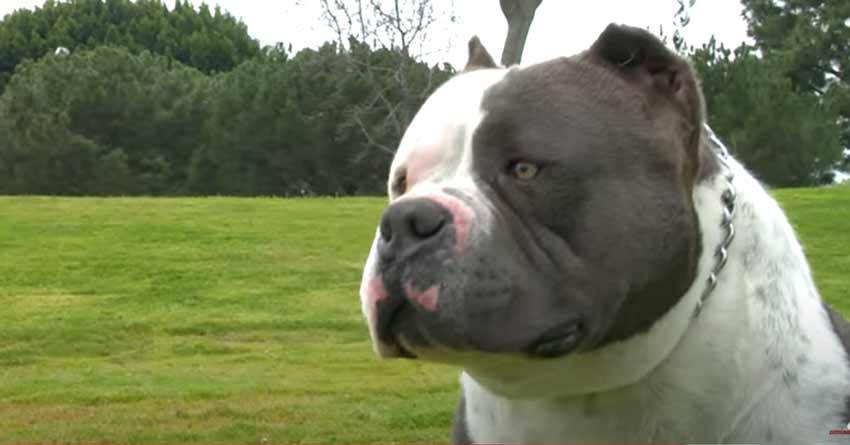
Quick Answer: “Gotti Pitbull” refers to the Gottiline, a specific American Bully bloodline founded through a dog named The Notorious Juan Gotty in the late 1990s – not a separately recognized breed. Puppies from documented Gottiline breeders typically run $2,500 to $8,000+ depending on variety (Pocket, Standard, or XL), pedigree documentation, and breeder reputation. The American Bully itself is a companion and show breed recognized by the ABKC (2004) and UKC (2013); reputable modern breeders have no connection to dogfighting, despite that history existing further back in the breed’s bull-and-terrier ancestry.
Key Takeaways
- “Gotti” is a bloodline within the American Bully breed, founded by a dog called The Notorious Juan Gotty, not a distinct breed of its own.
- Juan Gotty was bred by Tony Moore of Grey Line Kennels and later purchased by Richard Barajas in 1997, who built the Gottiline by breeding Gotty to unrelated dams.
- Expect to pay roughly $2,500-$8,000+ depending on variety and documentation; well-papered Gottiline pups with strong pedigrees sit at the higher end.
- The American Bully is recognized by the ABKC (2004) and UKC (2013), with UKC recognizing Pocket, Standard/Classic, and XL varieties.
- Modern, reputable American Bully and Gottiline breeding is for companionship and conformation showing – not fighting, which is illegal and has no place in responsible breeding today.
Why Trust This Guide?
This guide draws on published American Bully breed history from the UKC and ABKC, documented accounts of the Gottiline’s founding published by breeders and bully-breed publications, and current 2026 pricing data from breeder listings. Where the bloodline’s history involves specific people, dogs, and dates, we’ve cross-checked against multiple independent sources.
In this article: What “Gotti” actually means · Where the Gottiline came from · American Bully breed recognition and varieties · What drives the price · Health considerations · Finding a responsible breeder · Common misconceptions · FAQ
What “Gotti Pitbull” Actually Means
“Gotti Pitbull” is not an officially recognized dog breed – it’s shorthand for the Gottiline, a specific, well-documented bloodline within the American Bully breed. The confusion is understandable: American Bullies descend partly from the American Pit Bull Terrier, and older bloodline names like “Gotti” get colloquially shortened to “Pitbull” even though a modern Gottiline American Bully and an American Pit Bull Terrier are bred to different standards today.
Dogs from the Gottiline are typically recognizable by a blocky, heavy head, a wide chest, and a compact, heavily muscled build – traits that made the foundational dog behind the line, The Notorious Juan Gotty, influential enough that his name still carries weight in American Bully circles nearly three decades later.
Where the Gottiline Actually Came From
The Gottiline traces to a single dog: The Notorious Juan Gotty, bred by Tony Moore of Grey Line Kennels in Los Angeles. Gotty was a purebred product of the Grey Line breeding program – accounts describe him as “100% Greyline.” In 1997, breeder Richard Barajas of West Side Kennels purchased Juan Gotty for $1,300. Barajas then built what became the Gottiline by breeding Gotty to a range of unrelated dams and line-breeding the resulting offspring to lock in the traits – the blocky head, heavy bone, and compact muscle – that came to define the bloodline.
Juan Gotty proved an extraordinarily influential sire, reportedly siring several hundred puppies over his lifetime, and his descendants became foundational to multiple other respected bloodlines within the American Bully world, not just the Gottiline itself. A related “Pocket Gotti” line also developed from this same foundation, contributing to the smaller Pocket variety that’s now part of the UKC’s official American Bully standard.
It’s worth being direct about one thing: the Gottiline’s history is a story about selective breeding for a specific look and temperament, not about dogfighting. Like most bully-type breeds, the deeper ancestry of the American Bully runs back through the American Pit Bull Terrier to 19th-century bull-baiting and pit-fighting dogs – a genuinely dark chapter in dog breeding history that is illegal and universally condemned today. But the Gottiline itself, and the modern American Bully breed it helped shape, were developed for companionship, conformation showing, and temperament – not fighting. Any breeder who frames dogfighting as part of a dog’s appeal, past or present, is not a breeder worth supporting.
American Bully Breed Recognition and Varieties
The American Bully originated in the United States in the 1980s and 1990s, developed by combining the physical build of the American Pit Bull Terrier with the calmer temperament associated with Bulldog breeds. The American Bully Kennel Club (ABKC) recognized the breed in 2004, and the United Kennel Club (UKC) followed in 2013. The UKC standard recognizes several size varieties – Pocket, Standard (sometimes called Classic), and XL – based on height at the withers, with an updated breed standard clarifying these varieties effective January 2024. Note that the American Kennel Club (AKC) does not recognize the American Bully as a breed.
| Variety | Typical height | Typical build |
|---|---|---|
| Under 17in (males), under 16in (females) | Compact, heavily muscled for its size | |
| Standard/Classic | 17-20in (males), 16-19in (females) | The original, most common American Bully build |
| XL | Over 20in (males), over 19in (females) | Largest variety; substantial bone and muscle |
Gotti vs. Other Famous American Bully Bloodlines
The Gottiline is one of several influential foundation bloodlines within the American Bully breed, and buyers often see these names used interchangeably even though they represent genuinely different breeding programs with different emphases.
| Bloodline | Founding influence | Known for |
|---|---|---|
| Gottiline | The Notorious Juan Gotty (Richard Barajas, 1997) | Blocky head, heavy bone, compact muscle |
| Razor’s Edge | Developed by David Wilson starting in the 1990s | Extreme mass and bulk, heavier overall build |
| Greyline | Tony Moore’s foundational breeding program | The base stock behind several later bloodlines, including Gotti |
In practice, many modern American Bully pedigrees carry influence from multiple foundational bloodlines rather than being “pure” to just one, since breeders have spent decades cross-breeding these lines to refine specific traits. A puppy advertised as “Gotti” today is more accurately described as carrying significant Gottiline influence in its pedigree rather than being a direct, unmixed descendant of Juan Gotty himself, given how many generations separate most current dogs from that original sire.
Temperament and Training
Well-bred American Bullies, including Gottiline-influenced dogs, are typically described as confident, people-oriented, and eager to please – traits deliberately selected for since the breed’s founding purpose was companionship rather than work or sport. Early, consistent socialization still matters enormously for a breed this physically powerful; a poorly socialized dog of any large, strong breed can become difficult to manage, while a well-socialized one is typically described as gentle and affectionate with its family, including children.
Training should begin in puppyhood and continue through the breed’s extended adolescence. Positive-reinforcement methods work well with this breed’s people-pleasing temperament, and structured exercise – walks, play sessions, and activities like weight-pulling or basic obedience work – helps channel the breed’s substantial physical energy productively. Given the breed’s size and strength as an adult, investing in solid leash manners and recall early on makes daily life significantly easier.
What Actually Drives the Price
Gotti Pitbull (Gottiline American Bully) pricing varies enormously based on documentation, variety, and bloodline prestige.
| Source | Typical price | Notes |
|---|---|---|
| Backyard or unpapered breeder | $800-$2,500 | Little to no health testing or documented pedigree; buy with real caution |
| Reputable breeder, Standard/Classic | $2,500-$6,000 | Health-tested parents, registered pedigree |
| Reputable breeder, Pocket variety | $3,500-$10,000+ | Smaller size and strong Gottiline documentation command a premium |
| Reputable breeder, XL variety | $2,500-$8,000+ | Price scales with size, bone, and documented lineage strength |
| Adoption/rescue | $100-$400 | American Bully-type dogs are common in shelters; adoption fee only |
Beyond the purchase price, budget for the breed’s above-average food costs given its size and muscle mass, routine veterinary care, and the joint and skin screening discussed below. Total first-year costs for a large, muscular breed commonly run $3,000-$4,500 once food, vaccinations, spay/neuter, and basic supplies are included.
Health Considerations
American Bullies, including Gottiline dogs, are prone to a handful of breed-related health concerns worth screening for before buying.
| Health concern | What it is | What to ask breeders |
|---|---|---|
| Hip and elbow dysplasia | Joint malformation common in heavily muscled, large-boned breeds | OFA or PennHIP clearances on both parents |
| Skin allergies and fold dermatitis | Common in bully-type breeds, especially around facial folds | Any known family history of skin issues |
| Brachycephalic-adjacent breathing issues | Shorter muzzles in some lines can affect airflow, especially in heat | Ask to see the parents breathe after light exercise |
| Cardiac issues | Screened for in responsible breeding programs | Cardiac clearance or vet cardiac exam records |
Average lifespan for the American Bully is around 10-13 years with good care, weight management, and regular veterinary checkups. Because the breed carries significant muscle mass, keeping a healthy weight matters more than usual for joint longevity.
Finding a Responsible Breeder
A responsible Gottiline or American Bully breeder can produce documented pedigree paperwork tracing the dog’s lineage, provide hip, elbow, and cardiac clearances on both parents, let you meet at least the mother, and speak honestly about the bloodline’s real history rather than leaning on dogfighting mystique to make a puppy sound tougher or more desirable. Be skeptical of sellers who emphasize “gameness,” fighting-adjacent language, or unverifiable bloodline claims without paperwork – these are red flags for both ethics and likely health-testing shortcuts. Reputable breeders should also be transparent about which UKC or ABKC variety (Pocket, Standard, XL) a puppy is expected to mature into, since size varies meaningfully within a single litter.
Questions to Ask Before You Buy
Before committing to a Gottiline or American Bully puppy, it’s worth going through a short checklist with the breeder. Ask to see hip, elbow, and cardiac clearance paperwork for both parents, not just verbal assurances. Ask how the pedigree connects to the Gottiline specifically, and request to see the actual paperwork rather than taking a bloodline claim on faith – reputable breeders keep and share this documentation readily. Ask which UKC or ABKC variety (Pocket, Standard, XL) the litter is expected to mature into, since this affects both size expectations and price. Finally, ask about the breeder’s socialization practices for puppies before they go home, since early handling in the first eight weeks meaningfully shapes adult temperament in any large, powerful breed.
It’s also reasonable to ask directly how the breeder feels about the sport-fighting history that shadows bully-type breeds generally. A breeder who distances their program clearly from that history and can speak knowledgeably about the Gottiline’s actual documented founding is a good sign; one who leans into fighting-adjacent marketing language is a red flag worth walking away from.
Common Misconceptions
The biggest misconception is treating “Gotti Pitbull” as a distinct breed rather than a bloodline within the American Bully. A closely related one is romanticizing the line’s connection to dogfighting – while the deeper ancestry of bully-type breeds includes that history, the Gottiline itself and the modern American Bully were developed for companionship and conformation, and any current breeder invoking fighting culture as a selling point should be avoided. Finally, some buyers assume all “Gotti” dogs are interchangeable in price and quality; in reality, documentation, health testing, and variety (Pocket vs. Standard vs. XL) all meaningfully affect both price and what kind of dog you’re actually getting.
Editor’s Insights
The most useful correction to make when researching this bloodline is a small but important one: Juan Gotty was bred by Tony Moore of Grey Line Kennels, not by Richard Barajas, who purchased and then developed the line through selective breeding. That distinction matters because it’s exactly the kind of detail that gets garbled as bloodline stories get repeated online, and it’s a good reminder to verify pedigree claims with actual paperwork rather than secondhand breeder folklore. More broadly, this is a bloodline with a genuinely interesting, well-documented history that doesn’t need any exaggeration or dogfighting mystique to be worth knowing accurately.
Frequently Asked Questions
Is Gotti Pitbull a real breed?
No. It’s a bloodline – the Gottiline – within the American Bully breed, founded through a dog named The Notorious Juan Gotty in the late 1990s. The American Bully itself is recognized by the ABKC and UKC, but not the AKC.
Who founded the Gotti bloodline?
Juan Gotty was bred by Tony Moore of Grey Line Kennels. Richard Barajas of West Side Kennels purchased Gotty in 1997 and built the Gottiline by breeding him to unrelated dams.
How much does a Gotti Pitbull puppy cost?
Typically $2,500-$8,000+ depending on variety (Pocket, Standard, or XL) and documentation quality; Pocket variety with strong Gottiline paperwork can exceed $10,000.
Are Gotti Pitbulls / American Bullies dangerous?
Not inherently. Modern American Bullies are bred for a stable, people-oriented temperament. Any individual dog’s behavior depends heavily on breeding, socialization, and training, the same as with any breed.
What’s the difference between Pocket, Standard, and XL varieties?
They’re UKC-recognized height categories: Pocket is the smallest and most compact, Standard/Classic is the original mid-size build, and XL is the largest, with correspondingly more bone and muscle.
Is buying a Gotti Pitbull supporting dogfighting?
No, not from a reputable breeder. The Gottiline and modern American Bully were developed for companionship and showing. Dogfighting is illegal and has no place in responsible breeding; avoid any seller who romanticizes that history as part of a dog’s appeal.
Is a Gotti Pitbull the same as a Razor’s Edge Pitbull?
No. Both are influential American Bully bloodlines, but they come from different founding programs – Gottiline traces to The Notorious Juan Gotty, while Razor’s Edge was developed separately by David Wilson. Many modern dogs carry influence from both, since breeders have cross-bred these lines for decades.
How big does a Gotti Pitbull (American Bully) get?
It depends on the variety: Pocket dogs stay under about 17 inches at the shoulder, Standard/Classic dogs run 17-20 inches, and XL dogs exceed 20 inches, with weight scaling accordingly – often 65-120+ pounds depending on variety and individual build.
The Bottom Line
“Gotti Pitbull” describes a specific, well-documented American Bully bloodline founded by The Notorious Juan Gotty in the late 1990s – not a separate breed, and not a dog defined by dogfighting culture. Budget $2,500-$8,000+ depending on variety and documentation, prioritize breeders who provide health clearances and honest pedigree paperwork, and be wary of anyone selling the fighting-dog mystique rather than the breed’s real, interesting history. For more on related bloodlines and breeds, see our guides to the Razor Edge Gotti Pitbull, the Tri-Color American Bully, and the American Staffordshire Terrier, a related but distinct breed worth understanding before you choose between them.
Sources & References
- United Kennel Club (UKC) – American Bully Breed Standard and Recognition History
- American Bully Kennel Club (ABKC) – Breed Recognition History
- Published Gottiline bloodline histories from bully-breed publications and breeders
- Britannica – American Bully Breed Overview
Written by the Pets Store Home editorial team. Fact-checked against current UKC and ABKC breed documentation and published Gottiline bloodline history.
Last fact-checked: September 2026.
Understanding the Gotti Bloodline’s Roots
Curious how the Gotti line fits into the wider American Bully picture, and how it compares to Razor’s Edge influence? Our guide to the Razor Edge Gotti Pitbull covers the real bloodline history, health considerations, and what to look for.
AmStaff or Pit Bull? Clearing Up the Confusion
If you are weighing a muscular, powerful breed like this one, our American Staffordshire Terrier price and care guide explains exactly how the AmStaff differs from – and relates to – the American Pit Bull Terrier, plus realistic pricing and health-testing advice.
[…] Which foreign pets are legal in Washington State? […]