
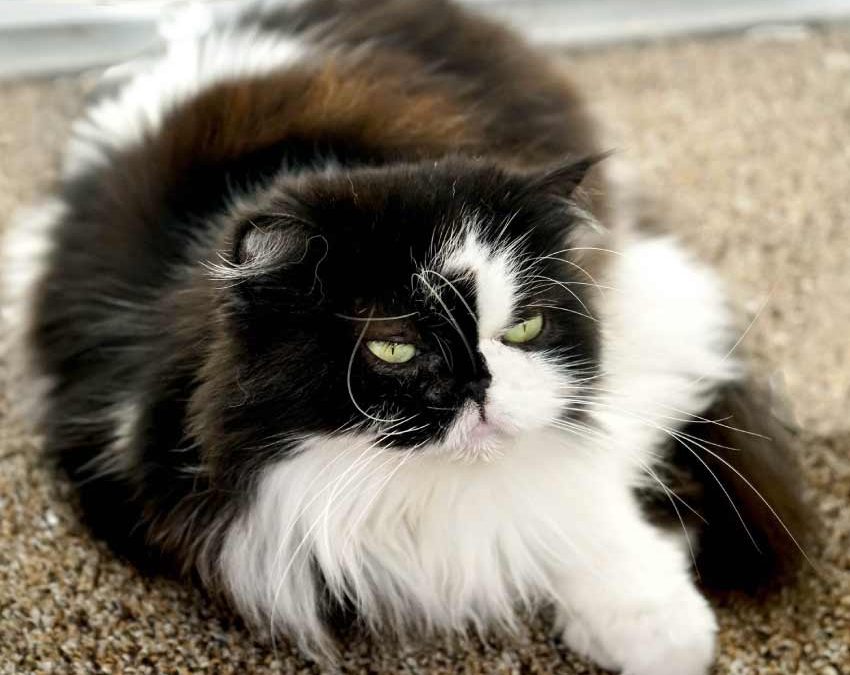
Quick answer: A Persian cat typically costs between $500 and $2,500 to acquire, depending on whether you adopt or buy from a breeder, plus roughly $1,000-$2,000 in the first year for grooming tools, veterinary care, food, and supplies. Ongoing annual costs usually run $800-$1,500, with daily grooming and specialized veterinary care being the two expenses that set Persians apart from lower-maintenance breeds.
Key Takeaways
- Adoption typically costs $75-$300 through a rescue, while breeder kittens generally range from $800-$2,500 or more depending on pedigree and coat type.
- Grooming is the single biggest ongoing cost difference versus other breeds – daily brushing plus periodic professional grooming can add $600-$1,200 a year.
- Persians are prone to specific health issues, including polycystic kidney disease (PKD) and brachycephalic breathing problems, which can mean higher lifetime vet costs.
- Reputable breeders should provide health testing documentation (especially PKD screening) – a price that seems unusually low is often a red flag for corners being cut.
- Total first-year cost, including acquisition, is commonly $1,500-$4,000 depending on source and health status.
Why Trust This Guide?
This guide reflects typical Persian cat pricing and care-cost patterns reported by breeders, rescues, and veterinary sources, focused on giving prospective owners a realistic budget rather than a single misleading number. Costs vary by region and individual cat, so treat these as planning ranges rather than fixed prices.
Understanding Persian Cat Pricing
The Persian is one of the oldest and most recognizable cat breeds, known for its long, flowing coat, flat face, and calm, gentle temperament. That distinctive look comes from generations of selective breeding, which is part of why Persians tend to cost more than many other cat breeds both to acquire and to maintain. Understanding where that cost comes from – and where it’s reasonable to spend less – makes it much easier to budget accurately before bringing one home. For a second opinion on typical pricing, our companion piece on how much a Persian cat costs breaks down price by source in more detail.
Price varies enormously depending on where you get your Persian. A rescue or shelter adoption is by far the most affordable route, while a breeder kitten with championship bloodlines and rare coat coloring can run into the thousands. Neither extreme is necessarily “better” – it depends on your priorities, whether you want a specific look or pedigree, and how much of the cost you’d rather put toward initial acquisition versus ongoing care.
It also helps to separate the idea of “cost” into two distinct budgets: the one-time cost of acquiring the cat, and the recurring annual cost of keeping it healthy and well-groomed for what is typically a 12-17 year lifespan. Many first-time Persian owners focus heavily on the acquisition price and underestimate the ongoing commitment, which is one of the more common reasons Persians end up surrendered to rescues by owners who didn’t fully plan for the grooming and health-care demands ahead of time.
Upfront Cost: Adoption vs. Breeder
Adopting a Persian (or Persian mix) from a rescue or shelter typically costs $75-$300. This fee usually includes spay or neuter surgery, initial vaccinations, and sometimes a microchip – all of which would otherwise be separate expenses if you started with an unaltered kitten. Purebred Persians do show up in rescues more often than people expect, since the breed’s grooming demands lead to some owners surrendering cats they weren’t prepared to maintain.
Buying from a breeder is a significantly larger investment. Pet-quality Persian kittens (not intended for showing or breeding) generally run $800-$1,500 from a reputable breeder. Show-quality kittens with strong pedigrees, rare colors, or championship bloodlines can range from $1,500 to $2,500 or more. Be cautious of prices well below this range from an online seller or classified ad – unusually cheap purebred kittens are a common sign of a kitten mill or backyard breeder who hasn’t invested in health testing, proper socialization, or veterinary care.
What Makes Persian Cats More Expensive Than Average
Several factors converge to make Persians pricier than many other breeds, both to buy and to keep. First, responsible breeding requires health screening for polycystic kidney disease (PKD), a genetic condition common in the breed that causes cysts to form in the kidneys over time. Screening costs money, and breeders who do it properly pass some of that cost on to buyers – which is a worthwhile trade-off, since it reduces the odds of expensive health problems down the line.
Second, the Persian’s flat-faced (brachycephalic) structure, while part of the breed’s signature look, comes with a higher likelihood of breathing difficulties, eye discharge, and dental crowding compared to cats with a more typical muzzle shape. Traditional “doll-face” Persians have a slightly less extreme facial structure than modern show-standard “peke-face” Persians, and this distinction can affect both price and long-term health costs – doll-face Persians are often somewhat easier and cheaper to maintain from a health standpoint, even though they may cost less upfront than extreme show-type cats.
Third, coat maintenance is a genuine specialty skill. The Persian’s dense, long double coat mats easily without daily care, and professional groomers often charge more for Persians than for short-haired breeds because the process takes longer and requires more careful handling.
Ongoing Costs: Grooming
Grooming is where Persian ownership diverges most sharply from lower-maintenance breeds. A Persian’s coat needs brushing every single day to prevent mats and tangles, which if left unaddressed can become painful and may require a vet or groomer to shave out entirely. Daily brushing takes real time – typically 10-20 minutes – and requires the right tools: a wide-tooth comb, a slicker brush, and often a detangling spray.
Beyond daily home care, most Persian owners also schedule professional grooming every 4-8 weeks, which typically costs $50-$100 per session depending on your area and the groomer’s experience with long-haired breeds. Some owners choose to keep their Persian in a shorter “lion cut” to reduce daily maintenance, which is a legitimate option worth discussing with a groomer if the daily brushing commitment feels unmanageable. Eye area cleaning is another near-daily task for many Persians, since the breed’s facial structure often causes tear staining that needs gentle wiping to prevent skin irritation.
Added up over a year, grooming supplies and professional sessions commonly total $600-$1,200, making it one of the largest recurring costs of Persian ownership – often larger than food.
Ongoing Costs: Veterinary Care
Because of their breed-specific health predispositions, Persians often benefit from more frequent veterinary monitoring than the average cat. Routine annual care – checkups, vaccinations, and parasite prevention – typically runs $200-$400 per year, similar to other breeds. Where costs rise is in breed-specific screening and management: kidney function testing to monitor for PKD, regular eye exams for tear duct or corneal issues, and dental checks given the breed’s tendency toward crowded teeth.
Pet insurance is worth strong consideration for Persians specifically, given their elevated risk for certain hereditary conditions. Monthly premiums for a Persian typically run somewhat higher than for a mixed-breed cat, reflecting that increased risk, but can meaningfully offset the cost of an unexpected diagnosis or surgery. For a broader look at how policies and pricing work, our guide to pet insurance is a useful starting point, and setting aside a dedicated emergency fund is a reasonable alternative or supplement for owners who prefer to self-insure.
Ongoing Costs: Food, Litter, and Supplies
Day-to-day costs for a Persian aren’t dramatically different from other cats of similar size. Quality cat food typically runs $300-$600 per year depending on the brand and whether you choose wet, dry, or a mixed diet. Some owners choose food formulated for long-haired breeds, which can help reduce hairball frequency, though this isn’t strictly necessary if you’re already managing shedding through regular brushing.
Litter costs generally run $150-$300 annually, and it’s worth noting that Persians’ long fur can track litter more than short-haired breeds, so many owners invest in a litter mat or a covered box to help manage the mess. Basic supplies – a scratching post, toys, a carrier, and food and water bowls – are a one-time cost of roughly $100-$300 that most new owners need regardless of breed.
Total First-Year Cost Estimate
Putting the pieces together, a realistic first-year budget for a Persian cat looks something like this: $75-$2,500 for acquisition (adoption to high-end breeder), $600-$1,200 for grooming, $200-$500 for veterinary care and preventive treatment, $300-$600 for food, $150-$300 for litter, and $100-$300 for one-time supplies. That puts a typical first-year total somewhere between $1,500 and $4,000, with the wide range driven mostly by whether you adopt or buy from a breeder, and how much you invest in professional grooming versus doing it entirely yourself.
After the first year, expect ongoing annual costs of roughly $800-$1,500 for a healthy adult Persian, assuming no major medical issues arise. This is noticeably higher than the average cost of owning a short-haired domestic cat, primarily because of the grooming commitment – a cost that doesn’t go away as the cat ages the way some one-time expenses do.
Persian Cat Temperament and Whether the Cost Is Worth It
Persians are known for a calm, gentle, and affectionate temperament – they tend to be quieter and less demanding of active play than many other breeds, preferring to lounge nearby rather than climb curtains or chase toys for hours. This makes them a popular choice for owners who want a relaxed companion animal, particularly in calmer households or with older owners who appreciate a lower-energy pet. If you’re weighing a Persian against a more energetic option, our profile of Bengal cat behavior makes for a useful contrast in temperament and cost.
Whether the cost is “worth it” really comes down to whether you can realistically commit to the daily grooming routine. A Persian who isn’t brushed regularly doesn’t just look unkempt – matting can become a genuine welfare issue, leading to skin infections and pain, and severe cases sometimes require sedation for a full shave-down at the vet, which is far more expensive (and stressful for the cat) than consistent home grooming would have been. If you’re drawn to the Persian’s look and temperament but aren’t sure you can commit to daily brushing, it’s worth being honest with yourself before bringing one home, rather than after.
It’s also worth thinking about lifestyle fit beyond grooming. Persians generally do well in calm, predictable households and tend to be less tolerant of chaotic environments, boisterous young children, or other pets that don’t respect their space. They’re not typically a good match for owners hoping for a highly interactive, fetch-playing companion – their appeal lies in quiet companionship rather than constant engagement. Owners who value that calm presence, and who can commit the time grooming requires, often find the cost genuinely justified by the day-to-day experience of living with the breed.
How Persian Cost Compares to Other Long-Haired Breeds
Persians aren’t the only long-haired breed that comes with above-average grooming costs, so it’s worth understanding where they sit relative to similar options. Maine Coons have a long coat but a different texture that mats less readily, so while acquisition costs are often comparable to Persians, grooming costs tend to run somewhat lower – see our Norwegian Forest Cat vs. Maine Coon price comparison for specifics. Himalayans, which are essentially a Persian-Siamese cross with Persian-style coats and coloring, share nearly identical grooming and health cost profiles with Persians, including similar PKD risk – our guide to the Himalayan Persian mix price covers this closely related option in more depth.
Ragdolls and Norwegian Forest Cats, by contrast, have longer guard hairs and less dense undercoats than Persians, which generally makes them easier and cheaper to groom despite their size. If cost is a major deciding factor and you’re drawn to the general look of a long-haired cat rather than the Persian specifically, it’s worth researching these alternatives before committing, since the grooming savings can be substantial over a cat’s lifetime.
Additional Cost Considerations
A few less obvious expenses are worth budgeting for as well. Boarding a Persian while you travel typically costs more than boarding a short-haired cat, since many boarding facilities charge extra for cats requiring daily brushing, or may decline long-haired cats entirely if they’re not equipped to manage matting risk during a stay. Pet sitters who come to your home may also charge a premium if grooming is part of the requested care.
Seasonal coat blowouts – periods of heavier shedding, typically in spring and fall – can temporarily increase grooming time and may warrant an extra professional session or two per year beyond the routine 4-8 week schedule. As Persians age into their senior years (generally considered 10-plus), veterinary costs tend to rise as well, with more frequent bloodwork and monitoring for kidney function becoming standard practice given the breed’s PKD predisposition – a good reason to have pet insurance or a dedicated savings buffer in place well before a cat reaches its senior years rather than after a diagnosis.
Dental care is another cost that tends to be underestimated. Persians’ facial structure can lead to more crowded teeth than average, and professional dental cleanings under anesthesia – typically needed every couple of years for many cats – usually run $300-$700 depending on whether extractions are required.
How to Avoid Overpaying or Getting an Unhealthy Kitten
The Persian breed’s popularity, combined with its higher price point, unfortunately makes it a target for unscrupulous sellers. A legitimate breeder should be willing to show you health testing results for PKD, let you meet the kitten’s parents, and answer detailed questions about their breeding program without hesitation. Be wary of sellers who only communicate online, ship kittens sight-unseen, or pressure you to decide quickly – these are common signs of a kitten mill or scam operation rather than a responsible breeder.
If your budget favors adoption, check with breed-specific rescue organizations in addition to general shelters – many maintain waiting lists specifically for Persians and Persian mixes, and can often match you with a cat whose temperament and grooming needs are already well understood by the rescue staff.
FAQ: Persian Cat Cost
Why are Persian cats so expensive? A combination of breed popularity, required health screening (especially for PKD), and the specialized grooming their coat demands all contribute to higher upfront and ongoing costs than many other breeds.
Is a Persian cat high maintenance? Yes, primarily due to daily grooming needs and breed-specific health monitoring – their temperament itself, however, is generally low-energy and easygoing.
Can I reduce grooming costs for a Persian? Learning to do most grooming at home, and considering a shorter “lion cut” style, can meaningfully reduce professional grooming costs while still keeping the coat healthy.
Are Persian cats prone to health problems? They have known predispositions to polycystic kidney disease and breathing difficulties related to their flat facial structure, which is why health testing and a good veterinary relationship matter more than with some other breeds.
Is adopting a Persian cheaper in the long run than buying one? Adoption is almost always cheaper upfront, though ongoing grooming and health care costs are similar regardless of where the cat came from.
How much does it cost to groom a Persian professionally? A single professional grooming session typically runs $50-$100, and most owners schedule these every 4-8 weeks in addition to daily home brushing.
Do Persian cats need pet insurance? It’s not mandatory, but given the breed’s elevated risk for polycystic kidney disease and other hereditary conditions, many owners find insurance or a dedicated savings fund provides valuable peace of mind.
What’s the price difference between a doll-face and peke-face Persian? Pricing can vary either way depending on the breeder and current demand, but peke-face (extreme flat-faced) show-standard Persians are often priced higher due to their rarity and show potential, despite generally carrying greater health risk than the more moderate doll-face type.
Does a Kinked Tail Affect a Persian Cat’s Price?
Persian cat pricing is driven mainly by coat quality, face type, and pedigree rather than minor tail variations. A kinked tail is a separate, usually harmless genetic trait that shows up across many cats and breeds, and it generally isn’t a factor buyers need to weigh when evaluating cost.
What About the Persian’s Famous Flat Nose?
Persians are known for their round, full face, which often gets mistaken for a big nose. Our guide to cat nose shapes explains why Persians actually have the flattest nose of any common breed, and what that means for their health.
Considering a Himalayan Persian?
If you’re weighing a colorpoint Persian alongside other options, our guide to the Himalayan Persian cat breaks down what actually distinguishes it from a standard Persian, the health testing to ask about, and what really drives its price.
[…] Which foreign pets are legal in Washington State? […]