
Tiger Stripe Brindle Pitbull: Light, Red, Blue & Reverse Brindle Guide (2026)
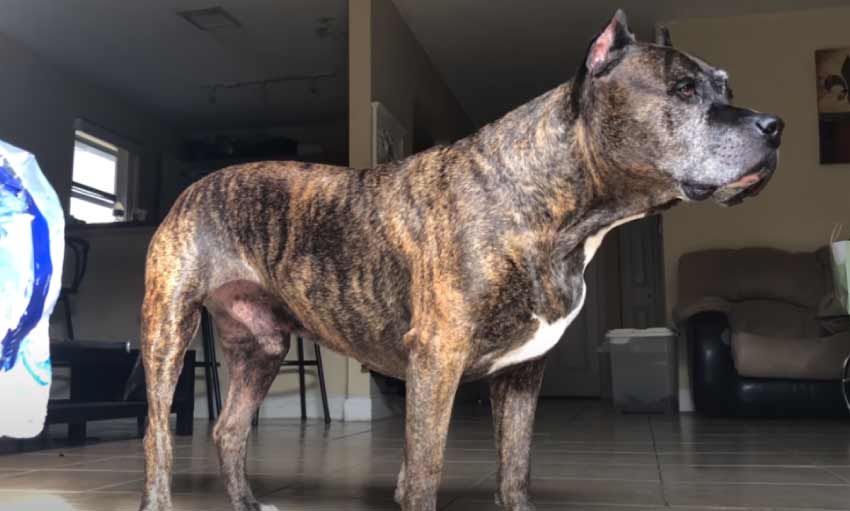
A tiger stripe brindle pitbull is a pit bull–type dog whose coat has dark, tiger-like stripes over a lighter base. Brindle is a coat pattern, not a breed. It comes in light, red, blue and reverse versions, and it shows up in purebred pit bulls and pitbull mix puppies alike. The stripes alone don't change a dog's temperament or real value.
If you love that striped look, you probably want to know what the different brindle names mean and whether a "rare" brindle is worth paying extra for. This guide explains the genetics in plain English, compares light, red, blue and reverse brindle, covers brindle pitbull mixes and puppies, and flags the health and buying issues worth knowing.
Key takeaways
- Brindle is a striped coat pattern controlled by the K locus, not a separate breed.
- Brindle is dominant, so a brindle puppy usually has at least one brindle parent.
- Blue brindle comes from the dilute gene; reverse brindle looks mostly dark with lighter streaks.
- The UKC accepts any pit bull color except merle, so brindle isn't "rare."
- Dilute (blue) coats can carry a risk of color dilution alopecia.
In this guide
Brindle Pitbull: The Short Answer
A brindle pitbull is defined by its stripes, not by a special bloodline. Here is a quick guide to the names you'll see in ads and rescue listings.
| Name | What it usually means | Key fact |
|---|---|---|
| Tiger stripe brindle | Clear dark stripes on a fawn or tan base | The classic brindle look |
| Light brindle | Pale fawn or cream base with thinner stripes | Shade varies from dog to dog |
| Red brindle | Red or copper base, or brown (liver) striping | Liver dogs often have a red-brown nose |
| Blue brindle | Gray stripes on a muted base | Caused by two copies of the dilute gene |
| Reverse brindle | Mostly dark coat with lighter streaks | Still genetically brindle |
In short, two brindle dogs can look very different, but the pattern behind every version works the same way.
What Makes a Pit Bull Brindle? The Genetics
Dogster explains that brindle is linked to one of the variants at the K locus, a gene that controls coat patterning, and that dogs carrying the dominant black variant won't show brindle. The UC Davis Veterinary Genetics Laboratory notes that dogs with one copy of dominant black are sometimes brindle, which is why genetics can be tricky to read from a coat.
Modern Molosser magazine adds that brindle is dominant, so at least one parent must be brindle, and that a black coat can hide brindle genes underneath. It also notes there is no reliable commercial test for brindle, so DNA results may not confirm it directly.
What does that mean for you? If you want a brindle puppy, the most reliable clue is the parents' coats, not a DNA report. And if a solid black dog unexpectedly has striped puppies, hidden brindle genes are one possible explanation.
Light, Red, Blue and Reverse Brindle Colors
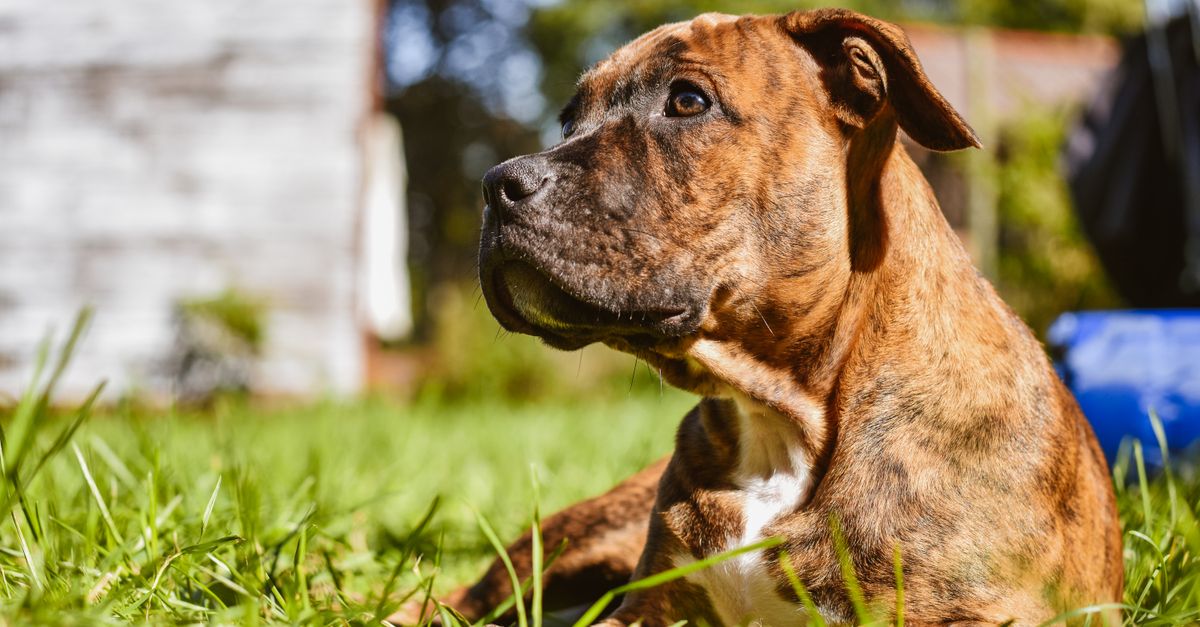
Each brindle shade comes from the same striped pattern sitting on a different base color or pigment.
- Light brindle: A pale fawn or cream base with fine stripes. The stripes can look faint from a distance.
- Red brindle: Breeders use this name in two ways: a rich red base with dark stripes, or brown stripes caused by two copies of the brown gene. Modern Molosser notes that this brown (liver) form also gives the dog a red-brown nose.
- Blue brindle: VCA explains that two copies of the dilute gene lighten dark pigment to a gray-blue shade, so the stripes look slate gray.
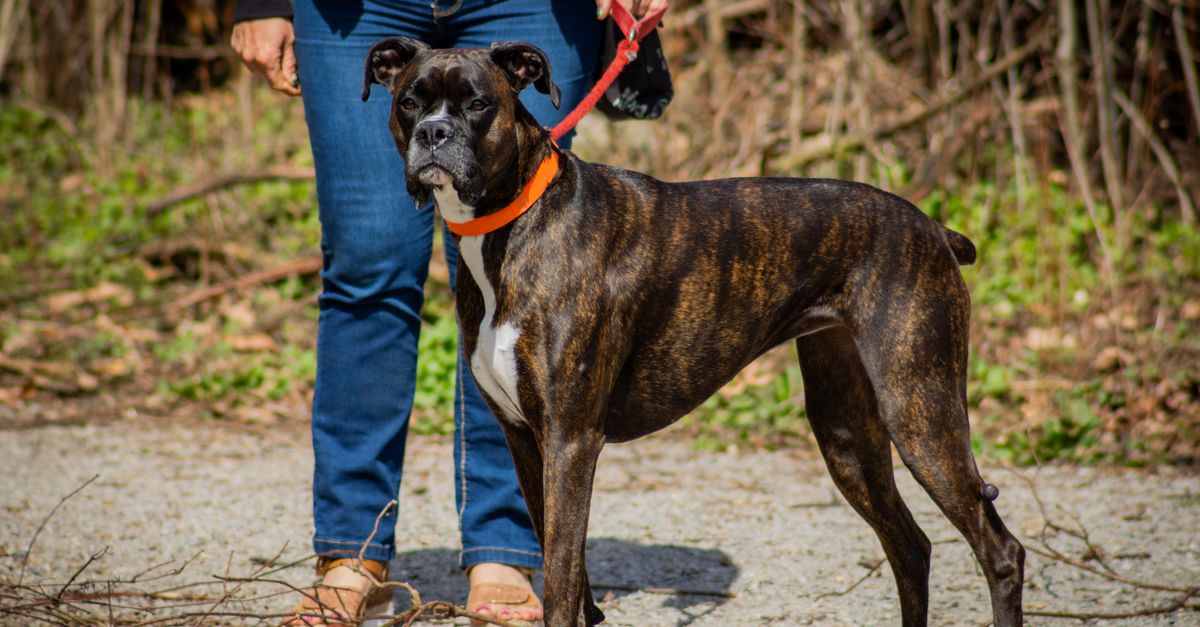
- Reverse brindle: Dogster describes light stripes on a dark base. Modern Molosser points out the term is used in opposite ways across breeds, and genetically these dogs are still just brindle.
Lighting matters too. A brindle coat may look darker indoors and redder in sunlight, so photos in ads may not match the dog in person.
| Shade | Base color | Stripe color | Typical nose |
|---|---|---|---|
| Light brindle | Pale fawn or cream | Dark brown or black | Usually black |
| Red brindle | Red or copper | Black or liver brown | Black or red-brown |
| Blue brindle | Muted, dilute fawn | Gray or blue | Gray or blue |
| Reverse brindle | Mostly dark | Lighter fawn streaks | Usually black |
Shades blend into each other, and names vary between sellers. Ask to see the dog in daylight before trusting a label.
Is a Tiger Stripe Brindle Pitbull a Separate Breed?
No. A tiger stripe brindle pitbull is a color variety, not a breed of its own. The UKC American Pit Bull Terrier standard allows every color and pattern apart from merle, so brindle is fully allowed. The AVMA also notes that "pit bull" is a loose category of dogs rather than one breed, so many brindle pit bulls are mixes.
If you're drawn to bold coat colors, you may also like our guides to the Panther black pit bull and to blue and red nose pit bull puppies.

Brindle Pitbull Mix Puppies: What to Expect
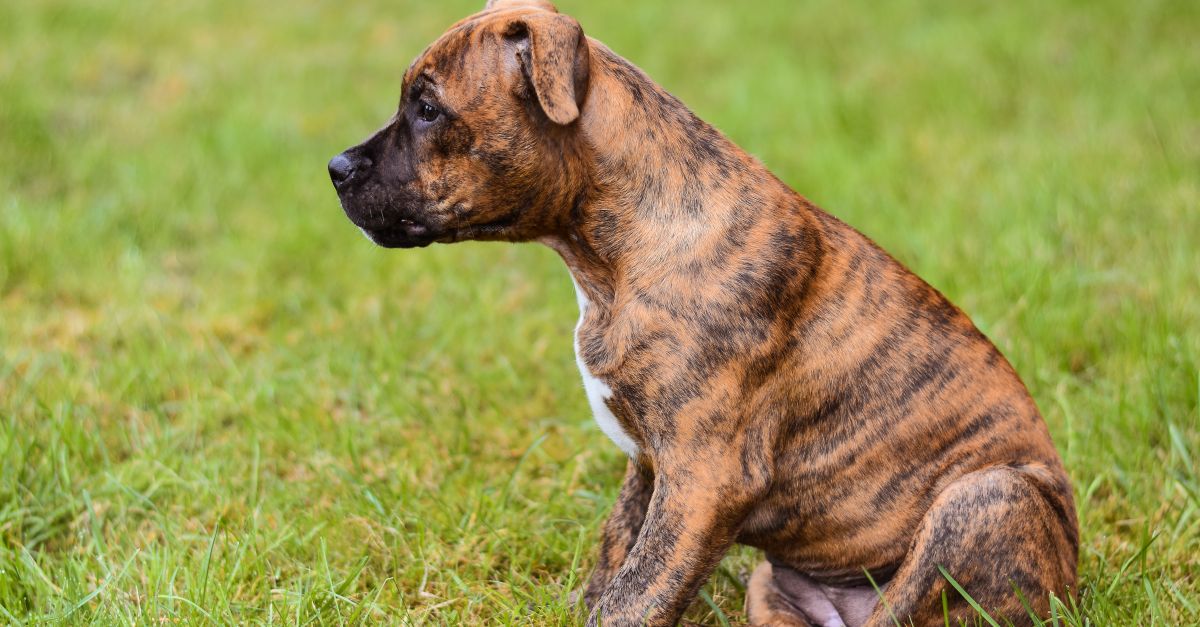
Brindle ranks above fawn and red in the K-locus order, so a brindle pitbull mix puppy usually has at least one brindle parent, though a solid black parent can carry the gene hidden. Mixed litters can include brindle, solid and patched puppies, so seeing both parents helps you predict coat color and size.
| Mix | What to know |
|---|---|
| Brindle pitbull lab mix | Usually medium to large and energetic; size and coat depend on both parents |
| Brindle pit bull boxer mix | Often muscular and playful; coat depends on which parent carries brindle |
| Brindle pit bull shepherd mix | Often larger with high energy; needs consistent training |
| Unknown shelter mix | A DNA test can estimate breed ancestry; check whether it also reports K-locus coat genes |
For more on specific mixes, see our guides to the pit bull Labrador mix and the golden retriever pit bull mix. If you're curious about a shelter dog's background, our guide to dog DNA test kits explains what tests can and can't tell you.
Health: Does Coat Color Matter?
The brindle pattern itself isn't tied to any known health problem. The exception is dilute color. VCA explains that color dilution alopecia is an inherited condition seen most often in blue or fawn dilute dogs. It causes patchy thinning and flaky skin, often starting in the first few years of life, and can be managed but not cured.
Health checks for any brindle puppy
- Ask what health tests the parents have had; the AKC lists health screening of breeding dogs as a sign of a good breeder.
- For blue brindles, ask whether either parent has had hair loss or skin problems.
- Ask about eye testing; UC Davis offers a PRA-prcd test for American Pit Bull Terriers.
- Book a vet check within the first week after bringing a puppy home.
Price, Scams and Adoption
We found no reliable national data on brindle pit bull prices, and color alone shouldn't raise the price. Since brindle is fully accepted and not rare, a big premium for a "rare tiger stripe" or "exotic reverse brindle" is a warning sign.
- Scams: The BBB reports that more than half of pet scams begin on sites found through search engines or social media. Never pay a deposit before a live video call or visit.
- Breeders: The AKC says good breeders allow buyers to meet the puppy's mother, share health records and keep puppies until at least eight weeks old.
- Local laws: The AVMA opposes breed-specific laws, but some US cities and counties still restrict pit bull–type dogs. Check your local rules, lease and HOA first.
- Adoption: Shelters and rescues often have brindle pit bull–type dogs, usually for a lower fee.
Example scenario (illustrative)
Teresa in El Paso sees an ad for a "rare reverse brindle pitbull" priced far above other litters. She asks to see both parents and learns the father is a dark brindle and the mother is fawn. Realizing the pattern is common, she visits a local shelter instead and adopts a one-year-old tiger stripe brindle pitbull mix with up-to-date vaccines.
Questions to ask before you commit
- Can I meet both parents, or at least the mother?
- Which health tests have the parents had?
- Is either parent a dilute (blue) dog, and has either had skin or coat problems?
- How big are the parents, and what adult size should I expect?
- Will you take the dog back at any age?
Brindle Pitbull FAQs
What is a tiger stripe brindle pitbull?
It's a pit bull–type dog with a brindle coat: dark, tiger-like stripes over a lighter fawn, red or tan base. Brindle is a coat pattern, not a separate breed, and it can appear in purebred and mixed pit bulls.
Is a brindle pitbull rare?
Brindle isn't considered rare in pit bull–type dogs. The UKC standard for the American Pit Bull Terrier accepts any color or pattern except merle, so brindle is fully allowed. Be wary of sellers who charge more for a "rare" brindle.
What does reverse brindle mean?
Dogster defines reverse brindle as light stripes on a dark base, so the dog looks mostly dark with lighter streaks. Breed writers use the term inconsistently, and genetically these dogs are still simply brindle.
What makes a pit bull blue brindle?
A blue brindle has two copies of the dilute gene, which turns black pigment gray or blue. The result is gray stripes on a muted fawn base, often with a gray or blue nose.
Are brindle pit bulls less healthy?
Brindle itself isn't linked to health problems. Dilute (blue) coats can carry a risk of color dilution alopecia, an inherited hair-loss condition that VCA says is manageable but not curable.
Can two non-brindle pit bulls have brindle puppies?
It can happen. Brindle shows over fawn and red, but solid black hides it, so a black parent can carry brindle without showing it. Two fawn or red parents, however, can't produce a brindle puppy.
Does coat color affect temperament?
No reliable evidence links brindle or any other coat color to temperament. Genetics, early socialization, training and the parents' behavior matter far more than stripes.
Final Verdict: Is a Brindle Pitbull Right for You?
A brindle pitbull gets its tiger stripes from a K-locus gene, not from a special breed. Light, red, blue and reverse brindle are simply different shades of the same pattern, and none of them changes temperament. Pick a dog for health and personality, ask about dilute-related skin issues in blue brindles, and consider adopting.
Your next steps
- Check your local laws and lease rules for pit bull–type dogs.
- Visit local shelters and rescues to meet brindle pit bull mixes.
- Browse more breed and care guides in our dogs section.
Show off your striped pup in our Facebook community.
About the author — Written and reviewed by the Pets Store Home Editorial Team: pet owners and animal lovers who check every guide against trusted US veterinary and animal-welfare sources. This article is general information, not a substitute for professional veterinary advice. Always talk to your veterinarian about your own pet's health.
How we checked this guide: Coat genetics come from the UC Davis Veterinary Genetics Laboratory, VCA Animal Hospitals, Dogster (veterinarian-reviewed) and Modern Molosser magazine; breed standards from the United Kennel Club; color dilution alopecia from VCA; breeder advice from the AKC; breed-specific laws from the AVMA; and scam data from the BBB. We found no reliable national price data for brindle pit bulls. We review this article every 12 months, or sooner if guidance changes.
Last reviewed: October 2026.
Sources
- Dogster, Brindle Dog Breeds (veterinarian-reviewed) (accessed October 2026)
- Modern Molosser, From Blue Brindles to Reverse Brindles (accessed October 2026)
- UC Davis Veterinary Genetics Laboratory, Dominant Black (K Locus) (accessed October 2026)
- UC Davis Veterinary Genetics Laboratory, American Pit Bull Terrier Tests (accessed October 2026)
- VCA Animal Hospitals, Coat Color Genetics in Dogs (accessed October 2026)
- VCA Animal Hospitals, Color Dilution Alopecia in Dogs (accessed October 2026)
- United Kennel Club, American Pit Bull Terrier Breed Standard (accessed October 2026)
- American Kennel Club, How Do You Find a Reputable Dog Breeder? (accessed October 2026)
- AVMA, Why Breed-Specific Legislation Is Not the Answer (accessed October 2026)
- Better Business Bureau, 2025 Puppy Scams Study Update (accessed October 2026)
[…] Which foreign pets are legal in Washington State? […]