
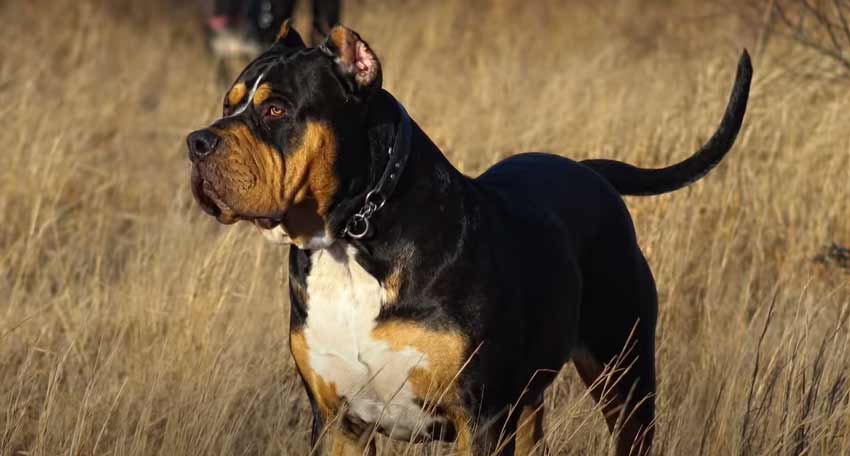
Tri-Color American Bully Price: What They Actually Cost and Why
Tri-color American Bullies get a lot of attention for their striking three-part coat pattern, and that attention shows up directly in the price tag. But “tri-color” gets used loosely online, and price ranges quoted for it vary widely depending on the source, the specific tri variant, and whether the number reflects a backyard breeder or a health-tested program. This guide explains what tri-color actually means genetically, what a realistic price range looks like, and what drives a puppy toward the higher or lower end of it.
Quick Answer
A tri-color American Bully puppy typically costs between $2,500 and $6,000 from a breeder, with rarer tri variants (lilac tri, blue tri, merle tri) sometimes reaching higher. Price is driven primarily by bloodline, breeder reputation and health testing, and the specific tri combination, since not every breeding produces tri-colored puppies even when both parents carry the gene.
Key Takeaways
- Tri-color is a tan-point coat pattern, not a single color, and requires both parents to carry a recessive gene for it to appear.
- Realistic pricing for a tri-color American Bully puppy is roughly $2,500 to $6,000, not the wider or narrower ranges sometimes quoted online.
- Rarer tri combinations (lilac tri, blue tri, merle tri) can push prices meaningfully higher due to demand and breeding difficulty.
- The UKC recognized the American Bully in 2013 and expanded its official size varieties (Pocket, Standard/Classic, XL) in 2024; the AKC does not recognize the breed.
- Price alone doesn’t guarantee health; health testing, temperament, and a transparent breeder matter more than color rarity.
In this article: What “Tri-Color” Actually Means · Breed History and Recognition · Realistic Price Ranges · What Drives the Price Up or Down · Size Varieties · Health Considerations · Tri-Color vs. Merle · Costs Beyond the Purchase Price · Adoption as an Alternative · Questions to Ask a Breeder · Common Mistakes · FAQ
Why Trust This Guide?
This guide is researched and written by the Pets Store Home editorial team, drawing on UKC breed standards, canine coat-color genetics resources, and current American Bully marketplace pricing data. It’s intended as general information; verify current pricing and health testing directly with breeders in your area.
What “Tri-Color” Actually Means
Tri-color isn’t a single color — it’s a tan-point pattern layered on top of a base color, plus sometimes white spotting. A tri-colored American Bully typically shows a base color (black, chocolate, blue, or lilac), tan points (over the eyes, on the cheeks, chest, legs, and under the tail), and often white markings, all showing at once. Genetically, the tan-point pattern is associated with the A-locus (agouti signaling protein gene), and both parents need to carry the recessive version of this gene for tri-colored puppies to appear — which is exactly why tri-color puppies don’t show up reliably even from two visually tri-colored parents’ relatives, and why the pattern commands a price premium.
The base color underneath the tan points still varies by other genes: a “blue tri” is the tan-point pattern over a diluted black base, while a “lilac tri” is the same pattern over a diluted chocolate base. Some tri-colored Bullies also carry brindle striping within the tan points, sometimes called “trindle.” This genetic layering is why tri-color Bullies can look quite different from each other while all technically qualifying as tri-color.
Breed History and Recognition
The American Bully originated in the United States in the 1980s and 1990s, developed from the American Pit Bull Terrier crossed with Bulldog breeds including the American Bulldog and English Bulldog, with the goal of producing a muscular but even-tempered companion dog rather than a working or fighting breed. The American Bully Kennel Club (ABKC) recognized the breed in 2004, and the United Kennel Club (UKC) followed in 2013. For years the UKC recognized only a single overall size standard, while the ABKC recognized multiple size varieties from early on; in 2024 the UKC updated its standard to formally include Pocket, Standard/Classic, and XL varieties. The American Kennel Club (AKC) does not recognize the American Bully as a breed.
Realistic Price Ranges
Pricing for tri-color American Bullies varies more than most single-color listings suggest, and treating any single number as gospel is a mistake. Based on current marketplace data, a reasonable range looks like this:
| Source/Tier | Typical Price Range |
|---|---|
| Backyard or unverified breeder | $800–$2,000 |
| Established breeder, standard tri | $2,500–$4,500 |
| Reputable breeder, health-tested, strong bloodline | $4,000–$6,000 |
| Rare tri variant (lilac tri, blue tri, merle tri) | $6,000–$10,000+ |
A dramatically below-market price on a tri-colored puppy is a reason for more scrutiny, not less — it often signals a lack of health testing, poor breeding practices, or a puppy misrepresented as tri-color when it isn’t a clean expression of the pattern.
What Drives the Price Up or Down
- Bloodline and pedigree. Puppies from documented, well-regarded bloodlines — particularly lines connected to recognized show or breeding programs — command higher prices than undocumented litters.
- Breeder reputation and health testing. Breeders who health-test for hip and elbow dysplasia, offer written health guarantees, and properly socialize puppies typically charge more, and that premium reflects real, ongoing costs on their end.
- Rarity of the specific tri combination. Standard black tri sits at the lower end of the tri-color range; diluted variants like lilac tri or blue tri, and tri combined with merle, sit meaningfully higher due to lower breeding success rates and higher demand.
- Conformation and structure. Puppies that closely match breed-standard proportions, head shape, and musculature are priced higher, particularly from breeders producing show-quality lines.
- Geographic location and demand. Regional demand and cost of living both shift local pricing, sometimes substantially.
- Included services. Initial vaccinations, microchipping, and a vet check bundled into the price can account for part of the difference between similar-looking litters.
Size Varieties
American Bullies come in several UKC-recognized size varieties, and tri-color can appear in any of them:
- Pocket — the smallest variety, generally under 17 inches at the shoulder for males.
- Standard/Classic — the most common variety; Classic carries a lighter frame and less overall mass than Standard while measuring similarly at the shoulder.
- XL — the largest recognized variety, generally exceeding 20 inches at the shoulder for males.
Size variety and tri-color pattern are independent traits, so price differences by size are typically smaller than price differences driven by color rarity and bloodline.
Health Considerations
American Bullies, tri-colored or otherwise, carry a handful of breed-associated health risks worth budgeting for regardless of purchase price:
- Hip and elbow dysplasia — common in fast-growing, heavily muscled breeds; reputable breeders health-test breeding stock for this.
- Skin allergies and infections — including eczema-type conditions and skin-fold-related infections in dogs with looser skin.
- Brachycephalic-adjacent breathing issues — American Bullies aren’t as flat-faced as breeds like French Bulldogs, but shorter-muzzled individuals can still show heat intolerance and labored breathing in extreme conditions.
- Cherry eye and other eye conditions — a prolapsed third-eyelid gland that sometimes requires surgical correction.
- Cardiac issues — including mitral valve disease, more often seen in dogs carrying excess weight.
With good breeding and care, American Bullies typically live 10 to 13 years.
Tri-Color vs. Merle: An Important Distinction
Tri-color and merle are sometimes lumped together in listings (a “merle tri” pattern does exist), but they come from entirely different genes with very different health implications. Tri-color, as covered above, is a tan-point pattern with no inherent health risk of its own. Merle is a separate, dominant gene that creates a mottled, patchy dilution effect and carries real health concerns: merle dogs have an elevated risk of hearing and vision problems, and breeding two merle-carrying dogs together (“double merle”) produces puppies with dramatically higher rates of deafness and blindness — studies have found roughly 60% of double merles show blindness and up to 75% show deafness. Because of this, the UKC disqualifies merle from its American Bully standard entirely, while the ABKC permits it. A responsible breeder offering a “merle tri” puppy should be able to confirm the puppy isn’t the product of a merle-to-merle breeding, and should disclose the elevated health-screening importance that comes with any merle-carrying litter.
Costs Beyond the Purchase Price
The purchase price is only the first expense. Budgeting for the dog’s first year, and its ongoing annual costs, matters as much as the price of the puppy itself:
| Expense | Typical First-Year Cost | Typical Ongoing Annual Cost |
|---|---|---|
| Food (large, muscular breed) | $500–$800 | $500–$800 |
| Initial vaccinations & vet exams | $200–$400 | $200–$400 (checkups) |
| Spay/neuter | $150–$500 | — |
| Training/socialization classes | $100–$500 | Variable |
| Pet insurance | $300–$700 | $300–$700 |
| Grooming & supplies | $150–$300 | $150–$300 |
Given the breed’s predisposition to hip and elbow issues, allergy-related skin care, and potential cardiac concerns, pet insurance or a dedicated health savings fund is worth factoring in from the start rather than treating it as optional.
Adoption as an Alternative
American Bullies and Bully-type mixes, including dogs with tri-color patterning, do show up in shelters and breed-specific rescues, typically at a small fraction of breeder pricing (often $50 to $300 in adoption fees). Rescue dogs are frequently already spayed or neutered, vaccinated, and sometimes temperament-tested, which can offset some of the cost difference in practical terms. The tradeoff is less certainty about exact bloodline, precise age, and early-life history, though many rescues do genetic and health screening before adoption. For anyone drawn to the breed’s temperament and look rather than a specific rare coat pattern, adoption is worth checking before committing to breeder pricing.
Questions to Ask a Breeder
- Can you show documentation of hip and elbow health testing for both parents?
- Can I see both parents (or at least the dam) in person or on video?
- What genetic or health guarantees do you offer in writing?
- Can you explain the specific tri-color genetics of this litter (base color, dilution, pattern)?
- What socialization has the puppy had before going home?
A breeder unwilling or unable to answer these clearly is a stronger warning sign than any price point on its own.
Common Mistakes When Buying a Tri-Color Bully
- Assuming a low price means a good deal. Unusually cheap tri-color puppies are more often a red flag for health or documentation problems than genuine bargains.
- Confusing rare-sounding names with rare genetics. Marketing terms can inflate perceived rarity beyond what the actual coat genetics justify; ask for specifics rather than trusting a listing title.
- Skipping health testing verification. A striking coat doesn’t correlate with sound hips, elbows, or a healthy heart; these need to be verified independently.
- Not researching AKC vs. UKC vs. ABKC recognition. Buyers sometimes assume broader recognition than the breed actually has, which matters if show competition or specific registry paperwork is a goal.
- Buying based on color alone. Temperament, structure, and health should outweigh coat pattern when selecting a puppy, even when color rarity is part of the appeal.
Editor’s Insights
- If two sources quote drastically different price ranges for the same variant, check whether one is describing backyard-breeder pricing and the other health-tested program pricing — the gap is usually explained by that distinction, not by one source being wrong.
- Genetic tri-color testing is available through several commercial dog DNA panels and can confirm a puppy’s actual color genetics rather than relying on a breeder’s description alone.
- Because tri-color depends on both parents carrying a recessive gene, a breeder who can reliably produce tri-colored litters across generations has usually built their breeding program specifically around that trait — which is itself a sign of a more deliberate operation.
Frequently Asked Questions
How much does a tri-color American Bully cost?
Typically $2,500 to $6,000 from an established breeder, with rare variants like lilac tri or merle tri sometimes reaching $6,000 to $10,000 or more.
Why are tri-color Bullies more expensive than standard colors?
Because the tan-point pattern requires both parents to carry a recessive gene, tri-colored puppies don’t appear reliably even from tri-colored parents, making them rarer and more in-demand relative to standard solid or bicolor puppies.
Is tri-color American Bully recognized as an official color by kennel clubs?
The UKC and ABKC recognize the American Bully breed itself and accept a range of coat colors and patterns, including tri-color, within their standards; the AKC doesn’t recognize the American Bully breed at all.
What’s the difference between a tri-color and a trindle Bully?
Trindle refers to a tri-colored dog whose tan points also show brindle striping, making it a more specific (and often pricier) variation within the broader tri-color category.
Are tri-color Bullies healthier or less healthy than other colors?
Coat color and pattern generally aren’t linked to the breed’s common health issues (hip dysplasia, skin allergies, cardiac concerns); health depends far more on the individual breeding program’s testing practices than on coat color.
Can two non-tri-colored American Bullies produce a tri-colored puppy?
Yes, if both parents carry the recessive tan-point gene without visibly expressing it themselves, a litter can include tri-colored puppies even when neither parent shows the pattern.
What size do American Bullies come in?
UKC-recognized varieties include Pocket, Standard/Classic, and XL, ranging from under 17 inches to over 20 inches at the shoulder for males, with tri-color appearing across all size varieties.
Is a “merle tri” American Bully safe to buy?
It can be, but it requires more scrutiny than a standard tri-color purchase. Ask the breeder directly whether either parent carries the merle gene and whether the litter resulted from a merle-to-merle pairing, since that specific combination carries a substantially higher risk of deafness and blindness in the puppies. A single-copy merle parent paired with a non-merle parent avoids the double-merle risk entirely.
If you’re researching specific American Bully bloodlines as part of evaluating a breeder, our guide to the Razor Edge and Gotti bloodlines covers the history behind two of the most influential lines in the breed. For a look at a related but distinct type within the bully family, our guide to the Panther Black Pitbull breaks down another striking color variety and its price drivers. And if temperament and training are a bigger priority than color for your household, our guide on what qualifies a dog as a service animal is worth a look for context on how far training expectations can go beyond companionship.
Sources & References
- United Kennel Club (UKC), American Bully breed standard and 2024 standard update — recognized size varieties
- Venomline Bullies, “American Bully Colors & Genetics Guide” and “Tri Color Pit Bull & American Bully Genetics” — tan-point genetics, base color and dilution loci, and merle health risks
- Spot Pet Insurance, “What’s the Price of an American Bully?” and Bully Owners, “The Tri Color American Bully: Genetics, Prices, and Buying Guide” — current market pricing
- Figo Pet Insurance, “4 Common Health Problems in Bully Breeds”; A-Z Animals, American Bully health overview — hip dysplasia, skin allergies, cardiac and eye conditions
Written by the Pets Store Home editorial team and fact-checked against the sources cited above. This article is for general educational information only; verify current pricing, health testing, and registration details directly with individual breeders.
Last fact-checked: September 2026 — UKC breed recognition history, tri-color genetics, and current market pricing were checked against the published sources listed above.
How Bloodlines Like Razor’s Edge and Gotti Shape Price
Bloodline reputation is one of the biggest price drivers in the American Bully world. Our guide to the Razor Edge Gotti Pitbull explains the real history behind these two influential lines and what they mean for a dog’s build and health.
[…] Which foreign pets are legal in Washington State? […]