
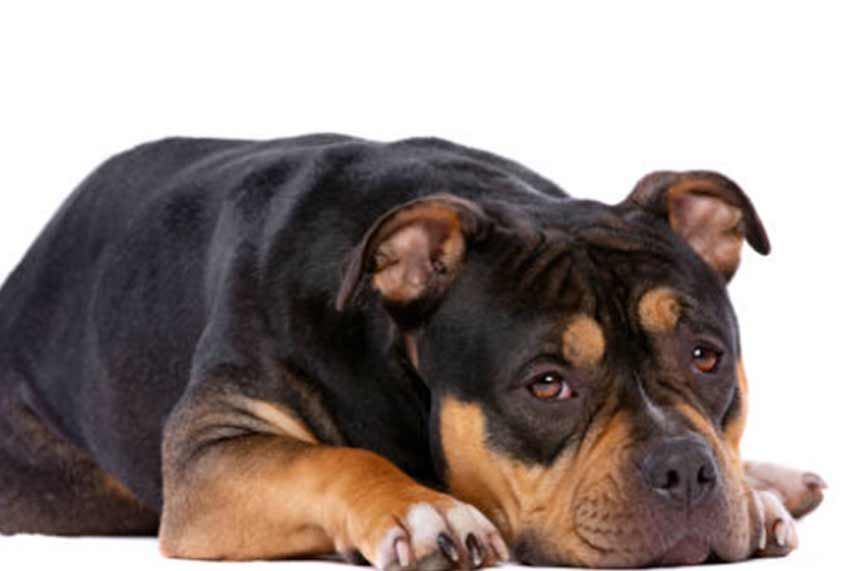
Quick Answer: Tri-color is a coat pattern, not a separate breed – it’s a recessive genetic trait in the American Bully and related bull breeds that produces a base color (like black, blue, or chocolate) plus tan points and white markings. A dog needs two copies of the recessive tan-point gene, one from each parent, to visibly display it, which is why tri-color puppies are rarer and typically priced higher than solid-colored littermates.
Key Takeaways
- “Tri-Colored Bully” describes a coat pattern within the American Bully breed, not a distinct breed of its own.
- The pattern requires two copies of a recessive tan-point gene (one from each parent), which is why it’s uncommon.
- Tri-color puppies typically cost more than solid-colored littermates from the same litter, purely because of color rarity.
- Coat color has no effect on temperament, and only a modest, indirect effect on health through the breeders who chase rare colors.
- Always prioritize health testing and breeder transparency over color when choosing a puppy.
Why Trust This Guide?
This guide is researched and written by the Pets Store Home editorial team, drawing on coat-color genetics resources and American Bully breed standards. It’s intended as general information; consult a veterinarian or a reputable, health-testing breeder for advice specific to your dog.
Tri-Color Is a Coat Pattern, Not a Breed
“Tri-Colored Bully” is a description of a specific coat pattern that shows up in the American Bully, not a separate breed or even a distinct sub-type the way Pocket, Standard, Classic, and XL are. Every Tri-Colored Bully is a full American Bully; it just happens to carry a particular combination of color genes that produces three visible colors instead of one or two.
The American Bully itself was developed in the United States starting in the 1990s, built from American Pit Bull Terrier, American Staffordshire Terrier, and bulldog-type stock, with breeders selecting for a heavier, more compact, companion-oriented dog. The United Kennel Club formally recognized the American Bully as its own breed in 2013. Tri-color is simply one of the coat patterns that can appear within that breed, alongside solid colors, brindle, merle, and others.
The Genetics Behind the Tri-Color Pattern
Tri-color isn’t random – it follows predictable inheritance rules that breeders and geneticists have mapped out. The pattern comes from a recessive gene on what’s called the Agouti locus (the “A locus”), specifically an allele known as “at” (tan point). For a puppy to visibly display tri-color, it needs to inherit one copy of the at allele from its mother and one copy from its father, making it “at/at.” A dog with only one copy is a carrier but won’t show the pattern itself, which is part of why tri-color puppies can appear unexpectedly in a litter from two solid-colored parents that both happen to carry a hidden copy of the gene.
Once the tan-point genetics are in place, other genes determine the specific colors involved. The K locus controls whether a dog’s coat is solid (dominant “KB” allele) or patterned; a dog needs the non-black “k” version at this locus for the tan-point pattern to actually show through. The B locus determines whether the base color is black or chocolate, and the D locus determines whether that color is diluted to blue or lilac. That’s why you’ll see tri-color American Bullies described as “black tri,” “blue tri,” “chocolate tri,” or “lilac tri” – the base color varies, but the three-color tan-point pattern (a base color, tan points at the brows, cheeks, chest, and legs, plus white markings) stays consistent.
Physical Characteristics
Because tri-color is a coat trait layered onto the standard American Bully, a Tri-Colored Bully’s size and build depend entirely on which classification it falls into – Pocket, Standard, Classic, or XL – rather than on its color. A Standard American Bully typically stands 17-20 inches at the shoulder for males and 16-19 inches for females, with a broad, blocky head, deep chest, and heavily muscled, compact body. Pocket Bullies run smaller (14-17 inches for males), while XL Bullies exceed 20-23 inches and carry noticeably more mass.
The coat itself is short, smooth, and glossy regardless of color pattern, and the defining tri-color look is a solid base color with tan markings concentrated on the eyebrows, cheeks, chest, and lower legs, plus white patches that can appear on the chest, paws, and face.
Temperament
Coat color and pattern have no established effect on temperament in the American Bully or any other breed – a Tri-Colored Bully’s personality is shaped by the same factors that shape any American Bully’s personality: individual genetics, the breeder’s selection for temperament, and how the puppy is socialized and raised. Well-bred American Bullies of any color are generally described as loyal, affectionate, eager to please, and good with familiar people and children when properly socialized from puppyhood.
Because the breed is powerful and was developed from working-line ancestry, early socialization and consistent, positive training remain important regardless of coat color, and prospective owners should evaluate a specific puppy’s parents and upbringing rather than assuming a particular color guarantees a particular temperament.
Exercise and Training Needs
American Bullies, tri-colored or otherwise, are athletic dogs that need 30-60 minutes of daily exercise to stay physically and mentally healthy, split between walks, play, and structured activity. They’re intelligent and generally respond well to positive, reward-based training, though their strength means early leash manners and impulse control are worth prioritizing while they’re still small enough to manage easily.
Socialization – exposure to a variety of people, dogs, and situations starting in puppyhood – helps prevent the kind of wariness or overprotectiveness that can develop in any powerful breed without it, and matters just as much for a tri-colored puppy as for a solid-colored one.
Health Considerations
The health issues that show up in Tri-Colored Bullies are the same ones that show up across the American Bully breed generally, since color genetics and health genetics are largely independent. Hip and elbow dysplasia are common concerns given the breed’s stocky, heavily muscled build, and OFA or PennHIP screening in a puppy’s parents is one of the most effective ways to reduce this risk. Skin fold dermatitis can affect dogs with pronounced facial wrinkling or body folds, since trapped moisture and bacteria in those folds can lead to recurring infections if not cleaned and dried regularly. Obesity is a genuine risk for a breed this food-motivated and muscular, and it compounds joint problems and can shorten lifespan if not managed with portion control and regular exercise.
One consideration that is loosely tied to color: because rare colors and patterns like tri-color command higher prices, some less scrupulous breeders prioritize chasing color combinations over health testing, which can indirectly increase health risks in poorly bred lines. This isn’t a genetic consequence of the tri-color gene itself – it’s a market-driven breeding-practices issue, and it’s a reason to evaluate the breeder’s health-testing practices carefully rather than assuming a striking coat means a healthy dog.
Grooming Needs
The short, smooth coat typical of American Bullies, including tri-colored individuals, is low-maintenance: weekly brushing controls shedding and keeps the coat glossy, and baths are only needed occasionally. Routine nail trims, ear cleaning, and dental care round out a manageable grooming routine, and owners of dogs with more pronounced facial folds should pay extra attention to keeping those areas clean and dry.
What Drives Tri-Color Pricing
Because two solid-colored (but tan-point-carrying) parents can only produce tri-color puppies in specific genetic proportions, tri-color puppies are typically a smaller share of any given litter, which is the primary driver of their higher price relative to solid-colored littermates. Beyond color rarity, overall American Bully pricing is shaped by size classification, bloodline reputation (lines like Razor’s Edge and Gottiline command premiums), health testing and guarantees, and general breeder reputation – prices across the breed commonly range from roughly $1,500 to $12,000 or more, with show-quality dogs from top bloodlines going considerably higher.
When shopping specifically for a tri-color puppy, it’s worth asking a breeder to show proof of the tan-point genetics in the parents (through DNA color testing, which is widely available) rather than taking color claims at face value, since “tri-color” is sometimes used loosely or inaccurately in casual listings.
Frequently Asked Questions
Is Tri-Colored Bully a separate breed?
No. It’s a coat-color pattern that occurs within the American Bully breed, not a distinct breed of its own.
Why are tri-color puppies more expensive?
The pattern requires both parents to carry a recessive tan-point gene, so tri-color puppies make up a smaller share of any litter, driving up demand-based pricing relative to solid-colored littermates.
Does coat color affect an American Bully’s temperament?
No. Temperament comes from the individual dog’s genetics, breeder selection, and upbringing – not from coat color or pattern.
What health issues should I watch for in a Tri-Colored Bully?
The same ones common across the American Bully breed: hip and elbow dysplasia, skin fold dermatitis, and obesity. None of these are caused by the tri-color gene itself.
How can I verify a puppy is genuinely tri-color?
Ask the breeder for DNA color testing on the parents confirming the tan-point genetics, rather than relying on a listing’s description alone.
If bloodline history interests you as much as coat color, our guide to the Razor Edge Gotti Pitbull covers two of the American Bully’s most influential foundation lines. And if you’re comparing other rare colors or considering a female puppy specifically, see our guides to the blue American Bully and the female American Bully puppy.
[…] Which foreign pets are legal in Washington State? […]