
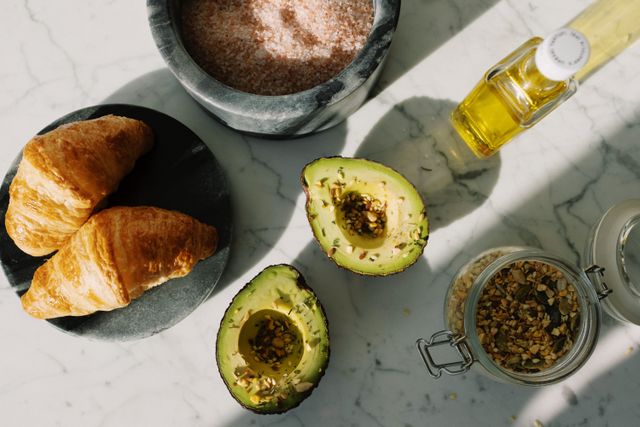
Can Dogs Have Avocado Oil? A UK Vet-Backed Guide (2026)
Can dogs have avocado oil? A small lick is unlikely to harm a healthy dog, but avocado oil should not be added to your dog’s food. It is almost pure fat, so even a spoonful adds a lot of calories and may trigger stomach upset or pancreatitis in sensitive dogs. If your dog drinks a large amount, phone your vet.
Avocado oil has become a kitchen favourite in the UK, and it is often sold as a “healthy fat”. That leaves many owners wondering whether a drizzle over their dog’s dinner could help a dull coat. This guide explains what avocado oil really does in a dog’s body, how it differs from the fruit, and what to do if your dog has helped itself.
Key takeaways
- Avocado oil is not a recommended food for dogs, even though a small lick is rarely dangerous.
- The main risk is fat: one tablespoon carries roughly 120 kcal.
- High-fat foods are linked to stomach upset and pancreatitis.
- Dressings, dips and guacamole may also contain onion or garlic, which are toxic to dogs.
- For skin and coat problems, ask your vet about a proper fatty-acid supplement instead.
In this guide
Call your vet if: your dog has drunk more than a lick of oil, has a history of pancreatitis, or is vomiting, off food or showing a painful tummy afterwards. PDSA warns that pancreatitis “can cause severe illness and even death if left untreated”.
Can Dogs Have Avocado Oil? The Short Answer
Dogs can tolerate a tiny amount, but there is no good reason to feed it. UK vet Sarah Elliott MRCVS, writing for Vet Help Direct in September 2026, describes avocado as “not truly toxic to dogs” but warns that “its high fat content may upset the digestive system”. The oil is that same fat in concentrated form.
US vet site PetMD reaches a similar view, recommending that owners avoid avocado oil because of its fat content and the link with pancreatitis. In short, a spill your dog licks off the floor is rarely an emergency, but a spoonful in the bowl is a habit worth breaking.
Avocado Oil vs Avocado Fruit: What’s the Difference?
The oil and the fruit carry different risks. This comparison helps you judge what your dog has actually eaten.
| Product | Main concern for dogs | Risk level |
|---|---|---|
| Avocado oil (a lick) | Small amount of fat | Low |
| Avocado oil (spoonfuls or more) | Concentrated fat and calories; pancreatitis risk | Medium to high |
| Avocado flesh | Fat; possible stomach upset | Low to medium |
| Avocado stone | Choking or gut blockage | High |
| Guacamole, dressings, mayonnaise | Fat plus onion, garlic or salt | High if onion or garlic is present |
Is Avocado Bad for Dogs? Persin Explained
Persin is the natural compound in the avocado plant most often linked to avocado poisoning. The Veterinary Poisons Information Service (VPIS), the UK’s specialist animal poisons centre, says that “in cats and dogs, acute ingestion of avocado is usually not a concern, although it may cause gastrointestinal upset”.
What about the oil itself? PetMD states that avocado oil does not contain persin. We could not find UK guidance that confirms or disputes this, so we would not rely on it either way. For dogs, the fat in the oil is the clearer and better-documented concern.
VPIS does mention an older report of two dogs with regular access to avocado that died of heart failure, “presumably after chronic ingestion”. It is a single historic case, not proof of a common risk, but it is another reason not to make any avocado product a daily habit.
Other pets in your home need more care
Birds, rabbits and horses are far more sensitive to avocado than dogs. VPIS lists poisoning in budgies, canaries, cockatiels, rabbits, horses, goats and sheep. If you share your home with these animals, keep all avocado products, peel and leaves well out of their reach.
The Fat Problem: Calories and Pancreatitis
Like every cooking oil, avocado oil is close to 100% fat. The NHS explains that “a gram of fat, whether it’s saturated or unsaturated, provides 9kcal”. A 15 ml tablespoon of oil weighs roughly 14 g, so it carries around 120–125 kcal. A 5 ml teaspoon is about 40 kcal.
That matters because weight is already a big issue for UK dogs. PDSA reports that vets estimate nearly half of UK dogs are overweight. In its 2023 PAW Report, 28% of vets who saw a rise in pet obesity blamed pets being fed too many treats.
How one spoonful fits a dog’s treat allowance
Vet Help Direct recommends that treats provide no more than around 10% of a dog’s daily calories. The table below shows how quickly avocado oil uses that up. The daily calorie figures are examples only; check your own dog’s needs on its food pack or with your vet.
| Example daily calories | 10% treat allowance | Avocado oil that uses it all |
|---|---|---|
| 400 kcal | About 40 kcal | About 1 teaspoon |
| 800 kcal | About 80 kcal | About 2 teaspoons |
| 1,200 kcal | About 120 kcal | About 1 tablespoon |
Beyond weight gain, a sudden dose of fat can upset the gut. PDSA lists eating high-fat foods as a possible trigger for pancreatitis, with signs including vomiting, eating less and a painful tummy.
Is Avocado Good for Dogs’ Skin and Coat?
Many owners reach for avocado oil hoping to fix a dry, flaky or dull coat. The idea is understandable, but kitchen oil is not the right tool. A complete, balanced dog food is designed to supply the fats your dog needs, so extra oil mainly adds calories.
If your dog has skin trouble, see your vet first, because itching and flaking can have many causes. For dogs with skin allergies, PDSA notes that vets may use “a skin supplement containing essential fatty acids, such as omega 3 and 6” alongside other treatments. A vet-chosen supplement is dosed for your dog, which a splash of cooking oil is not.
Should you rub avocado oil on your dog’s skin?
It is best avoided. Dogs lick off anything applied to their coat, so topical oil usually ends up being eaten. It can also leave fur greasy and attract dirt. Ask your vet about a pet-safe shampoo or skin product instead.
Pet Care Tip: Before adding anything “healthy” to your dog’s bowl, ask one question: does a complete dog food already cover this? For fats, the answer is almost always yes.
My Dog Had Avocado Oil: What to Do
Work out roughly how much your dog swallowed and whether anything else was mixed in. Then use this guide.
| What happened | What to do |
|---|---|
| Licked a few drops from the floor or a plate | Usually no action needed; watch for mild stomach upset |
| Ate food cooked in avocado oil | Check the food for onion, garlic or bones; phone your vet if any were present |
| Drank a spoonful or more, or knocked over the bottle | Phone your vet for advice, especially for small dogs |
| Has had pancreatitis before | Phone your vet even after a small amount |
| Vomiting, off food or painful tummy | Contact your vet straight away |
Do not try to make your dog sick at home. Only a vet should decide whether that is safe.
Watch out for avocado oil in human foods
Avocado oil turns up in mayonnaise, salad dressings, crisps and dips. These often contain other ingredients that are worse for dogs than the oil. PDSA warns that onion, garlic and leeks are toxic to dogs “even when cooked or dried”, and symptoms may take a few days to show.
Planning home-cooked meals? Our guide to preparing healthy dog food at home covers safer ways to add variety.
Example Scenario: The “Healthy Coat” Drizzle
This is an illustrative example, not a real owner.
Omar reads online that avocado oil gives dogs a shiny coat, so he adds a tablespoon to his small terrier’s breakfast each morning. Within a few weeks the dog has gained weight and has looser stools. Omar stops the oil and books a vet check.
The vet explains that the oil was adding around 120 kcal a day, far more than the dog’s whole treat allowance. They agree a weight plan, and the vet suggests a measured fatty-acid supplement instead, if the coat still needs help.
What Most Owners Get Wrong About Avocado Oil
The biggest mistake is treating “healthy for people” as “healthy for dogs”. Avocado oil’s reputation comes from human diets, where it often replaces less suitable fats. Dogs fed a complete food don’t need the extra fat at all.
| Mistake | Why it happens | Effect on the dog | How to avoid it |
|---|---|---|---|
| Adding oil to every meal | Belief it improves the coat | Weight gain and loose stools | Ask your vet about a measured supplement |
| Sharing dressings or dips | Seen as “just oil” | Onion or garlic poisoning | Never share seasoned foods |
| Rubbing oil into the coat | Home remedy for dry skin | Dog licks it off and eats it | See a vet about skin problems |
| Ignoring a spilt bottle | Seems harmless | Large fat dose; pancreatitis risk | Clean up fast and phone your vet if a lot was drunk |
Can Dogs Have Avocado Oil? FAQs
Is avocado oil toxic to dogs?
Avocado oil is not considered strongly toxic to dogs, but it is almost pure fat. Large amounts can upset the stomach and may trigger pancreatitis in sensitive dogs. It is best kept out of your dog’s diet.
My dog licked avocado oil. Is that OK?
A few licks are unlikely to cause harm in a healthy dog. Watch for vomiting or diarrhoea, and phone your vet if your dog drank more than a spoonful or has had pancreatitis before.
Is avocado bad for dogs?
Avocado is not usually poisonous to dogs, but it is not a good treat. The fat can upset the stomach, the stone can cause a blockage, and guacamole often contains onion or garlic.
Is avocado good for dogs?
Avocado adds nothing a complete dog food doesn’t already provide, and its high fat content is a drawback. Low-fat treats, kept under about 10% of daily calories, are a better choice.
Is avocado oil good for a dog’s coat?
There is no good evidence that cooking oil improves a dog’s coat, and it adds a lot of calories. If your dog’s coat is dull or flaky, ask your vet about a measured fatty-acid supplement.
How many calories are in a tablespoon of avocado oil?
Fat provides 9 kcal per gram, so a 15 ml tablespoon of avocado oil carries roughly 120 to 125 kcal. For a small dog, that can be more than its whole daily treat allowance.
Final Verdict: Can Dogs Have Avocado Oil?
So, can dogs have avocado oil? A stray lick is rarely a problem, but it should not be part of your dog’s diet. It adds a lot of fat and calories for no real benefit. Keep bottles, dressings and dips out of reach, and call your vet if your dog drinks a large amount or seems unwell.
Keep your dog’s diet on track: your next steps
- Browse more food safety guides in our pet food centre.
- Learn what labels really mean in our guide to fresh human-grade dog food.
- Check another kitchen favourite: can dogs eat frosting?
Got a question about your dog’s diet? Join other UK owners on our Facebook page.
About the author
Written and reviewed by the Pets Store Home Editorial Team: pet owners and animal lovers who check every guide against trusted UK animal-welfare and veterinary sources. This article is general information, not a substitute for professional veterinary advice. Always speak to your vet about your own pet’s health.
How we checked this guide: toxicity information was checked against the Veterinary Poisons Information Service; health, weight and skin advice against PDSA; calorie figures against the NHS; and feeding guidance against a UK vet (MRCVS) article on Vet Help Direct. We review this article every 12 months, or sooner if guidance changes.
Last reviewed: October 2026.
Sources (accessed 5 October 2026)
- Vet Help Direct – Feeding dogs fruit and veg: dos and don’ts (Sarah Elliott MRCVS, Sept 2026)
- Veterinary Poisons Information Service – Avocado: is it poisonous? (2019)
- PDSA – Pancreatitis in dogs
- PDSA – Obesity in dogs
- PDSA – PAW Report 2023: Dogs
- PDSA – Skin allergies (atopic dermatitis) in dogs
- PDSA – Onion and garlic poisoning in dogs
- NHS – Fat: the facts
- PetMD – Can dogs eat avocado? (US, secondary source)
[…] Which foreign pets are legal in Washington State? […]