
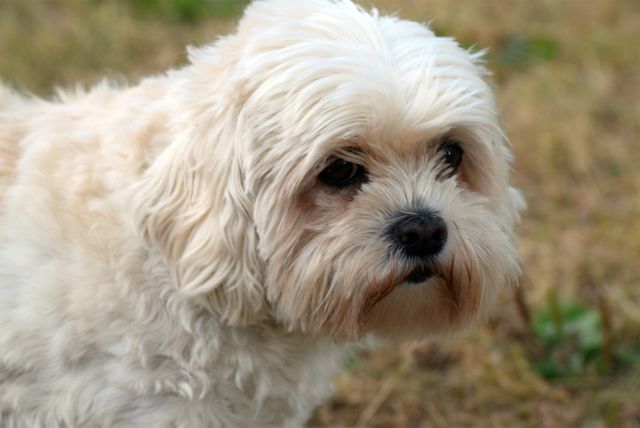
A Lhasa apso poodle mix, often called a Lhasapoo, is a small crossbreed between a Lhasa Apso and a Toy or Miniature Poodle. Most weigh roughly 10–18 pounds, have a low-shedding wavy or curly coat that needs regular grooming, and are affectionate, alert and smart. Many live 12 years or more, but every mixed-breed dog is different.
If you want a small, loyal companion with a teddy-bear look, the Lhasapoo is easy to fall for. But with two very different parents, one a calm Tibetan watchdog and the other an athletic, people-loving Poodle, it helps to know what you might get. This guide covers size, temperament, health, grooming, training and the real cost of owning one in the US.
Key takeaways
- A Lhasapoo is a Lhasa Apso crossed with a Toy or Miniature Poodle. It isn’t an AKC-recognized breed.
- Based on the parent breeds, adults are often about 9–15 inches tall and roughly 10–18 pounds.
- Both parents shed little, but their coats need frequent brushing and regular trims.
- No dog is 100% hypoallergenic, so allergy sufferers should spend time with the dog first.
- Possible health concerns include kneecap and eye problems from both sides.
- Temperament, size and coat type are never guaranteed in a mix.
In this guide
What Is a Lhasa Apso Poodle Mix?
A Lhasa apso poodle mix is a designer crossbreed with one Lhasa Apso parent and one Poodle parent, usually a Toy or Miniature Poodle to keep the dog small. You’ll also see the names Lhasapoo, Lhasa-poo and Lhasadoodle. Because it’s a mix, the American Kennel Club (AKC) doesn’t recognize it as a breed, and there’s no official standard for size, coat or color.
Breeders often cross these dogs hoping for a small, loyal companion with a lower-shedding coat. That’s a reasonable goal, but a puppy can take after either parent or blend both, so littermates may look and act quite differently.
The Parent Breeds: The Lhasa Apso Dog and the Poodle
The Lhasa Apso dog. The Lhasa breed of dog comes from Tibet, where it served as an indoor sentinel. The AKC breed standard describes Lhasas as alert, assertive and loyal, but often aloof with strangers, and sets ideal height at about 10–11 inches. The AKC adds that they weigh about 12–18 pounds, take their watchdog role seriously, and generally handle time at home alone well. The American Lhasa Apso Club puts the breed’s average lifespan at 12–15 years.

The Poodle. Poodles come in three sizes. Under the AKC Poodle standard, Toy Poodles are 10 inches or under, and Miniatures are over 10 and up to 15 inches. The AKC describes Poodles as highly intelligent, eager to please and active, with a coat that sheds very little but needs intensive grooming. Toys typically weigh 4–6 pounds and Miniatures 10–15 pounds.

Lhasa Apso Poodle Mix Size, Weight and Appearance
There’s no Lhasapoo standard, so the best guide is the parents. The Poodle’s size has the biggest effect:
| Dog | Height | Weight |
|---|---|---|
| Lhasa Apso (AKC) | About 10–11 in | 12–18 lb |
| Toy Poodle (AKC) | 10 in or under | 4–6 lb |
| Miniature Poodle (AKC) | Over 10–15 in | 10–15 lb |
| Lhasapoo with a Toy Poodle parent (estimate) | About 9–11 in | Often 8–15 lb |
| Lhasapoo with a Mini Poodle parent (estimate) | About 10–15 in | Often 10–18 lb |
The Lhasapoo rows are our estimates from the parent ranges, not a standard. Individual dogs can be smaller or larger.

Coat and colors. The Lhasa has a heavy, straight double coat, and the AKC standard accepts all colors. The Poodle has a dense, curly coat. A Lhasapoo’s coat may be straight, wavy or curly, and common colors include white, cream, apricot, gold, gray, brown and black, often in combinations. Most have a sturdy little body, dark eyes and drop ears covered in hair.
Lhasapoo Temperament and Personality
A Lhasapoo often blends a loyal, watchful streak with a playful, clever side. Here’s what the parents suggest:
- Affectionate with family. The AKC calls Lhasas comical and mischievous with their people, and Poodles people-oriented.
- Alert and vocal. Lhasas are natural watchdogs, and the AKC notes Poodles can bark more than some breeds. Expect a dog that announces visitors.
- Possibly reserved with strangers. Lhasas are often aloof with new people, while Poodles tend to be friendly, so early socialization matters.
- Smart and sometimes independent. Poodles learn quickly, and Lhasas can be independent thinkers.
With children and other pets. The American Lhasa Apso Club says Lhasas tend to bond with the adults in the family more than with children, and recommends supervised play. Small dogs can be hurt by rough handling, so a Lhasapoo usually suits homes with older, gentle kids. Gradual introductions help with other pets.
Lhasa Apso Poodle Mix Health and Lifespan
Lifespan. The American Lhasa Apso Club gives Lhasas an average of 12–15 years, and the AKC lists Poodles at about 12–15 years. Many Lhasapoos may live 12 years or more with good care, but there’s no Lhasapoo-specific study, and some will live shorter or longer lives.
Possible health concerns. A mix can inherit risks from either side. That doesn’t mean your dog will develop them:
| Condition | Parent link | Signs to watch for |
|---|---|---|
| Patellar luxation (slipping kneecap) | Both | Skipping or hopping on a back leg, limping |
| Eye disease (PRA, cataracts, glaucoma, dry eye) | Both | Cloudy, red or watery eyes, squinting, bumping into things |
| Hip dysplasia | Miniature Poodle | Stiffness, reluctance to jump or climb |
| Bladder stones | Lhasa Apso | Straining to urinate, blood in urine, frequent accidents |
| Hernias (umbilical, inguinal) | Lhasa Apso | A soft bulge at the belly button or groin |
| Hemorrhagic gastroenteritis (HGE) | Lhasa Apso | Sudden bloody diarrhea or vomiting: an emergency |
The Lhasa conditions come from the American Lhasa Apso Club’s health page. The Poodle Club of America recommends that Toy and Miniature Poodles be screened for kneecap problems and the prcd form of PRA, with yearly eye exams, plus hip checks for Miniatures. If you buy a puppy, ask for these results on the Poodle parent and eye and knee checks on the Lhasa parent.
When to call your vet: right away for bloody diarrhea, repeated vomiting, straining to urinate or a painful, red eye. Book a visit for limping, a cloudy eye or a new bulge. This guide is general information, not a diagnosis.
Grooming a Lhasapoo (and Are They Hypoallergenic?)
Grooming is the biggest daily commitment with a Lhasapoo. The AKC says the Lhasa’s long coat needs daily brushing and combing to prevent mats, and that a long Poodle coat needs daily brushing too. Many owners keep their Lhasapoo in a short “puppy cut” to make life easier.
- Brush several times a week, or daily for a longer coat, right down to the skin.
- Book professional grooming about every 4–8 weeks for a trim, depending on coat length.
- Keep the face tidy. Trim hair around the eyes and wipe away tear staining gently.
- Check ears often, since hairy, drop ears can trap moisture.
- Brush teeth regularly and trim nails every few weeks.
Allergies. Both parents shed little, so a Lhasapoo may leave less hair around the house. But the AKC stresses that there’s no such thing as a 100% hypoallergenic dog, because dander causes most pet allergies. The American Lhasa Apso Club advises anyone with allergies or asthma to talk to their doctor before getting a dog. Spend time with the dog first.
Exercise and Training for a Lhasa Apso Poodle Mix
Exercise. The AKC notes Lhasas don’t need extensive exercise, while Poodles are very active. Most Lhasapoos land in between: one or two daily walks plus indoor play and puzzle toys usually work well. A small dog can tire quickly, so adjust for your dog’s age, size and health.

Training. Poodle intelligence helps, but a Lhasa’s independent streak can make training a test of patience. Use positive reinforcement, which means rewarding the behavior you want with treats, praise or play, and keep sessions short and upbeat.
- Start housetraining early, with frequent trips outside.
- Socialize your puppy gently with people, other dogs and new sounds, to reduce wariness of strangers.
- Teach a calm “quiet” cue so alert barking doesn’t become a habit.
- Get your puppy used to brushing, bathing and having paws handled from day one.
Feeding Your Lhasapoo
Feed a complete and balanced dog food made for your dog’s life stage, ideally a small-breed formula. Measure meals, keep treats small and adjust portions to your dog’s body condition, because extra weight puts strain on small joints. The AKC notes that obese dogs live about 2 years less than dogs at a healthy weight. Always provide fresh water, and ask your veterinarian how much to feed, since needs vary with age, size and activity.
How Much Does a Lhasa Apso Poodle Mix Cost in the US?
There’s no reliable national price for a Lhasapoo, and costs vary by location, the breeder or shelter, and the dog’s age and health. These general dog-care estimates can help you plan:
| Expense | Estimated cost (USD) |
|---|---|
| Shelter or rescue adoption | Free to a couple hundred dollars (Best Friends) |
| Breeder puppy | Many hundreds to thousands of dollars (Best Friends) |
| Routine vet care | About $700–$1,500 a year (AKC) |
| Grooming | Up to about $1,400 a year for frequent professional grooming (AKC) |
| Pet insurance (accident and illness) | US dog average of $836 a year in 2025 (NAPHIA) |
Sources: Best Friends Animal Society, the AKC and NAPHIA. Grooming is the cost owners most often underestimate with this mix. Check shelters and small-breed rescues first, and if you buy, choose a breeder who health-tests both parents and lets you meet them.
Is a Lhasa Apso Poodle Mix Right for You?
| Pros | Cons |
|---|---|
| Small size suits apartments | High grooming needs and costs |
| Low-shedding coat | Not truly hypoallergenic |
| Loyal, affectionate and alert | Can be barky and wary of strangers |
| Often long-lived | May not suit homes with toddlers |

A Lhasapoo is often a good match for adults, seniors and families with older children who want a small companion and can keep up with grooming. It can suit first-time owners who commit to training and socialization. If you want a low-maintenance coat or a dog for rough play with young kids, another breed may fit better.
Lhasa Apso Poodle Mix FAQs
How big does a Lhasa apso poodle mix get?
Based on the parent breeds, most are about 9–15 inches tall and roughly 10–18 pounds. A Lhasapoo with a Toy Poodle parent is usually smaller than one with a Miniature Poodle parent.
Do Lhasapoos shed?
Both parents shed little, so most Lhasapoos shed lightly. Their coats still need regular brushing and trims, and no dog is completely hypoallergenic.
How long do Lhasapoos live?
There’s no Lhasapoo-specific study, but Lhasa Apsos average 12–15 years and Poodles about 12–15 years, so many Lhasapoos may live 12 years or more with good care.
Is the Lhasa Apso dog the same as a Lhasapoo?
No. The Lhasa Apso dog is a purebred Tibetan breed recognized by the AKC. A Lhasapoo is a mix of a Lhasa Apso and a Poodle, so its coat, size and personality can vary more.
Are Lhasapoos good with kids?
Many do well with older, gentle children. The American Lhasa Apso Club notes that Lhasas tend to bond with adults, so supervise play and teach kids to handle a small dog carefully.
Final Thoughts
A Lhasa apso poodle mix can be a devoted, clever and long-lived companion in a small package. Plan for regular grooming, early training and socialization, and health risks from both parents. If that fits your life, look for Lhasapoos and similar small mixes at local shelters and rescues first.
Your next steps
- Visit a Lhasapoo or Lhasa Apso to check for allergies before committing.
- Budget for professional grooming every few weeks.
- Compare another popular Poodle cross in our guide to the Cavapoo, or browse more dog breed guides.
Share your Lhasapoo photos with other owners on our Facebook page.
About the author
Written by the Pets Store Home Editorial Team: pet owners and animal lovers who check every breed guide against AKC breed standards, breed club health information and trusted US sources. This article is general information, not veterinary advice.
How we checked this guide: We used AKC breed standards and guides, the American Lhasa Apso Club, the Poodle Club of America, Best Friends Animal Society and NAPHIA. We review this article every 12 months.
Last updated: November 2026
Sources
- AKC – Official Standard for the Lhasa Apso (accessed Nov 2026)
- AKC – Is the Lhasa Apso the Right Breed for You? (accessed Nov 2026)
- AKC – Official Standard of the Poodle (accessed Nov 2026)
- AKC – Is the Poodle the Right Dog Breed for You? (accessed Nov 2026)
- AKC – How Long Do Dogs Live? (accessed Nov 2026)
- AKC – Best Dog Breeds for People With Allergies (accessed Nov 2026)
- American Lhasa Apso Club – Lhasa Apso Health (accessed Nov 2026)
- American Lhasa Apso Club – FAQs (accessed Nov 2026)
- Poodle Club of America – Health Testing in Poodles (accessed Nov 2026)
- Best Friends Animal Society – How Much Does a Dog Cost? (accessed Nov 2026)
- AKC – Cost of Owning a Dog From Puppy to Senior Years (accessed Nov 2026)
- NAPHIA – State of the Industry 2026 Highlights (accessed Nov 2026)
[…] Which foreign pets are legal in Washington State? […]