
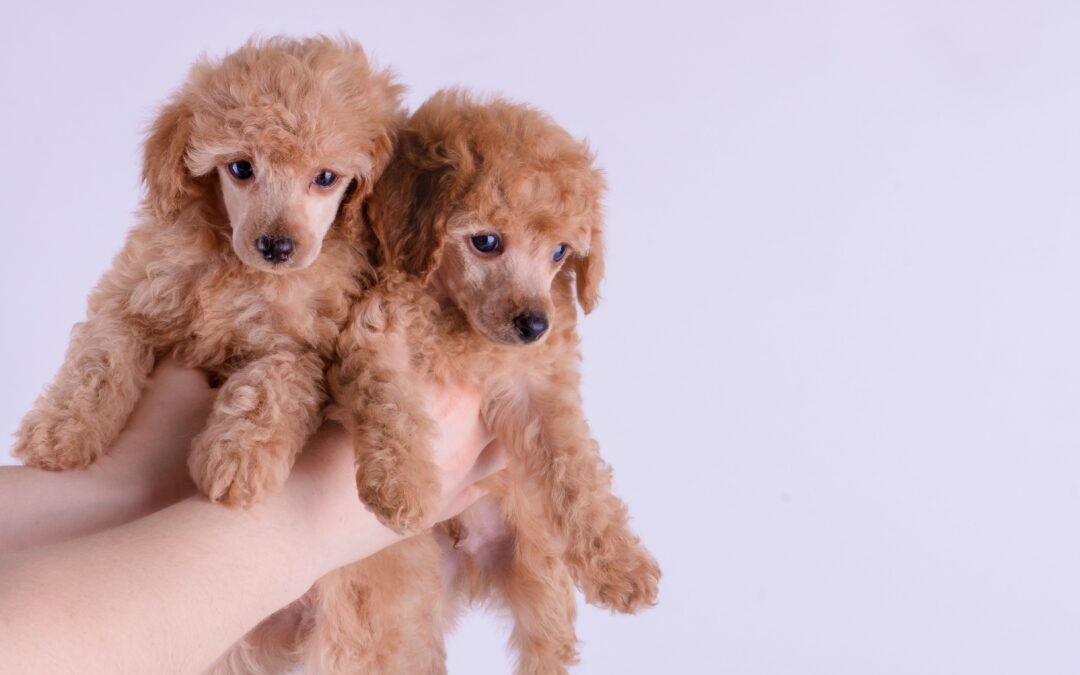
Teacup Poodle: Size, Health Risks, Care and What to Know Before You Buy (2026)
What is a teacup Poodle? It’s a marketing name for a Poodle bred smaller than the Toy variety. The AKC recognizes only three Poodle sizes: Standard, Miniature and Toy, which stands 10 inches or under. A vet writing for PetMD warns that teacup dogs face higher risks of low blood sugar, fragile bones, heart and liver problems.
A teacup Poodle looks like a living stuffed toy, which is a big part of its appeal. But before you search for one, it helps to know what the label really means, how these dogs compare with a healthy Toy Poodle, which health problems are linked to very small size, and how to find a small Poodle responsibly. Every fact below links to its source.
Key takeaways
- “Teacup” is not an official Poodle size; Toy is the smallest recognized variety.
- The AKC lists Toy Poodles at no more than 10 inches, 4 to 6 pounds and 10 to 18 years.
- PetMD says adult teacup dogs often weigh well under 4 pounds.
- Tiny size is linked to hypoglycemia, fractures, dental, heart and liver problems.
- A well-bred Toy Poodle is usually the safer choice.
In this guide
What Is a Teacup Poodle?
The Poodle Club of America breed standard, used by the AKC, sets three Poodle varieties by height at the shoulder: Standard (over 15 inches), Miniature (15 inches or under, but over 10) and Toy (10 inches or under). A teacup Poodle is not a fourth variety. It is a seller’s term for a dog at the very bottom of the Toy range, or below it.
PetMD, in an article by Jennifer Coates, DVM, explains that teacup dogs are much smaller than the typical size for their breed and are also sold as “micro” or “pocket” dogs. She notes there is no official weight for a teacup dog, but adults often weigh well under 4 pounds. You may also see the spelling “tea cup dog.”
Is a Teacup Poodle an Official Size?
No. The standard does not mention a teacup size at all, and the American Kennel Club (AKC) breed page lists only Standard, Miniature and Toy. That means “teacup” on a sales listing is a description chosen by the seller, not a registration category. As general advice, treat the word as a reason to ask more questions, not as a mark of quality.

Teacup Poodle Size vs Toy, Miniature and Standard
The table compares the official Poodle varieties with the unofficial teacup label. Heights come from the Poodle Club of America standard, Toy weight and lifespan from the AKC, and the teacup weight note from PetMD.
| Size | Height at shoulder | Typical weight | Official? |
|---|---|---|---|
| Standard | Over 15 inches | Not set by the standard | Yes (AKC) |
| Miniature | Over 10, up to 15 inches | Not set by the standard | Yes (AKC) |
| Toy | 10 inches or under | 4 to 6 pounds (AKC) | Yes (AKC) |
| “Teacup” | Below typical Toy size | Often well under 4 pounds (PetMD) | No |
How Big Does a Teacup Poodle Get?
There is no set answer, because no standard defines the size. In our experience, sellers use the label for puppies they expect to stay below a typical 4 to 6 pound Toy. Note that the Poodle standard treats small size as a tiebreaker only “when all other points are equal,” so tiny is never the main goal. As general advice, ask for both parents’ adult weights.
Coat and Colors
The standard calls for an even, solid color at the skin, and its notes on nose and eye color cover black, blue, gray, silver, brown, café-au-lait, apricot, cream and white coats. Parti-colored Poodles are disqualified in the show ring. The AKC describes the coat as curly and low-allergen, but notes it must be brushed daily unless kept in a short trim.

If you want a fluffy miniature dog that is not bred below its standard, you might also compare the Maltese or Poodle crosses like the Cavapoo and the Lhasa Apso Poodle mix.
Teacup Poodle Health Risks
Dr. Coates writes that teacup breeders often simply pair the smallest females with the smallest males to sell tiny puppies at high prices, which makes it easy for health problems to pass from parent to puppy. She lists the conditions below as more likely in teacup dogs.
| Condition | What it means | Source |
|---|---|---|
| Hypoglycemia | Dangerously low blood sugar; can cause weakness, tremors and seizures | PetMD |
| Hydrocephalus | Pressure inside the skull that can damage the brain and cause blindness | PetMD |
| Liver shunt | Many tiny abnormal vessels that often cannot be closed with surgery | PetMD |
| Dental disease | Teeth often do not grow in normally in a tiny mouth | PetMD |
| Collapsing trachea | A weak windpipe; higher-than-average risk | PetMD |
| Heart disease | Degenerative mitral valve disease is very common | PetMD |
| Joint problems | Luxating patella and Legg-Calvé-Perthes disease | PetMD, AKC |
Low Blood Sugar in a Teacup Poodle Puppy
PetMD says teacup puppies are prone to dangerously low blood sugar, with signs such as mental dullness, weakness, muscle tremors and seizures, and that it can be fatal. Dr. Coates adds that owners may need to feed them every two hours, even overnight, until they are a year old. As general advice, ask your vet for an emergency plan before you bring a puppy home.
Fragile Bones and Joints
PetMD warns that a teacup dog’s bones are relatively fragile, so even jumping off a bed can cause a fracture. The AKC notes that Legg-Calvé-Perthes disease and luxating patellas are more likely in Toy and Miniature Poodles than in Standards. As general advice, use pet steps, block stairs and supervise young children.
Breathing and a Weak Windpipe
VCA Animal Hospitals lists Toy Poodles among the breeds most often affected by tracheal collapse. The usual sign is a dry, harsh cough, sometimes called a “goose honk,” which may worsen at night, with excitement or in hot, humid weather. VCA advises using a harness instead of a collar and keeping weight under control.
Recommended Health Tests
The AKC lists the national breed club’s recommended tests for Toy Poodles: a patella evaluation, an eye exam by a veterinary ophthalmologist and a DNA test for progressive retinal atrophy (PRA-prcd). You can check results on the Orthopedic Foundation for Animals (OFA) database. The AKC adds that hip dysplasia and some eye disorders can occur, and that epilepsy, sebaceous adenitis and von Willebrand’s disease are seen on occasion.

Daily Care for a Very Small Poodle
Caring for a very small Poodle is mostly about preventing problems. The table pulls together the main daily tasks from PetMD and the AKC, plus clearly marked general advice.
| Care area | What to do | Source |
|---|---|---|
| Feeding | Frequent meals; teacup puppies may need food every 2 hours, even overnight | PetMD |
| Warmth | Keep warm; the smaller the dog, the harder it is to stay warm | PetMD |
| Grooming | Brush daily or keep in a short trim | AKC |
| Exercise | Daily activity; Poodles of all sizes are very active | AKC |
| Dental care | Brush teeth daily if your vet agrees | General advice |
| Safety | Pet steps, no jumping from furniture, careful handling | PetMD, general advice |
| Walking gear | A harness instead of a collar | VCA |
Training and Temperament
The AKC calls Toy Poodles extremely intelligent and easily trained, and says they excel in sports such as agility, obedience and tracking. It recommends fun, positive and consistent sessions. The American Veterinary Society of Animal Behavior (AVSAB) says puppy classes can start at 7 to 8 weeks, after first vaccines. As general advice, choose small-dog classes so your puppy is not hurt in play.
Feeding a Tiny Poodle
The AKC suggests asking your vet or breeder to help choose a food for your dog’s age, activity level and size. As general advice, use a small-breed formula with tiny kibble, weigh portions on a kitchen scale and never skip meals. If your adult dog needs to slim down, see our guide on how to help your dog lose weight.
Pet Care Tip: Our suggestion is to keep a written feeding log for the first weeks: time, amount and whether your puppy ate it all. A missed meal is often the first clue of a problem in a tiny puppy, in our experience.
Buying a Teacup Poodle Responsibly
Dr. Coates’ advice is simple: if you want a small puppy, consider a small dog that meets the breed standard instead. If you still want a tiny one, she suggests a breeder of regular-size dogs who does the breed-specific tests recommended by the Canine Health Information Center. Smaller-than-normal puppies are born now and then, and reputable breeders place them on the condition that they are not bred.
As general advice, be wary of sellers who advertise “teacup,” “micro” or “pocket” puppies as a premium product, will not let you meet a parent, or ship puppies sight unseen. In our experience, these listings often cost more than a well-bred Toy Poodle, so we do not list prices here.
Teacup Poodle or Toy Poodle: Which Should You Choose?
As general advice, choose a Toy Poodle that meets the standard if you want the smallest Poodle with the best health odds. A smaller-than-normal puppy from a health-testing breeder can still be a good fit, but only if you are ready for frequent meals, extra vet visits and careful handling from day one.

When to call a vet right away: As general advice, call your vet or a 24/7 emergency animal hospital if your puppy is weak, trembling, unusually sleepy, has a seizure, refuses food, struggles to breathe or has a honking cough, or yelps and holds up a leg after a fall.
7 questions to ask a breeder
- How much do both parents weigh, and can I meet them?
- Do the parents have patella, eye and PRA-prcd results?
- Can I see the results on the OFA database?
- Has the puppy had any low blood sugar episodes?
- What and how often is the puppy eating now?
- Has a vet examined the puppy, and can I see the records?
- Will you take the dog back at any age?
Example Scenario (illustrative)
Maria in Phoenix nearly paid a deposit for a “micro teacup” puppy shipped from out of state. Instead, she found a local Toy Poodle breeder who showed her both parents and their health results. Her 5-pound puppy came home with a feeding plan and vet records.
| Myth | Fact |
|---|---|
| “Teacup Poodles are a recognized breed size.” | The standard lists only Standard, Miniature and Toy. |
| “Smaller means healthier and lower-maintenance.” | PetMD links tiny size to more health problems. |
| “Curly coats need little care.” | The AKC says daily brushing or a short trim. |
| “Tiny dogs need no exercise.” | The AKC says Poodles of every size need daily exercise. |
What most owners get wrong
In our experience, many buyers chase the smallest puppy in a litter and overlook the parents’ health results. Size is the one trait you should not pay extra for; health testing, temperament and a breeder who supports you are worth far more.
Teacup Poodle FAQs
Is a teacup Poodle a real breed?
No. It is a marketing term; the AKC recognizes only Standard, Miniature and Toy Poodles.
How big is a teacup Poodle?
There is no standard. PetMD says adult teacup dogs often weigh well under 4 pounds.
How big is a Toy Poodle?
The AKC lists no more than 10 inches and 4 to 6 pounds.
How long do Toy Poodles live?
The AKC gives a life expectancy of 10 to 18 years.
Do teacup Poodles have health problems?
PetMD links teacup dogs to hypoglycemia, hydrocephalus, liver shunts, dental, tracheal, heart and joint problems.
Are teacup Poodles hypoallergenic?
The AKC describes the Poodle coat as low-allergen. If you have allergies, spend time with a Poodle before you commit.
What is a better alternative to a teacup Poodle?
A health-tested Toy Poodle that meets the breed standard, as PetMD suggests.
Final Verdict: Should You Get a Teacup Poodle?
A teacup Poodle is not a separate size but a label for a Poodle bred below the Toy range, and vet guidance links that tiny size to real health risks. If you want a small, smart and loyal companion, a health-tested Toy Poodle from a responsible breeder gives you the same charm with far better odds of a long, healthy life.
Your next steps
- Look for a Toy Poodle breeder who shares patella, eye and PRA results.
- Meet at least one parent and ask about their weights.
- Book a vet visit within days of bringing your puppy home.
Share your small Poodle on the Pets Store Home Facebook page, and find more breed guides in our Dogs section.
About the author: Written and reviewed by the Pets Store Home Editorial Team, pet owners who check every guide against trusted sources.
How we checked this guide: Size varieties and colors come from the Poodle Club of America standard. Toy Poodle size, lifespan, health tests, grooming, exercise and training come from the AKC. Teacup health risks and buying advice come from PetMD (Jennifer Coates, DVM), tracheal collapse from VCA Animal Hospitals, and socialization timing from AVSAB.
We do not list prices because “teacup” pricing varies widely and is set by sellers. This guide was written in November 2026 and is reviewed every 12 months.
Last reviewed: November 2026.
[…] Which foreign pets are legal in Washington State? […]