
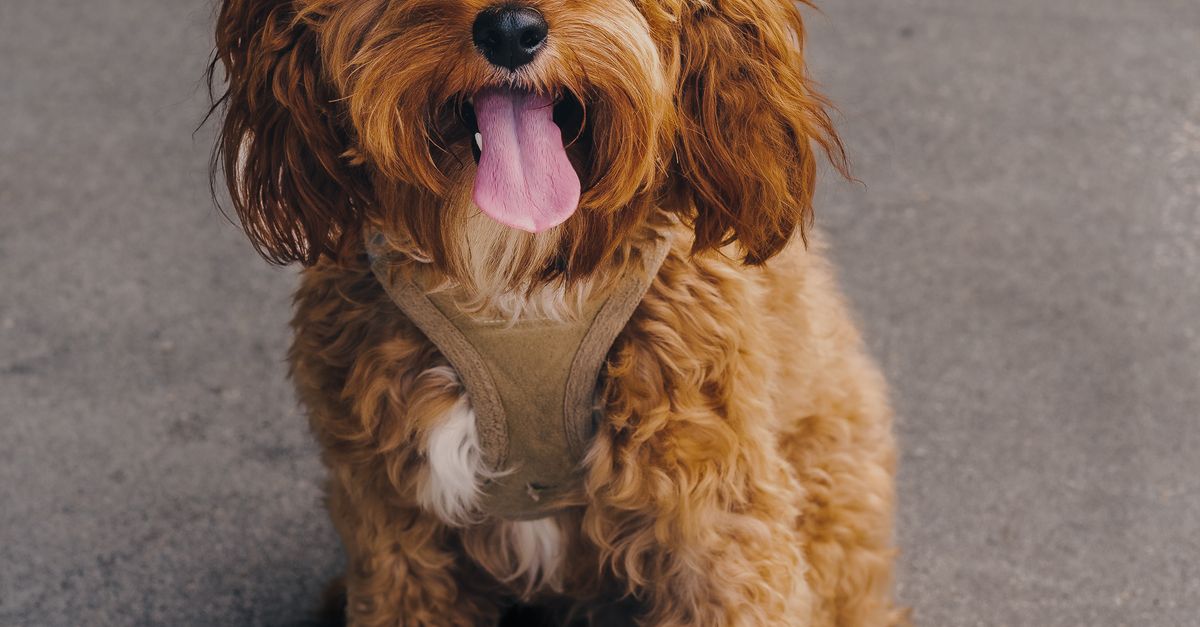
What is a Cavapoo? A Cavapoo is a mixed-breed dog created by crossing a Cavalier King Charles Spaniel with a Poodle, usually a Toy or Miniature Poodle. Most are small, affectionate companion dogs with a soft, wavy to curly coat. Because they’re a cross and not a recognized breed, size, coat, and health can vary from puppy to puppy.
Cavapoos have become one of the most popular “doodle” dogs in the US, thanks to their teddy-bear looks and friendly nature. But popularity also attracts careless breeders, so before you buy, it pays to know exactly what is a Cavapoo and what isn’t. This guide covers how big an adult Cavapoo gets, coat types and colors, temperament, exercise and grooming, common health issues, lifespan, typical US prices, and how to find a responsible breeder or rescue.
Key takeaways
- A Cavapoo is a Cavalier King Charles Spaniel and Poodle cross, also called a Cavoodle.
- Most adult Cavapoos are small, roughly 9 to 14 inches tall and 7 to 18 pounds, depending on the Poodle parent.
- Coats range from wavy to tightly curly and usually need regular brushing and professional grooming.
- They’re typically gentle, social, and people-focused, and many don’t like being left alone.
- Health risks from both parents include heart valve disease, kneecap problems, and inherited eye disease.
- Expect a lifespan of about 10 to 14 years and a breeder price of roughly $1,200 to $4,000 in the US.
- Ask breeders for health test results on both parents, or consider adoption.
In this guide
What Is a Cavapoo? The Short Answer
A Cavapoo is a cross between two purebred dogs: the Cavalier King Charles Spaniel, a gentle toy spaniel, and the Poodle, a clever, curly-coated breed. Breeders usually use a Toy or Miniature Poodle to keep the puppies small. You may also see the name Cavoodle, especially in ads from Australia.
So what is a Cavapoo dog breed in official terms? It isn’t one. The American Kennel Club doesn’t register mixed breeds or “designer” crosses as breeds, so there’s no official Cavapoo breed standard. According to pet insurer Pumpkin, the cross was approved by a private designer-dog registry in 2009, but that isn’t the same as AKC recognition. Learn more in our guide to designer dog breeds.
You’ll often see generation labels in breeder ads:
| Label | What it means |
|---|---|
| F1 | First cross: a purebred Cavalier bred to a purebred Poodle |
| F1b | An F1 Cavapoo bred back to a Poodle, often for a curlier coat |
| F2 | Two F1 Cavapoos bred together |
| Multigenerational | Cavapoos bred to Cavapoos over several generations |
How Big Is an Adult Cavapoo?
An adult Cavapoo is a small dog, but exact size depends on the parents. Pumpkin lists Cavapoos at about 9 to 14 inches tall and 7 to 18 pounds. To see where that range comes from, look at the parent breeds:
| Dog | Height (at the shoulder) | Weight |
|---|---|---|
| Cavalier King Charles Spaniel | 12–13 in | 13–18 lb |
| Toy Poodle | 10 in or under | Varies |
| Miniature Poodle | Over 10 in, up to 15 in | Varies |
| Adult Cavapoo (typical) | About 9–14 in | About 7–18 lb |
Cavalier figures come from the AKC breed standard, and Poodle sizes come from the UKC Poodle standard. A Cavapoo with a Toy Poodle parent will usually be smaller than one with a Miniature Poodle parent. Ask the breeder for the weights of both parents, since that’s the best clue to your puppy’s adult size.
Cavapoo Dog Coat Types and Colors
A Cavapoo dog can inherit its coat from either parent. The AKC standard describes the Cavalier’s coat as silky and moderate in length with no curl, while the UKC describes the Poodle’s coat as harsh, dense, and curly. Most Cavapoos land somewhere in between:
- Straight to slightly wavy: closer to the Cavalier, softer, and more likely to shed.
- Wavy or fleece-like: the classic teddy-bear look, loose waves that can tangle.
- Tight curls: closer to the Poodle, often lower shedding, and needs regular clipping.
Pumpkin lists common Cavapoo colors as gold, black, chestnut, cream, white, and tricolor (black, tan, and white), often with white markings. Cavaliers come in four colors (Blenheim, tricolor, ruby, and black and tan), and Poodles come in many solid colors, including apricot, red, cream, and black.
Pet Care Tip: “Low-shedding” isn’t the same as allergy-free. If someone in your home has dog allergies, spend time with the puppy’s parents or an adult Cavapoo before you commit, and talk to your doctor.
What Is a Cavapoo Like? Temperament
What is a Cavapoo like to live with? Most are sweet, social, and eager to be near their people. That fits both parents. The AKC standard calls the Cavalier cheerful, friendly, and non-aggressive, and the UKC describes the Poodle as highly intelligent, trainable, playful, and very social, needing close interaction with its family.
Typical Cavapoo dog breed traits include:
- Affectionate: many love cuddling and following you from room to room.
- Friendly: often good with children, other dogs, and visitors when well socialized.
- Smart and trainable: they usually respond well to positive, reward-based training.
- Sensitive: harsh corrections can make them anxious.
- People-dependent: some struggle when left alone for long periods.
Because they bond so closely, Cavapoos can be prone to separation anxiety. Early socialization, crate training, and practice with short alone-time sessions help a lot. If your dog is already showing barking, chewing, or clinginess, see our guide to Cavapoo behavior problems.
Exercise and Grooming Needs
Exercise. The AKC describes the Cavalier as having a sporting spaniel’s energy, and the Poodle is an athletic, clever breed. Most adult Cavapoo dogs do well with daily walks plus indoor or backyard play. They also need mental exercise, such as puzzle toys, short training sessions, and sniffing games, to stay happy. Puppies, seniors, and dogs with heart or joint problems may need a gentler plan, so ask your vet what’s right for your dog.
Grooming. A wavy or curly Cavapoo coat keeps growing and tangles easily, especially behind the ears, under the legs, and around the collar. Plan for:
| Task | How often |
|---|---|
| Brushing to the skin | Several times a week, or daily for curly coats |
| Professional groom and trim | Every 6–8 weeks for most coats (Petful) |
| Ear checks | Weekly; ask your vet about ear cleaning |
| Nail trims | Every few weeks |
| Tooth brushing | Ideally daily, with dog toothpaste |
Start handling your puppy’s paws, ears, and mouth early so grooming becomes routine. Matted coats can pull on the skin and hide problems, so don’t let tangles build up.
Common Cavapoo Health Issues
What is a Cavapoo’s biggest health risk? It depends on the parents. Mixed breeds aren’t automatically healthier. A Cavapoo can inherit conditions from either parent, which is why health testing on both parents matters. Key risks include:
| Condition | What it is | Parent breed linked |
|---|---|---|
| Mitral valve disease | A degenerative heart valve disease; a murmur is often the first sign | Cavalier |
| Syringomyelia | Fluid cavities in the spinal cord; may cause neck sensitivity and “air scratching” | Cavalier |
| Patellar luxation | Kneecaps that slip out of place | Both |
| Progressive retinal atrophy (PRA) | Inherited retinal disease that can lead to blindness | Both (prcd-PRA in Poodles) |
| Cataracts and other eye problems | Clouding of the lens and retinal defects | Both |
| Hip dysplasia | An abnormally formed hip joint | Both |
| Legg-Calvé-Perthes disease | Loss of blood supply to the top of the thigh bone | Poodle |
Heart disease is the big one. The Merck Veterinary Manual notes that mitral valve degeneration is inherited in Cavalier King Charles Spaniels. Early on there are no outward signs, just a murmur your vet can hear. Later signs can include fast or labored breathing, coughing, and fainting. Ask your vet to listen to your Cavapoo’s heart at every checkup.
Syringomyelia is another Cavalier concern. The Cavalier King Charles Spaniel Club explains that signs often appear between 6 months and 3 years and can include scratching at the neck, shoulder, or ear without skin disease. Only an MRI can confirm it. See your vet if you notice these signs.
Health tests to ask breeders about
- Cavalier parent: heart exam by a board-certified veterinary cardiologist, eye exam by a board-certified veterinary ophthalmologist, patella exam, and hip X-rays submitted to the OFA at 2 years or older (CKCSC).
- Poodle parent: prcd-PRA DNA test, yearly eye exam by an ACVO ophthalmologist, and patella evaluation, plus hip evaluation for Miniature Poodles (Poodle Club of America).
Cavapoo Lifespan
Pumpkin lists a Cavapoo lifespan of about 10 to 14 years. Keep in mind that the CKCSC puts the average Cavalier lifespan at about 9 to 10 years, so choosing health-tested parents matters. Keeping your dog at a healthy weight, staying current on vaccines and parasite prevention, regular dental care, and yearly vet exams (twice yearly for seniors, if your vet advises) all help your dog live a longer, healthier life.
How Much Does a Cavapoo Cost in the US?
What is a Cavapoo going to cost you? Prices vary by breeder, location, generation, coat, and color. Published estimates differ, so treat these as rough guides:
| Cost | Typical range | Source |
|---|---|---|
| Puppy from a breeder | $1,200–$1,800 | Pumpkin (2022) |
| Puppy from a breeder | $1,500–$4,000 | Petful (2026) |
| Adoption fee | $300–$700 | Petful (2026) |
| Yearly care after year one | $1,350–$2,800 | Petful (2026) |
According to Petful’s 2026 price guide, yearly costs include food, professional grooming, routine vet care and preventives, and pet insurance. Grooming alone can add several hundred dollars a year. A puppy priced far below the usual range can be a warning sign that health testing was skipped. Budget for emergencies, too, especially given this cross’s heart risks.
How to Find a Responsible Cavapoo Breeder or Rescue
Once you know what is a Cavapoo and whether it suits your home, the next step is finding a good source. Because Cavapoos are popular and not overseen by a breed club, quality varies widely. Use the AKC’s list of questions to ask a potential breeder and look for a breeder who:
- shows written health test results for both the Cavalier and Poodle parents,
- lets you meet the mother, and the father if he’s on site, and see where the dogs live,
- raises puppies in the home and starts socialization early,
- keeps puppies with their mother until at least 8 weeks old,
- provides vet records, a written contract, and a health guarantee,
- will take the dog back at any age if you can’t keep it, and
- asks you plenty of questions about your home and lifestyle.
The ASPCA warns against buying puppies online sight unseen and notes that a USDA license or registry papers alone don’t guarantee good care. Walk away from sellers who won’t let you visit, always have puppies available, or pressure you for a quick deposit.
Adoption is a great option, too. Adult Cavapoos and other Poodle mixes show up at local shelters, humane societies, and doodle-focused rescue groups. An adult dog’s size, coat, and personality are already known, which takes the guesswork out of what a Cavapoo will be like as a grown dog.
| Cavapoo pros | Cavapoo cons |
|---|---|
| Small and apartment-friendly | Can struggle when left alone |
| Affectionate and social | Regular professional grooming costs |
| Smart and trainable | Inherited heart and eye risks |
| Often low shedding | Size and coat are less predictable than a purebred |
Example Scenario (illustrative)
Priya in Colorado works from home and wants a small, friendly dog. She finds a Cavapoo litter online priced well below other listings, but the seller won’t share health results or allow a visit, so she passes. She contacts a breeder who shares the Cavalier parent’s cardiologist and eye exams and the Poodle parent’s PRA DNA results, and invites her to meet the mother. Priya joins the waitlist and books a vet checkup for the week her puppy comes home.
What Is a Cavapoo? FAQs
What is a Cavapoo dog breed mixed with?
A Cavapoo is a Cavalier King Charles Spaniel crossed with a Poodle, usually a Toy or Miniature Poodle. It’s a mixed breed, not an AKC-recognized breed.
How big does an adult Cavapoo get?
Most adult Cavapoos are about 9 to 14 inches tall and 7 to 18 pounds. Dogs with a Miniature Poodle parent tend to be larger than those with a Toy Poodle parent.
Are Cavapoos hypoallergenic?
No dog is completely allergy-free. Curly-coated Cavapoos may shed less, but they still produce allergens, so spend time with one before bringing a dog home.
Are Cavapoos good family dogs?
Many are. They’re usually gentle, friendly, and social, but they need supervision with young children, daily company, and early socialization.
How long do Cavapoos live?
Pumpkin lists about 10 to 14 years. Health-tested parents, a healthy weight, and regular vet care give your dog the best chance at a long life.
How much is a Cavapoo puppy?
Published estimates range from about $1,200 to $4,000 from a US breeder, depending on the source, location, and breeder. Adoption fees are typically lower.
What health problems do Cavapoos have?
Common risks include mitral valve disease, syringomyelia, slipping kneecaps, progressive retinal atrophy, cataracts, and hip problems. Ask breeders for health tests on both parents.
Final Verdict: What Is a Cavapoo?
What is a Cavapoo, in one line? A small, loving Cavalier King Charles Spaniel and Poodle mix that thrives on company, needs regular grooming, and comes with real heart and eye risks from its parent breeds. If you can give one plenty of time, budget for grooming and vet care, and choose a health-testing breeder or a rescue, a Cavapoo can be a wonderful companion.
Your next steps
- Take the health test list above to every breeder conversation.
- Prepare for puppyhood with our guide to socializing a puppy.
- Explore more breed guides in our dog care section.
Share your Cavapoo’s photos and questions with other owners on our Facebook page.
About the author
Written and reviewed by the Pets Store Home Editorial Team: pet owners and animal lovers who check every guide against trusted US veterinary and animal-welfare sources. This article is general information, not a substitute for professional veterinary advice. Always talk to your veterinarian about your own pet’s health.
How we checked this guide: We used the American Kennel Club (AKC) breed standard and breeder guidance, the United Kennel Club (UKC) Poodle standard, the Merck Veterinary Manual, the Cavalier King Charles Spaniel Club, the Poodle Club of America, the ASPCA, and published price data from Pumpkin (2022) and Petful (2026). We review this article every 12 months, or sooner if guidance or prices change.
Last reviewed: October 2026
Sources
- American Kennel Club – Cavalier King Charles Spaniel Breed Standard (PDF) (accessed Oct 2026)
- American Kennel Club – Questions to Ask Your Potential Breeder (accessed Oct 2026)
- United Kennel Club – Poodle Breed Standard (PDF) (accessed Oct 2026)
- Merck Veterinary Manual – Myxomatous Atrioventricular Valve Degeneration in Dogs and Cats (accessed Oct 2026)
- Cavalier King Charles Spaniel Club – Inherited Health Problems in CKCS (accessed Oct 2026)
- Poodle Club of America – Health (accessed Oct 2026)
- ASPCA – Responsible Breeder or Puppy Mill? Shopping for a Pet Online (accessed Oct 2026)
- Pumpkin – Facts About Cavapoos (2022) (accessed Oct 2026)
- Petful – Cavapoo Price in 2026 (accessed Oct 2026)
[…] Which foreign pets are legal in Washington State? […]