
Best Small Pets That Like to Cuddle: A Real Guide

Best Small Pets That Like to Cuddle: A Real Guide

Not everyone has space, time, or energy for a dog that needs daily runs — but that doesn’t mean you have to give up on a pet who genuinely wants to snuggle. If you’re searching for small pets that like to cuddle, the good news is there are more affectionate options than most people realize, from classic favorites to a few surprising ones. The key is matching the right species to your lifestyle, space, and how much handling you’re realistically able to offer — because “cuddly” looks different for a guinea pig than it does for a rabbit. Here’s an honest, welfare-first look at the best small pets for genuine affection, and what real cuddling with each one actually looks like.

⚡ Quick Answer

Guinea pigs, rabbits, and small affectionate dog breeds are generally the most reliably cuddly small pets, since they’re naturally social and tolerate handling well once bonded. Hamsters and gerbils can bond closely but are typically less keen on prolonged holding. No small pet is instantly cuddly on day one — affection is built gradually through gentle, consistent, low-pressure interaction, and every species has its own comfortable way of showing it.

Key Takeaways

  • Guinea pigs are widely considered one of the most naturally affectionate and cuddle-tolerant small pets.
  • Rabbits can be very affectionate but often prefer being near you over being picked up — cuddling on their terms, not yours.
  • Cuddliness is partly individual temperament, not just species — patience and gentle handling matter as much as the animal you choose.
  • Every pet on this list is a genuine, multi-year commitment — cuddliness shouldn’t be the only factor in the decision.
  • Building trust takes time; forcing handling before a pet is ready usually backfires and delays real bonding.

Table of Contents

  1. What Actually Makes a Pet “Cuddly”
  2. Why Trust This Guide
  3. Best Small Pets for Cuddling
  4. The Real Commitment Behind Each One
  5. Real Case Study
  6. How to Build a Cuddly Bond
  7. Common Mistakes
  8. Checklists
  9. FAQ

🐾 Why Trust This Guide

This guide was researched and written by the Pets Store Home editorial team against animal-welfare sources including the RSPCA, RWAF, and breed-specific temperament guidance. See our full Editorial Standards. This article is educational, not a substitute for guidance from a vet or reputable breeder/rescue about the right pet for your specific situation.

What Actually Makes a Pet “Cuddly”

True cuddliness comes down to two things: a species’ natural social tolerance for close contact, and the individual bond you build through gentle, patient handling. A naturally social species still needs trust-building time, while even a typically shy species can become affectionate with the right approach. Neither factor works alone — species sets the baseline, but your consistency shapes the result.

Best Small Pets for Cuddling

🟢 Guinea Pigs — Most Reliably Affectionate

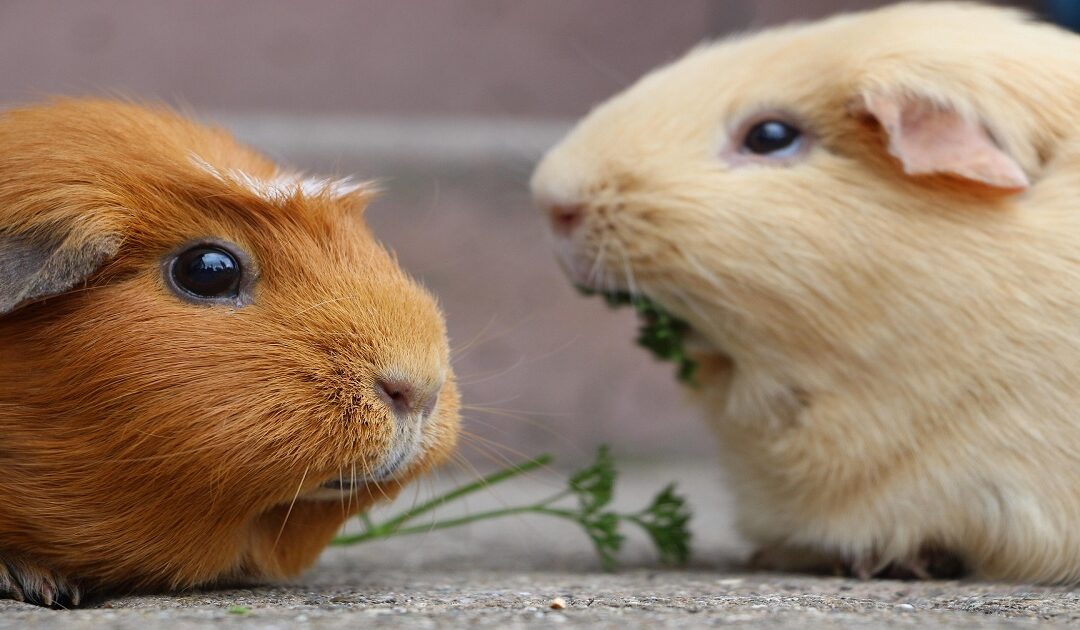
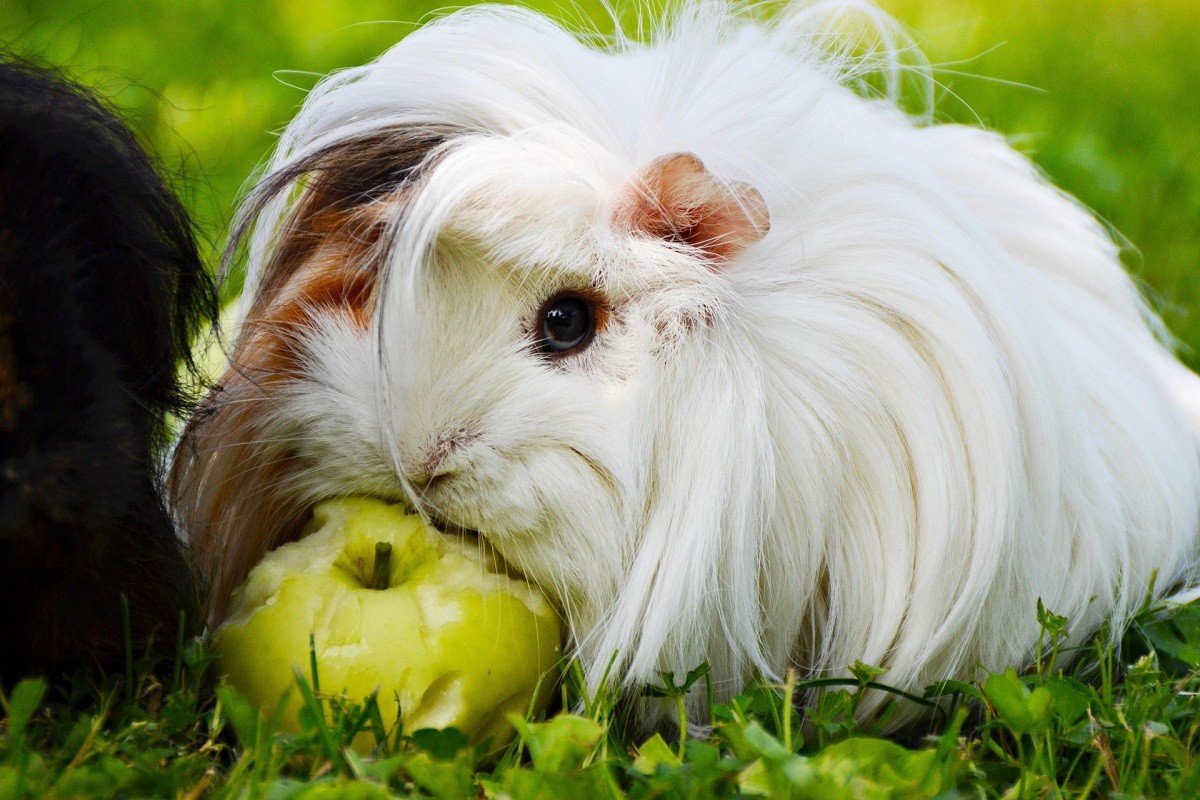
Widely considered the gold standard for cuddly small pets. Guinea pigs are naturally social, rarely bite, and often relax into a lap once comfortable, sometimes even “wheeking” happily at your approach. They do best in pairs, so plan for two.

🔵 Rabbits — Affectionate, on Their Terms

Many rabbits are deeply affectionate but generally prefer lying beside you over being picked up and held — their idea of cuddling is closeness, not confinement. Gentler breeds like Dutch or Rex tend to be more receptive to handling than others.

🟠 Small Affectionate Dog Breeds — High Bonding, Higher Care Needs

Breeds like the Cavalier King Charles Spaniel or Bichon Frise are exceptionally people-focused and love physical closeness. This comes with a much bigger daily commitment than a small caged pet — walks, training, and vet care included.

🔴 Hamsters — Bond Closely, Less Keen on Long Holding

Hamsters can become tame and comfortable with gentle handling, but most prefer short, calm interactions over extended cuddling — a good fit if you want a bondable pet without a large time commitment, rather than a lap companion.

Pet Care Tip: Whichever pet you choose, let affection develop at their pace — a species known for cuddling can still take weeks to trust a new home, and rushing it usually delays the bond you’re hoping for.

The Real Commitment Behind Each One

Every pet on this list is a genuine multi-year responsibility, not a novelty. Guinea pigs and hamsters still need daily care, appropriately sized housing, and veterinary attention; small dogs require years of training, exercise, and higher ongoing costs. None of these animals should be chosen on cuddliness alone — think through daily care, lifespan, and cost before bringing any pet home.

Real Case Study: Patience Over Instant Cuddles

Example Scenario: A family adopted two guinea pigs specifically hoping for cuddly pets for their children, expecting affection right away. For the first two weeks, both guinea pigs hid and squeaked nervously during handling, leaving the kids disappointed. Following gentle-introduction guidance, they switched to short daily sessions of simply sitting near the enclosure and hand-feeding herbs, without picking the guinea pigs up at all. By week three, both guinea pigs began approaching the front of the cage at the sound of their voices. By week five, the guinea pigs were happily settling into laps for extended periods. The lesson: even a naturally social species needs real time to trust a new environment — the cuddling wasn’t missing, it just hadn’t been earned yet.
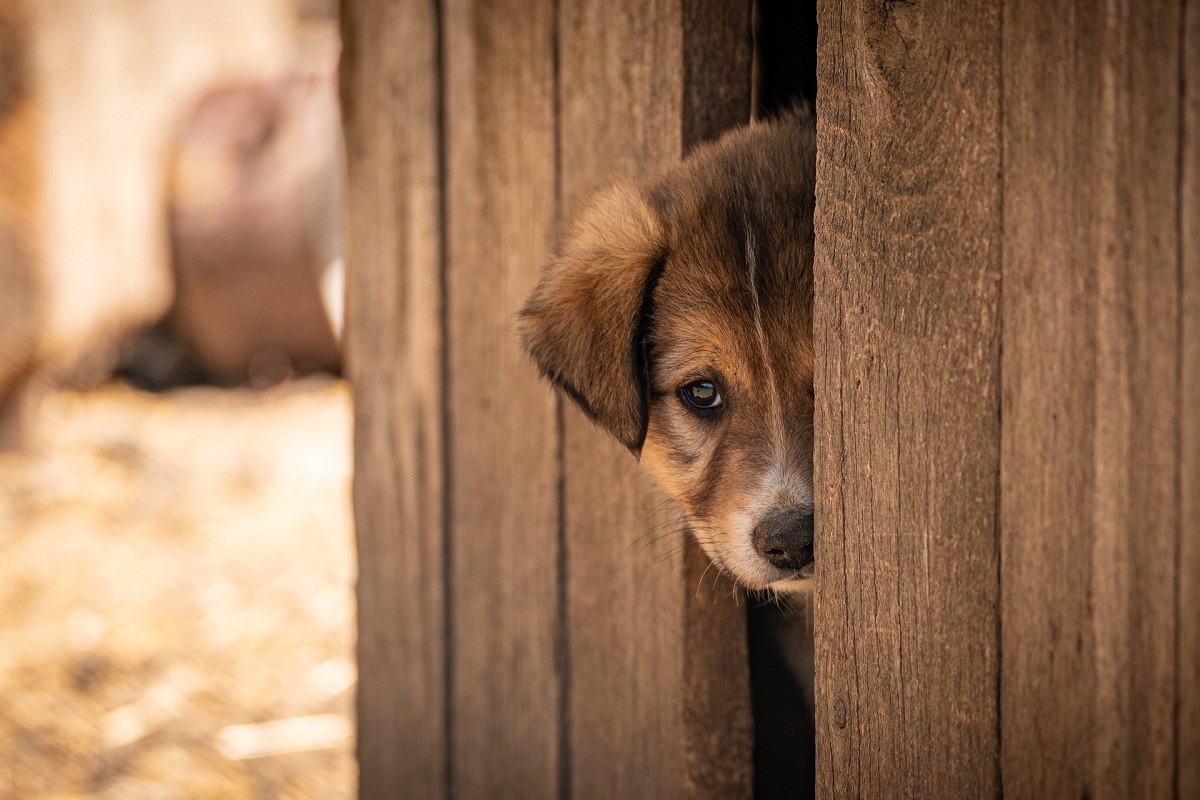
small pets that like to cuddle

How to Build a Cuddly Bond

  1. Start with presence, not handling. Sit near your pet’s space daily before attempting to pick them up — familiarity comes first.
  2. Hand-feed treats. This builds a positive association with your hands and presence for almost every small pet species.
  3. Keep early sessions short. A few calm minutes daily beats one long, overwhelming session.
  4. Let them come to you when possible. Especially with rabbits and hamsters, approaching on their own terms builds trust faster than being picked up repeatedly.
  5. Watch body language. Relaxed posture invites more contact; tension or retreat means back off and try again later.
  6. Stay consistent. Daily gentle interaction, even briefly, builds trust faster than occasional longer sessions.

Pet Care Tip: Cuddling should never be forced to satisfy your own timeline — a pet that learns handling always means retreat has no escape becomes harder to bond with long-term, not easier.

Common Mistakes Owners Make

  • Choosing a pet based only on looks or cuddliness reputation. Why it happens: cute photos and lists like this one are persuasive. Consequence: mismatched expectations about daily care and cost. Fix: research full care requirements before deciding.
  • Forcing handling before trust is built. Why it happens: wanting affection right away. Consequence: increases fear and delays real bonding. Fix: let trust build gradually through presence and hand-feeding.
  • Assuming all individuals of a “cuddly” species will be cuddly. Why it happens: species reputation feels like a guarantee. Consequence: disappointment with a naturally shier individual. Fix: respect individual temperament, not just species stereotype.
  • Getting a pet as a “starter” without full commitment. Why it happens: small pets seem lower-stakes than a dog. Consequence: neglect or rehoming when reality doesn’t match expectations. Fix: treat every pet on this list as a genuine multi-year commitment.
  • Skipping research on pairing needs. Why it happens: not realizing some species (guinea pigs, rabbits) need companions of their own kind. Consequence: a lonely, under-stimulated pet. Fix: check species-specific social needs before bringing one home.

Practical Checklists

Before You Choose a Cuddly Pet Checklist

  • ☐ Researched the species’ full daily care needs, not just temperament
  • ☐ Confirmed lifespan and long-term cost fit your circumstances
  • ☐ Checked whether the species needs a same-species companion
  • ☐ Realistic about the time needed to build trust before real cuddling
  • ☐ Considered space and housing requirements

Bond-Building Checklist

  • ☐ Daily short, calm interaction sessions
  • ☐ Hand-feeding to build positive association
  • ☐ Watching body language before extending contact
  • ☐ Patience through the first few weeks in a new home

Cuddliness Quick Comparison

Pet Cuddle Style Daily Commitment
Guinea pig Lap-loving once bonded Moderate
Rabbit Closeness over holding Moderate-High
Small affectionate dog Constant physical closeness High
Hamster Brief, gentle handling Low-Moderate

Frequently Asked Questions

What is the cuddliest small pet overall?
Guinea pigs are generally considered the most consistently affectionate and handling-tolerant small pet, though individual temperament always plays a role.

Are rabbits good cuddly pets for kids?
They can be, but many rabbits prefer being near a person over being picked up and held, which can be a mismatch for young children expecting to carry their pet — supervision and realistic expectations matter here.

Can hamsters become genuinely affectionate?
Yes, many hamsters bond well with gentle, consistent handling, though most prefer shorter interactions rather than prolonged holding compared to guinea pigs or rabbits.

How long does it take for a new small pet to warm up to cuddling?
It varies by individual and species, but a few weeks of consistent, gentle interaction is a realistic timeline for most small pets to begin showing real trust and affection.

Is it better to get one guinea pig or two for cuddling?
Two is strongly recommended — guinea pigs are highly social and typically thrive better, including being calmer for handling, when they have a companion of their own species.

Sources & References

About the Author & Editorial Process

This guide was researched and written by the Pets Store Home editorial team — pet owners and researchers who verify every claim against trusted veterinary and animal-welfare sources before publishing.

This content is for general educational purposes. Always research a species thoroughly and consult a vet or reputable rescue before bringing home a new pet.

Last reviewed: September 2026  |  Read our Editorial Standards

Final Thoughts

The cuddliest pet for you isn’t just the one with the best reputation — it’s the one whose care needs genuinely fit your life, paired with the patience to let a real bond develop. Whichever small pet you choose, give the relationship time to grow at its own pace. The cuddling you’re hoping for is almost always waiting on the other side of a little trust.
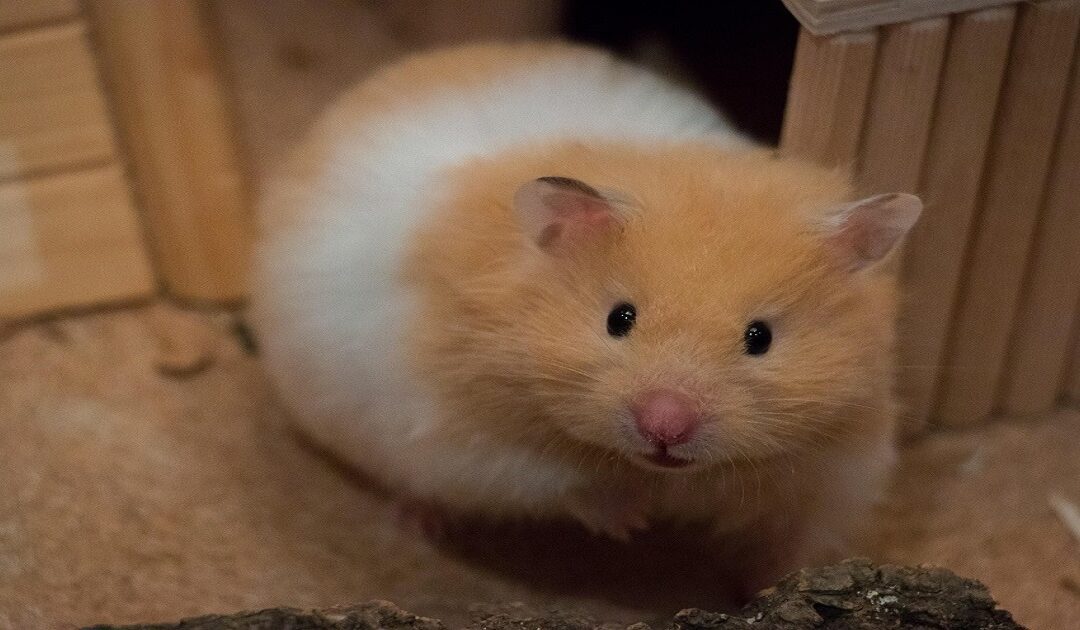
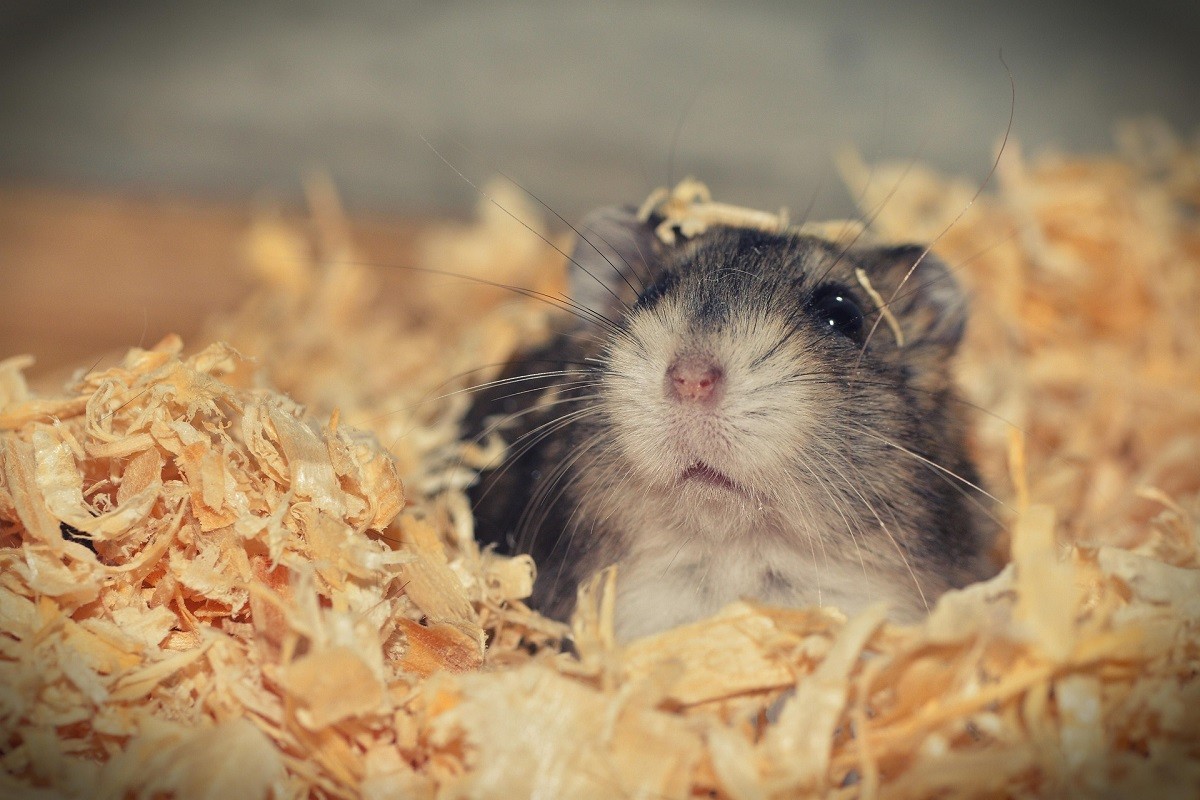
Hamster Biting Cage Bars: Causes & How to Stop It

Hamster Biting Cage Bars: Causes & How to Stop It

That rhythmic, metallic rattling at 2 a.m. isn’t your hamster settling in for the night — it’s a distress signal. Hamster biting cage bars is one of the most common, and most misunderstood, small-pet behaviors, and it’s not a quirky habit to shrug off. Left unaddressed, it can chip teeth, injure gums, and in persistent cases, reflect genuine chronic stress. The encouraging part: once you understand what’s actually driving it, this is one of the most fixable hamster behaviors out there. Here’s exactly why hamsters bite their cage bars, and what genuinely stops it.

⚡ Quick Answer

Hamsters bite cage bars mainly due to boredom, insufficient cage space, or an unmet need to gnaw and wear down their continuously growing teeth. It’s classified by animal behaviorists as a stereotypic behavior — a repetitive action seen almost exclusively in captive animals whose environment doesn’t meet their needs. The most effective fix is usually a larger enclosure (research points to hamsters largely stopping the behavior around 100cm of cage length) combined with proper chew toys and enrichment; persistent biting despite these changes warrants a vet check.

Key Takeaways

  • Bar biting is different from normal teeth grinding — it’s forceful, repetitive, and directed specifically at the cage structure.
  • Cage size is one of the single biggest factors — many hamsters stop bar biting almost entirely once moved to a sufficiently large enclosure.
  • It’s classified as a “stereotypic behavior” in animal behavior science — a sign of an unmet environmental need, not misbehavior.
  • Left unaddressed, bar biting can cause chipped teeth, mouth sores, and nose injuries.
  • A solid or mesh-front enclosure (glass tank, bin cage) removes the option to bite bars entirely if other fixes don’t fully resolve it.

Table of Contents

  1. Bar Biting vs. Normal Gnawing
  2. Why Trust This Guide
  3. Common Causes, by Type
  4. Why It Matters (Not Just Annoying)
  5. Real Case Study
  6. Step-by-Step Fixes
  7. Common Mistakes
  8. Checklists
  9. FAQ

🐾 Why Trust This Guide

This guide was researched and written by the Pets Store Home editorial team against veterinary and exotic small-pet welfare sources, including vet-authored guidance and hamster-welfare research on enclosure size and stereotypic behavior. See our full Editorial Standards. This article is educational and not a substitute for veterinary advice — consult an exotic-animal vet for concerns specific to your hamster.

Bar Biting vs. Normal Gnawing

Hamster teeth grow continuously throughout their lives, so some gnawing is healthy and necessary. The distinction that matters: normal teeth-maintenance gnawing (on wood chews, cardboard, or hard treats) is brief and self-directed, while bar biting is forceful, repetitive, specifically targeted at the cage structure, and often produces a distinct scraping sound. This pattern is what animal behaviorists call a stereotypic behavior — a repetitive, seemingly purposeless action seen almost exclusively in captive animals whose environment isn’t meeting their needs. You won’t see this in wild hamsters, because there’s nothing to bite.

hamster biting cage bars

Common Causes, by Type

🟠 Insufficient Cage Size

The single biggest factor for most hamsters. Research and hobbyist reporting both point to bar biting dropping sharply once cage floor space reaches roughly 100cm — below that, frustration at the enclosure’s limits builds quickly, especially in active Syrian hamsters.

🔵 Boredom & Lack of Enrichment

An under-stimulated hamster with too few toys, tunnels, or chew items redirects that pent-up energy onto the nearest available surface — often the bars.

🟣 Unmet Teeth-Wearing Need

Without enough appropriate chew material (wood, hard treats), a hamster may gnaw on bars simply to manage their continuously growing incisors — a healthy instinct misdirected at the wrong object.

🔴 Stress or an Underlying Health Issue

A dirty cage, disrupted sleep schedule, or recent environmental change can trigger stress-driven bar biting. In rarer cases, unexplained restlessness at the cage edges can reflect pain or age-related disorientation — worth ruling out if the usual fixes don’t help.

Pet Care Tip: Bar biting that starts right around your hamster’s usual wake-up or active time is often simply a “let me out” signal tied to routine, rather than a deeper welfare problem — timing tells you a lot.

Why It Matters (Not Just Annoying)

Beyond the noise, cage bar chewing causes real physical damage: chipped or broken teeth from biting hard metal, gum and mouth sores from repeated contact, and even nose injuries from rubbing against bars during the behavior. Chronic, unaddressed stress from a poor environment can also weaken a hamster’s overall wellbeing over time. This is worth taking seriously early, before damage becomes established.

Real Case Study: Solved With a Cage Upgrade

Example Scenario: A Syrian hamster kept in a standard pet-store starter cage began biting the bars nightly, hard enough to develop a small sore on his chin. The owner tried chew toys and a bite-deterrent spray first, with minimal improvement. Measuring the cage revealed it fell well short of recommended minimum floor space for an active Syrian. After switching to a larger glass-and-mesh enclosure with proper depth for burrowing, an 11-inch wheel, and varied enrichment, the bar biting stopped almost completely within a week — not because the hamster had “calmed down,” but because there was simply nothing left to bite and finally enough space to explore. The chin sore healed within days once the friction stopped.

Common Mistakes Owners Make

  • Relying only on bite-deterrent spray. Why it happens: it seems like a quick fix. Consequence: treats the symptom, not the underlying cause, so biting often continues or shifts elsewhere. Fix: address cage size and enrichment first; use spray only as a supplement if needed.
  • Assuming a small cage is “fine for now.” Why it happens: starter cages are affordable and common. Consequence: chronic frustration and eventual dental or gum injury. Fix: upgrade to an appropriately sized enclosure as early as possible.
  • Scolding or tapping the cage to stop the noise. Why it happens: the sound is disruptive, especially at night. Consequence: adds stress without addressing the cause. Fix: identify and fix the underlying need instead.
  • Ignoring persistent biting after a cage upgrade. Why it happens: assuming the fix should have worked already. Consequence: missing an underlying pain or health issue. Fix: consult an exotic vet if biting continues 2-3 weeks after a full environment overhaul.
  • Not providing enough appropriate chew material. Why it happens: overlooking how much hamsters need to gnaw. Consequence: redirected chewing onto cage bars. Fix: keep varied wood chews and hard treats available at all times.

Step-by-Step Fixes

  1. Measure your current cage. Compare it against recommended minimum floor space for your hamster’s species (Syrians generally need more room than dwarf hamsters).
  2. Upgrade the enclosure if it’s undersized. This alone resolves bar biting in a large share of cases — aim for as much floor space as you can provide.
  3. Add varied chew toys. Untreated wood chews, cardboard tubes, and hard treats give an appropriate outlet for the natural need to gnaw.
  4. Boost enrichment. Tunnels, a properly sized wheel (11+ inches for Syrians), digging substrate, and rotating toy placement all reduce boredom-driven biting.
  5. Consider a solid-sided enclosure. If bar biting continues despite the above, a glass tank or bin cage removes the option entirely.
  6. Keep the cage clean and the routine consistent. Reducing environmental stress supports the other fixes.
  7. See a vet if biting persists 2-3 weeks after a full setup change. This rules out pain, injury, or age-related causes.

Pet Care Tip: If you use a bite-deterrent spray while working through these fixes, always remove your hamster from the cage before applying it, and let it dry fully before returning them — this prevents accidental ingestion.

Practical Checklists

Cage Setup Checklist

  • ☐ Adequate floor space for your hamster’s species (aim for 100cm+ for Syrians)
  • ☐ Appropriately sized exercise wheel (11+ inches for Syrians)
  • ☐ Deep bedding for digging and burrowing
  • ☐ Multiple chew items available at all times
  • ☐ Hideouts and tunnels for enrichment

When-to-See-a-Vet Checklist

  • ☐ Biting continues 2-3 weeks after a full cage/enrichment upgrade
  • ☐ Visible mouth sores, bleeding, or a chipped tooth
  • ☐ Sudden onset in an older hamster with signs of disorientation
  • ☐ Reduced eating or weight loss alongside the biting

Cause Quick Comparison

Cause Key Sign Best First Step
Cage too small Biting worse in a compact/starter cage Upgrade to a larger enclosure
Boredom Few toys, repetitive daily routine Add enrichment and rotate toys
Teeth-wearing need Little other chew material available Provide varied wood chews
Stress/health issue Persists despite full setup upgrade Vet check

Frequently Asked Questions

How big should a hamster cage be to prevent bar biting?
Bigger is generally better — many hamsters, especially Syrians, largely stop bar biting once floor space reaches around 100cm, well above typical starter-cage sizes.

Is bite-deterrent spray safe to use?
Generally yes when used as directed, but it works best as a supplement to fixing the underlying cause (space, enrichment) rather than a standalone solution, since it doesn’t address why the biting started.

My hamster bites the bars right when I come near — is that different?
Yes, this is often a “let me out” or attention-seeking signal tied to your presence and routine, distinct from general boredom-driven biting throughout the day.

Can bar biting cause permanent damage?
Yes, if left unaddressed — chipped or broken teeth, gum injuries, and nose sores from repeated contact are all documented outcomes of chronic bar biting.

Are glass tanks better than wire cages for hamsters?
Many owners find they reduce bar biting significantly since there’s nothing to bite, though tanks need good ventilation and enough surface toys and enrichment to avoid other boredom-related issues.

Sources & References

About the Author & Editorial Process

This guide was researched and written by the Pets Store Home editorial team — pet owners and researchers who verify every claim against trusted veterinary and animal-welfare sources before publishing.

This content is for general educational purposes and is not a substitute for individualized veterinary advice. Always consult a qualified exotic-animal vet for concerns specific to your hamster.

Last reviewed: September 2026  |  Read our Editorial Standards

Final Thoughts

That rattling at the cage bars isn’t your hamster being difficult — it’s a clear, fixable signal that something in their environment needs to change. Start with space and enrichment, since those solve the majority of cases, and don’t hesitate to check in with an exotic vet if the biting doesn’t ease up. Most hamsters go from constant bar-biters to calm, content little diggers once their real needs are actually met.

Guinea Pig Teeth Chattering: What It Really Means

Guinea Pig Teeth Chattering: What It Really Means

You’re reaching in to pick up your guinea pig, and suddenly you hear it — a rapid, chattering clack of tiny teeth. Is she cold? Angry? Sick? Guinea pig teeth chattering is one of the most common — and most misread — sounds these little pets make, and figuring out which of several very different meanings it has depends entirely on context. The good news: once you know what to look for alongside the sound, decoding it becomes surprisingly straightforward. Here’s exactly what your guinea pig’s chattering teeth are telling you, and when it’s a normal social cue versus a sign something’s wrong.

⚡ Quick Answer

Guinea pig teeth chattering is most often a social warning — “back off, I’m annoyed” — used with cage-mates or during handling they don’t like. It also appears during dominance displays between guinea pigs and, less commonly, as a sign of excitement. Chattering that’s constant, happens while eating, or comes with drooling or weight loss points to dental pain instead, and needs a vet visit rather than just giving space.

Key Takeaways

  • Teeth chattering is primarily a warning signal, not involuntary shivering like it can be in humans.
  • It’s especially common during new introductions between guinea pigs and during handling a guinea pig dislikes.
  • Occasional chattering between cage-mates during the adjustment period is normal, as long as it doesn’t escalate to actual fighting.
  • Chattering during or right after eating is a red flag for dental disease and needs veterinary attention.
  • Respecting the warning — giving space rather than continuing what you’re doing — usually prevents an escalation to biting.

Table of Contents

  1. What Is Teeth Chattering?
  2. Why Trust This Guide
  3. What Teeth Chattering Really Means
  4. When It’s a Medical Concern
  5. Real Case Study
  6. What to Do When You Hear It
  7. Common Mistakes
  8. Checklists
  9. FAQ

🐾 Why Trust This Guide

This guide was researched and written by the Pets Store Home editorial team against veterinary and exotic-pet sources, including guidance referencing AEMV (Association of Exotic Mammal Veterinarians) pet care standards. See our full Editorial Standards. This article is educational and not a substitute for veterinary advice — always consult an exotic-animal vet for concerns specific to your guinea pig.

What Is Teeth Chattering?

Teeth chattering is a rapid, clicking sound guinea pigs make by grinding their upper and lower incisors together quickly. Unlike human teeth chattering from cold, this is a deliberate communication signal, not an involuntary reflex — your guinea pig is trying to tell you or another guinea pig something specific, and the context around the sound is the key to understanding what.

What Teeth Chattering Really Means

🟠 Warning / Annoyance

The most common meaning: “stop that, I don’t like it.” Often paired with a raised head, stiff posture, or trying to pull away. Happens during handling they dislike, nail trims, or unwanted petting near sensitive areas.

🔵 Social Dominance / Boundary-Setting

Common between guinea pigs during introductions or hierarchy shifts — one pig chattering at another to establish space or status. Usually harmless as long as it doesn’t turn into chasing or biting.

🔴 Pain or Dental Disease

A different pattern: more constant, occurring during or right after eating, sometimes paired with drooling, weight loss, or reduced appetite. This type needs a vet visit, not just space — guinea pig teeth grow continuously and can develop painful overgrowth or spurs.

🟢 Excitement (Less Common)

Occasionally reported around anticipated feeding time, alongside other excited behaviors like popcorning (small joyful jumps) — a good example of why context always matters more than the sound alone.

Pet Care Tip: Watch what’s happening around the chattering, not just the sound — a guinea pig chattering while you hold them, versus one chattering at feeding time, is telling you two completely different things.

When It’s a Medical Concern

Because guinea pig molars sit deep in the mouth and can’t be checked without sedation, dental disease often goes unnoticed until it’s advanced. Watch for chattering that’s frequent and occurs specifically during or after meals, paired with drooling, reduced eating, weight loss, or reluctance to chew hard foods. Respiratory issues can also cause clicking or rattling sounds that get mistaken for chattering — if you notice any labored breathing alongside it, treat this as urgent and contact your vet promptly.

Real Case Study: Chattering Mistaken for Bad Behavior

Example Scenario: A guinea pig owner noticed her pig had started chattering almost every time she picked him up, which hadn’t happened before. Assuming he’d simply become “grumpy,” she continued handling him the same way, occasionally getting a nip in response. After a few weeks, she noticed he’d also started eating more slowly and dropping bits of hay. An exotic vet visit revealed a molar spur causing pain during chewing — and the chattering during handling was likely discomfort from being held around the jaw area, not general crankiness. Once the spur was filed down under sedation, the chattering during handling stopped almost entirely within days. What looked like a behavior change was actually his only way of signaling pain.

Common Mistakes Owners Make

  • Ignoring the warning and continuing to handle them. Why it happens: the chattering seems minor. Consequence: can escalate to biting since the warning was ignored. Fix: pause and give space when you hear it.
  • Assuming all chattering means the same thing. Why it happens: it’s one distinctive sound. Consequence: missing a genuine pain signal because it “sounded normal.” Fix: always consider the context — when, during what activity, and alongside what other signs.
  • Separating cage-mates at the first chatter. Why it happens: wanting to prevent conflict. Consequence: prevents normal hierarchy establishment during bonding. Fix: only intervene if chattering escalates to actual fighting or injury.
  • Delaying a vet visit for eating-related chattering. Why it happens: hoping it will pass. Consequence: dental disease can progress and become harder to treat. Fix: book an exotic-vet exam promptly if chattering happens around mealtimes.
  • Trying to force interaction after a warning chatter. Why it happens: wanting to bond or reassure them. Consequence: increases stress and can damage trust. Fix: respect the signal, try again later on their terms.
guinea pig teeth chattering

What to Do When You Hear It

  1. Pause whatever you’re doing. If it happens during handling, stop and give your guinea pig a moment before continuing.
  2. Check the context. Is it during feeding, handling, or between cage-mates? This tells you which category you’re dealing with.
  3. Watch body language alongside it. A stiff, raised posture points to warning; relaxed excitement around food points to something more positive.
  4. For cage-mate chattering, monitor rather than intervene immediately. Only separate if it escalates to chasing, biting, or drawn blood.
  5. Note the timing if it happens repeatedly around meals. This pattern is the clearest sign to book a dental check.
  6. Book an exotic-vet exam for anything persistent or eating-related. Guinea pig teeth need specialized care that a general vet may not be equipped for.

Pet Care Tip: Provide unlimited hay daily — guinea pig teeth grow continuously, and constant chewing on hay is one of the most effective ways to naturally wear them down and prevent painful overgrowth.

Practical Checklists

Decoding Chattering Checklist

  • ☐ Note exactly when it happens (handling, feeding, between cage-mates)
  • ☐ Check for accompanying body language (stiff vs. relaxed)
  • ☐ Watch for escalation to biting or chasing
  • ☐ Track whether it repeats around mealtimes
  • ☐ Check for drooling, weight loss, or slow eating

When-to-See-a-Vet Checklist

  • ☐ Chattering occurs during or right after eating
  • ☐ Accompanied by drooling or difficulty chewing
  • ☐ Noticeable weight loss or reduced hay intake
  • ☐ Any labored breathing or rattling sounds alongside it

Chattering Type Quick Comparison

Type When It Happens Best Response
Warning/annoyance During unwanted handling Stop and give space
Social dominance Between cage-mates, new intros Monitor, only separate if fighting starts
Pain/dental disease During/after eating, persistent Book exotic-vet exam
Excitement Around feeding time, with popcorning No action needed

Frequently Asked Questions

Should I separate guinea pigs the first time I hear chattering?
Not necessarily — occasional chattering during introductions or hierarchy adjustments is normal and usually resolves on its own. Only separate them if it escalates to actual fighting, chasing, or injury.

Is teeth chattering the same as teeth grinding?
They’re related but distinct — chattering is typically a quick, deliberate communication sound, while grinding can be a sign of chronic pain or discomfort, particularly when it’s slower and more constant.

My guinea pig chatters every time I trim their nails — is that normal?
Yes, this is common — nail trims are unpleasant for most guinea pigs, and chattering here is simply an “I don’t like this” signal rather than a sign of pain or a deeper problem.

Can stress alone cause teeth chattering?
Yes, general stress or feeling threatened can trigger chattering even without a specific handling trigger, so reducing environmental stressors (loud noises, sudden movements) can help reduce frequency.

How urgently should I see a vet if I suspect dental pain?
Fairly promptly — guinea pig dental issues tend to worsen without treatment and can affect their ability to eat, so booking an exotic-vet exam within a few days of noticing persistent, eating-related chattering is a reasonable timeline.

Sources & References

About the Author & Editorial Process

This guide was researched and written by the Pets Store Home editorial team — pet owners and researchers who verify every claim against trusted veterinary and animal-welfare sources before publishing.

This content is for general educational purposes and is not a substitute for individualized veterinary advice. Always consult a qualified exotic-animal vet for concerns specific to your guinea pig.

Last reviewed: September 2026  |  Read our Editorial Standards

Final Thoughts

That rapid clicking sound is your guinea pig’s way of talking to you — you just have to listen to the context around it. Most of the time, it’s a simple, harmless “I don’t like this,” easily resolved by giving a little space. But when it shows up around mealtimes or won’t let up, it’s worth taking seriously and getting a vet’s opinion. Either way, now you’ll know exactly what to do the next time you hear it.

Rabbit Aggressive Behavior: Causes & Gentle Fixes

Rabbit Aggressive Behavior: Causes & Gentle Fixes

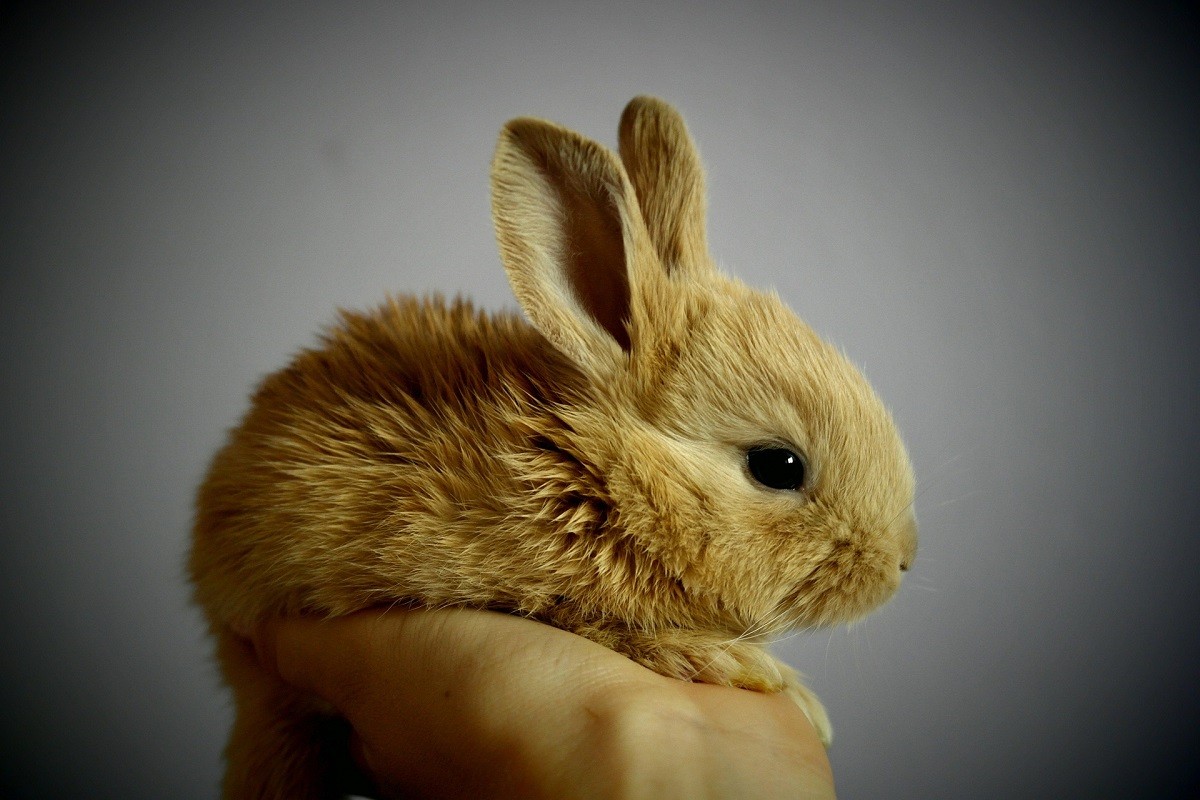
Your gentle, floppy-eared companion just lunged at your hand, and you’re left wondering what happened to the sweet bunny you brought home. Rabbit aggressive behavior — biting, lunging, growling, or boxing with their front paws — catches a lot of owners off guard, but it’s rarely random and almost never “just a mean rabbit.” Rabbits are prey animals wired for fight-or-flight, and aggression is nearly always a response to fear, pain, hormones, or territory — not spite. Here’s how to read what your rabbit is actually telling you, and the gentle, welfare-first approach that genuinely works to rebuild trust.

⚡ Quick Answer

Rabbit aggression — biting, lunging, growling, or nipping — is usually driven by fear, territorial instinct, pain, or unneutered hormones, not genuine hostility. Identifying which type you’re seeing determines the fix: fear-based aggression needs gentle, patient trust-building; territorial aggression needs respectful handling of their space; hormone-driven aggression often improves dramatically after spaying or neutering. Sudden aggression in a previously calm rabbit should always prompt a vet check for pain first.

Key Takeaways

  • Rabbits are prey animals — aggression is almost always a defensive response, not dominance or spite.
  • Spaying or neutering around 4-6 months of age dramatically reduces hormone-driven aggression in most rabbits.
  • A sudden change from calm to aggressive in an adult rabbit is a strong signal to check for pain, such as dental disease or arthritis.
  • Punishing or forcefully “dominating” an aggressive rabbit tends to make fear-based aggression worse, not better.
  • Most rabbit aggression significantly improves with patient, force-free trust-building over several weeks.

Table of Contents

  1. Understanding Rabbit Aggression
  2. Why Trust This Guide
  3. Types of Rabbit Aggression
  4. Ruling Out Pain First
  5. Real Case Study
  6. A Gentle, Force-Free Approach
  7. Common Mistakes
  8. Checklists
  9. FAQ

🐾 Why Trust This Guide

This guide was researched and written by the Pets Store Home editorial team against welfare-focused sources including the Rabbit Welfare Association & Fund (RWAF) and the House Rabbit Society. We follow modern, force-free guidance rather than outdated “dominance” advice still found on some older sites. See our full Editorial Standards. This article is educational and not a substitute for veterinary or certified rabbit-behaviorist advice.

Understanding Rabbit Aggression

As prey animals, rabbits are instinctively wired to detect and respond to threats — and a human hand reaching toward their face can genuinely look like one, especially given rabbits’ poor close-up vision. Aggression is a rabbit’s way of communicating “back off,” “this is mine,” or “I’m in pain,” not an attempt to establish dominance over you. Reading the specific type of aggression is the key to actually resolving it.

Types of Rabbit Aggression

🟠 Fear-Based Aggression

Triggered by feeling cornered, grabbed, or startled — a rabbit’s near-distance vision is poor, so a sudden hand near their face can look like an attack. Look for pinned-back ears and tension before a lunge or bite.

🔵 Territorial Aggression

Common when hands enter a rabbit’s cage or hutch, especially in unneutered females protecting a nest area. The rabbit is defending space it considers safe, not attacking out of malice.

🔴 Pain-Related Aggression

A previously calm rabbit that suddenly turns aggressive — especially when picked up or touched in a specific spot — may be in pain from dental disease, arthritis, or another condition. This always warrants a vet check before assuming it’s purely behavioral.

🟣 Hormonal Aggression

Common in unneutered rabbits from around 4 months old — circling, mounting, and biting linked to sexual maturity. Spaying or neutering resolves this in the large majority of cases.

Pet Care Tip: Watch what happens in the few seconds right before the aggression — hands entering the cage, a specific touch location, or a sudden approach usually reveals which type you’re dealing with.

Ruling Out Pain First

If a normally gentle rabbit suddenly becomes aggressive with no clear behavioral trigger, book a vet visit before anything else. Overgrown teeth, dental spurs, arthritis, and spinal problems can all cause pain that shows up as unexpected biting or lunging, especially when a rabbit is picked up or touched in a specific area. Deafness has also been linked to increased startle-based aggression, since the rabbit can’t hear you approaching.

Real Case Study: Territorial Aggression During Cage Cleaning

Example Scenario: An eight-month-old unspayed rabbit began lunging and grunting every time her owner reached into the hutch to clean it, despite being affectionate at all other times. Assuming the rabbit had “turned mean,” the owner considered rehoming her. A rabbit-savvy vet identified textbook territorial aggression, intensified by unneutered hormones. The fix: cleaning the hutch only while the rabbit was out exercising in a separate run, combined with scheduling a spay a few weeks later. Within a month of the spay and the routine change, the lunging stopped almost entirely. The rabbit wasn’t mean — she was defending a space she couldn’t otherwise protect, and once that pressure was removed, her original affectionate personality returned.

Common Mistakes Owners Make

  • Trying to “dominate” an aggressive rabbit. Why it happens: outdated advice still circulates online. Consequence: increases fear and often makes biting worse. Fix: use gentle, force-free trust-building instead.
  • Pulling your hand away quickly after a bite. Why it happens: it’s a natural reflex. Consequence: teaches the rabbit that biting successfully removes the “threat,” reinforcing it. Fix: stay still and calm, then withdraw slowly once the rabbit relaxes.
  • Skipping the vet visit for sudden aggression. Why it happens: assuming it’s just a mood or phase. Consequence: missing a painful underlying condition. Fix: always rule out pain first with a previously calm rabbit.
  • Delaying spay/neuter. Why it happens: uncertainty about timing or cost. Consequence: hormonal aggression often persists or worsens with age. Fix: discuss timing with your vet around 4-6 months old.
  • Reaching directly into the cage without warning. Why it happens: it’s the easiest way to interact. Consequence: reinforces territorial defensiveness. Fix: talk calmly before reaching in, and clean the space while the rabbit is out exercising when possible.
rabbit aggressive behavior

A Gentle, Force-Free Approach

  1. Pause handling for a short period. Stop trying to pick up or stroke your rabbit for about two weeks while you rebuild trust through calmer means.
  2. Hand-feed treats and speak softly. Let your rabbit approach you on their own terms, associating your presence with good things rather than a threat.
  3. Introduce gentle stroking during feeding. Once your rabbit is relaxed taking treats, try stroking their forehead while they eat.
  4. Use a long-handled brush if biting continues. If your rabbit still nips when touched, offer the brush instead of your hand — this lets them learn that biting doesn’t actually remove the “threat.”
  5. Avoid sudden movements near their face. Approach from the side, keep your hand visible and slow, and speak before reaching in.
  6. Discuss spaying or neutering with your vet. This addresses hormone-driven aggression at the source and is one of the most effective single interventions available.
  7. Give it time. Most rabbits improve significantly over weeks, not days — consistency matters more than speed.

Pet Care Tip: Never punish or shout at an aggressive rabbit — as a prey animal, this confirms their fear response was justified, and typically deepens the aggression rather than resolving it.

Practical Checklists

Trust-Building Checklist

  • ☐ Pause forced handling for at least two weeks
  • ☐ Hand-feed treats daily while speaking calmly
  • ☐ Introduce gentle touch only during positive moments (feeding)
  • ☐ Clean the cage while the rabbit is out exercising, where possible
  • ☐ Discuss spay/neuter timing with your vet

When-to-See-a-Vet Checklist

  • ☐ Aggression appeared suddenly in a previously calm rabbit
  • ☐ Aggression is worse when a specific body area is touched
  • ☐ No improvement after several weeks of gentle trust-building
  • ☐ Signs of possible dental issues (drooling, trouble eating)

Aggression Type Quick Comparison

Type Common Trigger Best First Step
Fear-based Sudden movement, feeling cornered Slow, calm approach; hand-feeding
Territorial Hands entering cage/hutch Clean while rabbit is out exercising
Pain-related Being picked up or touched Vet check for dental/joint issues
Hormonal Sexual maturity, ~4+ months old Spay/neuter consultation

Frequently Asked Questions

Will neutering definitely stop my rabbit from being aggressive?
Neutering resolves hormone-driven aggression in the large majority of cases, though rabbits with fear-based or pain-related aggression will need the specific approach for that cause alongside the procedure.

Is it normal for rabbits to growl?
Yes — growling is a clear warning signal, usually paired with pinned-back ears, telling you to back off before a lunge or bite. It’s a rabbit communicating, not attacking without warning.

My rabbit only bites one specific family member — why?
Rabbits can form individual associations and preferences, sometimes linked to how that person handles them, their scent, or even an unrelated startling incident. Consistent, calm interaction from that person specifically can help rebuild trust.

Can two aggressive rabbits ever be bonded together?
Often yes, especially once spayed or neutered — a compatible bonded partner can actually reduce territorial aggression toward humans, though introductions should be done gradually and carefully.

Is my rabbit’s aggression permanent?
Most cases improve substantially with the right approach, though a small number of rabbits — sometimes due to an underlying neurological factor or individual temperament — may not fully resolve; in these cases, management and safety precautions become the realistic goal.

Sources & References

  • Rabbit Welfare Association & Fund (RWAF) — Aggression in Rabbits
  • House Rabbit Society (rabbit.org) — Aggression
  • Petplan UK — Dealing with Rabbit Aggression Towards Humans
  • The Rabbit House — Rabbit Behaviour Problem: Aggression Towards Humans
  • RSPCA — rabbit welfare and behaviour guidance

About the Author & Editorial Process

This guide was researched and written by the Pets Store Home editorial team — pet owners and researchers who verify every claim against trusted veterinary and animal-welfare sources before publishing.

This content is for general educational purposes and is not a substitute for individualized veterinary or certified rabbit-behaviorist advice. Always consult a qualified professional for concerns specific to your rabbit.

Last reviewed: September 2026  |  Read our Editorial Standards

Final Thoughts

An aggressive rabbit isn’t a lost cause — it’s a scared, territorial, hurting, or hormonal animal telling you exactly what it needs, if you know how to listen. Skip the force, skip the punishment, and give patient, gentle trust-building the time it needs. Most rabbits come around fully once the real cause is addressed, and the bond you rebuild along the way is often stronger for it.

Cavapoo Behavior Problems: Causes & How to Fix Them

Cavapoo Behavior Problems: Causes & How to Fix Them

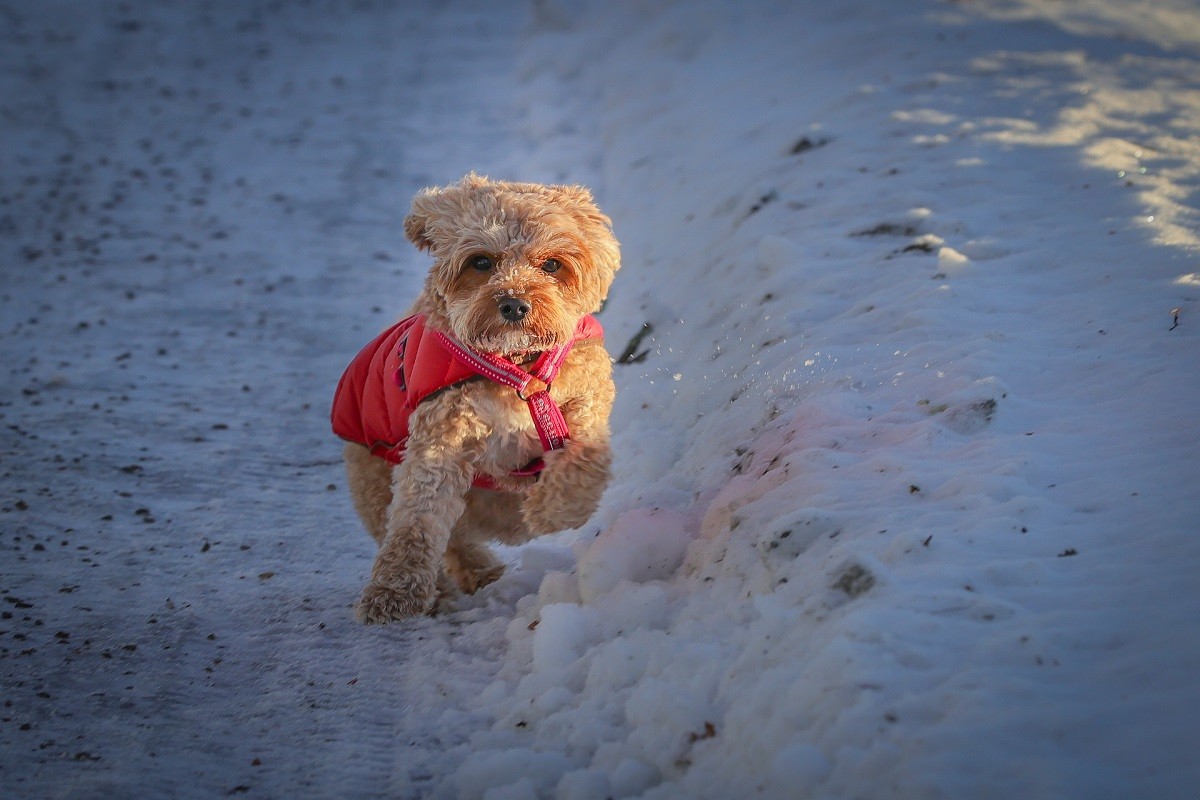
That adorable Cavapoo who follows you from room to room, cries the second you close the bathroom door, and barks at literally everything outside the window? That’s not a flaw in your dog — it’s a pattern. Cavapoo behavior problems tend to cluster around a few very specific, breed-driven traits: intense attachment, high sensitivity, and a strong reaction to being excluded from whatever you’re doing. Understanding why your Cavapoo does this — rather than just reacting to each incident — makes solving it far more manageable. Here’s a breakdown of the most common Cavapoo behavior issues, what’s actually driving each one, and what genuinely works to fix them.

⚡ Quick Answer

The most common Cavapoo behavior problems are separation anxiety, excessive barking, general fearfulness or noise sensitivity, and food-related pickiness or mild guarding. Most stem from the breed’s strong people-focused temperament — a trait from both the Cavalier King Charles Spaniel and Poodle parent breeds — combined with limited early independence training. Consistent, gradual training started early (or restarted at any age) resolves most cases without needing medication or rehoming.

Key Takeaways

  • Cavapoos are prone to behavior issues largely because of their intense, people-focused temperament — not poor breeding or “bad” individual dogs.
  • Separation-related distress affects an estimated 20% of dogs overall, and Cavapoos’ strong attachment style puts them at higher-than-average risk.
  • Excessive barking in Cavapoos is often about high sensory awareness, not aggression.
  • Early, gradual independence training prevents most behavior problems before they take hold.
  • Most Cavapoo behavior issues improve significantly within weeks of consistent training, even in adult dogs.

Table of Contents

  1. Why Cavapoos Are Prone to These Issues
  2. Why Trust This Guide
  3. The Most Common Cavapoo Behavior Problems
  4. Ruling Out Medical Causes
  5. Real Case Study
  6. Prevention: What to Do From Puppyhood
  7. Common Mistakes
  8. Checklists
  9. FAQ

🐾 Why Trust This Guide

This guide was researched and written by the Pets Store Home editorial team against veterinary-reviewed and behavior-science sources, including peer-reviewed research on separation-related behavior. It reflects current, evidence-based understanding of Cavapoo temperament — not breed stereotypes or guesswork. See our full Editorial Standards. This article is for general education and is not a substitute for guidance from a certified trainer or veterinary behaviorist.

Why Cavapoos Are Prone to These Issues

Cavapoos inherit a strongly affectionate, people-oriented temperament from both parent breeds — the Cavalier King Charles Spaniel and the Poodle. This makes them wonderful companions, but it also means they’re wired to seek near-constant closeness with their owner, which can tip into anxiety-driven behavior if independence isn’t actively taught. It’s a trait, not a training failure on your part — but it does mean Cavapoos generally need more deliberate independence-building than more naturally self-sufficient breeds.

The Most Common Cavapoo Behavior Problems

🔴 Separation Anxiety

The single most reported Cavapoo issue. Crying, barking, or destructive behavior within minutes of being left alone — driven by the breed’s intense attachment style, not disobedience.

Fix: Gradual alone-time training starting with seconds, not minutes. For a full step-by-step plan, see our detailed guide on helping a dog with separation anxiety.

🟠 Excessive Barking

Cavapoos are highly alert and sensory-sensitive, often barking at doorbells, passing dogs, or unfamiliar sounds. This is usually about heightened awareness, not aggression or territorial defense.

Fix: Teach a “quiet” cue with positive reinforcement, and identify specific triggers so you can desensitize gradually rather than punishing the noise itself.

🟡 Fearfulness & Noise Sensitivity

Hiding during thunderstorms, fireworks, or loud vacuum cleaners is common — Cavapoos’ sensitivity extends beyond attachment into general noise and novelty reactivity.

Fix: Create a safe retreat space, avoid forcing exposure, and consider gradual sound-desensitization recordings played at low volume over time.

🟣 Food Pickiness & Mild Guarding

Some Cavapoos become selective eaters or show mild possessiveness over food or toys — often linked to their sensitivity and strong emotional attachment to routine and resources.

Fix: Keep feeding routines consistent, avoid free-feeding, and use a “trading up” approach (offering something better) rather than taking items away by force.

Pet Care Tip: Most Cavapoo behavior issues share a common root — sensitivity and attachment — so building general confidence and independence often improves several problems at once, not just one in isolation.

Ruling Out Medical Causes

Sudden changes in behavior — especially new food guarding, increased barking, or withdrawal — deserve a vet check first. Pain, ear infections, or dental discomfort can all present as “behavior problems” in dogs, and Cavapoos are prone to certain ear issues given their floppy ears, which can sometimes contribute to irritability if left untreated.

Real Case Study: Barking Mistaken for Aggression

Example Scenario: A one-year-old Cavapoo began barking intensely at every visitor, lunging slightly toward the door. Concerned it was aggression, the owner considered a muzzle for guests. A closer look at the pattern revealed it only happened at the doorbell, always stopped once the visitor sat down, and was followed by tail-wagging and approach — not avoidance. A trainer identified it as overexcited alert-barking, not aggression. The fix: teaching a “go to mat” cue triggered by the doorbell sound, paired with treats for calm behavior once on the mat. Within three weeks, the barking dropped to one or two alerts before settling. Correctly identifying the behavior type — excitement, not hostility — completely changed the training approach and avoided an unnecessary, stressful “fix.”

cavapoo behavior problems

Prevention: What to Do From Puppyhood

  1. Start independence training early. Practice short, calm separations from day one, even if your puppy isn’t showing distress yet — prevention is far easier than fixing established anxiety.
  2. Socialize broadly, not just with people. Expose your Cavapoo to varied sounds, surfaces, and situations during the critical early socialization window (roughly 3-14 weeks).
  3. Avoid constant togetherness. As tempting as it is with such an affectionate breed, build in solo time daily so alone time never feels unusual.
  4. Reward calm, not just excitement. Make sure your dog gets attention for settling quietly, not only when seeking interaction.
  5. Keep a consistent daily routine. Predictability reduces anxiety across nearly every behavior category for this breed.

Pet Care Tip: If you’re bringing home a Cavapoo puppy, start alone-time practice in the very first week — even five minutes a day — rather than waiting until issues appear.

Common Mistakes Owners Make

  • Taking your Cavapoo everywhere, always. Why it happens: they’re easy, portable companions. Consequence: no tolerance built for time alone. Fix: build in regular, planned solo time even when it’s not necessary.
  • Making a big fuss over goodbyes and hellos. Why it happens: it feels affectionate. Consequence: heightens the emotional weight of departures. Fix: keep arrivals and departures calm and low-key.
  • Punishing barking without identifying the trigger. Why it happens: the noise is frustrating in the moment. Consequence: doesn’t address the underlying alertness or anxiety. Fix: identify the trigger, then train a specific alternative behavior.
  • Assuming the breed is simply “too anxious to fix.” Why it happens: separation anxiety seems baked into the breed. Consequence: owners give up on training too early. Fix: most cases genuinely improve with consistent, gradual training.
  • Skipping professional help for severe cases. Why it happens: hoping it will resolve on its own. Consequence: entrenched anxiety becomes harder to treat over time. Fix: bring in a certified trainer or behaviorist if there’s no progress after several weeks.

Practical Checklists

Cavapoo Puppy Independence Checklist

  • ☐ Daily short alone-time practice, even just a few minutes
  • ☐ Calm, low-key departures and arrivals
  • ☐ Exposure to varied sounds and situations during socialization window
  • ☐ Rewards given for calm, settled behavior — not just excitement
  • ☐ Consistent daily routine for meals, walks, and rest

When-to-See-a-Professional Checklist

  • ☐ No improvement after several weeks of consistent training
  • ☐ Self-injury or serious property destruction during absences
  • ☐ Aggression alongside barking or guarding behavior
  • ☐ Fear responses severe enough to affect daily life

Cavapoo Behavior Problems at a Glance

Problem Root Cause Best First Step
Separation anxiety Intense attachment style Gradual alone-time desensitization
Excessive barking High sensory alertness Identify trigger, teach “quiet” cue
Fearfulness/noise sensitivity General sensitivity trait Safe space + gradual sound exposure
Food pickiness/guarding Routine attachment, mild insecurity Consistent routine, trading not taking

Frequently Asked Questions

Are Cavapoos naturally more anxious than other breeds?
They’re prone to attachment-driven anxiety due to their affectionate temperament, but this is manageable with training, not a fixed trait that dooms every Cavapoo to behavior problems.

Do Cavapoo behavior problems get better with age?
Not automatically — without active training, issues like separation anxiety often persist or worsen. With consistent training, most dogs improve regardless of age, though earlier intervention tends to be faster.

Is a second dog a good way to fix separation anxiety in a Cavapoo?
Usually not — separation anxiety is typically about a specific person, not simply being alone, so another dog often doesn’t resolve it and can add a second dog’s needs to manage.

Can diet affect a Cavapoo’s behavior?
Diet quality and consistency can influence energy levels and digestive comfort, which indirectly affects mood, though it’s rarely the sole cause of behavior issues — a vet check helps rule out food-related discomfort.

Should I get a Cavapoo if I work full-time?
It’s possible with a solid independence-training plan, daycare, or a dog walker for long days, but Cavapoos generally aren’t well-suited to being left alone for very long stretches without preparation.

Sources & References

About the Author & Editorial Process

This guide was researched and written by the Pets Store Home editorial team — pet owners and researchers who verify every claim against trusted veterinary and behavior-science sources before publishing.

This content is for general educational purposes and is not a substitute for individualized veterinary or certified trainer advice. Always consult a qualified professional for concerns specific to your dog.

Last reviewed: September 2026  |  Read our Editorial Standards

Final Thoughts

Cavapoo behavior problems almost always trace back to the same root: a deeply affectionate dog who hasn’t yet learned that being alone, or hearing a loud noise, is okay. That’s genuinely good news — it means most issues respond well to patient, consistent training rather than needing drastic intervention. Start early where you can, stay consistent where you’re already mid-training, and don’t hesitate to bring in a professional if progress stalls. The same sensitivity that causes the struggle is often what makes Cavapoos such devoted, easy-to-train companions once they feel secure.