
Why Is My Turtle Not Eating? Causes & What to Do

Why Is My Turtle Not Eating? Causes & What to Do

You drop in his favorite food and walk away — but when you check back, it’s untouched, and your turtle hasn’t moved from his basking spot in hours. If why is my turtle not eating is the question keeping you up at night, take a breath: in the large majority of cases, this points to something fixable in temperature, lighting, or stress rather than a medical emergency. But knowing which one you’re dealing with — and when it’s genuinely time to worry — makes all the difference. Here’s how to work through the real causes calmly and get your turtle back to its normal appetite.

⚡ Quick Answer

A pet turtle not eating is most commonly caused by incorrect water or basking temperature, insufficient UVB lighting, recent-home stress, seasonal brumation, or an underlying illness. Turtles are ectothermic, so even a small drop in temperature can significantly slow their metabolism and appetite. Check temperature and lighting first, allow a newly acquired turtle time to settle, and see a reptile vet if the turtle also shows lethargy, discharge, shell discoloration, or goes more than one to two weeks without eating.

Key Takeaways

  • Turtles are ectothermic — their appetite is directly tied to water and basking temperature, making this the most common cause of not eating.
  • New home syndrome” is completely normal for recently acquired turtles and usually resolves within one to two weeks.
  • Some species naturally reduce or stop eating during seasonal brumation (a reptile version of hibernation), which is normal, not illness.
  • Sudden appetite loss paired with lethargy, discharge, or shell changes points to illness and needs a reptile vet, not just a husbandry check.
  • Most non-medical feeding issues resolve within one to two weeks once the underlying environmental problem is corrected.

Table of Contents

  1. Why Turtles Stop Eating
  2. Why Trust This Guide
  3. The Main Causes, by Type
  4. When It’s a Medical Emergency
  5. Real Case Study
  6. What to Do, Step by Step
  7. Common Mistakes
  8. Checklists
  9. FAQ

🐾 Why Trust This Guide

This guide was researched and written by the Pets Store Home editorial team against reptile-husbandry and exotic-vet sources. See our full Editorial Standards. This article is educational and not a substitute for guidance from a reptile-experienced veterinarian — prolonged appetite loss always warrants a professional exam.

Why Turtles Stop Eating

Unlike mammals, turtles are ectothermic — they rely entirely on their environment to regulate body temperature, and their metabolism (including digestion and appetite) slows dramatically when they’re too cold. This single fact explains why temperature is the first thing to check whenever a turtle stops eating, before jumping to more worrying conclusions.

The Main Causes, by Type

🔵 Temperature & Lighting

The most common cause. Water temperature should generally fall between 25-35°C (77-95°F) depending on species, with a basking spot several degrees warmer. Insufficient UVB lighting also slows metabolism and appetite even when temperature is correct.

🟠 New Home Stress

Recently acquired turtles commonly refuse food for the first one to two weeks while adjusting to a new tank, new sounds, and a new routine. This is normal and typically resolves on its own with patience and minimal handling.

🟣 Seasonal Brumation

Some species naturally slow down or stop eating during cooler months as part of brumation, a reptile version of hibernation. This is a normal seasonal cycle for many species, not a sign of illness, though it’s worth confirming with species-specific care guidance.

🔴 Illness or Underlying Health Issue

Respiratory infections, parasites, vitamin A deficiency, mouth rot, or (in females) egg-binding can all cause appetite loss. These typically come with other symptoms — wheezing, discharge, lethargy, or shell changes — and need a reptile vet.

Pet Care Tip: Keep a thermometer and hygrometer in the enclosure and check them regularly, not just once at setup — small temperature drift over weeks is easy to miss without ongoing monitoring.

When It’s a Medical Emergency

Contact a reptile-experienced vet promptly if appetite loss is paired with any of the following: wheezing, nasal or eye discharge, visible lethargy or inactivity, discolored patches on the shell, absence of feces for an extended period, or straining (which can indicate egg-binding in females). These combinations point to a genuine medical issue that husbandry fixes alone won’t resolve.

Real Case Study: A Temperature Drop Traced to a Faulty Heater

Example Scenario: A red-eared slider that had eaten reliably for two years suddenly stopped taking food for nearly a week. The owner checked for visible illness signs — no discharge, no lethargy, normal shell — and assumed it might be stress from recently moved furniture near the tank. After several more days with no improvement, a closer check with a thermometer revealed the water heater had quietly failed, letting the water drop several degrees below the recommended range. Once the heater was replaced and temperature restored to the correct range, the turtle resumed eating within two days. The lesson: even a long-settled turtle with no obvious symptoms can stop eating purely from an equipment failure — checking the thermometer should always come before assuming something more complicated.

Common Mistakes Owners Make

  • Assuming it’s always serious illness. Why it happens: appetite loss feels alarming. Consequence: unnecessary stress and rushed decisions. Fix: check temperature and recent changes first, calmly.
  • Handling a newly acquired turtle too much. Why it happens: wanting to bond quickly. Consequence: extends new-home stress and delays eating. Fix: give minimal handling for the first one to two weeks.
  • Not checking equipment regularly. Why it happens: assuming a heater or light “just works” once set up. Consequence: a silent equipment failure goes unnoticed for days. Fix: check thermometers and lighting timers weekly.
  • Confusing brumation with illness. Why it happens: reduced eating looks the same either way at first. Consequence: unnecessary stress trying to force-feed a naturally slowing turtle. Fix: research your specific species’ seasonal patterns.
  • Waiting too long to see a vet. Why it happens: hoping it resolves on its own. Consequence: a treatable illness progresses further. Fix: seek vet care if appetite loss continues past one to two weeks or other symptoms appear.

why is my turtle not eating

What to Do, Step by Step

  1. Check water and basking temperature. Confirm both fall within the correct range for your specific species using a reliable thermometer.
  2. Check UVB lighting. Confirm bulbs are functioning and not overdue for replacement — UVB output degrades over time even if the bulb still lights up.
  3. Consider recent changes. A new home, moved tank, new tank mate, or loud nearby activity can all trigger temporary stress-related appetite loss.
  4. Rule out brumation. Check whether your species naturally slows down seasonally, and whether the timing and temperature drop align with that pattern.
  5. Watch for illness signs. Check for discharge, lethargy, shell changes, or breathing difficulty alongside the appetite loss.
  6. Give it time if husbandry checks out. Allow one to two weeks for a fixed environmental issue or new-home stress to resolve.
  7. See a reptile vet if nothing improves, or if any warning sign appears. Don’t wait past two weeks of no eating without professional input.

Pet Care Tip: Try offering food at a different time of day or in a slightly different spot in the enclosure before assuming a bigger problem — some turtles are simply more responsive to feeding at certain times, especially right after a warm basking session.

Practical Checklists

Husbandry Check Checklist

  • ☐ Water temperature confirmed within correct range for species
  • ☐ Basking spot temperature confirmed correct
  • ☐ UVB bulb functioning and not overdue for replacement
  • ☐ No recent tank moves, new tank mates, or loud disruptions
  • ☐ Food offered fresh and at a reasonable time of day

When-to-See-a-Vet Checklist

  • ☐ Not eating for more than one to two weeks
  • ☐ Wheezing, discharge, or breathing difficulty present
  • ☐ Lethargy or inactivity beyond normal basking behavior
  • ☐ Discolored shell patches or absence of feces
  • ☐ Straining, especially in a female turtle (possible egg-binding)

Cause Quick Comparison

Cause Key Sign Best First Step
Temperature/lighting No other symptoms, otherwise active Check thermometer and UVB bulb
New home stress Recently acquired turtle Minimal handling, give 1-2 weeks
Brumation Cooler season, species-typical Confirm species pattern, monitor
Illness Lethargy, discharge, shell changes Reptile vet exam

Frequently Asked Questions

How long can a turtle safely go without eating?
Healthy adult turtles can often go one to two weeks without serious harm, especially during brumation, but this varies by species, age, and health status — a vet check is warranted if it extends beyond that without a clear explanation.

Should I try different foods if my turtle won’t eat?
It’s worth offering variety once husbandry basics are confirmed correct, since some turtles are simply selective, but this shouldn’t replace checking temperature and lighting first.

Can turtles refuse to eat due to a tank mate?
Yes, competition or intimidation from a more dominant tank mate can suppress appetite, so watching feeding behavior with other turtles present is worth doing if you have a multi-turtle setup.

Is it normal for older turtles to eat less?
Some reduction in appetite with age is common and generally not concerning on its own, though any sudden or dramatic change should still be checked rather than assumed to be purely age-related.

Do all turtle species brumate?
No, brumation patterns vary significantly by species and by whether the turtle is kept indoors with stable temperatures, so it’s worth researching your specific species’ typical seasonal behavior.

Sources & References

About the Author & Editorial Process

This guide was researched and written by the Pets Store Home editorial team — pet owners and researchers who verify every claim against trusted sources before publishing.

This content is for general educational purposes and is not a substitute for individualized veterinary advice. Always consult a qualified reptile veterinarian for concerns specific to your turtle.

Last reviewed: September 2026  |  Read our Editorial Standards

Final Thoughts

A turtle that won’t eat is worrying, but it’s rarely the mystery it feels like in the moment — temperature, lighting, and recent changes explain the vast majority of cases. Work through the checklist calmly, give husbandry fixes a week or two to take effect, and don’t hesitate to call a reptile vet if anything feels genuinely off. Most turtles are back to their normal appetite once the real cause is found.
Bearded Dragon Glass Surfing: Causes & How to Stop

Bearded Dragon Glass Surfing: Causes & How to Stop

You walk over expecting to see your bearded dragon lounging under the basking light — instead, he’s plastered against the glass, legs paddling frantically like he’s trying to climb straight through it. Bearded dragon glass surfing looks almost comical the first time you see it, but it’s not play, and it’s not a quirky personality trait — it’s your dragon communicating that something in his environment isn’t right. The good news: once you know what’s actually driving it, this is one of the most fixable reptile behaviors out there. Here’s how to read what your bearded dragon is telling you, and exactly what to check first.

⚡ Quick Answer

Bearded dragon glass surfing — repeatedly pressing against and pawing at the enclosure glass — is a stress response most commonly caused by an undersized enclosure, temperature or lighting issues, boredom, hunger before feeding time, or the perceived presence of a rival reptile through the glass. A newly settled dragon glass surfing for a week or two is normal adjustment; if it continues daily beyond that, it points to a genuine husbandry problem that needs fixing, most often starting with enclosure size and lighting.

Key Takeaways

  • Glass surfing is a stress-communication behavior, not play or personality — treat it as a signal, not a quirk.
  • A newly rehomed dragon glass surfing for one to two weeks is normal settling-in behavior; beyond that, it signals an environmental problem.
  • Reflective glass can make a dragon perceive a rival reptile in the tank, triggering territorial stress even when they’re completely alone.
  • Glass surfing right before feeding time, stopping once fed, is usually just hunger-driven anticipation rather than distress.
  • Most causes are fixable through enclosure size, temperature, lighting, and enrichment adjustments — few cases require anything more.

Table of Contents

  1. What Is Glass Surfing?
  2. Why Trust This Guide
  3. How Long Has It Been Happening?
  4. Common Causes
  5. Real Case Study
  6. Step-by-Step Fixes
  7. Common Mistakes
  8. Checklists
  9. FAQ

🐾 Why Trust This Guide

This guide was researched and written by the Pets Store Home editorial team against reptile-husbandry and exotic-vet sources. See our full Editorial Standards. This article is educational and not a substitute for guidance from an exotic-animal vet — persistent glass surfing alongside any illness signs warrants professional evaluation.

What Is Glass Surfing?

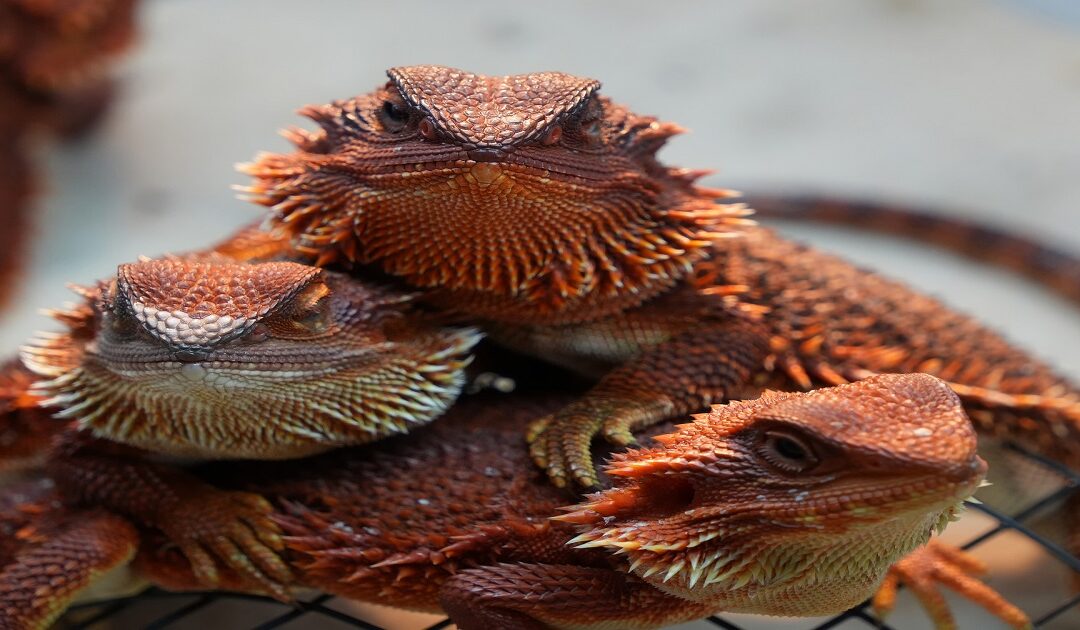
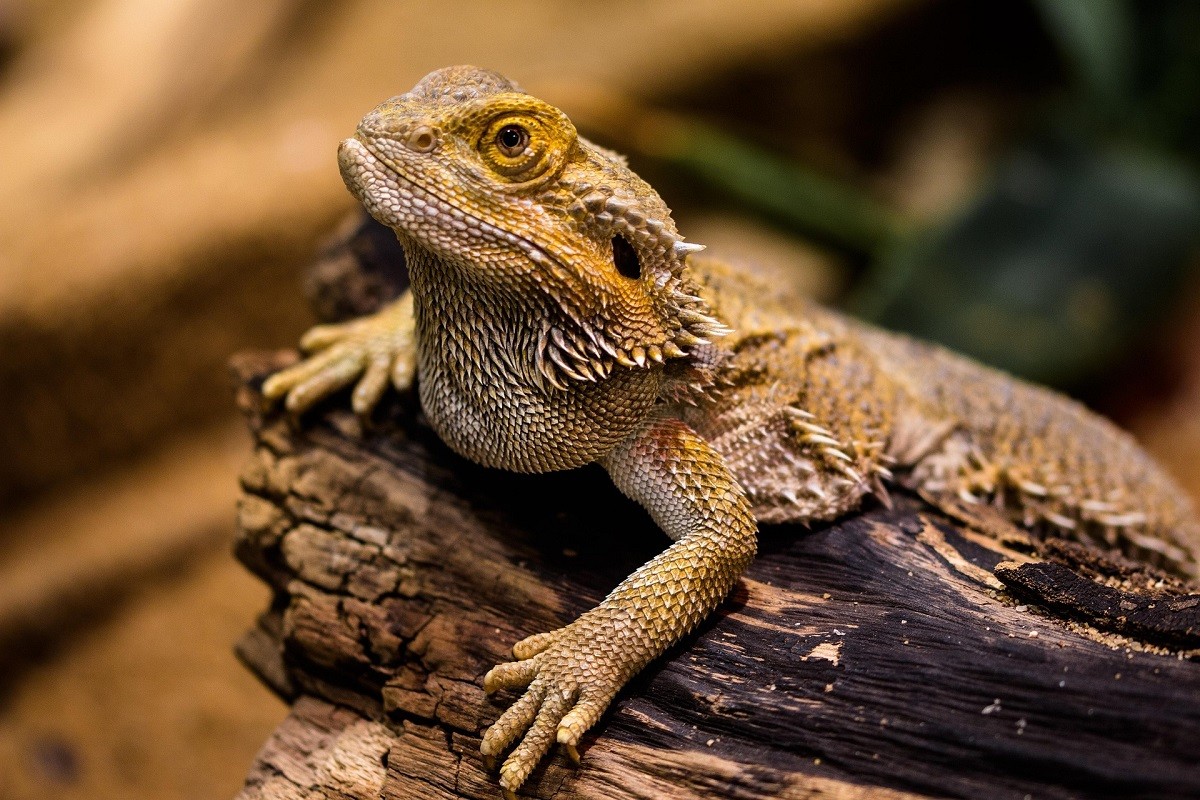
Glass surfing (also called glass dancing) is when a bearded dragon repeatedly presses its body against the enclosure glass, scratching or “paddling” its front legs as if trying to climb through it. Some dragons do it for a minute or two occasionally; others pace the glass for hours until they exhaust themselves. It’s frequently paired with other stress signals — a darkened “black beard,” rapid head bobbing, or frantic running around the enclosure — all pointing in the same direction: something needs attention.

How Long Has It Been Happening?

🟢 New Dragon, Under 2 Weeks — Likely Normal

Newly rehomed dragons commonly glass surf while adjusting to a new environment. Give them time, avoid handling during this window, and make sure two hides (warm side and cool side) are available so they can retreat and feel secure.

🟠 Occasional, Around Feeding Time — Usually Hunger

If it happens mainly in the morning or right before meals and stops once fed, this is typically learned anticipation rather than distress — your dragon has simply figured out that a person appearing means food is coming.

🔴 Daily, Ongoing Past 2-3 Weeks — Husbandry Problem

Persistent, frequent glass surfing beyond the settling-in window points to a genuine environmental issue — enclosure size, temperature, lighting, or stress from a perceived threat. This is the point to start working through fixes systematically.

Pet Care Tip: Watch for a darkened “black beard” alongside the glass surfing — this combination is a stronger stress signal than glass surfing alone and means the underlying cause needs attention sooner rather than later.

Common Causes

  • Undersized enclosure — adult bearded dragons generally need at least a 50-gallon (roughly 90x45cm) tank; anything smaller can drive frustration-based glass surfing.
  • Reflective glass — reflections can make a dragon perceive a rival reptile in the tank, triggering territorial stress even when completely alone.
  • Temperature or lighting problems — incorrect basking temperature, insufficient UVB, or poor light positioning can all contribute.
  • A new object or rearranged decor — sudden changes disrupt the consistency bearded dragons rely on, temporarily triggering stress behavior.
  • Boredom or lack of enrichment — an under-stimulating enclosure with little to explore or climb.
  • Outgrowing the current enclosure — a tank that was fine for a juvenile can become too small as the dragon matures into adulthood.

Real Case Study: Solved by Fixing Light Reflection

Example Scenario: An adult bearded dragon in a properly sized 50-gallon enclosure began glass surfing daily, digging frantically at one specific corner of the glass. The owner had already checked temperature and humidity, both within normal range, and was stumped. A reptile-savvy vet asked about lighting placement — it turned out a recently repositioned lamp was creating a strong reflection in that exact corner of the glass during certain hours of the day. The dragon was reacting to what looked like another bearded dragon staring back at him. After repositioning the light to reduce the reflection and adding a background poster to the back panel to cut glare further, the glass surfing dropped to almost nothing within a few days. The lesson: even when the basics check out, small details like light angle and reflection deserve a close look before assuming a bigger fix is needed.

Common Mistakes Owners Make

  • Assuming it’s just a funny quirk. Why it happens: the behavior looks amusing at first glance. Consequence: an underlying stressor goes unaddressed and worsens. Fix: treat it as communication, not entertainment.
  • Handling a newly rehomed dragon during the settling-in period. Why it happens: wanting to bond quickly. Consequence: extends the adjustment stress and the glass surfing that comes with it. Fix: give a new dragon one to two weeks of minimal handling first.
  • Overlooking reflections as a trigger. Why it happens: it’s not an obvious first suspect. Consequence: other fixes get tried while the real cause remains. Fix: check for reflective glare at different times of day.
  • Not upgrading the enclosure as the dragon grows. Why it happens: the original tank seemed adequate at first. Consequence: an outgrown space drives ongoing stress. Fix: plan for a 50-gallon-plus enclosure by adulthood.
  • Ignoring persistent glass surfing paired with illness signs. Why it happens: assuming it’s purely behavioral. Consequence: missing an underlying health issue. Fix: see an exotic vet if lethargy, appetite loss, or reduced shedding accompany the behavior.
bearded dragon glass surfing

Step-by-Step Fixes

  1. Check enclosure size first. Confirm it’s at least 50 gallons (roughly 90x45cm floor space) for an adult bearded dragon.
  2. Verify temperatures and lighting. Basking spot, cool zone, and UVB should all fall within recommended ranges for your dragon’s age.
  3. Check for glass reflections at different times of day. Reposition lighting or add a background to reduce glare that could mimic a rival reptile.
  4. Revert any recent decor changes. If glass surfing started after adding or moving something, put it back and reassess.
  5. Add enrichment. Climbing branches, varied substrate depth, and rearranged (stable) decor give your dragon more to engage with.
  6. Rule out hunger-driven surfing. If it happens specifically before feeding and stops after, this likely isn’t a welfare concern.
  7. See an exotic vet if it persists despite fixes, or if illness signs appear. Lethargy, appetite loss, or reduced shedding alongside glass surfing needs professional evaluation.

Pet Care Tip: Make one change at a time and give it several days before judging its effect — bearded dragons can take a little while to settle after any adjustment, and changing everything at once makes it hard to know what actually worked.

Practical Checklists

Enclosure Audit Checklist

  • ☐ At least 50 gallons / 90x45cm floor space for an adult dragon
  • ☐ Correct basking and cool-zone temperatures verified
  • ☐ Adequate UVB lighting, correctly positioned
  • ☐ Glass checked for reflections at different times of day
  • ☐ Two hides available (warm side and cool side)
  • ☐ Climbing branches and enrichment items present

When-to-See-a-Vet Checklist

  • ☐ Glass surfing continues daily past 2-3 weeks despite fixes
  • ☐ Lethargy or reduced activity alongside the behavior
  • ☐ Appetite loss or reduced shedding
  • ☐ Persistent darkened “black beard” stress coloring

Cause Quick Comparison

Cause Key Sign Best First Step
Settling in (new dragon) Started right after rehoming Give 1-2 weeks, minimal handling
Hunger Only before feeding, stops after No action needed
Enclosure/lighting issue Daily, ongoing past 2-3 weeks Full husbandry audit

Frequently Asked Questions

Is glass surfing dangerous for my bearded dragon?
It can cause injury over time — nose rubbing, claw damage, or exhaustion from prolonged episodes — so while an occasional short bout isn’t an emergency, frequent or lengthy surfing is worth addressing for both stress and physical safety reasons.

Can two bearded dragons live together without triggering this?
Bearded dragons are generally solitary and often don’t do well cohabitating, so housing them separately is usually recommended regardless of glass surfing, as it also prevents resource competition and stress.

My dragon only glass surfs when I walk by — is that normal?
This is often learned association, especially if it stops once you feed them or leave, and isn’t usually a sign of ongoing distress on its own.

Should I cover the glass to stop reflections?
Yes, a background poster or non-reflective backing on at least the back and sides of the enclosure is a simple, effective way to reduce perceived-rival triggers.

How big should an enclosure be for a baby vs. adult bearded dragon?
Juveniles can start smaller, but plan to upgrade to at least 50 gallons (roughly 90x45cm) by adulthood, since an outgrown enclosure is a common, easily overlooked glass-surfing trigger.

Sources & References

About the Author & Editorial Process

This guide was researched and written by the Pets Store Home editorial team — pet owners and researchers who verify every claim against trusted sources before publishing.

This content is for general educational purposes and is not a substitute for individualized veterinary advice. Always consult a qualified exotic-animal vet for concerns specific to your bearded dragon.

Last reviewed: September 2026  |  Read our Editorial Standards

Final Thoughts

Glass surfing looks dramatic, but it’s rarely a mystery once you work through the checklist — enclosure size, lighting, reflections, and routine cover the vast majority of cases. Give a newly settled dragon time, watch for the hunger-only pattern that needs no fix at all, and work through the environmental basics for anything more persistent. Most bearded dragons settle right down once their real need is finally met.

Why Is My Cat Acting Different All of a Sudden? (Vet Tips)

Why Is My Cat Acting Different All of a Sudden? (Vet Tips)

Yesterday your cat was completely herself — today she’s hiding under the bed, avoiding food, or suddenly hissing at you for no clear reason. If you’re searching why is my cat acting different all of a sudden,” that gut feeling that something’s genuinely wrong is worth trusting. Cats are creatures of routine, and a sudden, sharp shift — not a slow, gradual change — is one of the clearest signals in feline behavior that something needs attention, whether that’s stress, pain, or an underlying illness. Here’s how to work through the real possibilities calmly, and know exactly when it’s time to call the vet.

⚡ Quick Answer

A cat acting different all of a sudden is most often caused by an underlying medical issue, acute stress from an environmental change, or pain the cat can’t otherwise communicate. Because cats instinctively hide illness, a sudden behavior change is frequently the first visible sign something is wrong — far more reliable than waiting for obvious physical symptoms. Any sudden change involving hiding, appetite loss, aggression, or litter box avoidance warrants a vet visit rather than a wait-and-see approach.

Key Takeaways

  • Sudden behavior changes in cats are far more likely to signal illness or acute stress than gradual, slow-developing changes.
  • Cats instinctively mask pain and illness, so behavior is often the earliest and most reliable warning sign available to owners.
  • Common triggers include medical illness, environmental stress (new pet, moved furniture, schedule change), pain, and normal life-stage shifts like going into heat.
  • Excessive hiding, sudden aggression, litter box avoidance, and appetite changes are the signs that warrant the most urgency.
  • A vet visit is the right first step for any sudden change — it’s far better to rule out a medical cause than assume it’s “just stress.”

Table of Contents

  1. Why “Sudden” Matters More Than “Weird”
  2. Why Trust This Guide
  3. How Urgent Is It? A Quick Decision Guide
  4. The Most Common Causes
  5. Real Case Study
  6. What to Do Right Now
  7. Common Mistakes
  8. Checklists
  9. FAQ

🐾 Why Trust This Guide

This guide was researched and written by the Pets Store Home editorial team against veterinary-reviewed sources. See our full Editorial Standards. This article is educational and not a substitute for veterinary advice — a sudden behavior change always deserves a professional evaluation, not just an online read.

Why “Sudden” Matters More Than “Weird”

Cats naturally have quirky, individual habits — that’s normal. What’s different about a sudden change is the timeline: your cat went from her usual self to noticeably different within hours or a day or two, not gradually over weeks. This distinction matters because acute, sharp shifts are far more likely to point to a genuine problem — pain, illness, or a specific stressful trigger — than a slow personality drift, which is more often just normal aging or routine adjustment.

How Urgent Is It? A Quick Decision Guide

🟢 Monitor at Home

Mild, brief hiding after a startling noise; slightly more clinginess following a household change; one skipped meal with otherwise normal energy and litter box use. Watch for 24 hours — most resolve on their own once the trigger passes.

🟠 Book a Vet Visit This Week

Ongoing hiding beyond a day or two, new aggression toward people or other pets, increased vocalization, noticeable changes in grooming, or excessive thirst. These warrant a proper exam even if your cat still seems otherwise okay.

🔴 See a Vet Today

Complete refusal to eat for over 24 hours, straining in or avoiding the litter box entirely, visible pain (crying out, limping, hunched posture), lethargy, or vomiting alongside the behavior change. These combinations can signal a genuine emergency.

Pet Care Tip: When in doubt, call your vet’s phone line even for a “green zone” situation — a quick phone triage costs nothing and can quickly confirm whether home monitoring is genuinely appropriate.

The Most Common Causes

A handful of causes explain the vast majority of sudden cat behavior changes:

  • Underlying illness — hyperthyroidism, urinary tract issues, dental pain, or other conditions that show up behaviorally before physical symptoms are obvious.
  • Pain — cats rarely limp or cry out the way dogs do; hiding, aggression when touched, or reduced movement can be their main pain signal.
  • Environmental stress — a new pet, moved furniture, a house guest, construction noise, or even a change in your own schedule.
  • Life-stage shifts — an unspayed female going into heat can trigger sudden clinginess or vocalization; senior cats can develop cognitive changes.
  • Grief or loss — cats can show real behavioral signs of distress after losing a companion animal or a family member’s absence.

Real Case Study: Sudden Aggression Traced to Pain

Example Scenario: A normally affectionate seven-year-old cat suddenly began hissing and swatting whenever her owner tried to pick her up, something completely out of character. Assuming she’d simply become moodier with age, the owner gave her more space for a couple of weeks, hoping it would pass. When the aggression continued and she also started eating less, a vet exam revealed a urinary tract infection causing significant discomfort, made worse by the pressure of being picked up. Once treated with antibiotics, the aggression resolved within days, and her normal affectionate behavior returned fully. What looked like an unexplained personality shift was her only way of communicating pain — a reminder that sudden aggression, especially paired with any other change, deserves a vet check rather than an assumption.

Common Mistakes Owners Make

  • Assuming it’s “just a mood” without investigating. Why it happens: cats have varied personalities already. Consequence: a treatable medical cause goes unnoticed. Fix: treat any sudden change as worth a closer look, not dismissed as quirkiness.
  • Waiting to see if it passes. Why it happens: hoping for the best. Consequence: delays treatment for a condition that’s actively worsening. Fix: use the urgency guide above to decide how long is genuinely safe to wait.
  • Punishing new aggression or litter box avoidance. Why it happens: the behavior is frustrating. Consequence: adds stress on top of a possible medical issue, worsening things further. Fix: investigate the cause calmly before reacting to the behavior itself.
  • Overlooking recent environmental changes. Why it happens: a small change (moved furniture, new work schedule) doesn’t seem significant to a person. Consequence: missing an easily identifiable, fixable stress trigger. Fix: mentally walk through anything that’s changed in the last week.
  • Skipping the vet because “nothing looks physically wrong.” Why it happens: no obvious injury or symptom is visible. Consequence: many feline illnesses show behaviorally long before physical signs appear. Fix: let a vet exam, not a visual check, rule out illness.
why is my cat acting different all of a sudden

What to Do Right Now

  1. Check the urgency level above. Match your cat’s specific signs to the green/orange/red guide to decide your timeline.
  2. Think through recent changes. New pets, furniture moves, guests, schedule shifts, or even a new cleaning product smell can all be triggers.
  3. Watch eating, drinking, and litter box habits closely. These three areas are the most reliable early indicators of a medical issue.
  4. Avoid forcing interaction. Let your cat retreat to a safe space rather than pushing attention on them while they’re clearly unsettled.
  5. Book the vet visit if anything in the orange or red zone applies. Don’t wait for certainty — a vet exam is the fastest way to rule things in or out.
  6. Keep a simple log. Note what changed and when — this information is genuinely useful for your vet’s diagnosis.

Pet Care Tip: Take a quick video if you can safely do so — showing your vet the actual behavior (a hiss, a limp, unusual movement) often communicates more than a description alone, especially if the behavior doesn’t happen during the exam itself.

Practical Checklists

What Changed? Checklist

  • ☐ New pet, person, or houseguest in the home
  • ☐ Moved furniture, litter box, or food bowls
  • ☐ Change in your own schedule or routine
  • ☐ New food, cleaning product, or strong scent
  • ☐ Recent loud noise (construction, fireworks, storms)

When-to-See-a-Vet Checklist

  • ☐ Refusing food for over 24 hours
  • ☐ Straining in or avoiding the litter box
  • ☐ Visible pain signs (crying out, hunched posture, limping)
  • ☐ Hiding lasting more than a day or two
  • ☐ Vomiting, lethargy, or excessive thirst alongside the behavior change

Cause Quick Comparison

Likely Cause Key Sign Best First Step
Illness/pain Appetite change, aggression when touched Vet exam
Environmental stress Started after a household change Identify and reduce the trigger
Heat cycle Increased affection/vocalization, unspayed female Vet check, discuss spaying
Grief/loss Started after losing a companion Extra attention, patience, routine stability

Frequently Asked Questions

Can cats sense when their owner is stressed and act differently because of it?
Yes, cats are sensitive to changes in household mood and routine, and can become more clingy, withdrawn, or unsettled in response to a stressed or distracted owner.

Is it normal for an older cat’s behavior to change suddenly?
A gradual shift is more typical with normal aging, but a genuinely sudden change in a senior cat still warrants a vet check, since conditions like hyperthyroidism or cognitive dysfunction become more common with age.

My cat is suddenly much more affectionate — is that a bad sign?
Not necessarily — increased affection can reflect a heat cycle, mild pain-seeking comfort, or simply insecurity from a household change, so it’s worth noting alongside any other changes rather than assumed harmless or concerning on its own.

How long should I wait before worrying about a behavior change?
Use the urgency guide as a starting point — mild changes are reasonable to monitor for 24 hours, but anything involving appetite loss, litter box issues, or visible discomfort should prompt a vet visit much sooner.

Can a change in cat food cause sudden behavior changes?
Yes, a new food can cause digestive discomfort or simply be unappealing, leading to reduced eating or irritability, though it’s still worth ruling out other causes if the change persists.

Sources & References

About the Author & Editorial Process

This guide was researched and written by the Pets Store Home editorial team — pet owners and researchers who verify every claim against trusted veterinary and animal-welfare sources before publishing.

This content is for general educational purposes and is not a substitute for individualized veterinary advice. Always consult a qualified vet for concerns specific to your cat.

Last reviewed: September 2026  |  Read our Editorial Standards

Final Thoughts

A sudden change in your cat’s behavior is your cat’s way of telling you something, even if she can’t say it directly — and that’s worth taking seriously rather than brushing off. Use the urgency guide to gauge how quickly to act, keep an eye on eating, drinking, and litter box habits, and don’t hesitate to call your vet when something feels off. More often than not, catching it early makes all the difference in how quickly she gets back to being herself.

Could a Recent Vaccine Explain the Change?

If your cat’s shift in behavior started shortly after a vet visit, a vaccine reaction is worth considering alongside other causes. Mild lethargy for a day or two is common and not a concern, but this guide to vaccinating your pet covers which reactions are normal and which ones warrant a call back to your vet.

Fish Aggression in Tank: Causes & How to Fix It

Fish Aggression in Tank: Causes & How to Fix It

Your tank looked perfectly peaceful for weeks — and now one fish is relentlessly chasing another, fins are getting nipped, and you’re wondering if you’ve somehow ruined a good thing. Fish aggression in tank setups is one of the most common issues aquarium keepers run into, and the encouraging news is that it’s almost always traceable to an identifiable cause: territory, resources, breeding instinct, or simply the wrong species mix. Once you know which one you’re dealing with, restoring peace is usually far more manageable than it feels in the moment. Here’s how to read what’s actually happening in your tank, and what genuinely works to fix it.

⚡ Quick Answer

Fish aggression is usually driven by territorial instinct, competition over food or space, breeding behavior, or incompatible species being kept together. Not every chase is a fight — some schooling behavior and mating displays look aggressive but are perfectly normal. True aggression typically involves biting, ramming, and one fish trying to escape while the other pursues. Adding hiding spots, breaking up sightlines, adjusting group sizes, and researching compatibility before stocking solve most cases; persistent, injury-causing aggression usually means separating the aggressor.

Key Takeaways

  • Aggression is a normal fish behavior used to defend territory and resources — the goal is managing it, not eliminating it entirely.
  • Not all chasing is fighting — schooling behavior and mating displays can look aggressive but are harmless.
  • Species like tiger barbs become more aggressive in small groups and calmer in larger ones — sometimes the fix is adding more fish, not removing them.
  • Visual barriers (plants, decor, driftwood) reduce aggression by letting stressed fish escape a bully’s sightline.
  • Persistent, injury-causing aggression that doesn’t respond to environmental changes usually requires separating the aggressor.

Table of Contents

  1. Normal Behavior vs. Real Aggression
  2. Why Trust This Guide
  3. Common Causes of Fish Aggression
  4. Don’t Overlook Water Quality
  5. Real Case Study
  6. Step-by-Step Fixes
  7. Common Mistakes
  8. Checklists
  9. FAQ

🐾 Why Trust This Guide

This guide was researched and written by the Pets Store Home editorial team against established aquarist and fishkeeping sources. See our full Editorial Standards. This article is educational — always research individual species compatibility before stocking a tank, since needs vary significantly between species.

Normal Behavior vs. Real Aggression

Not every fast chase in your tank is a fight. Schooling species like danios and certain tetras engage in social chasing that looks dramatic but is harmless. Mating behavior — shimmying, dancing, or two fish cleaning a flat surface together — can also resemble aggression at a glance. True aggression involves biting, ramming, and one fish clearly trying to escape while the other pursues relentlessly; if a fish looks genuinely terrified, hides constantly, or stops eating, that’s the real signal to act.

Common Causes of Fish Aggression

🔵 Territorial Aggression

Many species naturally defend a patch of the tank, especially cichlids and bettas. In a confined aquarium, this instinct can cause real conflict since there’s nowhere for a defeated fish to retreat to like there would be in the wild.

🟠 Resource Competition

Competition for food, especially with fast eaters dominating slower species, or general overcrowding leading to scarcity-driven conflict. Feeding at multiple spots and varying food type often resolves this quickly.

🔴 Breeding & Mating Behavior

Fish of the same sex, especially males, will often fight to defend territory and drive off competition during breeding conditions. This can escalate seriously between equally matched, equally aggressive individuals.

🟣 Species Incompatibility & Group Size

Mixing species that simply aren’t suited to living together, or keeping naturally social schooling fish (like tiger barbs) in too small a group — which paradoxically increases aggression toward tank mates.

Pet Care Tip: Before adding any new fish, research that specific species’ compatibility and minimum group size — a five-minute check can prevent weeks of tank conflict down the line.

Don’t Overlook Water Quality

Sudden, out-of-character aggression in a previously calm tank is often a sign of poor water conditions rather than a genuine behavioral shift. Test ammonia, nitrite, nitrate, and pH levels — stress from declining water quality can make even peaceful species noticeably more irritable, and fixing the water often resolves the aggression on its own.

Real Case Study: Solved by Adding More Fish, Not Fewer

Example Scenario: A hobbyist kept four tiger barbs in a 20-gallon tank alongside a small group of peaceful tetras. Within days, the barbs were relentlessly nipping the tetras’ fins, and the owner assumed tiger barbs were simply too aggressive a species for a community tank. Before rehoming them, a fellow aquarist suggested the opposite of the intuitive fix: instead of removing the barbs, add more. The owner increased the tiger barb group to eight, giving them enough of their own kind to school and chase within their own group. The fin-nipping toward the tetras dropped dramatically within a week — the barbs redirected their natural chasing instinct toward each other instead. The lesson: for social schooling species, an undersized group is often the real trigger, and the fix isn’t always removal — sometimes it’s addition.

Common Mistakes Owners Make

  • Assuming all chasing is a fight. Why it happens: fast movement looks alarming. Consequence: unnecessary intervention on normal schooling or mating behavior. Fix: watch for biting, ramming, and fleeing before acting.
  • Not researching compatibility before stocking. Why it happens: choosing fish by appearance alone. Consequence: mixing species that were never suited to living together. Fix: check species-specific compatibility before every new addition.
  • Removing a social species instead of adding more. Why it happens: it seems logical to remove the aggressor. Consequence: doesn’t fix schooling species kept in too-small groups. Fix: research minimum group size before assuming removal is the answer.
  • Ignoring water quality as a cause. Why it happens: aggression seems purely behavioral. Consequence: missing an easy, foundational fix. Fix: test water parameters whenever aggression appears suddenly.
  • Waiting too long to separate a severe bully. Why it happens: hoping the fish will adjust. Consequence: serious injury or death to the targeted fish. Fix: separate promptly if a fish is being relentlessly targeted and injured.
fish aggression in tank

Step-by-Step Fixes

  1. Confirm it’s real aggression first. Rule out normal schooling or mating behavior before making any changes.
  2. Test your water parameters. Rule out poor water quality as an underlying stressor.
  3. Add visual barriers. Tall plants, driftwood, and rock piles let a stressed fish disappear from a bully’s line of sight.
  4. Rearrange decor. Moving or adding decorations breaks up established territories, especially helpful when introducing new fish.
  5. Adjust group sizes. Research whether your aggressive species needs a larger group (like tiger barbs) rather than fewer individuals.
  6. Feed in multiple spots. Reduce food-based competition by spreading feeding across the tank and varying food types.
  7. Separate the aggressor if needed. If injuries continue despite environmental changes, move the bully — or the targeted fish, if injuries are severe — to a separate tank.

Pet Care Tip: When introducing new fish, rearrange the existing decor at the same time — this removes the established territorial advantage of your current fish, so the newcomer isn’t the only one without a claimed space.

Practical Checklists

Before Adding New Fish Checklist

  • ☐ Researched species compatibility with existing tank mates
  • ☐ Checked minimum group size requirements for schooling species
  • ☐ Confirmed adequate tank size for the number and size of fish
  • ☐ Rearranged decor to remove established territorial advantage

When Aggression Appears Checklist

  • ☐ Confirmed it’s genuine aggression, not schooling/mating behavior
  • ☐ Tested water parameters
  • ☐ Added visual barriers and hiding spots
  • ☐ Reviewed feeding routine and spots
  • ☐ Monitoring for injury requiring separation

Cause Quick Comparison

Cause Sign Best First Step
Territorial Guarding a specific tank corner Add visual barriers/decor
Resource competition Chasing others from food Feed in multiple spots
Breeding/mating Same-sex conflict, dancing/shimmying Separate breeding pairs from group
Incompatibility/group size Fin-nipping, undersized schooling group Research species needs; adjust group size

Frequently Asked Questions

Will fin damage from aggression heal?
Usually yes — as long as the base of the fin isn’t damaged and water quality is kept clean, fins typically grow back within a few weeks, and stress-coat products can help support the process.

Can two male bettas ever share a tank peacefully?
No, even in a large tank male bettas will eventually locate each other, and the ongoing stress of knowing a rival is present can weaken their health even without direct physical fighting.

Is it normal for new fish to get chased at first?
Some initial chasing while territories resettle is common, but it should calm down within a few days; ongoing, injury-causing pursuit is not normal and needs intervention.

How do I know which fish to separate if aggression continues?
Most hobbyists remove the fish receiving the most damage to protect it, though if injuries are severe, protecting the victim takes priority regardless of which fish “started it.”

Can overstocking alone cause aggression?
Yes, too many fish for the available space and territory increases competition and stress significantly, so reviewing your stocking levels is worth doing even if you can’t identify one specific troublemaker.

Sources & References

About the Author & Editorial Process

This guide was researched and written by the Pets Store Home editorial team — pet owners and researchers who verify every claim against trusted sources before publishing.

This content is for general educational purposes. Always research individual species needs and compatibility before stocking your aquarium.

Last reviewed: September 2026  |  Read our Editorial Standards

Final Thoughts

Fish aggression can feel alarming when it shows up out of nowhere, but it’s rarely random — territory, resources, breeding instinct, or the wrong group size are almost always behind it. Start by confirming it’s genuine aggression, check your water, and work through the environmental fixes before assuming you need to rehome anyone. Most tanks find their balance again once the real cause is addressed.

Bird Feather Plucking Causes: What’s Really Going On

Bird Feather Plucking Causes: What’s Really Going On

Bare patches where feathers used to be, tiny bits of down scattered at the bottom of the cage, a bird that won’t stop chewing at its own chest — if you’re seeing this, you’re not imagining it, and it’s not “just a phase.” Bird feather plucking causes range from medical illness to environmental stress to genuine behavioral compulsion, and figuring out which one you’re dealing with is the single most important step toward stopping it. Left unaddressed, plucking can become a lifelong, extremely difficult-to-reverse habit — but caught early, most birds recover fully. Here’s how to identify the real cause behind your bird’s feather plucking, and what to do about it.

⚡ Quick Answer

Bird feather plucking is caused by medical issues (skin infections, parasites, allergies, pain), environmental stressors (boredom, poor lighting, low humidity, disrupted routine), or behavioral/psychological factors (anxiety, past trauma, compulsive habit). A vet visit should always be the first step, since medical causes must be ruled out before addressing behavior. Wild parrots almost never pluck their feathers — this is overwhelmingly a captivity-related issue, which means the right changes at home can make a real difference.

Key Takeaways

  • Feather plucking causes generally fall into three categories: medical, environmental, and behavioral — often overlapping.
  • A vet visit to rule out illness should always come first, even if the cause seems obviously behavioral.
  • Wild birds almost never pluck, which strongly points to captivity-related stress or unmet needs as the underlying driver in most cases.
  • The longer plucking continues unaddressed, the more likely it is to become a self-reinforcing, hard-to-reverse habit.
  • Most cases improve significantly once the true cause is identified and addressed — full recovery is realistic, especially when caught early.

Table of Contents

  1. What Is Feather Plucking?
  2. Why Trust This Guide
  3. The Three Main Cause Categories
  4. Why the Vet Visit Comes First
  5. Real Case Study
  6. What to Do Once You Know the Cause
  7. Common Mistakes
  8. Checklists
  9. FAQ

🐾 Why Trust This Guide

This guide was researched and written by the Pets Store Home editorial team against avian-veterinary sources, including guidance referenced by UC Davis School of Veterinary Medicine and avian-specialist veterinary practices. See our full Editorial Standards. This article is educational and not a substitute for an avian veterinarian’s diagnosis — feather plucking always warrants a professional evaluation.

What Is Feather Plucking?

Feather plucking (also called feather picking) is when a bird repeatedly pulls out, chews, or damages its own feathers beyond normal preening. It typically starts as feather-destructive chewing and can progress to a more severe form where the bird damages the skin underneath, most commonly on the chest and neck — areas the beak can easily reach. This is distinct from normal molting, which is a natural, temporary feather-replacement cycle.

The Three Main Cause Categories

🔴 Medical Causes

Skin or feather infections (bacterial, fungal, or yeast), parasites, allergies, nutritional deficiencies, or internal illness causing discomfort. Some birds pluck specifically to relieve pain or irritation from an underlying condition — this is why illness must always be ruled out first.

🟠 Environmental Causes

Low humidity, insufficient natural or full-spectrum light, poor diet, an under-stimulating cage, or a disrupted routine. Birds are highly sensitive to their surroundings — even subtle changes like a moved cage or new noise can act as a trigger.

🟣 Behavioral / Psychological Causes

Boredom, loneliness, anxiety, past trauma (common in rehomed birds), or a compulsive habit that’s developed over time. Birds are social, flock-oriented animals, and isolation or reduced attention can trigger this type of plucking.

Pet Care Tip: These categories often overlap — a bird with an untreated skin irritation can also develop a behavioral habit around plucking that continues even after the medical issue resolves, which is exactly why early intervention matters so much.

Why the Vet Visit Comes First

Even when plucking seems obviously tied to a recent stressful event, ruling out illness is essential — avian vets typically run a physical exam, bloodwork, and sometimes a feather or skin biopsy to check for infection or disease before considering the behavior purely psychological. Skipping this step risks missing a treatable medical condition while trying to fix a “behavior problem” that was never purely behavioral to begin with.

Real Case Study: Stress-Triggered Plucking During a Life Change

Example Scenario: A five-year-old African Grey began plucking his chest feathers shortly after his owner started a demanding new work schedule, spending significantly less one-on-one time with him. A full vet workup — bloodwork, skin scrape, and physical exam — came back clear, ruling out infection or illness. With medical causes eliminated, the focus shifted to environment and routine. The owner introduced a consistent 20-minute daily interaction window, added foraging toys to occupy him during longer alone periods, and moved his cage away from a high-traffic hallway to a calmer corner of the living room. Within six weeks, the plucking slowed noticeably, and new feather growth began appearing in the previously bare patches within three months. The lesson: once illness was ruled out, the real fix wasn’t a product or a quick trick — it was rebuilding the routine and attention he’d lost.

Common Mistakes Owners Make

  • Assuming it’s “just behavioral” without a vet check. Why it happens: the timing seems to line up with a stressful event. Consequence: missing a treatable medical cause. Fix: always start with a full avian-vet workup.
  • Waiting to see if it resolves on its own. Why it happens: hoping it’s a passing phase. Consequence: plucking can become a self-reinforcing habit the longer it continues. Fix: address it as soon as it’s noticed, not after weeks of hoping.
  • Using a collar as a first-line fix. Why it happens: it physically prevents plucking quickly. Consequence: doesn’t address the underlying cause, and can add its own stress. Fix: reserve collars for short-term use only, after the real cause is being treated.
  • Punishing or scolding the bird for plucking. Why it happens: frustration at the ongoing behavior. Consequence: adds stress, which typically worsens plucking rather than stopping it. Fix: respond with calm environmental and routine changes instead.
  • Changing multiple things at once. Why it happens: wanting to fix everything quickly. Consequence: makes it hard to know what’s actually helping. Fix: introduce changes gradually so you can track what’s working.
bird feather plucking causes

What to Do Once You Know the Cause

  1. Book a full avian-vet exam. This is the essential first step regardless of suspected cause — bloodwork, physical exam, and possibly a skin/feather biopsy.
  2. Treat any medical condition found. Follow your vet’s guidance fully, including any prescribed antibiotics, antifungals, or dietary changes.
  3. Improve environmental basics. Check humidity, lighting (full-spectrum bulbs matter for indoor birds), and diet quality.
  4. Increase enrichment. Rotate toys, add foraging opportunities, and provide safe items to chew and shred as an outlet.
  5. Rebuild routine and attention. Consistent daily interaction time reduces anxiety-driven plucking significantly for social species.
  6. Track patterns. Note when plucking happens most — this can reveal a specific trigger (a noise, a person, a time of day) worth addressing directly.
  7. Be patient. Feather regrowth and habit change both take time — weeks to months, not days.

Pet Care Tip: Keep a simple daily log of when plucking occurs alongside what else was happening (visitors, noise, schedule changes) — patterns that aren’t obvious day-to-day often become clear after a couple of weeks of notes.

Practical Checklists

First Steps Checklist

  • ☐ Booked a full avian-vet exam
  • ☐ Checked cage humidity and lighting
  • ☐ Reviewed diet quality and variety
  • ☐ Noted any recent changes in routine or environment
  • ☐ Started tracking when plucking occurs

Enrichment & Routine Checklist

  • ☐ Foraging toys rotated regularly
  • ☐ Consistent daily one-on-one interaction time
  • ☐ Safe chew/shred items available
  • ☐ Cage positioned away from high-stress areas (loud, high-traffic spots)

Cause Category Quick Comparison

Category Signs First Step
Medical Redness, discharge, appetite loss Avian-vet exam and bloodwork
Environmental Started after a cage move/routine change Review humidity, lighting, diet
Behavioral Worse when alone or under-stimulated Increase enrichment and attention

Frequently Asked Questions

Will my bird’s feathers grow back after plucking?
In most cases yes, once the underlying cause is properly addressed, though regrowth takes time and severe or long-standing cases can occasionally cause permanent follicle damage.

Is feather plucking painful for the bird?
Yes, it can cause real pain, skin damage, and risk of infection, which is part of why addressing it promptly matters both for comfort and long-term health.

Should I get my bird a companion to stop plucking?
Not automatically — while loneliness can be a factor, adding a companion bird without addressing the actual cause can introduce new stress; this is best discussed with an avian vet or behaviorist first.

Are certain bird species more prone to feather plucking?
Yes, highly intelligent, social species like African Greys and Cockatoos are commonly reported to pluck more often, likely linked to their high need for mental stimulation and social interaction.

Can diet alone cause feather plucking?
Nutritional deficiencies can contribute, particularly with an unbalanced seed-only diet, so switching to a high-quality, species-appropriate diet is often part of the fix, though rarely the sole cause.

Sources & References

About the Author & Editorial Process

This guide was researched and written by the Pets Store Home editorial team — pet owners and researchers who verify every claim against trusted veterinary and animal-welfare sources before publishing.

This content is for general educational purposes and is not a substitute for individualized veterinary advice. Always consult a qualified avian veterinarian for concerns specific to your bird.

Last reviewed: September 2026  |  Read our Editorial Standards

Final Thoughts

Feather plucking is genuinely distressing to watch, but it’s rarely a mystery once you know where to look — start with your vet, rule out illness, and work through environment and routine from there. Most birds respond well once the real cause is addressed, even if it takes a few months of patience to see the feathers grow back. The sooner you start, the better the odds of a full recovery.