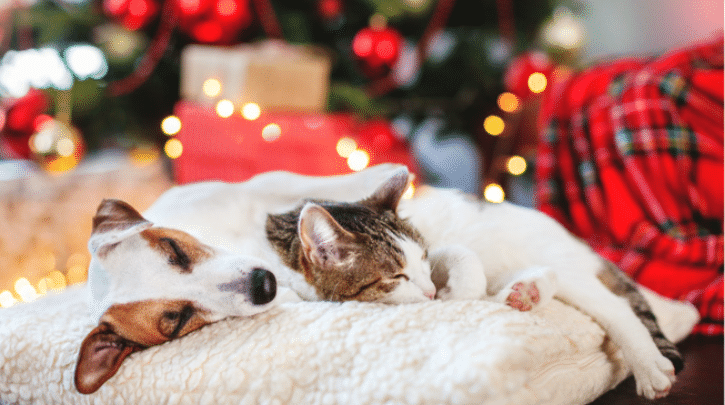
Best Dog Presents: Essential Safe Gift Guide (2026)

Best Dog Presents: Essential Safe Gift Guide (2026)

The best dog presents match your dog’s size, age, and play style, and they’re safe to use with little or no supervision. For most dogs, that means a correctly sized chew or puzzle toy, a few healthy treats, or something that makes walks and naps more comfortable. A price tag doesn’t make a gift good. Fit does.

Shopping for a dog can feel oddly hard. They can’t write a wish list, and a toy that lasts weeks with one dog may be in pieces within an hour with another. This guide helps American dog owners and gift-givers choose presents that get used, by budget, by type, and with safety in mind.

Key takeaways

  • Choose by your dog’s size, age, and chewing style before you look at price.
  • A toy should be too large to swallow. Toys that break into small pieces can be dangerous.
  • Puzzle and treat-dispensing toys suit busy, clever, or easily bored dogs.
  • Good gifts exist at every budget, from under $10 to $50 and up.
  • No toy is truly indestructible, so check new gifts often and replace damaged ones.

Best Dog Presents: The Short Answer

If you only have a minute, pick one of these. Each works for a wide range of healthy adult dogs when it’s the right size:

  • A treat-dispensing toy for dogs who get bored or eat too fast.
  • A durable chew toy for dogs who love to gnaw.
  • A rope or tug toy for dogs who enjoy playing with you.
  • A comfortable bed or blanket for older dogs and nappers.
  • A well-fitting harness or leash for dogs who walk a lot.

How to Choose a Present That Suits Your Dog

Before you browse the best dog presents, take a minute to think about the dog in front of you. Five questions narrow the field quickly.

How big is your dog?

Size matters most for safety. The American Kennel Club advises choosing toys that are big enough that your dog can’t choke on or swallow them, while still fitting comfortably in the mouth. A ball that’s fine for a 15-lb (7 kg) terrier mix can be a choking risk for a 90-lb (41 kg) dog.

How old is your dog?

Puppies are teething and need toys made for young mouths. Senior dogs often prefer softer toys, gentle puzzles, and warm, supportive beds over high-energy gear.

How does your dog chew?

A gentle chewer may carry a plush toy around for months. A power chewer may shred it in minutes. If your dog destroys toys fast, choose sturdier options that won’t break into small pieces.

How does your dog like to play?

Some dogs live for fetch. Others like tug, sniffing games, or a quiet chew on the couch. Choose a present that fits the play your dog already enjoys.

Does your dog have any health needs?

Food allergies, dental problems, joint stiffness, or a sensitive stomach all change what’s suitable. If you’re unsure, ask your veterinarian before buying treats or chews.

Best Dog Presents by Budget

You don’t need to spend much to find the best dog presents for your pup. The table shows typical price bands for common gift types. Prices vary by brand, size, and store, so treat these as rough guides.

Budget Gift ideas Good for
Under $10 Rope toy, a correctly sized ball, a small bag of training treats, a basic chew toy Stocking stuffers, add-on gifts, puppies
$10–$25 Treat-dispensing toy, snuffle mat, sturdy plush toy, travel water bottle Bored or food-motivated dogs
$25–$50 Harness, puzzle feeder, grooming kit, cozy blanket, cooling mat Walkers, long-haired dogs, warm climates
$50+ Supportive bed, automatic ball launcher, GPS tracker, custom pet portrait Senior dogs, high-energy dogs, special occasions

Pet Care Tip: A small present you use together, like a new tug toy, often means more to a dog than an expensive gadget left in a corner. Dogs tend to love toys that involve you.

Want more ideas for everyday gear? Browse our pet accessories guides or the full dog care section.
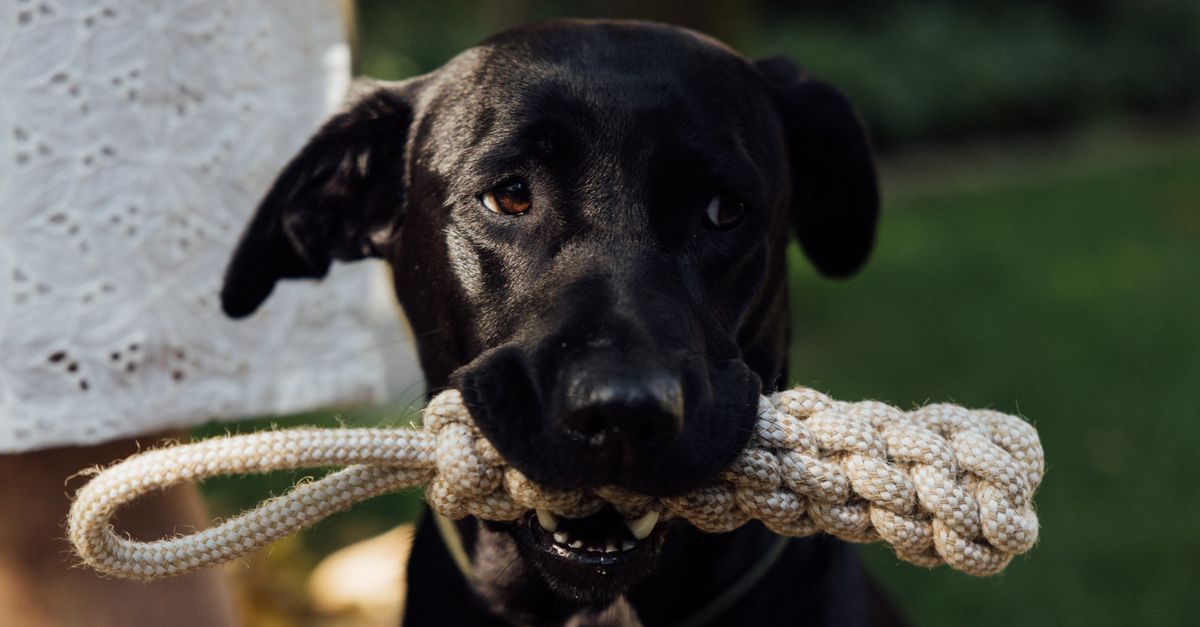
Best dog presents: black dog holding a rope tug toy in its mouth outdoors
A simple rope toy is one of the best dog presents for dogs who love tug. Photo: Filipp Romanovski / Pexels.

Your content goes here. Edit or remove this text inline or in the module Content settings. You can also style every aspect of this content in the module Design settings and even apply custom CSS to this text in the module Advanced settings.

Best Dog Presents by Type

Price is only half the picture. The best dog presents also match how your dog spends the day. Here’s who each gift type suits and what to check before you buy.

Durable and interactive toys

Rubber chew toys, rope toys, and fetch balls suit active dogs. Humane World for Animals suggests offering toys for different purposes and rotating them weekly, so a few are out at a time and old favorites feel new again. Check the label for size guidance, and remember that “tough” isn’t the same as “indestructible.”
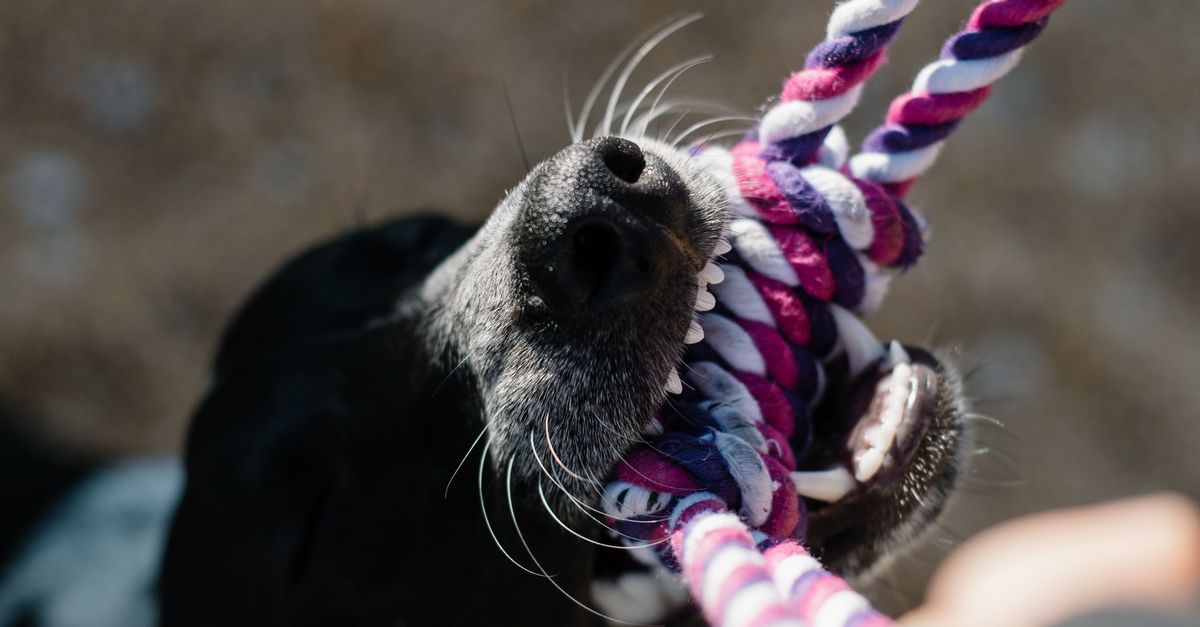
Best dog presents by type: black and white dog pulling on a knotted cotton rope chew toy
Interactive tug toys are among the best dog presents for playful dogs. Photo: joao Guerreiro / Pexels.

Puzzle toys and enrichment

Treat-dispensing toys, snuffle mats, and slow feeders make a dog work for food. They often suit clever, bored, or fast-eating dogs. Start with an easy level so your dog doesn’t give up, then move to harder puzzles over time.

Comfortable beds and blankets

A supportive bed can be a thoughtful gift for senior dogs and big dogs who sleep on hard floors. Measure your dog from nose to tail base while lying down, then add a few inches. Washable covers make life easier.

Walking accessories and harnesses

A well-fitting harness, a reflective leash, or a light-up collar tag suits dogs who walk early or late. Fit matters more than style. You should be able to slide two fingers under the straps.

Training tools

A treat pouch, a clicker, or a long training line can make practice sessions smoother. These gifts work best for owners who already train or plan to start a class.

Grooming and comfort products

A brush that suits the coat type, a gentle dog shampoo, or a paw balm can turn grooming into bonding time. Long-coated and double-coated dogs often get the most use from a good brush.

Example Scenario (illustrative)

Marisol in Phoenix wants the best dog presents for her two-year-old mixed-breed, Pepper, who shreds plush toys within minutes and gets restless on hot afternoons. Instead of another stuffed toy, she picks a firm rubber treat-dispensing toy and a cooling mat. Pepper gets an indoor job during the hottest hours, and Marisol checks the toy each week for cracks.

Gifts for Dog Lovers and Owners

Sometimes the gift is for the person at the other end of the leash. Practical gifts for dog lovers tend to get the most use:

  • Personalized items: a custom ID tag, an engraved bowl, or a framed pet portrait.
  • Everyday helpers: a hands-free leash, a car seat cover, or a waterproof walking jacket.
  • Experiences: a gift card for a training class, a grooming session, or a professional photo shoot.
  • Book or keepsake: a training book, a dog-themed mug, or a paw-print kit.

If the owner is new to dogs, practical basics often beat novelty. Our pet food guides can also help them choose treats and meals with confidence.

Pet Care Tip: Never give a live puppy or dog as a surprise present. A dog is a commitment of many years, and the new owner should choose and plan for that pet themselves. A gift card for an adoption fee at a local shelter can be a kinder option.

Safe Dog Gifts: Toys, Treats, and Things to Avoid

Even the best dog presents can cause harm if they’re the wrong size or the wrong ingredient. A few quick checks keep a happy gift from turning into a trip to the vet.

When to call a vet: If your dog swallows part of a toy, chokes, or eats something toxic, contact your veterinarian or a 24/7 emergency animal hospital right away. For poisoning, you can also call the ASPCA Animal Poison Control Center at (888) 426-4435 or the Pet Poison Helpline at (855) 764-7661. A consultation fee may apply.

Check toys before and after play

Humane World for Animals warns that toys which are too small can be swallowed or become lodged in a dog’s throat. It also advises removing string, ribbon, and rubber bands, and watching squeaky toys in case your dog digs out the squeaker. Look for loose eyes, torn seams, and exposed stuffing. Throw a toy away once it starts to break apart.

Choose treats with care

VCA Animal Hospitals recommends that treats make up no more than 10% of a dog’s daily calories. If your dog has a food allergy, pick treats without the suspected allergen. Introduce any new treat slowly, starting with a small piece, especially for dogs with sensitive stomachs. If a new treat leads to loose stools, our guide to causes of diarrhea in dogs explains when to call the vet.

Be careful with bones and hard chews

Cooked bones can splinter, and swallowed chunks of any chew may lodge in the gut. The FDA notes that problems from bones and chew toys can show up hours to days later, with signs such as vomiting, diarrhea, low energy, and belly pain. Supervise chew time and take the chew away once it’s small enough to swallow.

Watch out for toxic ingredients

Some foods people share as treats are dangerous for dogs. The ASPCA warns that xylitol, a sweetener found in some sugar-free gum, candy, and peanut butter, can cause a sudden drop in blood sugar in dogs. Always check labels on peanut butter before filling a puzzle toy. Spices can be tricky too. See our guide on whether dogs can have cinnamon before sharing baked goods.

Is wrapping paper safe for dogs?

Ribbon, tinsel, and string can damage the stomach and intestines if swallowed, according to the FDA. Let your dog sniff a present, then unwrap it yourself and clear away ribbon and packaging straight after.

Common Dog Gift Mistakes (and How to Avoid Them)

Most gift problems come from good intentions. Here’s what owners often get wrong when shopping for the best dog presents.

Mistake Why it happens Better choice
Buying a toy that’s too small It looks cute, or it’s sold as “one size” Size up for big dogs and check the label
Trusting “indestructible” claims Marketing language Supervise and inspect every toy
Giving lots of new treats at once Holiday excitement One new treat at a time, in small amounts
Leaving wrapped gifts under the tree Food-scented gifts look harmless Store edible gifts out of reach

Your Dog Present Checklist

Run through this quick list before you buy. If a gift passes every point, it’s likely a good fit.

Before you buy

  • ☐ Is it too big to swallow, but easy for my dog to carry?
  • ☐ Does it suit my dog’s age and chewing style?
  • ☐ Does it match how my dog likes to play?
  • ☐ Are there small parts, strings, or loose pieces?
  • ☐ Have I checked treat ingredients for xylitol and known allergens?
  • ☐ Can I supervise the first few play sessions?
  • ☐ Will I inspect it weekly and replace it once it’s damaged?

Best Dog Presents FAQs

What are the best dog presents?

The best dog presents fit your dog’s size, age, and play style. Popular choices include treat-dispensing toys, durable chew toys, rope toys, comfortable beds, and well-fitting harnesses. Choose a size your dog can’t swallow and supervise the first few play sessions.

What can I buy a dog for under $10?

Good options under $10 include a rope toy, a correctly sized ball, a basic chew toy, or a small bag of training treats. Prices vary by brand and store, so check the size label before you buy.

What are good gifts for dogs that have lots of energy?

High-energy dogs often enjoy fetch toys, tug toys, and puzzle feeders that give them a job. An automatic ball launcher can help, but shared play with you usually matters most.

What makes a dog toy safe?

A safe dog toy is too large to swallow, has no small parts that can be chewed off, and suits your dog’s chewing style. Check toys often and throw them away once they start to break apart.

How many treats can I give my dog as a present?

Treats should make up no more than 10% of your dog’s daily calories, according to VCA Animal Hospitals. Introduce new treats slowly and one at a time.

What are good gifts for someone who loves dogs?

Personalized ID tags, framed pet portraits, hands-free leashes, car seat covers, and gift cards for training classes or grooming all make thoughtful gifts for dog lovers.

Final Verdict: Best Dog Presents for 2026

The best dog presents aren’t the most expensive ones. They’re the gifts that match your dog’s size, age, chewing style, and favorite way to play. Start with a correctly sized toy or a simple treat puzzle, check every gift for safety, and spend a few minutes playing together. That’s the part your dog will remember. For more size-by-size toy ideas, the AKC’s toy guide is a useful next read.

Your next steps

  1. Use the checklist above to pick one gift that suits your dog today.
  2. Explore more care tips in our dog guides.
  3. Planning a fruity treat? Read our guide on whether dogs can eat watermelon skin first.

Share your dog’s favorite present with our community on Facebook.

About the author

Written and reviewed by the Pets Store Home Editorial Team: pet owners and animal lovers who check every guide against trusted US veterinary and animal-welfare sources. This article is general information, not a substitute for professional veterinary advice. Always talk to your veterinarian about your own pet’s health.

How we checked this guide: We reviewed toy, treat, and safety guidance from the American Kennel Club, Humane World for Animals, VCA Animal Hospitals, the ASPCA, and the U.S. Food and Drug Administration. We review this article every 12 months, or sooner if guidance changes.

Last reviewed: October 2026

Gapentin for Dogs: Uses, Side Effects & Safety (UK)

Gapentin for Dogs: Uses, Side Effects & Safety (UK)

Gabapentin for Dogs: Essential Safe Guide for Owners (2026)

Gabapentin for dogs is a prescription medicine veterinarians use mainly for chronic nerve-related pain and, alongside other drugs, for seizures. It is a human drug that vets prescribe “extra-label,” because it is not FDA-approved for pets. It usually starts working within 1 to 2 hours, and the most common side effects are sleepiness and wobbliness.

If your vet has just sent you home with a bottle of gabapentin, you probably have questions. What is it treating? Why is my dog so sleepy? Can I use the gabapentin in my own medicine cabinet? This guide answers those questions with US veterinary sources. It explains what gabapentin for dogs is, what it can and can’t do, how to give your dog gabapentin safely, and which mistakes can put a dog at risk.

Key takeaways

  • Vets use gabapentin mainly for chronic pain, especially nerve pain, and as an add-on seizure medicine.
  • Use in dogs is extra-label: legal for veterinarians, but not reviewed or approved by the FDA for pets.
  • It typically takes effect in about 1 to 2 hours and is short-acting.
  • Sedation and incoordination are the side effects owners notice most.
  • Never give your dog human gabapentin, especially oral liquids, which may contain xylitol.
  • Don’t stop gabapentin suddenly, particularly in dogs with seizures; ask your vet how to taper.

Call your vet or a 24/7 emergency animal hospital right away if: your dog gets into someone’s gabapentin (especially a liquid), collapses, can’t stand, seems extremely drowsy, has a seizure, or shows signs of an allergic reaction such as facial swelling or hives. You can also call the ASPCA Animal Poison Control Center at (888) 426-4435 or Pet Poison Helpline at (855) 764-7661 (a consultation fee may apply).

Gabapentin for Dogs: The Short Answer

Gabapentin is an anti-seizure and pain medicine first developed for people, sold under brand names such as Neurontin. VCA Animal Hospitals explains that in dogs it is mainly used for chronic pain, primarily nerve pain, and as part of seizure treatment. It comes as capsules, tablets or a compounded liquid given by mouth.

Gabapentin for dogs is often one part of a wider plan. VCA notes it is used with other drugs, which is why it’s so important to tell your vet about every medicine and supplement your dog takes.

Gabapentin for dogs: a veterinarian examining a German Shepherd on a clinic table
Gabapentin is prescription-only, so every plan starts with a vet exam. Photo: Tima Miroshnichenko / Pexels.

What Is Gabapentin Used for in Dogs?

The reasons your vet might prescribe gabapentin for dogs fall into a few groups. Your own dog’s plan depends on the diagnosis, so ask your vet exactly what it is meant to treat.

Chronic and nerve-related pain

VCA lists pain as one of the main uses and describes gabapentin as a medicine used for chronic pain, primarily nerve (neuropathic) pain. Vets may add it to a pain plan for long-term conditions, often alongside other medicines. The American Animal Hospital Association encourages a “multi-modal” approach to pain, meaning several treatments working together rather than one drug alone.

Seizures

VCA also describes gabapentin as an add-on (adjunct) seizure medicine, given alongside other anti-seizure drugs rather than on its own. Your vet will explain how it fits with your dog’s main seizure treatment.

Stressful events

Some veterinarians may also include gabapentin in a plan for situational fear, such as a vet visit. VCA notes this use mainly in cats. Ask your vet whether it suits your dog rather than assuming it will work as a calming aid.

Is Gabapentin FDA-Approved for Dogs?

No. VCA states that using gabapentin for seizures and pain in dogs and cats is “off label” or “extra label,” meaning the FDA has not reviewed or approved that use. That doesn’t make it illegal; US law allows vets to prescribe it this way.

The FDA explains that under the Animal Medicinal Drug Use Clarification Act (AMDUCA), veterinarians may prescribe approved human drugs for animals in an extra-label way. Key conditions include a valid veterinarian-client-patient relationship, a genuine health need, and proper records and labeling. In plain terms: gabapentin for dogs must come from a vet who has examined your dog, with directions written for your dog.

Prescription and State Rules for Gabapentin

Gabapentin always requires a prescription. It is not a federally controlled substance, but some states regulate it more tightly. According to a 2025 article in Today’s Veterinary Business, these states list gabapentin as a Schedule V controlled substance:

Status States (as of 2025) What it may mean for you
Schedule V controlled Alabama, Kentucky, Michigan, North Dakota, Tennessee, Virginia, West Virginia Extra paperwork and possible limits on refills
Not scheduled, but reported Examples include Connecticut and Wyoming Prescriptions are reported to a state monitoring program
Federal Not DEA-controlled State rules decide the details

State rules change, so check with your vet or pharmacist about refills where you live.

Home Comfort Tips for Dogs on Gabapentin

Medicine is only one part of a multimodal pain plan. A few changes at home can make a sleepy or sore dog safer and more comfortable, especially in the first days on a new prescription:

  • Add grip: lay washable non-slip rugs or yoga mats over slick hardwood, tile or laminate floors.
  • Limit stairs: use a baby gate until you know how steady your dog is on the medicine.
  • Offer a supportive bed in a quiet spot away from drafts, with easy access to water.
  • Use a ramp or step for the car, couch or bed instead of letting your dog jump.
  • Keep walks short and regular rather than one long weekend outing, unless your vet advises otherwise.
  • Ask about weight: extra pounds put more load on sore joints, so ask your vet whether a weight plan would help.

Pet Care Tip: keep the gabapentin bottle in a closed cabinet, not on the kitchen counter. Dogs that chew through bottles can swallow several doses at once, and family members’ gabapentin should be stored just as carefully.

How Fast Does Gabapentin for Dogs Work?

According to VCA, gabapentin takes effect quickly, in about 1 to 2 hours. It is short-acting and should stop working within 24 hours, although effects may last longer in dogs with liver or kidney disease. For long-term pain, your vet may judge progress over days to weeks, so keep notes on how your dog moves, sleeps and plays.

Gabapentin for Dogs: Side Effects to Watch For

VCA lists sedation and incoordination as the main side effects. Vets often start low and increase the dose gradually to reduce them, so never adjust the amount yourself.

What you see What to do
Sleepier than usual, especially in the first days Let your dog rest; mention it to your vet at the next check-in
Mild wobbliness or clumsy back legs Block stairs, add non-slip rugs, call your vet if it doesn’t settle
Can’t stand, extreme drowsiness or collapse Call your vet or emergency hospital now
Facial swelling, hives or breathing trouble Possible allergic reaction: emergency care now
Gabapentin for dogs side effects: a sleepy brown and white mixed-breed dog resting on a patterned bed
Sleepiness is one of the main side effects VCA lists. Photo: Viktoria B. / Pexels.

Signs Gabapentin May Be Helping Your Dog

Pain in dogs is often subtle, which is why AAHA’s guidelines stress watching for the quieter signs of chronic pain. When gabapentin is part of a pain plan, owners may notice small changes first rather than one dramatic improvement. Signs worth noting for your vet include:

  • Getting up from lying down with less effort or hesitation
  • Taking stairs, jumping into the car or onto the couch more willingly
  • Less licking or chewing at one paw, leg or joint
  • Settling to sleep more easily and staying asleep
  • More interest in walks, toys and family activity

None of these proves the medicine is working on its own; other parts of the plan matter too. That’s why a simple record helps your vet decide whether to keep, change or stop the dog’s gabapentin.

First-week log (our template) What to write down
Dose times Exact time each dose was given, and any missed doses
Sleepiness Normal / a little sleepy / very sleepy, and how long it lasted
Walking Steady / slightly wobbly / stumbling
Comfort Stairs, getting up, walk length, licking at sore spots
Anything new Other medicines, supplements, appetite changes, vomiting

Dogs That Need Extra Care

VCA advises caution with gabapentin in pets with kidney disease and in pregnant or nursing animals, and says not to use it in pets allergic to it. Tell your vet if your dog:

  • Has kidney or liver disease
  • Is pregnant, nursing or used for breeding
  • Has epilepsy or any seizure history
  • Takes other medicines, supplements or herbal products
  • Has reacted badly to a medicine before

How to Give Gabapentin to Your Dog Safely

  1. Follow the label your vet gave you, including the time of day and spacing between doses.
  2. Use only the product your vet prescribed. Don’t swap in a different strength or form.
  3. Give it with a little food or a treat if your vet says that’s fine.
  4. Keep a simple log of times, sleepiness and mobility for the first week.
  5. Never double up after a missed dose; ask your vet what to do.
  6. Don’t stop suddenly. VCA warns that stopping abruptly in epileptic pets can cause withdrawal seizures.
  7. Store it safely at room temperature, away from moisture and out of reach of pets and children.

Questions to ask your vet before you leave (our checklist)

  • What exactly is this gabapentin treating, and how will we know it’s working?
  • How sleepy is too sleepy for my dog?
  • Can it be given with my dog’s other medicines and supplements?
  • What should I do if I miss a dose?
  • How will we taper it if we ever stop?
  • Are there refill rules in our state?

Why Human Gabapentin Is Risky for Dogs

It is tempting to reach for a family member’s prescription, but don’t. A person’s prescription isn’t dosed for your dog, and some human oral liquids contain xylitol. The Merck Veterinary Manual lists sugar-free liquid medicines, such as liquid gabapentin, among common xylitol sources. In dogs, xylitol can cause a dangerous drop in blood sugar and, in some cases, severe liver injury.

VCA also urges caution when gabapentin is combined with antacids, hydrocodone or morphine, and asks owners to report every medicine, supplement and herbal product. That is another reason gabapentin for dogs should only ever come from your dog’s own veterinarian.

Missed Dose or Accidental Overdose: What to Do

If you miss a dose, don’t give two at once to “catch up.” Call your vet’s office and ask what to do, since the answer depends on your dog’s schedule and condition.

If your dog gets an extra dose, chews into the bottle, or swallows someone else’s gabapentin, VCA advises calling your veterinary office right away, or an emergency facility if your vet isn’t available. Have the product packaging, your dog’s weight and a description of any symptoms ready. If the product could contain xylitol, say so, because that changes the urgency.

Example Scenario: The Stiff Senior Dog

This is an illustrative example, not a real owner.

Tyler, in Columbus, Ohio, has a 12-year-old mixed-breed dog who has started struggling on the stairs. His vet adds gabapentin to a pain plan. For the first few days, the dog sleeps more and wobbles slightly, so Tyler blocks the stairs and keeps a short log. He asks the vet about his own leftover gabapentin liquid in the cabinet and learns why it isn’t safe for dogs. At the two-week recheck, the log helps the vet fine-tune the plan.

What Most Owners Get Wrong About Gabapentin for Dogs

Mistake Why it matters Do this instead
Using a person’s gabapentin Wrong dose; liquids may contain xylitol Use only your dog’s prescription
Stopping as soon as the dog seems better Can trigger withdrawal seizures in epileptic dogs Ask your vet about tapering
Raising the dose for a “bad day” Can increase sedation and wobbliness Call your vet first
Not mentioning supplements Some products may interact Share a full list at every visit

Gabapentin for Dogs: FAQs

What does gabapentin do for dogs?

It helps manage chronic pain, especially nerve-related pain, and can be added to seizure treatment. Your vet decides whether it fits your dog’s condition.

Is gabapentin safe for dogs?

Your vet weighs the benefits and risks for your dog. Given exactly as directed, the side effects VCA lists most are sleepiness and wobbliness.

How long does gabapentin take to work in dogs?

VCA says it usually takes effect in about 1 to 2 hours. It is short-acting and should stop working within 24 hours, though effects may last longer in dogs with liver or kidney disease.

Can I give my dog human gabapentin?

No. Use only gabapentin prescribed for your dog. Human oral liquids may contain xylitol, which is toxic to dogs.

Do I need a prescription for gabapentin for my dog?

Yes. Gabapentin requires a veterinarian’s prescription, and some states classify it as a Schedule V controlled substance.

Can I stop gabapentin suddenly?

Don’t stop it without talking to your vet. Stopping abruptly can cause withdrawal seizures in dogs with epilepsy.

Can dogs take gabapentin with other calming or pain products?

Only if your vet approves the combination. Tell your vet about every medicine, supplement and herbal product, including CBD, because some combinations may add to drowsiness.

Final Verdict: Gabapentin for Dogs

Gabapentin for dogs is a useful prescription medicine for chronic nerve pain and as add-on seizure treatment. Give only your dog’s own prescription, expect some early sleepiness, keep a simple log, and never stop it suddenly. Your veterinarian is the right person for every dose question.

Helping a dog in pain? Your next steps

  1. Spot age-related changes early with behavior changes in older dogs.
  2. Know when slowing down is a warning sign: my dog is walking really slow and looks weak.
  3. Find more health and care guides in our dogs section.

Has gabapentin helped your dog? Share your experience with other pet parents on our Facebook community.

About the author

Written and reviewed by the Pets Store Home Editorial Team: pet owners and animal lovers who check every guide against trusted US veterinary and animal-welfare sources. This article is general information, not a substitute for professional veterinary advice. Always talk to your veterinarian about your own pet’s health.

How we checked this guide: uses, onset, side effects, precautions and interactions were checked against VCA Animal Hospitals (PharmD and DVM authored); extra-label rules against the FDA; xylitol risk against the Merck Veterinary Manual; multimodal pain care against AAHA; and state scheduling against Today’s Veterinary Business (2025). This guide gives no doses on purpose: only your veterinarian can set one. We review this article every 12 months, or sooner if guidance changes.

Last reviewed: October 2026.