Causes of Diarrhea in Dogs: Essential Safe Vet Guide (2026)

Causes of Diarrhea in Dogs: Essential Safe Vet Guide (2026)

Causes of Diarrhea in Dogs: Essential Safe Vet Guide (2026)

The most common causes of diarrhea in dogs are eating something they shouldn’t (garbage, rich food or toxins), a sudden diet change, stress, intestinal parasites and infections such as parvovirus. Less often, diarrhea points to food allergies, pancreatitis, inflammatory bowel disease, organ disease or cancer. Many mild cases settle within a day or two, but blood, vomiting, lethargy or a young puppy means a same-day vet visit.

If your dog has diarrhea, you are far from alone: loose stools are a very common worry for dog owners. This guide explains why dogs get diarrhea, how to read the clues in your dog’s stool and behavior, and when “wait and see” is fine versus when to pick up the phone.

Key takeaways

  • Diarrhea is a sign, not a disease; VCA vets describe it as a symptom of many different conditions.
  • Dietary indiscretion, sudden food changes, stress and parasites cause many everyday cases.
  • Parvovirus, toxins, pancreatitis and foreign objects are among the serious causes.
  • VCA advises calling your vet if frequent loose stools last more than two days.
  • Blood, vomiting, weakness, or a puppy, senior or sick dog with diarrhea needs prompt care.
  • Never give human anti-diarrhea medicine unless your vet tells you to.

See a vet the same day if: there is blood in the stool, your dog is also vomiting, won’t eat or seems weak, your dog may have eaten a toxin or an object, or the dog is a young puppy. The AKC advises going to an emergency vet when diarrhea “contains blood” or “occurs with vomiting, lack of appetite, or significant lethargy.” For suspected poisoning, the ASPCA Animal Poison Control Center’s 24-hour line is (888) 426-4435 (a fee may apply).

Causes of Diarrhea in Dogs: The Short Answer

VCA Animal Hospitals defines diarrhea as “unformed or loose stools that occur in larger amounts or more often than usual,” and stresses that it is “a sign of many different diseases” rather than a disease in itself. That is why the causes of diarrhea in dogs range from a stolen burger to a serious virus.

Think of the causes in two groups. Everyday triggers, such as scavenging, a new food or a stressful trip, usually cause short-lived, mild diarrhea in a dog that otherwise seems well. Medical causes, such as infections, toxins and organ problems, are more likely to come with other signs: vomiting, fever, belly pain, blood or a dog that just isn’t itself.

Causes of diarrhea in dogs: a dog resting on a blanket at home while recovering from an upset stomach
Causes of diarrhea in dogs range from a diet slip-up to infection; how your dog acts is a key clue.

Common Causes of Diarrhea in Dogs

When owners ask “why does my dog have diarrhea?” or “what causes diarrhea in dogs?”, the answer is usually one of the everyday triggers below. The AKC and VCA list very similar reasons for dog diarrhea, and these common causes of diarrhea in dogs explain many mild cases.

Cause Typical clue How serious?
Dietary indiscretion (garbage, table scraps, rich or spoiled food) Raided trash, cookout or counter Often mild; serious if a toxin or object was eaten
Sudden diet change New food or treats in the last few days Usually mild
Stress Travel, boarding, a move, guests, fireworks Usually mild
Intestinal parasites (Giardia, hookworms, roundworms, whipworms, coccidia) Puppies, new rescues, dog parks, missed deworming Needs a vet stool test
Food intolerance or allergy Recurring loose stools, sometimes itchy skin Ongoing; needs a vet-guided diet plan
Medication side effect Started a new medicine, such as antibiotics Call your vet; don’t stop medicine on your own

Why do dogs get diarrhea after eating garbage?

Dogs are natural scavengers, and the gut does not cope well with spoiled leftovers, greasy food or bones. VCA calls this “dietary indiscretion (eating garbage or other offensive or irritating materials).” Our guide on whether dogs can eat spoiled meat explains why old food is a common trigger.

Diet changes and stress

The AKC notes that switching foods too quickly can upset the digestive tract, and that stress can affect the digestive system too. VCA highlights stress “especially following travel, boarding, or other changes in the environment.” If you need to change foods, our guide to switching your dog’s diet safely covers a gradual transition.

Parasites

According to the AKC, “some of the parasites that can lead to diarrhea include giardia, hookworms, roundworms, coccidia, and whipworms.” Puppies and newly adopted dogs are often checked for them first, and many need a stool test to find.

Serious Causes of Diarrhea in Dogs That Need a Vet

Some causes of diarrhea in dogs are emergencies. Parvovirus is the best known. The AVMA describes parvo as “highly contagious,” with signs that include vomiting and “severe, often bloody, diarrhea.” Puppies between 6 and 20 weeks old and unvaccinated or incompletely vaccinated dogs are at highest risk.

  • Toxins: chocolate, poisonous plants, chemicals or human medicines.
  • Foreign objects: toys, socks or bones that irritate or block the gut.
  • Pancreatitis: the AKC calls it a “life-threatening inflammation of the pancreas.”
  • Other infections: including canine distemper and bacterial infections.
  • Chronic disease: VCA lists inflammatory bowel disease, organ dysfunction and cancer among the serious possibilities.

Reading the Clues: Small vs. Large Intestine Diarrhea

Vets narrow down the causes of diarrhea in dogs partly by asking where in the gut the problem starts. The Merck Veterinary Manual sets out the main differences, summarized below. Noting these details before your appointment helps your vet a lot.

What you notice Small intestine Large intestine (colon)
How often Normal or slightly more often Very frequent
Amount each time Normal to large Small
Urgency and straining Usually absent Usually present
Mucus Usually absent Frequent
Blood Dark, black, tarry stool Fresh red blood
Weight loss May be present Rare

Seeing jelly-like mucus? Our guide to dog pooping clear liquid looks at mucus in more detail. Black, tarry stool is always worth a prompt vet call.

My Dog Has Diarrhea but Is Acting Fine: What Now?

Why is my dog having diarrhea if he seems perfectly happy? In a dog that still feels well, the causes of diarrhea in dogs are often minor ones, such as a diet slip-up or stress.

If your dog has diarrhea but is eating, drinking, playful and has no blood in the stool, a short period of careful monitoring is reasonable. The AKC says that if your dog “is otherwise eating and acting normally,” you can schedule a visit with your regular vet rather than rushing to an emergency clinic.

VCA’s guidance is clear on timing: “If frequent liquid or semi-liquid stools persist for more than two days, you should consult your veterinarian.” Keep fresh water available, avoid treats and table food, and ask your vet before changing the diet or giving any supplement.

When to Call the Vet About Dog Diarrhea

A dog having diarrhea alongside other symptoms needs faster attention than one with a single soft stool. Use this guide:

Situation What to do
One or two loose stools; dog bright and eating Monitor closely; keep water available.
Loose stools lasting more than two days Book a vet appointment.
Diarrhea in a puppy, senior or dog with a health condition Call your vet the same day.
Blood, black stool, vomiting, lethargy or not eating Emergency vet now.
Possible toxin or swallowed object Call your vet or a poison hotline right away.

Pet Care Tip: keep a 48-hour poop log

  • Time of each bowel movement and how many
  • Consistency (soft, pudding-like, watery) and color
  • Any mucus, blood or black, tarry stool
  • Eating, drinking, vomiting and energy level
  • Anything new: food, treats, chews, trips, medicines
  • A phone photo of the stool to show your vet

What Your Vet Will Check

To pin down the causes of diarrhea in dogs, your vet will ask about diet, scavenging, travel, other pets and medicines, then examine your dog. The AKC notes that further tests are usually advised when diarrhea is chronic, causes weight loss, comes with vomiting, is severe or “is noted in a puppy.” These may include a stool test for parasites, blood tests and, in some cases, imaging. Bring a fresh stool sample if you can.

Avoid giving human medicines while you wait. The AKC warns against human medications for dogs, and some over-the-counter products can cause harm. Your vet can recommend safe treatment once the cause is clearer.

How to Prevent Diarrhea in Dogs

  1. Switch foods gradually rather than overnight.
  2. Secure trash cans and keep counters clear.
  3. Limit table scraps, especially fatty or spicy food. Some foods are toxic; see will a small amount of onion hurt my dog?
  4. Keep up with vaccines and parasite prevention, including the parvovirus vaccine, which the AVMA calls a core vaccine for all dogs.
  5. Store food properly so it doesn’t spoil; our guide to storing pet food properly explains how.
  6. Pick up poop promptly and wash your hands afterward, as the CDC advises, because “dog poop can carry germs that make people and animals sick.”

Example Scenario: The Weekend Cookout

This is an illustrative example, not a real owner.

Jasmine, in Denver, Colorado, notices her Labrador mix has the runs the morning after a backyard cookout. He is eating, drinking and wagging, with no blood or vomiting. She thinks through the likely causes of diarrhea in dogs, remembers guests slipping him burger scraps, and starts a poop log. By the next evening his stools are firming up. She tells her vet at his next check-up and puts a “please don’t feed the dog” sign on the patio table.

What Most Owners Get Wrong About Dogs and Diarrhea

Mistake Why it matters Do this instead
Giving human anti-diarrhea medicine Some products can harm dogs or mask a serious cause Ask your vet first
Waiting too long with a puppy Puppies are at higher risk of parvo and dehydration Call your vet the same day
Switching foods repeatedly Each change can upset the gut again Change slowly and on vet advice
Ignoring black or bloody stool Can signal bleeding or serious illness See a vet promptly
Skipping a stool sample Parasites are easy to miss without testing Bring a fresh sample to the visit

Causes of Diarrhea in Dogs: FAQs

What is the most common cause of diarrhea in dogs?

Dietary indiscretion is one of the most common causes: eating garbage, table scraps, rich food or something irritating. Sudden diet changes, stress and parasites are also frequent triggers.

Why does my dog have diarrhea but is acting normal?

Mild, short-lived diarrhea in a bright, eating dog is often caused by a diet slip-up or stress. Monitor closely and call your vet if it lasts more than two days or other signs appear.

How long does diarrhea last in dogs?

Many mild cases improve within a day or two. VCA advises consulting your veterinarian if frequent liquid or semi-liquid stools last more than two days.

Can stress cause diarrhea in dogs?

Yes. Both the AKC and VCA list stress as a cause, especially after travel, boarding or other changes in a dog’s environment.

When is dog diarrhea an emergency?

Seek urgent care if there is blood or black stool, vomiting, lethargy, loss of appetite, a suspected toxin or object, or if the dog is a puppy or has other health problems.

Can I give my dog Imodium for diarrhea?

Do not give any human medicine without your vet’s advice. Some anti-diarrhea products are unsafe for certain dogs and can hide a serious underlying cause.

Final Verdict: Causes of Diarrhea in Dogs

The causes of diarrhea in dogs range from harmless to life-threatening. Scavenging, diet changes, stress and parasites explain many cases, and a bright, eating dog can often be monitored for a day or two. Blood, vomiting, lethargy, a puppy, or diarrhea lasting more than two days all mean it is time to call your vet.

Worried about your dog’s tummy? Your next steps

  1. Explore more health and care guides in our dogs section.
  2. Check what mucus in stool means in dog pooping clear liquid.
  3. Learn how to change food safely in when to switch your dog’s diet.

Been through a bout of the runs with your dog? Share what helped with other owners on our Facebook community.

About the author

Written and reviewed by the Pets Store Home Editorial Team: pet owners and animal lovers who check every guide against trusted animal-welfare and veterinary sources. This article is general information, not a substitute for professional veterinary advice. Always speak to your vet about your own pet’s health.

How we checked this guide: causes, warning signs and timing were checked against VCA Animal Hospitals (DVM-authored) and the American Kennel Club; small vs. large intestine signs against the Merck Veterinary Manual; parvovirus facts against the AVMA; and hygiene advice against the CDC. We review this article every 12 months, or sooner if guidance changes.

Last reviewed: October 2026.

Can Dogs Have Cinnamon? Essential Safe Feeding Guide (2026)

Can Dogs Have Cinnamon? Essential Safe Feeding Guide (2026)

Can Dogs Have Cinnamon? Essential Safe Feeding Guide (2026)

Can dogs have cinnamon? Yes, in very small amounts. The ASPCA lists cinnamon as non-toxic to dogs, so a pinch dusted on a treat is unlikely to cause harm. Problems start with larger amounts of powder, cinnamon sticks, cinnamon essential oil, and the sugary baked goods that cinnamon usually comes in, which may also hide nutmeg or xylitol.

Cinnamon shows up everywhere in American kitchens, from breakfast oatmeal to holiday cookies and pumpkin spice lattes. So it is no surprise that dogs and cinnamon cross paths often. This guide explains how much is too much, which cinnamon foods to keep away from your dog, and exactly what to do if your dog gets into the spice jar.

Key takeaways

  • The ASPCA lists cinnamon as non-toxic to dogs.
  • Pet Poison Helpline guidance, quoted by the AKC, says it takes more than about one teaspoon of powder to cause problems for most pets; small dogs may react to less.
  • Cinnamon essential oil is far more concentrated and can be harmful in small amounts.
  • Cinnamon rolls, cookies and cereals are the bigger worry: sugar, fat, and sometimes nutmeg, raisins or xylitol.
  • Claimed health benefits for dogs are not proven, so there is no need to add cinnamon to your dog’s diet.

Call your vet or a poison hotline right away if: your dog ate cinnamon oil, more than a teaspoon of powder (or any noticeable amount for a small dog), or a baked good that may contain xylitol or nutmeg. The ASPCA Animal Poison Control Center runs a 24-hour line at (888) 426-4435, and the Pet Poison Helpline is another option. A consultation fee may apply.

Can Dogs Have Cinnamon? The Short Answer

Yes, but only a little, and only plain cinnamon. The ASPCA’s toxic and non-toxic plant list marks cinnamon (Cinnamomum zeylanicum) as non-toxic to dogs, cats and horses. A light sprinkle in a homemade dog treat is not a cause for alarm.

Non-toxic does not mean “eat as much as you like,” though. Most cinnamon your dog meets comes packaged with sugar, butter and other ingredients that cause far more trouble than the spice itself. So the real question behind “can dogs have cinnamon” is usually: what else came with it?

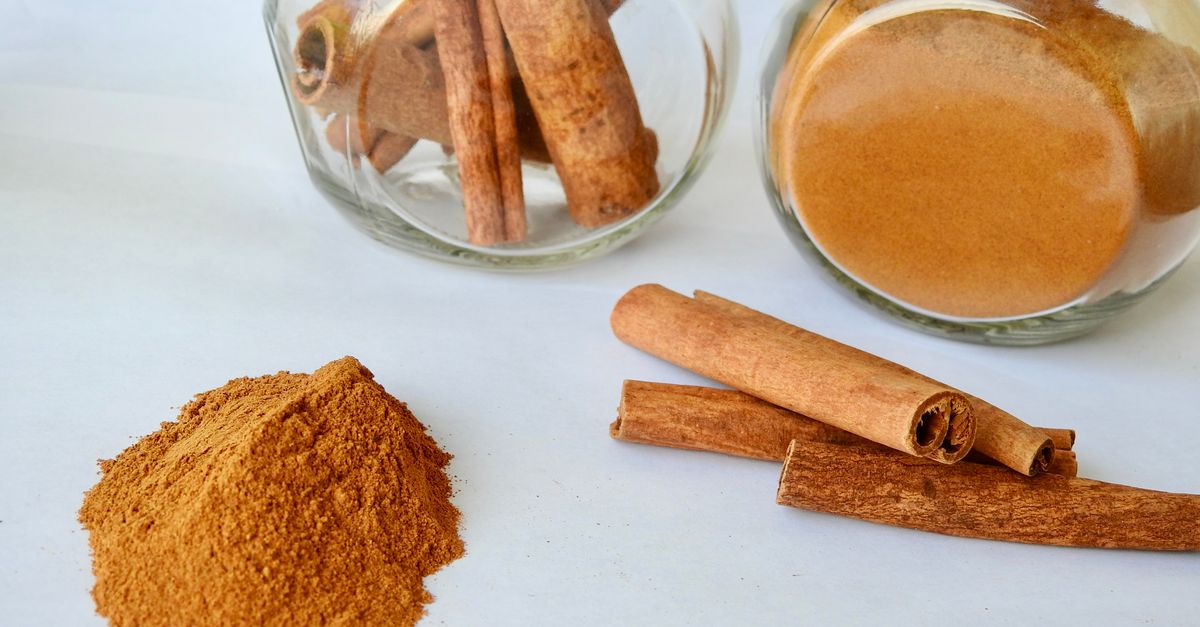
Can dogs have cinnamon: cinnamon sticks and ground cinnamon powder in glass jars
Can dogs have cinnamon? A pinch of plain ground cinnamon is fine; sticks, large amounts and cinnamon oil are not.

Dogs and Cinnamon: What the Experts Say

On the question of dogs and cinnamon, trusted pet sources agree on two points. First, the spice itself is low risk. The American Kennel Club states that “cinnamon is not toxic to dogs, though cinnamon essential oil can be toxic for dogs.”

Second, the health claims are thin. The AKC notes that cinnamon is “reputed to have a number of health benefits for people, although these haven’t been proven conclusively,” and advises talking to your veterinarian before using it as a supplement. In other words, your dog gains nothing it needs from cinnamon. A complete, balanced dog food already covers its nutrition.

How Much Cinnamon Is Too Much for a Dog?

Once you know the answer to “can dogs have cinnamon,” the next question is quantity. According to Pet Poison Helpline guidance quoted by the AKC, “it takes more than one teaspoon of powder to cause problems for most pets.” Smaller dogs may be affected by less, so a tiny breed deserves extra caution.

Form of cinnamon Risk level Why
A pinch of ground cinnamon in dog-safe food Low Listed as non-toxic by the ASPCA
Spoonfuls of powder Moderate to high More than about 1 tsp can cause problems for most pets
Breathing in loose powder Moderate Can cause coughing, choking and trouble breathing
Chewing cinnamon sticks Moderate Mouth irritation; hard pieces may also pose a choking risk
Cinnamon essential oil High Highly concentrated; harmful at small doses
Cinnamon baked goods Depends on ingredients Sugar, fat, and possibly xylitol, nutmeg or raisins

The AKC adds that “a large cinnamon overdose can lead to vomiting, diarrhea, changes in heart rate, low blood sugar, and liver disease,” and that “inhaling cinnamon powder can cause your dog to cough, choke, and have difficulty breathing.” That inhalation risk is why licking an open bag of cinnamon is more of a problem than a dusting on food.

Can dogs have cinnamon every day?

There is no reason to make it a daily habit. Because the benefits for dogs are unproven, cinnamon adds flavor and nothing your dog needs. An occasional pinch is fine; routine dosing should only happen if your vet suggests it.

Can Dogs Eat Cinnamon Rolls, Cookies and Cereal?

Can dogs eat cinnamon in baked goods? This is where most real-world problems start. A cinnamon roll is mostly white flour, sugar, butter and icing, with only a little spice. The AKC warns that “some baked goods also may contain xylitol as a sweetener, which is very toxic,” and recommends checking for xylitol, chocolate and raisins before your dog gets any crumbs.

Xylitol deserves special attention. The FDA explains that in dogs, xylitol may cause “a potent release of insulin from the pancreas,” leading to a rapid drop in blood sugar “within 10 to 60 minutes.” The FDA lists baked goods such as “cakes, muffins, and pies,” sugar-free desserts and some nut butters among the products that can contain it.

Dogs and cinnamon: iced cinnamon rolls, a sugary baked good dogs should not eat
Cinnamon rolls carry far more sugar and fat than spice, and some recipes add nutmeg, raisins or xylitol.

Sweet cereals, cinnamon toast and snickerdoodle cookies follow the same rule. A stolen bite is unlikely to be an emergency for a large dog (as long as there is no xylitol, nutmeg or raisins), but the sugar and fat can upset a sensitive stomach and add calories your dog does not need. If you are watching your dog’s waistline, our guide on how to help your dog lose weight explains why treats add up fast.

Cinnamon vs. Nutmeg and Other Holiday Spices

Pumpkin spice season is a common time for dogs and cinnamon to cross paths, and the bigger risk is often the spice sitting next to it. Can dogs have cinnamon in pumpkin spice treats? Only if nutmeg is not in the mix. Nutmeg is the one to watch. The AKC explains that “nutmeg contains myristicin,” which can cause high blood pressure, an increased heart rate, hallucinations, abdominal pain and seizures in dogs.

Ingredient Safe for dogs? Key concern
Plain ground cinnamon Small amounts only Irritation or stomach upset in large amounts
Nutmeg No Contains myristicin
“Pumpkin pie spice” blends Avoid Often include nutmeg; check the label
Xylitol No Rapid low blood sugar
Raisins No Flagged by the AKC as an ingredient to avoid
Cinnamon essential oil No Concentrated; absorbed through mouth and skin

My Dog Ate Cinnamon: What to Do Now

First, stay calm and work out what was eaten and how much. Can dogs have cinnamon accidentally and be fine? Usually, yes, if it was a little plain spice. The steps below cover the common situations.

What happened What to do
Licked a little cinnamon or ate a lightly spiced bite Offer water and watch for mouth irritation or an upset stomach.
Ate around a teaspoon or more of powder, or a small dog ate a noticeable amount Call your vet or a pet poison hotline for advice.
Licked or chewed anything with cinnamon oil Call your vet or a pet poison hotline right away.
Ate a baked good that may contain xylitol or nutmeg Treat as urgent: the FDA advises going to your vet or an emergency animal hospital immediately for xylitol.
Coughing or struggling to breathe after inhaling powder Move your dog to fresh air and contact your vet.

Do not make your dog vomit at home unless a vet tells you to. The UC Davis School of Veterinary Medicine warns against inducing vomiting without veterinary supervision in xylitol cases, because blood sugar can drop quickly.

Signs to watch for

  • Coughing, choking or labored breathing (inhaled powder)
  • Red or irritated gums, drooling or pawing at the mouth
  • Vomiting or diarrhea
  • Weakness, wobbliness or collapse (possible low blood sugar)
  • Tremors, a racing heart or unusual behavior (possible nutmeg exposure)

Pet Care Tip: what to have ready when you call

  • Your dog’s weight and age
  • The product packaging or ingredient list (check for xylitol, nutmeg, raisins)
  • Your best estimate of how much was eaten, and when
  • Any symptoms so far

Cinnamon Oil, Candles and Diffusers

Essential oils are a different story from kitchen spice. VCA Animal Hospitals lists “oil of cinnamon” among the essential oils that are poisonous to dogs, noting these products are “rapidly absorbed orally or through the skin” and that “only a few licks or a small amount on the skin could be harmful.” Keep oils, simmering potpourri and scented liquids well out of reach, and wipe up spills right away.

How to Share Cinnamon Safely

So, can dogs have cinnamon as a treat at all? If you like baking for your dog, a tiny amount is acceptable. Follow these steps:

  1. Use plain ground cinnamon only, never a spice blend.
  2. Keep it to a pinch mixed into dog-safe food, not sprinkled loose where it can be inhaled.
  3. Skip sugar, butter and icing.
  4. Check every label for xylitol, nutmeg and raisins.
  5. Never give cinnamon sticks or oil.
  6. Ask your vet first if your dog has diabetes, liver disease or a sensitive stomach.

Holiday kitchen checklist for dog owners

  • Store spice jars and pumpkin spice blends in a closed cabinet.
  • Keep cooling cinnamon rolls and pies at the back of the counter.
  • Ask guests not to share cookies or cereal with your dog.
  • Keep sugar-free gum and candy in bags and coats out of reach.
  • Switch off and secure cinnamon-scented diffusers and potpourri.

Example Scenario: The Snickerdoodle Thief

This is an illustrative example, not a real owner.

Marcus, in Austin, Texas, comes back to the kitchen to find his 15-lb terrier mix finishing a snickerdoodle from the cooling rack. He wonders: can dogs have cinnamon cookies, or is this an emergency? He checks the recipe card: butter, sugar, flour and cinnamon, but no nutmeg, raisins or xylitol. Because it was one small cookie, he calls his vet for peace of mind and is told to watch for an upset stomach. His dog is fine, and the cooling rack now lives on top of the fridge.

What Most Owners Get Wrong About Dogs and Cinnamon

Mistake Why it happens How to avoid it
Thinking “non-toxic” means unlimited The ASPCA label sounds reassuring Keep to a pinch, rarely
Sharing cinnamon baked goods Cinnamon seems like the only spice Check labels for xylitol, nutmeg and raisins
Using cinnamon as a “natural remedy” Human wellness claims Ask your vet; benefits are unproven
Diffusing cinnamon oil around pets It smells festive Keep oils out of reach and off fur
Inducing vomiting at home Panic Call your vet or a poison hotline first

Can Dogs Have Cinnamon? FAQs

Is cinnamon toxic to dogs?

No. The ASPCA lists cinnamon as non-toxic to dogs. Large amounts of powder can still cause irritation, coughing or stomach upset, and cinnamon essential oil can be harmful even in small amounts.

Can dogs eat cinnamon applesauce?

Plain, unsweetened applesauce with a little cinnamon is usually fine in small amounts. Check the label first, because some versions contain added sugar or xylitol, which is dangerous for dogs.

Can dogs eat cinnamon cereal or toast?

It is best avoided. Cinnamon cereals and toast are high in sugar and refined carbohydrates. One stolen bite is unlikely to harm a healthy dog, but they should not be regular treats.

Can puppies have cinnamon?

There is no need to give puppies cinnamon. Their stomachs are sensitive and they are small, so even modest amounts can upset them. Ask your vet before adding any spice to a puppy’s diet.

Is cinnamon good for dogs?

Cinnamon is often promoted for health benefits, but the AKC notes these have not been proven conclusively. Your dog gets everything it needs from a complete, balanced diet, so cinnamon is optional at best.

What if my dog breathed in cinnamon powder?

Inhaled powder can cause coughing, choking and trouble breathing. Move your dog to fresh air and contact your vet if the coughing does not settle quickly or breathing looks labored.

Final Verdict: Can Dogs Have Cinnamon?

So, can dogs have cinnamon? Yes, but only a pinch of plain ground cinnamon now and then. The ASPCA lists it as non-toxic, yet large amounts, cinnamon sticks and cinnamon oil can cause problems. The bigger danger is what cinnamon comes with: sugar, nutmeg, raisins and xylitol. When in doubt, call your vet.

Planning holiday treats? Your next steps

  1. Check more food safety answers in our pet food center.
  2. See why sugary toppings are a problem in can dogs eat frosting?
  3. Find a healthier fruit snack in are apples OK for dogs?

Got a dog who loves holiday baking? Share your dog-safe treat ideas with other owners on our Facebook community.

About the author

Written and reviewed by the Pets Store Home Editorial Team: pet owners and animal lovers who check every guide against trusted animal-welfare and veterinary sources. This article is general information, not a substitute for professional veterinary advice. Always speak to your vet about your own pet’s health.

How we checked this guide: toxicity status was checked against the ASPCA Animal Poison Control Center plant list; amounts, overdose signs and nutmeg risks against the American Kennel Club (citing Pet Poison Helpline); xylitol facts against the FDA and the UC Davis School of Veterinary Medicine; and essential oil risks against VCA Animal Hospitals. We review this article every 12 months, or sooner if guidance changes.

Last reviewed: October 2026.
Can Dogs Eat Watermelon Skin? Essential Safe Guide (2026)

Can Dogs Eat Watermelon Skin? Essential Safe Guide (2026)

Can Dogs Eat Watermelon Skin? Essential Safe Guide (2026)

Can dogs eat watermelon skin? No, it’s best not to feed it. The green rind (also called the skin or peel) isn’t poisonous, but it is tough and hard to digest. It can cause an upset stomach, and large pieces may cause a choking risk or an intestinal blockage. The pink flesh is a fine treat once the rind and seeds are removed.

Maybe your dog just snatched a rind off a paper plate at a Fourth of July cookout, or you’re wondering if those leftover rinds could be a crunchy chew. This guide explains why the rind is risky, what to do if your dog already ate some, which symptoms mean a vet visit, how to handle seeds, and how to serve watermelon the safe way.

Key takeaways

  • Watermelon rind isn’t toxic, but the American Kennel Club advises removing it before feeding.
  • A small nibble often passes without trouble; big chunks can cause digestive upset or a blockage.
  • Seeds should come out too; the AKC notes they can be a choking hazard and may cause blockage in large numbers.
  • Seedless, rind-free flesh in bite-sized pieces makes a hydrating treat; watermelon is about 92% water.
  • Keep all treats, watermelon included, under 10% of your dog’s daily calories.
  • Vomiting, belly pain, not eating or straining to poop after eating rind means calling your vet.

Call your vet or a 24/7 emergency animal hospital right away if your dog swallowed a large piece of rind and is vomiting, seems painful in the belly, won’t eat, is straining to pass stool, or is unusually tired. VCA Animal Hospitals warns that time matters with a suspected blockage. Don’t try to make your dog vomit at home unless your vet tells you to.

Can Dogs Eat Watermelon Skin? The Short Answer

The safe answer is no. The American Kennel Club (AKC) advises owners to “remove all seeds and the tough rind before feeding it to your dog, since both can cause digestive upset.” The rind isn’t considered toxic. The problem is physical: it’s firm, fibrous and easy for an eager dog to gulp in big pieces.

The fruit itself is a different story. Plain, seedless, rind-free watermelon flesh is a popular summer treat for many dogs, as long as you keep portions small.

Can dogs eat watermelon skin: two watermelon slices with thick green rind lying on grass
The thick green rind is the part to keep away from your dog. Photo: Kristina Paukshtite / Pexels.

Skin, Rind or Peel: What’s the Difference?

People use these words for the same part of the fruit, which is why so many owners search “can dogs eat watermelon peel” or “can dogs have watermelon rind.” Whatever you call it, the answer to “can dogs eat watermelon skin?” covers all three words. Here’s what each part means for your dog:

Part of the watermelon What it is Safe for dogs?
Outer skin / peel The hard, striped green layer No; tough and hard to chew and digest
White inner rind The pale, firm band under the skin Best avoided; still firm and fibrous
Pink or red flesh The juicy fruit Yes, seedless, in small pieces
Black seeds Mature seeds in seeded melons Remove them
White “seeds” in seedless melons Small, soft immature seed coats Lower concern; remove what you easily can

Why Watermelon Rind Is Risky for Dogs

If the rind isn’t toxic, why is the answer to “can dogs eat watermelon skin?” still no? It comes down to texture and size.

  • It’s hard to digest. The AKC notes the rind can cause digestive upset, which may show up as vomiting or diarrhea.
  • It can block the gut. Dogs often swallow food without chewing much. A big chunk of rind can act like any other swallowed object and get stuck in the stomach or intestines.
  • It’s a choking hazard. Hard, curved pieces can lodge in the throat, especially in small dogs.
  • Size matters. A strip that a large dog might pass easily could cause trouble for a small breed or puppy.

Can dogs eat watermelon rind if it’s cooked, frozen or pickled?

Freezing makes rind even harder, so it doesn’t solve the problem. Pickled watermelon rind, a Southern favorite, is usually made with sugar, vinegar and spices, none of which your dog needs. Cooking softens the rind but doesn’t turn it into a useful treat. The simplest rule: skip the rind in every form.

My Dog Ate Watermelon Rind: What Should I Do?

Don’t panic. Lots of owners only ask “can dogs eat watermelon skin?” after the dog has already grabbed some. Many dogs that steal a small piece are fine, but it’s worth watching closely for the next day or two.

  1. Take away any remaining rind and check how much is missing.
  2. Note your dog’s size and the size of the piece. A small dog and a large chunk is the riskier combination.
  3. Don’t make your dog vomit unless your vet tells you to.
  4. Call your vet if your dog swallowed a large piece, is small, or has a history of stomach problems. They may want to see your dog right away or ask you to monitor at home.
  5. Watch for 24 to 48 hours for the warning signs below, and check that your dog is eating and pooping normally.

Warning Signs That Need a Vet

According to VCA Animal Hospitals, dogs that have swallowed something that won’t pass often show signs such as:

  • Vomiting, especially repeated vomiting
  • Diarrhea
  • Belly tenderness or pain
  • Reduced appetite or refusing food
  • Straining to poop, or passing only small amounts
  • Lethargy
  • Growling or snapping when the belly is touched

VCA stresses that “time is critical” with a stomach or intestinal obstruction, so don’t wait it out if these signs appear. Its guide to vomiting in dogs also says to contact your vet right away when vomiting comes with lethargy, belly pain, diarrhea, blood or a suspected swallowed object. If diarrhea is the main problem, our guide to the causes of diarrhea in dogs explains what to watch for.

Can Dogs Eat Watermelon Seeds?

Seeds are the next question after “can dogs eat watermelon skin?” Can dogs have watermelon seeds? It’s best to remove them. The AKC says watermelon seeds “can present a choking hazard, particularly for small dogs,” and can cause an intestinal blockage, especially if a dog eats a lot of them. The more seeds and the smaller the dog, the higher the risk, so don’t make a habit of it.

What about “seedless” watermelon?

Seedless melons still have small, pale, soft seed coats. These are likely less of a concern than black seeds, but picking out the ones you can see takes seconds and lowers the risk further, especially for small dogs.

How to Serve Watermelon to Your Dog Safely

Once you know the answer to “can dogs eat watermelon skin?”, serving the fruit safely is easy. The AKC suggests bite-sized pieces with all seeds and rind removed.

  1. Wash the outside of the melon before cutting, so you don’t drag dirt into the flesh.
  2. Cut away all the green skin and white rind.
  3. Remove the seeds, or choose a seedless melon.
  4. Cut bite-sized cubes that suit your dog’s size.
  5. Serve plain. No salt, sugar, chili-lime seasoning, fruit salad dressing or yogurt with sweeteners.
  6. Toss the rinds right away in a lidded trash can so curious noses can’t get them.
Can dogs eat watermelon skin safely? A person cutting a fresh watermelon on a wooden board
Cut the rind off before any watermelon goes near your dog’s bowl. Photo: Damir Mijailovic / Pexels.

Pet Care Tip: easy summer watermelon treats

  • Frozen cubes: the AKC suggests freezing seedless pieces for a cooling treat on hot days.
  • Puzzle feeder filler: drop a few cubes into a puzzle toy; see our dog puzzle feeder guide.
  • Puree pops: blend seedless flesh and freeze it in an ice cube tray.
  • Give treats in the shade, and always keep fresh water out on hot days.

How Much Watermelon Can a Dog Have?

The AKC says watermelon is about 92% water and roughly 50 calories per cup, and it contains vitamins A, B6 and C plus potassium. Even so, it’s a treat, not a meal. The AKC’s guidance is that treats should make up no more than 10% of your dog’s daily calories, and that a few bite-sized pieces at a time suit most dogs.

Veterinary nutritionists at Tufts University’s Petfoodology list watermelon as a low-calorie fruit option, at about 10 calories for two melon balls, and use the same 10% treat limit.

And can dogs eat watermelon skin in tiny amounts as a low-calorie snack? No; stick to the flesh. Start with one or two small cubes the first time and watch for loose stools. If your dog has diabetes, a sensitive stomach or a weight-loss plan, ask your vet before adding fruit. You’ll find more fruit-safety guides, like can dogs have mango?, in our pet food center.

Example Scenario: The Fourth of July Rind Thief

This is an illustrative example, not a real owner.

Keisha, in Atlanta, Georgia, hosts a Fourth of July cookout. Her 20-pound terrier mix grabs a palm-sized rind off a paper plate and swallows most of it. Keisha wonders, “Can dogs eat watermelon skin, or is this an emergency?” She calls her vet, who asks about the dog’s size and the piece, then advises close monitoring. Keisha watches for vomiting and checks the next two walks. Her dog stays bright and eats normally, and from then on the rinds go straight into a lidded trash can.

What Most Owners Get Wrong About Watermelon Rind

Mistake Why it matters Do this instead
Giving rind as a “chew” Big pieces can upset the stomach or cause a blockage Offer a vet-approved chew instead
Leaving rinds in an open trash bag Dogs raid trash, especially at cookouts Use a lidded can and clear plates fast
Inducing vomiting at home It isn’t always safe and may not be needed Call your vet first
Feeding big slices of flesh Too much fruit can cause loose stools A few bite-sized pieces, under 10% of calories

Can Dogs Eat Watermelon Skin? FAQs

Is watermelon rind poisonous to dogs?

No, it isn’t toxic. It’s tough and hard to digest, so it can cause stomach upset, choking or a blockage. The AKC advises removing it.

Can dogs eat watermelon peel?

No. “Peel,” “skin” and “rind” all mean the same green outer layer, and it’s best kept away from dogs.

What happens if a dog eats watermelon rind?

Many dogs that eat a small piece are fine. Others may vomit or have diarrhea, and a large piece can cause a blockage. Call your vet if your dog vomits, won’t eat, seems painful or strains to poop.

Can dogs eat watermelon seeds?

Remove them. The AKC says seeds can be a choking hazard, especially for small dogs, and many seeds can cause an intestinal blockage.

Can puppies eat watermelon?

A tiny piece of seedless, rind-free flesh may be fine for an older puppy. Ask your vet first, introduce it slowly, and stop if you see loose stools.

Is watermelon good for dogs in hot weather?

It can be a hydrating treat because it’s about 92% water. It doesn’t replace fresh drinking water, shade or rest on hot days.

Final Verdict: Can Dogs Eat Watermelon Skin?

Can dogs eat watermelon skin? It’s best not to. The rind isn’t poisonous, but it’s tough to digest and can cause stomach upset, choking or a blockage. Serve plain, seedless, rind-free cubes in small amounts, toss the rinds quickly, and call your vet if your dog shows warning signs after a rind raid.

Planning summer treats? Your next steps

  1. Check other fruit and snack guides in our pet food center.
  2. Make simple homemade treats with how to prepare healthy dog food at home.
  3. Know the next steps if your dog’s stomach gets upset: causes of diarrhea in dogs.

Does your dog love watermelon? Share your favorite safe summer treat on our Facebook community.

About the author

Written and reviewed by the Pets Store Home Editorial Team: pet owners and animal lovers who check every guide against trusted US veterinary and animal-welfare sources. This article is general information, not a substitute for professional veterinary advice. Always talk to your veterinarian about your own pet’s health.

How we checked this guide: rind, seed, serving and nutrition facts were checked against the American Kennel Club; blockage warning signs against VCA Animal Hospitals’ foreign-body guide; when to call about vomiting against VCA’s vomiting guide; and treat calories against Tufts University’s Petfoodology. We review this article every 12 months, or sooner if guidance changes.

Last reviewed: October 2026.

Advantage Flea Control: How It Works & Safety Tips (UK)

Advantage Flea Control: How It Works & Safety Tips (UK)

Advantage Flea Control: Essential Safe Guide for Pets (2026)

Advantage flea control in the US means Advantage II, a monthly spot-on that kills fleas, flea eggs and larvae on cats and dogs. There are separate cat and dog versions, sold by weight, and they are not interchangeable. K9 Advantix II is a different, dog-only product that also targets ticks and mosquitoes. It contains permethrin, which can be deadly to cats.

If you are standing in a pet store aisle wondering which box to grab, this guide sorts it out. You’ll see what each product does, how fast it works, how to apply it, the age and weight limits on the current US labels, and the mistakes that put pets at risk.

Key takeaways

  • Advantage II (cats and dogs) contains imidacloprid 9.10% and pyriproxyfen 0.46%.
  • Cat versions are for cats and kittens 8 weeks and older, at least 2 lbs. Dog versions are for dogs 7 weeks and older, at least 3 lbs.
  • K9 Advantix II adds 44% permethrin and is labeled “DO NOT USE ON CATS – MAY BE FATAL.”
  • The labels say Advantage II kills existing fleas within 12 hours and reinfesting fleas within 2 hours.
  • Each product is waterproof after 24 hours and is designed to be applied once a month.
  • Treat every pet in the home, every month, to break the flea life cycle.

Call your vet or a 24/7 emergency animal hospital right away if: a cat was treated with a dog product, or your pet shows tremors, twitching, seizures, heavy drooling, vomiting or wobbliness after any flea treatment. Bring the box. You can also call the ASPCA Animal Poison Control Center at (888) 426-4435 or Pet Poison Helpline at (855) 764-7661 (a consultation fee may apply).

Advantage Flea Control: The Short Answer

Advantage II is an over-the-counter topical sold in the US by Elanco. Each tube is applied to the skin once a month. Its two active ingredients do different jobs: imidacloprid kills adult fleas on contact, and pyriproxyfen, an insect growth regulator, stops flea eggs and larvae from developing into biting adults.

Advantage flea control products are registered with the U.S. Environmental Protection Agency as pesticides, so every box carries an EPA registration number. The EPA’s pet flea and tick guidance asks owners to read the full label, match the product to the species and weight, and never use dog products on cats.

Advantage flea control: a young puppy scratching its ear outdoors
Constant scratching is often the first clue that fleas have moved in. Photo: Rachel Claire / Pexels.

Advantage II for Cats vs Advantage II for Dogs vs K9 Advantix II

The names look alike on the shelf, which is exactly why mix-ups happen. Here is how the three US products compare, based on current Elanco labels and EPA-stamped label copies.

Feature Advantage II for Cats Advantage II for Dogs K9 Advantix II
Active ingredients Imidacloprid 9.10%, pyriproxyfen 0.46% Imidacloprid 9.10%, pyriproxyfen 0.46% Imidacloprid 8.80%, permethrin 44.00%, pyriproxyfen 0.44%
For Cats and kittens only Dogs and puppies only Dogs and puppies only; never cats
Minimum age / weight 8 weeks, 2 lbs 7 weeks, 3 lbs 7 weeks, 4 lbs
Fleas (adults, eggs, larvae) Yes Yes Yes
Chewing lice Not on label Yes Yes
Ticks and mosquitoes No No Repels and kills; also repels biting flies
Waterproof After 24 hours After 24 hours After 24 hours

Advantage II for cats

This is the Advantage flea control most cat owners need. Elanco sells it in three sizes: Kitten (2–5 lbs), Small Cat (5–9 lbs) and Large Cat (over 9 lbs). Use one tube per treatment, even on a big cat.

Advantage II for dogs

Same two ingredients, different tube volumes. Elanco’s dog page says it kills fleas, flea eggs, flea larvae and chewing lice, and that fleas die on contact, so they don’t need to bite first.

K9 Advantix II (dogs only)

K9 Advantix II is the choice for dogs that need tick and mosquito protection, such as hikers in Lyme country or dogs in Southern summers. The permethrin that makes it work on ticks is also why it must never touch a cat.

Pick the Right Tube by Weight

Getting the size right matters more than the brand. Weigh your pet on a scale before you buy, because guessing is how pets end up underdosed or overexposed.

Product Size on the box Pet weight
Advantage II for Cats Kitten / Small Cat / Large Cat 2–5 lbs / 5–9 lbs / over 9 lbs
Advantage II for Dogs Small / Medium / Large / Extra Large 3–10 lbs / 11–20 lbs / 21–55 lbs / over 55 lbs
K9 Advantix II Small / Medium / Large / Extra Large 4–10 lbs / 11–20 lbs / 21–55 lbs / over 55 lbs

Can You Use K9 Advantix II on Cats?

No. The EPA-stamped K9 Advantix II label states: “DO NOT USE ON CATS – MAY BE FATAL.” It also tells owners to keep cats away from treated dogs for 24 hours. If the product gets on a cat or a cat licks it, contact your vet immediately.

The American Association of Feline Practitioners explains that cats can’t break down permethrin well. Warning signs include restlessness, drooling, muscle tremors and seizures, and fast veterinary care matters. In a home with both species, the safest Advantage flea control setup is Advantage II for Cats on the cat and a cat-safe plan for the dog, chosen with your vet.

Advantage flea control in a mixed home: golden retrievers and a cat lounging together on a bed
Cats and dogs that cuddle need extra care with dog-only flea products. Photo: Alexandra Bilham / Pexels.

How Fast Advantage II Works

According to the EPA-stamped Advantage II kitten label, the product kills adult fleas within 12 hours and reinfesting fleas within 2 hours. The dog label makes the same claims. One application is designed to protect for about a month.

Why do I still see fleas after using Advantage?

This is the most common complaint about any Advantage flea control product, and it usually isn’t a product failure. Much of the flea life cycle happens off the pet. The Companion Animal Parasite Council notes that flea eggs fall off the pet within hours and develop in carpets, bedding and along baseboards. Pupae can wait for weeks before hatching.

That means new adults keep jumping on for a while, even though each one dies after contact with the treatment. The dog label warns that pupae already in the home may keep emerging for six weeks or longer. CAPC adds that every pet in the home must be treated, and that established infestations can take several months to clear.

Pet Care Tip: help the treatment win faster

  • Vacuum carpets, rugs and furniture daily for the first few weeks, then empty the canister outside.
  • Wash pet bedding and throw blankets in hot water.
  • Treat every cat and dog in the home with the right species product, on the same day.
  • Stay on monthly treatment year-round; CAPC recommends lifelong flea control.

How to Apply Advantage II Step by Step

Good Advantage flea control starts with correct application. These steps follow the current US labels; always read the leaflet in your own box first.

  1. Weigh your pet and confirm the box matches the species and weight band.
  2. Make sure the coat is dry. The pet must be dry before application and stay dry for 24 hours afterward.
  3. Open the tube as the leaflet shows, keeping it pointed away from your face.
  4. Cats: part the fur at the base of the skull until you see skin, then squeeze out the entire tube in one spot.
  5. Dogs 3–20 lbs (Advantage II): apply on the back between the shoulder blades. Dogs 21 lbs and over: apply in three or four spots along the top of the back, from the shoulders to the base of the tail.
  6. K9 Advantix II: part the hair and apply directly to the skin in spots along the top of the back, as the label directs. Avoid so much in one spot that it runs off.
  7. Wash your hands and keep children and other pets from touching the spot until it dries.
  8. Write the date down and set a monthly reminder.

Before you buy: 5-point label check

  • Right species? Look for “for Cats” or “for Dogs” on the front.
  • Right weight band for today’s weight, not last year’s?
  • Pet old enough? 8 weeks for cats, 7 weeks for dogs.
  • Any cat in the home if you’re buying K9 Advantix II?
  • Is your pet sick, elderly, pregnant, nursing or on medication? The labels say to ask your vet first.

How often can I reapply Advantage flea control?

Monthly is the standard schedule. For severe infestations, the labels allow earlier retreatment, but no more than once every 7 days for dogs and cats (maximum 4 weekly treatments) and no more than every 14 days for kittens (maximum 2). Then return to monthly use.

Side Effects and When to Call the Vet

Most pets tolerate Advantage flea control without trouble. The labels list possible side effects as skin irritation (redness, scratching), drooling, vomiting, diarrhea and lethargy. Drooling can also happen if a pet licks the application spot, which is why the cat label tells you not to let the cat ingest the product.

The EPA advises watching your pet after applying any spot-on, especially the first time. If a reaction occurs, bathe the pet with mild soap and plenty of water, then call your vet or the National Pesticide Information Center at 1-800-858-7378. Tremors or seizures in a cat are an emergency.

Advantage II vs Advantage Multi

Advantage Multi is a separate, prescription-only product. Elanco lists its ingredients as imidacloprid plus moxidectin. It prevents heartworm disease and treats fleas and certain intestinal worms in dogs and cats, plus ear mites in cats. You can only get it through a veterinarian. Advantage II doesn’t prevent heartworm, so ask your vet if your pet needs both kinds of protection.

Example Scenario: The Two-Pet Household

This is an illustrative example, not a real owner.

Dana, in Charlotte, North Carolina, spots fleas on her beagle mix and her indoor cat in late summer. She almost buys one big pack of K9 Advantix II for both. Then she reads the cat warning on the box.

Instead, she weighs both pets, buys Advantage II for Small Cats and K9 Advantix II for her 24-lb dog, and treats them on the same day. She keeps the cat in another room for 24 hours, vacuums daily and sets a monthly phone reminder. By week six the fleas are gone.

What Most Owners Get Wrong About Advantage Flea Control

Mistake Why it matters Do this instead
Using a dog product on a cat Permethrin in K9 Advantix II can be fatal to cats Use only cat-labeled products on cats
Splitting one large tube between pets Doses become inaccurate; labels call for one tube per treatment One correctly sized tube per pet
Bathing the pet right after applying The product needs 24 hours to become waterproof Bathe before, then wait 24 hours
Treating only the pet with fleas Untreated pets keep the life cycle going Treat every cat and dog in the home
Stopping after the first flea-free week Pupae in the home can hatch for weeks Keep up monthly treatment year-round

Advantage Flea Control: FAQs

Does Advantage II kill ticks?

No. Advantage II for cats and dogs targets fleas, and the dog version also treats chewing lice. For dogs that need tick protection, K9 Advantix II repels and kills ticks, but it must never be used on cats.

How fast does Advantage II kill fleas?

The US labels say Advantage II kills existing fleas within 12 hours and reinfesting fleas within 2 hours of contact.

Can I use Advantage II on a kitten?

Yes, if the kitten is at least 8 weeks old and weighs at least 2 lbs. Use the Advantage II for Kittens size (2–5 lbs).

Is Advantage II waterproof?

Yes, after 24 hours. Keep your pet dry for the first 24 hours after application.

Can I use dog Advantage II on my cat?

No. Use only the product labeled for your pet’s species and weight. Advantage II for Dogs is labeled for dogs only, and K9 Advantix II can be fatal to cats.

Do I need a prescription for Advantage II?

No. Advantage II and K9 Advantix II are sold over the counter. Advantage Multi, which also prevents heartworm, needs a veterinarian’s prescription.

Final Verdict: Advantage Flea Control

Advantage flea control works best when you match the product to the pet. Use Advantage II for Cats on cats, Advantage II for Dogs or K9 Advantix II on dogs, and pick the tube by weight. Apply it monthly, treat every pet in the home and give it a few weeks to clear the fleas living in your house.

Fighting fleas? Your next steps

  1. Check for fleas and ticks the right way with how to tell if your dog has fleas or ticks.
  2. Browse more feline health guides in our cat care section.
  3. Find more dog health and care tips in our dog guides.

Won the flea war at your house? Share what worked with other pet parents on our Facebook community.

About the author

Written and reviewed by the Pets Store Home Editorial Team: pet owners and animal lovers who check every guide against trusted US veterinary and animal-welfare sources. This article is general information, not a substitute for professional veterinary advice. Always talk to your veterinarian about your own pet’s health.

How we checked this guide: ingredients, ages, weights, kill speed, retreatment limits and warnings were checked against EPA-stamped US labels and Elanco’s US product pages; flea life-cycle advice against the Companion Animal Parasite Council; cat permethrin risk against the American Association of Feline Practitioners; and safe-use steps against the EPA. We review this article every 12 months, or sooner if labels change.

Last reviewed: October 2026.
Brown Cat: The Essential Guide to Beautiful Breeds (2026)

Brown Cat: The Essential Guide to Beautiful Breeds (2026)

Brown Cat: Essential Guide to Beautiful Breeds & Eyes (2026)

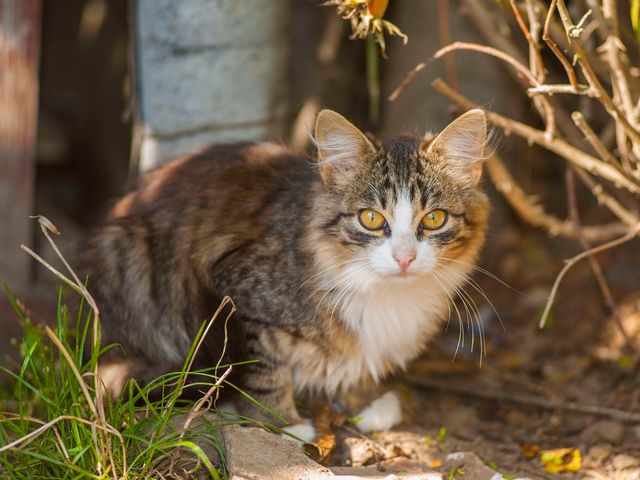
A brown cat is any cat whose coat looks brown, but that one word covers three different things: brown tabby, chocolate and cinnamon. Many of the ones you meet in American homes and shelters are brown tabbies, which are genetically black-striped tabbies on a warm brown background. True solid chocolate and cinnamon coats come from a separate recessive gene and are seen less often. Brown is a color, not a breed.

Maybe you just adopted a brown kitten, or you’re wondering what breed your brown-and-white rescue might be. This guide explains how to tell the brown shades apart, which breeds are known for brown coats, what cat eye colors mean, how to groom one, when a brown spot in the eye needs a vet, and plenty of name ideas.

Key takeaways

  • “Brown tabby” is a show name; the Cat Fanciers’ Association notes its genetic description is black tabby.
  • Solid chocolate and cinnamon come from the brown gene (TYRP1), and a cat needs two copies of the variant to show them.
  • The Havana Brown and the sable Burmese are two breeds best known for solid brown coats.
  • Kittens are born with blue eyes; their adult eye color develops over the first weeks of life.
  • A new, growing, raised or spreading brown spot on the iris should be checked by your veterinarian.
  • Coat color tells you nothing reliable about personality; meet the individual cat.

See your veterinarian promptly if: a brown spot appears in your cat’s eye, an existing spot grows, darkens, thickens or looks raised, the pupil changes shape, or the eye looks red, cloudy or painful. Many iris spots are harmless, but only an eye exam can tell.

Brown Cat: The Short Answer

Coat color in cats is controlled by several genes working together. A brown-coated cat can be a brown tabby (the most familiar look), a solid chocolate, a lighter cinnamon, or a brown-and-white mix of any of these. None of these colors belongs to a single breed, and many in US shelters are mixed-breed domestic shorthairs or longhairs.

The Cat Fanciers’ Association (CFA) describes a brown tabby as having “a warm brown or bronze tone to his background color and black stripes.” So the brown you see is the background; the stripes are black.

Brown cat: a brown tabby resting on a wooden park bench outdoors
A classic brown tabby: warm brown background, black stripes. Photo: Jimmy Chan / Pexels.

Brown Tabby vs Chocolate vs Cinnamon: The Genetics Made Simple

Every one of these cats owes its color to how much dark pigment (eumelanin) sits in each hair and how that pigment is spread out. Three separate genetic routes produce a brown look.

Brown tabby: the agouti effect

The agouti gene makes each hair banded, switching between dark pigment and yellow-red pigment along its length. The UC Davis Veterinary Genetics Laboratory explains that in tabby cats the dark stripes are uniformly dark hairs, while the areas between them are agouti-banded hairs. Those banded hairs create the warm brown background. A cat with two non-agouti copies looks solid instead, even though the tabby pattern is technically still there.

Chocolate brown cat

A solid chocolate brown cat has a change in the TYRP1 gene, which affects black pigment. According to the UC Davis brown (chocolate and cinnamon) test page, there are three versions: B (normal black), b (chocolate) and bl (cinnamon), with B dominant to b, and b dominant to bl. A cat must inherit two copies of the chocolate variant (or one chocolate and one cinnamon) to look chocolate.

Light brown or cinnamon cat

Cinnamon is the lightest, warmest version of brown and needs two copies of the bl variant. Because both chocolate and cinnamon are recessive, two black-looking parents can carry them silently and still produce a chocolate or cinnamon kitten.

Type What you see Genetic cause
Brown tabby Warm brown background, black stripes, swirls or spots Agouti-banded hairs plus a tabby pattern; genetically black
Chocolate Even, rich medium-to-dark brown Two copies of the b (chocolate) variant, or b plus bl
Cinnamon Lighter, reddish brown Two copies of the bl (cinnamon) variant
Sable (Burmese) Rich, dark, solid brown Breed-specific coloring; CFA calls it “a rich dark brown”

How to Identify Your Brown Cat’s Shade

Not sure what you’re looking at? Check your cat in natural daylight and work through these quick tests:

  1. Look for stripes, swirls or spots. Any black pattern on a brown background points to a brown tabby.
  2. Part the fur. Banded hairs (light and dark along one hair) are a tabby clue; one even color down to the root suggests a solid.
  3. Check the nose leather and paw pads. Solid chocolate and cinnamon cats may have brownish or pinkish-brown pads rather than black. Treat this as a hint, not proof.
  4. Consider a DNA test. A coat-color panel from a veterinary genetics lab is the only way to confirm chocolate or cinnamon.

Brown and White, Fluffy and Other Brown Looks

The CFA describes a bicolor as “a parti-colored cat with solid areas of white and another color and/or pattern,” and lists “brown tabby and white” as an example. That’s the official name for the friendly brown and white cat so many people adopt. White patches are controlled separately from the brown color, so a brown and white cat can be a tabby-and-white or a solid chocolate-and-white.

A fluffy brown cat is simply a brown tabby, chocolate or cinnamon cat with long hair. Long coats are common in mixed-breed domestic longhairs as well as pedigreed longhaired breeds. If yours is big and fluffy, our Norwegian Forest Cat vs Maine Coon comparison may help you spot the difference between two popular longhaired breeds.

Brown cat with white markings: a brown and white tabby sleeping on a rustic wooden bench
A brown tabby and white cat, the bicolor many shelters call “brown and white.” Photo: Matheus Bertelli / Pexels.

Brown Cat Breeds

Many pedigreed breeds can come in brown tabby, chocolate or cinnamon, but a few are especially linked with brown. Remember that a shelter cat with a brown coat is usually a domestic shorthair or longhair, not a pedigreed breed, and that’s just as lovable.

Havana Brown

The CFA’s Havana Brown profile describes a “rich, warm, even brown” coat with green eyes, where “the greener, the better.” The breed was developed in England from Siamese and domestic black cats and reached North America in the 1950s.

Burmese (sable)

According to the CFA’s Burmese page, the breed’s founding color is sable, “a rich dark brown.” The line traces back to a “walnut brown female cat from Burma” imported in 1930. Burmese now come in other colors too, but sable remains the classic.

Brown tabby breeds and mixes

Brown tabby is a very familiar coat color, accepted in many pedigreed breeds and seen in countless mixed-breed cats. If you’re comparing longhaired breeds, cost matters too; see our guide to how much a Persian cat costs. And if you love two-tone cats, our orange and white cat guide covers another popular bicolor.

Pet Care Tip: adopting a brown kitten

  • Check your local shelter or rescue first; brown tabbies and brown and white kittens are common.
  • Ask about vaccines, deworming, spay/neuter and microchipping before you sign.
  • Book a vet visit within the first week, and bring any records.
  • Budget for food, litter, a scratching post and routine vet care for many years of commitment.

Cat Eye Colors in Brown Cats

Eye color in cats is separate from coat color, so these cats can have green, hazel, yellow, gold, copper or blue eyes. What owners call “brown eyes” is often a deep copper or amber shade. Breed standards sometimes prefer certain colors; the Havana Brown, for example, is shown with green eyes.

Do cats’ eyes change color?

Yes, in kittens. The ASPCA kitten progression chart shows eyes opening in the second week and still blue in the third week, after which they begin changing toward their adult color. In an adult cat, a change in eye color isn’t expected, so have your vet take a look.

Brown Spot on a Cat’s Eye: When to See a Vet

A flat brown “freckle” on the colored part of the eye is often iris melanosis, a pigment change that is specific to cats. BluePearl Specialty and Emergency Pet Hospital explains that it usually starts benign, but it can progress to a cancer called diffuse iris melanoma, which may cause glaucoma and can spread.

Warning signs veterinary ophthalmologists watch for include pigment that spreads quickly, thickens or reaches the edge of the iris. Ask your vet to examine any new brown spot, and go back promptly if it grows, looks raised, or the pupil changes shape. Your vet may refer you to a veterinary ophthalmologist for regular monitoring.

Eye-spot tracking log (our tip)

  • Take a sharp, well-lit phone photo of each eye once a month.
  • Use the same room, lighting and angle every time.
  • Note the date, spot size and any change in pupil shape.
  • Bring the photos to every vet visit so changes are easy to compare.

Grooming and Care Tips

Coat color doesn’t change grooming needs, but coat length does. The ASPCA suggests one or two brushings a week for shorthaired cats and sessions every few days for longhaired indoor cats, plus a nail trim every 10 days to two weeks. A fluffy brown cat may need extra attention behind the ears and under the legs, where mats often form. For help with claws, see our guide on trimming a cat’s nails without getting scratched.

Brushing time is also a good moment for a quick health check. Look at both eyes, the ears, teeth and skin, and note any lump, bald patch or eye change for your vet.

Brown Cat Names

Need a name for your new cat or brown kitten? Here are ideas grouped by theme:

Theme Name ideas
Sweet treats Cocoa, Brownie, Fudge, S’more, Mocha, Toffee, Caramel, Truffle
Coffee shop Latte, Espresso, Java, Cappuccino, Cold Brew, Bean
Nature Acorn, Maple, Hazel, Pecan, Willow, Sequoia, Canyon
Brown and white cats Cookies ‘n’ Cream, Cookie, Patches, Tux, Biscuit, Cannoli
American places Sedona, Dakota, Austin, Tucson, Denver, Savannah

Example Scenario: The “Chocolate” Kitten

This is an illustrative example, not a real owner.

Marisol, in Phoenix, Arizona, adopts a kitten the shelter lists as “chocolate.” In daylight she notices faint black stripes on the legs and banded hairs along the back, the signs of a brown tabby. At the first vet visit, she asks about the tiny brown dot she spotted in one eye. The vet examines it, explains it looks like a flat freckle for now, and asks her to bring monthly photos. Marisol names him Mocha anyway.

What Most Owners Get Wrong About Brown Cats

Myth or mistake The reality
“Every brown cat is a special breed.” Brown is a color. Many are mixed-breed brown tabbies.
“Brown tabby and chocolate are the same.” A brown tabby is genetically black with agouti banding; chocolate is a separate recessive gene.
“Coat color predicts personality.” Meet the individual cat; temperament varies widely.
“An eye freckle is always harmless.” Many are, but some progress. Have every new spot checked.

Brown Cat FAQs

Are brown cats rare?

Brown tabbies are common. Solid chocolate and cinnamon cats are less often seen because a cat needs two copies of a recessive variant to show either color.

What breed is a brown cat?

Brown is a color, not a breed. Many are mixed-breed brown tabbies; breeds known for solid brown include the Havana Brown and the sable Burmese.

What is the difference between brown tabby and chocolate?

A brown tabby has black stripes on an agouti brown background and is genetically black. A chocolate cat carries two copies of a recessive brown gene variant and has an even brown coat.

When do kittens’ eyes change color?

Kittens’ eyes open in the second week and are blue at first. The ASPCA kitten chart shows them starting to change color after about three weeks of age.

Is a brown spot on my cat’s eye serious?

Often it is a benign freckle called iris melanosis, but it can progress to melanoma. Have your vet examine any new, growing, raised or spreading spot.

Do brown cats need special grooming?

No. Grooming depends on coat length, not color. Shorthaired cats usually need brushing once or twice a week; longhaired cats need it every few days.

Final Verdict: Brown Cat Basics

A brown cat can be a brown tabby, a chocolate, a cinnamon or a brown and white bicolor, and many are wonderful mixed-breed companions rather than rare pedigrees. Learn which shade you have, brush to suit the coat length, and keep an eye on those eyes. Any new or changing iris spot deserves a vet check.

Love your cat? Your next steps

  1. Explore more breed and care guides in our cats section.
  2. Learn the quiet warning signs in signs your cat is in pain but hiding it.
  3. Start your eye-spot photo log this month and bring it to your next vet visit.

Got a gorgeous brown-coated kitty? Share a photo with other cat parents on our Facebook community.

About the author

Written and reviewed by the Pets Store Home Editorial Team: pet owners and animal lovers who check every guide against trusted US veterinary and animal-welfare sources. This article is general information, not a substitute for professional veterinary advice. Always talk to your veterinarian about your own pet’s health.

How we checked this guide: coat-color genetics were checked against the UC Davis Veterinary Genetics Laboratory; color names and breed facts against the Cat Fanciers’ Association; kitten eye development against the ASPCA kitten progression chart; iris melanosis against BluePearl Specialty and Emergency Pet Hospital; and grooming advice against the ASPCA. We review this article every 12 months, or sooner if guidance changes.

Last reviewed: October 2026.