Baby Chameleon Care | How much does a baby chameleon cost?

Baby Chameleon Care | How much does a baby chameleon cost?

Quick Answer: Baby chameleons typically cost between $50 and $200 depending on species, with common pet species like veiled or panther chameleons on the lower end and rarer species costing more, plus setup costs for proper housing, lighting, and humidity control.

Key Takeaways

  • Price varies by species and rarity.
  • Veiled and panther chameleons are common, more affordable choices.
  • Setup costs (UVB lighting, misting, enclosure) often exceed the animal’s purchase price.
  • Chameleons need specialized humidity and temperature control.
  • Research species-specific care needs before buying.

Why Trust This Guide?

This guide is researched and written by the Pets Store Home editorial team, drawing on general veterinary care information. It’s intended as general information; consult your vet for advice specific to your pet.

Quick Answer: Baby chameleons typically cost between $50 and $200 depending on species, with common pet species like veiled or panther chameleons on the lower end and rarer species costing more, plus setup costs for proper housing, lighting, and humidity control.

Key Takeaways

  • Price varies by species and rarity.
  • Veiled and panther chameleons are common, more affordable choices.
  • Setup costs (UVB lighting, misting, enclosure) often exceed the animal’s purchase price.
  • Chameleons need specialized humidity and temperature control.
  • Research species-specific care needs before buying.

Why Trust This Guide?

This guide is researched and written by the Pets Store Home editorial team, drawing on general veterinary care information. It’s intended as general information; consult your vet for advice specific to your pet.

Introduction to Baby Chameleon

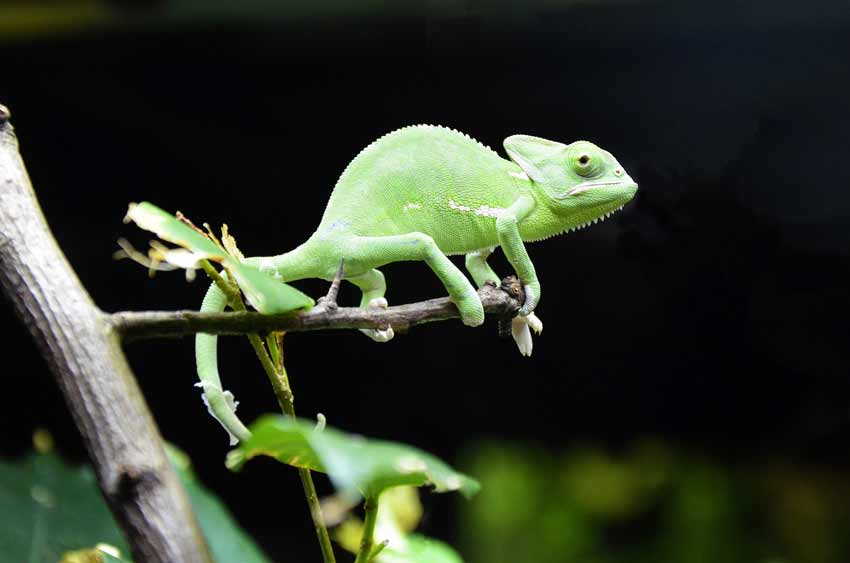
Baby chameleons are small and adorable reptiles that belong to the family Chamaeleonidae. They are known for their unique physical characteristics, such as their ability to change colour and their long, prehensile tails. 

Baby chameleons are typically hatched from eggs and are fully independent from birth. They require proper care and attention to ensure they grow up healthy and strong. There are many different species of chameleons, each with their own unique characteristics and requirements. 

Some popular species of baby chameleons include the veiled chameleon, panther chameleon, and Jackson’s chameleon. When caring for a baby chameleon, it is important to provide them with a suitable enclosure, proper lighting and heating, and a balanced diet. Baby chameleons require a lot of attention and care, so it is important to do your research before getting one as a pet.

What is a Baby Chameleon?

A baby chameleon is a young chameleon that has recently hatched from an egg. Chameleons are reptiles that are known for their ability to change colour, long tongues, and distinctive eyes that can move independently of each other. Baby chameleons are small and delicate, and require proper care to ensure their health and well-being. 

Baby chameleons are typically born fully formed and independent, but they still require a suitable environment, proper lighting and heating, and a balanced diet to grow and thrive. 

It is important to research the specific species of chameleon you are considering as a pet, as each species may have different care requirements.

As baby chameleons grow, they will shed their skin periodically and may change color depending on their mood, temperature, and surroundings. They are fascinating creatures to observe and make unique and interesting pets for reptile enthusiasts.
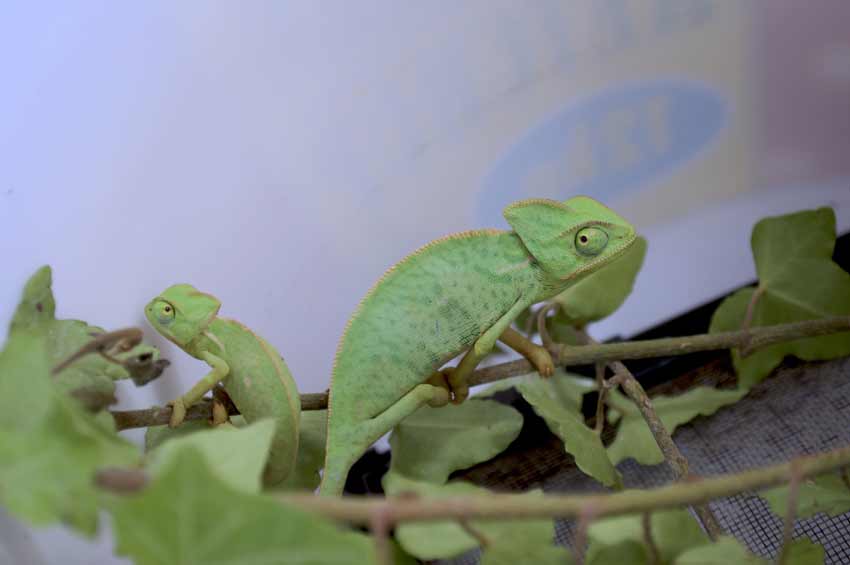
Baby Chameleon

History of Baby Chameleon

Chameleons have a long history dating back to the Mesozoic era, over 65 million years ago. The first chameleon fossils were found in Africa, indicating that they originated on the continent. Over time, chameleons spread to other parts of the world, including Madagascar, Asia, and Europe.

As for baby chameleons specifically, they are born from eggs laid by the female chameleon. The eggs are typically laid in a burrow or hidden in vegetation to protect them from predators. 

The length of the incubation period depends on the species of chameleon, but it can range from a few weeks to several months.

Baby chameleons are born fully formed and independent, with the ability to climb and catch their own food. However, they are still vulnerable and require proper care and attention to ensure they survive and thrive.

Today, baby chameleons are popular pets due to their unique appearance and fascinating behaviour. With proper care and attention, they can make wonderful companions for reptile enthusiasts.
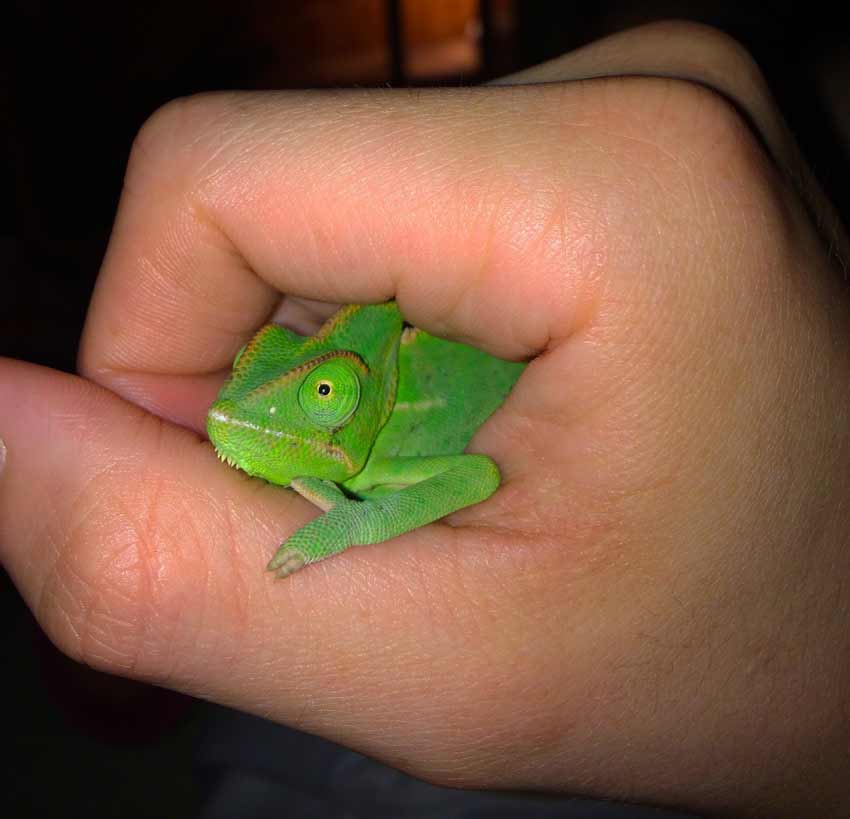
Baby Chameleon

What foods to feed Baby Chameleon

Feeding a baby chameleon a healthy and balanced diet is important for their growth and overall health. Here are some foods that you can feed to your baby chameleon:

Insects: Chameleons are insectivores and require a diet rich in insects. Some good options for baby chameleons include crickets, mealworms, waxworms, and fruit flies. The insects should be small enough for the chameleon to easily catch and eat.

Gut-loaded insects: It’s important to feed your baby chameleon gut-loaded insects, which means insects that have been fed a nutritious diet. You can gut-load insects by feeding them vegetables, fruits, and high-quality insect food.

Calcium and vitamin supplements: Baby chameleons require calcium and vitamin D3 supplements to support healthy bone growth. You can sprinkle calcium and vitamin supplements on their food or dust the insects with them.

Fruits and vegetables: Baby chameleons can also eat small amounts of fruits and vegetables as a source of hydration and additional nutrients. Some good options include grated carrots, apple slices, and diced squash.

It’s important to avoid feeding your baby chameleon insects that are too large or hard for them to digest, as well as insects that are caught in the wild, as they may contain harmful chemicals or parasites. It’s also important to vary their diet and avoid feeding them the same type of insect every day. Consult with a veterinarian or a reptile specialist for specific dietary recommendations for your baby chameleon.

Here are some additional tips for feeding your baby chameleon:

Offer a variety of insects: It’s important to offer a variety of insects to your baby chameleon to ensure they are getting a balanced diet. You can try feeding them crickets, roaches, waxworms, silkworms, and other types of insects.

Dust insects with supplements: In addition to gut-loading insects, it’s important to dust them with calcium and vitamin supplements. You can do this by placing the insects in a plastic bag with the supplements and shaking them gently to coat them.

Feed insects in a separate container: To prevent the insects from escaping and hiding in your chameleon’s enclosure, it’s a good idea to feed them in a separate container. This will also make it easier for your chameleon to catch the insects.

Use a feeding schedule: It’s important to establish a feeding schedule for your baby chameleon to ensure they are getting enough food without overfeeding them. A general rule of thumb is to feed them every day or every other day, depending on their age and size.

Monitor their weight: Regularly monitoring your baby chameleon’s weight can help you determine if they are getting enough food. A sudden weight loss or gain may indicate a problem with their diet or health.

Here are some additional tips for feeding your baby chameleon:

Offer live insects: Baby chameleons are more likely to eat live insects than dead ones. You can try offering them moving insects or wiggling them with tweezers to encourage your chameleon to eat.

Adjust the size of insects: As your baby chameleon grows, you will need to adjust the size of the insects you offer them. A general rule of thumb is to offer insects that are no larger than the width of your chameleon’s head.

Provide a water source: In addition to food, your baby chameleon also needs access to clean, fresh water. You can provide a shallow dish of water in their enclosure or mist their leaves with water.

Avoid toxic plants: Some plants can be toxic to chameleons, so it’s important to research which plants are safe for them to have in their enclosure. If in doubt, it’s best to avoid putting any plants in their enclosure.

Avoid overfeeding: Overfeeding your baby chameleon can lead to obesity and health problems. It’s important to provide them with the right amount of food for their size and age, and to avoid offering them too many treats.

Remember, the key to feeding your baby chameleon is to provide them with a varied and balanced diet that meets their nutritional needs. If you have any questions or concerns about feeding your chameleon, consult with a veterinarian or a reptile specialist.


How to take care of Baby Chameleon

Taking care of a baby chameleon can be a rewarding experience, but it requires proper knowledge and commitment to ensure its health and well-being. Here are some tips on how to take care of a baby chameleon:

Provide a suitable enclosure: A baby chameleon requires a secure enclosure that is large enough to allow them to move around and climb. The enclosure should be well-ventilated, have plenty of branches and foliage for climbing and hiding, and be free of any hazards.

Provide proper lighting and heating: Chameleons require access to UVB lighting and a basking spot to regulate their body temperature and metabolism. You can use a UVB bulb and a heat lamp to provide the appropriate lighting and heating for your baby chameleon.

Maintain proper humidity levels: Chameleons require high humidity levels to support their respiratory health and hydration. You can mist the enclosure with water or use a humidifier to maintain the appropriate humidity levels.

Feed a balanced diet: As discussed earlier, a baby chameleon requires a balanced diet of insects, fruits, and vegetables to support their growth and health. It’s important to provide gut-loaded insects and supplements to ensure they are getting the proper nutrition.

Regular veterinary check-ups: Regular check-ups with a veterinarian who specializes in reptiles can help ensure that your baby chameleon is healthy and thriving.

Handle with care: Baby chameleons are delicate and can become stressed if handled too much. It’s important to handle them gently and only when necessary, such as for health checks or enclosure cleaning.

Remember, taking care of a baby chameleon requires a commitment to providing a suitable environment, proper nutrition, and regular care. If you have any questions or concerns about caring for your baby chameleon, consult with a veterinarian or a reptile specialist.

Here are some additional tips on how to take care of a baby chameleon:

Keep their enclosure clean: Regularly cleaning your baby chameleon’s enclosure is essential for their health and hygiene. Remove any uneaten food, faeces, and shed skin from the enclosure, and clean it with a reptile-safe disinfectant.

Monitor their behaviour: Observing your baby chameleon’s behaviour can help you identify any potential health problems or issues with their environment. Look for signs of stress, such as colour changes, aggressive behaviour, or lack of appetite.

Provide enrichment: Baby chameleons are curious creatures and enjoy exploring their environment. You can provide them with enrichment by adding new branches or foliage to their enclosure, or by offering different types of insects for them to hunt and eat.

Avoid overcrowding: Overcrowding can lead to stress and health problems in chameleons. It’s important to provide enough space for your baby chameleon to move around and climb without feeling cramped.

Research their specific species: Different species of chameleons have different care requirements, so it’s important to research the specific needs of your baby chameleon’s species. This can include their diet, temperature and humidity requirements, and any other specific care instructions.

Here are some additional tips on how to take care of a baby chameleon:

Watch for signs of illness: Baby chameleons are susceptible to a variety of health problems, such as respiratory infections and parasites. Watch for signs of illness, such as lethargy, lack of appetite, and abnormal behaviour, and seek veterinary care if necessary.

Avoid handling during shedding: When your baby chameleon is shedding, their skin can be sensitive and delicate. Avoid handling them during this time to prevent injuring their skin.

Avoid using substrates: Chameleons can accidentally ingest substrate materials, such as sand or wood chips, which can cause health problems. Instead, use paper towels, newspaper, or reptile carpet as a substrate.

Provide appropriate hiding spots: Baby chameleons need access to hiding spots to feel secure and reduce stress. You can provide them with artificial plants or other hiding spots in their enclosure.

Keep a record: Keeping a record of your baby chameleon’s behavior, feeding habits, and health can help you monitor their growth and development, and identify any potential problems.

Remember, taking care of a baby chameleon requires dedication and attention to detail. By providing them with a suitable environment, proper nutrition, and regular care, you can help ensure they grow and thrive into healthy adult chameleons.


How much does a baby chameleon cost?

The cost of a baby chameleon can vary depending on the species, the breeder, and the location. Typically, a baby chameleon can range from $30 to $300 USD. However, it’s important to note that the cost of purchasing a chameleon is just one part of the expense of owning one. 

Chameleons require a specialised setup with heating, lighting, and humidity control, as well as specific diets and regular veterinary care. Therefore, before getting a chameleon, it’s important to research their care requirements and budget for the ongoing expenses.

How to play with Baby Chameleons?

Chameleons are not like dogs or cats that enjoy playing with their owners. In fact, handling a baby chameleon too much can cause them stress and harm. It’s important to remember that chameleons are not domesticated animals and their primary goal is to survive in their natural environment. However, you can interact with your baby chameleon in a few ways that can be beneficial for them and help you bond with them.

Observe from a distance: Chameleons are fascinating creatures to observe, and watching your baby chameleon in its enclosure can be an enjoyable and educational experience. You can sit nearby and watch them climb, hunt, and explore.

Offer enrichment activities: While chameleons don’t play like other animals, they can still benefit from enrichment activities. You can provide them with live plants to climb on, hiding spots to explore, and items to interact with, such as branches or leaves.

Feed them by hand: You can also hand-feed your baby chameleon to create a positive association with you. Use tongs or tweezers to offer them live insects, such as crickets or mealworms, and allow them to come to you to eat.

Remember, while it may be tempting to handle your baby chameleon frequently, it’s important to limit handling to reduce their stress levels. If you do need to handle them, make sure to do so gently and support their body to avoid injury. Always wash your hands before and after handling to prevent the spread of germs or bacteria.

Here are some additional tips on how to care for and interact with your baby chameleon:

Provide a suitable enclosure: Baby chameleons require a spacious enclosure that allows them to climb and move around freely. The enclosure should be tall, with plenty of branches and foliage for climbing and hiding. The temperature and humidity levels should also be carefully monitored and maintained within the appropriate range for your specific chameleon species.

Offer a varied diet: Chameleons require a diet of live insects, such as crickets, mealworms, and dubia roaches. You should also offer them a variety of insects to ensure they receive a balanced diet. Additionally, you can occasionally offer them small amounts of fruits and vegetables, such as apples or leafy greens.

Provide UVB lighting: Chameleons require UVB lighting to properly metabolise calcium and maintain good health. Make sure to provide a UVB light source in the enclosure and replace it regularly as directed by the manufacturer.

Learn their body language: Chameleons communicate through body language, such as changing colours, puffing up their throat, or bobbing their head. Observing and understanding your baby chameleon’s body language can help you identify when they are stressed, hungry, or otherwise in need of attention or care.

Avoid excessive handling: As previously mentioned, handling a chameleon too much can cause them stress and harm. Limit handling to only when necessary, such as for health checks or enclosure cleaning, and make sure to do so gently and support their body properly.

Remember, caring for a baby chameleon requires attention to detail and a commitment to providing appropriate care. With proper care and attention, your baby chameleon can thrive and live a healthy life.

Characteristics of Baby Chameleon

Baby chameleons have some distinct characteristics that make them unique and fascinating creatures. Here are some of their key characteristics:

Camouflaging ability: Chameleons are famous for their ability to change color to blend in with their surroundings. Baby chameleons have this ability, but it may not be as pronounced as in adult chameleons.

Large eyes: Baby chameleons have large, round eyes that allow them to see in all directions. Their eyes can move independently of each other, giving them 360-degree vision.

Prehensile tail: Chameleons have a prehensile tail that they can use to grasp onto branches and climb. Baby chameleons may not have fully developed tails, but they still use them for balance and climbing.

Long tongue: Chameleons have a long, sticky tongue that they use to catch insects. Baby chameleons have shorter tongues than adults, but they still use them to hunt and eat.

Delicate and fragile: Baby chameleons are delicate creatures that require careful handling and attention to their health and environment. They can easily become stressed or injured, so it’s important to handle them gently and provide a suitable enclosure.

Adaptable: Baby chameleons are adaptable creatures that can adjust to a variety of environments, as long as their basic needs are met. They can thrive in captivity if provided with appropriate care and a suitable environment.

Remember, while baby chameleons share some characteristics with adult chameleons, they also have unique needs and characteristics that require careful attention and care.

Here are some additional characteristics of baby chameleons:

Arboreal: Chameleons are arboreal creatures, meaning they spend most of their time in trees and other high places. Baby chameleons are no exception and require a tall and spacious enclosure with plenty of climbing opportunities.

Slow-moving: Chameleons are known for their slow movements and deliberate actions. Baby chameleons move even slower than adults, which makes them more vulnerable to predators in the wild.

Nocturnal or diurnal: Some species of chameleons are nocturnal, while others are diurnal. It’s important to research the specific species of your baby chameleon to understand their activity patterns and adjust their environment accordingly.

Sensitive to stress: Chameleons are sensitive creatures that can become stressed easily. Changes in their environment, handling, or even the presence of other animals can stress them out and lead to health problems.

Social behaviour: While chameleons are not typically social animals, they do have some social behaviours, such as communicating with other chameleons through visual cues and displays. Baby chameleons may display these social behaviours even at a young age.

Remember, every species of chameleon has its own unique characteristics and needs. Understanding these characteristics and providing appropriate care can help ensure the health and well-being of your baby chameleon.

Conclusion

In conclusion, baby chameleons are fascinating creatures that require specialized care to ensure their health and well-being. They require a suitable enclosure with plenty of climbing opportunities, a varied diet of live insects, UVB lighting, and careful attention to their body language and behavior. While chameleons are not like traditional pets that enjoy playing or being handled, you can interact with them in a few ways that promote their enrichment and well-being. By understanding and providing appropriate care, you can help your baby chameleon thrive and live a happy and healthy life.
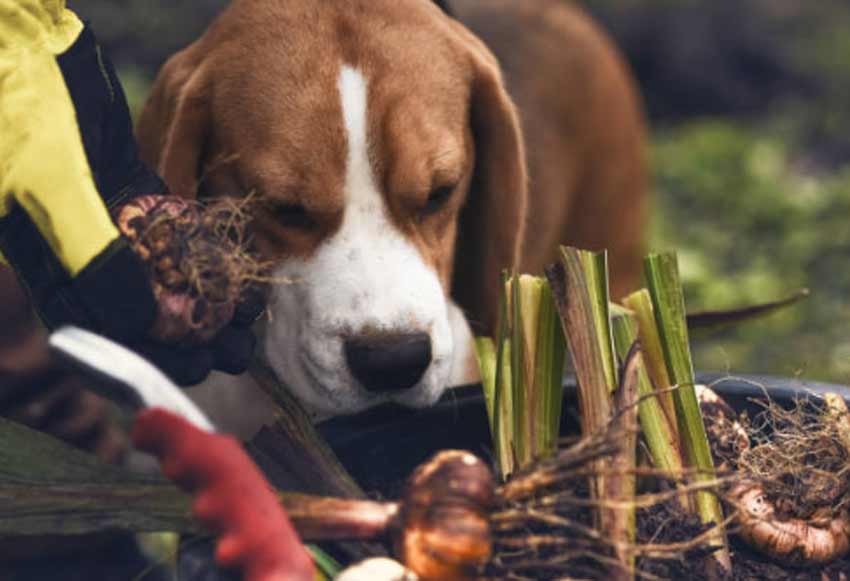

Will a Small Amount of Onion Hurt my Dog?

Will a Small Amount of Onion Hurt my Dog?

Quick Answer: Yes, even a small amount of onion can be harmful to dogs — onions contain compounds that damage red blood cells, and while a tiny accidental taste is unlikely to cause serious harm, repeated or larger exposure can lead to onion toxicosis.

Key Takeaways

  • Onions contain thiosulfates that are toxic to a dog’s red blood cells.
  • Toxicity is cumulative, so repeated small exposures can add up over time.
  • Symptoms include lethargy, vomiting, and pale gums, signs of anemia.
  • All onion forms, raw, cooked, or powdered, carry some risk.
  • Contact a vet if your dog eats a significant amount of onion.

Why Trust This Guide?

This guide is researched and written by the Pets Store Home editorial team, drawing on general veterinary care information. It’s intended as general information; consult your vet for advice specific to your pet.

Quick Answer: Yes, even a small amount of onion can be harmful to dogs — onions contain compounds that damage red blood cells, and while a tiny accidental taste is unlikely to cause serious harm, repeated or larger exposure can lead to onion toxicosis.

Key Takeaways

  • Onions contain thiosulfates that are toxic to a dog’s red blood cells.
  • Toxicity is cumulative, so repeated small exposures can add up over time.
  • Symptoms include lethargy, vomiting, and pale gums, signs of anemia.
  • All onion forms, raw, cooked, or powdered, carry some risk.
  • Contact a vet if your dog eats a significant amount of onion.

Why Trust This Guide?

This guide is researched and written by the Pets Store Home editorial team, drawing on general veterinary care information. It’s intended as general information; consult your vet for advice specific to your pet.

Will a Small Amount of Onion Hurt my Dog?

Introduction to the concern

Onions are a common ingredient in many human foods, but they can be harmful to dogs. The toxic compounds in onions can cause a range of symptoms in dogs, including gastrointestinal upset, lethargy, weakness, anaemia, and in severe cases, collapse or coma. 

Because onions can be hidden in many foods, it’s essential to be aware of the signs of onion poisoning in dogs and take steps to prevent accidental exposure. If you suspect that your dog has consumed onions, it’s important to contact your veterinarian immediately for advice and guidance on how to proceed. With prompt intervention and treatment, most dogs with onion poisoning can recover fully.

Can dogs eat onions?

No, dogs should not eat onions or any food that contains them. Onions, as well as garlic and other related vegetables, contain compounds called thiosulphates that can be toxic to dogs when consumed in sufficient quantities. Consumption of onions can damage a dog’s red blood cells, leading to a condition called hemolytic anaemia. Symptoms of onion toxicity in dogs can include vomiting, diarrhoea, lethargy, weakness, and discoloured urine. In severe cases, it can lead to collapse, coma, or even death.

Therefore, it’s best to keep onions and any food that contains them away from your furry friends. If you suspect your dog has consumed onions or any other toxic substance, contact your veterinarian immediately.

How do onions affect dogs?

Onions and other Allium species, such as garlic, contain compounds called organosulfur compounds and disulfides that can be toxic to dogs when consumed in sufficient quantities. 

These compounds cause oxidative damage to the red blood cells, leading to a condition called hemolytic anemia. When a dog ingests onions, these compounds are absorbed into the bloodstream and react with the hemoglobin in red blood cells, causing them to rupture and break down. As a result, the body’s ability to transport oxygen is compromised, and the dog can suffer from anemia, weakness, lethargy, and other symptoms. 

The severity of the symptoms depends on the amount of onion consumed and the size of the dog. In some cases, even small amounts of onions can be toxic to small dogs or puppies. The symptoms of onion toxicity can appear within a few hours or several days after consumption. 

If you suspect your dog has eaten onions, it’s essential to contact your veterinarian immediately for treatment. Treatment may involve inducing vomiting, administering activated charcoal, and providing supportive care such as oxygen therapy or blood transfusions, depending on the severity of the anemia.

What is a safe amount of onions for a dog?

There is no safe amount of onions for dogs to consume. Even a small amount of onions can be harmful to dogs, especially if they are consumed regularly or over an extended period. The toxic effects of onions can build up in a dog’s system over time, leading to potentially life-threatening anemia.

As a responsible pet owner, it’s essential to keep onions and other Allium species, such as garlic and shallots, away from your dog’s diet. This includes not only raw onions but also cooked onions, onion powder, and other products that contain onions, such as soups, stews, and sauces.

If you suspect that your dog has ingested any amount of onion, it’s best to seek immediate veterinary care. Your veterinarian can perform blood tests to assess your dog’s red blood cell count and provide treatment to manage any symptoms of onion toxicity. Prompt treatment can be critical in preventing severe or potentially fatal complications of onion poisoning in dogs.

What are the symptoms of onion poisoning in dogs?

The symptoms of onion poisoning in dogs can vary depending on the amount of onion ingested and the size and health of the dog. Here are some common signs and symptoms of onion poisoning in dogs:

Gastrointestinal upset: Dogs may experience vomiting, diarrhea, and loss of appetite shortly after ingesting onions.

Lethargy and weakness: The toxic compounds in onions can damage a dog’s red blood cells, leading to anemia, which can cause lethargy, weakness, and fatigue.

Pale gums and mucous membranes: Anemia can also cause a dog’s gums and other mucous membranes to become pale.

Increased heart and respiratory rate: Dogs may experience rapid heart rate, increased breathing rate, and panting due to the reduced oxygen-carrying capacity of their blood.

Discolored urine: The breakdown of red blood cells can cause the urine to become dark or reddish-brown.

Collapse or coma: In severe cases, onion poisoning can lead to collapse, coma, and even death.

If you suspect that your dog has ingested any amount of onion, it’s essential to contact your veterinarian immediately. Your vet can perform blood tests to evaluate your dog’s red blood cell count and provide supportive care to manage any symptoms of onion poisoning. Early intervention and treatment can be critical in preventing severe or potentially fatal complications of onion poisoning in dogs.

Here are some additional symptoms of onion poisoning in dogs:

Increased heart rate: The toxic compounds in onions can cause an increase in a dog’s heart rate, which can be a sign of anemia and other cardiovascular issues.

Jaundice: Some dogs with onion poisoning may develop yellowing of the skin and eyes, a condition known as jaundice. This is due to the excessive breakdown of red blood cells, which releases a pigment called bilirubin.

Abdominal pain: In some cases, dogs with onion poisoning may experience abdominal pain, which can cause them to become restless or uncomfortable.

Rapid breathing or panting: Onion poisoning can cause dogs to breathe more rapidly or pant excessively, which can be a sign of respiratory distress.

If you suspect your dog has consumed onions or any other toxic substance, contact your veterinarian immediately. It’s essential to provide as much information as possible about the amount and type of substance your dog has ingested, as this will help your vet determine the best course of treatment. With prompt intervention and treatment, most dogs with onion poisoning can recover fully.

What to do if your dog eats Onions?

If you suspect that your dog has eaten onions, take the following steps:

Contact your veterinarian immediately: Call your vet or an animal poison control center right away to get advice on how to proceed. Time is of the essence in treating onion poisoning, so it’s essential to act quickly.

Observe your dog’s symptoms: Keep an eye on your dog’s behavior and symptoms. Note any signs of gastrointestinal upset, lethargy, weakness, or pale gums and mucous membranes.

Don’t induce vomiting: Do not try to induce vomiting unless instructed to do so by a veterinarian. In some cases, inducing vomiting can make the situation worse, especially if your dog is already showing signs of distress.

Provide supportive care: Your veterinarian may recommend supportive care such as oxygen therapy, intravenous fluids, and blood transfusions to manage your dog’s symptoms.

Monitor your dog closely: Monitor your dog’s condition closely over the next few days, and be sure to follow any instructions provided by your veterinarian.

Prevent future exposure: Keep onions and other Allium species, such as garlic and shallots, away from your dog’s diet. This includes not only raw onions but also cooked onions, onion powder, and other products that contain onions.

In summary, if you suspect that your dog has consumed onions, contact your veterinarian immediately for advice and guidance on how to proceed. Prompt intervention and treatment can be critical in preventing severe or potentially fatal complications of onion poisoning in dogs.

Here are some additional steps to take if your dog eats onions:

Provide detailed information: When you contact your veterinarian, provide as much information as possible about the type and amount of onions your dog has ingested, as well as your dog’s weight and any pre-existing medical conditions.

Follow your vet’s instructions: Follow any instructions provided by your veterinarian closely, including any recommendations for diagnostic tests, medication, and follow-up care.

Consider an animal poison control center: If your veterinarian is not available, consider contacting an animal poison control center such as the ASPCA Animal Poison Control Center or Pet Poison Helpline for advice.

Prevent access to onions: Make sure to keep onions and other Allium species out of your dog’s reach. Store onions in a secure location, and do not leave them on countertops or in other areas where your dog can access them.

Remember, even a small amount of onions can be toxic to dogs, so it’s important to be vigilant and take steps to prevent accidental exposure. By taking these steps and being proactive, you can help keep your dog safe and healthy.

Conclusion and final thoughts.

Onions can be harmful to dogs and can cause a range of symptoms, including gastrointestinal upset, lethargy, weakness, anemia, and in severe cases, collapse or coma. If you suspect that your dog has eaten onions, it’s essential to contact your veterinarian immediately for advice and guidance on how to proceed. Your veterinarian can provide supportive care and treatment to manage your dog’s symptoms and prevent further complications.

To prevent onion poisoning in dogs, it’s important to keep onions and other Allium species out of your dog’s reach. This includes not only raw onions but also cooked onions, onion powder, and other products that contain onions. If you’re unsure about the safety of a particular food or ingredient for your dog, it’s always best to err on the side of caution and avoid feeding it to your pet.

By being vigilant and proactive, you can help keep your dog safe and healthy and prevent the potentially serious complications of onion poisoning.

Blue Heeler Corgi Mix (Cowboy Corgi): Size, Temperament & Health Guide

Blue Heeler Corgi Mix (Cowboy Corgi): Size, Temperament & Health Guide

Quick Answer: A Blue Heeler Corgi mix, often nicknamed the Cowboy Corgi, is a cross between the Australian Cattle Dog (Blue Heeler) and a Pembroke or Cardigan Welsh Corgi. Expect a small-to-medium dog around 10-17 inches tall and 20-40 pounds, with high energy, strong herding instincts, and above-average intelligence. Plan on 60-90+ minutes of daily exercise, early training, and awareness of health risks inherited from both sides, including hip dysplasia, progressive retinal atrophy, congenital deafness, and intervertebral disc disease (IVDD) if the pup takes after the Corgi’s long back.

Key Takeaways

  • Cowboy Corgis combine the Blue Heeler’s herding drive and stamina with the Corgi’s short legs and long body.
  • Adults typically land between 20-40 pounds and 10-17 inches at the shoulder, depending on which parent breed they favor.
  • They need real daily exercise (60-90+ minutes) plus mental work, not just a walk around the block.
  • Watch for hip/elbow dysplasia, PRA, congenital deafness, and IVDD, all traits that can come from either parent line.
  • They’re not a recognized breed by major kennel clubs, so temperament and looks can vary a lot between litters.

Why Trust This Guide?

This guide is researched and written by the Pets Store Home editorial team, drawing on veterinary and breed-club information about Australian Cattle Dogs and Welsh Corgis, the two parent breeds behind this cross. It’s intended as general information; a vet or reputable breeder can advise on specifics for an individual dog.

What Exactly Is a Blue Heeler Corgi Mix?

A Blue Heeler Corgi mix pairs an Australian Cattle Dog, usually the blue-speckled coloring that gives the breed its “Blue Heeler” nickname, with a Welsh Corgi, either the tailed Cardigan or the more common Pembroke. Breeders and owners often call the result a Cowboy Corgi, a name that leans into the working-ranch heritage both parent breeds share. Neither the American Kennel Club nor any major international registry recognizes it as its own breed, since it’s a first-generation cross rather than a standardized line with generations of consistent breeding behind it.

That lack of a fixed standard matters more than it might seem. Because a litter draws randomly from two very different gene pools, siblings from the same parents can look and act noticeably different from one another. One puppy might come out with the Heeler’s longer legs and speckled coat, while a littermate ends up short and stocky with the Corgi’s fox-like face and fawn coloring. Anyone bringing one home should expect a genuine mix rather than a guaranteed midpoint between the two.

Size and Appearance

Most Cowboy Corgis land in the small-to-medium range, typically standing about 10 to 17 inches at the shoulder and weighing somewhere between 20 and 40 pounds once fully grown, though that spread is wide precisely because the two parent breeds differ so much in build. A Blue Heeler averages 35-50 pounds with a sturdy, athletic frame, while a Corgi weighs roughly 24-30 pounds on comparatively short legs and a long back.

The body shape a puppy ends up with depends heavily on which parent’s genes are more dominant in that individual dog. Some Cowboy Corgis have the Corgi’s noticeably elongated spine and short legs; others take after the Heeler with a more proportionate, athletic build and longer legs. Coat colors commonly include the Heeler’s blue or red speckle pattern, solid or brindle patches, and Corgi-influenced tan, sable, or tricolor combinations. Ears tend to stand erect like both parent breeds, and many pups keep a natural tail, though tail length and carriage vary by litter.

Blue Heeler Corgi mix puppy standing outdoors

Temperament: What Living With One Is Actually Like

Both parent breeds were bred for the same job, moving livestock across open ground, and that shared working history shows up clearly in the mix. Cowboy Corgis tend to be alert, quick-thinking, and deeply loyal to their household, often bonding hard to one or two people rather than spreading affection evenly. That devotion is part of the appeal, but it can tip into separation anxiety or velcro-dog behavior if the dog is left alone for long stretches without preparation.

The herding instinct is worth taking seriously before bringing one home. These dogs were built to nip at the heels of cattle to keep them moving, and that impulse doesn’t disappear just because the “herd” is now a household of kids, cats, or other pets. Nipping, circling, and barking at moving targets are common, especially in puppies and adolescents who haven’t yet learned an appropriate outlet. Structured exercise, herding-style games with a flirt pole, and early redirection training go a long way toward channeling that energy instead of fighting it.

They’re also sharp. Both the Cattle Dog and the Corgi rank among the more intelligent working breeds, and a Cowboy Corgi inherits that problem-solving ability along with a stubborn streak that can make training feel like a negotiation rather than a lecture. Owners who’ve raised working breeds before tend to find this manageable and even fun; first-time dog owners sometimes find the combination of intelligence and independence more challenging than expected.

Exercise and Mental Stimulation

This is not a low-maintenance couch companion. Australian Cattle Dogs are considered one of the most energetic working breeds, and most need well over an hour of vigorous activity a day to stay settled and out of trouble; a Cowboy Corgi that leans toward the Heeler side of the gene pool will need something close to that. A daily routine of brisk walks, off-leash running in a securely fenced area, and structured play like fetch or flirt-pole work helps burn off the physical energy that, left unspent, tends to come out as digging, barking, or furniture damage.

Physical tiring is only half the job, though. These are working-breed brains that get bored easily, and boredom in a smart, energetic dog usually shows up as mischief. Puzzle feeders, scent games, short training sessions worked into the day, and even formal activities like agility, nose work, or herding trials give the dog a job to do, which tends to make the rest of the day calmer. Owners in apartments or without a securely fenced yard should think carefully about whether they can realistically meet this level of daily activity before committing to the mix.

Training Tips

Consistency matters more than intensity with this mix. Short, frequent training sessions tend to work better than long ones, since a Cowboy Corgi’s sharp mind can get bored partway through a drawn-out drill and start looking for its own entertainment instead. Positive reinforcement, treats, praise, and play as rewards, generally outperforms correction-based methods; both parent breeds can shut down or get defensive under harsh handling, and a dog that feels pressured is a dog that stops offering behavior.

Early socialization is worth prioritizing from the first weeks home. Exposing a puppy to a range of people, animals, sounds, and environments before about four months old helps prevent the wariness toward strangers that Cattle Dogs are known for, and it gives the dog practice generalizing “calm” as the default response to new situations rather than “alert and ready to herd.” For households with small kids or other small pets, dedicated work on impulse control around movement, teaching a reliable “leave it” and redirecting the urge to nip at heels toward a toy, tends to prevent most of the friction people run into with herding-breed mixes. Leash manners are worth investing in early too, since a dog bred to chase and control movement can pull hard when something catches its eye; our guide on how to stop a dog from pulling on the leash covers techniques that work well for exactly this kind of high-drive breed.

Health Concerns to Watch For

A crossbreed doesn’t automatically dodge the health issues that affect its parent breeds, it can inherit a risk from either side, or occasionally both. A few conditions are worth knowing about specifically for this pairing:

Hip and elbow dysplasia: Both Cattle Dogs and Corgis carry some risk of joint dysplasia, where the joint doesn’t form correctly and can lead to arthritis and mobility problems over time. Reputable breeders should be able to show hip and elbow scores for both parent dogs.

Progressive retinal atrophy (PRA): This inherited eye condition causes a gradual breakdown of the retina and can eventually lead to blindness. It’s a known risk in Cattle Dog lines, and DNA testing can identify carriers before breeding.

Congenital deafness: This is a Cattle-Dog-specific risk worth taking seriously. Studies have found deafness, usually linked to the blue or mottled coat pattern and pigmentation genes, in roughly one in ten Cattle Dogs, split between one-eared and two-eared deafness. A puppy that inherits this from the Heeler side can still live a full, happy life with some adjustments, like relying on hand signals and being extra cautious about off-leash recall around traffic.

Intervertebral disc disease (IVDD): This is the Corgi side’s signature risk. The short-legged, long-backed body type common to both Corgi breeds comes from a form of genetic dwarfism that puts extra stress on the spine’s discs, and it’s a major reason Corgis rank among the breeds most prone to sudden disc herniation and, in severe cases, temporary or permanent hind-leg paralysis. A Cowboy Corgi that inherits a notably long back and short legs carries some of that same risk, and owners of dogs built this way are often advised to limit repetitive jumping on and off furniture and to use ramps or stairs instead.

Degenerative myelopathy (DM): A slow-progressing spinal cord disease that shows up later in life, more strongly associated with the Corgi side of the family, particularly Pembrokes. DNA tests can identify whether a dog carries the associated gene.

With attentive breeding and regular veterinary checkups, most Cowboy Corgis live long, active lives, commonly in the 12-to-15-year range. Choosing a breeder who health-tests both parent dogs, or adopting from a rescue that’s upfront about a dog’s known history, meaningfully lowers the odds of running into these issues.

Grooming and Coat Care

Coat texture depends on which parent breed a puppy favors, but most Cowboy Corgis end up with a short-to-medium double coat that sheds moderately year-round and heavily during seasonal coat blows in spring and fall. Weekly brushing with a deshedding tool or slicker brush keeps loose fur under control between those heavier shedding periods, and more frequent brushing, every couple of days, helps during the seasonal shed.

Beyond brushing, care is fairly straightforward: bathe only as needed rather than on a fixed schedule, since over-bathing can dry out the skin and coat; trim nails every few weeks or whenever you hear clicking on hard floors; and check ears regularly, especially if the dog has the Heeler’s more open ear shape, since trapped moisture and debris can lead to infection. Routine dental care, brushing a few times a week or using dental chews, helps prevent the tartar buildup that affects most small-to-medium breeds over time.

Is a Cowboy Corgi Right for Your Household?

This mix tends to do best with people who already understand working breeds, or who are genuinely prepared to learn. A securely fenced yard is close to essential given the prey drive and the instinct to chase and herd anything that moves quickly, including cars, bikes, and smaller pets. Apartment living isn’t automatically off the table, but it raises the bar considerably: the dog would need daily off-site exercise sufficient to meet a high-energy working breed’s needs, which is a bigger commitment than many apartment dwellers realistically sustain long-term.

Families with older children who understand how to interact calmly with a herding dog often do well with this mix, since the dog’s loyalty and playfulness make it an engaged, affectionate companion once its exercise and structure needs are met. Households with very young children, cats, or small pets should go in with a plan for managing the nipping and chasing instinct from day one, since it’s a genuine breed trait rather than a training failure. Multi-dog homes can work well too, particularly if the other dog can keep pace with the Cowboy Corgi’s energy level.

Cost and Where to Find One

Because Cowboy Corgis are a designer cross rather than a registered breed, pricing varies widely and depends heavily on the breeder’s reputation, health testing, and location, with puppies from breeders who screen both parent dogs for hip, eye, and hearing issues generally costing more than casual backyard breeding. Whatever the source, ask directly about health clearances for both parent dogs, meet the puppy’s mother if at all possible, and get a sense of the environment the litter was raised in.

Rescue and breed-specific mixed-breed rescues are also worth checking, since herding-breed mixes like this one show up in shelters fairly often, frequently because their exercise and stimulation needs outpaced what their first home could provide. Adopting an adult dog has the advantage of a known, settled temperament, which can make it easier to judge fit for your household than guessing at a puppy’s eventual size and drive.

If the Cowboy Corgi’s herding-dog intensity sounds like more than you’re looking for, it’s worth comparing notes with other high-energy crosses; our guide to the Blue Heeler German Shepherd mix covers a similarly driven pairing, while breeds like the Golden Retriever Pitbull mix tend to bring a somewhat calmer, more people-pleasing temperament to the table.

FAQ: Blue Heeler Corgi Mix Puppies

How big does a Blue Heeler Corgi mix get?
Most adults land around 10-17 inches tall and 20-40 pounds, though the exact size depends on which parent breed’s genes are more dominant in an individual puppy.

Are Cowboy Corgis good with kids?
Often yes, especially with older children, thanks to their loyalty and playful energy. Because of their herding instinct, supervision and early training around nipping at heels are important with younger kids.

Do Blue Heeler Corgi mixes shed a lot?
They shed moderately year-round with heavier seasonal shedding in spring and fall. Weekly brushing, more often during a seasonal blow, keeps it manageable.

What health problems are most common in this mix?
Hip and elbow dysplasia, progressive retinal atrophy, and congenital deafness can come from the Cattle Dog side, while IVDD and degenerative myelopathy are more associated with the Corgi side, especially in pups with a longer back.

How much exercise does a Cowboy Corgi need?
Plan on at least 60-90 minutes of active exercise daily, plus mental stimulation like puzzle toys or training games. Dogs that favor the Heeler side may need closer to the Cattle Dog’s typical 90-120 minutes.

How much is a Merle French Bulldog

How much is a Merle French Bulldog

Quick Answer: Merle French Bulldogs typically cost significantly more than standard-colored Frenchies, often ranging from $5,000 to $15,000+, due to the rarity of the merle gene, though the color is controversial and linked to added health risks.

Key Takeaways

  • Merle coloring drives up price due to rarity and high demand.
  • Merle isn’t recognized as a standard color by major kennel clubs.
  • Merle-to-merle breeding increases the risk of deafness and eye issues.
  • Prioritize breeders who health-test and avoid double-merle pairings.
  • A high price tag doesn’t guarantee ethical breeding practices.

Why Trust This Guide?

This guide is researched and written by the Pets Store Home editorial team, drawing on general veterinary care information. It’s intended as general information; consult your vet for advice specific to your pet.

Quick Answer: Merle French Bulldogs typically cost significantly more than standard-colored Frenchies, often ranging from $5,000 to $15,000+, due to the rarity of the merle gene, though the color is controversial and linked to added health risks.

Key Takeaways

  • Merle coloring drives up price due to rarity and high demand.
  • Merle isn’t recognized as a standard color by major kennel clubs.
  • Merle-to-merle breeding increases the risk of deafness and eye issues.
  • Prioritize breeders who health-test and avoid double-merle pairings.
  • A high price tag doesn’t guarantee ethical breeding practices.

Why Trust This Guide?

This guide is researched and written by the Pets Store Home editorial team, drawing on general veterinary care information. It’s intended as general information; consult your vet for advice specific to your pet.

Introduction about Merle French Bulldogs

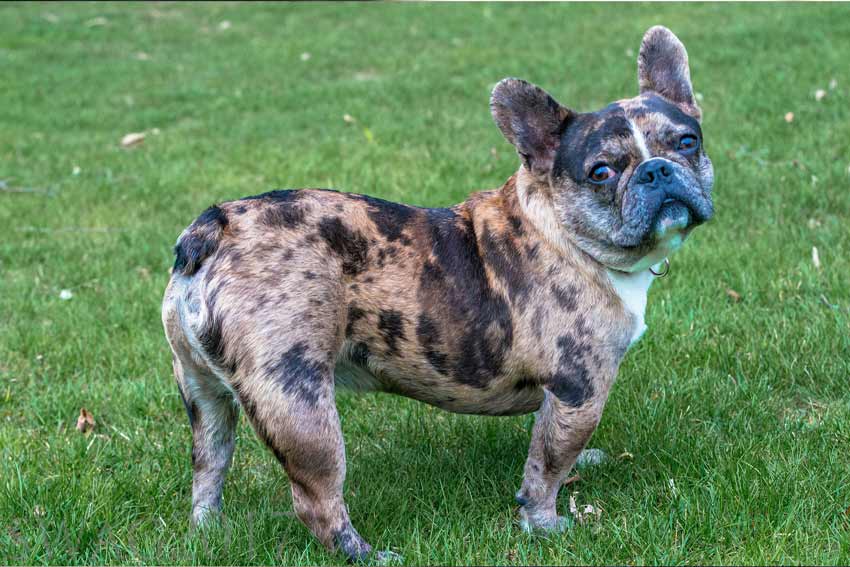
How much is a Merle French Bulldog? Merle French Bulldogs are a type of French Bulldog with a distinct Merle coat pattern. The merle pattern is caused by a genetic mutation that affects the distribution and concentration of pigment in the fur, resulting in a marbled or speckled appearance. 

Merle French Bulldogs are highly sought after for their unique and eye-catching coat colors, which can range from blue to silver to chocolate, among others. 

However, the breeding of Merle French Bulldogs has become controversial due to potential health issues associated with the Merle gene, including deafness, blindness, and skin problems. As such, responsible breeders are careful to only breed healthy dogs and to avoid perpetuating any genetic health issues.

What Makes Merle French Bulldogs Valuable

Merle French Bulldogs are valuable because of their unique and eye-catching coat patterns, which are relatively rare in the French Bulldog breed. The Merle coat pattern can come in a range of colors, including blue, silver, chocolate, and others, making each Merle French Bulldog a one-of-a-kind pet. 

The rarity and beauty of these dogs have made them highly desirable to some people, which has driven up their value in the market.

However, it’s important to note that the value of a Merle French Bulldog should not be determined solely by its coat pattern. Responsible breeders prioritize the health and temperament of their dogs above all else, and potential owners should consider these factors before making a purchase decision. 

Additionally, buyers should be aware that Merle French Bulldogs may be more prone to certain health issues than other French Bulldogs, so it’s important to choose a reputable breeder who takes steps to minimize these risks.

Factors Affecting the Price of Merle French Bulldogs

The price of Merle French Bulldogs can vary widely depending on various factors. Some of the most important factors that can affect the price of a Merle French Bulldog include:

Coat pattern and color: The rarity and uniqueness of the Merle coat pattern can drive up the price of Merle French Bulldogs. Dogs with desirable color combinations or patterns may be more valuable than others.

Pedigree and bloodline: Merle French Bulldogs with a strong pedigree and bloodline can be more valuable due to their potential for producing high-quality offspring with desirable traits.

Breeder reputation: Reputable breeders who prioritize the health and well-being of their dogs may charge more for their Merle French Bulldogs due to the quality of care they provide.

Demand: High demand for Merle French Bulldogs can drive up the price of these dogs, especially in certain regions or countries where they are particularly popular.

Health and medical history: Merle French Bulldogs with a clean bill of health and no genetic issues may be more valuable than those with health problems or a history of medical issues.

It’s important to note that the price of a Merle French Bulldog should not be the only factor considered when choosing a pet. Potential owners should prioritize finding a reputable breeder who prioritizes the health and well-being of their dogs above all else.

Age: The age of the Merle French Bulldog can also impact its price. Puppies may be more expensive than adult dogs due to the amount of care and attention they require during their early development.

Training and socialization: Merle French Bulldogs that have undergone training and socialization may be more valuable than those that have not, as they may be easier to integrate into a household and exhibit better behavior.

Location: The location of the breeder can impact the price of Merle French Bulldogs. Dogs from breeders in more expensive areas may be priced higher to account for the increased cost of living.

Show potential: Merle French Bulldogs that have the potential to compete in dog shows may be more valuable than those that do not, as they may be able to earn awards and increase the value of their offspring.

It’s important to note that the price of a Merle French Bulldog can vary widely depending on these factors, and potential owners should be prepared to invest a significant amount of money into the purchase of one of these dogs. 

However, it’s crucial to prioritize finding a reputable breeder who prioritizes the health and well-being of their dogs over profits and to be prepared for the potential health risks associated with the Merle gene.


Price Range for Merle French Bulldogs

The price range for Merle French Bulldogs can vary widely depending on the factors mentioned earlier. However, in general, the price for a Merle French Bulldog puppy can range from $3,000 to $10,000 or more.

It’s important to note that the price of a Merle French Bulldog should not be the only factor considered when choosing a pet. Potential owners should prioritize finding a reputable breeder who prioritizes the health and well-being of their dogs above all else. They should also be prepared to invest in ongoing healthcare costs, including regular veterinary visits, vaccinations, and potential health issues associated with the merle gene.

Additionally, it’s important to be cautious of breeders who offer Merle French Bulldogs at unusually low prices, as this may indicate that the breeder is not providing proper care or is engaging in unethical breeding practices. It’s always a good idea to do thorough research and ask plenty of questions before making a purchase decision.

Tips for Choosing a Merle French Bulldog

Choosing a Merle French Bulldog can be an exciting but also challenging process. Here are some tips to help you choose the right Merle French Bulldog for you:

Choose a reputable breeder: Look for a breeder who has a good reputation, has experience breeding French Bulldogs, and can provide you with references from past customers. Ask about their breeding practices, health testing, and socialization process for their puppies.

Ask about health testing: Make sure that the breeder conducts health tests on their dogs to screen for any genetic health issues, including those associated with the merle gene. Ask to see the results of these tests and ensure that they are up to date.

Visit the breeder: Visit the breeder in person if possible to meet the dogs and see their living conditions. This can give you a good idea of the breeder’s overall care and the temperament of their dogs.

Consider the dog’s temperament: Look for a Merle French Bulldog with a friendly and outgoing temperament. Avoid dogs that show signs of aggression, excessive shyness, or fearfulness.

Evaluate the dog’s health: Look for a Merle French Bulldog that appears healthy, has clear eyes, clean ears, and a shiny coat. Avoid dogs that show signs of lethargy, excessive coughing or sneezing, or any other signs of illness.

Ask about training and socialization: Inquire about the level of training and socialization the puppy has received. Choose a puppy that has been well-socialized and introduced to various sights and sounds to help them adjust to new environments and experiences.

Consider your lifestyle: Think about your lifestyle and whether a Merle French Bulldog is a good fit. They are a relatively active breed but also require a lot of rest and can have breathing difficulties due to their flat faces. Make sure you can provide them with the appropriate care and attention they need.


Conclusion and Final Thoughts

In conclusion, Merle French Bulldogs are a unique and eye-catching breed of French Bulldogs with a distinct coat pattern. 

However, due to potential health issues associated with the Merle gene, it’s important to find a reputable breeder who prioritizes the health and well-being of their dogs.

When choosing a Merle French Bulldog, it’s important to consider factors such as the breeder’s reputation, the dog’s health and medical history, its temperament, and its training and socialization. 

It’s also crucial to be prepared for ongoing healthcare costs and to prioritize finding a breeder who takes steps to minimize the risks associated with the Merle gene.

Black Cats With Green Eyes

Black Cats With Green Eyes

Quick Answer: Black cats with green eyes are a striking but common combination, since green is one of the most frequent eye colors in cats and pairs naturally with solid black coats — it’s not tied to any specific breed or health condition.

Key Takeaways

  • Green eyes are a genetically common color in cats generally.
  • Black coat plus green eyes is a classic, widely seen combination.
  • Not linked to any one specific breed, since it appears in mixed and purebred cats alike.
  • Eye color can shift slightly as kittens mature into adulthood.
  • No health implications are tied to this particular color combination.

Why Trust This Guide?

This guide is researched and written by the Pets Store Home editorial team, drawing on general pet-care and industry information. It’s intended as general information; consult a vet or specialist for advice specific to your pet or situation.

Quick Answer: Black cats with green eyes are a striking but common combination, since green is one of the most frequent eye colors in cats and pairs naturally with solid black coats — it’s not tied to any specific breed or health condition.

Key Takeaways

  • Green eyes are a genetically common color in cats generally.
  • Black coat plus green eyes is a classic, widely seen combination.
  • Not linked to any one specific breed, since it appears in mixed and purebred cats alike.
  • Eye color can shift slightly as kittens mature into adulthood.
  • No health implications are tied to this particular color combination.

Why Trust This Guide?

This guide is researched and written by the Pets Store Home editorial team, drawing on general pet-care and industry information. It’s intended as general information; consult a vet or specialist for advice specific to your pet or situation.

Introduction to black cats with green eyes

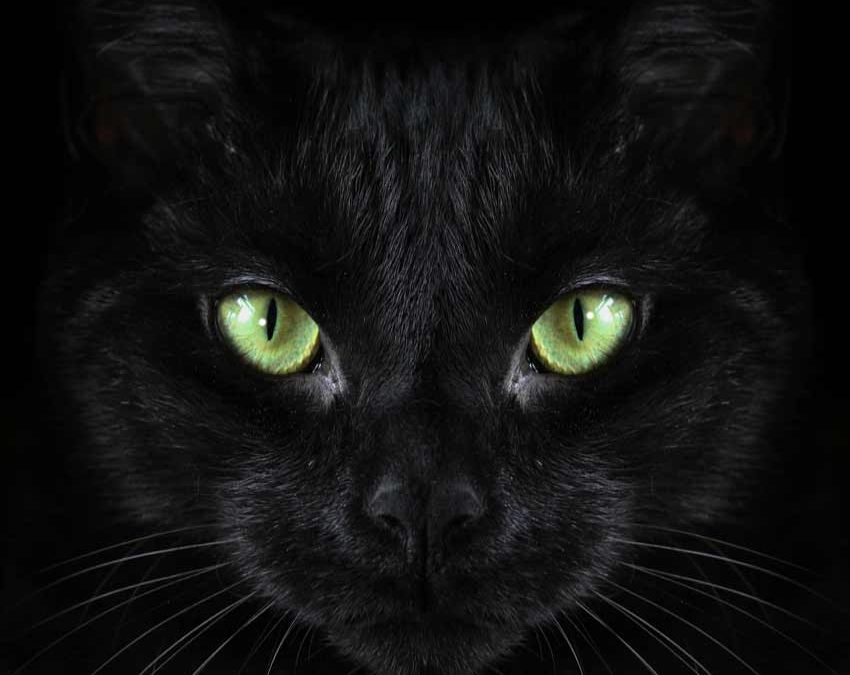
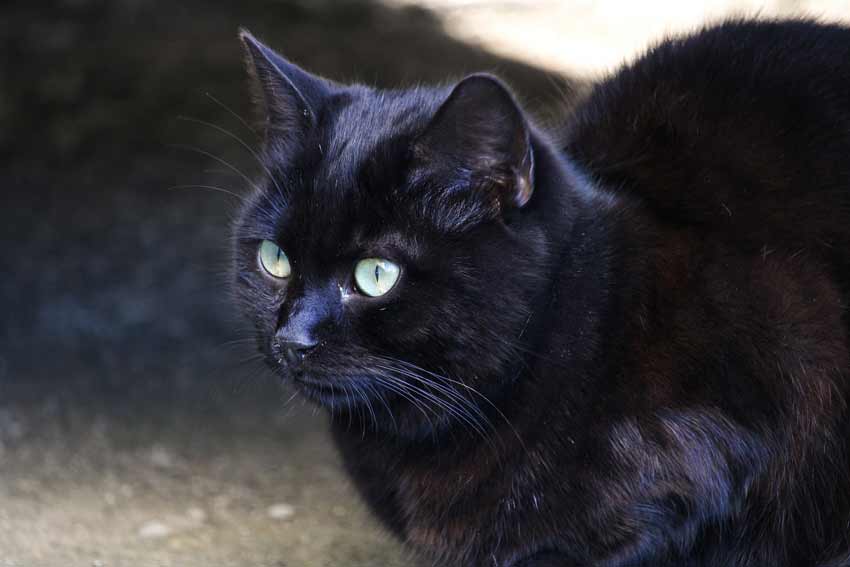
Black cats with green eyes are a unique and striking type of feline. Black cats are known for their sleek and mysterious appearance, and when combined with the vividness of green eyes, they become even more fascinating. Green eyes in cats are caused by a combination of genetics and melanin, which is the pigment that gives cats their coat color. 

The intensity of the green colour can vary depending on the amount of melanin present in the iris of the eye. Black cats have a long and complex history, often associated with superstition and mythology. In some cultures, black cats are considered to bring good luck and fortune, while in others, they symbolize bad luck and evil. 

Despite these beliefs, black cats with green eyes are loved and admired by many for their striking beauty and unique personality.

Overall, black cats with green eyes are a stunning and captivating type of feline that has captured the hearts of many cat lovers.


Black Cats With Green Eyes

The History of black cats in different cultures

The history of black cats in different cultures is a complex and fascinating topic, with many different beliefs and superstitions surrounding these animals. Here are a few examples:

Ancient Egyptians: In ancient Egyptian culture, cats, in general, were highly respected and even worshipped as sacred animals. Black cats were believed to bring good luck and fortune and were often depicted in art and literature.

Medieval Europe: During the Middle Ages in Europe, black cats were associated with witchcraft and were believed to be companions of witches. This led to a widespread fear of black cats, with many people believing that they were evil and could bring bad luck.

Japan: In Japan, black cats are seen as symbols of good luck and fortune. In fact, it is believed that if a single woman owns a black cat, she will attract many suitors.

Scotland: In Scottish folklore, a black cat appearing on your doorstep is a sign of prosperity and good luck. However, if a black cat crosses your path, it is considered bad luck.

United States: In the United States, black cats have been associated with Halloween and other spooky occasions. Many people believe that they are unlucky, and some animal shelters will not adopt black cats around Halloween out of fear that they may be mistreated.

Despite 

England: In England, black cats were often seen as bringers of good luck, and were even believed to protect homes from evil spirits. Sailors would often keep black cats on their ships, as it was thought that they would ensure a safe journey.

India: In India, black cats are also considered to be lucky, especially if they cross your path from left to right. They are also believed to bring wealth and prosperity to their owners.

Ancient Rome: In ancient Rome, black cats were associated with the goddess Diana, who was often depicted with a black cat by her side. Black cats were also believed to protect homes and families from evil spirits.

Ireland: In Irish folklore, black cats were believed to have the power to cure illness and disease. It was also believed that if a black cat crossed your path, it was a sign that good luck was on its way.

Despite 

Scandinavia: In Scandinavian countries, black cats were believed to be able to see the future and predict the weather. It was also believed that if a black cat was seen at a wedding, it would bring the couple good luck.

Middle East: In some Middle Eastern cultures, black cats are considered to be sacred and are believed to possess magical powers. They are often seen as protectors and are kept as pets in many households.

Africa: In some parts of Africa, black cats are seen as spiritual beings and are believed to have a connection to the spirit world. They are often associated with witchcraft and are sometimes used in rituals and ceremonies.

Despite the many beliefs and superstitions surrounding black cats in different cultures, it is important to remember that they are just animals and should be treated with love and respect. They make wonderful pets and companions, and their unique appearance and personality traits have made them beloved by many people around the world.


Exploring the genetics behind black cats and green eyes

The genetics behind black cats and green eyes is complex and involves multiple genes controlling coat and eye colour.

Two genes determine cat coat color: the melanocortin 1 receptor (MC1R) gene and the agouti signalling protein (ASIP) gene. The MC1R gene controls melanin production, the pigment that gives cats their color. 

The ASIP gene regulates the distribution of melanin in the hair shaft. In black cats, the MC1R gene produces large amounts of melanin, while the ASIP gene prevents the expression of any color except black.

Multiple genes also determine eye color in cats. The green color of a cat’s eyes is caused by a combination of yellow and blue pigments. The yellow pigment in the iris is determined by the presence of the oculocutaneous albinism II (OCA2) gene. 

This gene also controls the production of melanin in the skin and hair. The blue pigment in the iris is caused by the scattering of light, which is influenced by the structure of the iris.

Therefore, for a black cat to have green eyes, it must carry the genes that control both black coat colour and green eye color. It is also possible for a black cat to have other eye colors, such as gold or yellow, depending on the combination of genes inherited from its parents.

In conclusion, the genetics behind black cats with green eyes is a fascinating and complex topic involving multiple genes that control coat and eye color. 

The unique combination of these genes creates the striking appearance of black cats with green eyes, which has captured the attention and admiration of many cat lovers.


Myths and superstitions surrounding black cats with green eyes

Several myths and superstitions surround black cats with green eyes, some of which are rooted in history and culture. Here are a few examples:

Bad luck: In some cultures, black cats with green eyes are considered to be harbingers of bad luck. This belief likely stems from medieval Europe, where black cats were associated with witchcraft and were believed to be witches’ companions. This led to a widespread fear of black cats, with many people believing they were evil and could bring bad luck.

Good luck: In contrast, in some cultures, black cats with green eyes are believed to bring good luck. For example, in Japan, black cats are seen as symbols of good luck and fortune. It is also believed that if a black cat appears on your doorstep, it is a sign of prosperity and good luck.

Supernatural powers: Black cats with green eyes are sometimes associated with supernatural powers or abilities. In ancient Egypt, cats were considered to be sacred animals and were believed to have supernatural powers. This belief continued in other cultures, where black cats with green eyes were believed to have the ability to see into the spirit world or predict the future.

Halloween: Black cats with green eyes are often associated with Halloween and other spooky occasions. Some people believe that they are more likely to encounter a black cat with green eyes during this time, and that the cat may be a sign of something supernatural or ominous.

It is important to remember that these beliefs and superstitions are not based in fact, and that black cats with green eyes are just like any other cat. They are playful, affectionate, and make wonderful pets. It is up to us to challenge these superstitions and treat all animals with kindness and respect.

Protective powers: In some cultures, black cats with green eyes are believed to have protective powers. For example, in Scotland, it is believed that a black cat entering a home signifies that good fortune is on its way and that the cat will protect the home from harm. In some parts of England, owning a black cat is believed to protect a sailor from danger while at sea.

Satanic associations: Unfortunately, some people still associate black cats with Satanism or witchcraft, leading to acts of cruelty and abuse against black cats. For example, some people have been known to harm or even kill black cats on Halloween, believing that this will bring them good luck or protect them from evil. It is important to remember that these beliefs are unfounded and that all cats deserve to be treated with love and kindness.

Mystical and magical qualities: Some people believe that black cats with green eyes possess mystical or magical qualities, such as the ability to bring good fortune or ward off evil. These beliefs have persisted throughout history and are still held by some people today.

Overall, the myths and superstitions surrounding black cats with green eyes are varied and complex and often reflect the beliefs and values of different cultures and societies. While some of these beliefs may seem harmless, it is important to remember that they can also lead to prejudice and discrimination against black cats. As responsible pet owners and animal lovers, we should strive to challenge these beliefs and treat all animals with respect and compassion.