
Floppy Eared Bunny: Lop Rabbit Breeds, Care and Ear Health Guide (2026)
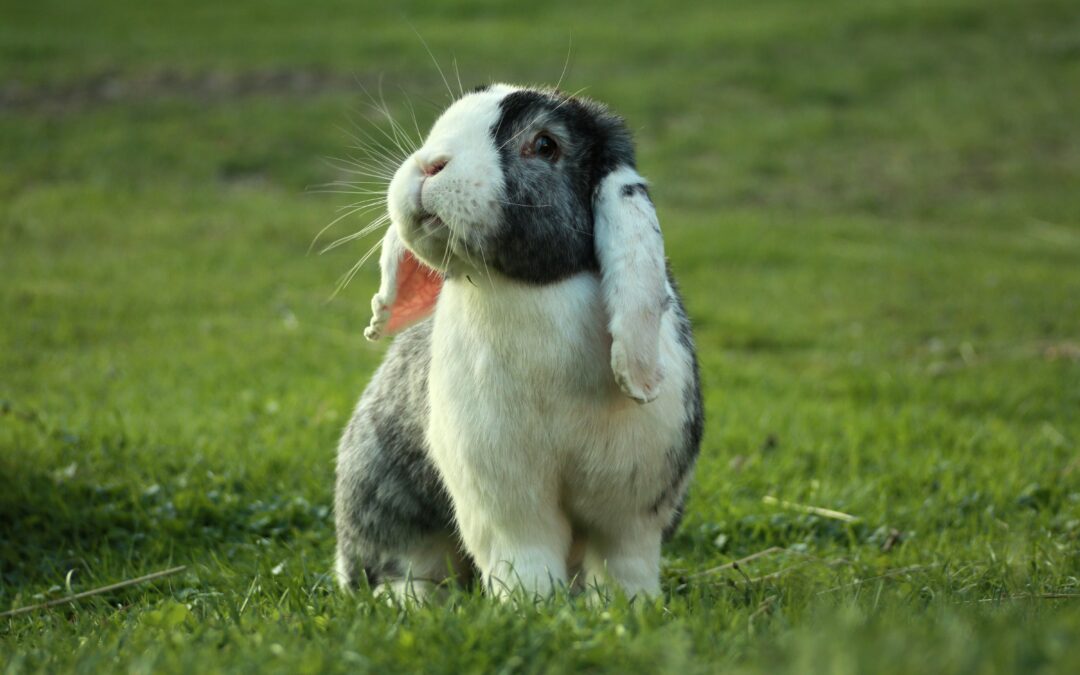
What is a floppy eared bunny? A floppy eared bunny is a lop rabbit, a domestic rabbit whose ears hang down beside its head instead of standing up. ARBA recognizes five lop breeds: the Holland Lop, Mini Lop, American Fuzzy Lop, French Lop and English Lop. They make gentle pets, but lop ears raise the risk of ear and dental problems.
Few pets look as sweet as a floppy eared bunny rabbit with its ears draped over its cheeks. Before you bring one home, though, it helps to know what makes lop ears different, which breed suits your space, and how to keep those ears healthy. This guide covers every US lop breed, their sizes and lifespans, the health research every owner should read, and a practical daily care plan.
Key takeaways
- “Lop” is the breeder’s term for a rabbit with ears that hang down.
- The Holland Lop is the smallest lop breed, with a 4-pound maximum.
- The English Lop has the longest ears, at 21 inches or more tip to tip.
- Studies link lop ears to more ear canal narrowing, wax buildup and dental disease.
- Unlimited hay, a rabbit-savvy vet and regular ear checks are the basics of lop care.
In this guide
What Is a Floppy Eared Bunny?
Breeders call any floppy eared bunny a “lop,” so you will also see the names lop bunny, lop eared rabbit and lop ear bunny. According to Wikipedia, lop breeds make up about 15% of breeds recognized by ARBA or the British Rabbit Council, and their ears droop with the opening facing the skull.
Why do the ears hang? Unusual Pet Vets, an exotic animal clinic, explains that lop ears form at a gap between two ear cartilages. That gap creates a weak spot where the ear folds over. Longer, heavier ears are more likely to droop, and Wikipedia notes that some young lops do not reach their full droop until ear growth is complete. So do not worry if a young lop still has one ear up.
Half Lops and Oar Ears
Not every long eared bunny has ears that hang straight down. A “half lop” has one drooping ear and one upright ear. An “oar” or “helicopter” lop holds both ears out sideways, like boat oars at rest. In our experience, these ear sets are common in pet lops, and they do not make a rabbit any less lovable.
Floppy Eared Bunny Breeds: Lop Rabbit Comparison
ARBA’s list of recognized breeds includes five lop breeds: the Holland Lop, Mini Lop, American Fuzzy Lop, French Lop and English Lop. The Velveteen Lop is a newer US breed still working toward full recognition. Here is how they compare.
| Breed | Adult weight | Ears and coat | Lifespan (where reported) |
|---|---|---|---|
| Holland Lop | Up to 4 lbs (ARBA) | Short ears; compact, muscular body | 7 to 10 years (PetMD) |
| American Fuzzy Lop | Up to 4 lbs to show | Woolly coat that needs grooming | Not reported |
| Mini Lop | About 5.5 lbs ideal; 6.5 lbs max | A step up in size from the Holland | Not reported |
| Velveteen Lop | 5 to 7 lbs | Plush, short rex coat | Not reported |
| French Lop | About 10 to 15 lbs (no ARBA max) | Ears hang 5 to 8 in. below the jaw | 5 to 7 years (WebMD) |
| English Lop | Averages about 12 lbs | Ears at least 21 in. tip to tip | 5 to 7 years (WebMD) |
Sources: ARBA, PetMD, WebMD, University of Florida 4-H and Wikipedia breed pages. Weights are for adult (senior) rabbits.
Holland Lop: The Smallest Floppy Eared Bunny
The American Rabbit Breeders Association (ARBA) lists a maximum weight of 4 pounds for the Holland Lop and says the breed was recognized in 1979. It was developed in the Netherlands by Adriann de Cock as a dwarf lop. PetMD describes Holland Lops as friendly, playful and energetic, with a lifespan of 7 to 10 years. They can be skittish, so a calm home suits them best.
Mini Lop and American Fuzzy Lop
The Mini Lop was recognized by ARBA in 1980, with an ideal weight of 5.5 pounds and a maximum of 6.5 pounds. The American Fuzzy Lop, recognized in 1988, must weigh no more than 4 pounds to show and has a woolly coat. That wool can mat, so plan on extra brushing.
French Lop and English Lop: The Big Lop Rabbits
WebMD says French Lops normally weigh 10 to 15 pounds and are calm, affectionate and quick to bond. Their ears often hang 5 to 8 inches below the jaw. The English Lop is believed to be the first lop breed developed by people. University of Florida 4-H notes show judges require ears of at least 21 inches tip to tip, and WebMD warns that some English Lops trip on or step on their ears.
Velveteen Lop
The Velveteen Lop was developed in the United States from Mini Rex and English Lop lines. It weighs 5 to 7 pounds and has a short, plush rex coat. It has received ARBA’s Certificate of Development, which lets it show only against other Velveteen Lops while breeders work toward full recognition.

Are Floppy Eared Bunny Ears Healthy? Ear and Dental Risks
In a 2019 Veterinary Record study of 30 rescue rabbits, Royal Veterinary College researchers found that lop eared rabbits had more ear canal narrowing, more wax and redness, and more pain responses during ear exams than rabbits with upright ears. The lops also had more incisor and molar problems.
In a 2023 PLOS ONE study based on 551 owner surveys, RVC researchers found that 29% of rabbits had at least one reported ear problem, and lop eared rabbits were 19 times more likely to have impaired hearing or deafness. The researchers urged owners to have quiet, inactive rabbits checked by a vet, because ear pain can make a rabbit less playful.
Why does this happen? PetMD explains that floppy ears limit airflow inside the ear, trapping debris and moisture. According to Unusual Pet Vets, the fold also splits the ear canal, so wax cannot drain easily. A floppy ear bunny can still live a happy life, but ear checks should be part of every vet visit.
| Warning sign | What it may mean |
|---|---|
| Scratching ears or shaking the head | Ear irritation or infection |
| Creamy, pus-like wax | Inflamed wax or infection |
| Pulling away when ears are touched | Ear pain |
| Head tilt or loss of balance | Possible middle ear infection |
| Dropping food or eating less | Dental problems or pain |
| Small or no droppings | Gut slowdown (GI stasis), an emergency |
Sources: Unusual Pet Vets, PetMD and Royal Veterinary College research.
When to call a vet right away: As general advice, a rabbit that stops eating, passes no droppings for several hours, suddenly develops a head tilt or seems to be in pain needs urgent care. Call your exotic animal vet or a 24/7 emergency animal hospital that treats rabbits.
How to Care for a Floppy Eared Bunny
Good care starts with food. The House Rabbit Society says rabbits need unlimited hay, plus at least 2 cups of chopped vegetables per 6 pounds of body weight daily, mostly leafy greens. It suggests about 1/4 cup of pellets per 6 pounds of body weight and fruit only as a small treat. PetMD adds that unlimited hay helps prevent dental problems, a key point for any lop eared bunny.
Need help with hay? See our guide to how many flakes are in a bale of hay, and check which greens are safe in can rabbits eat vegetables and can rabbits eat bok choy.
Space and exercise matter, too. WebMD recommends at least an hour of playtime outside the enclosure daily for Holland Lops, while it suggests at least three hours of free-range time for big French Lops. In our experience, an exercise pen or a bunny-proofed room works better than a small cage.
Spaying or neutering is another key step. Best Friends Animal Society says a high percentage of unspayed females develop uterine or ovarian cancer between 2 and 5 years old, and that most young rabbits can be fixed between 3 and 6 months. The House Rabbit Society reports indoor rabbits typically live 8 to 12 years, and Chewy quotes a vet who says smaller breeds tend to live longer than larger ones.
| Care task | How often | Tip |
|---|---|---|
| Hay and fresh water | Always available | Unlimited grass hay (HRS) |
| Leafy greens | Daily | At least three types (HRS) |
| Brushing | Weekly; more for woolly breeds | American Fuzzy Lops need extra care |
| Nail trims | Every few weeks (general advice) | Check feet for sore spots (WebMD) |
| Ear check | Weekly at home (general advice) | Ask your vet before cleaning ears |
| Vet exam | At least yearly (general advice) | Choose a rabbit-savvy vet |
Pet Care Tip: Our advice: never push cotton swabs into a rabbit’s ear canal. PetMD suggests a cleaner labeled safe for rabbits and asking your vet to show you how to use it, so you do not damage the ear or eardrum.
Rabbits can also be moody when they are scared or unfixed. If your new bunny nips or lunges, read our guide to rabbit aggressive behavior.

Choosing a Floppy Eared Bunny: Adopt or Buy?
In our experience, a lop bunny is easy to find in shelters and rescues, so check local adoption groups before you buy. If you choose a breeder, the RVC researchers urged owners and breeders to pick healthy rabbits. Our suggestion is to look for moderate ears, not extreme ones, and ask to see the parents.
7 questions to ask a rescue or breeder
- How old is the rabbit, and is it spayed or neutered?
- Has a vet checked its ears and teeth?
- Have the parents had ear or dental problems?
- What hay and pellets does it eat now?
- Is it used to being handled?
- What adult weight should I expect?
- Will you take the rabbit back if needed?
Example Scenario (illustrative)
Priya in Austin adopted a two-year-old Mini Lop from a local rescue. At the first vet visit, the vet found wax buildup in one ear and showed her how to check it at home. She set up an exercise pen, offered unlimited timothy hay and booked ear and teeth checks every six months.
| Myth | Fact |
|---|---|
| “A floppy eared bunny rabbit is a breed.” | “Lop” describes ear type; there are several lop breeds. |
| “Lop ears are just cosmetic.” | Research links lop ears to more ear and dental problems. |
| “Baby lops are born with floppy ears.” | Some young lops do not reach full droop until their ears finish growing. |
| “Rabbits are easy starter pets.” | They live 8 to 12 years and need daily care and a rabbit-savvy vet. |
What most owners get wrong
In our experience, many people choose a floppy eared bunny rabbit for its looks and assume a quiet rabbit is a calm one. A lop that hides, eats less or avoids being touched near its head may be in pain. Learn your rabbit’s normal behavior early, so you notice changes fast.
Floppy Eared Bunny: FAQs
What is a floppy eared bunny called?
A floppy eared bunny is called a lop rabbit, or lop. Common US breeds include the Holland Lop, Mini Lop, French Lop, English Lop and American Fuzzy Lop.
What is the smallest floppy eared bunny?
The Holland Lop is the smallest lop breed. ARBA sets its maximum weight at 4 pounds.
Why are some bunnies’ ears floppy?
Lop ears fold at a weak spot between two ear cartilages. Longer, heavier ears are more likely to droop.
Do lop rabbits have more health problems?
Research from the Royal Veterinary College found lop eared rabbits have more ear canal narrowing, wax buildup and dental problems than rabbits with upright ears.
How long do lop bunnies live?
Indoor rabbits typically live 8 to 12 years, per the House Rabbit Society. Large lops such as the French Lop may live 5 to 7 years, according to WebMD.
Do baby lop rabbits have floppy ears?
Not always. Some young lops have one or both ears up and only reach full droop once their ears finish growing.
Is a lop eared bunny a good pet?
It can be a gentle, affectionate pet for a calm home, but it needs daily care, space to exercise and regular ear and teeth checks.
Final Verdict on the Floppy Eared Bunny
A floppy eared bunny rabbit is a lop, and the right breed depends on your space: Holland Lops and American Fuzzy Lops stay under 4 pounds, while French and English Lops grow much larger. Every lop needs unlimited hay, daily exercise, spaying or neutering and regular ear and dental checks. Choose a healthy rabbit and learn its normal habits early.
Your next steps
- Pick a lop breed that fits your home and schedule.
- Find a rabbit-savvy vet before you bring your bunny home.
- Stock up on grass hay, greens and a large exercise pen.
Share your lop on the Pets Store Home Facebook page, explore more pets in our easy small pets guide and browse our Rabbits section.
About the author: Written and reviewed by the Pets Store Home Editorial Team, pet owners who check every guide against trusted sources.
How we checked this guide: Breed weights and recognition come from ARBA, University of Florida 4-H, PetMD (reviewed by Laurie Hess, DVM), WebMD and Wikipedia. Health findings come from Royal Veterinary College studies in Veterinary Record (2019) and PLOS ONE (2023) and from Unusual Pet Vets. Diet and lifespan figures come from the House Rabbit Society, Best Friends Animal Society and Chewy.
Where sources differ, such as Holland Lop lifespan (PetMD 7 to 10 years, WebMD about 10), we give the range and name the source. This guide was written in November 2026 and is reviewed every 12 months.
Last reviewed: November 2026.
Sources (accessed November 3, 2026)
- ARBA: Holland Lop
- ARBA Recognized Breeds and Varieties (via K-State 4-H)
- University of Florida 4-H: Rabbit Ears
- PetMD: Holland Lop Rabbit
- WebMD: Holland Lop Bunnies
- WebMD: French Lop
- WebMD: English Lop Rabbit
- Wikipedia: Lop rabbit
- Wikipedia: Mini Lop
- Wikipedia: American Fuzzy Lop
- Wikipedia: Velveteen Lop
- Johnson and Burn (2019), Veterinary Record: Lop-eared rabbits have more aural and dental problems
- Royal Veterinary College: Welfare impact of ear conditions in pet rabbits (2023)
- Unusual Pet Vets: Lop-Eared Rabbits and Ear Disease
- House Rabbit Society: What to feed your rabbit
- House Rabbit Society: How long do rabbits live?
- Best Friends Animal Society: Rabbit Spay/Neuter
- Chewy: How Long Do Rabbits Live?
[…] Which foreign pets are legal in Washington State? […]