
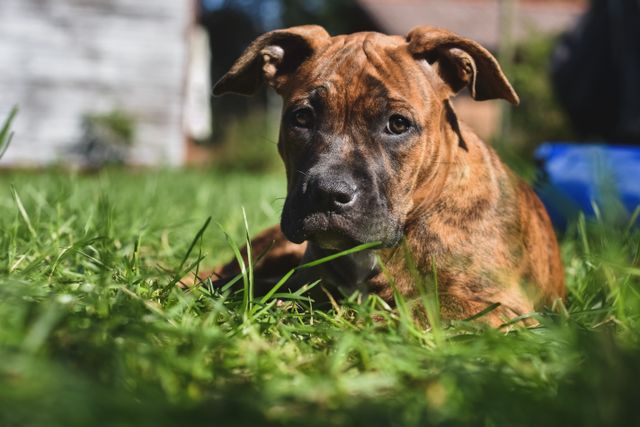
German shepherd puppies mixed with pitbull are crossbreed dogs with one German Shepherd parent and one pit bull–type parent, usually an American Pit Bull Terrier. They usually grow into strong, medium-to-large adults, from about 30 pounds to well over 60, depending on which parent they take after. Most are energetic, smart, and people-focused, but they need early socialization, steady reward-based training, and plenty of daily exercise.
This mix, often nicknamed a Shepherd Pit or German Pit, shows up in shelters across the US. Because it’s a crossbreed, there’s no standard to tell you exactly what you’ll get. This guide covers what German shepherd puppies mixed with pitbull look like, how big they get, temperament, training, exercise, food, grooming, health, lifespan, cost, and adoption.
Key takeaways
- A German Shepherd pitbull mix is a crossbreed, not a breed recognized by the AKC or UKC.
- Adult size can range widely, because the parent breeds differ in height and weight.
- Expect a loyal, active, intelligent dog that needs daily exercise and mental work.
- Early socialization with people and other dogs is essential from puppyhood.
- Health risks from the parent breeds include hip and elbow dysplasia, bloat, and degenerative myelopathy.
- No breed or mix guarantees temperament; upbringing and training matter most.
- Check local rules and your lease or insurance, since some restrict pit bull–type dogs.
In this guide
What Are German Shepherd Puppies Mixed With Pitbull?
A German Shepherd mixed with a pitbull combines two very different working breeds. The German Shepherd Dog is a herding and working breed recognized by the American Kennel Club (AKC). “Pit bull” is a broader label. It usually refers to the American Pit Bull Terrier, recognized by the United Kennel Club (UKC), though it’s also used for American Staffordshire Terriers and many bully-breed mixes.
Labels on shelter dogs aren’t always reliable, either. The ASPCA points out that studies have found big gaps between visual breed guesses and DNA results in mixed-breed dogs. A dog listed as a pit mix German Shepherd may have other breeds in its background, and a DNA test can’t predict behavior.
Puppy Appearance and How Big They Get
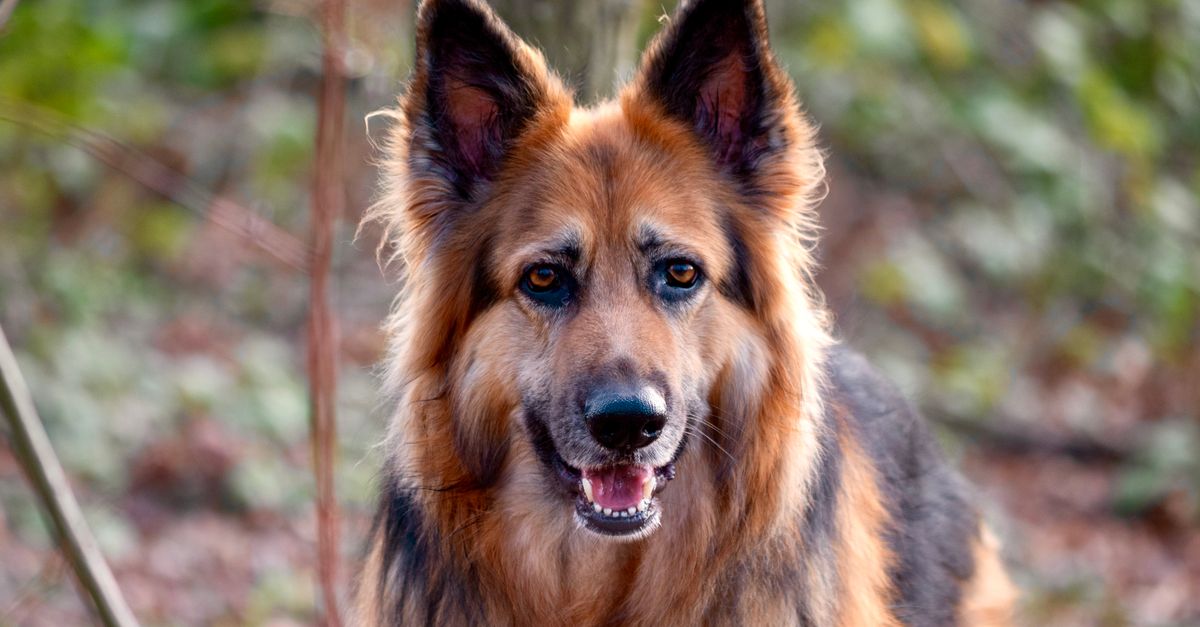
German shepherd puppies mixed with pitbull can look quite different, even within one litter. Some have the Shepherd’s upright ears and longer muzzle, while others have the pit bull’s broad head and shorter coat. Common traits include:
- Ears: upright, half-folded, or one of each.
- Coat: short and smooth like the pit bull, or a thicker, medium-length double coat like the Shepherd.
- Colors: often black and tan, sable, brindle, fawn, black, or brown, sometimes with white markings.
- Build: usually muscular and athletic, with a deep chest.
Adult size depends on the parents. Here’s how the two parent-breed standards compare:
| Breed | Height (males / females) | Weight |
|---|---|---|
| German Shepherd Dog (AKC standard) | 24–26 in / 22–24 in | Not set in the standard |
| American Pit Bull Terrier (UKC standard) | 18–21 in / 17–20 in | 35–60 lb / 30–50 lb |
Sources: AKC German Shepherd Dog standard and UKC American Pit Bull Terrier standard. Many adult German Shepherd pitbull mix dogs land somewhere between these ranges, but there’s no guarantee. Ask a breeder or shelter about the parents’ sizes, since that’s the best clue to your puppy’s adult size.
Temperament: Is a German Shepherd Pitbull Mix a Good Family Dog?
Many are loving, loyal family dogs, but they suit active, experienced owners best. Each parent brings different traits:
| German Shepherd (AKC) | American Pit Bull Terrier (UKC) |
|---|---|
| Loyal, confident, courageous, steady | Strong, confident, affectionate |
| Somewhat reserved with strangers | Friendly, even with strangers |
| Highly intelligent, eager to work | Long record of being good with children |
| Alert and protective | Some level of dog aggression is common |
The AKC standard describes the German Shepherd as “direct and fearless, but not hostile,” and somewhat aloof with new people. The UKC standard calls the American Pit Bull Terrier affectionate and good with children, but notes that most show some degree of dog aggression. A German Shepherd mixed with a pitbull might be friendly with everyone, more watchful with strangers, or somewhere in between.
No breed label decides how a dog will behave. The AVMA’s dog bite policy says it’s inappropriate to predict a dog’s tendency to bite based solely on breed, and that any dog can bite in the wrong situation. With children, always supervise, teach kids to respect the dog’s space, and never leave young children alone with any dog.
Training and Socialization From Puppyhood
Training German shepherd puppies mixed with pitbull should start the day they come home. These are smart, strong dogs, and good manners are much easier to build in a 15-pound puppy than in a 70-pound adult. The UKC standard says the American Pit Bull Terrier needs careful socialization and obedience training, and warns that the breed can climb, so secure fencing matters.
Use reward-based methods. The American Veterinary Society of Animal Behavior’s humane training position statement reports no evidence that harsh, aversive methods work better than rewards, and links them to fear, anxiety, and aggression.
Puppy socialization checklist
- Enroll in a puppy class once your vet says it’s safe.
- Meet calm, vaccinated adult dogs one at a time.
- Meet people of different ages, with hats, beards, and uniforms.
- Hear everyday sounds: traffic, vacuums, doorbells.
- Practice handling of paws, ears, and mouth for grooming and vet visits.
- Teach “sit,” “down,” “leave it,” and a reliable recall.
- Start crate training and short alone-time sessions.
Leash skills matter early, since these dogs grow strong fast. Our guide to stopping a dog from pulling on the leash can help. If your puppy is nervous, see our guide to socializing a shy or fearful puppy.
Exercise Needs
Both parents are athletic working dogs, so a German Shepherd pitbull mix usually needs more than a quick walk. Plan for daily activity such as brisk walks or hikes, fetch or flirt-pole play in a fenced yard, training games and scent work, and puzzle feeders for mental exercise.
Pet Care Tip: Keep exercise gentle and low-impact for growing puppies. Skip long runs and repeated jumping until your vet confirms their joints have finished developing, especially for a deep-chested, larger puppy.
Food and Grooming
Food. Feed a complete and balanced dog food made for your dog’s life stage and expected adult size, and ask your vet how much to feed. Many of these puppies will grow into large dogs, so a large-breed puppy formula is often a good choice. Cornell’s Riney Canine Health Center notes that rapid growth and overfeeding can worsen hip problems in at-risk puppies, and advises against adding calcium supplements to a growing puppy’s balanced diet. Keep your adult dog lean, too, since extra weight strains the joints.
Because German Shepherds are large, deep-chested dogs, it’s wise to follow Cornell’s general bloat-prevention tips: feed two or more smaller meals a day rather than one big meal, and limit vigorous activity right after eating.
Grooming. Care depends on which coat your dog inherits:
- Short, smooth coat: a weekly brush with a rubber curry or bristle brush.
- Thicker double coat: brushing a few times a week, and more often during seasonal shedding.
- Everyone: regular nail trims, ear checks, and tooth brushing with dog toothpaste.
A VetCompass study of German Shepherds found ear inflammation was the most common recorded disorder, so check ears weekly and ask your vet how to clean them.
German Shepherd Pitbull Mix Health Issues
German shepherd puppies mixed with pitbull can inherit health problems from either parent. Knowing the risks helps you choose a well-bred puppy and spot problems early:
| Condition | What it is | What to watch for |
|---|---|---|
| Hip and elbow dysplasia | Inherited joint malformation common in medium and large breeds | Stiffness, “bunny-hopping,” trouble rising |
| Bloat (GDV) | The stomach fills with gas and can twist; an emergency | Retching with nothing coming up, swollen belly, restlessness, drooling |
| Degenerative myelopathy (DM) | A progressive, adult-onset disease of the nervous system | Weakness or wobbling in the back legs in older dogs |
| Ear inflammation | The most common disorder in a large German Shepherd study | Head shaking, scratching, odor, redness |
| Osteoarthritis | Joint wear, often linked to dysplasia and excess weight | Slowing down, reluctance on stairs |
Cornell explains that bloat is most common in large, deep-chested dogs, is fatal without treatment, and that survival is over 80% with prompt care. If you see unproductive retching and a swollen belly, go to an emergency vet immediately. Ask your vet whether a preventive stomach-tacking surgery (gastropexy) makes sense for your dog.
For degenerative myelopathy, the AKC Canine Health Foundation reports that researchers who genotyped about 20,000 German Shepherds found the main DM-linked gene variant was common in the breed. The German Shepherd Dog Club of America lists hip and elbow, cardiac, and thyroid screening, plus a DM DNA test, among the health tests it promotes. Ask any breeder for the parents’ results.
Lifespan
There’s no reliable lifespan study for German shepherd puppies mixed with pitbull, so treat any exact figure with caution. In the VetCompass study of German Shepherds under veterinary care, the typical lifespan was about 10.3 years, and musculoskeletal problems and an inability to stand were leading causes of death. Keeping your dog lean, active, and up to date on vet care gives the best chance of a long life.
How Much Do German Shepherd Pitbull Mix Puppies Cost?
Puppy prices vary widely by breeder, region, and whether you adopt, and there’s no reliable national price for this mix. Adoption fees at shelters and rescues are usually much lower than breeder prices and often include vaccines and spay or neuter. The bigger cost is lifetime care. The ASPCA’s 2021 estimates for owning a dog in the US give a useful baseline:
| Cost item | ASPCA estimate (2021) |
|---|---|
| Yearly food | $300 |
| Yearly routine vet care | $225 |
| Yearly preventive medication | $185 |
| Yearly pet insurance | $516 |
| Spay or neuter (one time) | $300 |
| Estimated first year | $3,221 |
| Estimated each year after | $1,391 |
These are 2021 averages, so expect higher costs today for a large, active dog. Add training classes, a secure fence, and an emergency fund. Some landlords and insurers restrict pit bull–type dogs, and some local governments still have breed-specific laws, which the ASPCA opposes. Check your local rules before bringing home German shepherd puppies mixed with pitbull.
Adoption Options
Shelters and rescues are often the easiest place to find German shepherd puppies mixed with pitbull, as well as adult dogs. Good places to look include:
- local animal shelters and humane societies,
- pit bull–type and bully-breed rescue groups,
- German Shepherd rescues, which sometimes take in Shepherd mixes, and
- national adoption websites that let you search by breed and location.
Adopting an adult means you can see the dog’s size, energy, and personality before you commit. The ASPCA’s adoption tips suggest thinking about your lifestyle and giving a new dog time to settle in. For the first weeks, see our guide to crate training an adult rescue dog. If you buy from a breeder, ask for health test results on both parents and meet at least the mother.
Example Scenario (illustrative)
Carlos and Nina in Texas adopt a 12-week-old Shepherd-pit puppy named Rocco from a county shelter. They book a puppy class, set up short daily socialization outings, and feed a large-breed puppy food in three small meals. Their vet checks Rocco’s growth at each visit and advises low-impact play until his joints mature. By his first birthday, Rocco is a 65-pound, well-mannered dog who loves hikes and fetch.
German Shepherd Puppies Mixed With Pitbull: FAQs
How big will a German Shepherd pitbull mix get?
Most adults are medium to large. Size depends on the parents: the UKC lists American Pit Bull Terriers at about 30–60 pounds, and German Shepherds are taller and usually heavier, at 22–26 inches.
Is a German Shepherd mixed with a pitbull a good family dog?
Many are loyal, affectionate family dogs when well socialized, trained, and exercised. They suit active, experienced owners. Always supervise them around young children.
Are German Shepherd pitbull mixes aggressive?
No breed or mix is automatically aggressive. The AVMA says breed alone doesn’t predict biting. Early socialization, reward-based training, and supervision make the biggest difference.
How long do German Shepherd pit mixes live?
There’s no reliable data for the mix. A large study found German Shepherds typically lived about 10.3 years. A lean, active lifestyle and regular vet care help.
What is a German Shepherd pitbull mix called?
It’s often called a Shepherd Pit, German Pit, or Pitbull Shepherd. These are nicknames, not breeds recognized by the AKC or UKC.
Final Verdict: Are German Shepherd Puppies Mixed With Pitbull Right for You?
German shepherd puppies mixed with pitbull can grow into loyal, clever, energetic companions, but they need an owner who can commit to early socialization, daily exercise, and steady reward-based training. Learn the parent breeds’ health risks, keep your dog lean, budget for lifetime care, and check local rules on pit bull–type dogs. If that fits your life, a shelter is a great place to start.
Your next steps
- Visit local shelters and rescues to meet Shepherd-pit mixes in person.
- Book a puppy class and a first vet visit before your puppy comes home.
- Read more breed and mix guides in our dog care section, including our pitbull Labrador mix guide.
Share your Shepherd-pit’s story with other owners on our Facebook page.
About the author
Written and reviewed by the Pets Store Home Editorial Team: pet owners and animal lovers who check every guide against trusted US veterinary and animal-welfare sources. This article is general information, not a substitute for professional veterinary advice. Always talk to your veterinarian about your own pet’s health.
How we checked this guide: We used the AVMA, ASPCA, AKC and UKC breed standards, the AKC Canine Health Foundation, the German Shepherd Dog Club of America, Cornell University’s Riney Canine Health Center, the American Veterinary Society of Animal Behavior, and the VetCompass German Shepherd study. We review this article every 12 months, or sooner if guidance changes.
Last reviewed: November 2026
Sources
- American Kennel Club – German Shepherd Dog Breed Standard (PDF) (accessed Nov 2026)
- United Kennel Club – American Pit Bull Terrier Breed Standard (PDF) (accessed Nov 2026)
- AVMA – Dog Bites Policy (accessed Nov 2026)
- ASPCA – Position Statement on Breed-Specific Legislation (accessed Nov 2026)
- ASPCA – Cutting Pet Care Costs (accessed Nov 2026)
- ASPCA – Adoption Tips (accessed Nov 2026)
- Cornell Riney Canine Health Center – Gastric Dilatation-Volvulus (Bloat) (accessed Nov 2026)
- Cornell Riney Canine Health Center – Canine Hip Dysplasia (accessed Nov 2026)
- AKC Canine Health Foundation – Degenerative Myelopathy Research in German Shepherd Dogs (accessed Nov 2026)
- German Shepherd Dog Club of America – Health & Research (accessed Nov 2026)
- AVSAB – Humane Dog Training Position Statement (PDF) (accessed Nov 2026)
- VetCompass (Royal Veterinary College) – Demography and Disorders of German Shepherd Dogs (accessed Nov 2026)
[…] Which foreign pets are legal in Washington State? […]