

Pet Travel Accessories: 15 Essentials for Car, Plane and Hotel Trips (2026)
The pet travel accessories that matter most are the ones that keep your pet safe and easy to identify: a crash-tested harness or a secure carrier or crate, an ID tag and registered microchip, water and food, medications, a first aid kit, and copies of health records. Comfort gear comes second.
This guide covers dogs, cats and small pets, organized by trip type, so you can pack the right gear whether you're driving across the state, flying across the country or checking into a hotel. If you only travel with a dog, our guide to dog accessories for travel goes deeper on canine gear.
Check with your vet before a long trip. Ask about a health certificate, up-to-date vaccines, and safe options if your pet gets anxious or carsick. Never give a sedative or human medication unless your veterinarian has prescribed it.
Key takeaways
- Restrain every pet in the car with a fitted harness or a carrier or crate; never let them ride on a lap.
- Look for crash-tested harnesses, carriers and crates certified by the independent Center for Pet Safety.
- Update ID tags and microchip details, and add a temporary tag with where you're staying.
- Crossing state lines usually means a health certificate issued within 10 days of travel.
- Never leave a pet in a parked car, even on a mild day.
In this guide
Pet Travel Accessories: The Short Answer
Buy the pet travel essentials for safety first, then comfort. The American Veterinary Medical Association advises that you properly restrain your pet with a fitted harness or a carrier of the right size, and warns against holding pets on your lap. A carrier should let your pet move comfortably but be small enough to limit how far they get thrown around in a sudden stop.
That makes restraint the single most important category of pet travel accessories. Identification, food, water and medication come next. Everything else, from seat covers to collapsible bowls, makes the trip easier but doesn't keep your pet safe on its own.

The 15-Item Pet Travel Packing Checklist
These pet travel accessories cover any trip longer than a quick vet visit. Think of it as your core pet travel kit. It draws on travel guidance from the ASPCA's pet travel dos and don'ts and the AVMA, and it works for dogs, cats and most small pets.
| Accessory | Why you need it | Best for |
|---|---|---|
| Crash-tested harness or seat belt tether | Restrains your pet and limits driver distraction | Dogs in the car |
| Carrier or crate (sized correctly) | Protects in an accident; required for flights | Cats, small dogs, small pets |
| ID tag with your cell number | Fast return if your pet slips away | All pets |
| Temporary travel tag | Lists a local number and where you're staying | All pets |
| Registered microchip (details updated) | Permanent ID that can't fall off | Dogs and cats |
| Collapsible bowls | Water at every stop | All pets |
| Bottled water and usual food | Avoids upset stomachs from sudden diet changes | All pets |
| Medications and preventives | Keeps treatment on schedule | All pets |
| Pet first aid kit | Handles small cuts and scrapes on the road | All pets |
| Health records and vaccine proof | Needed for state lines, airlines and boarding | All pets |
| Recent color photo of your pet | Helps if your pet gets lost | All pets |
| Waste bags or travel litter box | Clean, quick potty breaks | Dogs; cats |
| Familiar bedding or blanket | Smells like home and lowers stress | All pets |
| Seat cover or crate liner | Protects the car and cleans up easily | Dogs |
| Spare leash and collar | Backup if one breaks or goes missing | Dogs |
The AVMA's travel FAQ adds that you should bring a current color photo of your pet and copies of medical records, including any pre-existing conditions and medications. Keep paper copies in your bag and a photo of each on your phone.
Pre-trip checklist (one week out)
- Confirm your microchip registration lists your current cell number.
- Book a vet visit if you need a health certificate (within 10 days of travel).
- Do a practice drive with the harness or carrier.
- Save a vet near your destination and the ASPCA Animal Poison Control Center number in your phone.
- Pack food, medications and records in one easy-to-reach bag.
Pet Travel Accessories for Car Trips
For road trips, the restraint you choose matters more than any other purchase. The ASPCA recommends harness-style seat belts or a carrier or crate, both to help protect pets in an accident and to keep them from distracting the driver.
Choose crash-tested gear
Many harnesses and crates are sold as “safety” products without independent testing. The independent Center for Pet Safety runs a crash-test certification program for harnesses, carriers and crates, and it says it doesn't accept funding from pet product manufacturers. Checking its certified list is a simple way to compare car pet travel accessories.
- Harness and tether: attach to the seat belt system, never to a collar, which can injure the neck.
- Crate: secure it in the cargo area or on the back seat so it can't slide or tip.
- Booster seat: for small dogs, choose one that clips to a harness, not a collar. Our guide to the best dog seat for the car compares options.
- Back seat only: keep pets out of the front seat, where a deploying airbag can injure them.
The AVMA suggests scheduling frequent stops so dogs can stretch their legs and relieve themselves, and offering water at each break. Plan a stop roughly every two to three hours as a starting point, and adjust for your pet's age and needs.
Safety warning: The ASPCA is clear: never leave your pet in a parked car. Temperatures inside a car can rise fast, even on a mild day, and heatstroke can develop quickly.

Pet Travel Accessories for Flying
Air travel adds paperwork and stricter rules for pet travel accessories, especially carriers. According to the AVMA's travel FAQ, most airlines require a health certificate issued within 10 days of travel, signed by a federally accredited veterinarian. Small pets that fit comfortably in an airline-approved carrier may be able to fly in the cabin, but every airline sets its own size and fee rules.
The AVMA lists these features for an approved travel crate:
- Large enough for your pet to stand without touching the top, turn around and lie down.
- Ventilation on opposite sides.
- A leak-proof bottom (lining it with absorbent bedding is a good idea).
- A clear label with your contact details and “Live Animals.”
| Item | Car trip | Flight |
|---|---|---|
| Harness or seat belt tether | Yes (dogs) | Inside the carrier only if allowed |
| Hard or soft carrier | Recommended | Airline-approved required |
| Health certificate | Often needed when crossing state lines | Usually required by the airline |
| Absorbent pad | Helpful | Essential |
| “Live Animals” label | Not needed | Required for cargo crates |
Sedation isn't something to add to your pet travel accessories without your vet's advice. The AVMA says sedation is generally not recommended for air travel, and some airlines ask for a signed statement that your pet wasn't sedated. For cat owners, our guide to the best travel carrier for cats on airplanes compares cabin-friendly carriers.
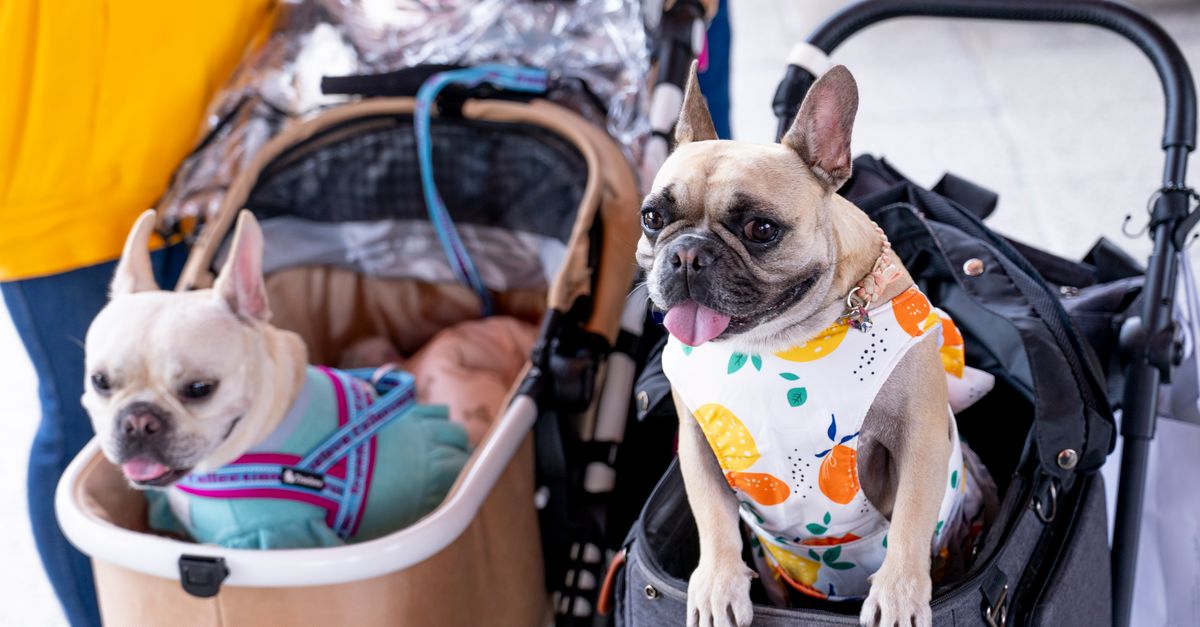
Traveling With Cats: Carrier, Backpack and Litter Gear
Traveling with cats takes more preparation than traveling with most dogs, because many cats find new places stressful. If you're working out how to travel with cats, start with the carrier. For most cats, the best way to travel with a cat is in a secure, well-ventilated carrier they already know. The AVMA's guidance on restraint applies here too: buckle the carrier in so it can't be tossed around during a sudden stop.
- Carrier training: leave the carrier open at home for days or weeks first. Our guide on getting a cat used to its carrier walks through each step.
- Travel cat backpack: good for short walks and city trips. Choose one with mesh ventilation, an internal leash clip and a firm base. A buckled carrier is usually safer in the car.
- Portable litter box: one of the most useful pet travel accessories for cats. A disposable or collapsible box, plus a small bag of litter, makes long drives easier.
- Familiar blanket: a cover that smells like home can help your cat settle.

Example scenario (illustrative)
Jasmine in Denver was driving six hours to see family with her two-year-old cat. Two weeks before, she left the carrier open in the living room with treats inside. On the day, she buckled the carrier into the back seat, packed a disposable litter box and her cat's usual food, and added a travel tag with her sister's address. Her cat stayed calm enough to eat at the first stop.
Hotel and Campsite Gear
Once you arrive, a few extra pet travel accessories keep your pet safe in an unfamiliar room. The ASPCA suggests you check the room for hazards, such as pills dropped by previous guests, before letting your pet explore. A collapsible crate or travel pen gives your pet a safe space when you step out, as long as the hotel allows it.
- Collapsible crate or pen: a familiar safe spot in a new room.
- “Pet inside” door hanger: warns housekeeping before they open the door.
- Lint roller and enzyme cleaner: handles fur and small accidents.
- Long line or tie-out: for campsites, used only under supervision.
If you travel with a big dog, our list of pet-friendly hotels that allow large dogs can help you book ahead.

Common Pet Travel Mistakes
- Buying pet travel accessories the day before. Give your pet time to get used to a new carrier or harness.
- Clipping a tether to a collar. Always attach to a harness.
- Letting pets ride on a lap or in the front seat. The AVMA advises against holding pets in laps.
- Out-of-date ID. Microchip details should list your current cell number.
- Switching food on the road. Pack your pet's usual food to avoid an upset stomach.
- Forgetting paperwork. A missing health certificate can stop a flight.
Pet Travel Accessories: FAQs
What are the most important pet travel accessories?
Start with safety and ID: a crash-tested harness or a well-fitted crate or carrier, an ID tag with your cell number, a registered microchip, plus water, food, medications, a pet first aid kit and copies of your pet’s records.
Do I need a health certificate to travel with my pet in the US?
Often, yes. The AVMA says you need a certificate of veterinary inspection (health certificate) when crossing state lines, issued within 10 days of travel, and most airlines ask for one too. Check your destination state and airline rules before you go.
What size carrier does my pet need for a flight?
The AVMA says an airline crate should let your pet stand without touching the top, turn around and lie down. Small pets may fly in the cabin in an airline-approved carrier, but size limits vary by airline, so check yours first.
Should I sedate my pet for travel?
Not without your vet. The AVMA generally advises against sedating pets for air travel, and some airlines ask for a signed statement that your pet was not sedated. Talk to your vet about safe options for anxiety or motion sickness.
What is the best way to travel with a cat?
For most cats, a secure, well-ventilated carrier they already know is the best way to travel with a cat. Practice short trips at home first, keep the carrier buckled in the car, and bring a small litter box for longer drives.
Is a travel cat backpack safe?
It can be for short walks and city trips if it has good ventilation, an internal leash clip and a sturdy base. For car rides, a buckled-in carrier is usually the safer choice.
Can my dog ride loose in the car?
It isn’t recommended. The AVMA and ASPCA advise restraining pets with a properly fitted harness or a carrier or crate, which helps protect them in a sudden stop and keeps the driver less distracted.
Final Verdict: Choosing Pet Travel Accessories
The best pet travel accessories put safety first: a fitted, ideally crash-tested harness or a secured carrier or crate, up-to-date ID and microchip details, water, food, medications, a first aid kit and copies of health records. Add trip-specific gear from there, such as an airline-approved carrier for flights, a litter box for cats, or a travel pen for hotels. Practice with new gear before you go, and your pet is far more likely to travel calmly.
Your next steps
- Print the 15-item checklist above and tick off what you already own.
- Check the Center for Pet Safety certified list before buying a harness, carrier or crate.
- Browse more gear guides in our pet accessories section.
Share your favorite travel tips with our Facebook community.
About the author — Written and reviewed by the Pets Store Home Editorial Team: pet owners and animal lovers who check every guide against trusted US veterinary and animal-welfare sources. This article is general information, not a substitute for professional veterinary advice. Always talk to your veterinarian about your own pet's health and travel plans.
How we checked this guide: Restraint, identification, health certificate, air-crate and sedation guidance comes from the AVMA's pet travel resources. Car safety, first aid and hotel advice comes from the ASPCA. Crash-test certification details come from the Center for Pet Safety. We don't accept payment for product mentions. We review this article every 12 months, or sooner if guidance changes.
Last reviewed: October 2026.
Sources
- American Veterinary Medical Association (AVMA), Traveling with your pet: road trips (accessed October 2026)
- AVMA, Traveling with your pet FAQ (accessed October 2026)
- ASPCA, Traveling With Your Pets: Dos and Don'ts (accessed October 2026)
- Center for Pet Safety, Certification program (accessed October 2026)
[…] Which foreign pets are legal in Washington State? […]