

Dog Accessories for Travel: 15 Essentials for Safe Trips (2026)
The most important dog accessories for travel are a properly fitted car harness or secured crate, an ID tag with your phone number, collapsible food and water bowls, a leash, poop bags, a first aid kit and copies of your dog’s vaccination records. Add a seat cover, travel bed and any medications. Never leave your dog alone in a parked car, even with the windows cracked.
Whether you’re planning a weekend road trip, a flight or a camping week, the right gear keeps your dog safe, calm and welcome wherever you go. This guide sorts dog travel accessories into must-haves and nice-to-haves, explains what “crash-tested” really means, and shows what to pack for each kind of trip.
Key takeaways
- The AVMA says loose pets in moving vehicles are unsafe; use a well-fitted harness or a secured, properly sized crate.
- Pet restraints have no government safety standard, so “crash-tested” on a label is not the same as independently certified.
- Keep dogs in the back seat, away from airbags, with heads inside the car.
- Pack ID, records, food, water, medications and a first aid kit; flights and some states need a health certificate.
- A parked car can climb from 70°F to 104°F inside in 30 minutes.
In this guide
Dog Accessories for Travel: The Quick Checklist
Use this list of 15 dog accessories for travel as your packing starting point. The “must-have” items cover safety, ID and basic care; the rest, such as dog car accessories and comfort gear, depend on your trip and your dog.
| Accessory | Why it matters | Priority |
|---|---|---|
| Car harness or secured crate | Helps keep your dog from being thrown in a sudden stop or crash | Must-have |
| ID tag and microchip | Helps a lost dog get home | Must-have |
| Leash and spare collar | Control at rest stops and new places | Must-have |
| Collapsible bowls and water | Hydration on the road | Must-have |
| Food for the whole trip | Helps avoid stomach upsets from sudden food changes | Must-have |
| Vaccination records | Needed by vets, kennels and some hotels | Must-have |
| Medications | Refills may be hard to get away from home | Must-have (if used) |
| First aid kit | Handles cuts, ticks and minor injuries | Must-have |
| Poop bags | Clean-up at stops, parks and trails | Must-have |
| Seat cover or hammock | Protects seats from hair, mud and claws | Nice-to-have |
| Travel bed or familiar blanket | Comfort and a familiar smell in new places | Nice-to-have |
| GPS tracker | Extra backup if your dog slips away | Nice-to-have |
| Dog ramp or steps | Easier entry for seniors and small dogs | Nice-to-have |
| Towel and wipes | Muddy paws, spills and car sickness | Nice-to-have |
| Chew toy or puzzle | Keeps a bored dog busy at the hotel | Nice-to-have |
Dog travel accessories vs. general pet travel gear
This guide is dog-specific: restraints sized for dogs, gear for hikes and rest stops, and dog health paperwork. If you’re traveling with a cat or several kinds of pets, our broader guide to pet travel accessories covers carriers and litter gear as well.
Car Safety Accessories for Dogs
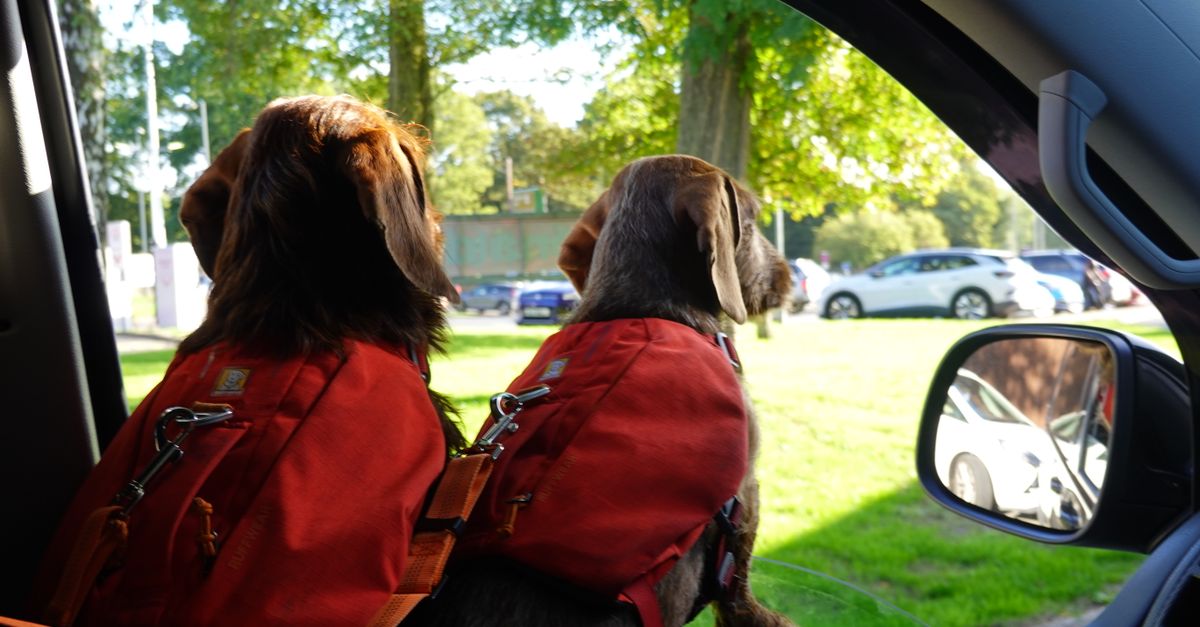
Car safety comes first on any list of dog accessories for travel. The American Veterinary Medical Association’s policy is clear: it is unsafe for pets to be loose inside motor vehicles. It recommends a properly sized enclosure or a properly designed harness, and warns that riding loose or tethered in an open truck bed is not safe.
Your main options for car travel are below. The first two are the dog restraint types the AVMA describes; the rest add comfort and convenience:
- Car harness: a padded harness that clips to the seat belt or a tether. Fit it snugly and keep the tether short so your dog can sit and lie down but can’t reach the front seats.
- Crate or kennel: a sturdy crate strapped down in the cargo area or back seat. It should be just big enough for your dog to stand, turn and lie down.
- Booster seat or carrier: for small dogs, a secured booster or carrier keeps them contained and lets them see out.
- Seat cover or hammock and a cargo liner: not safety gear, but they protect seats and make clean-up easier.
- Ramp or steps: helpful for senior dogs, small breeds and dogs with joint or back problems.
What does “crash-tested” really mean?
Consumer Reports notes that pet restraints have no government or industry safety standard, so a “crash-tested” label alone doesn’t prove much. The nonprofit Center for Pet Safety has crash-tested harnesses, crates and carriers with dog-shaped crash dummies, using a protocol based on the federal standard for child safety seats, and only a handful of products earned certification. When you shop, look for independent certification rather than marketing claims.
Pet Care Tip: Seat your dog in the back. The AVMA warns that airbags can injure pets in the front seat, and that dogs riding with heads out of the window risk injury from debris or being thrown from the vehicle.
Food, Water and Comfort on the Road
Comfort-focused dog accessories for travel keep long drives calm. Pack collapsible or spill-proof bowls, a travel water bottle and enough of your dog’s usual food for the whole trip, since a sudden change of diet can upset the stomach. The AVMA’s travel checklist suggests offering small amounts of food and water and stopping about every two hours for exercise and bathroom breaks.
A familiar blanket or travel bed helps your dog settle in hotels and rentals. Bring a favorite chew or puzzle toy too; a busy dog may be less likely to bark or chew when left briefly in a new room.
If your dog gets carsick, a few small changes often help. The American Kennel Club notes that puppies are especially prone because their balance systems aren’t fully developed. It suggests seating your dog facing forward in the middle of the back seat, lowering the windows a few inches, and skipping food for about 12 hours before the trip while keeping water available. Ask your vet about anti-nausea medication for dogs that still struggle.
ID, Health and Safety Gear
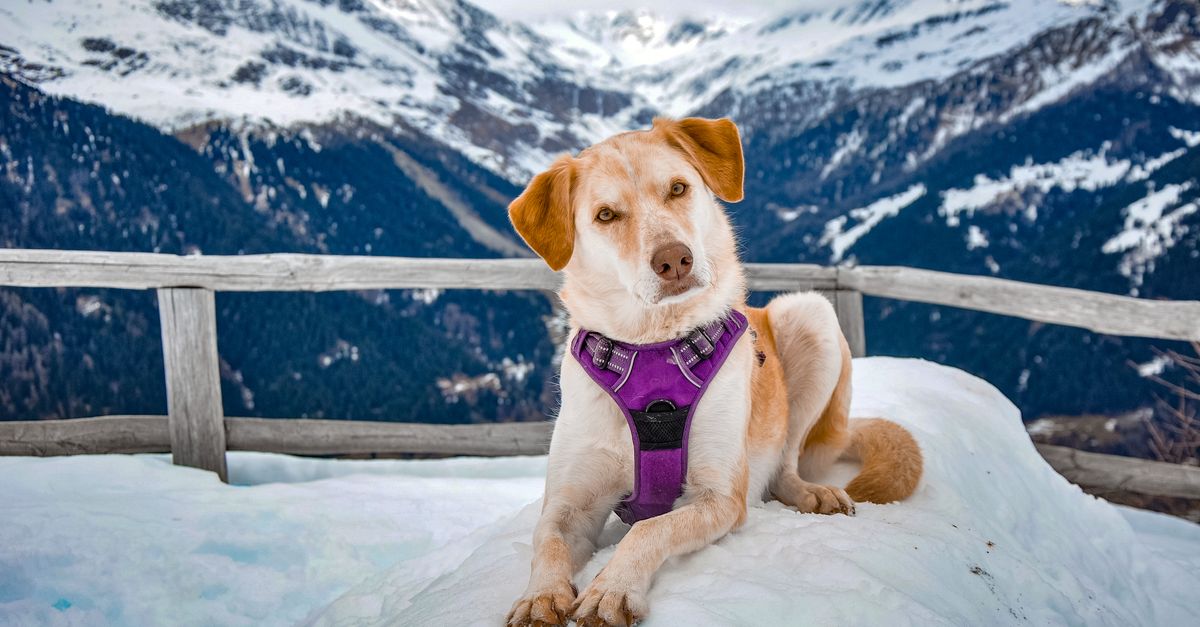
Some of the most overlooked dog accessories for travel are paperwork and ID. The AVMA’s pet travel checklist puts them near the top. It recommends a collar with an ID tag, a microchip, a recent photo of your dog, proof of vaccination (especially rabies), any medications, a first aid kit, and contact details for your vet, a poison control hotline and a 24-hour emergency hospital at your destination. A travel tag with your temporary address is a smart extra.
- Paperwork: the AVMA notes that a Certificate of Veterinary Inspection is needed to fly or to travel to another state or country, issued within 10 days of travel. Rules vary by airline and state, so check them before you book.
- First aid kit: gauze, self-adhesive wrap, tweezers or a tick remover, saline and your vet’s number.
- Poison control numbers: save the ASPCA Animal Poison Control Center, (888) 426-4435, and the Pet Poison Helpline, (855) 764-7661. A consultation fee may apply.
- GPS tracker: a useful backup to tags and a microchip in unfamiliar places. Our guide to pet wearable health trackers compares the options.
Never leave your dog in a parked car
No accessory makes a parked car safe in warm weather. Figures shared by the AVMA show how fast a closed car heats up, and the AVMA notes that cracking the windows makes very little difference:
| Outside temperature | Inside after 10 min | Inside after 30 min |
|---|---|---|
| 70°F (21°C) | 89°F (32°C) | 104°F (40°C) |
| 80°F (27°C) | 99°F (37°C) | 114°F (46°C) |
| 90°F (32°C) | 109°F (43°C) | 124°F (51°C) |
Source: AVMA, Pets in Vehicles (data from Jan Null, CCM, San Francisco State University). Plan stops where your dog can come with you, or travel with another adult.
Example Scenario (illustrative)
Priya in Nashville, Tennessee, planned a four-day drive to the Blue Ridge Mountains with her two-year-old Lab mix. She made a list of dog accessories for travel a week ahead: a car harness clipped to the rear seat belt, a hammock seat cover, collapsible bowls, a gallon of water, his usual kibble, a first aid kit and a copy of his rabies certificate.
She also saved the address of an emergency vet near each overnight stop. When he cut a pad on a rocky trail, the first aid kit covered the wound until a quick vet check that evening.
Dog Accessories for Travel by Trip Type
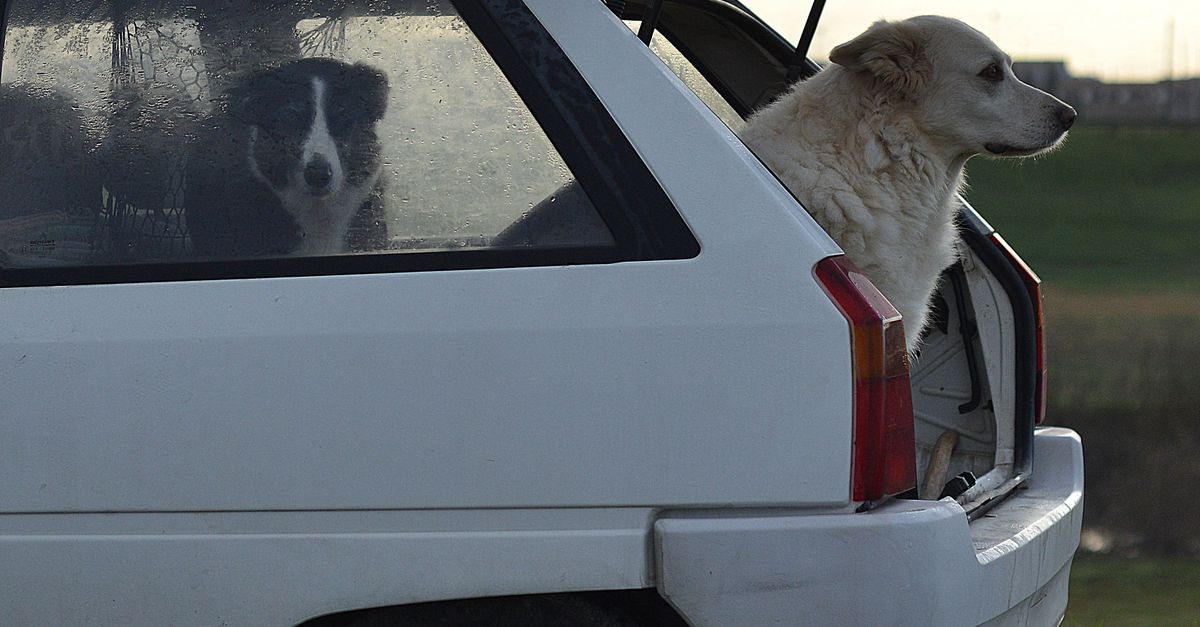
Not every trip needs the same kit. Use this table to adjust your dog accessories for travel to the journey:
| Trip type | Add these to the basics |
|---|---|
| Road trip | Car harness or strapped-down crate, seat cover, extra water, towel, ramp for seniors |
| Flight | Airline-approved carrier or crate, health certificate, absorbent pad, “Live Animals” label for cargo |
| Hiking or camping | Trail harness, collapsible bowl, paw protection, tick remover, reflective gear, travel bed |
| Hotel or rental stay | Familiar blanket, chew toy, travel crate, lint roller |
| Crossing a border | Microchip, records and the CDC Dog Import Form receipt for re-entry to the U.S. |
For flights, the AVMA advises a crate in which your dog can stand, sit, turn and lie down, with a secure latch, no sharp edges inside, good ventilation and a leak-proof bottom. It also says not to give tranquilizers unless your vet recommends them. Short-nosed breeds may have trouble flying, so talk to your vet first.
Driving to Canada or Mexico? The CDC requires dogs entering the U.S. to be at least 6 months old, microchipped and accompanied by a CDC Dog Import Form receipt, even for U.S. dogs returning home by car. Check the CDC site before you leave, as requirements depend on where your dog has been.
Common Mistakes to Avoid
- Using a walking harness as a car restraint: everyday walking harnesses aren’t necessarily built for crash forces.
- Letting the tether be too long: a long tether can let a dog fall into the footwell or reach the driver.
- Trying new gear on travel day: the AVMA advises getting your dog used to its crate and harness well before the trip.
- Forgetting paperwork: a missing rabies certificate may mean a refused flight or kennel check-in.
- Using a retractable leash at busy stops: a fixed-length leash gives better control. See our look at retractable leash injuries.
Dog Accessories for Travel FAQs
What are the most important dog accessories for travel?
A car harness or secured crate, an ID tag and microchip, a leash, collapsible bowls, water, your dog’s usual food, poop bags, a first aid kit, medications and vaccination records.
Is it safe for my dog to ride loose in the car?
No. The AVMA says it is unsafe for pets to be loose inside moving vehicles. Use a well-fitted car harness or a secured, properly sized crate.
Where should my dog sit in the car?
In the back seat or a secured cargo area, never on the driver’s lap or in a front seat with an airbag. Keep your dog’s head inside the car.
Does my dog need a health certificate to travel?
Often, yes, for flights and some interstate or international trips. The AVMA notes a Certificate of Veterinary Inspection is typically issued within 10 days of travel. Check your airline and destination rules.
How often should I stop on a road trip with my dog?
About every two hours, according to the AVMA, so your dog can drink, stretch and relieve itself.
How can I stop my dog from getting carsick?
Seat your dog facing forward in the back, crack the windows, and skip food for about 12 hours before the trip while offering water. Ask your vet about medication if it continues.
Final Verdict: Choosing Dog Accessories for Travel
The best dog accessories for travel are the ones that keep your dog secure, identified and comfortable. Start with a well-fitted harness or secured crate, ID and records, food, water and a first aid kit, then add comfort gear for your trip type. Practice with new gear before you go, stop every couple of hours, and never leave your dog in a parked car.
Your next steps
- Print the 15-item checklist above and tick it off a week before your trip.
- Test your dog’s car harness or crate on short drives around town.
- Browse more gear guides in our pet accessories section, including our picks of functional dog accessories.
Got a favorite road-trip tip? Share it with other pet parents on our Facebook community.
About the author — Written and reviewed by the Pets Store Home Editorial Team: pet owners and animal lovers who check every guide against trusted US veterinary and animal-welfare sources. This article is general information, not a substitute for professional veterinary advice. Always talk to your veterinarian about your own pet’s health.
How we checked this guide: Restraint, packing and air travel guidance come from the American Veterinary Medical Association’s policy, pet travel checklist and Pets in Vehicles page. Crash-test information comes from Consumer Reports, car sickness advice from the American Kennel Club, and border rules from the CDC. We review this article every 12 months, or sooner if guidance changes.
Last reviewed: October 2026.
Sources
- AVMA, Safe Non-Commercial Transport of Pets in Motor Vehicles (accessed October 2026)
- AVMA, Traveling With Your Pet (client brochure) (accessed October 2026)
- AVMA, Pets in Vehicles (accessed October 2026)
- Consumer Reports, How to Keep Pets Safe in the Car (accessed October 2026)
- American Kennel Club, Car Sickness in Dogs (accessed October 2026)
- CDC, Frequently Asked Questions on Dog Importations (accessed October 2026)
[…] Which foreign pets are legal in Washington State? […]