
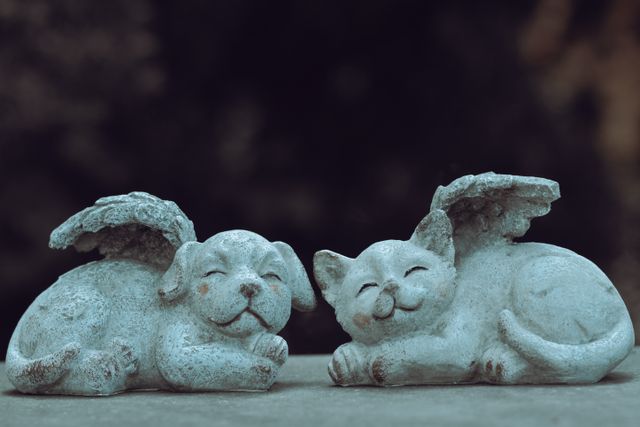
Choosing a pet urn starts with three checks: enough interior space for all of the ashes, a material that suits where the urn will sit, and a look that reminds you of your dog or cat. Get the capacity right first, then pick the material, then decide how personal you want the memorial to be.
Few decisions feel heavier than this one, and it often lands in the same week you say goodbye. This guide keeps it practical. It covers sizing by weight, the main materials, cremation basics, custom portrait urns and what to confirm with the seller before you pay.
Key takeaways
- Size comes first. A common guideline is about 1 cubic inch of urn space per pound of body weight, plus a little extra room (Animal Aftercare).
- Only private cremation returns your own pet’s ashes; with communal cremation, ashes are not returned (Lap of Love).
- Wood, ceramic, metal, resin and biodegradable urns differ in weight, care and where they can be kept.
- Hand-painted portrait urns take longer to make, so confirm the timeline before you order.
- Ask about interior capacity, the closure, previews and damage policies in writing.
In this guide
- How to Choose a Pet Urn: The Short Answer
- What Size Pet Urn Do You Need?
- Pet Urn Materials Compared
- Classic Design or Custom Portrait?
- Inside the Hand-Painted Portrait Process
- Matching the Portrait to Your Dog or Cat
- Your Pre-Order Checklist
- Sizing and Ordering Mistakes to Avoid
- Giving the Urn a Place at Home
- Pet Urn FAQs
- Final Verdict
How to Choose a Pet Urn: The Short Answer
If you only read one part of this guide, read this table. It puts the four decisions in the order that saves the most time and the fewest regrets.
| Decision | What to check | Why it matters |
|---|---|---|
| 1. Capacity | Interior volume in cubic inches, not outside height | A tall urn with thick walls can still be too small |
| 2. Closure | Sealed, screw-top, or opening base | Decides whether you can add, divide or scatter ashes later |
| 3. Material | Wood, ceramic, metal, resin, biodegradable | Affects weight, breakage risk, cleaning and indoor or outdoor use |
| 4. Personal touch | Name, dates, engraving or a custom portrait | Custom work adds time, so plan around any family gathering |
Many families find the order matters as much as the choices. A beautiful pet urn that cannot hold the ashes creates a second, painful decision a few weeks later.
What Size Pet Urn Do You Need?
Once the short answer is clear, sizing is where most mistakes happen. A guideline many aftercare providers use is roughly 1 cubic inch of interior space for each pound of your pet’s weight, with about 10 extra cubic inches for comfort and small mementos, according to Animal Aftercare.
| Pet weight | Suggested pet urn capacity | Typical example |
|---|---|---|
| 10 lbs (4.5 kg) | About 20 cubic inches | Many adult cats, toy dog breeds |
| 20 lbs (9 kg) | About 30 cubic inches | Large cats, small terriers |
| 30 lbs (13.6 kg) | About 40 cubic inches | Beagle-sized dogs |
| 50 lbs (22.7 kg) | About 60 cubic inches | Medium dogs such as a Border Collie |
| 100 lbs (45 kg) | About 110 cubic inches | Large dogs such as a Mastiff mix |
Capacity figures follow the Animal Aftercare guideline. Examples are illustrative; weigh your own pet or use their last vet record.
Treat the table as a starting point, not a promise. Bone density and the cremation process can change how much remains come back. The most reliable number comes from your crematory, so ask them for the volume of your pet’s remains.
What if the ashes come in a sealed bag?
Depending on the provider, ashes may come back in a temporary container, often with a sealed inner bag. Measure that bag as well as the volume. A pet urn with a narrow neck may hold enough in theory but still be too tight for the bag to pass through.
Pet Care Tip: If your pet sits between two sizes, choose the larger urn. A little empty space is easier to live with than ashes that do not fit.
Private, communal or water-based cremation?
Your cremation choice decides whether you need an urn at all. With private cremation, your pet is cremated alone and the ashes come back to you. With communal cremation, several pets are cremated together and, as Lap of Love puts it, “ashes are not returned to families.”
| Option | Ashes returned? | Typical US cost (prices vary) |
|---|---|---|
| Communal cremation | Generally no | About $50 to $200, depending on pet size |
| Private cremation | Yes | About $150 to $450, urn usually extra |
| Aquamation (water-based) | Yes, where offered | Basic packages may start under $100; not available in every state |
Cost ranges from PetMD, written by Leslie Gillette, DVM. Private remains typically return to the clinic in 1 to 2 weeks.
Pet Urn Materials Compared
With the size settled, material is the next pet urn decision. Each option has a different weight, look and level of care.
| Material | Best for | Watch out for |
|---|---|---|
| Wood | A warm, simple look; nameplates and photo frames | Humidity and spills; grain and color vary by piece |
| Ceramic | Painted patterns and glazed finishes | Breakable; needs a stable indoor shelf |
| Metal | Sturdy everyday display; engraving | Not automatically waterproof or burial-safe |
| Resin or composite | Sculpted shapes and raised portraits | Finish quality depends on the maker |
| Biodegradable | Burial or water ceremonies | Not made for years on a shelf |
Wood suits families who want something quiet and understated. Ceramic offers color and texture but needs a safe spot away from busy hallways. Metal handles daily life well, yet its lid design still matters. Resin and composite blends allow sculpted ears, paws and faces that are hard to achieve in metal.
Biodegradable urns belong in the ground or water, so check local rules first; PetMD advises checking local ordinances and HOA restrictions before any home burial.

Classic Design or Custom Portrait?
Classic urns lean on clean lines, soft neutral tones and perhaps an engraved name. Because they are made in advance, they tend to arrive sooner and sit quietly in most rooms. Custom urns go further, showing coat colors, dates or a likeness of one particular animal.
Some makers of personalized pet urns paint the likeness from your own photos instead of using a stock breed image. One approach is not more loving than the other; the right pick is simply the one you will be glad to see every day.
That choice matters because grief does not end at the vet clinic. As AVMA News notes, quoting the association’s client brochure, “an owner’s attachment to an animal extends beyond death.”
Inside the Hand-Painted Portrait Process
With a hand-painted piece, a person paints your pet rather than a machine printing a picture. Some studios go a step further and model ears, paws or a muzzle in raised form before any paint goes on.
Gather a few good photos
Two or three sharp images usually give an artist enough to work from: a head-on shot, a profile, and a close-up of anything unusual. Pictures taken near a window often show coat color more truthfully than edited ones, and everyday phone snaps work well.
Flag the features you treasure
Maybe it was the soft look in their eyes, a crooked blaze, or one ear that never stood up. Tell the artist which of these to prioritize, and say up front if you would rather skip names and dates.
Expect small handmade differences
No two handmade pieces come out identical, and a little variation in brushwork is part of the charm. Look through the studio’s finished work first so the style matches what you have in mind.
FurMemor, for example, sculpts and paints each dog or cat urn by hand from a ceramic-and-resin composite. To see finished pieces before deciding, visit FurMemor’s handmade pet memorial gallery.
Agree on a delivery date
A custom piece needs more lead time than an off-the-shelf pet urn. Find out when the clock starts, how many weeks the artwork usually takes, and whether you get a preview photo. Mention any memorial date before you pay.
Matching the Portrait to Your Dog or Cat
Whatever the label says, every urn is judged the same way: by how much it holds and how well the artwork captures your animal.
For dogs
Even littermates can look quite different, and a mixed-breed dog may match no breed drawing at all. Choose photos that capture coat shade, ear set and the face your family pictures first.
For cats
A cat’s likeness often lives in tiny marks, such as a freckle by the lip or a lopsided bib of white fur. For fluffy cats, add a full-length shot so the artist can see the coat’s shape, not just the face.

Your Pre-Order Checklist
Run through this list with the seller in writing. Once a handmade piece is underway, changes are usually hard or impossible.
Measure-before-you-buy checklist
- Exact usable volume, stated in cubic inches
- Volume of your pet’s remains, from the crematory
- Width of the opening versus the sealed bag
- Type of closure and whether it can be resealed
- Which features can be customized, and photo requirements
- Whether a preview photo and any revision are included
- Breakage cover in transit and the refund terms for custom orders
When the ashes come back: Inspect the urn or container when ashes come back from the crematory. The AAFP end-of-life toolkit advises clinics to check that remains are correctly identified before they are returned to owners.
Sizing and Ordering Mistakes to Avoid
| Mistake | Why it happens | How to avoid it |
|---|---|---|
| Buying by height | Photos make urns look roomy | Ask for interior cubic inches |
| Assuming waterproof | Metal looks tough | Confirm outdoor or burial use in writing |
| Ordering custom work last minute | Grief compresses time | Ask about production time first |
| Sending one blurry photo | It was the only favorite shot | Add side views and close-ups |
Giving the Urn a Place at Home
A whole room is rarely needed; a steady shelf, mantel or side table is plenty. Some families add a favorite photo, a collar, a clay paw print or a few flowers, much like the ideas in our guide to pet memorial garden ideas.
Keep the urn away from table edges, curious pets and small children, especially if it is ceramic or has sculpted details. Clean it with a soft, dry cloth unless the maker says otherwise, and avoid soaking painted or composite finishes.
Example Scenario (illustrative)
Rebecca’s 52-pound shepherd mix, Maple, was privately cremated. Before ordering a pet urn, she asked the crematory how much space the ashes needed, chose a 70-cubic-inch urn with a screw-top base, and sent three daylight photos showing Maple’s one floppy ear.

Pet Urn FAQs
How big should a pet urn be for my dog?
A common starting point is about 1 cubic inch of interior space per pound of your dog’s healthy body weight, plus a little extra room. A 50-pound dog would usually need an urn of around 60 cubic inches. Ask your crematory for the actual volume before you order.
Does private cremation include the urn?
Not always. According to PetMD, a private cremation price usually leaves out the urn, so many families buy one separately. Ask your vet clinic or crematory what container the ashes come back in.
How long does it take to get my pet’s ashes back?
After a private cremation, remains typically come back to the vet clinic in about 1 to 2 weeks, according to PetMD. Timing varies by provider and season, so ask when you book.
Can I bury a pet urn in my yard?
Possibly, but rules differ by state, county and homeowners association. PetMD advises checking local ordinances and HOA rules first. Then pick an urn the maker says is suitable for burial, such as a biodegradable one.
What is aquamation?
Aquamation, or alkaline hydrolysis, relies on water and an alkaline solution rather than flame. AVMA News calls it a greener option than flame cremation, and availability varies by state.
Do I need an urn if I choose communal cremation?
Usually not. With communal cremation, several pets are cremated together, so families do not get any ashes back to place in an urn. Choose private cremation if you want to keep the ashes.
Final Verdict
A pet urn should do two things well: hold every bit of your companion’s ashes safely and feel like them. Confirm the capacity with your crematory, choose a material that suits where it will sit, and allow extra time for any custom portrait.
Grief after losing a pet is real. If you need to talk, the Cornell University Pet Loss Support Hotline (607-218-7457) is staffed by trained veterinary student volunteers; hours vary by season. AVMA News also notes that vets are often an owner’s main source of aftercare information, so your clinic is a good place to start.
Your next steps
- Browse more remembrance guides in our Pets section.
- Explore wearable keepsakes in pet ashes keepsake ideas.
- Plan a living tribute with memorial plants for pets.
Share your pet’s story with other pet parents in our Facebook community.
About the author: Written with FurMemor and reviewed by the Pets Store Home Editorial Team: pet owners and animal lovers who check every guide against trusted US veterinary and animal-welfare sources. This article is general information, not a substitute for professional veterinary advice.
How we checked this guide: cremation types and costs from PetMD (Leslie Gillette, DVM) and Lap of Love (reviewed by Dr. Jason Doll); sizing from Animal Aftercare; aftercare practice from the AVMA and the AAFP end-of-life toolkit. We review this article every 12 months, or sooner if guidance changes.
Last reviewed: November 2026.
Sources
- PetMD: Deceased Pet Care, Burial and Cremation Options (accessed November 2026)
- Lap of Love: Private vs Communal Cremation (accessed November 2026)
- Animal Aftercare: What Size Urn Do I Need for My Dog? (accessed November 2026)
- AVMA News: A veterinarian’s role in pet after-death care (accessed November 2026)
- AAFP Cat Friendly: End-of-Life Toolkit, Final Arrangements (accessed November 2026)
- Cornell University: Pet Loss Support Hotline (accessed November 2026)
[…] Which foreign pets are legal in Washington State? […]