
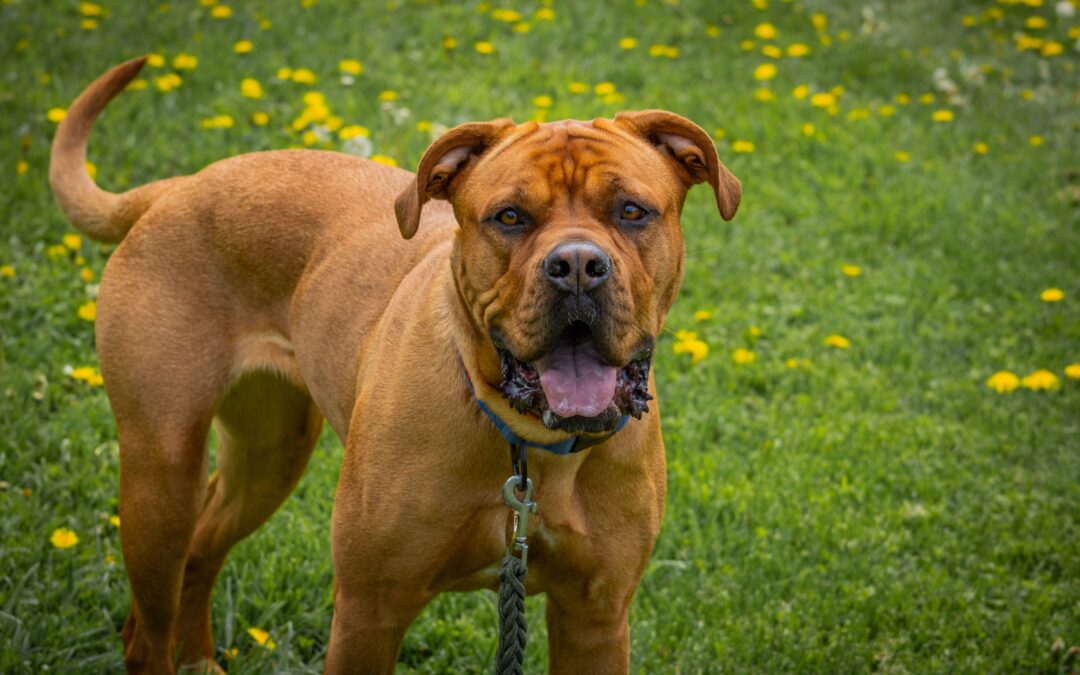
Scary Dogs: 12 Intimidating Breeds With Surprisingly Gentle Hearts (2026)
Scary dogs are usually breeds that look intimidating because of their size, muscle, heavy heads or unusual coats, such as the Cane Corso, Neapolitan Mastiff and Doberman Pinscher. Looks do not equal danger. The AKC describes most of these breeds as loyal or affectionate with family, and the AVMA notes that any dog can bite, whatever its breed.
This guide to scary dogs profiles 12 tough-looking breeds using AKC data and shows the body-language signs that tell you when any dog, big or small, wants space.
Key takeaways
- “Scary” usually describes a dog’s look, not its temperament.
- The AVMA says any dog can bite, regardless of breed.
- The AKC describes most breeds on this list as loyal, calm or affectionate.
- A stiff body, tucked tail and growling are clearer warnings than size.
- Always ask the owner before you pet any dog.
In this guide
Scary Dogs: The Short Answer
What makes scary dogs look so intimidating? It mostly comes down to size, shape and how little we know about the individual dog.
| Question | Quick answer |
|---|---|
| What makes a dog look scary? | Large size, a broad head, dark coat, deep bark or a hard stare |
| Are scary-looking dogs dangerous? | Not by default; the AVMA says any dog can bite |
| Which breeds come up most? | In our experience: mastiffs, Cane Corso, Doberman, Rottweiler, Boerboel |
| What predicts a bite better? | Body language, socialization and supervision |
| Best first step around any dog | Ask the owner before you approach (AKC) |
Sources: AKC breed pages and safety guidance; AVMA, accessed November 2026.

Why Some Dogs Look Scary
In our experience, people label scary dogs by a handful of features: height, a heavy head, a dark or mask-like face, a deep bark and a still, watchful stare. Many guardian breeds were developed to deter intruders just by being there, so looking imposing was part of the job. That does not tell you how a particular dog will behave.
As general advice, judge the dog in front of you, not its breed label.
12 Scary Dogs With Gentle Hearts
These big scary dogs often top “scariest dog” searches, yet each has a softer side. Sizes and temperament words come from each breed’s AKC page; the descriptions are our own.
Cane Corso
A muscular Italian guardian with a broad head and a deep, steady stare. Its size and stillness can unsettle strangers, but the AKC describes it as affectionate with its own people. AKC size: 25 to 27.5 in (male), 23.5 to 26 in (female); weight in proportion to height (AKC).
Neapolitan Mastiff
Heavy folds of loose skin and a huge head give the “Neo” a look straight out of a movie. In our experience, it is usually calm indoors and devoted to family. AKC size: 26 to 31 in (male), 24 to 29 in (female); about 150 lb (male), 110 lb (female) (AKC).
Doberman Pinscher
Sleek, dark and alert, the Doberman has a reputation as a guard dog. The AKC lists it as good with children, and in our experience many are cuddly at home. AKC size: 26 to 28 in (male), 24 to 26 in (female); 75 to 100 lb (male), 60 to 90 lb (female) (AKC).
Bullmastiff
A black-masked heavyweight traditionally kept as an estate guardian. In our experience, most Bullmastiffs are quiet couch-lovers who save their presence for strangers at the door. AKC size: 25 to 27 in (male), 24 to 26 in (female); 110 to 130 lb (male), 100 to 120 lb (female) (AKC).
Tibetan Mastiff
A thick, lion-like mane makes this Himalayan guardian look enormous. The AKC describes it as reserved, so early socialization matters. AKC size: at least 26 in (male), 24 in (female); 90 to 150 lb (male), 70 to 120 lb (female) (AKC).
Dogo Argentino
An all-white, powerfully built hunting dog from Argentina. Its muscle and focus look intimidating, but the AKC calls it loyal to its family. AKC size: 24 to 26.5 in (male), 24 to 25.5 in (female); 80 to 100 lb (AKC).

Great Dane
Its sheer height makes the Great Dane scary at first sight, yet the AKC’s own temperament words are patient, dependable and friendly. AKC size: 30 to 32 in (male), 28 to 30 in (female); 140 to 175 lb (male), 110 to 140 lb (female) (AKC).
Boerboel
A South African farm guardian with a blocky head and massive frame. In our experience, it needs a confident, experienced owner and plenty of early training. AKC size: 24 to 27 in (male), 22 to 25 in (female); 150 to 200 lb (AKC).
Black Russian Terrier
A shaggy black coat and bearded face make this Russian working dog look like a bear. The AKC describes it as calm and intelligent. AKC size: 27 to 30 in (male), 26 to 29 in (female); 80 to 130 lb (AKC).
Rottweiler
Black-and-tan markings and a powerful build give the Rottie a tough image. The AKC notes it can be playful and even silly with its family. AKC size: 24 to 27 in (male), 22 to 25 in (female); 95 to 135 lb (male), 80 to 100 lb (female) (AKC).
Komondor
Long white cords that cover its face make the Komondor look mysterious. As a traditional Hungarian flock guardian, it is, in our experience, naturally watchful. AKC size: at least 27.5 in (male), at least 25.5 in (female); 100 lb or more (male), 80 lb or more (female) (AKC).
Xoloitzcuintli
The hairless Xolo of Mexico looks unusual rather than fierce, which lands it on many “scary-looking” lists. The AKC calls it loyal, alert and calm. AKC size: 18 to 23 in (standard); 30 to 55 lb (standard) (AKC).

Scary Dog Breeds at a Glance
Use this table to compare these scary dogs on size and lifespan. As the table shows, the heaviest breeds here tend to have the shortest life expectancies, so plan for that.
| Breed | Height (AKC) | Weight (AKC) | Life expectancy | AKC temperament |
|---|---|---|---|---|
| Cane Corso | 25 to 27.5 in (male), 23.5 to 26 in (female) | Weight in proportion to height | 9 to 12 years | Affectionate, intelligent, majestic |
| Neapolitan Mastiff | 26 to 31 in (male), 24 to 29 in (female) | About 150 lb (male), 110 lb (female) | 7 to 9 years | Loyal, dignified, watchful |
| Doberman Pinscher | 26 to 28 in (male), 24 to 26 in (female) | 75 to 100 lb (male), 60 to 90 lb (female) | 10 to 12 years | Fearless, alert, loyal |
| Bullmastiff | 25 to 27 in (male), 24 to 26 in (female) | 110 to 130 lb (male), 100 to 120 lb (female) | 7 to 9 years | Affectionate, loyal, brave |
| Tibetan Mastiff | At least 26 in (male), 24 in (female) | 90 to 150 lb (male), 70 to 120 lb (female) | 10 to 12 years | Independent, reserved, intelligent |
| Dogo Argentino | 24 to 26.5 in (male), 24 to 25.5 in (female) | 80 to 100 lb | 9 to 15 years | Loyal, courageous, athletic |
| Great Dane | 30 to 32 in (male), 28 to 30 in (female) | 140 to 175 lb (male), 110 to 140 lb (female) | 7 to 10 years | Patient, dependable, friendly |
| Boerboel | 24 to 27 in (male), 22 to 25 in (female) | 150 to 200 lb | 9 to 11 years | Confident, intelligent, calm |
| Black Russian Terrier | 27 to 30 in (male), 26 to 29 in (female) | 80 to 130 lb | 10 to 12 years | Intelligent, calm, powerful |
| Rottweiler | 24 to 27 in (male), 22 to 25 in (female) | 95 to 135 lb (male), 80 to 100 lb (female) | 9 to 10 years | Loyal, loving, confident guardian |
| Komondor | At least 27.5 in (male), at least 25.5 in (female) | 100 lb or more (male), 80 lb or more (female) | 10 to 12 years | Loyal, dignified, brave |
| Xoloitzcuintli | 18 to 23 in (standard) | 30 to 55 lb (standard) | 13 to 18 years | Loyal, alert, calm |
Source: AKC breed pages, accessed November 2026.
Scary Dogs and Body Language: Real Warning Signs
With scary dogs and small dogs alike, size is a poor guide, but body language is a good one. The AKC lists backing away, a tucked tail, a stiff body, lip licking and growling as signs a dog wants space, and notes that a dog rarely bites without warning.
Elisabeth Giedt, DVM, of Oklahoma State University, adds yawning, ears pulled back and a raised paw as early signs of worry.
| Sign | What it may mean | What to do |
|---|---|---|
| Yawning, lip licking, ears back | Mild worry | Give the dog more space |
| Tucked tail, turning away | Fear | Stop approaching and look away |
| Stiff body, hard stare | Feeling threatened | Stand still and calmly back off |
| Growling, snapping | Clear warning | Leave the dog alone right away |
Sources: AKC GoodDog! Helpline Team; Oklahoma State University Veterinary Medical Hospital.
When to call the vet: As general advice, if a dog bites and breaks the skin, wash the wound with soap and water and contact a doctor. If your own dog bites or shows sudden aggression, talk to your veterinarian, as pain or illness can be a cause.
How to Stay Safe Around Any Dog
The AKC, citing the AVMA, reports that about 4.5 million people in the US are bitten by dogs each year, and that children are the most likely to be bitten.
The AKC advises asking the owner before petting, letting the dog sniff a closed hand, and never leaving young children alone with a dog. If an unattended dog comes up to you, stand still, fold your arms and look away rather than running.

Owning an Intimidating Breed Responsibly
Scary dogs from big guardian breeds can make wonderful companions, but they are not beginner dogs. As general advice, start puppy socialization early, use reward-based training, and keep your dog on a leash in public. Check your city, county and state rules, plus your lease and home insurance, because some restrict certain breeds.
Before you bring home a big guardian breed
- Meet adult dogs of the breed, not just puppies.
- Ask breeders for hip, elbow, heart and eye results on the parents.
- Budget for large-breed food, vet care and training classes.
- Confirm local rules, your lease and your insurance.
- Plan daily exercise and mental work for life.
| Common mistake | Why it matters | Better approach |
|---|---|---|
| Judging a dog by its breed | The AVMA says any dog can bite | Read the individual dog’s body language |
| Petting without asking | Strange dogs may feel threatened | Ask the owner first (AKC) |
| Skipping early socialization | In our experience, guardian breeds can grow wary of strangers | Start puppy classes early |
| Leaving kids alone with dogs | The AKC says children are the most likely to be bitten | Always supervise |
Example Scenario (illustrative)
Darnell in Raleigh used to cross the street when he saw big scary dogs. A neighbor introduced him to her Great Dane, Juno, and showed him how to wait for the dog to sniff his hand. Learning to read a loose, wiggly body versus a stiff one helped him feel calmer around dogs of every size.
Scary Dogs FAQs
What is the scariest dog?
No breed is scary by nature. Breeds such as the Neapolitan Mastiff, Cane Corso and Boerboel often look intimidating because of their size and heads, but the AKC describes most of them as loyal or affectionate with family.
Are scary-looking dogs more dangerous?
Not necessarily. The AVMA says “any dog can bite, regardless of its breed,” and that factors like supervision and socialization matter more than looks.
What big scary dogs are good with families?
The Great Dane, Bullmastiff and Doberman Pinscher can suit families. The AKC lists the Doberman as good with children and the others as better with supervision.
How can I tell if a dog is about to bite?
Watch for a stiff body, a tucked tail, lip licking, staring or growling. The AKC says a dog rarely bites without warning.
What should I do if a big dog approaches me?
Stand still, stay quiet, fold your arms and look away, as the AKC advises. Do not run, yell or strike out.
How many dog bites happen each year in the US?
The AVMA estimates about 4.5 million people are bitten by dogs each year, and children are the most likely to be bitten.
Final Verdict
Scary dogs are mostly a matter of appearance. Breeds like the Cane Corso, Neapolitan Mastiff and Doberman look imposing, but the AKC describes them as loyal, affectionate or calm with family. Judge every dog by its body language, ask before you approach, and choose a big breed only if you can train and socialize it well.
Your next steps
- Learn the warning signs in the table above and share them with your kids.
- Read our guides to the biggest dog breeds in the world, the Black Russian Terrier and the Tibetan Mastiff puppy price.
- Explore more in our Dogs section and Pets hub.
Share your gentle giant on the Pets Store Home Facebook page.
About the author: Written and reviewed by the Pets Store Home Editorial Team: pet owners and animal lovers who check every guide against trusted US veterinary and animal-welfare sources. This article is general information, not a substitute for professional veterinary advice. Always talk to your veterinarian about your own pet’s health.
How we checked this guide: Breed sizes, lifespans and temperament words come from each breed’s AKC page. Bite statistics and safety advice come from the AKC GoodDog! Helpline Team and the AVMA, and body-language signs from Oklahoma State University’s veterinary hospital. Breed descriptions are our own. We review this article every 12 months.
Last reviewed: November 2026.
Sources
- AKC: Dog breed pages for all 12 breeds listed (accessed November 2026)
- AKC: Safety Around Dogs, National Bite Prevention Week (accessed November 2026)
- Oklahoma State University: Dog Bite Prevention (Elisabeth Giedt, DVM)
- AVMA: Why breed-specific legislation is not the answer (accessed November 2026)
[…] Which foreign pets are legal in Washington State? […]