
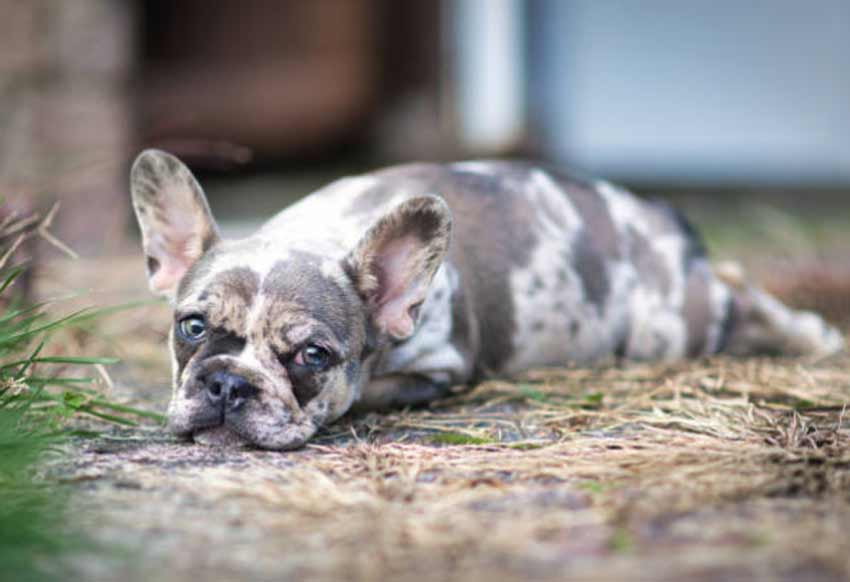
Quick Answer: A full-grown Blue Merle French Bulldog typically reaches about 16-28 pounds and 11-13 inches tall like other Frenchies, with the merle gene producing a distinctive mottled blue-gray coat pattern that’s controversial in the breed due to associated health risks.
Key Takeaways
- Size matches standard French Bulldogs regardless of merle coloring.
- The merle gene creates a mottled, blue-gray patched coat.
- Merle French Bulldogs are not recognized by major kennel clubs and are considered controversial.
- Merle-to-merle breeding raises the risk of health issues like deafness and eye problems.
- Choose breeders who health-test and avoid double-merle breeding.
Why Trust This Guide?
This guide is researched and written by the Pets Store Home editorial team, drawing on general breed and animal-care information. It’s intended as general information; consult a veterinarian or reputable breeder for advice specific to your pet.
Introduction to Blue Merle French Bulldogs
French Bulldogs with blue merle coats are an uncommon and distinctive color variation of the breed. These dogs have an eye-catching coat with a blue, gray, and black marbled or mottled pattern, caused by a genetic mutation that alters how pigment is distributed through the dog’s coat.
Like other merle French Bulldogs, they are small and muscular, with short, smooth coats that require little maintenance. Their wide, expressive eyes, flat cheeks, and bat-like ears give them away. They’re small in size, typically weighing 16 to 28 pounds and measuring 11 to 12 inches at the shoulder.
Like all French Bulldogs, blue merles are renowned for being amiable and loving dogs. They make wonderful companions and are suitable for households with kids or anyone looking for a dedicated and obedient pet. As with any breed, do your homework to make sure a blue merle French Bulldog fits your lifestyle and living environment. If you’re also weighing the cost, our guide on how much a merle French Bulldog costs breaks down typical price ranges.
How Much is a Blue Merle French Bulldog Cost?
The price of a Blue Merle French Bulldog can vary depending on a number of variables, including the breeder’s pedigree, location, and market demand.
However, the typical price range for a Blue Merle French Bulldog puppy from a reputable breeder is anywhere from $3,000 to $10,000 or more. It’s crucial to conduct research and identify a trustworthy breeder who places a high priority on the health and welfare of their pets. Remember that getting a dog is a long-term commitment, so before deciding, take into account all the expenses, including food, veterinary care, and training.
Characteristics of a Full-Grown Blue Merle French Bulldog
A French Bulldog with a blue merle coat will normally weigh 16 to 28 pounds at maturity and reach 11 to 12 inches tall. Their short, smooth coat is distinguished by a marbled or mottled pattern of blue, gray, and black colors. They are compact and muscularly built, and may also have brown or white markings on their coat.
Large, expressive eyes, bat-like ears, and a striking flat face are all characteristic of the breed. Because of their brachycephalic (short-nosed) shape, which can make them more vulnerable to respiratory problems, their facial features may need extra consideration and care.
Blue merle French Bulldogs are renowned for their warm and sociable personalities. They are faithful and obedient companions who adore being with their owners. In general, they get along well with kids and other animals, though, like all dogs, socialization and training are crucial.
Although they aren’t recognized for being especially active, French Bulldogs do love playing and taking short walks. They don’t need much exercise or outdoor space, which makes them well-suited to apartment living.
Regardless of breed or color variation, it’s crucial to remember that every dog is an individual with the potential for having a distinct personality and set of traits.
Coat color and patterns
A mottled or marbled pattern of blue, gray, and black colors defines the coat color and pattern of a blue merle French Bulldog. A genetic mutation that alters the distribution of pigments in the dog’s coat results in the blue merle pattern.
French Bulldogs can have a wide range of various coat colors and patterns in addition to the blue merle pattern. The following are some of the most popular hues:
- A pale tan or beige hue called fawn
- Dark stripes on a lighter background form the pattern known as brindle. (usually fawn)
- a white coat that has patches of a different color. (such as black or fawn)
- Cream: a light color that is almost white
Black, chocolate, blue, and lilac are a few other uncommon coat hues and patterns that can appear in French Bulldogs. Prior to choosing a specific coat color or pattern, it is crucial to conduct research and speak with a veterinarian because some coat colors and patterns may be linked to specific health problems, such as skin allergies.
Size and weight
French Bulldogs with blue merle coats are a tiny breed that typically weighs between 16 and 28 pounds (7 and 13 kg) and stands between 11 and 12 inches (28 and 30 cm) at the shoulder. They have short, thick necks, broad chests, and compact, muscular body. Their paws are small and rounded, and their short, strong legs.
It’s crucial to remember that even within the same breed, individual dogs might vary slightly in size and weight. A dog’s size and weight might vary depending on genetics, nutrition, and exercise. In order to avoid health problems linked to obesity, it’s also crucial to make sure that your dog maintains a healthy weight with a balanced diet and regular exercise.
Temperament and Personality Traits
French Bulldogs with blue merle coats are renowned for being affectionate and kind. They develop close relationships with their owners and are loving, obedient companions. They normally get along well with kids and other animals, but like all dogs, socialization and training are crucial.
Although they aren’t recognized for being extremely energetic or active, French Bulldogs do like to play and go on short walks. They don’t need a lot of exercise or outdoor space, which makes them great for apartment living. It’s still crucial to offer them regular opportunities for physical activity to keep them healthy and avoid boredom.
Training a French Bulldog can be difficult at times due to their tendency to be independent and stubborn. Consistency, patience, and positive reinforcement are essential, and early socialization can help ensure they grow up to be well-behaved, balanced adults.
Overall, blue merle French Bulldogs are kind, devoted, and affectionate pets that make wonderful family members. As with any breed, do your homework to make sure a blue merle French Bulldog is the best fit for your lifestyle and living environment.
Health Concerns and Care Tips
Although French Bulldogs are typically a healthy breed, they can nonetheless develop specific health problems like any other breed of dog. Regardless of the color of their coat, the following health issues are frequently encountered in French Bulldogs:
- Breathing problems, snoring, and other respiratory issues can be brought on by brachycephalic airway syndrome, which is prevalent in breeds with flat cheeks and short noses like French Bulldogs.
- Hip dysplasia is a condition that can impair a dog’s hips, resulting in discomfort and restricted mobility.
- French Bulldogs are susceptible to skin allergies, which can result in itchiness, redness, and other skin issues.
- Intervertebral disc disease, which affects the spinal discs, can lead to discomfort and movement problems.
It’s critical to provide your blue merle French Bulldog a balanced diet, consistent exercise, and regular veterinary care in order to keep them healthy. Regular examinations can help detect and treat any health issues early, before they worsen. Keeping up with routine immunizations and parasite control is essential for defending your dog against infectious diseases.
The short, glossy coat of a blue merle French Bulldog only needs occasional brushing. They may require routine cleaning of their facial folds and ears to eliminate stray hair and avoid infections. It’s also critical to give your dog access to plenty of fresh water and a cool environment, since heatstroke can be a serious concern in brachycephalic breeds.
Overall, blue merle French Bulldogs can make fantastic, devoted companions for a very long time with the right care and attention.
Training and exercise requirements
Although blue merle French Bulldogs often have low levels of activity, regular play and exercise are still important for their well-being. Although they do not need a lot of room to run around and play, they do love short walks and playtime in a fenced yard or another secure area. They are well-suited to apartment living.
Consistency and patience are essential when training French Bulldogs because of their tendency to be independent and stubborn. The most successful training methods for a French Bulldog frequently involve positive reinforcement techniques like treats and praise. To guarantee that dogs grow into well-mannered and sociable adults, it’s crucial to begin training and socialization while they are still puppies.
French Bulldogs can also benefit from cerebral exercises that test their ability to solve problems, such as puzzle toys. By doing so, they can avoid being bored and maintain their mental acuity.
Remember that brachycephalic breeds, including French Bulldogs, are more susceptible to heat stroke and other heat-related illnesses. To assist prevent heat exhaustion, it is crucial to keep children from exercising during the warmest portions of the day and to give them access to plenty of water and a cool, comfortable atmosphere.
Blue merles, in general, Although they don’t need a lot of exercises or outdoor space, French Bulldogs make excellent companion animals that also benefit from regular playing and mental stimulation. They can become obedient and devoted family pets with continuous training and socialization.
Conclusion and final thoughts.
Finally, it should be noted that blue merle French Bulldogs are a rare and stunningly attractive breed of dog that make fantastic pets for many families. They are excellent choices for people searching for a small, low-maintenance dog because of their amiable and cuddly attitudes, low exercise needs, and minimal grooming requirements.
To ensure that a blue merle French Bulldog is the best breed for your lifestyle and living environment, conduct your homework as you would with any breed. They may need particular care and attention to prevent heat stroke and other heat-related health concerns because they may be more susceptible to certain health conditions, such as brachycephalic airway syndrome and skin allergies.
A blue merle French Bulldog may become a beautiful, loving companion who can offer joy and companionship to your life for many years to come with the right upbringing, training, and socialization.
FAQ: Blue Merle French Bulldogs
Is the blue merle color recognized by breed standards?
No. Merle isn’t part of the official French Bulldog breed standard (AKC and similar kennel clubs), since the gene was introduced through crossbreeding rather than occurring naturally in the breed. That doesn’t affect the dog as a pet, but it can affect eligibility for conformation showing and is worth knowing when evaluating price and breeder claims.
Are blue merle French Bulldogs more prone to health problems?
The merle gene itself is linked to a higher risk of hearing and vision issues, particularly in “double merle” dogs bred from two merle parents. A single merle parent paired with a non-merle parent carries a lower risk, but responsible breeders should always health-test and avoid merle-to-merle pairings.
Why are blue merle French Bulldogs so expensive?
Rarity and demand push the price up. Producing the merle color requires a merle parent, and responsible breeding programs are limited in number and involve extra health screening, which adds to the cost.
How can I tell if a blue merle French Bulldog is healthy before buying?
Ask the breeder for BAER hearing test results and an eye exam, confirm neither parent is also merle (to avoid a double-merle litter), and arrange a general vet check before or shortly after bringing the puppy home.
[…] Which foreign pets are legal in Washington State? […]