
My Dog Is Walking Slow With Head Down: Causes, Red Flags & What to Do
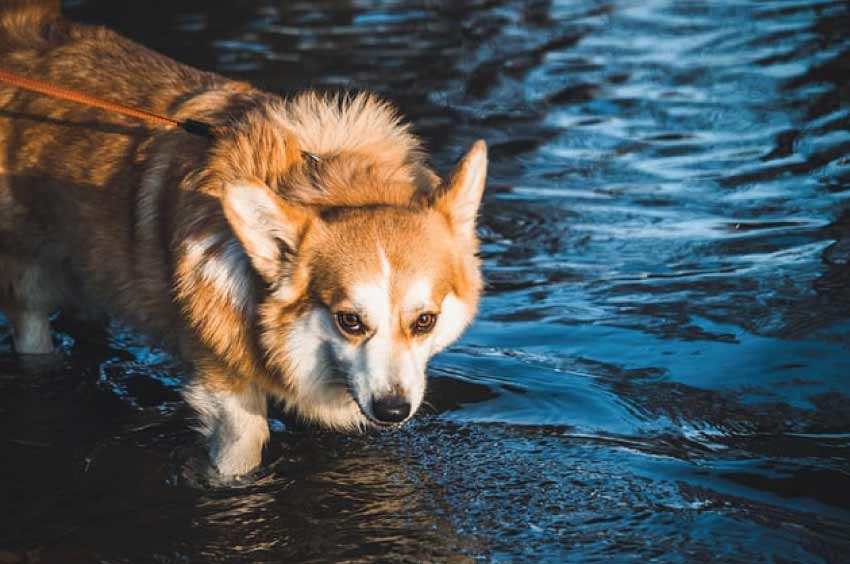
My dog is walking slow with head down: what does it mean? Most often it’s a sign of pain, especially neck or back pain, or of feeling unwell from illness, fever, nausea, heat or an injury. The American Kennel Club lists holding the head low and walking more slowly among common signs of pain in dogs.
Call your vet the same day if it lasts more than a few hours, and go to an emergency clinic now if your dog also has a swollen belly, pale gums, trouble breathing, weak or wobbly legs, collapse, or keeps trying to vomit.
This guide explains what a low head and slow walk usually mean, the emergency signs not to miss, the most common causes from neck disc disease to bloat, how to tell pain from normal sniffing or tiredness, and what to do while you contact your vet.
Go to an emergency vet now if your dog: has a swollen or tight belly, retches without bringing anything up, has pale, blue or gray gums, struggles to breathe, can’t stand or drags its legs, collapses, has a seizure, or may have eaten something toxic. Call ahead so the clinic can prepare.
Key takeaways
- A lowered head and slow walk are recognized signs of pain in dogs.
- Neck pain from a slipped disc (cervical IVDD) often causes a stiff neck and a low head carriage.
- Lethargy plus a swollen belly, pale gums or labored breathing is an emergency.
- Never give human pain relievers; many are dangerous for dogs.
- Use a harness instead of a collar and keep your dog quiet until a vet examines it.
In this guide
My Dog Is Walking Slow With Head Down: What It Usually Means
Many dogs downplay discomfort, so posture is often the first clue. The American Kennel Club lists holding the head low, slower walking and reluctance to exercise among signs a dog may be in pain, along with an arched back, panting at rest, trembling, a dull or squinting expression and pulling away from touch.
So when owners search “my dog is walking slow with head down,” the honest answer is that the posture itself isn’t a diagnosis. It tells you something is wrong; the other signs tell you how urgent it is. Note when it started, whether it’s getting worse, and anything else that’s different, such as appetite, breathing, toilet habits or how your dog reacts when you touch its neck and back.

Emergency Signs: When to Go to the Vet Now
PetMD’s veterinarians advise seeking immediate care if lethargy comes with pale gums, a swollen abdomen, labored breathing, a blue or purple tongue, tremors, a wobbly walk, seizures or a dull, unresponsive state. Use this table as a quick guide.
| What you see | How urgent |
|---|---|
| Swollen belly, retching with nothing coming up, restlessness | Emergency now (possible bloat) |
| Can’t stand, drags legs, wobbly or knuckling paws | Emergency now (possible spinal problem) |
| Pale, blue or gray gums; labored breathing | Emergency now |
| Possible toxin, medication or plant eaten | Call a vet or poison line now |
| Cries when neck or back is touched, but walking | Same-day vet visit |
| Slow and quiet but eating, drinking and peeing normally | Call your vet today; book a visit if it doesn’t improve within a day |
Common Causes When a Dog Is Walking Slow With Head Down
If you’re thinking “my dog is walking slow with head down, but why?”, these are some of the causes vets commonly consider.
| Cause | Other clues |
|---|---|
| Neck pain (cervical disc disease) | Stiff neck, won’t look up or turn head, yelps when lifted |
| Back pain or injury | Hunched or arched back, trouble with stairs or jumping |
| Arthritis or joint pain | Stiff after rest, slower on walks, older dog |
| Illness or fever | Low energy, poor appetite, vomiting or diarrhea |
| Bloat (GDV) | Swollen belly, retching, drooling, restlessness |
| Heat or overexertion | Heavy panting, thick drool, recent hot weather or long run |
| Toxin or new medication | Sudden onset, wobbliness, drooling, tremors |
Neck pain and cervical disc disease (IVDD)
When the owner of a small, long-backed dog says “my dog is walking slow with head down,” neck pain is often high on the vet’s list. VCA’s veterinarians describe cervical intervertebral disc disease as causing a stiff neck, reluctance to move the head, an altered walk and a lowered head stance with muscle spasms in the neck and shoulders. Some dogs also become weak in all four legs.
VCA notes that long-backed, short-legged breeds such as Dachshunds, Beagles and Poodles are most often affected by sudden disc rupture, usually between 3 and 6 years old, while larger breeds such as Doberman Pinschers tend to develop slower disc bulging later in life.
If you suspect neck pain, don’t pull on a collar. VCA recommends a harness rather than a neck collar, and strict rest for the first 3–6 weeks after a disc problem, under your vet’s guidance.
Back pain, injury or arthritis
Pain further down the spine, a muscle strain or a sore joint can also slow a dog down. Dogs with back pain may hold the head low and the back hunched. Our guide on why a dog’s back is arched covers that posture in detail. In older dogs, arthritis often shows up as stiffness after rest and shorter, slower walks.
Illness, fever or nausea
A lethargic dog that simply feels unwell may walk slowly and carry its head low. PetMD lists infection, pain, heart or breathing problems, kidney or liver disease, hormone disorders, anemia and toxins among the causes of lethargy in dogs. Nausea in particular may make a dog drool, lick its lips and hang its head.
Bloat (gastric dilatation-volvulus)
Bloat is a life-threatening emergency, especially in large, deep-chested dogs. The American College of Veterinary Surgeons lists early signs as an anxious look, standing and stretching, drooling, a swelling belly and retching without producing anything, followed by weakness and collapse. Great Danes, Weimaraners, St. Bernards and setters are among the breeds most often affected. Don’t wait: go to an emergency clinic.
Heat, exhaustion or overexertion
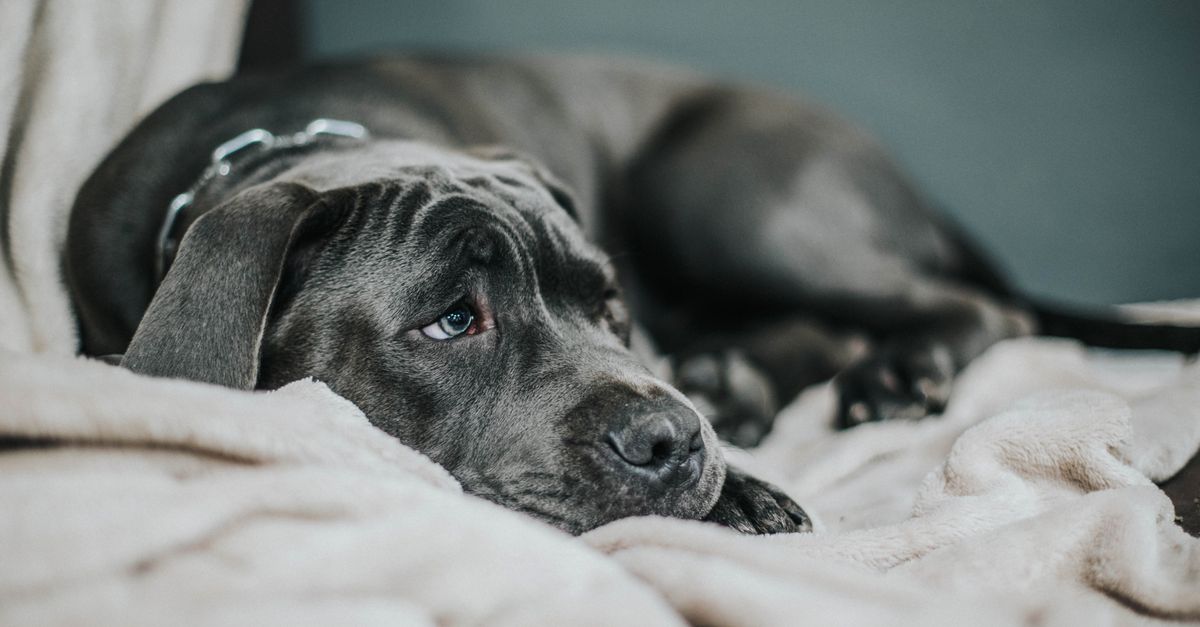
Sometimes “my dog is walking slow with head down” just means a tired dog. After a long hike, hard play or a hot day, a dog may slow down and drop its head because it’s worn out.
But the AKC lists rapid breathing, heavy drooling, weakness and dark or bright red gums among heatstroke signs, which need prompt cooling and a call to your vet. The ASPCA notes that flat-faced breeds, older and overweight pets, and those with heart or lung disease are more vulnerable to heat. Our guide on whether paddling pools are good for dogs covers safe ways to keep dogs cool.
Toxins or a new medication
If “my dog is walking slow with head down” describes your pet soon after a new medicine, flea treatment or a possible snack of something it shouldn’t have eaten, treat it as urgent. PetMD notes that new medications and toxins can both cause lethargy. Call your vet, the ASPCA Animal Poison Control Center at (888) 426-4435, or Pet Poison Helpline at (855) 764-7661 (fees may apply), and have the packaging ready.
Age and senior changes
Older dogs naturally slow down, but a sudden change is not “just age.” Arthritis, hormone disorders and other illnesses become more common with time. Our guides on behavior changes in senior dogs and Cushing’s disease in dogs explain what to watch for.
Pain, Sniffing or Just Tired? How to Tell
Not every case of “my dog is walking slow with head down” is a problem. Dogs put their noses down constantly to sniff, and a tired dog after a big outing may plod home. Compare what you’re seeing with this table.
| Clue | Likely normal | Likely a problem |
|---|---|---|
| Head movement | Nose down, then looks up freely | Keeps head low; won’t look up or turn |
| Tail and expression | Relaxed, wagging, curious | Tucked tail, squinting, dull eyes |
| Recovery | Back to normal after rest and water | Still slow the next morning or getting worse |
| Appetite | Eats and drinks normally | Refuses food or treats |
| Touch | Enjoys being petted | Flinches, yelps or growls when neck or back is touched |
What to Do Right Now If Your Dog Is Walking Slow With Head Down
- Check for emergency signs in the table above. If any apply, go to an emergency clinic.
- Stop exercise. Bring your dog home calmly and let it rest somewhere quiet and comfortable.
- Swap the collar for a harness, or carry a small dog, to avoid pressure on the neck.
- Offer fresh water, but hold off on food until you’ve spoken to your vet, especially if bloat is possible.
- Don’t give human medicine. The AKC warns that many medications safe for people can be dangerous for dogs.
- Write down the details: when it started, what happened before, appetite, vomiting, toilet habits, and a short video of the walk.
- Call your vet the same day, even if your dog seems a little better.

What the Vet Will Check
According to PetMD, a vet usually starts with a full physical exam, then blood work and X-rays to look at organs and body systems. When you tell the vet “my dog is walking slow with head down,” expect them to also:
- Gently feel along the neck, back and limbs for pain.
- Watch your dog walk and check reflexes and paw placement for nerve problems.
- Check gums, temperature, heart and breathing.
- Possibly recommend advanced imaging, such as an MRI, if a disc problem is suspected.
Treatment depends on the cause. It might include pain relief, anti-inflammatory drugs, fluids, anti-nausea medicine, antibiotics or strict rest. VCA notes that surgery may be considered for severe or repeated disc pain, and the ACVS says bloat cases do best with early stabilization and surgery. Your notes and video from home can help your vet reach a diagnosis.
Example scenario (illustrative)
Carla in San Antonio noticed her 5-year-old Dachshund, Pretzel, walking slowly with his head held low and refusing to look up at his treat jar. She searched “my dog is walking slow with head down,” saw that a stiff neck can point to a disc problem, and switched his collar for a harness. When Pretzel yelped as she lifted him, she called her vet that afternoon. The vet found neck pain consistent with cervical disc disease and prescribed pain relief and several weeks of strict rest.
My Dog Is Walking Slow With Head Down: FAQs
My dog is walking slow with head down and not eating. Why?
Low energy, a low head and a poor appetite together suggest your dog feels unwell or is in pain. Causes range from stomach upset to infection or organ disease. Call your vet the same day, and go now if there’s vomiting, a swollen belly or pale gums.
Can neck pain make a dog hold its head down?
Yes. Cervical disc disease often causes a stiff neck, reluctance to move the head and a lowered head stance. Use a harness, limit activity and see your vet.
Is a dog walking slowly with head down an emergency?
It is if your dog also has a swollen belly, retching, pale gums, trouble breathing, weak or dragging legs, collapse or possible poisoning. Otherwise, call your vet the same day.
Can I give my dog ibuprofen or aspirin for pain?
No. Many human pain medicines can be dangerous for dogs. Only give medication your vet prescribes for your dog.
Could my dog just be tired?
Possibly, after a long walk or hot day. A tired dog should recover with rest and water and still look up, eat and wag normally. If it’s still slow the next day, call your vet.
Why is my old dog walking slowly with head down?
Arthritis is common in senior dogs, but a sudden change can also mean neck pain, illness or a hormone disorder. Any new or worsening change deserves a vet check.
Final Verdict: My Dog Is Walking Slow With Head Down
When you’re thinking “my dog is walking slow with head down,” the most likely explanations are pain, especially in the neck or back, or feeling unwell. Check for emergency signs first: a swollen belly, retching, pale gums, breathing trouble, weak legs or collapse mean an emergency visit. Otherwise, rest your dog, use a harness, skip human medicines and call your vet the same day.
Your next steps
- Run through the emergency table and act on any red flags.
- Film a short clip of your dog walking and note when the change started.
- Browse more dog health guides in our dog section.
Has your dog gone through this? Share your experience in our Facebook community.
About the author — Written and reviewed by the Pets Store Home Editorial Team: pet owners and animal lovers who check every guide against trusted US veterinary and animal-welfare sources. This article is general information, not a substitute for professional veterinary advice. Always talk to your veterinarian about your own pet’s health.
How we checked this guide: Pain signs, causes and emergency guidance come from VCA Animal Hospitals’ veterinarians, PetMD (Stephanie Lantry, DVM; reviewed by Barri J. Morrison, DVM), the American College of Veterinary Surgeons, the ASPCA and the American Kennel Club. We review it every 12 months.
Last reviewed: October 2026.
Sources
- American Kennel Club, Signs Your Dog Is in Pain (accessed October 2026)
- VCA Animal Hospitals, Cervical Intervertebral Disc Disease in Dogs (Malcolm Weir, DVM; Tammy Hunter, DVM; Robin Downing, DVM) (accessed October 2026)
- PetMD, Lethargy in Dogs: When To Worry (Stephanie Lantry, DVM) (accessed October 2026)
- American Kennel Club, How to Keep Your Dog Cool in the Summer Heat (accessed October 2026)
- ASPCA, Hot Weather Safety Tips (accessed October 2026)
- American College of Veterinary Surgeons, Gastric Dilatation-Volvulus (accessed October 2026)
[…] Which foreign pets are legal in Washington State? […]