
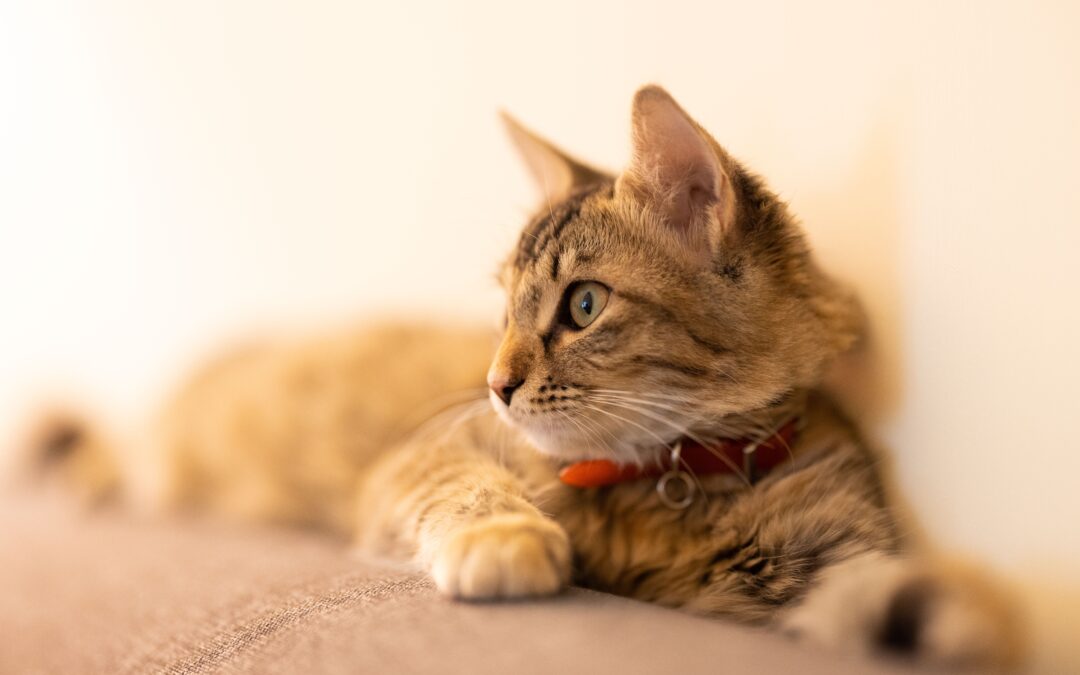
Brown Cat: Ultimate Guide to Beautiful Breeds & Eyes (2026)
A brown cat has a coat made by a recessive version of the gene that normally produces black pigment, giving shades from rich chocolate to warm cinnamon. True solid brown cats are less common than black, grey or ginger cats, and they appear mainly in a few breeds such as the Havana, Suffolk and brown Burmese. Many cats that owners call brown are actually brown tabbies, whose banded hairs create a warm, brownish look.
Whether you have just adopted a brownish cat, are wondering why your kitten’s coat looks different from its siblings, or simply love chocolate-coloured cats, this guide covers it all: the genetics in plain English, the breeds, eye colours, a health check worth knowing about, and how to bring one home in the UK.
Key takeaways
- Brown fur comes from changes in the TYRP1 gene, which normally makes black pigment.
- Brown is recessive: a kitten needs two copies to show a chocolate or cinnamon coat.
- Most everyday “brown” cats in the UK are brown tabbies, not solid brown.
- Coat colour doesn’t decide personality or health, but some breeds have their own health tests.
- Kittens’ eyes start blue and settle into their adult colour by about seven weeks.
- New brown or dark spots on a cat’s iris should be checked by a vet.
In this guide
What Is a Brown Cat? The Short Answer
In everyday speech, a brown cat is any cat whose coat looks brown. Breeders and geneticists are stricter. To them, a truly brown coat comes from a specific change in the gene that controls black pigment, so its fur is chocolate or cinnamon from root to tip.
That difference matters, because the two types look and behave differently in the gene pool. A solid chocolate cat is relatively unusual. A brown tabby, with stripes, swirls or spots on a warm brownish background, is one of the most familiar cats in British homes.

Why Some Cats Are Brown: The Genetics Made Simple
Every cat’s dark pigment, called eumelanin, is controlled by a gene known as TYRP1. The UC Davis Veterinary Genetics Laboratory explains that this gene “affects the amount of black pigment (eumelanin) produced”. It has three versions:
| Gene version | Coat it produces | Diluted version |
|---|---|---|
| B (wild type) | Black | Blue (grey) |
| b (brown) | Chocolate brown | Lilac |
| bl (light brown) | Cinnamon | Fawn |
Black beats chocolate, and chocolate beats cinnamon. UC Davis describes the order as “B > b > bl” and the inheritance as autosomal recessive. In plain terms, a chocolate kitten needs a brown gene from both parents. Two black parents can still produce a chocolate kitten if both secretly carry it.
Are Brown Cats Rare?
Solid chocolate coats are uncommon among the UK’s household moggies. Because the gene is recessive, solid brown usually appears only when breeders plan for it, or when two carrier cats happen to meet. That is why you will rarely spot a chocolate cat in a rescue centre, while brown tabbies are everywhere.
There is no official UK census of coat colours. Cats Protection’s CATS Report 2025 estimates there are 10.2 million owned cats in the UK, with pedigrees making up 36% of the cat population. Since true chocolate coats cluster in pedigree lines, your best chance of finding one is through a registered breeder.
Brown Cat Colours and Patterns
“Brown” covers several quite different looks. Here is how to tell them apart.
Chocolate brown cat
A warm, even, milk-chocolate coat with no visible stripes. This is the classic solid brown seen in the Havana and Suffolk. A chocolate coloured cat often has a glossy, close-lying coat in these breeds.
Light brown or cinnamon cat
Cinnamon is a softer, reddish-brown shade made by the light brown gene. A light brown cat can also be a pale brown tabby or a fawn (diluted cinnamon), so genetic testing is the only sure way to know.
Brown tabby
Probably the most common brownish cat in Britain. According to UC Davis, the agouti gene creates “a banding pattern in individual hairs”, producing a colour between black and yellow-red pigment. Those banded hairs fill the gaps between darker stripes, which is why the coat reads as brown even when the pigment is black.
Brown and white cat
Brown and white cats, sometimes searched as white and brown cats, have a separate white-spotting trait layered on top of their brown or tabby coat. The white can range from a small bib and socks to large patches.
Black and brown cat
A cat that looks black and brown is usually a dark brown tabby with heavy stripes, or a tortoiseshell with dark and orange-brown patches. Black fur can also take on a rusty, brownish tint in strong sunlight, which adds to the confusion.
Fluffy brown cat
Long coats soften colour, so a fluffy brown cat often looks lighter at the tips and darker near the skin. Many long-haired breeds come in brown tabby, including the Maine Coon and Norwegian Forest Cat. Our Norwegian Forest Cat vs Maine Coon guide compares the two.
Pet Care Tip: is your cat truly brown? A 30-second check
- Look for stripes. Rings on the tail or an “M” on the forehead point to a brown tabby.
- Part the fur. An even colour right down to the roots suggests a solid coat.
- Check the paperwork. Pedigree registration lists the official colour.
- Still unsure? A cheek-swab DNA test can confirm chocolate or cinnamon genes.
Brown Cat Breeds in the UK
Only a handful of breeds are known for genuinely brown coats. The Governing Council of the Cat Fancy (GCCF), the UK’s main registry, recognises several of them.
| Breed | Brown shade | Good to know |
|---|---|---|
| Havana | Solid chocolate | Developed in Britain in the 1950s; first recognised by the GCCF in 1958 |
| Suffolk | Chocolate, lilac, cinnamon, fawn | A newer British breed, accepted by the GCCF in 2014 |
| Burmese | Sable brown and chocolate | Breeding cats should be tested for hypokalaemic polymyopathy |
| British Shorthair | Chocolate, cinnamon or brown tabby | One of the breeds UC Davis lists for brown gene testing |
| Maine Coon / Norwegian Forest | Brown tabby (long coat) | The usual long-haired brown choice |
The Havana story is a British one. A GCCF breeding policy describes it as “a self brown cat”, first recognised in September 1958 under the name Chestnut Brown Foreign. The Suffolk was later developed by two Havana breeders in Suffolk to keep that traditional look alive.
The brown Burmese is another favourite. The GCCF Burmese page describes the original sable as “rich, warm seal brown” and notes “a slight tendency to Diabetes in the breed”, so weight checks matter as these cats age.

Brown Cat Eyes and Cat Eye Colours
Eye colour and coat colour are separate traits, so a chocolate or tabby coat can come with green, gold, amber or hazel eyes. Burmese, for example, should have eyes that are “preferably golden yellow”, while the traditional Havana line was bred for green eyes.
Cats Protection explains that eye colour depends on melanin settling in the iris during a kitten’s first weeks and months. Very warm amber or copper eyes are often described as brown, and Cats Protection lists brown among the possible iris colours in odd-eyed cats.
When do kittens’ eyes change colour?
All kittens start with blue eyes. Cats Protection’s kitten ageing chart says eyes open between five and 14 days, begin changing from “baby blue” at around five weeks, and have usually reached their adult colour by seven weeks.
Cats with different coloured eyes
Heterochromia usually gives a cat one blue eye and one green, brown or yellow eye. Cats Protection notes that white cats with one or two blue eyes are more likely to be deaf, but non-white odd-eyed cats do not appear to carry a higher risk.
Brown spot in a cat’s eye: when to see a vet
A flat brown “freckle” on the coloured part of the eye can be iris melanosis. US veterinary specialists at BluePearl explain it often starts harmless but “can transform into malignant cancer”, so it needs regular monitoring. Cats Protection also advises speaking to your vet if a cat’s eye changes colour after 12 weeks of age, or suddenly at any age.
Book a vet check if: you notice a new brown or dark patch on your cat’s iris, an existing patch growing or thickening, a change in pupil shape, or cloudiness or redness in the eye. Taking a clear phone photo of the eye every month helps your vet track any change.

Bringing Home a Brown Kitten or Brown Cat
Coat colour is a lovely bonus, but it should never be the main reason to choose a cat. Health, temperament and your home matter far more. If you have set your heart on a chocolate or tabby coat, plan ahead with this checklist.
- Decide between a pedigree and a rescue. Brown tabbies are common in rescues; solid chocolate cats usually come from breeders.
- Check rescues first. Cats Protection matches cats to homes, with typical adoption fees of £80–£120 that include vaccinations, neutering and microchipping.
- Choose a registered breeder. Ask about health tests for the breed, meet the mother and see where the kittens are raised.
- Confirm microchipping. In England, microchipping has been a legal requirement for pet cats since June 2024, according to the CATS Report 2025.
- Wait for the right age. Kittens should stay with their mother until they are fully weaned and settled.

Brown Cat Names With a British Twist
Looking for brown cat names? Here are some ideas inspired by British food, nature and teatime.
| Theme | Name ideas |
|---|---|
| Teatime treats | Hobnob, Bourbon, Digestive, Parkin, Eccles |
| Sweet and cosy | Fudge, Toffee, Treacle, Cocoa, Mocha |
| Countryside | Conker, Bramble, Hazel, Acorn, Peat |
| Spice rack | Nutmeg, Cinnamon, Ginger, Clove, Allspice |
Example Scenario: The Kitten Who Wasn’t Quite Brown
This is an illustrative example, not a real owner.
Ellie adopts a kitten from a local rescue, listed as “brown”. At home she spots faint rings on his tail and an “M” on his forehead. Using the 30-second check, she realises he is a brown tabby, not a solid chocolate cat. It makes no difference to how much she loves him, but it helps her choose the right name: Bramble.
What Most Owners Get Wrong About Coat Colour
| Mistake | Why it matters | What to do instead |
|---|---|---|
| Paying extra for a “rare brown” moggy | Most are brown tabbies, which are common | Ask for pedigree papers or a DNA test |
| Choosing a cat on colour alone | Temperament and health matter more | Meet the cat and ask about health tests |
| Ignoring new spots in the eye | Iris melanosis needs monitoring | Book a vet check and take monthly photos |
| Assuming a brown coat means special needs | Colour doesn’t change basic care | Follow good care for the breed and age |
Brown Cat FAQs
Are brown cats rare?
Solid chocolate and cinnamon coats are fairly uncommon because the brown gene is recessive, so a kitten needs a copy from both parents. Brown tabbies, which look brownish thanks to banded hairs, are very common in UK homes and rescues.
What breed is a brown cat?
Breeds known for solid brown coats include the Havana, Suffolk and Burmese. British Shorthairs can also be chocolate or cinnamon. A cat that looks brown but has no pedigree papers is most likely a brown tabby moggy.
Can a cat have brown eyes?
Yes. A cat with brown eyes usually has a deep amber or copper iris. Cats’ eyes range from green and hazel to gold, amber and copper. Eye colour is a separate trait from coat colour.
When do kittens’ eyes change colour?
Kittens are born with blue eyes. According to Cats Protection, the colour starts to change at around five weeks and has usually reached its adult shade by seven weeks.
Is a brown spot in my cat’s eye serious?
It may be iris melanosis, which can start harmless but needs monitoring because it can occasionally become cancerous. Ask your vet to examine any new or growing brown spot on your cat’s iris.
Does coat colour affect personality?
There is no good evidence that coat colour sets personality. Breed, early socialisation and individual character have a much bigger effect on how a cat behaves.
Final Verdict: Is a Brown Cat Right for You?
A true brown cat is a genetic treat: chocolate or cinnamon fur needs a recessive gene from both parents, which is why solid brown coats appear mostly in breeds like the Havana, Suffolk and Burmese. Brown tabbies are far more common and just as lovely. Whichever you choose, pick for health and temperament first, and ask your vet to check any new brown spots in the eye.
Thinking about a new cat? Your next steps
- Explore more cat care guides in our cats section.
- Compare another popular coat in our orange and white cat breed guide.
- Budget for a pedigree with how much is a Persian cat?
- Browse all our pet care advice.
Share your photos! Post a photo of your chocolate, cinnamon or brown tabby cat on our Facebook community.
About the author
Written and reviewed by the Pets Store Home Editorial Team: pet owners and animal lovers who check every guide against trusted UK animal-welfare and veterinary sources. This article is general information, not a substitute for professional veterinary advice. Always speak to your vet about your own pet’s health.
How we checked this guide: coat genetics were checked against the UC Davis Veterinary Genetics Laboratory; breed history, colours and health notes against GCCF breed pages and policy; kitten eye development, eye colour, UK cat numbers, microchipping and adoption against Cats Protection; and iris melanosis against BluePearl veterinary specialists. We review this article every 12 months, or sooner if guidance changes.
Last reviewed: October 2026.
Sources (accessed 6 October 2026)
- UC Davis Veterinary Genetics Laboratory – Brown (Chocolate and Cinnamon)
- UC Davis Veterinary Genetics Laboratory – Agouti
- GCCF – Suffolk breeding policy (Havana history)
- GCCF – Suffolk breed
- GCCF – Burmese breed
- Cats Protection – Kitten ageing chart
- Cats Protection – Why do cats have different coloured eyes?
- Cats Protection – CATS Report UK 2025
- Cats Protection – Adopt a cat
- BluePearl Specialists – Iris melanosis in cats
[…] Which foreign pets are legal in Washington State? […]