google-site-verification=ASrSFqKsKmxqlSloaozW_qZZYHGwV5yjQG-dPyX1MuY
Are Paddling Pools Good for Dogs?

Are Paddling Pools Good for Dogs?

Are paddling pools good for dogs?

As pet owners, we always want the best for our furry friends. Every aspect of their life should be carefully considered, from diet to exercise routine. With summer temperatures on the rise, we may wonder how to keep our dogs cool and comfortable. One question that often arises is whether paddling pools are good for dogs. 

While many dogs enjoy swimming and playing in the water, it can be challenging to determine whether paddling pools are a safe and healthy option for our pets. This blog post will explore the pros and cons of paddling pools for dogs, including their benefits and potential risks. 

We will investigate the different types of paddling pools available and discuss how to choose the right one for your furry friend. Additionally, we will guide how to introduce your dog to a paddling pool, give tips on keeping them safe while using it, and provide signs that indicate that your dog is not comfortable or happy in the pool.


What are paddling pools?

Paddling pools are a great way to keep your dog cool in the summer. They are also a great way to keep them amused and entertained. It would help to consider a few things when choosing a paddling pool for your dog.

 The size of the pool is important. You need to ensure it is big enough for your dog to paddle around and can get in and out easily. If the pool is too small, they may feel claustrophobic or uncomfortable. The material the pool is made from is also important. Some dogs will chew through plastic, so you may want to look for a pool made from another material, such as metal or PVC. 

You must also ensure the pool’s sides are not too steep, as your dog could hurt themselves trying to get out. You will also need to consider where you will put the paddling pool. It needs to be in a shady spot so that your dog doesn’t overheat, and it needs to be away from any sharp objects that could puncture it.

How can paddling pools benefit dogs?

Paddling pools can benefit dogs in many ways. They can help to cool them down on a hot day, provide them with exercise, and even help to relieve boredom or anxiety.

 One of the main benefits of paddling pools for dogs is that they can help to cool them down on a hot day. Dogs can overheat very easily, so having a pool of water they can paddle around in can be a great way to keep them comfortable and prevent heatstroke.

 Paddling pools can also provide dogs with some much-needed exercise. Many dogs love to splash around in the water, and a paddling pool gives them the perfect opportunity. Exercise is important for all dogs, but it can be especially beneficial for those who are elderly or overweight.
 

Are Paddling Pools Good for Dogs

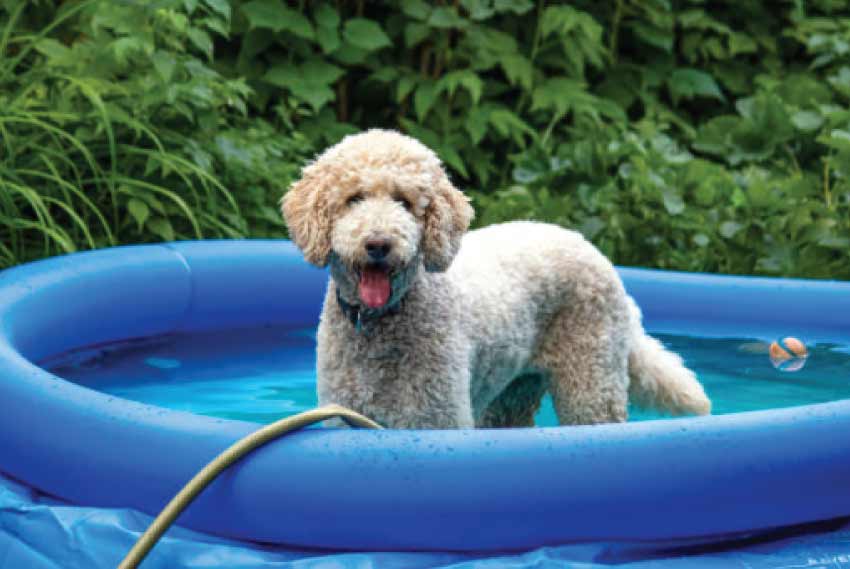
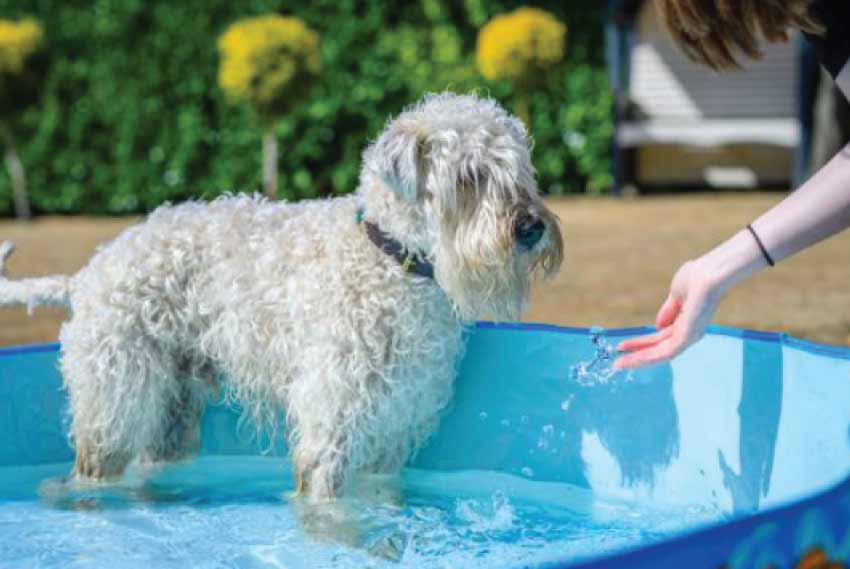
Paddling pools can provide a fun and safe way for dogs to cool down in hot weather.

In recent years, paddling pools have become popular for pet owners looking to provide their furry friends with fun and relief from the heat. Dogs, in particular, can benefit from a dip in a paddling pool on a hot day, as it can help them cool down and prevent dehydration. 

Paddling pools offer a safe and controlled environment for dogs to swim and play without the risks associated with natural water bodies, such as currents or steep drop-offs. Additionally, paddling pools are easy to set up and maintain, making them a convenient option for pet owners who want to keep their dogs entertained and comfortable during warmer months. 

However, it’s important to supervise dogs in the pool and to choose a size appropriate for their breed and weight. Paddling pools can be a great addition to your dog’s summer routine, providing a fun and safe way to beat the heat.


Dogs that enjoy swimming may find paddling pools a fun alternative.

Many of us turn to water-based activities to keep our dogs active and happy during the hot summer months.

While swimming in natural bodies of water or designated dog pools can be a great way to beat the heat and exercise your furry friend, there is another option that some dogs may enjoy even more: paddling pools. 

Dogs that enjoy swimming may find paddling pools a fun alternative, providing a safe and controlled environment for splashing around. 

However, it is important to ensure that the paddling pool is appropriately sized for your dog and that they are supervised at all times to prevent accidents or injuries. 

Additionally, not all dogs may enjoy or be comfortable with the sensation of being in a small plastic pool, so it is best to introduce it gradually and observe your dog’s reaction. 

Paddling pools can be a fun and safe option for dogs that enjoy water play. Still, as with any activity, it is important to prioritize safety and your dog’s individual needs and preferences.

Paddling pools can help dogs with joint pain or arthritis to exercise without putting too much pressure on their joints.

Paddling pools can be useful for dogs suffering from joint pain or arthritis to exercise without putting too much pressure on their joints. As dog’s age, or if they suffer from certain conditions, exercising can become increasingly difficult and painful. 

Paddling pools allow dogs to move and play in a low-impact environment, which can help to improve their mobility, flexibility, and overall physical condition. Dogs can exercise without discomfort or further injury by reducing the pressure on their joints. 

It is important to note, however, that paddling pools should be used in moderation and under adult supervision, as excessive use could lead to skin irritation or other health issues if not used correctly.

However, paddling pools may not be suitable for all dogs, particularly those afraid of water or with medical conditions that make swimming dangerous.

Paddling pools are a fun way to keep your dog cool and engaged during the hot summer. However, it is important to note that paddling pools may not be suitable for all dogs. While some dogs enjoy water and swimming, others may fear water or be unable to swim due to medical conditions. 

For example, dogs with respiratory or cardiac issues may not be able to tolerate swimming or submerging in water. It’s important to err on the side of caution and ensure your dog has a positive experience if you introduce them to a paddling pool. 

It’s recommended to supervise your dog closely while they are in the pool, and if your dog seems hesitant or nervous, it’s best to find alternative forms of play to avoid causing undue stress or anxiety.


Supervising dogs when using a paddling pool is important to ensure their safety.

If you are considering using a paddling pool as a way for your dog to cool off during hot weather, it is important to be aware of the potential risks involved. While paddling pools can be a great way for dogs to cool down and have fun, it is important to supervise them while using them. 

This is especially important if your dog is not a strong swimmer or is not used to being in the water. Even if your dog is a strong swimmer, keeping a close eye on them is still important to ensure they are safe and not at risk of drowning or suffering from heat stroke. 

By supervising your dog while using a paddling pool, you can help minimize the risks and ensure they have a safe and enjoyable experience.


Make sure the paddling pool is the appropriate size for your dog and is filled with clean water.

When considering purchasing a paddling pool for your furry friend, it is essential to ensure that the collection is the appropriate size for your dog and is filled with clean water. A paddling pool that is too small can be uncomfortable for your pet and may even pose a safety risk. 

Dogs can quickly become overheated in hot weather, so having a pool they can comfortably cool off in is crucial. Additionally, filling the pool with clean water is necessary to prevent any potential health problems for your dog. 

Algae, bacteria, and other contaminants can easily take hold of standing water, so it is essential to refresh the water regularly and keep the pool clean. Following these guidelines ensures that your dog can enjoy a refreshing dip in a safe and hygienic environment.


Dogs should be trained to use the paddling pool safely and responsibly.

Regarding paddling pools and dogs, it’s essential to prioritize safety and responsibility. One key aspect is training your furry friend to use the pool properly. Dogs should be taught to enter and exit the pool safely and always supervised. 

Additionally, it’s essential to ensure that the collection is appropriate for your dog’s breed and size and is manageable for them to stand in comfortably. Regular pool maintenance – cleaning and checking for leaks – is essential to prevent potential hazards. 

Following these guidelines, paddling pools can provide a fun and refreshing way for dogs to stay cool during the hot summer.


Paddling pools should be cleaned and emptied regularly to prevent the growth of harmful bacteria.

As pet owners, we want to make sure that our furry friends are safe and healthy, especially during the hot summer months. One way to relieve them is by giving them access to a paddling pool. However, it is essential to note that paddling pools should be cleaned and emptied regularly to prevent the growth of harmful bacteria. 

Harmful bacteria can lead to infections and illness for dogs and humans, making it crucial to maintain good hygiene practices regarding paddling pools. Paddling pools used for dogs are recommended to be emptied, cleaned with soap and water, and disinfected at least once a week. By doing so, we can ensure that our pets enjoy their paddling pools while staying safe and healthy.


Some dogs may try to chew or puncture the paddling pool, so it’s essential to

If you are considering purchasing a paddling pool for your furry friend to enjoy during the hot summer months, it’s essential to remember that some dogs may try to chew or puncture the pool. This is particularly true for dogs who are strong chewers or tend to chew on items around them. It’s important to note that puncturing the collection can render it unusable and pose a safety risk to your dog. 

Therefore, it’s recommended to supervise your dog while using the pool and remove any toys or items they may try to chew on. Additionally, when purchasing a paddling collection, consider opting for a durable, sturdy material that can withstand your dog’s playful behavior.


How to choose the right paddling pool for your dog

There are a few considerations to make in order to select the best paddling pool for your dog if you’re thinking about acquiring one. The size of your dog should be taken into account first. Get a paddling pool that is sizable enough for them to appreciate but not too sizable that they become intimidated. 

You should also consider where you’ll place the wading pool. A smaller pool might be better suitable for a tiny yard. A bigger pool, though, might allow your dog more room to play if you have the space.

The paddling pool’s construction material is another crucial factor. Some pools are composed of hard plastic, which in the summer sun may be too hot for your dog. 

There are also softer fabric options available that your dog may find more comfortable and won’t become as hot. Whichever material you decide on, make sure it is strong and won’t rip or puncture easily.

Next, consider other purposes for which you might use the wading pool. Be sure it’s simple to clean and has sufficient drainage if you intend to utilize it as an alternative to a bathtub. If all you want is for your dog to cool off on hot days, opt for a type with an umbrella attachment or built-in shade. 

You should have no trouble finding the ideal paddling pool for your dog if you keep these suggestions in mind!


What are the disadvantages of paddling pools for dogs?

Paddling pools can be a great fun addition for your dog during the summer months, but there are some disadvantages that you should be aware of before purchasing one.

One of the main disadvantages of paddling pools for dogs is that they can be a breeding ground for bacteria and other harmful microorganisms. 

This is especially true if the pool is not cleaned regularly. Another disadvantage is that dogs can quickly drink too much water when playing in a paddling pool, leading to dehydration. Finally, paddling pools can be dangerous for dogs if they are not supervised while using them, as they can easily drown.


How to set up a paddling pool for your dog

Assuming you have a garden and enough space to set up a paddling pool for your dog, here are the steps to take: 

 Choose a spot in your garden that is level and flat so the pool won’t tip over easily. If you don’t have a level spot, you can create one by levelling off the ground with soil or sand.

 Place the pool in the chosen spot and fill it with water. Make sure the water is not too deep – most dogs will only want to paddle, not swim.

 Let your dog explore the pool and get used to it before adding any toys or treats. Once your dog is comfortable with the pool, add toys or floating treats to encourage them to paddle around.

Conclusion

In conclusion, paddling pools can be a great way to keep your dog cool in summer and provide a safe place to splash around. It’s important to remember that all dogs are different, so it might take some trial and error before you find the right size pool for your pup. 

With the suitable precautions taken, however, these small pools can be an easy—and affordable—way for pet owners to give their canine companions hours of splashing fun!
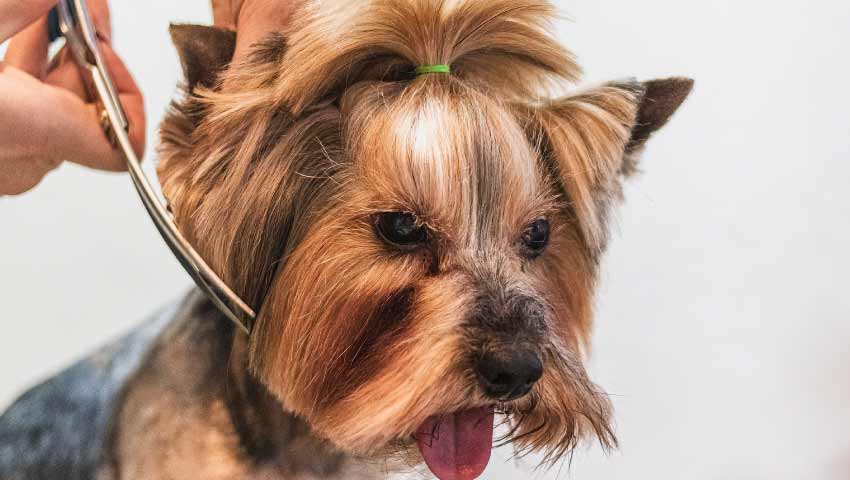
 

Professional Dog Grooming Equipment for Sale

Professional Dog Grooming Equipment for Sale

Professional dog grooming equipment for sale

Equipment for Grooming Dogs That Is Cheap


Making sure you’re doing it correctly is important while grooming your dog. You don’t want to cut too much or too little, and using the incorrect instruments is definitely not a good idea. Fortunately, there are lots of excellent choices for dog grooming tools!

Professional Dog Grooming Equipment

When it comes to cost-effective dog grooming equipment, these are our top picks:


1. Clippers for grooming pets


These clippers are excellent for keeping your dog’s fur short and for clipping it. They are also beneficial for dogs with coarser, thicker hair. Use them sparingly to avoid removing an excessive amount of fur at once. They can be applied to your dog’s entire body, including their paws and tail.


2. Pet Grooming Scissors That Are Straight


Before you take your dog for walks around the park or give them a wash in the tub, these scissors are ideal for trimming their nails and other little parts of skin like their feet or ears that require a little extra tidying up around the edges!


3. A shaving brush


Any dog owner who wants their canine to appear their best must buy a grooming brush. It can also help avoid matting in the future. It will aid in detangling and removing mats from your pet’s fur. Ideally, you should brush your dog’s coat once a week, but if you see any mats or tangles, you should brush them out right away to stop the issue from getting worse.


4. A portable pet dryer


Another fantastic tool for keeping your dog clean without breaking the bank or being overwhelmed by the amount of hair you’ll have to deal with after each bath is a handheld pet dryer. When pets come home after playing outside in the rain or snow, they’re also fantastic for drying up wet ones!


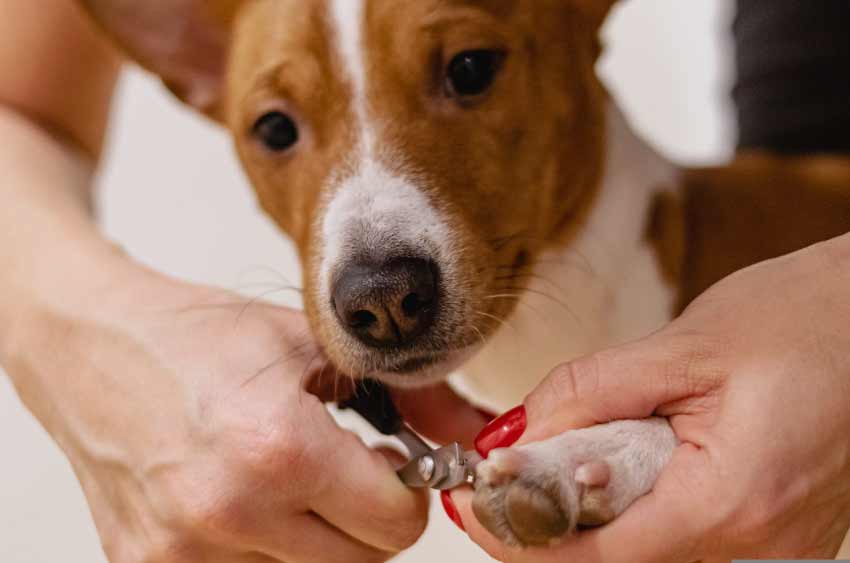
5. Clippers for nails


One of the most popular goods on our list is a pair of nail clippers. They work well to get rid of extra fur that can irritate your dog’s skin, and they’re also simple to use. To remove all of your dog’s extra fur without inflicting pain or suffering, we advise using these in addition to a de-shedding tool. Your dog’s fur mats can be easily removed using this equipment.


6. Mild Coco Shampoo


Coconut shampoo is great for dogs with sensitive skin or allergies because it has antibacterial properties that help to fight against infections. This type of shampoo also works as a moisturizer for your pet’s skin and fur and is hypoallergenic, so it won’t bother their skin. Because it’s created from organic coconut oil and doesn’t include any harsh chemicals or synthetic fragrances, it won’t irritate delicate skin during bath time as other shampoos might!


7. Common Deseeding Instrument


The first indispensable gear in any dog grooming kit is the common de-shedding tool. It helps to lessen shedding and keep your dog looking healthy by removing loose hair and dander from their coat. You can choose the tool that best suits your dog’s needs from a range of sizes and designs.


Last Thoughts


You can give your dog a haircut that even expert groomers would be pleased with if you have the correct tools. Use this manual to understand how professional groomers perform their tasks and how you can emulate their techniques on your dog using low-cost tools. Have you already used any of these techniques with great success? Do you employ a unique method that our readers ought to be aware of? Comment below and let us know!


Author Bio-

Emma Anderson from Shernbao USA has been involved with dog grooming for the past 15 years and now wants to share her experience and knowledge with others.


Headshot-

https://prnt.sc/254rnvt


Akita dog adoption 5 Things to Know Before

Akita dog adoption 5 Things to Know Before

Things to Know Before Akita dog adoption

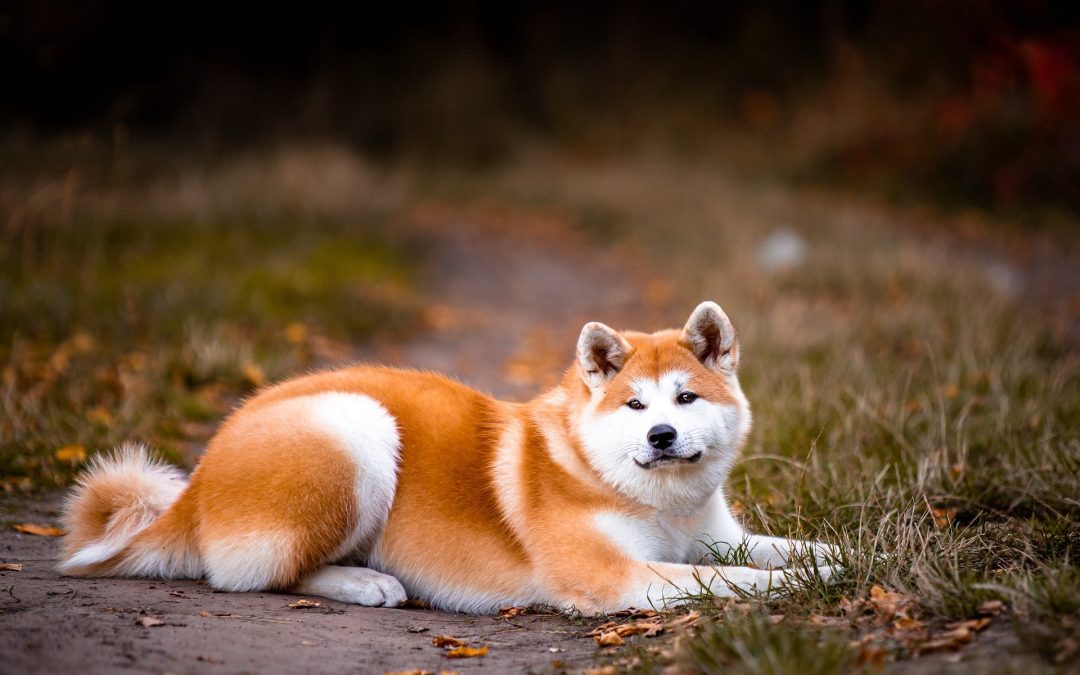
Akita’s serious and proud appearance combine to make him an imposing figure.

As his wayward look already betrays, this robust beauty is not afraid of anyone.

He faithfully defends his home and hearth, although the ancient hunting instinct sometimes takes over.

This bright hunk is ready for adventure, but can you keep up with him?

In this article, you can read all information about the akita best of breed cuervo.

In this article

  • For almost 4000 years, this robust hunting and guard dog has been an integral part of Japanese culture.
  • This breed has two layers of fur—a thick, soft layer of undercoat and a hard, straight outer coat.
  • The Akita is not easily impressed and is an independent, very intelligent type dog.
  • They can be stubborn about training and upbringing.
  • Akita can walk or run on snow

Background of the Akita

The Akita is originally a Japanese breed. For almost 4000 years, this robust hunting and guard dog has been an integral part of Japanese culture. His bravery even earned him a place among the Samurai warriors!

Unfortunately, this authentic warrior hasn’t always had it easy. Throughout the 19th century, he suffered multiple setbacks. In-breed crosses for dog fighting, a rabies epidemic.

But social threats such as introducing a dog tax also caused the dog population to be strongly reduced. An association was formed to protect this breed, restoring the Akita to its former glory when World War II broke out.

During this period of poverty and hunger, the breed was used for a new, terrifying purpose: food and warmth. A well-to-do fancier hid against the rules in some of these dogs, narrowly surviving the breed.

At the same time, Akitas were crossed with German Shepherds and sold to America. This created two types, which still exist today.

These are the original Japanese Akita, also called “Akita Inu” or “Akita Ken,” and the hybrid version called “American Akita.”

Appearance Of Akita

According to the breed standard, the Akita is a large, robust dog with a dignified but unassuming appearance.

The head is round with a broad forehead and moderately long, broad muzzle. The eyes are small, almost triangular, and dark brown. The small, thick ears are also triangular and erect.

The neck is thick and muscular, flowing into a deep chest and straight, strong back. There is a stiff curled tail at the back of the animal, and the hindquarters are broad.

This breed has two layers of fur—a thick, soft layer of undercoat and a hard, straight outer coat. Hair is longer on the shoulders, rump, and tail than on the shoulders.

The coat comes in the following colors: reddish yellow, sesame (reddish yellow with black tips), brindle, and white. In addition, the dog must show the specific white coat pattern on the cheeks, muzzle, lower jaw, neck, chest, rump, and tail called the “Urajiro” pattern.

Generally speaking, a female withers are 58-64 cm high and weigh 35-50 kg.

Males are slightly larger, at 64 to 70 cm at the withers and 45 to 60 kilos.

Akitas live to be about 8 to 13 years old on average.

Characteristics of the Akita

Its turbulent history has shaped the Akita into an extremely loyal, well-balanced family dog. It is good to have them around small children and they have a very strong attachment to owners and families. As a result, they can be quite vigilant.

Yet history has left its mark. The Akita is not easily impressed and is an independent, very intelligent type. Combined with its ancient hunting instinct, the Akita is not a dog for everyone.

They are very brave and, therefore, easily confronted. This ensures that Akitas often do not get along well with other dogs, and small (domestic) animals can be chased a lot.

Care and health

The Akita is a clean pet dog and usually keeps itself clean. However, the thick coat needs grooming a few times a week, even daily, during the molt.

In addition, this breed has some health problems.

First, there is the chance of hip dysplasia, which is more often seen in larger dog breeds. This condition causes the joints to deform and develop poorly. As a result, wear and tear can take place at a rapid pace, which causes a lot of pain.

This condition is partly hereditary, but weight and stress on the joints through movement play a major role in its development.

Patella Luxation, or loss of kneecaps, also occurs. This causes the dog to limp because the kneecap has popped out of its socket. This can hurt a lot; the kneecap sometimes has to be put back in the right place.

The rare disease Sebaceous Adenitis also occurs in the Akita. In this case, the dog skin becomes red, flaking and coagulated.

This often causes strands of hair to fall out, leaving the skin unprotected and susceptible to infection. There is no cure; the treatment mainly focuses on keeping the skin intact and supporting it.

Raising the Akita

Due to its intelligence, stubbornness, and fierce interaction with other dogs and small animals, the Akita can safely be described as “snappy.”

As loyal and balanced as they are with their family and owner, they can be stubborn regarding training and upbringing.

That is why you must build a strong bond of trust with your Akita. Here you offer an assertive, consistent and clear attitude to your dog instead of physical punishment to control him.

Physical punishment will not work with the Akita; they are too intelligent and courageous. If this dog rebels against physical punishment, you will not win against him.

It is, therefore, extremely important that this robust warrior is well-socialized. Setting firm rules from the start and correct rewarding behavior will get you the most with this breed.

Due to its intelligence, the Akita also easily picks up less desirable behaviors.

He can look for it himself if this self-intelligence gets too little to crack his brains about. That is not always nice for the boss. So make sure your Akita has plenty to think about, both in training and play.

The Akita and movement

Due to its strong background, the Akita stands firmly on its feet and is ready to go on an adventure together. Walking around the same blocks daily, you will not make it with this hunter.

Endless walks are wonderful for the Akita and courses such as tracking as long as it offers action and variety!

When the Akita’s physical and mental health is considered, you have a wonderfully calm, well-behaved house dog. You can stay safe and cozy with this clever hunk watching over everything.

Tracking Dog Training

Tracking Dog Training

Tracking dog training. The Five Stages of Search Dog Training.


German Shepherds and Golden Retrievers are two working dog breeds that make excellent candidates for field search and rescue operations. But how are canines used for search and rescue trained? Tracking dogs are normally guided and instructed through five phases during search dog training.

In order to understand why K9 search and rescue training is a long process, you must first understand how each dog responds to training methods differently.

Dogs develop at varying rates, so you must have patience. Second, not every search and rescue dog conducts the same kind of investigation. Then there are the air-scent (or area-search) dogs, and then there are the tracking (or trailing) dogs. The training procedure for the former breed of dog will be reviewed in this article, while the latter will be covered in a subsequent article.

Although the kinds (track and search) may overlap, the training method and the dog’s actual mission participation distinguish the two.

A tracking dog locates a human smell trail by placing its nose to the ground. They can locate anything, from a missing child to a person trapped in a collapsed structure. A “last saw” location and an object bearing the scent of the search subject are necessary for tracking dogs. Time is of the essence when tracking dogs since scent trails can easily get polluted.

Tracking-focused search and rescue dogs must have the appropriate training in order to perform at their best. They will also require specialist search and rescue dog equipment. The phases that follow are meant to serve as a high-level overview for tracking (or trailing) dogs and in no way should be construed as exhaustive training procedures.

Stage 1: Short Searches Are Introduced


During this initial phase of search and rescue dog training, the tracking dog is typically restrained in a rescue dog harness with a 20- to 30-foot lead. This will assist in teaching the dog that it is time to work when the gear is put on.

A training bag will be dropped as the first training exercise, along with the making of a smell pad. A scent article is something that the search subject has only touched and can be used for tracking and training.

It aids the dog in picking up a complete scent of the target. A scent pad is created when a search subject wipes their foot on the ground several times to lay down a strong aroma. The dog should then be shown this location and the scent item before being given a taught command to pursue the smell. The dog’s handler can now instruct it to begin looking for the search object.

To provide the tracking dog with a scenario, the search subject should conceal themselves in plain sight (the difficulty of the hiding location will amp up as training goes on). After being shown the scent pad and the scent article and being given the instruction to search, the dog should begin following the scent and pre-placed treats leading to the search subject. Give the dog treats or their favoured toy as a reward for finding the object of the search in addition to enthusiastic praise.

Regular practise of this activity with decreasing amounts of goodies is advised. By practising in parks, fields, yards, or moderately wooded areas, you may vary the terrain. Avoid areas with plenty of plants and concrete during this phase.

Phase 2: Longer, More Complicated Searches


Using smell items, scent pads, and a few rewards every 5 to 10 steps, phase 2 of this kind of search dog training continues short-search activities. However, the search is now taking longer. Keep the search in a straight line during this phase as you start to vary the locales and terrain.


Phase 3: Adding Lengthier, Difficult Searches


You should now begin to incorporate bends into the search path in order to finally stop using track treats. Start extending the distance as your tracking dog improves, exposing your dog to new terrain every time. If you’ll be travelling through terrain that is especially difficult, use leather dog booties.


Phase 4: Using an ambiguous search term


At this point, your tracking dog should be able to locate a search subject using scent pads and articles on a variety of terrains. This is the stage where a new search subject is usually introduced to sharpen their skills. Your dog shouldn’t need goodies to properly track at this point.

Phase 5: Using a Distracting Search Subject


Your tracking dog ought to be prepared for their tracking certification test by the time you get to phase 5.

You should now use a search subject in addition to a person to function as a diversion during the last stage of search and rescue training. Both the search subject and the “distraction” subject should leave the area together while still utilising the scent object, splitting apart at a predetermined spot.

The tracking dog must be able to follow the search subject’s trail and find them in spite of the disturbance for the operation to be effective.

It’s essential to perform these drills frequently to maintain your tracking dog’s proficiency. Keep in mind that the methods for training a tracking dog for search and rescue have just been briefly reviewed here.

This shouldn’t be viewed as an all-inclusive search dog training manual. Visit fema.gov to see the national requirements for search and rescue teams.

When it comes to saving human lives or assisting with an investigation, search and rescue dogs are of the utmost importance. Breed-specific scent detection skills may naturally vary, but with the right training and cooperation from you, your tracking dog will have the best opportunity to find just about everything.


Get the Best Tracking Equipment from Active Dogs Today!


We at Active Dogs provide the top tracking tools to get your search and rescue dog off to a great start! Our selection has everything you need for K9 search and rescue training, including harnesses, training packs, and leather dog booties. Do you have a query or need more information about the tracking devices we offer? Call right away.

Help Your Dog Lose Weight

Help Your Dog Lose Weight

Help your dog lose weight to keep him fit and active!


If you want your puppy to be a happier and healthier version of them, you must take the first step. If you require some assistance achieving body condition and healthy weight, then there is a team of experts who can help both of you. Experts may support your dog’s healthy weight and guide them towards a healthy and happy life. Tailored supplements are available to manage dogs’ very compelling weight issues. So if you are serious about helping your puppy get on track, you must consider these options.

  • Determine the need for weight management

A healthy lifestyle results in a healthy weight. It starts with the correct type of food, and that, too, in the right amount. But how will you help your dog? Although it is challenging, it is not impossible. Remember that your dog depends on you, and you cannot do guesswork here. Experts are here to provide you with every detail regarding your dog and how you can calculate a specific regular calorie count by measuring the appropriate scoop and amount size so you may feed the dog confidently.

As the dog’s weight alters, its nutritional requirement of the dog also changes. As a dog owner, you must understand this and its dietary requirements over the years. With a bit of research and planning, you can cater to their correct nutritional needs and thus enjoy the advantages of ideal weight.

  • Calculate the amount of food

Although there is no proper measurement of food for your dog, there are a few ranges that you can bring under discussion. Age, weight, and activity level are deterministic factors that influence your dog’s weight. Remember that there are recommendations to help you deal with your dog’s capacity and regular physical exercise. You can help them lose weight and maintain a healthy lifestyle with the correct amount of liquid dog supplementsYou can compare the many options available in the market.

You can seek help from the Internet to get the correct information if you have any queries. Since so much data is available online, it is vital to filter out the information and precisely understand your dog’s unique requirements. Remember that every species has special needs. So you must be cautious of their daily calorie requirement, as it positively impacts their activity level and behavior. Additionally, dog supplements are available online and offline to cater to your requirements.

  • Why buy dog supplements?

As already mentioned, dog supplements are beneficial for most species. Remember that the dietary requirement is different for humans. So if you feel that the home-cooked food is not providing them with additional nutrition, you can depend upon liquid dog supplements. 

First, try and see the benefits it brings. Your puppy can become active with good supplements. These are available effortlessly both online and offline; you can compare the options available to get the one that suits your requirement. Could you find out about them? Get what will fit your furry friend. Only buy in bulk initially. 

How to trim hair around privates dog grooming

How to trim hair around privates dog grooming

How to trim hair around privates dog grooming

A dog owner may wonder how to trim the hair around their dog’s privates. Using a large towel, position your dog on its side or belly. Gently pull the fur around the prepuce. Ensure not to cut any skin near the privates; too short hair can cause infection. After trimming, give your dog a warm bath to soothe the irritated sanitary area.

Dogs with short hair often require sanitary trims or “potty cuts” to prevent the poop and pee from becoming entangled. This hair traps dirt, urine, and faces and can create an environment for bacteria to flourish. Many dog owners have noticed that their dogs self-clean their genitals, but some dogs may need regular cleanings. Gentle wiping can be helpful for males in heat, as well as females who are out of the heat.

Ideally, the hair around the feet of your dog should be trimmed to be flush with the floor. You can do this using blunt nose scissors, but many groomers use clippers with special trimmer blades. The hair around the feet can quickly become mattified and traps dirt, other matter, and moisture.

While trimming around the genital area may be challenging, it is essential to dog grooming. This area is prone to matting and urinary tract infections, so it is vital to cut it down. And remember, a dog’s genitals are not only beautiful, but they also have an effect on its general health.

After shaving the belly, you can also trim the legs. Then, for a more effortless belly shave, you can stand the dog up with its legs, resting its feet on a shoulder, or place the footrest against the dog’s back legs. Remember, however, that the tuck-up area is susceptible, and you must be extra careful not to nick it. If you miss this area, your dog may suffer a nasty injury.

First, trim the hair around your dog’s private parts, and de-mat the dog’s fur. Once the coat is clean, comb it out and make sure it is de-matted. Next, comb the hair to the rear and over the rump. Then, locate the “vent” and cut the hair over the vent. Finally, clip the hair around the vent and away from the vent.

While clipping the hair around your dog’s privates may seem like a simple process, you must consider your pet’s skin and coat type before proceeding. If the hair is too short, it may cause large hard plugs that feel like stones in your shoes. Therefore, whether your dog needs a haircut or a clean-shave, it is essential to assess the skin and coat type before you start the process.

While trimming the hair around your dog’s vulva may seem simple, it’s crucial to avoid cutting the skin too closely, as this could cause a significant injury. Taking the dog to a professional for a trim is the best way to protect it from pain. Make sure your dog is relaxed before attempting the procedure and that you use a size ten blade. Taking your dog to a groomer can also help you save money by traveling to them.

It’s also essential to remember that shaving your dog’s privates is very delicate and intimate. If your dog refuses to cooperate, it may try to push you away while you work. However, if the grooming procedure is performed correctly, the dog will be relieved of any discomfort. In addition, it can also help your dog’s mental state. Therefore, you should never force your dog to have a private grooming session.

How to trim hair around privates dog grooming

How to bathe your dog? Dog grooming steps

Knowing how to bathe your dog can make the whole process easier. Listed below are the steps you should take when bathing your dog. Before you begin, be sure to know your dog’s size and breed. Having an assistant to help you holds the dog’s head is a good idea, as they tend to shake their heads when they’re wet. Hang on to the head while bathing your dog, and use a towel to wipe off the water. Also, remove the dog’s collar. If possible, use a nylon collar, as leather can shrink when wet and choke a dog.

If your dog is older or has a health condition, you may want to start slowly. Introduce the tub and equipment to the dog and praise and reward them for behaving well. If you encounter a reaction to the bath, stop and try again the next day. A familiar environment will make bathing your dog more bearable. If your dog is afraid of the tub, introduce the bathing process slowly.

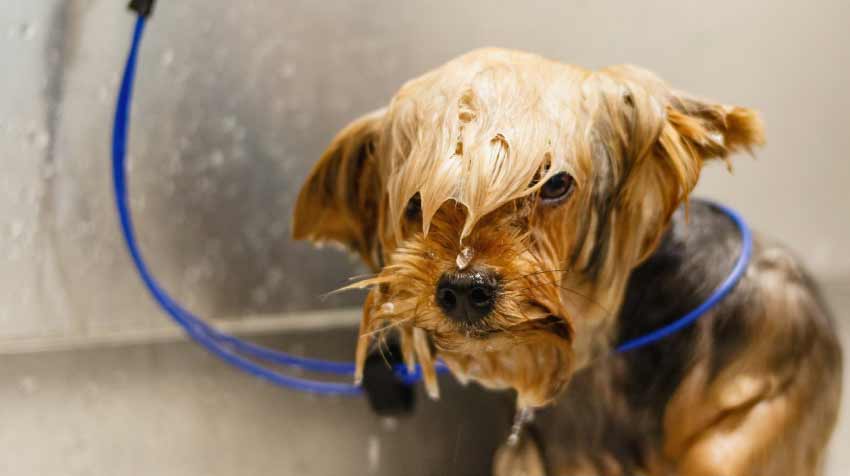
Depending on your dog’s fur, some dogs will need fewer baths. Make sure to brush it regularly as this will help remove loose hair and tangles. Oftentimes, dogs try to escape from the bath and run away. If this happens, use a grooming loop attached to a tie-out stake or faucet.

After cleaning your dog’s face, you can begin washing his head. For this part, Easton suggests using a washcloth soaked in clear or soapy water, then washing your pet’s head. The head should be thoroughly rinsed before a bath, but if your dog is sensitive, it might require a second shampoo.

Shampoo, conditioner, and a towel are great items to have nearby. Keep treats in a pocket while you clean your dog. Make sure your dog stays calm during the bath and is comfortable while you wash it. Some are too harsh and need to be diluted with water.

First, wet your dog’s fur thoroughly before applying shampoo. You can also use a bathtub if you’d prefer. Remember to avoid the face area, eyes, and ears. Make sure the shampoo gets to the skin, and then rinse thoroughly. Finish by towel-drying your dog and rewarding him for a good job.

Before bathing your dog, brush his fur and remove any tangles. Don’t forget to brush the fur to remove matting, which can cause tangles. If you’re worried that your dog will be nervous, offer him a few treats so he doesn’t get nervous. If all else fails, give him some treats during the bath.

If you’ve never bathed your dog before, you’re missing out on some important steps. First, prepare the shampoo and water. Use a pre-mixed solution to ensure the shampoo has enough water for an even lather on your dog’s coat. If your dog has short hair, pour shampoo down the front of its body.

Lastly, you must choose a safe location to bathe your dog. Be sure to use a table or extra work space in the bathroom to bathe your dog. Choosing a safe location is important because your dog should be comfortable. Ultimately, this should be a relaxing experience for both of you. If you don’t want to make the entire process stressful, consider hiring a professional groomer.