Dog with abs

Dog with abs

Quick Answer: ‘Abs’ in dogs usually just describes visible muscle definition along a lean dog’s abdomen — generally a sign of healthy weight and good muscle tone rather than a concern, provided the dog is eating well and staying active.

Key Takeaways

  • Visible abdominal muscle typically reflects a lean, healthy body condition.
  • Breed and body type influence how pronounced this looks.
  • It’s different from being underweight or malnourished, which comes with other signs like a dull coat or low energy.
  • Regular exercise and a balanced diet support healthy muscle tone.
  • Check with a vet or nutritionist if you notice unexplained weight loss alongside it.

Why Trust This Guide?

This guide is researched and written by the Pets Store Home editorial team, drawing on general veterinary and animal-care information. It’s intended as general information; consult your veterinarian for advice specific to your pet.

Dog with abs

“Dogs with abs” typically refers to dogs with well-defined abdominal muscles. Just like in humans, a dog’s abdominal muscles can become more visible if they are in good physical condition and have a healthy level of body fat. 

However, it’s important to note that the appearance of abdominal muscles can vary widely among individual dogs based on breed, genetics, diet, and exercise.

Regular exercise, a balanced diet, and proper care are essential for maintaining a dog’s overall health and physical fitness. 

It’s recommended to consult with a veterinarian before making any significant changes to your dog’s diet or exercise routine to ensure that it’s appropriate for its needs and health status.

Introduction: The fascination with “dog with abs.”

The fascination with a “dog with abs” seems to arise from the desire to see our canine companions in peak physical condition, akin to how humans aim for a toned and muscular physique. The image of a dog with well-defined abdominal muscles conjures thoughts of health, strength, and vitality. This fascination often stems from a combination of factors, including the admiration of a dog’s natural athleticism, the connection between a fit dog and an active lifestyle, and the aesthetic appeal of a well-muscled physique.

In a society increasingly focused on fitness and wellness, the idea of a “dog with abs” may capture our imagination as a representation of the ultimate embodiment of canine health. This fascination is similar to our interest in elite athletes or bodybuilders, who showcase the pinnacle of human physical capabilities. 

However, it’s crucial to approach this fascination with a balanced perspective, recognizing that dogs, like humans, have varying body types and individual needs.

While striving to keep our dogs physically active, strong, and healthy is commendable, it’s important to prioritize their overall well-being and happiness above achieving a specific visual aesthetic. Dogs provide unconditional love, companionship, and loyalty; their value extends beyond physical appearance. As responsible dog owners, we can best show our appreciation by providing proper care, engaging in enjoyable activities, and nurturing our unique bond with these wonderful animals.

Explain what it means for a dog to have abs.

When people refer to a “dog with abs,” they metaphorically use human fitness terminology to describe a dog’s well-defined abdominal muscles. Just like in humans, a dog’s abdominal muscles can become more visible and pronounced if the dog is in good physical condition and has a healthy body composition.

In the context of dogs, having “abs” typically means that the muscles in their abdominal area are well-developed and can be visibly seen beneath the skin. These muscles are responsible for core strength, stability, and overall physical balance. When a dog has strong and well-defined abdominal muscles, it can suggest that they are in good shape and have engaged in activities that challenge and strengthen these muscles.

However, it’s important to note that a dog’s natural body shape, genetics, breed, and overall fitness level significantly determine whether its abdominal muscles are visible. Some breeds naturally have more prominent musculature, while others may not show defined abs as prominently due to their body structure or genetics.

The focus should always be on keeping your dog healthy, active, and happy rather than specifically aiming to achieve visible abdominal muscles. Regular exercise, a balanced diet, and attentive care contribute to your dog’s overall well-being, regardless of whether its abs are visibly defined.

Understanding the concept of “dog with abs.”

The concept of a “dog with abs” is an analogy that draws a comparison between the muscular definition of a human’s abdominal muscles (often referred to as “abs”) and the muscular development of a dog’s body. Just as humans with well-defined abdominal muscles are seen as physically fit and in good shape, the idea of a “dog with abs” suggests a dog with well-developed and visible muscles in the abdominal area, indicating good physical condition.

However, it’s important to approach this concept with nuance and consider the differences between humans and dogs. While the term is catchy and relatable, dogs and humans have distinct anatomies, body compositions, and physiological characteristics. Not all dogs will exhibit the same level of muscle definition, and factors such as breed, genetics, diet, and exercise play a significant role in a dog’s appearance.

The fascination with a “dog with abs” often stems from a desire to see dogs in optimal health and fitness, akin to how humans strive for physical wellness. It underscores the admiration for a dog’s natural athleticism and the connection between a fit dog and an active lifestyle. However, it’s important to prioritize a dog’s overall health, well-being, and happiness over any specific physical appearance.

In summary, the concept of a “dog with abs” is a metaphorical expression that reflects the desire to see dogs in good physical shape. Still, it should be understood within the context of each dog’s unique attributes and overall care requirements.

The importance of a healthy lifestyle for dogs

Maintaining a healthy lifestyle is crucial for dogs, just like humans. A healthy lifestyle directly contributes to a dog’s overall well-being, longevity, and quality of life. Here are several key reasons why a healthy lifestyle is important for dogs:

Physical Health: Regular exercise and a balanced diet are essential for a dog’s physical health. Adequate exercise helps maintain a healthy weight, supports cardiovascular health, strengthens muscles, and promotes joint flexibility.

Prevent Obesity: Just like in humans, obesity in dogs can lead to a range of health issues, including joint problems, diabetes, heart disease, and decreased lifespan. A healthy lifestyle helps prevent obesity and its associated complications.

Mental Stimulation: Engaging in physical activities and mental challenges keeps a dog’s mind active. Boredom can lead to behavioral issues, so mental stimulation through activities and interactive toys is vital.

Prevent Behavioral Problems: Regular exercise helps release excess energy, reducing the likelihood of behavioral problems like excessive barking, digging, or chewing.

Socialization: Engaging in activities and outings with other dogs and people promotes healthy socialization, reducing the risk of fear or aggression toward unfamiliar situations.

Strong Immune System: Proper nutrition and exercise contribute to a dog’s immune system strength, helping them fend off illnesses and recover more quickly when they get sick.

Joint Health: Keeping muscles strong and maintaining a healthy weight reduces strain on joints, promoting joint health and minimizing the risk of conditions like arthritis.

Heart Health: Regular cardiovascular exercise improves blood circulation and heart health, reducing the risk of heart-related issues.

Bonding and Trust: Engaging in activities together, like walking or playing, strengthens the bond between a dog and its owner, promoting trust and companionship.

Prevent Boredom: A healthy lifestyle with varied activities prevents dogs from becoming bored, which can lead to destructive behaviors as they seek entertainment.

Longevity: Dogs that lead healthy lives are more likely to live longer, happier lives, giving you more years of companionship.

Quality of Life: A healthy lifestyle enhances a dog’s overall quality of life. They have more energy, vitality, and enjoyment of daily activities.

Remember that each dog is unique, with varying exercise needs and dietary requirements based on breed, age, and health conditions. Consulting with a veterinarian is essential to create a tailored plan that ensures your dog’s health and happiness. A healthy lifestyle involves proper nutrition, exercise, mental stimulation, check-ups, and love and attention.

Responsible dog ownership and body image

Responsible dog ownership concerns meeting your dog’s physical, emotional, and social needs. At the same time, body image should take a backseat to your pet’s overall health and well-being. Here’s how responsible dog ownership relates to the concept of body image:

Health First: Responsible dog ownership prioritizes a dog’s health and happiness over any specific physical appearance. A dog’s well-being should be the primary concern, and decisions about their care should be guided by their overall health requirements.

Proper Nutrition: A balanced and appropriate diet is crucial for your dog’s health. A responsible owner ensures their dog receives the right nutrients and portion sizes, focusing on maintaining a healthy weight and muscle tone.

Regular Exercise: Engaging your dog in regular exercise is essential for their physical and mental health. Tailor activities to your dog’s breed, age, and energy level. The goal is to keep your dog fit and active rather than aiming for a particular body image.

Mental Stimulation: Responsible dog ownership includes providing mental stimulation through training, enrichment activities, and social interactions. Mental well-being contributes to overall health and happiness.

Preventing Health Issues: Taking preventative measures like regular veterinary check-ups, vaccinations, and parasite control helps ensure your dog’s long-term health and reduces the risk of serious health issues.

Avoiding Harmful Practices: Responsible dog owners avoid practices that could harm their dog’s health, such as extreme dieting, excessive exercise, or supplements without veterinary guidance.

Bonding and Companionship: Focusing on your dog’s well-being and spending quality time together strengthens the bond between you and your pet, enhancing their emotional health.

Individual Variation: Dogs, like humans, come in various shapes and sizes. Each dog’s body is unique, influenced by genetics, breed characteristics, and individual traits. It’s important not to project human body image ideals onto dogs.

Acceptance and Love: Responsible dog ownership is about accepting and loving your dog for who they are. Embrace your dog’s natural physique and characteristics without trying to conform them to human appearance standards.

In summary, responsible dog ownership involves nurturing your dog’s health, happiness, and overall quality of life. It’s essential to avoid projecting human body image ideals onto your dog and instead focus on providing proper care, a balanced lifestyle, and a loving environment. You demonstrate true responsibility and compassion as a dog owner by prioritizing your dog’s well-being.

The dangers of promoting unrealistic body standards for animals

Promoting unrealistic body standards for animals can have detrimental effects on their physical and mental well-being, as well as on our perception of their natural beauty and worth. Here are some dangers associated with promoting unrealistic body standards for animals:

Health Risks: Encouraging animals to conform to unrealistic body standards can lead to unhealthy practices such as extreme dieting, overexercising, or potentially harmful supplements. This can result in serious health issues and compromised well-being.

Physical Strain: Pushing animals to achieve unnatural body shapes can lead to physical strain, discomfort, and pain. Dogs, for example, have diverse body types based on their breeds, and trying to conform them to a single standard can lead to musculoskeletal problems.

Mental Stress: Animals constantly subjected to efforts to change their appearance may experience stress, anxiety, and reduced quality of life. This can negatively impact their behavior, temperament, and overall happiness.

Reduced Diversity: Every animal is unique, and promoting unrealistic body standards may devalue the diverse beauty of different breeds and individual characteristics. This can lead to a narrow perception of what’s “desirable.”

Misguided Priorities: Focusing solely on appearance detracts from the importance of nurturing a pet’s health, well-being, and happiness. Its physical appearance does not solely determine an animal’s worth.

Unrealistic Expectations: Unrealistic body standards can lead to dissatisfaction among pet owners who try to mold their animals into something they’re not naturally meant to be. This can create frustration and disappointment.

Unhealthy Practices: Trying to attain an unrealistic body standard for animals can encourage the use of quick fixes, unproven methods, or even potentially dangerous interventions that comprise an animal’s health.

Negative Impact on Caregivers: Owners who constantly focus on an animal’s appearance might overlook their genuine needs and characteristics. This can hinder the formation of a deep and meaningful bond with the animal.

Distorted Perception: Unhealthy body image standards for animals can distort our perception of what a healthy and happy animal should look like. This can lead to an unhealthy focus on aesthetics over genuine well-being.

Educational Implications: Promoting unrealistic body standards may misinform the public about what is truly important for animals. This can hinder efforts to educate people about proper care and responsible ownership.

In conclusion, it’s important to appreciate animals’ natural diversity and prioritize their health, happiness, and well-being over conforming to unrealistic body standards. Responsible pet ownership involves understanding and nurturing each animal’s unique qualities and needs. Promoting a positive and holistic approach to animal care is essential for fostering strong bonds and ensuring our animal companions’ best possible quality of life.

Muscular dog breeds

There are several dog breeds known for their muscular build and strength. These breeds are often bred for tasks such as working, guarding, or pulling. Remember that individual dogs within a breed can vary in muscle definition and overall physique. Some muscular dog breeds include:

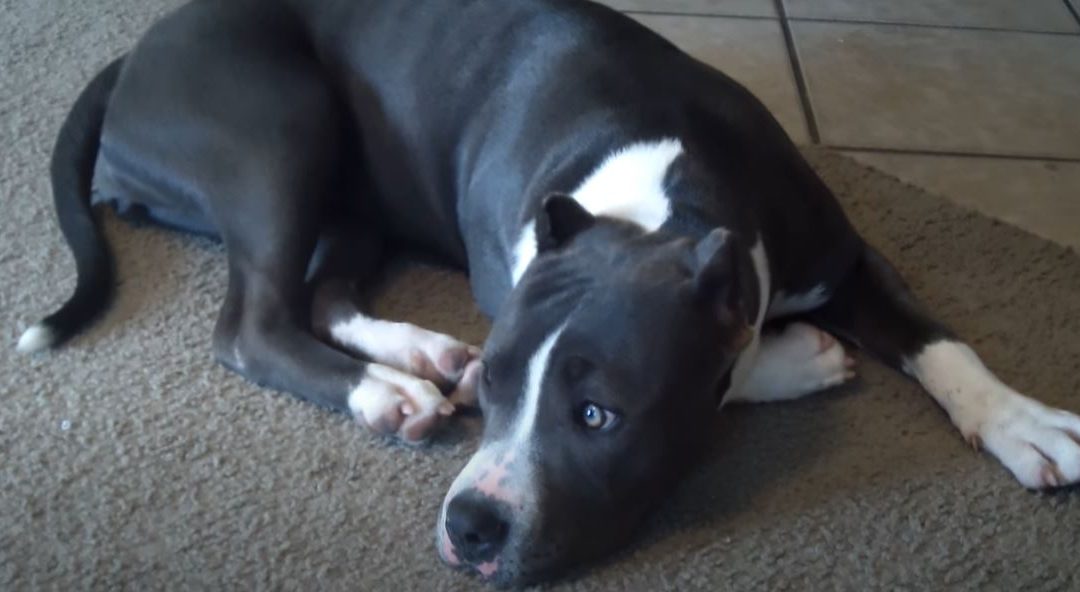
American Pit Bull Terrier: Known for their strength and agility, these dogs have well-defined muscles and were historically used in various working roles.

American Bulldog: These dogs have a strong, athletic build with powerful muscles, making them excellent working and guarding dogs.

Rottweiler: Rottweilers are known for their strength and endurance. They have a muscular body and were originally bred as herding and guarding dogs.

Boxer: Boxers are medium-sized dogs with well-muscled bodies. They are playful and energetic, often used as working and companion animals.

Bull Terrier: Bull Terriers are distinctive for their egg-shaped head and muscular body. They were initially bred for dogfighting but have since become popular companion animals.

Doberman Pinscher: These dogs are known for their sleek, muscular bodies. They were originally bred as guard dogs and are known for their loyalty and intelligence.

Mastiff: Different types of mastiffs, such as the English Mastiff and the Bullmastiff, have strong, massive bodies with prominent muscles. They were bred as guardian and protection dogs.

Staffordshire Bull Terrier: Similar in appearance to the American Pit Bull Terrier, Staffordshire Bull Terriers have a muscular build and were historically used for bull-baiting and later as companion animals.

Cane Corso: Cane Corsos have a powerful physique and were originally bred for guarding and hunting. They are known for their loyalty and protective nature.

German Shepherd: While not as bulky as some other breeds, German Shepherds are known for their strong muscles and agility. They are versatile working dogs often used in various roles, including police, military, and service work.

Remember that genetics, diet, exercise, and overall care play a significant role in a dog’s muscle development. If you’re interested in a specific breed, it’s important to research thoroughly and understand their needs, temperament, and characteristics to ensure they’re a good fit for your lifestyle.

How to get your dog abs?

Like humans, developing visible abdominal muscles (often called “abs”) in dogs requires a combination of factors, including exercise, diet, and genetics. While some breeds naturally have more defined musculature, not all dogs will develop prominent abdominal muscles, and that’s perfectly normal.

If you’re interested in helping your dog achieve better muscle definition, here are some general guidelines to consider:

Consult a Veterinarian: Before making any significant changes to your dog’s exercise routine or diet, consult your veterinarian. They can assess your dog’s health, age, breed, and individual needs to provide appropriate advice.

Exercise: Regular physical activity is crucial for building muscle in dogs. Engage your dog in regular exercises such as brisk walks, runs, play sessions, and interactive games like fetch. Incorporate activities that engage their core muscles, such as agility training or swimming, as these can help improve abdominal strength.

Strength Training: Certain activities can help target your dog’s abdominal muscles. Include activities that encourage them to engage their core, such as balancing on unstable surfaces (like a balance disc or stability ball) for short periods or teaching them tricks that require muscle engagement, like “sit pretty” or “up.”

Proper Diet: A balanced and appropriate diet is essential for muscle development. High-quality dog food that provides the necessary nutrients, including protein, will support muscle growth and overall health. Consult your vet for the right diet for your dog’s specific needs.

Portion Control: While protein is important, overfeeding can lead to excessive weight gain rather than muscle development. Monitor your dog’s portion sizes to ensure they maintain a healthy weight.

Consistency: Just like with human fitness, consistency is key. Regular exercise and a balanced diet should be maintained over time to see noticeable results.

Positive Reinforcement: When engaging your dog in exercises or activities that target their core, use positive reinforcement techniques like treats and praise to encourage their participation.

Rest and Recovery: Dogs, like humans, need adequate rest and recovery time to allow their muscles to heal and grow. Avoid overexertion and provide plenty of water during and after exercise.

Genetics: Remember that genetics significantly affect a dog’s overall physique. Some breeds are naturally more prone to having visible muscles than others.

Prioritizing your dog’s overall health and well-being is more important than achieving a specific aesthetic goal. Focus on providing a well-rounded and active lifestyle, and your dog will naturally develop their muscles to the best of their genetic potential. Always consult your veterinarian before making major changes to your dog’s routine.

The benefits of having a muscular dog

Having a muscular dog can come with several benefits, but it’s important to note that a dog’s overall health and well-being should always be the primary consideration. Here are some potential benefits of having a muscular dog:

Physical Strength and Capabilities: Muscular dogs are often more physically capable and excel in various activities such as agility, sports, and working roles. Their strength can make them suitable for tasks like pulling, protection work, or even search and rescue missions.

Versatility: Many muscular breeds are versatile and can excel in multiple roles. For example, breeds like German Shepherds and Belgian Malinois are known for their strength and agility, which makes them suitable for police, military, search and rescue, and service work.

Protection and Security: Some muscular breeds are natural protectors and can serve as excellent guard dogs. Their physical presence and strength can be a deterrent to potential intruders.

Exercise Partners: A muscular dog can be a great exercise companion if you’re active. They can join you on hikes, runs, and other outdoor activities, helping you stay motivated and engaged in regular exercise.

Bonding and Training: Engaging in physical activities and training with your dog can strengthen your bond and communication. Muscular breeds often thrive with mental and physical stimulation, making training sessions enjoyable and rewarding.

Confidence: Owning a muscular dog can provide a sense of confidence and security, knowing that your dog has the physical ability to protect you and your property if needed.

Participation in Dog Sports: Muscular dogs often excel in various dog sports like agility, weight pulling, dock diving, and more. These activities can give you and your dog mental stimulation and a sense of accomplishment.

Companionship: Beyond their physical abilities, muscular dogs can be loyal, affectionate companions. Their strength and presence can provide a sense of comfort and reassurance.

Aesthetics: Some people appreciate the aesthetics of a well-muscled dog. Muscular dogs can have a visually impressive appearance that appeals to those who enjoy a certain breed’s physique.

It’s important to remember that while there are benefits to having a muscular dog, these traits are not the only factors to consider when choosing a dog breed. Each breed has unique characteristics, energy levels, and care requirements. Before getting a dog, thoroughly research the breed, consider your lifestyle and capabilities, and ensure that the breed’s characteristics align with your expectations and abilities. Additionally, prioritize the dog’s health, well-being, and overall happiness above any specific physical attributes.

How to train your dog to have abs?

Training a dog to have visible abdominal muscles, often called “abs,” is not a common or recommended practice. Dogs should be trained and cared for with their overall health, well-being, and happiness as the primary focus. A dog’s physical appearance, including muscle definition, should come naturally through proper exercise, diet, and genetics.

Instead of focusing on training a dog for a specific aesthetic, consider these general guidelines for keeping your dog healthy and physically active:

Regular Exercise: Engage your dog in exercise tailored to its breed, age, and energy level. Activities like brisk walks, runs, play sessions, and interactive games can help maintain overall fitness and strength.

Variety of Activities: Include various physical activities to engage different muscle groups. Activities such as agility training, fetch, swimming, and hiking can help develop a balanced physique.

Balanced Diet: Provide a balanced and appropriate diet for your dog’s age, size, and activity level. High-quality dog food that provides the necessary nutrients, including protein, supports overall health and muscle maintenance.

Strength and Core Exercises: Engage your dog in activities that naturally encourage muscle engagement and development, such as balance exercises, uphill walking or running, and interactive toys that encourage movement.

Positive Reinforcement Training: Use positive reinforcement to teach your dog new commands and tricks. This not only strengthens your bond but also provides mental stimulation.

Adequate Rest and Recovery: Dogs need rest and recovery time to allow their muscles to heal and grow. Avoid overexertion and ensure your dog has a comfortable place to rest.

Regular Veterinary Care: Regular check-ups with a veterinarian are essential to monitor your dog’s overall health and address any concerns.

Genetics: Remember that genetics play a significant role in a dog’s muscle development and overall appearance. Some breeds naturally have more defined musculature than others.

Focus on Health and Happiness: Instead of striving for a specific aesthetic, focus on your dog’s health, happiness, and overall well-being. Providing mental and physical enrichment, a balanced diet, regular exercise, and love will improve your dog’s quality of life.

Conclusion

In conclusion, focusing on your dog’s overall health, well-being, and happiness should be the primary goal, rather than trying to achieve a specific aesthetic such as visible abdominal muscles. Dogs come in various shapes, sizes, and appearances, and their genetics and needs should be respected.

While some breeds naturally have more defined musculature, providing your dog with proper exercise, a balanced diet, and regular veterinary care to maintain their overall fitness is important. Engaging in activities that cater to their natural abilities and instincts can help them lead a fulfilling and active life.

Remember that a strong bond with your dog, positive training methods, and meeting their mental and physical needs are far more valuable than focusing on specific physical attributes. Prioritizing their health, happiness, and the special companionship they provide will create a rewarding relationship that goes beyond appearance.
Pug Maltese Mix Full Grown

Pug Maltese Mix Full Grown

Quick Answer: A full-grown Pug-Maltese mix typically weighs around 8-15 pounds and stands roughly 10-13 inches tall, though exact size depends on which parent breed’s traits are more dominant.

Key Takeaways

  • Adult size generally falls in the small-dog range, blending both parent breeds.
  • Appearance can lean more toward Pug or Maltese traits depending on the individual.
  • Temperament is often affectionate, playful, and people-oriented.
  • Grooming needs combine Pug’s short coat with Maltese’s longer, silkier fur tendencies.
  • Watch for breed-related health issues like breathing sensitivity and dental crowding.

Why Trust This Guide?

This guide is researched and written by the Pets Store Home editorial team, drawing on general veterinary and animal-care information. It’s intended as general information; consult your veterinarian for advice specific to your pet.

What is a Pug Maltese Mix?

A Pug Maltese Mix, also known as a “Maltipug,” is a hybrid dog breed that results from crossing a Pug with a Maltese. This type of crossbreed combines the characteristics of both parent breeds, creating a unique and diverse range of traits in the offspring.

Pugs are small, sturdy dogs with distinctive wrinkled faces, short muzzles, and curly tails. They are friendly and affectionate, often getting along well with people and other pets.

Maltese dogs, on the other hand, are also small in size and known for their long, silky coats. They are gentle, lively, and playful companions, often forming strong bonds with their owners.

When you mix these two breeds, the resulting Maltipug can inherit a combination of physical traits, coat characteristics, and temperament from both parent breeds. It’s important to note that the appearance and temperament of a Maltipug can vary widely, as each dog may inherit more traits from one parent breed than the other. Regular grooming and care are often necessary, particularly if the dog inherits the long coat of the Maltese.

As with any crossbreed, learning about the characteristics of both parent breeds is recommended to understand what to expect from a Maltipug and ensure that it fits your lifestyle and preferences well.

The History of the Pug Maltese Mix

The history of the Pug Maltese Mix, or Maltipug, is less extensively documented than that of purebred dog breeds. Crossbreeding between dog breeds has become more popular in recent years, and the Maltipug is likely a product of such intentional cross-breeding.

Crossbreeding dogs has been done for various reasons, including combining the positive traits of both parent breeds, creating dogs with hypoallergenic coats, or simply producing unique and visually appealing pets. In the case of the Maltipug, the goal may have been to combine the friendly and playful nature of the Pug with the elegance and long coat of the Maltese.

However, it’s important to note that crossbreeds like the Maltipug have different consistent histories and established breeding standards than purebred dogs. The lineage and characteristics of individual Maltipugs can vary widely based on the genetics of their parent dogs. Due to this lack of standardization, there must be a well-documented history specific to the Maltipug breed.

If you’re interested in adopting or purchasing a Maltipug, it’s recommended to work with responsible breeders who prioritize the health and well-being of their dogs. Additionally, learning about the parent breeds (Pug and Maltese) can give you a better understanding of the potential traits and needs of a Maltipug.

Pug Maltese mix full grown.

The size of a full-grown Pug Maltese Mix, or Maltipug, can vary based on the genetics inherited from its parent breeds. On average, Maltipugs tend to be small to medium-sized dogs. Here’s a rough estimate of their size:

Weight: When fully grown, maltipugs typically weigh around 10 to 20 pounds (4.5 to 9 kg).

Height: They usually stand at a height of 8 to 12 inches (20 to 30 cm) at the shoulder.

Remember that these are general ranges; individual Maltipugs might fall outside these measurements. Additionally, genetics can play a significant role in determining the exact size of your dog. If you’re looking to adopt or purchase a Maltipug, it’s a good idea to meet the puppy’s parents, as this can give you a better idea of the potential size your dog might reach as an adult.

Certainly, here’s more information about the Pug Maltese Mix (Maltipug):

Coat and Appearance: Maltipugs can have a variety of coat colors and patterns, often influenced by both the Pug and Maltese parent breeds. Their coats can range from short and smooth (like the Pug) to longer and silky (like the Maltese). Common coat colors include black, fawn, cream, white, and various combinations. Some Maltipugs might have a mask-like facial coloring similar to Pugs.

Personality and Temperament: Maltipugs are known for their friendly, affectionate, and playful nature. They often enjoy being around people and other pets, making them great companions for families and singles. While they can be energetic and lively, they are also content with cuddling and lounging. Their social nature might make them prone to separation anxiety if left alone for extended periods.

Exercise and Activity: As mentioned earlier, Maltipugs have moderate exercise needs. Daily walks, interactive play sessions, and mental stimulation are essential to keep them physically and mentally healthy. Due to their brachycephalic anatomy, avoiding overexertion and providing exercise during cooler parts of the day is crucial.

Grooming Needs: Grooming a Maltipug involves regular brushing, especially if they have a longer coat. Regular ear cleaning, dental care, and nail trimming are important for their grooming routine. Regular grooming sessions keep them looking their best and help maintain their overall health.

Health Considerations: Maltipugs, like all crossbreeds, can inherit health issues from their parent breeds. The potential health concerns mentioned earlier, including respiratory issues, eye problems, dental care, and obesity, should be monitored and managed to ensure their well-being.

Lifespan: The average lifespan of a Maltipug is around 12 to 15 years, though individual lifespans can vary based on genetics, care, and overall health.

Adoption and Responsible Breeding: When considering adopting a Maltipug, it’s important to work with reputable breeders who prioritize the health and well-being of their dogs. Alternatively, consider adopting from shelters or rescue organizations, as Maltipugs might need loving homes.

In summary, the Pug Maltese Mix (Maltipug) is a charming and affectionate crossbreed that can make a wonderful companion for various households. Their mix of traits from the Pug and Maltese parent breeds results in a unique and delightful furry friend that brings joy to their owners’ lives.

The Temperament of the Pug Maltese Mix

The temperament of a Pug Maltese Mix, or Maltipug, can vary widely based on the individual dog’s genetics, upbringing, and socialization. Since Maltipugs are crossbred, their temperament can inherit characteristics from the Pug and the Maltese parent breeds. Here are some general traits that might be found in a Maltipug’s temperament:

Affectionate: Pugs and Maltese dogs tend to be affectionate and enjoy spending time with their owners. A Maltipug may display a loving and cuddly personality, seeking attention and companionship.

Playful: Pugs are known for their playful nature, and Maltese dogs are often lively and enjoy interactive play. A Maltipug might have a lot of energy and enjoy playtime and games.

Friendly: Pugs are usually quite social and get along well with people and other pets. Maltese dogs can also be friendly, forming strong attachments to their owners. A Maltipug might exhibit a friendly and pleasant demeanor.

Curious: Both parent breeds tend to be curious about their surroundings. This trait can carry over to a Maltipug, making them curious and eager to explore their environment.

Alert: Maltese dogs often have a keen sense of hearing and can be alert to their surroundings. A Maltipug might inherit this alertness, making them effective as watchful companions.

Stubborn: Pugs and Maltese dogs can both have a stubborn streak in their personalities. A Maltipug could sometimes be challenging, requiring patient and consistent training methods.

Adaptable: Both parent breeds are often adaptable to different living situations, including apartments or houses. A Maltipug might adjust well to various environments if their exercise and socialization needs are met.

Attention-Seeking: Maltese dogs, in particular, tend to crave attention and can be somewhat dependent on their owners. A Maltipug might want to be near its human companions as much as possible.

It’s important to remember that individual dogs can vary greatly within these general temperament traits due to the unique combination of genetics they inherit from their parent breeds. Early socialization, proper training, and consistent positive reinforcement can help shape a Maltipug into a well-behaved and well-adjusted companion. If you’re considering getting a Maltipug, spend time with the puppy’s parents to get a sense of their temperament and behavior, and be prepared to provide them with proper care, training, and attention.

How to Train a Pug Maltese Mix

Training a Pug Maltese Mix (Maltipug) requires patience, consistency, positive reinforcement, and understanding of the individual dog’s temperament and needs. Here’s a step-by-step guide to help you train your Maltipug effectively:

Start Early: Begin training your Maltipug as early as possible. Puppies are more receptive to learning new behaviors and commands during their early developmental stages.

Socialization: Introduce your Maltipug to various people, pets, environments, and situations to help them develop good social skills and confidence. Positive experiences during socialization can prevent behavior problems later on.

Basic Commands: Teach basic commands like “sit,” “stay,” “down,” “come,” and “leave it.” Use positive reinforcement techniques such as treats, praise, and toys to reward desired behaviors.

Consistency: Be consistent in your commands, cues, and rewards. Use the same words and gestures for each command, and make sure all family members are on the same page to avoid confusing your dog.

Positive Reinforcement: Reward your Maltipug with treats, praise, and playtime when they exhibit the desired behavior. Positive reinforcement encourages them to repeat the behavior in the future.

Short Sessions: Keep training sessions short and focused, especially for a breed like the Maltipug, which might have a shorter attention span. Aim for 5-10 minute sessions and gradually increase the duration as your dog becomes more attentive.

Use Treats Strategically: Use high-value treats to motivate your Maltipug, but be mindful of their size to prevent overfeeding. Break treats into small pieces to avoid excessive calorie intake.

Avoid Harsh Methods: Avoid punishment-based training methods, which can lead to fear and anxiety. Instead, focus on positive reinforcement to build a strong bond of trust between you and your dog.

Leash Training: Teach your Maltipug to walk calmly and without pulling on a leash. Start in a quiet environment and gradually expose them to more distractions.

Crate Training: Introduce crate training gradually, using positive associations with the crate and making it a comfortable and safe space for your Maltipug.

House Training:

  1. Be patient and consistent when house training your Maltipug.
  2. Take them outside frequently, especially after meals, naps, and playtime.
  3. Reward them when they eliminate outdoors.

Focus on Problem Areas: Address any specific behavioral challenges your Maltipug might have, such as barking excessively or separation anxiety. Seek professional help if needed.

Ongoing Training: Training is an ongoing process. Continue reinforcing commands and behaviors your Maltipug has learned to ensure they retain their skills.

Exercise and Mental Stimulation: Keep your Maltipug physically and mentally active. Engaging in activities like puzzle toys, interactive games, and short walks can help prevent boredom-related behavior issues.

Remember that each dog is unique, so tailor your training approach to your Maltipug’s personality and needs. If you encounter difficulties or need guidance, consider enrolling in a positive reinforcement-based obedience class or consulting a professional dog trainer. Patience, consistency, and a positive attitude will go a long way in helping your Maltipug become a well-behaved and happy companion.

Health Concerns for the Pug Maltese Mix

Crossbreeds like the Pug Maltese Mix (Maltipug) can inherit various health traits from both parent breeds. Knowing about potential health concerns that could affect your Maltipug’s well-being is important. While not all individuals will experience these issues, being informed allows you to provide proper care and seek veterinary attention. Some health concerns to watch for in Maltipugs include:

Respiratory Issues: Pugs are known for their flat faces (brachycephalic), which can lead to respiratory difficulties due to their shortened airways. This can result in snoring, wheezing, and trouble breathing, especially in hot or humid conditions.

Eye Problems: Pugs and Maltese dogs are susceptible to certain eye conditions, including corneal ulcers, dry eye (keratoconjunctivitis sicca), and progressive retinal atrophy (PRA). Regular eye examinations and proper eye care are important.

Dental Issues: Small dog breeds, including Pugs and Maltese, are prone to dental problems such as periodontal disease. Regular dental care, including teeth brushing and dental check-ups, is crucial.

Luxating Patella: This is a condition where the kneecap dislocates from its normal position, causing lameness and discomfort. Both Pugs and Maltese can be susceptible to this condition.

Allergies: Some Maltipugs might inherit allergies, which can manifest as skin irritations, itchiness, and gastrointestinal issues. Identifying and managing allergens can help alleviate symptoms.

Joint Issues: Hip dysplasia and other joint problems can affect both parent breeds. Maintaining a healthy weight, providing joint supplements (if a vet recommends), and avoiding excessive strain on joints can help prevent these issues.

Obesity: Pugs and Maltese dogs can gain weight easily, exacerbating other health problems. A balanced diet and regular exercise are essential to prevent obesity.

Feeding Your Pug Maltese Mix

Feeding your Pug Maltese Mix (Maltipug) requires selecting appropriate food, considering their size, age, activity level, and specific dietary needs. Here are some guidelines to help you provide a balanced and healthy diet for your Maltipug:

Choose High-Quality Food: Opt for high-quality commercial dog food that meets the nutritional needs of small breed dogs. Look for brands that list meat as the primary ingredient and avoid foods with excessive fillers or artificial additives.

Consider Age and Life Stage: Puppies, adult dogs, and seniors have different nutritional requirements. Choose a dog food formulated for your Maltipug’s life stage.

Portion Control: Follow the feeding guidelines on the dog food packaging based on your Maltipug’s weight and age. Monitor your dog’s body condition and adjust portions to maintain a healthy weight.

Frequency of Meals: Puppies typically require more frequent meals (3-4 times a day), while adults can usually be fed twice daily. Senior dogs may benefit from multiple smaller meals to aid digestion.

Avoid Overfeeding: Maltipugs are prone to gaining weight, so be cautious about portion sizes and avoid feeding table scraps or excessive treats. Use treats sparingly during training and choose low-calorie options.

Fresh Water: Give your Maltipug access to clean and fresh water.

Protein and Fat: Small breed dogs like the Maltipug often have higher energy requirements. Look for dog foods that provide a good balance of high-quality protein and healthy fats to support their activity levels.

Watch for Allergies: Pay attention to any signs of food allergies or sensitivities, such as skin problems, digestive issues, or excessive itching. If you suspect allergies, consult your veterinarian for a suitable diet.

Avoid Human Foods: Some human foods can be toxic to dogs. Avoid feeding your Maltipug foods like chocolate, grapes, raisins, onions, garlic, and foods high in salt or sugar.

Regular Check-Ups: Regular veterinary check-ups can help monitor your Maltipug’s weight, health, and nutritional needs. Your vet can offer recommendations on appropriate feeding and dietary adjustments.

Weight Management: Maintain a healthy weight for your Maltipug to prevent obesity-related health issues. Adjust portion sizes and engage in regular exercise to help manage weight effectively.

Transition Gradually: If you’re switching your Maltipug’s diet gradually over a week to minimize digestive upset.

Remember that Maltipugs have different nutritional needs, so observing your dog’s condition and behavior is important to ensure they thrive on their current diet. If you have concerns about your Maltipug’s diet or nutritional needs, consult your veterinarian for personalized advice.

Hypoglycemia: Maltese dogs can experience low blood sugar levels, especially as puppies. Ensuring consistent and proper feeding schedules can help prevent hypoglycemic episodes.

Heart Problems: Heart conditions, including mitral valve disease, can affect both parent breeds. Regular veterinary check-ups can help monitor heart health.

Heat Sensitivity: Maltipugs may have difficulty regulating their body temperature due to their shortened airways. Avoid excessive heat exposure and provide a cool and shaded environment.

Working with a responsible breeder who screens their breeding dogs for genetic health issues is important to minimize the risk of these health concerns. Regular veterinary check-ups, proper nutrition, regular exercise, good dental care, and attention to your Maltipug’s overall well-being can go a long way in promoting a healthy and happy life for your furry companion. If you notice any changes in your Maltipug’s behavior, health, or appearance, consult a veterinarian for guidance and care.

Exercise Needs of the Pug Maltese Mix

The exercise needs of a Pug Maltese Mix (Maltipug) can vary based on factors such as age, energy level, and overall health. However, as a general guideline, here’s what you should consider when providing exercise for your Maltipug:

Moderate Exercise: Maltipugs are a small breed, and their exercise requirements are generally moderate. They require a different activity level than some larger and more active breeds.

Daily Walks: Regular daily walks are important for your Maltipug’s overall well-being. Aim for at least one or two short walks daily to help them burn off energy and stimulate their mind.

Playtime: Engage your Maltipug in interactive play sessions to stimulate them mentally and physically. Games of fetch, hide-and-seek, and puzzle toys can be great options.

Indoor Play: Maltipugs are well-suited to indoor living but still need opportunities to move around and play. Interactive toys and short play sessions indoors can help meet their exercise needs.

Watch for Overexertion: Due to their brachycephalic (flat-faced) anatomy, Maltipugs can be prone to overheating and breathing difficulties. Avoid intense exercise during hot weather and be cautious not to overexert them.

Social Interaction: Maltipugs enjoy social interactions, so playdates with other dogs or trips to a dog park (if they are well-socialized) can benefit their mental and social development.

Mental Stimulation: Mental enrichment is as important as physical exercise. Provide your Maltipug with puzzle toys, training sessions, and other mentally engaging activities to keep their minds active.

Training Activities: Incorporate training sessions into your Maltipug’s routine. Teaching them new tricks and commands provides mental stimulation and strengthens your bond.

Senior Considerations: As your Maltipug ages, their exercise needs may change. Keep an eye on their mobility and adjust their exercise routine accordingly.

Balanced Approach: Aim for a balanced approach to exercise, incorporating both physical and mental activities. This can help prevent boredom-related behaviors and promote a happy and healthy lifestyle.

Always pay attention to your individual Maltipug’s cues. If they seem tired or are struggling to breathe during exercise, it’s important to give them a break and allow them to cool down. If you need more clarification about the appropriate exercise routine for your Maltipug, consult your veterinarian. They can provide guidance based on your dog’s specific needs and health considerations.

Grooming Your Pug Maltese Mix

Grooming a Pug Maltese Mix (Maltipug) involves regular care to keep their coat, skin, nails, ears, and overall appearance healthy and comfortable. Here’s a guide to grooming your Maltipug:

Brushing: The coat of a Maltipug can vary, but it often has a longer, silky texture due to the Maltese parent. Brush their coat regularly to prevent tangles and matting. Use a soft brush or comb suitable for their coat type. Aim to brush a few times weekly to keep the coat in good condition.

Bathing: Bathe your Maltipug as needed, typically every 4 to 6 weeks or when they get dirty or smelly. Use a mild dog shampoo and conditioner to keep the coat clean and soft. Be careful not to over-bathe, as it can strip the coat of natural oils.

Eyes and Face: Maltipugs might inherit the prominent eyes of the Pug parent. Clean their face and eye area regularly to prevent tear staining and infection. Use a damp cloth to wipe away any discharge and clean the area.

Ears: Check your Maltipug’s ears weekly for signs of dirt, wax buildup, or infection. Gently clean the ears using a vet-approved ear cleaner and cotton ball, being careful not to insert anything into the ear canal.

Nails: Trim your Maltipug’s nails every few weeks to prevent them from becoming too long and causing discomfort or difficulty walking. Avoid cutting into the quick (the sensitive inner part of the nail), as it can cause bleeding and pain.

Teeth: Dental hygiene is important for Maltipugs. Brush their teeth regularly using a dog-safe toothbrush and toothpaste. Dental treats or toys can also help promote oral health.

Anal Glands: Some Maltipugs might require periodic anal gland expression. If you notice scooting or discomfort, consult your veterinarian for guidance.

Trimming: If your Maltipug’s coat is longer, you might need occasional trimming to keep it tidy. You can do this at home or take them to a professional groomer for a trim every few months.

Grooming Tools: Invest in quality grooming tools, including brushes, combs, nail clippers, and ear-cleaning solutions. Using the right tools can make the grooming process smoother and more comfortable for your dog.

Professional Grooming: Depending on the coat type and comfort level, you might opt for professional grooming appointments every few months. Groomers can provide services like trimming, bathing, and specific breed-style grooming.

Regular Check-ups: During grooming sessions, take the opportunity to check your Maltipug’s skin for any abnormalities, lumps, or signs of irritation. Early detection of issues can lead to prompt treatment.

Remember that grooming is not just about maintaining appearances; it’s also about your Maltipug’s health and comfort. Regular grooming sessions also provide bonding time between you and your dog. If you need more clarification about specific grooming techniques or have concerns about your Maltipug’s coat, consult a professional groomer or your veterinarian for guidance.

Conclusion

In conclusion, the Pug Maltese Mix, known as the Maltipug, is a unique and delightful crossbreed that combines traits from both the Pug and the Maltese parent breeds. While each Maltipug can have a distinct appearance and personality, they often share characteristics such as affectionate nature, playful disposition, and adaptability to various living environments.

When considering a Maltipug as a companion, it’s important to:

Understand Their Traits: Learn about the general characteristics of Pugs and Maltese dogs, as these will influence the potential traits of your Maltipug.

Provide Proper Care: Be prepared to provide proper care, including appropriate feeding, regular exercise, grooming, and healthcare to ensure their well-being.

Training and Socialization: Train and socialize your Maltipug early to develop good behavior and social skills.

Health Awareness: Be aware of potential health concerns that can affect Maltipugs, including respiratory issues, eye problems, dental care, and obesity.

Enjoy the Bond: Embrace the unique bond you’ll share with your Maltipug as they become an affectionate and devoted companion.

Remember that each Maltipug is an individual, and their traits and needs can vary. Taking the time to understand, care for, and enjoy your Maltipug’s company will create a rewarding and fulfilling relationship between you and your furry friend.

Can I walk my Dog after cutting the quick?

Can I walk my Dog after cutting the quick?

Quick answer: No, you shouldn’t walk your dog right after cutting the quick. Wait until the bleeding has fully stopped and a clot has formed, which usually takes a few minutes with pressure or styptic powder, before heading out. Walking too soon can dislodge the clot, restart the bleeding, and introduce dirt or bacteria into the wound, so a short rest period first makes for a much faster, cleaner recovery.

Key Takeaways

  • Wait until bleeding has completely stopped, not just slowed, before walking your dog.
  • Styptic powder is the fastest way to stop the bleeding; cornstarch or flour with firm pressure works as a backup.
  • Most minor quick cuts stop bleeding within a few minutes and heal fully within one to two days.
  • A quick, careful indoor bathroom break on a clean surface is fine once bleeding stops; save longer walks for the next day.
  • Bleeding that won’t stop after 20 to 30 minutes, or signs of infection, need a vet’s attention.

Why Trust This Guide?

This guide draws on veterinary and professional grooming guidance on treating a cut quick, stopping nail bleeding safely, and standard aftercare timelines. It’s intended as general information – always consult your vet if bleeding is severe, doesn’t stop, or your dog shows signs of infection.

What Is the Quick, and Why Does Cutting It Hurt?

The quick is the soft tissue inside a dog’s nail that contains blood vessels and nerve endings, similar to the sensitive tissue under a human fingernail. In dogs with light-colored nails, the quick is often visible as a pinkish area, which makes it easier to avoid during trimming. In dogs with dark or black nails, the quick isn’t visible from the outside, which is exactly why accidental cuts happen far more often in dark-nailed dogs.

Cutting into the quick is painful for your dog, comparable to the sting of cutting your own nail too short, and it bleeds because the tissue is rich in blood vessels. The pain is usually sharp but brief, and most dogs recover their normal comfort level within a day, though the experience can understandably make a dog more nervous about future nail trims.

Immediate First Aid: Stopping the Bleeding

The first priority after cutting the quick is stopping the bleeding, not walking anywhere. Styptic powder, available at most pet stores and often included in nail trimming kits, is the fastest and most reliable option – pressing a small amount firmly onto the tip of the nail typically stops bleeding within about two minutes. If you don’t have styptic powder on hand, a styptic pencil (the kind used for shaving nicks) works in a similar way.

Keep your dog calm and still during this process, since movement and excitement can raise blood pressure and slow clotting. Applying firm, steady pressure with a clean cloth or gauze for a minute or two, even without any powder, often helps on its own for very minor nicks.

Home Remedies If You Don’t Have Styptic Powder

Several common household items work as reasonable backups when styptic powder isn’t available. Cornstarch and flour both work by drying and thickening the blood at the wound site, which helps promote clotting; baking soda works through a similar mechanism. A bar of plain soap can also be pressed onto the nail tip to help seal the bleeding vessel.

The key to making any of these work is firm, sustained pressure – dipping the nail briefly or dusting powder on without pressing it in usually isn’t enough. Hold the powder or substance firmly against the nail tip for a couple of minutes – a common mistake is barely touching the nail to the substance and expecting results, when what actually stops the bleeding is sustained, deliberate contact. These alternatives are generally slower than styptic powder, often taking five to ten minutes for a superficial cut rather than two.

Should You Walk Your Dog Right After Cutting the Quick?

No – walking immediately after a quick cut is one of the most common mistakes owners make, and it’s worth avoiding even if the bleeding seems to have mostly stopped. The pressure and repeated ground contact from walking can dislodge a fresh, still-fragile clot, restarting the bleeding and extending the whole recovery process. Walking on an unhealed, freshly bleeding nail also raises the chances of picking up dirt, debris, or bacteria from outdoor surfaces, which increases infection risk right when the wound is most vulnerable.

The safest approach is to keep your dog resting indoors on a clean surface until the bleeding has fully and reliably stopped, not just slowed to an occasional drop.

How Long to Wait Before Walking

For a minor nick with light bleeding, waiting roughly 15 to 30 minutes after the bleeding has visibly stopped is a reasonable buffer before any activity, including a short indoor bathroom break. For a deeper cut with more significant bleeding, waiting a few hours, or even resting for the remainder of the day before a full walk, gives the clot more time to stabilize. If you’re ever unsure whether the bleeding has truly stopped versus just paused, checking the nail again after 10 minutes of rest before deciding to head out is a sensible extra step.

What a Short Bathroom Break Might Look Like

Once bleeding has genuinely stopped, a brief, calm walk to the yard or a nearby patch of grass for bathroom needs is generally fine, especially if your dog seems comfortable putting weight on the paw. Keep this outing short and low-key rather than a full walk with running or play, and try to avoid rough terrain, gravel, or anything that could re-irritate the healing nail tip. Saving longer walks, runs, or hikes for the next day, once the nail has had a full night to continue healing, is the more cautious and generally recommended approach.

It also helps to keep an eye on your dog’s gait during this first short outing. A dog favoring the injured paw or walking noticeably differently is a sign to cut the outing even shorter and head back inside, while a dog putting normal weight on the paw and moving comfortably is a reasonable signal that things are progressing well.

Signs of Infection to Watch For

Most quick cuts heal without complications, but it’s worth knowing the warning signs of infection in the days following. Watch for increasing redness or swelling around the nail bed, a foul odor, discharge that isn’t just blood, ongoing limping beyond the first day, or your dog showing new sensitivity when the paw is touched days after the initial injury. Any of these signs, or bleeding that restarts repeatedly without an obvious cause, warrants a call to your vet rather than continued home monitoring.

How Long Full Healing Takes

Recovery time depends on how deep the cut was. A minor nick typically stops bleeding within minutes and causes only mild, brief soreness that resolves within a day, with no lasting issues. A deeper cut into the quick can leave the area tender for one to two days and may take up to about two weeks for the nail itself to fully regrow and adequately cover and protect the quick again. During this longer healing window, it’s worth keeping an eye on the nail during walks and avoiding activities that put repeated pressure on that specific paw.

Why Some Dogs Have More Prominent Quicks Than Others

The length of the quick isn’t the same across all dogs, and this partly explains why some dogs seem to get quicked far more easily than others. Dogs whose nails haven’t been trimmed regularly tend to have a quick that has gradually grown longer along with the nail itself, since the blood vessel extends to fill the available space when there’s no regular trimming pressure keeping it shorter. This is part of why a dog transitioning from infrequent trims to a regular trimming schedule may need several sessions, spaced a couple of weeks apart, to gradually encourage the quick to recede before nails can be trimmed to an ideal short length in one sitting.

Breed and nail thickness play a role too – dogs with particularly thick or fast-growing nails sometimes have a proportionally longer quick, which is one more reason very gradual, incremental trimming tends to work better than trying to achieve a short nail length in a single session, especially for a dog who hasn’t been trimmed in a while.

When to Call the Vet

Most quick cuts are manageable at home, but certain situations call for veterinary attention rather than continued home care. If bleeding hasn’t stopped after 20 to 30 minutes of firm, consistent pressure and styptic powder or a home remedy, proper clotting likely isn’t occurring and a vet visit is warranted. Persistent limping beyond a day, visible signs of infection, or a cut that seems unusually deep or accompanied by a torn nail rather than a clean trim also justify a vet check, since these situations sometimes need more than basic first aid. A nail that’s bent or twisted rather than cleanly cut is a different situation worth understanding on its own – this guide on a dog’s nail bent sideways and bleeding covers what that specific injury usually means.

Preventing Future Quick Cuts

The most reliable way to avoid cutting the quick is trimming small amounts at a time rather than attempting one large cut, checking the nail’s cross-section after each small trim for a pale, slightly moist center that signals you’re getting close to the quick. Good lighting makes a real difference, particularly for dark-nailed dogs where the quick isn’t visible from the outside – trimming in bright, direct light, or using a nail grinder that lets you gradually shorten the nail rather than cutting all at once, both reduce risk considerably. This step-by-step guide to trimming without cutting the quick walks through the technique in more detail.

Keeping your grooming tools sharp also matters more than most owners expect, since dull clippers tend to crush rather than cleanly cut the nail, which is both more painful and less precise. If you’re building out a more complete at-home grooming setup, this guide on professional dog grooming equipment covers tools worth having on hand, including options that make nail trims safer and more controlled.

Helping a Nervous Dog After a Quick Cut

A dog that’s had a quick cut once often becomes noticeably more resistant to future nail trims, understandably associating the process with pain. Rebuilding trust takes patience – short, positive sessions that involve simply handling the paws and offering treats, without any actual trimming, can help reset the association before you attempt another real trim. Trimming just one or two nails at a sitting, rather than doing all of them in one go, also reduces the overall stress of the experience and gives you more control if something goes wrong.

If nail trims consistently remain a struggle despite this kind of gradual desensitization, a professional groomer or vet tech is often faster and less stressful for both of you than continuing to fight through it at home, and can also model safer technique you can eventually try again yourself.

Quick Cuts on Different Types of Surfaces

Where your dog walks once you do resume activity matters more than owners often realize. A freshly healed or still-healing nail is more vulnerable on rough pavement, gravel, or hiking trails than it is on grass or carpet, since abrasive surfaces can catch or re-irritate a nail tip that hasn’t fully hardened back over yet. If a full walk is unavoidable within the first day or two, sticking to grass or smooth, even ground reduces the odds of re-injury compared to concrete or trail terrain.

Booties or a soft paw wrap can also add a layer of protection during this early healing window, particularly for dogs that are active or live somewhere with rough outdoor surfaces. This isn’t strictly necessary for a minor nick, but it’s a reasonable extra precaution for a deeper cut or for dogs who tend to be rough on their paws regardless of injury.

Multiple Nails Cut at Once

Occasionally more than one nail gets cut too short during the same trimming session, which changes the calculus slightly. With multiple affected nails, your dog is carrying more overall discomfort and has more points of vulnerability to reinjury, so it’s worth being extra conservative about activity level for the following day or two. Watch each affected nail individually for bleeding and signs of infection, since they may not all heal at exactly the same pace even if the cuts looked similarly minor at the time.

If you’re trimming multiple nails and accidentally cut one, it’s often worth pausing the rest of the session rather than continuing, both to let your dog calm down and to reduce the chance of a second mistake while you’re both a little rattled.

Bottom Line

Don’t walk your dog immediately after cutting the quick – stop the bleeding first with styptic powder or firm pressure, wait until it has genuinely stopped, and keep activity light for the rest of the day. Most quick cuts are minor and heal within a day or two with no lasting effects, but persistent bleeding, signs of infection, or ongoing limping are worth a vet’s attention rather than continued home care.

FAQ: Walking a Dog After Cutting the Quick

How long should I wait before walking my dog after cutting the quick? Wait until bleeding has fully stopped, generally 15 to 30 minutes for a minor nick, longer for a deeper cut, before any activity beyond a brief indoor bathroom break.

What’s the fastest way to stop a dog’s nail from bleeding? Styptic powder pressed firmly onto the nail tip typically stops bleeding within about two minutes.

What can I use if I don’t have styptic powder? Cornstarch, flour, baking soda, or a bar of soap pressed firmly onto the nail for a few minutes can work as a backup, though more slowly.

Is it normal for a dog’s nail to bleed a lot after being cut too short? Some bleeding is normal since the quick is rich in blood vessels, but bleeding that continues beyond 20 to 30 minutes of firm pressure needs veterinary attention.

Can my dog still go outside to go to the bathroom after a quick cut? Yes, once bleeding has genuinely stopped, a brief, calm bathroom break is generally fine – save longer walks for later or the next day.

How long does it take a cut quick to fully heal? Minor nicks resolve within a day; deeper cuts can take up to two weeks for the nail to regrow and fully cover the quick again.

What are signs of infection after a quick cut? Increasing redness, swelling, discharge, foul odor, or ongoing limping days after the injury are signs worth a vet visit.

Why do dark nails get cut too short more often? The quick isn’t visible from the outside on dark nails, making it much harder to judge exactly where to stop trimming compared to light-colored nails.

Should I use a nail grinder instead of clippers to avoid this? A grinder lets you shorten nails gradually and can reduce the risk of a sudden deep cut, though it takes some getting used to for both owner and dog.

My dog is now scared of nail trims after this happened – what can I do? Rebuild trust with short, positive paw-handling sessions using treats, trim fewer nails per sitting, and consider a professional groomer if the fear persists.

Dog Died Suddenly Tongue Out

Dog Died Suddenly Tongue Out

Quick Answer: We’re sorry for your loss. A dog dying suddenly with its tongue out is often linked to a cardiac event, severe internal bleeding, bloat, or toxin exposure — a vet can sometimes help identify the cause through a post-mortem exam, which may offer some closure.

Key Takeaways

  • Sudden death can be caused by cardiac arrest, GDV (bloat), internal bleeding, poisoning, or a severe seizure.
  • Tongue protrusion at death often reflects loss of muscle control rather than continued distress.
  • A veterinary necropsy can sometimes identify the underlying cause.
  • Regular vet checkups can catch some underlying heart or organ conditions earlier.
  • Pet loss support groups and hotlines can help if you’re struggling with grief.

Why Trust This Guide?

This guide is researched and written by the Pets Store Home editorial team, drawing on general veterinary information, with care for pet owners going through a difficult loss. It’s intended as general information, not a diagnosis; a veterinarian is the best resource for understanding what happened to your specific pet.

What to do if your dog dies suddenly with their tongue out?

I’m sorry to hear about the loss of your dog. Losing a pet can be a difficult and emotional experience. When a dog passes away suddenly with their tongue out, it may indicate that it experienced a medical emergency or distress. Here are some steps you can take:

Contact a veterinarian: If your dog has passed away, it’s still a good idea to contact a veterinarian. They can guide what steps to take and may be able to offer support or recommend a pet cremation service or other options.

Handle the remains with care: It’s essential to handle your dog’s remains with care and respect. You can wrap them in a clean towel or blanket and keep them cool until you can make arrangements.

Decide on aftercare: Consider your options for aftercare. You may bury your dog in a pet cemetery or on your property or opt for cremation. Some veterinary clinics offer cremation services or can provide information on local pet crematories.

Seek support: Dealing with the loss of a pet can be overwhelming. Contact friends, family, or support groups who understand what you’re going through. They can offer comfort and help you through the grieving process.

Take care of yourself:

  1. Remember to take care of yourself during this difficult time.
  2. Allow yourself to grieve and process your emotions.
  3. Engage in self-care activities that can provide comfort and solace.

What to do if your dog has a stroke?

Recognize the signs: Common signs of a stroke in dogs include sudden weakness or paralysis, loss of balance, difficulty walking, head tilt, circling, disorientation, loss of vision, abnormal eye movements, facial drooping, and seizures. If you observe any of these symptoms, contact a veterinarian right away.

Keep your dog calm and comfortable: While waiting for veterinary assistance, keep your dog in a relaxed and quiet environment to reduce stress. Limit their movement to prevent further injury, especially if they are experiencing difficulty with coordination or balance.

Contact your veterinarian: If you think your dog has suffered a stroke, call your vet or an emergency veterinary clinic to explain the circumstances. They will walk you through the process and suggest you bring your dog in immediately.

Follow the veterinarian’s advice: To ascertain the origin and extent of the stroke, the veterinarian will perform a comprehensive examination and may advise diagnostic procedures like blood work, imaging (such as an MRI or CT scan), or other evaluations. They will offer the most suitable treatment solutions based on the diagnosis.

Provide supportive care: Your veterinarian may prescribe medications or therapies to manage the stroke and its underlying cause. Follow their instructions carefully and administer any prescribed medications as directed. Additionally, provide a comfortable and quiet space for your dog to rest during recovery.

Causes of death in dogs with their tongue out

If a dog is found deceased with their tongue out, it could indicate a variety of potential causes of death. However, with further information and a proper examination, it is easier to determine the exact cause. Some possible reasons that could result in a dog passing away with their tongue out include:

Trauma or injury: Severe trauma, such as being hit by a vehicle or experiencing a significant fall, could lead to fatal injuries that result in a dog’s death. Traumatic events can cause physical damage to various organs and systems, leading to sudden death.

Cardiovascular issues: Dogs can experience heart conditions, such as heart failure or heart disease, which may result in sudden death. These conditions can affect the heart’s ability to pump blood effectively and may lead to cardiac arrest.

Respiratory issues: Certain respiratory conditions or disorders can cause breathing difficulties in dogs, potentially resulting in respiratory failure and death. This could include respiratory infections, severe pneumonia, or respiratory distress syndrome.

Neurological disorders: Some neurological conditions or events, such as seizures or strokes, may cause a dog’s tongue to protrude or hang out due to a loss of muscle control. Sometimes, these events can be fatal, particularly if they lead to other complications.

Toxicity: Ingestion of toxic substances, such as certain plants, chemicals, medications, or foods that are poisonous to dogs, can result in sudden death. Toxicity can affect multiple organ systems and lead to severe complications.

Suffocation or choking: A dog choking on a foreign object or experiencing airway obstruction can lead to suffocation and subsequent death. The dog’s tongue may protrude in such cases due to the blockage.

It’s important to note that the causes listed above are just some possibilities, and other factors could be involved. To determine the specific cause of death, a thorough examination and sometimes postmortem evaluation (necropsy) by a veterinarian would be necessary.

If you have recently experienced the loss of your dog, reach out to a veterinarian or a pet grief support service in your area for guidance and emotional support during this difficult time.

Conclusion

Finding a dog that has died suddenly, especially with its tongue out, is frightening and heartbreaking. In most cases the tongue position simply reflects the body relaxing at the moment of death and isn’t itself a sign of suffering. The most common explanations are cardiac events, strokes, choking, trauma, or poisoning; toxic ingestion in particular can act fast and without obvious warning signs (our guide on what to do if your dog eats something it shouldn’t covers what to watch for).

If this happens to your dog, a veterinarian or emergency clinic can help you understand what happened, and in cases where the death was unwitnessed, a necropsy can determine the exact cause. In the vast majority of sudden-death cases there was nothing an owner could have done differently, and it’s worth reminding yourself of that while you grieve. Lean on your vet, your support network, and give yourself the time you need to process the loss.

FAQ: When a Dog Dies Suddenly With Its Tongue Out

Is it normal for a dog’s tongue to be out after death?
Yes, in most cases. As the body’s muscles relax after death, the jaw can fall open and the tongue can slip out. On its own, this isn’t evidence of pain or suffering.

Could I have done something to prevent this?
In the vast majority of sudden-death cases, no. Conditions like cardiac events, strokes, and internal trauma often show no warning signs beforehand. Try not to carry blame for something that was largely outside your control.

Should I get a necropsy (animal autopsy)?
It’s optional, but worth considering if the death was unwitnessed, if you want a clear answer for your own peace of mind, or if you have other pets and want to rule out something contagious or environmental.

What should I do with my dog’s body right now?
Keep them somewhere cool, wrapped gently in a towel or blanket, and contact your vet or an emergency clinic when you’re ready. They can walk you through cremation, burial, or other next steps.

Greyhound Husky Mix (Grey Sky): Size, Temperament, Exercise & Health Guide

Greyhound Husky Mix (Grey Sky): Size, Temperament, Exercise & Health Guide

Quick Answer: A Greyhound Husky mix (often called a “Grey Sky”) is a medium-to-large crossbreed that typically stands 20-26 inches at the shoulder and weighs 40-70 pounds, combining the Greyhound’s lean build and burst speed with the Husky’s stamina, thick double coat, and high prey drive. They need daily vigorous exercise, are prone to bloat, osteosarcoma, hip dysplasia, and eye disease, and do best with an experienced, active owner.

Key Takeaways

  • A Grey Sky is not a recognized breed but a first-generation cross between a purebred Greyhound and a purebred Siberian Husky, so individual dogs vary widely.
  • Expect a lean, athletic 40-70 lb dog, 20-26 inches at the shoulder, often with a Husky-style double coat over a Greyhound frame.
  • These dogs inherit sprint speed from the Greyhound and endurance from the Husky, so daily exercise needs are high and non-negotiable.
  • High prey drive is common from both parent breeds – fenced yards and secure leashes matter more than usual.
  • Health screening should cover both sighthound issues (bloat, osteosarcoma, anesthesia sensitivity) and Husky issues (hip dysplasia, progressive retinal atrophy, juvenile cataracts, hypothyroidism).

Why Trust This Guide?

This guide is researched and written by the Pets Store Home editorial team, drawing on veterinary breed resources and established health data for the Greyhound and Siberian Husky parent breeds. It’s intended as general information; consult a veterinarian or a reputable breed-specific rescue for advice tailored to your individual dog.

What Exactly Is a Greyhound Husky Mix?

A Greyhound Husky mix, sometimes nicknamed a “Grey Sky” or “Houndsky,” is a crossbreed produced by pairing a purebred Greyhound with a purebred Siberian Husky. It is not a recognized breed with a breed standard, a registry, or a documented history the way the Greyhound and Husky themselves have. Instead, it belongs to the newer wave of intentional and accidental crossbreeds that has grown alongside the broader designer-dog trend.

Because there is no standard to breed toward, no two Grey Skys are guaranteed to look or act alike. A litter from the same two parents can produce puppies that lean visibly toward one parent breed or the other, and even siblings can differ in coat type, build, and temperament. Anyone considering this mix should think of it less as “ordering” a predictable dog and more as adopting an individual whose traits will become clear as they mature.

The two parent breeds bring very different histories to the cross. The Greyhound is one of the oldest identifiable dog breeds, developed over thousands of years for coursing and racing on sight, prized for explosive speed over short distances. The Siberian Husky was developed by the Chukchi people of northeastern Asia as an endurance sled dog built to pull light loads over long distances in extreme cold. Put simply: one parent breed is a sprinter, the other is a marathoner, and a Grey Sky often ends up needing outlets for both.

Size and Physical Appearance

Most Greyhound Husky mixes land in the medium-to-large range, typically standing 20 to 26 inches at the shoulder and weighing between 40 and 70 pounds at maturity, though individual dogs can fall outside this range depending on which parent they favor more. Females tend to run toward the smaller end and males toward the larger end, mirroring the size gap seen in both parent breeds.

Body shape is usually a blend: the deep chest and long legs of a Greyhound combined with the sturdier, more muscular frame of a Husky, so most Grey Skys look a bit less narrow through the waist than a purebred Greyhound. Ears can go either way – some pups end up with the small, semi-folded “rose” ears of a Greyhound, while others develop the fully erect, triangular ears typical of a Husky.

Coat is one of the most variable traits in this cross. Some Grey Skys inherit the Greyhound’s short, single-layer coat, while others grow the Husky’s thick double coat with a soft undercoat and coarser guard hairs. Coat color and pattern can include black, white, gray, brindle, and the striking blue or heterochromatic (two different colored) eyes that Huskies are known for, though brown eyes are just as common.

Temperament and Personality

Temperament in any crossbred dog depends on genetics, early socialization, and individual personality, but a few tendencies show up often enough to be worth planning around. Greyhounds are typically quiet, gentle, and surprisingly low-key indoors despite their speed, often described as “45-mph couch potatoes.” Huskies are more vocal, mischievous, independent-minded, and notorious for testing boundaries. A Grey Sky frequently lands somewhere between the two: affectionate and calm at home, but alert, strong-willed, and quick to bolt after anything that moves outdoors.

Prey drive deserves particular attention with this mix. Both parent breeds were bred with strong instincts to chase – the Greyhound to run down game by sight, the Husky to pursue small animals across open terrain. That combination means many Grey Skys are not reliably safe off-leash around cats, rabbits, or other small pets, and a securely fenced yard (ideally 5-6 feet, since both parent breeds can jump or dig) is close to a requirement rather than a nice-to-have.

Early, consistent socialization matters a great deal. Huskies can be willful and easily bored, while Greyhounds can be sensitive and slow to warm up to strangers. Puppy classes, varied exposure to people and environments, and reward-based training started young go a long way toward producing a well-adjusted adult dog rather than one that is anxious or difficult to manage.

Exercise Needs: Sprint Meets Endurance

This is one area where owners are frequently caught off guard. A Grey Sky typically needs somewhere between 60 and 90 minutes of physical activity a day, split between different types of exertion. Greyhound genetics call for short, intense bursts of speed – think sprinting in a securely fenced field or structured lure-coursing activity. Husky genetics call for sustained, longer-distance movement – brisk walks, jogging, hiking, or (for experienced owners) light mushing or bikejoring.

Mental stimulation matters just as much as physical exercise. Both parent breeds are intelligent and can become destructive or vocal when understimulated. Puzzle feeders, scent games, and structured training sessions help burn mental energy on days when full exercise isn’t possible, though they are a supplement to physical activity rather than a replacement for it.

Climate is worth thinking through case by case. A Grey Sky with a thin, Greyhound-type coat and low body fat will need a jacket in cold weather and should not be left outside for extended periods below freezing. A Grey Sky with a thicker Husky-type double coat will tolerate cold well but can overheat in hot, humid climates and needs shade, water, and exercise scheduled for cooler parts of the day.

Training Tips for a Grey Sky

Positive, reward-based training works best with this mix, since both parent breeds can shut down or become stubborn in response to harsh corrections. Keep training sessions short and varied – 5 to 10 minutes at a time is often more productive than one long session, especially with a dog carrying Husky independence.

Recall training is worth prioritizing early and reinforcing for life. Given the prey drive and speed both parent breeds contribute, a Grey Sky that slips a leash or gate can be extremely difficult to catch. Many owners keep these dogs on a leash or in a securely fenced area at all times outdoors rather than relying on off-leash recall, even after extensive training.

Crate training and a predictable daily routine can help manage the Husky side’s tendency toward boredom-driven chewing, digging, or escape attempts. A tired Grey Sky – physically and mentally – is generally a much easier dog to live with than an understimulated one.

Health Concerns to Watch For

A crossbred dog can inherit health risks from either parent breed, so it’s worth understanding what runs in both the Greyhound and the Siberian Husky lines.

From the Greyhound side, the most serious concern is bloat (gastric dilatation-volvulus, or GDV), a life-threatening emergency in which the stomach fills with gas and twists on itself, cutting off blood flow. Deep-chested dogs like Greyhounds are especially prone to it, and symptoms – restlessness, unproductive retching, a visibly distended abdomen, and drooling – require immediate emergency veterinary care. Greyhounds are also disproportionately prone to osteosarcoma, an aggressive bone cancer that typically shows up as limb swelling or lameness in middle-aged to older dogs. A less obvious but important issue is anesthesia sensitivity: Greyhounds have unusually low body fat and a different liver enzyme profile than most breeds, which affects how they metabolize certain anesthetic drugs. Any vet performing surgery or a dental cleaning on a Grey Sky should be told about the Greyhound heritage so they can adjust the anesthesia protocol accordingly.

From the Husky side, hip dysplasia is the most commonly flagged concern – a malformation of the hip joint that can lead to arthritis and mobility problems over time, and one reason many breeders and vets recommend hip screening (such as OFA evaluation) before breeding. Huskies are also prone to a cluster of inherited eye conditions, including progressive retinal atrophy (PRA), a degenerative retinal disease that causes gradual vision loss starting with night blindness, and juvenile cataracts, which can appear anywhere from a few months to several years of age and may require surgery if they significantly affect vision.

Hypothyroidism shows up in both parent breeds and is worth watching for in a Grey Sky as well – symptoms include unexplained weight gain, lethargy, a dull or thinning coat, and skin problems. It’s easily diagnosed with bloodwork and manageable with a daily thyroid supplement once identified.

None of this means a Grey Sky is guaranteed to develop any of these conditions – crossbreeding often introduces genetic diversity that can reduce the risk of some inherited problems compared to either purebred parent. But knowing the risk profile helps an owner recognize early symptoms and ask the right questions at annual vet visits.

Coat, Shedding, and Grooming

Grooming needs depend heavily on which parent’s coat a given dog inherits. A Grey Sky with a Husky-type double coat will shed heavily, especially during seasonal “blowing coat” periods in spring and fall, and benefits from brushing two to three times a week (daily during heavy shedding) with an undercoat rake or slicker brush. A dog that inherits the Greyhound’s short, single coat needs far less brushing – once a week is usually enough – but may need a coat or sweater in cold weather since it lacks the Husky’s insulating undercoat.

Beyond coat care, routine maintenance is fairly standard for a dog this size: nails trimmed every few weeks, ears checked regularly for wax buildup or odor, and teeth brushed several times a week to prevent dental disease. Because Greyhounds are known for thin, easily nicked skin, owners of Grey Skys with more sighthound-type skin should be gentle when brushing and quick to treat any cuts or scrapes.

Is a Greyhound Husky Mix Right for Your Household?

This mix tends to suit active, experienced dog owners who can commit to well over an hour of varied daily exercise, secure fencing, and ongoing training and socialization. Apartment living is possible but challenging – it can work if an owner is genuinely committed to multiple long outings a day, but a Grey Sky left alone in a small space with minimal activity is likely to become destructive, vocal, or anxious.

Households with cats, rabbits, or other small pets should think carefully and introduce any Grey Sky slowly and under supervision, given the prey drive both parent breeds contribute. With proper socialization from puppyhood, many do fine with kids and other dogs, but the combination of high energy and strong chase instinct means young children should always be supervised around this mix, as with any large, energetic breed.

First-time dog owners can succeed with a Grey Sky, but they should go in with realistic expectations about the exercise commitment, the potential for stubbornness, and the importance of secure containment – this is not a low-maintenance breed pairing.

Cost and Where to Find One

Because the Grey Sky is a crossbreed rather than a recognized breed, pricing varies widely and there is no standardized registry price. Intentional breeders offering this specific cross typically charge somewhere in the $400-$1,200 range depending on location and lineage, though prices can run higher if either parent has a notable pedigree.

Adoption is often the more accessible and responsible route. Greyhound-specific rescues occasionally take in mixes, and general shelters and breed-mix rescue groups sometimes have Husky-crosses available for a few hundred dollars in adoption fees, which typically include spay/neuter, vaccinations, and a basic health check. Adopting an adult dog also has a practical advantage with this particular cross: you can see the dog’s actual size, coat type, and temperament rather than guessing from a puppy.

Frequently Asked Questions

Are Greyhound Husky mixes good family dogs?
They can be, especially with early socialization, but their high prey drive, strong exercise needs, and tendency to chase mean they suit active families more than sedentary ones, and young children should be supervised around them.

How much exercise does a Grey Sky need?
Most need 60-90 minutes of exercise daily, ideally combining short bursts of sprinting with longer endurance activity like brisk walking, jogging, or hiking.

Do Greyhound Husky mixes shed a lot?
It depends on which parent’s coat they inherit. Dogs with a Husky-type double coat shed heavily, especially during seasonal coat blows, while dogs with a Greyhound-type single coat shed much less but need cold-weather protection.

What health problems are common in this mix?
Watch for bloat (GDV) and osteosarcoma from the Greyhound side, hip dysplasia and inherited eye conditions like progressive retinal atrophy from the Husky side, and hypothyroidism, which can appear in either parent line.

Can a Greyhound Husky mix live in an apartment?
It’s possible but difficult. This mix does best with a securely fenced yard and multiple vigorous outings a day; apartment living only works if an owner can consistently meet those exercise needs elsewhere.

If your household already leans toward high-energy Northern breeds, it’s worth learning about coat and color genetics in the agouti Siberian Husky, or comparing notes with another big, wolf-influenced cross in our guide to the Wolf German Shepherd Husky mix. And since striking blue or partial eye color is common in Husky-descended dogs, our guide on wall eye in dogs explains what causes it and when it needs veterinary attention.

Razor Edge Gotti Pitbull: American Bully Bloodline History & Health Guide

Razor Edge Gotti Pitbull: American Bully Bloodline History & Health Guide

Quick Answer: “Razor Edge” and “Gotti” are two separate, independently founded American Bully bloodlines, not a single breed. Razor’s Edge (founded by Dave Wilson in the early 1990s) is known for size and heavy bone; Gottiline (founded by Richard Barajas, traced to the sire “Notorious Juan Gotty” in 1997) is known for an extreme, blocky head. A “Razor Edge Gotti” dog is typically the offspring of breeders crossing lines that carry both bloodlines’ influence.

Key Takeaways

  • Razor’s Edge and Gotti are two distinct American Bully bloodlines with different founders and different founding years – not one breed created by combining them.
  • Razor’s Edge (early 1990s, Dave Wilson) emphasizes size, heavy bone, and a more even temperament.
  • Gottiline (1997, Richard Barajas) emphasizes an extreme, blocky head and dense muscle mass.
  • The American Bully itself wasn’t recognized by the United Kennel Club until 2013.
  • Heavy, blocky bully-type dogs carry real health considerations, including hip and elbow dysplasia and skin fold dermatitis, that are worth understanding before buying or adopting.

Why Trust This Guide?

This guide is researched and written by the Pets Store Home editorial team, drawing on documented bloodline history and veterinary breed resources for the American Bully. It’s intended as general information; consult a veterinarian or a reputable, health-testing breeder for advice specific to your dog.

Razor’s Edge and Gotti Are Bloodlines, Not a Breed

A lot of listings and older articles treat “Razor Edge Gotti Pitbull” as if it were a single, named breed invented by one breeder. It isn’t. Razor’s Edge and Gotti (often written “Gottiline” or “Gottyline”) are two separate, independently developed bloodlines within the American Bully world, each with its own founder, its own founding year, and its own breeding goals. When you see a dog advertised as “Razor Edge Gotti,” it typically means the dog’s pedigree carries influence from both lines – usually because later breeders deliberately crossed dogs descended from each to combine specific traits, not because either line’s founder created a new breed by merging the two.

The American Bully as a whole is itself a relatively young, standardized breed. It grew out of the American Pit Bull Terrier and American Staffordshire Terrier gene pool through selective breeding aimed at a heavier, more compact, companion-oriented dog, and it wasn’t formally recognized by the United Kennel Club until 2013. Razor’s Edge and Gotti are considered two of the breed’s most influential foundation bloodlines.

The Real History of the Razor’s Edge Line

The Razor’s Edge bloodline was founded in the early 1990s by Dave Wilson, working with Carlos Barksdale, in the Maryland and Washington, D.C. area. Wilson’s goal wasn’t to produce a bigger show dog for its own sake – he wanted a pit bull-type dog that kept the drive, tenacity, and muscle structure of traditional game-bred lines, but in a shorter, bulkier, more even-tempered package suited to being a companion rather than a working or fighting dog. To get there, Wilson invested heavily in acquiring dogs from well-documented, papered bloodlines, and it’s generally believed that several breeds contributed to the foundation stock beyond the American Pit Bull Terrier, potentially including American Bulldog, Mastiff, and English Bulldog influence.

The result was the now-recognizable “bully style”: a large, blocky head, wide chest, short muzzle, heavy bone, and a compact, low-slung back. Razor’s Edge Kennels became one of the most referenced foundation lines as the American Bully developed into its own distinct type through the 1990s and 2000s.

The Real History of the Gotti (Gottiline) Bloodline

The Gotti bloodline traces to a specific foundation sire: a dog named “The Notorious Juan Gotty,” bred by Tony Moore of Grey Line Kennels in Los Angeles. In 1997, Richard Barajas of West Side Kennels purchased Juan Gotty and built a breeding program around him, emphasizing an extreme, blocky head shape and dense, compact muscling even more pronounced than the broader American Bully standard. The bloodline’s name is spelled two ways in different records – “Gottyline” and “Gottiline” – a quirk that traces back to an early naming disagreement, but both refer to the same foundation line. Since 1997, dogs descended from Juan Gotty have spread well beyond the United States, with documented lines in Canada, China, the Philippines, and Japan.

Because Razor’s Edge and Gottiline developed around the same general era with somewhat different goals – Razor’s Edge leaning toward overall size and bone, Gotti leaning toward head size and density – modern breeders often cross dogs from both lines specifically to combine those traits, which is where “Razor Edge Gotti” dogs come from today.

Physical Characteristics

A dog carrying both Razor’s Edge and Gotti influence typically shows the classic American Bully “pocket” or “standard” build: a broad, blocky head, a powerful, wide jaw, a deep chest, and a stocky, muscular, well-proportioned body. Adult size varies considerably depending on which classification a particular dog falls into – Pocket, Standard, Classic, or XL – but dogs with strong Razor’s Edge influence tend to run on the larger, heavier-boned end, commonly 60-90 pounds for males and somewhat less for females, standing roughly 16-20 inches at the shoulder. The coat is short, glossy, and low-shedding, and can appear in a wide range of colors including fawn, blue, black, chocolate, and brindle.

Ear cropping and tail appearance vary by individual breeder and owner preference; neither is required, and many owners today choose to leave ears natural.

Temperament

Both foundation bloodlines were deliberately bred with temperament in mind – Razor’s Edge specifically aimed for a calmer, more even-keeled companion than older game-bred lines, and that goal generally carried through into the wider American Bully breed. Well-bred, well-socialized dogs from these lines are typically described as loyal, affectionate, and eager to please, and many do well in family settings with appropriate supervision and training.

That said, individual temperament always depends heavily on the specific dog’s upbringing, socialization, and the responsibility of the breeder, not on bloodline names alone. Like many bully-type dogs, individuals can have a strong prey drive toward smaller animals, and early socialization with other pets, strangers, and varied environments makes a meaningful difference in how a dog turns out as an adult.

Exercise and Training Needs

Despite their heavy build, American Bully-type dogs are athletic and benefit from 30-60 minutes of daily exercise, split between walks and active play. They’re generally intelligent and respond well to positive, reward-based training, though their strength makes early leash and impulse-control training especially important – a fully grown, 80-pound dog that pulls hard on a leash is a real handling challenge regardless of temperament.

Early socialization matters as much as physical exercise. Structured puppy classes, varied exposure to people and other dogs, and consistent household rules from day one help prevent the kind of reactivity or overprotectiveness that gives any strong, powerful breed a bad reputation when it does show up.

Health Concerns to Watch For

The same heavy, blocky build that defines the American Bully “look” also carries some real health tradeoffs worth understanding before bringing one home.

Hip and elbow dysplasia are common in the breed – the stocky, heavily muscled frame puts more stress on joints that don’t always develop correctly, and OFA or PennHIP screening in the parents is one of the best ways to reduce this risk in a puppy. Skin fold dermatitis is another frequent issue in bully-type and bulldog-adjacent breeds: skin folds around the face and body can trap moisture and bacteria, leading to hot spots, yeast overgrowth, and recurring skin infections if not cleaned and dried regularly. Dogs bred toward the more extreme, compact “exotic” end of the American Bully spectrum can also face breathing difficulty from a shortened muzzle, though this is more pronounced in exotic-type dogs than in typical Razor’s Edge or Gotti-influenced dogs, which tend to keep a more moderate muzzle length.

Other issues seen in the breed include hypothyroidism (low thyroid hormone, causing weight gain and lethargy), a predisposition to certain heart conditions like dilated cardiomyopathy in some lines, and general-purpose concerns like ear infections and dental disease that come with floppy ears and a shortened jaw. None of these are guaranteed in any individual dog, but they’re worth discussing directly with a breeder and screening for with a veterinarian.

Grooming Needs

The short, glossy coat typical of this bloodline combination is genuinely low-maintenance: weekly brushing keeps shedding under control and the coat looking healthy, and baths are only needed occasionally. The bigger grooming priority is skin-fold care for dogs with pronounced facial wrinkling or body folds – wiping and drying those areas regularly helps prevent the dermatitis mentioned above. Routine nail trims, ear cleaning, and dental care round out a manageable grooming routine for a dog this size.

Responsible Breeding, Adoption, and the Realities of BSL

Because these bloodlines fall under the broader “pit bull-type” umbrella, dogs carrying Razor’s Edge or Gotti heritage can be affected by breed-specific legislation (BSL) in some cities, counties, or countries – local laws that restrict or ban ownership of certain breeds or breed types regardless of an individual dog’s temperament or history. Whether or not a given area has BSL, and what exactly it covers, varies enormously by jurisdiction, so it’s worth checking local ordinances and any housing or insurance restrictions before committing to one of these dogs.

If you’re looking to bring one of these dogs home, a health-tested, responsible breeder who can show hip and elbow clearances, and who breeds for temperament as much as appearance, is the safer route than a breeder selling primarily on bloodline names. Rescue is also a strong option: pit bull-type dogs, including American Bullies, are heavily overrepresented in U.S. shelters, and many breed-specific rescue groups specialize in placing them with experienced, well-matched adopters.

Frequently Asked Questions

Is Razor Edge Gotti Pitbull a real breed?
No. Razor’s Edge and Gotti are two separate bloodlines within the American Bully breed, each with its own founder. A dog described this way typically has ancestry from both lines rather than belonging to a distinct breed.

Who founded the Razor’s Edge bloodline?
Dave Wilson, working with Carlos Barksdale, founded it in the early 1990s in the Maryland/Washington, D.C. area, aiming for a shorter, bulkier, more even-tempered pit bull-type dog.

Who founded the Gotti (Gottiline) bloodline?
Richard Barajas of West Side Kennels built the line starting in 1997 around a foundation sire named “The Notorious Juan Gotty,” originally bred by Tony Moore of Grey Line Kennels.

What health issues are common in this bloodline combination?
Hip and elbow dysplasia, skin fold dermatitis, hypothyroidism, and certain heart conditions show up often enough in heavy bully-type dogs to be worth screening for with a veterinarian and a health-testing breeder.

Is the American Bully recognized as an official breed?
Yes – the United Kennel Club formally recognized the American Bully as its own breed in 2013, separate from the American Pit Bull Terrier and American Staffordshire Terrier it descended from.

If you’re comparing bloodlines and price ranges, our guides to Gotti Pitbull puppies and tri-color American Bully pricing cover more on what drives cost in this breed. And once you bring one home, our American Bully feeding chart can help you plan a diet suited to their size and build.

Curious About Tri-Color?

If you’re weighing coat colors alongside everything else, our guide to the Tri Color American Bully breaks down the genetics behind the pattern, what drives its pricing, and the health considerations that matter regardless of color.