What Is Lucy’s Law? UK Puppy and Kitten Sales Explained

Quick Answer

Lucy’s Law is a UK ban, introduced in England on 6 April 2020 (with similar restrictions since introduced in Scotland and Wales), on the commercial third-party sale of puppies and kittens. It means anyone getting a new puppy or kitten must deal directly with the breeder or a registered rescue centre, not a pet shop, online dealer, or other middleman — unless they were personally involved in breeding the animal.

Key Takeaways

  • Lucy’s Law bans licensed sellers from selling puppies or kittens they didn’t breed themselves.
  • It came into force in England on 6 April 2020; Wales and Scotland have introduced similar restrictions since.
  • Buyers should always see the puppy or kitten interacting with its mother at the place it was born.
  • Breaching Lucy’s Law can lead to unlimited fines and a ban from keeping or selling animals.
  • The law doesn’t apply to rescue centres rehoming animals, or to private individuals selling animals they bred themselves.
  • Red flags include sellers offering to meet away from home, multiple litters or breeds for sale at once, or refusing to show the mother.

Why Trust This Guide?

This guide is researched and written by the Pets Store Home editorial team, drawing on UK government legislation (the Animal Welfare (Licensing of Activities Involving Animals) (England) Regulations 2018), published DEFRA guidance, and background from established welfare campaigns including RSPCA resources and the Pup Aid campaign that helped bring the law about. We review and update this content as the law and enforcement guidance evolve. This article is provided for general information and isn’t a substitute for legal advice.

What Is Lucy’s Law?

Lucy’s Law is UK legislation that bans the commercial third-party sale of puppies and kittens under six months old. In practice, this means anyone getting a young puppy or kitten must deal directly with the breeder, or with a registered rehoming centre or animal shelter — not a pet shop, online dealer, or other third-party seller acting as a middleman.

The law is named after Lucy, a Cavalier King Charles Spaniel rescued from a puppy farm in Wales, where she had been kept in poor conditions and used repeatedly for breeding.

When Did Lucy’s Law Come Into Force?

Lucy’s Law came into force in England on 6 April 2020. Scotland and Wales introduced their own equivalent third-party sales bans in 2021. Northern Ireland has been working toward its own version of the law, so if you’re buying a puppy or kitten there, it’s worth checking the current local rules before you go ahead, since the position may differ from the rest of the UK.

What This Means If You’re Buying a Puppy or Kitten

If you’re getting a puppy or kitten under six months old in England, Scotland, or Wales, you should be dealing directly with either the person who bred the animal or a licensed rescue/rehoming organisation — never a third-party seller or shop with no connection to the breeding. A responsible breeder should also be able and willing to show you the puppy or kitten together with its mother, in the place where it was actually born and raised.

If a seller can’t or won’t do this, or seems to be acting as a middleman for someone else’s litter, that’s a red flag for a puppy farm or unlicensed breeding operation — exactly the kind of set-up Lucy’s Law was designed to shut down.

Penalties for Breaking Lucy’s Law

Selling puppies or kittens as a prohibited third party is a criminal offence. Sellers who break the law can face an unlimited fine, up to six months in prison, or both, along with the usual animal welfare and trading standards consequences that come with running an unlicensed breeding operation.

Lucy’s Story: Why This Law Exists

Lucy was a Cavalier King Charles Spaniel bred on a puppy farm in Wales, kept purely as a breeding machine and repeatedly mated until her body gave out. By the time she was rescued in 2013, she had a fused spine, severe arthritis, scarring from being kept in cramped conditions, and was partially blind. She never fully recovered physically, but her rescue and the visible extent of what she’d been through became the catalyst for a campaign that would eventually change UK law.

Her story was championed by vet Marc Abraham, who had already spent years campaigning against puppy farming through his organisation Pup Aid after seeing puppies arrive at his Brighton surgery with parvovirus and other conditions linked to poor breeding and dealing practices. What started as grassroots campaigning by Pup Aid and allied welfare groups eventually built enough public and political pressure to result in a change in the law — named, fittingly, after Lucy herself.

The Puppy Farm Problem Lucy’s Law Was Designed to Stop

Puppy farms — sometimes called licensed or unlicensed high-volume breeding operations — typically keep breeding females in poor conditions, mate them repeatedly with little recovery time between litters, and separate puppies from their mothers far earlier than is healthy, all to maximise output. The puppies produced this way often miss crucial early socialisation, may carry undiagnosed genetic or infectious health problems, and can develop behavioural issues later in life as a result of their start.

Before Lucy’s Law, these puppies could be sold on through third-party dealers and pet shops with no requirement for the buyer to ever see where or how the puppy was actually bred. That gap is exactly what allowed puppy farming to remain profitable — buyers had no easy way to trace a puppy back to poor breeding conditions, because the sale happened through an intermediary rather than directly with the breeder.

How Licensed Breeding Works in the UK Today

Breeders in England who breed a certain number of litters a year (or who breed dogs as a business) are required to hold a licence from their local council under the Animal Welfare (Licensing of Activities Involving Animals) Regulations 2018. Licensed breeders are inspected and given a star rating from one to five, based on their welfare standards and compliance history — a higher star rating reflects higher standards, such as better staff-to-animal ratios, more enrichment, and stronger evidence of good practice, rather than just meeting the legal minimum.

This licensing system runs alongside Lucy’s Law rather than replacing it: Lucy’s Law controls who can sell a puppy or kitten (only the breeder or a rescue, not a third party), while the licensing regulations control the standards a breeder has to meet if they’re breeding at scale. Asking to see a breeder’s licence and star rating, where one is required, is a reasonable and normal question for any buyer to ask.

Step-by-Step: How to Research a Breeder Before You Buy

A responsible search generally follows a similar pattern, regardless of breed:

  • Contact multiple breeders rather than committing to the first one you find, and be wary of anyone with puppies or kittens of several different breeds available at once.
  • Ask to visit where the animal was actually born and raised, and be suspicious of any breeder who insists on meeting you somewhere else, such as a car park, service station, or your own home.
  • Ask to see the mother interacting with the litter, and check that she appears to be in good health and condition, not noticeably underweight, distressed, or absent.
  • Ask about health testing relevant to the breed (many breeds have known hereditary conditions with established screening tests) and request to see documentation, not just a verbal assurance.
  • Ask about vaccination status, microchipping, and any veterinary treatment the litter has already had, and expect this to be backed up with paperwork.
  • Take your time. A responsible breeder will usually welcome questions and a second visit; pressure to decide quickly or pay a deposit immediately is a warning sign, not a sign of high demand.

Red Flags to Watch For

Beyond the core rule of dealing directly with the breeder or a rescue, a few patterns tend to show up again and again in cases that turn out to involve illegal third-party dealing or poor breeding conditions: multiple litters or breeds advertised by the same seller, puppies described as “ready to go now” with no mention of the mother, reluctance or excuses about visiting where the animal was bred, unusually low prices for a breed that’s normally expensive, and sellers who want to meet in a neutral public location rather than at the breeding premises.

None of these signs alone proves wrongdoing, but several appearing together is a strong reason to walk away and look elsewhere, however appealing the puppy or kitten in the photos might be.

Buying a Puppy or Kitten Online and on Social Media

Lucy’s Law applies just as much to an online advert as it does to a shop front — the seller still has to be the breeder, not a reseller, regardless of whether the advert appeared on a classifieds site, a Facebook group, or a breed-specific forum. The Pet Advertising Advisory Group (PAAG), a coalition of welfare organisations and advertising platforms, publishes minimum standards that reputable classified sites are expected to follow, such as requiring the animal’s age to be stated and discouraging adverts that don’t show the animal with its mother.

If an online advert doesn’t show the mother, is vague about where the litter was bred, or the seller becomes evasive when you ask to visit in person, treat it the same way you would an in-person red flag — the medium has changed, but the underlying risks of third-party dealing haven’t.

Getting a Puppy or Kitten From Rescue Instead

Rescue and rehoming organisations remain a fully compliant, often overlooked route to getting a young puppy or kitten, and many have litters born to rescued or stray mothers taken in during pregnancy. Reputable rescues will usually carry out a home check, ask about your circumstances and experience, and be transparent about anything known about the animal’s health or background — all signs of the same kind of accountability that Lucy’s Law is designed to protect in the commercial breeding world.

If you’re open to either a puppy/kitten or an adult animal, rescue centres are also worth considering more broadly, since adult dogs and cats are often overlooked despite frequently being calmer, already house-trained, and easier to assess for temperament than a very young animal.

Related Legislation Worth Knowing

Lucy’s Law doesn’t exist in isolation — it sits alongside other UK animal welfare rules that responsible buyers and owners should be aware of. Dogs in England have needed to be microchipped and registered on a database since 2016. Cats in England became subject to a similar compulsory microchipping requirement from 10 June 2024, with owners required to have a cat microchipped by 20 weeks old or face a fine. The Animal Welfare Act 2006 sets out the broader legal duty of care owners have toward any animal, covering everything from diet and environment to protection from pain and disease.

Together, these laws form a wider framework aimed at traceability and welfare — Lucy’s Law addresses who you can buy from, microchipping addresses being able to trace an animal back to its registered owner, and the Animal Welfare Act sets the baseline standard of care every pet is legally entitled to.

What to Do If You Suspect a Breach of Lucy’s Law

If you come across a seller who appears to be acting as a prohibited third party — for example, advertising puppies or kittens from several different litters or breeds, or refusing to let you see the mother — you can report it to your local council’s trading standards or animal licensing team, since local authorities are responsible for enforcement. The RSPCA (or the SSPCA in Scotland) can also take reports of suspected animal welfare breaches and may investigate alongside or independently of the local authority.

Useful evidence to note down, where safely possible, includes the advert text and screenshots, the seller’s contact details or username, the location given for viewing the animal, and any inconsistencies you noticed, such as the mother not being present or multiple breeds being offered by the same seller.

Does Lucy’s Law Cover Other Pets, Like Rabbits or Birds?

No — Lucy’s Law specifically covers puppies and kittens under six months old. It doesn’t extend to rabbits, guinea pigs, birds, reptiles, or other commonly kept pets, which fall under different (and generally less strict) rules around commercial selling. If you’re buying any pet, the same underlying principles — seeing where and how it was bred or kept, asking questions, and being wary of sellers who resist scrutiny — are still good practice even where the law doesn’t explicitly require it.

The Bigger Picture: Has Lucy’s Law Worked?

Lucy’s Law has clearly closed off the domestic third-party dealing route that puppy farms relied on for years, and it’s widely regarded as a genuine step forward for welfare. But it hasn’t eliminated the underlying demand that puppy farming was built on, and researchers have flagged a related problem: illegal puppy importation. Studies looking at puppies sold with a passport (typically an indicator the animal was brought in from abroad) found the numbers rising in the years after Lucy’s Law came into force, including a growing share of underage puppies imported below the legal minimum age, sometimes with falsified paperwork.

In other words, closing one route can push some of the same problem into a different one. It’s a good reason for buyers to stay just as cautious about a puppy’s documented age, origin, and paperwork as about who’s technically doing the selling — a passport and vaccination record are worth checking carefully, not just glancing at.

Be Prepared to Wait: Buying the Right Way Takes Longer

One side effect of doing things properly is that it’s often slower than the alternative. Responsible breeders frequently have waiting lists, may only produce one or two litters a year, and won’t rush a match between puppy and owner just to make a sale. It’s common to register interest months before a litter is even born, especially for popular breeds, and a genuinely responsible breeder may ask you just as many questions about your home and lifestyle as you ask them about the puppy.

This is worth planning for emotionally as much as logistically — the convenience of a puppy “ready to go now” from an unfamiliar seller is exactly the kind of shortcut that Lucy’s Law exists to make you think twice about.

What Enforcement Actually Looks Like

When a local authority or the RSPCA investigates a suspected breach, it typically involves gathering evidence such as advert records, communications with the seller, and where possible, an inspection of the premises where animals are being kept or sold. Because proving someone is acting as a prohibited third party (rather than, say, a legitimate breeder occasionally rehoming a litter) can require establishing a pattern of behaviour, a single report is valuable but investigations often build on multiple reports or ongoing monitoring of a seller.

This is part of why documenting what you see — adverts, seller details, locations mentioned — matters even if you personally decide not to buy from a seller you’re suspicious of. Your report may be the piece that helps build a case against a repeat offender.

FAQ: Lucy’s Law

Does Lucy’s Law apply to older dogs and cats?
No. It specifically covers puppies and kittens under six months old. Older animals aren’t covered by the same third-party sales ban.

Can I still buy a puppy from a rescue centre?
Yes. Lucy’s Law targets commercial third-party dealers, not registered rescue and rehoming organisations, which remain a recommended route to getting a puppy or kitten.

How do I know if a breeder is legitimate?
Ask to see the puppy or kitten with its mother in the place it was born and raised, ask for health records and any relevant breed testing, and be wary of sellers who offer to meet you somewhere other than where the animal was bred.

Is Lucy’s Law the same across the whole UK?
Not exactly. England, Scotland, and Wales each have their own version of the ban, introduced at slightly different times, and Northern Ireland’s position has continued to develop separately — so it’s worth checking current local rules if you’re unsure.

Does Lucy’s Law apply to rabbits, birds, or other small pets?
No. It specifically covers puppies and kittens under six months old. Other pets are covered by different, generally less strict, rules.

Why do responsible breeders often have waiting lists?
Because they breed fewer litters, prioritise the mother’s health and recovery time between litters, and take time matching puppies to suitable homes rather than selling on demand.
The Most Popular Pets in the UK (Top 10, With Data)

Quick Answer

Dogs are the UK’s most popular pet, with around 11.1 million kept in UK households, closely followed by cats at roughly 10.5 million. Together, more than half (54%) of UK households own at least one pet, with indoor birds, fish, guinea pigs and rabbits rounding out the country’s most commonly kept animals.

Key Takeaways

  • Dogs (11.1 million) and cats (10.5 million) are by far the UK’s most popular pets, together found in the majority of pet-owning homes.
  • 54% of UK households own a pet of some kind.
  • Rabbit ownership has been gradually declining as awareness grows of their complex welfare needs.
  • Costs vary hugely by pet type, from under £20 a month for small rodents to several thousand pounds a year for horses.
  • Population figures come from large-scale surveys, such as PDSA’s PAW Report, rather than a national registry, so numbers are estimates.
  • “Petflation” is a growing pressure, with 22% of UK owners saying pet costs have turned out higher than expected.

Why Trust This Guide?

This guide is researched and written by the Pets Store Home editorial team, drawing primarily on PDSA’s Animal Wellbeing (PAW) Report, Kennel Club registration data, and published UK pet-cost surveys. We cross-check figures across sources where possible and review this content regularly as new survey data becomes available. Because most pet population figures in the UK are survey-based estimates rather than a full census, we note where numbers carry a wider margin of error.

More than half of UK households (54%) own a pet, according to PDSA’s Animal Wellbeing (PAW) Report, one of the largest annual surveys of pet ownership in the country. Here’s how the most commonly kept pets in the UK stack up, based on PDSA’s population estimates.

1. Dogs — around 11.1 million

Dogs are the UK’s most popular pet by population, with numbers at a record high of around 11.1 million. Dog ownership has grown steadily in recent years, partly driven by more people working from home.

Most dogs live somewhere between 10 and 13 years depending on breed and size, with smaller breeds typically living longer than large ones. Annual costs vary hugely too: a small dog can cost owners around £1,500–£2,000 a year in food, insurance and routine vet care, while a large or giant breed can push £2,500–£3,500 or more once you factor in bigger food bills and a higher chance of joint or breed-specific health issues. The French Bulldog, Labrador Retriever and Cocker Spaniel remain among the UK’s most registered breeds with the Kennel Club, though brachycephalic breeds like the Frenchie carry well-documented health risks that vets and welfare charities increasingly urge prospective owners to research before buying.

2. Cats — around 10.5 million

Cats come a close second, with a fairly steady population of around 10.5 million. Cats remain popular with owners who want companionship without the same level of daily walking commitment as a dog.

Cats are considerably cheaper to keep than dogs, with a modest but realistic budget working out at around £480–£700 a year, and they can live well into their mid-to-late teens with good care. Whether to keep a cat strictly indoors or allow outdoor access is a genuinely debated question among UK owners: outdoor cats face risks from traffic and disease, while indoor-only cats need more deliberate enrichment to stay mentally stimulated. Neutering remains a major welfare focus for UK cat charities, since an unneutered cat population contributes heavily to the number of strays and rescue admissions each year.

3. Indoor birds — around 1.4 million

Around 2.7% of UK households keep an indoor bird as a pet, putting the estimated population at roughly 1.4 million — making birds the most popular pet after cats and dogs.

The indoor bird category spans everything from budgerigars and canaries, which are relatively low-maintenance and cost little to keep, through to larger parrots that can live 20 to 80 years and have complex social and enrichment needs that many owners underestimate. Noise, mess and the sheer time commitment of a long-lived, intelligent parrot are common reasons rescue centres cite for birds being rehomed. Finding a vet with genuine avian expertise can also be harder outside major UK cities, which is worth checking before taking one on.

4. Ornamental fish — kept by around a fifth of households

Fish are harder to count individually, but ownership is widespread: around 21% of UK households have an indoor fish tank and 13% have an outdoor pond, making fish-keeping one of the most common pet hobbies even though exact population figures vary by source.

Fish are often seen as the cheapest pet to start with, and the fish themselves usually are inexpensive, but the ongoing running costs of a tank — filtration, heating for tropical species, lighting and electricity — add up over time and are frequently underestimated by first-time owners. A coldwater goldfish setup is generally more forgiving and affordable than a tropical tank, but both need the tank properly cycled before fish are introduced, and overstocking a new tank remains one of the most common beginner mistakes in the hobby.

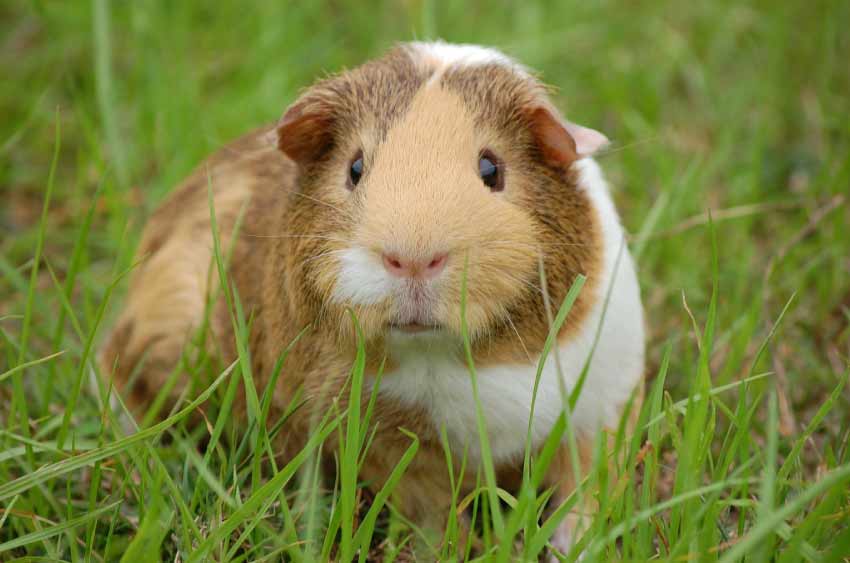
5. Guinea pigs — around 700,000

Guinea pigs are kept in around 1.2% of UK households, putting their estimated population at roughly 700,000. They’re popular as a first small pet, especially for families with children.

Guinea pigs are social animals that do best kept in same-sex pairs or small groups rather than alone, and UK welfare guidance is increasingly clear on this point. They need a constant supply of hay, a diet supplemented with vitamin C since they can’t produce it themselves, and enough space to move around properly rather than a small hutch. Keeping a pair typically costs somewhere between £20 and £40 a month for food, bedding and routine care, and they tend to live four to eight years, making them a popular first “own pet” for children under adult supervision.

6. Tortoises and turtles — around 700,000

An estimated 1.6% of households keep a tortoise or turtle, giving a population of around 700,000. Tortoises in particular are known for very long lifespans, sometimes outliving their owners.

Tortoises are one of the biggest long-term commitments on this list: many species can live 50 years or more with good care, meaning a tortoise bought for a child could realistically outlive its original owner’s time at home. In the UK’s climate, keeping one well means investing in proper indoor housing with UV lighting and heating for most of the year, alongside outdoor access when weather allows. Interest in reptile-keeping has grown steadily over the past decade, and species-specific care advice matters a great deal here, since needs vary widely between a small Mediterranean tortoise and a large aquatic turtle.

7. Horses and ponies — around 600,000

Horses and ponies remain a significant part of UK pet ownership, with an estimated 600,000 kept across the country, from smallholdings to riding livery yards.

Horses and ponies sit in a different cost bracket entirely to every other pet on this list. Between livery fees, feed, farriery, vaccinations, insurance and equipment, owning a horse in the UK commonly runs into several thousand pounds a year, before accounting for land or stabling if you’re not using a livery yard. The UK’s equestrian culture remains strong, supported by riding schools, Pony Club branches and a well-established competition and leisure riding scene, but prospective owners are generally advised to gain riding and handling experience through lessons or loan arrangements before committing to ownership.

8. Snakes — around 600,000

Pet snakes are kept in around 1.3% of households, putting the population at roughly 600,000 — reptile keeping has grown steadily as a hobby over the past decade.

Snake-keeping has grown steadily in the UK as part of a broader rise in reptile ownership, with corn snakes and royal (ball) pythons among the most popular starter species thanks to their manageable size and generally calm temperament. Most commonly kept pet snakes aren’t subject to special licensing in the UK, though a small number of larger or venomous species fall under the Dangerous Wild Animals Act and require a specific licence. As with tortoises, correct heating, humidity and enclosure size are essential to welfare, and finding a vet experienced with reptiles is worth doing before, not after, a health problem comes up.

9. Hamsters — around 600,000

Hamsters are kept in around 1.5% of households, an estimated population of 600,000. They remain a popular starter pet thanks to their small size and low space requirements.

Hamsters are inexpensive to keep and popular as a child’s first pet, but they’re short-lived, typically only two to three years, and nocturnal, which can make them a frustrating choice for children who want to interact during the day. Syrian hamsters must be housed alone as adults, since they’re solitary and will fight if kept together, while some dwarf species can sometimes be kept in compatible pairs. UK welfare guidance has shifted in recent years toward recommending much larger cage sizes than were traditionally sold as “hamster cages,” reflecting a better understanding of how much space they need to exhibit natural behaviours.

10. Rabbits — around 500,000–700,000 (declining)

Rabbits are kept in roughly 1.1% of UK households. PDSA’s data has shown a gradual decline in rabbit ownership over recent years, even though rabbits remain a well-known pet choice for families.

Rabbit ownership has been gradually declining in the UK, and welfare charities including the RSPCA and PDSA point to growing awareness that rabbits have far more complex needs than the traditional image of a child’s hutch pet in the garden. Rabbits are highly social and, ideally, should be kept in neutered pairs rather than alone, need much more space than a standard hutch provides, and require vaccination against myxomatosis and rabbit viral haemorrhagic disease (RVHD), both of which are serious and common in the UK. Properly kept, a rabbit typically costs in the region of £420 a year and can live 8 to 12 years, considerably longer than many owners expect going in.

Population estimates are drawn from the PDSA Animal Wellbeing (PAW) Report, an annual survey of UK pet owners. Figures are estimates based on survey sampling, not a full census, so exact numbers vary slightly between sources and years.

The Rising Cost of Pet Ownership Is Reshaping the UK Market

“Petflation” has become a real pressure point for UK households: PDSA’s first Pet Health Inequality Report, published in 2026, found that over one in five UK pet owners (22%) say keeping a pet has turned out more expensive than they expected, driven by rising vet fees, food costs and insurance premiums. At the same time, spending on pet technology — smart feeders, GPS trackers and pet cameras — has grown around 34% year-on-year, with the UK pet tech market now estimated at roughly £420 million. Together, these trends point to a market that’s simultaneously getting more expensive at the essentials end and more sophisticated at the discretionary end, which can leave lower-income pet-owning households squeezed from both directions.

Choosing the Right Pet for Your Lifestyle and Budget

The most popular pets in the UK aren’t necessarily the right fit for every household, and matching a pet to your actual living situation matters more than picking whatever’s trending. Dogs need daily exercise, companionship and a realistic ten-plus year commitment; cats suit people who want affectionate company without the same exercise demands; small mammals like guinea pigs and hamsters can work well as a lower-cost introduction to pet care, provided their specific social and space needs are respected rather than assumed; and long-lived animals like tortoises and parrots deserve serious thought about who will care for them decades from now. Before bringing any animal home, it’s worth checking the RSPCA, PDSA or Blue Cross websites for species-specific welfare guidance, and being honest about the time, space and ongoing budget you can commit for the animal’s full lifespan, not just the first year.

How These Population Figures Are Actually Counted

Unlike some countries, the UK doesn’t require national registration for most pets, so there’s no single official headcount the way there is for, say, registered vehicles. Instead, figures like the ones used in this article are built from large-scale household surveys — most notably PDSA’s annual Animal Wellbeing (PAW) Report, which surveys thousands of UK pet owners and vet professionals each year and is widely treated as the most reliable ongoing source for pet population estimates. Because these are survey-based estimates rather than a full census, figures for smaller pet categories in particular (birds, reptiles, small mammals) carry a wider margin of error than the headline dog and cat numbers, and different organisations occasionally publish slightly different totals depending on their methodology and survey year.

Popular Dog and Cat Breeds in the UK Right Now

Within the UK’s 11.1 million dogs, Kennel Club registration data consistently places the French Bulldog, Labrador Retriever, Cocker Spaniel and Cockapoo among the most popular breeds and crossbreeds, alongside a continued rise in “designer” crossbreeds bred for low-shedding coats and family-friendly temperaments. On the cat side, moggies (non-pedigree cats) make up the large majority of the UK’s pet cat population, with pedigree breeds such as the British Shorthair, Ragdoll and Maine Coon accounting for a much smaller but growing share, often commanding higher purchase prices and, in some cases, breed-specific health insurance premiums. Prospective owners researching a specific breed are generally encouraged to look past appearance and check known breed health issues, ideally with a vet or breed club, before committing.

Regional Differences in Pet Ownership Across the UK

Pet ownership isn’t evenly spread across the country. Rural and semi-rural areas tend to have higher rates of dog ownership, partly reflecting more outdoor space and, in some regions, a stronger working-dog tradition, while ownership of space-efficient pets like cats, small mammals and fish tends to be more evenly distributed across urban and suburban areas. London and other major cities generally show lower overall pet ownership rates than the national average, likely linked to smaller homes, rental restrictions on pets, and higher living costs, though cat ownership in flats and houses without gardens remains common throughout urban Britain.

Insurance and Vet Costs Vary a Lot by Pet Type

How much you’ll spend on veterinary care and insurance depends heavily on which animal you choose. Dogs and cats are the only pets for which a large, competitive pet insurance market exists in the UK, with dozens of insurers offering everything from basic accident-only cover to comprehensive lifetime policies. Insurance for smaller pets like rabbits, guinea pigs and birds is available from a smaller number of specialist providers and tends to be far less common, partly because individual vet bills for these animals are usually lower, and partly because fewer owners actively shop for it. Exotic pets such as reptiles often have the most limited insurance options of all, and owners of tortoises, snakes and lizards are more likely to self-fund vet costs, which is worth budgeting for given that specialist exotic vet consultations can be more expensive than a standard cat or dog appointment.

FAQ: Popular Pets in the UK

What is the most popular pet in the UK?
Dogs are the most popular pet by population, at an estimated 11.1 million, just ahead of cats at around 10.5 million.

What percentage of UK households own a pet?
Around 54% of UK households own at least one pet, according to PDSA’s PAW Report.

Is rabbit ownership declining in the UK?
Yes. PDSA’s survey data has shown a gradual decline in rabbit ownership over recent years, even though rabbits remain a well-known family pet.

Where do these population figures come from?
Mainly from PDSA’s Animal Wellbeing (PAW) Report, which surveys thousands of UK pet owners each year and is one of the most widely cited sources for UK pet ownership data.

Which pet is cheapest to keep in the UK?
Small rodents such as hamsters and guinea pigs are generally the cheapest pets to keep month to month, though guinea pigs need to be kept in pairs, which roughly doubles their running costs compared with a single animal. Coldwater fish are also low-cost once a tank is set up, though initial equipment costs can be higher than people expect.

Why is rabbit ownership declining in the UK?
Growing awareness of rabbits’ complex welfare needs — particularly their need for companionship, space and vaccination — appears to be a major factor, as does a better understanding among prospective owners that rabbits are a bigger commitment than the traditional hutch-in-the-garden image suggests.

Are exotic pets like snakes and tortoises legal to keep in the UK without a licence?
Most commonly kept pet reptiles, including corn snakes, royal pythons and Mediterranean tortoises, don’t require any special licence in England, Scotland or Wales. A small number of species considered dangerous or venomous fall under the Dangerous Wild Animals Act 1976 and do require a local authority licence, so it’s worth checking a species’ legal status before buying, particularly for anything unusual.

Matching the Right Pet to the Right Benefits

For a research-backed look at what pet ownership actually does for your health, routine, and social life (and what it honestly costs), see our guide to 8 real benefits of owning a pet, backed by research.

Can Hamsters see color | What colors can see?

Can Hamsters see color | What colors can see?

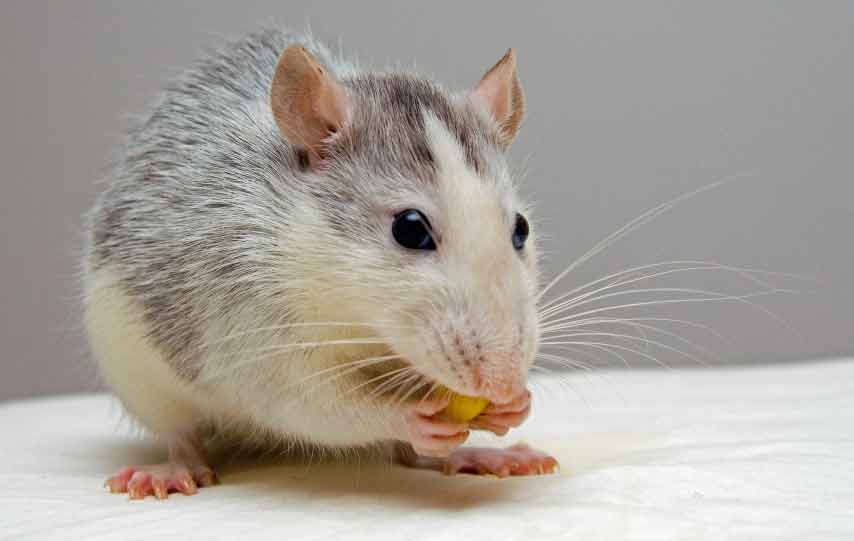
Quick Answer: Hamsters have poor color vision and see the world mostly in shades of gray with limited ability to distinguish some colors, since their eyes are adapted for detecting motion and low light rather than color detail. As nocturnal and crepuscular animals, hamsters rely far more on smell, whiskers, and hearing than on sight to navigate their world.

Key Takeaways

  • Hamsters have relatively poor eyesight overall, with limited color perception compared to humans.
  • Their eyes are better adapted to detecting motion and functioning in low light than to sharp, detailed, or colorful vision.
  • Smell and whiskers (a sense called vibrissae) play a much bigger role than sight in how hamsters navigate and recognize their environment.
  • This is consistent with their nocturnal and crepuscular lifestyle in the wild, where good night vision matters more than color vision.
  • Understanding their limited eyesight can help you interact with your hamster in ways they find less startling, like announcing your hand’s approach by scent before touching them.

Why Trust This Guide?

This guide is researched and written by the Pets Store Home editorial team, drawing on general knowledge of rodent sensory biology. It’s intended as general, educational information about hamster behavior and biology.

Introduction to Hamsters and Their Vision


Hamsters are small, nocturnal rodents belonging to the subfamily Cricetinae. They are popular pets due to their compact size, friendly demeanor, and relatively low maintenance. While hamsters are primarily known for their burrowing behavior and love for running on exercise wheels, their visual abilities are also an intriguing aspect of their biology.


Natural Habitat and Behavior:

In the wild, hamsters inhabit semi-arid regions of Europe and Asia, where they construct elaborate burrows for shelter and food storage. They are crepuscular or nocturnal animals, meaning they are most active during dawn, dusk, or nighttime. This lifestyle influences their visual system, which has adapted to function effectively under low-light conditions.


Anatomy of the Hamster Eye:

Like other rodents, hamsters have relatively small eyes compared to their body size. Their eyes are positioned laterally on the head, providing them with a wide field of view to detect potential threats or prey. The structure of the hamster eye is similar to that of other mammals, consisting of a cornea, lens, iris, retina, and optic nerve.


Visual Acuity and Color Vision:

While hamsters have relatively poor visual acuity compared to humans, they possess some degree of color vision. Their retinas contain both rod and cone photoreceptor cells, with cones being responsible for color discrimination. However, their color vision is likely not as sophisticated as that of diurnal animals like primates, as they primarily rely on other senses such as smell and touch to navigate their environment.


Adaptations for Nocturnal Vision:

To thrive in low-light environments, hamsters have several adaptations in their visual system. They have a higher density of rod photoreceptors in their retinas, which are more sensitive to dim light than cones. Additionally, they possess a specialized reflective layer behind the retina called the tapetum lucidum, which enhances their ability to detect light by reflecting it back through the retina.


Research on Hamster Vision:

Scientific studies on hamster vision have primarily focused on understanding their adaptations to nocturnal life and the mechanisms underlying their visual perception. Researchers employ behavioral experiments, electrophysiological recordings, and anatomical studies to unravel the complexities of hamster vision and its evolutionary significance.


In summary, while hamsters may not have the visual acuity or color vision capabilities of diurnal animals, their visual system is finely tuned to meet the challenges of their nocturnal lifestyle. Continued research into hamster vision provides valuable insights into the diversity of visual adaptations across the animal kingdom.

Scientific studies on the color vision of hamsters

Research on the color vision of hamsters is relatively limited compared to other animals, especially compared to well-studied species like primates. However, there have been some studies that shed light on this topic. Here’s an overview:


Color Vision in Hamsters:

Hamsters are nocturnal rodents, which means they are most active during the night. Their visual system has adapted to low light conditions, and they primarily rely on their sense of smell and touch to navigate their environment. However, they still possess some degree of color vision.


Behavioral Studies:

Some studies have used behavioral experiments to assess the color vision of hamsters. For example, researchers might train hamsters to discriminate between different colored objects or lights. By observing how accurately the hamsters can perform these tasks, researchers can infer information about their color vision capabilities.


Physiological Studies:

Physiological studies involve examining the anatomy and physiology of the hamster’s visual system. This can include studying the structure of the retina, the distribution of different types of photoreceptor cells (e.g., rods and cones), and the neural pathways involved in processing visual information.


Electrophysiological Recordings:

Electrophysiological techniques such as electroretinography (ERG) can be used to measure the electrical responses of the retina to light stimuli. These recordings can provide information about the sensitivity of different photoreceptor types to different wavelengths of light, which in turn can inform our understanding of color vision in hamsters.


Comparison with Other Species:

Comparing the color vision of hamsters to that of other animals can also provide insights. For example, researchers might compare the spectral sensitivity of hamster photoreceptors to those of other nocturnal or diurnal animals to understand how their visual systems have adapted to their respective ecological niches.


Genetic Studies:

With advancements in molecular genetics, researchers can now investigate the genetic basis of color vision in hamsters. By identifying the genes responsible for encoding the visual pigments in their photoreceptor cells, scientists can gain a better understanding of the molecular mechanisms underlying hamster color vision.


Overall, while there is still much to learn about the color vision of hamsters, ongoing research using a combination of behavioral, physiological, and molecular techniques continues to expand our knowledge in this area.

The debate surrounding hamsters’ ability to see color


The debate surrounding hamsters’ ability to see color revolves around their visual anatomy, behavior, and the interpretation of experimental findings. While it is generally accepted that hamsters possess some degree of color vision, the extent and specificity of this ability are subjects of ongoing research and discussion. Here are key points from both sides of the debate:


Arguments for Color Vision in Hamsters:


Presence of Cone Photoreceptors: Studies have demonstrated the presence of cone photoreceptors in the retinas of hamsters, suggesting that they have the anatomical basis for color vision. Cones are responsible for color discrimination in mammals, indicating that hamsters likely have the ability to perceive different wavelengths of light.


Behavioral Responses: Behavioral experiments have shown that hamsters can distinguish between objects or lights of different colors. For example, researchers have trained hamsters to discriminate between colored stimuli in laboratory settings, with results indicating that they can learn to differentiate between certain colors.


Evolutionary Considerations: While hamsters are primarily nocturnal animals, their ancestors may have had diurnal habits. As such, retaining some level of color vision could confer advantages, such as detecting ripe fruits or identifying potential mates based on color cues.


Arguments against Color Vision in Hamsters:


Nocturnal Lifestyle: Hamsters are nocturnal creatures, and their visual system has likely evolved to prioritize sensitivity to low light levels rather than color discrimination. In dim lighting conditions, the utility of color vision may be limited, leading some researchers to question its importance in hamster behavior.


Limited Behavioral Evidence: While some studies suggest that hamsters can discriminate between colors under controlled laboratory conditions, the ecological relevance of these findings remains uncertain. It is unclear whether hamsters use color cues in their natural environment or if their color discrimination abilities are primarily a result of associative learning.


Spectral Sensitivity: Research on the spectral sensitivity of hamster photoreceptors has yielded mixed results, with some studies indicating broad sensitivity to a range of wavelengths and others suggesting a more limited range. This variability complicates our understanding of how hamsters perceive color.


In conclusion, while there is evidence to support the presence of color vision in hamsters, the debate continues due to conflicting findings and interpretations. Further research, particularly studies conducted in naturalistic settings, is needed to elucidate the role of color vision in hamster behavior and ecology.


Factors that may affect a hamster’s vision


Several factors can influence a hamster’s vision, ranging from inherent biological characteristics to environmental conditions. Understanding these factors is crucial for comprehending how hamsters perceive their surroundings and how they adapt to different visual challenges. Here are some key factors:


Nocturnal Lifestyle: Hamsters are primarily nocturnal animals, meaning they are most active during the night. As such, their visual system is adapted to function effectively in low-light conditions. Their eyes have a higher density of rod photoreceptor cells, which are more sensitive to dim light, enabling them to navigate and forage in darkness.


Visual Acuity: While hamsters have relatively poor visual acuity compared to humans, they can still detect movement and distinguish shapes. However, their ability to discern fine details is limited. This adaptation is sufficient for their nocturnal lifestyle and the types of tasks they typically encounter in their natural environment.


Color Vision: There is ongoing debate about the extent of color vision in hamsters. While they possess cone photoreceptor cells capable of color discrimination, the ecological relevance of color vision in their nocturnal habitat is uncertain. Factors such as ambient light levels and the availability of color cues in their environment may influence the importance of color vision for hamsters.


Tapetum Lucidum: Hamsters, like many nocturnal animals, have a reflective layer behind their retinas called the tapetum lucidum. This structure enhances their night vision by reflecting light back through the retina, increasing sensitivity to low light levels. However, it can also cause “eyeshine” in photographs or when exposed to bright light.


Environmental Factors: The visual capabilities of hamsters can be influenced by environmental factors such as lighting conditions, habitat complexity, and the presence of visual obstacles. For example, artificial lighting in captivity may affect their circadian rhythms and alter their activity patterns.


Age and Health: As with any animal, age and health can affect a hamster’s vision. Older hamsters may experience declines in visual acuity or develop ocular conditions such as cataracts. Additionally, diseases or injuries affecting the eyes can impair vision and affect the hamster’s ability to interact with its environment.


Genetics: Genetic factors play a role in determining the structure and function of the hamster’s visual system. Variations in genes encoding visual pigments or other components of the retina can influence aspects of visual perception such as color vision and sensitivity to light.


By considering these factors, researchers and pet owners can gain a better understanding of how hamsters perceive the world around them and how to provide optimal care for their visual needs.

Observations from pet owners


Observations from pet owners provide valuable insights into the behavior and visual capabilities of hamsters in home environments. While these observations are anecdotal and may vary from one individual to another, they offer a glimpse into how hamsters interact with their surroundings. Here are some common observations reported by pet owners regarding their hamsters’ vision:


Nocturnal Activity: Many pet owners note that their hamsters are most active during the night, exhibiting behaviors such as running on their exercise wheel, exploring their habitat, and foraging for food. This nocturnal behavior aligns with the natural instincts of hamsters as nocturnal animals adapted to low-light conditions.


Preference for Dim Lighting: Hamsters often prefer dimly lit environments and may exhibit signs of stress or discomfort in brightly lit spaces. Pet owners may observe their hamsters seeking shelter in darkened areas of their habitat or displaying behaviors indicative of discomfort, such as hiding or burrowing.


Use of Scent and Touch: While vision is important for hamsters, they also rely heavily on their sense of smell and touch to navigate their environment. Pet owners may notice their hamsters using their whiskers to explore their surroundings and relying on scent cues to locate food, bedding, or potential threats.


Response to Colored Objects: Some pet owners report that their hamsters show interest in colored objects placed within their habitat. While the ecological significance of this behavior is unclear, it suggests that hamsters may have some ability to perceive and distinguish between different colors.


Startle Response to Sudden Light Changes: Hamsters may exhibit a startle response or freeze when exposed to sudden changes in lighting conditions, particularly when transitioning from darkness to bright light. This behavior is likely a protective mechanism to avoid potential predators or perceived threats.


Exploration of Habitat: Hamsters are curious animals and enjoy exploring their habitat. Pet owners may observe their hamsters investigating new objects, climbing on structures, and using their paws and whiskers to examine their surroundings.


Adaptation to Captivity: Hamsters kept as pets may adapt to their human-controlled environments, including artificial lighting and consistent feeding schedules. Observations from pet owners can provide insights into how hamsters adjust to captivity and interact with the stimuli present in their surroundings.


Overall, observations from pet owners offer valuable firsthand accounts of hamsters’ behavior and visual capabilities in home settings. While individual experiences may vary, these observations contribute to our understanding of hamster behavior and can inform best practices for their care and enrichment.

Common misconceptions about hamster’s color vision


Several misconceptions exist regarding hamsters’ color vision, often stemming from incomplete information or oversimplified assumptions. Here are some common misconceptions about hamsters’ color vision:


Hamsters Are Colorblind: One prevalent misconception is that hamsters are completely colorblind. While it’s true that their color vision is not as sophisticated as that of humans or some other diurnal animals, research suggests that hamsters do have some degree of color vision. They possess cone photoreceptor cells in their retinas, which enable them to perceive different wavelengths of light and discriminate between certain colors.


Hamsters See in Black and White: Another misconception is that hamsters see the world in black and white. While hamsters’ color vision may not be as vivid or precise as that of humans, studies have shown that they are capable of perceiving at least some colors. Their color discrimination abilities likely play a role in tasks such as identifying food or detecting predators in their natural habitat.


Color Vision Is Irrelevant to Hamsters: Some people believe that color vision is irrelevant to hamsters because they are nocturnal animals. While it’s true that hamsters primarily rely on their other senses, such as smell and touch, to navigate their environment, color vision may still have ecological significance for tasks like identifying edible plants or distinguishing between potential mates.


Hamsters Can See All Colors Equally: There is a misconception that hamsters perceive all colors with equal clarity. In reality, the spectral sensitivity of their cone photoreceptors may vary, affecting their ability to discriminate between different colors. Additionally, factors such as ambient light levels and the specific wavelengths present in their environment can influence how hamsters perceive color.


Color Vision Is the Primary Sense for Hamsters: While color vision is an important sensory modality for some animals, such as birds and primates, it may not be as crucial for hamsters. Given their nocturnal lifestyle and reliance on other senses, such as olfaction and tactile perception, color vision is likely just one component of their overall sensory repertoire.


Hamsters See Colors the Same Way Humans Do: It’s important to recognize that hamsters’ color vision may differ from that of humans in terms of the range of colors they can perceive and the way their brains process color information. While there may be some overlap in the colors they can discriminate, hamsters’ visual experience is likely distinct from that of humans.


In conclusion, while hamsters’ color vision may not be as well-understood as that of some other animals, it is clear that they are not colorblind and are capable of perceiving at least some colors. Further research is needed to fully elucidate the intricacies of hamsters’ color vision and its ecological significance in their natural habitat.

Conclusion: What we know and don’t know about hamsters and color vision


In conclusion, our understanding of hamsters’ color vision is still evolving, with both known facts and areas of uncertainty. Here’s a summary of what we know and don’t know about hamsters and color vision:


What We Know:


Presence of Cone Photoreceptors: Hamsters possess cone photoreceptor cells in their retinas, indicating that they have the anatomical basis for color vision.


Some Degree of Color Discrimination: Behavioral experiments and physiological studies suggest that hamsters are capable of discriminating between certain colors, albeit with less precision than humans or diurnal animals.


Importance of Other Senses: While hamsters have the ability to perceive colors, their reliance on other senses such as smell and touch may overshadow the significance of color vision in their daily activities.


Nocturnal Adaptations: Hamsters’ color vision capabilities are likely influenced by their nocturnal lifestyle and adaptations to low-light conditions, emphasizing the importance of sensitivity to brightness and contrast rather than color per se.


What We Don’t Know:


Ecological Relevance: The ecological significance of color vision in hamsters remains uncertain. Further research is needed to determine the extent to which hamsters use color cues in their natural environment for tasks such as foraging, mate selection, or predator avoidance.


Spectral Sensitivity: The spectral sensitivity of hamsters’ cone photoreceptors and the range of colors they can perceive are still not fully understood. Variability in individual hamsters and differences across species or populations may contribute to this uncertainty.


Integration with Other Senses: It’s unclear how hamsters integrate color information with other sensory inputs to form a cohesive perception of their environment. Understanding the interactions between color vision and olfaction, touch, and hearing could provide insights into the multimodal nature of hamsters’ perception.


Comparative Studies: More comparative studies with other nocturnal and diurnal species could help contextualize hamsters’ color vision capabilities within the broader evolutionary and ecological context of mammalian vision.


In summary, while we know that hamsters have some capacity for color vision, many aspects of this sensory modality remain elusive. Further research is needed to elucidate the mechanisms, ecological relevance, and behavioral implications of color vision in hamsters, contributing to our broader understanding of sensory perception in nocturnal mammals.

Curious About Exotic Animal Vision?

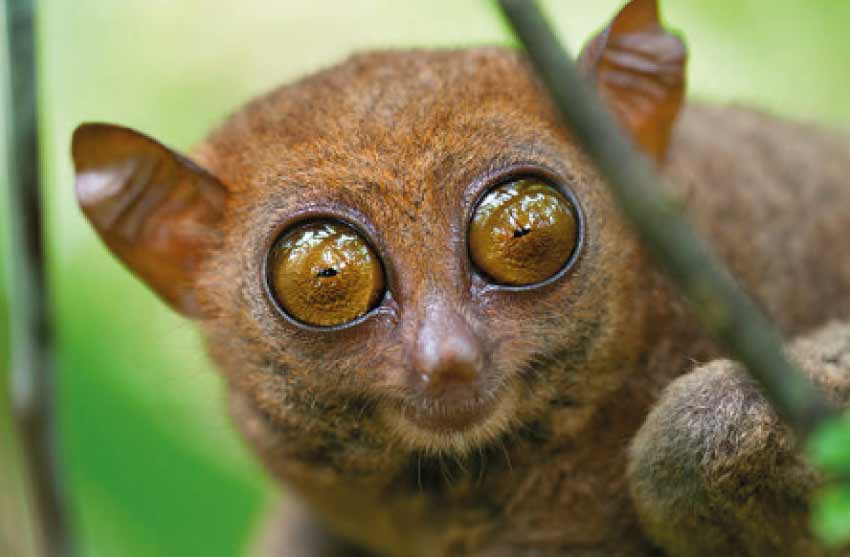
If comparing eyes and vision across species interests you, our guide on why some primates have huge eyes covers the science behind tarsiers, owl monkeys, and other big-eyed species — plus the real legal rules around owning one.

How long can guinea pigs go without hay?

How long can guinea pigs go without hay?

Quick Answer: Guinea pigs should never go without hay for more than a few hours, since their digestive system relies on a constant supply of fiber to keep functioning properly. Going without hay for 12-24 hours can lead to serious digestive problems like gastrointestinal stasis, which is a medical emergency, so hay should always be available and refreshed daily rather than fed as an occasional treat.

Key Takeaways

  • Hay should be available to guinea pigs at all times, not just occasionally — unlimited access is the standard recommendation.
  • Going without hay for 12-24 hours risks gastrointestinal stasis, a serious and potentially life-threatening digestive shutdown.
  • Hay’s fiber also wears down guinea pigs’ continuously growing teeth, so a lack of hay affects dental health too.
  • If your guinea pig is refusing hay, that’s a sign worth investigating quickly rather than waiting to see if it passes.
  • A guinea pig not eating or drinking anything for more than a few hours needs prompt veterinary attention.

Why Trust This Guide?

This guide is researched and written by the Pets Store Home editorial team, drawing on widely published guinea pig care and veterinary guidance. It’s intended as general information; if your guinea pig is refusing hay or showing signs of digestive distress, contact a vet experienced with small animals promptly.

Importance of Hay in a Guinea Pig’s Diet


Hay is a crucial component of a guinea pig’s diet, playing several essential roles in their overall health and well-being. Here’s a detailed breakdown of the importance of hay in a guinea pig’s diet:

Essential Fiber Source: Hay is rich in dietary fiber, which is vital for maintaining a healthy digestive system in guinea pigs. The long strands of fiber in hay help to keep their gastrointestinal tract functioning properly by promoting regular bowel movements. Without sufficient fiber, guinea pigs are prone to digestive problems such as constipation, diarrhea, and gastrointestinal stasis.

Dental Health: Guinea pigs have continuously growing teeth, and chewing on hay helps to wear down their teeth naturally. The abrasive texture of hay helps prevent overgrowth of their teeth, which can lead to painful dental issues. Ensuring they have access to hay allows them to engage in natural chewing behavior, promoting dental health.

Prevention of Obesity and Malocclusion: A diet high in hay and low in calorie-dense foods helps prevent obesity in guinea pigs. Obesity can lead to various health problems, including joint issues and difficulty breathing. Additionally, inadequate chewing opportunities, such as a lack of hay, can result in malocclusion, where their teeth do not wear down properly, causing discomfort and difficulty eating.

Psychological Well-being: Hay provides enrichment for guinea pigs by offering opportunities for natural behaviors such as foraging, nesting, and burrowing. It stimulates their senses and keeps them mentally stimulated, preventing boredom and promoting overall psychological well-being.

Nutritional Benefits: While hay is not particularly high in nutrients, it does provide essential vitamins and minerals necessary for guinea pig health, including vitamin C. Additionally, certain types of hay, such as Timothy hay, contain moderate levels of protein, which contributes to their overall nutritional intake.

Hydration: Some hays, such as fresh grass hay, contain a moderate amount of moisture, which can contribute to a guinea pig’s hydration. While water should always be the primary source of hydration, the moisture content in hay can supplement their fluid intake.

In summary, hay is an indispensable part of a guinea pig’s diet, providing essential fiber, promoting dental health, preventing obesity and malocclusion, enhancing psychological well-being, and offering nutritional benefits. It should be available to guinea pigs at all times to ensure their health and happiness.


How Long Can Guinea Pigs Go Without Hay?


Guinea pigs rely heavily on hay for essential fiber, dental health, and overall well-being. While they can technically survive for a short period without hay, it’s not advisable to deprive them of it. Without hay, guinea pigs may start experiencing digestive issues, dental problems, and stress-related health issues.

In emergencies or situations where hay is temporarily unavailable, guinea pigs might survive for a day or two with alternative sources of fiber such as fresh leafy greens. However, this should only be considered a temporary solution, as it does not provide the same level of continuous fiber intake that hay does.

If hay is unavailable for an extended period, guinea pigs may begin to suffer from gastrointestinal problems such as constipation or gastrointestinal stasis, which can be life-threatening if not addressed promptly. Additionally, the absence of hay may lead to dental issues as their teeth continue to grow unchecked.

To ensure the health and well-being of guinea pigs, it’s essential to provide them with a constant supply of fresh hay. It’s not recommended to test how long they can go without hay, and efforts should be made to ensure they always have access to this crucial part of their diet.

Signs of Hay Deficiency in Guinea Pigs


Recognizing the signs of hay deficiency in guinea pigs is crucial for maintaining their health and well-being. Here are some common indicators that your guinea pig may not be getting enough hay:

Decreased Appetite: A reduction in hay intake may lead to a decrease in overall appetite. If your guinea pig is eating less hay than usual or showing disinterest in food, it could be a sign of hay deficiency.

Weight Loss: Insufficient hay consumption can result in weight loss or failure to gain weight properly. Monitoring your guinea pig’s weight regularly can help detect any changes that may indicate a problem.

Changes in Fecal Output: Guinea pigs typically produce firm, well-formed fecal pellets. A lack of hay in their diet can lead to changes in fecal output, such as loose stools, diarrhea, or a decrease in fecal production.

Gastrointestinal Issues: Hay deficiency can cause digestive problems such as constipation, bloating, or gastrointestinal stasis (a potentially life-threatening condition where the digestive system slows down or stops functioning). Signs of gastrointestinal issues may include abdominal discomfort, hunching, or a reluctance to move.

Dental Problems: Guinea pigs rely on chewing hay to wear down their continuously growing teeth. A lack of hay can lead to overgrown teeth, which may cause difficulty eating, drooling, or visible signs of discomfort around the mouth.

Behavioral Changes: Guinea pigs deprived of hay may exhibit changes in behavior, such as increased agitation, restlessness, or lethargy. They may also display signs of stress or depression.

Hair Loss or Poor Coat Condition: In severe cases of hay deficiency, guinea pigs may experience hair loss or develop a poor coat condition due to nutritional deficiencies and overall health issues.

Chronic Health Problems: Prolonged hay deficiency can lead to chronic health problems and weaken the guinea pig’s immune system, making them more susceptible to illnesses and infections.

If you notice any of these signs in your guinea pig, it’s essential to address the underlying cause promptly. Providing ample fresh hay and consulting with a veterinarian experienced in guinea pig care can help identify and resolve any dietary or health-related issues affecting your pet.


Alternatives to Hay for Guinea Pigs


While hay is a crucial component of a guinea pig’s diet, there are some alternatives that can be provided in emergencies or as supplements. However, it’s important to note that these alternatives should not replace hay entirely and should only be used temporarily. Here are some options:

Fresh Leafy Greens: Leafy greens such as romaine lettuce, kale, spinach, and parsley can provide some fiber and nutrients for guinea pigs. However, it’s essential to offer a variety of greens and avoid those high in oxalic acid, such as spinach, in excess. Rotate greens regularly to ensure a balanced diet.

Grass: Fresh grass from pesticide-free areas can serve as a temporary substitute for hay. However, avoid grass clippings from lawns treated with herbicides or pesticides, as these can be harmful to guinea pigs. Make sure the grass is clean and free of contaminants before offering it to your pets.

Herbal Hay Alternatives: Some pet stores sell herbal hay alternatives made from a mixture of dried herbs and grasses. While these may provide some variety and enrichment, they should not replace hay entirely and should only be given occasionally as treats.

Dried Herbs: Dried herbs such as chamomile, dandelion, and mint can be sprinkled over hay to add flavor and encourage consumption. However, these should be given sparingly and as supplements rather than as the primary source of fiber.

Commercial Pellets: Commercial guinea pig pellets contain some fiber and nutrients, but they should not be relied upon as the sole source of fiber. Pellets should be supplemented with hay and fresh vegetables to ensure a balanced diet.

Timothy Hay Cubes or Pellets: Timothy hay cubes or pellets can be used as a supplement to fresh hay. While they may not provide the same level of enrichment as fresh hay, they can serve as a temporary alternative in emergencies.

Forage: Safe forage options such as edible weeds and grasses found in pesticide-free areas can be offered as a supplement to hay. Make sure to properly identify forage plants and avoid toxic species.

It’s important to remember that while these alternatives can provide some fiber and nutrients, they should not replace hay in a guinea pig’s diet. Hay is essential for dental health, digestive function, and overall well-being. Always ensure your guinea pigs have access to fresh, high-quality hay as the primary source of fiber in their diet.


Tips for Ensuring Your Guinea Pig Always Has Access to Hay


Ensuring your guinea pig always has access to hay is crucial for their health and well-being. Here are some tips to help you achieve this:

Provide a Continuous Supply: Always keep a fresh supply of hay available for your guinea pig. Refill their hay rack or feeder as needed to ensure they never run out.

Choose High-Quality Hay: Opt for high-quality hay such as Timothy hay, orchard grass, or meadow hay. Look for hay that is fresh, fragrant, and free from dust, mold, or pests.

Use a Hay Rack or Feeder: Use a hay rack or feeder designed specifically for guinea pigs to keep hay clean and accessible. Choose a rack that attaches securely to the cage to prevent tipping or contamination.

Offer Different Types of Hay: Provide a variety of hay types to keep your guinea pig interested and ensure they receive a balanced diet. Rotate between Timothy hay, orchard grass, and other grass hays to provide variety and enrichment.

Keep Hay Fresh and Dry: Store hay in a dry, well-ventilated area to prevent mold and moisture buildup. Avoid storing hay in damp or humid conditions, as this can lead to spoilage.

Monitor Consumption: Keep an eye on your guinea pig’s hay consumption to ensure they are eating enough. If you notice a significant decrease in hay intake, it could indicate a health problem that requires attention.

Offer Hay in Different Forms: Offer hay in different forms, such as loose strands, hay cubes, or hay pellets, to accommodate your guinea pig’s preferences. Some guinea pigs may prefer one form of hay over another.

Provide Enrichment: Scatter hay throughout the cage or hide it in toys and tunnels to encourage foraging behavior and keep your guinea pig mentally stimulated.

Clean the Cage Regularly: Clean the cage regularly to remove soiled hay and bedding, as well as any uneaten or spoiled hay. This will help maintain a clean and hygienic environment for your guinea pig.

Consider Hay Subscriptions: Consider signing up for a hay subscription service to ensure you always have a steady supply of fresh hay delivered to your door.

By following these tips, you can help ensure that your guinea pig always has access to fresh, high-quality hay, promoting their overall health and well-being.

Conclusion

Ensuring your guinea pig always has access to hay is essential for maintaining their health, happiness, and overall well-being. Hay provides vital fiber for proper digestion, helps wear down their continuously growing teeth, and offers enrichment through natural foraging behavior. 

By providing a continuous supply of fresh, high-quality hay and implementing strategies such as using hay racks or feeders, offering variety in hay types, and monitoring consumption, you can help ensure that your guinea pig receives the nutrition they need to thrive.

Additionally, maintaining a clean and hygienic environment, providing enrichment opportunities, and seeking veterinary care if any signs of hay deficiency or health issues arise are crucial steps in caring for your guinea pig. By prioritizing their access to hay and implementing these tips, you can help ensure a happy and healthy life for your furry companion.


Hay dependency isn’t unique to guinea pigs – it’s just as critical for other small herbivores. Our guide to what chinchillas can safely eat explains why hay should make up the vast majority of a chinchilla’s diet too.

CBD for Dogs: What the Research Actually Shows (2026 Guide)

CBD for Dogs: What the Research Actually Shows (2026 Guide)

Quick Answer: Peer-reviewed clinical trials from Cornell University and Colorado State University found that CBD reduced pain and improved mobility in dogs with osteoarthritis, and reduced seizure frequency in dogs with drug-resistant epilepsy when added to standard medication. Evidence is much thinner for the anxiety and general-wellness claims common in CBD marketing. CBD is not FDA-approved for use in dogs, so product quality varies widely, and a veterinarian should guide dosing, especially for a dog on other medication.

Key Takeaways

  • A 2018 Cornell University trial found that 2 mg/kg of CBD twice daily significantly reduced pain and increased mobility in dogs with osteoarthritis, compared to a placebo.
  • Two Colorado State University trials found reduced seizure frequency in dogs with drug-resistant epilepsy when CBD was added to conventional anti-seizure medication – not used as a replacement for it.
  • Evidence for CBD easing anxiety or supporting general wellness is mostly anecdotal, in contrast to the peer-reviewed trials behind the pain and seizure findings.
  • Safety data is reassuring: no established lethal dose in dogs, though mild liver enzyme elevation has appeared in multiple studies and is worth monitoring with bloodwork.
  • CBD products for pets are not FDA-approved, so a third-party Certificate of Analysis is the most reliable way to verify what’s actually in a product.

Why Trust This Guide?

This guide is researched and written by the Pets Store Home editorial team, drawing on peer-reviewed veterinary research from Cornell University and Colorado State University, FDA regulatory guidance, and published safety studies. It’s intended as general pet-health information, not veterinary advice; consult a licensed veterinarian before giving CBD to a dog, especially one on existing medication.

What the Research Actually Shows

Two university-led clinical trials form the core of what’s actually known about CBD’s effects on dogs, and both come from institutions with no financial stake in the outcome. In a 2018 Cornell University study led by Dr. Joe Wakshlag and published in Frontiers in Veterinary Science, dogs with osteoarthritis received 2 mg/kg of CBD oil twice daily in a double-blind, placebo-controlled trial. More than 80% of the treated dogs showed a decrease in pain, with veterinary assessments and owner-reported Canine Brief Pain Inventory scores both showing statistically significant improvement (p < 0.03 and p < 0.001, respectively) in comfort and activity level compared to the placebo group.

Separately, Colorado State University ran two trials on CBD and seizure frequency in dogs with drug-resistant idiopathic epilepsy. A 2016-2017 pilot study found that 89% of dogs receiving CBD alongside their existing anti-seizure medication saw a reduction in seizure frequency, with researchers noting a direct correlation between blood CBD levels and how much seizures decreased. A larger 2017-2021 follow-up trial with 39 dogs, using a crossover design where each dog received both CBD and a placebo at different points, confirmed fewer seizure days while dogs were on CBD. Both studies describe CBD as an add-on to conventional anti-seizure medication, not a replacement for it.

What CBD Actually Does in a Dog’s Body

CBD, or cannabidiol, is one of more than 100 compounds found in the hemp plant. Unlike THC, it doesn’t produce intoxicating effects. In mammals, CBD interacts with the endocannabinoid system – a network of receptors involved in regulating pain perception, inflammation, mood, and appetite. Dogs have a notably high density of these receptors in their central nervous system compared to some other species, which is part of why researchers have focused specifically on canine trials rather than simply extrapolating from human data. The mechanism most consistently supported by research is CBD’s interaction with pain and inflammation pathways, which lines up with the osteoarthritis findings above.

Where the Evidence Is Strongest: Joint Pain and Mobility

Osteoarthritis is the condition with the most direct clinical evidence behind CBD use in dogs. Beyond the original Cornell trial, a follow-up pilot study on liposomal-CBD injections in dogs with naturally occurring osteoarthritis, published in a peer-reviewed veterinary journal, similarly found improved comfort and mobility with a favorable safety profile. For an older dog with diagnosed osteoarthritis who is already on a veterinarian-directed pain management plan, CBD has the clearest research support of any use case discussed here – though it’s consistently studied as an addition to, not a replacement for, other prescribed treatment.

Where the Evidence Is Promising But Earlier-Stage: Seizures

The Colorado State trials represent genuine peer-reviewed clinical research, which puts seizure management well ahead of most other claimed CBD uses in terms of evidence quality. That said, both trials were relatively small, both used CBD alongside – not instead of – conventional anti-epileptic drugs, and the researchers themselves describe the findings as encouraging rather than conclusive. A dog with idiopathic epilepsy should remain on veterinarian-prescribed anti-seizure medication regardless of whether CBD is added, and any changes to a seizure management plan need direct veterinary oversight given how serious uncontrolled seizures can become.

Where the Evidence Is Thinner: Anxiety and General Wellness

CBD is heavily marketed for situational anxiety – thunderstorms, separation, car rides, vet visits – and for general wellness or calming. This is also where the research base is weakest. Most of what circulates on anxiety is anecdotal or drawn from small, non-peer-reviewed studies, in contrast to the controlled trials behind the osteoarthritis and seizure findings. That doesn’t mean CBD does nothing for anxious dogs, but it does mean the evidence doesn’t currently support the confident anxiety claims seen on many product labels. A dog with a diagnosed anxiety disorder is generally better served starting with a veterinary behaviorist’s guidance, with CBD treated as one possible piece of a broader plan rather than a first-line treatment on its own.

Is CBD Safe for Dogs?

The safety data is genuinely reassuring by pharmaceutical standards. Preclinical studies conducted as part of the FDA approval process for Epidiolex – the prescription CBD medication approved for human epilepsy – included dog safety studies that found no adverse effects at doses up to 100 mg/kg per day, far above any dose used in the clinical trials above. No study has established a lethal dose of CBD in dogs. The most consistent finding across multiple trials is a mild, dose-dependent elevation in liver enzyme levels (specifically alkaline phosphatase, or ALP), which researchers note has not been linked to actual liver disease in any study to date but is still a reasonable thing for a veterinarian to monitor with periodic bloodwork, particularly with long-term use. The most commonly reported side effects in clinical trials were mild: sedation, dry mouth, and occasional soft stool or vomiting, generally at higher doses.

How Much CBD to Give a Dog

The dosage used across the strongest clinical research – 2 mg per kilogram of body weight (roughly 1 mg per pound), given twice daily – is the most evidence-backed starting point for a dog with veterinarian-diagnosed osteoarthritis. For context, that works out to roughly 20 mg twice daily for a 20-pound dog or 45 mg twice daily for a 45-pound dog, though product concentration and a vet’s specific guidance should always take priority over any general formula. Because CBD products vary enormously in actual potency – and because mislabeling has been a documented problem in this unregulated market, discussed below – starting at the low end of a product’s suggested range and working upward under veterinary guidance is safer than assuming label numbers are precise.

Is CBD Legal for Dogs?

The legal picture has two separate layers. Hemp-derived CBD containing less than 0.3% THC was federally legalized by the 2018 Farm Bill, which removed it from the Controlled Substances Act. However, the FDA has not approved any CBD product for use in dogs or cats, and CBD has not been designated “generally recognized as safe” (GRAS) for use in animal food – which means CBD pet treats and food-type products technically fall into a regulatory gray zone the FDA considers adulterated, even though enforcement against individual pet owners is essentially nonexistent. In November 2025, Section 781 of the FD&C Act updated the federal definition of hemp with a stricter total-THC standard and a 0.4 mg per container THC cap, and the FDA opened a public docket in January 2025 specifically seeking input on cannabis-derived products in veterinary use, with clearer federal guidance widely expected sometime in 2026. State laws add another layer on top of federal rules and vary, so checking state-specific guidance is worthwhile before purchasing. In practical terms, this means the CBD product a dog owner buys today isn’t FDA-vetted for safety, potency, or accuracy of its label – which is precisely why sourcing matters as much as dosing.

What to Actually Look For in a CBD Product

Given the regulatory gaps above, the responsibility for verifying quality falls almost entirely on the buyer. A third-party Certificate of Analysis (COA) – independent lab testing that confirms both the actual CBD content and screens for contaminants like heavy metals, pesticides, and residual solvents – is the single most important thing to check before buying, and any brand unwilling to provide one is a reasonable reason to walk away. Products should also clearly state their THC content, since even trace amounts can matter for particularly sensitive dogs. Full-spectrum products (containing CBD plus other hemp compounds) and broad-spectrum or isolate products (with THC removed) each have advocates; broad-spectrum or isolate products are the more conservative choice for anyone wanting to avoid THC entirely.

Oil, Treats, or Capsules: Which Form Makes Sense?

CBD oil (a tincture, usually dosed by dropper) is generally the most accurate way to dose by body weight, since the concentration is consistent throughout the bottle and the dose can be adjusted in small increments – a meaningful advantage for a smaller dog or one just starting out. CBD-infused treats are easier to give consistently since dogs tend to take them without resistance, but the total CBD content per treat is fixed, which makes fine-tuning a dose harder, and treats often mean a dog is getting a round number of milligrams rather than a precisely weight-adjusted one. Capsules split the difference – a fixed dose like a treat, but without the added flavoring or fillers some treats contain. Topical CBD products marketed for localized joint pain have the least research behind them of any format and are a reasonable lower priority compared to oral dosing forms backed by the clinical trials discussed above. Whichever form is chosen, matching the actual per-dose milligram amount against the target dose calculated from a dog’s body weight matters more than the format itself.

When CBD Is a Bad Idea for a Dog

CBD isn’t appropriate for every dog. Pregnant or nursing dogs, puppies, and dogs with significant liver disease are generally advised to avoid CBD, given both the lack of research in these groups and the liver-enzyme changes noted in the safety studies above. CBD can also interact with certain medications, since both CBD and many drugs are processed through the same liver enzyme pathway (cytochrome P450) – which can change how quickly a dog’s body clears other medications, including some anti-seizure drugs, heart medications, and pain relievers. This drug-interaction risk is one of the strongest reasons a veterinarian should be looped in before starting CBD on a dog that’s already taking prescription medication, rather than treating CBD as a risk-free addition to an existing treatment plan.

Common Misconceptions

“CBD will get my dog high.” Properly sourced hemp-derived CBD with less than 0.3% THC does not produce intoxicating effects. THC, not CBD, is the psychoactive compound, and dogs are also considerably more sensitive to THC toxicity than humans – a real reason to keep marijuana products away from pets even though hemp-derived CBD itself isn’t intoxicating.

“More CBD means faster or better results.” Clinical research doesn’t support that. The studies above used specific, moderate doses; higher doses mainly increase the likelihood of mild side effects like sedation or soft stool rather than proportionally better outcomes.

“The FDA has approved CBD for pets.” It hasn’t. No CBD product currently carries FDA approval for use in dogs or cats, which is part of why product quality varies so widely.

“CBD can replace my dog’s prescribed medication.” In every major clinical trial discussed here, CBD was studied as an addition to standard veterinary treatment, not a substitute for it. Stopping a prescribed anti-seizure or pain medication in favor of CBD without veterinary guidance is not supported by any of the research above.

Editor’s Insights

The most useful thing a dog owner can take from the current research is that CBD’s evidence base is real but narrower than the marketing around it suggests – strong for osteoarthritis pain, promising but earlier-stage for seizures, and genuinely thin for the anxiety and general-wellness claims that dominate most product pages. Because the market itself is still largely unregulated, the product a dog owner chooses matters just as much as the decision to try CBD at all; a well-tested product used at a research-backed dose under veterinary guidance is a fundamentally different proposition than an unverified product bought purely on marketing claims.

Frequently Asked Questions

Does CBD actually help dogs with pain?
Peer-reviewed clinical research, most notably a Cornell University trial, found that CBD reduced pain and increased mobility in dogs with osteoarthritis at a dose of 2 mg/kg twice daily, with statistically significant results compared to a placebo.

Can CBD help a dog with seizures?
Two Colorado State University clinical trials found reduced seizure frequency in dogs with drug-resistant epilepsy when CBD was added to their existing anti-seizure medication, though researchers describe the results as encouraging rather than a replacement for standard treatment.

Is CBD safe for dogs?
Research indicates a wide margin of safety, with no established lethal dose and no adverse effects found at doses far above typical therapeutic use. Mild liver enzyme elevation has been observed in some studies and is worth monitoring with a veterinarian, particularly for long-term use.

Is CBD legal to give my dog?
Hemp-derived CBD with less than 0.3% THC is federally legal, but the FDA has not approved any CBD product specifically for use in dogs, and CBD products for pets remain in a regulatory gray area as of 2026.

How much CBD should I give my dog?
The dose used in the strongest clinical research is roughly 2 mg per kilogram (about 1 mg per pound) of body weight, given twice daily, though specific products vary in potency and a veterinarian’s guidance should take priority.

The Bottom Line

CBD’s research base in dogs is real but specific: solid clinical evidence for osteoarthritis pain, promising early evidence for seizure management alongside standard medication, and considerably thinner support for the anxiety and general-wellness claims that dominate most marketing. Because the CBD market remains largely unregulated, choosing a third-party-tested product and working with a veterinarian on dosing matters as much as the decision to try it. If your dog’s discomfort is more specifically about achy joints, our guide to helping your dog lose weight covers another major factor in joint pain and mobility. If anxiety is the primary concern rather than pain, our guide on managing a dog’s anxiety-driven barking covers behavioral approaches worth pairing with any supplement. And if you’re building out a broader wellness routine for your dog, our guide to vaccinating your pet covers another core piece of preventive care.

Sources & References

Wakshlag JJ et al., “Pharmacokinetics, Safety, and Clinical Efficacy of Cannabidiol Treatment in Osteoarthritic Dogs,” Frontiers in Veterinary Science, 2018; McGrath S et al., “Randomized blinded controlled clinical trial to assess the effect of oral cannabidiol administration in addition to conventional antiepileptic treatment on seizure frequency in dogs with intractable idiopathic epilepsy,” Journal of the American Veterinary Medical Association, 2019; Colorado State University College of Veterinary Medicine and Biomedical Sciences, CBD seizure clinical trial results (2017-2021); Cornell University Riney Canine Health Center, “CBD: What you need to know about its uses and efficacy”; U.S. Food and Drug Administration, regulation of cannabis and cannabis-derived products including CBD, and 2025 veterinary cannabis information docket (FDA-2025-N-0001); U.S. Farm Bill (2018) hemp provisions and FD&C Act Section 781 (November 2025).

Why Do Monkeys Have Big Eyes? Vision, Species & the Truth About Owning One

Why Do Monkeys Have Big Eyes? Vision, Species & the Truth About Owning One

Why Do Monkeys Have Big Eyes? The Science of Primate Vision (2026)

Why do monkeys have big eyes? Most monkeys do not have unusually large eyes for their size; their forward-facing, close-set eyes in flat faces just make them look big. The truly huge-eyed primates are night-active species, such as owl monkeys and tarsiers, whose oversized eyes gather more light so they can see and hunt in the dark.

People often ask “why do monkeys have big eyes” after seeing a wide-eyed baby monkey or a viral photo of a “monkey with big eyes” that turns out to be a tarsier. This guide explains how primate eyes evolved, why night monkeys need bigger eyes, how forward-facing eyes give depth perception, how monkeys see color and which big-eyed primates are not monkeys at all.

Key takeaways

  • Why do monkeys have big eyes? Usually they only look big, because primates have forward-facing, close-set eyes.
  • Owl monkeys, the only mostly nocturnal monkeys, have large round eyes packed with light-sensitive rod cells.
  • Tarsiers, which are primates but not monkeys, probably have the largest eyes for their head size of any mammal.
  • Across mammals, body size matters most for eye size; activity pattern has only a modest effect.
  • Monkeys and apes evolved eye shapes for sharp, detailed daytime vision.
  • All Old World monkeys see in three colors; most New World monkey males see two.

Why Do Monkeys Have Big Eyes? The Short Answer

The answer depends on the monkey. Daytime monkeys, like macaques, baboons and capuchins, have eyes that suit their body size and are built for sharp vision in bright light. Their eyes look striking because primates have flat faces with both eyes pointing forward. Night-active primates are different: they evolved much larger eyes to collect as much light as possible.

Primate Active Eyes Is it a monkey?
Macaques, baboons, capuchins Day Forward-facing, built for detail and color Yes
Owl (night) monkey Mostly night Large, round, rod-rich Yes
Tarsier Night and twilight Enormous, fixed in place No, a separate primate group
Lorises, galagos (bushbabies) Night Large, sensitive night vision No, strepsirrhine primates

Summary based on National Geographic, Smithsonian Magazine, the American Museum of Natural History and an open primate biology textbook (Volsche, 2022). Classification notes are general biology.

Why do monkeys have big eyes: a big-eyed tarsier clinging to a branch in Bohol, Philippines
Tarsiers are often mistaken for monkeys, but they are a separate primate group with some of the largest eyes of any mammal. Photo: Giuliano Gabella / Unsplash.

Why Monkey Eyes Look So Big

Part of the answer to “why do monkeys have big eyes” is about face shape, not eye size. An open primate biology textbook, Introduction to Evolution & Human Behavior by Dr. Shelly Volsche, lists these shared primate traits:

  • Forward-pointing eyes set close together, rather than on the sides of the head
  • Eyes protected by bone, which frames them in the face
  • Vision that generally matters more than smell, as it does for hearing too
  • Widespread color vision in day-active species

Put together, a flat face with two forward-facing, bone-framed eyes creates the wide-eyed look people notice. Baby monkeys can look even more big-eyed, since their faces are small and rounded. Adult eye size, however, generally tracks body size, as research covered later in this guide shows.

Why do primates have forward-facing eyes?

Forward-facing eyes overlap their fields of view, which helps judge depth. The Volsche textbook explains that primate features are partly linked to life in trees. It also describes the visual predation hypothesis, which suggests these traits evolved to help early primates catch insects among branches. Interestingly, the same text notes that stereoscopic vision evolved separately in carnivores that judge distances to catch fast prey.

Why Do Monkeys Have Big Eyes at Night? Meet the Owl Monkey

If you want a monkey with truly large eyes, look at the owl monkey, also called the night monkey (genus Aotus). In a National Geographic report by Ed Yong, the owl monkey is described as the only monkey that is mostly active at night, with large round eyes that hint at its lifestyle.

The same report explains how its eyes changed. Owl monkeys have relatively few cone cells, which detect color, and many more rod cells, which work better in dim light. Researchers Michael Dyer and Rodrigo Martins found that the owl monkey evolved from day-active ancestors around 15 million years ago and has lost one of the cone types other monkeys use.

Owl monkey fact Details
Eyes Large, round and brown; bright reddish-orange eyeshine
Range Central and South America, from Panama to northeastern Argentina
Weight About 0.5 to 1.3 kg (1.1 to 2.9 lb)
Diet Fruit, nectar, leaves and insects
Activity Most active several hours after dusk and before dawn

Facts for the gray-bellied night monkey (Aotus lemurinus) and its relatives. Source: Animal Diversity Web, University of Michigan (Aotus lemurinus account). Pound conversions are ours.

Pet Care Tip: Big eyes make primates look cuddly, but monkeys are wild animals with complex needs. Some states, including Washington, ban them as pets. If you love big-eyed animals, consider a legal, easier pet and support primate conservation instead.

Tarsiers: The Big-Eyed Primates That Are Not Monkeys

Many viral “big-eyed monkey” photos actually show tarsiers. These small Southeast Asian primates are not monkeys; they belong to their own primate group. According to Smithsonian Magazine, tarsiers probably have the largest eyes relative to head size of any mammal species.

The American Museum of Natural History notes that each of the Philippine tarsier’s eyes is about the size of its brain. Smithsonian adds that tarsier eyes do not move in their sockets, so these nocturnal hunters turn their heads instead to look around. Most species are only 4 to 6 inches long and weigh 3 to 6 ounces, and they eat insects, lizards and occasionally birds.

Other big-eyed primates

Lorises, galagos (bushbabies) and lemurs are strepsirrhine primates. The Volsche textbook says many in this group show adaptations for night life, such as large eyes and sensitive night vision, often with less color vision. Like tarsiers, they are primates but not monkeys.

Why Do Monkeys Have Big Eyes? The Science of Eye Size

Bigger eyes help in the dark because a larger eye can let in more light. But eye size is not only about day or night. In a University of Texas at Austin study, anthropologist Chris Kirk and Amber Heard-Booth found that body size is always a major influence, and that across mammals, activity pattern has only a modest effect on eye size.

The shape of the eye matters too. A 2012 study led by Margaret Hall found that most day-active mammals still carry eye shapes from a nocturnal past. Anthropoid primates, the group that includes monkeys, apes and humans, are the only mammal group that re-evolved eye shape for fine, detailed daytime vision, with small corneas relative to eye length.

Factor Effect on primate eyes
Body size Larger animals have larger eyes overall
Night activity Can favor larger eyes and many rod cells (owl monkeys, tarsiers)
Day activity Favors sharp, detailed vision and color (most monkeys)
Life in trees Favors forward-facing eyes for judging distance

Summary of University of Texas at Austin research and the Volsche primate textbook.

How Monkeys See Color

Eye size is only part of the story. Color vision differs a lot between monkey groups. A 1999 study in Genome Research by Dulai, von Dornum, Mollon and Hunt explains that all Old World primates have three-color (trichromatic) vision. Most New World monkeys have a single variable opsin gene, so all males see in two colors and only some females see three. The howler monkey is the one New World monkey with full three-color vision.

The owl monkey, as National Geographic reports, has lost one cone type entirely, trading color vision for better night sight. That trade-off helps explain why the answer to “why do monkeys have big eyes” is so different for night and day species.

7 questions to explore about primate eyes

  1. Is this primate active by day or by night?
  2. Is it a monkey, an ape, a tarsier or a lemur-like primate?
  3. Does it live in trees or on the ground?
  4. How large is it compared with its eyes?
  5. Does it see in two colors or three?
  6. Does it have eyeshine at night?
  7. Is it endangered in the wild?

Example Scenario (illustrative)

Ava, a fourth-grade teacher in Portland, shares a viral photo of a “tiny monkey with huge eyes.” A student asks, “Why do monkeys have big eyes?” Ava looks it up and discovers the animal is a tarsier, not a monkey. The class compares tarsiers with owl monkeys and day-active macaques to see how lifestyle shapes eyes.

Common myth The fact
All monkeys have huge eyes Most have eyes that fit their size; owl monkeys are the big-eyed exception
Tarsiers are monkeys They are a separate primate group
Bigger eyes always mean night life Body size matters most; activity has a modest effect
All monkeys see the same colors Color vision varies between Old and New World monkeys

What most people get wrong

Many people ask “why do monkeys have big eyes” while looking at a tarsier, slow loris or bushbaby. Those animals are primates, but not monkeys. Among true monkeys, only the night-active owl monkey has truly oversized eyes; most others simply have forward-facing eyes in flat faces.

Why Do Monkeys Have Big Eyes? FAQs

Which monkey has the biggest eyes?

The owl monkey, the only mostly nocturnal monkey, has notably large, round eyes for seeing at night.

Do monkeys see better than humans?

Old World monkeys share our three-color sight, and their eyes are built for detailed daytime vision like ours. Night monkeys see better in dim light but with less color.

Why do baby monkeys have big eyes?

Their faces are small and rounded, which can make their eyes look larger relative to the head than in adults.

Is a tarsier a monkey?

No. Tarsiers are primates, but they form their own group separate from monkeys.

Can monkeys see in the dark?

Owl monkeys can, thanks to rod-rich eyes. Most other monkeys are active by day, with eyes built more for detail and color than for darkness.

Why do monkeys’ eyes face forward?

Overlapping vision helps judge distance, which is useful for moving through trees and catching food.

Do monkey eyes glow at night?

Owl monkeys show bright reddish-orange eyeshine, according to Animal Diversity Web.

Final Verdict: Why Do Monkeys Have Big Eyes?

Why do monkeys have big eyes? Most only look that way because primates have forward-facing eyes in flat faces. The owl monkey truly has large eyes to see at night, while tarsiers, which are not monkeys, have the biggest eyes of all. Lifestyle, body size and evolution shape every primate’s eyes.

Your next steps

  1. Visit an accredited zoo to see primates up close and safely.
  2. Learn why primates are banned as pets in some states in our guide to what exotic pets are legal in Washington State.
  3. Explore legal, beginner-friendly options in our cheap exotic pets list, or browse our Other Pets section.

Share your favorite big-eyed animal facts on our Pets Store Home Facebook page.

About the author: Written and reviewed by the Pets Store Home Editorial Team, animal lovers who check every guide against trusted scientific sources. This article is general educational information.

How we checked this guide: Owl monkey facts come from National Geographic and Animal Diversity Web. Tarsier facts come from Smithsonian Magazine and the American Museum of Natural History. General primate traits come from Dr. Shelly Volsche’s open textbook.

Eye size research comes from the University of Texas at Austin, and color vision from a 1999 Genome Research study. We review this article every 12 months.

Last reviewed: October 2026.