
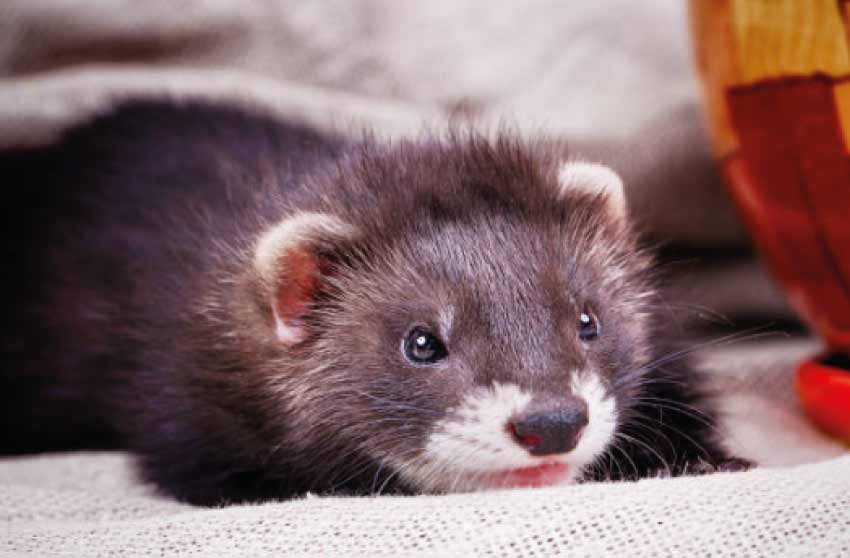
Sable pet | Can you have a sable as a pet?
Sable Pet: Can You Have a Sable as a Pet? Laws, Care and Better Options
Can you have a sable as a pet? In most of the US, it’s hard or illegal. The sable (Martes zibellina) is a wild Siberian marten, not a domesticated animal. Many states ban or restrict wild mustelids; California bans nearly all. A “sable ferret” is different: a color of the domestic ferret, legal in many states.
Sables look like sleek, fluffy weasels with soft brown fur, so it is easy to see why videos of a pet sable go viral. But a sable pet is nothing like a cat or a ferret. This guide explains what a sable is, where keeping one may be legal, what it would need to thrive, and which pets offer the same charm with far fewer problems.
Key takeaways
- A sable is a wild marten from Siberia and northern Asia, not a domestic pet.
- A “sable ferret” is just a coat color of the domestic ferret.
- Michigan State University’s Animal Legal Center lists 19 states with comprehensive bans on private exotic pets.
- California classes all mustelids, except some otters, as “detrimental” animals.
- Sables can live up to 18 years in captivity and need a meat-based diet.
- For most people, a domestic ferret is the realistic alternative, where legal.
In this guide
What Is a Sable? (And Why a Sable Pet Isn’t a Sable Ferret)
The sable animal is a small carnivore in the weasel family, Mustelidae. According to Animal Diversity Web at the University of Michigan, it lives mainly in Siberia and northern China, in dense taiga forest and mountain areas. It has been hunted for its prized fur for centuries.
| Trait | Sable (Martes zibellina) |
|---|---|
| Body length | Males 38–56 cm (15–22 in); females 35–51 cm |
| Tail length | About 7–12 cm (3–5 in) |
| Weight | Males 0.9–1.8 kg (2–4 lb); females 0.7–1.6 kg |
| Lifespan | About 8 years wild; up to 18 in captivity |
| Diet | Mainly small mammals, birds, eggs and fish; berries and nuts when food is scarce |
| Conservation status | Least Concern (IUCN) |
Source: Bates (2002), Animal Diversity Web, University of Michigan. Inch and pound figures are rounded conversions.
Some people searching for a sable pet may actually mean a sable ferret. The American Ferret Association describes the sable color as “warm deep brown” guard hairs over a white-to-cream undercoat. That ferret is a domesticated animal. The wild sable is a separate species that has not been domesticated as a pet.
Is a Sable Pet Legal in the US?
No single federal law answers the question for pet owners. Instead, each state sets its own rules for exotic animals, and many cities and counties add more. The Animal Legal & Historical Center at Michigan State University sorts states into four groups:
| Category | States (per the center’s table) |
|---|---|
| Comprehensive ban (19) | CA, CO, GA, HI, IL, IA, KY, MD, MA, NH, NJ, NM, NY, OH, OR, SC, UT, VT, WA |
| Partial ban (13) | AK, AR, CT, FL, KS, LA, MI, MN, NE, TN, VA, WV, WY |
| License or permit scheme (15) | AZ, DE, ID, IN, ME, MS, MO, MT, ND, OK, PA, RI, SD, TX, WI |
| No ban, but import or health rules (3) | AL, NV, NC |
Source: Animal Legal & Historical Center, Michigan State University College of Law. Its summary gives slightly different totals (20 bans, 14 licensing states), and categories apply to exotic animals in general, not sables specifically.
These categories do not mean a sable is allowed wherever there is no full ban. Some states name mustelids directly. According to Born Free USA, Utah regulates “Mustelidae (all species),” South Dakota’s rules cover Mustelidae, and North Carolina’s summary mentions martens. Born Free notes its summary was last updated in June 2022, so laws may have changed.
California: a clear example
California’s wildlife rule, 14 CCR § 671, lists “Family Mustelidae–All species (D),” with only a few otters as exceptions. “D” means detrimental, and the California Department of Fish and Wildlife does not issue restricted species permits for keeping animals as pets. That rule is also why ferrets are illegal in California. See our guide to cool pets to have in California for legal options.
How to check if a sable pet is legal where you live
- Search your state wildlife agency’s website for “restricted species,” “exotic animals” or “Mustelidae.”
- Call the agency and ask specifically about Martes zibellina.
- Check your city and county ordinances, which can be stricter than state law.
- Read your lease or HOA rules for exotic-animal bans.
- Get any permit in writing before you buy or travel with an animal.
Living in Washington? Our guide to what exotic pets are legal in Washington State explains that state’s rules.
What Would a Sable Pet Need?
Even where a permit is possible, meeting a sable’s needs in a home is very difficult. Sables are wild predators built to roam large forest territories. One Earth reports home ranges of about 4 to 30 square kilometers and winter travel of up to 12 kilometers a day.
| Need | What it means for an owner |
|---|---|
| Space | A large, escape-proof enclosure with climbing and hiding areas |
| Diet | Whole prey or a meat-based diet planned with an exotic vet |
| Activity | Daily enrichment to replace hunting and roaming |
| Vet care | A vet willing to treat an unusual wild mustelid |
| Lifespan | A commitment of up to 15 to 18 years |
| Legal | Permits, inspections or bans depending on your state |
Sources: Animal Diversity Web (diet, lifespan) and One Earth (range, travel). Enclosure and enrichment points are general guidance, not species-specific standards.
Behavior and daily rhythm
Sources differ on when sables are most active. Animal Diversity Web describes them as diurnal, active by day. One Earth says they are mostly active at dawn and dusk and shift to daytime activity during the mating season. One Earth describes them as solitary and territorial. As a wild predator, a sable pet is unlikely to behave like a cuddly lap pet.
Diet and lifespan
Animal Diversity Web lists mice, chipmunks, squirrels, birds, eggs and fish as the main foods, with berries, cedar nuts and plants when prey is scarce. Sables also cache food in their dens. In captivity they can live up to 18 years, with an average of about 15, far longer than many small pets.
Breeding
Sables mate in summer, but implantation is delayed for about eight months, so total gestation lasts 250 to 300 days. Litters usually have two or three young, and Animal Diversity Web says sables reach sexual maturity at two to three years.
Is a Sable Pet Ethical? Welfare and Conservation
The sable is listed as Least Concern by the IUCN, so it is not endangered. However, Animal Diversity Web notes that heavy hunting in the early 20th century severely reduced wild populations, and fur farms were established partly to help wild populations recover. One Earth lists illegal trapping, poaching and deforestation as ongoing threats.
Welfare is the bigger issue when people keep sables as pets. A wild, roaming predator kept in a house or cage may become stressed or destructive. Before buying any exotic animal, ask where it came from, whether it was legally bred and exported, and whether you can meet its needs for its whole life.
Better Alternatives to a Sable Pet
If you love the look of a sable, the closest realistic option is a domestic ferret, including the sable-colored ferret. Ferrets are domesticated, widely kept and supported by ferret clubs and exotic vets. Check your local laws first, since ferrets are banned in California and may be restricted locally.
- Domestic ferret (sable color): The same dark-brown look in a domesticated, playful pet.
- Other small exotic pets: See our list of small exotic pets that are easy to own.
- Budget-friendly options: Compare our cheap exotic pets list.
- Classic small pets: Browse rabbits, guinea pigs and more in our other pets section.
Pet Care Tip: Before getting any exotic pet, find an exotic animal vet within driving distance and ask whether they will see that species. If no vet will, choose a different pet.
When to call a vet right away: Seek urgent care if a sable, ferret or other mustelid stops eating, has diarrhea or vomiting, struggles to breathe, collapses, or may have swallowed a foreign object. If you are bitten by any exotic animal, clean the wound and see a doctor. If your vet is closed, call a 24/7 emergency animal hospital.
7 questions to ask before getting a sable pet
- Is a sable legal in my state, county and city?
- Do I need a permit, and can I get it before buying?
- Was this animal legally bred and imported?
- Is there an exotic vet nearby who will treat a sable?
- Can I build a large, escape-proof enclosure?
- Can I commit for 15 years or more?
- Would a domestic ferret meet my wishes instead?
Example Scenario (illustrative)
Jordan in Phoenix sees sable videos online and finds a seller abroad. After learning that sables are wild mustelids, that Arizona’s rules cover the order Carnivora (per Born Free USA), and that no local vet treats them, Jordan adopts a sable-colored ferret from a rescue instead.
| Myth | Fact |
|---|---|
| “A sable is a type of ferret.” | “Sable” is also a ferret color, but the sable is a separate wild marten. |
| “Sables are domesticated.” | Some are bred on fur farms, but they remain wild animals. |
| “If it’s not banned, it’s allowed.” | Permits and local laws may still apply. |
| “A sable lives a few years.” | Captive sables can live up to 18 years. |
What most owners get wrong
Many people fall for a viral video and buy first, then check the law. With wild mustelids, that order can mean fines, seizure of the animal or a pet you cannot care for. Check the law, the vet and your space before you ever pay a deposit.
Sable Pet FAQs
Can you have a sable as a pet in the US?
Possibly, in a few states with permits, but many states ban or restrict wild mustelids. Always check your state wildlife agency first.
Is a sable the same as a sable ferret?
No. A sable ferret is a domestic ferret with dark-brown coloring. The sable is a separate wild marten species.
Are sables legal in California?
No. California lists all mustelids except some otters as detrimental animals under 14 CCR § 671.
How long do sables live?
About 8 years in the wild and up to 18 years in captivity, according to Animal Diversity Web.
What do sables eat?
Mainly small mammals, birds, eggs and fish, plus berries and nuts when prey is scarce.
Are sables endangered?
No. The IUCN lists the sable as Least Concern, though poaching and habitat loss remain threats.
What is a good alternative to a sable pet?
A domestic ferret, including the sable color, is the closest option where ferrets are legal.
Final Verdict: Should You Get a Sable Pet?
For almost everyone, no. A sable is a wild, roaming predator, and many states ban or tightly restrict mustelids. If you love the sable look, a domestic sable-colored ferret is a far more realistic pet, where ferrets are legal. Always check your state and local laws first.
Your next steps
- Check your state wildlife agency’s exotic animal rules.
- Find an exotic vet near you before choosing any unusual pet.
- Compare legal small pets in our exotic pet guides.
Share your favorite small pet on our Pets Store Home Facebook page.
About the author: Written and reviewed by the Pets Store Home Editorial Team, pet owners who check every guide against trusted sources.
How we checked this guide: Species facts come from Animal Diversity Web (University of Michigan) and One Earth. State law categories come from Michigan State University’s Animal Legal & Historical Center and Born Free USA, and California’s rule from 14 CCR § 671 and the state Department of Fish and Wildlife. Ferret color details come from the American Ferret Association.
This guide is general information, not legal advice. Exotic pet laws change, so confirm with your state wildlife agency. It was fully rewritten in October 2026, and we review it every 12 months.
Last reviewed: October 2026.
Sources (accessed October 29, 2026)
- Animal Diversity Web: Martes zibellina (Bates, 2002)
- One Earth: Species of the Week, Sable (2025)
- Animal Legal & Historical Center: Map of Private Exotic Pet Ownership Laws
- Born Free USA: Summary of State Laws on Exotic Animals
- Cornell LII: 14 CCR § 671, California Restricted Species
- American Ferret Association: Sable Color Standard
- California Department of Fish and Wildlife: Restricted Species Permits











[…] Which foreign pets are legal in Washington State? […]