
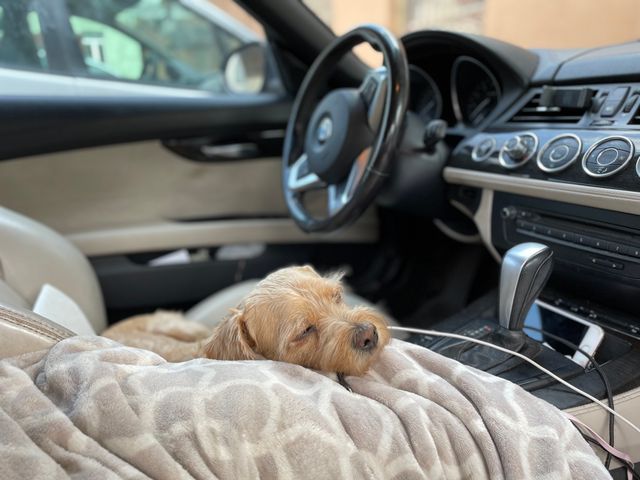
Dog Seat for Car: How to Choose a Safe Seat for Your Dog (UK Guide)
Your dog loves a car ride, but a loose dog on the back seat is a distraction at best and a danger at worst. A sudden stop can throw even a small terrier forward with real force. Choosing the right dog seat for car travel keeps your dog safe, keeps you focused on the road and helps you stay on the right side of the Highway Code.
This guide explains the main types of dog car seats and restraints and which one suits your dog’s size. It also covers what UK rules say, the features worth paying for, how to fit a seat properly and how to help a nervous dog enjoy the journey. We’ve checked the legal and safety points against the Highway Code and UK motoring guidance.
Quick Answer
The best dog seat for a car depends on your dog’s size. Small dogs under about 10kg suit a booster seat with a built-in tether. Medium and large dogs are safer in a padded seat belt harness or a secured travel crate. Whatever you choose, clip it to a harness, never a collar, and keep your dog in the back seat.
Key Takeaways
- The Highway Code (Rule 57) says dogs should be suitably restrained in vehicles.
- Booster seats suit small dogs; harnesses and crates suit bigger ones.
- Seat covers and hammocks protect your car but don’t restrain your dog on their own.
- Always attach the tether to a harness, not a collar.
- The back seat is safest. Front-seat airbags can seriously injure a dog.
In This Guide
What Is a Dog Seat for a Car?
A dog seat for a car is any product that keeps your dog in one safe place while you drive. The term usually means a booster seat for small dogs, but people also use it for seat belt harnesses, car seat beds, travel crates and even back-seat covers.
The important difference is between products that restrain your dog and products that only protect your car. A booster seat with a tether, a crash-tested harness or a secured crate stops your dog moving about or being thrown forward. A hammock or seat cover only catches mud and hair. Many owners use both: a cover for the upholstery and a harness for safety.
Types of Dog Car Seats and Restraints
There are six main options, and the right one depends mostly on your dog’s size and temperament.
| Type | Dog size | What it is | Best for |
|---|---|---|---|
| Booster seat | Small dogs up to around 10kg | A raised, padded box that clips to the car seat so a small dog can see out while tethered | Toy and small breeds that get anxious |
| Seat belt harness and tether | Most dogs, any size | A padded harness linked to the seat belt or an ISOFIX point by a short strap | Everyday trips with medium and large dogs |
| Travel crate | Most dogs, especially large | A rigid crate secured in the boot or on the back seat | Long journeys and dogs that settle better in a den |
| Car seat bed | Tiny dogs | A soft, padded bed that sits on the back seat, with a short built-in tether | Very small, calm dogs on short trips |
| Hammock or seat cover | Any size (not a restraint) | A fabric cover that protects the back seat from hair and mud | Keeping the car clean, alongside a harness |
| Dog guard | Dogs travelling in the boot | A metal barrier between the boot and the passenger area | Estate cars and SUVs with a secure boot |
Pet Care Tip: If you need the hammock or seat cover for mess, pair it with a harness or booster seat. A cover on its own won’t stop your dog sliding into the footwell when you brake.
Do Dogs Have to Be Restrained in a Car in the UK?
Yes. Rule 57 of the Highway Code says dogs and other animals should be suitably restrained in a vehicle, so they can’t distract you or hurt you or themselves if you stop quickly. It lists a seat belt harness, pet carrier, dog cage or dog guard as suitable ways to do this.
Breaking a Highway Code rule like this isn’t a criminal offence on its own. But a loose dog that distracts you could lead to a charge of careless driving. The RAC warns this can mean a fine of up to £5,000 and a court appearance. Some car insurers may also question a claim if an unrestrained pet contributed to an accident, so check your policy.
Highway Code Rule 57, in Plain English
- Restrain your dog so they can’t reach you while you drive.
- Protect them in a sudden stop, so they aren’t thrown around the car.
- Use a suitable method: a harness, carrier, crate or dog guard all count.
Should a Dog Sit in the Front or Back Seat?
For most dogs, a restrained spot on the back seat is the safest place in a car. Front passenger airbags inflate with enough force to seriously injure a dog, and a dog in the front is much more likely to distract the driver.
If your dog absolutely must travel in the front, the RAC advises securing them in a harness, pushing the seat as far back as it will go and switching off the passenger airbag. For everyday trips, though, the back seat or a secured boot is the better choice.
| Position | Safety | Why |
|---|---|---|
| Back seat (restrained) | ✅ Best | Away from airbags and the driver |
| Boot (crate or dog guard) | ✅ Good | Suits larger dogs in estates and SUVs |
| Front seat (restrained) | ⚠️ Last resort | Airbag risk; seat back and airbag off |
| Anywhere, unrestrained | ❌ Unsafe | Distracting, and dangerous in a sudden stop |
Best Dog Car Seat by Size
Size is one of the biggest factors in choosing a dog seat for your car. Booster seats are built for small dogs, while bigger dogs need a harness or crate that can cope with their weight in a sudden stop.
| Dog size | Example breeds | Best option | Tip |
|---|---|---|---|
| Toy (under 5kg) | Chihuahua, Yorkshire Terrier, Pomeranian | Booster seat or car seat bed with a short tether | Raised sides help them feel secure and see out |
| Small (5–10kg) | Jack Russell, Shih Tzu, Dachshund | Booster seat or a small seat belt harness | Dachshunds need a harness that supports their long back |
| Medium (10–25kg) | Cocker Spaniel, Border Collie, Beagle | Padded seat belt harness or a medium travel crate | Too big for most boosters; check the harness weight limit |
| Large (25–40kg) | Labrador, German Shepherd, Golden Retriever | Crash-tested harness or a secured crate in the boot | Estate cars and SUVs can take a crate plus dog guard |
| Giant (40kg+) | Great Dane, Newfoundland, St Bernard | Large secured crate or heavy-duty harness | Measure your boot before buying a crate |
Pet Care Tip: Weigh your dog before you buy. Every booster seat and harness has a maximum weight, and a restraint that’s too small for your dog may not hold in a sudden stop. For more kit ideas, see our guide to dog accessories for travel.
What to Look For When Buying a Dog Car Seat
A good dog car seat holds your dog securely, fits your car properly and is comfortable enough that your dog will settle. Looks and price matter less than how it performs in a sudden stop.
There’s no single mandatory UK safety standard for pet car restraints. That makes independent crash-test evidence the most useful thing to look for. In the US, for example, the non-profit Center for Pet Safety crash-tests some pet travel products. Treat vague claims like “tested for safety” with caution unless the maker publishes the results.
| Feature | What to check |
|---|---|
| Crash-test evidence | Published, independent test results, not just the word “safe” on the box |
| Secure attachment | Straps round the seat back and base, or a seat belt / ISOFIX connection that won’t slide |
| Short, adjustable tether | Long enough to sit and lie down, short enough to stop them reaching the footwell or front seats |
| Padded harness | A broad chest plate spreads force in a sudden stop; avoid thin walking harnesses |
| Correct weight limit | Your dog’s weight should sit comfortably inside the maker’s maximum |
| Washable, waterproof lining | Removable covers make muddy walks and travel sickness easier to deal with |
| Non-slip base | Stops a booster seat shifting on leather or smooth fabric seats |
Pet Care Tip: Always clip the tether to a harness, never a collar. In a sudden stop, all the force would go through your dog’s neck. If you need help with harness fit, our guide to the best harness for dogs that pull explains how a harness should sit.
Dog Car Restraint Terms Explained
- Tether: the short strap linking your dog’s harness to the seat, seat belt or booster seat.
- Seat belt buckle clip: a tether that plugs straight into the car’s seat belt buckle.
- ISOFIX: the metal anchor points between the seat base and back, built for child seats. Some dog restraints clip onto them.
- Zipline restraint: a strap run across the back seat that lets the tether slide, giving a little more movement.
- Crash-tested: the product has been through a controlled impact test. Ask to see the published results.
- Dog guard: a mesh or bar barrier that keeps a dog in the boot and out of the passenger area.
How to Fit a Dog Car Seat Safely
Fitting usually takes only a few minutes, but getting it right is what makes the seat work. Follow the maker’s instructions first, then use these steps as a final check.
- Choose the back seat. The middle or the side behind the passenger is best, well away from the driver.
- Secure the base. Loop the straps around the headrest and seat back, and tighten them so the seat doesn’t wobble.
- Put the harness on your dog. You should just fit two fingers under the straps.
- Clip the tether to the back of the harness, never to the collar.
- Adjust the tether length. Your dog should be able to sit and lie down but not climb out or reach the front.
- Give it a shake test. Push the seat firmly. If it slides or tips, tighten the straps again.
Checklist: Before Every Journey
- ☐ Seat or crate is firmly secured
- ☐ Harness fitted, with two fingers of space
- ☐ Tether clipped to the harness, not the collar
- ☐ Windows up far enough that your dog can’t put their head out
- ☐ Water and a bowl packed for longer trips
How to Help Your Dog Get Used to a Car Seat
Many dogs accept a car seat within a week or two if you introduce it gradually and make it rewarding. Rushing straight into a long drive is the fastest way to create a reluctant traveller.
- Start indoors. Put the booster seat or crate on the floor at home and reward your dog for sitting in it.
- Move to the parked car. Sit together with the engine off, with treats and praise.
- Take short trips, such as a five-minute drive to the park, so the car means fun.
- Add a familiar blanket that smells of home.
- Build up slowly to longer journeys over a week or two.
If your dog prefers a crate, our guide on how to crate train an adult rescue dog uses the same step-by-step approach.
Example Scenario (illustrative)
Poppy, a 6kg rescue terrier, used to pace and whine on the back seat. Her owner bought a booster seat with a short tether and a washable lining. For a week, Poppy ate her breakfast in it on the kitchen floor. Then came short drives to the local park. Within a fortnight, she was hopping into her seat on her own and dozing on the way to the vet.
If your dog drools, shakes or is sick on every journey despite gradual training, speak to your vet. Travel sickness and travel anxiety can both be helped, and your vet can advise on the right approach.
Common Mistakes With Dog Car Seats
Many car-travel risks for dogs come from a few everyday habits rather than a lack of expensive kit.
- Clipping the tether to a collar. The risk: neck and throat injury in a sudden stop. Fix: always use a harness.
- Leaving the tether too long. The risk: your dog can fall into the footwell or reach the driver. Fix: shorten it so they can sit and lie down, nothing more.
- Relying on a seat cover alone. The risk: a hammock protects your seats but not your dog. Fix: add a harness or booster seat.
- Letting your dog hang out of the window. The risk: the RAC warns that vets see serious injuries from dogs hitting passing objects or vehicles. Fix: keep windows raised enough to stop heads going out.
- Leaving your dog in a parked car. The risk: the RAC notes dogs can overheat within minutes. Fix: never leave your dog alone in a car on a warm day, even with a window open.
Long-Journey Tips From Our Editors
- Stop every couple of hours for a walk, a drink and a toilet break.
- Feed a light meal a few hours before setting off rather than just before.
- Pack a travel kit: water, bowl, poo bags, towel, lead and any medication.
- Keep the car cool and out of direct sun where you can.
- Planning a trip away? See our list of pet-friendly hotels that allow large dogs.
Frequently Asked Questions
Is it illegal to have a dog loose in the car in the UK?
It isn’t a specific criminal offence, but Rule 57 of the Highway Code says dogs should be suitably restrained. If a loose dog distracts you, you could be charged with careless driving, which the RAC says can carry a fine of up to £5,000. Your insurer may also question a claim.
What is the safest way for a dog to travel in a car?
The safest options are a crash-tested harness clipped into the back seat, or a secured crate in the back or the boot. Small dogs can travel in a booster seat with a short tether attached to a harness. Keep your dog out of the front seat because of the airbag risk.
Can my dog sit on my lap while I drive?
No. A dog on the driver’s lap is a serious distraction and breaks the Highway Code guidance to keep animals suitably restrained. In a collision, the airbag and steering wheel could also cause severe injuries to your dog.
Are dog booster seats safe?
Booster seats are a good choice for small dogs, as long as the seat is firmly strapped in and the dog wears a harness attached to a short tether. They are not designed for larger dogs. Check the weight limit and look for published crash-test results where possible.
Can a dog travel in the boot?
Yes, in an estate car or SUV, as long as the boot is secured with a dog guard or your dog is in a crate that’s fixed in place. Never put a dog in the closed boot of a saloon car, where there’s no airflow and no way for them to be seen.
How do I stop my dog getting car sick?
Start with short, positive trips, feed a light meal a few hours before travel, keep the car cool and face your dog forwards where possible. If sickness carries on despite training, talk to your vet, who can advise on suitable treatment.
Final Thoughts
The right dog seat for your car is the one that fits your dog’s size and keeps them secure in the back seat. Most small dogs are happiest in a tethered booster seat. Medium and large dogs are safest in a padded harness or a secured crate. Add a seat cover if you want to protect your car, introduce the seat gradually, and every journey will be calmer for both of you.
Keep Reading: Travel and Everyday Kit
- Dog accessories for travel: everything else to pack
- Best harness for dogs that pull: how a good harness should fit
- How to crate train an adult rescue dog
- Do dog anxiety vests actually work? Help for nervous travellers
Found this useful? Bookmark this guide before your next road trip, and browse more pet accessory guides.
Sources & References
About the Author
Written and reviewed by the Pets Store Home editorial team. We’re pet owners and animal lovers who research every guide against trusted animal-welfare, motoring and veterinary sources. This guide is for general information and is not a substitute for professional veterinary or legal advice.
Last reviewed: September 2026. Sources: GOV.UK Highway Code, RAC, Center for Pet Safety.
[…] Which foreign pets are legal in Washington State? […]