
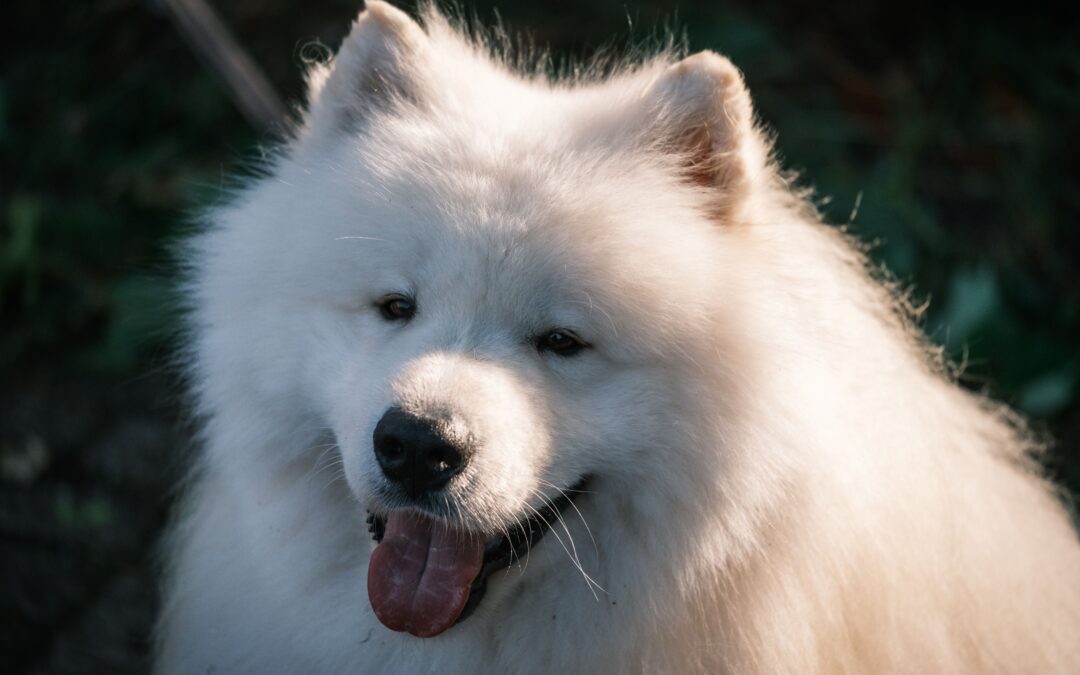
Spitz Dog Breeds: 16 AKC Breeds, Sizes, Traits and Care (2026 Guide)
What are spitz dog breeds? Spitz dog breeds, many bred for cold climates, have pointed, upright ears, almond-shaped eyes, a thick double coat and a tail curled over the back. The AKC lists 16 spitz breeds, from the 3 to 7 pound Pomeranian to the 100 to 130 pound male Akita. Many are intelligent, independent and shed heavily.
If you love a fox-like face and a plume of a tail, a spitz may be your perfect match. This guide explains what makes a dog a spitz type, compares all 16 AKC spitz dog breeds by size and lifespan, and lists other spitz breeds recognized worldwide. It also covers grooming, exercise and how to find a responsible breeder. Every size and lifespan figure comes from the breed’s AKC page.
Key takeaways
- “Spitz” means “pointed” in German, according to the AKC.
- The AKC names 16 recognized spitz breeds across five of its groups.
- Internationally, the FCI places spitz breeds in Group 5, Spitz and primitive types.
- Thick double coats shed heavily and should not be shaved for summer, per the AKC.
- Many spitz types are independent, so the AKC says they are not always suited to novice owners.
In this guide
What Are Spitz Dog Breeds?
According to the American Kennel Club (AKC), the word “spitz” means “pointed” in German. Most spitz types share a wolf-like look: pricked ears, almond-shaped eyes, a heavy double coat and a feathery tail carried over the back. Those features helped them stay warm in cold places such as Scandinavia, Russia, North America and Asia.
The AKC estimates there are between 50 and 70 distinct breeds of spitz, but notes that some are hard to categorize because there is no exact definition of the type. Their old jobs varied widely, from helping hunters find game to pulling sleds and herding reindeer. In short, a breed of dog of the spitz type is defined more by its look and history than by a single standard.
How Kennel Clubs Group Spitz-Type Breeds
The AKC does not have a single spitz group. Its 16 spitz breeds sit in the Working, Herding, Hound, Non-Sporting and Toy groups. The international kennel federation takes a different approach: FCI Group 5, Spitz and primitive types splits the type into sections such as Nordic sledge dogs, Nordic hunting dogs, Nordic watchdogs and herders, European spitz, and Asian spitz and related breeds.
Is Your Dog Spitz Type?
As general advice, look for the hallmarks the AKC describes: pointed, pricked ears, almond-shaped eyes, a heavy double coat and a feathery tail carried over the back. Mixed dogs can show some of these traits without being a spitz breed. If you are curious about a rescue’s background, a dog DNA test can help.

All 16 AKC Spitz Dog Breeds Compared
The table lists the 16 breeds the AKC groups as spitz types, with height, weight and life expectancy from each breed’s own AKC page. Where the AKC gives separate male and female figures, we combine them into one range.
| Breed | AKC group | Height | Weight | Life expectancy |
|---|---|---|---|---|
| Akita | Working | 24 to 28 in | 70 to 130 lb | 10 to 14 years |
| Alaskan Malamute | Working | 23 to 25 in | 75 to 85 lb | 10 to 14 years |
| American Eskimo Dog | Non-Sporting | 9 to 19 in (3 sizes) | 6 to 35 lb | 13 to 15 years |
| Chow Chow | Non-Sporting | 17 to 20 in | 45 to 70 lb | 8 to 12 years |
| Finnish Lapphund | Herding | 16 to 21 in | 33 to 53 lb | 12 to 15 years |
| Finnish Spitz | Non-Sporting | 15.5 to 20 in | 20 to 33 lb | 13 to 15 years |
| Icelandic Sheepdog | Herding | 16.5 to 18 in | 25 to 30 lb | 12 to 14 years |
| Keeshond | Non-Sporting | 17 to 18 in | 35 to 45 lb | 12 to 15 years |
| Norwegian Buhund | Herding | 16 to 18.5 in | 26 to 40 lb | 12 to 15 years |
| Norwegian Elkhound | Hound | 19.5 to 20.5 in | 48 to 55 lb | 12 to 15 years |
| Norwegian Lundehund | Non-Sporting | 12 to 15 in | 12 to 18 lb | 12 to 15 years |
| Pomeranian | Toy | 6 to 7 in | 3 to 7 lb | 12 to 16 years |
| Samoyed | Working | 19 to 23.5 in | 35 to 65 lb | 12 to 14 years |
| Shiba Inu | Non-Sporting | 13.5 to 16.5 in | 17 to 23 lb | 13 to 16 years |
| Siberian Husky | Working | 20 to 23.5 in | 35 to 60 lb | 12 to 14 years |
| Swedish Vallhund | Herding | 11.5 to 13.75 in | 20 to 35 lb | 12 to 15 years |
Source: AKC breed pages, accessed November 2026. Ranges combine male and female figures.
Small Spitz Dog Breeds
Small spitz dog breeds pack a big personality into a compact body. The AKC describes the Pomeranian as one of the world’s most popular toy breeds, a dog under seven pounds with a commanding presence. The American Eskimo Dog comes in toy, miniature and standard sizes; despite the name, the AKC says it descends from the German Spitz brought to North America by immigrants.
Other small picks include the Shiba Inu, an ancient Japanese hunting breed; the Norwegian Lundehund, which the AKC calls one of the rarest spitz breeds and which was developed to hunt puffins on a remote Norwegian island; and the Swedish Vallhund, a compact herding breed that stands under 14 inches tall, per the AKC.

Medium Spitz-Type Breeds
Medium spitz dog breeds were often farm, hunting or herding dogs. The AKC says the Keeshond guarded and kept company on barges along Dutch waterways, while the Finnish Spitz is a fox-like hunter that signals game birds with rapid barking. The Icelandic Sheepdog is Iceland’s only native breed, according to the AKC.
From Norway come the Norwegian Buhund, an all-purpose farm dog, and the larger Norwegian Elkhound, with its silver-gray coat. The Finnish Lapphund was bred to herd reindeer in Lapland. The Chow Chow may be one of the original spitz types, since the AKC notes Han Dynasty artifacts showing these dogs from around 200 B.C.
Large Spitz Dog Breeds
The big spitz dog breeds were built for hard work in the cold. The Akita is a muscular Japanese breed first bred to hunt big game, and the AKC says it is seen in Japan as a symbol of good health, happiness and long life. Males can reach 130 pounds, making it the heaviest breed on our list.
The Alaskan Malamute is one of the oldest sled dog breeds, prized for the strength to haul heavy loads over long distances. The Samoyed is known for its white coat and smiling expression, both suited to the cold of its native Siberia. The Siberian Husky is the lighter of the two sled breeds, based on AKC weights. See our guide to the difference between a Husky and a Malamute if you are torn between the two.
Size Is Not the Only Difference
As general advice, large spitz dog breeds need more space, stronger leash skills and a bigger food budget than small ones. Our Akita adoption guide covers what to know before taking on a powerful spitz, and our agouti Siberian Husky guide explains one of the Husky’s rarer coat colors.
Other Breeds of Spitz Around the World
The FCI recognizes many spitz dog breeds, including several that are not fully recognized by the AKC. The FCI Group 5, Spitz and primitive types list includes the breeds below. Note that the FCI German Spitz standard treats the Keeshond (Wolfspitz) and the Pomeranian as varieties of one German Spitz breed, alongside Giant, Medium and Miniature Spitz sizes.
| FCI section | Example breeds |
|---|---|
| Nordic sledge dogs | Greenland Dog, Canadian Eskimo Dog, Samoyed, Alaskan Malamute, Siberian Husky |
| Nordic hunting dogs | Karelian Bear Dog, West Siberian Laika, Russian-European Laika, Jämthund, Norrbottenspitz |
| Nordic watchdogs and herders | Swedish Lapphund, Lapponian Herder, Icelandic Sheepdog, Swedish Vallhund |
| European spitz | German Spitz (all sizes), Italian Volpino |
| Asian spitz and related breeds | Japanese Spitz, Eurasier, Hokkaido, Kai, Kishu, Shikoku, Korea Jindo Dog, Thai Bangkaew Dog |
Source: FCI breed nomenclature, Group 5, accessed November 2026.

Living With Spitz Dogs: Grooming, Exercise and Temperament
Canine spitz types share more than looks. The AKC describes spitz breeds as often loyal, intelligent and affectionate, but also independent and bold. It notes they are not always suited to novice owners, since most come from working backgrounds and stay active. In our experience, short, reward-based training sessions work best with these clever but strong-willed dogs. Our guide on how to socialize a puppy can help you start early.
Grooming a Double Coat
Thick spitz coats need regular grooming to keep shedding under control, the AKC says. Resist the urge to shave. In an AKC article on summer shaving, Chief Veterinary Officer Dr. Jerry Klein explains that a dog’s coat acts as an insulator. The soft undercoat traps air, and the outer guard hairs help protect against sunburn and insect bites.
| Pros of spitz-type breeds | Cons to consider |
|---|---|
| Striking looks and many sizes to choose from | Regular grooming needed to control shedding (AKC) |
| Often loyal and affectionate (AKC) | Can be independent and bold (AKC) |
| Many were bred for cold climates (AKC) | In our experience, many are vocal |
| Intelligent (AKC) | Not always ideal for first-time owners (AKC) |
Finding Spitz Dog Breeders and Rescues
Good spitz dog breeders health-test their dogs and answer your questions openly. The AKC suggests asking about health testing, the parents, the health guarantee and whether the breeder will take a dog back at any point in its life. You can check hip and other screening results on the Orthopedic Foundation for Animals (OFA) database. As general advice, also look at breed-specific rescues, since spitz types sometimes end up there when owners underestimate the shedding or energy.

Pet Care Tip: Our suggestion is to buy an undercoat rake before your spitz arrives. In our experience, a few minutes of brushing several times a week during shedding season saves hours of vacuuming later.
When to call a vet right away: The AKC lists heavy panting, excessive drooling, bright red gums and trouble keeping balance as early heatstroke signs, and collapse as a severe one. It says a vet visit is essential even if your dog seems to recover, so call your vet or a 24/7 emergency animal hospital right away.
7 questions to ask before choosing a spitz
- Which size of spitz fits my home and lifestyle?
- Can I handle heavy seasonal shedding?
- How hot are summers where I live?
- Do I have time for daily exercise and training?
- Will barking be a problem for my neighbors?
- Has the breeder health-tested both parents?
- Is there a breed rescue near me?
Example Scenario (illustrative)
Lena in Denver loved Samoyeds but lived in a small apartment. After comparing spitz dog breeds by size, she chose a miniature American Eskimo Dog instead. She booked puppy classes, bought an undercoat rake and planned shady morning walks for hot days.
| Myth | Fact |
|---|---|
| “Spitz is one breed.” | The AKC treats spitz as a type of dog and lists 16 spitz breeds. |
| “All spitz dogs are big sled dogs.” | AKC sizes run from a 3 pound Pomeranian to a 130 pound male Akita. |
| “Shaving keeps a double-coated dog cool.” | The AKC says the coat acts as insulation, so shaving can backfire. |
| “The American Eskimo Dog is an Arctic breed.” | The AKC says it descends from the German Spitz. |
What most owners get wrong
In our experience, many owners pick a spitz for its looks and underestimate the shedding and independent streak. Choose the breed for its energy and size first, and plan your grooming routine before you bring your dog home.
Spitz Dog Breeds FAQs
What are spitz dog breeds?
Dogs with pointed, pricked ears, a heavy double coat and a tail carried over the back, per the AKC.
How many spitz breeds are there?
The AKC estimates 50 to 70 and recognizes 16 as spitz breeds.
What is the smallest spitz breed?
The Pomeranian, at 3 to 7 pounds, per the AKC.
What is the largest spitz breed?
The Akita; the AKC lists males at 100 to 130 pounds.
Are Huskies spitz dogs?
Yes. The Siberian Husky is one of the AKC spitz breeds.
Do spitz dogs shed a lot?
Yes. Their thick coats need regular grooming to control shedding (AKC).
Are spitz breeds good for first-time owners?
The AKC says they are not always suited to novice owners.
Final Verdict: Which of the Spitz Dog Breeds Is Right for You?
Spitz dog breeds range from pocket-sized Pomeranians to powerful Akitas, but they share pointed ears, thick coats and a bold, independent streak. Choose a size that fits your home, plan for regular brushing and daily exercise, and buy only from a breeder who health-tests. Do that, and a spitz can be a loyal, lively companion for many years.
Your next steps
- Shortlist two or three breeds from the comparison table.
- Read each breed’s AKC page and meet adult dogs if you can.
- Contact a health-testing breeder or a breed rescue.
Share your spitz photos on the Pets Store Home Facebook page, and find more breed guides in our Dogs section and the wider Pets hub.
About the author: Written and reviewed by the Pets Store Home Editorial Team, pet owners who check every guide against trusted sources.
How we checked this guide: The list of 16 spitz breeds, the breed descriptions and the temperament and grooming notes come from the AKC’s spitz breeds article. Heights, weights, life expectancies and AKC groups come from each breed’s AKC page. International groupings come from the FCI nomenclature, coat advice from the AKC’s shaving article, heatstroke signs from the AKC’s heatstroke guide, and breeder questions from the AKC.
This guide was written in November 2026 and is reviewed every 12 months.
Last reviewed: November 2026.
Sources (accessed November 9, 2026)
[…] Which foreign pets are legal in Washington State? […]