
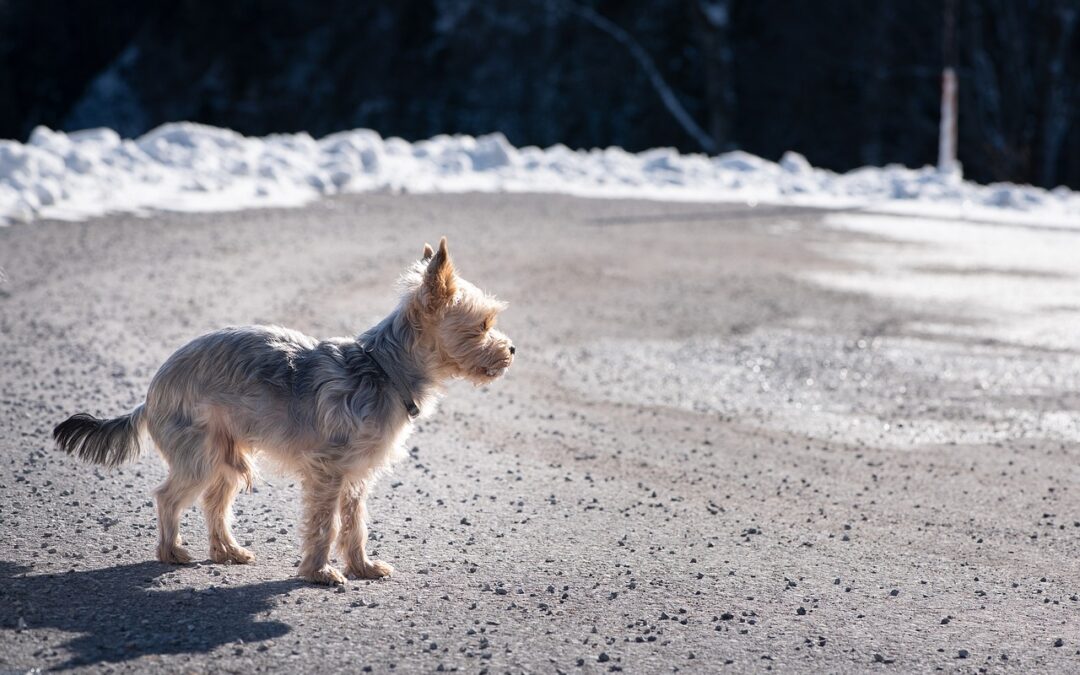
How to Help a Dog With Separation Anxiety

How to Help a Dog With Separation Anxiety

A dog that howls the moment the front door closes, shreds a cushion within minutes of being left alone, or paces anxiously by the window until you return isn’t misbehaving out of spite. Separation anxiety is a genuine panic response to being apart from an attachment figure, and it’s one of the more common and more misunderstood behavior challenges dog owners face, often mistaken for simple naughtiness or a lack of training.

This guide covers how to recognize true separation anxiety, what causes it, and a step-by-step desensitization plan for helping a dog feel safe and settled when left alone, along with tools and management strategies that can support the process.

Quick Answer: Help a dog with separation anxiety by gradually desensitizing them to being alone through very short, successful absences that slowly increase in length, pairing departures with calm, low-key routines, and creating a safe, comfortable space for alone time. Mild cases often improve within a few weeks; more severe cases may need professional support and take several months.

Key Takeaways

  • True separation anxiety is a panic response, not defiance, and typically involves distress that begins within minutes of the owner leaving.
  • Gradual desensitization, starting with absences of just seconds and slowly building up, is the core evidence-based training approach.
  • Calm, low-key arrivals and departures reduce the emotional spike associated with the owner leaving or returning.
  • A consistent safe space, whether a crate or a designated room, gives an anxious dog a predictable, secure place to settle.
  • Severe separation anxiety sometimes requires professional behavioral support alongside training, and in some cases veterinary input on anti-anxiety medication.

Why Trust This Guide?

This guide is written and researched by the Pets Store Home editorial team. We cross-check our dog behavior guidance against established veterinary and force-free training sources, and this article is reviewed periodically to keep it accurate and current. It’s intended as general information; a certified separation anxiety trainer or veterinary behaviorist can provide tailored support for moderate to severe cases.

What Separation Anxiety Actually Looks Like

True separation anxiety typically shows up within the first 15 to 30 minutes after an owner leaves, and common signs include persistent vocalizing (barking, howling, or whining), destructive chewing or scratching concentrated near doors and windows, house soiling despite being otherwise fully house-trained, pacing, drooling, panting when it isn’t hot, and attempts to escape confinement. Some dogs also show anticipatory anxiety before the owner even leaves, reacting to pre-departure cues like picking up keys or putting on shoes.

Separation Anxiety vs Simple Boredom

Boredom-driven destruction tends to happen sporadically throughout an absence and often involves normal exploratory chewing on accessible items around the house. Separation anxiety, by contrast, is usually concentrated specifically at exit points like doors and windows, begins very quickly after departure, and is accompanied by clear physiological stress signs like drooling, panting, or trembling. A dog with simple boredom generally settles once given enough exercise and enrichment, while a dog with true separation anxiety continues to show distress even with plenty of physical activity beforehand, since the issue is emotional rather than energy-related.

What Causes Separation Anxiety

Separation anxiety can develop for a range of reasons: a sudden change in routine, such as an owner returning to an office after working from home for an extended period; a major life change like moving house, a new family member, or the loss of a companion animal; a history of shelter, rescue, or multiple rehoming; or simply an individual dog’s temperament, since some dogs form intensely strong single-person attachments regardless of their history. In many cases, the exact trigger isn’t identifiable, and treatment focuses on building confidence and independence regardless of the original cause.

Step-by-Step: Desensitizing a Dog to Being Alone

Step 1: Establish a baseline. Use a camera or monitor to observe how a dog actually behaves when left alone, and note how quickly distress signs begin. This baseline tells you where to safely start the desensitization process.

Step 2: Practice departures far shorter than the distress threshold. If a dog begins showing distress within two minutes, begin practicing departures of just a few seconds, well under that threshold, so the dog experiences success and calm rather than panic.

Step 3: Increase duration gradually and irregularly. Slowly extend the length of departures over many sessions, varying the exact duration so the dog doesn’t start anticipating a fixed pattern. Progress should be driven by the dog staying calm, not by a fixed schedule.

Step 4: Keep departures and returns low-key. Avoid long, emotional goodbyes or highly excited greetings, since both spike a dog’s emotional arousal around the transition. A calm, brief departure and an equally calm return help lower the overall intensity of the association.

Step 5: Decouple departure cues from actual leaving. Practice picking up keys, putting on shoes, or grabbing a coat at random times without actually leaving, so these cues stop reliably predicting an absence and lose some of their power to trigger anticipatory anxiety.

Step 6: Build up to real-world absences gradually. Once a dog tolerates short practice departures calmly, extend to genuine short errands, then longer outings, continuing to monitor for any signs of returning distress and stepping back to shorter durations if needed.

Creating a Safe Space for Alone Time

A consistent, comfortable space, whether a crate a dog has been positively conditioned to enjoy or a designated room with familiar bedding, gives an anxious dog a predictable environment rather than free access to an entire house that can feel overwhelming when alone. This space should already be strongly associated with calm, positive experiences well before it’s used during actual departures. Never introduce crate confinement for the first time during an already-stressful absence; the safe space needs to be established as genuinely safe through prior positive experience.

Using Enrichment to Support, Not Replace, Training

Long-lasting food puzzles or stuffed chew toys given right before a departure can help occupy a dog during the early, most stressful minutes of an absence, and provide a positive association with the owner leaving. However, enrichment alone doesn’t resolve true separation anxiety in more moderate to severe cases, since a genuinely panicked dog often won’t engage with food or toys at all. Enrichment works best as a support tool alongside a structured desensitization plan, not as a standalone fix.

The Role of Exercise

A dog that’s had adequate physical and mental exercise before a departure is generally calmer and more prone to resting during an absence, which supports the desensitization process. That said, exercise alone doesn’t resolve true separation anxiety, since the issue is rooted in the emotional response to being alone rather than excess physical energy. Pairing solid daily exercise with the desensitization steps above produces better results than either approach alone.

Background Noise and Environmental Comfort

Leaving low-level background noise, such as a radio, television, or white noise, can help mask sudden outside sounds (a passing car, a neighbor’s door) that might otherwise startle or unsettle an anxious dog during an absence. Keeping the departure environment as close as possible to the dog’s normal daily environment, rather than confining to an unfamiliar space, also reduces added stress layered on top of the separation itself.

When a Second Pet Might (or Might Not) Help

Getting a second pet is sometimes suggested as a fix for separation anxiety, but it’s not a reliable solution on its own, since true separation anxiety is usually specifically about the human attachment figure rather than being alone in a general sense. Some dogs do settle better with animal company, but many dogs with genuine separation anxiety continue to show distress even with another pet present, meaning this shouldn’t be relied upon as a primary treatment strategy without the desensitization work described above.

Medication and Professional Support

For moderate to severe separation anxiety, particularly cases involving self-injury, extreme destruction, or distress that isn’t responding to consistent desensitization work, a veterinarian can discuss whether anti-anxiety medication might support the training process. Medication is generally most effective when paired with, not substituted for, behavioral training, and a certified separation anxiety trainer can provide a structured, personalized desensitization protocol for cases that aren’t improving with general guidance alone.

Puppies and Preventing Separation Anxiety

Building comfortable independence early, through gradual, low-key alone-time practice from a young age, is one of the most effective ways to prevent separation anxiety from developing in the first place. Puppies that are never given the chance to be calmly alone, even briefly, sometimes struggle considerably more with normal daily absences later on. Introducing short, positive alone-time practice as a routine part of puppyhood, well before it’s actually needed for a real absence, builds resilience proactively.

Rescue Dogs and Separation Anxiety

Rescue and shelter dogs, particularly those with a history of multiple rehoming or abandonment, are statistically more prone to developing separation anxiety, understandably given their history. These dogs often benefit from an especially gradual, patient desensitization process, and from establishing a strong sense of routine and security in their new home before departures are pushed much beyond very brief practice sessions. Rushing the process with a rescue dog that has a history of loss tends to set training back rather than move it forward.

How Long Treatment Typically Takes

Mild separation anxiety often shows meaningful improvement within a few weeks of consistent desensitization practice. Moderate to severe cases, particularly those involving panic-level distress or self-injury, often take several months of structured work, sometimes alongside medication and professional guidance, and some dogs need ongoing management rather than a single complete resolution. Patience and consistency matter more than speed; rushing the desensitization timeline is one of the most common reasons progress stalls or regresses.

Adult Dogs vs Puppies: Does Age Change the Approach

The core desensitization method is the same regardless of a dog’s age, but timelines and starting points often differ. Adult dogs with a long-established pattern of separation distress typically need a longer, more gradual process than a puppy just beginning to learn about alone time, since an adult dog has more ingrained emotional history around departures to work through. Older dogs adopted later in life, especially those with an unknown or difficult history, sometimes benefit from an especially conservative starting point, beginning desensitization with departures of only a few seconds even if that feels overly cautious, since a strong early foundation of success tends to produce more durable long-term results than rushing toward longer absences too soon.

Recognizing Regression and How to Respond

It’s common for a dog doing well with desensitization to show a temporary regression after a disruption, such as a house move, a change in schedule, or an illness. This isn’t a sign that training has failed; it typically means returning briefly to shorter, easier absences and rebuilding duration gradually again, the same way the initial training progressed, rather than starting completely from scratch or assuming the approach isn’t working.

Common Mistakes That Slow Down Treatment

Extending absence duration too quickly, before a dog has consistently shown calm behavior at the current level, often triggers a stress spike that sets progress back. Punishing distress-related destruction or house soiling after the fact doesn’t address the underlying panic and can add a layer of anxiety around the owner’s return specifically. And skipping the gradual desensitization process entirely in favor of just leaving a dog alone for progressively longer real-world absences, hoping the dog will simply adjust, often reinforces the panic response rather than resolving it.

Using Cameras and Monitoring Technology

Pet cameras with two-way audio or treat-dispensing features let owners check in on a dog during an absence without physically returning, which can be useful both for gathering baseline information and for occasionally offering calm verbal reassurance during training. That said, technology works best as a monitoring and information tool rather than a treatment on its own; watching a dog in distress through a camera doesn’t resolve the underlying anxiety, and checking in too frequently can sometimes reinforce anxious behavior by rewarding vocalizing with attention, even remote attention.

Doggy Daycare and Alternative Care Arrangements

For households where full alone-time desensitization isn’t realistic on the needed timeline, such as a new job requiring long workdays immediately, doggy daycare, a trusted pet sitter, or a dog walker for a midday break can bridge the gap while desensitization training happens more gradually in the background. These arrangements aren’t a permanent substitute for building genuine comfort with being alone, since most households eventually need a dog that can tolerate at least some solo time, but they can meaningfully reduce a dog’s daily distress while the underlying training progresses.

Multi-Pet Households and Separation Anxiety

In homes with multiple dogs, it’s worth determining whether anxiety is specifically about the human’s absence or whether it eases somewhat with another dog present, since this shapes the training approach. Some dogs with mild separation-related stress do settle better with animal company, even if that alone doesn’t fully resolve more significant cases. If one dog in a multi-dog household has genuine separation anxiety, it’s generally best to run desensitization training with that dog specifically, rather than assuming the presence of other pets will resolve the issue without dedicated work.

Tracking Progress Over Time

Keeping a simple log of departure duration, and any signs of distress observed via camera or evidence left behind (destruction, soiling), gives a much clearer picture of whether desensitization is actually working than relying on memory or general impressions. A gradually increasing tolerance for longer absences, even with occasional small setbacks, is the pattern to look for; a log makes it much easier to spot this trend and to identify specific triggers, like a particular time of day or a specific pre-departure cue, that might need extra attention.

Related Reading

Frequently Asked Questions

How can I tell if it’s separation anxiety or just boredom?
Separation anxiety typically begins quickly after departure, concentrates near exit points, and comes with physiological stress signs like drooling or panting, even when the dog has had plenty of exercise beforehand.

Will getting a second dog fix my dog’s separation anxiety?
Not reliably. True separation anxiety is usually about the specific human attachment figure, and many dogs continue to show distress even with animal company present.

Is crate training cruel for a dog with separation anxiety?
Not if the crate is introduced positively well in advance and the dog already finds it a comfortable, safe space. Introducing a crate for the first time during an actual stressful absence isn’t recommended.

How long before I should see improvement?
Mild cases often improve within a few weeks of consistent practice. Moderate to severe cases can take several months, particularly with professional support.

Can medication alone solve separation anxiety?
Medication is generally most effective alongside behavioral training rather than as a standalone fix, and should be discussed with a veterinarian for moderate to severe cases.

My dog seems fine for the first hour, then starts panicking. Is that still separation anxiety?
Yes, delayed-onset distress still falls under separation-related anxiety. The desensitization approach is the same; you’d simply be working with a longer initial safe duration as your starting point.

Final Thoughts

Separation anxiety is a genuine panic response, not a training failure or a sign of a poorly behaved dog, and it responds best to patient, gradual desensitization rather than punishment or simply hoping a dog adjusts over time. Building comfort with short, successful absences, keeping departures and returns low-key, and providing a consistent safe space together give most dogs a real path toward feeling calm and secure when left alone, even if the timeline for more severe cases requires real patience and, sometimes, professional support.

If your dog’s separation anxiety shows up mainly as barking while you’re away, and the neighbours have started to notice, our guide on handling constant barking complaints covers the practical side of that conversation.
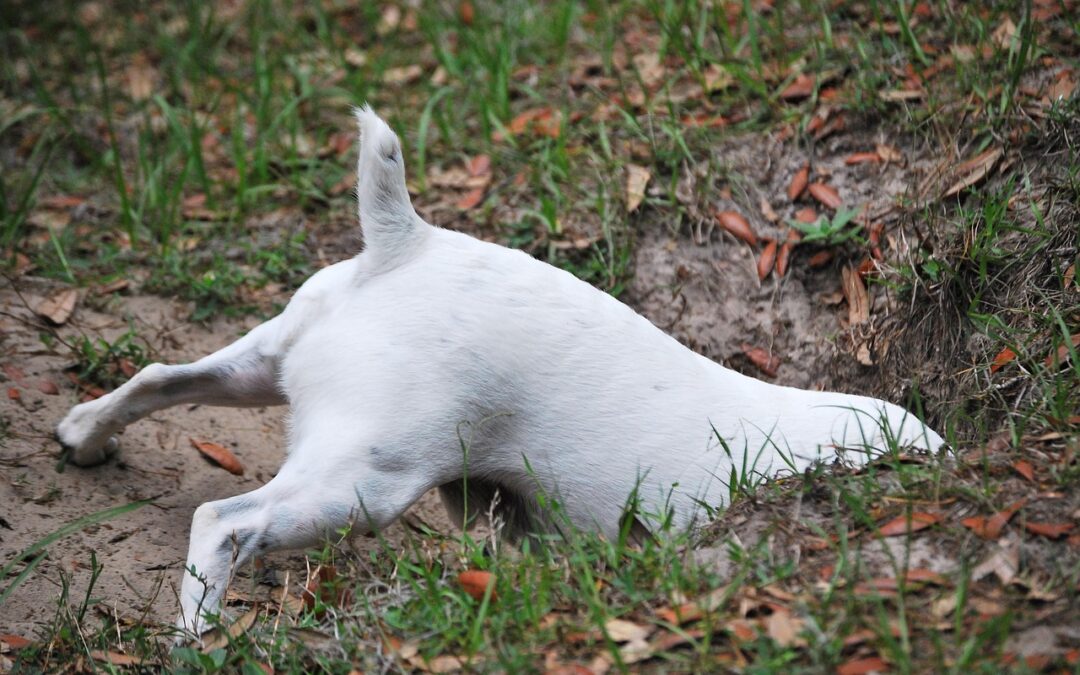

How to Stop a Dog From Digging in the Garden

How to Stop a Dog From Digging in the Garden

A freshly dug crater in the middle of the lawn, a border stripped of bulbs, a fence line pockmarked with holes: dog digging is one of the most frustrating garden problems an owner can face, mostly because it’s rarely about naughtiness. Dogs dig because digging meets a real need, whether that’s cooling off, burning energy, escaping boredom, or investigating an interesting smell underground, and punishing the behavior without addressing the underlying reason tends to produce more digging in a new spot rather than less.

This guide covers why dogs dig, how to figure out which type of digging your dog is doing, and a practical, step-by-step plan for redirecting the habit, including how to protect specific garden areas while training is still in progress.

Quick Answer: Stop a dog from digging in the garden by identifying the cause (boredom, heat, prey drive, or anxiety), meeting that underlying need directly, and giving the dog a designated digging spot as an approved outlet. Most dogs redirect fully within three to six weeks of consistent management.

Key Takeaways

  • Digging almost always serves a real purpose: cooling off, burning energy, chasing a scent or small animal, or coping with boredom or separation stress.
  • Identifying the specific cause is the first step, since a bored digger and an anxious digger need different solutions.
  • Creating a designated digging pit gives a dog a legal outlet rather than trying to eliminate the instinct entirely.
  • Protecting vulnerable garden areas with barriers or textures dogs dislike prevents rehearsal of the habit while training takes hold.
  • Most dogs show a significant reduction in unwanted digging within three to six weeks of consistent redirection and increased exercise.

Why Trust This Guide?

This guide is written and researched by the Pets Store Home editorial team. We cross-check our dog behavior guidance against established veterinary and force-free training sources, and this article is reviewed periodically to keep it accurate and current. It’s intended as general information; a certified professional trainer or veterinary behaviorist can help if digging is severe, sudden in onset, or paired with other signs of distress.

Why Dogs Dig

Digging is a deeply instinctive behavior across most dog breeds, rooted in ancestral behaviors like creating dens, caching food, and hunting burrowing prey. Modern pet dogs retain these instincts even without any practical need for them, which means the behavior shows up as a habit rather than a survival necessity. Understanding which specific instinct is driving a particular dog’s digging is the key to redirecting it effectively, since a dog digging to cool off needs a very different solution than a dog digging out of boredom or anxiety.

The Main Types of Digging and How to Spot Each One

Thermoregulation digging. Dogs dig shallow, cool depressions to lie in during hot weather, typically in shaded soil or under bushes. This type is easy to spot because the holes are relatively shallow and wide, and digging tends to spike on the hottest days.

Boredom and excess energy digging. Dogs left alone in a yard for long stretches without enough physical or mental stimulation often dig simply because it’s engaging and self-rewarding. This type tends to happen in multiple spots across the yard rather than concentrated in one area.

Prey-drive digging. Dogs that dig persistently in one specific spot, often along a fence line or near a burrow entrance, are usually pursuing the scent or sound of a rodent, mole, or other small animal underground.

Escape digging. Digging concentrated along a fence line, especially paired with other escape attempts, usually indicates a dog trying to get out of the yard, whether toward something exciting or away from something stressful.

Anxiety and stress digging. Dogs with separation anxiety or general stress sometimes dig near doors, gates, or exit points as part of a broader pattern of distress, often alongside other signs like pacing, vocalizing, or destructive chewing.

Denning and nesting digging. Pregnant or nesting female dogs, and some breeds with strong denning instincts, dig to create a secure, enclosed space, which is a distinct and usually temporary behavior.

Step-by-Step: Redirecting the Digging Habit

Step 1: Identify the type. Watch when and where digging happens. Note the time of day, weather, location in the yard, and whether the dog is alone or accompanied when it occurs. This single piece of information shapes everything that follows.

Step 2: Address the underlying need directly. Provide shade and cool resting spots for heat-driven diggers, increase daily exercise and enrichment for bored diggers, manage rodent activity for prey-driven diggers, and reduce time spent alone unsupervised for anxious diggers.

Step 3: Create a designated digging spot. Choose a specific area, ideally with soft soil or sand, and actively encourage digging there by burying toys or treats for the dog to discover. Reward digging in this spot enthusiastically.

Step 4: Interrupt and redirect unwanted digging. If you catch a dog digging in an off-limits area, calmly interrupt with a cue, then walk the dog to the designated spot and reward digging there instead. Avoid punishment after the fact, since a dog can’t connect a delayed correction to the original digging.

Step 5: Protect vulnerable areas while training progresses. Temporary barriers, chicken wire laid flat just under the soil surface, or textures dogs dislike underfoot (like large decorative stones) can prevent access to specific beds or borders during the redirection period.

Step 6: Reinforce consistently across the whole household. Make sure everyone in the household uses the same designated spot and the same interruption approach, since inconsistent handling slows progress considerably.

Building a Digging Pit Dogs Actually Want to Use

A digging pit works best when it’s genuinely more rewarding than the rest of the yard. Use loose, soft soil or play sand rather than compacted dirt, position it in a partly shaded spot so it stays comfortable to use, and regularly bury a rotating mix of toys, chews, and treats to keep it interesting. Initially walk the dog to the pit and actively dig alongside them to demonstrate the behavior, then reward any digging that happens there, even briefly. Most dogs shift their digging preference to the designated pit within one to three weeks once it consistently produces better rewards than digging elsewhere.

Increasing Exercise and Mental Stimulation

A significant portion of yard digging traces back to a dog simply not getting enough outlets for its physical and mental energy. Longer or more frequent walks, structured play sessions, food puzzle toys, and basic obedience or trick training all give a dog something more engaging to do than entertain itself by digging. Breeds developed for high-energy work, like terriers, huskies, and many herding breeds, typically need considerably more daily stimulation than lower-energy breeds before digging tapers off meaningfully.

Managing Heat-Driven Digging

For dogs digging primarily to cool off, providing an alternative cool resting spot often resolves the issue directly. A raised cot bed in the shade, a shallow kiddie pool for supervised splashing, or bringing the dog indoors during the hottest part of the day all reduce the appeal of a self-dug cooling hole. Checking that outdoor time isn’t happening during peak heat, particularly for short-nosed or heavy-coated breeds that overheat more easily, also reduces the underlying drive to dig for relief.

Dealing With Prey-Driven Digging

If digging is concentrated at a specific burrow entrance or fence line, humanely addressing the actual rodent or wildlife activity, through professional pest control, natural deterrents, or removing food sources that attract rodents to the yard, often resolves this type of digging more directly than any amount of training alone, since the underlying trigger is the animal itself rather than a general digging habit.

Fence-Line Digging and Escape Attempts

Digging concentrated along a fence perimeter deserves particular attention, since it often indicates a dog trying to leave the yard rather than simply enjoying digging. Burying chicken wire or pavers along the base of the fence line creates a physical barrier that stops digging-based escapes even before the underlying motivation is fully addressed. Identifying what’s driving the escape attempt, whether it’s loneliness, another animal on the other side of the fence, or general under-stimulation, is essential for a lasting fix rather than just a physical patch.

Digging Linked to Separation Anxiety

Dogs that dig specifically near doors or gates, especially when left alone, and particularly when this digging is paired with other signs like excessive vocalizing, pacing, or destruction near exit points, may be showing a form of separation-related distress rather than simple boredom digging. This type benefits from a broader approach to reducing alone-time stress, including gradual departures, safe confinement spaces, and in more severe cases, guidance from a professional trainer or veterinary behaviorist, rather than yard-specific redirection alone.

Puppies and Digging

Puppies dig frequently simply because they’re exploring the world with their mouths and paws, and this exploratory phase is a normal part of development rather than a behavior problem in itself. Redirecting a digging puppy to an approved spot early, before the habit becomes entrenched in specific garden areas, tends to be considerably easier than correcting an established adult digging pattern later. Consistent redirection during puppyhood, paired with patience for the natural exploratory phase, generally produces a dog with much milder digging tendencies by adulthood.

Breed Tendencies Toward Digging

Some breeds are simply more predisposed to digging due to their working history. Terriers were bred specifically to dig for burrowing prey, huskies and other northern breeds often dig den-like cooling spots instinctively, and dachshunds carry strong digging drive from their badger-hunting origins. Owners of these breeds shouldn’t expect to eliminate digging entirely; a realistic goal is redirecting the strong instinct to an approved outlet rather than suppressing it altogether.

Products and Tools That Can Help

Sandbox-style digging pits designed specifically for dogs are commercially available and offer a contained, easy-to-maintain alternative to a garden-area digging pit. Motion-activated sprinklers or deterrent devices can discourage digging in specific off-limits zones without requiring constant supervision. Chew toys and food puzzles that mimic the satisfaction of digging, such as snuffle mats or treat-dispensing toys, can reduce the underlying drive in dogs digging primarily out of boredom.

When Digging Suddenly Increases or Changes

A dog that suddenly starts digging much more than usual, or begins digging in a completely new pattern, is worth a closer look. Sudden changes can indicate a new stressor (a new pet, a change in routine, or a recent move), a developing medical issue causing discomfort that digging seems to soothe, or new wildlife activity in the yard. Ruling out a sudden environmental or health change before assuming it’s a simple behavior lapse helps avoid missing something that needs more direct attention.

Common Mistakes That Slow Down Progress

Punishing digging after the fact, once the owner discovers the hole rather than catching the behavior in progress, teaches a dog to be wary of the owner’s presence near dug-up areas without actually stopping the behavior itself. Filling in holes without addressing the underlying cause typically just results in the dog digging again nearby. And expecting a designated digging pit to work without actively encouraging and rewarding its use in the early stages often means a dog simply ignores it in favor of more established, self-rewarding spots elsewhere in the yard.

How Long Redirection Typically Takes

Most dogs show a noticeable reduction in unwanted digging within three to six weeks of consistent redirection, increased exercise, and use of a designated digging spot. Dogs with a long-established digging habit, strong breed-based digging drive, or an underlying anxiety component often take longer and may need ongoing management rather than a single one-time fix, particularly during high-drive seasons like early summer when prey activity increases.

Multi-Dog Households and Digging

In homes with more than one dog, digging can sometimes become a shared or even competitive activity, where one dog’s digging session prompts another to join in. Addressing each dog’s individual motivation, then reinforcing the designated digging spot for the group together, tends to work better than assuming a single blanket solution will suit every dog in the household equally.

Diet, Nutrition, and Digging Myths

A persistent myth suggests dogs dig because of a nutritional deficiency, prompting some owners to switch foods hoping to resolve digging directly through diet. While a genuinely poor or unbalanced diet can contribute to general restlessness in rare cases, most digging has nothing to do with nutrition and everything to do with the behavioral drivers covered above. Before assuming a dietary cause, it’s worth ruling out the more common explanations: boredom, heat, prey drive, escape motivation, or anxiety, since chasing a nutritional fix for a behavioral problem usually just delays the solutions that actually work.

Seasonal Patterns in Digging

Digging often increases noticeably during specific seasons for identifiable reasons: spring and early summer bring a surge in rodent and small-mammal activity that triggers prey-driven digging, while the hottest weeks of summer drive more thermoregulation digging as dogs search for cool earth. Recognizing these seasonal patterns helps set realistic expectations; a dog that dug very little in winter but starts again in April isn’t regressing in training, it’s responding to a genuinely different set of environmental triggers that call for the same redirection principles applied consistently.

Digging Substitutes for Apartment Dogs and Balconies

Dogs without access to a garden or yard can still have a strong digging drive that needs an outlet. A shallow indoor sandbox, a snuffle mat that mimics the sensation of digging through soil to find something, or a stuffed digging-toy plush designed specifically for burrowing behavior can all provide a satisfying substitute in a small living space. For breeds with particularly strong digging instincts, building in a few minutes of supervised digging-box time as a regular part of the daily routine helps prevent the drive from redirecting toward furniture or bedding instead.

Tracking Progress Over Time

Because digging often happens unsupervised in the yard, it helps to do a quick visual check of the garden every few days rather than relying on memory alone to judge whether redirection is working. Noting whether new holes are appearing in the designated digging spot versus elsewhere gives a much clearer, more objective picture of progress than a general impression, and can help identify early if a particular trigger, like a new animal visiting the yard, has caused a temporary uptick that needs addressing on its own terms.

Related Reading

Frequently Asked Questions

Is digging ever just a personality trait rather than a fixable habit?
Some breeds have a strong genetic drive to dig, and while it can be redirected to an approved spot, it usually can’t be eliminated entirely in high-drive breeds like terriers or dachshunds.

Will filling in the holes stop my dog from digging there again?
Usually not on its own. Without addressing the underlying motivation, most dogs simply re-dig the same spot or start a new hole nearby.

How do I know if my dog is digging because of anxiety rather than boredom?
Anxiety-driven digging tends to concentrate near doors or exit points and is often paired with other signs like pacing, vocalizing, or destructive behavior specifically when the dog is left alone.

Is it okay to let my dog dig if I don’t mind a messy yard?
If digging isn’t a problem for your household, there’s no need to eliminate it. A designated spot still helps protect specific garden areas you do want to keep intact, like vegetable beds or flower borders.

What if my dog digs to try to escape the yard?
Treat this as a priority, since escape attempts carry safety risks. Reinforce the fence line physically while also addressing why the dog wants to leave, whether that’s loneliness, another animal nearby, or insufficient stimulation.

Can puppies be fully trained out of digging?
Puppies can be redirected to an approved digging spot early, which tends to produce much milder digging habits in adulthood, though some exploratory digging during puppyhood is developmentally normal.

Final Thoughts

Digging is rarely about a dog being naughty or destructive for its own sake; it’s almost always meeting a real need, whether that’s staying cool, burning energy, chasing a scent, or coping with stress. Identifying the specific type of digging at play, addressing the underlying cause directly, and providing an approved outlet like a designated digging pit together give most dogs a clear, satisfying alternative to tearing up the garden, with real improvement typically visible within a matter of weeks.

Rats and other rodents are drawn to the same loose, disturbed soil and hidden spots that make digging appealing to dogs, so a well-managed garden helps with both issues. If rodents are also a concern in your yard, our guide to pet-safe natural rat control covers exclusion and trapping methods that will not put your dog at risk.

How to Stop a Dog From Barking at the Door

How to Stop a Dog From Barking at the Door

The doorbell rings, or a knock lands, and suddenly a calm dog turns into a barking, spinning, sometimes lunging mess. It’s one of the most common complaints owners bring to trainers, and it’s also one of the most fixable, once you understand what’s actually driving it. Door barking is rarely about aggression. It’s usually territorial alerting, excitement, or a mix of both, and dogs that do this are, in their own way, doing exactly what they think their job is: telling the household that something has arrived at the boundary of its territory.

This guide covers why dogs bark at the door, how to teach a calmer, more controllable response, and how to manage the specific challenges of guests, delivery workers, and other frequent triggers.

Quick Answer: Stop a dog from barking excessively at the door by teaching a “place” cue paired with the doorbell, allowing a brief acknowledgment bark before redirecting to calm settling, and managing the environment to limit unsupervised rehearsal of the old habit. Most dogs improve within two to four weeks of consistent practice.

Key Takeaways

  • Door barking is usually territorial alerting or excitement, not aggression, and some acknowledgment barking is normal.
  • Teaching a “place” cue paired with the doorbell gives a dog a clear, rewarded alternative to rushing the door.
  • Allow one or two brief barks, then redirect, rather than demanding total silence from the very first training session.
  • Managing guests’ behavior on arrival and limiting visual triggers through windows both reduce overall frequency.
  • Fear-based door barking looks different (defensive posture, backing away) and benefits from a more gradual, person-focused approach.

Why Trust This Guide?

This guide is written and researched by the Pets Store Home editorial team. We cross-check our dog training guidance against established veterinary behavior and force-free training sources, and this article is reviewed periodically to keep it accurate and current. It’s intended as general information; a certified professional trainer can help if barking is paired with genuine fear or aggression toward visitors.

Why Dogs Bark at the Door

Territorial alerting is the most common driver: a doorbell or knock signals that someone is at the edge of the dog’s territory, and barking is the dog’s natural way of announcing this and, in its mind, warding off a potential intruder. Excitement plays a role too, especially in dogs that associate the doorbell with visitors, walks, or other positive events. Some dogs bark from genuine anxiety about unfamiliar people or sounds, which requires a somewhat different approach than a dog that’s simply overexcited. And for many dogs, the behavior is also self-reinforcing: the person at the door usually does eventually come inside or leave, and the dog’s brain can associate its barking with successfully making that happen, regardless of what actually caused it.

The Goal Isn’t Total Silence

Most owners don’t need or even necessarily want a dog that never reacts to the doorbell at all; a bark or two of acknowledgment is a normal, often useful behavior. The realistic goal is a dog that can bark briefly, then settle and disengage on cue, rather than escalating into prolonged, uncontrollable barking that continues well after the initial alert.

Step-by-Step: Teaching a Calmer Door Response

Step 1: Desensitize the trigger sound itself. Ring the doorbell or knock yourself, with no one actually at the door, during calm training sessions unrelated to any real visitor. Reward calm behavior (sitting, looking at you rather than the door) with a high-value treat.

Step 2: Teach a “go to place” cue. Train a dog to go to a specific mat or bed on cue, rewarded heavily for calm settling there. This becomes the behavior you’ll ask for when the doorbell rings for real.

Step 3: Pair the doorbell with the place cue. Once “place” is solid on its own, start ringing the doorbell (with no real visitor) and immediately cue “place,” rewarding the dog for going and settling there instead of rushing the door.

Step 4: Allow a brief, limited bark before redirecting. Rather than trying to prevent any barking at all, which is often unrealistic, allow one or two barks, then cue “place” or “quiet” and reward the transition to calm behavior.

Step 5: Practice with increasingly realistic scenarios. Enlist a family member or friend to actually knock or ring the bell from outside, practicing the same place-and-settle sequence with a real, if expected, visitor.

Step 6: Generalize to real, unplanned visitors. Once the pattern is solid with practice scenarios, apply the same cues during actual, unplanned doorbell events, keeping a leash or harness nearby for the first several real-world repetitions if extra control is needed.

Teaching a Reliable “Quiet” Cue

A separate but related skill is teaching a dog to stop barking on cue. Wait for a natural pause in barking, even a brief one, and immediately reward with a treat and calm praise the moment the dog is quiet. Add the verbal cue “quiet” right as the pause happens, so the dog begins associating the word with the rewarded behavior of not barking. Over repeated practice, most dogs learn to respond to the cue itself, cutting off barking more quickly than they would on their own.

Managing the Environment to Reduce Triggers

Reducing a dog’s visual access to the door and street, through window fill, furniture placement, or closed blinds during high-traffic times of day, can meaningfully cut down on trigger frequency for dogs that bark at every passerby, not just actual visitors. For homes with frequent deliveries, a “beware of dog training in progress, please don’t ring bell, just knock softly” sign, or switching to a doorbell camera with a lower-volume chime, can reduce the number of full-volume triggering events during the training process.

Managing Guests and Visitors

Ask regular visitors to ignore the dog initially upon entering, rather than greeting it enthusiastically right at the door, which tends to spike arousal and prolong barking. Having a family member manage the dog (leash, place cue, or brief separation in another room) during the first minute or two of a guest’s arrival, then allowing calm greeting once initial excitement has settled, tends to produce a much smoother transition than an unmanaged free-for-all at the door.

Delivery Workers and Repeated Daily Triggers

Frequent, brief triggers like delivery drivers can be particularly hard to train around simply due to volume of repetitions per day. For households with heavy delivery traffic, focusing training sessions on the specific delivery-driver pattern (a knock, then footsteps leaving immediately) can help a dog learn this specific trigger doesn’t warrant an extended response, since the “visitor” never actually enters or stays.

When Barking Comes From Fear Rather Than Excitement

Dogs whose door barking is driven primarily by fear of unfamiliar people tend to show different body language: a lower, more defensive posture, backing away while barking rather than approaching, or barking that continues or escalates even after a person is inside and has stopped moving toward the dog. This pattern benefits from a more gradual desensitization and counter-conditioning approach specifically focused on unfamiliar people, potentially with professional guidance, rather than the general training method described above.

Using Management Tools During Training

A baby gate positioned to create distance between the dog and the entryway, or a leash kept near the door for quick control during the early training phase, can prevent a dog from rehearsing the unwanted door-rushing behavior while training is still in progress. Every repetition of the old behavior, even during the training period, reinforces the habit further, so limiting opportunities to practice it matters just as much as actively training the new response.

How Long Door-Barking Training Typically Takes

Dogs with mild to moderate door excitement often show noticeable improvement within two to four weeks of consistent training. Dogs with a long-established, strongly reinforced barking habit, or those whose barking stems from genuine fear rather than excitement, often need six to eight weeks or longer of consistent work. As with most behavior training, frequency and consistency of practice matters more than the length of any single session.

Apartment and Shared-Wall Living Considerations

In apartments or homes with shared walls, door barking carries extra weight since it can affect neighbors, not just the household. Training toward a reliable “quiet” cue becomes especially valuable in these settings, and in the meantime, sound-dampening measures like a rug near the entryway or a draft stopper under the door can slightly reduce how much outside hallway noise reaches the dog in the first place, cutting down on false-alarm triggers unrelated to an actual visitor.

Barking Triggered by Package Deliveries Left at the Door

Some dogs continue barking at a package even after the delivery driver has left, reacting to the unfamiliar object now sitting at the entrance. Bringing packages inside promptly, and briefly letting a curious dog sniff and investigate a new box under calm supervision, can help resolve this specific lingering trigger faster than ignoring it and hoping the barking fades on its own.

Tracking Progress Over Time

Because door-barking training happens across many brief, scattered events throughout a week rather than dedicated sessions alone, it can help to keep a simple mental or written note of how quickly a dog settles after each real doorbell event. A gradually shortening time-to-settle is a strong sign the training is working, even if the very first bark or two still happens consistently.

Common Mistakes That Slow Down Training

Yelling at a barking dog is often interpreted by the dog as the owner joining in the barking, which can escalate rather than calm the situation. Inconsistent rules, where door barking is sometimes tolerated and other times corrected, confuse a dog about the actual expectation. Skipping the desensitization step and jumping straight to real visitors often overwhelms a dog before the underlying skills are solid. And expecting instant silence, rather than the more realistic goal of brief acknowledgment followed by settling, sets up training for perceived failure even when real progress is happening.

Barking at the Door vs Barking at Windows

Some dogs bark primarily at the physical door and doorbell, while others are more reactive to visual movement at windows, like people or cars passing by. These are related but distinct triggers, and a dog might need slightly different management for each: reducing window visibility for street-triggered barking, and the doorbell-specific desensitization described above for door-triggered barking. Many dogs show a combination of both, in which case addressing each trigger somewhat separately tends to produce more complete results than treating it as a single issue.

Training Tools That Can Help

A well-placed mat or bed specifically designated as the “place” spot, ideally within sight of the door but not directly in the entry path, gives a dog a clear physical target for the training. Treat pouches kept near the door make it easy to reward calm behavior in the moment without a delay that could weaken the association. For dogs in active training, a leash looped near the entryway allows quick, calm physical guidance to the place spot during the early stages before the cue is fully reliable off leash.

Age and the Development of Door Barking

Door barking often intensifies as puppies mature into adolescence and their territorial instincts develop more fully, meaning a puppy that showed little interest in the doorbell may become considerably more reactive by six months to a year of age. This is a normal developmental pattern rather than a sign that earlier training failed, and it’s a good reason to begin place and quiet cue training proactively during puppyhood, well before territorial barking has a chance to become an entrenched habit.

Multi-Dog Households

In homes with more than one dog, barking at the door often becomes a group behavior, where one dog’s alert triggers barking from the others regardless of their individual triggers. Training the “place” and “quiet” cues with each dog individually first, then practicing together, tends to produce better results than attempting group training from the very beginning, since a well-trained dog can sometimes even help calm a housemate through its own composed example once the training has taken hold.

Working With a Reactive or Highly Territorial Dog

Dogs with a strong territorial temperament, or breeds historically developed for guarding roles, sometimes need a longer, more structured version of this training, with extra emphasis on the place cue and more repetitions before reliability sets in. This doesn’t mean the dog can’t improve; it usually means expecting a longer timeline and being especially consistent about not allowing rehearsal of the old rushing-and-barking pattern during the training period, since these dogs tend to fall back into strongly reinforced habits more readily than less territorial breeds.

Doorbell Cameras and Smart Home Considerations

Modern doorbell cameras and smart chimes offer some useful training advantages: adjustable chime volume for gradual desensitization, the ability to trigger a practice “ring” remotely without a person physically present, and a review feature that lets an owner see exactly what triggered a barking episode while they were away. These tools don’t replace hands-on training, but they can make setting up consistent practice sessions considerably more convenient for busy households.

When Door Barking Improves, Then Suddenly Returns

It’s common for a well-trained dog to have an occasional relapse, barking excessively at the door after weeks of solid, calm behavior. This is often triggered by a genuinely unusual event, an unfamiliar visitor, a particularly loud knock, or a stretch of missed practice, rather than a sign the training has failed. Returning briefly to the basics, a few reinforced repetitions of the place cue with an easy, expected doorbell ring, usually restores the previous level of calm within a handful of sessions.

Training Tips for Busy Households

Not every household has time for dedicated daily training sessions, and that’s fine; door-barking training lends itself well to opportunistic practice, since real doorbell events happen naturally throughout normal life. Keeping treats near the door at all times and simply applying the place-and-reward routine consistently to every real visitor and delivery, rather than scheduling separate practice sessions, is often enough progress for households without spare time for formal training blocks.

Related Reading

Frequently Asked Questions

Is it normal for my dog to bark at the doorbell at all?
Yes, a brief alert bark is normal territorial behavior. The training goal is a controlled, brief response followed by settling, not complete silence.

Should I punish my dog for barking at the door?
Punishment-based approaches often increase arousal or create anxiety around visitors rather than teaching the calmer alternative behavior. Reward-based redirection to a “place” cue tends to work more reliably.

My dog barks at every person walking past the house, not just the door. Is this the same issue?
It’s related but slightly different, often driven more by visual triggers than the doorbell sound itself. Reducing visual access to the street, alongside the same desensitization principles, tends to help.

How do I practice without constantly bothering my dog with a fake doorbell?
Short, occasional training sessions, a few times a week rather than daily, are usually sufficient and prevent the training itself from becoming a new source of overstimulation.

What if my dog’s door barking seems fear-based rather than excited?
Look for defensive body language like backing away or a lowered posture. Fear-based barking benefits from a more gradual, person-focused desensitization approach, ideally with professional guidance for more severe cases.

Will getting a doorbell camera help?
It can help somewhat by allowing quieter chime options or by letting you see and manage the situation before opening the door, but it doesn’t replace the underlying training.

A Note on Consistency Over Time

Like most behavior training, door-barking work pays off in proportion to how consistently it’s applied across real, everyday triggers, not just planned practice sessions. A household that reliably applies the same cues and expectations to every doorbell ring, knock, and delivery will generally see faster, more durable results than one that trains occasionally but lets old habits slide the rest of the time.

Final Thoughts

Door barking is one of the most common dog behaviors owners want to change, and also one of the most responsive to consistent, structured training. Teaching a reliable “place” cue paired with the doorbell, allowing a brief acknowledgment bark rather than demanding total silence, and managing the environment to limit unsupervised practice of the old habit all combine to produce a dog that can announce a visitor calmly and then settle, rather than escalating into prolonged, hard-to-interrupt barking.

If the barking problem isn’t your own dog but a neighbour’s, the fix looks different. See our guide on what you can actually do about constantly barking neighbour dogs for realistic, neighbour-to-neighbour options.

How to Calm a Dog During Fireworks and Thunderstorms

How to Calm a Dog During Fireworks and Thunderstorms

Fireworks and thunderstorms are two of the most common triggers for genuine fear in dogs, and unlike many training challenges, this one isn’t really about teaching a new behavior. It’s about managing a real, physiological stress response, one that can include trembling, panting, pacing, hiding, destructive behavior, or attempts to escape. Some of this comes down to the noise itself, but dogs also seem to react to the changes in air pressure and static electricity that come with storms, which is part of why storm anxiety often starts before a human would even notice thunder in the distance.

This guide covers how to recognize the signs of noise-related fear, how to create a genuinely calming environment during an event, long-term desensitization techniques that can reduce the fear over time, and when it’s worth involving a vet for additional support.

Quick Answer: Calm a dog during fireworks and thunderstorms by setting up a safe interior space in advance, closing windows and curtains, masking noise with a TV or white noise, staying calm yourself, and offering comfort if the dog seeks it. For severe, recurring fear, talk to a vet about situational medication and long-term desensitization training.

Key Takeaways

  • Noise-related fear is a genuine physiological stress response, not a training failure or behavior to simply wait out.
  • A pre-established interior safe space, away from windows, helps reduce fear before an event even starts.
  • Comforting a frightened dog does not reinforce the fear; it’s outdated advice and comfort can genuinely help.
  • Gradual, recording-based desensitization between events can meaningfully reduce fear over time, though it takes weeks to months.
  • Severe noise phobia, including escape attempts or self-injury, warrants a conversation with a vet about medication.

Why Trust This Guide?

This guide is written and researched by the Pets Store Home editorial team. We cross-check our dog behavior guidance against established veterinary and animal behavior sources, and this article is reviewed periodically to keep it accurate and current. It’s intended as general information; a vet or veterinary behaviorist can help if a dog’s noise fear is severe or poses a safety risk.

Recognizing Fear vs Mild Discomfort

Mild noise sensitivity might look like a dog perking up, briefly startling, or seeking out a person during a loud noise before settling back down quickly. Genuine fear looks different: prolonged trembling, drooling, pacing that doesn’t resolve once the noise stops, attempts to hide in tight spaces like under furniture or in a bathtub, destructive scratching at doors or windows, and in severe cases, attempts to escape the house or yard entirely, sometimes resulting in dogs going missing during fireworks displays. Recognizing where a dog falls on this spectrum helps determine how much active intervention is needed.

Creating a Safe Space Before It’s Needed

Rather than waiting until a storm or fireworks event to react, establish a designated safe space in advance, ideally an interior room without windows, like a bathroom, closet, or basement area, where outside noise is naturally muted. Make this space comfortable with familiar bedding, and if the dog is already crate trained, a covered crate in this space can offer additional den-like security. Practice using this space occasionally during calm periods, not just during actual events, so it’s already a familiar, comfortable spot rather than something only associated with scary situations.

What to Do During an Active Event

Bring the dog inside early. If fireworks or a storm are expected, bring the dog in and settle it in the safe space before the noise actually starts, since a dog that’s already anxious is much harder to calm than one that hasn’t yet been triggered.

Close windows and curtains. This reduces both the sound level and the visual stimulation from flashes of lightning or fireworks, which can be triggering on their own.

Use background noise to mask the trigger. A TV, white noise machine, or calm music playing at a moderate volume can help cover the sharper, more startling sounds of thunder or fireworks.

Stay calm yourself. Dogs pick up on human emotional state, and a calm, matter-of-fact demeanor from an owner (rather than anxious hovering or exaggerated soothing) tends to support a dog’s own ability to settle.

Offer comfort if the dog seeks it, but don’t force interaction. Contrary to older advice, comforting a frightened dog does not reinforce the fear. If a dog wants physical contact or reassurance, providing it is fine and can genuinely help. Just don’t force attention on a dog that’s trying to hide or be alone.

Provide a distraction if the dog is willing to engage. A long-lasting chew or food puzzle can help redirect focus for dogs mild enough in their fear response to still be interested in food during the event.

Compression Wraps and Pressure-Based Tools

Snug-fitting compression garments, worn during storms or fireworks, apply gentle, constant pressure that some dogs find calming, similar to swaddling an infant. These tools don’t work for every dog, but they’re low-risk and worth trying, especially for dogs with mild to moderate anxiety. Introduce the garment during calm periods first so the sensation of wearing it isn’t itself a new stressor layered on top of the noise fear.

Long-Term Desensitization and Counter-Conditioning

For dogs with significant, recurring noise fear, gradual desensitization using recordings can meaningfully reduce the fear response over time, though this work needs to happen well before storm or fireworks season, not during an active event. The process involves playing thunder or fireworks sounds at a very low volume, paired with treats, play, or other positive experiences, and only very gradually increasing the volume over many sessions, always staying below the threshold that triggers a fear response. This is a slow process, often taking weeks to months, but it can produce a genuinely calmer dog for future seasons rather than just managing each individual event.

Microchipping and ID Precautions

Because escape attempts are common during severe noise fear, particularly around fireworks holidays, make sure a dog’s microchip information is current and that it’s wearing a collar with an ID tag before any known high-risk event, like a holiday with fireworks planned. Keeping dogs indoors and away from doors during the actual event, and being extra cautious about door and gate security, reduces the risk of a fear-driven escape.

Diet and Timing Considerations

On days when fireworks or storms are anticipated, a slightly earlier dinner and a good exercise session earlier in the day can help take the edge off overall arousal levels before the stressful event begins. This isn’t a fix on its own, but it’s a reasonable, low-effort piece of an overall management plan.

Calming Supplements and Pheromone Products

Over-the-counter calming supplements, often containing ingredients like L-theanine or chamomile, and synthetic dog-appeasing pheromone diffusers or sprays, can provide mild support for some dogs, particularly those with moderate rather than severe anxiety. These products vary in effectiveness from dog to dog and aren’t a substitute for prescription options in dogs with severe, debilitating fear, but they’re a reasonable lower-intervention option to try first.

When to Talk to a Vet About Medication

For dogs with severe noise phobia, situational anti-anxiety medications prescribed specifically for events like fireworks or thunderstorms can make a substantial difference, and in the most severe cases, a longer-term daily medication alongside behavioral work may be recommended. This is worth discussing with a vet particularly if a dog’s fear response includes self-injury attempts, complete inability to be calmed by any of the management techniques above, or escape attempts that pose a genuine safety risk. There’s no reason for a dog to suffer through severe, repeated panic when effective medical options exist.

Cats and Noise Fear

While this guide focuses primarily on dogs, cats can experience similar fear responses to thunderstorms and fireworks, though they more often express it through hiding, rather than the pacing and vocalizing more commonly seen in dogs. The same general principles apply: a secure, quiet hiding spot made available in advance, reduced noise and light exposure, and never forcing a hiding cat out of its chosen safe spot during an active event.

Regional and Climate Considerations

Dogs in regions with frequent, predictable severe weather, or areas with extended fireworks seasons around multiple holidays, may benefit from a more proactive, ongoing management plan rather than treating each event as a one-off. In these cases, working with a vet on a longer-term plan, potentially including daily anti-anxiety support during the highest-risk months rather than only situational medication for individual events, can reduce the cumulative stress of frequent triggering throughout the season.

Age and Onset of Noise Fear

Noise sensitivity can develop or worsen at any age, and it’s fairly common for dogs to become more reactive to storms and fireworks as they get older, even if they showed little concern as puppies. This gradual worsening over time is one reason it’s worth addressing noise fear proactively rather than assuming a dog will simply continue tolerating triggers the way it always has.

Puppies and Early Prevention

For puppies that haven’t yet developed noise fear, controlled, low-volume exposure to recorded thunder and fireworks sounds, paired with treats and calm experiences during the primary socialization window, can help build resilience and reduce the likelihood of significant fear developing later. This is a much easier and more effective time to do this kind of proactive work than trying to desensitize an already-fearful adult dog.

Seasonal Planning Ahead of Time

Because fireworks holidays and storm seasons are largely predictable, planning ahead makes a real difference. Marking known high-risk dates on a calendar, refreshing a dog’s ID tags and confirming microchip details are current a few weeks before, and starting any medication trials with a vet well in advance (some situational medications need to be tested on a calm day first to confirm the correct dose and check for side effects) all reduce the chance of scrambling for solutions during an active event.

Building a Storm and Fireworks Kit

Having supplies ready in one place before they’re needed reduces stress for everyone. A useful kit might include the compression wrap if the dog responds well to one, any prescribed situational medication with clear dosing instructions, a white noise machine or a downloaded calming playlist that doesn’t rely on streaming in case of connectivity issues, high-value treats or a long-lasting chew reserved specifically for these events, and a leash kept by the safe room door in case the dog needs to be moved securely during a still-active event.

Multi-Pet Households During Storms

In homes with multiple dogs, or dogs alongside cats, one anxious animal’s stress can sometimes spread to otherwise calm housemates. Where space allows, giving each anxious pet its own separate safe space, rather than crowding everyone together, tends to reduce this cross-triggering effect, and managing the most reactive pet’s response proactively can prevent it from unsettling the rest of the household.

What Not to Do

Avoid punishing a fearful dog for anxious behavior like whining, pacing, or hiding, since punishment adds additional stress on top of an already frightening experience without addressing the underlying fear. Avoid forcing a hiding dog out of its chosen safe spot, since this removes its sense of control over the situation. And avoid waiting until a dog is already in full panic to begin any of the calming interventions above; they work far better started proactively, before the fear response has fully escalated.

Traveling or Boarding During Fireworks Season

If a dog will be away from home, whether boarding, staying with family, or traveling, during a known high-noise period, share the full management plan in advance: the compression wrap if used, any prescribed medication with dosing instructions, and a description of the dog’s typical fear behaviors so caregivers unfamiliar with the dog can recognize and respond appropriately. A dog in an unfamiliar environment during a stressful event benefits even more from a consistent, well-communicated plan than one at home in its usual safe space.

Rescue Dogs and Unknown Noise History

Dogs adopted as adults, particularly rescues with an unknown or difficult past, sometimes show noise fear that seems to come out of nowhere during their first storm or fireworks season in a new home. Since there’s often no way to know whether this reflects a past negative experience or simply a first exposure, treating it the same as any other case, building a safe space, managing the environment calmly, and considering desensitization work well before the next season, is the most reliable approach regardless of the underlying cause.

Breed and Temperament Differences in Noise Sensitivity

Some breeds, particularly herding breeds bred for heightened environmental awareness, and generally more anxious or sound-sensitive individual dogs regardless of breed, tend to show stronger noise fear responses than more laid-back breeds. This isn’t universal within any breed, but it’s a reasonable factor to weigh when deciding how proactive to be about early desensitization work, especially for puppies from breed lines known for sound sensitivity.

Working With a Professional Behaviorist for Severe Cases

For dogs whose noise phobia doesn’t respond adequately to home management and standard desensitization, a certified veterinary behaviorist can design a more individualized treatment plan, often combining structured behavior modification protocols with medication in a way that’s more precisely tailored than general guidance alone can offer. This level of support is particularly worth pursuing when a dog’s quality of life is meaningfully affected across multiple stressful seasons each year, not just occasional isolated events.

New Puppies and Their First Storm Season

A puppy’s first exposure to thunder or fireworks sets an important precedent for how it responds to these triggers going forward. Staying calm, keeping the event low-key rather than dramatic, and avoiding overly intense comfort that could inadvertently signal something is genuinely wrong all help a puppy interpret an early storm or fireworks event as simply loud, rather than as something to fear deeply. A calm first experience, paired with the general socialization work already underway during puppyhood, meaningfully lowers the odds of significant noise phobia developing later.

Related Reading

Frequently Asked Questions

Will comforting my scared dog make the fear worse?
No. This is an outdated belief. Providing comfort to a frightened dog does not reinforce fear; it can genuinely help a dog feel safer during a stressful event.

Do calming compression wraps actually work?
They help some dogs meaningfully and have no effect on others. They’re low-risk and worth trying, especially for mild to moderate anxiety, but shouldn’t be relied on alone for severe cases.

Can I fix noise phobia completely?
Gradual desensitization can significantly reduce fear over time for many dogs, though some dogs, especially those with severe or long-standing phobia, may always need some level of management during events.

Is it safe to take my dog to a fireworks display?
Generally no, especially for dogs with any known noise sensitivity. It’s safer to keep dogs at home in a secure, calm environment during fireworks events.

Should I ignore my dog’s anxious behavior so I don’t reinforce it?
No, this outdated advice isn’t supported by current understanding of fear responses. Comfort and support are appropriate; punishment or ignoring genuine distress is not.

When should I start desensitization training for next storm season?
As early as possible, ideally starting weeks to months before the season when storms or fireworks typically increase, since the process works gradually over many sessions.

A Note on Patience and Realistic Expectations

Progress with noise fear tends to be gradual and sometimes uneven across seasons, with some years showing more improvement than others depending on how consistently desensitization work was maintained. Keeping expectations realistic, and celebrating smaller wins like a shorter recovery time after an event, helps owners stay consistent with the long-term management this kind of fear typically requires.

Final Thoughts

Noise-related fear in dogs is a genuine, physiological stress response, not a training failure or a behavior to simply wait out. A combination of a prepared safe space, calm management during active events, and proactive desensitization work between events gives most dogs meaningfully reduced fear over time. For dogs with severe phobia, don’t hesitate to loop in a vet; effective medical support exists, and there’s no reason a dog needs to endure repeated panic when it can be genuinely helped.

How to Stop a Puppy From Biting and Nipping

How to Stop a Puppy From Biting and Nipping

Puppy teeth are sharp for a reason: they’re a puppy’s primary tool for exploring the world, and biting and nipping during play is completely normal behavior, not a sign of aggression or a temperament problem. That said, normal doesn’t mean it should be left unaddressed. Left unmanaged, a puppy that never learns bite inhibition can grow into an adult dog with a genuinely hard mouth, which matters a great deal even if the dog never intends to cause harm.

This guide covers why puppies bite and nip, how to teach bite inhibition using the same techniques puppies naturally use with littermates, and the specific redirection strategies that work best for different biting triggers, from overexcited play to teething discomfort.

Quick Answer: Stop puppy biting by yelping and briefly withdrawing attention the moment a bite is too hard, then redirecting to an appropriate chew toy, gradually lowering your threshold as the puppy’s mouth control improves. Most puppies show meaningful improvement within a few weeks, with mouthing largely resolved by around six months.

Key Takeaways

  • Puppy biting is normal exploratory and play behavior, not aggression, and is closely tied to teething between three and six months.
  • The yelp-and-withdraw method mimics how littermates naturally teach bite inhibition.
  • Always redirect to an appropriate chew toy immediately after interrupting a bite, giving the puppy an acceptable alternative.
  • Physical punishment tends to backfire, either escalating fear-based biting or suppressing warning signs like growling.
  • Consistency across every household member, including children, is what most speeds up progress.

Why Trust This Guide?

This guide is written and researched by the Pets Store Home editorial team. We cross-check our puppy training guidance against established veterinary behavior and force-free training sources, and this article is reviewed periodically to keep it accurate and current. It’s intended as general information; a certified professional trainer can help if biting seems to signal genuine aggression or resource guarding.

Why Puppies Bite and Nip

Several overlapping reasons drive puppy biting. Exploration is a big one; puppies use their mouths the way human infants use their hands, investigating textures and objects. Play is another major driver, since mouthing and wrestling is completely normal interaction between littermates, and a puppy doesn’t automatically know human skin is different from a littermate’s fur-covered body. Teething, which typically runs from around three to six months of age, adds physical discomfort that increases the urge to chew on anything available, including hands and clothing. Overstimulation and overtiredness can also trigger increased mouthing, similar to how an overtired toddler becomes harder to manage rather than calmer.

Understanding Bite Inhibition

Bite inhibition is the learned ability to control the force of a bite, and puppies begin learning this from their littermates and mother well before they come home. When one puppy bites another too hard during play, the bitten puppy yelps and stops playing, which teaches the biter that hard bites end the fun. This same principle can be taught by humans using a similar approach, and it’s the foundation of most effective puppy biting training.

Step-by-Step: Teaching Bite Inhibition

Step 1: Yelp and stop moving when a bite is too hard. The moment a puppy bites with real force, let out a sharp, high-pitched “ow!” and immediately stop all movement and play, similar to how a littermate would react.

Step 2: Briefly withdraw attention. After the yelp, turn away or step back for ten to twenty seconds, removing yourself as a source of play and interaction. This mimics the natural consequence a puppy would experience with littermates.

Step 3: Resume calmly. After the brief pause, return to normal interaction. If the puppy bites hard again, repeat the yelp-and-withdraw sequence.

Step 4: Gradually lower your threshold for what counts as “too hard.” Early on, only react to genuinely hard bites. As the puppy learns to moderate its force, start reacting to progressively softer bites, gradually shaping the mouth toward very gentle contact and eventually no mouthing on skin at all.

Step 5: Redirect immediately to an appropriate chew item. Every time you interrupt a bite, offer a toy or chew as the replacement behavior, so the puppy has an immediate, acceptable alternative rather than just a “no” with nothing to do instead.

Redirecting to Appropriate Chew Outlets

Keep a variety of chew toys with different textures accessible throughout the house, especially in the areas where biting tends to happen most, like near the couch or the puppy’s main play area. Rotating toys periodically keeps them novel and interesting, and freezing certain rubber chew toys can provide extra teething relief during the peak discomfort months.

Managing Overexcited Play Biting

A lot of biting happens specifically during high-energy play sessions, when a puppy becomes overstimulated and its mouth control temporarily degrades along with its impulse control generally. If a puppy consistently escalates to hard biting during a particular type of play, like chasing or tug, it’s worth pausing that specific game and calming the puppy down before resuming, or shifting to lower-arousal activities until bite control improves.

Managing Teething-Related Biting

During the teething window, roughly three to six months, increased chewing and mouthing is largely driven by physical discomfort rather than a training gap. Frozen wet washcloths, appropriate teething toys, and cold chew items can offer real relief and reduce the urge to chew on hands and furniture during this period. This phase does pass as adult teeth come in, though the training and redirection work done during it still matters for building long-term habits.

Why Punishment-Based Corrections Backfire

Physical corrections like tapping a puppy’s nose, holding its mouth shut, or scruffing tend to either escalate the behavior into fear-based biting or teach a puppy to bite without warning signs, since punishment can suppress the early, softer signals (like growling or intense mouthing) without addressing the underlying arousal or teaching a better alternative. Removing warning signs is genuinely dangerous long-term, since those signals are what let people know a dog is becoming uncomfortable before things escalate further.

Managing Overtiredness

Puppies, similar to toddlers, often become harder to manage and more mouthy specifically when overtired rather than when they need more stimulation. If biting tends to spike at certain times of day, especially evenings, building in a consistent nap or quiet crate time before that window can reduce the overtired-driven biting significantly.

Involving Children Safely

Puppy biting, even gentle mouthing, can be frightening or painful for young children, and children often unintentionally escalate a puppy’s excitement through high-pitched squealing or fast movements, which can worsen biting in the moment. Supervised interactions, teaching children to stand still and fold their arms if a puppy starts mouthing (rather than pulling away, which can turn into a chase game), and giving children age-appropriate ways to interact, like tossing toys rather than direct hand play, all help keep both puppy and child safe during this developmental stage.

Exercise and Mental Stimulation’s Role

A puppy that isn’t getting enough physical exercise or mental engagement for its age and breed often channels excess energy into more persistent, harder biting. Regular structured play, short training sessions throughout the day, and appropriate physical exercise all reduce the overall drive behind excessive mouthing, complementing the direct bite-inhibition training itself.

Biting Directed at Clothing and Shoelaces

Many puppies target moving fabric, like pant legs, shoelaces, or sleeve cuffs, which tends to trigger a prey-drive-like chase response that’s distinct from general mouthing. Standing still rather than moving away (movement often intensifies the behavior) and redirecting to an appropriate tug toy tends to work better than trying to pull free, which can turn into an inadvertent game of keep-away that reinforces the exact behavior being discouraged.

Socialization’s Role in Reducing Biting

Puppies that get regular, well-managed exposure to a variety of people, environments, and calm play opportunities during the socialization window often show better overall impulse control, including around mouthing, compared to puppies with limited social exposure. This isn’t a direct fix for biting specifically, but a well-socialized, confident puppy generally has an easier time learning bite inhibition alongside its broader behavioral development.

When Biting Might Signal Something Else

While most puppy biting is entirely normal developmental behavior, a puppy that bites with genuine aggression, accompanied by stiff body language, prolonged growling, or biting outside of a play context (for example, when approached near food or when startled awake) may be showing early signs of resource guarding or fear-based reactivity, which benefit from a tailored approach beyond standard bite inhibition training.

Breed Differences in Mouthiness

Some breeds and breed groups are naturally more mouth-oriented than others. Retrievers and other breeds developed to carry things in their mouths often show more persistent mouthing behavior simply as an expression of that inherited trait, even when well past the typical teething window. Herding breeds sometimes direct mouthing toward ankles or moving objects as an expression of herding instinct rather than typical play biting. Recognizing these breed tendencies helps set realistic expectations and can guide which redirection outlets, like appropriate carrying toys for a retriever-type puppy, work particularly well for an individual dog.

Setting Up the Household for Success

Beyond direct training, a few environmental changes reduce overall biting opportunity: keeping several chew toys within easy reach in every room the puppy spends time in, using baby gates to create calm-down zones when play escalates too far, and having every family member, including children, follow the same yelp-and-redirect approach consistently, since mixed responses across the household slow down a puppy’s ability to learn the pattern clearly.

Biting During Grooming and Handling

Some puppies mouth or nip specifically during handling, like nail trims, brushing, or bathing, which is usually a stress or overstimulation response rather than typical play biting. Building separate positive associations with handling, through short, reward-heavy sessions practicing calm touch before ever needing to do the real grooming task, tends to reduce this handling-specific mouthing over time, similar to the broader desensitization approach used for nail trims and other care routines.

How Long Bite Inhibition Training Typically Takes

Most puppies show noticeable improvement in mouth control within a few weeks of consistent yelp-and-redirect training, with mouthing on skin largely resolved by around six months of age as adult teeth finish coming in and impulse control matures. Some individual puppies and high-drive breeds take longer, and occasional mouthing during highly excited play can persist a bit further into adolescence even with good training, gradually fading as the dog matures.

Common Mistakes That Slow Down Training

Inconsistent reactions (sometimes allowing rough mouthing during play, other times correcting it) confuse a puppy about the actual rule. Playing rough, hands-on wrestling games that directly encourage mouthing on skin works against the training goal even if it’s not the primary source of biting. Punishing growling, rather than just hard biting, removes an important warning signal a puppy needs to retain. And giving up on redirection too early, before the puppy has had enough repetitions to generalize the lesson, is a common reason progress feels slower than expected.

The Role of Consistent Family Rules

Bite inhibition training progresses fastest when every household member responds to mouthing the same way. If one person tolerates rough hand-wrestling while another consistently redirects to a toy, a puppy receives mixed signals about what’s actually allowed, which slows down the overall learning process. Taking a few minutes to walk the whole family, including regular visitors like grandparents or babysitters, through the same yelp-and-redirect approach pays off in faster, more consistent progress.

Transitioning Away From Hand Play Entirely

Many puppies develop persistent hand-mouthing habits specifically because early play with them involved wiggling fingers or hands as toys. Switching entirely to toy-based interaction, even during simple affectionate moments, removes the temptation and the muscle memory that hand-play habits create. This single change, on its own, resolves a surprising amount of ongoing mouthing in puppies whose biting seems otherwise well-managed elsewhere.

Biting During Walks and On-Leash Excitement

Some puppies redirect mouthing toward the leash itself, tugging and biting at it during walks, particularly when overstimulated by new sights, sounds, or other dogs passing by. Rather than yanking the leash away, which can turn into an inadvertent game, pausing the walk, waiting for calm, and redirecting to a small carried chew toy tends to interrupt this pattern more effectively. Over time, most puppies grow out of leash-directed mouthing as general impulse control matures alongside the rest of the biting behaviors covered in this guide.

Multi-Pet Households and Biting Between Animals

In homes with an existing adult dog or cat, a new puppy’s mouthy play style can be genuinely overwhelming or even risky for the resident pet, especially smaller or older animals with less patience for rough play. Supervised, structured introductions with breaks built in, along with separate space where either animal can retreat if overwhelmed, help prevent a puppy’s normal biting behavior from souring the relationship with established household pets while its own bite inhibition is still developing.

What a Realistic Timeline Actually Looks Like

It’s worth setting expectations early: most puppies don’t progress in a straight line. A puppy might show excellent mouth control for a week, then regress noticeably during a growth spurt, a new teething phase, or a particularly overtired stretch. This isn’t a sign that training has failed; it’s a normal part of puppy development, and consistent redirection through these temporary regressions, rather than assuming the training itself needs to change, usually gets things back on track within a few days.

Recognizing When Progress Is Actually Happening

Because improvement is often gradual, it helps to look for specific markers rather than expecting biting to simply vanish: shorter individual mouthing bouts, softer bite pressure even when mouthing does occur, and a faster response to the redirect cue are all genuine signs of progress, even while a puppy is still mouthing daily. Focusing on these incremental changes rather than an all-or-nothing standard of success helps owners stay consistent through the slower stretches of training.

Related Reading

Frequently Asked Questions

Is puppy biting a sign of aggression?
Almost always no. Play biting and mouthing during exploration and teething are normal developmental behaviors, distinct from aggressive biting driven by fear or resource guarding.

When does puppy biting usually stop?
Most puppies show significant improvement by four to five months, with mouthing largely resolved by six months as adult teeth finish coming in, assuming consistent training throughout.

Should I yelp every single time my puppy’s teeth touch skin?
Early on, focus on genuinely hard bites. Gradually lower your threshold over time as the puppy’s mouth control improves, rather than reacting to every soft touch from day one.

My puppy just gets more excited when I yelp. What should I do instead?
For puppies that find the yelp exciting rather than a deterrent, silently standing up and walking away for a short time-out can work better than a vocal reaction.

Is it okay to let my puppy mouth gently as long as it doesn’t hurt?
Many trainers recommend working toward no mouthing on skin at all, since it’s simpler and safer long-term than trying to maintain a “gentle mouth okay, hard bite not okay” distinction, especially with children in the home.

Can teething toys alone fix biting?
They help significantly with teething-driven chewing, but general play-related mouthing still needs the bite inhibition training described above.

A Final Note on Patience

Every puppy moves through this stage on its own timeline, and comparing progress to another dog’s experience rarely helps. Staying consistent, even on the days when mouthing seems worse rather than better, is what ultimately gets a puppy through this developmental window with solid, lasting bite inhibition, and most owners look back on this phase as far shorter and more manageable than it felt in the middle of it.

Final Thoughts

Puppy biting is a normal, temporary developmental stage, not a preview of a puppy’s adult temperament. Teaching bite inhibition through consistent yelp-and-redirect training, paired with plenty of appropriate chew outlets and adequate exercise, gives most puppies everything they need to develop excellent mouth control well before adulthood. Consistency across everyone in the household, adults and children alike, is what makes the biggest difference in how quickly this phase resolves.