
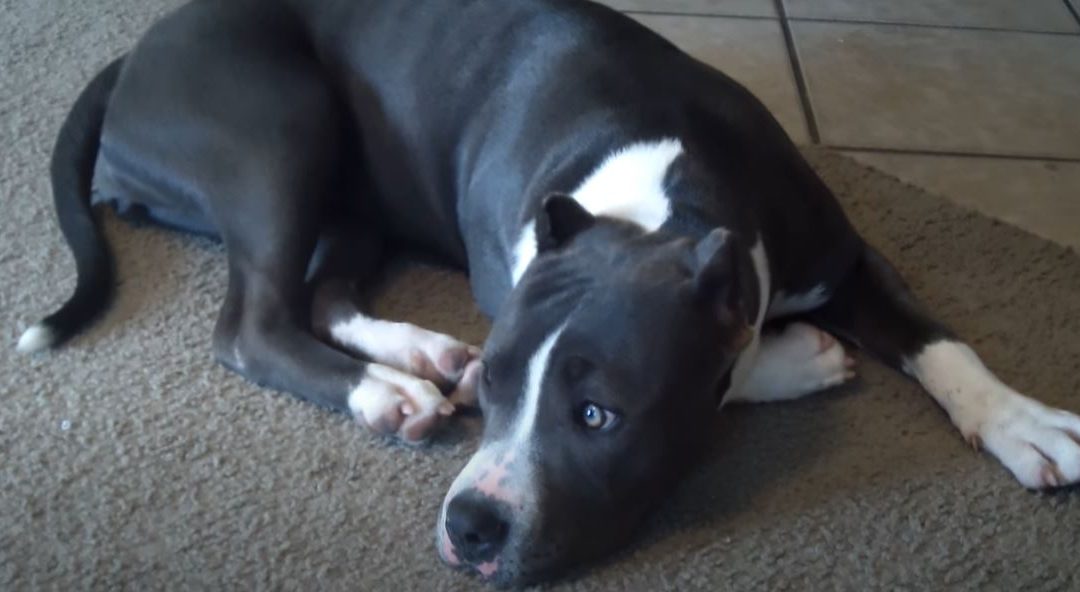
Quick Answer: “Razor Edge” and “Gotti” are two separate, independently founded American Bully bloodlines, not a single breed. Razor’s Edge (founded by Dave Wilson in the early 1990s) is known for size and heavy bone; Gottiline (founded by Richard Barajas, traced to the sire “Notorious Juan Gotty” in 1997) is known for an extreme, blocky head. A “Razor Edge Gotti” dog is typically the offspring of breeders crossing lines that carry both bloodlines’ influence.
Key Takeaways
- Razor’s Edge and Gotti are two distinct American Bully bloodlines with different founders and different founding years – not one breed created by combining them.
- Razor’s Edge (early 1990s, Dave Wilson) emphasizes size, heavy bone, and a more even temperament.
- Gottiline (1997, Richard Barajas) emphasizes an extreme, blocky head and dense muscle mass.
- The American Bully itself wasn’t recognized by the United Kennel Club until 2013.
- Heavy, blocky bully-type dogs carry real health considerations, including hip and elbow dysplasia and skin fold dermatitis, that are worth understanding before buying or adopting.
Why Trust This Guide?
This guide is researched and written by the Pets Store Home editorial team, drawing on documented bloodline history and veterinary breed resources for the American Bully. It’s intended as general information; consult a veterinarian or a reputable, health-testing breeder for advice specific to your dog.
Razor’s Edge and Gotti Are Bloodlines, Not a Breed
A lot of listings and older articles treat “Razor Edge Gotti Pitbull” as if it were a single, named breed invented by one breeder. It isn’t. Razor’s Edge and Gotti (often written “Gottiline” or “Gottyline”) are two separate, independently developed bloodlines within the American Bully world, each with its own founder, its own founding year, and its own breeding goals. When you see a dog advertised as “Razor Edge Gotti,” it typically means the dog’s pedigree carries influence from both lines – usually because later breeders deliberately crossed dogs descended from each to combine specific traits, not because either line’s founder created a new breed by merging the two.
The American Bully as a whole is itself a relatively young, standardized breed. It grew out of the American Pit Bull Terrier and American Staffordshire Terrier gene pool through selective breeding aimed at a heavier, more compact, companion-oriented dog, and it wasn’t formally recognized by the United Kennel Club until 2013. Razor’s Edge and Gotti are considered two of the breed’s most influential foundation bloodlines.
The Real History of the Razor’s Edge Line
The Razor’s Edge bloodline was founded in the early 1990s by Dave Wilson, working with Carlos Barksdale, in the Maryland and Washington, D.C. area. Wilson’s goal wasn’t to produce a bigger show dog for its own sake – he wanted a pit bull-type dog that kept the drive, tenacity, and muscle structure of traditional game-bred lines, but in a shorter, bulkier, more even-tempered package suited to being a companion rather than a working or fighting dog. To get there, Wilson invested heavily in acquiring dogs from well-documented, papered bloodlines, and it’s generally believed that several breeds contributed to the foundation stock beyond the American Pit Bull Terrier, potentially including American Bulldog, Mastiff, and English Bulldog influence.
The result was the now-recognizable “bully style”: a large, blocky head, wide chest, short muzzle, heavy bone, and a compact, low-slung back. Razor’s Edge Kennels became one of the most referenced foundation lines as the American Bully developed into its own distinct type through the 1990s and 2000s.
The Real History of the Gotti (Gottiline) Bloodline
The Gotti bloodline traces to a specific foundation sire: a dog named “The Notorious Juan Gotty,” bred by Tony Moore of Grey Line Kennels in Los Angeles. In 1997, Richard Barajas of West Side Kennels purchased Juan Gotty and built a breeding program around him, emphasizing an extreme, blocky head shape and dense, compact muscling even more pronounced than the broader American Bully standard. The bloodline’s name is spelled two ways in different records – “Gottyline” and “Gottiline” – a quirk that traces back to an early naming disagreement, but both refer to the same foundation line. Since 1997, dogs descended from Juan Gotty have spread well beyond the United States, with documented lines in Canada, China, the Philippines, and Japan.
Because Razor’s Edge and Gottiline developed around the same general era with somewhat different goals – Razor’s Edge leaning toward overall size and bone, Gotti leaning toward head size and density – modern breeders often cross dogs from both lines specifically to combine those traits, which is where “Razor Edge Gotti” dogs come from today.
Physical Characteristics
A dog carrying both Razor’s Edge and Gotti influence typically shows the classic American Bully “pocket” or “standard” build: a broad, blocky head, a powerful, wide jaw, a deep chest, and a stocky, muscular, well-proportioned body. Adult size varies considerably depending on which classification a particular dog falls into – Pocket, Standard, Classic, or XL – but dogs with strong Razor’s Edge influence tend to run on the larger, heavier-boned end, commonly 60-90 pounds for males and somewhat less for females, standing roughly 16-20 inches at the shoulder. The coat is short, glossy, and low-shedding, and can appear in a wide range of colors including fawn, blue, black, chocolate, and brindle.
Ear cropping and tail appearance vary by individual breeder and owner preference; neither is required, and many owners today choose to leave ears natural.
Temperament
Both foundation bloodlines were deliberately bred with temperament in mind – Razor’s Edge specifically aimed for a calmer, more even-keeled companion than older game-bred lines, and that goal generally carried through into the wider American Bully breed. Well-bred, well-socialized dogs from these lines are typically described as loyal, affectionate, and eager to please, and many do well in family settings with appropriate supervision and training.
That said, individual temperament always depends heavily on the specific dog’s upbringing, socialization, and the responsibility of the breeder, not on bloodline names alone. Like many bully-type dogs, individuals can have a strong prey drive toward smaller animals, and early socialization with other pets, strangers, and varied environments makes a meaningful difference in how a dog turns out as an adult.
Exercise and Training Needs
Despite their heavy build, American Bully-type dogs are athletic and benefit from 30-60 minutes of daily exercise, split between walks and active play. They’re generally intelligent and respond well to positive, reward-based training, though their strength makes early leash and impulse-control training especially important – a fully grown, 80-pound dog that pulls hard on a leash is a real handling challenge regardless of temperament.
Early socialization matters as much as physical exercise. Structured puppy classes, varied exposure to people and other dogs, and consistent household rules from day one help prevent the kind of reactivity or overprotectiveness that gives any strong, powerful breed a bad reputation when it does show up.
Health Concerns to Watch For
The same heavy, blocky build that defines the American Bully “look” also carries some real health tradeoffs worth understanding before bringing one home.
Hip and elbow dysplasia are common in the breed – the stocky, heavily muscled frame puts more stress on joints that don’t always develop correctly, and OFA or PennHIP screening in the parents is one of the best ways to reduce this risk in a puppy. Skin fold dermatitis is another frequent issue in bully-type and bulldog-adjacent breeds: skin folds around the face and body can trap moisture and bacteria, leading to hot spots, yeast overgrowth, and recurring skin infections if not cleaned and dried regularly. Dogs bred toward the more extreme, compact “exotic” end of the American Bully spectrum can also face breathing difficulty from a shortened muzzle, though this is more pronounced in exotic-type dogs than in typical Razor’s Edge or Gotti-influenced dogs, which tend to keep a more moderate muzzle length.
Other issues seen in the breed include hypothyroidism (low thyroid hormone, causing weight gain and lethargy), a predisposition to certain heart conditions like dilated cardiomyopathy in some lines, and general-purpose concerns like ear infections and dental disease that come with floppy ears and a shortened jaw. None of these are guaranteed in any individual dog, but they’re worth discussing directly with a breeder and screening for with a veterinarian.
Grooming Needs
The short, glossy coat typical of this bloodline combination is genuinely low-maintenance: weekly brushing keeps shedding under control and the coat looking healthy, and baths are only needed occasionally. The bigger grooming priority is skin-fold care for dogs with pronounced facial wrinkling or body folds – wiping and drying those areas regularly helps prevent the dermatitis mentioned above. Routine nail trims, ear cleaning, and dental care round out a manageable grooming routine for a dog this size.
Responsible Breeding, Adoption, and the Realities of BSL
Because these bloodlines fall under the broader “pit bull-type” umbrella, dogs carrying Razor’s Edge or Gotti heritage can be affected by breed-specific legislation (BSL) in some cities, counties, or countries – local laws that restrict or ban ownership of certain breeds or breed types regardless of an individual dog’s temperament or history. Whether or not a given area has BSL, and what exactly it covers, varies enormously by jurisdiction, so it’s worth checking local ordinances and any housing or insurance restrictions before committing to one of these dogs.
If you’re looking to bring one of these dogs home, a health-tested, responsible breeder who can show hip and elbow clearances, and who breeds for temperament as much as appearance, is the safer route than a breeder selling primarily on bloodline names. Rescue is also a strong option: pit bull-type dogs, including American Bullies, are heavily overrepresented in U.S. shelters, and many breed-specific rescue groups specialize in placing them with experienced, well-matched adopters.
Frequently Asked Questions
Is Razor Edge Gotti Pitbull a real breed?
No. Razor’s Edge and Gotti are two separate bloodlines within the American Bully breed, each with its own founder. A dog described this way typically has ancestry from both lines rather than belonging to a distinct breed.
Who founded the Razor’s Edge bloodline?
Dave Wilson, working with Carlos Barksdale, founded it in the early 1990s in the Maryland/Washington, D.C. area, aiming for a shorter, bulkier, more even-tempered pit bull-type dog.
Who founded the Gotti (Gottiline) bloodline?
Richard Barajas of West Side Kennels built the line starting in 1997 around a foundation sire named “The Notorious Juan Gotty,” originally bred by Tony Moore of Grey Line Kennels.
What health issues are common in this bloodline combination?
Hip and elbow dysplasia, skin fold dermatitis, hypothyroidism, and certain heart conditions show up often enough in heavy bully-type dogs to be worth screening for with a veterinarian and a health-testing breeder.
Is the American Bully recognized as an official breed?
Yes – the United Kennel Club formally recognized the American Bully as its own breed in 2013, separate from the American Pit Bull Terrier and American Staffordshire Terrier it descended from.
If you’re comparing bloodlines and price ranges, our guides to Gotti Pitbull puppies and tri-color American Bully pricing cover more on what drives cost in this breed. And once you bring one home, our American Bully feeding chart can help you plan a diet suited to their size and build.
Curious About Tri-Color?
If you’re weighing coat colors alongside everything else, our guide to the Tri Color American Bully breaks down the genetics behind the pattern, what drives its pricing, and the health considerations that matter regardless of color.
Bloodline Also Shapes Price, Not Just Health
The Razor Edge and Gotti lines are as much about pricing power as they are about type and structure. Our guide on tri-color American Bully pricing breaks down how bloodline reputation combines with coat rarity to set realistic price expectations.
[…] Which foreign pets are legal in Washington State? […]