
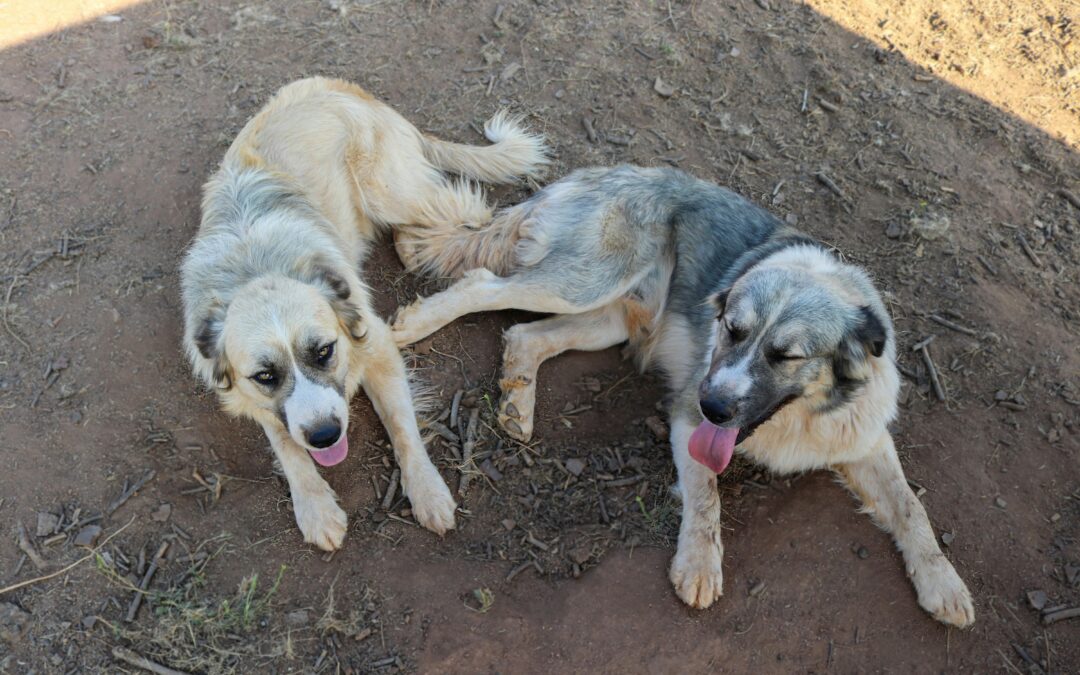
Siberian Pitbull Mix (Pitsky): Size, Temperament, Health and Care Guide (2026)
What is a Siberian pitbull mix? A Siberian pitbull mix, often called a Pitsky, is a cross between a Siberian Husky and an American Pit Bull Terrier or another pit bull-type dog. Based on its parents, expect about 17 to 23.5 inches, 30 to 60 pounds, a 12 to 14 year lifespan and very high energy. Looks and temperament vary widely.
With striking eyes, a strong frame and a big personality, the Siberian pitbull mix turns heads. But a mixed breed is never a sure thing, so the best way to know what you are getting is to understand both parents. This guide covers size, coat, temperament, health risks, exercise, training and cost, using breed data from vets, kennel clubs and research rather than guesswork.
Key takeaways
- The Pitsky is a crossbreed with no breed standard, so traits vary.
- Both parents are high-energy dogs that live about 12 to 14 years.
- Huskies are known escape artists, so a secure yard matters.
- Screen for eye disease, hip and elbow dysplasia and skin allergies.
- Petful cites about $200 to adopt, versus $500 to $1,000 from a breeder.
In this guide
What Is a Siberian Pitbull Mix?
A Siberian pitbull mix is a first-generation or multigeneration cross between a Siberian Husky and a pit bull-type dog. You will see it sold or listed as a Pitsky, Siberian husky pitbull mix, husky pitbull mix, pitbull husky mix or husky pit mix. Because it is a crossbreed, there is no breed standard, so two puppies from the same litter can look and act very differently.
The “pit bull” half is often uncertain. A University of Florida study of 120 shelter dogs found that staff labels of “pit bull” were wrong up to 48% of the time, depending on the assessor. In other words, many dogs listed as a Husky pit mix may have different ancestry. A dog DNA test kit is the only reliable way to know.
| Trait | Siberian Husky | American Pit Bull Terrier |
|---|---|---|
| Height | 20 to 23.5 in. | 17 to 21 in. |
| Weight | 35 to 60 lbs | 30 to 60 lbs |
| Lifespan | 12 to 14 years | 12 to 14 years |
| Exercise | At least 2 hours a day | 60 to 90 minutes a day |
| Coat | Double coat; heavy seasonal shedding | Short coat; weekly brushing |
| Known traits | Social, vocal, escape artist | Playful, loyal, people-focused |
Sources: Chewy (Siberian Husky, reviewed by Barri Morrison, DVM) and Hill’s Pet Nutrition (American Pit Bull Terrier).

Siberian Pitbull Mix Size, Coat and Colors
Parent data gives the most reliable size guide. Using Chewy for the Husky and Hill’s Pet Nutrition for the American Pit Bull Terrier, most Pitskies are likely to land between about 17 and 23.5 inches tall and 30 to 60 pounds, with males usually larger. Dogster gives a wider range of 30 to 80 pounds, which may reflect heavier bully-type parents.
Coats vary, too. Some pups inherit the Husky’s thick double coat, which Chewy says sheds year-round and heavily in spring and fall. Others get the pit bull’s short, smooth coat, which Hill’s suggests brushing weekly with a rubber curry. Dogster lists colors such as black, black and white, brown and white, red and white, gray and brindle.
| If your Pitsky takes after… | Expect |
|---|---|
| The Husky side | Taller frame; double coat; seasonal coat blow |
| The pit bull side | Shorter build; short, smooth coat |
| A blend | A mix of both parents’ traits |
Our general guide, based on parent-breed traits from Chewy and Hill’s. Individual dogs vary.
Siberian Pitbull Mix Temperament: What to Expect
Both parents are social, energetic dogs. Hill’s describes the American Pit Bull Terrier as playful, loyal and people-focused, and notes that human aggression is atypical for the breed. The United Kennel Club (UKC) standard agrees, but it also says some level of dog aggression is characteristic of the breed, so introduce other dogs slowly. Chewy calls the Husky friendly and social, but independent, vocal and famously good at escaping. A Siberian pitbull mix can inherit any combination of these traits.
Watch prey drive closely. Hill’s rates the pit bull’s prey drive 4 out of 5, and Chewy says Huskies may chase cats and small dogs. If you have small pets, our suggestion is to introduce them slowly and supervise. Petful adds a useful reminder: there is no validated bite-force figure for the Pitsky, and a dog’s own behavior history matters more than breed labels.
Pet Care Tip: Our advice is to check fences for gaps and dig spots before your Pitsky comes home. Husky genes can make a bored dog a determined escape artist, so pair a secure yard with a well-fitted collar and ID tag, as Chewy recommends.

Siberian Pitbull Mix Health Problems and Lifespan
A Pitsky can inherit health issues from either side. Ask a breeder or rescue what screening the parents had, and keep your own vet in the loop from the first visit.
| Parent | Health concerns to know | Source |
|---|---|---|
| Siberian Husky | Cataracts, progressive retinal atrophy (PRA), corneal dystrophy, hip dysplasia | Chewy |
| American Pit Bull Terrier | Hip and elbow dysplasia, Demodex mites, skin allergies, ear infections | Hill’s |
Eyes deserve extra attention. The Siberian Husky Club of America says hereditary cataracts can appear in Huskies as early as 3 months of age, and it urges buyers to ask for current eye exam reports by a board-certified veterinary ophthalmologist for both parents.
Is a mixed breed automatically healthier? Not always. A UC Davis study of more than 90,000 dogs found that 13 of 24 inherited conditions occurred at similar rates in purebred and mixed-breed dogs, 10 were more common in purebreds and 1, cranial cruciate ligament rupture, was more common in mixed breeds. Hip dysplasia showed no meaningful difference, so screening still matters for a Siberian pitbull mix.
Lifespan is a fair estimate rather than a promise. Both parents typically live 12 to 14 years, per Chewy and Hill’s, while Dogster lists 12 to 16 years for the Pitsky. Petful notes it found no Pitsky-specific lifespan study. As general advice, keeping your dog lean, active and up to date on vet checks gives it the best chance of a long life.
Heat is another factor. Chewy says Huskies are best suited to cold climates and suggests exercising early in the morning or in the evening in hot months. A thick-coated Pitsky in Texas or Arizona needs shade, water and air-conditioning on hot days.
When to call a vet right away: As general advice, heavy panting, drooling, weakness, vomiting or collapse on a hot day can signal heatstroke. Move your dog to a cool place, offer water and call your vet or a 24/7 emergency animal hospital immediately. Sudden cloudy eyes or limping also need a prompt vet visit.
Exercise and Training for a Siberian Pitbull Mix
Plan for a lot of activity. Hill’s recommends 60 to 90 minutes a day for the American Pit Bull Terrier, split between physical and mental work, while Chewy says Huskies need at least two hours. Petful cautions against fixed formulas, so in our experience it works best to start near an hour of varied activity and adjust to your dog’s age, health and energy.
Good outlets include brisk walks, fetch, scent games, canicross, agility and obedience work, all of which Hill’s lists for pit bulls. For scent games, see our guide to tracking dog training.
Training should start early and stay positive. Hill’s recommends short sessions, reward-based methods and early socialization, with recall, loose-leash walking, “leave it” and “wait” as key skills. Because pit bulls are highly food-motivated, use small treats and keep them under 10% of daily calories.
Pitsky Puppies: The First Few Months
Early weeks shape the adult dog. The American Veterinary Society of Animal Behavior (AVSAB) says puppy classes can start at 7 to 8 weeks, once a puppy has had at least one set of vaccines at least seven days before class and a first deworming. The key window to meet new people, dogs and places runs until about 3 to 4 months old.
Keep play short and varied while bones grow, since Hill’s advises avoiding repetitive high-impact exercise for puppies. Ask your vet to check your pup’s eyes at early visits, given the Husky risk of early cataracts, and, as our suggestion, start handling paws, ears and mouth daily so grooming stays easy later.
| Care task | Siberian pitbull mix plan |
|---|---|
| Exercise | About 1 to 2 hours a day, adjusted to the dog (Hill’s, Chewy) |
| Grooming | Weekly brushing; daily during Husky coat blow (Chewy) |
| Nails | Trim every 3 to 4 weeks (Hill’s) |
| Teeth | Brush every 1 to 3 days (Hill’s) |
| Vet checks | At least every 12 months (Hill’s) |
| Yard | Secure fencing and ID tags (Chewy) |
How Much Does a Siberian Pitbull Mix Cost?
Petful cites Adopt a Pet estimates of about $200 to adopt a Pitsky and about $500 to $1,000 from a breeder, while noting these are not a market survey. Its hypothetical first-year budget example totals $2,900 before a contingency fund, so get written quotes from the seller or shelter before you commit.
Check local rules, too. As general advice, some cities, landlords and insurers restrict pit bull-type dogs. The ASPCA opposes breed-specific laws and supports breed-neutral dangerous-dog rules instead, but our advice is to confirm your lease and homeowner’s or renter’s policy before adopting. Traveling with your dog? See our list of pet-friendly hotels that allow large dogs.
7 questions to ask before adopting a Pitsky
- Has the dog had a DNA test, or is the breed label a guess?
- What eye, hip and elbow screening have the parents had?
- How does the dog behave with cats, small dogs and children?
- Has it ever escaped a yard or crate?
- How much exercise does it get now?
- Does my lease or insurance allow pit bull-type dogs?
- Can I handle heavy seasonal shedding?
Example Scenario (illustrative)
Marisol in Phoenix adopted a two-year-old Pitsky with a thick Husky coat. She moved walks to sunrise and after dark, added a cooling mat and fixed two gaps under her fence. A DNA test showed Husky and American Staffordshire Terrier ancestry, which helped her vet plan screening.
| Myth | Fact |
|---|---|
| “A Pitsky is a recognized breed.” | It is a crossbreed with no breed standard. |
| “Mixed breeds never get genetic diseases.” | A UC Davis study found many inherited conditions occur at similar rates. |
| “Shelter breed labels are accurate.” | A University of Florida study found frequent mislabeling of “pit bulls.” |
| “A short-coated Pitsky will not shed.” | Coat type varies, and Husky genes can bring heavy seasonal shedding. |
What most owners get wrong
In our experience, many people choose a Siberian pitbull mix for its looks and underestimate the energy. A bored Pitsky may dig, chew, howl or escape. Before you commit, be honest about how much daily exercise, training and supervision you can give.
Siberian Pitbull Mix: FAQs
What is a Siberian pitbull mix called?
It is usually called a Pitsky. You may also see husky pitbull mix, pitbull husky mix or husky pit mix.
How big does a Siberian pitbull mix get?
Based on its parents, most Pitskies reach about 17 to 23.5 inches and 30 to 60 pounds. Dogster gives a wider 30 to 80 pound range.
How long do Pitskies live?
Both parent breeds typically live 12 to 14 years, per Chewy and Hill’s. Petful found no Pitsky-specific lifespan study.
Are husky pitbull mixes good family dogs?
They can be, with enough exercise, training and supervision. Individual temperament varies, so meet the dog first.
Do Pitskies shed a lot?
Many do. Husky genes can bring a double coat that sheds heavily in spring and fall.
Are Pitskies good with cats?
Not always. Both parents can have a strong prey drive, so introduce cats slowly and supervise.
How much is a Pitsky puppy?
Petful cites estimates of about $500 to $1,000 from a breeder and about $200 to adopt.
Final Verdict on the Siberian Pitbull Mix
A Siberian pitbull mix can be a loyal, playful and eye-catching companion, but it is a high-energy crossbreed with unpredictable traits. Expect a medium to large dog, plan for one to two hours of daily activity and secure your yard. Ask about eye, hip and skin health, confirm local rules and consider adopting from a shelter.
Your next steps
- Meet the dog, and the parents if possible, before you commit.
- Check fences, your lease and your insurance policy.
- Book a vet visit in the first week to set a screening plan.
Share your Pitsky on the Pets Store Home Facebook page, and explore more mixes in our Dogs section, including the German Shepherd Husky mix, the bull terrier pitbull mix and the agouti Siberian Husky.
About the author: Written and reviewed by the Pets Store Home Editorial Team, pet owners who check every guide against trusted sources.
How we checked this guide: Parent-breed data comes from Chewy (reviewed by Barri Morrison, DVM) and Hill’s Pet Nutrition. Breed standards and eye guidance come from the UKC and the Siberian Husky Club of America. Research comes from the University of Florida, UC Davis and AVSAB. Pitsky-specific figures come from Dogster and Petful, and legal context from the ASPCA.
Where sources differ, such as adult weight (30 to 60 pounds from parent data, 30 to 80 from Dogster), we show both. This guide was written in November 2026 and is reviewed every 12 months.
Last reviewed: November 2026.
Sources (accessed November 3, 2026)
- Chewy: Siberian Husky
- Hill’s Pet Nutrition: American Pit Bull Terrier
- UF Health: DNA studies reveal shelter workers often mislabel dogs as pit bulls
- dvm360: UC Davis study on genetic disorders in purebred and mixed-breed dogs
- Dogster: Pitsky
- Petful: Pitsky (Pitbull Husky Mix)
- Petful: Pitsky Price
- United Kennel Club: American Pit Bull Terrier Standard
- Siberian Husky Club of America: Genetic Defects of the Eye
- AVMA News: Behavior society supports early puppy socialization
- ASPCA: Position Statement on Breed-Specific Legislation
[…] Which foreign pets are legal in Washington State? […]