
Dog on Dog Aggression: Causes & How to Stop It

Dog on Dog Aggression: Causes & How to Stop It

Dog on Dog Aggression: Causes and How to Stop It

Walking a dog that lunges, barks, and snaps at other dogs is stressful and often embarrassing. You may feel like the only owner whose dog “hates” other dogs — but dog on dog aggression is one of the most common reasons people seek help from trainers and behaviourists. The reassuring truth is that most of these dogs are not vicious. They are usually frightened, frustrated, or overwhelmed, and with the right approach the behaviour can improve a great deal.

This guide explains what really drives dog on dog aggression, how to tell true aggression from reactivity, and the early warning signs to watch for. You will get a calm, modern, force-free plan to reduce the behaviour, the mistakes that make it worse, and clear guidance on when to bring in a vet or professional. No dominance myths, no punishment — just methods that work and protect your dog’s welfare.

Quick Answer: Dog on dog aggression is usually rooted in fear, frustration, or poor socialisation, not a desire to dominate. Start with a vet check to rule out pain, then manage your dog’s distance from other dogs and use reward-based desensitisation and counter-conditioning. Avoid punishment, which increases fear and makes aggression worse.

Key Takeaways

Quick answer: Dog-on-dog aggression usually stems from fear, resource guarding, poor socialization, or pain rather than a dog being inherently “bad” – identifying the trigger is the first step toward managing or resolving it, ideally with the help of a professional trainer or behaviorist for anything beyond mild cases.

Key Takeaways

  • Fear-based aggression is one of the most common underlying causes, often mistaken for dominance.
  • Resource guarding (food, toys, space, even people) can trigger aggression between otherwise friendly dogs.
  • Body language – stiffening, hard staring, raised hackles – usually precedes an outburst and can be used to intervene early.
  • Sudden-onset aggression in a previously easygoing dog can signal an underlying medical issue or pain and warrants a vet check.
  • Punishment-based corrections often worsen aggression by increasing anxiety; reward-based management is generally safer and more effective.

Why Trust This Guide?

This guide reflects widely accepted canine behavior science on inter-dog aggression, emphasizing trigger identification and professional support for anything beyond minor, manageable friction.

  • Fear is the usual root cause, not dominance. Most “aggressive” dogs are actually frightened or frustrated.
  • Rule out pain first. A sudden onset of aggression often has a medical cause and needs a vet check.
  • Reactivity and aggression differ. Reactivity can escalate into aggression if ignored, so act early.
  • Distance is your main tool. Keep your dog far enough from triggers to stay calm, then close the gap slowly.
  • Reward-based methods work. Desensitisation and counter-conditioning change how your dog feels about other dogs.
  • Never punish the growl. Punishment suppresses warnings and can lead to bites without warning.

Table of Contents

Reactivity or Aggression: What’s the Difference?

These two terms are often used interchangeably, but they are not the same thing, and telling them apart helps you respond correctly. A reactive dog over-reacts to a trigger — usually another dog — by barking, lunging, and growling. This behaviour is generally driven by fear or frustration, not a wish to harm. An aggressive dog, by contrast, acts with the intent to cause injury.

The catch is that reactivity and aggression can look almost identical from the other end of the lead, and unchecked reactivity can tip over into genuine aggression over time. That is exactly why it pays to take early signs seriously rather than waiting for things to escalate. Whichever label fits, the underlying emotion is usually discomfort, and the goal is to change how your dog feels, not just to suppress the outburst.

Pet Care Tip: Don’t get too hung up on the exact label. Whether you call it reactivity or aggression, the practical plan — managing distance and building positive associations — is broadly the same.

Rule Out Pain and Illness First

If your dog’s aggression has appeared suddenly or changed recently, see your vet before starting any training. Pain is a powerful and often overlooked driver of aggression. A dog that hurts — from arthritis, dental disease, an injury, or an internal problem — may snap or react when approached, handled, or startled, and grouchiness can be the only outward sign.

Some illnesses that affect the brain, and even side effects of certain medications, can also increase irritability and reactivity. Because of this, a veterinary exam is a sensible first step for any noticeable change in temperament. Treating a hidden medical problem sometimes reduces the aggression on its own, and it always makes any behaviour work more effective.

Important: This article is general guidance for dog owners and does not replace professional advice. Aggression carries a real risk of injury, so for anything beyond mild reactivity, work with your vet and a qualified, reward-based behaviourist.

Why Dogs Become Aggressive to Other Dogs

Dog on dog aggression rarely comes “out of nowhere.” There is almost always an underlying reason, and identifying it points you towards the right fix. The most common causes include the following.

  • Fear: the single biggest driver. A frightened dog barks and lunges to make the scary dog go away, and because it often works, the behaviour is reinforced.
  • Poor early socialisation: dogs that missed positive contact with other dogs as young puppies may find them alarming or unpredictable as adults.
  • A bad past experience: a single frightening encounter, such as being attacked, can create a lasting association that other dogs mean danger.
  • Frustration: some dogs desperately want to greet others but are held back on lead, and that frustration boils over into lunging and barking.
  • Leash and barrier reactivity: being restrained removes the option to move away, so the dog defaults to a big display instead.
  • Resource guarding or pain: guarding food, toys, or people, or reacting from physical discomfort, can all show up as aggression toward other dogs.
Pet Care Tip: Notice the difference between a dog straining to reach another dog (often frustration) and one trying to back away or create space (fear). The emotion behind the behaviour shapes how you help.

Reading the Early Warning Signs

Aggression is the last step in a chain, not the first. Dogs almost always give quieter signals that they are uncomfortable long before they lunge or snap, and learning to spot them lets you step in early — before your dog tips over its threshold. Watch for these escalating signals.

  • Early stress signs: lip licking, yawning, turning the head away, a tense body, or a low tail.
  • Increasing tension: a hard stare fixed on the other dog, freezing, or a stiff, still posture.
  • Clear warnings: growling, lifting a lip, or showing teeth.
  • Overt reaction: barking, lunging, snapping, or attempting to bite.

The moment you notice the early signs, calmly increase the distance from the trigger. Responding at the lip-lick stage is far easier than at the lunge stage, and it stops your dog rehearsing the big reaction.

Pet Care Tip: Never punish a growl. A growl is useful information — your dog telling you it is uncomfortable. Punish it and you may remove the warning, leaving a dog that goes straight to biting.

How to Reduce Dog on Dog Aggression

The proven, welfare-friendly approach is to change how your dog feels about other dogs using distance, desensitisation, and counter-conditioning. In plain terms: keep your dog far enough away to stay calm, then gradually build a positive association with the sight of other dogs. This takes weeks or months, not days, but it produces lasting change.

Work through these steps patiently:

  1. Find the threshold distance. This is how close another dog can be before yours reacts. Start training just beyond it, where your dog notices the other dog but stays relaxed.
  2. Pair the trigger with reward. The instant your dog calmly sees another dog, mark it and give a high-value treat. The other dog now predicts good things.
  3. Keep sessions short and successful. End while your dog is still calm. Lots of small wins beat one long, stressful session.
  4. Close the distance slowly. Only move a little closer once your dog is reliably relaxed at the current distance. If it reacts, you have moved too fast — back up.
  5. Prevent bad rehearsals. Between sessions, avoid situations that trigger a full reaction. Every outburst is practice at reacting.
  6. Stay calm yourself. Tension travels down the lead. Keep your voice and body relaxed and your lead loose where safe.

Pet Care Tip: Keep a simple tally on walks — how many times your dog notices another dog and stays calm versus reacts. Watching the calm count climb over the weeks is motivating and shows the plan is working.

dog on dog aggression

What to Do if a Fight Breaks Out

Even careful owners can find themselves in a scuffle, so it helps to know how to react safely. The most important rule is to protect yourself first — reaching between two fighting dogs is the most common way owners get badly bitten, often by their own dog in the heat of the moment.

  • Do not grab collars or reach between them. Redirected bites to hands happen in an instant.
  • Make a sudden loud noise or use a barrier — a bag, board, or spray of water — to interrupt without using your hands.
  • Use the “wheelbarrow” method if two people are present: each lifts their dog’s back legs and moves backwards, so neither can turn to bite.
  • Separate and stay calm afterwards. Move the dogs out of sight of each other before checking for injuries.
  • Check both dogs for wounds. Puncture bites can look minor but need veterinary attention, as they trap bacteria under the skin.
Walk-safety checklist

  • Well-fitted harness and a secure, non-retractable lead
  • High-value treats ready in an accessible pouch
  • Space to cross the road or step behind a barrier
  • Quieter routes and times while you train
  • A muzzle, if introduced kindly and used where appropriate

Common Mistakes to Avoid

  • Trying to “dominate” the dog. The old idea that aggression means your dog is being the boss is outdated and harmful. Alpha rolls and intimidation increase fear and can make aggression far worse.
  • Punishing warnings. Scolding a growl or lunge teaches the dog to hide its signals, not to feel calmer. Suppressed warnings can lead to sudden, silent bites.
  • Flooding the dog with triggers. Forcing a fearful dog into dog parks or close meetings to “get used to it” overwhelms it and reinforces the fear.
  • Tight, tense lead handling. A constantly taut lead adds pressure and frustration. Keep it loose where it is safe to do so.
  • Expecting a quick fix. Behaviour change is gradual. Owners who give up after a week often conclude, wrongly, that nothing works.

When to Get Professional Help

Some cases need more than a home plan, and there is no shame in asking for support. Seek professional help if your dog has actually bitten another dog, if the aggression is severe or worsening, or if you feel unsafe handling your dog in public. A qualified, reward-based behaviourist can assess your specific dog and build a tailored plan.

Choose your professional carefully. Look for someone who uses modern, force-free, reward-based methods and ideally works alongside your vet. Avoid anyone promising to “fix” aggression through dominance, shock, or intimidation, as these approaches risk making a fearful dog more dangerous, not less.

Training-plan checklist

  • Vet check to rule out pain or illness
  • Identify your dog’s triggers and threshold distance
  • Short, frequent, reward-based sessions
  • Prevent full reactions between sessions
  • Track calm responses versus reactions
  • Bring in a force-free behaviourist for severe cases

Frequently Asked Questions

Why is my dog suddenly aggressive towards other dogs?
A sudden change often has a medical cause, so start with a vet check to rule out pain or illness. If your dog is healthy, look at recent frightening experiences, changes in environment, or growing frustration on lead. Sudden aggression should never be ignored or simply punished.

Is my dog aggressive or just reactive?
Reactivity means over-reacting to a trigger, usually from fear or frustration, without intent to harm. Aggression involves intent to injure. They look similar and reactivity can escalate into aggression, so both deserve early, calm intervention rather than waiting to see which one it is.

Can dog on dog aggression be cured?
Many dogs improve dramatically with consistent, reward-based training, though “cured” is not always the right word. The realistic goal is a dog that can stay calm around others and be managed safely. Some dogs will always prefer space from strange dogs, and that is fine.

Should I punish my dog for lunging or growling?
No. Punishment increases fear and can remove your dog’s early warning signals, making bites more likely and less predictable. Instead, manage distance from triggers and reward calm behaviour so your dog learns that other dogs predict good things.

Will neutering stop the aggression?
Neutering may help with some hormone-related behaviours, but it is not a reliable fix for fear-based dog on dog aggression. Training and behaviour work address the root cause. Discuss neutering with your vet as one part of a wider plan rather than a standalone solution.

Can I still take my reactive dog for walks?
Yes, and you should — but manage them thoughtfully. Choose quieter routes and times, keep enough distance from other dogs to stay under threshold, and bring treats to reward calm behaviour. Avoiding walks entirely can increase frustration and reduce your training opportunities.

How long does it take to fix dog reactivity?
It varies with the dog, the cause, and consistency, but meaningful progress usually takes weeks to months. There is no overnight fix. Steady, positive practice and preventing full-blown reactions between sessions are what create lasting change.

Sources & References

About the Author
Written and reviewed by the Pets Store Home editorial team — pet owners and animal lovers who research every guide against trusted animal-welfare and veterinary sources. Our content is for general educational purposes and is not a substitute for professional veterinary or behavioural advice; always consult your vet or a qualified behaviourist for concerns specific to your dog.
Last reviewed: August 2026

Final Thoughts

Dog on dog aggression can feel isolating, but it is common, understandable, and very often improvable. The key is to see past the scary display to the fear or frustration underneath it, rule out pain with your vet, and then patiently teach your dog that other dogs are nothing to worry about. Distance, rewards, and consistency do the heavy lifting — not dominance or punishment, which only deepen the problem.

Progress may be gradual, but every calm encounter builds on the last. Be patient with your dog and with yourself, and don’t hesitate to bring in a force-free professional for tougher cases. For more practical guidance, explore our other dog care and training guides, and browse the wider pet care section for support at every stage of life with your dog.

Aggression toward other dogs often shows up as excessive barking long before it escalates further. If barking on its own is the main issue, see our guide on managing constant dog barking for targeted fixes.

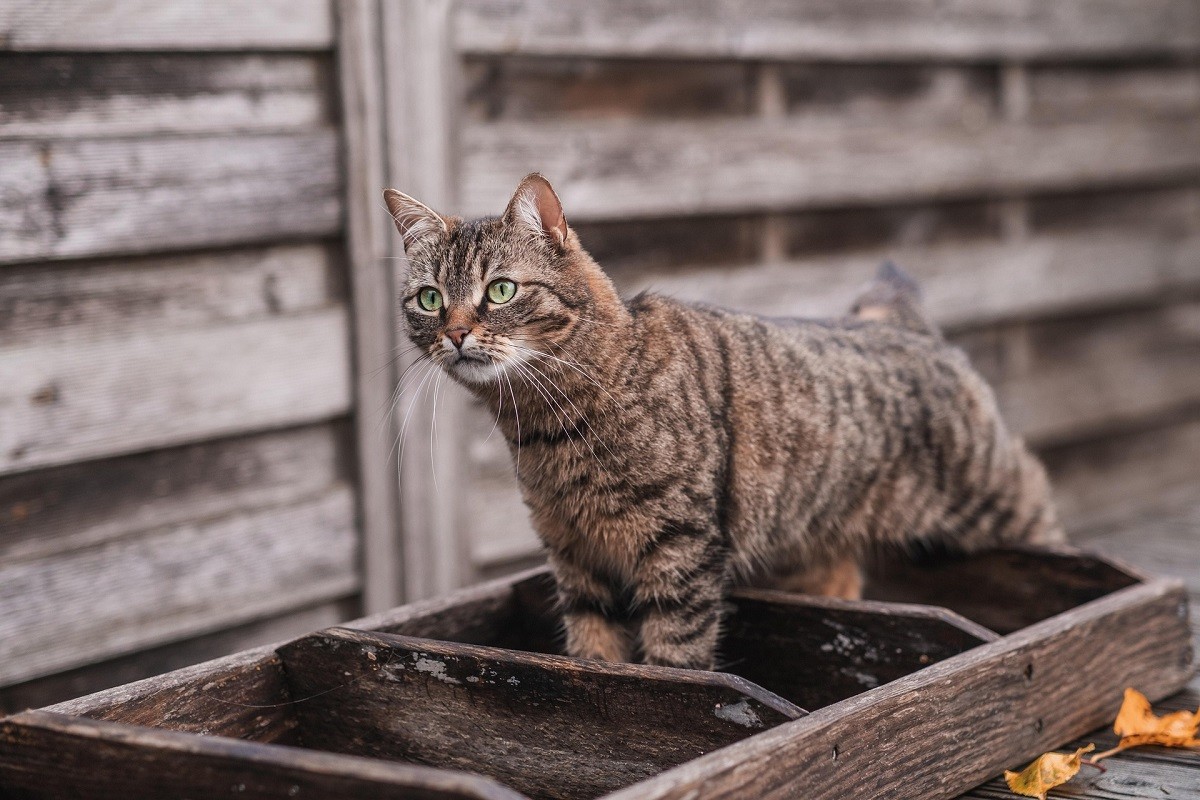
Cat Behavior Disorders: Causes, Signs & Fixes

Cat Behavior Disorders: Causes, Signs & Fixes

Cat Behavior Disorders: Causes, Signs and Fixes

When a calm, familiar cat suddenly starts hiding, lashing out, over-grooming, or yowling at night, it is unsettling. You may wonder whether your cat has developed a genuine behavior disorder, or whether something else is going on. The honest answer is that most sudden changes in cat behavior are not the cat “being difficult” — they are a signal of pain, illness, or stress that needs to be decoded.

True feline behavior disorders do exist, and this guide covers the most recognised ones. But it also explains the far more common medical and environmental causes that look like behavior problems, and how to tell them apart. You will learn the warning signs that need a vet, an age-based way to make sense of changes, and a practical plan to help your cat feel like themselves again.

Quick Answer: Cat behavior disorders are persistent patterns such as compulsive grooming, anxiety, or hyperesthesia. But a sudden change in behavior is more often caused by hidden pain, illness, or stress than by a true disorder. Always start with a vet check to rule out medical causes, then address stress and environment before assuming it is behavioral.

Key Takeaways

Quick answer: True cat behavior disorders – like compulsive grooming, inappropriate elimination tied to anxiety, or redirected aggression – are distinct from normal quirky behavior, and are often driven by stress, environmental triggers, or underlying medical issues rather than a cat simply being “difficult.”

Key Takeaways

  • Many behaviors labeled as “disorders” are actually normal cat behaviors that owners misread, such as scratching or nighttime activity.
  • Genuine behavior disorders (compulsive over-grooming, extreme litter box avoidance, severe redirected aggression) usually have an identifiable stress trigger or medical cause.
  • A vet visit is an important first step for any sudden behavior change, since pain and illness frequently present as behavior problems.
  • Environmental enrichment – vertical space, play, predictable routines – resolves a large share of stress-driven behavior issues.
  • Punishment tends to increase anxiety-driven behaviors rather than correcting them; addressing the root cause works better.

Why Trust This Guide?

This guide reflects general feline behavior science distinguishing normal cat behavior from clinically significant behavior disorders, intended to help owners know when a vet or certified cat behaviorist is the right next step.

  • A sudden behavior change usually means something is wrong. Cats hide illness and pain, so new behavior is often the first clue.
  • Rule out medical causes first. Pain, hyperthyroidism, and urinary problems all mimic behavior disorders.
  • True disorders are persistent patterns, not one-off reactions — things like compulsive over-grooming or chronic anxiety.
  • Age is a big clue. Kittens, adults, and senior cats develop different behavior problems.
  • Never punish. Punishment worsens fear and stress, which are usually the root of the behavior.
  • A behaviourist can help once your vet has confirmed the cat is physically well.

Table of Contents

Behavior Problem or Medical Problem?

Before labelling anything a behavior disorder, rule out illness. A genuinely sudden change in a cat’s behavior is more likely to have a medical cause than a psychological one. Cats are hardwired to mask pain, so a new habit — hiding, aggression when touched, skipping the litter box, or restless yowling — is frequently the first outward sign that something physical has changed.

Many conditions disguise themselves as behavior problems. Recognising them saves time and spares your cat unnecessary suffering:

  • Pain from arthritis, dental disease, or an injury can cause sudden aggression, hiding, or reluctance to jump and be handled.
  • Hyperthyroidism often makes older cats hyperactive, irritable, extra vocal, and ravenous while losing weight.
  • Urinary problems such as infections or cystitis lead to house soiling and distress around the litter box.
  • Diabetes and kidney disease change thirst, appetite, and energy, which alters how a cat behaves day to day.
  • Neurological issues such as seizures or, in seniors, cognitive decline can cause disorientation, staring, and unusual vocalising.
Pet Care Tip: A simple rule of thumb: the more sudden and dramatic the change, the more likely it is medical. Slow, gradual shifts are more often behavioral or age-related — but both still deserve a vet’s opinion.

When to See a Vet Urgently

Some behavior changes need same-day veterinary care rather than watchful waiting. Treat it as urgent if your cat shows sudden aggression or disorientation, circles or stares into space, hides and refuses to eat or drink, or seems to be in obvious pain. These signs can point to serious problems including toxins, neurological disease, or an internal illness.

Litter box red flags deserve special mention. A cat — especially a male cat — that strains repeatedly but produces little or no urine may have a urinary blockage, which is life-threatening and needs emergency care immediately. When a behavior change appears alongside physical symptoms such as vomiting, weight loss, or laboured breathing, the behavior is a symptom, not the problem itself.

Important: This article offers general guidance for pet owners and is not a substitute for professional diagnosis. If your cat seems unwell, in pain, or distressed, contact your vet without delay.

Common Cat Behavior Disorders

Once your vet has ruled out illness, some cats do have genuine behavior disorders. These are persistent patterns rather than one-off reactions, and they can affect a cat’s quality of life if left unmanaged. The most recognised ones include the following.

Anxiety and fear-based behavior

Anxious cats may hide for long periods, startle easily, over-groom, soil outside the litter box, or become aggressive when they feel cornered. Common drivers are separation anxiety, tension with another pet, or an environment that lacks safe hiding spots and high perches. Anxiety is one of the most common and most treatable feline behavior problems.

Compulsive over-grooming

Some cats groom so much that they create bald patches or sores. This can begin as a response to stress, itch, or pain and then become a fixed compulsive habit. Because skin disease and pain also cause over-grooming, a vet needs to rule those out before it is treated as behavioral.

Feline hyperesthesia (twitchy cat syndrome)

Hyperesthesia is a poorly understood condition where the skin along the back becomes intensely sensitive. Cats may show rippling skin, sudden frantic grooming or biting at the tail, dilated pupils, and bursts of racing around. It should always be assessed by a vet, as it overlaps with pain and neurological problems.

Aggression

Aggression is a behavior category, not a single disorder. It ranges from play aggression and fear aggression to redirected aggression, where a cat that cannot reach the thing upsetting it (such as a cat outside the window) lashes out at whoever is nearest. Identifying the trigger is the key to managing it safely.

Cognitive dysfunction (in senior cats)

Older cats can develop a decline in mental sharpness similar to dementia. Signs include night-time yowling, disorientation, staring at walls, altered sleep, and forgetting familiar routines. It cannot be cured, but early veterinary support and a stable environment help affected cats cope.

Pet Care Tip: A true disorder shows up as a repeated, ongoing pattern. A single bad reaction to a stressful event is usually just that — a reaction, not a disorder.

Stress and Environmental Triggers

Stress is behind a huge share of cat behavior problems, and cats are remarkably good at hiding it. What looks like a minor change to us can feel like a major upheaval to a territorial, routine-loving animal. Frequent triggers include a new pet or baby, a house move, rearranged furniture, building work, a change of litter, or even an unfamiliar cat appearing outside the window.

Stress-related behavior often shows up as over-grooming, urinating or defecating outside the tray, hiding, reduced appetite, or aggression. The solution is to lower the pressure the cat feels. Keep daily routines predictable, give each cat their own food, water, litter, and resting places so they never have to compete, and provide plenty of vertical space and hiding spots where a nervous cat can retreat and feel safe.

Pet Care Tip: Calming pheromone diffusers help some cats settle during stressful periods such as a house move or a new arrival. They work best combined with environmental changes, not on their own.

How Age Changes Cat Behavior

A cat’s life stage shapes the behavior problems it is most likely to develop, so age is one of the most useful clues you have. Matching the change to the life stage helps you and your vet focus on the right causes.

Life stage Common behavior changes Likely causes
Kitten & young cat Play biting, scratching, over-energy, timidity Under-socialisation, boredom, lack of outlets for play
Adult cat New aggression, house soiling, over-grooming Stress, territory conflict, pain, urinary illness
Senior cat Night yowling, confusion, clinginess, hiding Arthritis, hyperthyroidism, cognitive decline, sensory loss

cat behavior disorders

What to Track Before the Vet Visit

Your vet cannot see the behavior at home, so the notes you bring are genuinely valuable. Good observations often shorten the path to a diagnosis and can reveal patterns you had not noticed. Before the appointment, keep a short diary covering the following.

Behavior tracking checklist

  • What changed — the exact behavior and how it differs from normal
  • When it started — sudden or gradual, and any event around that time
  • How often — constant, daily, or only in certain situations
  • Eating and drinking — more, less, or unchanged
  • Litter box — frequency, straining, blood, or accidents
  • Triggers — specific people, pets, sounds, or times of day
  • Physical signs — weight change, coat condition, limping, vomiting

How to Help Your Cat at Home

Once medical causes are ruled out or treated, most behavior problems improve with patience and small environmental changes. Work through these steps calmly and give each change time to take effect.

  1. Confirm health first. Follow through on any vet tests or treatment before focusing on behavior.
  2. Keep routines steady. Feed, play, and interact at consistent times to give an anxious cat security.
  3. Enrich the space. Add scratching posts, high perches, hiding spots, and window views to reduce boredom and stress.
  4. Give daily play. Short, regular play sessions burn energy and reduce many problem behaviors, especially in young cats.
  5. Separate resources. In multi-cat homes, provide enough food, water, and litter stations so cats never compete.
  6. Use calming aids if needed. Pheromone diffusers can ease tense periods alongside other changes.
  7. Ask about a behaviourist. For persistent or complex cases, your vet can refer you to a qualified feline behaviourist.
Calmer-home checklist

  • Predictable daily routine
  • One set of resources per cat, plus a spare litter box
  • Vertical space and safe hiding places
  • Daily interactive play
  • No punishment, ever
  • A quiet retreat during noisy or disruptive events

Common Mistakes to Avoid

  • Assuming spite. Owners often read a behavior change as the cat “acting out.” Cats do not behave out of revenge; the change reflects a need or a problem, and treating it as spite delays the real fix.
  • Punishing the cat. Shouting, spraying water, or scolding raises fear and stress, which usually makes the behavior worse and harms your bond.
  • Skipping the vet. Jumping straight to training ignores the strong chance of a medical cause, leaving pain or illness untreated.
  • Changing too much at once. Overhauling food, litter, and layout together makes it impossible to know what helped and can add to the cat’s stress.
  • Giving up too soon. Behavior change takes weeks, not days. Abandoning a good plan early is a common reason problems seem “unfixable.”

Frequently Asked Questions

Why has my cat’s behavior suddenly changed?
A sudden change is most often a sign of pain, illness, or stress rather than a personality shift. Cats hide discomfort well, so new behavior can be the first clue that something is wrong. Book a vet check to rule out medical causes before treating it as behavioral.

What counts as a real cat behavior disorder?
A true disorder is a persistent, repeated pattern such as chronic anxiety, compulsive over-grooming, or hyperesthesia. A single reaction to a stressful event is not a disorder. Diagnosis should follow a vet check, since many medical conditions mimic behavioral ones.

Can stress really change my cat’s behavior?
Yes. Stress is one of the most common causes of feline behavior problems. Triggers like a new pet, a house move, or even a change of litter can lead to hiding, aggression, over-grooming, or litter box issues. Reducing stress often resolves the behavior.

Is my cat acting weird because of age?
Possibly. Life stage strongly influences behavior. Senior cats may develop cognitive decline, arthritis, or hyperthyroidism that changes how they act, while young cats often show energy-driven behaviors. Age-related changes still deserve a vet’s assessment.

Should I punish my cat for bad behavior?
No. Punishment increases fear and stress, which are usually the root of the problem, and it damages trust. Focus instead on finding the cause, adjusting the environment, and rewarding the behavior you want to see.

When should I see a behaviourist?
Once your vet has confirmed your cat is physically healthy but the behavior persists or is complex, a qualified feline behaviourist can help. Ask your vet for a referral, as many work alongside veterinary practices for the best results.

How long does it take to fix a behavior problem?
It varies, but meaningful change usually takes several weeks of consistent effort, not days. Medical causes may improve quickly once treated, while stress and habit-based behaviors need patience and steady routine.

Sources & References

About the Author
Written and reviewed by the Pets Store Home editorial team — pet owners and animal lovers who research every guide against trusted animal-welfare and veterinary sources. Our content is for general educational purposes and is not a substitute for professional veterinary advice; always consult your vet for health concerns specific to your pet.
Last reviewed: August 2026

Final Thoughts

When a cat’s behavior changes, it is almost always trying to tell you something. Genuine behavior disorders are real, but they are far less common than the hidden pain, illness, and stress that so often look like them. That is why the safest approach is always the same: rule out medical causes with your vet first, then look carefully at stress, environment, and life stage.

With patience, steady routines, and the right support, the great majority of cats can be helped back to a happy, settled life — and punishment never has a place in it. For more practical help, explore our other cat care guides, and browse the wider pet care section for advice at every stage of life with your cat.

Not every unusual behavior is a disorder – some breeds are simply wired differently. Our guide to Bengal cat behavior is a good example of a breed whose normal temperament is often mistaken for a problem.

Cat Stopped Using Litter Box? Causes and Fixes

Cat Stopped Using Litter Box? Causes and Fixes

Cat Stopped Using Litter Box? Causes and Fixes

Your cat used the litter box perfectly for years, and now they are suddenly going on the floor, the bed, or the bath mat. It is frustrating, it smells, and it can leave you wondering what you did wrong. The good news: a cat that has stopped using the litter box is almost always trying to tell you something, not acting out of spite. Once you understand the reason, most cases are fixable at home.

When a cat stops using the litter box, the cause usually falls into one of three groups: a hidden medical problem, something the cat dislikes about the box or litter, or stress in the home. This guide walks you through each one in the order the experts recommend, starting with the health check that must come first. You will also get a clear step-by-step plan, the common mistakes to avoid, and the warning signs that mean you need a vet today.

Quick Answer: If your cat has suddenly stopped using the litter box, book a vet check first to rule out urinary or digestive illness. If your cat is healthy, the usual culprits are a dirty box, disliked litter, a covered or cramped box, poor location, too few boxes, or stress. Fix these one at a time and most cats return to the box.

Key Takeaways

Quick answer: A cat that suddenly stops using the litter box is usually reacting to a medical issue (like a urinary tract infection), a dirty or poorly placed box, stress, or a change in litter or household routine – not spite. Ruling out medical causes first is important since painful conditions can make a cat associate the box itself with pain.

Key Takeaways

  • Urinary tract infections, bladder stones, and other painful conditions are a leading cause of sudden litter box avoidance and should be ruled out first.
  • Cats are sensitive to box cleanliness, litter type, and location – a change in any of these can trigger avoidance.
  • Stress from new pets, moving, or household changes can cause a previously reliable cat to start eliminating elsewhere.
  • The general rule of one litter box per cat, plus one extra, helps prevent avoidance in multi-cat homes.
  • Punishing a cat for accidents tends to increase stress and worsen the underlying problem rather than solve it.

Why Trust This Guide?

This guide reflects standard veterinary and feline behavior guidance on litter box avoidance, prioritizing a medical check first before addressing behavioral or environmental causes.

  • See a vet first. A sudden change in toilet habits is often the first sign of a medical problem, especially a urinary condition.
  • A straining male cat that cannot pass urine is an emergency. This can be fatal within hours — go to a vet immediately.
  • Cleanliness matters most. A dirty box is the single most common behavioural reason cats refuse to use it.
  • Follow the box maths. Provide one litter box per cat, plus one extra, spread around the home.
  • Most cats prefer a large, uncovered box with unscented, sand-like clumping litter, kept away from food and noise.
  • Never punish accidents. Punishment increases stress and makes the problem worse.

Table of Contents

First Step: Rule Out a Medical Problem

Before you change anything about the box, take your cat to the vet. A cat that suddenly stops using the litter box is very often unwell, and no amount of cleaning or rearranging will help if pain or illness is the cause. This is the one step no reputable animal charity or vet will let you skip.

Several treatable conditions make cats avoid the box. If it hurts to urinate or pass stool, the cat may start to link the box itself with that pain, and then choose a different spot. Common medical causes include:

  • Urinary tract infection (UTI): frequent trips to the box, straining, and only small amounts of urine.
  • Feline idiopathic cystitis (bladder inflammation): painful, urgent urination, sometimes with blood; strongly linked to stress.
  • Bladder stones or a urinary blockage: repeated straining, especially serious in male cats (see the emergency note below).
  • Kidney disease, diabetes, or an overactive thyroid: these increase thirst and urine volume, so the cat may fill or miss the box more often.
  • Constipation or digestive upset: straining and discomfort that the cat begins to associate with the box.
  • Arthritis and joint pain: a very common, under-recognised cause in older cats, who struggle to climb into a high-sided box.
Pet Care Tip: Note down exactly what you are seeing before the appointment — how often your cat visits the box, whether urine or stool is involved, any blood, and when it started. These small details help your vet reach the right diagnosis faster.

When It Is an Emergency

Some litter box changes are urgent. If a male cat is repeatedly straining in or near the box but producing little or no urine, treat it as a life-threatening emergency and get to a vet straight away. A blocked urethra stops the cat from emptying its bladder and can become fatal within a day. Do not wait to see if it clears on its own.

Also seek same-day veterinary help if you notice blood in the urine, crying or clear distress while toileting, a swollen or hard belly, repeated vomiting, hiding, or a complete refusal to eat or drink alongside the toileting problem. When these signs appear together, the toileting issue is a symptom of something serious, not a behaviour to train away.

Important: This article is general guidance for pet owners and does not replace a professional diagnosis. If your cat seems unwell or in pain, always contact your vet.

The Litter Box Is Not Clean Enough

Once your vet has ruled out illness, turn to the box itself — and start with cleanliness. A dirty box is the most common behavioural reason a cat quits using it. Cats are naturally fastidious and have a sense of smell far sharper than ours, so a box that seems fine to you can smell offensive to them.

Scoop waste at least once a day, ideally twice, and wash the whole box with warm water and a mild, unscented soap when it starts to smell. Avoid bleach and strong-smelling cleaners, as the lingering scent can drive a cat away just as much as the mess did. If you use clumping litter, top it up after scooping and change it out completely on a regular schedule.

Pet Care Tip: If you struggle to keep up with daily scooping, an extra box buys you breathing room and gives your cat a clean option while you catch up.

Your Cat Dislikes the Litter

Cats form strong preferences about what they dig in, and a recent switch in litter is a classic trigger for box avoidance. If you changed brand, texture, or scent shortly before the problem started, that change is your prime suspect.

Most cats prefer a fine, sand-like, unscented clumping litter, which is closest to the loose soil they would choose in the wild. Heavily perfumed litters, marketed to mask odour for humans, are often too strong for a cat’s sensitive nose. Litter depth matters too: aim for a comfortable digging layer of roughly 5–7 centimetres, and adjust if your cat seems to want more or less.

To find a preference without stress, offer two boxes side by side with different litters and see which one your cat chooses. Change only one thing at a time so you know what worked.

The Box Itself Is the Problem

The size and style of the box can quietly put a cat off. Many owners buy a box that is too small, or a covered one that feels safer to humans but not to cats. As a rule, the box should be large enough for your cat to turn around comfortably — ideally around one and a half times their body length.

Covered or hooded boxes trap odour inside and remove the cat’s ability to see danger approaching, which some cats dislike enough to avoid the box altogether. If you have a hooded box and a shy cat, try removing the lid. For older or arthritic cats, a box with low sides makes climbing in far easier and can solve the problem on its own.

Pet Care Tip: Skip plastic liners. They can trap urine in the folds and snag on claws when the cat digs, both of which discourage use.

Bad Location or Too Few Boxes

Where you put the box is as important as the box itself. Cats want to toilet somewhere quiet, private, and safe, with a clear escape route. A box tucked next to a noisy washing machine, boiler, or busy doorway can startle a cat mid-use and create a lasting bad association.

Numbers matter just as much. The widely recommended rule is one box per cat, plus one extra. So two cats need three boxes. Spread them across different rooms and floors rather than lining them up together, since two boxes side by side effectively count as one to a cat. Keep every box well away from food and water bowls — cats instinctively refuse to toilet where they eat.

Number of cats Minimum boxes needed
1 cat 2 boxes
2 cats 3 boxes
3 cats 4 boxes

Stress and Changes at Home

Cats are creatures of habit, and stress is a powerful trigger for toileting problems. A change that seems minor to you can feel major to a cat: a new pet or baby, a house move, rearranged furniture, building work, or even a new cat visible through the window.

Stress-related avoidance often shows up as a cat toileting in socially significant spots, such as by a door or on your bed. The fix is to reduce the pressure: keep routines steady, give each cat their own resources (food, water, boxes, and resting spots), and provide high perches and hiding places so nervous cats feel secure. Calming pheromone diffusers can help some cats settle. If tension between cats is the cause, separate their key resources so they never have to compete.

Pet Care Tip: Because feline idiopathic cystitis is closely linked to stress, reducing anxiety at home often improves both your cat’s behaviour and their bladder health at the same time.

Is It Toileting or Spraying?

It helps to work out whether your cat is actually toileting outside the box or urine marking, because the two have different fixes. A cat that squats and leaves a normal puddle on the floor is toileting, and the causes in this guide apply. A cat that backs up to a vertical surface, quivers its tail, and leaves a small amount of urine higher up is spraying, which is a marking behaviour.

Spraying is usually driven by stress, territory, or the presence of other cats, and is more common in cats that have not been neutered. If you suspect spraying, neutering (if not already done), reducing stress, and thorough cleaning of marked spots are the priorities. Either way, a vet check still comes first.

cat stopped using litter box

Step-by-Step: Getting Your Cat Back on Track

Work through these steps in order. Change one thing at a time and give your cat several days to respond before trying the next, so you can tell what actually helped.

  1. Visit the vet. Rule out UTIs, cystitis, blockages, arthritis, and other medical causes before anything else.
  2. Deep-clean the box. Scoop daily, wash with mild unscented soap, and refresh the litter.
  3. Check your box maths. Make sure you have one box per cat plus one extra, in separate spots.
  4. Review the litter. Switch to a fine, unscented clumping litter if you recently changed it, and set the depth to about 5–7 cm.
  5. Reassess the box style. Go larger, remove the lid, and lower the sides for senior cats.
  6. Move it somewhere calm. Choose a quiet, private spot away from food, water, and noise.
  7. Lower stress. Keep routines stable, add hiding spots and perches, and consider a pheromone diffuser.
  8. Clean past accidents properly. Use an enzyme cleaner so lingering scent does not invite repeat visits.

Cleaning Accidents the Right Way

How you clean up matters more than most owners realise. If a spot still smells like a toilet to your cat — even faintly, even when you cannot detect it — the cat is likely to return to it. Ordinary household cleaners often mask the odour to us while leaving the scent markers a cat can still smell.

Use an enzyme-based pet cleaner made for urine, which breaks down the odour compounds rather than covering them. Blot up as much as possible first, apply the cleaner generously, and let it work for the time stated on the label. Avoid ammonia-based products, as ammonia smells similar to urine and can actually encourage a cat to re-mark the same place.

New-owner box setup checklist

  • Large, uncovered box (about 1.5× your cat’s length)
  • Fine, unscented clumping litter at 5–7 cm depth
  • One box per cat, plus one spare
  • Quiet, private locations away from food and noise
  • Low sides for kittens and senior cats
  • No liners, no strong-smelling cleaners
Daily and weekly care checklist

  • Scoop every box at least once daily
  • Top up litter to keep a comfortable depth
  • Watch for straining, blood, or changes in frequency
  • Wash boxes with mild soap weekly, or sooner if smelly
  • Refresh litter fully on a set schedule

Common Mistakes to Avoid

  • Punishing the accident. Owners assume the cat is being spiteful. In reality, punishment raises stress, worsens avoidance, and damages trust. Never rub a cat’s nose in it or scold them at the box.
  • Skipping the vet. It is tempting to try box fixes first because they are cheaper. But if a medical cause goes untreated, the cat suffers and the behaviour continues no matter what you change.
  • Changing several things at once. Swapping litter, box, and location together feels efficient, but you will never know what fixed it — or what caused it. Change one variable at a time.
  • Using scented litter or strong cleaners. These are chosen to please human noses. To a cat, the overpowering smell is a reason to go elsewhere.
  • Too few boxes. Many multi-cat homes have just one box. Competition and dirtiness quickly push at least one cat to find another spot.

Frequently Asked Questions

Why has my cat suddenly stopped using the litter box?
A sudden change usually points to either a medical problem or a recent change the cat dislikes. Book a vet check first to rule out urinary and digestive illness, then look at box cleanliness, litter, location, and stress. Sudden changes are more likely to be medical than gradual ones.

Should I see a vet or is this just behaviour?
Always start with a vet. Inappropriate toileting is a leading early sign of urinary and other illnesses, and these can be painful or even dangerous. Only once your cat is confirmed healthy should you treat the issue as purely behavioural.

My male cat keeps straining but nothing comes out. Is that serious?
Yes — treat it as an emergency. A male cat that cannot pass urine may have a urinary blockage, which can be fatal within hours. Go to a vet or emergency clinic immediately rather than waiting.

How many litter boxes should I have?
Provide one box per cat, plus one extra, placed in separate quiet locations. So one cat needs two boxes and two cats need three. Do not group boxes together, as cats treat side-by-side boxes as a single box.

What litter do most cats prefer?
Most cats prefer a fine, sand-like, unscented clumping litter at a depth of about 5–7 cm. Strong fragrances and coarse textures are common reasons cats reject a box. If in doubt, offer two options and let your cat choose.

Why does my cat pee just outside or next to the box?
Going right beside the box often means the cat wants to use it but finds something off-putting — usually that it is dirty, cramped, covered, or badly placed. It can also signal discomfort from a medical issue, so a vet check is still wise.

Will my cat grow out of it?
No. Litter box avoidance rarely fixes itself and can become a fixed habit as the cat develops a preference for a new spot. The sooner you find and remove the cause, the easier it is to get your cat back on the box.

Do older cats need a different setup?
Often, yes. Senior cats commonly develop arthritis, making high-sided or covered boxes hard to enter. A large, low-sided, uncovered box in an easy-to-reach spot can resolve accidents that look behavioural but are really about mobility.

Sources & References

About the Author
Written and reviewed by the Pets Store Home editorial team — pet owners and animal lovers who research every guide against trusted animal-welfare and veterinary sources. Our content is for general educational purposes and is not a substitute for professional veterinary advice; always consult your vet for health concerns specific to your pet.
Last reviewed: August 2026

Final Thoughts

A cat that has stopped using the litter box is not being difficult — they are reacting to pain, discomfort, or something in their environment that no longer feels right. That is why the order matters so much: rule out a medical problem first, then work methodically through cleanliness, litter, box style, location, and stress, changing one thing at a time.

Most cats return to reliable habits once the real cause is found and removed, and the fixes are usually simple and inexpensive. Be patient, stay observant, and resist the urge to punish. For more practical guidance, explore our other cat care articles, and browse the wider pet care section for help with every stage of life with your pet.