
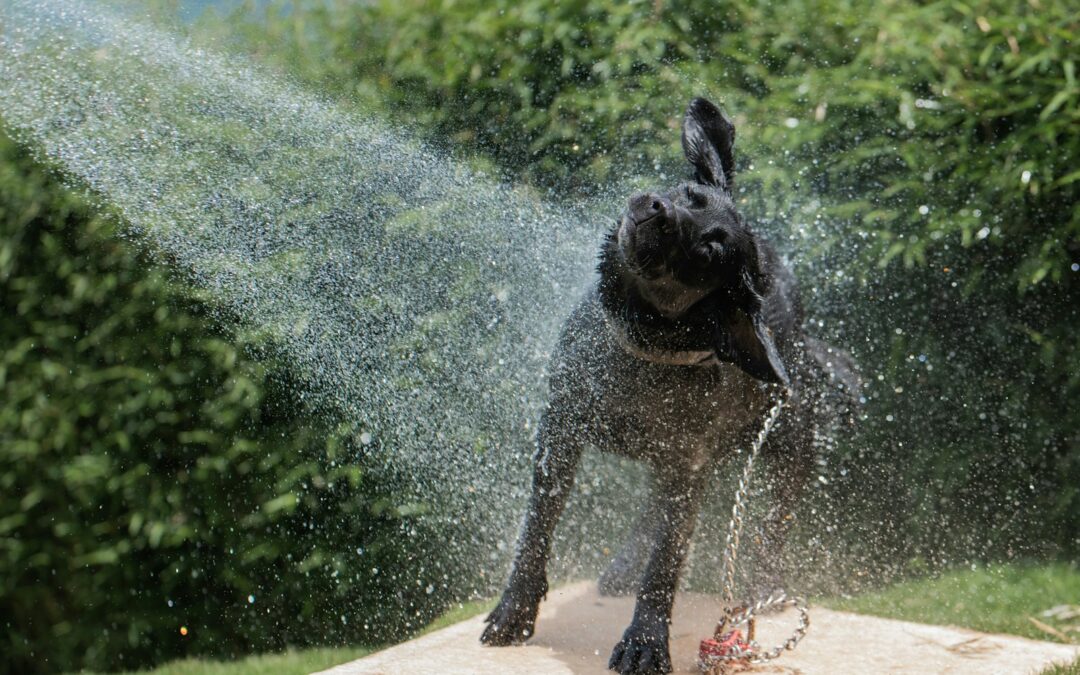
Pet Heatstroke in the UK: Signs, First Aid & Prevention

Pet Heatstroke in the UK: Signs, First Aid & Prevention

Quick Answer

Pet heatstroke happens when a dog or cat’s body temperature climbs above 39.5°C (103°F) and they can’t cool down fast enough, most often after exercise in warm weather, being left in a car, or restricted airflow in flat-faced breeds. It’s a genuine medical emergency: start cooling immediately with cool (not ice-cold) water, and get to a vet straight away even if your pet seems to recover, since internal damage can continue after outward symptoms ease.

Key Takeaways

  • Heatstroke can set in within minutes, especially in cars, and is frequently fatal without fast action.
  • Watch for heavy panting, drooling, wobbly legs, vomiting, bright red or purple gums, and collapse.
  • Cool with room-temperature or cool water poured over the body, focusing on the neck, armpits and groin — avoid ice-cold water, which can restrict blood flow and make cooling less effective.
  • Always see a vet after a suspected heatstroke episode, even if your pet appears to recover, as organ damage may not be immediately obvious.
  • Flat-faced (brachycephalic) breeds, elderly pets, overweight animals and those with thick coats are at much higher risk.
  • Never leave a dog in a parked car, even with windows cracked or parked in shade — UK car interiors can exceed 40°C within minutes on a mild day.

Why Trust This Guide?

This guide is researched and written by the Pets Store Home editorial team, drawing on published first-aid protocols and welfare guidance from established UK veterinary and animal welfare organisations, including the RSPCA, PDSA and Blue Cross. We focus on UK-specific context — climate, common breeds and typical summer risks — and review and update this content as guidance changes. This article is provided for general information and isn’t a substitute for veterinary advice; always contact a vet or emergency vet service if you suspect heatstroke.

Why UK Summers Catch Pet Owners Out

The UK doesn’t have a hot climate year-round, which is exactly why heatstroke catches so many pet owners off guard during a heatwave. Pets, especially dogs, can’t cool themselves down as efficiently as humans — they rely mainly on panting rather than sweating — so temperatures that feel manageable to us can be dangerous for them, especially in a car, a conservatory, greenhouse, or on a midday walk. This guide follows current guidance from the RSPCA and PDSA on recognising and responding to heat-related illness in pets.

Normal Temperature vs. Heatstroke: What’s Actually Happening

A dog’s normal body temperature sits between about 38.3–39.2°C (101–102.5°F). Once it climbs above roughly 39.5°C (103°F), a dog is entering heat stress; above 40°C (104°F) is considered a danger zone, and by 41°C (106°F) heatstroke is severe and potentially fatal — a rise of just a few degrees is the difference between discomfort and a life-threatening emergency. This is why heatstroke is treated as a genuine veterinary emergency rather than something to simply wait out at home.

Vets often describe a progression: heat stress (mild, resolves quickly with rest and water), heat exhaustion (more pronounced panting, weakness, but the pet is still responsive), and heatstroke (the body’s cooling mechanisms fail entirely, risking organ damage, seizures, and collapse). The earlier you intervene, the more likely a pet stays in the first stage rather than progressing to the last.

Signs of Heatstroke in Dogs and Cats

Watch for:

  • Excessive or heavy panting
  • Drooling that’s thicker or stickier than usual
  • Confusion, disorientation, or a glazed look
  • Vomiting or diarrhoea
  • Muscle spasms or shivering despite the heat
  • Breathing that’s noisier or faster than normal
  • Red or unusually pale gums and tongue
  • Weakness, wobbliness, or collapse

Cats show heatstroke less obviously than dogs, but the same core signs apply, along with agitation, unusual lethargy, or hiding away. Any of these signs during hot weather warrants immediate action, not a wait-and-see approach.

First Aid: Cool First, Transport Second

If you suspect heatstroke, the priority is to start cooling your pet down immediately, before you even think about getting to the vet. Move them to shade or somewhere cool, and pour or douse cool tap water (not ice-cold water) over their body — water at around 15–16°C works well. Avoid ice baths, ice packs, or iced water, as these can be counterproductive: they can cause blood vessels near the skin to constrict, trapping heat inside the body instead of releasing it.

Let your pet drink small amounts of cool water if they want to, and call your vet straight away to let them know you’re on your way, continuing to cool your pet as you travel. Heatstroke is a genuine emergency — always get a vet to check your pet even if they seem to recover once cooled, since internal damage (including kidney injury and clotting problems) can develop hours after the initial symptoms ease.

What Happens at the Vet

Once you arrive, a vet will typically continue active cooling in a controlled way, take a core temperature reading, and run bloodwork to check for early signs of organ stress, dehydration, or clotting problems, which are the main risks after a heatstroke episode. Pets with more severe cases are often kept in for intravenous fluids and monitoring for 24–48 hours, since some of the most serious complications don’t show up until a day or two later. This is exactly why a vet check is worth it even if your pet seems to bounce back quickly at home.

Preventing Heatstroke in the First Place

A few habits make the biggest difference:

  • Walk dogs early in the morning or in the evening rather than during the hottest part of the day
  • Check pavement temperature with the back of your hand — if it’s too hot for you to hold for five seconds, it’s too hot for paws
  • Always provide shade and fresh, cool water, indoors and out
  • Never leave a pet in a car, conservatory, greenhouse, or caravan, even briefly and even with a window cracked open
  • Take extra care with flat-faced (brachycephalic) breeds like pugs, bulldogs, and Boston terriers, thick-coated breeds, very young or elderly pets, overweight pets, and any pet with an existing heart or respiratory condition

On the car point specifically: even on a mild-looking day, the inside of a parked car can climb by 10°C or more within just 10–15 minutes, so “just a couple of minutes” is never actually safe.

Don’t Forget Rabbits, Guinea Pigs, and Other Small Pets

Heatstroke advice tends to focus on dogs, but rabbits and guinea pigs are just as vulnerable, particularly if they’re kept in an outdoor hutch. Make sure hutches and runs are somewhere shaded — and remember that shade moves with the sun through the day, so a spot that’s shaded in the morning may be in full sun by the afternoon. Never house rabbits or guinea pigs in a greenhouse or conservatory. A simple trick many UK owners use is to freeze a plastic bottle of water, wrap it in a towel, and leave it in the enclosure so the animal can lie against it to cool down.

If you suspect a rabbit or guinea pig has heatstroke, move them to a cool, shaded spot, wrap them in a cool, damp towel (not ice-cold), and call your vet immediately — heatstroke in small pets can progress very quickly.

Heatstroke in Cats: A Closer Look

Cats are often left out of heatstroke advice because they’re generally better than dogs at avoiding heat — they seek shade instinctively and are less likely to be dragged out for a midday walk. But indoor cats, especially those without easy access to a cool room, a flat with a hot conservatory, or a cat carrier left in a warm car or on a train platform, are still at real risk.

Cats tend to hide signs of illness rather than show obvious distress, so heatstroke in cats can be easy to miss until it’s advanced. Beyond the general signs already covered, watch for a cat that’s unusually still and unresponsive, stretched out flat in an attempt to lose heat, or breathing through an open mouth — open-mouth breathing is normal for an overheated dog but is a much more worrying sign in a cat, since cats don’t pant as a first response the way dogs do.

Exercise and Exertional Heatstroke

Not all heatstroke happens because a dog was left somewhere hot — a lot of cases develop during exercise, even in dogs that are otherwise fit and healthy. A game of fetch, an agility session, or a longer run on a warm, humid morning can push a dog’s temperature into the danger zone faster than owners expect, particularly if the dog is motivated to keep going and doesn’t self-regulate.

Working and sporting breeds are especially prone to this because they’re bred to keep pushing through discomfort. If you’re exercising a dog in warm weather, build in regular breaks in shade, offer water often rather than waiting until the end, and watch for early signs of slowing down, seeking shade unprompted, or reluctance to continue — these are the moments to stop, not power through.

Why Humidity Makes Heat More Dangerous

Temperature alone doesn’t tell the whole story. Dogs cool down mainly by panting, which relies on evaporation — moisture leaving the tongue and airways carries heat away with it. In humid air, that evaporation slows down dramatically, because the surrounding air is already close to saturated with moisture and can’t absorb much more.

This is why a warm, muggy day with high humidity can be more dangerous for a dog than a hotter but drier day. If you’re checking a weather forecast before a walk, it’s worth glancing at the humidity percentage alongside the temperature, not just the temperature on its own.

Recovery and Aftercare at Home

Once your vet is satisfied your pet is stable and safe to go home, recovery isn’t necessarily over. Follow any specific instructions from your vet, but general aftercare usually includes rest for several days, easy access to water, a cool environment, and a noticeably reduced exercise routine while the body recovers.

Keep an eye out for reduced appetite, lethargy that doesn’t improve, unusual urination (more, less, or a different colour than normal), or vomiting in the days after a heatstroke episode — these can be signs of the delayed organ complications mentioned earlier, and are worth a follow-up call to your vet rather than waiting to see if they pass on their own.

Breed-by-Breed Risk: A Closer Look

Some risk factors are well known, but it’s worth understanding why they matter:

  • Flat-faced (brachycephalic) breeds — pugs, bulldogs, French bulldogs, Boston terriers, and Persian cats have shortened airways that make panting, their main cooling method, far less effective.
  • Thick-coated and double-coated breeds — huskies, malamutes, and Bernese mountain dogs are built to retain heat, which is a disadvantage once the temperature climbs.
  • Giant breeds — larger dogs generate more body heat relative to their surface area, making it harder for them to dump that heat quickly.
  • Dark-coated animals — darker fur and skin absorb more heat from direct sunlight than lighter colouring.
  • Very young, elderly, overweight pets, or those with heart or respiratory conditions — all have reduced capacity to regulate temperature efficiently, for different underlying reasons.

None of this means these pets can’t enjoy summer — it just means their owners need a slightly lower threshold for caution than owners of, say, a lean, short-coated, middle-aged dog.

Common Heatstroke Myths, Debunked

“It only happens in cars.” Cars are a well-known danger, but plenty of heatstroke cases happen on ordinary walks, in gardens without shade, or during exercise — the car is just the most publicised scenario, not the only one.

“Shaving a thick-coated dog keeps them cooler.” Not necessarily. A dog’s coat can help regulate temperature and protect against sunburn; shaving it doesn’t always help and can sometimes do more harm than good. If you’re considering it, a groomer or vet familiar with your dog’s coat type is a better source of advice than a general assumption.

“My dog will stop on their own before it’s dangerous.” Some dogs, especially working and sporting breeds, will keep going well past the point where they should stop, because drive and instinct can override the signals that would normally make them rest.

“Only old or unhealthy pets are at risk.” Age and health both matter, but fit, young, healthy pets can and do get heatstroke, particularly during exercise or if left somewhere hot even briefly.

Travelling and Days Out Safely in Hot Weather

Heatstroke risk doesn’t stop once you’re out of the car. On a hot day out — a beach trip, a country show, a festival, or a long train journey — plan for shade and water at every stage, not just at the destination. Carry a collapsible water bowl, check whether your destination genuinely has shaded areas rather than assuming it will, and avoid busy midday hours if the itinerary is flexible.

For train and public transport travel, carriages and platforms can get surprisingly warm, and pets in carriers have less ability to move to a cooler spot than pets on a lead. Where possible, travel outside of peak heat hours, and never leave a pet in a stationary vehicle or unattended luggage area, even for what feels like a quick errand.

Hydration and Electrolytes: What Actually Helps

Fresh, cool water is the main thing that matters — most pets don’t need anything more elaborate than that on a hot day. Some owners ask about electrolyte solutions or sports drinks made for humans; these aren’t generally recommended for pets, since they’re formulated for human physiology and can contain sugar or additives that aren’t appropriate. If your vet recommends an oral rehydration solution as part of recovery from heat-related illness, they’ll typically suggest a pet-specific product rather than something from a human sports aisle.

What helps more in practice is making water genuinely easy to access: multiple bowls around the house and garden, a bowl that’s topped up rather than left low, and for cats in particular, a bowl kept away from food (many cats prefer this) and refreshed often, since some cats drink more readily from moving or very fresh water.

Special Considerations for Puppies and Senior Pets

Puppies and senior pets sit at opposite ends of the age range but share a similar vulnerability: their bodies are less able to regulate temperature efficiently than a fit adult pet. Puppies have less developed thermoregulation and often haven’t yet learned to pace themselves during play, while senior pets frequently have some degree of reduced heart or lung function, even if it hasn’t been formally diagnosed, which limits how well they can cope with heat stress.

For both groups, the practical advice is the same: shorter, more frequent outings rather than one long walk, closer supervision during play or exercise in warm weather, and a lower threshold for calling it a day at the first sign of tiredness, heavy panting, or reluctance to keep moving.

FAQ: Pet Heatstroke in the UK

Should I use ice or ice-cold water to cool my pet down?
No. Ice baths and ice-cold water can constrict blood vessels near the skin and trap heat inside, making cooling less effective. Cool tap water (around 15–16°C), poured or doused over the body, works better and is safer.

What’s the difference between heat exhaustion and heatstroke?
Heat exhaustion means a pet is overheated but still responsive — heavy panting, weakness, but alert. Heatstroke is more severe: body temperature climbs into the danger zone (above roughly 40°C/104°F), and the body’s cooling mechanisms start to fail, risking organ damage and collapse. Heatstroke always needs emergency vet care.

Do I still need to see a vet if my pet seems fine after cooling down?
Yes. Heatstroke can cause internal damage, including kidney and clotting problems, that isn’t obvious once the initial symptoms ease and can take a day or two to appear, so it’s always worth having a vet check your pet after a suspected episode.

Which pets are most at risk of heatstroke?
Flat-faced breeds, thick-coated breeds, very young or elderly pets, overweight pets, and pets with existing heart or breathing conditions are all at higher risk, even in moderate UK summer temperatures. Rabbits and guinea pigs in outdoor hutches are also at real risk and are often overlooked.

Can rabbits get heatstroke?
Yes, and it can progress quickly. Keep hutches shaded (shade moves through the day, so check more than once), never house rabbits in a greenhouse or conservatory, and provide a frozen water bottle wrapped in a towel for them to lie against on hot days.

How hot does it need to be for a car to become dangerous for a pet?
Even on a mild day, the inside of a parked car can climb by 10°C or more within 10–15 minutes, so pets should never be left in a car, even briefly or with a window cracked open.


What Is Lucy’s Law? UK Puppy and Kitten Sales Explained

Quick Answer

Lucy’s Law is a UK ban, introduced in England on 6 April 2020 (with similar restrictions since introduced in Scotland and Wales), on the commercial third-party sale of puppies and kittens. It means anyone getting a new puppy or kitten must deal directly with the breeder or a registered rescue centre, not a pet shop, online dealer, or other middleman — unless they were personally involved in breeding the animal.

Key Takeaways

  • Lucy’s Law bans licensed sellers from selling puppies or kittens they didn’t breed themselves.
  • It came into force in England on 6 April 2020; Wales and Scotland have introduced similar restrictions since.
  • Buyers should always see the puppy or kitten interacting with its mother at the place it was born.
  • Breaching Lucy’s Law can lead to unlimited fines and a ban from keeping or selling animals.
  • The law doesn’t apply to rescue centres rehoming animals, or to private individuals selling animals they bred themselves.
  • Red flags include sellers offering to meet away from home, multiple litters or breeds for sale at once, or refusing to show the mother.

Why Trust This Guide?

This guide is researched and written by the Pets Store Home editorial team, drawing on UK government legislation (the Animal Welfare (Licensing of Activities Involving Animals) (England) Regulations 2018), published DEFRA guidance, and background from established welfare campaigns including RSPCA resources and the Pup Aid campaign that helped bring the law about. We review and update this content as the law and enforcement guidance evolve. This article is provided for general information and isn’t a substitute for legal advice.

What Is Lucy’s Law?

Lucy’s Law is UK legislation that bans the commercial third-party sale of puppies and kittens under six months old. In practice, this means anyone getting a young puppy or kitten must deal directly with the breeder, or with a registered rehoming centre or animal shelter — not a pet shop, online dealer, or other third-party seller acting as a middleman.

The law is named after Lucy, a Cavalier King Charles Spaniel rescued from a puppy farm in Wales, where she had been kept in poor conditions and used repeatedly for breeding.

When Did Lucy’s Law Come Into Force?

Lucy’s Law came into force in England on 6 April 2020. Scotland and Wales introduced their own equivalent third-party sales bans in 2021. Northern Ireland has been working toward its own version of the law, so if you’re buying a puppy or kitten there, it’s worth checking the current local rules before you go ahead, since the position may differ from the rest of the UK.

What This Means If You’re Buying a Puppy or Kitten

If you’re getting a puppy or kitten under six months old in England, Scotland, or Wales, you should be dealing directly with either the person who bred the animal or a licensed rescue/rehoming organisation — never a third-party seller or shop with no connection to the breeding. A responsible breeder should also be able and willing to show you the puppy or kitten together with its mother, in the place where it was actually born and raised.

If a seller can’t or won’t do this, or seems to be acting as a middleman for someone else’s litter, that’s a red flag for a puppy farm or unlicensed breeding operation — exactly the kind of set-up Lucy’s Law was designed to shut down.

Penalties for Breaking Lucy’s Law

Selling puppies or kittens as a prohibited third party is a criminal offence. Sellers who break the law can face an unlimited fine, up to six months in prison, or both, along with the usual animal welfare and trading standards consequences that come with running an unlicensed breeding operation.

Lucy’s Story: Why This Law Exists

Lucy was a Cavalier King Charles Spaniel bred on a puppy farm in Wales, kept purely as a breeding machine and repeatedly mated until her body gave out. By the time she was rescued in 2013, she had a fused spine, severe arthritis, scarring from being kept in cramped conditions, and was partially blind. She never fully recovered physically, but her rescue and the visible extent of what she’d been through became the catalyst for a campaign that would eventually change UK law.

Her story was championed by vet Marc Abraham, who had already spent years campaigning against puppy farming through his organisation Pup Aid after seeing puppies arrive at his Brighton surgery with parvovirus and other conditions linked to poor breeding and dealing practices. What started as grassroots campaigning by Pup Aid and allied welfare groups eventually built enough public and political pressure to result in a change in the law — named, fittingly, after Lucy herself.

The Puppy Farm Problem Lucy’s Law Was Designed to Stop

Puppy farms — sometimes called licensed or unlicensed high-volume breeding operations — typically keep breeding females in poor conditions, mate them repeatedly with little recovery time between litters, and separate puppies from their mothers far earlier than is healthy, all to maximise output. The puppies produced this way often miss crucial early socialisation, may carry undiagnosed genetic or infectious health problems, and can develop behavioural issues later in life as a result of their start.

Before Lucy’s Law, these puppies could be sold on through third-party dealers and pet shops with no requirement for the buyer to ever see where or how the puppy was actually bred. That gap is exactly what allowed puppy farming to remain profitable — buyers had no easy way to trace a puppy back to poor breeding conditions, because the sale happened through an intermediary rather than directly with the breeder.

How Licensed Breeding Works in the UK Today

Breeders in England who breed a certain number of litters a year (or who breed dogs as a business) are required to hold a licence from their local council under the Animal Welfare (Licensing of Activities Involving Animals) Regulations 2018. Licensed breeders are inspected and given a star rating from one to five, based on their welfare standards and compliance history — a higher star rating reflects higher standards, such as better staff-to-animal ratios, more enrichment, and stronger evidence of good practice, rather than just meeting the legal minimum.

This licensing system runs alongside Lucy’s Law rather than replacing it: Lucy’s Law controls who can sell a puppy or kitten (only the breeder or a rescue, not a third party), while the licensing regulations control the standards a breeder has to meet if they’re breeding at scale. Asking to see a breeder’s licence and star rating, where one is required, is a reasonable and normal question for any buyer to ask.

Step-by-Step: How to Research a Breeder Before You Buy

A responsible search generally follows a similar pattern, regardless of breed:

  • Contact multiple breeders rather than committing to the first one you find, and be wary of anyone with puppies or kittens of several different breeds available at once.
  • Ask to visit where the animal was actually born and raised, and be suspicious of any breeder who insists on meeting you somewhere else, such as a car park, service station, or your own home.
  • Ask to see the mother interacting with the litter, and check that she appears to be in good health and condition, not noticeably underweight, distressed, or absent.
  • Ask about health testing relevant to the breed (many breeds have known hereditary conditions with established screening tests) and request to see documentation, not just a verbal assurance.
  • Ask about vaccination status, microchipping, and any veterinary treatment the litter has already had, and expect this to be backed up with paperwork.
  • Take your time. A responsible breeder will usually welcome questions and a second visit; pressure to decide quickly or pay a deposit immediately is a warning sign, not a sign of high demand.

Red Flags to Watch For

Beyond the core rule of dealing directly with the breeder or a rescue, a few patterns tend to show up again and again in cases that turn out to involve illegal third-party dealing or poor breeding conditions: multiple litters or breeds advertised by the same seller, puppies described as “ready to go now” with no mention of the mother, reluctance or excuses about visiting where the animal was bred, unusually low prices for a breed that’s normally expensive, and sellers who want to meet in a neutral public location rather than at the breeding premises.

None of these signs alone proves wrongdoing, but several appearing together is a strong reason to walk away and look elsewhere, however appealing the puppy or kitten in the photos might be.

Buying a Puppy or Kitten Online and on Social Media

Lucy’s Law applies just as much to an online advert as it does to a shop front — the seller still has to be the breeder, not a reseller, regardless of whether the advert appeared on a classifieds site, a Facebook group, or a breed-specific forum. The Pet Advertising Advisory Group (PAAG), a coalition of welfare organisations and advertising platforms, publishes minimum standards that reputable classified sites are expected to follow, such as requiring the animal’s age to be stated and discouraging adverts that don’t show the animal with its mother.

If an online advert doesn’t show the mother, is vague about where the litter was bred, or the seller becomes evasive when you ask to visit in person, treat it the same way you would an in-person red flag — the medium has changed, but the underlying risks of third-party dealing haven’t.

Getting a Puppy or Kitten From Rescue Instead

Rescue and rehoming organisations remain a fully compliant, often overlooked route to getting a young puppy or kitten, and many have litters born to rescued or stray mothers taken in during pregnancy. Reputable rescues will usually carry out a home check, ask about your circumstances and experience, and be transparent about anything known about the animal’s health or background — all signs of the same kind of accountability that Lucy’s Law is designed to protect in the commercial breeding world.

If you’re open to either a puppy/kitten or an adult animal, rescue centres are also worth considering more broadly, since adult dogs and cats are often overlooked despite frequently being calmer, already house-trained, and easier to assess for temperament than a very young animal.

Related Legislation Worth Knowing

Lucy’s Law doesn’t exist in isolation — it sits alongside other UK animal welfare rules that responsible buyers and owners should be aware of. Dogs in England have needed to be microchipped and registered on a database since 2016. Cats in England became subject to a similar compulsory microchipping requirement from 10 June 2024, with owners required to have a cat microchipped by 20 weeks old or face a fine. The Animal Welfare Act 2006 sets out the broader legal duty of care owners have toward any animal, covering everything from diet and environment to protection from pain and disease.

Together, these laws form a wider framework aimed at traceability and welfare — Lucy’s Law addresses who you can buy from, microchipping addresses being able to trace an animal back to its registered owner, and the Animal Welfare Act sets the baseline standard of care every pet is legally entitled to.

What to Do If You Suspect a Breach of Lucy’s Law

If you come across a seller who appears to be acting as a prohibited third party — for example, advertising puppies or kittens from several different litters or breeds, or refusing to let you see the mother — you can report it to your local council’s trading standards or animal licensing team, since local authorities are responsible for enforcement. The RSPCA (or the SSPCA in Scotland) can also take reports of suspected animal welfare breaches and may investigate alongside or independently of the local authority.

Useful evidence to note down, where safely possible, includes the advert text and screenshots, the seller’s contact details or username, the location given for viewing the animal, and any inconsistencies you noticed, such as the mother not being present or multiple breeds being offered by the same seller.

Does Lucy’s Law Cover Other Pets, Like Rabbits or Birds?

No — Lucy’s Law specifically covers puppies and kittens under six months old. It doesn’t extend to rabbits, guinea pigs, birds, reptiles, or other commonly kept pets, which fall under different (and generally less strict) rules around commercial selling. If you’re buying any pet, the same underlying principles — seeing where and how it was bred or kept, asking questions, and being wary of sellers who resist scrutiny — are still good practice even where the law doesn’t explicitly require it.

The Bigger Picture: Has Lucy’s Law Worked?

Lucy’s Law has clearly closed off the domestic third-party dealing route that puppy farms relied on for years, and it’s widely regarded as a genuine step forward for welfare. But it hasn’t eliminated the underlying demand that puppy farming was built on, and researchers have flagged a related problem: illegal puppy importation. Studies looking at puppies sold with a passport (typically an indicator the animal was brought in from abroad) found the numbers rising in the years after Lucy’s Law came into force, including a growing share of underage puppies imported below the legal minimum age, sometimes with falsified paperwork.

In other words, closing one route can push some of the same problem into a different one. It’s a good reason for buyers to stay just as cautious about a puppy’s documented age, origin, and paperwork as about who’s technically doing the selling — a passport and vaccination record are worth checking carefully, not just glancing at.

Be Prepared to Wait: Buying the Right Way Takes Longer

One side effect of doing things properly is that it’s often slower than the alternative. Responsible breeders frequently have waiting lists, may only produce one or two litters a year, and won’t rush a match between puppy and owner just to make a sale. It’s common to register interest months before a litter is even born, especially for popular breeds, and a genuinely responsible breeder may ask you just as many questions about your home and lifestyle as you ask them about the puppy.

This is worth planning for emotionally as much as logistically — the convenience of a puppy “ready to go now” from an unfamiliar seller is exactly the kind of shortcut that Lucy’s Law exists to make you think twice about.

What Enforcement Actually Looks Like

When a local authority or the RSPCA investigates a suspected breach, it typically involves gathering evidence such as advert records, communications with the seller, and where possible, an inspection of the premises where animals are being kept or sold. Because proving someone is acting as a prohibited third party (rather than, say, a legitimate breeder occasionally rehoming a litter) can require establishing a pattern of behaviour, a single report is valuable but investigations often build on multiple reports or ongoing monitoring of a seller.

This is part of why documenting what you see — adverts, seller details, locations mentioned — matters even if you personally decide not to buy from a seller you’re suspicious of. Your report may be the piece that helps build a case against a repeat offender.

FAQ: Lucy’s Law

Does Lucy’s Law apply to older dogs and cats?
No. It specifically covers puppies and kittens under six months old. Older animals aren’t covered by the same third-party sales ban.

Can I still buy a puppy from a rescue centre?
Yes. Lucy’s Law targets commercial third-party dealers, not registered rescue and rehoming organisations, which remain a recommended route to getting a puppy or kitten.

How do I know if a breeder is legitimate?
Ask to see the puppy or kitten with its mother in the place it was born and raised, ask for health records and any relevant breed testing, and be wary of sellers who offer to meet you somewhere other than where the animal was bred.

Is Lucy’s Law the same across the whole UK?
Not exactly. England, Scotland, and Wales each have their own version of the ban, introduced at slightly different times, and Northern Ireland’s position has continued to develop separately — so it’s worth checking current local rules if you’re unsure.

Does Lucy’s Law apply to rabbits, birds, or other small pets?
No. It specifically covers puppies and kittens under six months old. Other pets are covered by different, generally less strict, rules.

Why do responsible breeders often have waiting lists?
Because they breed fewer litters, prioritise the mother’s health and recovery time between litters, and take time matching puppies to suitable homes rather than selling on demand.

The Most Popular Pets in the UK (Top 10, With Data)

Quick Answer

Dogs are the UK’s most popular pet, with around 11.1 million kept in UK households, closely followed by cats at roughly 10.5 million. Together, more than half (54%) of UK households own at least one pet, with indoor birds, fish, guinea pigs and rabbits rounding out the country’s most commonly kept animals.

Key Takeaways

  • Dogs (11.1 million) and cats (10.5 million) are by far the UK’s most popular pets, together found in the majority of pet-owning homes.
  • 54% of UK households own a pet of some kind.
  • Rabbit ownership has been gradually declining as awareness grows of their complex welfare needs.
  • Costs vary hugely by pet type, from under £20 a month for small rodents to several thousand pounds a year for horses.
  • Population figures come from large-scale surveys, such as PDSA’s PAW Report, rather than a national registry, so numbers are estimates.
  • “Petflation” is a growing pressure, with 22% of UK owners saying pet costs have turned out higher than expected.

Why Trust This Guide?

This guide is researched and written by the Pets Store Home editorial team, drawing primarily on PDSA’s Animal Wellbeing (PAW) Report, Kennel Club registration data, and published UK pet-cost surveys. We cross-check figures across sources where possible and review this content regularly as new survey data becomes available. Because most pet population figures in the UK are survey-based estimates rather than a full census, we note where numbers carry a wider margin of error.

More than half of UK households (54%) own a pet, according to PDSA’s Animal Wellbeing (PAW) Report, one of the largest annual surveys of pet ownership in the country. Here’s how the most commonly kept pets in the UK stack up, based on PDSA’s population estimates.

1. Dogs — around 11.1 million

Dogs are the UK’s most popular pet by population, with numbers at a record high of around 11.1 million. Dog ownership has grown steadily in recent years, partly driven by more people working from home.

Most dogs live somewhere between 10 and 13 years depending on breed and size, with smaller breeds typically living longer than large ones. Annual costs vary hugely too: a small dog can cost owners around £1,500–£2,000 a year in food, insurance and routine vet care, while a large or giant breed can push £2,500–£3,500 or more once you factor in bigger food bills and a higher chance of joint or breed-specific health issues. The French Bulldog, Labrador Retriever and Cocker Spaniel remain among the UK’s most registered breeds with the Kennel Club, though brachycephalic breeds like the Frenchie carry well-documented health risks that vets and welfare charities increasingly urge prospective owners to research before buying.

2. Cats — around 10.5 million

Cats come a close second, with a fairly steady population of around 10.5 million. Cats remain popular with owners who want companionship without the same level of daily walking commitment as a dog.

Cats are considerably cheaper to keep than dogs, with a modest but realistic budget working out at around £480–£700 a year, and they can live well into their mid-to-late teens with good care. Whether to keep a cat strictly indoors or allow outdoor access is a genuinely debated question among UK owners: outdoor cats face risks from traffic and disease, while indoor-only cats need more deliberate enrichment to stay mentally stimulated. Neutering remains a major welfare focus for UK cat charities, since an unneutered cat population contributes heavily to the number of strays and rescue admissions each year.

3. Indoor birds — around 1.4 million

Around 2.7% of UK households keep an indoor bird as a pet, putting the estimated population at roughly 1.4 million — making birds the most popular pet after cats and dogs.

The indoor bird category spans everything from budgerigars and canaries, which are relatively low-maintenance and cost little to keep, through to larger parrots that can live 20 to 80 years and have complex social and enrichment needs that many owners underestimate. Noise, mess and the sheer time commitment of a long-lived, intelligent parrot are common reasons rescue centres cite for birds being rehomed. Finding a vet with genuine avian expertise can also be harder outside major UK cities, which is worth checking before taking one on.

4. Ornamental fish — kept by around a fifth of households

Fish are harder to count individually, but ownership is widespread: around 21% of UK households have an indoor fish tank and 13% have an outdoor pond, making fish-keeping one of the most common pet hobbies even though exact population figures vary by source.

Fish are often seen as the cheapest pet to start with, and the fish themselves usually are inexpensive, but the ongoing running costs of a tank — filtration, heating for tropical species, lighting and electricity — add up over time and are frequently underestimated by first-time owners. A coldwater goldfish setup is generally more forgiving and affordable than a tropical tank, but both need the tank properly cycled before fish are introduced, and overstocking a new tank remains one of the most common beginner mistakes in the hobby.

5. Guinea pigs — around 700,000

Guinea pigs are kept in around 1.2% of UK households, putting their estimated population at roughly 700,000. They’re popular as a first small pet, especially for families with children.

Guinea pigs are social animals that do best kept in same-sex pairs or small groups rather than alone, and UK welfare guidance is increasingly clear on this point. They need a constant supply of hay, a diet supplemented with vitamin C since they can’t produce it themselves, and enough space to move around properly rather than a small hutch. Keeping a pair typically costs somewhere between £20 and £40 a month for food, bedding and routine care, and they tend to live four to eight years, making them a popular first “own pet” for children under adult supervision.

6. Tortoises and turtles — around 700,000

An estimated 1.6% of households keep a tortoise or turtle, giving a population of around 700,000. Tortoises in particular are known for very long lifespans, sometimes outliving their owners.

Tortoises are one of the biggest long-term commitments on this list: many species can live 50 years or more with good care, meaning a tortoise bought for a child could realistically outlive its original owner’s time at home. In the UK’s climate, keeping one well means investing in proper indoor housing with UV lighting and heating for most of the year, alongside outdoor access when weather allows. Interest in reptile-keeping has grown steadily over the past decade, and species-specific care advice matters a great deal here, since needs vary widely between a small Mediterranean tortoise and a large aquatic turtle.

7. Horses and ponies — around 600,000

Horses and ponies remain a significant part of UK pet ownership, with an estimated 600,000 kept across the country, from smallholdings to riding livery yards.

Horses and ponies sit in a different cost bracket entirely to every other pet on this list. Between livery fees, feed, farriery, vaccinations, insurance and equipment, owning a horse in the UK commonly runs into several thousand pounds a year, before accounting for land or stabling if you’re not using a livery yard. The UK’s equestrian culture remains strong, supported by riding schools, Pony Club branches and a well-established competition and leisure riding scene, but prospective owners are generally advised to gain riding and handling experience through lessons or loan arrangements before committing to ownership.

8. Snakes — around 600,000

Pet snakes are kept in around 1.3% of households, putting the population at roughly 600,000 — reptile keeping has grown steadily as a hobby over the past decade.

Snake-keeping has grown steadily in the UK as part of a broader rise in reptile ownership, with corn snakes and royal (ball) pythons among the most popular starter species thanks to their manageable size and generally calm temperament. Most commonly kept pet snakes aren’t subject to special licensing in the UK, though a small number of larger or venomous species fall under the Dangerous Wild Animals Act and require a specific licence. As with tortoises, correct heating, humidity and enclosure size are essential to welfare, and finding a vet experienced with reptiles is worth doing before, not after, a health problem comes up.

9. Hamsters — around 600,000

Hamsters are kept in around 1.5% of households, an estimated population of 600,000. They remain a popular starter pet thanks to their small size and low space requirements.

Hamsters are inexpensive to keep and popular as a child’s first pet, but they’re short-lived, typically only two to three years, and nocturnal, which can make them a frustrating choice for children who want to interact during the day. Syrian hamsters must be housed alone as adults, since they’re solitary and will fight if kept together, while some dwarf species can sometimes be kept in compatible pairs. UK welfare guidance has shifted in recent years toward recommending much larger cage sizes than were traditionally sold as “hamster cages,” reflecting a better understanding of how much space they need to exhibit natural behaviours.

10. Rabbits — around 500,000–700,000 (declining)

Rabbits are kept in roughly 1.1% of UK households. PDSA’s data has shown a gradual decline in rabbit ownership over recent years, even though rabbits remain a well-known pet choice for families.

Rabbit ownership has been gradually declining in the UK, and welfare charities including the RSPCA and PDSA point to growing awareness that rabbits have far more complex needs than the traditional image of a child’s hutch pet in the garden. Rabbits are highly social and, ideally, should be kept in neutered pairs rather than alone, need much more space than a standard hutch provides, and require vaccination against myxomatosis and rabbit viral haemorrhagic disease (RVHD), both of which are serious and common in the UK. Properly kept, a rabbit typically costs in the region of £420 a year and can live 8 to 12 years, considerably longer than many owners expect going in.

Population estimates are drawn from the PDSA Animal Wellbeing (PAW) Report, an annual survey of UK pet owners. Figures are estimates based on survey sampling, not a full census, so exact numbers vary slightly between sources and years.

The Rising Cost of Pet Ownership Is Reshaping the UK Market

“Petflation” has become a real pressure point for UK households: PDSA’s first Pet Health Inequality Report, published in 2026, found that over one in five UK pet owners (22%) say keeping a pet has turned out more expensive than they expected, driven by rising vet fees, food costs and insurance premiums. At the same time, spending on pet technology — smart feeders, GPS trackers and pet cameras — has grown around 34% year-on-year, with the UK pet tech market now estimated at roughly £420 million. Together, these trends point to a market that’s simultaneously getting more expensive at the essentials end and more sophisticated at the discretionary end, which can leave lower-income pet-owning households squeezed from both directions.

Choosing the Right Pet for Your Lifestyle and Budget

The most popular pets in the UK aren’t necessarily the right fit for every household, and matching a pet to your actual living situation matters more than picking whatever’s trending. Dogs need daily exercise, companionship and a realistic ten-plus year commitment; cats suit people who want affectionate company without the same exercise demands; small mammals like guinea pigs and hamsters can work well as a lower-cost introduction to pet care, provided their specific social and space needs are respected rather than assumed; and long-lived animals like tortoises and parrots deserve serious thought about who will care for them decades from now. Before bringing any animal home, it’s worth checking the RSPCA, PDSA or Blue Cross websites for species-specific welfare guidance, and being honest about the time, space and ongoing budget you can commit for the animal’s full lifespan, not just the first year.

How These Population Figures Are Actually Counted

Unlike some countries, the UK doesn’t require national registration for most pets, so there’s no single official headcount the way there is for, say, registered vehicles. Instead, figures like the ones used in this article are built from large-scale household surveys — most notably PDSA’s annual Animal Wellbeing (PAW) Report, which surveys thousands of UK pet owners and vet professionals each year and is widely treated as the most reliable ongoing source for pet population estimates. Because these are survey-based estimates rather than a full census, figures for smaller pet categories in particular (birds, reptiles, small mammals) carry a wider margin of error than the headline dog and cat numbers, and different organisations occasionally publish slightly different totals depending on their methodology and survey year.

Popular Dog and Cat Breeds in the UK Right Now

Within the UK’s 11.1 million dogs, Kennel Club registration data consistently places the French Bulldog, Labrador Retriever, Cocker Spaniel and Cockapoo among the most popular breeds and crossbreeds, alongside a continued rise in “designer” crossbreeds bred for low-shedding coats and family-friendly temperaments. On the cat side, moggies (non-pedigree cats) make up the large majority of the UK’s pet cat population, with pedigree breeds such as the British Shorthair, Ragdoll and Maine Coon accounting for a much smaller but growing share, often commanding higher purchase prices and, in some cases, breed-specific health insurance premiums. Prospective owners researching a specific breed are generally encouraged to look past appearance and check known breed health issues, ideally with a vet or breed club, before committing.

Regional Differences in Pet Ownership Across the UK

Pet ownership isn’t evenly spread across the country. Rural and semi-rural areas tend to have higher rates of dog ownership, partly reflecting more outdoor space and, in some regions, a stronger working-dog tradition, while ownership of space-efficient pets like cats, small mammals and fish tends to be more evenly distributed across urban and suburban areas. London and other major cities generally show lower overall pet ownership rates than the national average, likely linked to smaller homes, rental restrictions on pets, and higher living costs, though cat ownership in flats and houses without gardens remains common throughout urban Britain.

Insurance and Vet Costs Vary a Lot by Pet Type

How much you’ll spend on veterinary care and insurance depends heavily on which animal you choose. Dogs and cats are the only pets for which a large, competitive pet insurance market exists in the UK, with dozens of insurers offering everything from basic accident-only cover to comprehensive lifetime policies. Insurance for smaller pets like rabbits, guinea pigs and birds is available from a smaller number of specialist providers and tends to be far less common, partly because individual vet bills for these animals are usually lower, and partly because fewer owners actively shop for it. Exotic pets such as reptiles often have the most limited insurance options of all, and owners of tortoises, snakes and lizards are more likely to self-fund vet costs, which is worth budgeting for given that specialist exotic vet consultations can be more expensive than a standard cat or dog appointment.

FAQ: Popular Pets in the UK

What is the most popular pet in the UK?
Dogs are the most popular pet by population, at an estimated 11.1 million, just ahead of cats at around 10.5 million.

What percentage of UK households own a pet?
Around 54% of UK households own at least one pet, according to PDSA’s PAW Report.

Is rabbit ownership declining in the UK?
Yes. PDSA’s survey data has shown a gradual decline in rabbit ownership over recent years, even though rabbits remain a well-known family pet.

Where do these population figures come from?
Mainly from PDSA’s Animal Wellbeing (PAW) Report, which surveys thousands of UK pet owners each year and is one of the most widely cited sources for UK pet ownership data.

Which pet is cheapest to keep in the UK?
Small rodents such as hamsters and guinea pigs are generally the cheapest pets to keep month to month, though guinea pigs need to be kept in pairs, which roughly doubles their running costs compared with a single animal. Coldwater fish are also low-cost once a tank is set up, though initial equipment costs can be higher than people expect.

Why is rabbit ownership declining in the UK?
Growing awareness of rabbits’ complex welfare needs — particularly their need for companionship, space and vaccination — appears to be a major factor, as does a better understanding among prospective owners that rabbits are a bigger commitment than the traditional hutch-in-the-garden image suggests.

Are exotic pets like snakes and tortoises legal to keep in the UK without a licence?
Most commonly kept pet reptiles, including corn snakes, royal pythons and Mediterranean tortoises, don’t require any special licence in England, Scotland or Wales. A small number of species considered dangerous or venomous fall under the Dangerous Wild Animals Act 1976 and do require a local authority licence, so it’s worth checking a species’ legal status before buying, particularly for anything unusual.

Best Pet Insurance UK (2026): Complete Cost Guide

Best Pet Insurance UK (2026): Complete Cost Guide

Quick Answer

The pet insurance UK depends on your budget and your pet’s age and breed, but lifetime cover is generally considered the strongest option because it renews your claim allowance each year for ongoing conditions, rather than capping or excluding them. Average UK premiums in 2026 run around £436 a year for dogs and £179 a year for cats, though costs vary widely by breed, age and location — compare at least three quotes and check the level of cover, not just the headline price, before choosing.

Key Takeaways

  • Lifetime cover offers the most reliable ongoing protection for chronic conditions; time-limited and maximum benefit policies are cheaper but cap what they’ll pay.
  • Average 2026 UK premiums are around £436/year for dogs and £179/year for cats, but breed, age and postcode all move the price significantly.
  • Pre-existing conditions are the number one reason claims get rejected — be upfront about your pet’s health history.
  • Insuring young and healthy locks in a cleaner claims history and avoids losing cover for conditions that develop later.
  • Multi-pet discounts (typically 5–15%) are common if you insure more than one animal.
  • Always compare the excess, co-payment percentage, and annual or lifetime benefit limit, not just the monthly premium.

Why Trust This Guide?

This guide is researched and written by the Pets Store Home editorial team, drawing on published data from the Association of British Insurers (ABI), current UK insurer policy structures, and Financial Ombudsman Service guidance on claims disputes. We focus on UK-specific pricing and regulation, and review and update this content regularly to reflect current premium trends. This article is provided for general information and isn’t personalised financial advice; always compare full policy documents before buying.

Why Pet Insurance Matters in the UK

Vet treatment in the UK isn’t covered by the NHS, and costs for surgery, diagnostics, and ongoing treatment can run into thousands of pounds. Pet insurance is designed to help cover those costs so a health emergency doesn’t become a financial one. This guide walks through the main types of cover, what affects the price, and what to check before you buy — it’s general information, not financial advice, so always compare current quotes and full policy terms directly with insurers. If you’re weighing up whether a specific breed of dog or cat is right for you, it’s worth understanding their typical health needs before you insure them.

The Main Types of Pet Insurance Cover

UK pet insurance policies generally fall into four categories, and the difference between them matters more than the headline price:

Accident-only covers injuries from accidents but not illnesses, and is usually the cheapest option.
Time-limited covers both accidents and illnesses, but only for a set period (commonly 12 months) after a condition is first diagnosed — after that, the condition is excluded.
Maximum benefit covers a condition until a set monetary limit is reached, with no time limit, but once you hit that limit the condition is excluded going forward.
Lifetime cover renews your claim limit each year for ongoing conditions, as long as you keep renewing the policy without a break. It’s the most comprehensive type and typically the most expensive.

Cover Types at a Glance

Cover Type Covers Best For
Accident-only Injuries only, not illness Budget cover, older declined pets
Time-limited Accident + illness, ~12 months per condition Short-term budget cover
Maximum benefit Accident + illness, up to a set £ limit Mid-range, no time cap
Lifetime Renews yearly for ongoing conditions Most comprehensive, chronic conditions
best pet insurance in the uk a complete guide

What Affects the Cost of Pet Insurance

Premiums vary a lot between pets and providers. Common factors insurers use to price a policy include your pet’s breed and size (some breeds are prone to costlier hereditary conditions), age (premiums typically rise as pets get older), your location, and whether your pet has any pre-existing conditions, which are usually excluded from cover. Keep in mind that pet insurance premiums in the UK are also subject to Insurance Premium Tax, currently charged at the standard rate of 12%, which is added on top of the base premium.

What to Check Before You Buy

The cheapest policy on paper isn’t always the best value. Before choosing a policy, check the per-condition and per-year claim limits, the excess (the amount you pay per claim) and whether there’s a co-payment percentage on top of it, whether dental illness and complementary therapies are included, and what specifically is excluded. It’s also worth checking how the insurer handles conditions related to a breed’s known predispositions, since these are sometimes excluded or capped differently.

How to Compare Quotes

Because cover types and exclusions vary so much, comparing pet insurance mainly on price can be misleading. A policy that looks cheaper may have a lower claim limit, a higher excess, or a co-payment that increases with your pet’s age. When comparing quotes, get like-for-like cover types (for example, compare lifetime policies against other lifetime policies), read the policy document rather than just the summary, and check reviews of how straightforward each insurer is to actually claim with.

How Much Pet Insurance Actually Costs in the UK Right Now

According to the Association of British Insurers, the average UK pet insurance premium in 2026 works out to around £436 a year for a dog and £179 a year for a cat — roughly £13.67 and £7.94 a month respectively. That’s up from an average of £389 in 2024, and the trend has been climbing steadily for several years, even though the pace of increase slowed somewhat through 2025. These are averages across all breeds, ages and cover levels, so your own quote could sit well above or below that depending on the pet in question, where you live, and how much cover you choose.

Why Premiums Keep Rising

Two forces are doing most of the work behind these increases. The first is veterinary cost inflation, which has been running in double digits in some years as practices invest in more advanced diagnostic equipment, out-of-hours emergency care, and referral specialists — all of which push up the average cost of a claim. The second is Insurance Premium Tax, a government tax currently charged at 12% on most general insurance policies sold in the UK, including pet insurance. It’s added on top of the underlying premium, so as the cost of cover itself rises, the tax bill attached to it rises too. Neither of these pressures is within an individual pet owner’s control, but understanding them helps explain why renewal quotes rarely go down.

Lifetime Cover vs Time-Limited vs Maximum Benefit, With Real Examples

The three main types of policy work very differently once a pet develops an ongoing condition. With lifetime cover, a set amount of benefit renews each year for as long as the condition lasts and the policy stays active — so a dog with a lifelong skin allergy would keep getting help with vet bills year after year, provided you renew on time. Time-limited cover only pays out for a condition for a fixed period, typically 12 months from the first claim, after which any further treatment for that same condition is excluded, even if you’re still insured. Maximum benefit cover pays up to a set total amount for a condition and then stops covering it once that pot is used up, however long that takes. In practice, lifetime cover is the only one of the three that behaves like most people assume pet insurance works, which is also why it tends to be the most expensive option.

How Your Pet’s Age Changes the Price

Age is one of the biggest single drivers of premium cost. Industry pricing data shows premiums roughly doubling between age four and age ten for the same dog on the same level of cover, and costs then tend to climb even more sharply each year after that as the statistical likelihood of illness or injury increases. This is worth planning for early: insuring a pet while they’re young and healthy locks in a cleaner claims history and avoids the situation where a condition that develops at, say, age six becomes a pre-existing condition that a new insurer won’t touch if you try to switch later.

Breed and Location Also Move the Price

Certain breeds cost noticeably more to insure because they’re statistically more likely to need treatment. Brachycephalic (flat-faced) breeds such as French Bulldogs, Pugs and English Bulldogs typically cost around twice the all-breed average to insure, reflecting higher rates of breathing difficulties, skin fold infections and birthing complications. Large and giant breeds often carry higher premiums too, linked to conditions like hip dysplasia and bloat. Where you live matters as well: owners in London and other major UK cities can pay 20% to 40% more than those in rural postcodes, largely because veterinary overheads and the cost of emergency and specialist care are higher in urban areas.

Excess, Co-Payments and Benefit Limits Explained

Most UK policies combine a fixed excess (an amount you pay first on any claim, commonly £80–£250) with a percentage co-payment on top, particularly for older pets — it’s common to see co-payments of 10–20% kick in once a dog passes seven or eight years old. On top of that, every policy has a benefit limit, which might apply per condition, per year, or as a lifetime cap depending on the type of cover. When you’re comparing quotes, a cheaper headline premium often hides a higher excess, a steeper co-payment, or a lower benefit limit, so it’s worth working through a realistic claim scenario — not just the monthly price — before deciding.

Pre-Existing Conditions and How Insurers Assess Them

A pre-existing condition is any illness or injury your pet showed signs of, was diagnosed with, or was treated for before your policy started (or before it was upgraded). Insurers assess this by requesting your pet’s full veterinary history when you make a claim, not just when you take out the policy, so an old note in a vet’s records about a minor limp or a skin flare-up can resurface months or years later during a claims investigation. This is the single most common reason claims are refused in the UK, so it’s worth being upfront about your pet’s history from the start and keeping your own copy of their clinical notes if you ever plan to switch insurer.

Multi-Pet Discounts and Family Cover

If you insure more than one cat or dog, most UK insurers offer a multi-pet discount, typically somewhere between 5% and 15% off each policy, applied automatically once you add a second or third animal under the same account. It’s a genuine saving rather than a marketing gimmick, but it’s still worth checking that the level of cover on each individual pet’s policy is right for them — a discount isn’t worth much if it comes attached to a lower benefit limit than you’d have chosen for that specific animal on its own.

Insuring an Older or Senior Pet

Many insurers cap the age at which a pet can first be insured, often somewhere around eight to ten years old for accident-and-illness cover, after which some switch to accident-only policies or refuse new applications altogether. If your pet is already insured, most providers will keep renewing them into old age without a new upper limit, which is another reason starting cover early and keeping it continuous matters more than people often realise. If you’re looking for cover for a senior pet for the first time, expect a smaller pool of insurers to choose from, higher premiums, and a closer look at existing health records.

Switching Insurers: What You Lose and What You Keep

You can switch pet insurance provider at any time, usually at renewal to avoid losing any unused no-claims history, but doing so resets your relationship with a new insurer from scratch in one important way: any condition your pet has already been treated for becomes a pre-existing condition on the new policy, even if the old insurer was covering it under lifetime cover. This is why people often stay with an expensive lifetime policy rather than switching once a pet develops a chronic condition — moving providers would mean losing cover for that condition altogether. If your pet is still healthy, switching is far less risky and can be a straightforward way to bring costs down.

How to Make a Claim: Step by Step

Most UK insurers follow a broadly similar claims process. You’ll usually need to pay the vet directly at the time of treatment (some insurers offer direct vet-to-insurer payment for larger claims), then submit a claim form along with the itemised invoice and, if requested, a clinical history report from your vet. Claims are typically processed within one to two weeks once all the paperwork is in, though anything involving a pre-existing condition query or a request for further vet records can take longer. Keeping digital copies of every invoice and vaccination record as you go, rather than searching for them after the fact, makes the whole process considerably faster.

Why Claims Get Rejected, and How to Avoid It

The most common reason UK claims are turned down is a dispute over pre-existing conditions, but several other avoidable issues come up regularly. Nearly every policy has an initial exclusion period, commonly 10 to 14 days from the start date, during which no new illness is covered — a claim made in that window is almost always refused. Missed annual vaccinations can also invalidate cover for related illnesses, since most policies require pets to be kept up to date as a condition of the contract. Administrative problems cause a surprising number of rejections too: missing invoices, incomplete claim forms, or a lapsed direct debit that quietly cancelled the policy without the owner noticing. If a claim is rejected, insurers are required to explain why in writing, and you can challenge the decision through the insurer’s complaints process or, if unresolved, escalate it to the Financial Ombudsman Service.

Common Mistakes Owners Make

  • Choosing purely on the cheapest monthly premium. Why it happens: price is the easiest thing to compare. Consequence: ending up with a low benefit limit or high excess that costs more at claim time. Fix: compare like-for-like cover types and read the full policy wording.
  • Not disclosing full vet history. Why it happens: forgetting a minor past issue, or assuming it won’t matter. Consequence: the number one reason claims are rejected in the UK. Fix: be fully upfront about your pet’s medical history from day one.
  • Waiting until a pet is older to insure. Why it happens: insurance feels unnecessary for a healthy young pet. Consequence: any condition that develops before you insure becomes permanently excluded. Fix: insure while your pet is young and healthy to lock in a clean history.
  • Switching insurers without checking pre-existing condition rules. Why it happens: chasing a cheaper quote. Consequence: losing cover for an already-diagnosed condition. Fix: only switch while your pet is fully healthy, or stay put once a chronic condition is covered.
  • Letting a direct debit lapse accidentally. Why it happens: a card expiry or bank change goes unnoticed. Consequence: the policy silently cancels, and a claim made afterward is refused. Fix: check your policy is active at least once a year at renewal.

Is Pet Insurance Worth It? Doing the Maths

There’s no single right answer, but the numbers are worth running for your own situation. At an average of roughly £436 a year for a dog, a lifetime policy costs somewhere in the region of £4,000–£7,000 over a typical 10–12 year lifespan once you factor in rising premiums as your pet ages. Against that, a single serious illness or accident — a torn cruciate ligament, a foreign body removal, a course of cancer treatment — can easily cost £2,000 to £6,000 or more in a single event. For owners who could comfortably self-insure by setting the equivalent monthly premium aside in a savings account and never touching it, that can work out cheaper over a healthy pet’s lifetime. For most people, though, the value of insurance isn’t really about the average cost, it’s about not having to make a treatment decision based on what you can afford in an emergency.

Accident-Only Cover: When It Makes Sense

Accident-only policies are the most basic and cheapest form of cover, paying out for injuries from accidents — road traffic collisions, cuts, broken bones, swallowed objects — but excluding illness entirely, so nothing is paid for cancer, diabetes, skin conditions or infections. This can suit owners of older pets who’ve been declined for accident-and-illness cover elsewhere, or anyone who wants a safety net for sudden trauma without paying for full cover. It’s worth going in with realistic expectations: for a young, healthy pet, the majority of lifetime claims tend to be for illness rather than accidents, so accident-only cover leaves a significant gap.

Vet Fee Cover vs Third-Party Liability and Death Cover

Most UK pet insurance quotes bundle in more than just vet fees. Third-party liability cover, which is a legal requirement for some dog breeds and strongly recommended for all dog owners, pays out if your dog injures someone or damages property. Some policies also include cover for the cost of the pet itself if they die or are stolen, and for advertising and reward costs if a cat or dog goes missing. These add-ons rarely cost much extra, but it’s worth checking exactly what’s included as standard rather than assuming, since the balance varies a lot between insurers.

Before You Buy: Checklist

  • ☐ Compared at least 3 quotes with the same cover type (e.g. lifetime vs lifetime)
  • ☐ Checked the excess, co-payment %, and benefit limit — not just the price
  • ☐ Confirmed the exclusion period and what it covers from day one
  • ☐ Disclosed full vet history honestly
  • ☐ Checked if multi-pet discount applies and whether cover level still fits

Sources & References

About the Author & Editorial Process

This guide was researched and written by the Pets Store Home editorial team — pet owners and researchers who verify every claim against trusted sources before publishing.

This content is for general information only and isn’t personalised financial advice; always compare full policy documents directly with insurers before buying.

Last reviewed: September 2026  |  Read our Editorial Standards

FAQ: Pet Insurance in the UK

Is pet insurance worth it in the UK?
For most owners, yes — a single emergency surgery or ongoing illness can cost far more than years of premiums combined. Whether it’s worth it for you depends on your pet’s breed, age, and your own ability to cover a large unexpected vet bill.

What isn’t covered by pet insurance?
Pre-existing conditions are almost never covered. Routine care like vaccinations, flea and worm treatment, and neutering is also typically excluded unless you have an add-on wellness plan.

Does pet insurance cost more as my pet gets older?
Usually, yes. Premiums for most policies increase with age, and some insurers add a co-payment percentage for older pets, so it’s worth reviewing your policy each year at renewal.

Can I switch pet insurance providers?
You can, but be aware that any condition your pet has already been treated for may become a pre-existing exclusion with a new insurer, even if it was covered under lifetime cover with your old one.

Does pet insurance cover dental treatment?
Most standard policies only cover dental treatment resulting from an accident, such as a broken tooth from trauma, not routine dental disease or cleaning. A small number of insurers offer optional dental add-ons that cover illness-related dental work — check the policy wording carefully if this matters to you.

Can I insure a pet with a pre-existing condition?
Some specialist insurers will offer cover that excludes the known condition but covers everything else, though this is less common and usually more expensive. A handful of providers offer limited cover for “cured” pre-existing conditions after a symptom-free period, typically two years, but policy wording varies significantly, so read the fine print before assuming you’re covered.

Final Thoughts

Pet insurance isn’t about predicting exactly what will go wrong — it’s about making sure a health scare never turns into a financial one too. Lifetime cover offers the strongest ongoing protection, but the right choice ultimately depends on your pet’s age, breed, and your own budget and risk tolerance. Whatever you choose, the details matter more than the headline price: check the excess, the benefit limits, and exactly what’s excluded before you commit. If you’re still deciding, start by getting a handful of like-for-like quotes and reading the policy documents in full — a little time spent comparing now can save a lot of stress later, when it actually counts. Explore more pet care guides  and whatever cover you land on, keeping your pet’s vaccinations current and your vet records handy will make any future claim far smoother.

When Is a Mini Goldendoodle Full Grown? Size & Growth Guide

When Is a Mini Goldendoodle Full Grown? Size & Growth Guide

Quick Answer: A Mini Goldendoodle typically reaches its adult height by 9-11 months, once the growth plates close, but continues filling out with muscle and coat volume until roughly 18-24 months. Most land in the 15-35 pound, 13-20 inch range as adults, though exact timing and size depend heavily on the poodle parent’s size and the individual dog’s genetics.

Key Takeaways

  • “Full grown” isn’t one milestone – skeletal height finishes around 9-11 months, but muscle and coat continue developing until 18-24 months.
  • Adult Mini Goldendoodles typically weigh 15-35 pounds and stand 13-20 inches at the shoulder.
  • Which poodle parent (mini vs. toy) was used has a bigger effect on final size than any single growth-timeline number.
  • Hip dysplasia, progressive retinal atrophy, and Addison’s disease are the main health conditions to ask breeders about.
  • A fluffy adult coat can make a skeletally mature dog look like it’s still growing, which is a common source of confusion.

Why Trust This Guide?

This guide is researched and written by the Pets Store Home editorial team, drawing on veterinary growth-and-development resources and canine genetics information. It’s intended as general information; consult your veterinarian for advice specific to your dog.

Why “Full Grown” Isn’t a Single Date

Owners often expect a single, clean milestone for when a puppy becomes an adult, but with Mini Goldendoodles that expectation causes more confusion than clarity. Skeletal maturity, final scale weight, and full adult body composition are three related but distinct things, and they don’t happen at the same time. A Mini Goldendoodle typically stops getting taller between 9 and 11 months, once the growth plates in the long bones close. From that point forward, any further change in appearance is coming from muscle tone, weight, and coat, not skeletal growth.

That’s an important distinction because a dog can be fully grown in height at ten months and still visibly “filling out” a year later. The dense, fluffy adult coat that gives Goldendoodles their signature look develops gradually over roughly the first year and a half, which adds visual bulk long after the skeleton has finished growing. Many owners mistake this coat development and gradual muscling for continued growth, when the frame underneath stopped changing months earlier.

The Growth Timeline, Stage by Stage

Understanding the general timeline helps set realistic expectations, though individual dogs vary. In the first four to five months, a Mini Goldendoodle puppy typically reaches roughly half of its eventual adult weight, growing quickly during this early window. Growth then begins to slow between about seven and ten months, as the rapid puppy growth spurt tapers off.

Most Mini Goldendoodles reach their adult height somewhere between 9 and 11 months of age, which is when the growth plates close and skeletal growth effectively stops. Weight typically continues increasing a bit longer, often leveling off between 11 and 14 months as the dog finishes its core growth. From there, a longer tail of development continues: many Mini Goldendoodles keep adding lean muscle and filling out their frame until somewhere between 18 and 24 months, and by around two years old, growth has essentially stopped entirely for the vast majority of dogs.

What Size to Expect as an Adult

Fully mature Mini Goldendoodles typically weigh between 15 and 35 pounds and stand 13 to 20 inches tall at the shoulder, though this is a wide range for a reason. “Mini Goldendoodle” describes a Golden Retriever crossed with a Miniature Poodle rather than a single standardized size, and the exact poodle parent used (true miniature versus a smaller “toy” poodle influence in the line) has a bigger effect on final adult size than any growth-timeline number alone. Two puppies from different litters, both correctly called Mini Goldendoodles, can land at meaningfully different points within that 15-35 pound range.

Factors That Influence Growth and Final Size

Several factors shape how large a Mini Goldendoodle ultimately becomes and how smoothly it gets there. Genetics from both parent breeds matters most – Golden Retrievers and Poodles differ in typical size and growth rate, so which traits a given puppy inherits meaningfully shifts its outcome. Nutrition during the growing months needs to be appropriate for a large-breed-adjacent puppy without over-supplementing, since both underfeeding and overfeeding can cause developmental problems. Exercise supports healthy muscle and bone development, though it’s worth moderating high-impact activity (like repeated jumping or long runs on hard surfaces) until the growth plates have closed, to protect developing joints. Underlying health conditions, including hormonal or nutritional issues, can also slow or disrupt normal growth and are worth flagging to a vet if a puppy seems to be developing unusually.

Mini vs. Toy vs. Standard: Why Size Labels Get Confusing

Part of the confusion around “full grown” size comes from how loosely Goldendoodle size categories get used across breeders and marketplaces. A Standard Goldendoodle comes from a standard Poodle parent and typically matures well over 40 pounds, sometimes past 70. A Mini Goldendoodle comes from a miniature Poodle parent and lands in that 15-35 pound range discussed above. Some breeders also use a “petite” or “toy” Goldendoodle label for crosses using a toy Poodle, which can mature under 15 pounds – and because these labels aren’t standardized the way purebred breed sizes are, the same puppy might be marketed as “mini” by one breeder and “toy” by another.

This matters for growth expectations because a smaller adult size generally comes with a shorter timeline to skeletal maturity. Smaller dogs typically finish growing in height sooner than larger ones, which is part of why a Mini Goldendoodle reaches its adult height around 9-11 months while a Standard Goldendoodle can keep growing taller for a couple of months longer. When comparing growth charts or timelines you find online, it’s worth checking which size category they’re actually describing, since a chart built around Standard Goldendoodles won’t translate cleanly to a Mini.

Generation Matters Too (F1, F1B, and Multigen)

Beyond size category, a Mini Goldendoodle’s exact mix of Golden Retriever and Poodle genetics depends on its generation, which is typically labeled F1, F1B, F2, or multigen. An F1 Mini Goldendoodle is a direct cross of a purebred Golden Retriever and a purebred Miniature Poodle, splitting the genetics roughly evenly. An F1B is an F1 Goldendoodle bred back to a Poodle, shifting the genetic mix more heavily toward the Poodle side – often done to produce a coat that sheds less. Multigenerational (multigen) dogs are Goldendoodle-to-Goldendoodle pairings across several generations, which can make coat type and size more predictable over time as breeders select for consistent traits.

Generation affects growth in a practical way: a puppy with more Poodle in its genetic background often (though not always) trends toward the curlier, lower-shedding coat and can mature slightly smaller than a puppy with a more even Golden Retriever-Poodle split. None of this changes the core timeline – skeletal maturity around 9-11 months, continued filling out to 18-24 months – but it helps explain why two puppies labeled identically can still turn out noticeably different.

Temperament

Mini Goldendoodles are typically friendly, intelligent, and eager to please, drawing on the sociable nature of the Golden Retriever and the trainability of the Poodle. They tend to do well with children and other pets when properly socialized and are commonly chosen as family companions for exactly that reason. Like any young dog, the adolescent stretch between roughly six months and two years can bring some testing of boundaries, and consistent, patient training during this period pays off in a well-mannered adult.

Health Considerations

Hip dysplasia is a joint condition where the hip socket doesn’t form properly, and it’s a real risk in this cross since both Golden Retrievers and Poodles can carry the underlying genetics – OFA or PennHIP screening in the parents helps reduce this risk. Progressive retinal atrophy (PRA) is a group of inherited eye conditions that gradually deteriorate the retina, typically becoming noticeable between three and five years of age and eventually leading to blindness; responsible breeders test for the relevant genes before breeding. Addison’s disease, a disorder involving insufficient adrenal hormone production, occurs at a notably elevated rate in Poodle lines and can be passed down to Goldendoodle offspring – it’s sometimes called “the great pretender” because its symptoms (lethargy, vomiting, weight loss) mimic many other illnesses. Allergies, whether to food, pollen, or other environmental triggers, are also common and can show up as skin irritation, ear infections, or digestive upset.

Grooming Needs

The curly or wavy coat that defines this cross needs regular brushing, typically several times a week, to prevent matting, along with professional grooming every four to eight weeks to keep it manageable. Because coat texture and density can vary depending on which parent’s genes dominate, some Mini Goldendoodles need more frequent brushing than others – a looser, wavier coat mats less readily than a tight, dense curl.

Tracking Your Puppy’s Growth

Because “fully grown” plays out in stages rather than on one specific day, regular veterinary checkups are the most reliable way to track whether a puppy’s growth is on a healthy path. A vet can assess body condition, joint health, and overall development at each stage, and flag anything that looks off – whether that’s a growth plate concern, a nutritional issue, or an early sign of one of the breed’s known health risks. If a puppy seems to have stopped growing unusually early, or is still growing well past the typical two-year mark, that’s worth a veterinary conversation rather than an assumption either way.

Frequently Asked Questions

When does a Mini Goldendoodle stop growing taller?
Typically between 9 and 11 months, when the growth plates in the long bones close and skeletal growth stops.

Why does my Mini Goldendoodle still look like it’s growing after a year?
It’s likely filling out with muscle and developing its adult coat, not gaining height. Coat volume alone can take up to about 18 months to fully develop.

How big will my Mini Goldendoodle get?
Most adults weigh 15 to 35 pounds and stand 13 to 20 inches at the shoulder, with the exact number depending heavily on the poodle parent’s size and individual genetics.

What health testing should I ask a breeder about?
Hip screening (OFA or PennHIP), PRA genetic testing, and awareness of Addison’s disease risk from the Poodle side of the pedigree.

Is it safe to exercise a growing Mini Goldendoodle heavily?
Moderate exercise supports healthy development, but high-impact activity is best limited until the growth plates close around 9-11 months, to protect developing joints.

For a closer look at adult size expectations from a different angle, our guide to the Full Grown Mini Goldendoodle is a useful companion read. If weight management comes up at any life stage, our guide on how to help your dog lose weight covers safe, practical steps. And if you’re curious about the Golden Retriever side of this cross specifically, see our guide to Golden Retriever puppy pricing.