
How Long Should A Dog Leash Be?

How Long Should A Dog Leash Be?

Quick Answer: Most everyday dog leashes are 4 to 6 feet long, offering a good balance of control and freedom for walks, while shorter 2-4 foot leashes suit close control in busy areas, and longer 10-30 foot leads work well for training or open-space recall practice.

Key Takeaways

  • 4-6 feet is the standard, versatile length for daily walks.
  • Shorter leashes (2-4 ft) give tighter control in crowded or high-risk areas.
  • Long lines (10-30+ ft) are useful for recall training in open spaces.
  • Retractable leashes offer less control and are best avoided in busy environments.
  • Leash length should match your dog’s training level and the environment you’re walking in.

Why Trust This Guide?

This guide is researched and written by the Pets Store Home editorial team, drawing on general pet-care and industry information. It’s intended as general information; consult a vet or specialist for advice specific to your pet or situation.

How Long Should A Dog Leash Be?

INTRODUCTION:

If you’re someone who likes to go on walks with your pet, then you know that a good leash is essential. But which one is the best? Well, if you’re looking for a 100 ft dog leash, you’ve come to the right place! This particular leash is made from strong and durable material, so it will be able to support your pup’s weight without breaking. Besides, the long leash for dogs has a stylish and modern design that will make walking with your pet look fabulous.

How long should a dog leash be?

Choosing the right length leash for your dog can be tricky. There are plenty of opinions out there on how long a leash should be, with most people agreeing that a six-foot leash is generally ideal. However, this is just a general guideline; there’s no one right answer. In fact, many experts believe that the perfect leash length varies depending on your dog’s breed and size.

For instance, a three-foot leash may be enough if you have a small or toy breed of dog. Larger and medium breeds, on the other hand, may require something closer to six feet to ensure proper control. And even then, there’s still room for variation; some large dogs can pull quite hard if given the opportunity, so it’s always best to err on caution. Besides, if you plan for training, play, or hiking, you can choose long leashes for dogs like a 100 ft leash.

Dog leash and collar size chart:-

Dog Collar Size Chart

Your Dos’s Neck Measure

For Fully Grown Dogs, Select Collar Size…

For Growing Dogs, Select Collar Size…

8″

8-12″

8-12″

9″

8-12″

8-12″

10″

8-12″

8-12″

11″

8-12″

8-12″

12″

8-12″

12-16″

13″

12-16″

12-16″

14″

12-16″

12-16″

15″

12-16″

12-16″

16″

12-16″

16-20″

17″

16-20″

16-20″

18″

16-20″

16-20″

19″

16-20″

16-20″

20″

16-20″

20-24″

21″

20-24″

20-24″

22″

20-24″

20-24″

23″

20-24″

20-24″

24″

20-24″

20-24″

Dog Collar Size Chart

N.B: Each collar comes with 5 holes, spaced 1 inch apart. The width of the collars vary from 5/8″ to 1.5″ wide depending on the size.

Dog Leash Size Chart

Dog Leash Size

Overall Length

Width

4ft Leash

48″ (122cm)

1″ (2.5cm)

6ft Leash

72″ (183cm)

1″ (2.5cm)

How Long Should A Dog Leash Be

What is the 100 ft dog leash?

The 100 ft leash is a long leash made for dogs. It is specially designed to keep your pet safe and close by while you are out and about. The 100 ft leash is the perfect length for larger dogs or those who want to be able to control their pet more easily.

Experts say that a 100 feet dog leash is generally the longest length, and that’s a safe and manageable length for most dogs. That said, there are other factors to consider when choosing the correct length: your dog’s size and build, how much space you have around you, and your comfort level. Ultimately, the best way to determine the perfect length for your particular dog is to experiment with different lengths until you find one that both you and your pet are satisfied with.

What are the benefits of using a 100 ft dog leash?

Regarding dog walking, using a long leash for dog is a great way to keep your furry friend close by while still enjoying some peace and privacy. Not only will this type of leash give you plenty of extra lengths to walk your dog at a leisurely pace, but it also allows you to monitor them better when out and about. Additionally, this type of leash can come in handy when walking multiple dogs simultaneously, as it provides ample separation between them. If you’re looking for a way to provide even more security for your pet, then a 100 ft leash is the way to go!

A 100-foot dog leash is a great way to keep your pet safe and close by. Here are some of the benefits:

  1.       You can easily keep your pet within sight and reach.
  2.       The leash provides extra security for pets prone to wandering off.
  3.       The long length allows you to walk your pet at a leisurely pace, reducing stress on you and your pet.

Is a 100 ft long leash safe?

A lot of people think so, but there’s always the potential for danger. You need to be concerned about all the hazards while walking your pup on a long leash, especially if you need to be more experienced with them. Here are some dangers to watch out for when using a 100 ft long leash:


  1. Tethering can create safety problems. If your pup gets loose and begins running around, it could get into dangerous situations if they’re tethered to someone or something else. Having them free to roam is better for their health and yours.


  1. A long leash can become tangled easily. If your dog starts getting rowdy or trying to pull you in different directions, it’s easy for the leash to get caught on something and cause some trouble. Remember to keep an eye out for potential obstacles along the way!


  1. Falls, when your dog strays too far away from you, extending the 100 ft leash can make it easy for them to fall down an embankment or into a dangerous animal enclosure. A shorter leash will not allow your pet to wander as far and may prevent falls all together.


  1. Choking Hazards: If your dog gets caught between the fence post or another object while on the leash, they may be unable to breathe properly if the pressure from the collar restricts their airway.


5. The risk of strangulation, If your dog gets tangled up in the leash while running around, it can easily become tangled up and strangled. If this happens, get help immediately!

What are the drawbacks of using a 100 ft long leash?

There are many benefits to using a 100 ft leash but also some drawbacks. Here are five of the most common ones:

  1. It can be tiring for your dog to keep up with you on a 100 ft leash.
  2. The length of the leash can be cumbersome when trying to maneuver through tight spaces.
  3. If your dog gets tangled in the leash, it can be difficult to free them without causing damage or injuring them.
  4. A 100 ft leash is unsuitable for very large or powerful dogs, as they may become easily tangled and pulled along with you.
  5. If you need to quickly leave your dog behind while you run an errand, a 100 ft leash will not allow you to do so safely.

50 ft or 100 ft which one is best for your dog?

Dogs have a natural instinct to run and play. For many years, experts believed that the shorter the distance a dog ran, the better. However, recent studies show that the best distance for a dog to run is between 50 and 100 feet. This is based on several factors, including exercise for your pet, safety for you and your pet, and good public relations with other people and animals.

Both 50-foot and 100-foot distances provide plenty of physical activity for your pet while being safe for you and your pet. The main difference between these two distances is that the 50-foot distance is more common in residential areas, while the 100-foot distance is more common in commercial spaces. Both lengths are suitable, but it depends on your dog’s weight, breed, and size.

FAQ

What is the difference between a 100 ft leash and a regular leash?

A 100 ft leash is typically made of nylon or cotton and is much stronger than a regular leash. As a result, it can support a significantly heavier dog, making it ideal for dogs that pull on regular leashes.

Long leash vs. retractable leash, which one is best for your dog?

There is no accurate answer to this question, as it depends on your dog’s temperament, size, and activity level. For example, some dogs prefer a longer leash, while others prefer a retractable one. Ultimately, it is totally up to you to decide which type of leash is best for your dog.
What Does a Loggerhead Sea Turtle Eat?

What Does a Loggerhead Sea Turtle Eat?

Quick answer: Loggerhead sea turtles are primarily carnivorous, feeding mostly on hard-shelled bottom-dwelling animals like crabs, whelks, conchs, and clams, which their powerful crushing jaws are specially built to break open. Their diet shifts significantly with age – hatchlings and juveniles feed on small floating organisms in open water, while adults settle into a bottom-feeding lifestyle in coastal waters.

Key Takeaways

  • Adult loggerheads primarily eat crustaceans and mollusks – crabs, shrimp, whelks, conchs, and clams – crushed open with unusually powerful jaw muscles.
  • Hatchlings and young juveniles have a very different diet, feeding on small organisms found around floating mats of Sargassum seaweed in the open ocean.
  • Loggerheads don’t have teeth; their large, muscular heads and beak-like jaws do the work of crushing hard shells instead.
  • Plastic and other marine debris pose a serious feeding-related threat, since loggerheads can mistake floating trash for food.
  • The species is listed under the U.S. Endangered Species Act, with different population segments classified as either threatened or endangered depending on location.

Why Trust This Guide?

This guide draws on species information from NOAA Fisheries, the U.S. Fish and Wildlife Service, and established sea turtle conservation organizations regarding loggerhead sea turtle diet, foraging behavior, and the threats affecting their feeding habits. For broader species background, see our loggerhead sea turtle facts guide.

What Loggerhead Sea Turtles Eat: The Short Answer

Adult loggerhead sea turtles are primarily carnivorous, with a strong preference for hard-shelled invertebrates that live on the ocean floor. The bulk of an adult’s diet consists of crustaceans – crabs, shrimp, and lobsters – along with large mollusks like whelks, conchs, and clams. They’ll also eat horseshoe crabs, jellyfish, fish, and occasionally some seaweed or algae, making them broadly carnivorous with only minor plant consumption.

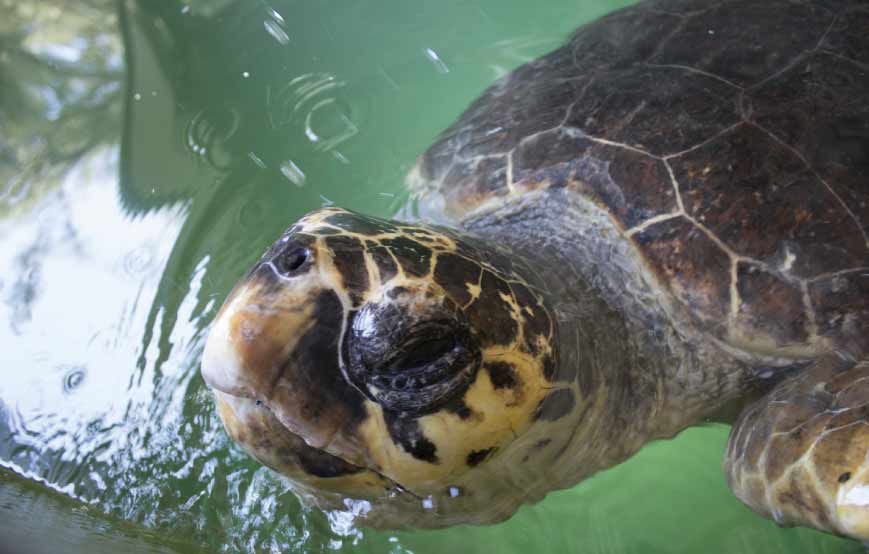
What makes this diet possible is the loggerhead’s most distinctive physical feature: an unusually large head paired with extremely powerful jaw muscles. Unlike some other reptiles, sea turtles don’t have teeth at all – instead, their jaws are covered in a hard, beak-like structure capable of applying enough crushing force to break through the tough shells of crabs, conchs, and clams that would be completely inaccessible to most other marine predators. This jaw strength is really the defining adaptation behind the entire loggerhead diet, since it opens up a food source that many other animals simply can’t access.

How Diet Changes Across a Loggerhead’s Life

A loggerhead’s diet looks completely different depending on its life stage, which reflects the dramatic shift in habitat these turtles go through as they grow. Hatchlings, upon entering the ocean for the first time, are swept into open-water currents and spend their early years as omnivores, eating both plant and animal material. During this pelagic phase, young loggerheads frequently associate with large floating mats of Sargassum seaweed, feeding on the small organisms living in and around it – tiny crustaceans, planktonic mollusks, fish eggs, and small hydrozoan colonies.

This early open-ocean phase can last for years, sometimes referred to as the “lost years” because tracking young loggerheads during this period has historically been difficult. As they grow larger, juveniles eventually transition from this pelagic lifestyle to coastal and nearshore waters, where their diet begins shifting toward the bottom-dwelling invertebrates that will dominate their diet for the rest of their lives. By the time they reach adulthood, loggerheads have largely completed this transition, settling into a benthic (bottom-dwelling) foraging lifestyle in coastal waters, bays, and estuaries.

This shift isn’t just about food availability – it reflects real anatomical development as well, since the jaw strength needed to crush adult prey items like large whelks and conchs develops progressively as the turtle matures. A hatchling simply isn’t physically capable of the diet an adult relies on.

How Loggerheads Find and Catch Their Food

Adult loggerheads are largely bottom foragers, cruising along the seafloor in coastal waters and estuaries in search of prey buried in sand or hiding among rocks and reef structure. Their foraging habitat often overlaps with productive hard-bottom areas, reef edges, and seagrass beds, where crab, mollusk, and other invertebrate populations tend to be dense.

Once prey is located, a loggerhead’s feeding process typically involves using its jaws to crush through a shell directly, rather than manipulating or peeling prey the way some other animals might. This direct crushing approach is efficient but requires the substantial jaw musculature loggerheads are known for – it’s part of why their heads look so disproportionately large and powerful compared to other sea turtle species.

Loggerheads are also known to feed opportunistically on jellyfish and other soft-bodied prey when the opportunity arises, showing some dietary flexibility beyond their primary hard-shelled prey base – a stark contrast to the far more specialized diets of freshwater species like the red-eared slider, whose feeding needs differ considerably from marine turtles. This flexibility can occasionally work against them, though, since floating plastic bags and other marine debris can visually resemble jellyfish, leading to accidental ingestion.

The Danger of Marine Debris to Loggerhead Feeding

One of the more serious modern threats to loggerhead feeding behavior comes not from natural food scarcity but from marine pollution. Loggerheads may ingest fishing line, balloons, plastic bags, plastic fragments, and floating tar or oil, mistaking these materials for natural food sources like jellyfish or other soft-bodied prey drifting in open water. Ingested plastic can cause internal blockages, reduce the turtle’s ability to absorb nutrients from actual food, and in severe cases prove fatal.

Entanglement in marine debris, including lost or discarded fishing gear (sometimes called “ghost gear”), presents a related but distinct threat – rather than affecting feeding directly, entanglement can restrict movement, prevent normal foraging behavior, and cause injury or drowning. Both plastic ingestion and entanglement have become significant enough concerns that they’re now considered major threats to loggerhead populations globally, compounding the pressure already placed on the species by habitat loss and accidental capture in fishing gear.

How Diet Connects to Loggerhead Conservation Status

Loggerhead sea turtles are protected under the U.S. Endangered Species Act, with nine distinct population segments recognized around the world – four classified as threatened and five as endangered, depending on regional population trends and pressures. The IUCN separately classifies the species as globally Vulnerable. Several of the same factors affecting loggerhead populations broadly also intersect directly with their feeding ecology and foraging habitat.

Loss or degradation of foraging habitat – including damage to the reef structures, seagrass beds, and hard-bottom areas loggerheads rely on for hunting – reduces the availability of the prey base their diet depends on. Accidental capture in fishing gear such as trawls, gillnets, and longlines, historically a major driver of population decline in the United States, often occurs specifically because loggerheads are foraging in or near areas where commercial fishing activity overlaps with their preferred hunting grounds.

Watercraft strikes represent another indirect feeding-related risk, since loggerheads foraging near the surface or in shallow coastal waters where boat traffic is common face elevated collision risk during the exact activity – feeding – that brings them into these zones in the first place. Freshwater turtles face their own distinct set of pressures too; our guide to alligator snapping turtle conservation status covers a comparable set of threats in a very different habitat.

Size, Growth, and Feeding Needs

An adult loggerhead is a substantial animal, typically weighing somewhere in the range of 250 to 300 pounds, with the largest recorded individuals reaching close to 440 pounds and shell lengths of roughly 35 inches. Reaching this size takes considerable time – loggerheads grow slowly and don’t reach sexual maturity for a couple of decades, which means an individual turtle spends many years steadily foraging and growing before it’s able to reproduce.

As a large, cold-blooded marine reptile, a loggerhead’s energy needs are directly tied to water temperature and activity level, with metabolism slowing considerably in cooler water. This is part of why foraging patterns shift seasonally in temperate regions, since a loggerhead in colder water needs proportionally less food to sustain itself than one actively foraging in warmer coastal waters during peak activity months. Consistent access to productive foraging grounds throughout this long growth period is essential, since interruptions to feeding – whether from habitat loss, prey decline, or injury – can meaningfully affect growth rate and, ultimately, reproductive success later in life.

Do Loggerheads Eat Seaweed or Plants?

While loggerheads are overwhelmingly carnivorous as adults, they aren’t exclusively so. Some seaweed and algae consumption does occur, particularly incidentally alongside animal prey, though it makes up a minor portion of the overall adult diet compared to species like green sea turtles, which shift toward a largely herbivorous diet as adults. The clearer plant connection in a loggerhead’s life actually comes earlier, during the juvenile pelagic phase, when Sargassum mats serve as both a feeding ground and a nursery habitat rather than a direct food source themselves. For a turtle species with a much more plant-forward diet throughout life, see our box turtle food guide.

This distinction is worth noting because it sometimes causes confusion among people comparing different sea turtle species – green sea turtles are named partly for the greenish tint their fat takes on from a plant-heavy diet, while loggerheads retain a much more animal-based diet throughout adulthood, reflected in their comparatively larger, more powerful jaws built for crushing rather than the more scissor-like jaws better suited to shearing vegetation. Researchers studying diet composition typically confirm these patterns by examining stomach contents from stranded turtles or by analyzing esophageal lavage samples from live turtles caught during in-water research surveys, both of which have consistently shown crustaceans and mollusks dominating adult loggerhead diets across different regional populations.

Feeding Grounds and Seasonal Patterns

Loggerhead foraging areas often shift seasonally, particularly in temperate regions where water temperature changes significantly throughout the year. In cooler months, loggerheads may move to deeper, more thermally stable waters or migrate toward warmer regions altogether, adjusting their foraging range accordingly. During warmer months, they often concentrate in productive coastal foraging grounds closer to shore, where prey density tends to be highest.

Some loggerhead populations undertake substantial migrations between nesting beaches and foraging grounds, sometimes traveling considerable distances between the two. This means the specific prey available to a given loggerhead population can vary meaningfully depending on regional foraging ground characteristics, even though the broad dietary pattern – crustaceans and mollusks crushed with powerful jaws – remains consistent across the species as a whole.

Why Loggerhead Diet Matters for Conservation

Understanding what loggerheads eat, and how that diet shifts across their life stages, plays a direct role in effective conservation planning. Protecting nesting beaches alone isn’t sufficient if the foraging habitats juveniles and adults depend on for food are simultaneously being degraded or depleted, since a turtle that successfully hatches and reaches adulthood still needs viable feeding grounds to survive and reproduce.

Similarly, reducing marine debris and improving fishing gear practices to limit bycatch directly protects the foraging behavior loggerheads rely on, rather than addressing an unrelated threat. Conservation efforts that account for the full dietary lifecycle – from Sargassum-associated pelagic feeding as juveniles to benthic foraging as adults – tend to be more effective than those focused narrowly on a single life stage or habitat type.

How Loggerhead Diet Compares to Other Sea Turtle Species

Sea turtle species have diverged into noticeably different dietary strategies, and comparing loggerheads to their relatives helps highlight just how specialized their crushing-jaw approach really is. Green sea turtles, for instance, shift toward a largely herbivorous diet as adults, grazing on seagrasses and algae with jaws better suited to shearing plant material than crushing shells. Hawksbill sea turtles specialize heavily in sponges, using narrow, beak-like jaws to reach into reef crevices that other turtles can’t access. Leatherbacks, the largest sea turtle species, feed almost exclusively on soft-bodied jellyfish and other gelatinous prey, requiring an entirely different set of adaptations – including backward-pointing spines in their throats – rather than crushing power.

Loggerheads occupy a distinct niche among these strategies, built specifically around hard-shelled invertebrates that most other marine predators can’t efficiently access. This dietary specialization reduces direct competition with other sea turtle species sharing overlapping habitat, since each species is generally drawing on a different part of the available food supply. It also means that threats to one prey base – say, a decline in crab or mollusk populations in a particular region – can affect loggerheads more directly than it might affect a more dietarily flexible species.

Signs of Healthy Loggerhead Foraging Habitat

Because loggerhead diet is so closely tied to specific prey types, the health of foraging habitat can often be assessed by looking at the presence and abundance of these prey species. Coastal areas with thriving crab, whelk, and clam populations, healthy reef structure, and intact seagrass beds tend to support more robust loggerhead foraging activity than degraded or overfished coastal zones.

Conservation and research organizations sometimes use loggerhead foraging patterns as one indicator of broader coastal ecosystem health, since a decline in loggerhead foraging activity in a previously productive area can signal underlying problems with the invertebrate populations or habitat structure that both the turtles and numerous other marine species depend on. This makes loggerhead diet not just a matter of species-specific interest, but a small window into the condition of the coastal ecosystems they inhabit.

The Bottom Line

Loggerhead sea turtles are primarily carnivorous animals whose diet centers on hard-shelled crustaceans and mollusks as adults, made possible by exceptionally powerful crushing jaws, while juveniles feed on small organisms in open-water Sargassum habitats. This diet shifts significantly across their life stages, and the foraging habitats and behaviors tied to it face real modern threats from marine debris, habitat degradation, and fishing gear entanglement – all factors that tie directly into the species’ broader conservation status.

FAQ: Loggerhead Sea Turtle Diet

What does a loggerhead sea turtle eat? Mostly hard-shelled crustaceans and mollusks – crabs, shrimp, whelks, conchs, and clams – crushed open with powerful jaws, plus occasional jellyfish, fish, and small amounts of algae.

Do loggerhead sea turtles have teeth? No, sea turtles don’t have teeth; loggerheads use a hard, beak-like jaw structure to crush their prey instead.

What do baby loggerhead sea turtles eat? Hatchlings and young juveniles feed on small organisms – tiny crustaceans, planktonic mollusks, fish eggs, and hydrozoan colonies – found around floating Sargassum seaweed mats in the open ocean.

Do loggerhead turtles eat plastic? Not intentionally – but they can mistake floating plastic bags, fragments, and other debris for jellyfish or other soft-bodied prey, which can cause serious internal harm if ingested.

Why do loggerheads have such large heads? Their oversized heads house the powerful jaw muscles needed to crush the hard shells of crabs, conchs, and clams that make up most of their adult diet.

Do loggerhead sea turtles eat seaweed? Only in small amounts as adults; they’re primarily carnivorous, unlike green sea turtles, which eat much more plant material.

Where do loggerhead sea turtles find their food? Adults forage along the seafloor in coastal waters, bays, and estuaries, particularly around reef edges, hard-bottom areas, and seagrass beds where prey is abundant.

Are loggerhead sea turtles endangered? Population segments are classified as either threatened or endangered under the U.S. Endangered Species Act depending on region, and the IUCN lists the species as globally Vulnerable.

How does diet connect to loggerhead conservation threats? Habitat loss affects foraging grounds directly, fishing bycatch often occurs where turtles are actively feeding, and marine debris ingestion is a direct feeding-related hazard.

How big do loggerhead sea turtles get? Adults typically weigh around 250 to 300 pounds, with the largest individuals reaching up to roughly 440 pounds.

Facts About the Loggerhead Sea Turtle

Facts About the Loggerhead Sea Turtle

Quick Answer: Loggerhead sea turtles are one of the largest hard-shelled turtle species, known for their oversized heads and powerful jaws, can live 70-80 years or more, and are currently listed as vulnerable due to threats like bycatch, habitat loss, and plastic pollution.

Key Takeaways

  • Named for their notably large head relative to body size.
  • Among the largest hard-shelled sea turtle species.
  • Can live to 70-80 years or beyond in the wild.
  • Females return to the beach where they hatched to lay their own eggs.
  • Listed as vulnerable, with bycatch and habitat loss among the biggest threats.

Why Trust This Guide?

This guide is researched and written by the Pets Store Home editorial team, drawing on general pet-care and industry information. It’s intended as general information; consult a vet or specialist for advice specific to your pet or situation.

Introduction to Facts about the loggerhead sea turtle

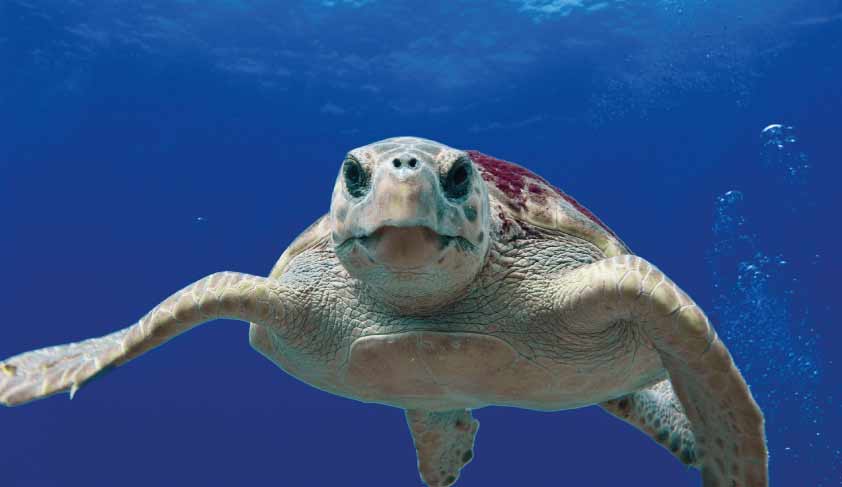
The Loggerhead Sea Turtle (Caretta caretta) is a type of marine turtle that is mostly found in temperate and tropical areas of the world’s oceans and coastal waterways. Its broad, big heads and powerful jaws, which they utilise to eat a variety of prey like jellyfish, crabs, and mollusks, gave them their name. Mature Loggerhead turtles can reach lengths of three feet and weights of up to 250 pounds. Its flippers have a characteristic claw-like look, and they have a reddish-brown shell with yellowish-brown skin. The lengthy migrations of loggerhead sea turtles, which can span thousands of kilometres between nesting and feeding locations, are well-known. They often dig a hole in the sand to lay their eggs on sandy beaches. In a single nesting season, females may produce many clutches of eggs, each holding between 100 and 126 eggs.

Threats to loggerhead sea turtles include loss of habitat, pollution, and entanglement in fishing gear. In addition, their eggs are often harvested for human consumption or destroyed by predators, and hatchlings may face a number of dangers as they make their way from the nest to the ocean.

Conservation efforts have been implemented to protect Loggerhead sea turtles, including the establishment of protected nesting areas and the development of fishing gear that is less likely to entangle turtles. Despite these efforts, Loggerhead sea turtles remain a vulnerable species, and continued conservation efforts are needed to ensure their survival.

Facts about the loggerhead sea turtle

Loggerhead sea turtles have very powerful jaws that can rip through a hard-shelled creature. They have existed for at least 110 million years and are now protected by the Endangered Species Act. Their high mortality rate makes them vulnerable to extinction, but there are ways to protect them. One way is to follow some simple guidelines, such as not stepping on sea turtle nests and turning off lights after 10 p.m.

Loggerhead sea turtles spend the majority of their lives in the ocean, returning only to nest and mate. During the colder months, they rarely surface. Loggerhead turtles can stay under water for up to seven hours a day, coming up only for short breaks between dives.

Loggerhead turtles are carnivorous and live on a diet of seaweed, jellyfish and some types of fish. Inshore waters are also home to loggerhead turtles. They also spend long periods of time feeding on invertebrates. These creatures have powerful jaws and can crush their prey easily.

They have been sighted in southern California and Washington, though most sightings are of juveniles. Loggerhead turtles spend their first seven to fifteen years in the open ocean before migrating to nearshore coastal areas to lay eggs. As they get older, the loggerhead turtle can migrate hundreds or thousands of kilometers from one place to another.

What is the Loggerhead Sea Turtle?

A kind of marine turtle called the loggerhead can be found in oceans and coastal waterways all over the world. They are named for their large, broad heads and strong jaws, which they use to feed on a variety of prey including jellyfish, crustaceans, and mollusks. They are one of the largest species of sea turtle, with adults weighing up to 250 pounds and growing up to three feet in length. Loggerhead sea turtles are known for their long migrations, which can cover thousands of miles between nesting and feeding grounds. They face a number of threats, including habitat loss, pollution, and entanglement in fishing gear, and conservation efforts are underway to protect them.

Loggerhead sea turtle scientific name

While the name ‘loggerhead’ implies it is a large, slender turtle, it is actually a small, spindly turtle. It is part of the Order Eukarya.

Loggerhead sea turtles are migratory carnivores. They feed on small animals in the sargassum of the ocean floor. Afterwards, they migrate to the coast of the western Atlantic, where they feed on crustaceans and invertebrates. Their powerful jaws enable them to crush hard shells.

Its range extends from Newfoundland in the Atlantic Ocean to Argentina in the Pacific Ocean. It is also known to nest on the west coast of Mexico.It is illegal to kill, harvest or sell its parts.

Loggerhead Sea Turtle’s Diet

Loggerhead Sea Turtles are carnivores and their diet primarily consists of a variety of prey including jellyfish, crustaceans, and mollusks. They have powerful jaws that help them to crush the hard shells of their prey, and their diet may also include fish, squid, and sea urchins.

Because they are opportunistic eaters, loggerhead sea turtles are known to consume any available prey in their area. The composition of their diet can also vary depending on their age and size, with smaller individuals feeding on smaller prey while larger individuals may consume larger prey.

The diet of Loggerhead Sea Turtles is important for maintaining healthy ecosystems as they play a crucial role in controlling populations of their prey species.

The Loggerhead Sea Turtle’s Habitat

Loggerhead Sea Turtles are found in oceans and coastal waters around the world, primarily in temperate and tropical regions. They spend most of their lives in the open ocean, but also frequent shallow coastal waters, bays, and estuaries.

Between their eating and nesting areas, loggerhead sea turtles have been observed to travel great distances. Adult females will return to the beaches where they gave birth during the breeding season to lay their eggs. These beaches are typically sandy with few obstructions and provide an ideal location for nesting.

Loggerhead Sea Turtles also require suitable offshore habitats for feeding, which can include seagrass beds, coral reefs, and rocky areas. These habitats provide important feeding areas for the turtles, as well as shelter and protection from predators.

However, the Loggerhead Sea Turtle’s habitat is under threat due to human activities such as coastal development, pollution, and climate change. Protecting their habitat and implementing conservation measures are crucial to ensuring the survival of this species.

Why is the loggerhead sea turtle endangered?

The loggerhead sea turtle is an oceanic turtle and a member of the family Cheloniidae. When fully grown, its carapace is approximately 90 cm long. Its habitat is in coastal waters, including the Caribbean Sea. However, its numbers are declining, and they are considered threatened due to climate change and pollution.

The loggerhead sea turtle lives primarily in coastal waters, and only emerges from the ocean to reproduce. In order to lay eggs, female loggerheads dig a nest in the sand on a beach, cover it, and then go back into the ocean. Once the nest is ready, the female will return to the sea to lay up to six clutches of eggs. The eggs take around eight weeks to hatch. After the hatchlings are born, the turtles live up to 30 years.

Unfortunately, loggerhead turtle populations are declining due to human-related threats. Fishermen often entangle turtles in fishing nets, and longlines can also entangle the turtles. Additionally, coastal development increases the amount of artificial light in coastal waters, affecting the hatchlings. Additionally, predators such as raccoons and feral hogs can also attack nests.

The loggerhead sea turtle is considered endangered in the United States and its range has decreased by 80 percent. Consequently, its current population of nesting turtles could be functionally extinct by the mid-21st century. Florida is the largest nesting area for loggerheads in the Northwest Atlantic, yet the turtle population has declined 40 percent in the last decade.

Loggerhead sea turtle nesting season

To protect the nesting beach habitat of loggerhead sea turtles, residents and visitors must reduce or eliminate human disturbance during the nesting season. Many sources of disturbance are harmful to nesting sea turtles, including coastal development, climate change, and artificial lights. Lights on the beach and in the water disorient the sea turtles, which makes the hatchlings more vulnerable to predators.

Different types of watercraft can strike turtles at close range and cause injuries or death. A number of turtles have recently been killed by these collisions in the Gulf of Mexico and Atlantic Ocean. The risk of collision with a vessel is especially high during nesting season. This is especially dangerous for nesting females.

Fortunately, the loggerhead sea turtle is widespread and nesting in many regions of the world. These sea turtles prefer secluded shorelines and barrier islands, although they may also be found on the coastline of inland regions. These turtles feed off ship wrecks and coral reefs, and they use these sites as nests. Typically, loggerhead sea turtles make nests between high tide lines and dune fronts.

Nesting activity typically begins in mid-May and lasts for two months. The nests consist of one to six clutches of eggs, and the hatchlings leave the nest within a few months. During this time, visitors are advised not to disturb the turtles or shine lights on them.

Loggerhead sea turtle height

The loggerhead sea turtle is a large marine turtle that lives in shallow waters on the continental shelf. These turtles are carnivorous and feed on crabs, lobsters, and other invertebrates. They can grow as long as 39 inches and weigh as much as 170-350 pounds. Their long legs, large head, and strong jaws allow them to crush their prey.

Adult males grow to be about three feet long and weigh between 77-159 kilograms. Their long tails can reach up to 30 cm beyond their carapace. They also have unusually large head-to-body proportions, and their flippers have two claws on each side. They are found in both temperate and subtropical oceans.

Loggerhead sea turtles live in coastal waters of the western Atlantic. They are often seen near ocean wrecks. Their powerful jaws allow them to eat large invertebrates, such as jellyfish. Adult loggerheads can dive over 700 feet deep and remain under water for up to an hour at a time. They also feed on small animals like crabs and other bottom dwelling invertebrates.

Loggerheads can be found from the Canadian Maritime Provinces to Argentina. They nest in temperate waters but migrate north to the southern Atlantic during the winter. Loggerhead hatchlings swim for days to reach the Sargasso Sea and make the transatlantic trip when they are around 150 mm (5.9 inches) tall.

What eats the loggerhead sea turtle?

The loggerhead sea turtle is named for its large head and powerful jaw muscles, which help it crush its prey. They are also preyed on by other animals, including raccoons, pigs, and hogs. Hatchling turtles are also vulnerable to these predators and are often eaten by birds, foxes, and crabs.

During the colder months, they rarely come to the surface. They can stay submerged for up to seven hours at a time. During the day, they surface for seven-minute breaks between dives. They live in coastal estuaries and prefer shallow waters.

The loggerhead sea turtle’s diet is composed of various types of invertebrates, such as jellyfish. Sea turtles, however, do not feel the stings and can consume large quantities of jellyfish. Their beaks are adapted to suck jellyfish. This adaptation to feeding in the ocean has helped them survive for millions of years.

The loggerhead sea turtle is found throughout the Pacific, Indian Ocean, and Atlantic oceans. The loggerhead also eats fish, jellyfish, sponges, and fish eggs.

Loggerhead sea turtle egg gestation

The loggerhead sea turtle is an endangered species in the U.S. The species is extremely vulnerable to human disturbances in its habitat. The primary threats are predation on nests and disturbances from longline fishing. However, pollution and incidental capture are also significant threats.

Many females are very devoted to a single site and will lay an average of 115-125 eggs four to six times during a season. During the warmer months of the incubation period, more females are born while the cooler months of the season result in more males.

Temperature plays a vital role in loggerhead sea turtle egg gestation. The eggs of this species hatch at temperatures of around eighty-two degrees Fahrenheit. Incubation of loggerhead sea turtle eggs during these temperatures results in both males and females. The hatchlings will eventually crawl across the beach to reach the sea.

The hatchlings and juveniles feed on dead insects and Portuguese man-o-war. The adults eat a variety of hard-shelled invertebrates, which they crack with their powerful jaws.

Loggerhead sea turtle characteristics

The loggerhead sea turtle is a large sea turtle that ranges from 2.4 to 3.5 feet long, and weighs between 155 and 412 pounds. It has a heart-shaped shell, and its top shell is reddish brown. Its head is very large, and its jaws are powerful enough to crush even the most armored prey. This sea turtle has eleven to twelve marginal scutes, five coastal scutes, and one nuchal scute.

The loggerhead sea turtle nests in sand dunes during the nesting season, which occurs from May to October. Most females exhibit site fidelity, and lay 115 to 125 eggs approximately four to six times per season. The eggs incubate for about 55 to 65 days. Nests are typically in a sandy area, with a moderate slope.

The loggerheads are found in vast areas of ocean, but their habitats have been affected by human activities, including fishing, plastics, and other human-made materials. This has reduced the number of loggerheads in the wild.

The loggerhead turtle’s reproductive cycle lasts approximately 35 years. The first year of life is critical, as the survival rate for young turtles is very low. They reach sexual maturity at around 35 years of age, and their lifespan is limited by predators in the marine environment.

Classification of loggerhead sea turtle

The loggerhead sea turtle is a large turtle that consists of two parts, the carapace and plastron. The carapace also has five pairs of costal scutes that run down the midline. It connects to the plastron through three pairs of inframarginal scutes. The plastron, which has five pairs of gular scutes and humeral scutes, is lined with paired gular scutes, which are responsible for the ability of the turtle to retract its flippers.

Loggerhead turtles have a yellow bottom shell, and the adult male has a long tail. The hatchling and juvenile turtles have light to dark shells and dark-brown flippers with white edges. They are approximately three feet long and weigh around 250 pounds.

The loggerhead sea turtle have been threatened by overfishing and pollution for decades. Their extinction is an urgent concern for the oceans and for the people living in those regions.

Loggerhead sea turtles are highly vulnerable to pollution and predation. Their primary threats are habitat loss, human disturbances, and longline fishing. Fortunately, they are protected by a variety of federal and state laws and treaties.

Loggerhead sea turtle lifespan

Loggerhead sea turtles have a long life span. Typically, they reach sexual maturity between 17 and 33 years old. Loggerheads lay approximately 112 eggs per clutch. They lay these eggs in the sand every two to three years.

Loggerhead turtles are found worldwide. They inhabit temperate and tropical oceans. Their range extends from Newfoundland to Argentina. They have also been found as far north as Chile.

Its shell is reddish brown, and it may have star-shaped streaks. Loggerhead sea turtles’ skin is reddish brown, with a yellowish brown underside.

Loggerhead sea turtles are protected under the Endangered Species Act. The species is found around the world, with nine distinct population segments. In the United States, the loggerhead nests primarily on the Atlantic and Gulf coasts. However, the loggerhead is still considered vulnerable to a large number of threats.

Loggerhead sea turtle speed

The loggerhead sea turtle is an endangered species and can be spotted by its distinctive shell and bright red color. Its large jaws allow it to easily dismantle its prey. While its juvenile stage is susceptible to many predators, the adult stage is protected from large marine animals.

The loggerhead turtle is an excellent swimmer and can swim up to 20km per day. If a turtle is cold, it is less active and may have mud stains on its shell.

During this time, they will excavate a body pit and lay eggs.

Satellite tracking of loggerhead turtles has been used to measure their dispersal speed. This data is used to designate areas where fisheries should not be operated. The temperature range for the fisheries must be lower than 20 degrees Celsius. It is also important to note that the loggerhead turtles are best-fed at the sites that are associated with strong coastal boundary currents.

The speed of a loggerhead sea turtle is a feat in itself. The animal has a high metabolism compared to other sea turtles and its huge muscles generate lots of heat when it is active.

Conclusion

In conclusion, the Loggerhead Sea Turtle is a fascinating and important species of marine turtle that plays a crucial role in maintaining healthy ocean ecosystems. With their large, powerful jaws and broad heads, Loggerhead Sea Turtles are well-adapted for feeding on a variety of prey including jellyfish, crustaceans, and mollusks. 

However, Loggerhead Sea Turtles face a number of threats to their survival, including habitat loss, pollution, and entanglement in fishing gear. Conservation efforts, such as the establishment of protected nesting areas and the development of turtle-friendly fishing gear, are critical to protecting and preserving these magnificent animals. It is important for humans to continue to work towards ensuring the survival of this species so that they can continue to thrive in our oceans for generations to come.

Loggerhead sea turtles aren’t the only turtle species facing conservation challenges. Freshwater species like the alligator snapping turtle deal with their own set of pressures, from historic overharvesting to habitat loss. Our guide to whether alligator snapping turtles are endangered covers their current status.

Curious what these turtles actually eat once they reach adulthood? Our guide to what loggerhead sea turtles eat covers their diet in depth, including how it shifts dramatically from hatchling to adult.

Pet Memorial Garden Stone for the Family Dog & Cat

Pet Memorial Garden Stone for the Family Dog & Cat

Quick Answer: A pet memorial garden stone is a lasting way to honor a family dog or cat, typically engraved with their name, dates, and a short message or paw print, and placed in a garden or meaningful outdoor spot as a visible, enduring tribute.

Key Takeaways

  • Stones can be personalized with a name, dates, photos, paw prints, or a short verse.
  • Materials range from natural stone to resin or composite, at different price points.
  • Placement in a favorite garden spot creates a lasting, visible tribute.
  • Weatherproof or UV-resistant engraving holds up better outdoors long-term.
  • Ordering ahead of a specific date may require extra lead time.

Why Trust This Guide?

This guide is researched and written by the Pets Store Home editorial team, with care for pet owners navigating a difficult time. It’s intended as general information, not a substitute for guidance from a bereavement or pet loss support service.

Pet memorial garden stone for the family dog and cat

The stone can be customized to include the pet’s name, a special date, a photo, or even a quote. In addition to commemorating the loved one’s life, pet memorial garden stones can also be used to mark the grave site of the pet’s ashes.

Whether you want a stone to honor the family dog, or a paw print to mark a favorite spot in your garden, a pet memorial garden stone is a beautiful way to remember a beloved pet. They measure approximately 11″ W x 8″ H x 1.5″ D and are weatherproof and made from durable resin. While these stones are not made from real stone, they are extremely detailed and look like the real thing.

Choosing a memorial stone for a beloved pet can be a difficult task. You may want to pick a Bible verse or a famous quote to honor your pet’s memory. The key is to make the stone reflect your love and devotion. A local headstone company can help you decide on a design that will capture your pet’s spirit.

Pet memorial garden stones can be made from many different materials. Some are made of real stone, while others are cast stone or resin. The stones are available in different sizes and shapes and are an ideal way to remember your pet. They can even mark the grave of a beloved pet. Whether you choose a stone for your garden or a grave, it is essential to use a flat, stable surface.


 custom coins

Muscular dogs are endearing, and custom products designed in their image have won the hearts of dog lovers, including custom metal pins and custom coins.

Online enamel pin store GS-JJ.com specializes in all kinds of custom pins, stickers, challenge coins, and more. With their advanced online design system, you can upload a photo of your dog and they can create enamel pins (more than just pins, stickers, or custom coins) quickly and easily. In addition to making thoughtful dog lover gifts, these delicate items are suitable for wearing on your clothes, bags, or anywhere else.

Why having a pet memorial garden stone is essential?

A pet memorial garden stone can serve as a lasting tribute to the memory of a beloved pet that has passed away. Here are some reasons why having a pet memorial garden stone can be significant:

Honoring your pet’s memory:

A pet memorial garden stone can help you remember and keep your pet’s memory. It can be a special place where you can go to reflect on the time you spent with your pet and the love and joy they brought into your life.

Providing comfort:

The loss of a pet can be difficult and emotional. A pet memorial garden stone can give comfort and solace in knowing that your pet is remembered and cherished.

Creating a sense of closure:

Having a pet memorial garden stone can help make sense of closure and acceptance after losing a pet. It can provide a physical place to say goodbye and to grieve.

Symbolizing your pet’s importance:

A pet memorial garden stone can symbolize your pet’s vital role in your life. It can serve as a reminder of the special bond you shared and the love that will never be forgotten.

Personalization:

A pet memorial garden stone can be personalized to reflect your pet’s unique personality and characteristics. You can choose a design, font, and message representing your pet and the special bond you shared.

Creating a peaceful space:

A pet memorial garden stone can be placed in a quiet outdoor area, such as a garden or a park. It can make a tranquil space to remember your pet and find peace and comfort.

Sharing memories with others:

A pet memorial garden stone can also share memories with others who knew and loved your pet. Family and friends can visit the memorial and share stories and memories, keeping your pet’s memory alive for years.

Helping with the grieving process:

The loss of a pet can be a difficult and emotional experience. A pet memorial garden stone can help with the grieving process by providing a tangible reminder of your pet’s life and the love you shared. It can also give a sense of comfort and healing as you cope with your loss.

Encouraging healing:

A pet memorial garden stone can be a part of the healing process for pet owners. It can help them to move through the stages of grief and come to terms with the loss of their pet. Creating a memorial, choosing a stone, and placing it in a particular place can also provide a sense of closure.

Promoting acceptance:

A pet memorial garden stone can encourage acceptance of the loss of a pet. It can be a physical reminder that your pet is no longer with you and that it is time to let go of the sadness and focus on the happy memories you shared.

Honoring your pet’s legacy:

A pet memorial garden stone can keep your pet’s legacy by serving as a reminder of its impact on your life and the lives of others. You can include your pet’s name, birth, death dates, and a special message or quote encapsulating their unique spirit.

Providing a lasting tribute:

A pet memorial garden stone is a tribute to your pet’s memory that can be enjoyed for years. It can be a beautiful addition to your garden or outdoor space, providing comfort and peace to all who see it.

Overall, a pet memorial garden stone can provide pet owners with a way to cope with the loss of their pet, honor their pet’s memory, and celebrate the love they shared. It can serve as a beautiful and lasting tribute to a beloved pet that will never be forgotten.

How to choose the perfect pet memorial garden stone

Choosing the perfect pet memorial garden stone can be a meaningful way to honor the memory of your beloved pet. Here are some tips to help you make the right choice:

  1. Consider the size of the stone: It should be proportional to the size of your pet and the available yard area. Choose a larger stone if you have a large pet or garden.
  2. Choose a material: Pet memorial garden stones are made from various materials, including stone, resin, and metal. Each material has its unique look and feel, so choose one that resonates with you and reflects your pet’s personality.
  3. Customize the stone: You can add your pet’s name, birth and death dates, as well as a touching message or quotation, to many pet memorial garden stones. A customized statement that embodies your pet’s essence and personality might be added.
  4. Consider the design: Pet memorial garden stones come in various designs, from simple and elegant to more intricate and detailed. Choose a design that speaks to you and reflects your pet’s personality.
  5. Check the durability: Ensure the stone is durable enough to withstand the elements, especially if it is placed outdoors. Make sure it can withstand rain, sun, and other weather conditions so that it will last for years.
  6. Think about placement: Consider where you will place the stone in your garden. You may want to choose a location that was special to your pet, such as a favorite spot in the garden or where they liked to play.
  7. Look for reviews and recommendations: Read reviews and ask for recommendations from other pet owners who have purchased memorial garden stones. This can help you choose a quality stone from a reputable manufacturer.
  8. Choose a style that fits your garden: Consider your garden’s overall style and aesthetic when selecting a pet memorial garden stone. Choose a stone that matches the existing decor and fits the overall design.
  9. Think about color: Pet memorial garden stones come in various colors, so choose one that complements your garden’s colors or has special meaning for you and your pet.
  10. Consider your budget: Pet memorial garden stones come in various prices, so consider your budget when selecting a stone. While you may be tempted to choose the most elaborate or expensive option, remember that the sentimental value of the stone is more important than its cost.
  11. Choose a reputable manufacturer: When choosing a pet memorial garden stone, selecting one from a reputable manufacturer that uses quality materials and craftsmanship is important. Look for a manufacturer with positive reviews and a strong reputation in the pet memorial industry.
  12. Consider the weight: Depending on the stone’s size and material, and it may be quite heavy. Ensure you can safely lift and move the stone, and it won’t damage any delicate plants or landscaping when placed in your garden.
  13. Think about the type of pet: If you have a dog, cat, bird, or another type of pet, you may choose a pet memorial garden stone that reflects the type of animal. For example, you may want a stone in the shape of a paw print for a dog or cat or a stone with a bird design for a pet bird.
  14. Consider the placement of text: If you want to personalize your pet memorial garden stone with text, consider where the text should be placed. Some stones may have text engraved on the front, while others may have text on the back or a separate plaque.
  15. Choose a stone with meaning: If a special symbol or image has meaning to you and your pet, consider choosing a pet memorial garden stone that includes that symbol or image. For example, if your pet was a rescue animal, you may want to choose a stone with a rescue symbol.
  16. Think about the message: When personalizing your pet memorial garden stone with a message, choose one that speaks to the special bond you shared with your pet. Consider including a favorite quote or a personal message that captures the essence of your pet.
  17. Consider a custom design: If you can’t find a pet memorial garden stone that feels right for you and your pet, consider commissioning a custom design. Many manufacturers offer custom design services that can create a unique stone that reflects your pet’s personality and spirit.
  18. Think about the materials used: Different materials are used to make pet memorial garden stones, and each has unique features and benefits. For example, the stone is a classic, durable, long-lasting option, while the resin is lightweight and easier to move around. Consider the pros and cons of each material when making your decision.
  19. Consider a DIY approach: If you’re feeling creative, consider making your pet memorial garden stone. Many DIY tutorials and kits are available that provide everything you need to create a personalized stone that reflects your pet’s personality.
  20. Look for a warranty: When purchasing a pet memorial garden stone, look for one with a warranty or guarantee. This will give you peace of mind knowing that if anything goes wrong with the stone, you can get it repaired or replaced.
  21. Consider the visibility: If you want your pet memorial garden stone to be visible from a distance, choose one tall or with a pedestal. This will make it easier to spot the stone from a distance and provide a clear focal point in your garden.
  22. Think about the maintenance: Depending on the material and design of the pet memorial garden stone, it may require some maintenance to keep it looking its best. Consider how much maintenance you will undertake and choose a stone that fits your needs.

Remember, choosing the perfect pet memorial garden stone is a personal decision that should reflect the love and bond you share with your pet. Considering these tips, you can select a stone that will honor your pet’s memory and provide a comforting reminder of its special place in your heart.


The different types of pet memorial garden stones

Several pet memorial garden stones are available, each with unique features and benefits. Here are some of the most popular types of pet memorial garden stones:

  1. Engraved stone: Engraved stones are made from natural stone, featuring personalized text or images etched into the stone’s surface. They are durable, long-lasting, and can be customized to include your pet’s name, dates, and a special message.
  2. Resin stone: Resin stones are made from a lightweight, durable resin material that looks like natural stone. They are affordable, easy to move around, and come in various styles and designs.
  3. Stepping stone: Stepping stones are flat stones designed to be placed in a pathway or walkway in your garden. They can be personalized with text, images, or paw prints and are a great way to create a meaningful memorial that you can walk on every day.
  4. Plaque: A plaque is a small, flat stone that can be placed on a wall or in the ground. They are typically made from natural stone and can be customized with text or images.
  5. Status: Consider a pet statue to create a more elaborate memorial for your pet. These can be made from stone, resin, or other materials and come in various styles and designs, such as a lifelike replica of your pet or a symbolic figure.
  6. Garden marker: Garden markers are small stones designed to mark the location of your pet’s burial or cremation urn. They can be personalized with text or images and are a simple yet meaningful way to create a memorial in your garden.
  7. Pet memorial rock: Pet memorial rocks are natural-looking stones that can be personalized with text, images, or paw prints. They are typically made from durable materials such as concrete or resin and can be placed in your garden or used as a marker for your pet’s burial site.
  8. Pet memorial bench: If you want to create a more functional memorial for your pet, consider a pet memorial bench. These benches are made from durable materials such as stone or metal and can be personalized with text, images, or a pet portrait. They provide a comfortable and meaningful place to sit and remember your pet.
  9. Garden fountain: A garden fountain is a beautiful and peaceful way to honor your pet’s memory. They can be made from natural stone or resin and customized with text or images. You can place the fountain in a special location in your garden and enjoy the soothing sounds of running water while remembering your pet.
  10. Pet memorial wind chime: Wind chimes are a popular way to remember a loved one, and pet memorial wind chimes are a great way to honor your pet’s memory. They are made from materials such as metal or glass and can be customized with a special message or image. You can hang them in a special location in your garden and listen to the soothing sounds as the wind blows.
  11. Pet memorial plaque with photo: A pet memorial plaque with a photo is a beautiful way to remember your pet. These plaques are typically made from metal or stone and can be personalized with a photo of your pet, text, and images. You can place the plaque in a special location in your garden and enjoy the memories of your pet every time you see it.
  12. Solar light memorial stone: Solar light memorial stones are designed to light up at night using solar power, creating a beautiful and peaceful glow in your garden. They are typically made from resin or natural stone and can be customized with text or images.
  13. Memorial garden stone with a poem: If you want to add a special touch to your pet memorial garden stone, consider one with a poem or meaningful quote. These stones are typically made from natural stone and can be personalized with text and images.
  14. Cremation memorial stone: If you have your pet’s ashes in an urn, you may want to consider a cremation memorial stone. These stones are designed to hold a small portion of your pet’s ashes and can be personalized with text or images. They can be placed in your garden as a tribute to your pet.
  15. Personalized paw print stone: Paw print stones are a popular way to honor your pet’s memory. They are typically made from natural stone and feature a personalized paw print and text or images. They can be placed in your garden or used as a marker for your pet’s burial site.
  16. Personalized heart-shaped stone: Heart-shaped stones are a beautiful way to honor your pet’s memory and show your love. They can be personalized with text or images and are typically made from natural stone. You can place them in a special location in your garden or use them as a marker for your pet’s burial site.
  17. Garden statue: A garden statue is a beautiful and lasting tribute to your beloved pet. It can be made from materials such as stone or resin and customized to resemble your pet or to feature a special message or image.
  18. Engraved river stones: Engraved river stones are smooth, natural stones that can be customized with text or images using laser engraving. They are typically used as markers for pet graves or as a special memorial in your garden.
  19. Memorial stepping stones: Memorial stepping stones are a unique way to honor your pet’s memory while creating a beautiful garden pathway. They are normally composed of resin or natural stone and can be customized with text or graphics.
  20. 20. A pet monument made of stained glass is a lovely way to pay tribute to your pet’s memory and give your yard a splash of color. It can be personalized with a unique statement or image, placed in a particular spot, or put on display.
  21. 21. A customised garden flag is a classy way to pay tribute to your pet’s memories. You can personalize it with a meaningful statement or image and display it in your porch or yard.
  22. 22. A pet memorial wreath is a special way to pay tribute to your pet’s memory. It can be crafted from organic elements like flowers, twigs, and leaves and feature a unique phrase or illustration.You can hang the wreath in a special location in your garden or on your front door.
  23. Memorial garden flagstone: A memorial garden flagstone is a beautiful way to personalize your garden with a tribute to your pet. These stones are typically made from natural materials like slate and can be customized with text and images.
  24. Personalized garden bench: A personalized garden bench is a practical and meaningful way to honor your pet’s memory. It can be made from metal or wood and feature a special message or image. You can place the bench in a special location in your garden and enjoy the memories of your pet every time you sit on it.
  25. Memorial pet garden art: Memorial pet garden art can come in various forms, such as sculptures, wind spinners, and hanging decorations. They are typically made from metal or other durable materials and can be customized with text or images. They are a beautiful way to add a special touch to your garden while honoring your pet’s memory.
  26. Personalized pet memorial plaque: A personalized pet memorial plaque is a classic way to honor your pet’s memory. These plaques can be made from metal or natural stone and customized with a special message or image. You can place the plaque in a special location in your garden and remember your pet every time you see it.

Remember, choosing a pet memorial garden stone is a personal decision, and the right choice for you will depend on your preferences and the special bond you share with your pet. Whatever type of stone you choose will be a meaningful way to honor your pet’s memory and keep them close to your heart.


Pet memorial garden stone for the family cat

If your family lost its beloved cat, a pet memorial garden stone is a great way to honor her memory. These garden stones are designed to look like real stones but are actually made of lightweight, durable cast resin. They are also easy to move around. They also feature the pet’s name and year of death.

You can choose any size stone to honor your beloved pet. The memorial is made to last for a lifetime and can be placed directly in the garden. The best material to choose is granite, as it is highly durable and won’t stain grass or mulch. If you don’t have a picture of your beloved pet, you can choose from a wide range of stock photos.

Alternatively, you can choose a traditional stone with the name and years of life of your beloved cat carved on it. This is ideal for small spaces, but can still be powerful, especially if you include a photo. Some of the glass memorial stones come with a special place for an embedded painting or photograph. This keeps the memories alive with vivid colors

Precious moments pet memorial garden stone

If you love the memory of a beloved pet, a beautiful garden stone will help you remember their unique character. This resin-cast stone features a small red cardinal bird and paw prints. Its sentiment is so heartwarming that you may want to place it near a flower garden or beside a tree. The stone is 6.5 inches deep at the top and two inches deep at the bottom.

Precious Moments offers several different styles of stones, including large boulder replicas and flat stones. Each stone can be used for various applications, and the prices range from $57 to 2.4 kilos. The stones are shipped directly from Boydton, and are part of a specialized line of memorial and sympathy gifts

How to make a pet memorial garden

If you love your pet and wish to create a memorial garden for him or her, there are many options available. A simple garden filled with flowers is a great way to remember your pet. A path lined with fairy lights is a nice touch, and you can even add a plaque dedicating the garden to your beloved pet.

Other options include engraving memorial stones or windchimes. You can also create a pawprint stone for the garden. The pawprints will create a wonderful image of your pet walking in the garden. Other types of memorials include statues, windchimes, and urns.

For a more permanent tribute, you can purchase a wooden cross with the name of your pet carved on it. This will last for about a year. You can personalize it with your pet’s name, date of birth, and death. You can also purchase engraved granite headstones, but these can be very expensive. A cheaper alternative is to hand-paint the headstone yourself.

Another way to create a pet memorial garden is to place a bench in the garden. This is a special way to remember your beloved pet, and it can serve as a reminder of happy times you shared together.

How to make a pet memorial garden stepping stone

If you’ve lost a beloved pet, one beautiful way to remember him or her is to create a garden stepping stone in their honor. These stones can be made of cement and are easy to clean. Whether you want the stone to be in the garden or at home, a garden pet stepping stone is a beautiful tribute to your beloved pet.

The stone can contain a photo of your beloved pet or a heartbreaking message. The stone can be installed in your garden or along a path. There are even DIY kits for this project that include everything you need to create one. These stones are great keepsakes and can be placed outside for many months. However, if you live in a cold climate, you may want to consider moving the stone indoors during the winter months.

You can paint the memorial stone with whatever you want, including your pet’s favorite colors and shapes. You can also add colorful beads to the stone to remember your pet by adding color and design to it. You can even paint your stone with a specialized paint kit to create an elegant memorial plaque for your beloved pet.

If you don’t have much space, you can make a pet memorial garden stepping stone in a tiny garden. You will need cement stepping stones and some paint. You can also include a picture or a special phrase about your pet, such as your favorite memory

Memorial Plants for Pets

Memorial Plants for Pets

Quick Answer: Memorial plants, like a favorite flowering shrub, a tree, or a perennial planted in a meaningful spot, offer a living, growing tribute to a pet, often chosen for symbolism, hardiness, or a bloom that returns each year as a gentle reminder.

Key Takeaways

  • Trees and shrubs offer a long-lasting, growing memorial that changes with the seasons.
  • Perennials that bloom annually can mark an anniversary each year.
  • Choose hardy, low-maintenance plants suited to your climate and space.
  • Some owners incorporate a small marker or stone alongside the plant.
  • Planting can be a meaningful, hands-on part of the grieving process.

Why Trust This Guide?

This guide is researched and written by the Pets Store Home editorial team, with care for pet owners navigating a difficult time. It’s intended as general information, not a substitute for guidance from a bereavement or pet loss support service.

Memorial plants for pets

Memorial plants are an excellent way to honor a beloved pet. Plants will not only provide a place for your beloved pet’s memories to live on, but they will also provide food and shelter for other living things. It can be heartbreaking to lose a memorial plant, but choosing the correct type will prevent heartache. Choosing the right plant means knowing its requirements, such as the type of soil and the temperature of the location where it will be planted.

When choosing a memorial plant for a pet, you will want to select a plant that will grow large and healthy. You’ll also want to know how much sunlight the plant needs to grow well and what soil it needs. Some plants are low maintenance, while others are very high maintenance.

If you don’t want to spend a fortune on a memorial tree, consider choosing a flowering plant or shrub representing your beloved pet. These plants can be simple yet beautiful and are a touching way to honor a friend’s beloved pet. If you don’t have any particular space for a memorial plant, consider incorporating it into your existing garden. You can also place small trinkets around the memorial plant to remember your beloved pet.

Japanese maples can reach 25 feet (8 meters) in height. In addition, they provide a food source for at least eleven different bird species, and their foliage provides excellent nesting conditions. If you’re planning to plant a Japanese maple, choose a location with partial shade and some sunlight

What is a memorial plant?

A memorial plant is a plant that is grown or planted in honor of a loved one who has passed away. It can be any plant, such as a tree, shrub, flower, or houseplant. Memorial plants can serve as a living tribute to the memory of a person, and they can also provide comfort and solace to those who are grieving.
Memorial plants are often used in a funeral or memorial service, and they can also be given as sympathy gifts to express condolences. They can be planted in gardens, parks, or other public spaces to commemorate the life of someone who has passed away.
Some popular memorial plants include rose bushes, magnolia trees, lilacs, and forget-me-nots. Many people choose plants that have a special meaning or significance to their loved ones, such as their favorite flower or tree they used to climb as a child.
Overall, memorial plants can be a beautiful and meaningful way to remember and honor someone who has passed away.

Why choose a memorial plant for your pet?

Choosing a memorial plant for a pet can be a thoughtful way to remember and honor their life. Like people, pets can have a special place in our hearts, and a memorial plant can serve as a lasting tribute to their memory.

Here are some reasons why you might choose a memorial plant for your pet:

  • A living tribute: A plant can continue to grow and thrive long after your pet has passed away. Planting a tree, shrub, or flower in your pet’s memory can be a beautiful and meaningful way to keep their memory alive.

  • Personalization: You can choose a plant with special meaning to you and your pet. For example, if your pet loves to play in the garden, you might select a plant that blooms in its favorite color.

  • Comfort: Planting a memorial plant can provide comfort and solace during grieving. It can be a way to feel close to your pet, even after they are gone.

  • Environmental impact: Planting a tree or other plant can also have ecological benefits, such as improving air quality or providing habitat for wildlife. Choosing a memorial plant can be a way to honor your pet’s life while also making a positive impact on the world.
  • Location: A memorial plant can be planted in a particular area that is meaningful to you and your pet. For example, if you took your pet for walks in a nearby park, you might choose to plant a tree in that park to remember them.

  • Cost-effective: A memorial plant can be more cost-effective than other pet memorials, such as gravestones or urns. Planting a tree or shrub can be more sustainable than traditional burial or cremation.

  • Educational: If you have children, planting a memorial plant can be an educational experience for them. They can learn about the importance of plants and nature and be involved in producing and caring for the plant.

  • Community building: Planting a memorial plant in a public space, such as a park or garden, can help build community. It can be a way to connect with other pet owners who have also lost a beloved companion.

The best memorial plants for pets

Choosing the best memorial plant for your pet can depend on various factors, such as climate, location, and personal preferences. Here are some popular options for memorial plants for pets:

  • Dogwood Tree: Dogwood trees are famous for pet memorials because they symbolize love, loyalty, and friendship. They also produce beautiful flowers in the springtime.

  • Lilac Bush: Lilacs are known for their fragrant and colorful blooms, and they can be a beautiful way to remember a beloved pet. They symbolize memories and youthfulness.

  • Rose Bush: Roses are a classic choice for a memorial plant and can be a beautiful way to remember a pet. They come in various colors, each symbolically, such as red for love and white for purity.

  • Butterfly Bush: Butterfly bushes are known for attracting butterflies, which can be a beautiful way to remember a pet’s free spirit. They also produce beautiful and fragrant flowers.

  • Forget-Me-Not Flowers: Forget-Me-Not flowers are a beautiful way to remember a pet and symbolize true love and remembrance. They produce beautiful blue or purple flowers and can be a great addition to a garden.

  • Catnip: If your pet was a cat, planting catnip in their memory can be a great way to remember them. Catnip is easy to grow and can attract other cats to the area, making it a great way to remember a beloved feline friend.
  • Japanese Maple Tree: Japanese Maple trees are known for their unique and beautiful foliage, making them famous for pet memorials. They symbolize peace, serenity, and tranquility.

  • Magnolia Tree: Magnolia trees produce large, fragrant flowers and can be a beautiful way to remember a pet. They symbolize dignity, perseverance, and endurance.

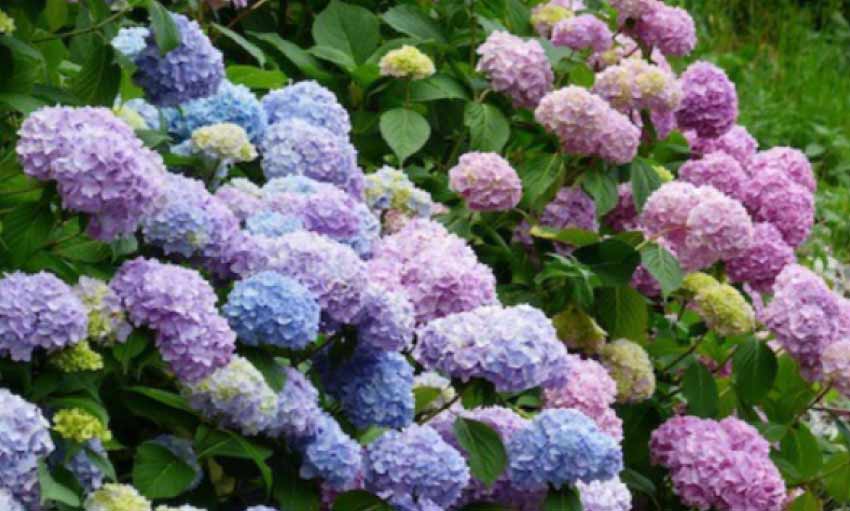
  • Hydrangea Bush: Hydrangea bushes produce large and colorful flowers that can be a beautiful way to remember a pet. They symbolize heartfelt emotions and gratitude.

  • Sunflower: Sunflowers can be a bright and cheerful way to remember a pet. They produce colorful yellow flowers that symbolize loyalty, longevity, and adoration.

  • Ferns: Ferns can be an excellent option for indoor memorial plants for pets. They are easy to care for and can add a touch of greenery to any space. Ferns symbolize sincerity, humility, and friendship.

  • Herb Garden: Planting an herb garden in memory of a pet can be a great way to remember their love of food and treats. Herbs such as parsley, mint, and basil can be a great addition to a garden and can be used in cooking.

Overall, there are many beautiful and meaningful options for pet memorial plants. Choosing a plant that reflects your pet’s personality, favorite colors, or interests can be a great way to honor their memory.

How to care for a memorial plant?

Maintaining a memorial plant can be an excellent way to keep remembering your cherished pet. For general advice on taking care of a monument plant, see below:

Planting: When placing your memorial plant, be sure to pick a spot that will give the optimum quantity of water and sunlight for the particular plant. Make sure to plant according to the plant’s directions and that the soil is well-draining.

Watering: Your memorial plant’s health depends on getting the proper water. Water your plant frequently, ensuring the soil is moist but not soggy. The type of plant, the environment, and the location will all affect how often it has to be watered.

Fertilizing: Fertilizing can support robust blooms and healthy development. To avoid overfertilizing, use a fertilizer suitable for the plant in question and carefully follow the directions.

Pruning: Frequent pruning can help keep your memorial plant’s size and shape. Trim back any out-of-control growth and remove any dead or damaged branches. Pruning too much could harm the plant, so take care.

Look out for any illnesses or pests that may be affecting your plant. To solve any problems, employ natural solutions or, if necessary, insecticides.

Winter care: To safeguard your memorial plant, winter care may be required depending on the climate and type of plant. During the winter, care for your plant according to the specified recommendations.

Mulching: By adding mulch around the base of your memorial plant, you may control the soil’s temperature, weed development, and moisture retention. Sunlight: Various plants require different amounts of sunlight. Employ a layer of organic mulch, like wood chips or shredded leaves, and avoid putting the mulch directly up against the plant’s stem or trunk. Select a site that will give your plant the right amount of sun. Although most plants need at least six hours of direct sunlight daily, some prefer partial or shaded shade.

The pH of the soil: Your soil’s pH level impacts the health and development of your memorial plant. Most plants like a soil pH of 6.0 to 6.5, which is somewhat acidic. Using a home testing kit, you may check the pH of your soil and make any necessary adjustments using soil additives.

Severe temperatures have the potential to stress or harm your memorial plant. Observe any temperature changes and take precautions to shield your plant from frost, heat waves, or other severe weather conditions.

Seasonal care: At various seasons, many plants require multiple types of care. During each season, adhere to the precise care instructions for your plant and modify your watering, feeding, and pruning schedule as necessary.

Frequent upkeep: Keeping your memorial plant healthy and looking its best is possible with regular maintenance. Regularly check for symptoms of pests, illnesses, or other problems, and take steps to deal with any difficulties immediately. Remove dead or damaged foliage from the plant regularly, and keep the surrounding area clear of weeds and debris.

Following these suggestions and giving your memorial plant the proper care can help you create a lasting memory for your pet.

Plant in memory of the dog

Selecting a memorial plant for a dog or other pet can be a meaningful tribute to your beloved pet. There are many factors to consider, such as how large the plant should be and how much sunlight it needs for healthy growth.

Rosemary is a traditional plant that honors a lost pet, symbolizing loyalty and love. Its scent is strong enough to remind you of your pet. Rosemary and gladiolus are eye-catching, evocative flowers that can help you express your heartfelt sympathy and mourning.

While choosing a plant in memory of your dog can be a painful process, it will be a lasting reminder of your beloved pet. It also gives you a living thing to care for, giving you purpose during the grieving process. Of course, you can also plant a memorial garden for your pet. However, if you are more interested in a simple memorial plant, planting one single plant in honor of your dog will do just as well.

If you are a nature lover and a dog lover, a memorial planting in honor of your dog is a great way to honor your beloved pet. There are hundreds of places where you can plant a tree in memory of a pet, from public parks to state parks. In addition, a tree planted in memory of your beloved pet can restore the soil and create a healthier environment.

Plant a tree for a deceased pet

When you lose a beloved pet, there are many ways to honor their memory. One way is to plant a tree in their honor. The Arbor Foundation, an organization that plants trees in national forests, offers personalized certificates to those who want to make the gesture.

Japanese maples are beautiful, fragrant trees that grow up to 25 feet (8 m) tall. Their fragrant, creamy blossoms bloom in late spring and attract butterflies. In addition, they provide food for 11 species of birds. The foliage also makes excellent nesting material. Japanese maples do best in partial shade.

Native saplings grow well in the UK climate. They can be planted straight away, but for the first five years, they can be kept in a large pot. For these reasons, they make ideal plants for deceased pets. Aside from being a beautiful and memorable tribute to your pet, they also represent purity and joy, which makes them the perfect choice.

Another famous memorial tree is a dogwood. It grows in wide varieties and features beautiful blooms that make it an ideal addition to any landscape. Weeping willows are also a good choice because they can live in any climate and soil type.

Pet sympathy plants

If you have recently lost a pet, sending pet sympathy plants is an ideal way to remember them. Pet sympathy plants can be purchased from online retailers or through local florists. Many options are available, including colorful bouquets to symbolize the Rainbow Bridge or simple white arrangements to convey your deepest sympathies.

Roses are a traditional plant for pet sympathy, as they are a symbol of remembrance, love, and loyalty. They can also be self-sustaining, making them an ideal memorial plant. While sending flowers is a good practice, they usually wither after a few days. Instead, a living plant will remain a lasting tribute.

If you don’t have a plant for a pet, you can also choose to send flowers to the family instead. You can also send assorted baskets with sympathy plants. Many of these come with a ceramic angel. These are a nice touch for a bereaved family. In addition, some of these bouquets are personalized, allowing you to send the perfect gift for your grieving friend.

Pet sympathy plants are perfect for indoor and outdoor memorials. For example, if you have a garden, you can dedicate a portion of the garden to the memory of your beloved pet. Or, if you don’t have a lot of space in your home, you can purchase one especially suitable plant.

Memorial plants for garden

The plants and flowers used to create the garden can be meaningful and representative of the departed. You can also include objects that were special to your loved one. For example, you can add a statue of your beloved dog, a bird feeder, or solar lights. Even engraved rocks can be a great way to remember a loved one.

Soil conditions are also important when choosing a memorial plant for a garden. Soils that receive more sun and less shade than north and east-facing plots will produce more vibrant flowers. Some plants are best suited to sunny or shady locations, while others cannot withstand full sun.

Some of them are low maintenance while others require more frequent care. If you are busy and do not have a lot of time to dedicate to your memorial garden, you may want to choose a low-maintenance plant. You may also want to choose a plant that blooms at special dates or holds special meaning to you or your loved one. Whatever you choose, make sure to follow any care instructions that the plant may need.

While choosing memorial plants for garden, consider the flowers and plants that your loved one most enjoyed. Think about the smells, colors, and textures that he or she loved. For instance, you might like to plant white or pink roses to honor your loved one. Or, if you prefer a more shady area, you might like to choose the colorful foliage of Astilbe and impatiens. You can also consider using red flowers and tubercularia