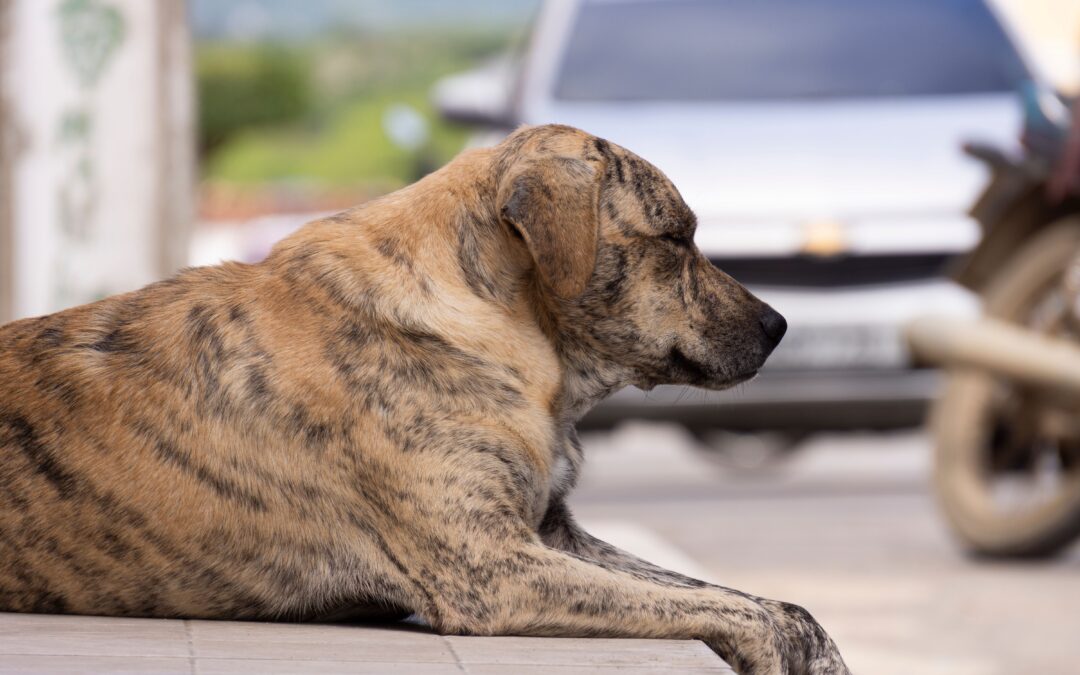
plott hound brindle

plott hound brindle

Plott Hound Brindle: Coat Colors, History, Temperament and Care (2026)

What is a Plott hound brindle? It’s the classic coat of the Plott, North Carolina’s state dog: dark stripes on a lighter background. The AKC says any shade of brindle is preferred, while solid black, brindle with a black saddle, and black with brindle trim are also acceptable. Expect a loyal, vocal scent hound of about 50 to 60 pounds.

The Plott hound brindle coat is the breed’s calling card, but there is a lot more to this bold big-game hunter than stripes. This guide explains the brindle shades and other colors, the breed’s German and Appalachian history, size, temperament, exercise, health, grooming and who the Plott suits best, with each fact linked to its source.

Key takeaways

  • Brindle is the AKC’s preferred Plott color; some black patterns are allowed too.
  • VCA also lists blue brindle and buckskin among Plott colors.
  • PetMD lists Plotts at 20 to 25 inches, 50 to 60 pounds and 12 to 14 years.
  • The Plott is North Carolina’s state dog, adopted in 1989.
  • Expect a loud bay, high energy and a strong hunting drive.

What Is a Plott Hound Brindle?

An American Kennel Club (AKC) article by Stephanie Gibeault, MSc, CPDT, defines brindle as a striped pattern of dark hair on a lighter background and says any shade of brindle is the preferred color for the Plott. So when people search for a “Plott hound brindle,” they almost always mean a standard Plott in its most typical coat, not a separate type of dog.

PetMD, in an article by Sarah Kloepple reviewed by Barri J. Morrison, DVM, calls the Plott’s brindle coat “distinct.” NCpedia notes that most Plotts are dark brindle. The Westminster Kennel Club sums up the breed’s temperament as sociable, outgoing, courageous and smart.

Is Every Plott Brindle?

No. The AKC also accepts solid black, brindle with a black saddle, and black with brindle trim. VCA Animal Hospitals adds blue brindle and buckskin, a light cream to red fawn coat with no striping. NCpedia says black and buckskin coats are “not uncommon.” As general advice, ask the breeder about the parents’ colors if you want a specific look.

Brindle hound with long floppy ears peeking out from behind a car in a forest, showing a Plott hound brindle style coat
A brindle coat with dark stripes on a lighter base is the classic Plott look. Photo: Lucas / Pexels

Plott Hound Brindle Shades and Other Colors

In our experience, brindle ranges from light to very dark, depending on how dense the dark stripes are. The table below lists every Plott color named by the AKC and VCA, and how each looks. As general advice, coat color has no effect on a Plott’s hunting ability or temperament.

Color What it looks like Source
Brindle (any shade) Dark stripes on a lighter base; the preferred color AKC
Dark brindle Heavy dark striping; the most common Plott look NCpedia
Blue brindle Stripes on a gray-blue base VCA
Brindle with black saddle Brindle body with a black patch over the back AKC
Black with brindle trim Mostly black, with brindle trim AKC
Solid black No visible striping AKC
Buckskin Light cream to red fawn, no brindle striping VCA, NCpedia

The Plott Hound Brindle Coat Up Close

The AKC describes the Plott’s coat as smooth, glossy and fine, yet thick enough to protect the dog from the elements. On a Plott hound brindle, the stripe pattern differs from dog to dog, so no two coats look exactly alike. As general advice, a brindle dog can look darker in shade and lighter in sun, so view a puppy outdoors before you decide.

Close-up of a brindle hound with floppy ears and a striped brown and black coat
Brindle stripes vary in density from dog to dog. Photo: Lucas Rocha / Pexels

Plott vs Other Brindle Dogs

Many breeds and mixes carry brindle, so a brindle dog in a shelter is not always a Plott. As general advice, look for a lean, muscular build, long hound ears and a deep bay, and consider a dog DNA test if you want to confirm a rescue’s ancestry.

History of the Plott Hound

PetMD describes Johannes Plott as a German gamekeeper who brought Hanoverian Scenthounds with him. NCpedia says he arrived in 1750 and settled in Cabarrus County, North Carolina. The family moved to Haywood County, near Waynesville, around 1800. NCpedia calls the Plott the only dog breed officially recognized as originating in North Carolina.

The AKC article adds that Plott’s son Henry kept breeding the dogs, and the family developed them for about 200 years in the southern Appalachians. The dogs were first called “Plott’s hounds.” Their German ancestors hunted boar, and Plotts became known for hunting bear, wild boar and mountain lions.

Is the Plott a Coonhound?

Yes, in the UKC system. The United Kennel Club (UKC) first registered the Plott in 1946, places it in its Scenthound Group, and counts it among its seven registered coonhound breeds, noting its strong treeing instinct. Plotts also take part in UKC coonhound events.

State Dog and AKC Recognition

NCpedia says the North Carolina General Assembly named the Plott the state dog on August 12, 1989. VCA Animal Hospitals says the AKC admitted the breed into its Hound Group in 2007. VCA also notes that Plotts love both hunting and family, which is why many now live as companions as well as working hounds.

Plott Hound Size and Appearance

PetMD lists Plotts at 20 to 25 inches tall and 50 to 60 pounds, with a 12 to 14 year lifespan. The Westminster Kennel Club gives a maximum of 25 inches, 60 pounds and 14 years. VCA gives a wider range of 20 to 27 inches and 40 to 75 pounds, and 10 to 15 years.

Trait Plott Source
Height 20 to 25 inches (VCA: 20 to 27) PetMD, VCA
Weight 50 to 60 pounds (VCA: 40 to 75) PetMD, VCA
Lifespan 12 to 14 years (VCA: 10 to 15) PetMD, VCA
Coat Smooth, glossy, short AKC, PetMD
Group Hound Westminster, VCA
State dog North Carolina (1989) NCpedia
Brindle hound standing on a grassy riverbank beside a fence post
A lean, muscular frame and long ears are typical of hunting hounds like the Plott. Photo: Weder Soares Dos Santos / Pexels

Plott Hound Brindle Puppies: What to Look For

As general advice, choose a Plott hound brindle puppy for health and temperament first and color second. Ask to meet at least one parent, check that the puppy is curious and not fearful, and look for clear eyes, clean ears and a firm, glossy coat. Also look at both parents’ coats, since they give the best preview of the adult color.

Where to Find a Plott

In our experience, Plotts are far less common than many popular breeds, so expect to search. As general advice, contact the breed club listed by the AKC, ask hunting hound rescues in the Southeast, and check local shelters, where a brindle hound may be listed simply as a “hound mix.” Avoid sellers who will not show health records.

Plott Hound Brindle Temperament and Training

Coat color does not change personality, so a Plott hound brindle behaves like any Plott. The AKC calls the breed eager to please, loyal and gentle with people, but bold and fearless on the hunt. PetMD describes Plotts as headstrong but very social, often alert and quick to learn, and wary of new people until properly introduced.

That Famous Hound Voice

The AKC warns that Plotts use their voice freely on the trail and in the home, so expect baying. VCA, by contrast, describes them as fairly quiet indoors. As general advice, plan for some noise, especially if you live close to neighbors.

Training a Plott

PetMD recommends starting training and socialization early with a positive, creative approach, and says turning lessons into a game makes them more fun. The American Veterinary Society of Animal Behavior (AVSAB) says puppy classes can start at 7 to 8 weeks, after first vaccines. As general advice, practice recall in a fenced area; a scent hound on a trail may ignore you.

Exercise Needs

PetMD suggests hiking, swimming, long walks, running, nose work and agility, and says Plotts thrive with a big backyard where they can follow scents. VCA recommends a good long walk every day plus room to run and explore. The AKC adds that the breed needs daily mental stimulation and suits experienced owners.

Pet Care Tip: Our suggestion is to hide treats around the yard for a daily “scent trail.” A Plott that gets to use its nose every day is usually calmer and less vocal at home, in our experience.

Is a Plott Hound Brindle Good for Apartments?

PetMD says the breed does best with a big backyard, and the AKC says it suits experienced owners. As general advice, a Plott hound brindle can manage in a smaller home only if you commit to long daily outings, and a securely fenced yard is strongly preferred because a hound on a scent may wander off.

Plott Hound Health, Grooming and Care

PetMD flags three issues to watch: hip dysplasia, ear infections (floppy ears can trap moisture and limit airflow) and obesity, so keep an eye on calories. VCA says the breed has no major health problems of record, though some Plotts occasionally develop hip dysplasia, and suggests asking a breeder or vet about it.

Care task How often Source
Brushing Weekly AKC, PetMD, VCA
Bathing Occasionally, as needed AKC, PetMD
Ear cleaning Regularly; keep ears dry PetMD, VCA
Flea and tick prevention Year-round, as your vet advises PetMD
Nails and teeth Trim nails and clean teeth regularly VCA

Extra weight strains the joints. If your dog needs to slim down, read our guide on how to help your dog lose weight, and for active hounds see how to build muscle on a dog with food.

Close-up of a gray blue brindle hound with soulful eyes and floppy ears
VCA lists blue brindle among accepted Plott colors. Photo: CESAR A RAMIREZ VALLEJO TRAPHITHO / Pexels

When to call a vet right away: As general advice, call your vet or a 24/7 emergency animal hospital if your dog has a swollen belly and retches without bringing anything up, is injured on a hunt, struggles to breathe or collapses. Book a prompt visit for head shaking, ear odor, limping or weight loss.

7 questions to ask a breeder or rescue

  1. Are both parents registered Plotts, and what colors are they?
  2. Have the parents had hip and elbow screening?
  3. How does the dog react to strangers and other dogs?
  4. How vocal is the dog at home?
  5. Has the dog lived with cats or small pets?
  6. How much exercise does it get now?
  7. Will you take the dog back if it does not work out?

Example Scenario (illustrative)

Ben in Asheville adopted a dark brindle Plott who bayed every evening. He added a morning trail hike, a daily scent game in the yard and two short training sessions. Within a month, the evening baying dropped to a few short calls when the mail truck passed.

Myth Fact
“Every Plott is brindle.” The AKC also allows black patterns; VCA lists buckskin.
“Brindle Plotts have a different temperament.” Color does not change breed traits; all Plotts share the same temperament.
“Short coats need no care.” Weekly brushing and ear care are advised (PetMD).
“A quiet house dog needs little exercise.” VCA calls Plotts fairly quiet indoors, but the AKC says they need daily exercise.

What most owners get wrong

In our experience, many owners choose a Plott for its stunning brindle coat and underestimate its nose and voice. Plan for daily scent work, secure fencing and patient recall training before you bring one home.

Plott Hound Brindle: FAQs

Are all Plott hounds brindle?

No. Brindle is preferred, but the AKC also allows solid black and black-and-brindle patterns, and VCA lists buckskin.

What colors can a Plott hound brindle coat be?

Any shade of brindle, including dark brindle and blue brindle, per the AKC, NCpedia and VCA.

How big does a Plott hound get?

PetMD lists 20 to 25 inches and 50 to 60 pounds.

How long do Plott hounds live?

PetMD gives 12 to 14 years; VCA gives 10 to 15.

Are Plott hounds good family dogs?

VCA says they are generally good with children; PetMD says they may do best with older kids who can keep up.

Do Plott hounds bark a lot?

The AKC says they use their voice freely; expect baying.

Why is the Plott North Carolina’s state dog?

NCpedia says it is the only breed recognized as originating in North Carolina; it was named state dog in 1989.

Final Verdict: Is a Plott Hound Brindle Right for You?

A Plott hound brindle is a striking, loyal and athletic hound with deep American roots. Its stripes are beautiful, but the real commitment is a strong nose, a loud voice and big daily exercise needs. If you can offer daily exercise, scent work, secure fencing and patient training, a Plott can be a devoted companion for many years.

Your next steps

  1. Meet adult Plotts and hear them bay before you commit.
  2. Ask for hip and elbow results on both parents.
  3. Plan daily exercise and a fenced area for scent games.

Share your Plott on the Pets Store Home Facebook page, and find more breed guides in our Dogs section.

About the author: Written and reviewed by the Pets Store Home Editorial Team, pet owners who check every guide against trusted sources.

How we checked this guide: Colors, history and temperament come from the AKC (Stephanie Gibeault, MSc, CPDT) and NCpedia. Size, health, grooming and training come from PetMD (reviewed by Barri J. Morrison, DVM), VCA Animal Hospitals, the Westminster Kennel Club and the UKC, and socialization timing from AVSAB.

Where sources differ, such as size and lifespan, we show each figure. This guide was written in November 2026 and is reviewed every 12 months.

Last reviewed: November 2026.
red heeler

red heeler

Red Heeler: Australian Cattle Dog Size, Temperament, Health and Care (2026)

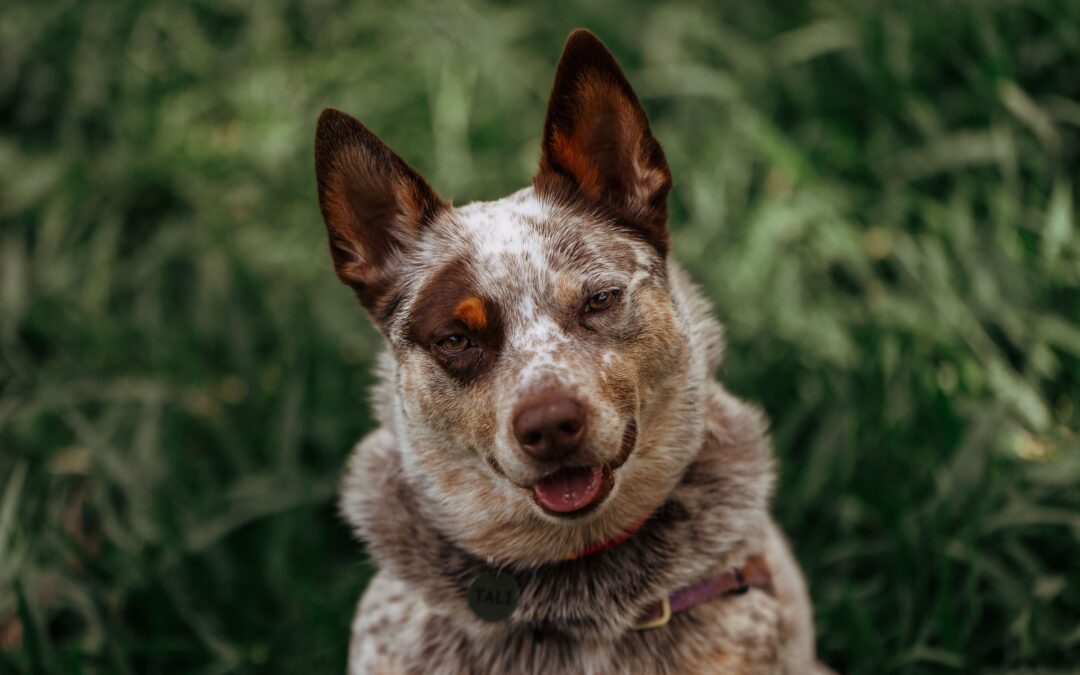
What is a red heeler? A red heeler is an Australian Cattle Dog with a red speckled coat. It is the same breed as the blue heeler, just a different color. The AKC lists the breed at 17 to 20 inches and 35 to 50 pounds. Expect a smart, loyal, high-energy herding dog that needs daily exercise and a job.

The red heeler was bred to move cattle across tough Australian country, and it still has the stamina, brains and drive to prove it. It can be a brilliant partner for an active owner, but it is not a casual pet. This guide covers history, looks, red vs blue, temperament, exercise, health, grooming and cost, with each fact linked to its source.

Key takeaways

  • Red and blue coats belong to one breed, the Australian Cattle Dog, per PetMD.
  • Adults stand 17 to 20 inches and weigh 35 to 50 pounds (AKC).
  • Puppies are born white and develop their color later.
  • PetMD recommends at least 45 minutes of running or jogging a day.
  • Ask breeders about PRA eye testing and BAER hearing tests.

What Is a Red Heeler?

“Red heeler” is a nickname, not a separate breed. The AKC breed page describes the Australian Cattle Dog as related to Australia’s wild dingo and notes it is also called the Blue Heeler or Queensland Heeler. PetMD, in a profile by Veronica Higgs, DVM, confirms that blue and red heelers are the same dogs in different colors.

The “heeler” part comes from how these dogs work: an American Kennel Club (AKC) article by Micaela Erickson notes that some instinctively nip at heels to move animals. On paper, it is simply an Australian Cattle Dog in the red color.

History of the Breed

Trupanion says Thomas Hall of New South Wales crossed tamed dingoes with smooth-coated merle collies in the late 1820s, producing “Hall’s Heelers,” and that the AKC recognized the breed in 1980.

Dogz Online dates Hall’s cross to 1840 and adds that later breeders mixed in the Dalmatian and the black-and-tan Kelpie. Sources differ on the exact year, but all agree the breed was built for hard cattle work in Australia.

Red heeler with a red speckled coat and red ear patches sitting in green grass
This heeler shows the classic red speckled coat. Photo: Helena Lopes / Pexels

Red Heeler Size, Coat and Colors

The AKC article lists Australian Cattle Dogs at 17 to 20 inches tall and 35 to 50 pounds, and PetMD gives the same range, noting adults should not exceed 50 pounds or 20 inches. The AKC calls the breed compact and muscular, with a smooth double coat, and notes it was bred to work outdoors herding livestock.

Trait Australian Cattle Dog Source
Height 17 to 20 inches AKC, PetMD
Weight 35 to 50 pounds AKC, PetMD
Lifespan 12 to 16 years on average Trupanion
Coat Smooth double coat AKC
Colors Red speckled or blue (blue-gray) AKC, PetMD
Breed group Herding AKC
AKC recognition 1980 Trupanion

The Red Speckle Coat

Dogz Online says the red speckle variety should be evenly speckled all over but may have darker red markings on the head. In our experience, many of these dogs also show red patches around one or both eyes and on the ears. The AKC notes that puppies are born white, and Trupanion says the adult color starts to appear at around four weeks.

Close-up of a red heeler face showing the red speckled coat and a red patch over one eye
Even red speckling with darker red markings on the head is typical of the red color. Photo: Helena Lopes / Pexels

Red Heeler vs Blue Heeler

The only real difference is color. PetMD states plainly that the two colors are the same breed, and the AKC says adult coats turn blue-gray or red. As general advice, do not choose a red dog expecting a different temperament or size, and do not pay a premium just for the color.

Feature Red heeler Blue heeler
Breed Australian Cattle Dog Australian Cattle Dog
Coat color Red speckled, may have darker red head markings Blue-gray, sometimes speckled
Size 17 to 20 inches, 35 to 50 pounds 17 to 20 inches, 35 to 50 pounds
Temperament Same breed traits Same breed traits

Sources: AKC, PetMD and Dogz Online.

Like heeler crosses too? Read our guides to the blue heeler and Corgi mix and the blue heeler German Shepherd mix.

Red Heeler Temperament and Personality

PetMD describes Australian Cattle Dogs as highly intelligent and protective dogs that bond strongly to their owner and are curious but wary of strangers. The AKC article adds that they are alert, very loyal and quite independent. In our experience, a red heeler often attaches closely to one person.

Nipping and Herding

PetMD notes that the breed tends to be “mouthy,” nipping or biting, and that training can redirect it. The AKC says herding instincts can lead them to nip at or round up children, so they suit families with older kids. As general advice, give your dog a toy to carry when it gets excited and never punish herding instincts harshly.

Getting Along With Other Pets

The AKC article warns that Australian Cattle Dogs may be aggressive with unfamiliar dogs. As general advice, introduce new dogs slowly on neutral ground, raise a puppy alongside the other pets in your home, and supervise early meetings with cats or small animals, since a strong herding and chase drive can make play too rough.

Training Tips

PetMD calls the breed highly trainable but stubborn, and says it responds best to positive reinforcement. The American Veterinary Society of Animal Behavior (AVSAB) says puppy classes can start at 7 to 8 weeks, after a first set of vaccines. As general advice, start training and socialization early and keep lessons short and varied.

How Much Exercise Does a Cattle Dog Need?

A red heeler needs a lot of activity. PetMD recommends running or jogging for at least 45 minutes daily, plus activities like agility, fetch and frisbee, and says the breed is not well suited to apartments or small yards. The AKC adds that these dogs are happiest when challenged both mentally and physically.

Red heeler running down a dirt path through dry grass in the countryside
Heelers need long, active outings every day. Photo: Ryan Lansdown / Pexels
Activity Why it helps Source
Running or jogging At least 45 minutes a day PetMD
Agility, fetch, frisbee Burns energy and builds focus PetMD; benefit is general advice
Herding or farm work What the breed was built for PetMD, AKC
Puzzle toys and training games Mental challenge AKC, general advice

Pet Care Tip: Our suggestion is to give your heeler a daily “job,” such as finding hidden toys, carrying a backpack on hikes or learning a new trick. In our experience, a herding dog with a purpose is calmer at home.

Active dogs need the right food. See our guide on how to build muscle on a dog with food.

Red Heeler Health and Lifespan

PetMD calls the Australian Cattle Dog a generally healthy, hardy breed, but lists heart conditions, eye defects, deafness and hip dysplasia as concerns. Trupanion puts the average lifespan at 12 to 16 years and notes that Bluey, an Australian Cattle Dog, lived 29 years and five months.

Health issue What it is Source
Progressive retinal atrophy Inherited eye disease; night blindness, then vision loss PetMD, UC Davis
Congenital deafness Inherited; confirmed by BAER test PetMD, OFA
Hip dysplasia Infrequent, but can cause pain and arthritis PetMD
Heart conditions Listed as a breed concern PetMD
Elbow dysplasia, hypothyroidism, dental disease Also listed by an insurer Trupanion

A dog may have some, all or none of these.

Health Tests to Ask About

The UC Davis Veterinary Genetics Laboratory says the PRCD form of progressive retinal atrophy usually causes noticeable vision loss by about 4 years of age, and lists the Australian Cattle Dog for testing.

The Orthopedic Foundation for Animals (OFA) says the BAER test is the only accepted way to diagnose congenital deafness, can be done from 35 days of age and only needs doing once. As general advice, ask to see both results for each parent and the puppy’s BAER result.

Older red heeler with a red and white face looking up at the camera
Trupanion puts the breed’s average lifespan at 12 to 16 years. Photo: Helena Lopes / Pexels

A lean dog has healthier joints. If your dog needs to slim down, see our guide on how to help your dog lose weight.

When to call a vet right away: As general advice, call your vet or a 24/7 emergency animal hospital if your dog collapses during exercise, pants heavily and will not cool down, has trouble breathing, or suddenly seems unable to see or hear. Book a prompt visit for limping that lasts more than a day.

Red Heeler Grooming and Cost

The AKC says the smooth double coat is low maintenance, needing weekly brushing and occasional baths, but that it sheds heavily twice a year, when brushing every few days helps. PetMD adds that the breed sheds a moderate to high amount and benefits from a professional blowout about twice a year. The AKC also advises regular nail trims.

iHeartDogs estimates Australian Cattle Dog puppies at about $500 to $1,200 depending on the US region, with top bloodlines reaching $2,000 or more, and rescue adoption fees of about $150 to $400. Adopt-a-Pet gives a similar $500 to $1,500 breeder range and about $300 to adopt. Neither lists a different price for red coats.

As general advice, budget for the puppy, a crate, training classes, quality food and yearly vet care, and check breed rescues too. Not sure about a rescue’s mix? A dog DNA test can help.

7 questions to ask a breeder or rescue

  1. Can I meet the puppy’s mother, and the father if possible?
  2. Do the parents have PRA (PRCD) DNA results?
  3. Does the puppy have a BAER hearing test result?
  4. Have the parents had hip screening?
  5. How does the dog react to strangers, kids and other dogs?
  6. How much exercise has the dog been getting?
  7. Will you take the dog back if it does not work out?

Example Scenario (illustrative)

Jake in Tulsa adopted a two-year-old heeler who nipped at his niece’s ankles in the yard. He started a daily 45-minute run, added fetch and a weekly agility class, and taught a “carry your toy” game for exciting moments. Within weeks, the nipping eased and the dog settled calmly in the evenings.

Myth Fact
“Reds are a different breed from blues.” They are the same breed in different colors (PetMD).
“A big yard is enough exercise.” PetMD recommends at least 45 minutes of running daily.
“Heelers are born red or blue.” Puppies are born white (AKC).
“Short coats barely shed.” They shed heavily twice a year (AKC).

What most owners get wrong

In our experience, many owners give a heeler plenty of running but no brain work. A tired body with a bored mind can still chew, herd and nip. Mix exercise with training, puzzles and short jobs every day.

Red Heeler: FAQs

Is a red heeler the same as an Australian Cattle Dog?

Yes. It is an Australian Cattle Dog in the red speckled color.

What is the difference between a red heeler and a blue heeler?

Only the coat color. PetMD says they are the same breed.

How big do these dogs get?

The AKC and PetMD list 17 to 20 inches and 35 to 50 pounds.

How long do red heelers live?

Trupanion gives an average of 12 to 16 years.

Are red heelers good family dogs?

They can be with active owners and older kids. The AKC notes they may nip at or herd children.

Do heelers shed a lot?

Yes. The AKC says they shed heavily twice a year.

Why are heeler puppies born white?

The AKC notes puppies are born white; Trupanion says color starts to show at about four weeks.

Final Verdict: Is a Red Heeler Right for You?

A red heeler is a loyal, brilliant and tireless dog for an owner who loves the outdoors and has time to train. It needs at least 45 minutes of hard exercise a day, daily brain work and early socialization to manage nipping and wariness of strangers. Ask for eye and hearing test results, and you can enjoy a devoted partner for many years.

Your next steps

  1. Meet adult Australian Cattle Dogs before you commit.
  2. Ask for PRA and BAER results.
  3. Plan daily exercise and a training class.

Share your heeler on the Pets Store Home Facebook page, and find more breed guides in our Dogs section.

About the author: Written and reviewed by the Pets Store Home Editorial Team, pet owners who check every guide against trusted sources.

How we checked this guide: Size, color, temperament, exercise and grooming come from the AKC (Micaela Erickson) and PetMD (Veronica Higgs, DVM). History and lifespan come from Trupanion and Dogz Online, eye testing from UC Davis, hearing tests from the OFA, prices from iHeartDogs and Adopt-a-Pet, and socialization timing from AVSAB.

Where sources differ, such as the year the breed began, we show each one. This guide was written in November 2026 and is reviewed every 12 months.

Last reviewed: November 2026.

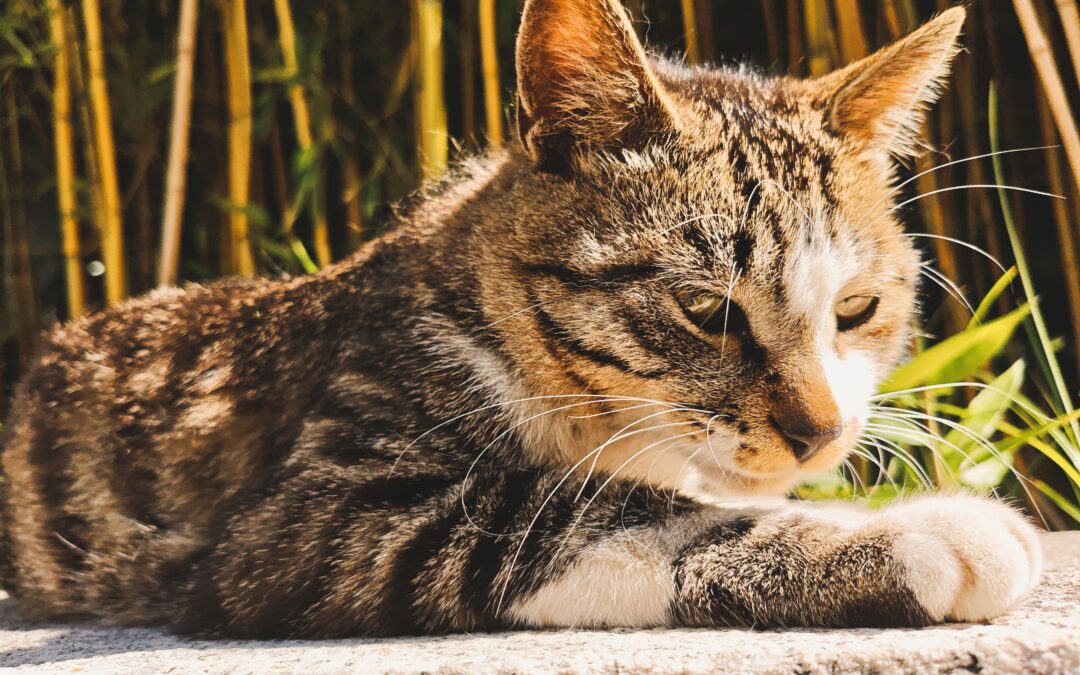
brown tabby cat

brown tabby cat

Brown Tabby Cat: Patterns, Genetics, Breeds, Personality and Care (2026)

What is a brown tabby cat? A brown tabby is a cat with black stripes, swirls or spots on a warm brown or bronze background, as the Cat Fanciers’ Association describes it. Brown tabby is a coat color and pattern, not a breed, so any breed or mixed-breed cat can have it. Most brown tabbies also wear an “M” mark on the forehead.

In our experience, the brown tabby cat is one of the most familiar coats in American homes and shelters. This guide explains the four tabby patterns, the genetics behind the color, which breeds come in brown tabby, what personality to expect, and how to care for a brown tabby kitten or adult, with each fact linked to its source.

Key takeaways

  • Brown tabby is a coat color and pattern, not a breed.
  • The CFA describes it as black markings on a warm brown or bronze ground.
  • It comes in mackerel, classic, spotted and ticked patterns.
  • Coat pattern does not predict personality, behavior experts tell Chewy.
  • Care depends on breed and age, not color; plan yearly vet visits.

What Is a Brown Tabby Cat?

The Cat Fanciers’ Association (CFA) says a brown tabby has a warm brown or bronze tone to its background color with black stripes.

A Chewy article by Katrina Eresman stresses that a tabby is not a specific breed: the word describes a fur pattern that any breed or mixed-breed cat can carry. So your cat could be a Maine Coon, an American Shorthair or a shelter cat of unknown background.

The “M” on the Forehead

Chewy and Petfinder both note that most tabbies have an M-shaped marking on the forehead. Look for it between the eyes and ears, along with thin “pencil” lines on the cheeks. As general advice, these face markings are often the easiest way to spot a tabby when the body pattern is faint.

Brown Tabby vs Grey Tabby

The difference is the background color. A brown tabby has the warm brown or bronze ground the CFA describes, while, as general advice, a grey or silver tabby has a cooler, paler ground behind similar dark markings. Lighting can make the two look alike in photos, so check the coat in daylight.

Brown tabby cat with black stripes and green eyes resting under a wooden chair indoors
A brown tabby shows black markings on a warm brown coat and the classic tabby face lines. Photo: Белка (Belka) / Pexels

Brown Tabby Cat Patterns

The CFA recognizes four main tabby patterns, and a brown tabby cat can show any of them. Chewy and Petfinder also mention a fifth “patched” tabby, which is a calico or tortoiseshell cat with tabby areas. Chewy says the mackerel pattern is the most common and the ticked pattern the least common.

Pattern What it looks like Source
Mackerel Narrow stripes running in parallel, like the bones of a fish CFA
Classic (blotched) Bold swirls on the sides and a “butterfly” over the shoulders CFA
Spotted Stripes or swirls broken into spots CFA
Ticked Bands of color on each hair, with barring on the legs and tail CFA
Patched Calico or tortoiseshell with tabby areas (“torby” or “caliby”) Chewy, Petfinder

Brown Mackerel Tabby

A brown mackerel tabby has thin black stripes running down its sides on a warm brown ground. Petfinder adds that mackerel tabbies often have ringed legs and tail and chest stripes that look like a necklace. As general advice, this is the look most people picture when they hear “brown tabby cat.”

Brown Classic and Spotted Tabbies

Petfinder describes the classic pattern as wide stripes that curve into whorls, with three broad stripes from the shoulders to the tail. A brown spotted tabby has round spots instead, which Petfinder says are usually darker than the surrounding fur. Bengals are a well-known spotted breed; see our guide on how much Bengal kittens cost.

Brown Tabby and White

Some brown tabbies also have white on the chest, paws or face. As general advice, these cats are usually called “brown tabby and white” on shelter and breeder listings. For a related look, read our guide to the grey and white cat.

Brown tabby cat with striped legs lying on a striped outdoor bench
Ringed legs and body stripes are typical of the mackerel tabby pattern. Photo: Sami Aksu / Pexels

Why Is a Brown Tabby Brown? The Genetics

The UC Davis Veterinary Genetics Laboratory explains that the agouti gene makes each hair switch between black and red pigment as it grows, creating banded hairs. In a tabby, the dark stripes are uniformly dark hairs and the areas between them are banded. Put simply, in a brown tabby that banded ground shows as warm brown behind the black stripes.

UC Davis also says the tabby pattern itself comes from a separate gene. Cats with two copies of the non-agouti allele have solid coats, and their tabby pattern is still there but hidden, which is why some solid cats show faint stripes in certain light. Petfinder similarly notes that subtle patterns can show on solid-looking cats in the right light.

Stripes vs Swirls

A 2012 study in Science by researchers at Stanford, the National Cancer Institute and HudsonAlpha linked the gene Taqpep to tabby markings. All 58 classic (blotched) tabbies studied had mutations in both copies, while all 51 mackerel tabbies had at least one normal copy. The same gene explains the thick, dark stripes of the king cheetah.

Brown Tabby Cat Breeds

Because tabby is a pattern, many breeds come in brown tabby. Chewy’s list of tabby breeds includes the Maine Coon, American Bobtail, British Shorthair, Norwegian Forest Cat, Siberian, Persian, Scottish Fold, Bengal and Abyssinian, and Petfinder adds the American Shorthair and Egyptian Mau. As general advice, most brown tabby cats in shelters are domestic shorthairs or longhairs of mixed background.

Breed What to expect (general advice) Listed as tabby by
Maine Coon Large, long-haired, often brown classic or mackerel Chewy, Petfinder
American Shorthair Short coat, often brown classic tabby Petfinder
Bengal Brown spotted or marbled coat Chewy
Abyssinian Ticked coat with little visible striping Chewy
Norwegian Forest Cat Thick, long, weatherproof coat Chewy
Domestic shorthair Any tabby pattern; the most common brown tabby General advice

Comparing two popular long-haired breeds? See our guide to the Norwegian Forest Cat vs Maine Coon price.

Brown Tabby Cat Personality

Petfinder notes that tabbies have a friendly reputation, but coat color is not a reliable guide to behavior. In the Chewy article, cat behavior consultant Joey Lusvardi says coat pattern does not predict temperament, and behaviorist Saba Sayyed points to breed, environment, past trauma and early socialization instead. Petfinder agrees that breed and socialization shape personality.

Brown mackerel tabby cat licking its nose while sitting outdoors
A brown tabby cat’s personality depends on breed, upbringing and environment, not coat color. Photo: Yusuf Çelik / Pexels

Brown Tabby Kitten: What to Expect

Petfinder notes that kittens introduced to many people and experiences tend to be more outgoing as adults. As general advice, handle a brown tabby kitten gently every day, offer climbing and play spaces, and keep vet visits positive; a kitten’s markings usually show early, though the shade of brown may change as the coat matures.

Brown Tabby Cat Health, Lifespan and Care

As general advice, brown tabby color is not known to cause health problems on its own; health depends on breed, genes and care. Chewy puts the typical tabby lifespan at 10 to 15 years, with some living into their 20s, while Petfinder gives 13 to 17 years. Chewy adds that coat pattern generally does not affect lifespan.

The 2010 AAHA/AAFP Feline Life Stage Guidelines say a minimum of one wellness exam a year is justified for all cats, and that seniors may need more frequent exams. As general advice, keep your cat at a healthy weight, brush long-haired tabbies several times a week, and ask your vet about breed-specific risks if your cat is a purebred.

Care task How often Source
Vet checkup At least once a year; more often for seniors AAHA/AAFP guidelines
Brushing Weekly for short hair, more for long hair General advice
Play and enrichment Daily General advice
Nail trims Every few weeks General advice
Weight check At each vet visit General advice
Close-up of a healthy brown tabby cat with amber eyes and a striped coat
AAHA/AAFP guidelines support at least one wellness exam a year for every brown tabby cat. Photo: Yusuf Çelik / Pexels

Noticed a sudden change in your cat’s mood or habits? Read our guide on why a cat acts different all of a sudden.

When to call a vet right away: As general advice, call your vet or a 24/7 emergency animal hospital if your cat strains to urinate or cannot pass urine, has trouble breathing, stops eating for more than a day, or suddenly hides and seems in pain. Male cats with urinary blockages can become critically ill quickly.

Are Brown Tabby Cats Rare?

No. Petfinder says the gene behind tabby markings is found across all domestic cats, and Samantha Bell of Best Friends Animal Society tells Chewy that a non-tabby cat is much harder to find. As general advice, brown tabby is one of the most common coats you will see in US shelters, so be wary of any seller who charges extra for a “rare” brown tabby.

Pet Care Tip: Our suggestion is to photograph your cat’s markings from both sides and the face. In our experience, every cat’s markings differ a little, and clear photos can help shelters and neighbors identify your cat if it ever gets lost. Pair this with a microchip.

7 questions to ask before adopting a brown tabby

  1. Is the cat a known breed or a domestic shorthair or longhair?
  2. How old is the cat, and what is its vet history?
  3. Is it spayed or neutered, vaccinated and microchipped?
  4. How does it react to handling, kids and other pets?
  5. Does it have long hair that needs frequent brushing?
  6. What food and litter is it used to?
  7. Can I return the cat if it is not a good fit?

Example Scenario (illustrative)

Emily in Austin adopted a shy brown mackerel tabby from a local shelter. She gave him a quiet room, a cat tree by the window and two short play sessions a day, and booked a vet checkup in the first week. Within a month, he was greeting her at the door and sleeping on the couch.

Myth Fact
“Brown tabby is a breed.” Tabby is a coat pattern, not a breed (Chewy).
“All tabbies have the same personality.” Coat pattern does not predict temperament (Chewy).
“Brown tabbies are rare.” The tabby gene is found across all domestic cats (Petfinder).
“Color affects lifespan.” Coat pattern generally does not affect lifespan (Chewy).

What most owners get wrong

In our experience, many owners choose a cat by coat color and expect a certain personality. Instead, meet the cat, ask about its history and spend time with it before you decide. A good match depends on temperament and energy, not stripes.

Brown Tabby Cat: FAQs

Is a brown tabby a breed?

No. Tabby is a coat pattern, and many breeds and mixed-breed cats can be brown tabbies.

What makes a tabby cat brown?

The CFA describes a warm brown or bronze ground with black markings; UC Davis explains the ground comes from banded agouti hairs.

What is the most common brown tabby pattern?

Chewy says mackerel, with narrow stripes, is the most common tabby pattern.

Are brown tabby cats rare?

No. Petfinder says the tabby gene is found across all domestic cats.

How long do brown tabby cats live?

Chewy gives about 10 to 15 years and Petfinder 13 to 17; Chewy says coat pattern generally does not affect lifespan.

Do brown tabby cats have a special personality?

No. Experts quoted by Chewy say breed, environment and socialization matter more than coat.

Why do brown tabbies have an M on their forehead?

Most tabbies have this M-shaped marking as part of the tabby pattern, per Chewy and Petfinder.

Final Verdict: Is a Brown Tabby Cat Right for You?

A brown tabby cat can be any breed or mix, so its personality and care depend on the individual, not the coat. What you get is one of the most classic looks in the cat world: black markings on a warm brown ground, often with an “M” on the forehead. Meet the cat, ask about its history, and plan yearly vet visits for a long, healthy life together.

Your next steps

  1. Check local shelters for brown tabby cats and kittens.
  2. Ask about age, health and temperament.
  3. Book a vet visit in your first week together.

Share your brown tabby on the Pets Store Home Facebook page, and find more guides in our Cats section.

About the author: Written and reviewed by the Pets Store Home Editorial Team, pet owners who check every guide against trusted sources.

How we checked this guide: Color and pattern definitions come from the Cat Fanciers’ Association. Genetics come from the UC Davis Veterinary Genetics Laboratory and a 2012 Science study on Taqpep. Breeds, personality and lifespan come from Chewy (with behavior experts) and Petfinder, and checkup advice from the AAHA/AAFP Feline Life Stage Guidelines.

Where sources differ, such as lifespan, we show each figure. This guide was written in November 2026 and is reviewed every 12 months.

Last reviewed: November 2026.

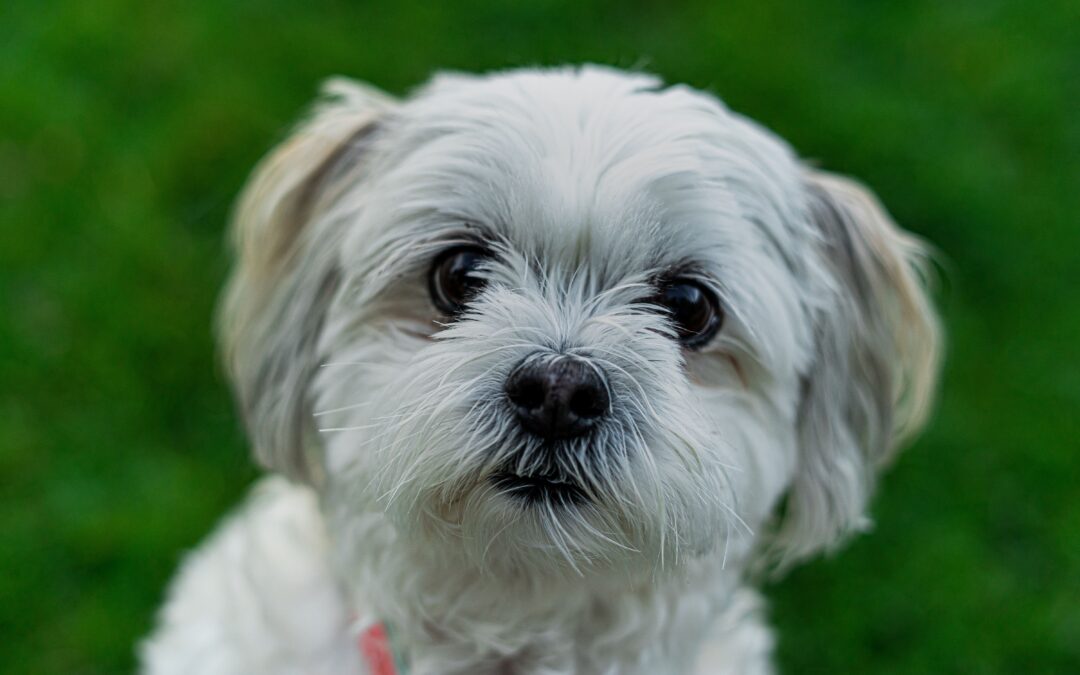
maltese and shih tzu mix dog

maltese and shih tzu mix dog

Maltese and Shih Tzu Mix Dog (Malshi): Size, Temperament, Health and Care (2026)

What is a Maltese and Shih Tzu mix dog? It is a small designer cross, often called a Malshi or Malti Tzu, with one Maltese and one Shih Tzu parent. Most adults weigh about 6 to 12 pounds, stand 9 to 11 inches tall and live 12 to 14 years. Expect an affectionate lap dog with a silky, low-shedding coat that needs daily brushing.

A Maltese and Shih Tzu mix dog suits many apartment dwellers, seniors and families with older kids who want a cuddly companion. It is not a low-maintenance pet, though. This guide covers size, coat, temperament, exercise, grooming, health, lifespan and cost, with each figure linked to its source.

Key takeaways

  • A Malshi is a Maltese crossed with a Shih Tzu; it is not AKC recognized.
  • Petfinder lists 9 to 11 inches, 6 to 12 pounds and a 12 to 14 year lifespan.
  • Short daily walks and play are enough exercise, per PetMD.
  • The coat sheds little but mats easily, so brush daily.
  • Watch for kneecap, dental, liver shunt and eye problems.

What Is a Maltese and Shih Tzu Mix Dog?

PetMD, in an article by Sarah Mouton Dowdy, MA, reviewed by Barri J. Morrison, DVM, calls the Malshi a relatively new cross between two classic lap breeds. Because it is a mixed breed, the American Kennel Club does not recognize it, and there is no breed standard. Each puppy can lean toward either parent in looks and personality.

PetMD notes that the Shih Tzu’s name means “lion dog” in Mandarin and that the Maltese was a favorite of the ancient Greeks and Romans. As general advice, expect a Maltese and Shih Tzu mix dog to blend the Maltese’s silky coat with some of the Shih Tzu’s shorter face and sturdier build.

Other Names: Malshi, Malti Tzu and Mal-Shi

You may see this cross listed as a Malshi, Mal-Shi, Malti Tzu, Mal-Tzu, Shih-tese or Shima. Rover lists several of these names. They all describe the same Maltese Shih Tzu mix, so search for each one when you look at rescues or breeders.

Where Did the Malshi Come From?

Sources disagree. Rover says the cross was first bred in Australia in the 1990s as a companion for people with dog allergies, while Petfinder describes it as a designer breed developed in the US. Either way, it is a modern mix rather than an old breed.

Maltese and Shih Tzu mix dog guide: a small white dog with a fluffy long coat outdoors
Small, fluffy and affectionate, a Malshi makes a devoted companion. Photo: Castorly Stock / Pexels

Maltese and Shih Tzu Mix Dog Size and Appearance

Petfinder lists the Malshi at 9 to 11 inches tall and 6 to 12 pounds. PetMD says a full-grown Maltese and Shih Tzu mix dog will be about the size of its parents. PetMD gives the Maltese at 7 to 9 inches and under 7 pounds, and the Shih Tzu at about 10 inches and 9 to 16 pounds.

Trait Maltese Shih Tzu Malshi (mix)
Height 7 to 9 inches About 10 inches 9 to 11 inches
Weight Under 7 pounds 9 to 16 pounds 6 to 12 pounds
Lifespan 12 to 15 years 10 to 18 years 12 to 14 years
Coat Long, silky, white Long double coat Long, silky, low-shedding
Face Not flat-faced (general advice) Short, flat muzzle Usually longer than a Shih Tzu

Sources: PetMD breed profiles for the Maltese, Shih Tzu and Malshi; Petfinder for the Malshi.

Coat Colors

Petfinder says Malshis can be white, black, brown or any mix of these. Rover adds that white or white with tan markings is most likely. As general advice, a Maltese and Shih Tzu mix dog’s puppy coat can lighten or darken with age, so ask to see the parents.

A small white Maltese with a long silky coat, one parent breed of the Maltese and Shih Tzu mix dog
The Maltese parent passes on the silky white coat many Malshis have. Photo: Denniz Futalan / Pexels

Is a Maltese Shih Tzu Mix Hypoallergenic?

Not fully. PetMD says this Shih Tzu Maltese mix’s minimal shedding has earned it a hypoallergenic reputation, but that a 100% hypoallergenic dog does not exist. PetMD makes the same point about the Maltese. As general advice, spend time with the dog before you commit if anyone at home has allergies.

Other Maltese Mix Breeds

The Malshi is one of several Maltese mix breeds. Other Maltese hybrid dogs include the Maltipoo (Maltese and Poodle), the Morkie (Maltese and Yorkshire Terrier) and the Malchi (Maltese and Chihuahua). As general advice, every Maltese mix dog is small, but coat type and energy depend on the other parent.

Malshi Temperament and Personality

PetMD describes the Malshi as affectionate, playful and outgoing when well socialized. It is smart and eager to please, but it can be willful and wary of strangers. Petfinder adds that the Malshi is alert and vocal and will bark to warn you about visitors. Petfinder also says a Maltese and Shih Tzu mix dog bonds strongly with its owners.

PetMD warns that Maltese form close bonds and may develop separation anxiety if left alone too long, and PetMD says Shih Tzu do best with plenty of attention. As general advice, a Malshi suits homes where someone is around for much of the day.

A white Shih Tzu with a pink bandana relaxing on a couch, the other parent breed of the Malshi
The Shih Tzu parent adds a loyal, people-loving lap dog nature. Photo: Julia Barrantes / Pexels

Is a Maltese and Shih Tzu Mix Dog Good With Kids?

PetMD says the Malshi is not a good fit for homes with small children, because toy dogs are easily hurt by accident, and notes that Malshis are also at risk around large dogs. Petfinder says they may need extra supervision with children and suit sure-footed people better than toddlers. As general advice, older, gentle children can do well with supervision.

Training and Socialization

PetMD recommends positive reinforcement for a Maltese and Shih Tzu mix dog and stresses socialization during the critical period up to about 16 weeks of age.

The American Veterinary Society of Animal Behavior (AVSAB) says puppy classes can begin at 7 to 8 weeks, once a puppy has had its first vaccines. As general advice, keep lessons short and use tiny treats to suit a small stomach.

Pet Care Tip: Our suggestion is to practice short, calm departures from day one. Leave for a few minutes, return without fuss, and slowly build up the time. This can help a clingy Malshi learn that being alone is safe.

Maltese and Shih Tzu Mix Dog Exercise and Grooming

PetMD rates the Malshi as moderately energetic: short daily walks and play sessions are usually enough, and it adapts well to apartment life. PetMD warns that flat-faced dogs like the Shih Tzu face a higher risk of overheating and heatstroke, so as general advice, walk your Malshi in the cooler parts of hot days.

Grooming a Malshi

PetMD says the Malshi needs daily brushing and regular professional grooming, and suggests a shorter “teddy bear” cut to make home care easier. PetMD recommends trimming or tying back the hair around the eyes. As general advice, check the feet, ears and rear end for mats every week.

A small Shih Tzu getting a professional haircut, the regular grooming a Maltese and Shih Tzu mix dog needs
Regular professional grooming helps keep a Malshi coat free of mats. Photo: Goochie Poochie Grooming / Pexels
Care task How often Source
Brushing Daily PetMD, Petfinder
Professional grooming Regularly (about every 4 to 8 weeks is a common schedule) PetMD; timing is general advice
Tooth brushing At least three times a week PetMD
Dental cleanings As your vet advises PetMD
Eye-area hair Trim or tie back PetMD (Shih Tzu)
Exercise Short walks and play daily PetMD

Maltese and Shih Tzu Mix Dog Health and Lifespan

PetMD says a Malshi’s lifespan is similar to its parents: 12 to 15 years for the Maltese and 10 to 18 years for the Shih Tzu. Petfinder gives 12 to 14 years for the mix. PetMD lists these conditions for the Malshi.

Health issue What it is Source
Patellar luxation Kneecap slips out of its groove; limping or bunny-hopping PetMD
Periodontal disease Bacteria damage the gums and teeth PetMD
Liver (portosystemic) shunt Blood bypasses the liver; poor growth, vomiting, seizures PetMD
Hip dysplasia Unstable hip that can lead to arthritis PetMD
Eye problems Cataracts, dry eye and progressive retinal atrophy PetMD
Patent ductus arteriosus Inborn heart defect; higher risk in Maltese PetMD
Brachycephalic syndrome Breathing, eye and dental issues from a flat face PetMD

A mix may inherit some, all or none of these risks.

Flat Faces and Breathing

PetMD lists brachycephalic syndrome for the Malshi but notes that Malshis tend to have longer muzzles than Shih Tzu. As general advice, choose a puppy with open nostrils and quiet breathing, and use a harness rather than a collar.

Extra weight strains small knees. If your dog needs to slim down, read our guide on how to help your dog lose weight.

When to call a vet right away: As general advice, call your vet or a 24/7 emergency animal hospital if your dog has a seizure, struggles to breathe or has blue-tinged gums, collapses on a hot day, or shows a red, painful or cloudy eye. Book a prompt visit for limping, bad breath or poor growth.

Maltese and Shih Tzu Mix Dog Price and Adoption

We could not find a reliable published average for Malshi puppies. For reference, iHeartDogs lists purebred Maltese puppies from reputable breeders at about $1,000 to $4,500, and Shih Tzu puppies at about $900 to $3,000, depending on the US region. As general advice, be wary of very cheap puppies, sellers who will not show the mother, or anyone who ships puppies without a visit.

Adoption is another option. As general advice, search Petfinder and local small-breed rescues for Malshis near you. Not sure what your rescue is? A dog DNA test can help.

7 questions to ask a breeder or rescue

  1. Can I meet the mother, and the father if possible?
  2. Have the parents had knee (patella) and eye checks?
  3. Was the puppy screened for a liver shunt?
  4. Does the puppy breathe quietly, even after play?
  5. How has the puppy been socialized so far?
  6. How does the dog cope when left alone?
  7. Will you take the dog back if it does not work out?

Example Scenario (illustrative)

Linda in Phoenix adopted a 9-pound Malshi who cried whenever she left the apartment. She practiced short absences, added a puzzle toy, and moved walks to early morning to avoid the heat. She also switched to a teddy bear cut. Within a month, he napped calmly while she ran errands.

Myth Fact
“Malshis are 100% hypoallergenic.” No dog is fully hypoallergenic (PetMD).
“Low-shedding means low grooming.” Malshis need daily brushing (PetMD).
“Tiny dogs are perfect for toddlers.” PetMD says Malshis are not a good fit for small children.
“Small dogs don’t need dental care.” PetMD lists periodontal disease as a key risk.

What most owners get wrong

In our experience, many owners skip brushing between grooming visits and end up with a painful, matted coat that has to be shaved. Five minutes of brushing a day, plus regular tooth brushing, prevents the two most common problems we hear about.

Maltese and Shih Tzu Mix Dog: FAQs

What is a Maltese and Shih Tzu mix called?

It is usually called a Malshi, Mal-Shi or Malti Tzu. Rover also lists Mal-Tzu, Shih-tese and Shima.

How big does a Malshi get?

Petfinder lists 9 to 11 inches tall and 6 to 12 pounds.

Do Maltese Shih Tzu mixes shed?

Very little, but the coat mats easily. PetMD recommends daily brushing.

Is a Malshi hypoallergenic?

No dog is fully hypoallergenic, PetMD says, though Malshis shed minimally.

How long do Maltese and Shih Tzu mixes live?

Petfinder gives 12 to 14 years for the mix.

Are Malshis good with kids?

PetMD says they are not a good fit for small children; older, gentle kids can do well.

Do Malshis bark a lot?

Petfinder describes them as vocal dogs that bark to alert you to visitors.

Final Verdict: Is a Maltese and Shih Tzu Mix Dog Right for You?

A Maltese and Shih Tzu mix dog is a loving, playful lap dog that fits small homes and calm routines. In return, it needs daily brushing, regular grooming and dental care, and company for much of the day. Ask about knee, eye and liver checks, keep it cool in summer, and you can enjoy a devoted companion for many years.

Your next steps

  1. Meet adult Malshis or both parent breeds.
  2. Budget for grooming every few weeks.
  3. Book a vet check in your first week together.

Share your Malshi on the Pets Store Home Facebook page, and find more breed guides in our Dogs section.

About the author: Written and reviewed by the Pets Store Home Editorial Team, pet owners who check every guide against trusted sources.

How we checked this guide: Mix traits and health come from PetMD’s Malshi profile (reviewed by Barri J. Morrison, DVM) and Petfinder. Parent breed facts come from PetMD profiles by Teresa Kho-Pelfrey, DVM (Maltese) and Katie Grzyb, DVM (Shih Tzu). Names and origin come from Rover, socialization from AVSAB, and parent breed prices from iHeartDogs.

Where sources differ, such as origin and size, we show each one. This guide was written in November 2026 and is reviewed every 12 months.

Last reviewed: November 2026.

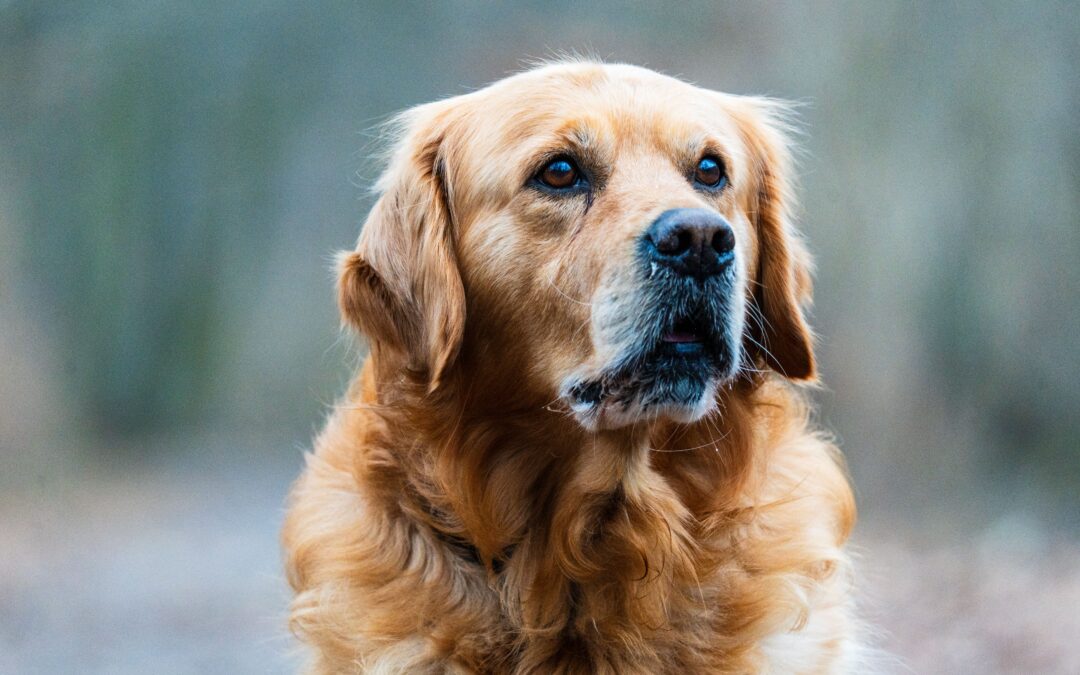
flat coat retriever

flat coat retriever

Flat Coat Retriever: Size, Temperament, Health, Price and Care (2026)

What is a flat coat retriever? The Flat-Coated Retriever is a cheerful English gundog with a glossy black or liver coat. Males stand about 23 to 24.5 inches and most adults weigh 60 to 70 pounds. Expect a playful, slow-to-mature family dog that needs at least 90 minutes of exercise daily and lives about 8 to 10 years.

Often described as forever young, the flat coat retriever keeps its puppy-like joy well into old age. It is friendly and smart, but energetic, with a higher cancer risk than many breeds. Here is what to know before you bring one home.

Key takeaways

  • The AKC breed standard allows only solid black or solid liver coats.
  • Most adults weigh about 60 to 70 pounds, per Chewy.
  • Plan on at least 90 minutes of exercise a day.
  • Histiocytic cancers are the breed’s main health concern.
  • Ask breeders for hip, patella and eye results for both parents.

What Is a Flat Coat Retriever?

The American Kennel Club (AKC) calls the breed “the Peter Pan of the Sporting Group” and describes it as happy, self-assured and willing to please. The Westminster Kennel Club says it was developed in England and ranks among the earliest retriever breeds, working well both on upland shoots and as a water retriever.

Today, the flat coat retriever also does well in tracking, agility, obedience and service work, as well as being a much-loved family companion.

History of the Flat-Coated Retriever

An AKC article by Stephanie Gibeault, MSc, CPDT, explains that the breed grew out of a 19th-century need for a dog to retrieve birds shot in flight. Its exact roots are unknown, but it likely came from Newfoundland crosses with large spaniels, setters and pointers. It was first called the Wavy-Coated Retriever.

The same AKC article says Sewallis Evelyn Shirley, founder of The Kennel Club in the UK in 1873, helped fix the breed type. From about 1890 until World War I, the breed was the most popular retriever in Britain, before Labradors and Golden Retrievers took over.

Flat coat retriever: a black Flat-Coated Retriever with a glossy coat standing outdoors
The flat coat retriever is known for its shiny coat and lifelong playful spirit.

Flat Coat Retriever Size, Colors and Coat

Chewy, in a breed guide whose health content is reviewed by its vets, lists males at 23 to 24.5 inches and females at 22 to 23.5 inches, with both sexes typically weighing 60 to 70 pounds. Petfinder gives a wider range of 22 to 24 inches and 55 to 80 pounds. As general advice, a flat coat retriever looks lean and athletic rather than heavy.

Trait Flat-Coated Retriever Source
Height (male) 23 to 24.5 inches Chewy
Height (female) 22 to 23.5 inches Chewy
Weight 60 to 70 pounds (55 to 80 per Petfinder) Chewy, Petfinder
Lifespan 8 to 10 years (8 to 14 per Petfinder) Chewy, Petfinder
Coat colors Solid black or solid liver AKC
Breed group Sporting AKC
Daily exercise At least 90 minutes Chewy

Figures vary by source; individual dogs may fall outside these ranges.

Black, Liver and Yellow Flat Coat Retrievers

The AKC says the breed standard allows only solid black or solid liver coats. Black is the color most people picture. As general advice, an occasional yellow flat coat retriever is born, but yellow is not an accepted show color, so be cautious if a seller markets yellow as “rare” and charges more for it.

Coat Type and Shedding

The Westminster Kennel Club describes a flat, dense and lustrous coat, and Chewy notes that the breed sheds a lot. Petfinder adds that the feathering (the longer, fringed fur) can collect debris and that the feet need regular checks for mud. As general advice, check paws after every hike.

Grooming a Flat-Coated Retriever

The AKC article recommends brushing at least once a week. Chewy suggests a bath every three to four weeks, more often after swimming, plus daily tooth brushing, monthly nail trims and regular ear checks.

Grooming task How often Source
Brushing At least weekly; Petfinder suggests daily AKC, Chewy, Petfinder
Bathing Every 3 to 4 weeks, more after swimming Chewy
Teeth Daily brushing, yearly vet cleaning Chewy
Nails About once a month Chewy
Ears Check regularly; dry after swimming Chewy, general advice

Flat Coat Retriever Temperament, Training and Exercise

The AKC article describes the breed as confident, outgoing and cheerful, usually friendly to everyone it meets, yet still willing to bark a warning. It is devoted to its family and needs a strong bond and one-on-one time. The AKC also notes that it matures slowly and keeps a lighthearted outlook into old age.

In our experience, a Flat-Coat may act like a teenager until age three or four, and a bored one can chew, dig or steal socks. As general advice, start positive, reward-based training early and keep sessions short, fun and varied.

How Much Exercise Does a Flat-Coat Need?

Chewy recommends at least 90 minutes of exercise a day for a flat coat retriever. Petfinder says the breed excels at long walks, running, swimming and scent tracking, and is calmer indoors once its needs are met. As general advice, mix physical exercise with brain work such as retrieving games, nose work or dock diving.

Activity Why it suits a Flat-Coat
Swimming and water retrieves Bred as a water retriever (Westminster Kennel Club)
Fetch with dummies or toys Uses its retrieving drive (general advice)
Scent and tracking games Petfinder lists scent tracking as a strength
Agility or obedience classes Westminster notes success in these sports
Long trail walks Petfinder lists long-distance walks

Is a Flat Coat Retriever Good With Kids?

Petfinder describes the breed as sensitive and slow to mature, says it is best suited to homes with older children or teens, and notes it may need extra supervision with kids. As general advice, teach children calm play and give the dog a quiet place to rest.

Pet Care Tip: Our suggestion is to keep a basket of toys by the door. In our experience, many Flat-Coats like to greet people with something in their mouth, and a toy gives that happy energy a polite outlet instead of jumping.

Active dogs need the right diet too. See our guide on how to build muscle on a dog with food.

Flat Coat Retriever Health and Lifespan

The Flat-Coated Retriever Society of Canada calls the breed relatively healthy thanks to careful breeders, but says Flat-Coats are more prone to histiocytic cancers than most other breeds, and no test can yet rule this out. Chewy also lists hip dysplasia, luxating patellas, bloat, cataracts and glaucoma. Chewy gives a lifespan of 8 to 10 years.

Cancer Risk in Flat-Coated Retrievers

A 2021 study in PLOS Genetics, led by Jacquelyn Evans and Elaine Ostrander of the National Human Genome Research Institute, reports that histiocytic sarcoma, an aggressive immune-cell cancer, affects about one in five Flat-Coats. Two genetic regions explained about 35% of that risk. As general advice, ask breeders about cancer and longevity in each dog’s family line.

Bloat (GDV)

The American College of Veterinary Surgeons (ACVS) says gastric dilatation-volvulus is a rapidly progressive, life-threatening condition that is more common in deep-chested dogs. Early signs include retching without bringing anything up and a swelling belly. The ACVS notes that many vet surgeons recommend a preventive gastropexy for at-risk breeds, which can often be done during spay or neuter surgery.

Health issue What it is Source
Histiocytic sarcoma Aggressive cancer of immune cells; about 1 in 5 Flat-Coats PLOS Genetics (2021), FCRS Canada
Hip dysplasia Painful hip joint whose parts rub together Chewy
Luxating patella Kneecap slips out of place Chewy
Bloat (GDV) Twisted stomach; emergency Chewy, ACVS
Cataracts and glaucoma Eye conditions; a genetic screening test exists for glaucoma Chewy

This is not a full list. Talk to your vet about your own dog.

Health Tests to Ask About

The AKC health testing list for the Sporting Group lists hip, patella and ophthalmologist evaluations for the Flat-Coated Retriever. The Flat-Coated Retriever Society of Canada adds that elbows, hearts, thyroid and gonioscopy (a glaucoma screen) are common but optional. As general advice, ask to see the results, not just a verbal promise.

A lean body helps protect joints. If your dog needs to slim down, read our guide on how to help your dog lose weight.

When to call a vet right away: As general advice, go to your vet or a 24/7 emergency animal hospital immediately if your dog retches without producing anything, has a swollen belly, seems restless or collapses. Book a prompt visit for any new lump, limping, weight loss or loss of appetite.

Flat Coat Retriever vs Golden Retriever

The two breeds look alike in shape and share a friendly nature, but the coat color is the quickest way to tell them apart. Chewy lists Golden Retrievers at 21.5 to 24 inches and 55 to 75 pounds, with a 10 to 12 year lifespan. In our experience, a Flat-Coat is similar in size but looks leaner and often acts more exuberant.

Trait Flat-Coated Retriever Golden Retriever
Height 22 to 24.5 inches 21.5 to 24 inches
Weight 60 to 70 pounds 55 to 75 pounds
Lifespan 8 to 10 years 10 to 12 years
Colors Black or liver Light to dark golden
Puppy price (breeder) $2,000 to $3,000 $1,200 to $3,500

Source: Chewy breed guides for both breeds.

Flat coat retriever and Golden Retriever side by side, showing the black coat and golden coat
The two retrievers share a build and a friendly nature but differ in coat color.

Leaning toward a Golden instead? Read our guide on Golden Retriever puppy prices.

Flat Coat Retriever Price and Puppies

Chewy says puppies from reputable breeders average about $2,000 to $3,000. iHeartDogs gives lower regional estimates, from about $1,000 to $1,300 in the Southeast up to $1,500 to $2,000 in the West. The AKC notes the breed’s numbers remain low compared with other retrievers, so as general advice, expect waiting lists with good breeders.

Adoption is another route. Petfinder notes that adoption fees usually cover spay or neuter, vaccines and a microchip.

7 questions to ask a breeder

  1. Can I see hip, patella and eye results for both parents?
  2. Were elbows, heart or gonioscopy also checked?
  3. How long did grandparents and other relatives live?
  4. Has cancer appeared in the family line?
  5. Can I meet the mother, and the father if possible?
  6. How are puppies socialized before going home?
  7. Will you take the dog back at any age?

Example Scenario (illustrative)

Jenna in Denver brought home a black Flat-Coat puppy and was surprised that, at two years old, he still jumped on guests and chewed shoes. She added a morning swim, a weekly nose-work class and a “bring a toy” greeting rule. Within a month, he greeted visitors with a toy in his mouth and slept through quiet evenings.

Myth Fact
“Flat-Coats are just black Golden Retrievers.” They are a separate breed with their own standard and history (AKC).
“A yellow Flat-Coat is a rare, premium color.” The AKC standard allows only solid black or liver.
“They calm down after their first birthday.” The breed matures slowly and stays youthful (AKC).
“A big yard is enough exercise.” Chewy recommends at least 90 minutes of exercise daily.

What most owners get wrong

In our experience, many owners expect a calm adult dog by age one and get frustrated by a bouncy, mouthy two-year-old. Plan for a long adolescence, keep training fun and consistent, and give your Flat-Coat daily jobs. Also, never ignore a new lump; have your vet check it promptly.

Flat Coat Retriever: FAQs

Is a flat coat retriever a good family dog?

Yes, for active families. Petfinder says it is best with older children or teens and may need extra supervision with younger kids.

How big does a flat coat retriever get?

Chewy lists males at 23 to 24.5 inches and females at 22 to 23.5 inches, with most weighing 60 to 70 pounds.

How long do Flat-Coated Retrievers live?

Chewy gives 8 to 10 years, while Petfinder gives 8 to 14 years.

Do flat coat retrievers shed a lot?

Yes. Chewy says they shed a lot, so brush at least weekly.

What colors do Flat-Coated Retrievers come in?

The AKC standard allows solid black or solid liver.

How much does a flat coat retriever puppy cost?

Chewy says about $2,000 to $3,000 from a reputable breeder; iHeartDogs gives lower regional estimates.

What is the biggest health concern for Flat-Coats?

Histiocytic cancers. A 2021 PLOS Genetics study says histiocytic sarcoma affects about one in five Flat-Coats.

Final Verdict: Is a Flat Coat Retriever Right for You?

A flat coat retriever is a joyful, loyal and clever companion for an active home that loves the outdoors, water and training games. In return, it needs at least 90 minutes of daily exercise, weekly grooming and patience through a long puppyhood. Choose a breeder who shares health results and family longevity, and keep up with regular vet checks.

Your next steps

  1. Meet adult Flat-Coats at a dog show or breed club event.
  2. Ask breeders for hip, patella and eye results.
  3. Plan daily exercise, swimming and a training class.

Share your Flat-Coat on the Pets Store Home Facebook page, and find more breed guides in our Dogs section.

About the author: Written and reviewed by the Pets Store Home Editorial Team, pet owners who check every guide against trusted sources.

How we checked this guide: History, colors and temperament come from the AKC and the Westminster Kennel Club. Size, lifespan, health, grooming and price come from Chewy’s vet-reviewed breed guides and Petfinder. Cancer data come from a 2021 PLOS Genetics study and the Flat-Coated Retriever Society of Canada, bloat guidance from the ACVS, and regional prices from iHeartDogs.

Where sources differ, such as lifespan, weight and price, we show each figure and its source. This guide was written in November 2026 and is reviewed every 12 months.

Last reviewed: November 2026.