expensive cat breeds

expensive cat breeds

Expensive Cat Breeds: 10 Costly Cats, Real US Prices and Lifetime Costs (2026)

The most expensive cat breeds in the US include the Savannah, Toyger, Sphynx, Persian and Bengal, with breeder prices often between $1,000 and $4,500. Wild ancestry, scarcity, buyer demand and genetic testing explain most of that, yet years of food, litter and vet visits usually cost more than the cat itself.

Prices change by cattery, region, bloodline and whether a kitten is sold as a pet or for breeding, so treat every figure as a range. We compared two 2025 price guides with Rover’s national cost survey and genetic-health research so you can budget with real numbers.

Key takeaways

  • Trupanion lists Savannah kittens at $1,500 to $4,500 or more.
  • First-generation Savannah breeding females average $15,000 to $18,000 (Trupanion).
  • Rover puts yearly care for an adult cat at $760 to $3,495 in 2025.
  • Persian-linked breeds should be DNA tested for inherited kidney disease (UC Davis).
  • Some states ban or restrict early-generation Savannah cats, so check local laws.

Expensive Cat Breeds: The Short Answer

Which are the most expensive cat breeds to buy from a breeder? We lined up two 2025 price guides in one table to show where their numbers match and where they split.

Breed Trupanion (2025) Pumpkin (2025)
Savannah $1,500 to $4,500+ $1,000 to $2,000 (adoption)
Toyger $1,800 to $3,500 $1,500 to $5,000+
Sphynx $1,500 to $3,000 $1,800 to $3,000
Persian $1,000 to $3,000 $1,300 to $3,000
Bengal $1,000 to $2,700 Not listed
Scottish Fold $500 to $2,800 $1,000 to $2,000
Russian Blue $600 to $2,500 $1,000 to $1,700
Himalayan $350 to $2,000+ Not listed
Maine Coon $400 to $1,700 $400 to $1,500
Peterbald $500 to $1,500 Not listed

Sources: Trupanion (March 2025) and Pumpkin (updated November 2025), neither with a named vet reviewer. Prices vary.

In our experience, the gap between sources is normal for expensive cat breeds. With expensive cats, a pet-quality kitten and a show or breeding kitten from the same cattery can differ by thousands of dollars.

Expensive cat breeds: a hairless Sphynx cat with large ears sitting indoors
Sphynx kittens from reputable breeders often cost $1,500 to $3,000. Photo: Lorenzo Manera / Pexels.

The 10 Most Expensive Cat Breeds in 2026

Each breed from the table gets a short profile below, ordered roughly by Trupanion’s price ranges, with the reason its kittens cost so much.

1. Savannah

The Savannah is a hybrid of a domestic cat and the serval, a wild African cat. Trupanion lists pet kittens at $1,500 to $4,500 or more, and early generations closest to the serval cost the most.

2. Toyger

Bred to look like a miniature tiger, the Toyger has bold, branching stripes on an orange coat. Trupanion lists $1,800 to $3,500, and Pumpkin says some breeders ask $5,000 or more.

3. Sphynx

The hairless Sphynx is in such high demand that Trupanion warns some sellers shave ordinary kittens and pass them off as Sphynxes. Genuine kittens from breeders start around $1,500.

4. Persian

Persian prices swing widely with bloodline and coat color. Trupanion lists $1,000 to $3,000, and Pumpkin’s range is similar. Compare real-world figures in our Persian cat cost guide.

5. Bengal

The Bengal’s spotted or marbled coat makes it one of the most popular expensive cat breeds. Trupanion says purebreds from established breeders can reach $6,000, and our guide to Bengal kitten prices explains why.

6. Scottish Fold

Trupanion lists $500 to $2,800 for this breed, known for ears that bend forward. Read the welfare section below before you buy, because the fold gene is linked to painful cartilage problems.

7. Russian Blue

Price depends on lineage, health and whether a kitten is meant as a pet or for showing. Trupanion lists $600 to $2,500, while Pumpkin gives $1,000 to $1,700.

8. Himalayan

The Himalayan pairs a Persian coat with Siamese-style coloring. Trupanion lists $350 to $2,000 or more, depending on the cattery and the kitten’s quality. See our Himalayan Persian guide.

9. Maine Coon

This gentle giant is one of the biggest domestic breeds. Trupanion lists $400 to $1,700, and show-quality kittens usually cost more. Our Norwegian Forest Cat vs Maine Coon price guide compares two big breeds.

10. Peterbald

This mostly hairless Russian breed is rare in shelters. Trupanion lists roughly $500 to $1,500.

Other Pricey Breeds: Ragdoll, Siberian and Birman

Pumpkin adds three more breeds that often appear on lists of expensive cat breeds: the Ragdoll at $850 to $2,500, the Siberian at $1,200 to $2,000 and the Birman at $700 to $1,500. UC Davis recommends PKD testing for Ragdolls and Siberians, so ask about it before you pay.

You may also see the phrase “luxury cat” in sales listings. It is a marketing label, not a breed. In our experience, the costliest cat breed on paper is not always the best fit, because energy level, grooming needs and health risks matter far more day to day than the price tag.

Expensive cat breeds: a close-up of a spotted brown Bengal cat with an intense gaze
Bengal kittens from established breeders can cost up to $6,000, according to Trupanion. Photo: Helena Jankovičová Kováčová / Pexels.

Why Are Expensive Cat Breeds So Costly?

Several factors push these breeds well above the $30 to $125 adoption fees listed by Rover for 2025. The main reasons are rarity, demand and what it costs a careful breeder to raise healthy kittens.

Cost factor Why it raises the price Breeds affected
Wild ancestry Early hybrid generations are hard to breed Savannah
Rarity Few catteries and long waiting lists (our experience) Peterbald, Toyger
High demand Popular looks keep prices high Sphynx, Bengal
Health testing DNA and screening tests add cost Persian, Himalayan, Maine Coon
Show or breeding rights Breeding-quality kittens cost more Most pedigreed breeds

Based on Trupanion, Pumpkin, Rover and UC Davis VGL, accessed November 2026.

Does a higher price mean a better pet? Not by itself. Expensive cat breeds reflect what breeders spend and what buyers will pay, not a promise of good health or an easy temperament. As general advice, judge a cattery by its health records and how it raises kittens, not by the size of its fee.

The Most Expensive Cat in the World

For regular buyers, the most expensive cat in the world is usually an early-generation Savannah. Trupanion reports that first-generation (F1) Savannah breeding females average $15,000 to $18,000. As general advice, be wary of sellers advertising “rare” luxury breeds at extreme prices without registry papers or health records.

Are Savannah Cats Legal Where You Live?

Rules vary. According to Hepper (updated March 2025), Georgia, Hawaii, Nebraska and Rhode Island ban Savannahs, while several states allow only later generations such as F4 and up. Hepper also notes local bans in cities such as New York City, Denver and Seattle. Laws change, so check with your state wildlife agency and city before you buy.

Health Costs Behind the Price Tag

A high price does not guarantee a healthy cat. The UC Davis Veterinary Genetics Laboratory explains that polycystic kidney disease (PKD) is inherited as an autosomal dominant trait and recommends testing Persians and Persian-derived breeds such as the Himalayan, Maine Coon, Ragdoll and Scottish Fold. The test costs $44.

The Scottish Fold raises bigger concerns. International Cat Care told MRCVSonline that the gene behind folded ears affects cartilage and can cause painful, crippling arthritis early in life. The charity’s Claire Bessant said its position is that “first no harm should be done,” and urged people not to buy these cats.

Pet Care Tip: Our suggestion is to ask every breeder for written results of any recommended DNA tests, such as PKD for Persian-type cats, before you pay a deposit. In our experience, good catteries share this paperwork happily.

Expensive cat breeds: a serval, the wild African cat ancestor of the Savannah breed, sitting on the ground
The serval is the wild ancestor that makes early-generation Savannah cats so costly. Photo: Molnár Tamás Photography™ / Pexels.

Beyond the Price Tag: Lifetime Costs

Buying the kitten is only the start. According to Rover’s 2025 survey, first-year setup runs $765 to $2,715 while an adult cat costs $760 to $3,495 a year to keep. Global Pet Industry, reporting Rover’s figures, estimates about $32,170 over an average 16-year life, before any emergencies.

Cost Typical range Source
Breeder kitten (expensive breeds) $1,000 to $4,500+ Trupanion, Pumpkin
Upfront supplies and vet visits $765 to $2,715 Rover 2025
Yearly care, adult cat $760 to $3,495 Rover 2025
Lifetime estimate About $32,170 (16 years) Rover via Global Pet Industry

Excludes emergencies and inflation. Prices vary by city and cat.

Some expensive cat breeds add their own costs. In our experience, long-haired Persians and Himalayans need daily brushing or regular professional grooming, and hairless Sphynx and Peterbald cats need regular baths and warm places to sleep, so build those habits into your budget.

Adopting Instead of Buying

If you love a breed but not the price, look at adoption first. Rover reports shelter adoption fees of $30 to $125 in 2025, and Trupanion notes that shelters often charge about $100 to $400 for a Maine Coon. In our experience, breed-specific rescues also rehome purebred Persians, Bengals and Siamese-type cats.

How to Buy an Expensive Cat Breed Safely

Before-you-pay checklist

  1. See the kitten with its mother at the cattery, or over a real-time video tour.
  2. Ask for registry papers and DNA test results, such as PKD for Persian-type breeds.
  3. Get a written contract with a health guarantee.
  4. Use a payment method with buyer protection; skip wire transfers, apps with no refunds and gift cards.
  5. For hybrids, confirm the generation is legal where you live.

When to call the vet: As general advice, take a new kitten to your vet within a few days. Call right away if your cat breathes with its mouth open, stops eating, hides for more than a day, drinks and urinates much more than usual, or strains in the litter box.

Buyer mistake The risk What to do instead
Assuming a high price means a healthy cat Some costly breeds carry inherited disease Ask for DNA and health test results
Buying a “Sphynx” with stubble Trupanion warns some kittens are shaved Buy only from a verified cattery
Ignoring hybrid laws Several states restrict Savannahs (Hepper) Check state and city rules first
Budgeting only for the kitten Adult cats can cost up to $3,495 a year (Rover) Plan for lifetime costs

Example Scenario (illustrative)

Aisha and Ben in Phoenix set their hearts on a Persian kitten. Before paying a deposit, they asked the breeder for PKD DNA results on both parents, checked the contract’s health guarantee, and opened a savings pot for routine vet care. They walked away from a cheaper online seller who refused to share any test results.

Expensive Cat Breeds FAQs

What is the most expensive cat breed?

Among regular pet kittens, the Savannah usually costs the most. Trupanion lists $1,500 to $4,500 or more, and first-generation breeding females can average $15,000 to $18,000.

What is the most expensive house cat?

For everyday pets, the Savannah, Toyger, Sphynx and Persian sit at the top of most price lists. Trupanion’s top prices for these four breeds run from $3,000 to $4,500 or more.

Why are some cat breeds so expensive?

Rarity, demand, careful breeding, health testing and, for hybrids like the Savannah, the difficulty of breeding early generations all push prices up.

Are expensive cat breeds healthier?

Not necessarily. Some costly breeds carry known problems, such as inherited kidney disease in Persians and painful cartilage defects in Scottish Folds, so health testing matters more than price.

How much does a cat cost per year?

Based on Rover’s 2025 survey, an adult cat typically costs $760 to $3,495 a year, not counting the purchase price.

Can I adopt an expensive cat breed instead of buying one?

In many cases, yes. Trupanion notes that shelters charge about $100 to $400 for a Maine Coon, and in our experience breed rescues regularly rehome purebred cats.

Expensive cat breeds: a fluffy ginger Persian cat sitting indoors on a wooden floor
Trupanion and Pumpkin both put Persian kittens at up to about $3,000. Photo: Susheel Parihar / Pexels.

Final Verdict

Expensive cat breeds such as the Savannah, Toyger, Sphynx, Persian and Bengal cost more because of wild ancestry, rarity, demand and careful breeding. Pick a cat for its temperament and care needs before its price, insist on health testing, check hybrid laws, and budget for a lifetime of care rather than just the kitten price.

Your next steps

  1. Compare the Trupanion and Pumpkin price guides, then contact two or three catteries.
  2. Read our Lykoi cat guide for another rare breed, and our most expensive dog breeds list if you are weighing a dog too.
  3. Browse more cat guides in our Cats section.

Tell us which luxury breed you love on the Pets Store Home Facebook page.

About the author: Written and reviewed by the Pets Store Home Editorial Team: pet owners and animal lovers who check every guide against trusted US veterinary and animal-welfare sources. This article is general information, not a substitute for professional veterinary advice. Always talk to your veterinarian about your own pet’s health.

How we checked this guide: Kitten prices come from Trupanion and Pumpkin, neither of which lists a vet reviewer. Care costs come from Rover’s 2025 survey. PKD testing comes from the UC Davis Veterinary Genetics Laboratory, Scottish Fold welfare from International Cat Care via MRCVSonline, and hybrid laws from Hepper. We review this article every 12 months.

Last reviewed: November 2026.

Sources

  1. Trupanion: What are the Most Expensive Cat Breeds? (March 2025)
  2. Pumpkin: Most Expensive Cat Breeds (updated November 2025)
  3. Rover: Cost of Owning a Cat (2025 survey)
  4. Global Pet Industry: 2025 pet parenthood costs in the US (July 2025)
  5. UC Davis Veterinary Genetics Laboratory: PKD1 (cat) (accessed November 2026)
  6. MRCVSonline: International Cat Care on Scottish Folds (February 2017)
  7. Hepper: Are Savannah Cats Legal? (updated March 2025)
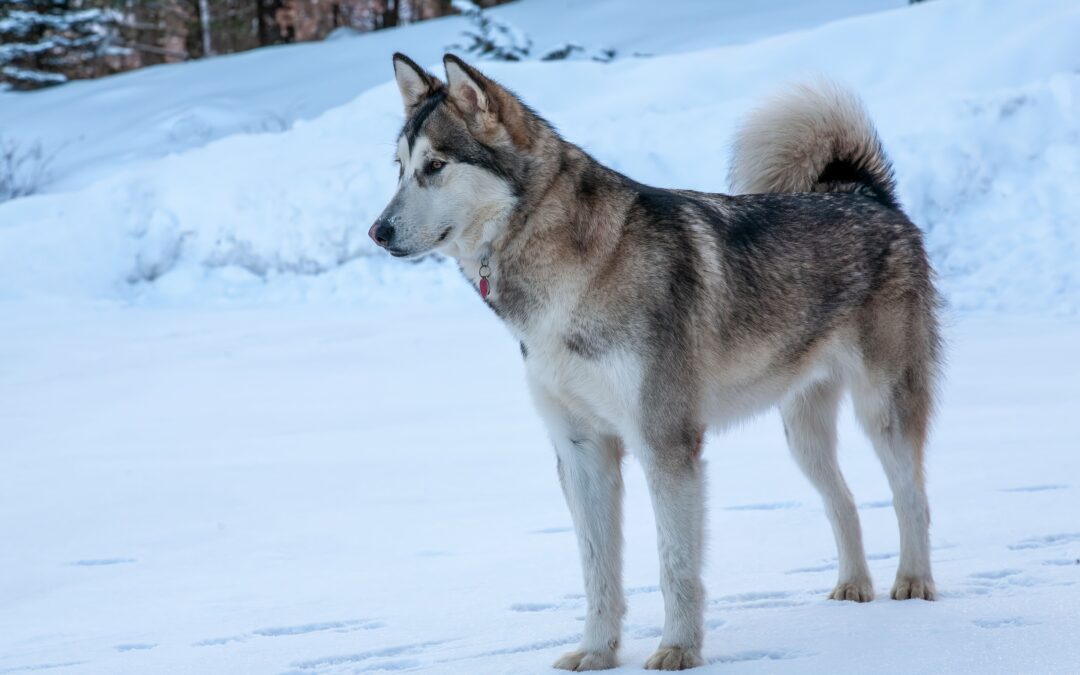
strongest dog breed

strongest dog breed

Strongest Dog Breed: 10 Powerful Working Dogs and What “Strong” Really Means (2026)

There is no single official strongest dog breed, but the Mastiff, Alaskan Malamute, Saint Bernard, Newfoundland and Rottweiler often appear at the top of popular lists. The Mastiff wins on sheer mass, the Malamute on hauling power, and draft breeds like the Newfoundland and Bernese on pulling. Strength depends on the job, not just size.

Looking for the strongest dog breed for work, sport or simple curiosity? This guide defines the different kinds of canine strength, profiles 10 powerful breeds with AKC and UKC data, and separates bite-force myths from science before covering safe ownership.

Key takeaways

  • The AKC lists male Mastiffs at 160 to 230 pounds, the heaviest weights in this guide.
  • The AKC calls the Alaskan Malamute “an immensely strong, heavy-duty worker.”
  • Newfoundlands, Bernese, Greater Swiss and Saint Bernards are natural draft dogs (AKC).
  • We found no peer-reviewed study that ranks breeds by measured bite force.
  • Strong dogs need training, sturdy gear and an owner who can handle them.

Strongest Dog Breed: The Short Answer

Which is the strongest dog breed? It depends on how you measure strength. The table below names the top pick for each type, using breed data from the American Kennel Club (AKC) and the United Kennel Club (UKC).

Type of strength Top pick Why it stands out
Sheer size and mass Mastiff Males 160 to 230 lb (AKC)
Heavy hauling Alaskan Malamute Heavy-duty arctic sled dog (AKC)
Draft and carting Newfoundland, Bernese, Saint Bernard Natural draft dogs (AKC)
Endurance pulling Siberian Husky Pulls light loads over long distances (AKC)
Guarding power Anatolian Shepherd Flock guardian up to 150 lb (AKC)
Strength for its size American Pit Bull Terrier Muscular 35 to 60 lb male (UKC)

Sources: AKC and UKC breed pages, accessed November 2026.

In our experience, people who ask about the strongest dog breed usually mean one of three things: the biggest dog, the best puller or the most powerful guardian. Knowing which one you care about makes the ranking far more useful.

Strongest dog breed in action: a team of Siberian Huskies in harness pulling a sled across the snow
Sled teams show endurance strength, one of several ways dogs can be strong. Photo: Darya Grey_Owl / Pexels.

What Does “Strong” Mean for a Dog?

Canine strength is not one trait. When people search for strong dogs or dogs that are strong, they usually mean one of four things. As general advice, think about each before you compare breeds:

  • Mass: heavy bone and muscle, as in the Mastiff and Saint Bernard.
  • Pulling power: the ability to haul a cart or sled, as in draft and freight breeds.
  • Endurance: steady work over long distances, as in the Siberian Husky.
  • Guarding power: the size and confidence to face predators, as in flock guardians.

Dog sports test some of these directly. The UKC weight pull program has dogs haul a loaded cart or sled over a set distance within one minute, and it says dogs of any size can compete. The AKC notes that draft work needs “instruction from an experienced trainer and specially-designed equipment.”

The 10 Strongest Dog Breeds in the World

Our picks for the strongest dog breed contenders below mix mass, pulling power, endurance and guarding ability. Sizes come from AKC breed pages unless noted.

1. Mastiff

The AKC describes the Mastiff as a “massive, heavy-boned dog of courage and prodigious strength.” Males stand at least 30 inches and weigh 160 to 230 pounds, making it the heaviest breed in this guide. Its AKC life expectancy is just 6 to 10 years, which in our experience is a common trade-off for giant size.

2. Alaskan Malamute

The Alaskan Malamute weighs 75 to 85 pounds, yet the AKC points to its heavy bone, deep chest and powerful shoulders as signs of its arctic sled-dog origins. In our experience, Malamutes were built for hauling heavy loads, not racing, so they combine power with stamina.

3. Saint Bernard

Males of the Saint Bernard weigh 140 to 180 pounds, and the AKC calls the breed the “genial giant of the Swiss Alps.” The AKC also lists Saints among the natural draft breeds.

4. Newfoundland

The AKC calls the Newfoundland a “strikingly large, powerful working dog,” with males up to 150 pounds. The Newfoundland Club of America runs water rescue tests that reflect the breed’s history of saving people in the water.

5. Rottweiler

The AKC describes the Rottweiler as “a robust working breed of great strength” descended from Roman mastiffs. Males weigh 95 to 135 pounds. Compare it with a cross in our Pitbull Rottweiler mix guide.

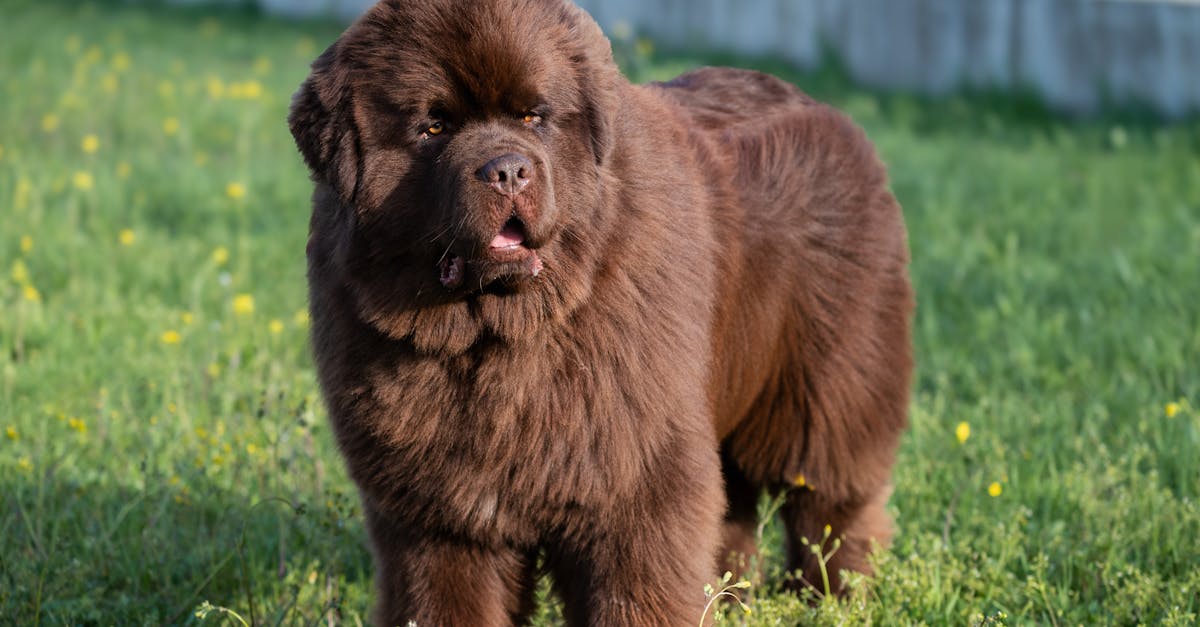
Strongest dog breed contender: a large brown Newfoundland standing on green grass
The Newfoundland combines draft strength with a history of water rescue. Photo: Genadi Yakovlev / Pexels.

6. Anatolian Shepherd Dog (and the Kangal)

The Anatolian Shepherd Dog is a flock guardian bred to face large predators, with males weighing 110 to 150 pounds. In our experience, ranchers often call it the strongest dog breed for livestock protection. Some registries list the closely linked Kangal separately; see our Kangal dog guide and our Anatolian Pyrenees guide.

7. Bernese Mountain Dog

The AKC calls the Bernese Mountain Dog “big, powerful, and built for hard work.” Males weigh 80 to 115 pounds, and the AKC counts the breed among natural cart pullers.

8. Greater Swiss Mountain Dog

The AKC describes the Greater Swiss Mountain Dog as an “immensely strong” worker that once moved livestock and pulled carts on Swiss farms. Males weigh 115 to 140 pounds.

9. Siberian Husky

At 45 to 60 pounds, the Siberian Husky is the lightest dog here. The AKC describes it as a pack sled dog meant for long trips with modest loads, so its strength is endurance rather than raw power.

10. American Pit Bull Terrier

The UKC standard lists males at 35 to 60 pounds and stresses strength and confidence. In our experience, this compact, muscular dog is very strong for its weight, which is why it is popular in weight pull events. Some lists also call it the toughest dog breed pound for pound.

Strength Comparison Table

Here is how each strongest dog breed contender stacks up on weight, original job and type of strength.

Breed Male weight Original job Main strength type
Mastiff 160 to 230 lb Guardian Mass
Saint Bernard 140 to 180 lb Mountain work, drafting Mass and pulling
Newfoundland 130 to 150 lb Water work, drafting Pulling and swimming
Greater Swiss 115 to 140 lb Herding, drafting Pulling
Anatolian Shepherd 110 to 150 lb Flock guardian Guarding power
Rottweiler 95 to 135 lb Working and guarding Power and agility
Bernese 80 to 115 lb Farm and cart work Pulling
Alaskan Malamute 85 lb Arctic sled work Hauling
American Pit Bull Terrier 35 to 60 lb (UKC) Companion and dog sports Strength for size
Siberian Husky 45 to 60 lb Pack sledding Endurance

Sources: AKC breed pages and UKC standard, accessed November 2026.

So what is the most powerful dog in the world? Dogs are a single species, so a question about the strongest dog species really means the strongest breed. No kennel club awards a “strongest dog in the world” title, and in our experience the honest answer is a short list: the Mastiff for mass, the Malamute for hauling and the Anatolian for guarding.

Pet Care Tip: Our suggestion is to match the breed to the kind of strength you actually need. In our experience, a family that wants a hiking partner is far happier with an endurance breed than with a 200-pound guardian.

Strongest dog breed contender: a tricolor Bernese Mountain Dog lying in the snow in front of alpine mountains
The Bernese was bred to pull carts and work on Swiss farms. Photo: Vish Pix / Pexels.

Strongest Dog Breed Bite Force: Myths vs. Science

Many viral lists name one breed with a precise bite force in PSI. We could not find a peer-reviewed study that measured and ranked breeds that way. A 2009 study in the Journal of Anatomy by Ellis and colleagues estimated bite force from dried skulls. It found predicted force rises with skull size, and that in medium and large dogs, shorter, broader skulls predicted higher forces.

As general advice, treat any exact PSI ranking with caution. In our experience, a well-trained dog of any size is safer than the strongest dog breed that has never learned manners.

Owning a Strong Dog Safely

Raw strength means a dog can pull you off your feet or knock over a child by accident. As the AVMA puts it, “any dog can bite, regardless of its breed,” which is why training and supervision matter just as much for a small dog as a giant one. For more on big, intimidating breeds, see our scary dogs guide.

Common mistake Why it matters Better approach
Skipping training A strong, untrained dog is hard to control Start puppy classes early
Weak gear Cheap leashes and collars can break Use sturdy, well-fitted equipment
Heavy pulling too young Growing joints may be more vulnerable Ask your vet before any draft or pull work
DIY draft or weight pull The AKC advises a trainer and proper gear Join a club with experienced instructors

When to call the vet: As general advice, stop any pulling or hard exercise and call your vet if your dog limps, collapses, struggles to breathe or seems to overheat. Giant breeds can tire faster than owners expect, especially in hot weather.

Is a Strong Breed Right for You?

Strong-breed readiness checklist

  1. I can physically hold a large dog on a leash if it lunges.
  2. I will invest in training classes and sturdy equipment.
  3. My home, car and budget can handle a giant breed.
  4. My lease, insurance and local rules allow the breed I want.
  5. I have time for daily exercise that suits the breed’s job.

Example Scenario (illustrative)

Tomás in Anchorage wanted the strongest dog breed for winter trail work and chose Koda, a young Alaskan Malamute. He waited until his vet cleared Koda’s joints, joined a local mushing club for harness training, and kept summer walks short and early. By her second winter, Koda was happily pulling a small sled on weekend trips.

Strongest Dog Breed FAQs

What is the strongest dog breed in the world?

There is no official title. For sheer size, the AKC lists male Mastiffs at 160 to 230 pounds; for hauling, it calls the Alaskan Malamute an immensely strong, heavy-duty worker.

Which dog breed has the strongest bite?

We found no peer-reviewed study that ranks breeds by measured bite force. A 2009 study in the Journal of Anatomy found predicted bite force rises with skull size, so the biggest, broad-headed dogs are predicted to bite hardest.

What is the strongest dog for its size?

In our experience, compact, muscular breeds such as the American Pit Bull Terrier are very strong for their weight, which is why they are common in weight pull. The UKC lists males at 35 to 60 pounds.

Are strong dog breeds dangerous?

Not by nature. The AVMA states that “any dog can bite, regardless of its breed,” so training, socialization and responsible handling matter more than raw strength.

What is the strongest dog for pulling?

Sled and draft breeds lead here. The AKC names the Newfoundland, Bernese, Greater Swiss, Saint Bernard and Leonberger as natural draft dogs, and calls the Alaskan Malamute a heavy-duty sled worker.

Is a strong dog breed good for a first-time owner?

Usually not without help. As general advice, a first-time owner should choose a smaller or easier breed, or work with a trainer from day one.

Strongest dog breed contender: a large Saint Bernard with a white and red coat lying on green grass
Saint Bernard males can weigh up to 180 pounds, according to the AKC. Photo: adrian vieriu / Pexels.

Final Verdict

The strongest dog breed depends on what you mean by strength: the Mastiff for sheer mass, the Alaskan Malamute for hauling, draft breeds like the Newfoundland and Bernese for pulling, and the Siberian Husky for endurance. Whatever you choose, pair that power with training, sturdy gear and a vet’s guidance before any pulling work.

Your next steps

  1. Check the AKC profile of the breed you like best, plus the AKC guide to drafting.
  2. Curious about dog sports? Check the UKC weight pull program and find a local club.
  3. Compare more big breeds in our most expensive dog breeds guide or browse the Dogs section.

Show us your powerful pup on the Pets Store Home Facebook page.

About the author: Written and reviewed by the Pets Store Home Editorial Team: pet owners and animal lovers who check every guide against trusted US veterinary and animal-welfare sources. This article is general information, not a substitute for professional veterinary advice. Always talk to your veterinarian about your own pet’s health.

How we checked this guide: Breed sizes, lifespans and descriptions come from AKC breed pages and the UKC American Pit Bull Terrier standard. Drafting advice comes from the AKC, weight pull details from the UKC, water work from the Newfoundland Club of America, and bite-force science from a 2009 Journal of Anatomy study. We review this article every 12 months.

Last reviewed: November 2026.

Sources

  1. American Kennel Club: breed pages (accessed November 2026)
  2. AKC: Breeds Who Enjoy Drafting (updated January 2018)
  3. United Kennel Club: Weight Pull (accessed November 2026)
  4. UKC: American Pit Bull Terrier breed standard (revised 2017)
  5. Newfoundland Club of America: Water Work (accessed November 2026)
  6. Ellis JL et al. Cranial dimensions and forces of biting in the domestic dog. J Anat, 2009
  7. AVMA: Why breed-specific legislation is not the answer (accessed November 2026)
dilute tortie

dilute tortie

Dilute Tortie Cat: Essential Guide to Blue-Cream Colors, Genetics and Care (2026)

A dilute tortie is a tortoiseshell cat whose coat looks softer because a recessive dilute gene turns black into blue-gray and orange into cream. It is a color, not a breed, and almost every one is female. Care is the same as for any healthy cat of her breed and age.

If you have just met a pastel gray-and-cream kitten, this guide explains exactly where that coat comes from. We use the UC Davis Veterinary Genetics Laboratory, the Cat Fanciers’ Association (CFA) and 2025 orange-gene research to cover genetics, color names, breeds, male torties and daily care.

Key takeaways

  • A blue-cream coat needs two copies of the recessive dilute gene, MLPH (UC Davis).
  • The CFA calls this color blue-cream: “a blue female cat with patches of cream.”
  • The tortie pattern comes from an X-linked orange gene, traced in 2025 to a change near ARHGAP36.
  • Male blue-creams are rare XXY cats and are usually sterile (Vetstreet).
  • Coat color does not change care; every cat needs at least a yearly vet exam (AAHA/AAFP).

Dilute Tortie: The Short Answer

What exactly is a dilute tortie cat? The snapshot below sums up the coat in one place, with the source behind each line.

Trait What to know
Other names Dilute tortoiseshell, blue-cream, muted tortoiseshell, diluted tortie cat
Colors Blue-gray and cream; lilac-cream in some breeds (CFA)
Sex Almost always female; rare males are XXY (Vetstreet)
Is it a breed? No; it is a color pattern seen in pedigreed cats and mixes alike
Genes involved X-linked orange gene plus two copies of dilute, d/d (UC Davis)
Lifespan and health Depends on breed, care and overall genetics, not coat color alone
DNA test UC Davis dilute test, cheek swab, $44 (accessed November 2026)

Sources: UC Davis VGL, CFA coat and color descriptions, Vetstreet, accessed November 2026.

In our experience, owners often mistake a dilute tortie for a gray tabby or a faded calico at first glance. The quickest clue is the mix of soft gray and peachy cream with little or no white.

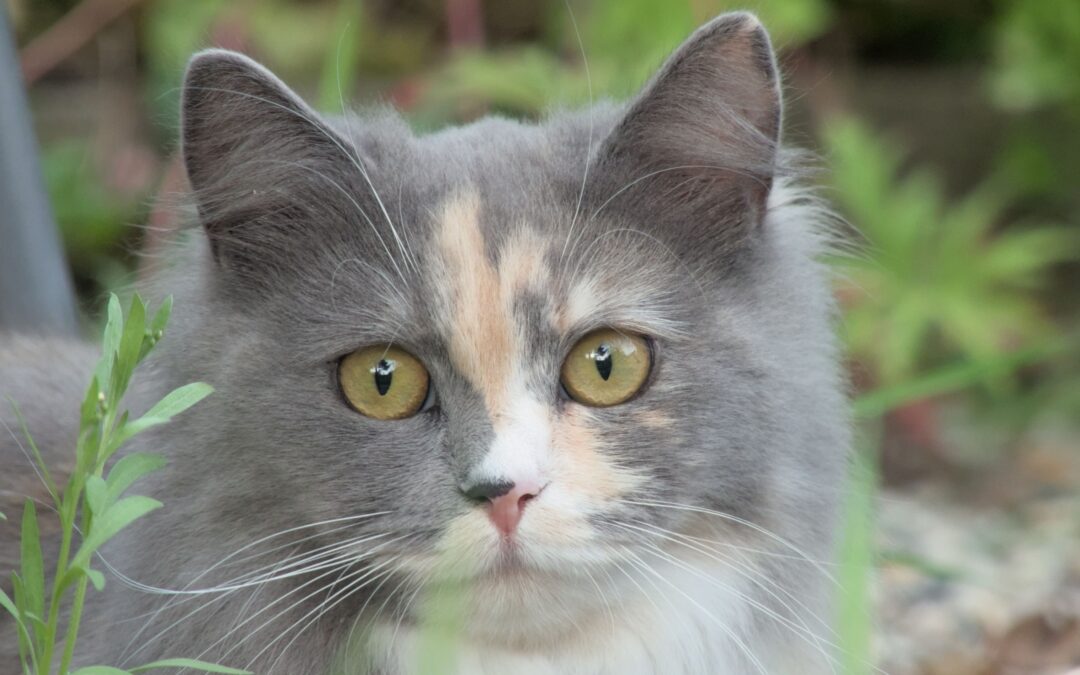
Dilute tortie look-alike: a blue-gray cat with soft cream patches and amber eyes against a dark background
Blue-gray with soft cream patches is the classic blue-cream look. Photo: Diana / Pexels.

What Makes a Tortie “Dilute”?

Two separate genes have to line up. One creates the tortoiseshell pattern, and the other softens every color in it.

The Dilute Gene (MLPH)

The UC Davis Veterinary Genetics Laboratory explains that dilution is caused by a change in the MLPH gene and is autosomal recessive, so a cat needs two copies to show it. Black pigment becomes gray, which breeders call blue, and red becomes cream.

Dilute genotype Coat result What it passes on
D/D Full color (black and orange tortie) Cannot pass on dilute
D/d Full color, but a carrier Dilute to about half of her kittens, on average
d/d Dilute (blue and cream tortie) Dilute to every kitten

Source: UC Davis VGL. Two carriers are predicted to produce about 25% dilute kittens.

The Orange Gene and the X Chromosome

The tortie pattern itself is sex-linked. Two research groups, one in Japan at Kyushu University and one at Stanford, published back-to-back Current Biology papers in May 2025. As EurekAlert and Scientific American reported, orange fur traces back to a short deletion beside the X-linked ARHGAP36 gene.

A female carries two X chromosomes, and early in development each cell silences one of them at random, as Scientific American explains, so her coat becomes a patchwork of both versions.

Put the two together and you get a dilute tortie: a female carrying orange on one X, non-orange on the other, and two copies of dilute. The blue patches come from diluted black, and the cream patches from diluted orange.

Blue-Cream, Lilac-Cream and Other Muted Shades

The CFA defines blue-cream as “a blue female cat with patches of cream.” Its descriptions also list lilac and cream among calico colors, and the British Shorthair standard includes lilac-cream as an even paler option. Breed standards differ on pattern: the CFA British Shorthair standard wants blue and cream “softly mingled, not patched,” while the Persian standard accepts patches or softly intermingled areas.

Dilute look What it shows Common name
Mingled Fine swirls of gray and cream all over Brindled or muted tortoiseshell
Patched Larger blocks of gray and cream Patched blue-cream
With tabby stripes Gray and cream plus tabby markings Dilute torbie
With white Gray, cream and large white areas Dilute calico

Common names used by owners and breeders; CFA terms differ slightly by breed.

Dilute tortie comparison: a fluffy standard tortoiseshell cat with black and orange fur and yellow eyes
A standard tortie shows full black and orange; dilution softens these to blue and cream. Photo: Fatıma Acunman / Pexels.

Dilute Tortie vs. Standard Tortie and Dilute Calico

Adopters often mix these coats up. The table below shows how to tell a dilute tortie apart at a glance.

Coat Main colors White areas Genes in play
Standard tortie Black and orange Little or none Orange gene, full color (D/-)
Dilute tortie Blue-gray and cream Little or none Orange gene plus d/d
Calico Black, orange and white Large white patches Orange gene plus white spotting
Dilute calico Blue-gray, cream and white Large white patches Orange gene, d/d and white spotting

Based on CFA color descriptions and UC Davis dilute genetics.

In our experience, the white is the easiest giveaway. A cat with big white patches is a calico or dilute calico, while a diluted tortoiseshell cat keeps her soft gray and cream across most of her body. Our guide to whether tortoiseshell cats are rare covers standard torties and calicos in more depth.

How to Identify a Dilute Tortie Kitten: 4 Quick Checks

  1. Look at the dark color. Soft blue-gray instead of true black points to dilution.
  2. Look at the light color. Pale cream or peach instead of bright orange is the second clue.
  3. Check for white. Little or none suggests a tortie; big white patches suggest a calico.
  4. Check the nose and paw pads. In our experience, blue-cream cats often have gray or pinkish-gray pads rather than black ones.

As general advice, view a kitten in daylight, since indoor bulbs can make a light tortoiseshell cat look plain gray or beige. A blue dilute tortoiseshell cat with heavy tabby markings may also be listed as a dilute torbie.

Which Breeds Come in Blue-Cream?

Because blue-cream is a color, it shows up in mixed-breed cats and many pedigreed breeds. The CFA lists blue-cream in its breed standards for the British Shorthair and the Persian, among others. UC Davis notes that the Chartreux, Korat and Russian Blue are fixed for dilute, but these are solid blue breeds, so torties are not part of their standards.

Domestic Shorthair and Longhair Blue-Creams

In our experience, most blue-cream cats in US shelters are domestic shorthairs or longhairs rather than pedigreed cats. A longhaired blue-cream can look especially soft, because the long coat blurs the gray and cream into a pastel haze.

Can a Dilute Tortie Be Male?

Rarely. A tortoiseshell coat needs two X chromosomes, so a male must carry an extra X and be XXY. Vetstreet puts the odds at roughly one male per 3,000 calicos, citing University of Missouri research, and adds that these males are usually sterile.

Personality: Is “Tortitude” Real?

Many owners describe torties as sassy or strong-willed, often called “tortitude.” In our experience, a blue-cream’s personality depends far more on her early socialization, health and home than on her color. Our tortoiseshell facts guide looks at the tortitude myth in detail.

Dilute tortie comparison: a dilute calico cat with blue-gray, cream and large white patches sitting outdoors
A dilute calico adds large white patches to the blue and cream of a blue-cream cat. Photo: Altaf Shah / Pexels.

Caring for a Blue-Cream Cat

Coat color does not change what a cat needs. The AAHA and AAFP feline life stage guidelines, announced by the AAFP in 2021, say all cats need a full physical exam at least once a year. Beyond that, plan care around your cat’s breed, coat length and age.

Care area What to do Why it matters
Vet visits At least yearly exams (AAHA/AAFP); ask your vet about seniors Catches problems early
Grooming Brush shorthairs weekly and longhairs several times a week Reduces shedding and mats
Spay Ask your vet about timing Prevents unplanned litters
Indoor life Provide climbing, scratching and play Keeps an indoor cat fit and busy
DNA testing Optional UC Davis dilute test for breeders Confirms d/d, D/d or D/D

Grooming and enrichment tips are general advice; ask your vet about your own cat.

Pet Care Tip: Our suggestion is to photograph your blue-cream in natural daylight for your vet records and lost-pet flyers. In our experience, indoor lighting can make blue-cream coats look plain gray, which confuses people trying to identify a missing cat.

When to call the vet: As general advice, book a prompt vet visit if your cat skips meals, hides for over a day or struggles to breathe. Straining in the litter box, especially in a male, can mean a blocked bladder, so treat it as an emergency and phone an emergency clinic.

Common mistake Why it matters Better approach
Calling a blue-cream a breed It is a coat color, not a breed Ask about the actual breed or mix
Paying extra for “rare” color UC Davis says most breeds carry both versions Choose a healthy, well-socialized cat
Breeding a male tortie XXY males are usually sterile (Vetstreet) Have him neutered and enjoy him as a pet
Judging personality by color In our experience, socialization matters more Meet the cat before you adopt

Example Scenario (illustrative)

Lena in Portland adopted Mabel, a shy gray-and-cream kitten listed as a “gray tabby.” Her vet pointed out the cream patches and called her a dilute tortie. Lena booked yearly checkups, set up a cat tree by the window, and used daylight photos for Mabel’s microchip record.

Dilute Tortie FAQs

Is a dilute tortie rare?

Not especially. The dilute gene is common in many breeds, according to UC Davis, but a kitten needs two copies of it plus the tortoiseshell pattern, so in our experience blue-creams turn up less often than standard torties.

Can a dilute tortie cat be male?

Very rarely. Tortoiseshell coats need two X chromosomes, so a male must be XXY. Vetstreet, citing University of Missouri research, estimates roughly one male in every 3,000 calicos, and such males are usually sterile.

What is the difference between a dilute tortie and a dilute calico?

Both show blue-gray and cream. A dilute calico also has large patches of white, while a blue-cream has little or no white.

Is a dilute tortoiseshell cat a breed?

No. It is a coat color, not a breed. Mixed-breed cats and many pedigreed breeds, including British Shorthairs and Persians, can be blue-cream.

What is a muted tortoiseshell cat?

It is another name for a dilute tortoiseshell. The coat looks muted because blue-gray replaces black and cream replaces orange.

How can I tell if my gray tortie is dilute?

Look for soft gray and cream patches or swirls with little white. If you need proof for breeding, UC Davis offers a cheek-swab DNA test for the dilute gene.

Dilute tortie look-alike: a muted gray and tan tortoiseshell cat with green-gold eyes resting on a gray blanket
Muted grays and tans are why some owners call this coat a muted tortoiseshell. Photo: Clay Elliot / Pexels.

Final Verdict

A dilute tortie is a tortoiseshell cat with softened colors: blue-gray instead of black and cream instead of orange, thanks to two copies of the recessive dilute gene. She is almost always female, she is not a breed, and her care depends on her breed and health rather than her coat. Choose her for her personality, and enjoy that pastel coat as a bonus.

Your next steps

  1. Read the UC Davis dilute gene page and the CFA color descriptions.
  2. Learn more about standard torties in our tortoiseshell cat guide and orange coats in our ginger cat guide.
  3. Browse more cat guides in our Cats section.

Share your blue-cream cat photos on the Pets Store Home Facebook page.

About the author: Written and reviewed by the Pets Store Home Editorial Team: pet owners and animal lovers who check every guide against trusted US veterinary and animal-welfare sources. This article is general information, not a substitute for professional veterinary advice. Always talk to your veterinarian about your own pet’s health.

How we checked this guide: Dilute genetics and DNA testing come from the UC Davis Veterinary Genetics Laboratory. Color names and breed standards come from the CFA. Orange-gene findings come from EurekAlert and Scientific American reports on two 2025 Current Biology studies. Male tortie figures come from Vetstreet, and exam frequency from the 2021 AAHA/AAFP feline life stage guidelines. We review this article every 12 months.

Last reviewed: November 2026.

Sources

  1. UC Davis Veterinary Genetics Laboratory: Dilute (cat) (accessed November 2026)
  2. Cat Fanciers’ Association: Coat and Color Descriptions (accessed November 2026)
  3. CFA: British Shorthair breed standard (accessed November 2026)
  4. CFA: Persian breed standard (accessed November 2026)
  5. EurekAlert: Kyushu University orange-gene release (May 15, 2025)
  6. Scientific American: The mutation behind orange cats (2025)
  7. Vetstreet: Can Calico Cats Be Male? (Dr. Marty Becker)
  8. AAFP: Updated Feline Life Stage Guidelines (March 2, 2021)
boxer german shepherd mix

boxer german shepherd mix

Boxer German Shepherd Mix (Boxer Shepherd): Essential Facts on Size, Energy and Health (2026)

A Boxer German Shepherd mix, often called a Boxer Shepherd, is a cross between a Boxer and a German Shepherd Dog. Most adults stand 21 to 28 inches tall, weigh 50 to 95 pounds and live about 10 to 12 years. Expect a loyal, energetic and protective dog that needs daily exercise, training and an active family.

Wondering whether a German Shepherd mix with a Boxer suits your home? Below, we line up AKC data on both parents, cross-check two published mix profiles, and walk through size, coat, temperament, exercise, health screening and the real daily commitment.

Key takeaways

  • As a mixed breed, the Boxer Shepherd cannot be AKC-registered as its own breed.
  • Hepper lists 23 to 27 inches and 65 to 95 pounds for the mix.
  • Both parents are high-energy working breeds that need daily exercise.
  • Heart disease, cancer, bloat and degenerative myelopathy run in the parent breeds (AKC, WebMD).
  • The AKC says Boxers handle extreme heat and cold poorly, so keep this mix indoors.

Boxer German Shepherd Mix: The Short Answer

Is a Boxer German Shepherd mix the right dog for you? Here are the headline numbers at a glance. When the two mix sources differ, both appear, with American Kennel Club parent data as the tiebreaker.

Trait What to expect
Other names Boxer Shepherd, Boxerman, Boxer German Shepherd Dog mix, GSD Boxer mix
Height 23 to 27 inches (Hepper) or 21 to 28 inches (Dogster), 53 to 71 cm
Weight 65 to 95 pounds (Hepper) or 50 to 90 pounds (Dogster), 23 to 43 kg
Lifespan 10 to 12 years (Hepper, Dogster)
Colors Brown, tan, gray, black, white, fawn or brindle (Hepper, Dogster)
Energy High; at least one walk a day, ideally two (Hepper)
Best for Active families, runners and owners with a fenced yard

Sources: Hepper and Dogster (both updated October 2026, no vet reviewer listed), AKC breed pages, accessed November 2026.

In our experience, a Boxer Shepherd often looks like a German Shepherd with a broader head and shorter coat, but every litter varies. Meeting both parents is the best way to predict size, coat and energy.

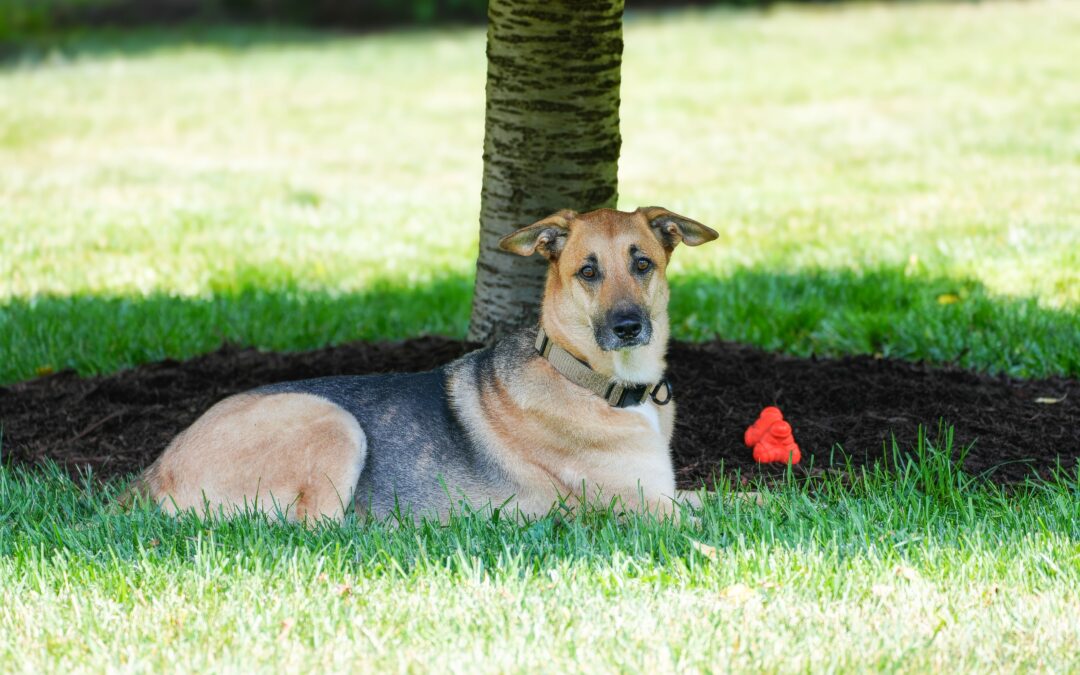
Boxer German Shepherd mix look-alike: a black and tan mixed-breed dog with floppy ears lying on green grass
In our experience, a black-and-tan coat and soft ears are a common Boxer Shepherd look. Photo: fish socks / Pexels.

Boxer vs German Shepherd: The Parents Compared

The AKC calls the German Shepherd “dogkind’s finest all-purpose worker,” while the AKC describes the Boxer as upbeat, playful and patient. In a Boxer Shepherd cross, one parent brings focus and a herding background, and the other brings bouncy, sometimes silly energy and a strong guarding streak.

Figure Boxer (AKC) German Shepherd Dog (AKC)
Height, male 23 to 25 inches 24 to 26 inches
Height, female 21.5 to 23.5 inches 22 to 24 inches
Weight 65 to 80 lb (male); females about 15 lb less 65 to 90 lb (male), 50 to 70 lb (female)
Life expectancy 10 to 12 years 12 to 14 years
Coat Short and tight; fawn or brindle with white Medium-length double coat
Breed club health tests Hips, elbows, thyroid, heart, ARVC DNA test Hips, elbows, temperament test

Source: AKC breed pages, accessed November 2026.

Which Parent Will Your Puppy Take After?

Nobody can promise which traits a mixed puppy inherits. As general advice, use the table below as a rough guide when you meet a litter.

If the puppy leans toward Likely traits What it means for you
The Boxer side Short coat, broader muzzle, bouncy play style Less brushing, more care in hot weather
The German Shepherd side Thicker double coat, longer muzzle, upright ears More shedding, strong focus and herding drive
A blend of both Medium coat, drop or semi-erect ears Moderate grooming, high energy either way

Our own guide based on AKC parent descriptions; individual dogs vary.

Boxer German Shepherd Mix Size: How Big Do They Get?

Full-Grown Boxer Shepherd Mix Height and Weight

A full-grown Boxer German Shepherd mix is a large dog. Hepper lists 23 to 27 inches and 65 to 95 pounds, while Dogster gives 21 to 28 inches and 50 to 90 pounds. Because the AKC puts male German Shepherds at up to 90 pounds and male Boxers at up to 80, males usually land at the upper end.

Coat, Colors and Grooming

A Boxer German Shepherd mix can have anything from the Boxer’s short, tight coat to the German Shepherd’s medium-length double coat. Hepper lists brown, tan, gray, black and white, and Dogster adds brindle, fawn, red and blue.

The AKC says a Boxer needs only a rubber curry brush once or twice a week, while a German Shepherd needs a quick brushing every few days and sheds more heavily once or twice a year. As general advice, brush a Boxer Shepherd at least weekly and daily during heavy shedding.

Boxer German Shepherd mix parent: a fawn and white Boxer with a black mask sitting on grass in the sun
The Boxer parent brings a short coat, a playful streak and a sensitivity to heat. Photo: Bob Jenkin / Pexels.

Boxer German Shepherd Mix Temperament

A Boxer German Shepherd mix is usually loyal, affectionate and alert. The AKC says Boxers are serious about guarding their family and are known for being great with children. It describes the German Shepherd as loyal, confident and courageous. Hepper calls the mix “friendly, sociable, energetic, loving, and protective.”

Dogster notes that Boxer Shepherds should not be left alone for long periods. In our experience, this mix bonds closely with its people, and boredom often shows up as chewing, barking or jumping.

With Kids and Other Pets

The AKC warns that a bouncy Boxer puppy may overwhelm a small child or a frail adult, even with good intentions. It also notes that Boxers may clash with dogs of the same sex. As general advice, supervise play with young kids and introduce new dogs slowly, on neutral ground.

Exercise and Training

How Much Exercise Does a Boxer Shepherd Need?

Plenty, because a Boxer German Shepherd mix inherits two high-drive parents. The AKC calls Boxers “very playful, high-energy dogs” that need ample exercise every day, and says a German Shepherd without enough exercise can become frustrated. Both breed pages say to keep the dog on a leash or in a securely fenced area.

Time of day Activity Why it helps
Morning A 40-minute walk, jog or bike-along Takes the edge off before your workday
Midday Short potty break and puzzle toy Prevents boredom and chewing
Evening Fetch, tug or a training game in a fenced yard Builds focus and strengthens your bond
Weekly Agility, tracking, hiking or a dog sport class Gives the working-dog brain a real job

Sample routine based on AKC exercise guidance for both parents; adjust for age, health and weather.

Training Tips

Training a Boxer German Shepherd mix should start early. The AKC says socialization and puppy classes are vital for both parents. Boxers are bright but may lose interest when drills repeat too often, and German Shepherds thrive on steady, reward-based methods. As general advice, keep sessions short and fun, and teach a solid “off” early, since the AKC notes that young Boxers jump and leap a lot.

Pet Care Tip: Our suggestion is to end every walk with five minutes of calm training, such as sit, down and stay. In our experience, a tired body plus a busy brain gives you a much calmer Boxer Shepherd at home.

Boxer German Shepherd mix parent: a black and tan German Shepherd lying on a sidewalk wearing a harness
The German Shepherd parent adds intelligence, focus and a heavier double coat. Photo: Gundula Vogel / Pexels.

Health and Lifespan

Both mix sources give a Boxer German Shepherd mix a lifespan of 10 to 12 years, close to the Boxer’s AKC range and a little below the German Shepherd’s 12 to 14 years. The parent breeds carry several known conditions, so ask any breeder for both parents’ health test results.

Health concern Which parent What to ask or do
Heart disease (aortic stenosis, cardiomyopathy, ARVC) Boxer (AKC) Ask for cardiac exams and the ARVC DNA test
Cancer Boxer (WebMD, AKC) Schedule yearly vet checks and report new lumps
Hip and elbow dysplasia Both (AKC) Check OFA results for both parents
Degenerative myelopathy Both (AKC) Ask whether parents were DNA tested
Bloat (GDV) German Shepherd (AKC) Learn the signs and plan for emergencies
Thyroid problems Boxer (AKC) Ask about thyroid screening

Sources: AKC breed pages and WebMD (reviewed April 2026), accessed November 2026. Look up results at the OFA.

WebMD reports that cancer causes 38.5% of Boxer deaths, and the AKC says Boxers do not tolerate extreme heat or cold well. As general advice, walk your dog in the cooler parts of the day during summer and never leave it in a parked car.

When to call the vet: As general advice, phone your vet or a 24-hour animal hospital at once if you notice a bloated belly, retching with nothing coming up, collapse, or heavy panting in hot weather. VCA Animal Hospitals notes that bloat is an emergency that can turn fatal fast.

Is a Boxer Shepherd Right for You?

Boxer Shepherd readiness checklist

  1. I can give at least an hour of exercise and play every day.
  2. I have a fenced yard or safe places to run on a leash.
  3. Someone is home for much of the day, or I can use a dog walker.
  4. I will budget for puppy classes and large-breed vet care.
  5. I can keep the dog cool in summer and warm in winter.

In our experience, shelters often have a Boxer mixed with German Shepherd, and an adult lets you see its size and energy first. A dog DNA test can help identify a rescue dog’s ancestry. You can also compare similar crosses in our Boxer Lab mix and Rottweiler German Shepherd mix guides.

Common mistake Why it matters Better approach
Too little exercise The AKC says under-exercised Shepherds get frustrated Plan two outings and a play session daily
Hot-weather walks at midday The AKC says Boxers handle heat poorly Walk early or late and carry water
Skipping puppy classes The AKC calls early socialization vital Ask your vet when your puppy can start classes
Off-leash in open areas Both breed pages advise a leash or secure fence Use a long line for recall practice

Example Scenario (illustrative)

Darnell and Mei in Tucson adopted Kona, a two-year-old Boxer German Shepherd mix, from a local shelter. They moved her runs to sunrise during summer, signed up for a weekend agility class, and gave her a puzzle feeder at lunch. Within two months, her chewing stopped and she settled calmly in the evenings.

Boxer German Shepherd Mix FAQs

How big does a full-grown Boxer Shepherd mix get?

Hepper lists 23 to 27 inches and 65 to 95 pounds, while Dogster gives 21 to 28 inches and 50 to 90 pounds. Males are usually larger, much like both parents.

How long does a German Shepherd Boxer mix live?

Both mix sources give 10 to 12 years. The AKC lists 10 to 12 years for the Boxer and 12 to 14 years for the German Shepherd.

Is a Boxer German Shepherd mix good with kids?

It can be. The AKC says Boxers are known for being great with children, but it also warns that a bouncy puppy can overwhelm a small child, so supervise play.

Does a Boxer and German Shepherd mix shed?

Yes. The German Shepherd has a double coat that sheds heavily once or twice a year, so in our experience many puppies shed more than a purebred Boxer.

Is a GSD Boxer mix easy to train?

It is smart but needs patience. The AKC notes that Boxers may lose interest in repetitive drills, while German Shepherds do well with steady, reward-based methods.

Is a Boxer German Shepherd mix a good first dog?

It can work for an active first-time owner who commits to daily exercise and puppy classes. As general advice, a calm adult from a rescue is easier than a puppy.

Boxer German Shepherd mix look-alike: a tan and black shepherd-type mixed-breed dog standing on a sandy beach
An athletic, long-legged frame like this needs daily room to run. Photo: Cara Denison / Pexels.

Final Verdict

A Boxer German Shepherd mix can be a loyal, playful and protective family dog for active owners who commit to daily exercise, early training and good health screening. Meet the parents, or an adult dog at a rescue, look up OFA results, keep the dog cool in summer, and plan for a large, energetic companion for 10 years or more.

Your next steps

  1. Study the AKC breed profiles for the Boxer and the German Shepherd Dog.
  2. Work through the readiness checklist above, then compare our German Shepherd Corgi mix guide.
  3. Browse more breed guides in our Dogs section.

Share your Boxer Shepherd photos on the Pets Store Home Facebook page.

About the author: Written and reviewed by the Pets Store Home Editorial Team: pet owners and animal lovers who check every guide against trusted US veterinary and animal-welfare sources. This article is general information, not a substitute for professional veterinary advice. Always talk to your veterinarian about your own pet’s health.

How we checked this guide: Parent sizes, lifespans, grooming, exercise, training and breed club health tests come from AKC breed pages. Mix figures come from Hepper and Dogster, neither of which lists a vet reviewer. Boxer cancer and heat facts come from WebMD (reviewed April 2026), and bloat signs from VCA Animal Hospitals. We review this article every 12 months.

Last reviewed: November 2026.

Sources

  1. AKC: Boxer (accessed November 2026)
  2. AKC: German Shepherd Dog (accessed November 2026)
  3. Hepper: Boxer Shepherd (updated October 2026)
  4. Dogster: Boxerman (updated October 2026)
  5. WebMD: What to Know About Boxers (reviewed April 2026)
  6. VCA Animal Hospitals: Gastric Dilatation and Volvulus in Dogs (accessed November 2026)
  7. Orthopedic Foundation for Animals (accessed November 2026)
anatolian pyrenees

anatolian pyrenees

Anatolian Pyrenees: Essential Guide to the Great Pyrenees Anatolian Shepherd Mix (2026)

An Anatolian Pyrenees is a cross between an Anatolian Shepherd Dog and a Great Pyrenees, two ancient livestock guardian breeds. Most adults weigh roughly 80 to 150 pounds and live about 10 to 13 years. Expect a calm, independent and fiercely protective giant that suits rural homes, tall fences and experienced owners.

Thinking about a great Pyrenees Anatolian shepherd mix for your family or farm? This guide compares the parents with AKC data, checks the mix figures from two breed sites, and adds livestock guardian research from Texas A&M AgriLife so you can decide with clear eyes.

Key takeaways

  • The Anatolian Pyrenees is a crossbreed, so the AKC does not register it as a breed.
  • Both parents are giants; the AKC lists Anatolian males at 110 to 150 pounds.
  • The AKC says both parents were bred to work independently, so training takes patience.
  • Texas A&M says guardian pups need 18 to 24 months to become effective.
  • A tall, secure fence is non-negotiable; Texas A&M links most guardian dog deaths to roaming.

Anatolian Pyrenees: The Short Answer

Is an Anatolian Pyrenees the right dog for you? The snapshot below pulls the key figures into one place. Where our two mix sources disagree, we show both ranges and lean on the parent data from the American Kennel Club.

Trait What to expect
Other names Anatolian Pyrenees dog, Pyr Anatolian mix, Great Pyrenees Anatolian mix
Height 26 to 28 inches (Dogster) or 29 to 32 inches (Hepper), 66 to 81 cm
Weight 80 to 140 pounds (Hepper) or 90 to 160 pounds (Dogster), 36 to 73 kg
Lifespan 10 to 13 years (Dogster); 12 to 15 years (Hepper)
Colors Cream, white, fawn, brown or black (Hepper); white with markings from the Pyr side (AKC)
Coat care Weekly brushing, more during twice-yearly shedding (AKC)
Best for Farms, acreage and experienced owners with tall, secure fencing

Sources: Hepper (updated October 2026) and Dogster (updated October 2026), neither with a listed vet reviewer; AKC breed pages, accessed November 2026.

In our experience, Hepper’s 12 to 15 year lifespan looks generous, since the AKC lists shorter spans for both parents. We use the 10 to 13 year range when planning costs.

Anatolian Pyrenees parent: a white Great Pyrenees lying on green grass on a leash outdoors
The Great Pyrenees parent brings a thick white coat and a famously calm guardian nature. Photo: Mike Art / Pexels.

The Parent Breeds Side by Side

The AKC links the Anatolian Shepherd Dog to bloodlines it dates back about 6,000 years, to the Bronze Age in Anatolia, now part of Turkey. The AKC says the Great Pyrenees was developed to keep wolves and other predators away from sheep in high, snowy mountains. Both were built to think for themselves, and that shapes every part of living with this mix.

Figure Anatolian Shepherd Dog (AKC) Great Pyrenees (AKC)
Height, male 29 inches 27 to 32 inches
Height, female 27 inches 25 to 29 inches
Weight 110 to 150 lb (male), 80 to 120 lb (female) 100 lb and up (male), 85 lb and up (female)
Life expectancy 11 to 13 years 10 to 12 years
Coat Short to long outer coat, thick undercoat Long outer coat, soft undercoat
Breed club health tests Hip and elbow evaluations Hips, elbows, eyes, patellas and more

Source: AKC breed pages, accessed November 2026.

Anatolian Pyrenees Size: How Big Do They Get?

Full-Grown Anatolian Pyrenees Height and Weight

A full-grown Anatolian Pyrenees is a true giant. Hepper lists 29 to 32 inches and 80 to 140 pounds, while Dogster gives 26 to 28 inches and 90 to 160 pounds. Because the AKC puts Anatolian males at up to 150 pounds and Pyr males at 100 pounds and up, the parents themselves are the best clue to a puppy’s adult size.

How Fast Does a Pyr Anatolian Mix Grow?

As general advice, giant puppies grow for longer than small breeds, so ask your vet about large-breed puppy food and safe exercise while the joints develop. In our experience, many owners are surprised by how quickly a fluffy puppy outgrows a crate.

Coat, Colors and Grooming

The AKC says the Great Pyrenees coat is all white or white with gray, tan, reddish-brown or badger markings. Hepper lists cream, white, black, brown and fawn for the mix. Some puppies inherit a short Anatolian-style coat, while others grow a longer, fluffier one. If you are wondering about Anatolian Shepherd long hair, the AKC notes that some purebred Anatolians carry a long outer coat too.

Both parents shed their undercoat heavily. The AKC suggests a weekly brushing for each breed and notes that the Anatolian sheds its undercoat twice a year, when it needs brushing every few days. The AKC adds that the Pyr coat resists dirt and mats, so it needs less grooming than its fluffy look suggests.

Anatolian Pyrenees parent: a fawn Anatolian Shepherd Dog with a dark muzzle standing in a snowy landscape
The Anatolian parent can add a muscular frame, a dark muzzle and a weather-ready coat. Photo: Orhan Namlı / Pexels.

Anatolian Pyrenees Temperament and Guardian Instincts

An Anatolian Pyrenees is usually calm and loyal at home and watchful with strangers. The AKC describes Pyrs as showing a “Zen-like calm” that can switch to fast action when a threat appears. It paints the Anatolian as a territorial protector that is also smart, patient and deeply devoted.

Hepper describes the mix as “mellow, gentle, loving, loyal, intelligent.” In our experience, the guarding instinct shows up as barking at night, patrolling the fence line and putting itself between family and visitors. Early socialization teaches the dog which visitors are normal.

Kids and Other Pets

As general advice, an Anatolian Pyrenees raised with children and farm animals tends to treat them as part of its “flock.” The AKC warns that Anatolians can be intense toward small dogs and even cats, so supervise every introduction and never leave young children alone with a giant dog.

Working as a Livestock Guardian

Many owners pick an Anatolian Pyrenees cross to protect goats, sheep or poultry. Texas A&M AgriLife’s 2026 livestock guardian dog overview names the Great Pyrenees and Anatolian Shepherd among the most common guardian breeds in Texas. Its key figures are below.

Guardian dog factor Texas A&M AgriLife guidance
Best age to start bonding Between 4 and 8 weeks old; bonding may fail after 16 weeks
Time to become effective 18 to 24 months
Dogs per flock One to two per 100 ewes or nannies; one to two per 50 with large predators
Biggest danger 57% of guardian dog deaths happen after the dog leaves the property
Costs At least $1,800 to start, then about $900 a year

Source: Texas A&M AgriLife, ANSC-PU-468, January 2026. An earlier AgriLife fact sheet (2015) calls the Great Pyrenees the least aggressive common guardian breed.

Pet Care Tip: Our suggestion is to raise a guardian puppy alongside the animals it will protect, as Texas A&M recommends, and to teach it early that the boundary fence is off-limits. In our experience, a pup that learns fences early is far easier to manage as a 120-pound adult.

Exercise, Training and Fencing

Neither parent is hyperactive. The AKC says Anatolians need a moderate amount of exercise, such as time in a securely fenced yard plus one or two long daily walks, and that Pyrs do well with moderate walks. Hepper adds that fences should be at least 6 feet tall.

Training takes patience. The AKC says obedience training is “a must” for Anatolians and that Pyrs may greet standard obedience with “great indifference.” It also states that an Anatolian should never receive protection or guard-dog training. As general advice, keep sessions short, use rewards, and keep the dog on a leash outside your fence.

Anatolian Pyrenees parent: a white Great Pyrenees standing alert on the grass near farm equipment
Guardian breeds like the Great Pyrenees were built to patrol, not to follow every command. Photo: Mark Stebnicki / Pexels.

Health and Lifespan

The AKC calls the Anatolian a healthy, hardy breed but notes it can be sensitive to anesthesia, so tell your vet before any surgery. The Great Pyrenees Club of America asks breeders to screen for elbow and hip problems, eye disease, kneecap luxation, and nerve and immune conditions. Both breed pages tell owners to learn the signs of bloat, though the AKC calls it uncommon in Anatolians.

Health concern Which parent What to do
Bloat (GDV) Both (AKC) Learn the signs and have an emergency vet plan
Anesthesia sensitivity Anatolian (AKC) Tell your vet before any procedure
Entropion (inward-rolling eyelids) Anatolian (AKC) Ask breeders about eye screening
Hip and elbow dysplasia Both (breed clubs) Check OFA results for both parents
Luxating patella, eye disorders Great Pyrenees (AKC) Ask for the full Pyr health panel

Sources: AKC breed pages, accessed November 2026. Look up parent results at the OFA.

When to call the vet: As general advice, treat a swollen belly, unproductive retching, restlessness or sudden weakness as an emergency. VCA Animal Hospitals explains that bloat can become life-threatening quickly, so call your vet or a 24-hour animal hospital right away.

Is This Guardian Mix Right for You?

Ready-for-a-guardian checklist

  1. I have a large yard or acreage with a fence at least 6 feet tall.
  2. I can accept some night barking and heavy seasonal shedding.
  3. I have trained a large, independent dog before.
  4. I can budget for giant-breed food, vet care and a possible emergency.
  5. I will socialize the puppy early with people, animals and new places.

In our experience, rescues and farm networks regularly rehome adult guardian mixes, which lets you meet a grown dog first. If a rescue is unsure about ancestry, a dog DNA test can help identify the parent breeds. You can also compare another Turkish guardian breed in our Kangal dog price guide.

Common mistake Why it matters Better approach
Low or weak fencing Texas A&M links most guardian deaths to leaving the property Build 6-foot fencing and check it often
Off-leash walks The AKC says Anatolians should stay on leash outside the home Use a sturdy leash every time
Protection training The AKC advises against it for Anatolians Focus on calm manners and socialization
Late bonding with livestock Bonding may fail after 16 weeks (Texas A&M) Start around 4 to 8 weeks with calm animals

Example Scenario (illustrative)

Wendell keeps 40 dairy goats in rural Oklahoma and adopted Juniper, an Anatolian Pyrenees, at 7 weeks old. He raised her in a pen beside the goats, raised his fence to 6 feet, and taught a firm “come” at mealtimes. By her second spring, coyote losses had stopped, though Juniper still barks at the tree line most nights.

Anatolian Pyrenees FAQs

How big does a full-grown Anatolian Pyrenees get?

Hepper lists 29 to 32 inches and 80 to 140 pounds, while Dogster gives 26 to 28 inches and 90 to 160 pounds. Expect a giant dog of roughly 80 to 150 pounds, in line with both parents.

How long does a Great Pyrenees and Anatolian Shepherd mix live?

Per the AKC, Anatolian Shepherds live 11 to 13 years and Great Pyrenees 10 to 12 years. Dogster gives the mix 10 to 13 years, which matches the parents best.

Is an Anatolian Pyrenees good with kids?

In our experience, it can be calm and gentle with its own family when raised with children. Because of its size and guarding drive, always supervise it around kids, especially visiting children.

Does an Anatolian Great Pyrenees shed a lot?

Yes. Both parents have a double coat, and the AKC says each sheds its undercoat heavily, so plan on weekly brushing and extra sessions during shedding seasons.

Can a Pyrenees shepherd mix live in an apartment?

It is a poor fit for most apartments. The AKC recommends a yard with a tall, strong fence for the Anatolian parent, and this giant mix needs room to patrol.

Is an Anatolian Pyrenees a good livestock guardian?

Many are. Both parents are common guardian breeds in Texas, according to Texas A&M AgriLife, but each dog still needs early bonding with livestock and 18 to 24 months to mature.

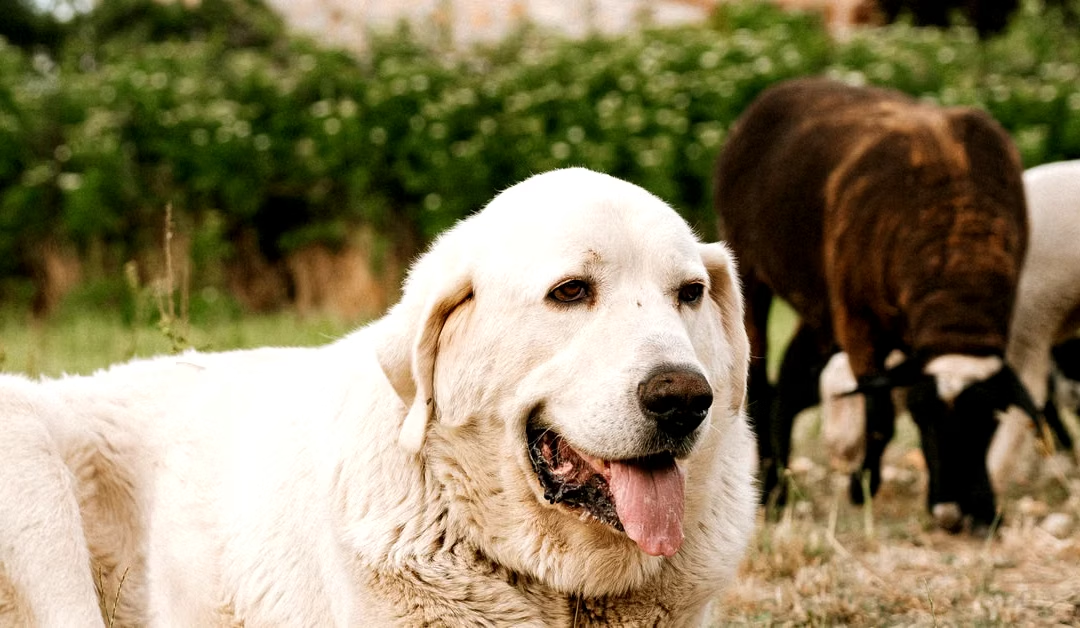
Anatolian Pyrenees look-alike: a fawn guardian-type dog with a black muzzle standing in a snowy garden
A thick coat helps guardian breeds and their mixes work outdoors in cold weather. Photo: Yusuf sinan / Pexels.

Final Verdict

An Anatolian Pyrenees is a calm, loyal and powerful guardian for owners with space, tall fences and patience for an independent thinker. Meet both parents or a rescue’s adult dog, check health results on the OFA database, socialize early, and plan for a giant dog that will watch over your home or flock for a decade or more.

Your next steps

  1. Read the AKC pages for the Anatolian Shepherd Dog and the Great Pyrenees.
  2. Planning a farm guardian? Study the Texas A&M guardian dog overview before you buy.
  3. Compare other giant breeds in our Tibetan Mastiff puppy price and most expensive dog breeds guides, or browse the Dogs section.

Share your guardian dog photos on the Pets Store Home Facebook page.

About the author: Written and reviewed by the Pets Store Home Editorial Team: pet owners and animal lovers who check every guide against trusted US veterinary and animal-welfare sources. This article is general information, not a substitute for professional veterinary advice. Always talk to your veterinarian about your own pet’s health.

How we checked this guide: Parent sizes, lifespans, coat care, exercise, training and health notes come from AKC breed pages. Mix figures come from Hepper and Dogster, neither of which lists a vet reviewer. Guardian dog figures come from Texas A&M AgriLife (January 2026), and bloat signs from VCA Animal Hospitals. We review this article every 12 months.

Last reviewed: November 2026.

Sources

  1. AKC: Anatolian Shepherd Dog (accessed November 2026)
  2. AKC: Great Pyrenees (accessed November 2026)
  3. Hepper: Anatolian Shepherd Great Pyrenees Mix (updated October 2026)
  4. Dogster: Anatolian Pyrenees (updated October 2026)
  5. Texas A&M AgriLife: Livestock Guardian Dogs, An Overview (January 2026)
  6. Texas A&M AgriLife Extension: Livestock Guardian Dogs (fact sheet)
  7. VCA Animal Hospitals: Gastric Dilatation and Volvulus in Dogs (accessed November 2026)
  8. Orthopedic Foundation for Animals (accessed November 2026)