My dog is walking really slow and looks weak

My dog is walking really slow and looks weak

Quick Answer: A dog walking slowly and appearing weak, rather than just in pain, can point to a wider range of causes than pain alone, including anemia, heart or respiratory issues, low blood sugar, dehydration, or a systemic infection, alongside pain-related causes like arthritis or injury. Because weakness can signal something more serious than localized pain, this symptom is worth a same-day or next-day vet visit rather than a wait-and-see approach, especially if it’s sudden.

Key Takeaways

  • General weakness alongside slow walking can point to systemic causes (anemia, heart or lung issues, low blood sugar) in addition to pain or injury.
  • Sudden weakness is more concerning than a gradual change and generally warrants prompt veterinary evaluation.
  • Pale gums, rapid breathing, or collapse alongside weakness are signs of a potential emergency.
  • Older dogs or those with known health conditions are more likely to show weakness from an underlying chronic issue.
  • A vet exam, including bloodwork, is usually needed to distinguish between the many possible causes of weakness.

Why Trust This Guide?

This guide is researched and written by the Pets Store Home editorial team, drawing on general veterinary information about weakness and lethargy in dogs. It’s intended as general information, not a diagnosis; please see a vet promptly if your dog is showing new or worsening weakness.

Possible reasons for a dog strolling and appearing weak

There are several potential reasons why a dog might be ambling and appearing weak. It’s important to note that I’m not a veterinarian, so if you’re concerned about your dog’s health, it’s always best to consult a professional veterinarian for an accurate diagnosis and appropriate treatment. That said, here are some possible reasons for these symptoms:

Pain or Injury: Dogs can experience pain or discomfort for various reasons, such as muscle strains, joint issues, fractures, or other injuries. Pain can lead to reluctance to move quickly and a generally weaker appearance.

Arthritis: Arthritis is a common condition in older dogs. It can cause stiffness, pain, and reduced mobility, leading to slower movements and a weaker overall demeanor.

Infection or Illness: Viral or bacterial infections, as well as other illnesses, can cause lethargy, weakness, and slow movements. Conditions like Lyme disease or parvovirus can exhibit these symptoms.

Dehydration or Malnutrition: If a dog is dehydrated or not receiving adequate nutrition, it can lead to weakness, lethargy, and a lack of energy.

Heart Issues: Heart problems, such as congestive heart failure, can lead to reduced stamina, shortness of breath, and overall weakness.

Respiratory Problems: Conditions like pneumonia or other respiratory infections can make breathing difficult for a dog, resulting in slower movements and apparent weakness.

Neurological Disorders: Neurological issues, like nerve damage or certain diseases, can affect a dog’s coordination, leading to slow and unsteady movements.

Anemia: Anemia, a condition characterized by a low red blood cell count, can result in fatigue, weakness, and reduced ability to engage in physical activity.

Toxicity: Ingesting toxic substances, plants, or medications can lead to various symptoms, including weakness, lethargy, and difficulties in movement.

Chronic Conditions: Certain chronic conditions like hypothyroidism or Cushing’s disease can lead to a dog feeling weak and moving slowly.

Stress or Anxiety: Dogs experiencing high pressure or anxiety levels may exhibit behaviors like moving slowly and appearing weak.

Heat Stroke: In hot weather, dogs can suffer heat stroke, causing weakness, heavy panting, and sluggish movements.

Cancer: Some forms of cancer can cause general weakness and lethargy in dogs.

Age: As dogs age, they naturally experience a decline in energy levels, muscle tone, and overall physical ability.

Ingestion of Foreign Objects: If a dog has ingested something causing an obstruction or digestive issues, it might move slowly and seem weak.

 Your vet may need to perform diagnostic tests, physical examinations, and possibly imaging to pinpoint the issue accurately.


Signs to look for in a dog that is walking slowly and appearing weak

When your dog is walking slowly and appearing weak, observing their behavior and other physical signs is essential to help determine the underlying cause. Here are some signs to look for:

Lethargy: If your dog is unusually inactive, lacks interest in activities, and sleeps more than usual, it’s a sign of boredom.

Difficulty Standing Up: If your dog struggles to stand up from a lying or sitting position, it could indicate pain or weakness.

Unsteady Gait: If your dog’s movements seem uncoordinated or wobbly, it might be experiencing balance issues.

Reluctance to Walk or Move: If your dog hesitates to walk, avoids specific movements, or seems hesitant, it could be due to pain or discomfort.

Stiffness: Dogs with joint issues or arthritis often display stiffness, especially after rest periods.

Visible Pain: Watch for signs of pain such as whimpering, whining, panting excessively, or vocalizing when moving.

Shortness of Breath: Labored breathing or panting excessively, even with minimal activity, can suggest respiratory or cardiovascular problems.

Reduced Appetite: A decreased appetite or lack of interest in food might indicate an underlying health issue.

Changes in Behavior: If your dog seems irritable, unusually aggressive, or withdrawn, it could be due to discomfort or pain.

Changes in Posture: An arched back, hunched shoulders, or a lowered head might indicate pain or discomfort.

Swelling or Lumps: Check for any abnormal lumps, bumps, or streaming on your dog’s body, which could be indicative of various health issues.

Pale Gums: Gums that appear pale or discolored might indicate anemia or other health problems.

Temperature: A fever could indicate infection or other health concerns. The average canine body temperature is 100.5 to 102.5 degrees Fahrenheit (38 to 39.2 degrees Celsius).

Excessive Drooling: Unusual drooling could indicate nausea, dental issues, or other problems.

Changes in Urination or Defecation: Difficulty or changes in urination or bowel movements might suggest internal issues.

Changes in Weight: Rapid weight loss or gain could indicate underlying health problems.

Weakness or Collapsing: If your dog’s legs give out, it signifies significant weakness.

Eye or Nose Discharge: Unusual eye or nose discharge could indicate infection or other issues.

Vomiting or Diarrhea: Persistent vomiting or diarrhea can lead to dehydration and weakness.

Changes in Vocalization: Whining, yelping, or other unusual vocalizations could indicate pain or distress.

Remember that these signs can indicate various health issues, and it’s essential to consult a veterinarian for an accurate diagnosis. Your vet can perform a thorough examination, ask about your dog’s history, and conduct any necessary tests to determine the underlying cause of your dog’s symptoms.


Steps to take if your dog is walking slowly and looking weak

If your dog is walking slowly and looking weak, it’s essential to take prompt action to ensure their well-being. Here are the steps you should consider:

Observe: Pay close attention to your dog’s behavior and physical symptoms. Take note of any other accompanying signs, such as vomiting, diarrhea, difficulty breathing, or changes in appetite.

Ensure Safety: Ensure your dog is in a safe and comfortable environment. Avoid strenuous activities that might worsen their condition.

Contact a Veterinarian: Reach out to your veterinarian as soon as possible. Explain the symptoms you’ve observed and follow their advice. If it’s during regular business hours, call the clinic to schedule an appointment. Consider finding an emergency veterinary clinic if it’s after hours, or your vet is unavailable.

Limit Activity: Restrict your dog’s physical activity until you can consult with a vet. Avoid walks, playtime, or any activities that strain their weakened state further.

Monitor Vital Signs: Monitor your dog’s temperature, heart rate, and breathing. Abnormal readings could indicate serious issues.

Hydration: Ensure your dog has access to clean, fresh water. Dehydration can exacerbate weakness.

Isolate If Necessary: If your dog’s condition might be contagious to other pets, consider isolating them to prevent the spread of potential illnesses.

Collect Information: Be ready to provide your vet with important information about your dog’s recent history, changes in diet, medications, vaccinations, or exposure to toxins.

Keep Calm: Your dog can pick up on your emotions. Stay calm and reassuring to help reduce their stress.

Follow the Vet’s Advice: Follow their guidance carefully after consulting with the vet. They recommend immediate treatment, home care, or bringing your dog in for an examination.

Transport Safely: If the vet advises you to bring your dog in for an examination, ensure their safe transportation. Consider using a pet carrier to minimize movement if your dog is weak or in pain.

Emergency Situations: If your dog’s condition suddenly worsens, they have difficulty breathing, collapse, or experience severe pain, contact an emergency veterinarian immediately.

Remember, while it’s natural to want to help your dog at home, a professional veterinary evaluation is crucial to accurately diagnose the cause of their symptoms and provide appropriate treatment. If in doubt, always consult a veterinarian for guidance.

Preventive measures to maintain your dog’s health and vitality

Maintaining your dog’s health and vitality requires proper care, attention, and preventive measures. 

Here are some critical steps you can take to ensure your dog’s well-being:

Regular Veterinary Check-ups: Schedule routine veterinary visits for wellness exams, vaccinations, and preventive care. Regular check-ups can help catch potential health issues early and ensure your dog’s vaccinations are current.

Balanced Diet: Provide a well-balanced, age-appropriate diet that meets your dog’s nutritional needs. Consult your veterinarian for recommendations on portion sizes and types of food.

Hydration: Always keep fresh and clean water for your dog to drink. Proper hydration is crucial for overall health.

Regular Exercise: Engage your dog in regular physical activity to maintain a healthy weight and promote cardiovascular health. The type and amount of exercise will depend on your dog’s breed, age, and needs.

Mental Stimulation: Mental exercise is as important as physical exercise. Use puzzle toys, training sessions, and interactive games to stimulate your dog mentally.

Dental Care: Practice regular dental hygiene by brushing your dog’s teeth, providing dental chews, and scheduling professional dental cleanings as your vet recommends. Dental health contributes to overall well-being.

Grooming: Regular grooming sessions, including brushing, bathing, nail trimming, and ear cleaning, help prevent skin issues and keep your dog looking and feeling their best.

Parasite Prevention: Protect your dog from fleas, ticks, and internal parasites by regularly using veterinarian-approved preventive treatments.

Vaccinations: Keep your dog’s vaccinations updated according to your veterinarian’s recommendations. Vaccinations are crucial for preventing various diseases.

Spaying/Neutering: If your dog isn’t intended for breeding, consider spaying or neutering. This can prevent specific health issues and reduce the risk of reproductive cancers.

Socialization: Socialize your dog from a young age to ensure they are comfortable and well-behaved around people, other animals, and various environments.

Training: Basic obedience training helps ensure your dog’s safety and strengthens your bond. It also provides mental stimulation and prevents behavior problems.

Provide a Safe Environment: Keep your home and yard safe for your dog by removing hazards, securing toxic substances, and providing a comfortable shelter.

Maintain a Healthy Weight: Obesity can lead to various health problems in dogs. Monitor your dog’s weight and adjust their diet and exercise routine accordingly.

Stress Management: Minimize stressors in your dog’s environment and provide a safe and secure space for them to retreat to when needed.

Regular Health Checks: Check your dog’s ears, eyes, nose, paws, and coat for signs of infections, wounds, or parasites.

High-Quality Dog Bed: Provide a comfortable and supportive bed for your dog to rest. Quality sleep is essential for overall health.

Age-Appropriate Care: Adjust your dog’s care routine as they age. Older dogs may need more frequent veterinary check-ups, specialized diets, and modified exercise routines.

Cognitive Health: Engage senior dogs in activities stimulating their mind and cognitive function, such as puzzle toys or simple training exercises.

Love and Attention: Spend quality time with your dog, provide affection, and build a strong bond. A loving environment contributes to your dog’s emotional well-being.

Remember that each dog is unique, so it’s important to tailor their care to their needs, breed characteristics, and any specific health considerations. Regular communication with your veterinarian and observing your dog’s behavior can help you make informed decisions about their care.


Conclusion: The importance of addressing your dog’s health concerns promptly

Addressing your dog’s health concerns promptly is paramount for their overall well-being and quality of life. 

Like humans, dogs can experience various health issues that, if left untreated, can lead to more severe complications. Here’s why taking swift action is crucial:


Early Detection: Many health problems are easier to treat when caught in their early stages. Regular check-ups and vigilant observation allow you to see potential issues before they escalate.

Preventing Progression: Addressing health concerns promptly can prevent the progression of diseases or conditions. Swift intervention might mitigate the severity of the issue and reduce the chances of complications.

Reducing Pain and Discomfort: Dogs may not always express their pain in apparent ways. Addressing health concerns promptly ensures that your dog doesn’t suffer unnecessarily and can lead to a quicker recovery.

Lowering Treatment Costs: Treating a minor health issue is often less expensive than dealing with advanced or chronic conditions that require more extensive medical interventions.

Maintaining Quality of Life: Prompt treatment helps your dog maintain a good quality of life. Unaddressed health concerns can significantly impact their ability to enjoy daily activities.

Preventing Spread of Illness: Some health issues, such as infections, can be contagious. Addressing them promptly can prevent the spread of illness to other pets or even to you.

Preserving Longevity: By taking quick action, you increase the chances of your dog leading a longer and healthier life.

Minimizing Stress: Addressing health concerns promptly reduces stress on your dog. Chronic discomfort or illness can affect their mental and emotional well-being.

Bond Strengthening: Your dog relies on you for care and support. Taking prompt action shows your commitment to their well-being and strengthens your bond.

Peace of Mind: Knowing that you’re actively caring for your dog’s health and promptly addressing any concerns can provide swiftly addressing any concerns can give peace of mind as a responsible pet owner.

In conclusion, your dog’s health is a top priority. Regular veterinary care, vigilant observation, and quick action when health concerns arise can ensure your beloved pet lives a happy, healthy, and fulfilling life.


Weakness and slow movement can sometimes overlap with other posture changes, like a persistently arched or hunched back. Our guide to arched back in dogs covers the spinal and abdominal causes behind this related symptom.
Cat in Pain after Glands Expressed

Cat in Pain after Glands Expressed

Quick Answer: Mild soreness or sensitivity after a cat’s anal glands are expressed is normal and usually resolves within a day, but persistent pain, swelling, discharge, or a cat excessively licking or scooting afterward can indicate irritation, infection, or an impacted gland that needs veterinary attention. If discomfort doesn’t ease within 24-48 hours, or seems severe, contact your vet rather than waiting it out.

Key Takeaways

  • Mild, short-lived sensitivity after gland expression is common and usually settles within a day.
  • Persistent pain, swelling, redness, or discharge points to irritation, infection, or an incompletely expressed gland.
  • Excessive licking, scooting, or reluctance to sit normally after the procedure are signs worth monitoring closely.
  • Anal glands that need frequent manual expression can indicate an underlying issue worth discussing with your vet.
  • A vet or vet tech performing the expression, rather than DIY at home, reduces the risk of injury or incomplete emptying.

Why Trust This Guide?

This guide is researched and written by the Pets Store Home editorial team, drawing on general veterinary information about feline anal gland care. It’s intended as general information; contact your vet if your cat seems painful or unwell after gland expression.

Cat in Pain after Glands Expressed

What are anal glands and their purpose in cats?

Anal glands, or anal sacs, are small pouch-like structures on either side of a cat’s anus. These glands secrete a strong-smelling substance that contains unique scents specific to individual cats. The primary purpose of these anal glands is to serve as a means of communication and territorial marking among cats.

When a cat defecates, the pressure from the bowel movement causes the anal glands to release their scent onto the feces. This scented secretion acts as a form of identification and communication between cats. 

It allows them to mark their territory, convey information about their identity or status, and interact with other cats in their environment.

These scent markings are vital for establishing and maintaining social hierarchies and territorial boundaries in the wild. Even though domestic cats may not need to defend their territory similarly, the instinct to mark using their anal glands remains a part of their behavior.


Introduction to cat anal glands and their expression

Cat anal glands, also known as anal sacs or anal scent glands, are small, sac-like structures on either side of a cat’s anus. These glands are uniquely vital in feline communication and territorial marking. While not often a topic of casual conversation, understanding cat anal glands and their expression is crucial for cat owners to ensure their pets’ health and comfort.

Function:

Cat anal glands contain a pungent, oily secretion that carries a distinctive scent. This scent is individual to each cat and serves as a form of communication. 

Cats can deposit this scent on surfaces, objects, or other animals to mark their territory, convey information about their identity or status, and communicate with other cats. The smell may also act as a form of identification, helping cats recognize each other.

Expression:

The anal sacs typically empty naturally in healthy cats as the cat defecates. The pressure applied during bowel movements causes the glands to release their contents into the feces, leaving behind the scent marker. However, some cats may experience issues with their anal glands, leading to discomfort, infection, or impaction.


Signs and symptoms of a cat in pain after gland expression

While anal gland expression is a routine procedure to alleviate discomfort in cats with anal gland issues, there can be cases where a cat might experience some pain or discomfort after the procedure.

 If your cat has recently had its anal glands expressed and is showing signs of distress, here are some symptoms to look out for:


Excessive Licking or Biting: Cats in pain may lick or bite at the area around their anus more than usual. This behavior can indicate irritation, discomfort, or soreness.

Scooting or Dragging: If your cat is dragging its rear end on the ground or scooting, it might be trying to relieve discomfort or itching. This behavior can indicate that the anal area is still causing them pain.

Restlessness or Agitation: Cats in pain might exhibit restlessness, pacing, or an inability to settle comfortably. They might be shifting their positions frequently or having trouble finding a comfortable posture.

Vocalization: Cats in pain might vocalize more than usual, whether through meowing, hissing, or other vocalizations. They might be trying to communicate their discomfort to you.

Changes in Appetite or Drinking: Pain and discomfort can lead to changes in a cat’s eating and drinking habits. They might eat less or avoid using the litter box due to the association of pain with these activities.

Changes in Grooming Habits: Cats may groom themselves excessively or, conversely, neglect grooming if they’re experiencing discomfort.

Swelling or Redness: If the anal area is swollen, red, or inflamed after the anal gland expression, it could indicate a reaction or irritation.

Avoiding Touch: Cats in pain might become more sensitive to touch and might shy away from being handled, especially in the affected area.

Lethargy: Cats in pain might become more passive and less interested in their usual activities or play.

It’s important to note that mild discomfort and sensitivity in the anal area after anal gland expression can be expected, but if the symptoms persist, worsen, or if you notice any signs of infection (such as discharge, foul odor, or pus), it’s crucial to contact your veterinarian. 

They can assess your cat’s condition, provide appropriate pain relief if necessary, and address any underlying issues that might be causing the discomfort.


Changes in Posture: Cats might adopt unusual postures to alleviate pain. They may hunch their back, tuck their hindquarters under, or exhibit stiffness when moving.

Hiding: Cats in pain often seek out secluded or hidden resting spots. If your cat suddenly starts hiding in unusual places, it might be a sign that they’re feeling unwell.

Panting or Rapid Breathing: If your cat is panting or breathing rapidly when not overheating or exerting themselves, it could indicate pain or distress.

Changes in Social Behavior: Cats might become less friendly or withdraw from interactions with people and other pets if they feel uncomfortable.

Tail Position: A cat’s tail position can be telling. If your cat is holding its tail down or tucked between its legs more than usual, it might indicate discomfort.

Difficulty Defecating: If your cat appears to be straining to defecate or has trouble passing stool, it could be related to pain or an unresolved anal gland issue.

Changes in Litter Box Behavior: Cats might avoid using the litter box altogether if they associate it with pain due to recent anal gland expression or other issues.

Behavioral Changes: Pain can lead to changes in behavior, such as increased aggression or irritability, especially when touched or approached.

Weight Shifting: Cats in pain might shift their weight more frequently from one leg to another or have trouble jumping or using stairs.

Excessive Sleeping: While cats are known for their love of sleep, increasing their sleeping or lethargy beyond their habits could indicate discomfort.

Persistent Licking or Chewing: Cats might focus on licking or chewing the anal area excessively if they’re experiencing discomfort there.


Possible reasons for pain after gland expression

While anal gland expression is typically done to relieve discomfort and prevent issues, there are some potential reasons why a cat might experience pain after gland expression:

Sensitive Glands: Some cats have naturally sharp or irritable anal glands. Even when done correctly, expressing them can cause temporary discomfort or inflammation.

Inflammation: If the anal glands were already inflamed or infected before expression, emptying them might exacerbate the inflammation, leading to pain.

Excessive Manipulation: If the anal glands were excessively manipulated or squeezed during expression, it could result in irritation or bruising of the surrounding tissue.

Residual Discomfort: Even after successful expression, the glands might still be slightly sensitive due to the manipulation they underwent.

Impacted Glands: If the anal glands were affected or clogged before expression, the pressure from the presentation might cause some discomfort as the built-up material is released.

Infection: If there was an underlying infection in the anal glands, the expression process could introduce additional irritation or pain.

Allergic Reaction: Some cats might be allergic to the products or substances used during the expression process, leading to discomfort and irritation.

Post-Expression Reaction: Just like humans can experience discomfort after medical procedures, cats might also react similarly to manipulating their anal glands.

Underlying Health Issues: The pain might persist even after expression if the anal glands were expressing abnormally due to an underlying health issue, such as an anatomical problem or chronic inflammation.


Steps to alleviate pain and discomfort in a cat after gland expression

If your cat is experiencing pain and discomfort after anal gland expression, there are several steps you can take to help alleviate their discomfort and promote healing. Remember that these steps are general guidelines, and it’s always a good idea to consult your veterinarian for specific advice tailored to your cat’s situation. Here’s what you can do:

Consult Your Veterinarian: If your cat is in significant pain or discomfort, it’s essential to reach out to your veterinarian. They can assess your cat’s condition and provide guidance on pain management and any necessary treatments.

Pain Management: Your veterinarian may recommend pain relief medication to help your cat feel more comfortable. Follow your vet’s instructions regarding dosage and administration.

Monitor for Infection: Monitor the anal Area for any signs of infection, such as redness, swelling, discharge, or a foul odor. If you notice any of these signs, contact your vet immediately.

Keep the AreaArea Clean: Ensure the anal AreaArea stays clean and dry. You can use a mild, pet-safe cleanser recommended by your veterinarian to clean the AreaArea if needed.

Limit Licking: Excessive licking can exacerbate irritation. To prevent this, consider using an Elizabethan collar (cone) to prevent your cat from reaching the anal AreaArea.

Soft Bedding: Provide your cat with a soft and comfortable resting area. This can help reduce any pressure or discomfort they might feel when sitting or lying down.

Litter Box Comfort: Ensure your cat’s litter box is easily accessible and clean. Make sure the sides of the litter box aren’t too high, as jumping in and out could cause discomfort.

Avoid Stress: Stress can worsen discomfort. Create a calm and quiet environment for your cat to help them relax and heal.

Hydration and Nutrition: Ensure your cat has access to fresh water and continue feeding them a balanced diet. Adequate hydration and proper nutrition can aid in the healing process.

Follow Vet’s Instructions: If your veterinarian provides specific care instructions or prescribes medications, be sure to follow them closely.

Regular Check-ins: Keep a close eye on your cat’s behavior, appetite, and overall demeanor. If you notice any changes or if their discomfort persists, inform your veterinarian.

Preventive measures to avoid pain after gland expression in the future

Taking preventive measures can help minimize the likelihood of your cat experiencing pain or discomfort after anal gland expression in the future. Here are some steps you can take to reduce the chances of post-expression discomfort:

Regular Grooming and Hygiene: Maintaining good hygiene around the anal area is crucial. Regular grooming can help prevent the buildup of excess oil and debris in the anal glands, reducing the risk of impaction or infection.

High-Fiber Diet: A fiber-rich diet can promote healthy bowel movements, which can aid in the natural expression of the anal glands during defecation. Consult your veterinarian to choose an appropriate high-fiber diet for your cat.

Weight Management: Maintaining a healthy weight is essential for overall feline health, including the proper function of anal glands. Obesity can lead to gland-related issues, so ensure your cat maintains a healthy weight.

Regular Vet Check-ups: Schedule regular veterinary visits for your cat. During these visits, your vet can check the condition of the anal glands and address any issues before they become painful.

Expressing by a Professional: If your cat’s anal glands need regular expression, consider doing it by a veterinary professional. They have the experience and knowledge to do it correctly, reducing the risk of irritation or injury.

Avoid Overexpression: While regular expression is essential for some cats, overexpression can irritate them. Consult your veterinarian about the appropriate word frequency based on your cat’s needs.

Hygienic Expression: If you or your veterinarian is expressing the glands, use proper hygiene practices and sanitize the area thoroughly to minimize the risk of infection.

Stress Management: Stress can contribute to anal gland issues. Create a calm and comfortable environment for your cat to help reduce stress levels.

Regular Exercise: Regular exercise keeps your cat’s digestive system healthy and can contribute to proper anal gland function.

Consult Your Vet: If you notice any signs of discomfort, irritation, or changes in behavior, consult your veterinarian promptly. Early intervention can prevent the escalation of issues.

Medications or Supplements: Sometimes, your veterinarian might recommend specific supplements or medications that can support anal gland health.

Remember that not all cats require routine anal gland expression. Some cats naturally maintain proper gland function through their everyday activities. If your cat has a history of anal gland issues, working closely with your veterinarian to establish a preventive care plan is essential to ensuring your cat’s comfort and well-being.


Conclusion and final thoughts on caring for a cat’s anal glands

Caring for a cat’s anal glands is essential to their overall health and well-being. While these small structures might not be commonly discussed, understanding their function and potential issues is crucial for responsible cat ownership. Here’s a summary and final thoughts on caring for a cat’s anal glands:

Understanding Anal Glands:

  • Cat anal glands are tiny sacs near the anus that secrete a unique scent for communication and marking territory.
  • Properly functioning anal glands release their scent during bowel movements, marking the feces with an individualized scent.

Common Issues:

  • Anal gland problems can arise, including impaction, infection, and discomfort.
  • Cats might exhibit signs of pain, such as excessive licking, scooting, and changes in behavior if their anal glands are bothering them.

Caring for Anal Glands:

    Observation: Regularly monitor your cat’s behavior, hygiene habits, and any signs of discomfort or irritation around the anal area.

    Consult a Veterinarian: If you suspect anal gland issues or discomfort, consult your veterinarian for proper assessment and advice.

    Hygiene: Keep the anal area clean and dry. Gently clean with a pet-safe cleanser if necessary, but avoid over-cleaning.

    Diet and Exercise: Feed your cat a balanced, fiber-rich diet to promote healthy bowel movements. Encourage regular exercise to maintain digestive health.

    Regular Vet Visits: Schedule routine veterinary check-ups to ensure your cat’s anal glands are healthy and functioning correctly.

    Professional Expression: If needed, have a veterinary professional perform anal gland expression to reduce the risk of discomfort or injury.

    Stress Reduction: Create a calm environment to minimize stress, as stress can exacerbate anal gland issues.

    Prompt Attention: Address any signs of discomfort, irritation, or infection promptly to prevent escalation of issues.


    Female American bully puppy

    Female American bully puppy

    Quick Answer: The American Bully is a distinct breed developed from bulldog and terrier lines, bred for a friendly temperament and muscular build, and comes in Standard, Classic, Pocket, and XL sizes. A female American Bully puppy typically matures into a loyal, people-oriented companion, but like any bully breed, needs early socialization, consistent training, and an owner familiar with responsible ownership of a strong, muscular dog.

    Key Takeaways

    • The American Bully is a distinct breed from the American Pit Bull Terrier and American Staffordshire Terrier, despite sharing some lineage.
    • The breed comes in several size categories: Standard, Classic, Pocket, and XL.
    • American Bullies are generally bred for temperament, valued for being affectionate and good with families when properly socialized.
    • Early socialization and consistent, positive training matter significantly for any strong, muscular breed.
    • Choosing a reputable breeder who health-tests parent dogs helps avoid preventable genetic health issues.

    Why Trust This Guide?

    This guide is researched and written by the Pets Store Home editorial team, drawing on general breed information about the American Bully. It’s intended as general information; a vet or experienced trainer can advise on care specific to your individual puppy.

    Introduction to the Female American Bully breed

    A very young and distinctive breed that has its roots in the US is the American Bully. Despite having some common lineage, the American Bully is distinct from the American Pit Bull Terrier and the American Staffordshire Terrier. 

    The American Bully breed was developed by crossing various bulldog and terrier breeds to create a companion dog with a friendly temperament, balanced structure, and unique appearance.

    The American Bully comes in different sizes, including Standard, Classic, Pocket, and XL, but in this introduction, I’ll focus on the Female American Bully as a whole.

    Brief history and origin

    The American Bully breed has a relatively short history, evolving over the past few decades in the United States. It was developed as a distinct breed through selective breeding, drawing from various bulldog and terrier breeds to create a companion dog with a friendly disposition and unique appearance. Here’s a brief overview of the history and origin of the American Bully:


    1960s-1990s: Foundation and Crossbreeding

    The development of the American Bully began in the late 20th century, primarily during the 1980s and 1990s. Breeders sought to create a dog that combined bulldog breeds’ loyalty and protective instincts with the agility and energy of terrier breeds. The American Pit Bull Terrier and the American Staffordshire Terrier were the foundational species to develop the American Bully.


    Selective Breeding for Traits

    Breeders selected dogs with desirable traits, such as a friendly temperament, balanced structure, and unique appearance. These traits were further refined through careful breeding practices. While some breeders aimed for a more muscular and stocky build, others focused on a more compact and pocket-sized variation.


    Recognition and Controversy

    The American Bully gained recognition from various dog breed registries and kennel clubs, including the United Kennel Club (UKC) and the American Bully Kennel Club (ABKC). However, the breed also faced controversy and confusion due to its similarities to the American Pit Bull Terrier and the perception that it might be used in dog fighting. This controversy led to ongoing debates about the breed’s classification and reputation.


    Modern American Bully Varieties

    Over time, the American Bully breed developed several size varieties, each with distinct characteristics:

    • Standard: The most extensive variety, with a stocky and muscular build.
    • Classic: A slightly smaller version with a more old-school bulldog appearance.
    • Pocket: A compact size, often preferred as a companion dog due to its manageability.
    • XL: The most enormous size variety, emphasizing mass and muscle.

    Breed Traits and Purpose

    The American Bully was primarily bred as a companion dog, meant to be a loyal and affectionate family pet. Its temperament and behavior were shaped to be gentle and friendly, making it suitable for families and individuals looking for a reliable and loving canine companion.


    Continued Development

    The American Bully continues to evolve, with breeders working to maintain and improve the breed’s temperament, health, and appearance. Responsible breeders emphasize proper socialization, training, and health testing to ensure the breed’s well-being and positive reputation.

    In summary, the American Bully is a breed that emerged from combining bulldog and terrier breeds to create a friendly and distinctive companion dog. Its history is relatively recent, spanning a few decades, and it continues to evolve as breeders work to refine its traits and promote responsible ownership.

    Female American bully Appearance

    The appearance of a Female American Bully is characterized by its muscular and well-defined build, along with a unique and eye-catching look.

    While individual dogs can vary in appearance, here are some common traits associated with the Female American Bully’s appearance:


    Body Structure:

    Muscular Build: Female American Bullies have a solid, well-muscled body, broad chests, and well-developed shoulders. Their overall physique exudes power and strength.

    Compact Frame: They typically have a close and sturdy frame, giving them a balanced and proportional appearance.

    Short Legs: Their legs are relatively short, contributing to their low-to-the-ground stance.


    Head and Face:

    Short Muzzle: Female American Bullies usually have a short, broad muzzle proportional to their 

    head size.

    Well-Defined Jaw: Their jaw muscles are well-developed, giving their face a defined and powerful look.

    Ears: Ears can vary, but cropped ears are sometimes seen in American Bullies. Uncropped ears are typically medium-sized and can be rose-shaped or semi-pricked.


    Eyes and Nose:

    Eyes: They have medium to large, round eyes that are set well apart. Eye color can vary and may include shades of brown or even blue.

    Nose: The nose is usually broad and has well-opened nostrils.


    Coat:

    Short Coat: American Bullies have a fast, smooth coat that lies close to the body.

    Colors and Patterns: The breed comes in a wide range of coat colors and patterns, including solid colors, brindle, piebald, and more.


    Tail:

    Tail Set: Their tail is usually set low and tapers to a point. It’s often carried low and doesn’t have excessive curling.


    Size Varieties:

    Female American Bullies come in various size categories, each with its unique characteristics:

    Standard: The standard variety is the largest, focusing on muscle mass and overall proportion.

    Classic: The classic variety is slightly smaller and often displays a more traditional bulldog 

    appearance.

    Pocket: The pocket variety is compact and miniature, making it manageable for indoor living.

    XL: The XL variety is the largest, emphasizing mass and size.


    Overall Appearance:

    The Female American Bully’s appearance balances power, athleticism, and a friendly demeanor. Their distinctive physique and engaging and affectionate nature make them stand out as companions and family pets.

    It’s important to note that while these are general traits associated with the Female American Bully’s appearance, individual dogs can vary in terms of specific features, coat patterns, and coloration. Responsible breeding practices aim to maintain breed standards while prioritizing health and temperament.

    Female American bully Temperament


    The temperament of a Female American Bully is known for being friendly, affectionate, and loyal. These dogs are often cherished as companions and family pets due to their positive and engaging personalities. 

    While individual temperaments can vary, here are some common traits associated with the Female American Bully’s character:


    Affectionate and Loyal:

    Female American Bullies are known for their strong bonds with their families. They often form deep attachments to their owners and are loyal and devoted companions. Their affectionate nature makes them great for families and individuals looking for a loving and close relationship with their pets.


    Friendly and Social:

    These dogs are generally friendly and sociable with people, including children and strangers. They often exhibit a gentle and approachable demeanor, making them well-suited for interacting with various family members and guests.


    Good with Children:

    When properly socialized and groomed, female American Bullies are great companions for young children. They are good with children because of their propensity for patience and tolerance. However, as with any dog breed, supervision and carefully introducing the dog to kids are crucial.


    Intelligent and Trainable:

    American Bullies that are female are intelligent, trainable dogs. They enjoy learning new orders and skills and respond well to encouragement. Fostering excellent behavior and etiquette depends on consistent instruction and early socialization.


    Alert and Watchful:

    While they might not be overly aggressive, Female American Bullies possess a protective instinct. They can be alert and watchful, making them good at alerting their owners to unfamiliar or potentially threatening situations.


    Playful and Energetic:

    These canines like engaging playtimes and physical exercises and have a playful and energetic side. Boredom and related behavioral issues are prevented by regular exercise and mental stimulation.


    Adaptable:

    If given enough exercise and mental stimulation, female American Bullies can adapt to various living situations, including apartments and homes. They often don’t bark excessively, which makes them suitable for a city lifestyle.


    Needs Human Interaction:

    Because of their affectionate and social nature, Female American Bullies thrive on human interaction. They can suffer from separation anxiety if left alone for extended periods. It’s essential to provide companionship and mental stimulation to keep them happy and content.


    Responsible Ownership:

    As with any dog breed, responsible ownership significantly shapes a Female American Bully’s temperament. Proper socialization, training, exercise, and care are essential to nurturing their positive traits and preventing behavioral issues.

    It’s important to note that while these are general traits associated with the Female American Bully’s temperament, individual dogs can have their unique personalities. Choosing a reputable breeder and investing time in training and socialization will significantly influence the character of your Female American Bully.

    Female American Bully Training and Socialization

    Training and socialization are crucial to raising a well-behaved and well-adjusted Female American Bully. Proper training and exposure to various experiences during their formative stages contribute to their overall behavior and temperament. 

    Here’s a guide on training and socializing your Female American Bully:


    Training:

    Positive Reinforcement: Use positive reinforcement techniques, such as treats, praise, and toys, to reward good behavior. This approach helps build a strong bond between you and your dog and encourages them to repeat desired behaviors.

    Consistency: Be consistent with your commands and expectations. Use the same cues for orders and reward or correct behavior in the same manner each time.

    Basic Commands: Teach basic commands like “sit,” “stay,” “down,” “come,” and “heel.” These commands are practical for daily life and help establish you as the leader and create a well-behaved dog.

    Socialization: Introduce your Female American Bully to various people, animals, environments, and experiences. This helps prevent fear and aggression toward unfamiliar situations in the future.

    Leash Training: Teach your dog to walk calmly on a leash without pulling. This is important for enjoyable walks and outings.

    Crate Training: Crate training provides a safe and comfortable space for your dog and aids in-house training.

    Behavioral Management: Address any unwanted behaviors promptly using positive training techniques. Consistency and patience are key to modifying behavior.

    Obedience Classes: Consider enrolling your Female American Bully in obedience classes. These classes offer structured training environments and allow your dog to socialize with other dogs.

    Socialization:

    Early Start: Begin socializing your puppy as early as possible, ideally during their critical socialization period, usually between 3 to 14 weeks of age.

    Positive Experiences: Expose your dog to various people, including children, men, women, and individuals wearing different types of clothing. Make sure these experiences are positive and stress-free.

    Other Animals: Introduce your dog to other dogs and animals in controlled settings. Positive interactions with well-behaved animals contribute to good social skills.

    Different Environments: Expose your dog to other environments such as parks, streets, public, and indoor spaces. This helps them become confident in new surroundings.

    Handling and Grooming: Get your dog used to touching, grooming, and handling. This will make vet visits and grooming sessions less stressful.

    Positive Associations: Use treats and praise during socialization to create positive associations with new experiences and people.

    Supervised Play: Allow your dog to interact and play with other dogs in safe and supervised settings. This helps them learn appropriate social behavior.

    Observe Reactions: Pay attention to your dog’s reactions to new experiences. If your dog appears fearful or uncomfortable, proceed at a pace that makes them feel secure.

    Female American Bully Exercise and Care

    Providing proper exercise and care for your Female American Bully is essential for her physical and mental well-being. These dogs are energetic and thrive on regular activity and companionship. Here’s a guide to help you ensure your Female American Bully stays healthy and happy:


    Exercise:

    Daily Walks: Take your Female American Bully for daily walks to provide regular exercise and mental stimulation. Aim for at least 30 to 60 minutes of brisk walking each day.

    Playtime: Engage in interactive play sessions with toys, such as fetch, tug-of-war, and puzzle toys. Play helps burn off excess energy and strengthens your bond.

    Physical Activities: Incorporate activities like jogging, hiking, or agility training to keep your dog physically fit and mentally engaged.

    Social Interaction: Allow your dog to socialize with other dogs during playdates or in controlled dog park environments. This helps satisfy their social needs.

    Mental Stimulation: Provide puzzle toys, treat-dispensing toys, and training sessions to keep your dog mentally stimulated and prevent boredom.


    Care:

    Nutrition: Feed your Female American Bully a balanced and appropriate diet based on her age, weight, and activity level. Consult your veterinarian for dietary recommendations.

    Regular Vet Check-ups: Schedule regular veterinary visits for check-ups, vaccinations, and preventive care. Discuss flea and tick prevention, heartworm medication, and dental care with your vet.

    Grooming: Regularly brush your dog’s coat to keep it clean and free from loose hair. Short-coated breeds like the American Bully are generally low-maintenance in terms of grooming.

    Bathing: Bathe your dog to keep her coat clean and dirt-free. Use a dog-friendly shampoo to avoid skin irritation.

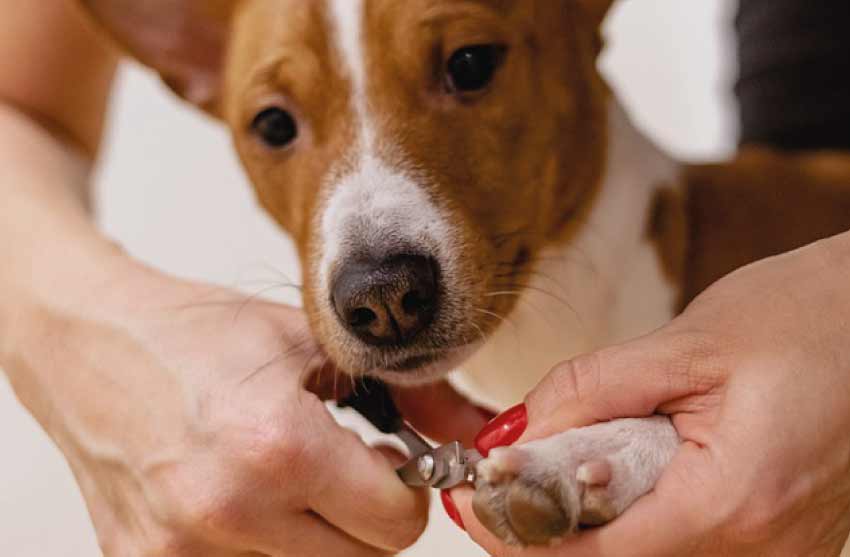
    Nail Trimming: Trim your dog’s nails regularly to prevent them from becoming too long and causing discomfort.

    Ear Cleaning: Regularly check and clean your dog’s ears to prevent infections. Gently wipe the outer ear with a damp cloth, avoiding the ear canal.

    Dental Care: Maintain your dog’s oral health by brushing her teeth regularly and providing dental chews or treats approved by your veterinarian.

    Comfortable Living Space: Provide your dog with a comfortable and clean living space. Ensure she has a cozy bed, access to fresh water, and protection from extreme weather conditions.

    Identification: Ensure your dog has proper identification, such as a collar with tags and a microchip. This helps increase the chances of being reunited if she ever gets lost.

    Spaying/Neutering: Consider spaying or neutering your dog unless you plan to breed responsibly. This can have health benefits and help control the pet population.

    Training and Mental Stimulation: Engage in regular training sessions to keep your dog’s mind active and to reinforce good behavior.

    Social Time: Spend quality time with your dog through walks, playtime, and simply being together. Dogs thrive on companionship and attention from their owners.

    By providing proper exercise, care, and attention, you’ll be able to give your Female American Bully a happy and fulfilling life. Remember that each dog is an individual, so adapt these guidelines to suit her needs and preferences.

    Female American Bully Health

    Maintaining the health of your Female American Bully is crucial for her overall well-being and quality of life. Responsible care, regular veterinary visits, and preventive measures can help keep her healthy and address potential health concerns. Here are some essential aspects to consider for your dog’s health:

    Regular Veterinary Care:

    • Schedule regular check-ups with a veterinarian to monitor your dog’s health and catch any potential issues early.
    • Keep up with vaccinations, deworming, and other preventive measures your vet recommends.

    Nutrition:

    • Feed your Female American Bully a balanced, high-quality diet appropriate for her age, size, and activity level.
    • Avoid overfeeding, as obesity can lead to various health problems. Consult your vet for portion recommendations.

    Exercise:

    • Provide regular exercise to maintain a healthy weight and promote cardiovascular health. Obesity can lead to joint problems and other health issues.

    Grooming:

    • Regularly brush your dog’s coat to prevent matting and remove loose hair.
    • Clean her ears and check for signs of infection.
    • Keep her nails trimmed to avoid overgrowth and discomfort.

    Dental Care:

    • Brush your dog’s teeth regularly or provide dental chews to maintain oral hygiene.
    • Dental health is essential, as poor dental hygiene can lead to various health issues.

    Spaying/Neutering:

    • Consider spaying or neutering your dog unless you have plans for responsible breeding.
    • Spaying/neutering can prevent specific health issues and contribute to population control.

    Common Health Concerns: While Female American Bullies are generally healthy dogs, they may be prone to some breed-specific health concerns, including:

    • Hip Dysplasia: A condition where the hip joint doesn’t develop properly, leading to arthritis and pain.
    • Skin Allergies: Some Bullies can be prone to skin allergies, which may require dietary adjustments and medical treatment.
    • Cardiac Issues: Certain heart conditions can occur in the breed. Regular veterinary check-ups can help identify any problems.
    • Brachycephalic Syndrome: American Bullies can experience breathing difficulties due to their short muzzle. Avoid strenuous exercise in hot weather and provide a relaxed environment.

    Genetic Testing:

    • If you’re getting a Female American Bully from a breeder, inquire about genetic testing for common breed-related health issues.
    • Responsible breeders aim to minimize the risk of passing on hereditary conditions through selective breeding and genetic testing.

    Preventive Measures:

    • Use flea, tick, and heartworm preventives as recommended by your veterinarian.
    • Keep your dog’s living environment clean and free from hazards.
    • Provide plenty of fresh water to keep her hydrated.

    Regular veterinary care and open communication with your veterinarian are crucial to maintaining your Female American Bully’s health. If you ever notice any changes in behavior, appetite, or physical condition, don’t hesitate to consult your vet for guidance.


    Curious About Tri-Color?

    If you’re weighing coat colors alongside everything else, our guide to the Tri Color American Bully breaks down the genetics behind the pattern, what drives its pricing, and the health considerations that matter regardless of color.

    Dog Nail Bent Sideways Bleeding

    Dog Nail Bent Sideways Bleeding

    Quick Answer: A dog nail bent sideways and bleeding usually means the nail has partly torn and exposed the quick (its blood supply). Apply firm pressure with a clean towel or gauze for a few minutes to stop the bleeding, use styptic powder or cornstarch if available, and see a vet if bleeding doesn’t stop within 10-15 minutes or the nail is severely damaged.

    Key Takeaways

    • A sideways-bent nail that’s bleeding usually means the quick (blood supply) has been exposed by a partial tear.
    • Apply firm, steady pressure with clean gauze or a towel; styptic powder or cornstarch can help stop bleeding faster.
    • Bleeding that doesn’t stop within 10-15 minutes of pressure needs veterinary attention.
    • A severely bent or partially attached nail may need to be trimmed or removed by a vet rather than left to heal on its own.
    • Keeping nails properly trimmed reduces the risk of this happening again from snagging or catching on surfaces.

    Why Trust This Guide?

    This guide is researched and written by the Pets Store Home editorial team, drawing on general veterinary first-aid guidance for nail injuries in dogs. It’s intended as general information; see a vet if bleeding is severe, doesn’t stop, or the nail appears significantly damaged.

    The Issue of a Dog Nail Bent Sideways

    A dog nail bending sideways can be a concerning issue that may lead to discomfort, pain, and potential complications if not addressed promptly. This condition is often called a “sideways nail” and can occur for various reasons, from genetics and injury to improper trimming.

    If the Nail Is Bleeding: What to Do First

    A bent nail often tears partway, which can cause noticeable bleeding since the nail’s blood supply (the “quick”) is exposed. If your dog’s nail is bleeding, stay calm and take these steps:

    Apply pressure: Use a clean towel or gauze to apply firm, steady pressure to the nail for one to two minutes to slow the bleeding.

    Use a clotting agent: Styptic powder (or plain cornstarch or flour in a pinch) pressed onto the tip of the nail helps blood clot faster. Avoid hydrogen peroxide, which can irritate the wound.

    Keep your dog calm and still: Movement increases blood flow, so encourage your dog to rest for a few minutes after the bleeding slows.

    Watch for continued bleeding: Minor nail bleeding usually stops within 5 to 10 minutes. If it doesn’t stop, or if the nail is visibly bent, dangling, or your dog is in significant pain, contact your veterinarian promptly. Our guide on what to do after cutting your dog’s nail quick covers aftercare in more detail, since a torn quick and a cut quick are treated the same way.

    Symptoms of a Sideways Nail

    Visible Deformity: The most obvious sign is a nail that grows at an angle, either curving to the side or splitting.

    Discomfort or Pain: Your dog may show pain or discomfort when walking or using the affected paw. Limping or avoiding putting weight on the foot are common indications.

    Inflammation or Infection: A sideways nail can cause irritation and inflammation, potentially leading to infection if dirt and bacteria get trapped under the nail.

    Addressing a Sideways Nail

    Visit the Veterinarian: If you notice that your dog’s nail is growing sideways or bleeding heavily, it’s essential to consult your veterinarian. They can accurately diagnose the issue and recommend the appropriate treatment.

    Trimming and Maintenance: In some cases, the sideways growth can be corrected by carefully trimming the nail to encourage proper growth. A professional groomer or veterinarian should do this to avoid causing further harm.

    Possible Removal: In severe cases where the nail is causing significant discomfort or infection, your veterinarian might recommend partial or complete removal of the affected nail under anesthesia.

    It’s essential to address a sideways or bleeding nail promptly to prevent further complications and ensure your dog’s comfort. If you’re unsure how to proceed, contact your veterinarian for guidance tailored to your dog’s specific situation.

    Causes of a Dog Nail Bending Sideways

    A dog’s nail bending sideways, also known as a “sideways nail,” can occur for several reasons. This condition can be uncomfortable or painful for the dog and may require attention. Here are some common causes of a dog nail bending sideways:

    Genetics: Some dog breeds are more prone to nail abnormalities due to their genetics. A dog with naturally weak or brittle nails might be more likely to bend or break.

    Injury: Trauma to the nail, such as catching it on a hard surface or getting it caught in something, can lead to a nail bending or growing in an irregular shape. This is also a common cause of sudden nail bleeding.

    Nail Trimming Errors: Improper nail trimming, such as cutting the nail too short or at an angle, can cause the nail to weaken and bend as it grows.

    Fungal Infection: Fungal infections, like onychomycosis, can affect the structure and growth of a dog’s nails. This could result in nails growing abnormally, including bending sideways.

    Tumors or Growths: Sometimes, growths or tumors around the nail bed can impact how a nail grows, causing it to bend or deform.

    Underlying Health Conditions: Certain medical conditions like metabolic disorders or hormonal imbalances can affect nail growth and quality, potentially leading to abnormal growth patterns.

    Inflammation or Infection: If a nail bed becomes inflamed or infected, it can disrupt average nail growth and cause bending or deformities.

    Chronic Pressure: Consistent pressure on the nail, such as from an ill-fitting or tight-fitting collar or harness, can lead to the nail bending over time.

    Age and Wear: As dogs age, their nails become more brittle and prone to bending or breaking.

    Steps to take if you notice a dog nail bent sideways

    If your dog’s nail is bent sideways, it’s essential to take prompt action to address the issue and ensure your dog’s comfort and well-being. Here are the steps you should consider taking:

    Examine the Nail: Gently examine the bent nail to assess the severity of the issue. Check for signs of bleeding, inflammation, or infection around the nail.

    Limit Activity: If the bent nail is causing your dog discomfort, limit its activity to prevent further strain on the affected nail.

    Contact Your Veterinarian: Reach out to your veterinarian as soon as possible. Describe the issue and any symptoms you’ve observed. Your veterinarian will guide the next steps based on the severity of the situation.

    Follow the Veterinarian’s Advice: Your veterinarian may recommend various options depending on the condition of the nail. These could include:

    • Trimming the Nail: If the nail is not severely damaged, your veterinarian might trim the nail to remove the bent portion and alleviate discomfort.
    • Pain Management: If your dog is experiencing pain, your veterinarian may suggest pain relief medication to keep them comfortable.
    • Antibiotics or Antiseptics: If there’s any sign of infection or inflammation, your veterinarian might prescribe antibiotics or recommend using antiseptic solutions to prevent disease.
    • Nail Removal: In extreme cases where the nail is severely damaged, your veterinarian might recommend partial or complete nail removal to prevent further complications.

    Nail Care: Follow your veterinarian’s instructions for nail care. If the nail is partially removed, you must keep the area clean and apply any prescribed ointments.

    Preventive Measures: Ensure your dog’s nails are regularly trimmed to an appropriate length to prevent future issues. If you need more time to cut them, consider having a professional groomer or veterinarian handle it.

    Observe for Changes: Keep a close eye on the affected nail as it heals. Watch for signs of infection, such as increased redness, swelling, discharge, or your dog’s behavior indicating ongoing discomfort.

    Comfort and Distraction: While your dog is recovering, provide comfort and distraction to keep their mind off the discomfort. Engage in activities they enjoy that don’t put additional strain on the affected paw.

    Remember that every situation is unique, and the best course of action depends on your dog’s condition. Consulting your veterinarian is crucial to ensure proper diagnosis and appropriate treatment. Early intervention can help prevent further complications and ensure your dog’s comfort and recovery.

    Prevention and care tips for dog nail health

    Maintaining your dog’s nail health is essential for their well-being and comfort. Here are some prevention and care tips to ensure your dog’s nails stay healthy:

    Prevention Tips:

    Regular Nail Trimming: Trim your dog’s nails regularly to prevent them from becoming too long. The trimming frequency depends on your dog’s activity level and how quickly their nails grow. On average, every 2-4 weeks is a good guideline.

    Start Early: Introduce your puppy to nail trimming from a young age to help them get used to it. This will make nail care less stressful for both you and your dog.

    Use Proper Tools: Use high-quality dog nail clippers or grinders designed for your dog’s size. There are different types of clippers, including scissor-style and guillotine-style. Find the one that works best for you and your dog.

    Know the Quick: Be aware of the quick, sensitive part of the nail that contains blood vessels and nerves. Cutting into the quick can cause bleeding and pain. Trim small portions at a time and stop if you see a pinkish area inside the nail.

    Positive Association: Make nail trimming a positive experience by rewarding your dog with treats, praise, and petting. Associating nail care with positive things can help reduce anxiety.

    Exercise and Outdoor Activities: Regular and outdoor activities on varied surfaces can naturally help wear down your dog’s nails and reduce the need for frequent trimming.

    Care Tips:

    Regular Inspection: Regularly inspect your dog’s nails for any signs of overgrowth, cracks, splits, or abnormalities. Catching issues early can prevent them from worsening.

    Proper Technique: Learn the appropriate technique for nail trimming. Consider having a professional groomer or veterinarian demonstrate if you need more clarification.

    Nail Grinding: Some dogs tolerate nail grinders better than clippers. Nail grinders file down the nails gradually, which can reduce the risk of cutting them quickly.

    Moisturize Paw Pads: Keeping your dog’s paw pads moisturized can help prevent dryness and cracking, which could affect how nails interact with the ground.

    Healthy Diet: A balanced diet rich in essential nutrients can improve nail health. Consult your veterinarian for dietary recommendations.

    Regular Vet Visits: Ask your veterinarian to examine your dog’s nails during routine vet check-ups. They can provide advice on nail care and check for any underlying issues.

    Avoid Concrete Wear: While some pavement walking can help naturally file nails, excessive walking on hard surfaces like concrete can cause nails to wear unevenly.

    Use Paw Balm: Paw balm can help moisturize the paw pads and nails, preventing excessive drying and cracking.

    Remember that every dog is unique, so adapt these tips to your dog’s needs and preferences. If you need clarification on nail care or notice any issues, consult your veterinarian or a professional groomer for guidance. Taking proactive steps can contribute to your dog’s overall comfort and health.


    FAQ: Dog Nail Bent Sideways and Bleeding

    How do I stop a bent dog nail from bleeding?
    Apply gentle, steady pressure with a clean cloth or gauze for a few minutes, then use styptic powder or cornstarch on the tip if it’s still bleeding. Keep your dog calm and still while you do this.

    Is a bent or sideways nail an emergency?
    Not usually, if the bleeding stops within a few minutes and your dog is walking normally. It becomes urgent if bleeding won’t stop, the nail is dangling or clearly broken at the base, or your dog is in significant pain.

    Will a bent nail grow back straight?
    Often yes, especially if the bend was caused by a one-time injury. Nails that are chronically bent from genetics, repeated trauma, or an underlying condition may keep growing the same way and are worth a vet check.

    Should I trim a sideways-growing nail myself?
    Light trims to keep it from snagging are usually fine, but avoid cutting into the quick. If the nail is significantly deformed or painful to touch, let your vet or groomer handle it.

    Pain from a nail injury can sometimes cause a dog to hold an unusual posture temporarily, but a persistent arched or hunched back points to a different, potentially more serious issue. Our guide to why dogs arch their backs covers spinal and abdominal causes worth knowing about.

    What About a Simple Cut Quick Instead?

    A bent or twisted nail is a different injury from a clean trim that goes too short. If your dog’s nail was cut too short during a routine trim rather than bent or twisted, this guide on walking your dog after cutting the quick covers first aid, healing time, and when it’s safe to resume activity.

    Can cats eat seaweed sheets?

    Can cats eat seaweed sheets?

    Quick Answer: Yes, plain, unseasoned nori (dried seaweed sheets) is generally safe for cats in small amounts as an occasional treat, but it shouldn’t be a regular part of their diet due to its high iodine content and lack of taurine, an amino acid cats need. Avoid seasoned varieties with salt, sesame oil, or other additives, and keep portions small and infrequent.

    Key Takeaways

    • Plain nori is not toxic to cats and can be offered occasionally in small pieces.
    • High iodine content means seaweed shouldn’t become a regular or large part of a cat’s diet.
    • Seaweed lacks taurine, an essential amino acid cats need from animal-based protein, so it can’t substitute for real nutrition.
    • Avoid seasoned, salted, or oil-coated seaweed sheets, which can contain ingredients unsuitable for cats.
    • If your cat has thyroid issues, check with your vet before offering seaweed given its iodine content.

    Why Trust This Guide?

    This guide is researched and written by the Pets Store Home editorial team, drawing on general feline nutrition guidance. It’s intended as general information; consult your vet before introducing new treats if your cat has an existing health condition.

    Can Cats Safely Eat Seaweed Sheets?

    In small amounts, plain and unseasoned nori (the dried seaweed used for sushi) is generally considered safe for cats as an occasional nibble. It isn’t toxic, and many cats are drawn to its salty, fishy smell. That said, it shouldn’t become a regular treat: seaweed’s high iodine content, lack of taurine, and unsuitable additives in most store-bought sheets mean it’s best offered rarely, plain, and in small pieces. We break down exactly why below, along with the potential benefits and what to watch for.

    What are seaweed sheets and their nutritional value?

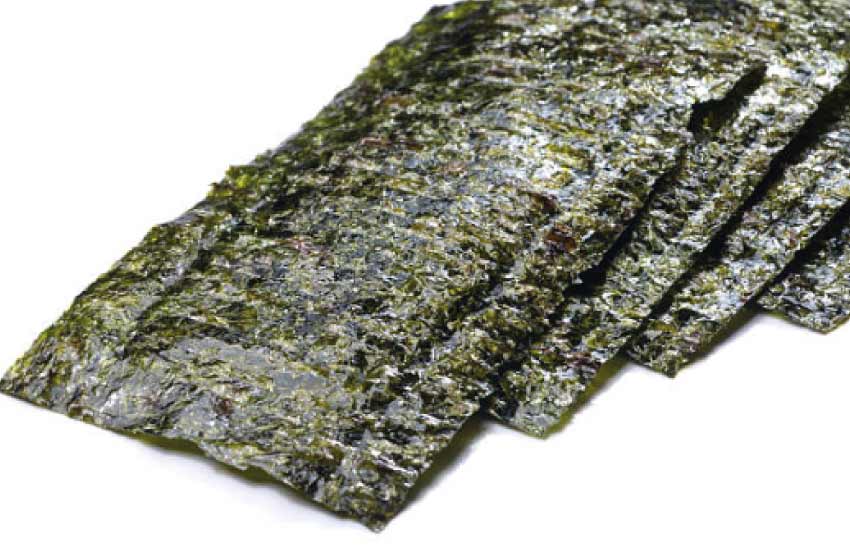
    Seaweed sheets, or nori sheets, are thin sheets of edible seaweed commonly used in making sushi rolls and other Asian dishes. They are made by pressing and drying edible seaweed into thin, flat sheets. Seaweed sheets wrap rice, fish, and vegetables in sushi, creating a convenient and flavorful package.

    The nutritional value of seaweed sheets can vary depending on the type of seaweed used and any additional seasonings or flavorings. However, here is a general overview of the nutritional components found in seaweed sheets, particularly the commonly used nori:

    Low Calories: Seaweed sheets are low in calories, making them a relatively light snack option.

    Rich in Minerals:

    Iodine: Seaweed is a significant source of iodine essential for thyroid function and overall health. However, excessive iodine intake can concern some individuals, so moderation is key.

    Iron: Seaweed contains iron, a mineral essential for carrying oxygen in the blood.

    Vitamins:

    Vitamin A: Seaweed is a good source of certain types of vitamin A compounds, which are essential for vision, skin health, and immune function.

    Vitamin C: Some types of seaweed contain vitamin C, an antioxidant that supports the immune system and skin health.

    Dietary Fiber: Seaweed contains dietary fiber, which can contribute to feelings of fullness and aid digestion.

    Protein: Seaweed does contain some protein, although the amount is relatively low compared to other protein sources.

    Antioxidants: Seaweed contains various antioxidants, which help protect cells from damage caused by free radicals.

    It’s important to note that while seaweed sheets have nutritional benefits, they might not provide all the necessary nutrients for a balanced diet, especially for cats, as mentioned earlier. Additionally, the nutritional composition of seaweed can vary depending on factors such as the type of seaweed, growing conditions, and processing methods.

    If you’re interested in incorporating seaweed sheets into your diet, enjoying them in moderation is a good idea as part of a well-rounded diet. Always read the nutrition label if purchasing packaged seaweed sheets to be aware of added ingredients or seasonings.

    Potential benefits of seaweed for cats

    Seaweed, precisely certain types of marine algae, does have potential benefits for cats when used in a controlled and appropriate manner. However, it’s important to note that seaweed should not be a cat’s primary food source, and any inclusion in their diet should be discussed with a veterinarian. 

    Here are some potential benefits of seaweed for cats:

    Nutrient Variety: Seaweed can provide a source of additional nutrients and minerals that might be lacking in a cat’s regular diet. These include trace minerals like iodine, magnesium, and iron.

    Dental Health: Some types of seaweed have a natural abrasive texture that can help promote dental health in cats. Chewing on the slightly abrasive surface of seaweed might assist in removing plaque and tartar buildup on their teeth.

    Digestive Support: Seaweed contains dietary fiber that could help support healthy cat digestion by promoting regular bowel movements.

    Antioxidants: Seaweed contains various antioxidants that can help protect cells from oxidative stress and may contribute to overall health.

    Weight Management: Seaweed is low in calories and fat, which could make it a suitable option for cats that need to manage their weight or as a low-calorie treat.

    Coat and Skin Health: The nutrients found in certain types of seaweed, such as omega-3 fatty acids, could potentially contribute to a cat’s coat and skin health.

    Potential Immune Support: Some types of seaweed contain compounds that have been studied for their possible immune-modulating effects. While more research is needed, these compounds could offer immune support in cats.

    Despite these potential benefits, it’s essential to approach seaweed supplementation for cats with caution:

    Consult a Veterinarian: Before introducing any new food, including seaweed, into your cat’s diet, consult a veterinarian. They can help you determine whether seaweed is appropriate for your cat’s health needs and recommend a safe amount.

    Choose the Right Type: Not all types of seaweed are suitable for cats. Some varieties might be safer and more appropriate than others. Your veterinarian can guide you on the best options.

    Moderation: If seaweed is safe for your cat, it should only be used as an occasional treat or supplement, not as a primary food source.

    Watch for Allergies or Reactions: As with any new food, monitor your cat for adverse reactions or allergies.

    In conclusion, while seaweed has potential benefits for cats, it’s crucial to prioritize their specific dietary requirements and consult a veterinarian before introducing any new food into their diet.

    Potential Risks and Dangers of Seaweed for Cats

    There are several potential risks and dangers associated with feeding seaweed to cats. While some types of seaweed might have certain benefits, it’s essential to be aware of the potential dangers:

    Iodine Overload: Seaweed is a rich source of iodine, essential for human health, but can be harmful to cats when consumed in excess. Cats have much lower iodine requirements than humans, and excessive iodine intake can lead to thyroid dysfunction and other health issues.

    Taurine Deficiency: Cats require taurine, an amino acid found predominantly in animal tissues, for their health. Seaweed does not contain sufficient taurine to meet a cat’s needs. Feeding seaweed as a primary source of nutrients could lead to taurine deficiency, which can cause severe heart and eye problems in cats.

    Digestive Upset: Cats are obligate carnivores with digestive systems adapted to animal-based protein sources. Plant-based foods like seaweed can be problematic for cats to digest and might lead to gastrointestinal upset.

    Allergic Reactions: Cats can develop allergies or sensitivities to new foods, including seaweed. Introducing unfamiliar foods increases the risk of adverse reactions.

    Additives and Contaminants: Seaweed sheets for human consumption may contain additives, flavorings, or unsafe cat seasonings. Additionally, contaminants from the ocean, such as heavy metals or pollutants, could be present in the seaweed.

    Obstruction Risk: If not adequately prepared or ingested in large amounts, Seaweed sheets could cause intestinal blockages in cats.

    Unbalanced Diet: Relying on seaweed as a significant part of a cat’s diet could lead to nutritional imbalances, as it only provides some of the necessary nutrients that cats need for optimal health.

    Species Variability: Different types of seaweed have varying nutritional profiles and potential risks. Some may contain compounds that are harmful to cats.

    Medication Interference: Seaweed or its compounds might interact with medications that your cat is taking, potentially affecting their effectiveness or causing adverse reactions.


    Bottom line: a small taste of plain nori now and then is unlikely to hurt a healthy cat, but it should never replace a proper feline diet. If you’re generally cautious about sharing human snacks with your cat, our guide on whether cats can have McDonald’s fries covers another common “can my cat eat this?” question.

    FAQ: Cats and Seaweed Sheets

    Can cats eat nori seaweed snacks?
    Plain, unseasoned nori in small amounts is generally fine as an occasional nibble. Flavored or seasoned varieties (spicy, sesame oil, heavy salt) should be avoided.

    Is seaweed toxic to cats?
    Plain seaweed itself isn’t toxic, but it’s not nutritionally complete for cats and can cause problems in large amounts, mainly from excess iodine and a lack of taurine.

    How much seaweed can I give my cat?
    Treat it as an occasional nibble, a small torn piece once in a while, not a daily treat or a meal topper.

    What should I do if my cat ate a seasoned seaweed snack?
    Check the ingredient list for garlic, onion, or high sodium seasonings, and contact your vet if your cat shows vomiting, lethargy, or other symptoms afterward.

    Wondering What Else Is Off-Limits for Cats?

    If your cat is a regular table-food scavenger, our guide to whether cats can have McDonald’s fries breaks down the real risks (and debunks a common myth about hidden seasoning) so you know when to worry and when it’s fine.