google-site-verification=ASrSFqKsKmxqlSloaozW_qZZYHGwV5yjQG-dPyX1MuY
What exotic pets are legal in Washington State? Top 8 Animal

What exotic pets are legal in Washington State? Top 8 Animal

What exotic pets are legal in Washington State: It does not accept foreign animals, such as parrots, hedgehogs, boa constrictors, and other animals that do not normally live in the state of Washington. If you would like to find a new home for an exotic animal, please search for an organization near you or contact the Global Federation of Animal Sanctuaries.

In 2007, Washington outlawed the illegal use of endangered species as pets. Later, in 2014, he amended the law to enact direct legislation to keep foreign pets. However, the state of Washington has some restrictions on keeping foreign pets. You will benefit a lot if you know the questions and answers below what those restrictions are.


Ownership of animals that may be infected with rabies is illegal. It is illegal to keep wild animals. It is illegal to own an animal that could harm the environment or local wildlife. It is completely illegal to own animals that pose a minimum threat to humans, livestock, or livestock.

Which wildlife can you own in Washington State?

Dangerous wildlife rights are completely illegal in the state of Washington. These include potential animals such as monkeys, bears, tigers, and venomous snakes that can kill people at any moment. Not only that, but in Washington State, it is also illegal to have the right to any naturally occurring wildlife like squirrels, crows unless you are transporting animals for licensed wildlife rehabilitation.
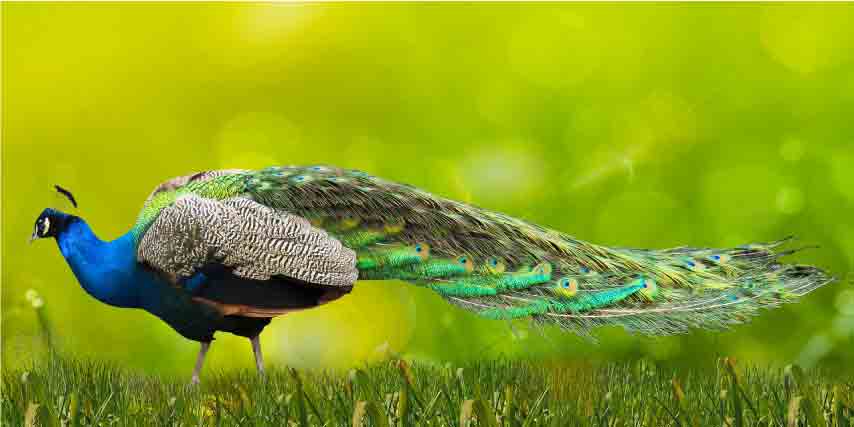
peacock

Can I own a peacock in Washington State?

Yes, it is possible. It is legal for peacocks in all states.
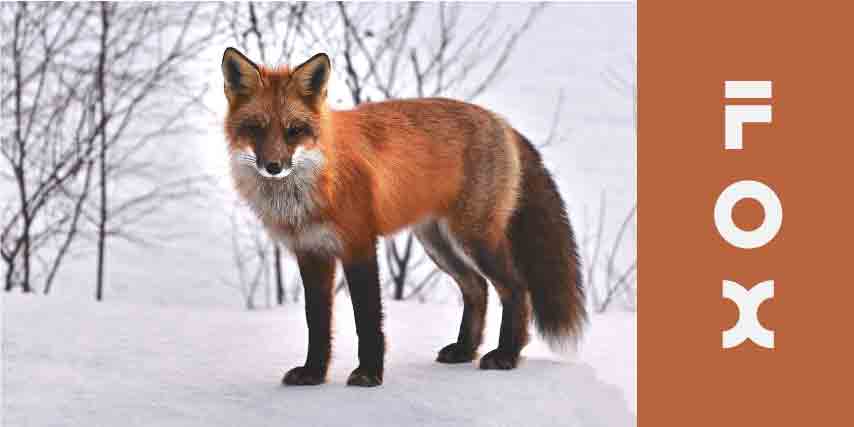
Can I own a Fox in Washington State if I want to?

In a word, you can’t do that. It is illegal to keep foxes in Washington.
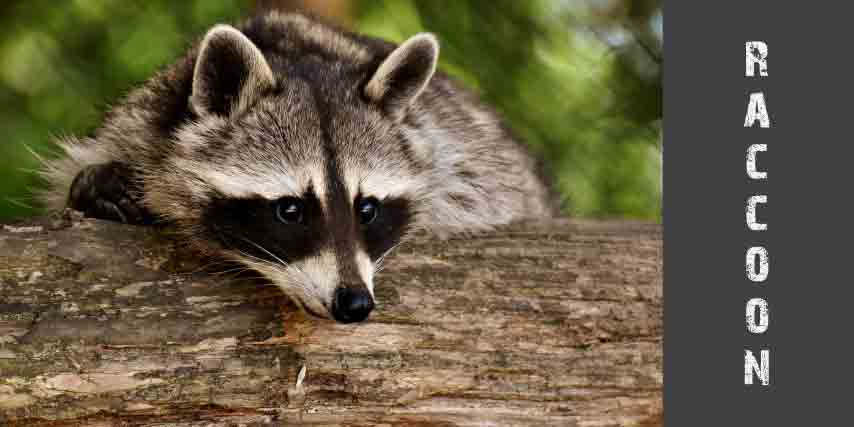
raccoon

Can I own a raccoon in Washington State?

Raccoons are not legally permitted as pets.

Is it illegal to eat raccoons in Washington State?

It is completely illegal to neglect to feed, try to feed or attract large wild carnivorous land or buildings. One cannot neglect to try to feed the big wild carnivores. Or neglect will not be able to attract large wild carnivorous lands or buildings.
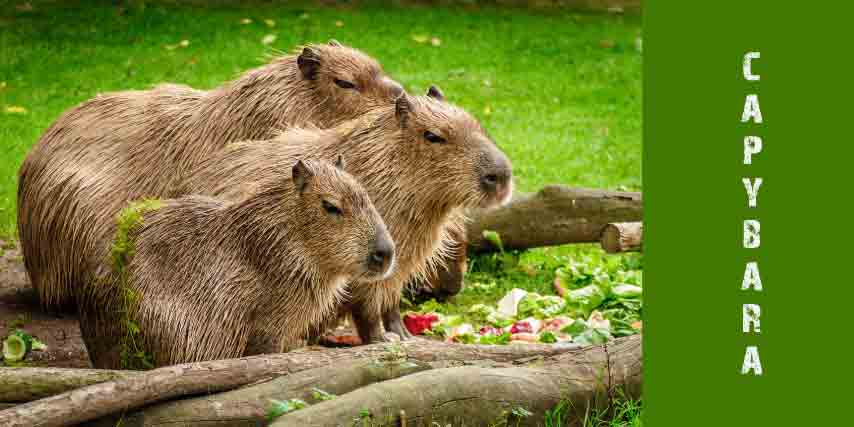
capybara

Can I own a capybara in Washington?

Is it legal to own a capybara in Washington state?

Yes, you can. But some parts of New York, not all parts.

Where can you legally own a pet capybara?

This semi-aquatic rat is legal to own in Texas, Pennsylvania, and parts of New York. You can own a pet capybara Arkansas, Arizona, Florida, Indiana, Nevada, Washington, and North Carolina are states.
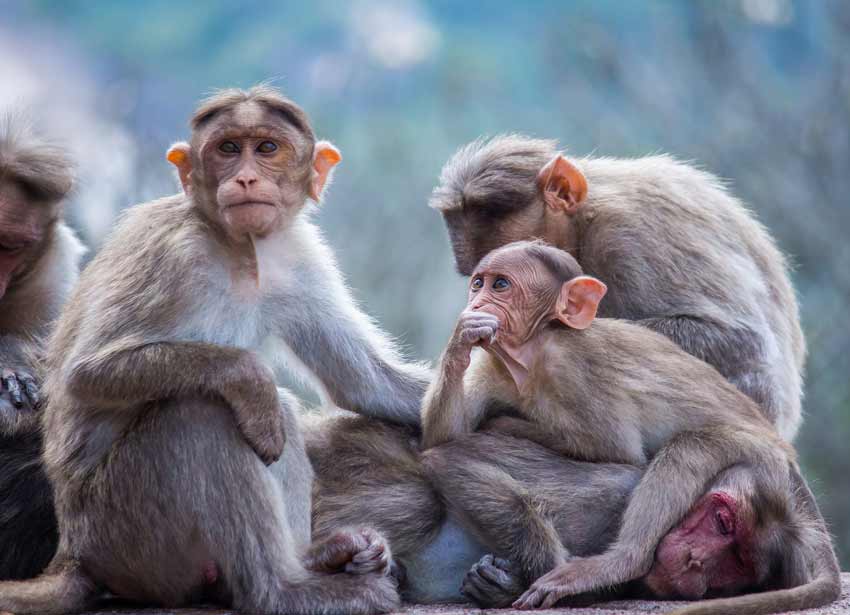
Monkeys

Is finger monkey legal in Washington State?

In Washington State, the rights of potentially dangerous wildlife such as monkey bears or tigers, and venomous snakes are completely illegal.

In Washington state, it is generally illegal to own a monkey as a pet. Monkeys are considered to be exotic animals, and the state has strict laws regulating the possession of these animals. The only exception is for accredited zoos, research facilities, and organizations that use monkeys for educational purposes. It is important to check with local and state laws before considering owning any exotic animal as a pet.

How many dogs can own in Washington State?

You can keep three small animals like dogs and cats. Not more than that. However, the condition is that (if your vita should be more than 20,000 square feet. And for eight domestic chickens should be more than 10,000 square feet. That is allowed.)
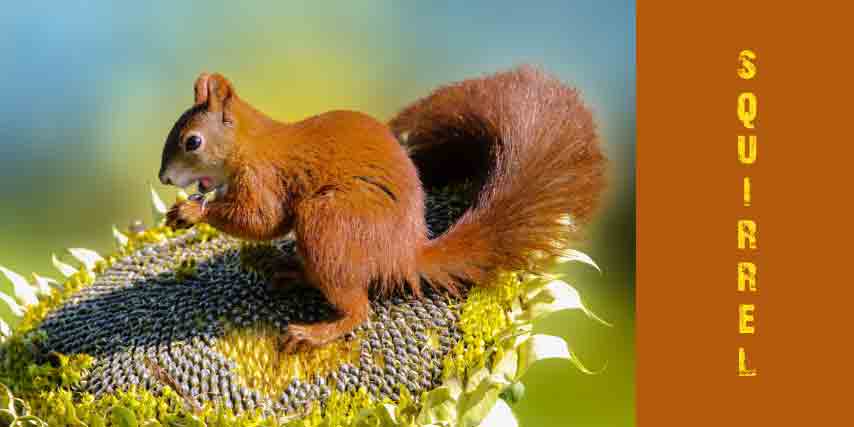
Is it legal for me to own a squirrel in Washington State?

It is illegal to have any naturally occurring wildlife (e.g., squirrels, crows, deer) in the state of Washington unless you are transporting the animal to a licensed wildlife rehabilitator for care.
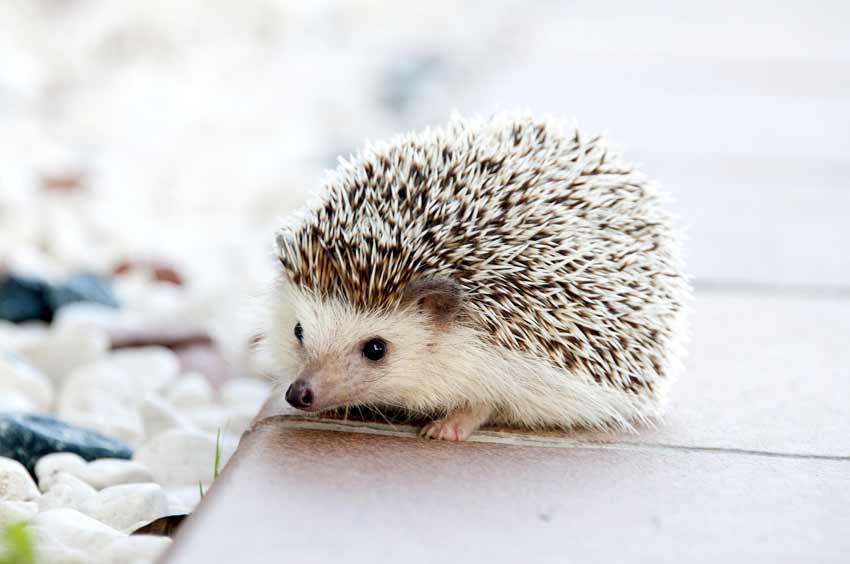
Hedgehog

Can you own a Hedgehog in Washington State?

No, it is illegal to own a hedgehog as a pet in Washington state. Hedgehogs are considered a “potentially dangerous species” and are therefore prohibited as pets. The Washington Department of Fish and Wildlife considers them to be a threat to native wildlife and the ecosystem if they were to escape or be released into the wild.
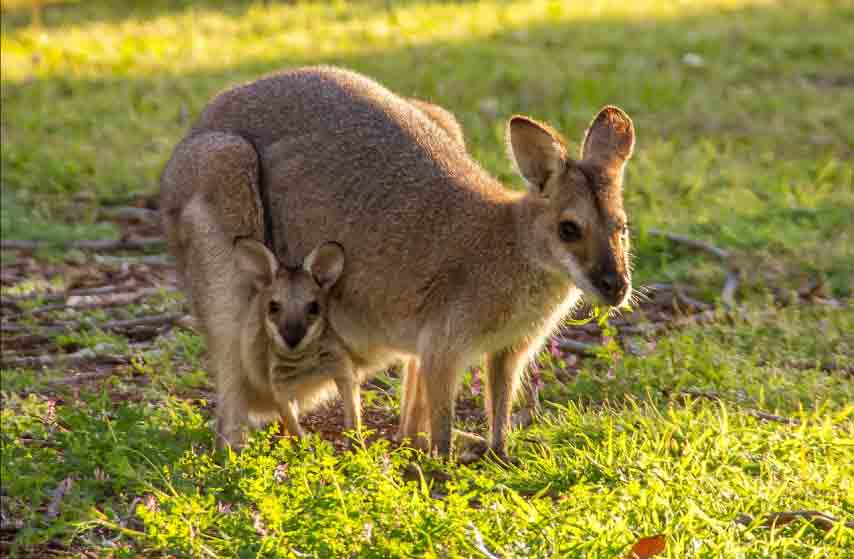
Can I own a kangaroo in Washington State?

Suppose you want to own a pet kangaroo. In that case, you can own a kangaroo in Washington, Idaho, Nevada, New Mexico, Texas, Illinois, Ohio, Pennsylvania, Maine, and New Jersey with a permit, and it is legal. It is also fully legal in Wisconsin, West Virginia, and South Carolina. You can even observe it without permission.
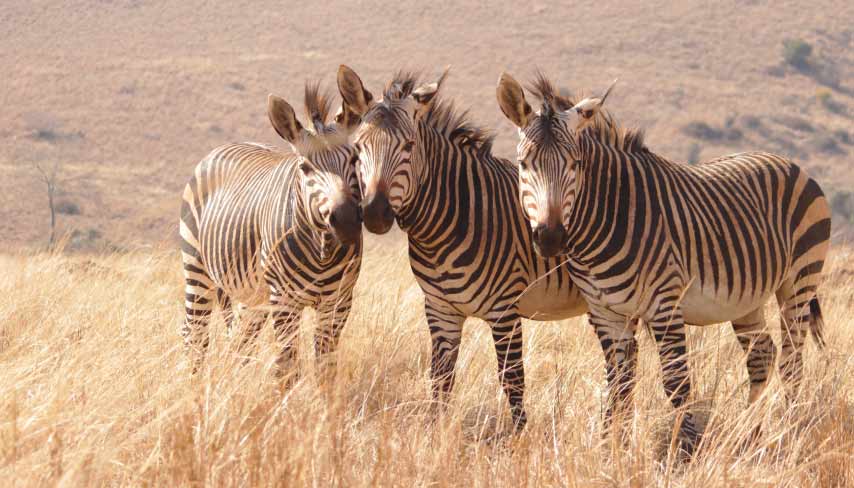
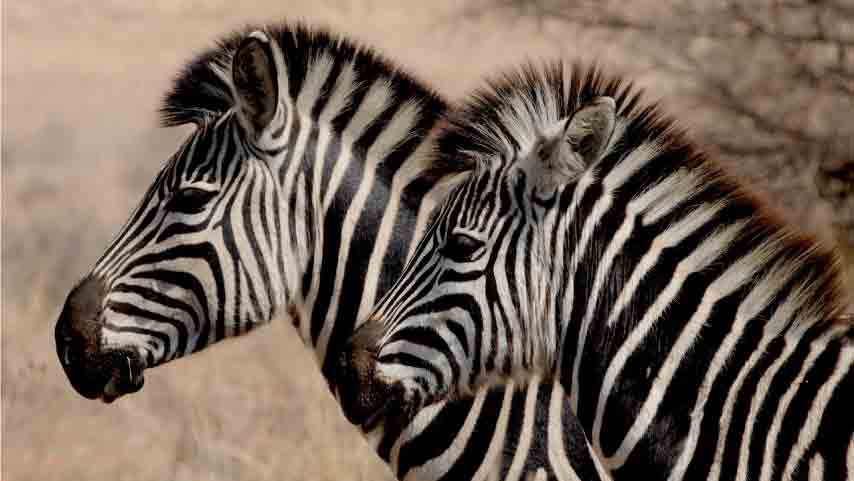
Can I own a zebra in Washington State?

Zebra ownership is completely legal in most parts of the United States. Nancy Nanke is the one who founded the International Zebra-Jors-Jonki Association 10 years ago. And he says 3,000 zebras roam the backyards of American homes so anyone can graze if they want.
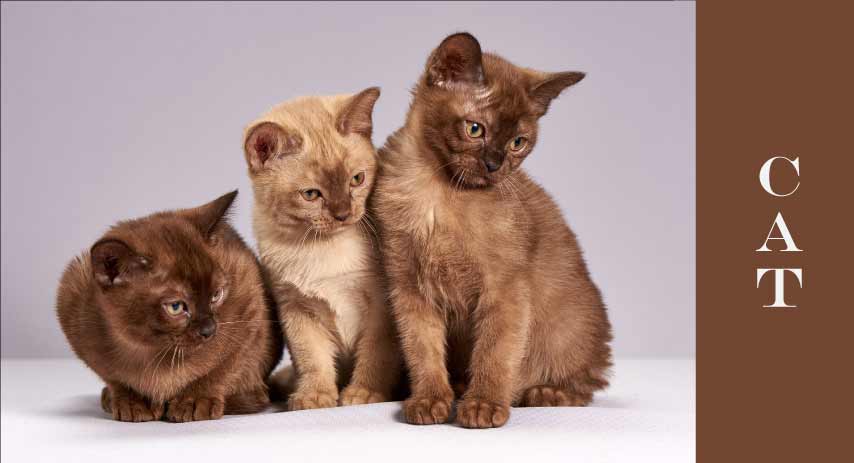
How many cats can I own in Washington State?

The maximum number of pets allowed per family depends on the number of family members. You can usually keep three cats or three dogs, two small pot-filled pigs, or a combination of cat and dog. However, they must be more than six months old.
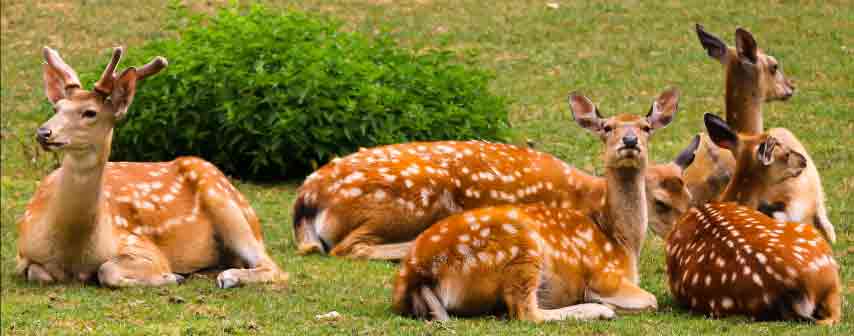
Is it legal to feed wildlife in Washington State?

Wildlife managers in Washington State think that it is legal to feed deer and other wildlife in Washington. However, feeding large carnivores such as bears is not legal. But quality food.
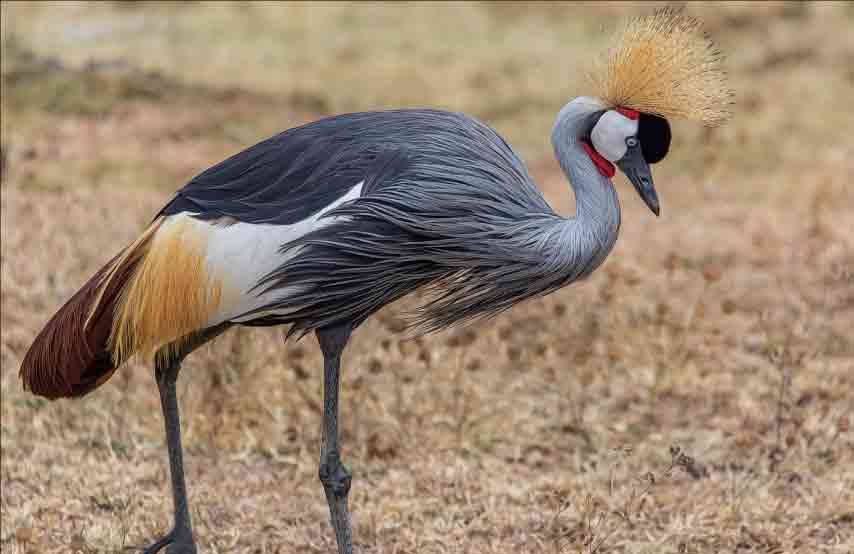
Can I feed birds in the state of Washington?

Wildlife officials in Washington State say the birds could be fed. And it is safe to bring back bird food. But you can take a few steps to make sure it’s safe for your friends. State wildlife officials say bird food could be restored across Washington after an outbreak of a deadly disease. However, till it is not yet fully implemented. So they are warning people to start slow.

What exotic pets are legal in Washington State

How much is an exotic animal license in the state of Washington?

State Registered Wildlife Rehabilitation Center, approved by the Washington State Wildlife Department. The annual permit fee for owning or maintaining any exotic animal will be $ 20.00 for each permitted area. It will depend on the number of wild animals.

How many animals are you allowed to keep in Washington State?

Not more than three small animals like dogs and cats.

What requirements for importing foreign animals?

You can get a permit by calling a veterinarian and for business reasons. However, negative test results are required before the entry of many species of exotic and wild animals.

What exotic pets are legal in Washington State

Which foreign pets are legal?

Ten exotic pets and their ownership is legal. Capybara pets. what exotic pets are legal in Washington state? Capybara is one of the largest rats in the world and can weigh up to 140 pounds. And they are certainly beautiful. Pregnant Dragon, Fennec Fox, Wallaby, Chimpanzee, Hedgehog: Exotic and Small, Hyacinth Macaw Pet, Chinchilla: A Pretty Exotic Pet.
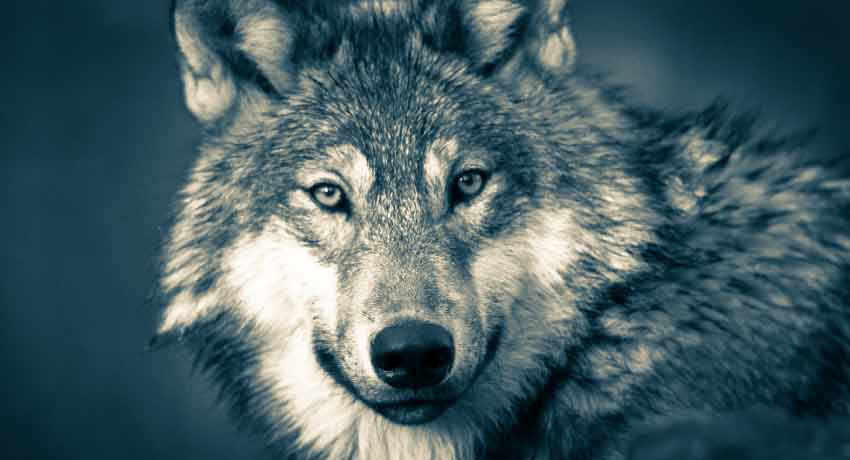
wolf

Can you own a wolf in Washington State?

Owning a wolf is 100% illegal in Washington. However, movies like Dance with Wolves and White Fang have increased the popularity of this hybrid. There are currently an estimated 300,000 wolf hybrids in the United States. You have to manage it and survive with it as if it were a wild animal. That is your responsibility.

Which dog is illegal in Washington State?

The following breeds of dogs are illegal in Washington

Yakima (Pet Bull Dog Ban)

Sitak (Pet Bull Dog Ban)

Bark (ban on peat bulldogs)

Enumclaw (Pet Bull Dog Forbidden)

Auburn (potentially dangerous with certain breeds, including peat bull, ascites, etc.)

Everett (Pot Bulls Potentially Dangerous)

Can I own a pit bull in the state of Washington

Can I own a pit bull in the state of Washington?

Cities and towns in Washington ban entire breeds of dogs. Defines them as potentially dangerous. But a well-behaved breed among them allows. But for him, you need to create a “reasonable” process.

Is Tibetan Mastiff Banned in Washington

Is Tibetan Mastiff Banned in Washington State?

The city of Wapato in the state of Washington prohibits all types of mastiff types. These include the English Mastiff, Old English Mastiff, American Mastiff, Neapolitan Mastiff, Degu de Bordeaux (or French Mastiff), Bull Mastiff, Tibetan Mastiff, Spanish Mastiff, Pyrenean Mastiff and Fila Brasileiro (or Brazilian Mass).


Many animals are illegal to own, transport and import into the state of Washington. Several state agencies regulate animal ownership. Don’t hesitate to get in touch with the agency listed by law to request more information about that law.

How to get an exotic pet license in Washington State?

If you’re interested in obtaining an exotic pet license in Washington State, here are the general steps you might need to follow:

Research the Regulations: Research the specific regulations and laws regarding exotic pet ownership in Washington state. Exotic animals may be regulated at the state, county, and city levels, so ensure you understand the rules for your location.

Identify the Exotic Animal: Different animals may have different requirements for ownership. Be sure to identify the specific exotic animal you’re interested in and determine whether owning that animal in Washington is legal.

Contact Relevant Authorities: Contact the Washington State Department of Fish and Wildlife (WDFW) or other relevant state agencies to inquire about the specific requirements for obtaining an exotic pet license. They can provide you with the most accurate and up-to-date information.

Complete Necessary Paperwork: Depending on the type of exotic pet you’re interested in, you may need to complete certain paperwork or applications. This could include information about the animal’s source, health, and living conditions.

Meet Requirements: There might be certain requirements you need to meet before obtaining a license. These include providing suitable habitat for the exotic animal, demonstrating knowledge of its care, and passing inspections.

Pay Fees: There could be fees associated with obtaining an exotic pet license. Make sure you are aware of the costs involved.

Home Inspection: Some exotic pet licenses may require a home inspection to ensure the animal is kept in appropriate conditions.

Educational Requirements: In some cases, you might need to complete academic courses or workshops on the care and handling of exotic animals.

Waiting Period: There might be a waiting period before you can obtain the license, during which the authorities review your application and ensure that all requirements are met.

Receive License: Once your application is approved and you’ve met all the requirements, you should receive your exotic pet license.

Remember that exotic animal ownership comes with significant responsibilities. Exotic animals have specific care needs, and not all species are suitable pets. Additionally, some animals can pose risks to human safety and local ecosystems.

I recommend contacting the Washington State Department of Fish and Wildlife or other relevant authorities directly to get the most accurate and up-to-date information. It’s important to ensure you are fully aware of the legal and ethical responsibilities of owning an exotic pet.


Not a good pet

Any Exotic animal should not be allowed or cannot be kept as pets because of the inherent risks to all human health and safety and the cruelty of keeping such animals in unusual environments. These include monkeys and other non-human primates, reptiles (iguana, etc.), “pocket-pets” (such as prairie dogs and sugar gliders), and non-domesticated dogs and cats.


With the internet, finding exotic animals is easier than ever. In addition, those who sell these animals in pet stores have no obligation to verify the legitimacy of private ownership with buyers. Often purchased when they are young and easy to manage, exotic animals can pose a threat to the all public as they mature and begin their natural behavior, such as biting, attacking, and scratching.


In 1999, a 40-pound cat helped find the sanctuary of an African serpent after biting the family’s youngest daughter. Read other two-row deadly stories about exotic animals that harm people across the country.

Law

Most states and many cities and counties in the United States have laws against keeping exotic wildlife. In the state of Washington, the rights of potentially dangerous wildlife such as monkeys, bears, tigers, and venomous snakes are illegal. In Washington State (e.g., squirrels, crows), it is also illegal to have the right to any naturally occurring wildlife unless you transport the animal to a licensed wildlife rehabilitation center.

Animal welfare

Exotic animals, even those in captivity, still have innate social and physical needs and need emotional stimulation that cannot be provided in a private home. Many animals live naturally in colonies yet are kept as single pets. They are not able to express normal behaviors such as arranging each other, exercising for food, having intercourse, and raising children, which will occupy their time and attention. They become upset and frustrated, and this can lead to self-destruction, aggression, and illness. Climate differences can put pressure on animals and reduce their quality of life.


A foreign animal lacks the skills of the average person for proper nutrition, medical care, and rearing. Animals often live in places like basements and garages, lacking stimulation or prosperity in the environment. Finding a veterinarian or consultant for these animals can prove difficult.


Some animals are so large that their guardians cannot afford to feed them enough, and the animal suffers from hunger and malnutrition. To protect animals from fatal harm, they are often declared and distorted, which is a painful procedure.


When parents are tired of the expense and care, it is often difficult to find a suitable place for an animal. Most zoos refuse to accept privately owned animals, especially hybrids and some sanctuaries. Animals left in the local habitat can spread the disease to native species or domestic animals. Local animal control agencies regularly kill exotic species for lack of resources or alternatives.

Infection

Zoonotic and other diseases can be transmitted between animals and humans. These can be bacteria of nature, such as Salmonella; Fungi, such as ringworm; Parasites, like tapeworms; Or viral, such as herpes B – usually fatal to the human’s body.


It is approximately estimated that up to 90 percent of macaque monkeys carry the B virus, which can be excreted in saliva. The Centers team for Disease Control and Prevention says the extremely high prevalence of B-viruses and their behavioral characteristics make macaques unsuitable for pets. The Centers team for Disease Control and Prevention also recommends that children under the age of five and immunocompromised individuals avoid contact with reptiles because of the risk of salmonella.


Even an animal that is friendly, cool, and loving can be very dangerous. In the Animal Care experience, no doubt children and adults were seriously injured or killed, even when the animals involved were just playing.


– Large wild and exotic cat location statement, Animal Care / APHIS, U.S. Department of Agriculture


The last finishing is that.

Animal Underworld: Inside the black market of rare and exotic species in America

Published by Alan Green, Public Affairs


The Free United States was born together with the Institute for Animal Protection.

Small Exotic Pets That Are Easy to Own _18 Exotic Pets

Small Exotic Pets That Are Easy to Own _18 Exotic Pets

Raising exotic pets continues to grow in popularity as people look for new and different types of pets. Unfortunately, owning many of these pets may not be valid for you where you live and requires very special care and behavior which makes them quite difficult to own. The following list of exotic pets includes some of the best exotic small pets that others can easily own.

Fennec fox

Fennec fox
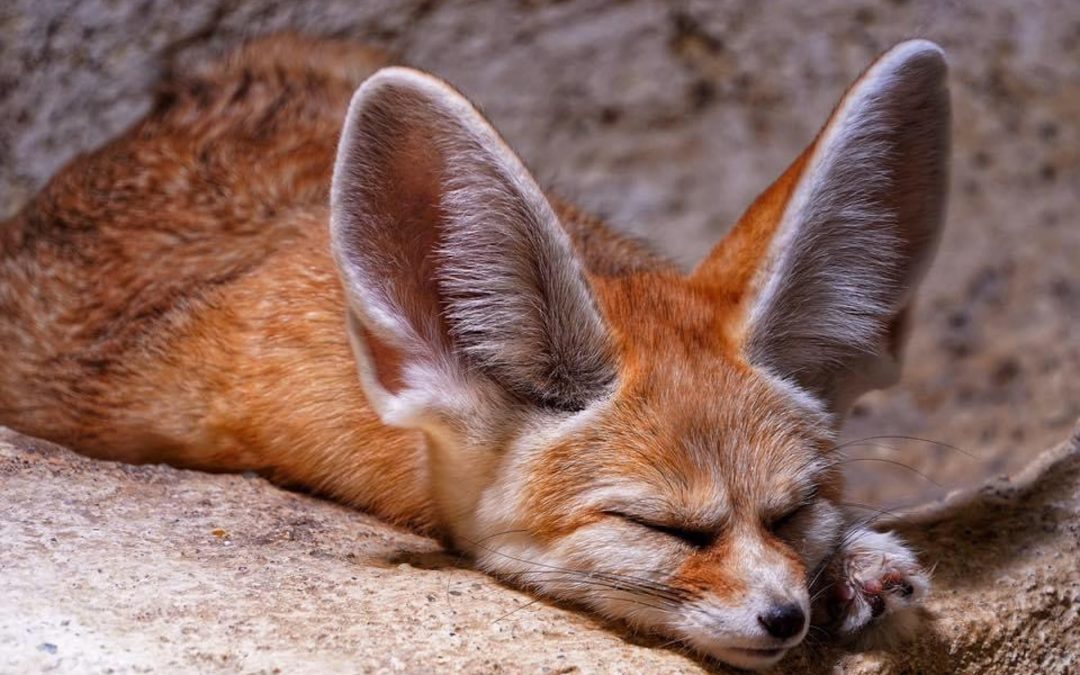
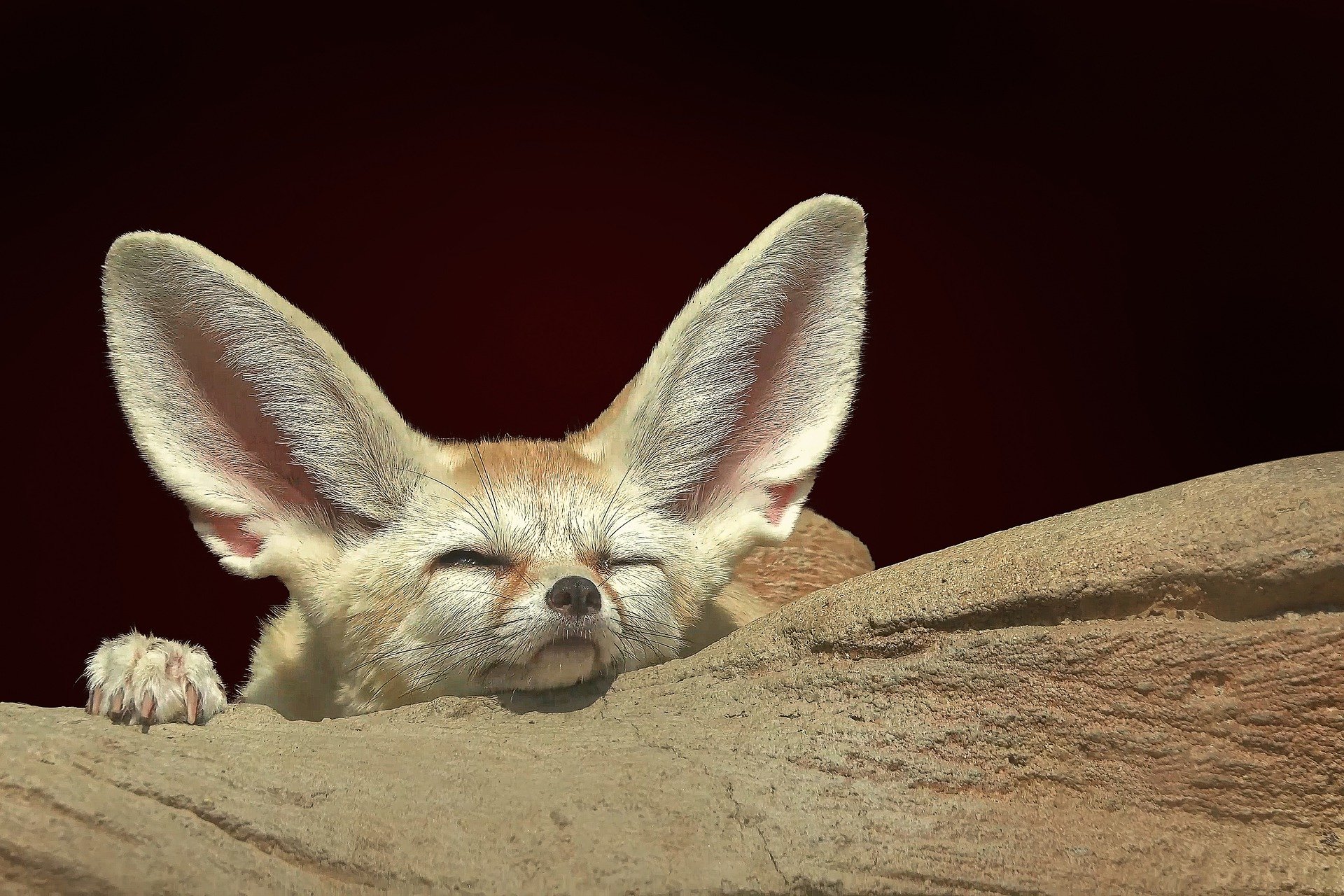
If you want to take an unusual and exotic pet and incredibly beautiful, you can’t go wrong with the Fenek Fox. These foxes are small and the size of a Chihuahua dog when fully grown. Phoenix foxes are not easy to find and can be very expensive, although they can easily become readily available at low prices as their popularity grows.


They need a lot of socialization to be comfortable around their people, and when they are “like dogs,” it is not a pet that you can ever take roots in the park. However, they are social animals that need attention and work well if you have more than one, so they have regular companions. They may be trained to house like cats, although most owners keep them in a large cage enclosure instead of giving them a free cage. Again, however, they need regular time from the kennel.

Axolotl

Axolotl
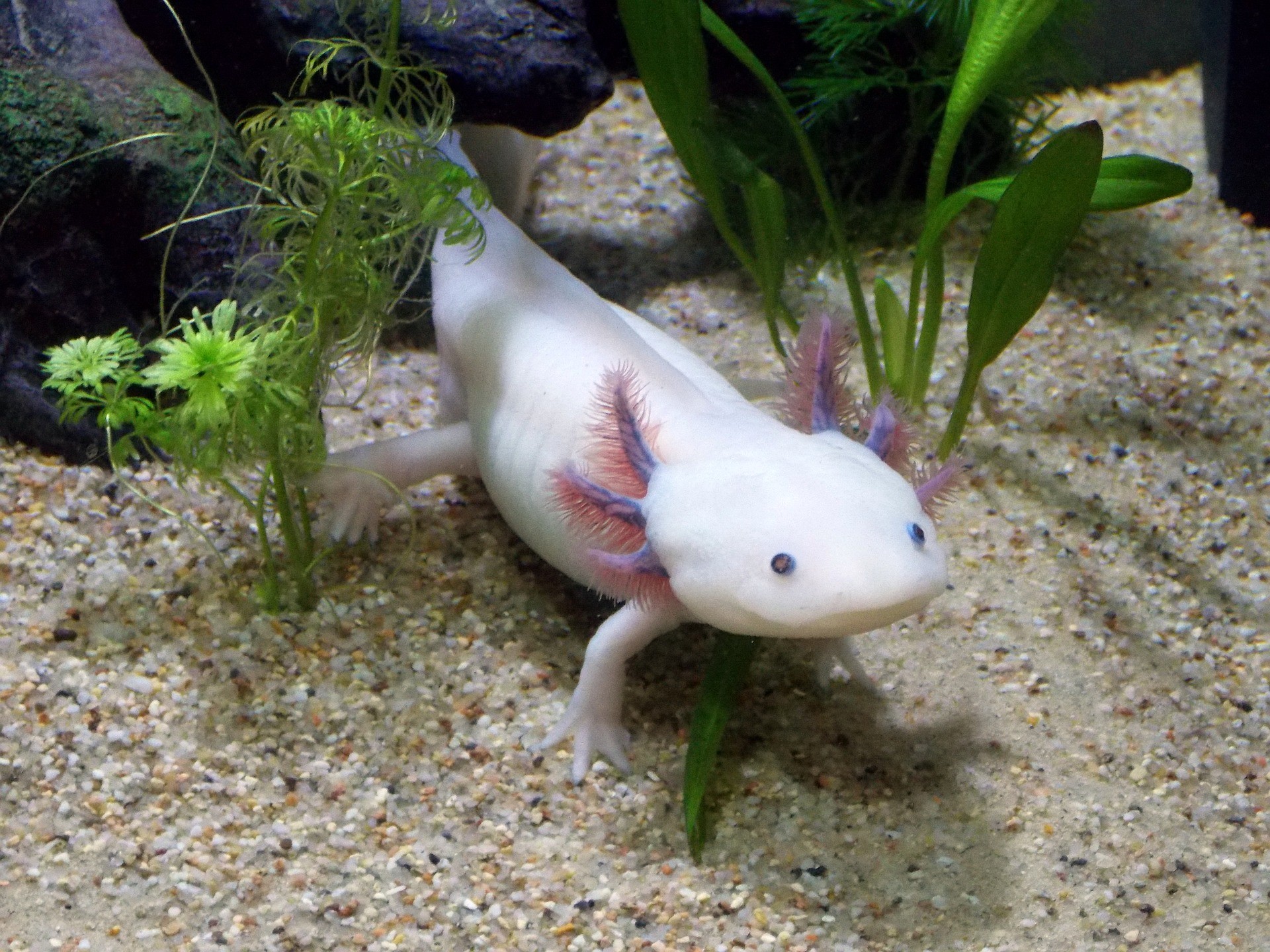
This salamander is growing in popularity. The axolotl is Mexican and strangely beautiful. These are found in most pet stores that specialize in fish because they are aquatic species.


Axolotls are a good beginner pet because they are not very difficult to care for, and they can do well even in a small tank, such as 10 gallons though large. They live in fresh water and need a good, strong filter because they can get dirty. Axolotl can eat frozen, frozen-dried, or fresh bloodworms, shrimp, or even ground beef. In addition to frequent water changes, cleaning their tanks, and providing them with proper food, they are low maintenance and attractive pets.

Degu

Degu
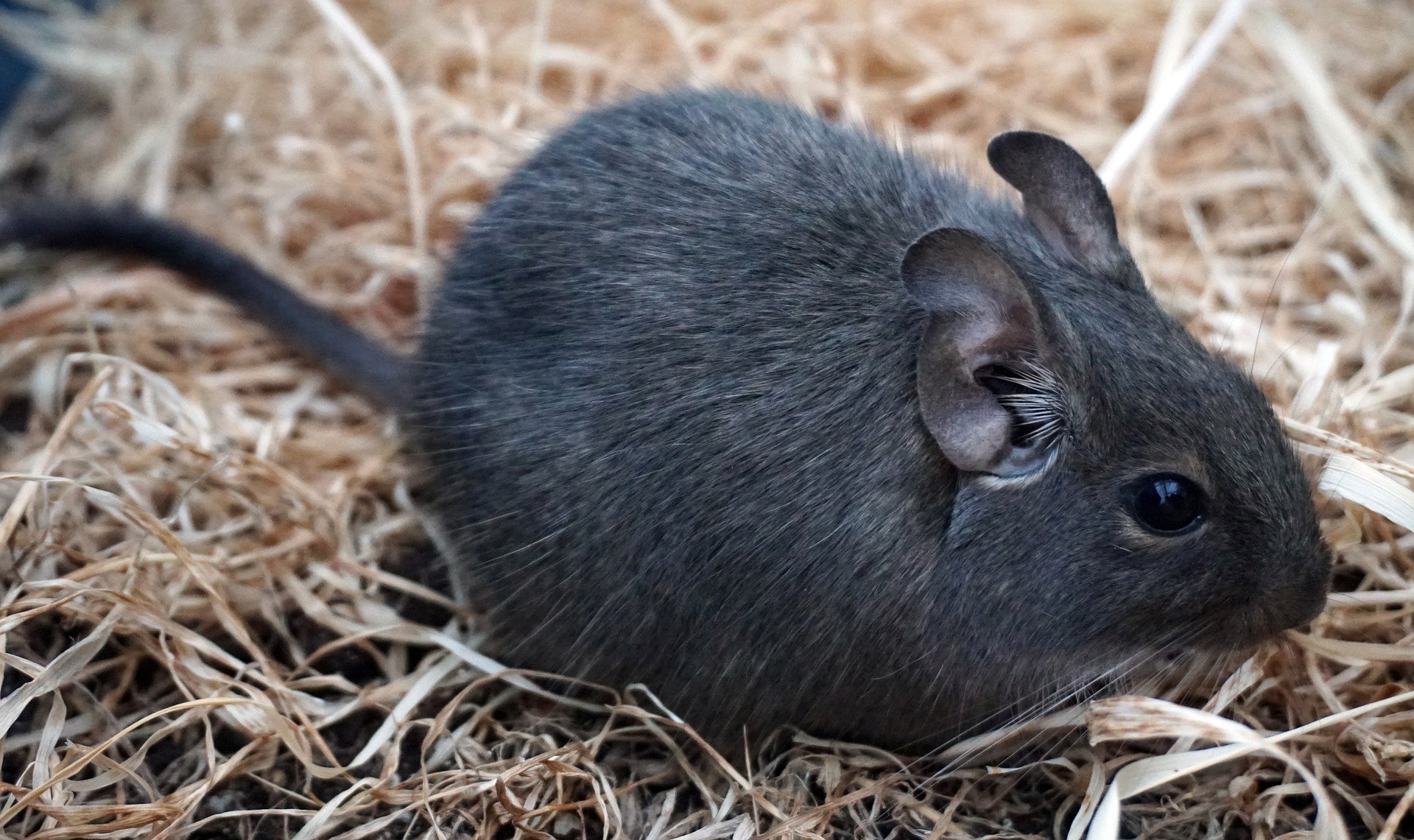
Degas looks a bit like a cross between a guinea pig variety and a hamster. They are very social and friendly animals, and they need to keep up with at least one other Daegu to be happy. But men will fight, so it is better to have Digas of the opposite sex together. They can be in the same kind of cage as you would find for ferrets or rats and use lots of the same things and toys. They resemble chinchillas that need to be bathed in their dust.


One advantage of owning a dagger compared to other pocket pets is that they are nocturnal and stay active during the day when you want to communicate with them. However, Degas can nip if they are scared or not accustomed to dealing quickly and often. They are also illegal in certain states like Alaska, California, Connecticut, Georgia, and Utah.


Axolotls are a good beginner pet because they are not very difficult to care for, and they can do well even in a small tank, such as 10 gallons though large. They live in fresh water and need a good, strong filter because they can get dirty. Axolotl can eat frozen, frozen-dried, or fresh bloodworms, shrimp, or even ground beef. In addition to frequent water changes, cleaning their tanks, and providing them with proper food, they are low maintenance and attractive pets.

Cockroaches

Cockroaches
You might be surprised to know that cockroaches are considered a good exotic pet. Commonly kept as pets are the Hisag cockroach of Madagascar, the head cockroach of death, the Indian domino cockroach, and the Cuban cockroach. Although they are not a pet you want to be affectionate with, you can handle them fairly easily. Depending on the species. However, you may need permission from your state’s Department of Agriculture. These can be considered invasive species, and transport within their states is regulated.


These cockroaches are one to three inches long and live about a year, although some can live up to five years. They should be kept in groups or teams because they are social, but they do not need a large aquarium. It is important to find someone with a locking id because they are strange mountaineers. They will also need a heat lamp or pad to maintain the tropical temperature. As far as diet, they are very easy to deal with because they can eat anything and everything, including fruits, vegetables, leaves, wood, and even cat kibble and fish shots and flakes.


One advantage of owning a dagger compared to other pocket pets is that they are nocturnal and stay active during the day when you want to communicate with them. However, Degas can nip if they are scared or not accustomed to dealing quickly and often. They are also illegal in certain states like Alaska, California, Connecticut, Georgia, and Utah.


Axolotls are a good beginner pet because they are not very difficult to care for, and they can do well even in a small tank, such as 10 gallons though large. They live in fresh water and need a good, strong filter because they can get dirty. Axolotl can eat frozen, frozen-dried, or fresh bloodworms, shrimp, or even ground beef. In addition to frequent water changes, cleaning their tanks, and providing them with proper food, they are low maintenance and attractive pets.

Sugar Glider

Sugar Glider
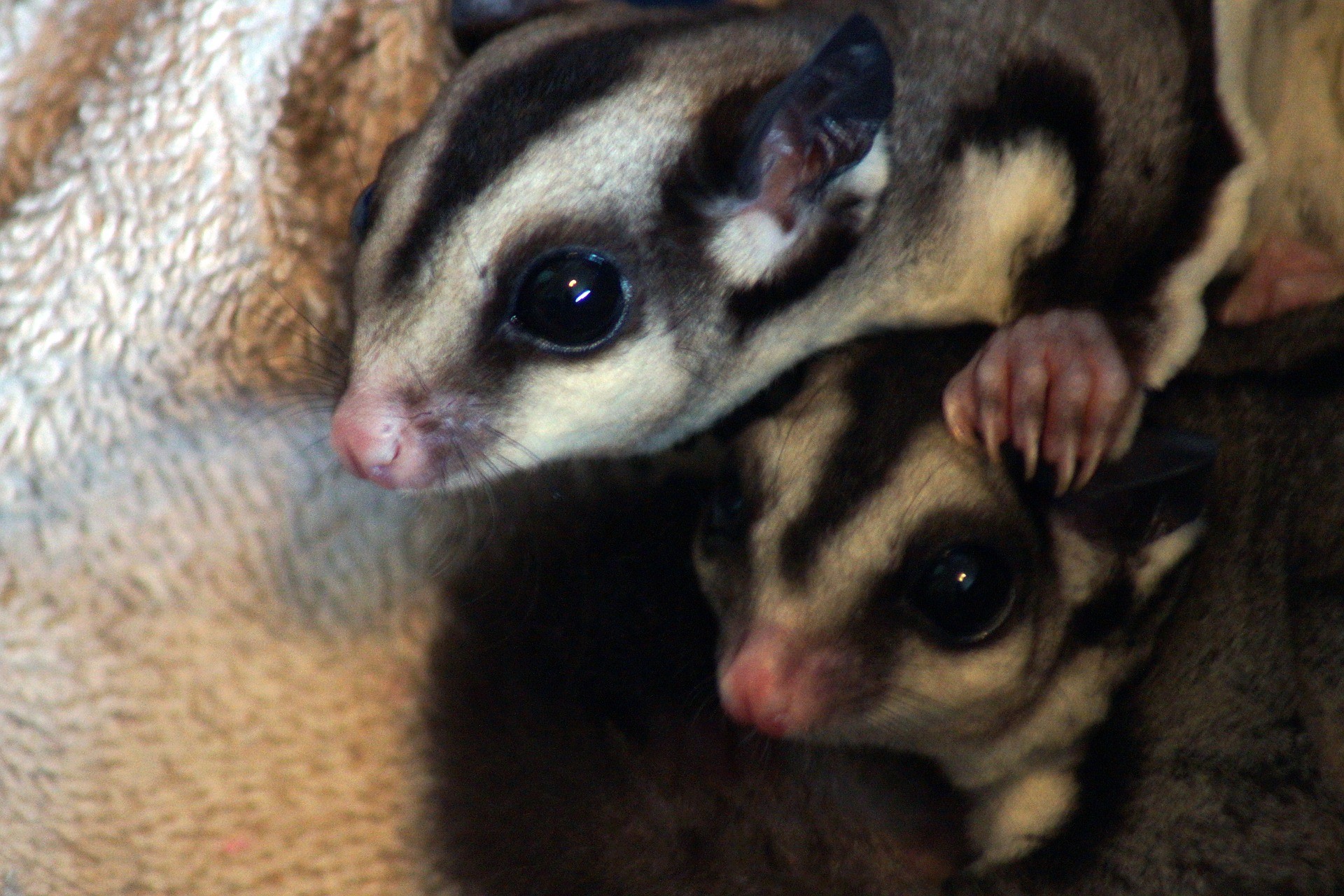
Sugar gliders are adorable small tree resident marsupials. Like flying squirrels, they have thin skin membranes on both sides of their bodies that allow them to fly from one high place to another. Unfortunately, sugar gliders are also illegal in many states, including Alaska, California, Hawaii, Massachusetts, and New Mexico.


Sugar gliders can be so easily kept that they are small and succeed in companionship to be very affectionate. However, they are untidy and cannot be house trained, and they have four scented glands to mark the area. In addition, they can bite when scared. Since they are very social animals, you may need to keep two sugar gliders with you when you are not at home.

Millipedes

Millipedes
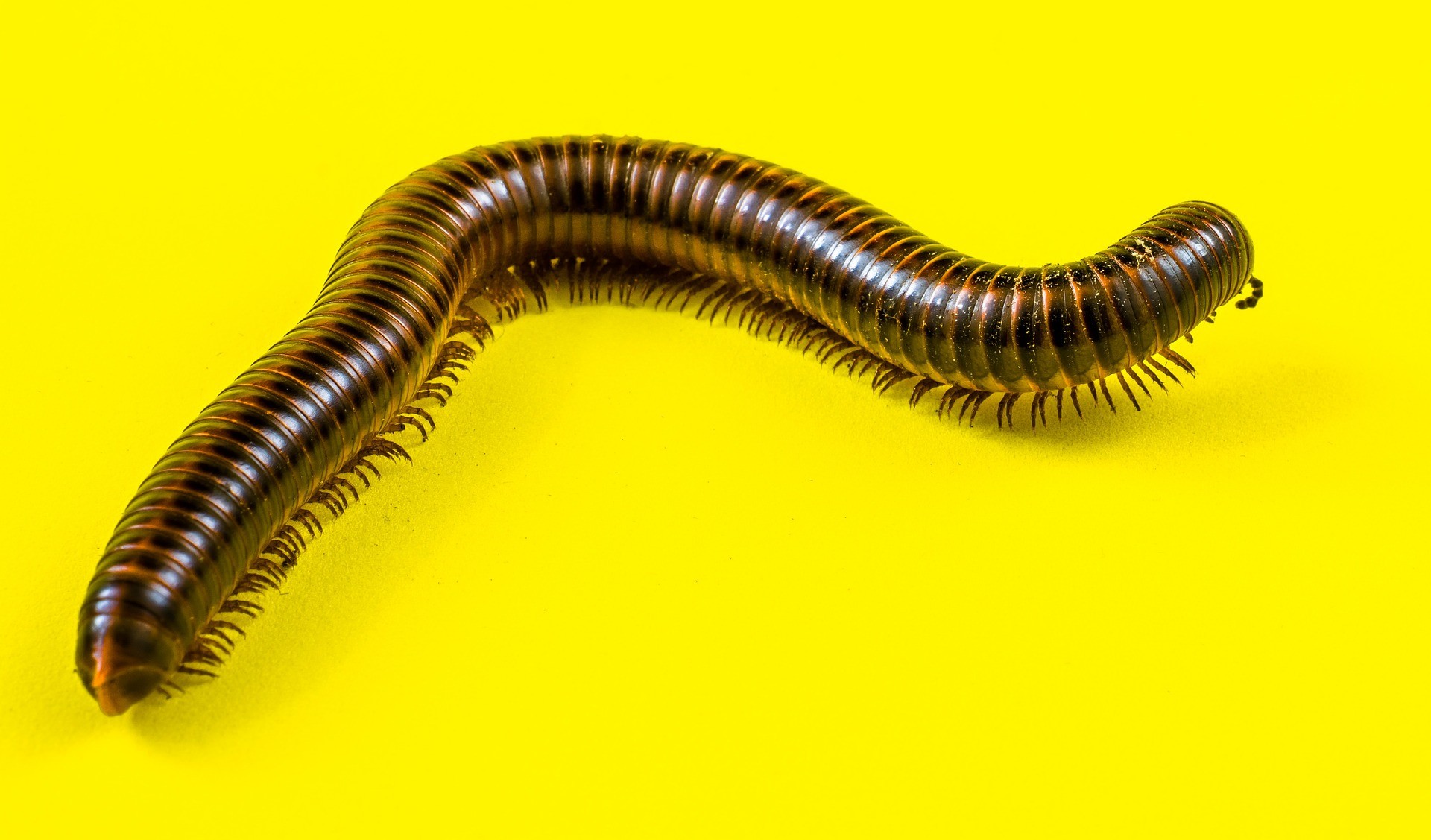
Millipedes are an unusual choice for exotic pets, but obviously, it is easy to care for and requires minimal space. The type of millipedes that are usually sold as a pet is the African giant millipedes. They can grow to reach up to 10 inches and do not require an extra-sized aquarium to live in. Of course, they will need a certain level and lighting and heating elements to keep the temperature and humidity appropriately. Still, these are all easily acquired in most pet supply stores.


Millipedes are herbivores, and you feed them fresh fruits and vegetables and a calcium supplement. Although they are not cuddly, they can be managed and not bite. However, they can create a substance that can irritate your skin, and it is better to wear gloves.

Hedgehogs

Hedgehogs
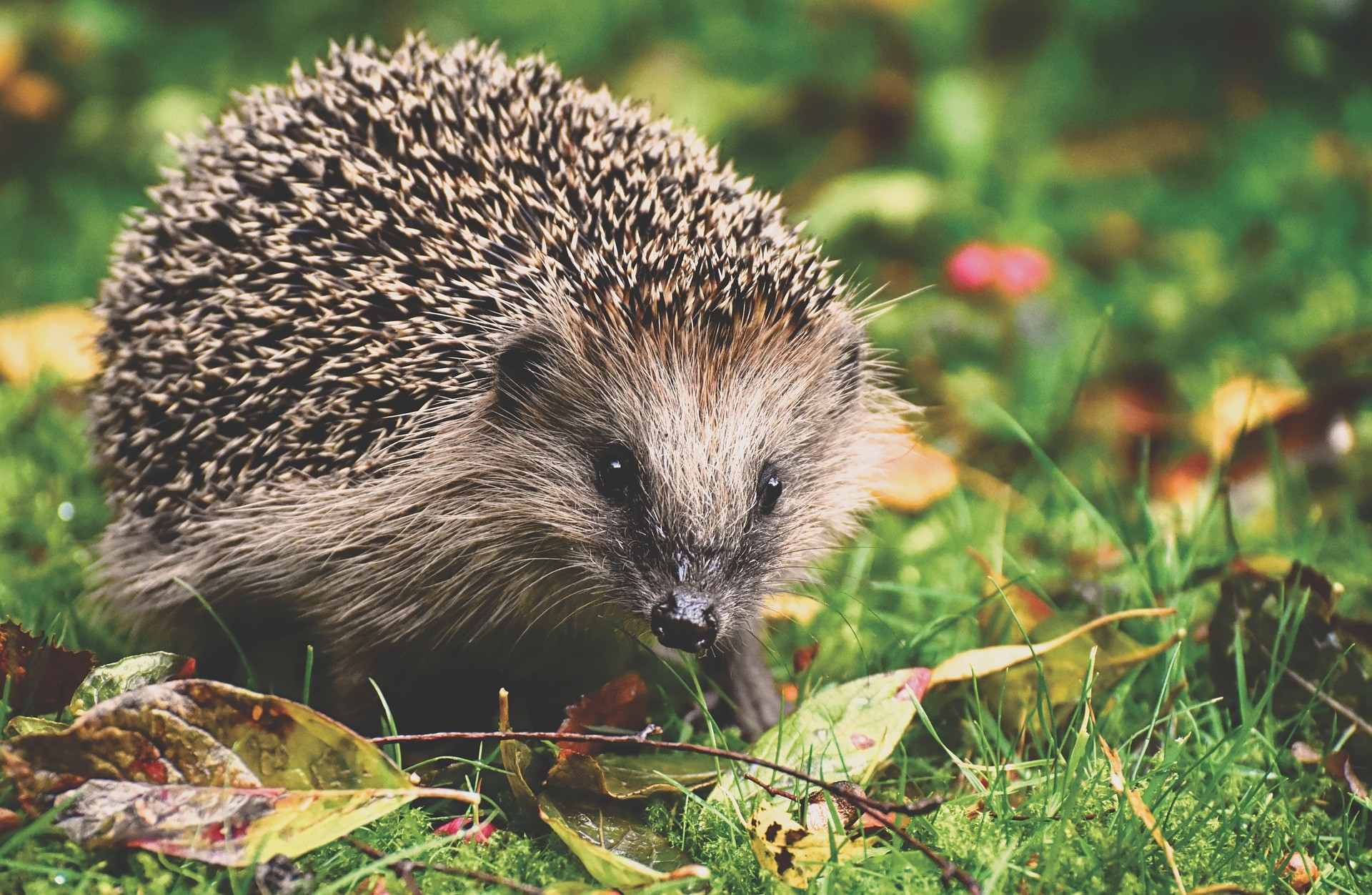
Hedgehogs, affectionately known, are cute little creatures with quills covered above and fur beneath them. When they feel threatened, they roll into a forkball, but you can teach them to handle handling with gentle perseverance. An adult hedgehog is about eight inches tall on average. It is illegal to keep hedgehogs as pets in California, Georgia, Hawaii, Pennsylvania, Washington, DC, and New York City.


Hedgehogs can make beautiful pets because they don’t need a ton of interaction to be calm and happy. They also don’t need too much makeup. However, these are nocturnal, which means they can be more active at night when you are off from your day. They should also have a single pet in their enclosure, so you need a separate cage if you want more than one. They can transmit diseases in humans, such as virus ringworm or Salmonella.

Tarantulas

Tarantulas
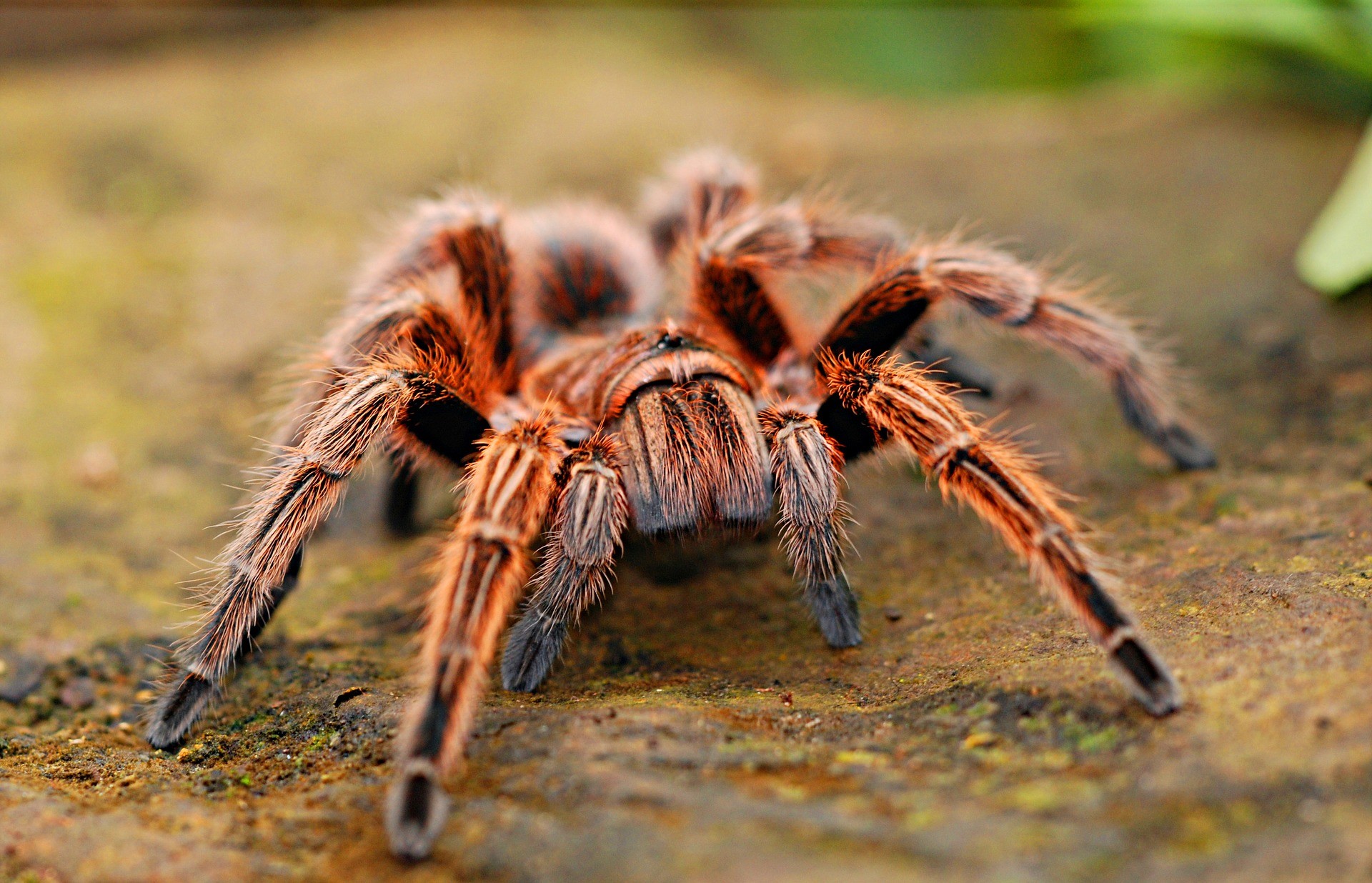
Tarantulas are not everyone’s cup of tea, but some people find them attractive. The advantage of owning tarantulas is that they are very low-maintenance pets that require nothing more than feeding and cleaning their cages.

Sea Crab

Sea crab
Tarantulas are not everyone’s cup of tea, but some people find them attractive. The advantage of owning tarantulas is that they are very low-maintenance pets that require nothing more than feeding and cleaning their cages.

Ball Python

Ball Python
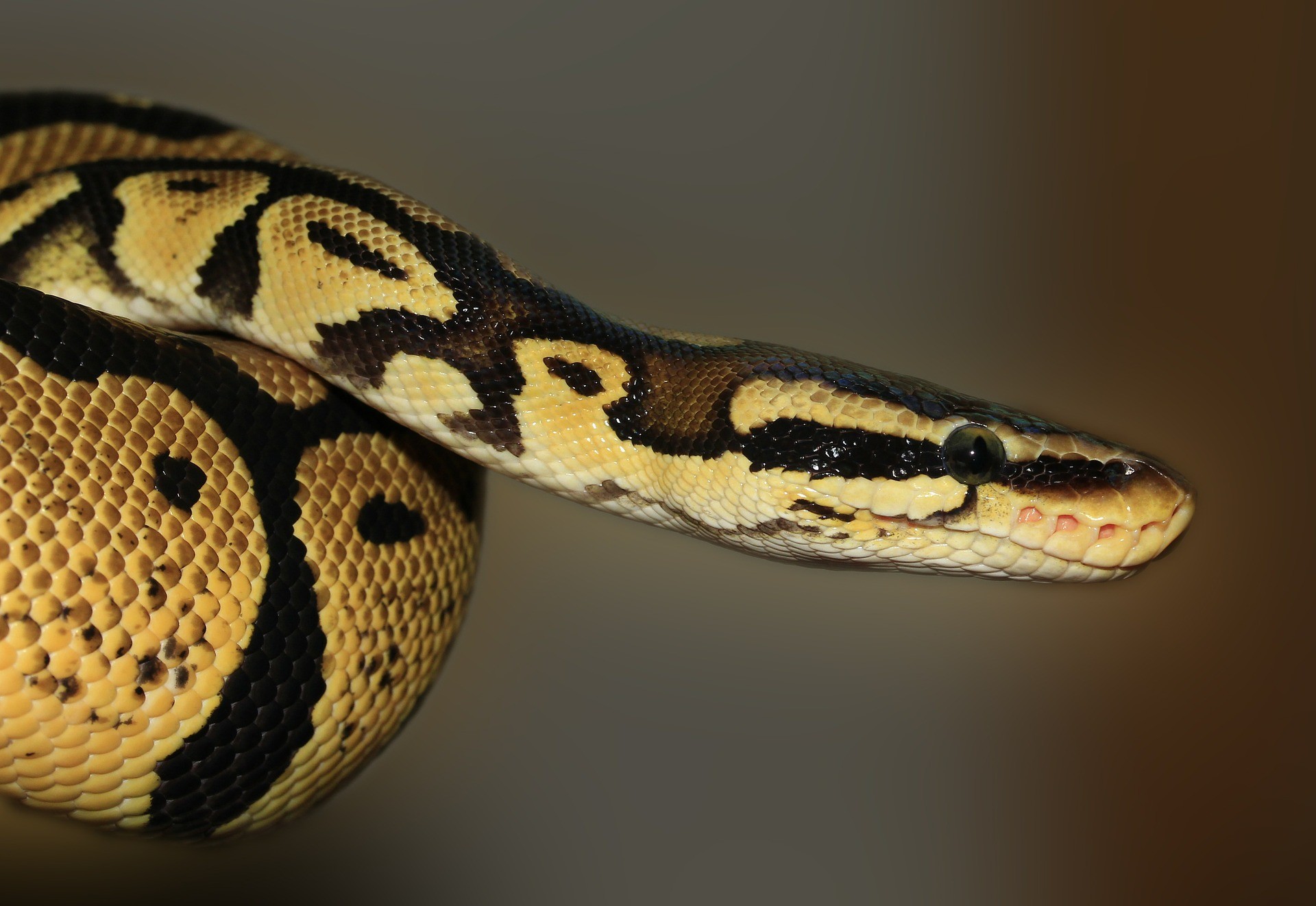
Some pet owners may not consider snakes “exotic,” but keeping reptiles is certainly unusual to many everyday pet owners. For one thing, you need to feed your ball python frozen or live rats and mice, which can set them apart rather than keeping them average cats or dogs. Of all types of pet snakes available, ball pythons are the easiest and good choice for beginners.


These are usually flexible and easy to handle, and the hardest part of their ownership is letting them eat. Ball Python can pick and refuse to eat from time to time. There are strict requirements for their cages, such as a heated and basking area and actual humidity. Ball pythons are very easy to find and not too expensive unless you crave one of the many available variants, ranging from a few thousand dollars.

Hyacinth Macaws

Hyacinth Macaws
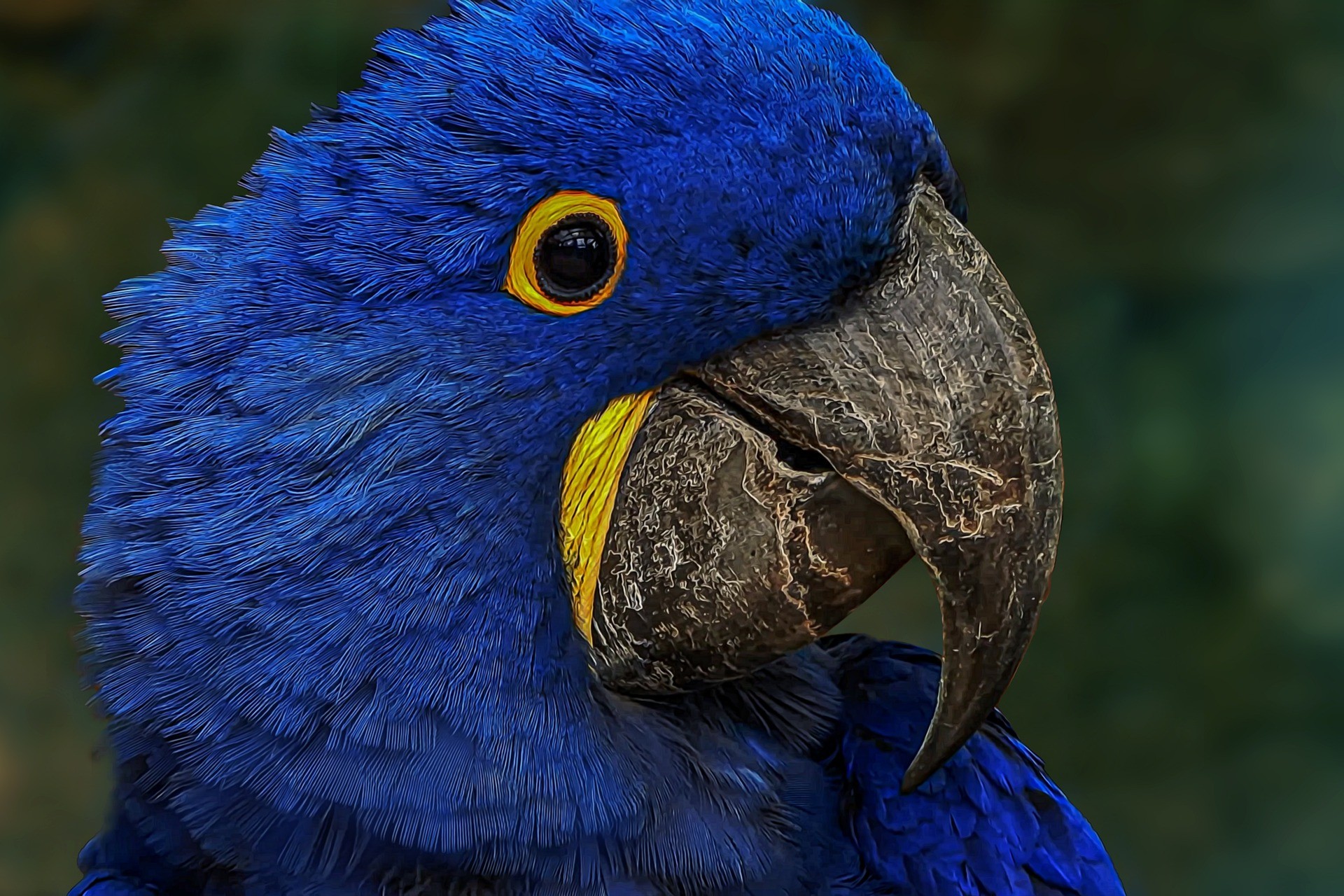
Hyacinth Macaw is a fantastic parrot that can create an amazing pet in the right home. These birds need a large enclosure and daily engagement with their verity owners. They are very intelligent and smart and can be loud if they are stressed or lonely. They live up to 60 years, so they need to plan if they can survive you. In most states, their ownership is legal even though they are covered by endangered species laws that regulate their transportation and trade in the United States.


Although they are certainly large, intimidating birds, they are known for their affectionate personalities. They are not a flexible choice for beginners, but if you have bird experience, time, and a place to keep, a hyacinth macaw can be an amazing pet.

Chinchillas

Chinchillas
The chinchilla is a type of rat that is not as widespread as other pocket pets, although they are not difficult to find in general. They are easy to care for unless you provide them with proper food, adequately sized cages, and a warm, draft-free area of ​​your residence. They don’t need too much makeup and don’t need unusual “dust baths,” which are pretty adorable to look at. Although chinchillas can be affectionate, they can also be shy and don’t enjoy much handling.

Scorpion

Scorpion
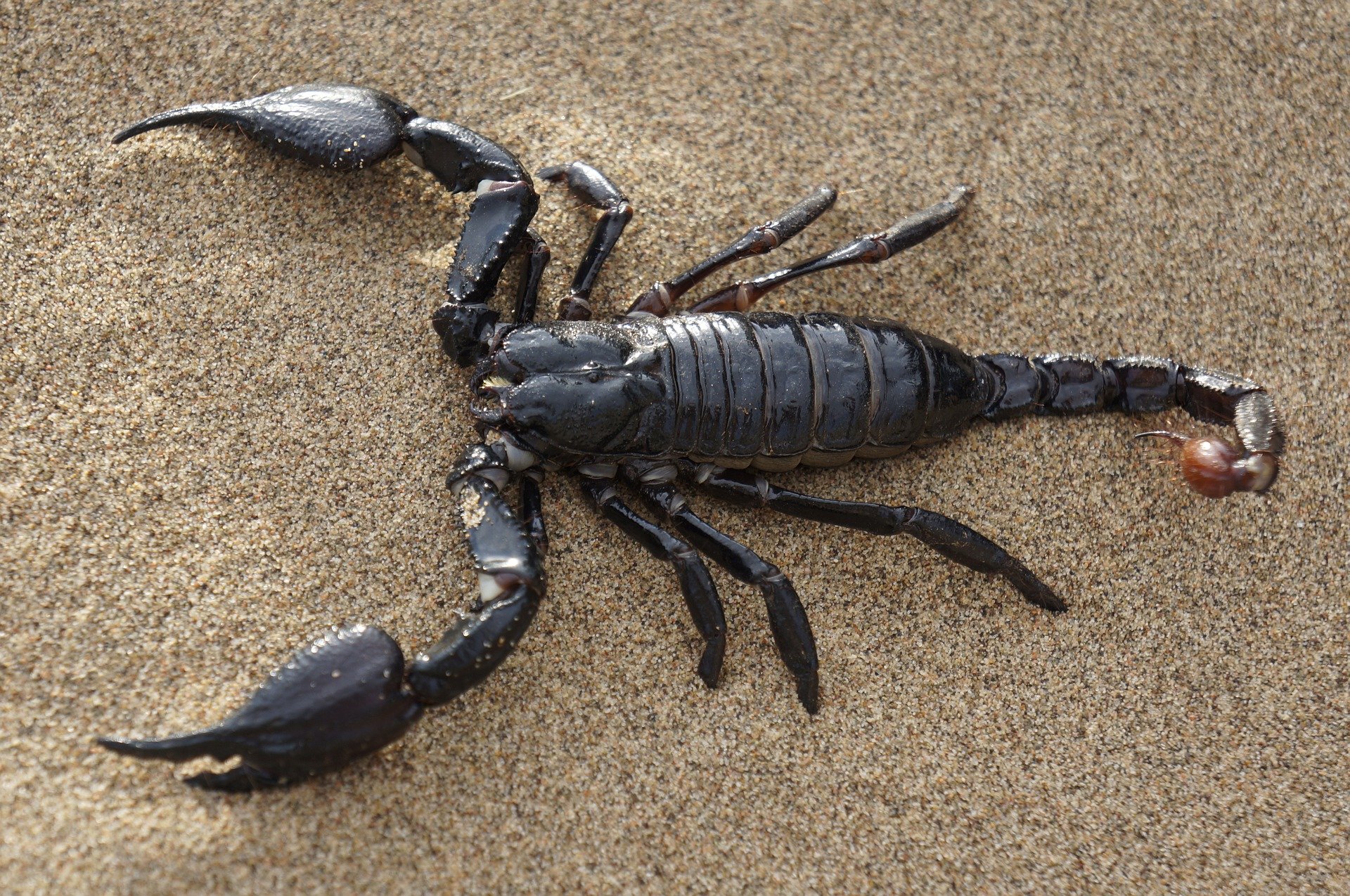
The Scorpion is not a faint-hearted pet or a person who doesn’t take care of insects. Despite their terrific reputation and appearance, they are a simple exotic pet and can do well in very small places. They will need a tank with the right amount of moisture and temperature. The downside to owning a scorpion is that it is not a pet that you will ever be able to hold or even hold as a scorpion bite, and even the most mildly poisoned people are still very painful. However, if you want easy and unique pets to care for and don’t require too much space, makeup or exercise, you can enjoy getting a scorpion.

Quaker Parakeets

Quaker Parakeets
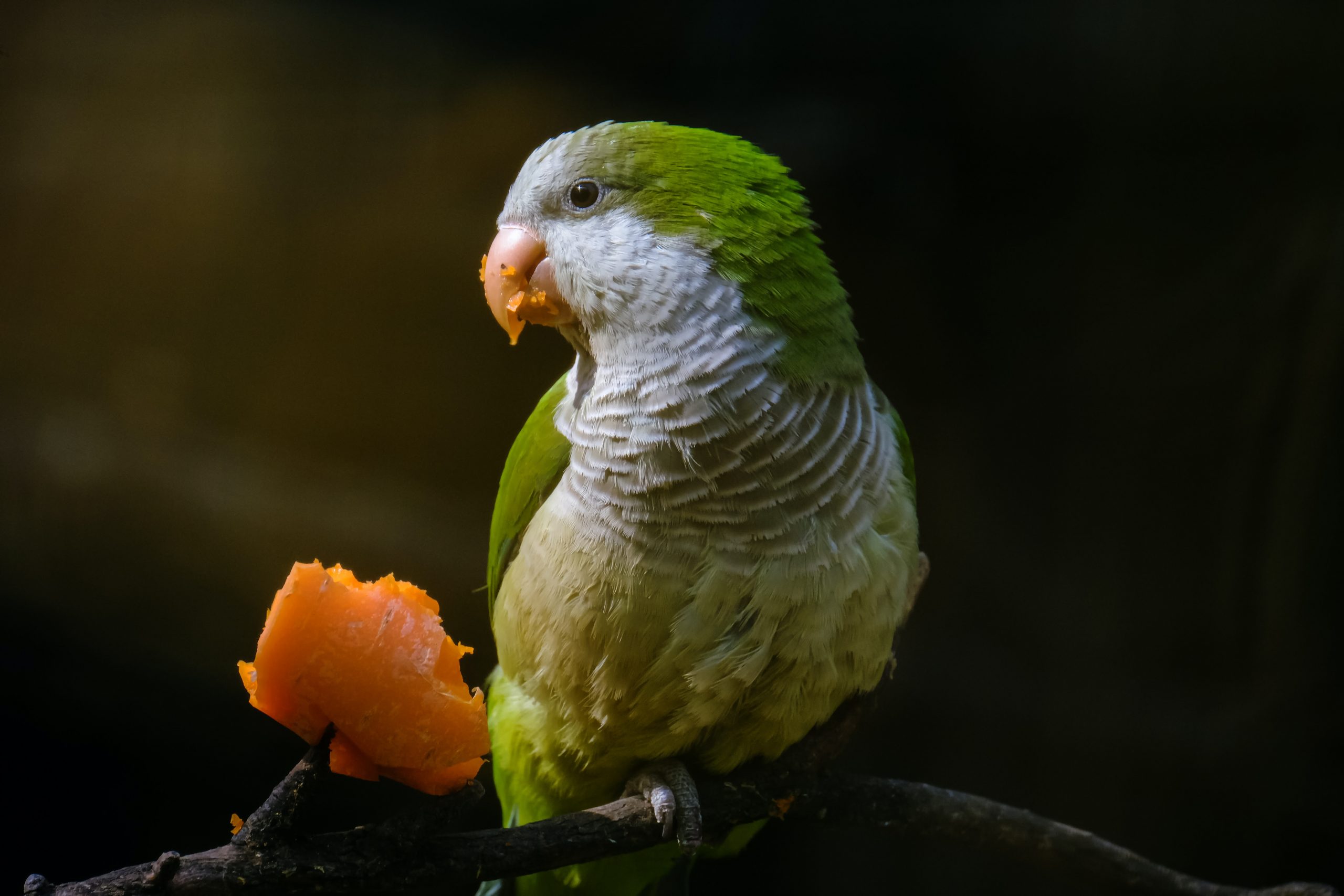
Although the parakeet is not a very common pet bird, the Quaker parakeet or the monk parakeet, it is illegal in many states to own a Quaker parakeet. It can only be kept with the permission of others. These parrots are considered and sacrifice an invasive species but can be a great pet if you can get and own one wherever you live. They get their name from the behavior of lowering the head and shaking the body, which is very normal and does not mean that the bird is in trouble. In addition to the legitimacy of ownership, Quaker parakeets are hard to find and valuable, but if you can own them, you will be able to keep these smart, active, and social birds.


Quaker parakeets are intelligent, attractive birds that enjoy the company of humans and need the companionship of other birds if you can’t provide them constant companionship for all time. They learn easily to talk from an early age and can be a great parrot for all sorts of behaviors for clicker training.


Cheetah Geckos

Cheetah geckos
Geckos are popular exotic lizards that come in many colors and types. Leopard geckos are most popular because of their attractive spotted pattern and their friendly nature. Geckos can be a great pet for you for a small space because they can do well in a small tank, such as at least 10 gallons at least 15 to 20 is good. Geckos need their tanks at a certain temperature but do not need a UVB lamp like other reptiles. They are also easily fed with insects readily available in pet stores. They are seen to enjoy handling and conversation with humans more than other lizards. One caveat about leopard geckos is that they can transmit Salmonella to you, and it is very important and you must to wash your hands after handling them.


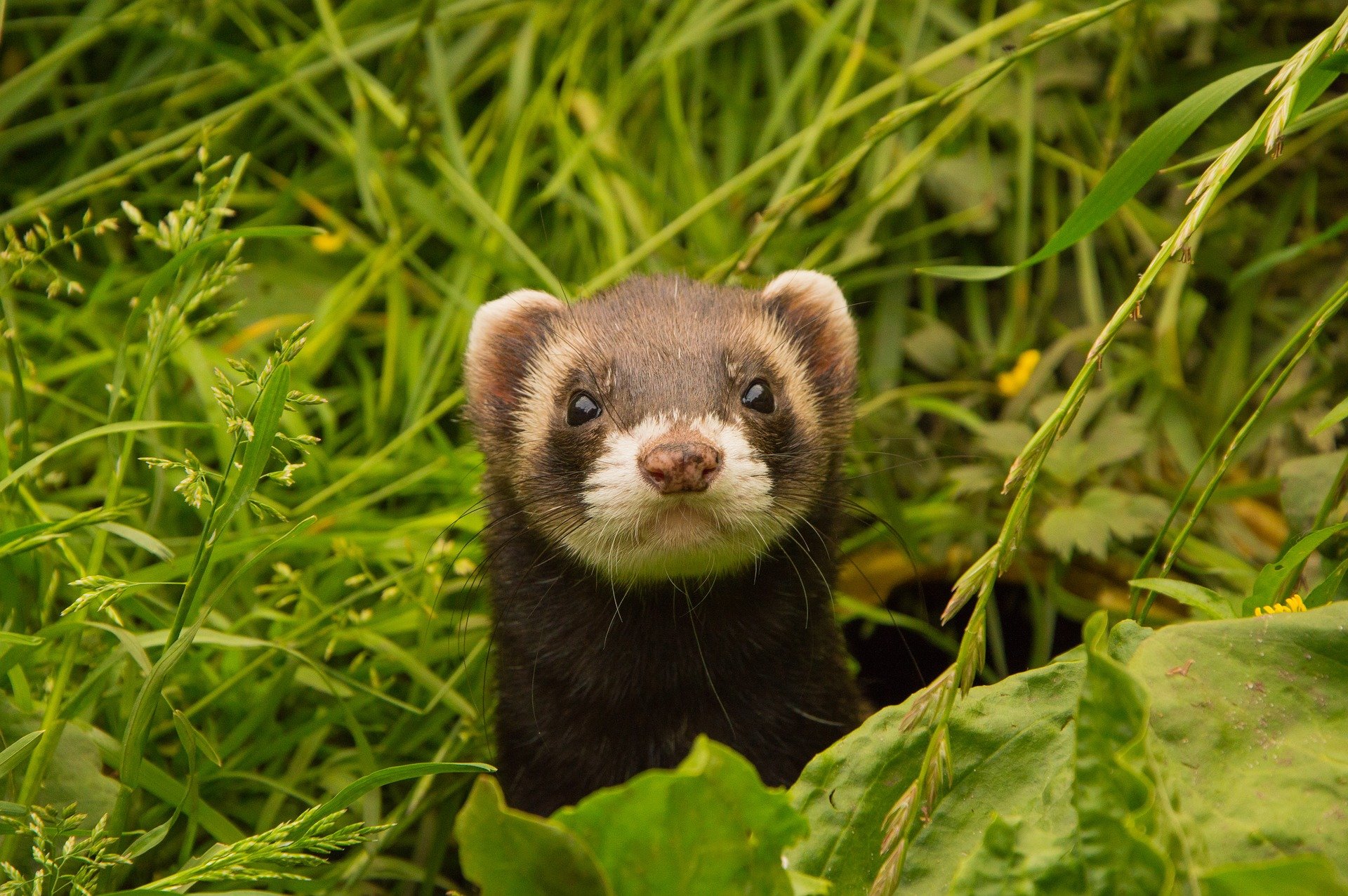
Ferrets

Ferrets
Ferrets are another small pet that is gaining popularity, and it is easy to find. However, they are completely illegal in California and Hawaii and in some cities and counties where they are legal. Caring for ferrets is not difficult, and you can buy a commercially prepared ferret’s diet. They need a large cage that gives them enough space to move around and expand, and they also need time outside the cage to play and explore. They are extremely intelligent and cuddly little animals.

However, if they are tired or overly excited, they may become nauseous and intolerant to manage. Ferrets also need minimal decoration, although some owners bathe them often because they have a musty smell. Another potential disadvantage of owning a ferret is that they need to have at least one other ferret to be happy, so you have room and at least two people.


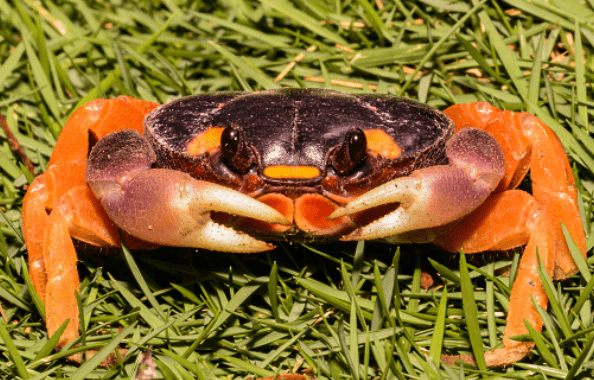
Halloween Moon Crabs

Halloween Moon Crabs
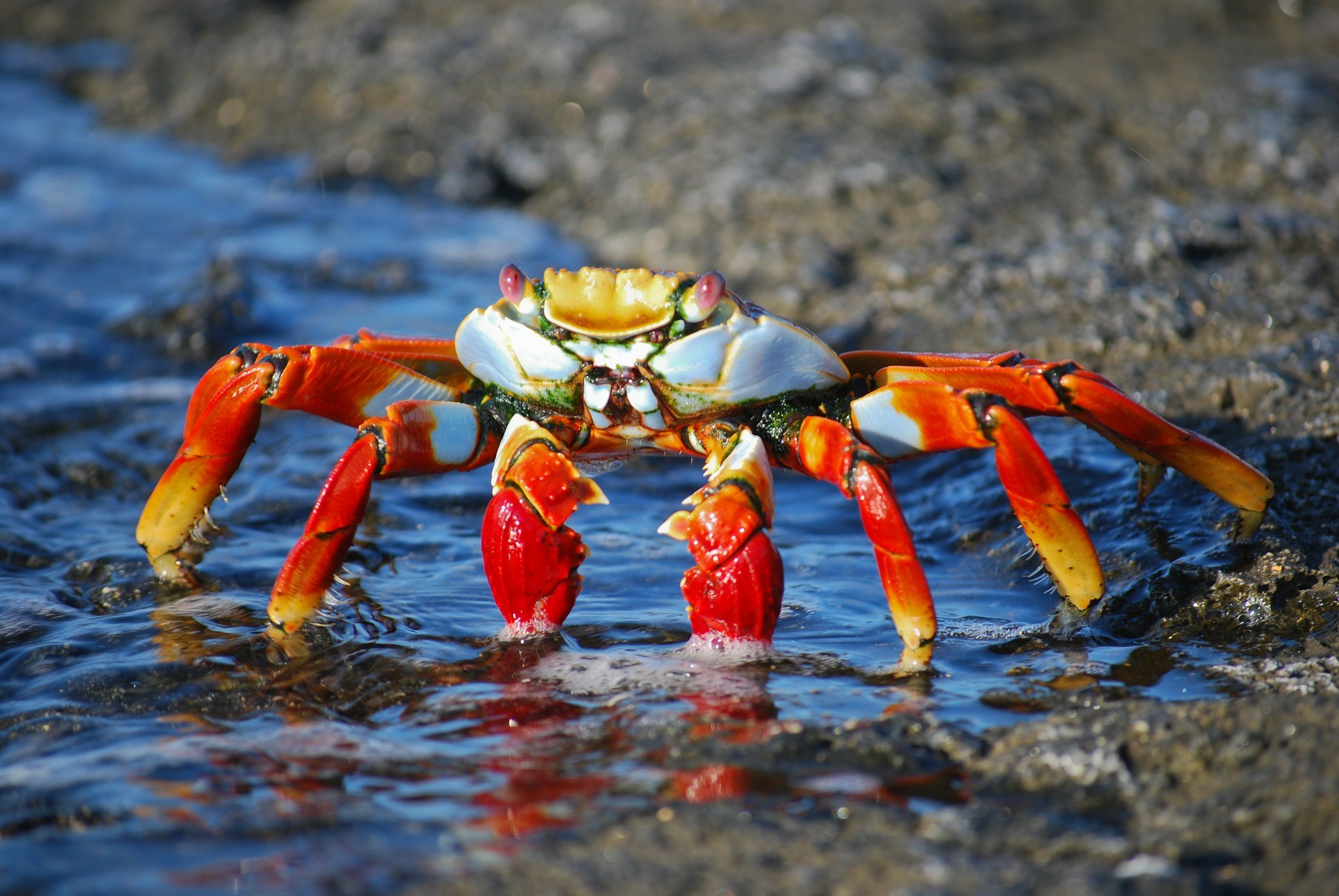
If you like to crustaceans but find the Hermit crab a bit annoying, you’ll love the Halloween moon crab surely. These crabs look like as  they were painted by numbers and come in bright colors like purple, red, orange, and yellow. They are related to hermit crabs and are sometimes known as Halloween hermit crabs. These can be easy to handle depending on the individual crabs. Halloween moon crabs are relatively inexpensive and available at pet stores for between $ 10 and $ 20.


If you want to keep a Halloween moon crab, you should have at least two because they are social though they need to be kept in separate tanks in case of battle. They don’t need a big tank, and they can climb up and around with a sand layer and lots of rocks and driftwood with a 15 or 20-gallon tank. They will also need fresh and saltwater pools that should be changed and cleaned daily. They can eat fruits, vegetables, and even cooked meat.


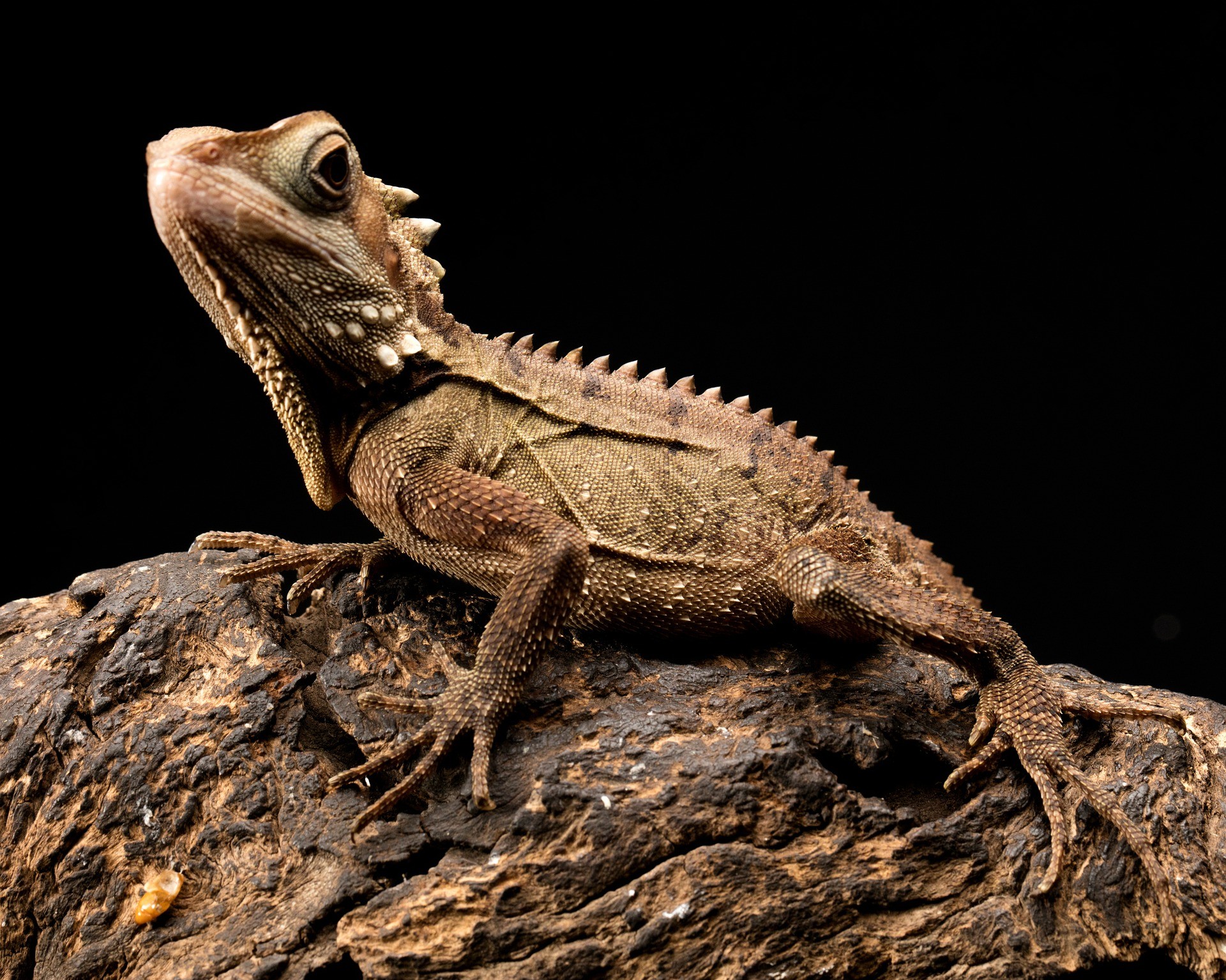
Bearded Dragon

Bearded dragon

Bearded dragons are one of the easiest low-maintenance and lizards and cool to keep and are known to be humble and friendly. They can do well with an excellent “beginner” lizard and teach children to manage them responsibly. These do not grow as large as some lizards and can be comfortably kept in a small space like an apartment when they need an adequate habitat size. The bearded dragon is one of the most popular pet lizards, and ownership is legal in most states except Hawaii.

Like other lizards, bearded dragons are at risk of being infected with Salmonella if they do not practice hand washing well after handling them. In addition, some work is required to feed them, including regular preparation of fresh vegetables and live insects.


Think carefully about the simplest exotic pets

There is certainly a certain temptation to own an exotic pet, and some pet owners prefer the idea of ​​owning something unusual that others do not have. However, if you are thinking of bringing an exotic pet home, do your research carefully. While these animals may be easier to care for than some other “regular” pets, many of them have very specific food, shelter, and cosmetic needs that you should know before bringing them home. You may also have the necessary permits to own where you live, or they may not be legal. Check with your landlord or homeowners association, and even if they are legal, your residence may block or limit their ownership.


Thanks and Regards