How to Build Muscle on a Dog with Food

How to Build Muscle on a Dog with Food

Quick Answer: Building muscle in dogs comes down to a high-quality, protein-rich diet paired with regular structured exercise, ensuring protein makes up a meaningful share of calories alongside enough total calories to support growth rather than just weight gain.

Key Takeaways

  • Protein quality and quantity are the foundation of muscle building in dogs.
  • Diet changes need to be paired with structured exercise, not relied on alone.
  • Avoid excessive calorie surpluses, which lead to fat gain rather than muscle.
  • Lean meat, eggs, or vet-approved supplements can support muscle-building diets.
  • Consult a vet before making major diet changes, especially for growing puppies.

Why Trust This Guide?

This guide is researched and written by the Pets Store Home editorial team, drawing on general veterinary and animal-care information. It’s intended as general information; consult your vet for advice specific to your pet.

How to Build Muscle on a Dog with Food

Five Ways To Increase Dog Muscle

Swimming, weighted bands or harnesses, regular exercise, biking or hiking, age-appropriate playings like tug-of-war, flirt poles, agility, and a balanced diet are the greatest ways to improve your dog’s muscles.

Although there aren’t precisely a tonne of studies on how to increase dog muscle, the available research supports easy ways to keep your dog busy and well-exercised.

You may find out where your particular dog is at and how to gauge his fitness after reviewing the methods to bulk up your dog.


1. Enjoyment

If done properly, simple playtime alone can, believe it or not, enhance your dog’s muscle mass.

Consider how much of your dog’s body he uses when he tugs vigorously or how the various agility obstacles can help your dog develop strong shoulders, chest, and hind legs.

Even if your breed is less well-known for agility, you can try creating your own obstacles without needing to take home every prize in a tournament.

Especially if your dog is healing from an injury, something as easy as training your dog some tricks can be a terrific place to start.


2. Consistent Exercise (biking, hiking, etc.)

Right, trivial?

Well, too many folks are attempting to develop canine muscle without even making sure the foundation is sound.

The first step to growing strength is to walk your dog and burn off extra energy. It conveniently steers clear of negative actions and other problems.

The frequency and duration of your dog’s walks will mostly rely on his age, health, and breed.

For high-energy breeds, the AKC either provides extremely low estimates (such as “two brisk walks a day”) or is incredibly ambiguous about how much activity a dog should get.

However, be mindful of your dog’s limits. You must strike a balance.

Oh, and if you want to avoid overworking a young dog, look at this puppy exercise chart.

Once your dog’s bone growth is complete, you should only engage in strenuous activities like biking and strenuous treks.

Building muscles in the back legs, shoulders, and chest is greatly aided by climbing reasonable mountains, traversing rocky terrain, and bouncing around in the underbrush.

Your preferred form of exercise every other day is biking.

Your dog should only trot with you when you are out biking; start out slowly and without a leash. Make sure your dog associates motorcycling with something enjoyable and pleasant.


3. Swimming to develop canine muscle

 Of course, owners of breeds that enjoy the water will have it easier than those whose dogs were born with the same dislike of water that cats appear to acquire because they have access to water and the proper temperature all year round.

Swimming is only feasible in my area during the warmer summer months, which only leaves 2 months of the year, or possibly 6 months or more for canines with more grit.

There isn’t a dog pool indoors in my area. If you have one, that might be a fantastic place to begin.

But when we can, we enjoy going to the lake since it offers a change of environment that is great for helping your dog gain weight organically.


4. A Good Diet

Although this blog post is not about diet, I wanted to clarify this since it causes confusion for many readers.

My dog is fed a raw diet, and she seems to benefit from it.

Having said that, a variety of diets can be effective as long as they are of a good calibre.

However, gaining muscle does not require high protein diets or pricey (and frequently unhealthy) supplements.


5. A harness or weighted bands

Only dogs whose bone growth is complete (which typically occurs between 12 and 18 months) should utilise weighted bands and vests, and even then, only gradually.

Even during the height of training, weighted bands should only be used every other day for up to 15 minutes and should be adjusted according to your dog’s weight.

There isn’t a lot of scientific evidence to back up the claim that using weighted bands is the best method for building muscle.

Please take my anecdotal “proof” with a grain of salt, but I can attest to the fact that I have observed dogs successfully attain leaner body composition and muscle gain using primarily brief weighted band workouts.

Training with weight bands may aid in muscle growth if a few principles are followed (! ), but you must be careful.


How to Feed a Dog to Gain Muscle

A balanced raw diet would be my recommendation for a starting point if you wanted to feed your dog to gain muscle, but you’ll still need to exercise your dog and occasionally change the meal plan.

Many articles with stakes in the game (either because they own a supplement firm or because they receive funding from businesses involved in the sector) seek to emphasise the value of supplements.


This is untrue, period (or at least not yet proven by science).

A well-rounded, healthy diet made up of high-quality components accomplishes the bulk of the work.

Even if you take supplements, they shouldn’t be “massively bulking up” or extremely high in protein.

Many people think giving human supplements to dogs may help, but this is not recommended unless your veterinarian has given the all-clear.

Green lip mussel, spirulina, and probiotics are a few supplements that may improve general health.

The majority of commercial supplements contain ingredients that may not only have no effect but may even make your dog’s health worse.

Always do your homework before making a purchase.


Does protein help dogs gain muscle?

Dogs require protein, but not in the quantities sometimes suggested, and definitely not from low-quality sources.

While some studies attempt to emphasise the significance of protein in developing dog muscle, their comparison group primarily consists of corn gluten. A raw diet offers a lot of high-quality protein.

In this scenario, comparing diets with 12% and 28% protein is actually very pointless because it may be preferable to feed less of a poor quality corn or starch source if a suitable and higher quality substitute is available.

When given the option, dogs choose to eat less carbohydrate and more protein, but fat still makes up the majority of their diet. Another study contends that the diet of the dog’s progenitor was not high in carbohydrates.

You can choose a low-carb, moderate-to-high fat/protein diet to help your dog put on weight.

If a dog gets fat by eating a high-fat diet, why might you do it? Because dogs’ excess weight isn’t primarily caused by being “fat.”

Once your dog starts using fat as fuel, many holistic vets think the high-fat ketogenic diet offers a lot of health advantages.

Don’t blindly accept every “research” you come across. Make sure you do your own research so you can make wise choices.


How To Make Older Dogs Muscular

An elderly dog can gain strength by swimming, exercise, fun, and moving to a natural diet.

In order to counteract the natural loss of muscle that comes with ageing, older dogs may need to put on weight.

As was already noted, elderly dogs can benefit greatly from swimming, so if you don’t have year-round access to water, you might want to look into aquatic treatment facilities.

Do not attempt to alter the breed’s natural form.


When attempting to develop muscle, it’s crucial to consider your dog’s breed.

Pit bulls, American Staffordshire terriers, and other physically dominant breeds are the most popular choices for those looking to bulk up their dogs, and these canines frequently tolerate the extra mass well.


Greyhound, whippet, or Afghan. These breeds are designed to be long and thin, and if they are consistently made to carry too much extra weight, they may experience health issues.


Appropriately warm up and cool down your dog

This will help prevent pulled muscles and other ailments in addition to improving performance in the long run.

While some people make an effort, it’s not always easy to teach their dog to stretch when asked. Although many owners find it difficult to prevent their dog from leaping up on humans in this fashion, you can attempt to encourage him to stand on his rear legs and rest his paws on your chest to help him stretch a little.

At the very least, think about massaging your dog’s key muscle groups before a workout to improve blood flow to the areas and promote more fluid movement.

A smart method to accomplish this is to take a leisurely stroll right after your workout. Such strolls need not be long, but they allow your dog’s body to cool off before returning inside and collapsing on the kitchen floor (I’m sure my dog is not the only one who enjoys relaxing on the cool kitchen floor after exercise).
Types of Duffel Bags

Types of Duffel Bags

Quick Answer: Duffel bags generally come in a few main types: classic barrel-shaped duffels for maximum packing space, wheeled duffels for easier transport, backpack-style or convertible duffels for hands-free carrying, and rugged expedition duffels built for longer, tougher trips.

Key Takeaways

  • Barrel-shaped duffels offer the most flexible packing space for their size.
  • Wheeled duffels trade a little packing volume for easier transport over long distances.
  • Backpack-style or convertible duffels suit hands-free travel, like hiking.
  • Durable materials such as ballistic nylon or waterproof coatings matter for weekend and expedition use.
  • Check size and weight limits against airline or transport requirements before buying.

Why Trust This Guide?

This guide is researched and written by the Pets Store Home editorial team, drawing on general product and buying-guide information. It’s intended as general information to help with your decision.

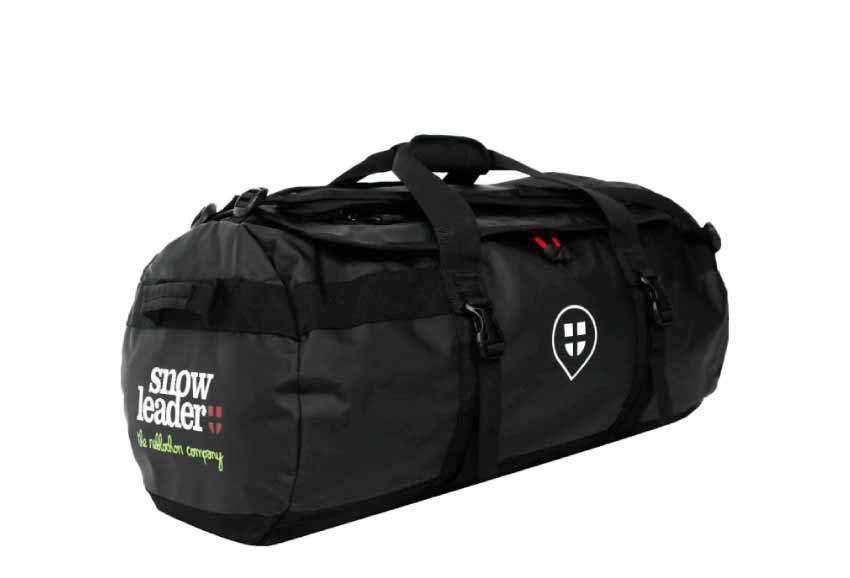
Whether you are packing for a weekend hike or embarking on an extended expedition, there are many different types of duffel bags that you can choose from. While some of the options may be more expensive than others, you can find a bag that is perfect for your needs.

Mountain Hardwear Expedition

Whether you’re heading out on a week-long stag do or simply traveling to the local office, the Mountain Hardwear Expedition duffel Types of Duffel Bags

Whether you are packing for a weekend hike or embarking on an extended expedition, there are many different types of duffel bags that you can choose from. While some of the options may be more expensive than others, you can find a bag that is perfect for your needs.

Mountain Hardwear Expedition

Whether you’re heading out on a week-long stag do or simply traveling to the local office, the Mountain Hardwear Expedition duffel bag has got you covered. With a heavy-duty Tarp LT material and dual-thickness bottom, this bag is built to last. The daisy chains on the shoulder straps are strong enough to withstand the rigors of travel while the internal compression system can be used to organize your gear.

While the Mountain Hardwear Expedition duffel bag may not be for everyone, it’s sure to be a hit with adventure seekers of all stripes. The duffel bag is made for the outdoors, and the reinforced oversized grab handles make for easy handling. It also features two external secure zip end cap pockets, one of which is see-through.

The Mountain Hardwear expedition duffel isn’t just about cramming your belongings into it, and the company does provide customers with a handy warranty service. The company also has a useful list of links and information for international buyers. The aforementioned list contains a comprehensive product line that includes the aforementioned Expedition duffel bag, as well as the aptly named Ultralight, and the aptly named Ultralite. The latter is the sexiest of the three bags, and comes in a whopping 4 sizes. The smallest Ultralite is the most petite of the bunch, and is a mere 6.4 lbs. The largest Ultralight weighs in at a hair over 10 pounds.


Cotopaxi’s Allpa

Whether you are an outdoor enthusiast or just a regular consumer of outdoor gear, you’ll appreciate the new Cotopaxi Allpa duffel bag. This 35-liter pack is a great choice for travelers who want to carry all of their luggage onboard. It’s durable, sturdy, and has plenty of compartments. You’ll also find that it has a sleek design that makes it look as though it’s just a standard backpack.

The Allpa backpack comes in a variety of colors, including black and pink, but it’s the black-on-black colorway that has been the most popular. The pack is made of 1000-denier polyester and TPU-coated fabric. These fabrics are weather-resistant and breathable for long-term use.

The main compartment has a full-wrap zipper. It’s also got three mesh pockets. It’s got a rain cover that can be easily attached. It even has a water bottle attachment. It’s also got a stowable hip belt. The bag has a lot of features, but it’s not designed for the business traveler.

The Allpa bag has a cool look. It’s got a clamshell design, but it’s also got three pockets, which is impressive. It’s also got a padded laptop compartment. The pack also has a sternum buckle and soft, yet firm tuckaway harness system. It’s made from a synthetic polyester shell coated with thermoplastic polyurethane.

The backpack also has a bucket-like pocket that is located a bit further back for fluffy items. It’s got a laptop sleeve and a key clip. It’s also got internal compression straps that allow you to adjust the weight distribution. The bag is also very easy to move around.

YETI Panga

YETI Panga is a waterproof duffel bag with a lot of versatility. It’s a great way to keep your gear dry on an off-grid adventure or travel trip. You can get the bag in three sizes: 50, 75 and 100 liters.

The bag is a little heavier than other zippered submersible bags, but that’s not a problem for its use on horseback or other occasional use adventures. It also offers plenty of carrying options, including a strap that lets you use it on one shoulder. It also has a water bottle pocket, and a shoe compartment. The main section of the bag has nine pockets. The duffel is available in a matte finish, and a metallic finish is also available.

The Panga’s waterproof construction is unique among water-sports-specific gear. It features a thick shell, webbing with metal buckles, and a zipper that’s nearly as long as the entire duffel.

The duffel is made of polyester material, which is lightweight and scratch-resistant. It also features an EVA molded bottom that provides a durable, waterproof landing pad. The duffel also has two easy-access mesh pockets.

YETI also offers a three-year warranty on the Panga line. The zipper is also waterproof, and the bag features a U-Dock on the ends to keep your gear dry. The bag is a top pick in our testing.

The YETI Panga is not the cheapest bag on the market, but it does have a very good price point. However, it isn’t a very useful bag for day-to-day travel.

SealLine WideMouth

Designed to keep your gear dry, the SealLine WideMouth duffel bag features waterproof materials and a roll-top design. It also has a pocket on the exterior that’s great for storing small items. The interior is lined with waterproof fabrics, too, and there are D-rings for carrying straps and car tie-downs.

This waterproof duffel offers a variety of other features, as well, including a durable PU-coated fabric construction, RF-welded seams, and a roll-top closure. It also has a side pocket and a carrying handle. It’s available in 40- and 80-liter sizes, and comes in a variety of colors. It’s also designed for paddle sports and water-based adventures.

Compared to the YETI Panga, the SealLine WideMouth is more affordable and more lightweight. It’s also got a more rugged fabric, though, and is more resistant to abrasion. It also has a fully-waterproof zipper system, so you won’t worry about leaks.

The WideMouth’s wider mouth opening makes it easy to navigate through the contents. The duffel’s roll-top design also allows for no-hassle packing, but it doesn’t offer the same waterproof protection as the YETI.

The WideMouth is made from a 600 denier polyester fabric, which is strong enough to hold up to the elements. It’s also a lighter-weight, nylon build, which isn’t quite as thick as the Panga. The duffel weighs less than the Panga, too, which is great for a day trip or a weekend.

NRS High Roll Duffel Dry Bag

Whether you’re on the hunt for a new duffel bag or are simply looking for a reliable storage solution, the NRS High Roll Duffel is the way to go. It’s a watertight bag, so you can be confident that your gear is safe and sound. Featuring a waterproof zipper, a nifty sleeve, and a hefty 21 oz of TobaTex, you can rest assured that you’ll be able to carry all of your gear without the risk of drenching it.

In addition to the high grade, you can also get your hands on this bad boy in three sizes. The large, medium and small variants have an array of features to keep you organized. The largest is a good fit for a weekend’s worth of gear, while the medium and small models are better suited to a week or two’s worth of supplies. The NRS High Roll Duffel isn’t a cheap bag, but it’s a quality product that will last for years to come. The best part is that it’s the kind of bag you’ll be proud to show off to your friends. It’s the newest addition to the NRS line of travel bags, and it’s definitely the star of the show.

Base Camp Voyager

Taking inspiration from the original Base Camp Duffel, The North Face introduced the Base Camp Voyager. This new version is not only a lighter weight, but also features a slew of internal and external organizational tools. These include an adjustable divider, a padded laptop sleeve, and an external secure-zip pocket. Regardless of whether you’re looking to pack for a weekend getaway or a weeklong backpacking expedition, the Base Camp Voyager is the bag to buy.

The North Face has crafted a duffel bag that has all the features of a traditional bag, but offers better value. The base of the bag is made from 100% recycled material, so you can feel good about your purchase. The top of the bag is a zippered compartment that allows you to organize your belongings, and there are eleven attachment loops to secure items.

The Base Camp Voyager duffel has a few other gizmos, including a key clip and a small external secure-zip pocket. The padded laptop sleeve has a secure-zip feature, and you can store your iPad in the side pocket while still keeping your hands free.

The Base Camp Voyager duffel may not be the sexiest or most feature rich, but it’s certainly one of the most impressive bags on the market. It’s a perfect size for a carry on at the airport, and the internal organization is a nice bonus.

Memorial Stones for Dogs UK

Memorial Stones for Dogs UK

Quick Answer: Memorial stones for dogs are a popular way to create a lasting tribute in the UK, typically engraved with your dog’s name, dates, and a short message, and available in materials ranging from natural stone to resin, often placed in a garden or favorite outdoor spot.

Key Takeaways

  • Materials range from natural stone to resin or composite, at different price points.
  • Engraving can include a name, dates, paw prints, or a short verse.
  • Placement in a garden or meaningful spot creates a lasting, visible tribute.
  • Many UK suppliers offer weatherproof, UV-resistant engraving for outdoor durability.
  • Order ahead if you’re aiming for a specific date, since engraving takes time.

Why Trust This Guide?

This guide is researched and written by the Pets Store Home editorial team, with care for pet owners navigating a difficult time. It’s intended as general information, not a substitute for guidance from a bereavement or pet loss support service.

Memorial Stones for Dogs

If you own a dog, you are aware of its importance to you. But if something were to happen to them, what would you do? A pet memorial stone is an ideal way to pay tribute to your cherished animal. It may be positioned in a flowerbed, on a patio, or in a garden.

A pet memorial stone can be erected in your yard or on the beach, but what happens if your dog passes away? Or perhaps you simply want to remember your dog wherever you go. If so, a pet memorial stone would be something to think about

Stone Memorial Ideas for Pets

Although owning a pet is wonderful, it can be difficult to know what to do when they die away. They have provided you unwavering love for years and are a part of your family. Sadness is common, especially in young people. However, doing something kind for their memories is the best way to survive.

I’m going to give you 5 suggestions in this article for creating a pet memorial stone. These patterns, which range from straightforward stones to more intricate ones, will help you remember your pet and preserve the soul of your cherished pet.


1. Concrete mosaic

Mosaics are a wonderful medium for expressing your creative side. They can be used as a tribute for your cherished pet or to decorate walls and floors. Although there are many varieties of mosaic, we will specifically focus on one here: Concrete mosaic.

Natural stones and concrete can be used in combination to make this kind of mosaic. It’s crucial to have a specific look in mind while making this kind of mosaic. You must first choose the type of design you want for your mosaic if you want it to have the intended impact.


Although concrete mosaic has been used as a medium for art for centuries, other uses have only lately been discovered. It is now a common method for memorialising animals.

I was dubious when I first learned that mosaics could be used for pet memorials. But after witnessing this in person, I was completely astounded.

Old tiles that were lying around in the basement of a nearby pet store were used to make this mosaic. The owner took the decision to have a mosaic created using the photographs of her departed dogs because she wanted to do something special for them.

This is a fantastic concept, and I would dearly want to see something like that implemented for my own pets.


A mosaic is a beautiful way to show your pet how much you adore and care for them. We are unable to comprehend what it must be like to lose a cherished family member, and I’m sure that most people would concur that it is challenging to accept the death of a loved one.

As a result, lots of individuals come up with original methods to remember their dogs. While some people use mosaic as a more artistic medium, others build one-of-a-kind ceramic creations.

Mosaic might be the best option for you if you’ve lost a pet and want to make a unique monument for them.

Set coloured glass or bead pieces in the concrete to make a mosaic for a lovely and distinctive appearance. You can even choose an abstract pattern using the hues and forms that your pet like. Display the stone in your garden or along a walkway once the concrete has dried so you may view it and think of your pet.

You can purchase a DIY mosaic kit that includes everything you need if you don’t have the time to gather all the components.


2. Artwork painted on river rocks

River rocks are ideal for making distinctive and individualised pet memorials. You can make an enduring memorial for your pet using a range of patterns, colours, and designs that will be cherished by all.

Consider drawing patterns on river rocks if you want to make a monument for your pet that will be truly memorable. It’s a cheap way to add a personal touch to memorials that will be appreciated by all.

Painting on river rocks is a terrific idea. They are strong, affordable, and simple to use. This project is a creative way to remember your deceased pet.

Resources required: -River Rocks

-White acrylic paint with a selection of colours

A paper towel, a Sharpie, and tape

Painting Brush

Step 1: To prevent the rock from getting wet, first place a paper towel underneath it.

Step 2: Sketch a pattern on the top of the rock using the sharpie. Be sure to completely cover the surface.

Step 3: Next, paint the design with various hues.

Step 4: After the painting is complete, wait a few hours before moving the rock.


Small- to medium-sized smooth rocks might serve as a suitable canvas for a memorial painting of your cherished pet. Either go out and gather the rocks yourself, or buy a rock painting package that comes with paint, pebbles, and brushes. The river rocks can be transformed into a lovely memorial for your pet by painting a scene or design on them and adding a remark in permanent marker.

You can make a modest design or even a miniature rock garden by stacking several boulders together. Children who are grieving and want a way to remember their pets alongside their pets can benefit greatly from this type of pet memorial.


3. Etching brick or pavers

For pet memorials, it is feasible to etch messages into pavers and masonry. This is an easy solution that costs not much money and needs little upkeep.

This is a fantastic choice for individuals who wish to include their pet’s name or a personal message on a memorial.

Pet memorials, commonly referred to as pet urns, are a wonderful way to honour your cherished animal. Consider utilising etching as a means to memorialise your pet if you want to provide a special spot for them to rest. The nicest thing about etching is that, unlike typical markers that fade with time, it is a permanent way to remember your pet.

Etching is a quick and affordable process that lets you make a special monument for your pet. It’s a wonderful way to remember your pet and make sure they’ll always be in your heart.

Compared to paint, which might fade in the sun, engraving or etching offers an advantage.

It’s not very tough to learn how to use these tools if you’re up for a little challenge.


4. Wood that has been carved

Pet memorials have become increasingly popular among pet owners in recent years. Typically, these monuments are made to resemble statues of the deceased animals, with a plaque that says something to the effect of “In loving remembrance of our beloved pet.” Although this form of pet memorial is surely beautiful, there is one that is far more common.

This hardwood tree has the pet’s name or an image of the pet carved into it. The tree can be kept in a closet or displayed anywhere the pet owner will view it frequently. It may be on display all year long or only at certain occasions.

For people who have lost a cherished pet, a memorial in the form of a dog or cat is a kind present. These American-made, handcrafted hardwood pet memorials come in a range of colours, sizes, and styles.

A heartfelt way to express your gratitude for your pet and his or her family is with a pet memorial. You can make a memorial for your pet out of hardwood. A pet memorial’s wood must be extremely soft and simple to carve. Using carving, you can make a tribute for your pet out of maple or birch. The ideal wood for pet memorials is maple since it is easy to cut and has a good appearance.

1. Encase crucial items in lucite, such as a bone, leash, or collar.

It’s a kind and heartfelt way to honour your cherished pet. The best dog memorials, however, are not just beautiful to look at; they are also strong enough to last a lifetime.

We made our new line of lucite dog memorials for this reason. They also look fantastic displayed on a shelf, in a car, or wherever else you choose.

Use lucite to create memorial monuments out of your dog’s prized possessions. Favorite snacks in an adorable form or a charm hanging from your dog’s collar can serve as meaningful mementos of your time spent together.

A remark with information about their lives can also be included; it works best if it is placed close to the lucite’s surface where it will be visible and simple to read.

2. A stone bench in a beloved natural area or park

The dog memory bench is a really remarkable bench that was made with a dog in mind. The owner of a deceased dog may place a note on the bench informing others of the incident. The name of the deceased dog may also be etched on the seat.

The fact that these benches come in a variety of styles and colours is their best feature. These benches are also strong and long-lasting.

Every dog owner has experienced the pain of missing their cherished companion. If your dog has died, you already understand how painful it is to visit a beloved location without your furry pet.

You can find solace in the fact that you can still create memories of your pet if thinking about this situation makes you unhappy.

Making a memorial for your deceased pet in a park or other natural location is one method to accomplish this. You can honour your cherished pet with the help of a customised bench.

3. A grave marker showing their silhouette

Although dog grave markers can be very finely designed, they are frequently very pricey. Their name and the date of their passing are etched on the headstone, which is often made of granite.

The best dog grave markers feature a silhouette of a dog on top, and occasionally the owner also includes a photo of the pet. This is the case because the individual who placed the headstone’s order had a favourite dog, and this is how the dog appeared before passing away.

You can use the headstone from this company to make a tribute for any pets you may have in the afterlife. It comes in both stone and wood.

They believe that a man’s dog is his best companion. But what will happen if that dog dies? Would you like to give him a special present or something practical to aid him on his journey?


There is no need to look anywhere else if you want a unique bespoke headstone than Headstone. With the help of Headstone’s distinctive headstone design, individuals can make their own monument for cherished pets.

There are several alternatives available at Headstone for designing a memorial that visitors will value. The company offers a wide range of options, such as personalised gravestones, markers, mausoleums, and headstones.

One of the few businesses that focuses on making custom canine headstones is Headstone. It’s crucial to keep in mind that your pet’s grave marker should be a befitting monument to them, and the finest grave marker is one that celebrates their life.

Dog Headstone is a one-of-a-kind, distinctive dog grave marker for animals. It is intended to provide a customised headstone in memory of your cherished pet.

People who have passed away are usually remembered with headstones. Dog headstones are a wonderful alternative to conventional grave markers since they give you a way to remember your pet and a place to express your feelings.

4. Made a stone or brick donation to a nearby animal shelter or rescue.

All of us adore our pets and wish to give them a happy life. We frequently desire to give money to organisations as a way of expressing our love and support. But there are instances when we are unsure of where to begin.

We’ll go over how to contribute stone or bricks to a nonprofit that helps dogs and other animals in this post.


Many of us have experienced the heartbreak of losing a beloved pet, and it is never easy to watch your dog go through the process of being put to sleep. Many people don’t consider the numerous ways they might honour their deceased pet.

Donating the pet’s remains to a nearby animal shelter or rescue organisation is a choice that has recently gained favour.


Many families decide to donate something as a monument to their deceased pets on an annual basis. Many people decide to donate something in honour of their cherished pet, whether it be a little stone with the creature’s name etched on it or a big memorial sculpture.

In this article, I’ll explain how you can honour your dog by giving a stone or brick to a nearby animal

Ideas for Pet Memorial Stones for a Cat


You can make a tribute for your cherished pet in a variety of ways. These are some of the best suggestions for memorials for your cat, ranging from unique engraved pet stones to memorial plaques.

You’re likely to feel saddened if your cat dies These are some of the best cat memorial ideas if you want to pay tribute to your cat’s memories.

Although cats are among our favourite pets, they may be challenging at times. Although having a pet can be highly gratifying, it can also be difficult. How to memorialise your pet is one of the toughest problems that pet owners encounter. You can pay tribute to your pet in a variety of ways and convey your love and sorrow.


Suggestions for memorial stones for cats in this article.


5. Etched aphorism about cats on a gravestone


There are a lot of wise sayings regarding cats and how they influence our lives. Look up cat quotes online and pick one that corresponds to your own cat if you’d prefer a cat quote to a typical headstone.

You could have seen something similar if you’ve ever visited a cemetery. A individual who cared about the dead created the engraving. “Rest in Peace,” it says.

But this quotation stands out from the rest. It demonstrates the intense love someone has for their cat.

A cat enthusiast placed a quote about cats engraved on a headstone at a cemetery. It’s a heartwarming tale of a profound love shared by two individuals.

Either do it yourself or hire a pro to engrave the quote on a stone that you can place where it will make you happy. A granite stone can also be ordered online, such as this granite pet headstone, and personalised with a picture and dates.


6. Stone plaque with a priceless remembrance engraved on it

An etching machine can be used to immortalise a priceless memory on a lovely stone plaque. It is a wonderful way to pay tribute to and commemorate a deceased person.

You can erect a stone plaque wherever that would be a fitting tribute for a loved one, such as a garden.

This is the ideal activity for you if you want to make a priceless memory for your family.


A stone plaque with a priceless memory engraved on it is a present to be cherished always.

It’s a gift that makes someone smile and brings a memory to life once more. It’s a genuinely one-of-a-kind present that you won’t be able to locate elsewhere.

A stone plaque can be given as a sign of affection, admiration, gratitude, or even as a souvenir of a memorable event. It’s the ideal present for a special occasion like your wedding, anniversary, graduation, birthday, or another milestone.

A stone plaque makes a thoughtful present that you’ll cherish always. It’s a present you’ll never forget receiving.


7. A little memorial rock bearing the person’s name and years of birth

Memorial pebbles are a beautiful way to pay respect to a deceased loved one. They make excellent conversation starters while you’re gathering with friends and family.

An intriguing addition to any outdoor space is a memorial rock. It’s a kind way to honour departed family members, and it may also be a peaceful setting for reflection.

We’ll explain how to construct a memorial rock for yourself in this article, as well as how to engrave it with the names and years of their lives.


There are instances when the loss of a loved one leaves us unable to control our sadness. People frequently find themselves looking for ways to honour the death of a loved one when such a situation arises. Making a memorial rock is one such approach.

A memorial rock can be made in a number of ways, such as by carving the deceased’s name and year of passing onto a rock or by producing a rock painting of them.

In one instance, the family of a young woman who passed away from cancer erected a memorial rock. The year of the woman’s death was also painted on the rock, along with her name.

Your cat’s name and the number of years they lived would be written on a more typical memorial stone. If you don’t have a lot of space but yet want a modest memento of your pet, try this. This marker will still have impact even with few words.


8. A headstone with a painting or image behind glass

Photographs are a fantastic way to honour loved ones who have passed away and are priceless mementos for those who knew them. However, displaying a photo behind glass can be challenging since it makes it difficult to get a crisp, clear view of the image. A headstone is useful in situations like that. A headstone can be transformed into an elegant tribute for your loved one by placing a photo behind glass.


If you’re considering getting a headstone, you might want to think about the type of image you want to appear there. On their grave markers, some people display photographs of themselves, their loved ones, or their pets. Some people favour having a picture or painting hidden behind glass. You have two options if you want to put a painting or photo behind glass: either paint it on a piece of wood and hang it from the back of the headstone or frame the item.

Akita Dog Adoption: 5 Things to Know Before You Bring One Home

Akita Dog Adoption: 5 Things to Know Before You Bring One Home

Quick Answer: Before adopting an Akita, know that they’re a large, powerful, independent breed best suited to experienced owners, with a strong tendency toward same-sex dog aggression, real breed-related housing and insurance restrictions in some areas, and health risks including hip dysplasia, sebaceous adenitis, bloat, and hypothyroidism. Adoption fees typically run a few hundred dollars and include spay/neuter, vaccines, and microchipping, far less than buying from a breeder, but expect a real adjustment period of weeks to months as a rescued Akita settles in.

Key Takeaways

  • Akitas are loyal and reserved but independent and strong-willed, best suited to owners who’ve handled powerful working breeds before.
  • Same-sex aggression is a real, well-documented breed trait, not a myth, and shapes how multi-dog households need to manage introductions.
  • Check your lease, HOA, and homeowners’ insurance before adopting, since Akitas are restricted or excluded in some housing and insurance policies.
  • Key health risks include hip dysplasia, sebaceous adenitis, bloat (GDV), and hypothyroidism, all worth asking a rescue or breeder about directly.
  • Give a newly adopted Akita weeks, sometimes months, to fully settle in and show its real personality.

Why Trust This Guide?

This guide is researched and written by the Pets Store Home editorial team, drawing on breed-club health data and rescue-organization adoption guidance for Akitas. It’s intended as general information; a rescue organization or vet can advise on specifics for an individual dog.

Akita Temperament: Loyal, Watchful, and Not for First-Time Owners

Akitas are calm, deeply loyal, and naturally reserved with strangers, traits that trace back to their history as Japanese hunting and guard dogs. They form intense bonds with their families and take a protective, watchful role in the household almost by default, without needing to be trained into it. That same independence and confidence, though, is exactly why breed experts and rescue groups consistently recommend Akitas for experienced dog owners rather than first-timers. This is a breed that reads people well, makes its own decisions in ambiguous situations, and doesn’t respond to harsh or inconsistent handling the way a more biddable breed might; it tends to shut down or push back instead.

None of this means Akitas are inherently aggressive toward people. Well-bred, well-socialized Akitas are typically calm and trustworthy with their own family, including children they’re raised alongside. What it does mean is that an owner needs to be able to read canine body language, manage a large, strong dog confidently in public, and stay consistent with training and socialization for the dog’s entire life, not just the first few months.

Same-Sex Dog Aggression Is a Real Breed Trait

This is one of the most important things to understand before adopting an Akita, and it’s not exaggeration or breed stereotyping: same-sex aggression is a well-documented, consistent trait in the breed, tracing back to its history as a fighting dog in Japan. Two intact Akitas of the same sex will very often eventually fight, sometimes seriously, and this tendency doesn’t fully disappear with spaying or neutering, even though it can reduce the intensity.

In practice, this shapes real household decisions. Many rescue organizations recommend single-dog households for Akitas, or, if a second dog is already in the home, one of the opposite sex with a careful, gradual introduction process. Dog parks are generally not recommended at all, given the unpredictability of interactions with unfamiliar dogs. Early, consistent socialization genuinely helps improve an Akita’s general tolerance and confidence around other dogs, but it’s realistic to expect some degree of selectivity to remain part of the dog’s personality for life, rather than something training fully erases.

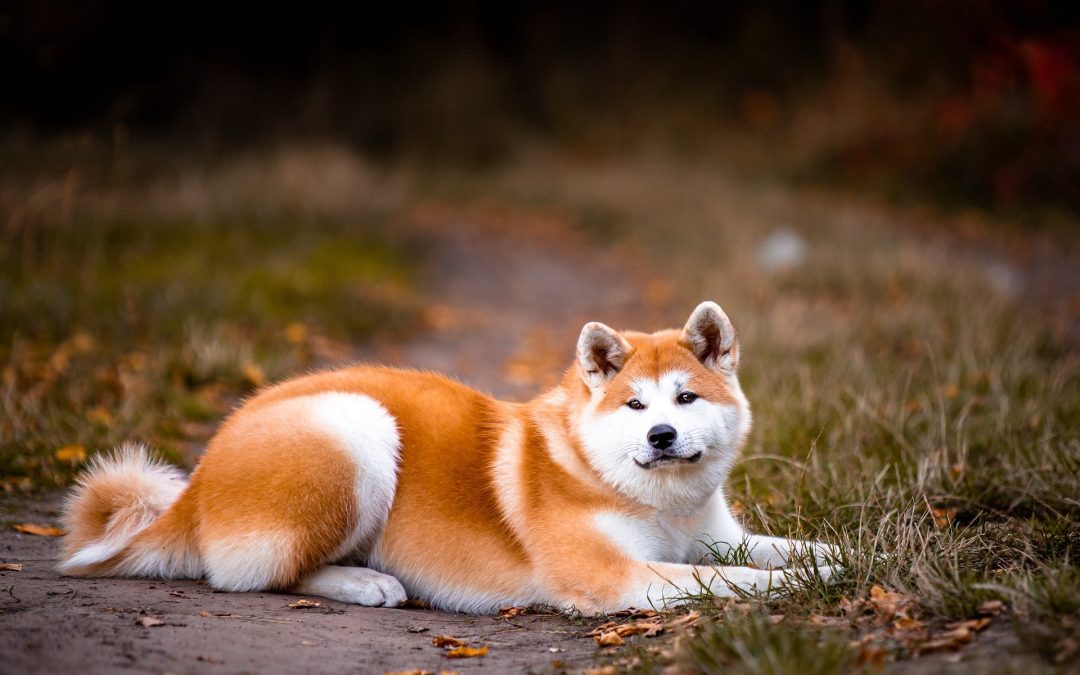
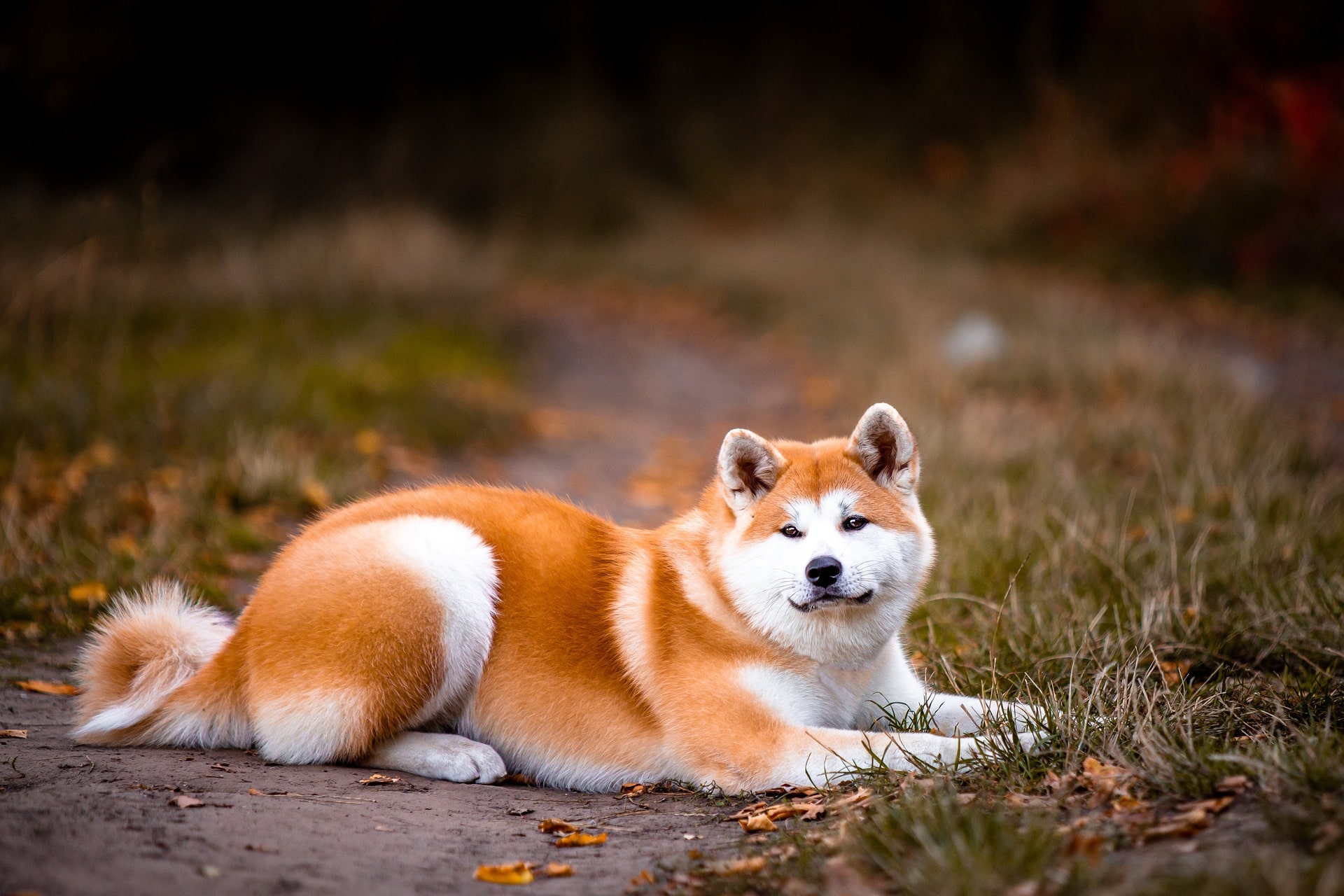
Akita dog standing outdoors

Check Housing and Insurance Before You Adopt

This step gets skipped more often than it should, and it can derail an adoption after the fact. Because of their size, strength, and reputation, Akitas are excluded or restricted by some apartment complexes, landlords, and homeowners’ insurance policies, sometimes alongside other breeds commonly grouped under breed-specific restrictions. Before starting the adoption process, confirm directly with your landlord, HOA, or insurer whether an Akita is permitted, since finding out after bringing a dog home creates a genuinely difficult situation for everyone involved, including the dog.

Exercise, Space, and Daily Life

Akitas are not hyperactive dogs in the way some working breeds are, but they’re large, powerful animals that need consistent daily exercise and genuinely benefit from having space to move. A securely fenced yard is a major advantage given their size and independent streak; an Akita that decides to investigate something interesting is not an easy dog to physically redirect. Daily walks, structured play, and mental engagement through training all help keep an Akita settled and prevent the boredom-driven destructiveness that can show up in any large, intelligent breed that isn’t getting enough to do.

Leash manners are worth prioritizing early given how strong an adult Akita is; our guide on how to stop a dog from pulling on the leash covers force-free training methods that work well for large, strong-willed breeds like this one.

Grooming Needs

Akitas carry a dense double coat that sheds year-round and blows out heavily twice a year during seasonal coat changes. Regular brushing, several times a week normally and closer to daily during a heavy shed, keeps loose fur under control and the coat healthy. Many owners find professional grooming appointments every few months helpful for managing the heaviest shedding periods, on top of routine at-home brushing. Beyond the coat, standard care applies: regular nail trims, ear checks, and dental care.

Health Issues Worth Asking About

Akitas are a generally sturdy breed with an average lifespan of around 10 to 13 years, but there are a handful of conditions worth understanding before adopting, and worth asking a rescue directly about if they have any history on the dog:

Hip dysplasia: A common concern in large breeds generally, where the hip joint doesn’t form correctly, leading to pain, lameness, and arthritis over time. Reputable breeders health-test for this; rescues may not have this history for an adult dog, so a vet check soon after adoption is a good idea.

Sebaceous adenitis: A skin condition more common in Akitas than in most breeds, where the skin’s oil-producing glands become inflamed, leading to hair loss, scaly skin, and secondary infections. There’s no cure, but it can be managed long-term with the right skincare routine and veterinary guidance.

Bloat (gastric dilatation-volvulus): A genuine emergency, not just discomfort. Large, deep-chested breeds like the Akita are at elevated risk of the stomach twisting on itself, cutting off blood flow. Knowing the warning signs, a distended abdomen, unproductive retching, restlessness, and drooling, and getting to a vet immediately if they appear, can be lifesaving.

Hypothyroidism: An underactive thyroid gland can cause weight gain, lethargy, skin and coat problems, and cold intolerance. It’s manageable with daily medication once diagnosed via a simple blood test.

None of these conditions are a reason to avoid the breed outright, but going in aware of them means catching problems earlier and budgeting realistically for potential veterinary costs down the road.

Adopting vs. Buying: Cost and Process

Adopting an Akita from a shelter or breed-specific rescue is significantly less expensive than buying from a breeder, and the adoption fee, typically a few hundred dollars, generally covers spaying or neutering, vaccinations, and microchipping, costs that add up quickly if handled separately. Breed-specific Akita rescues in particular tend to know their dogs well, often having fostered them in a home environment, which means they can give honest, specific guidance on a given dog’s temperament, including how it handles other dogs, children, and new situations.

Working with a rescue rather than a general shelter has a real advantage here: rescue volunteers who’ve fostered the dog can speak directly to red flags or reassurances that a shelter intake form usually can’t capture, which matters a lot given how much individual variation exists within this breed’s general temperament profile.

The Adjustment Period After Adoption

A newly adopted Akita, especially an adult, doesn’t arrive as its true self on day one. It typically takes a couple of weeks for a rescued dog to start understanding a new household’s routine, and up to several months before it’s fully settled and showing its real, relaxed personality. During this window, patience matters more than quick judgments about temperament. Introduce new people, places, and experiences gradually, keep a calm and predictable routine, and avoid overwhelming the dog with too much too soon, especially around other animals given the breed’s dog-selectivity. Early socialization work during this period, done gently and at the dog’s pace, pays off significantly over the following months; our guide on socializing a shy or fearful dog covers techniques that apply well to a newly adopted adult Akita too, not just puppies.

Is an Akita Right for Your Household?

Akitas tend to do best with owners who have prior experience with large, independent, or working breeds, a securely fenced yard, and realistic expectations about the dog-selectivity that comes with the breed. Confirmed permission from a landlord or insurer, a household prepared for significant grooming and potential vet costs, and, ideally, a single-dog or carefully matched opposite-sex household round out the picture. Families with calm, dog-savvy older children who understand how to respect a large dog’s space often do well with an Akita’s loyal, protective nature. If any of this sounds like more commitment than your household can realistically offer, it’s worth exploring other breeds before adopting; our guide to choosing a dog breed that fits your personality and lifestyle is a useful starting point for comparing options.

FAQ: Akita Dog Adoption

Are Akitas good with kids?
Often yes, especially with older, calm children the dog is raised or gradually introduced with, thanks to their loyal, protective nature. Supervision is still important given the dog’s size and independence.

Can two Akitas live together?
Opposite-sex pairs, carefully introduced, often do fine. Same-sex pairs carry a real risk of eventual serious conflict and generally aren’t recommended.

How long does it take a rescued Akita to settle in?
Expect a couple of weeks to start adjusting to routine, and up to several months before the dog is fully comfortable and showing its true personality.

Do Akitas need a lot of exercise?
Moderate to high. Daily walks, play, and mental stimulation matter more than extreme intensity, but they do need consistent daily activity and space to avoid boredom-driven behavior.

What health issues are most common in Akitas?
Hip dysplasia, sebaceous adenitis (a skin condition), bloat (a medical emergency), and hypothyroidism are the main ones worth knowing about and discussing with a vet.

Tracking Dog Training: How to Teach Your Dog to Follow a Scent Trail

Tracking Dog Training: How to Teach Your Dog to Follow a Scent Trail

Tracking Dog Training: How to Teach Your Dog to Follow a Scent Trail

Tracking is one of the few dog sports built entirely around a dog’s strongest sense rather than around obedience or agility. Instead of asking a dog to follow your lead, you’re asking it to lead you — using its nose to solve a puzzle you can’t see. Whether the goal is a competition title, search-and-rescue work, or just a mentally exhausting weekend activity for a high-energy dog, the underlying training method is the same: start small, build confidence, and increase difficulty gradually.

Quick Answer

Tracking training teaches a dog to follow a human scent trail on the ground using its nose, starting with short, fresh, straight-line trails marked with food and a scent article, then gradually adding turns, age (time between laying the trail and running it), varied terrain, and distractions. Most healthy dogs of any breed can learn basic tracking, since it relies on scenting ability every dog already has — the training process is what turns that natural ability into a reliable, directed skill.

Key Takeaways

  • Tracking, trailing, and air scenting are related but distinct disciplines — this guide focuses on ground tracking, the most common starting point for pet owners.
  • Training progresses through short, fresh, straight trails toward longer, older, more complex ones with turns and distractions.
  • A scent article (something the tracklayer touched) and a scent pad (where they stood at the start) anchor the dog to the correct trail from the outset.
  • The AKC’s tracking titles — TD, TDX, and VST — formalize this progression into a recognized certification path.
  • Most dogs can learn basic tracking regardless of breed; scent-hound and working breeds often progress faster, but the skill isn’t breed-exclusive.

In this article: How a Dog’s Nose Actually Works · Tracking vs. Trailing vs. Air Scenting · Equipment You’ll Need · Step-by-Step: Building the Foundation · Increasing Difficulty · AKC Tracking Titles · Common Training Mistakes · Troubleshooting · FAQ

Why Trust This Guide?

This guide is researched and written by the Pets Store Home editorial team, drawing on American Kennel Club tracking regulations and search-and-rescue and veterinary olfaction sources. It’s intended as general information for pet owners interested in scent work; for competition-specific coaching, work with a certified tracking club or instructor.

How a Dog’s Nose Actually Works

Tracking training works because it’s built on hardware every dog already has. A dog’s nose contains roughly 300 million olfactory receptors, compared to about 6 million in a human nose, and a dog can detect odors in concentrations as low as parts per trillion. Structurally, a dog’s nose also separates the job of smelling from the job of breathing: incoming air splits into two paths, with a portion routed to a dedicated olfactory chamber lined with turbinates — bony, scroll-like structures that slow air down and trap scent molecules against scent receptors. Dogs also exhale through slits on the sides of their nostrils rather than back out the front, which means outgoing breath doesn’t blow away the scent they’re trying to analyze on the next inhale.

Roughly one-eighth of a dog’s brain is devoted to processing smell, compared to a much smaller fraction in the human brain. None of this is something training creates — it’s already there in every dog. What training does is teach the dog which scent to prioritize, how to communicate what it’s found, and how to keep working a trail despite distraction, time, and changing terrain.

Tracking vs. Trailing vs. Air Scenting

These three terms get used loosely, but they describe genuinely different skills, and it’s worth knowing which one you’re actually training toward:

  • Tracking — the dog follows a specific person’s footstep path, keying in on the combined scent of crushed vegetation, disturbed soil, and human odor left along that exact route. A tracking dog stays close to the literal path the person walked and works with its nose low.
  • Trailing — the dog follows a person’s individual scent wherever it has settled, which may drift off the exact footpath due to wind. A trailing dog is allowed to cast off the original path if the scent has moved, working a scent cone rather than a fixed line.
  • Air scenting — the dog works with its head up, searching for airborne scent rather than ground-level trail residue, and moves toward the strongest concentration of scent in the air rather than following footsteps at all. This style doesn’t require a scent article or a defined starting point, and it’s commonly used in search-and-rescue over large, undefined search areas.

This guide focuses on ground tracking, which is the standard entry point for pet dogs and the discipline the AKC’s tracking titles are built around.

Equipment You’ll Need

Tracking gear is simple and inexpensive compared to most dog sports:

  • A tracking harness — not a collar. Pulling against a collar during tracking can cause neck strain over a long session and also gives the dog a confusing signal, since collars are typically used for loose-leash walking, not intense pulling.
  • A long tracking lead — typically 20 to 40 feet, allowing the dog to work well ahead of the handler without the handler influencing its path.
  • Scent articles — small items (a glove, a sock, a leather fob) that only the tracklayer has touched, left at the end of the trail for the dog to find and indicate.
  • Flags or stakes — useful early on for the handler to remember exactly where the trail goes, since you often can’t see the trail your dog is smelling.
  • High-value treats — small, soft, and fast to eat, since food is dropped along the trail in early training and used as an on-the-spot reward.

Step-by-Step: Building the Foundation

Every credible tracking program builds skill in the same order: short and easy first, then longer, older, and more complex over time. Here’s how that looks in practice.

Step 1: The Scent Pad and First Short Trail

Start by having the tracklayer (which can be the handler’s helper, or later the handler themselves) scuff their feet in one spot to create a strong, concentrated scent pad. From there, they walk a straight line no more than 25 to 50 yards, dropping small treats every few steps and ending with a scent article and a larger reward. The dog, held on the long line, is shown the scent pad and given a consistent starting cue (many trainers use a phrase like “find it” or “track”), then allowed to follow the food trail to the end.

At this stage, success should be nearly guaranteed — the trail is short, straight, freshly laid, and baited with food the entire way. The goal isn’t to test the dog yet; it’s to teach the dog what the game is and build a strong, positive association with the starting ritual.

Step 2: Removing Food From the Path, Not the End

Once the dog is reliably working the short straight trail, start spacing food rewards farther apart along the path rather than removing them all at once, while keeping a jackpot reward and the scent article at the end. This teaches the dog that the payoff comes from following the scent itself, not from finding food every few feet, which is the mental shift that eventually lets the dog work trails with no food on them at all.

Step 3: Adding Turns

A straight-line trail only tests scent-following in the loosest sense, since the dog can often see or anticipate where the tracklayer went. Adding a single 90-degree turn partway through the trail forces the dog to actually commit to following scent rather than sightlines, and turns should be introduced one at a time, with the dog succeeding consistently at each level before adding another.

Step 4: Aging the Trail

“Age” refers to the time between when a trail is laid and when the dog runs it. Fresh trails (a few minutes old) are far easier than trails aged 30 minutes, a few hours, or longer, since scent disperses and weakens over time. Age should increase gradually and independently of other difficulty factors — don’t add a longer trail, more turns, and more age all in the same session.

Increasing Difficulty: Terrain, Distraction, and Distance

Once a dog is reliably tracking short, aged trails with a couple of turns, difficulty can increase along several independent dimensions, ideally one at a time:

  • Terrain variety — moving from a mowed field to longer grass, then to mixed terrain with some pavement, gravel, or light brush, since scent behaves differently across surfaces.
  • Distance — gradually extending trail length well beyond the initial 25 to 50 yards, working up toward several hundred yards over weeks or months, not days.
  • Cross-tracks — a second, unrelated scent trail laid across the primary one, used to test whether the dog stays committed to the original trail rather than switching to the newer, fresher-smelling cross-track.
  • Multiple articles — placing more than one scent article along the trail, requiring the dog to indicate each one it finds, not just the final item.
  • Real-world distraction — other people, food smells, wildlife scent, and ordinary environmental noise, introduced gradually so the dog learns to work through them rather than being derailed by them.

AKC Tracking Titles: A Formal Progression

For handlers who want a structured goal, the American Kennel Club offers a titling path built on exactly this kind of graduated difficulty. A dog must be at least six months old and certified by an approved tracking judge before entering a test.

Title Trail Length Trail Age Turns Key Challenge
TD (Tracking Dog) 440–500 yards 30 min–2 hrs 3–5 Open field, minimal distraction, one article at the end
TDX (Tracking Dog Excellent) 800–1,000 yards 3–5 hrs 5–7 Cross-tracks, varied terrain, four articles to indicate
VST (Variable Surface Tracking) 600–800 yards 3–5 hrs 4–8 Mixed surfaces including pavement and vegetation-free areas

A dog that earns all three titles is awarded the Champion Tracker (CT) designation — one of the more demanding all-around achievements in AKC performance sports, since it requires success across open fields, aged and distracted trails, and hard urban-style surfaces.

Common Training Mistakes

  • Increasing multiple difficulty factors at once. Adding more turns, more age, and more distance in the same session makes it hard to know which factor caused a failed trail, and often overwhelms a dog that isn’t ready for all three at once.
  • Removing food too early. Pulling all food off the trail before the dog has built a strong scent-following habit often causes the dog to lose motivation partway through, since it hasn’t yet learned that the scent itself is the reliable path to reward.
  • Training only in one location. A dog that’s only ever tracked in the same backyard may struggle to generalize the skill elsewhere; varying location matters as much as varying difficulty.
  • Skipping the scent article introduction. Article indication (sitting, downing, or otherwise signaling a find) needs to be taught deliberately and rewarded heavily, not assumed to happen naturally.
  • Training in poor scenting conditions without adjusting expectations. Hot, dry, windy conditions degrade scent faster than cool, humid, still ones; a failed trail on a bad-scenting day doesn’t necessarily mean the dog has regressed.

Troubleshooting Common Problems

The dog keeps losing the trail at the same spot. Check whether that spot coincides with a terrain change, a turn, or a nearby distraction; if so, drop back to an easier version of that exact challenge before trying again.

The dog seems to be tracking by sight, not scent. This usually shows up on very short, straight, fresh trails where the dog can simply see where the person walked. Adding turns and using a helper the dog hasn’t watched leave breaks this reliance.

The dog won’t commit past cross-tracks. This is expected early in cross-track training; drop the age and length of the primary trail temporarily while keeping cross-tracks easy and obvious, then rebuild difficulty slowly.

Motivation drops on longer trails. Reintroduce more frequent food rewards partway through, then fade them again more gradually than before.

Which Dogs Excel at Tracking

Breeds developed for scent work — Bloodhounds, Beagles, German Shepherds, Labrador and Golden Retrievers, and other gundog and hound breeds — often progress faster and are heavily represented in search-and-rescue and competitive tracking. That said, tracking relies on an ability nearly every dog has; a dog’s motivation, focus, and the quality and consistency of training generally matter more to long-term success than breed alone. Brachycephalic breeds (those with short, flattened muzzles) can still track, though their reduced airflow and nasal structure may mean shorter working sessions and more frequent breaks compared to longer-nosed breeds.

Editor’s Insights

  • Resist the urge to help your dog on a track. It’s tempting to steer toward where you think the trail goes, but this undermines the entire point of the exercise and can teach the dog to watch the handler instead of working the scent.
  • Keep a simple training log noting trail length, age, turns, and weather conditions for each session. Patterns in what works and what doesn’t become much clearer over a few weeks of records than they do from memory alone.
  • A dog having an off day on a familiar difficulty level is common and doesn’t necessarily mean regression — scenting conditions vary daily with humidity, wind, and temperature.

Frequently Asked Questions

What age can a dog start tracking training?

Puppies can start very short, simple, food-based scent games as early as a few months old for fun and foundation-building, though formal AKC tracking tests require the dog to be at least six months old.

Do I need a certified trainer to teach tracking?

Not for basic recreational tracking with a pet dog, though joining a local tracking club can speed up progress significantly and is close to essential if the goal is competition titles or certification-level work.

What’s the difference between tracking and nose work or scent detection games?

Nose work and scent detection typically train a dog to find a specific target odor (often essential oils) hidden in a search area, while tracking trains the dog to follow a human’s ground scent trail from a known start point — related skills, but different applications.

Can any breed become a certified tracking dog?

Yes. AKC tracking tests are open to all breeds and mixed breeds; there’s no breed restriction on entering or earning tracking titles.

How long does it take to train a dog to track?

Basic short-trail tracking can be taught in a few weeks of short, consistent sessions, but building toward a TD-level trail (440+ yards, aged 30 minutes to 2 hours) typically takes several months of gradually increasing difficulty.

Why does my dog’s nose need to stay low during tracking?

Ground-level scent from crushed vegetation and disturbed soil is strongest close to the ground; a dog working with its nose up is more likely engaged in air scenting rather than following the specific footstep trail.

Is tracking tiring for a dog?

Yes, often more mentally than physically. A single focused tracking session can leave a dog as tired as a much longer walk or play session, since sustained scent discrimination is cognitively demanding.

Once your dog has the basics of a calm, engaged working mindset, that same focus tends to carry over into everyday life — a tired, mentally satisfied dog is often a quieter one. If barking has been an issue at home, our guide on what actually helps with constant dog barking covers practical fixes. Dogs bred for demanding scent and retrieving work also tend to need real physical outlets alongside nose work; our guide to whether dog backpacks are comfortable for dogs is worth a look if you’re building out a more active routine. And since tracking uses a long line rather than a standard leash, our guide on retractable leash injuries covers a related safety issue worth knowing about before adding a long line to your training gear.

Sources & References

  • American Kennel Club, “Getting Started in Tracking Events” and AKC Tracking Regulations — TD, TDX, VST title requirements and Champion Tracker designation
  • American Kennel Club, “Tracking: FAQ” — entry requirements, certification, and test structure
  • Nom Nom, “Understanding a Dog’s Sense of Smell”; PetMD, “8 Dog Nose Facts You Probably Didn’t Know” — olfactory receptor counts and nasal structure
  • University of Alaska Fairbanks, “A Nose 1,000 Times Better Than Ours” — comparative scenting ability
  • Police1 / K9 training resources, “Trailing versus tracking: The keys to success” — distinctions between tracking, trailing, and air scenting


Written by the Pets Store Home editorial team and fact-checked against the sources cited above. This article is for general educational information only and is not a substitute for guidance from a certified tracking instructor or search-and-rescue training program.

Last fact-checked: September 2026 — AKC title requirements, olfactory research figures, and tracking/trailing/air-scent distinctions were checked against the published sources listed above.