
Vaccinating Your Pet: Why It Matters & What to Know

Vaccinating Your Pet: Why It Matters & What to Know

Quick answer: Vaccinating your pet protects them against serious, sometimes fatal diseases and helps prevent outbreaks in the wider pet population. Core vaccines – like rabies, distemper, and parvovirus for dogs, or FVRCP and rabies for cats – are recommended for nearly all pets, while non-core vaccines are added based on lifestyle, geography, and exposure risk. Most healthy adult pets move to a three-year booster schedule after their initial puppy or kitten series.

Key Takeaways

  • Core vaccines protect against the most common, serious, and often fatal diseases, and are recommended for nearly every dog and cat.
  • Puppies and kittens need a multi-dose starter series, not a single shot, because maternal antibodies can interfere with early doses.
  • Most healthy adult dogs and cats move to a three-year booster schedule for core vaccines rather than annual shots.
  • Non-core vaccines – like Bordetella, Lyme, or feline leukemia – depend on your pet’s specific lifestyle and exposure risk.
  • Mild soreness or lethargy for a day or two is common after vaccination; serious reactions are rare but need prompt veterinary attention.

Why Trust This Guide?

This guide draws on current core and non-core vaccine recommendations from veterinary professional guidelines for dogs and cats, along with general veterinary guidance on vaccine scheduling, side effects, and titer testing. It’s intended as general information – always work with your vet to build a schedule tailored to your specific pet.

Why Vaccinating Your Pet Actually Matters

Vaccines work by training your pet’s immune system to recognize and fight off specific diseases before a real infection ever takes hold. Without that head start, diseases like canine parvovirus or feline panleukopenia can spread rapidly and prove fatal, particularly in puppies, kittens, and pets with weaker immune systems. Beyond protecting your individual pet, widespread vaccination also reduces the overall presence of these diseases in the community, which is part of why unvaccinated pets face higher risk even from brief exposure at a park, boarding facility, or vet’s office.

Some vaccines, like rabies, are also legally required in most places specifically because the disease is fatal and transmissible to humans, making vaccination a public health matter as much as a pet health one.

Core vs. Non-Core Vaccines: What’s the Difference?

Core vaccines are the ones recommended for essentially every dog or cat, regardless of lifestyle, because they protect against diseases that are widespread, highly contagious, or severe enough that the risk of skipping them outweighs any downside. Non-core vaccines are recommended selectively, based on factors like whether your pet spends time outdoors, boards at kennels, travels, lives in a region where a particular disease is common, or interacts regularly with other animals.

Your vet is the best resource for deciding which non-core vaccines make sense for your specific pet, since the right combination depends on details about your pet’s daily life that a general guide can’t account for.

Core Vaccines for Dogs

The core vaccines recommended for nearly all dogs include canine distemper virus, canine adenovirus type 2, canine parvovirus, leptospirosis, and rabies. Distemper is a severe viral disease affecting the respiratory, gastrointestinal, and nervous systems, while parvovirus causes severe, often fatal gastrointestinal illness, particularly in puppies. Leptospirosis, a bacterial disease that can also affect humans, has increasingly been recommended as a core vaccine for all dogs rather than just those with obvious outdoor exposure, since infected wildlife can contaminate water sources in almost any environment. Rabies, required by law in most areas, is fatal once symptoms appear and is transmissible to humans, which is why it receives particularly strict scheduling and documentation requirements.

Core Vaccines for Cats

For cats, the core vaccines are feline herpesvirus-1, feline calicivirus, feline panleukopenia, rabies, and feline leukemia virus for kittens under one year old. The first three are typically combined into a single combination vaccine often referred to as FVRCP. Feline panleukopenia is a highly contagious and often fatal viral disease, particularly dangerous for kittens, while feline herpesvirus and calicivirus are major causes of upper respiratory infection in cats. Feline leukemia virus is considered core specifically for kittens because young cats are at the highest risk of infection and its long-term health consequences; for cats over one year old, it typically shifts to a non-core recommendation based on lifestyle and outdoor exposure.

Non-Core and Lifestyle Vaccines for Dogs

Non-core vaccines for dogs are recommended selectively based on lifestyle and geography. Bordetella, commonly known as kennel cough, is frequently required for dogs that board, attend daycare, or visit dog parks regularly, since it spreads easily in group settings. Lyme disease vaccination is often recommended in regions with a high tick population and documented Lyme disease cases. Canine influenza vaccination may be recommended for dogs with regular exposure to other dogs in group settings, particularly in areas that have experienced outbreaks. In certain regions, a rattlesnake toxoid vaccine is also available for dogs at meaningful risk of venomous snake encounters, though its effectiveness and necessity should be discussed directly with a local vet familiar with regional risk.

Non-Core Vaccines for Cats

For cats, non-core vaccines include feline leukemia virus for cats over one year old, chlamydia felis, and Bordetella bronchiseptica. Feline leukemia vaccination remains worth discussing with your vet even for adult cats if there’s any regular outdoor access or exposure to unknown cats, since the virus spreads through close contact and shared spaces like food bowls or litter boxes. Chlamydia and Bordetella vaccines are typically reserved for cats in multi-cat households, shelters, or breeding catteries, where these respiratory pathogens spread more easily through close, sustained contact.

Puppy and Kitten Vaccination Schedules

Young animals need a multi-dose starter series rather than a single vaccine, because maternal antibodies passed on through nursing can neutralize early vaccine doses before the puppy or kitten’s own immune system has a chance to respond. This is why vets typically recommend a series of vaccines given every three to four weeks starting around six to eight weeks of age, continuing until at least sixteen weeks of age, when maternal antibody interference has generally faded enough for the vaccine to take full effect.

Skipping doses in this series, or spacing them out too far, can leave real gaps in protection during exactly the window when young animals are most vulnerable to serious disease. Your vet will typically schedule a follow-up booster around one year after the initial series is completed, which helps confirm and extend that early protection before transitioning to a longer-interval schedule.

Adult Booster Schedules

After the puppy or kitten series and the one-year booster, most healthy adult dogs and cats move to core vaccine boosters given roughly every three years rather than annually, reflecting research showing that immunity from core vaccines like parvovirus, distemper, and rabies typically remains strong well beyond a single year. Rabies vaccine intervals specifically depend on local law and the exact vaccine product used, so the legally required schedule can vary by location even though the underlying immunity may last longer.

Non-core vaccines often still follow an annual schedule, since the diseases they protect against – like kennel cough or Lyme disease – tend to require more frequent boosting for reliable protection. Your vet’s recommended schedule will reflect the specific combination of vaccines your pet receives, not a single blanket interval for everything.

Vaccinating Senior Pets

Senior pets generally still benefit from core vaccine protection, since age alone doesn’t eliminate the risk of diseases like rabies or distemper, and some studies suggest immune response can actually weaken somewhat with age, making protection more rather than less important. That said, vets often take a more individualized approach with senior pets, weighing factors like overall health status, any chronic conditions, and how well the pet has tolerated past vaccines when deciding on both which vaccines to continue and how strictly to stick to a three-year versus more frequent interval.

If your senior pet has a chronic illness or a history of vaccine reactions, it’s worth having a specific conversation with your vet about the best individualized plan, since the standard schedule that fits a healthy young adult may need adjusting for an older pet with more complex health needs. This is also a good time to mention any other behavior changes you’ve noticed in an aging dog, since vets often use wellness visits tied to vaccines as a broader check-in on age-related health.

Common Vaccine Side Effects and When to Worry

Mild reactions are the most common response to vaccination and generally aren’t cause for concern. Some lethargy, mild soreness at the injection site, or a slight fever for a day or two afterward reflects the immune system doing exactly what the vaccine is designed to trigger. A small, firm lump at the injection site is also common and typically resolves within about a week without any treatment needed. Intranasal vaccines, sometimes used for kennel cough, can cause mild cold-like symptoms such as sneezing or a runny nose that clear up within a day or two.

More serious reactions are rare, but worth knowing the signs of. Facial swelling, hives, vomiting, diarrhea, intense itchiness, or difficulty breathing can indicate an allergic reaction, and these symptoms can appear within minutes of vaccination or take up to about 48 hours to show up. Any of these signs warrants an immediate call to your vet or an emergency clinic. In cats specifically, a rare but serious concern is the development of a tumor at a repeated injection site, known as feline injection-site sarcoma, which is part of why vets often rotate injection locations and monitor any lump that doesn’t resolve within the expected timeframe. More broadly, if you ever notice your cat acting unusually different or off after any veterinary visit, it’s worth mentioning to your vet even if you’re not sure whether it’s vaccine-related.

What Is Titer Testing, and Should You Use It?

An antibody titer is a blood test that measures the level of specific antibodies in your pet’s bloodstream, which can help determine whether they still have adequate immune protection from a previous vaccine. Titer testing is particularly useful for pets with an unknown vaccination history, or for pets with a documented history of a serious vaccine reaction, where avoiding unnecessary revaccination is a genuine priority.

That said, titer testing has real limitations. It’s more expensive than a standard booster in most cases, doesn’t reliably measure protection for every vaccine type, and a titer result showing declining antibody levels doesn’t always mean your pet has lost meaningful protection, since antibody levels are only one part of a broader immune response. For most healthy pets without a complicating history, following the standard core vaccine schedule remains simpler and just as protective as relying on titers to decide when a booster is truly needed.

Rabies Vaccine Laws and Documentation

Rabies vaccination is legally required for dogs and, in many areas, cats as well, because the disease is fatal once symptoms appear and can spread to humans through a bite from an infected animal. Requirements around the exact vaccine schedule, required documentation, and renewal timing vary by state and even by county, so it’s worth confirming your local requirements directly with your vet or local animal control office rather than assuming a specific interval applies everywhere.

Keeping your pet’s rabies vaccination certificate up to date and accessible matters beyond legal compliance too – it’s typically required for boarding facilities, some travel situations, and can affect how a bite incident is handled if your pet is ever involved in one, even if no infection occurred.

What Vaccinating Your Pet Costs

Vaccine costs vary depending on your location, which vaccines your pet needs, and whether they’re bundled into a wellness visit alongside an exam and other preventive care. Core vaccines are generally more affordable individually than many people expect, though the total cost of a full puppy or kitten series, spread across several visits, adds up more than a single adult booster does. Because vaccination is a predictable, recurring cost rather than an emergency expense, some pet owners look into pet insurance plans that include wellness coverage, which can help offset the cost of routine preventive care like vaccines alongside coverage for unexpected illness or injury.

Common Vaccine Myths

One persistent myth is that indoor-only pets don’t need core vaccines at all, since they supposedly have no exposure risk. In reality, indoor pets can still be exposed through open windows, visits to the vet, contact with other pets, or even human clothing and shoes carrying pathogens indoors, and some core vaccines like rabies are legally required regardless of lifestyle. Another myth is that once a pet has received the full puppy or kitten series, they’re protected for life with no further boosters needed – in reality, immunity from most vaccines does fade over time, which is exactly why a booster schedule exists.

A third common misconception is that vaccine reactions are common and dangerous. In reality, the overwhelming majority of pets experience no reaction at all beyond mild, short-lived soreness or tiredness, and serious reactions are genuinely rare relative to the number of vaccines given every year.

Preparing for a Vaccine Appointment

A little preparation can make vaccine visits go more smoothly for both you and your pet. Bring any previous vaccination records if you’re seeing a new vet or your pet has a history you’re not fully sure of, since this helps avoid unnecessary revaccination and gives your vet a clearer picture of what’s already covered. Mention any past reactions, even mild ones, so your vet can plan accordingly – some vets recommend spacing out multiple vaccines across separate visits for pets with a history of sensitivity, rather than giving several at once.

It’s also worth avoiding baths, strenuous exercise, or boarding immediately after a vaccine appointment, giving your pet a day or two of lower-key activity while their immune system responds. This isn’t strictly necessary for most healthy pets, but it makes it easier to notice and respond quickly if a reaction does occur, rather than mistaking early signs for unrelated fatigue from a busy day.

Vaccinating Pets in Multi-Pet Households

In homes with multiple dogs or cats, it’s worth keeping each pet’s vaccine schedule tracked separately, since littermates or pets adopted around the same time don’t necessarily need boosters on the exact same timeline, especially if they came from different sources with different vaccination histories. A shared calendar or reminder system, whether a simple note on the fridge or a reminder app, helps prevent the common situation where one pet’s booster quietly lapses while another’s stays current simply because they’re not vaccinated on the same visit.

Multi-pet households also benefit from paying closer attention to non-core vaccines like Bordetella, since respiratory illnesses spread quickly between animals sharing close quarters, food bowls, and litter boxes. If one pet in the household has frequent exposure to other animals – through daycare, boarding, or regular walks in high-traffic areas – it’s worth discussing with your vet whether that changes the recommended protection for the other pets in the home too.

Bottom Line

Vaccinating your pet is one of the most effective ways to protect them from serious, preventable disease, with core vaccines recommended for nearly every dog and cat and non-core vaccines added based on individual lifestyle and risk. A proper puppy or kitten starter series followed by a well-timed booster schedule, built together with your vet, gives your pet strong, lasting protection with minimal risk of complications along the way.

FAQ: Vaccinating Your Pet

What are core vaccines for dogs? Distemper, adenovirus, parvovirus, leptospirosis, and rabies are considered core vaccines recommended for nearly all dogs.

What are core vaccines for cats? Feline herpesvirus, calicivirus, and panleukopenia (combined as FVRCP), along with rabies and feline leukemia for kittens under one year, are core for cats.

How often do adult pets need booster shots? Most healthy adult pets move to a three-year schedule for core vaccines after their initial series and one-year booster, though rabies intervals depend on local law.

Do indoor cats and dogs still need vaccines? Yes – indoor pets can still be exposed to disease through vet visits, contact with other animals, or even items carried indoors, and rabies vaccination is legally required regardless of lifestyle in most areas.

What are common vaccine side effects? Mild lethargy, soreness at the injection site, or a slight fever for a day or two are the most common, generally harmless reactions.

When should I worry about a vaccine reaction? Facial swelling, hives, vomiting, diarrhea, or difficulty breathing warrant an immediate call to your vet, as these can indicate a serious allergic reaction.

What is a titer test, and do I need one? A titer test measures antibody levels to check existing immunity. It’s most useful for pets with an unknown vaccine history or a past serious reaction, but isn’t necessary for most healthy pets on a standard schedule.

Is the rabies vaccine legally required? Yes, in most areas for dogs and often for cats too, since rabies is fatal and transmissible to humans. Exact requirements vary by location.

Why do puppies and kittens need multiple vaccine doses? Maternal antibodies can block early vaccine doses from working fully, so a multi-dose series ensures protection kicks in once that interference fades.

Can pet insurance help cover vaccine costs? Some pet insurance plans offer wellness add-ons that help cover routine preventive care, including vaccines, alongside standard illness and injury coverage.

Help Your Dog Lose Weight

Help Your Dog Lose Weight

Quick answer: Safe, lasting weight loss in dogs comes from a vet-confirmed target weight, a measured calorie deficit based on your dog’s resting energy needs, and gradual exercise increases – not from cutting portions randomly or skipping meals. Most dogs safely lose 1 to 2 percent of their body weight per week; faster loss can risk muscle loss and liver complications.

Key Takeaways

  • A safe weight loss rate is roughly 1-2% of body weight per week; significantly overweight dogs may need a slower 0.5% pace.
  • Losing weight faster than 2% per week increases the risk of hepatic lipidosis, a potentially serious liver condition caused by rapid fat mobilization.
  • Resting Energy Requirement (RER) – calculated as (30 x body weight in kg) + 70 – gives you a starting point for how many calories your dog needs at rest, before adjusting for activity and weight loss goals.
  • A kitchen scale is far more accurate than a measuring cup for portioning dry food, since cup measurements can vary widely depending on how food settles.
  • Body Condition Scoring (a 9-point scale used by vets) is a more useful progress indicator than the bathroom scale alone, since it accounts for your dog’s frame and muscle mass.

Why Trust This Guide?

This guide draws on veterinary nutrition guidelines from organizations including WSAVA and AAHA regarding safe weight loss rates, resting energy calculations, and body condition scoring, adapted into a practical framework pet owners can follow at home alongside their veterinarian.

Step One: Confirm the Target With Your Vet

Before starting any weight loss plan, a veterinary visit is worth the time, even if your dog seems otherwise healthy. A vet can rule out medical causes of weight gain – hypothyroidism and Cushing’s disease are two common culprits in dogs – and confirm an appropriate target weight based on breed, frame size, and age, rather than a number you’re guessing at. This visit also gives you a baseline weight and Body Condition Score to track progress against over the following weeks.

Body Condition Scoring is a standardized 9-point scale that vets use to assess a dog’s condition by feel and sight rather than weight alone: can you easily feel the ribs with light pressure, is there a visible waist when viewed from above, and does the abdomen tuck up behind the ribs when viewed from the side? A dog can be at a technically “normal” weight for its breed but still carry excess fat if it has a naturally larger frame, which is why BCS is often a more reliable day-to-day indicator than the scale number alone.

Step Two: Calculate an Actual Calorie Target

Guessing at portions is one of the most common reasons dog weight loss plans stall. A more reliable starting point is calculating your dog’s Resting Energy Requirement, the calories needed to maintain basic body functions at rest. The standard formula endorsed by veterinary nutrition groups for dogs roughly 4 to 100 pounds is: RER = (30 x body weight in kilograms) + 70. For a 40-pound dog (about 18.2 kg), that works out to roughly 616 kcal per day at rest.

From there, RER is multiplied by an activity and life-stage factor to reach a Maintenance Energy Requirement, and for weight loss specifically, that target is typically reduced further, often to somewhere around 80% of the calories needed to maintain the dog’s current (overweight) body weight, adjusted based on how your dog responds over the following weeks. Because these multipliers vary by individual dog, working from your vet’s specific recommendation rather than a generic online chart gives you a more accurate and safer starting point.

Once you have a daily calorie target, weigh your dog’s food rather than relying on the scoop that came with the bag. Studies on pet food scooping have found that standard measuring cups can under- or over-deliver actual portions by a wide margin depending on how the kibble settles and how full the cup is packed, which can quietly undermine an otherwise well-planned diet. A basic digital kitchen scale removes this guesswork almost entirely.

Step Three: Structure Feeding, Don’t Just Restrict It

How you feed matters almost as much as how much. Splitting the daily calorie total into two or three smaller measured meals, rather than one large meal, tends to reduce begging behavior and keeps a dog from feeling as though it’s going hungry for long stretches, since a dog naturally used to two meals a day going down to one restricted meal can feel deprivation more acutely than the calorie math alone suggests.

Treats are a frequent, underestimated source of extra calories. A single medium training treat can represent a meaningful percentage of a small dog’s daily calorie allowance, and many owners don’t account for treats at all when planning a diet. A practical approach is to set aside a portion of the day’s measured food to use as training rewards throughout the day, rather than treating “treats” as separate from the calculated total. For genuinely low-calorie treat options, small pieces of plain cooked vegetables like green beans or carrots can satisfy the reward behavior with a fraction of the calories of commercial treats.

Free-feeding – leaving food out all day for a dog to graze on – makes portion control essentially impossible and is worth abandoning entirely during a weight loss plan, even if it’s been the household habit for years. Scheduled meals also make it much easier to notice if your dog’s appetite or eating behavior changes, which can be an early sign worth mentioning to your vet.

Step Four: Add Exercise Gradually and Safely

Exercise supports weight loss, but it isn’t a substitute for calorie control – a dog would generally need to walk for a considerable distance to burn off the calories in a single handful of high-calorie treats, so diet does most of the work while exercise supports muscle maintenance and overall health. That said, gradually increasing activity helps preserve lean muscle mass during weight loss and improves cardiovascular fitness, mobility, and mood along the way.

For a significantly overweight or previously sedentary dog, jumping straight into long runs or intense play sessions can strain joints and increase injury risk, particularly in larger breeds already carrying excess weight on their joints. Starting with short, low-impact walks – five to ten minutes, a few times a day – and gradually extending duration over several weeks lets your dog build fitness without overloading joints that are already under extra strain from the excess weight.

Swimming, where accessible, is a particularly joint-friendly option for overweight dogs, since the water supports much of the dog’s body weight while still requiring cardiovascular effort. For dogs with existing joint issues or arthritis, discussing an exercise plan with your vet first helps you avoid a program that does more harm than good.

Step Five: Track Progress the Right Way

Weighing your dog weekly, at the same time of day and ideally on the same scale, gives you a consistent trend line rather than noisy day-to-day fluctuations that can be caused by hydration, recent meals, or bathroom habits. If your dog is small enough, a home bathroom scale works by weighing yourself holding the dog, then weighing yourself alone, and subtracting the difference; for larger dogs, many vet clinics will let you use their scale between appointments at no charge.

A weight loss rate of roughly 1-2% of current body weight per week is the generally accepted safe range – for a 60-pound dog, that’s about 0.6 to 1.2 pounds a week. Dogs that are severely overweight often start at the slower end of that range, closer to 0.5% per week, since their overall weight loss plan spans a longer period and gradual loss reduces strain on the body. If your dog is losing weight noticeably faster than this range, that’s worth flagging to your vet rather than treating it as extra progress, since rapid fat mobilization can overwhelm the liver’s capacity to process it, a serious condition called hepatic lipidosis.

Photos taken from the same angles every few weeks – from above and from the side – can make gradual changes more visible than the number on a scale alone, since visible waist definition and rib coverage often become noticeable before the total weight change feels significant.

Common Mistakes That Stall Weight Loss

Underestimating treats and table scraps is probably the single most common reason a seemingly reasonable diet plan doesn’t produce results. Every household member feeding the dog needs to be on the same page about the plan, since a “just one bite” from each family member can add up to a meaningful daily calorie surplus without anyone realizing it.

Switching food brands or formulas partway through a weight loss plan without recalculating portions is another common misstep, since calorie density varies considerably between products – a cup of one brand’s kibble can contain meaningfully more or fewer calories than a cup of another, even if both are marketed as “weight management” formulas. Checking the calorie content on the packaging (usually listed as kcal per cup or per kg) rather than assuming similar products are interchangeable helps avoid this.

Weighing too frequently and reacting to daily fluctuations is a subtler mistake that can lead to unnecessary portion changes based on noise rather than an actual trend. Sticking to a weekly weigh-in, tracked over several weeks, gives a much clearer picture of whether the plan is working.

Finally, stopping the plan once the scale number looks better, without transitioning to a maintenance calorie level, often leads to regained weight within a few months. Weight loss and long-term weight maintenance are different phases requiring different calorie targets, and moving to a maintenance plan – typically recalculated once the target weight and BCS are reached – helps lock in the results.

Special Considerations for Certain Dogs

Senior dogs – who may already be showing age-related behavior changes – dogs with existing joint conditions like arthritis, and certain breeds prone to joint problems (larger breeds and some brachycephalic breeds among them) may need a modified approach that leans more heavily on diet than exercise, at least initially, to avoid straining joints already under extra load. A vet or veterinary nutritionist can help tailor the plan appropriately.

Spayed and neutered dogs generally have somewhat lower calorie needs than intact dogs of the same size, which is worth factoring into calorie calculations, since a generic online calculator that doesn’t account for this can overestimate a reasonable starting calorie target. Similarly, very active working or sporting breeds may need to be reassessed if their exercise routine changes significantly, since their calorie needs can shift accordingly.

If your dog has an underlying medical condition contributing to weight gain, such as hypothyroidism or kidney issues requiring a specialized low-protein diet, weight loss alone may not resolve the issue without also addressing the underlying condition through appropriate veterinary treatment – this is part of why the initial vet visit matters so much before starting a plan.

Choosing the Right Food for a Weight Loss Plan

Not every dog needs a specialized “diet” food to lose weight – for many dogs, simply feeding a correctly measured portion of their current food achieves the goal. That said, therapeutic weight-loss formulas, typically available through a vet, or a personalized nutrition plan,, are formulated with higher protein and fiber relative to calories, which helps preserve muscle mass and keep a dog feeling satisfied on fewer calories than a standard maintenance formula. These tend to work best for dogs that need a larger amount of weight loss or that have struggled with hunger on a reduced portion of their regular food.

Reading a pet food label correctly matters more than most owners realize. The “guaranteed analysis” on the back of a bag lists percentages of protein, fat, fiber, and moisture, but comparing calorie density between products requires looking at the kcal per cup or kcal per kg figure, which isn’t always prominently displayed and sometimes needs to be requested from the manufacturer directly. Two foods with similar protein percentages can have meaningfully different calorie counts once fat content and moisture are factored in, which is part of why switching foods without rechecking the numbers can quietly derail a weight loss plan.

Wet food can be a useful tool for some dogs on a diet, since its higher moisture content means more volume and a feeling of fullness for a given calorie count compared to the same calories in dry kibble. This isn’t universally true across all wet food products, though, so the same calorie-checking principle applies – a calorie-dense wet food doesn’t automatically mean fewer calories than dry food.

Keeping the Whole Household on Board

A weight loss plan tends to succeed or fail based on household consistency far more than on the specific diet or exercise plan chosen. If one family member is quietly feeding the dog extra snacks while another is carefully measuring meals, the calorie math falls apart regardless of how precise the official plan is. Having an honest conversation with everyone who feeds or treats the dog – including dog walkers, pet sitters, or family members who visit regularly – about the plan and why it matters helps prevent this kind of well-meaning sabotage.

Visual feeding charts posted near where food is stored, listing the daily calorie or portion target along with how much has already been fed that day, can help multiple household members stay coordinated without constant verbal check-ins. Some households find it easier to designate a single person as responsible for all measured feeding during the weight loss period, simply to remove ambiguity about who fed what and when.

Guests and visitors are another common source of unplanned calories, particularly around holidays or gatherings, since a dog begging at a party can receive food from several different people without anyone realizing the cumulative total. A brief heads-up to guests, or keeping the dog in a separate area during meals and parties, can prevent an otherwise well-managed week from being undone in a single evening.

FAQ: Helping Your Dog Lose Weight

How much weight should my dog lose per week? A generally safe range is 1-2% of current body weight per week, with severely overweight dogs sometimes starting closer to 0.5% per week on your vet’s recommendation.

Is it safe to just feed my dog less of their current food? It can work as a starting point, but calculating an actual calorie target based on your dog’s Resting Energy Requirement, confirmed with your vet, gives more reliable and safer results than an arbitrary portion reduction.

Should I switch to a “weight management” or “light” dog food? These formulas can help, but check the actual calorie content per cup rather than assuming the label alone guarantees fewer calories – some “light” formulas aren’t dramatically lower in calories than standard formulas.

How do I measure my dog’s food accurately? A digital kitchen scale is significantly more accurate than a measuring cup, since cup measurements can vary widely depending on how the kibble settles.

Can exercise alone help my dog lose weight without changing their diet? Exercise supports muscle maintenance and overall health, but calorie intake plays the larger role in weight loss – a dog would need a substantial amount of exercise to offset an unmanaged diet.

What is Body Condition Score and why does it matter? It’s a standardized 9-point scale vets use to assess fat coverage by feel and sight, and it often reflects meaningful changes before the number on the scale does.

My dog seems hungrier than usual on the diet – is that normal? Some increased hunger is common initially, especially when transitioning from free-feeding to scheduled meals; splitting food into smaller, more frequent meals and using part of the daily ration as training treats can help manage this.

How long does it typically take for a dog to reach a healthy weight? This depends heavily on how much weight needs to come off, but following the 1-2% per week guideline, a dog that’s significantly overweight may need several months of gradual, sustained loss rather than a quick fix.

What happens if my dog loses weight too quickly? Rapid weight loss can risk muscle loss and, in more serious cases, a liver condition called hepatic lipidosis caused by fat being mobilized faster than the liver can process it – this is a reason to involve your vet if weight is dropping faster than expected.

Do I need to change my dog’s calorie target once they reach their goal weight? Yes – transitioning to a maintenance calorie level once the target weight and Body Condition Score are reached helps prevent the weight from creeping back on.

Does Breed Energy Level Affect Weight Loss Plans?

A dog’s natural energy level plays a real role in how easily a weight loss plan works – a high-drive breed built for constant activity generally sheds excess weight faster with the right exercise routine than a naturally low-energy breed does. If you’re curious how personality and energy level pair with different breeds more broadly, this zodiac sign dog breed guide breaks down which temperaments tend to match which activity needs.

Wondering When Growth Actually Stops?

If you are tracking your puppy’s growth, our guide on when a Mini Goldendoodle is full grown breaks down the real timeline – skeletal height, weight, and coat development – so you know what to expect at each stage.

Considering a Giant-Sized German Shepherd Mix?

If you are weighing a giant-breed cross, our guide to the Irish Wolfhound German Shepherd mix explains why size is so unpredictable in this pairing, plus real temperament, health, and cost expectations.

How Long Do Ferrets Live as Pets ! Ferrets for Adoption

How Long Do Ferrets Live as Pets ! Ferrets for Adoption

Quick Answer: Pet ferrets typically live 6-10 years with proper care, diet, and regular vet checkups, making them a longer-term commitment than many small mammals, with spaying or neutering and a quality diet playing a meaningful role in their overall lifespan.

Key Takeaways

  • Average lifespan is 6-10 years, with some ferrets living longer under excellent care.
  • A high-protein, low-carbohydrate diet suited to their obligate carnivore needs supports better health.
  • Regular vet checkups help catch common issues like adrenal disease and insulinoma early.
  • Spaying or neutering, or hormone alternatives, is important for long-term health.
  • Mental stimulation and social interaction contribute to overall wellbeing and longevity.

Why Trust This Guide?

This guide is researched and written by the Pets Store Home editorial team, drawing on general veterinary and animal-care information. It’s intended as general information; consult your vet for advice specific to your pet.

How Long Do Ferrets Live For As Pets?

How Long Do Ferrets Live As Pets?

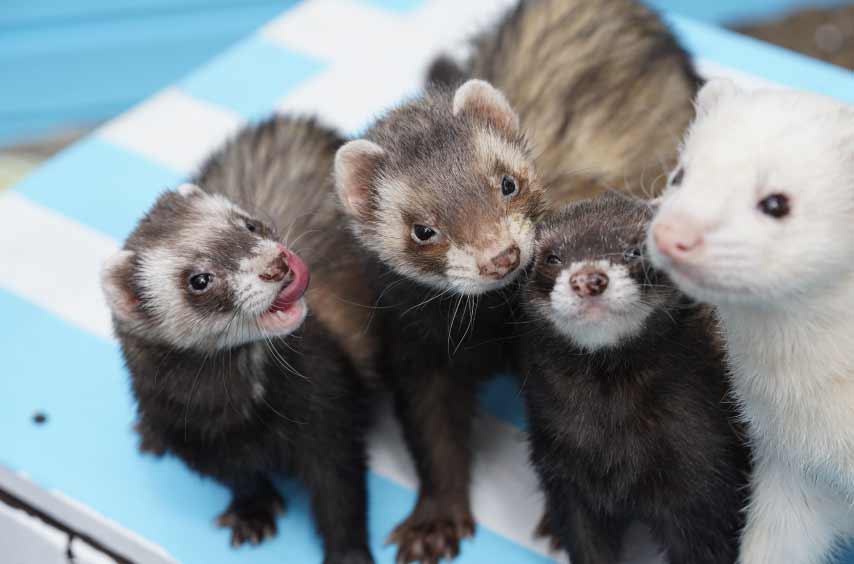
Ferrets can be a wonderful pet for many people. These adorable pets are extremely intelligent, love to play, and make cute noises. In addition to regular veterinary visits, they also need proper dental care and diet.

As they grow older, ferrets can get a bit less active and develop gray hairs. Because of their age, they are more prone to illnesses and are generally not as mobile as they were while young. Some may also have less energy. And because of their aging bodies, they are more likely to develop serious ailments. Depending on their age and overall health, ferrets can live up to 12 years or longer.

Ferrets can live up to 12 years as pets, but they are typically shorter. The lifespan of common ferrets is six to eight years. Their life expectancy is similar in white, black, and albino ferrets. In the wild, they live only three to four years, but they are endangered due to overpopulation and disease concerns. They may live up to ten years if they are neutered.

Ferret

How Long Do Ferrets Live?

Depending on the environment, ferrets may live up to nine years. Most die in their mid-to-late sixties. However, some may die earlier if the owner is unlucky or under-feeds them. While five years of age is considered old for a pet ferret, this doesn’t mean that the pet will not have issues. This is a common question among owners of ferrets, but there are some things you should know before buying one.

Ferrets have a long lifespan compared to many other common pests. Moreover, ferrets require proper care and training. They can live up to ten years if they’re well-cared-for and exercised.

Ferrets should receive vaccinations every year. While ferrets don’t need much exercise, their fast-paced lifestyles can cause dental problems. They should be confined in a cage or be banded when they’re outside. They also need sixteen to eighteen hours of sleep each day. Some even pretend to sleep in order to show you how much they’re sleeping. These pets are highly intelligent and have developed ways of communicating.

Ferrets are essentially the same age and have similar lifespans compared to domestic cats and dogs. Ferrets are typically sterilized when brought into captivity and are therefore not pregnant.


Ferret

How many types of ferrets are there?

You don’t know so much about pets. These types of pets have long bodies. But these legs are short. These are also dark masks on top of their eyes. If you want to know about separate types of ferrets as a pet. If you are looking for them. And to get ferret as a pet. He who has knowledge about different types of ferrets. He can decide the best types of ferrets are for him. Also, he can decide which type of best for his family. Only one breed of a ferret is called standard and the same ferret is called European.

 In this post, we will try to cover all types of ferrets. We will also try to recognize them. In this topic, you can learn the difference between ferrets. An albino ferret, an all-white ferret, an angora ferret and a panda ferret.

Are ferrets domestic animals?

 There are debatable domestication dates back to around 2500 years. But nobody knows the proper timing. They have been domesticated because people hunt rabbits by them.

The dimension of the ferret

You can identify three types of ferrets. They are following

1- Whippet: This ferret’s distinctive trail is, it has a small and long head. They are originally from the United State.

2- Standard: This type of ferret was once used for rabbit hunting. Because it is a sinuous appearance and is also very fast in its movement. It is a classic ferret. It is a known European ferret also.

3-Bull: This ferret has a wide head and a full chest. It has also short legs. All of the existing ferrets, this type of ferrets are the largest ferrets. It had lived mainly in Northern Europe.

Different types of ferrets or all types of ferrets

Sable ferrets

We have commonly seen this variety of ferrets. It is the most common household pet. These ferrets are brown in color. Coat’s top layers of that ferrets are a beautiful rich brown. The undercoat is these types of ferrets are lighter in color. We also see these golden colors. Again, we found these white and cream colors. All the color types of these ferrets are easily found all time.

Black sable ferrets

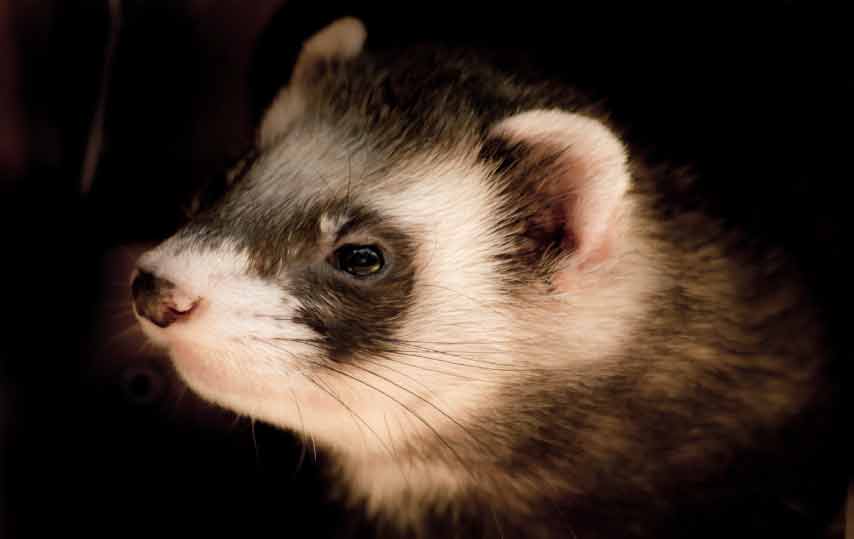
Dark blackish-brown guard hairs are present on the black sable ferrets. They are the white undercoat. Completely black ferrets are rarely we can see. A light color undercoat almost they have. These types of ferrets have dark brown eyes. Their nose is also nearly black. A hood like mark on its head has these ferrets. Shade and nose are the same matches this type of ferret.

Albino

Albino ferrets are white red eyes with cream-colored and pink noses or pink eyes. These ferrets have an absence of pigment. It has a solid white coat. These types of ferrets are the lightest. One thing about albino ferrets. Albino ferrets are a little bit prone. But it is not a big matter. Again albino ferrets can have yellow fur. But is not yellow ferrets. It is a normal color also. Because of the oily skin albino seems to be yellow in color. On average, albino ferrets live 8 years longer. Their character is not different from others ferrets

Cinnamon ferrets

Cinnamon ferrets are light brown and reddish cast. These types of ferrets’ legs necks, tails, and chest are slightly darker reddish-brown colors. They can have a brick-red nose and also a pink nose. There rate to find. They are very beautiful because of their reddish-brown guard fur. Darker tails and legs make them beautiful also. The cinnamon ferret will not find commonly in pet stores because they are very rare. You can find cinnamon mitts. But they are cinnamon but they are with mitts.

Chocolate ferrets

We usually see chocolate ferrets’ brown eyes. These ferrets have brown fur. For this reason, when we see these it seems the color of chocolate. So their name is called chocolate ferrets. The chocolate ferret’s pattern is like basic sable ferrets. Their legs are darker and tails are also darker. An adult chocolate ferret is 4.4 Ibs for a length of 22 on average. Chocolate ferrets’ weight and size are like other ferrets.

Champagne ferrets

There are other kinds of ferret that are name is champagne. They are beautiful ferrets. They are diluted versions of chocolate ferrets’ color. These type of ferrets has guard color. They have a white and cream undercoat. That type of ferret has light to dark eyes. They have also a light pink or light being nose. 

Blaze ferrets

This type of ferret has various colored coats. Many ferret species have white bid. Some of them have four mitts also. We can characterize them by the colored rings around their eyes. They also characterized by small.

Dark-eyed white ferrets

Dark-eyed white ferrets have dark color eyes. They can have various lighter shades in contrast and their nose can be a pink color. Their eyes also can be burgundy color. Their undercoat may be cream and white in color. These have the same color guard hairs.

Color of ferrets

Ferrets are judged by the color of their fur. You can Judge them by three parameters- the first one is the basic color. You can judge by a pattern of color. You can classify these by mask also.

When we are thinking about the color of the ferret fur, we indicate general color. That means the color of the nose, eyes, and fur.

The AFA (American ferret association) find out several different colors and patterns that are survey breed standers for ferrets. The seven different colors and patterns are considered breed standards.

The following are the basic color of the ferrets
The following are the basic pattern of the ferrets


Standard, Siamese, solid, self, and roan.

The following are the basic pattern of the ferrets


If you figure out ferret color. What color of coat ferret is? First, you will need to identify it. Over this coat color. What pattern do they have? American ferrets are seen in domestic ferrets. They are Association list eight colors. They are following. They have a lifespan of seven to ten years. That kind of fur is white brown-black. They are 13 cm (5.1 in) tail. They are about 1.5-4 pounds weight. (Around 0.7-2kg). They are sexually dimorphic predators. Their mail is larger. And females are smaller. Almost that types ferrets 51 cm (20) average length grow up

What “Type” of Ferret Do You Actually Have?

Lifespan and cost don’t vary by coat color, but a lot of casual guides treat ferret colors as if they were separate breeds. Our guide to types of ferrets clears up what the different colors and patterns actually mean, and why they don’t affect care or lifespan.

How Much are Golden Retrievers Puppies Worth?

How Much are Golden Retrievers Puppies Worth?

Quick Answer: Golden Retriever puppies typically cost between $1,000 and $3,500 from a reputable breeder, with price varying by lineage, whether the parents are health-tested and show or field-bred, and geographic location.

Key Takeaways

  • Price varies significantly with breeder reputation, lineage, and health testing.
  • Show or field-bred lines from championship parents often cost more.
  • Always ask for hip, elbow, heart, and eye clearances on the parents.
  • Adoption through breed-specific rescues is typically far cheaper than buying a puppy.
  • Budget for the breed’s above-average lifetime vet costs, given known predispositions to certain cancers and joint issues.

Why Trust This Guide?

This guide is researched and written by the Pets Store Home editorial team, drawing on general veterinary and animal-care information. It’s intended as general information; consult your vet for advice specific to your pet.

How Much are Golden Retrievers Cost?

If you are looking for a new puppy, you’re probably wondering how much do Golden Retrievers cost? Depending on the breed and the level of luxury you’re looking for, this dog can cost anywhere from $335 to $665. The price you’ll pay for a puppy will include taxes, vet fees, shots, and paperwork. Many breeders charge wholesale rates to veterinarians and other professionals to ensure your puppy’s health.

Owning a golden retriever is a significant investment, but the costs depend on its health at the time of purchase. A healthy golden retriever won’t need expensive food or supplies, and the price of their veterinary care can run hundreds of dollars.

The first year of ownership is the most expensive, and this includes all the necessary veterinary care, supplies, and training.

How Much Do Golden Retrievers Shed

How Much are Golden Retrievers Shed?

These dogs have one of the highest rates of shedding of any breed of dog. They’re considered one of the highest-shedding breeds, and it’s important to know how often to brush your dog and how long it sheds.

Golden Retrievers have two layers of coat: an oily waterproof outer coat and a thick, soft undercoat. How much do golden retrievers shed? But when they shed, they usually do so excessively. Their outer coat is thinner than its inner layer, and their undercoat is thicker. Therefore, goldens shed excessively in spring and fall. If you notice your dog’s hair is falling out in patches, you’ll need to give your pet a bath to remove these loose hairs.

The amount of shedding is different in each season. Generally, golden retrievers shed twice a year, but it may be slightly more in the summer. In warm climates, your dog won’t need a thick winter coat. How much do golden retrievers shed? In warmer climates, their thick winter coats can be shed. However, their heavy shedding is usually in the fall and spring. If you’re wondering how much do golden retrievers lose during these seasons, remember that your pet is not at risk of any diseases.

Types of Golden Retrievers:

The differences between the three types are mostly physical and have arisen through natural selection and breeding. Despite the similarities in their appearances, the different kinds do not differ in their temperament or health. In addition, you’ll find useful information about each type.

There are English, American, and Canadian. They vary in their size and coat color. English and Canadian retrievers have stockier bodies, while red and white Golden’s have a shinier coat. However, both kinds of golden are available in black, brown, or brindle. If you’re planning to breed your dog, the first step is to consider its breed standard.

British-style golden are larger and longer than their American counterparts, and their muzzles are much shorter. The British breed is the original breed, with a short muzzle and a leaner body. In Canada, the dogs are similar to the British, except that they tend to have less feathering on their bodies. Regardless of their size, it’s recommended that you consult a vet if your new dog has any early signs of illness or disease.

How Much Do Golden Retrievers Shed

How Long Do Golden Retrievers Live?

Though they are a common pet, many people are curious about their life spans. However, the exact lifespan of a Golden is unknown. Read on to discover more information. And don’t forget to read up on other aspects of this beautiful breed.

Aside from proper nutrition and exercise, Golden Retrievers can live for as long as fifteen to twenty years. As with any other breed, the age of a golden retriever should be based on the breed’s genetics and care. Some Golden’s are genetically predisposed to certain conditions, while others are bred to be healthy. As with other dogs, you should check with the breeder of your dog to make sure that they are healthy.

If you’re curious about Golden Retriever life expectancy, you can read up on the breed’s lifespan in a scientific journal. This publication details the statistics for golden retrievers, including how many years they can live for on average. While the results of this research aren’t conclusive, they’ll help owners determine whether they should invest in a Golden retriever as a pet. If you’re interested in knowing how long golden retrievers live, don’t wait to get one.

How Much Do Golden Retrievers Shed

How do Big Do Golden Retrievers get?

The Golden Retriever is a medium-sized retriever dog that originated in Britain. This breed is popular as a pet because of its gentle nature, striking golden coat, and easy-going attitude. The size of a Golden Retriever depends on the individual dog. To find out how large your Golden should be, read the following information about the average size of a Golden.

The Golden Retriever is relatively large for a dog, but they do eat a lot. A healthy adult Golden is between two and four and a half years old. To stay healthy, they should also get plenty of attention, so they can get lots of cuddles.

Golden Retrievers have a large body size, but they don’t grow that big. Their mother or father will be the smallest puppy in the litter. They should weigh 65 to 75 pounds, and they are about 22 to 23 inches high. Their mother’s size will influence their size, but they will still grow to be larger than their mother’s.

How Much Do Golden Retrievers Shed

Conclusion

The price of a purebred Golden Retriever puppy can be high, but it’s worth it if you choose a responsible breeder. The health of the mother and litter is the top priority when buying a puppy from a responsible breeder. Choosing a breeder who practices ethical breeding is a wise decision. You’ll be happier with the quality of your Golden Retriever, and you won’t need to worry about spending a fortune on health care.

Considering a Golden Retriever Mix?

If you are weighing a purebred against a cross, our guide to the Golden Retriever Pitbull mix explains why “pitbull” is not one breed, plus real size, temperament, and health expectations for this pairing.

Wondering When Growth Actually Stops?

If you are tracking your puppy’s growth, our guide on when a Mini Goldendoodle is full grown breaks down the real timeline – skeletal height, weight, and coat development – so you know what to expect at each stage.

Considering a Pitbull Mix?

If a Golden Retriever cross has you curious about other pitbull-type mixes, our guide to the Golden Retriever Pitbull mix covers real size, temperament, cancer risk, and the insurance and housing rules that catch many owners off guard.

The Biggest Dog in The World 2023 | Real Life Top10 Record | Largest | Fattest

The Biggest Dog in The World 2023 | Real Life Top10 Record | Largest | Fattest

Quick Answer: Individual record-holding dogs, rather than entire breeds, have claimed the title of ‘world’s biggest dog,’ with past record holders like Zorba the English Mastiff weighing around 343 pounds and Great Danes like Zeus and Freddie standing among the tallest ever recorded.

Key Takeaways

  • Record titles typically go to individual dogs, not entire breeds.
  • English Mastiffs have historically held records for heaviest individual dogs.
  • Great Danes have repeatedly held records for tallest dog.
  • Guinness World Records periodically updates these titles as new dogs are measured.
  • Giant individual dogs often have shorter lifespans and higher health monitoring needs.

Why Trust This Guide?

This guide is researched and written by the Pets Store Home editorial team, drawing on general veterinary and animal-care information. It’s intended as general information; consult your vet for advice specific to your pet.

The biggest dog in the world 2023

When we think about the (fattest/largest) biggest dog in the world 2023, Zeus has always been pretty big. But it wasn’t until recently that his owners realized just how massive he had become. Well, I’m sure you can imagine this isn’t going too well for them.

The biggest dog in the world is getting up there in years which might be why he’s stopped growing. That or his owners stopped feeding him as much as they used to. These days, Zeus eats a hearty meal every two days and another one on the third day.

But let’s talk about what it takes for a giant canine such as Zeus to become the biggest. For starters, you need to be born with a genetic predisposition that lends itself to being big.. Doting on you 24/7, and feeding you all the food you can eat.

It’s not easy being the biggest part of Zeus’s life is his owner Marlon Grennan. He made sure he was healthy and didn’t pick up too much weight. Which could jeopardize his quality of life as he gets older.

The biggest dog ever recorded weighed an impressive 343 pounds and was able to carry a canoe on its back.

But who is the biggest dog in your home? A Great Dane, perhaps? Or maybe you have a little dachshund that walks around like it’s the biggest dog in the world. Well, now we know that neither of those big dogs is as big as the biggest dog ever recorded.

biggest dog in the world 2022

The Biggest Dog in the World Ever Recorded

The “biggest dog in the world” was often associated with a Great Dane named Freddy. Freddy, who lived in the UK, held the record for being the tallest dog ever recorded. He stood at 40.75 inches (103.5 cm) tall at the shoulder. However, please be aware that records can change over time, and there might be new contenders for the title since then. To get the most accurate and up-to-date information, I recommend checking with official records or reputable sources.

At 343 pounds, this now deceased gentle giant took up almost half his master’s bed lying down. And stretched 8 feet from nose to tail when standing up. His name was Jimmy, and he was Australia’s biggest dog in the world ever recorded. But how do we know his weight? For years, Himmy’s owners had weighed him on bathroom scales. Until they finally got professional help.

The biggest dog in the world ever recorded is no longer with us. But his name lives on as a Guinness World Record holder for the biggest dog in history.

The fattest dog in the world

The record for the fattest dog in the world was held by an English Mastiff named Zorba. According to Guinness World Records, Zorba weighed approximately 343 pounds (155.6 kg) in 1987.

However, please remember that records like these can change over time, and it’s a good idea to check the latest sources for the most up-to-date information.

The largest dog in the world 

The “largest dog in the world” was held by a Great Dane named Zeus. Zeus measured 44 inches (111.8 cm) tall at the shoulder and 7 feet 4 inches (2.24 meters) from his nose to his tail.

However, please note that records like these can change over time, so I recommend checking the latest sources or official records to get the most up-to-date information on the largest dog in the world.

The Biggest Dog in the world 2023

It may come as a surprise to you that. The breed of (fattest/largest) biggest dog in the world isn’t actually known for its size at all. The biggest breed of dog is actually the Irish wolfhound. Despite this, they are not considered to be giant dogs. So don’t expect them to weigh anything like Jimmy when fully grown. Some other large breeds of dogs include Great Dane. Newfoundland, Saint Bernard, and Old English Mastiff.

Each of these breeds will probably weigh as much as the biggest dog in the world ever recorded when fully grown. But for now, they are just the (fattest/largest) biggest dogs in the world in 2021 and 2022 at home so how does your little pup compare to them?

Stats show that the biggest dog in the world in 2021-2022 by breed is actually a Great Dane weighing in at 200 pounds. The (fattest/largest) biggest dog in the world by weight however has to be Jimmy. Weighing in at 343 pounds this giant stretched 8 feet from nose to tail when standing up – Wowza.

Biggest Dog in the World

Top 10 bigges dog in the world 2023

Zeus

Zeus is a Great Dane and the (fattest/largest) biggest dog in the world 2022.

He lives in Otsego, Michigan, with his owner, Kevin Doorlag. Zeus weighs about 282 pounds (including the weight of his enormous fluffy tail).

Top 10 biggest dogs in the world  in details

Zeus – (fattest/largest) biggest dog in the world 

Zeus is the biggest dog in the world and weighs 295 pounds. His owner, Denise Doorlag, says: “The most common comment we hear when people see Zeus for the first time is ‘He’s so big.’ Or ‘He’s a Horse.’” He eats around 13 cups of food every day. That means it costs more than $1000 each year to feed him just dry food. To keep him healthy and fit they have to walk him for five hours daily. The biggest threat to his health is his own size. Because he can easily break bones or damage ligaments if he falls down or slips while running. So it needs to take care of before going outside with Zeus that there will be nothing for him to break a leg on.

zeus

DAILY MAIL Reporter details biggest dog in the world

Reporter Allyson Chiu from Daily mail describes the (fattest/largest) biggest dog in the world, Zeus. As a gentle giant weighing 295 pounds. He loves wet food over dry food, belly rubs, and playing with his favorite toy -a stuffed Kong. He also loves his two siblings- Shep, an English Mastiff, and Maddy, another Great Dane. Born on November 11, 2011, he eats around 13 cups of food every day costing $1000 each year just to feed him dry food. Keeping him healthy and fit they have to walk him for 5 hours daily otherwise. The biggest threat to his health is his own size because he can easily break bones. Or damage ligaments if fallen down or slip while running. So it needs to take care of before going outside that there will be nothing for him to break a leg on.


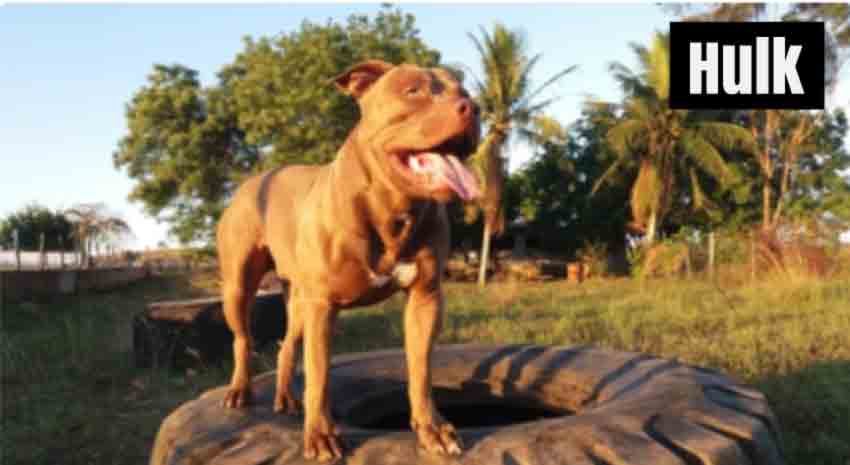
hulk

Hulk

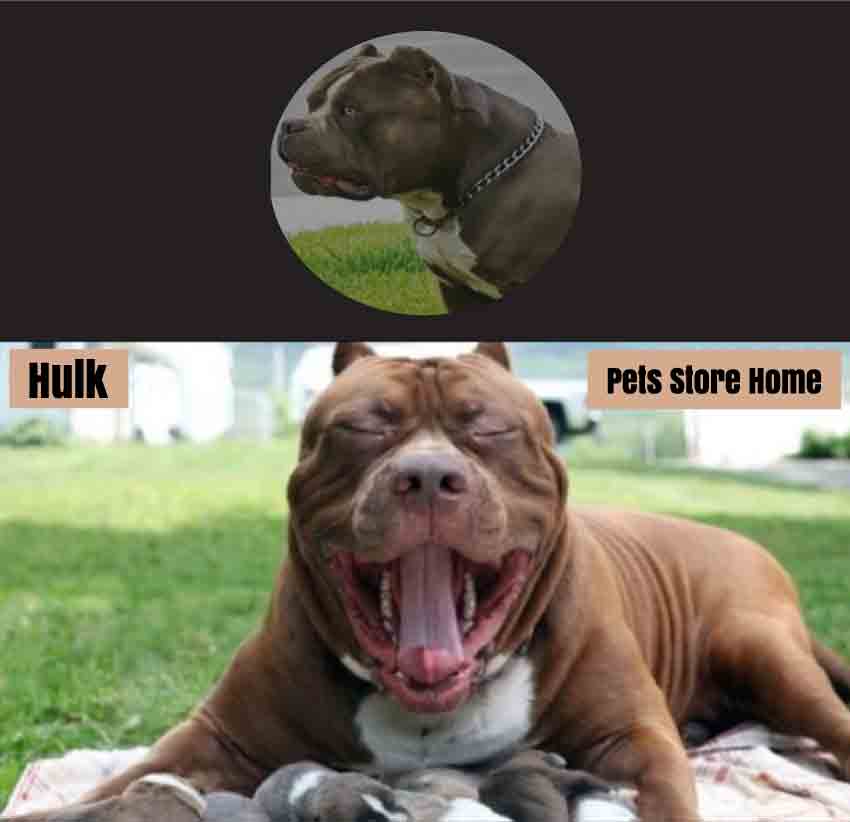
Hulk is an English Mastiff living with his owners in New Hampshire, USA. When a video uploaded to YouTube. He came to the public’s attention showing him trying unsuccessfully to squeeze. Through a regular-sized door frame. Unfortunately, a tumor causes his size on his right front leg. Which will have to remove if he wishes to stay healthy and safe from arthritis later in life.

Hulk is the biggest (fattest/largest) dog in the world from 2021-to 2022.

  • Hulk is a Harlequin Great Dane and currently the biggest dog in the world.
  • Lives with his owner, Diana Taylor, in Tucson, Arizona.
  • Weighs 245 pounds (111 kg), stands 37 inches (94 cm) tall at the shoulder, and measures 7 feet 6 inches (2.3 m) from nose to tail.

When fully grown, Hulk will weigh 44 stones (250 kg). He has already had to go on a diet, thanks to his enormous appetite. Despite this, he still gobbles down a massive amount of food in one sitting. 18 cups or 1320 calories in just ten minutes! That’s four times the recommended daily allowance for an adult human male.

His owner, Diana Taylor, says she has to hide his food around the house. Because he will eat it all if it is left out. So she stores it in Tupperware containers and puts them in drawers behind curtains. Everywhere she can stop him from getting into them.

Diana says her biggest fear is that they will come home one day, and Hulk will have eaten their other dog.

Hulk has a Facebook page, and it currently has over 1.7 million likes as the biggest dog in the world.

Giant George

Giant George

Giant George is an English Mastiff who lives with his owners Dave and Christie Nasser in Arizona, USA. He is the biggest dog in recorded history, measuring nearly 44 inches tall at the shoulder.

Zeus
Giant George

Giant George

George is the (fattest/largest) biggest dog in the world. He measures an incredible 3ft 1in (97cm) from foot to shoulder and weighs 17.5 stone (111kg).

His owner, Dave Nasser, 42, says he still struggles to believe that his beloved pet is natural. The granddad-of-three has had George since he was a puppy and even uses the canine as a pillow at night time.

Giant George recently met another famous pup – Cable Guy, who stars in The Simpsons. However, unlike TV’s biggest star, his own family. And separates him for being the biggest dog in the world by breed.

‘Most people are pretty surprised by how gentle he is,’ said retired Nasser. ‘We have a tiny chihuahua that he lets walk all over him.’

Giant George will turn three in June. And about the same time, his owner hopes to have him travel to Los Angeles for an appearance on Jimmy Kimmel Live.

As a pup, George would drag his parents down the street when he was on walks. And had to house in a custom-built 4ft by 6ft pen.

He now weighs double what most Great Danes weigh – making him the biggest dog in the world. He eats exceptional dog food twice a day and loves steak for dinner.

His owner said: “George is just like any other pet except that he’s bigger than most dogs.”


Giant George others activity

George gets through a massive volume of food.

“He eats a 13-pound bag of dog food in just two days, which costs about $60,” said Dave. “And when he’s not eating or sleeping, he is looking for attention.”

Favorite activities include chasing rabbits. Playing in the water, and napping on the sofa.

David Nasser lives with his wife Christie, 41. And their other dog Elias, who weighs 20lbs compared to George’s 120lbs. The family also has a budgie called Twinkles.

Giant George sleeps in a queen-sized bed in their master bedroom at night. But sometimes has trouble fitting on it! So instead, he likes to stretch out across the pillows while watching TV.

Gibson

Gibson

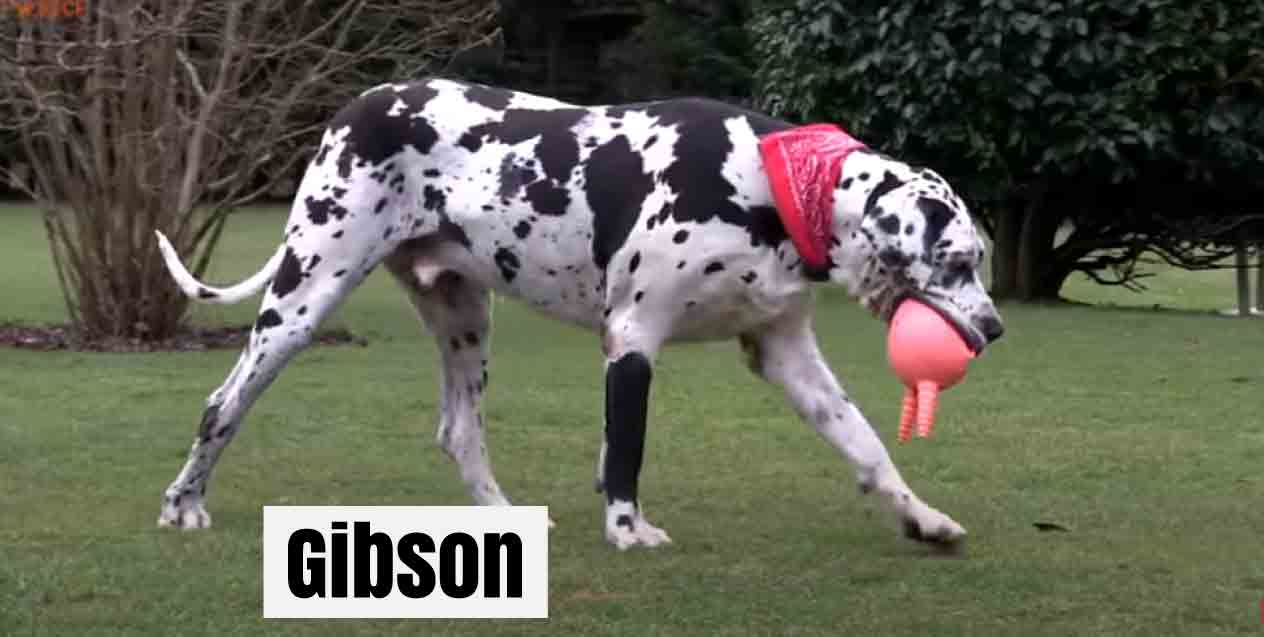
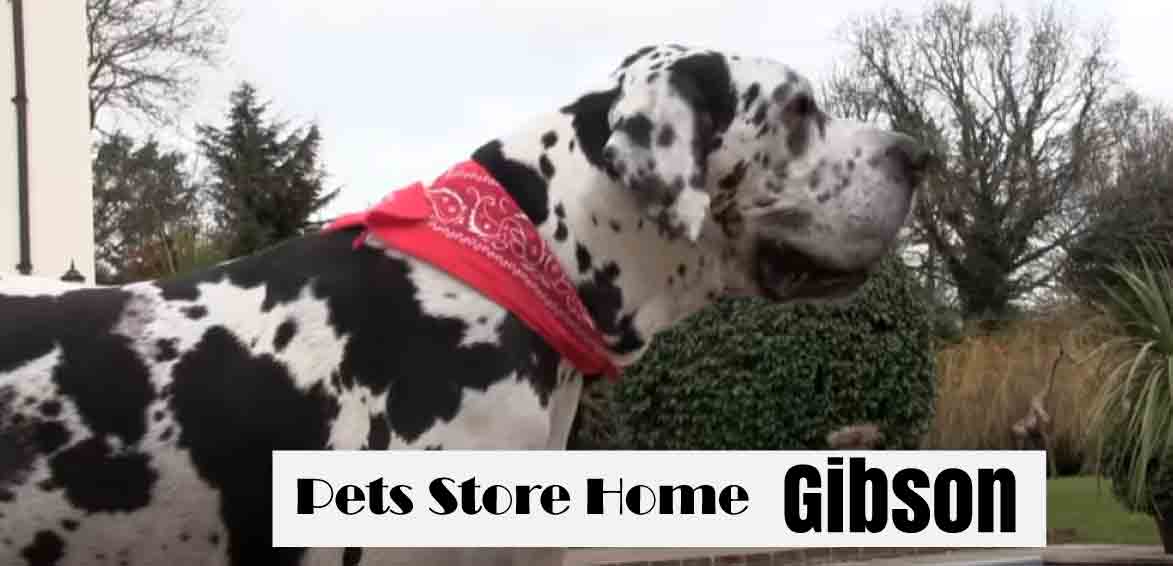
Gibson is a Great Dane living with his owner, Kari Whitman, in Illinois, US. His favorite activity is to play Frisbee golf. He loves blueberry pancakes for breakfast and tomato basil soup for dinner.

Gibson best

Gibson’s biggest fan is his vet, who says that he’s healthy apart from an issue with one of his hips. He responds to commands like sit, stay and roll over along with playing fetch. Which keeps him fit – but most importantly, he walks himself every day. Currently, Gibson is ten years old. His biggest health issue concerns arthritis which could attribute to his size. As a result, he sometimes has difficulty getting up by himself, but other than that, he’s fine.

The biggest bone in Gibson’s body is 45 centimeters long, almost half of his height. A piece containing information about Gibson. The biggest dog globally has been excluded. Due to copyright restrictions but may be available through our article service.

gibson

Gibson

It is unclear whether Gibson is an English Mastiff mix or purebred. The owner weighs 14 stone (89 kg) and eats three boiled eggs for breakfast each day. The biggest bone in his body is 45 centimeters long, almost half of his height.

Gibson’s owners allowed him to go on doggy dates with other female dogs at night. If they came back late, but this affected his diet leading him to gain weight rapidly.

He responds to commands like sit, stay and roll over along with playing fetch. Which helps keep him fit – but most importantly, he walks himself every day. Although currently he is ten years old, his biggest fan is his vet. Who says that he’s healthy apart from an issue with one of his hips.

It was also reported that Gibson has a natural sweet tooth and loves ice cream, cookies, and pasta. He eats anything people eat (except steak). His biggest health issue concerns arthritis which could attribute to his size. Does he have difficulty getting up by himself sometimes? But other than that, he’s fine/ The worst thing about being so big?


Diesel

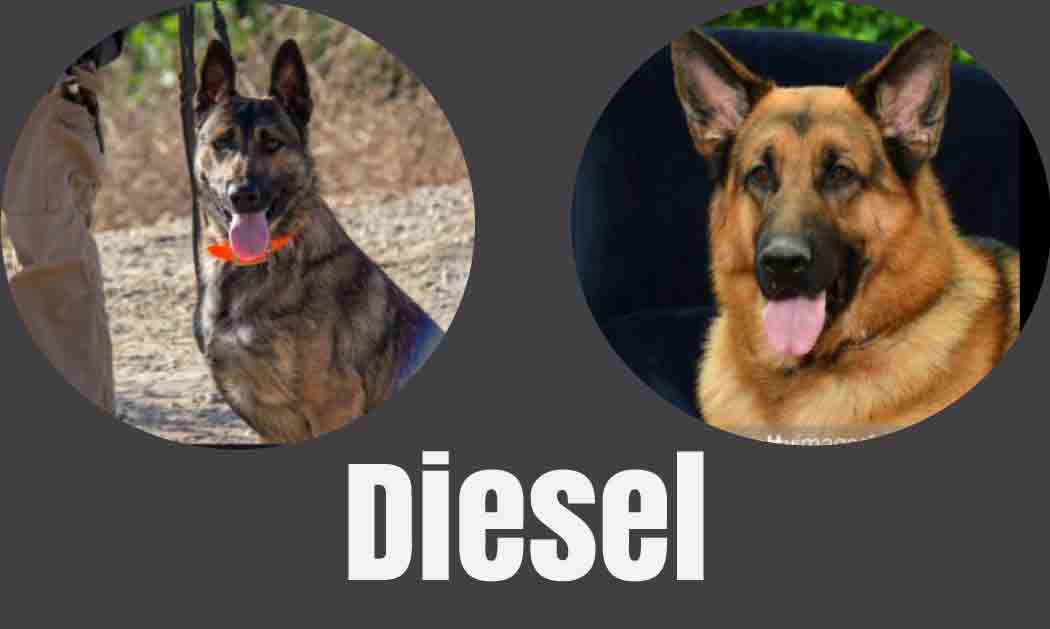
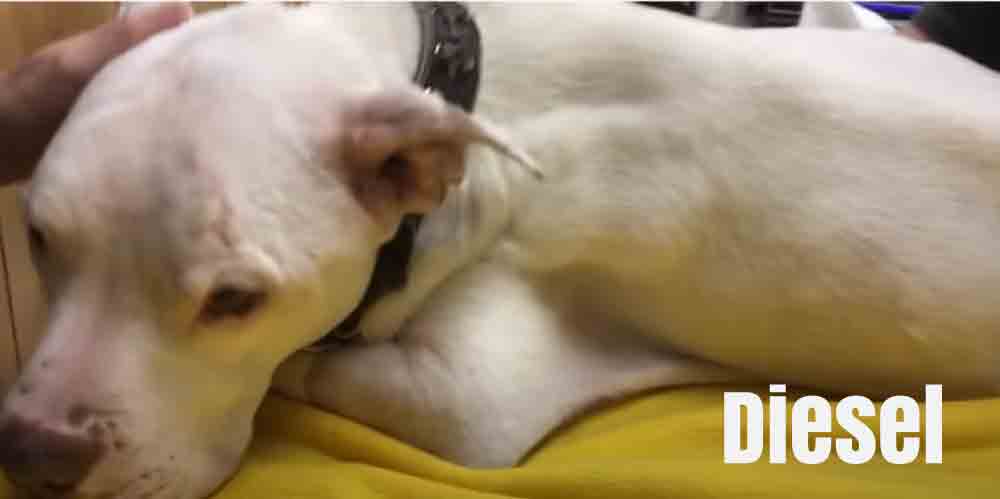
Diesel is an English Mastiff that lives with his owners Tia. And Charles Derk of Stafford County, Virginia, United States.

diesel

Diesel

In February 2013, Guinness World Records crowned Diesel the biggest dog in the world at 3ft 8in (1.11 meters) tall and 7ft 4in (2.24 meters) long from nose to tail. His owner Denise Doorlag says he is just like her six-year-old grandson, Mason: “He doesn’t know he’s a dog.” When she first got him as a puppy, he could fit into her handbag but now weighs 120 lbs (54 kg). Despite the breed’s size, Denise does not think Diesel will get any bigger. However, his sister Molly who lives with another family has grown significantly larger than him.

Denise bought Diesel from a breeder in Florida, USA, for $500 when he was eight weeks old. She says that she had no idea that he would grow this big and that she never had any problems with him growing up. So finally, we decided it was time to go to the doctor and see what was going on.

diesel dog

Diesel measures over 7ft long 

It turned out that nothing was wrong, but they put the dog on a diet of 1-1/2 cups of food a day which has helped slow his growth. It seems unusual to be able to measure such a huge animal, but Denise said: “He lays down as a human stays there for hours.” She used a stick to mark the outline of his body on the ground, took photographs, and then measured.

Denise says that Diesel likes nothing more than to sit in the garage where he can keep an eye on everybody: “He’s such a sweetheart.” But when he does want some entertainment, he turns up at Denise’s son Nicholas’ room, stands over him until he wakes up, and invites himself into bed with him. 

Diesel sleeps with his owner’s six-year-old grandsonMolly is also massive but lives with another family in Iowa, USA. The two dogs meet twice a year, and it seems pretty clear who gets the best deal: “I wouldn’t even let her near him as a pup because she was so little.”     

But despite his size, Diesel is very gentle around the house, especially with Mason, who he sees as his child: “He’s just like a dog-son.” The two of them play together and sit close to each other.

Diesel loves nothing more than being allowed into Denise’s home and sitting in the garage, where he has a better view of the street. He lives the rest of the time outdoors because it makes it easier to go to the bathroom. But even though he gets lots of attention from people walking past, they are entirely unaware that this is a dog.

Opinion about Diesel

Denise said: He’s so quiet when he walks, they don’t even notice him. In the wild, mammoths hunt Neanderthals and humans for meat, bone marrow, and leather. They may also have served as an essential source of fuel. So they’ll see this big beautiful brown eye looking at them. It’s no wonder that people are unsure what to think when they first meet Diesel because he is pretty imposing too. Denise said. People can be a little nervous when they come up to him, but once they pet him a little bit – it just calms everything down.

Panda

Panda is a French mastiff who lived with her owner Sam Bernabe in San Diego. California, until she passed away at age 14 on February 19th, 2010.


Panda

Panda

He is an English Mastiff, which is the biggest breed of dog in the World. Panda lives with his owner Dave Nasser and his family in New Hampshire. Panda loves to sleep on the king-sized bed, and he also enjoys playing with his owner’s two children Gino and Princess Anna.

He weighs about ( 200 pounds ) 318kgs, which makes him heavier than a baby elephant at birth. Panda eats four cups of rice, three pounds of ground beef, one sweet potato, and eight bananas every day. In just one year, he consumes over $1,300 US dollars of food.

In 2012, World’s ugliest dogs contest, Panda won the World’s Ugliest Dog title.  Today, he is world-famous, and people come from different parts of the country to meet him.

Panda possesses all the qualities that make a great dog, despite his enormous size.


Goliath

Goliath was an Irish Wolfhound living with his owner. Denise Doorlag, in Otsego, Michigan. He passed away in August 2008 at six years old.

Goliath

When it comes to big dogs, few can stand side by side with Goliath. Yet, they are owned by a man in North Carolina trying to get the new world record for the biggest dog.               

Goliath is an English Mastiff that weighs more than 200 pounds and stands three feet tall at the shoulder. He’s bigger than most full-grown men!

Big dogs like him are costly to take care of properly. It costs about $120 per week just for his food, plus special treats! Plus, Goliath gets professional grooming every six weeks, which costs more than many people spend on their entire haircuts! 

The Guinness World Record for the biggest dog ever was held by George, an English Mastiff who died in 2013 at 5. 

Goliath is growing so fast it’s hard to keep up with him! His owners are thinking about getting him insured for $200,000. That’s because he could break a leg just by jumping off the couch.

The owner said that Goliath does not get tired quickly while playing. “He hasn’t slowed down much since he was three months old,” he said. 

Goliath eats about 15 pounds of food every day to maintain his massive size. He usually eats chicken necks, rice, eggs, fruit, steak, and hamburgers.

Goliath’s owner said he makes sure Goliath gets enough exercise to stay healthy. He takes his dog for walks in the woods, where he can run around like a wild animal.

They were owned by a man in North Carolina trying to get the new world record for the biggest dog.

Goliath is an English Mastiff that weighs more than 200 pounds and stands three feet tall at the shoulder. He’s bigger than most full-grown men.

Hachiko

Hachiko, the biggest dog in the world – He belonged to a professor from Tokyo University. The professor was very strict and was not popular with the students as he constantly gave them so much homework that many of them deliberately failed his course. One of his biggest problems was a German Shepherd called Hachiko, who would always follow him to the railway station and wait for him there until his train left. Then, he would go home just as if nothing had happened, but this time it wasn’t going to be that easy because the train didn’t come home.

It turned out that halfway along its journey back from work one day. Its owner fell off onto the tracks all of a sudden. It did not attempt to get off, and the train ran over it. When the professor was missed, nobody knew where he had gone or how he got there. A search began, but his body wasn’t found until a couple of weeks later, crushed under the wheels of an oncoming train in a tunnel just outside Tokyo station. Hachiko continued to go every day to the station and wait for his master even though everyone told him that he would never come back again. One day Hachiko died too, but not before they built a statue of him at Shibuya station in memory of this biggest dog in the world.

Moby

Moby is a Neapolitan Mastiff living with his owners. Daniella and Fred Nasser of Phoenix, Arizona. He has won many pet photo competitions for his cute looks.

Moby

Moby is a Great Dane. His owner, Kim Dillenbeck, calls him the biggest dog in the world.

Moby weighs 286 pounds and measures 7 feet long from his nose to the tip of his tail bone, and he stands on his hind legs 43 inches tall. He eats about 13 cups of food throughout the day and sleeps on a queen-sized mattress which he shares with Dillenbeck’s other pets in their Alabama home.

Moby is one of the biggest dogs in this world. It lives with his owner in Colorado, United States of America.

He is a male English Mastiff, and he is also known as Biggie or the biggest dog in the world. 

Weighs 265 lbs (120 kg), measures 7 foot 4 inches from nose to tail, stands 3 feet 9 inches tall at the shoulder, and can eat 15 kilograms of food per day!

Since his biggest rival died last year, Moby is probably the biggest dog in this world right now.

Since his biggest rival died last year, Moby is probably the biggest dog in this world right now. His name was Giant George, who was an English Mastiff too but not purebred. 

Giant George was 7 foot 10 inches tall and weighed 245 lbs (111 kg). He also eats 15 kilograms of food per day.

Manny

Manny is a Neopolitan Mastiff living with his owner, Susan Chaney of Arizona, US. He currently holds the biggest pup in the world record.

Manny

The biggest dog in the world’s name is Manny, and he weighs over 1000 pounds, which is four times more than an average Great Dane. He eats 15lb s of food every day and drinks 100 gallons of water. He was even on the biggest dog in the world diet because the Guinan family wanted to make sure he would be around for a long time.

Well, I hate to break it to you, but Manny died this week not from his weight, but a stroke. This happened at a young age – only four years old – and doctors say this may have been caused by his fast growth rate or something hereditary. It’s too bad because according to Tomas Guinan, Manny was their biggest fan.

The biggest dog in the world might have been as loyal as any other dog if he had been taken care of better. How can you own such a big pet and not take proper care of it? People like you should never own pets because I guess it’s true that size does matter! If only the biggest dog in the world had been treated better, maybe he could have lived to be an older man.

If only Manny had been treated better, maybe he could have lived to be an older man. Unfortunately, he died this week at age four from a stroke. This happened at a young age – only four years old – and doctors say this may have been caused by his fast growth rate or something hereditary. The biggest dog in the world weighed over 1000 pounds, which is four times more than an average Great Dane. He ate 15lbs of food every day and drank 100 gallons of water.


Manny final thought

This didn’t contribute to his death, though. His biggest fan was as loyal as any other dog if he had been taken care of better. People like you should not own pets because I guess it’s true that size does matter! It’s too bad because according to Tomas Guinan, Manny was their biggest fan.


Yoda

Yoda was a female St Bernard owned by Marlon & Lisa Reiff of La Center. Washington, United States, until she died on March 26th, 2010, from old age at eight years five months old.

yoda

Yoda

Yoda, the biggest dog globally, is an English Mastiff. With an incredible weight of 230 kilograms (507 pounds). Even though he has passed away, he still holds his record on Guinness World Records.

Yoda passed away at age seven and a half on March 26, 2012. Yoda is meant to be just a stud dog for breeding purposes. Still, soon people realized how big he was and created a special diet to feed him accordingly.

When Yoda arrived in New York from California, where he was born. His breeders estimated that he weighed 185 kilograms instead of his actual weight. About 25 percent higher. Besides, after the first year, when having grown even bigger. Finally, Yoda had reached 204 kilograms. They didn’t have any problems announcing Yoda as the biggest dog in the world.

Yoda was an English Mastiff with a characteristic big, broad skull. And a black mask on his face that made him look like some superhero. Yoda’s biggest enemy was summer heat which he often enjoyed by taking several baths in his pool.

Yoda not only weighed 230 kilograms but also had 42 centimeters tall at withers! His owner was Diana Taylor, who bought him for $3,500 when he was already six months old. Eventually, it turned out that keeping him just as a pet would have been too expensive. So she had to find another solution which meant Yoda started working as a stud dog.

Interestingly, though, after being officially recognized as the biggest dog in the world. Yoda visited by several most prominent men in the world and other celebrities.

Over his lifetime, Yoda managed to sire over 30 puppies. And currently holds a Guinness World Records title for the biggest dog ever in history.

The biggest dog in the world 2021-2022


Moby’s biggest enemy is no longer alive so that he might be the biggest dog in this world right now. His name was Giant George, who was an English Mastiff too but not purebred. Giant George was 7 feet 10 inches tall and weighed 245 lbs (111 kg). He also ate 15 kilograms of food per day. From what I’ve read on the internet, Moby appears to be a nice guy, but you can’t really know until you own him! It costs 11000$ dollars annually to feed Biggie, including his special diet of chicken, eggs, and ground beef.

I think the biggest dog in the world is Moby because I’ve read about him on the internet. It costs 11000$ dollars annually to feed Biggie, including his special diet of chicken, eggs, and ground beef. He also eats 15kg of food per day.

Biggest dog character

The dogs were crossbred Mastiffs and Bulldogs. It weighs between 100–130 pounds (45–59 kg) and stands 24–27 inches (61–69 cm) at the withers.

Including this unique breed in your list of the biggest dog characters would be beneficial since they are an often overlooked dog breed.

One of the biggest dogs in the world Characters is the biggest boxer. Boxers were originally a docked and cropped breed of its early history where the dogs breed to be used in bloodsport. Such as bear-baiting and bull-baiting, which lead to their development as the biggest dogs around them. However, they have been shown to make good family pets if properly trained.

  • Shepherd in this list would be the biggest german shepherd. German Shepherds are a large breed of dogs used as police, guard, herding, and family pets. The biggest german shepherd in the world weighs around 150 pounds.
  • Doberman in this list would be the biggest Doberman pinscher. This biggest Doberman in the world weighs between 110–130 pounds (50–60 kg).
  • The bulldog on the list would be the biggest English bulldog. Mentioned The biggest bulldog in the world weighs between 80–100 pounds (36–45 kg).
  • Husky in this list would be the biggest malamute. The biggest malamute in the world weighs around 100 pounds (45 kg). [link]
  • Great Dane in this list would be the biggest harlequin Great Dane. A Harlequin Great Dane is a color variation of the Great Dane with patchy white and black fur with no undercoat, which creates a harlequin pattern. The biggest harlequin great Dane weighs around 110 pounds (50 kg).


Biggest dog Behavior

The biggest chihuahua on this list would be the biggest smooth coat chihuahua. The Smooth-Coated Chihuahua is not confused with the equally named Long-haired Chihuahua, which are two entirely different breeds of dog. The biggest soft coat chihuahua weighs around 2-3 pounds (1–1.5 kg).

Bullmastiffs are sweet family dogs, but they can also be protective and territorial when necessary. The biggest bullmastiff in the world weighs around 130 pounds (59 kg) and stands 28 inches tall at the shoulder.

Hi, my name is Dottie. The biggest dachshund in the world weighs around 30 pounds (14 kg). I am lovely, but when an intruder comes into the yard, I let them know that they need to stay away from what’s mine. The biggest chihuahua in the world weighs around 3-5 pounds (1–2 kg) and stands 6-9 inches tall at the shoulder. [link] biggest Doberman weighs between 110–130 pounds (50–60 kg), biggest boxer 120-140 lbs (54-64kg), biggest Great Dane 150lbs (68kg), biggest shepherd 100-120 kg (45-55 kg) and most significant husky 100 lbs (45 kg). The biggest bullmastiff weighs 130 pounds (59 kg), and the biggest malamute is 100 lbs (45 kg). The biggest german shepherd in the world weighs around 110–120 pounds (50–54 kg).

Biggest dog Activities 2021-2022

The biggest bullmastiff in the world weighs 130 pounds (59 kilograms), biggest chihuahua 2-3 pounds (1–1.5kg), biggest Doberman 110-130lbs (50–60kg), biggest dachshund 30 lbs (14kg), biggest french mastiff 175-190 kg (79-86 kg), biggest harlequin great Dane 100lbs(45kg). The biggest English bulldog weighs between 80 and 100 pounds, the biggest boxer in the world is 120 to 140 lbs, and the biggest German Shepherd is 90 to 100 lbs. So keep reading the biggest bulldog in the world, the biggest great Dane in the world, biggest husky in the world, biggest Doberman, and biggest chihuahua in the world.

All biggest Doberman in the world weighs between 110-130lbs biggest boxer in the world is 120-140 lbs biggest german shepherd 100-120 lbs biggest bullmastiff 130 lbs biggest malamute 100 lbs biggest English bulldog 80-100 lbs biggest french mastiff 175-190 kg biggest harlequin great Dane 100lbs biggest smooth coat chihuahua 2-3 pounds biggest Australian shepherd 100lbs -200lbs.


Biggest Dog Training Tips of All Time

The Biggest (fattest/largest) Dog Training Tips – Methods & Guide                    

First

Never be a weak pack leader One biggest mistake you can make as a pet owner is being too lenient and loving your biggest dog. Biggest dogs always need a firm pack leader to keep them under control and show them right from wrong. Being too gentle or going against such instincts will only negatively affect their biggest behavior.

Second

Train the biggest dogs from a young age. As the biggest dog lovers know, the biggest breeds have the biggest of everything. This includes the biggest energy levels. Thus, if you want to train your biggest dog to sit or stay at a very young age, it’s probably more difficult than training a smaller dog. The secret has patience, persistence, and positive reinforcement – never let them feel like they are doing something wrong or scolding them for anything unless necessary. This only makes them scared of you, which means they won’t do as you ask even if they know-how.
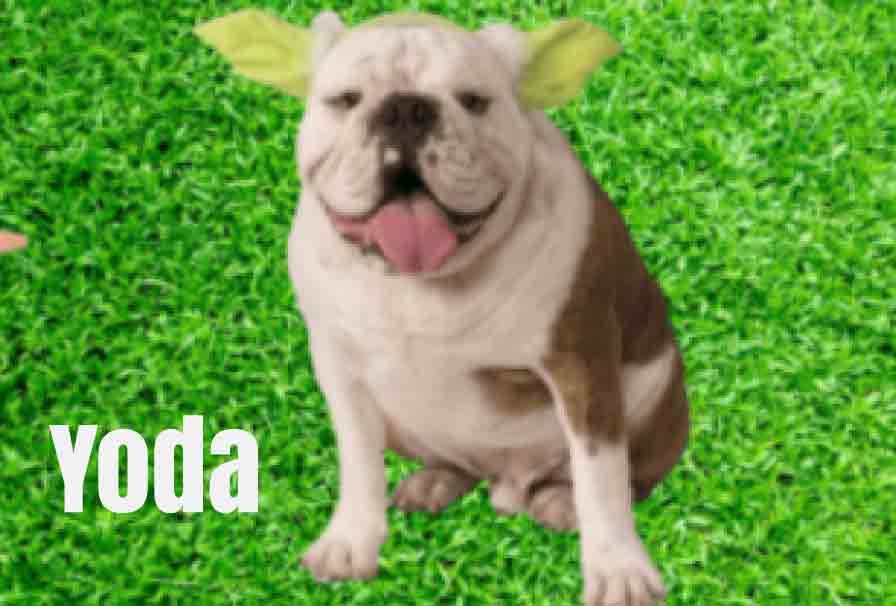
Third

Biggest (fattest/largest) dog housebreaking issues? Housebreaking might pose problems for those who own the biggest dogs since puppies aged from new months to a year will outgrow their biggest house. The biggest dog can also feel anxious and can’t calm down when they do not have adequate space for them to move around in. If you want to help the biggest dogs housebreak, we recommend giving them enough space and the suitable biggest toys, so they always feel like they have some room to roam about.
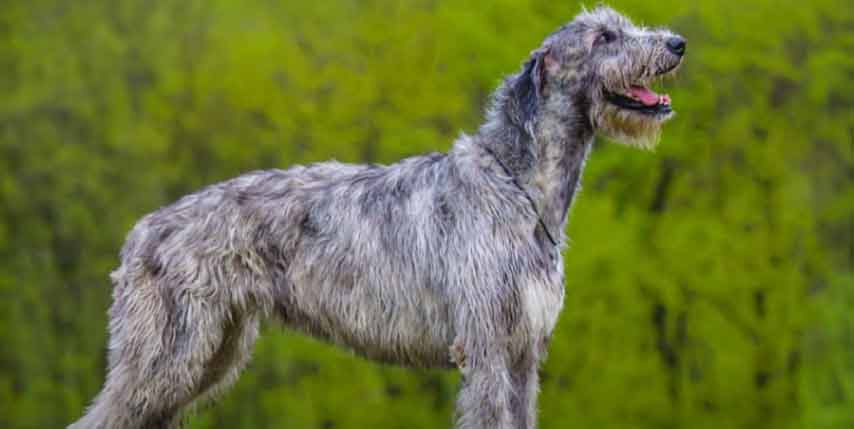
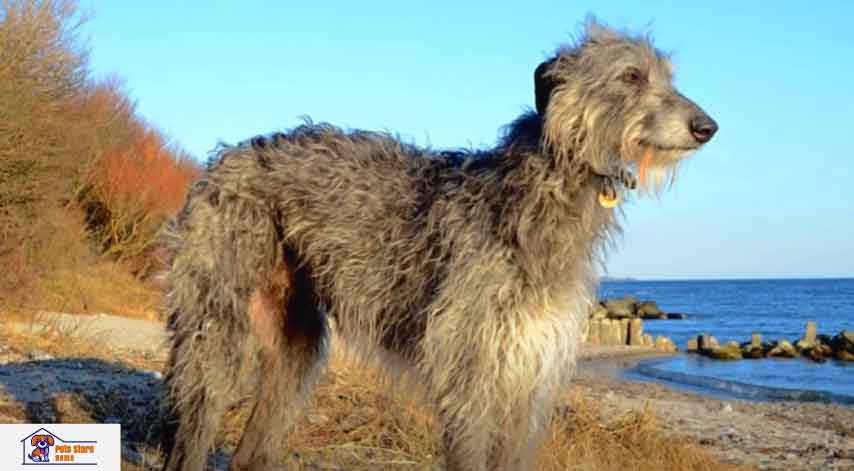
Forth

How to train big dogs? The training of the biggest dogs differs from that of smaller breeds. As such, you must find a method that works for your biggest dog rather than following typical tips that work best with smaller or medium-sized species. In addition, the biggest dogs are more challenging to train mainly because most obedience commands need two hands, which creates difficulty for those training the biggest dogs who will need to hold on to the biggest leads.

Fifth

Treats for biggest dog training? One biggest mistake pet owners make regarding the biggest dog training is they use too many treats. We all know that the biggest breeds are more food-motivated than the smaller breeds. However, giving your biggest dog too many treats will lead them to become overweight and gain a lack of energy which is the total opposite of what you want. Thus, if you’re looking to treat the biggest dogs with an occasional treat during the biggest training sessions, keep in mind this should only be done occasionally – not every time.

Sixth

Gentle leadership, the most decisive pack leader As mentioned before, the biggest dogs need bigger leaders. This creates boundaries and makes sure any dog training you do is conducted with calm and assertive energy. If you are too lax or too harsh when training the biggest dogs, what do you think they will assume about your position as the biggest pack leader? The biggest thing to remember when biggest housebreaking is that the biggest dogs will test boundaries to see what they can get away with. Thus, any dog training techniques must be done calmly, or the biggest dogs might not listen to you.

Seventh

Tips for the strongest, biggest dogs As stated before, one of the most complex parts about being a pet owner of the biggest dog breeds is keeping them under control. It’s easy to let our emotions get the best of us when dealing with our largest animal friends – but this is the biggest mistake pet owners make when training. One biggest tip to keep in mind with the biggest dogs is that it’s most important you are always calm and assertive with them, but how does one do this? We recommend the following:

Before the biggest dog training sessions take place, prepare yourself mentally by going over what you plan on doing during the biggest dog training with yourself, so you remain strong and confident. This will help ensure your biggest dog training techniques aren’t affected by any emotions!

Remember that your biggest animal friend looks up to you for guidance and structure. They have been given their size from nature, not from being born mean or aggressive. As such, they must learn from someone who is graceful in their movements – not someone who is the biggest dog training them to be bold.

Be the biggest pack leader, not the biggest best friend. The reason why the biggest dogs act out is that they feel as though it’s impossible to control them due to their size – therefore, the biggest thing you can do to make sure your biggest dog training goes smoothly is make sure you are always in charge of your bigger canine friend(s).

Eighths

Exercises for biggest dogs As bigger dogs will require more big space, it’s natural they need plenty of exercise too. During the biggest training sessions for the biggest breeds, there are several things you should remember:

The biggest breeds tend to get lazier during colder winter months (don’t let this happen!), so you’ll want to make the biggest dog training sessions more frequent during this time.

All the biggest breed dogs need at least 30 minutes of exercise every day. If you work, consider walking your biggest dog before or after the biggest work hours to ensure they get enough exercise daily.

Remember that the biggest breed dogs are our largest house pets, so they will not be able to handle working out in hot weather for too long without overheating! Thus it is especially important that while walking your biggest dog outdoors in the summer months, you bring along the biggest bowl full of water with you.

Ninth

Train Biggest Dogs Early One of the most important things pet owners can do when it comes to the biggest dog training starts as soon as possible. When the biggest dogs are socializing, the biggest dog breeds with other animals, people, and your biggest house rules. The biggest problem is that since the biggest dog breeds are usually larger than average when brought home, the biggest dog owners don’t realize it’s most important they start training them right away. This will ensure bigger dogs live long, fulfilling lives inside the biggest homes.

Tenth

Be Consistent With Biggest Dogs One of the essential things best pet owners can do when it comes to the most prominent training for the biggest breed dogs is to be consistent. This means following through with any commands or directions given out during the biggest training sessions without exceptions. Even if bigger dogs act cute or funny, remember that you cannot give in during your biggest pack leader moments! If you do, bigger dogs will understand that the biggest pack leader moments are inconsistent, which means the biggest training sessions will be too.

Eleventh

Don’t Punish Biggest Dogs For Growling or Barking One of the biggest dog training mistakes pet owners make is punishing their biggest dogs for growling at them or barking. As the biggest breed dogs are naturally more protective than smaller breeds, they mustn’t feel you will not stand up for them if someone comes near the most prominent house. However, suppose bigger dogs start to learn during the biggest dog training that growling and barking results in punishment instead of your protection. In that case, they could become overly submissive – which can turn into an even worse problem!

Twelve

Don’t Let Biggest Breeds Become The Alpha Once you bring the giant breed dog(s) home, the most extensive training mistake you can make is letting them become the biggest pack leader. Remember that the biggest dogs are naturally protective and loving of their owners – so you must let the biggest breeds know they are not top dogs. If you do this during the biggest training sessions, bigger breeds will understand that their job in your biggest pack is to protect the biggest house – not be the alpha.

Thirteen

Don’t Get Another Biggest Dog Without Training It, Even if you have successfully trained another biggest breed dog before. Do not assume that the second one was fully trained just because they walked on a leash nicely or didn’t jump up too much on guests at the biggest house. Every giant breed has different personality traits, meaning the biggest training of the biggest breed dogs can require extra time and effort. This is why it’s best to ensure you go through the biggest dog training from the start with the second biggest dogs!

Fourteen

Never Lose Your Cool During Biggest Training One of the biggest mistakes that bigger dog owners make during the biggest training these days is losing their temper when the biggest dogs act out. Remember that if you get mad, this will send the biggest signal to your biggest pack leader – causing them to become frustrated, which could lead to negative consequences for both of you. This means it’s essential never to yell at or hit larger breeds during the biggest dog training, even if they misbehave badly.

Reasons why you should own a big dog

Having a big dog will make you look tougher, more masculine, and less emasculated to other people. 

Big dogs are great for protection against burglars.

It’s not all about looks; there are practical advantages to having a large dog as well.

Other people may assume that you’re more dangerous because of your choice of the biggest dog breed.

Other benefits include taking them with you on hikes, camping, biking trails, etc. A large dog can even be used as an alternative transportation method through rough terrain or crowded areas where agility is required. Some of the biggest dogs can pull small carts. Some of the biggest dog breeds do well on certain kinds of farms and can protect livestock from predators.

They’re a natural first line of defense against home invaders, burglars, robbers, rapists, kidnappers, killers/murderers (unlikely), etc. A large dog will act as your human shield; its large size alone may be enough to scare an intruder or attacker away because he views you as already being armed with a big dog by your side who’s ready to strike at any moment. Just try backing down from your biggest dog.

Having the biggest dog in the world is like having Thumper himself next to you; it’ll intimidate people because they assume that you know what you’re doing with such a savage beast.

And if worse comes to worst, your biggest dog will be able to fight off an attacker, catching them by surprise before they have time to hurt you.

The largest dog breeds are great for protection. or sticking out like a sore thumb in the worst situations.

How to prevent dog bites by teaching your pup not to bite people

Preventing dog bites The most important thing a puppy owner can do is take steps to avoid a bite from happening in the first place. It’s a fact that well-meaning owners will be bitten sooner or later, maybe more than once – it’s just part of being around dogs. Here are some things you need to do: Keep your hands out of your puppy’s mouth at all times; If you play games like tug o’ war, make sure he doesn’t bite down hard. When he tries to bite you, make a noise (like Ow!) and stop playing. If your pup doesn’t seem responsive to you containing the game, act like you’re going to throw him into the wall or drop him out of your arms. Teach your children not to tease the dog or allow them near his food bowl. Correct biting behavior immediately.

To do this successfully, you must be strong enough to hold down your pup’s head with one hand while pulling back on his collar with the other. Keep visitors away from your puppy.

If these things are done diligently, there is little risk that a well-treated dog will become aggressive as he gets older.

Teaching your pup not to bite people

You can start teaching your pup not to bite by using a combination of a good training program and positive reinforcement. 

Positive reinforcement tells the dog he did a good job – it could be food, praise, or even attention. Your pup should have been taught to understand what “good” means to him from an early age. So use this as much as possible when training your dog not to nip at people. You can do this by saying “Yes!” right before you give him his treat or just petting/praising him for his excellent behavior. Remember, you should only deliver the positive reinforcement after your pup does something right; if you provide it first (like giving him attention before he does anything), it will not make sense to him, and he won’t get what you’re trying to teach him.

Here are some examples of how you can use positive reinforcement: When your pup is gentle while taking treats from your hand. Say yes and give him pleasure. When your puppy keeps his teeth off of human skin (even if it’s just for a short while). Give him lots of attention; If your dog starts nipping at you or any other person, make a loud sound like Ow. Then, stop playing with the dog immediately and don’t resume playing until he stops biting.

Ruling out medical problems before training be sure to rule out any possible medical causes for aggressive behavior. Before beginning this training program. Common health issues that could make your dog more likely to nip or bite are pain, ear infections, or gastrointestinal problems. If you can’t find any medical reason for the biting behavior, then it’s time to put your training program into action. 


Teaching preparations

Getting ready for training. You’ll need a clicker (you can buy them at most pet supply stores) and some delicious treats. The best treats are tiny pieces of raw meat, but since most people don’t have raw meat handy. When they’re trying to train their dog, cheese or bits of hotdog work well too.

Step 1

Define boundaries the first step in teaching your dog not to nip or bark at people is to teach him. That he can’t put his mouth on you or other people. To do this, prevent your pup from placing his mouth on you every time.

You are allowing your dog to chew on your hand while teaching him not to bite. Remember – you have to be strong enough to hold down your pup’s head with one hand while pulling back on his collar with the other. So that he can’t turn away. It may take a few tries, but soon he’ll learn not to try and bite you because it won’t work.

Step 2

Getting used to being touched. While your puppy is learning not to bite, it’s important that he still gets handled by both humans and dogs alike. This is so that he gets used to the sensation of being touched and learns not to be afraid of it. To accomplish this, begin by spending time petting your dog using a flat hand right on his chest or chin so that he becomes familiar with having contact with fingers.

Gradually increase how much pressure you use when petting him and where you touch him while saying yes. Every time he doesn’t nip or bark at your hand. If your pup starts biting, stop immediately and let go of him for a few seconds before trying again. Repeat the above steps until he no longer tries to bite you when you touch him. When your dog stops trying to bite when you feel his feet. Move up to touching under his chin, behind his ears, and on the top of his head.

 To do this:

  1. Have someone hold your dog’s collar so he can’t get away from you but can still see you. While you stand just out of his reach.
  2. Click the clicker every time he acts calm or relaxed, then give him a treat right after that.
  3. Repeat this until he is excited. Just hearing the sound of the clicker.

Step 3

Teach your dog not to nip. Once your dog understands that being touched doesn’t mean pain and means good things. It’s time to train him not to nip or bite people when they put their hands in his face or near his ears or tail. For example, to teach your pup not to squeeze, hold out one of your fingers. And allow him to sniff it while someone else holds on to his collar. If he bites down on your finger (or even sniffs very hard but doesn’t bite). lift your hand so that he can’t reach you until he stops trying.

Step 4

Teach not to bark at people. While some dogs are just naturally more barky than others, that’s a learned behavior too. When they’re pups, dogs love playing with their siblings. And if one bark, the rest will join in because they want to have more fun. So if you don’t want your dog barking at strangers when they come near, never reward him for barking at people.

When he barks at the doorbell, ignore him until he stops (or hides somewhere). And then come back to pet him only when he’s remaining calm. If your pup starts barking or nipping at you, turn around and walk away until he stops trying to bite you.

Go about your routine throughout the day but don’t allow your dog to bother anyone. For example, who comes into your home by barking or nipping at them. When strangers enter the room, please keep your pet busy with lots of great treats. So that his attention is on you instead of on the other people in the room. Stop giving him any treats or attention if he acts aggressively towards another person.