
Can Bearded Dragons Eat Tomatoes and Apples? Safe Amounts and Prep
Can bearded dragons eat tomatoes? Yes, but only as a rare treat. Ripe, raw tomato flesh is not toxic, but it is acidic and has more phosphorus than calcium. A vet-reviewed guide suggests a small diced slice about once a month for healthy adults. Apples are fine about once a week, peeled and seeded.
Bearded dragons love sweet, juicy food, and it is tempting to share your salad or lunchbox. This guide answers can bearded dragons eat tomatoes and can bearded dragons eat apples using veterinary sources, with nutrition data, safe amounts, preparation steps, where each fits in a healthy bearded dragon diet, and the parts of each plant you should never feed.
Key takeaways
- Ripe tomato flesh is safe in tiny amounts; leaves, stems, vines and green tomatoes are not.
- Tomatoes have about 10 mg calcium and 24 mg phosphorus per 100 g, a poor ratio for beardies.
- Apples are safe about once a week if peeled, cored and seeded.
- VCA vets say fruit should be only 10% to 20% of the plant part of the diet.
- Too much fruit can cause diarrhea and crowd out calcium-rich greens.
- Juveniles need more insects and calcium, so keep fruit even rarer for them.
In this guide
Can Bearded Dragons Eat Tomatoes?
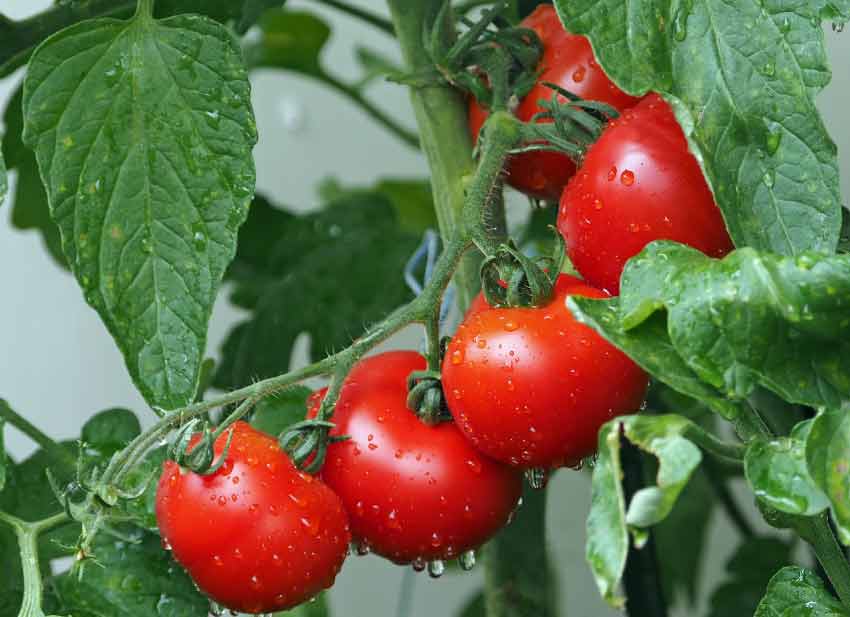
Yes, in very small amounts. The Vet Desk, in a guide reviewed by veterinarian Dr. Luqman Javed, DVM, says ripe, raw tomatoes are not considered toxic and that a small serving about once a month is acceptable for healthy adult beardies. It also calls tomato a nutritionally weak choice.
VCA Animal Hospitals lists tomato among the fruits bearded dragons can eat, alongside apples, berries and melon. VCA treats all fruit as an occasional extra rather than a staple. So if you are asking can bearded dragons eat tomatoes every week, the answer from these sources is no; monthly is the safer rhythm.
Tomato nutrition for bearded dragons
The table below shows why bearded dragon tomatoes should stay a rare treat: the fruit is mostly water and has more than twice as much phosphorus as calcium.
| Per 100 g raw red tomato | Amount | Why it matters |
|---|---|---|
| Calcium | 10 mg | Low for a reptile that needs plenty |
| Phosphorus | 24 mg | More phosphorus than calcium |
| Calcium to phosphorus | About 0.4:1 | Target for adults is about 1.5:1 to 2:1 |
| Water | About 94.5 g | Too much can loosen stools |
| Sugars | About 2.6 g | Lower than most fruit |
| Oxalates | About 26 mg | Oxalates can bind calcium |
Calcium, phosphorus, water, sugar and oxalate figures from TheBeardedDragon.org; calcium and phosphorus match The Vet Desk. The 1.5:1 to 2:1 adult target is from The Vet Desk.
Why tomatoes should stay a rare treat
The Merck Veterinary Manual lists a low dietary calcium-to-phosphorus ratio, low vitamin D3, poor UVB lighting and inadequate heat as causes of metabolic bone disease in reptiles. A phosphorus-heavy food like tomato does not cause this alone, but feeding it often works against a healthy balance.
Tomatoes also contain about 26 mg of oxalates per 100 g, which can bind some calcium. The Vet Desk also notes that too much fruit at once can cause diarrhea because of its high water content. That is why the honest answer to can bearded dragons eat tomatoes is “yes, but rarely.”
Never feed tomato leaves, stems or green tomatoes
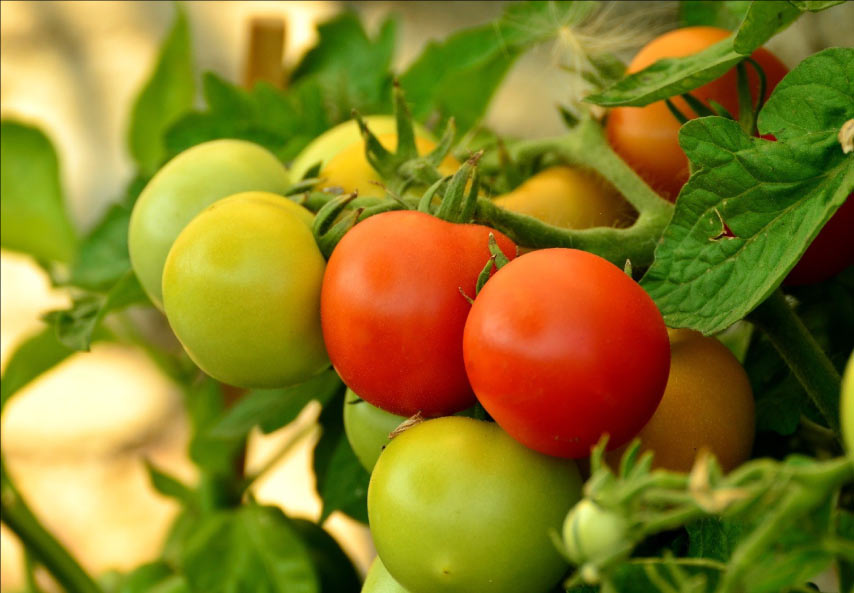
Tomatoes belong to the nightshade family. The Vet Desk says stems, leaves, vines, flowers and unripe tomatoes contain glycoalkaloids, solanine and tomatine, and should be avoided. The ASPCA lists the tomato plant as toxic to dogs, cats and horses because of solanine, while noting that ripe fruit is non-toxic. Do not let your dragon roam near garden tomato plants. When people ask can bearded dragons eat tomatoes, this plant-part risk is the detail most often missed.
Can Bearded Dragons Eat Apples?
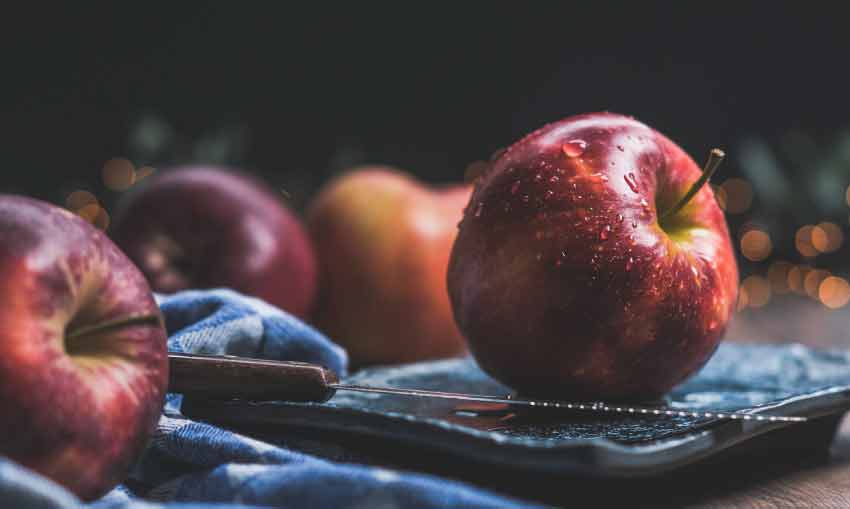
Yes. The Vet Desk, reviewed by Dr. Luqman Javed, DVM, says bearded dragons can eat ripe, raw apples but not the seeds, and recommends serving apple only about once a week. Apples carry more sugar than tomatoes but have a slightly less lopsided mineral balance, about 0.6:1 for Fuji versus 0.4:1 for tomato, which may help explain the weekly rather than monthly advice. In short, can bearded dragons eat apples more often than tomatoes? Yes, but still only as a small weekly extra.
Apple nutrition for bearded dragons
| Per 100 g raw, with skin | Fuji | Gala | Granny Smith |
|---|---|---|---|
| Calcium | 6 mg | 7 mg | 5 mg |
| Phosphorus | 10 mg | 8 mg | 10 mg |
| Carbohydrates | 15.6 g | 14.8 g | 14.1 g |
| Fiber | 2.1 g | 2.1 g | 2.5 g |
| Water | 83.6 g | 84.6 g | 85.1 g |
Source: The Vet Desk, using USDA data. All three varieties have more phosphorus than calcium, so bearded dragon apples should be a small extra, not a calcium source.
Benefits and risks of apples
- Hydration and fiber: Apples are mostly water and contain some fiber.
- Sugar: The Vet Desk warns that large amounts can cause diarrhea, and high sugar may contribute to weight gain and possibly dental disease.
- Seeds: They pose an impaction risk and contain amygdalin, which releases cyanide in the body.
- Skin: It is hard to chew, so The Vet Desk advises peeling to reduce impaction risk.
- Picky eating: Hepper notes beardies may pick out sweet apple and ignore healthier greens.
Which apples are best?
Any ripe variety works. Hepper says all apple types are acceptable, and The Vet Desk’s data show Fuji, Gala and Granny Smith are nutritionally similar. Choose fresh, firm fruit. Skip applesauce, dried apple and apple juice, which are more concentrated in sugar and often have additives. So can bearded dragons eat apples in any form? Fresh, raw and plain is the only form worth offering.
How to Prepare Tomatoes and Apples for Bearded Dragons
Once you know can bearded dragons eat tomatoes and apples, preparation matters most. The Vet Desk suggests cutting pieces to about 1 x 1 cm, roughly the size of a fingertip, and mixing them into a salad of greens.
Preparing tomato
- Choose a fully ripe, red tomato with no green patches.
- Remove every stem and leaf, then wash it well.
- Cut a medium tomato into four slices and remove the seeds, as The Vet Desk suggests.
- Dice one slice into 1 cm pieces; peeling is optional.
- Mix a few pieces into greens and remove leftovers after the meal.
Preparing apple
- Wash the apple to remove dirt and residues.
- Peel it, then remove the core and every seed.
- Cut into 1 cm cubes, or offer one thin slice by hand.
- Mix with greens so your beardie eats both.
- Throw away uneaten fruit, which spoils quickly in a warm enclosure.
| Food | How often (adults) | Remove first |
|---|---|---|
| Ripe tomato | About once a month | Stems, leaves, seeds; never green fruit |
| Apple | About once a week | Seeds, core and skin |
| Cherry or grape tomato | Same as tomato | Quarter it and remove seeds |
| Tomato sauce, ketchup, applesauce | Avoid | Often contain salt, sugar or seasonings |
Frequencies from The Vet Desk (reviewed by Dr. Luqman Javed, DVM). TheBeardedDragon.org also suggests tomato no more than once a month. And can bearded dragons eat tomatoes from a can or jar? No; offer fresh fruit only.
Dust the salad, not just the insects
VCA recommends lightly dusting food with a phosphorus-free calcium powder daily and a calcium powder with vitamin D3 two to three times a week, sprinkled on a small portion of moist food offered first. VCA also warns that over-supplementing is a common problem, so confirm the plan with your vet. For more on choosing pet foods and supplements, browse our Pet Food Center.
Can baby bearded dragons eat tomatoes or apples?
VCA says young bearded dragons are mainly insect eaters, becoming more plant-based as adults. The Vet Desk gives a calcium-to-phosphorus target of about 2:1 for juveniles. Because growing dragons need so much calcium, it is sensible to skip tomatoes for babies and offer apple only rarely. Ask your reptile vet before adding fruit to a juvenile’s diet. Whether you are wondering can bearded dragons eat tomatoes or apples as babies, the cautious answer is “not yet, or only a taste.”
Where Tomatoes and Apples Fit in a Bearded Dragon Diet
VCA describes the adult diet as roughly half plant matter and half insects. Of the plant part, 80% to 90% should be leafy greens and only 10% to 20% fruit. VCA recommends greens such as collard greens, dandelion greens, mustard greens and turnip greens, plus calcium-dusted insects. Good bearded dragon care puts greens first. For more, visit our bearded dragons section.
| Other fruit | VCA lists it? | Tip |
|---|---|---|
| Banana | Yes (with skin) | Sweet; keep it a small treat |
| Strawberry | Yes | Remove the leafy top |
| Melon | Yes | High water; small pieces |
| Mango, kiwi, pear | Yes | Peel and remove pits or seeds |
Source: VCA Animal Hospitals fruit list. Our guide to whether bearded dragons can eat spinach and watermelon covers two more popular foods.
Can bearded dragons eat bananas or strawberries?
Yes, both appear on VCA’s fruit list, banana with its skin. Treat them like apple: a few small pieces mixed into greens, counted within the 10% to 20% fruit share of a balanced bearded dragon diet, and never as a daily food.
Pet Care Tip: Offer fruit after your beardie has eaten its greens, or mix tiny pieces right into the salad. That way sweet fruit encourages eating greens instead of replacing them.
When to call a vet right away: Contact a reptile vet if your bearded dragon eats tomato leaves or stems, has diarrhea for more than a day, stops eating, or shows twitching, weakness, a soft or swollen jaw or trouble walking, which Merck lists among signs of metabolic bone disease. After hours, a 24/7 emergency animal hospital can advise or refer you.
7 questions to ask before feeding fruit
- Is this fruit fully ripe?
- Have I removed stems, leaves, seeds and skin where needed?
- Are the pieces smaller than the space between my dragon’s eyes?
- When did my beardie last have fruit?
- Have greens made up most of today’s plant food?
- Is my dragon an adult, or still a juvenile?
- Are UVB lighting and calcium dusting in place?
Example Scenario (illustrative)
Marcus in Phoenix used to give his adult beardie, Sunny, apple slices most days. Sunny began skipping greens and had loose stools. Marcus cut apple to one small diced serving a week mixed into collard and dandelion greens, kept tomato to once a month, and Sunny’s appetite for greens returned.
| Myth | Fact |
|---|---|
| “Tomatoes are toxic to bearded dragons.” | Ripe flesh is not toxic; the leaves, stems and green fruit are the danger. |
| “Fruit is healthy, so more is better.” | VCA limits fruit to 10% to 20% of plant food. |
| “Apple seeds are harmless.” | They contain amygdalin and pose an impaction risk. |
| “Sugar causes metabolic bone disease.” | Merck links MBD to calcium, phosphorus, vitamin D3, UVB and heat. |
What most owners get wrong
Asking can bearded dragons eat tomatoes is a good start, but many owners stop there. They offer fruit because their beardie gobbles it up, then struggle when the dragon refuses greens. Bearded dragons are drawn to sweet food. Keep fruit tiny, rare and mixed into greens, and watch your dragon’s stress and appetite; our guide to signs a bearded dragon is stressed can help any bearded dragon pet owner.
Can Bearded Dragons Eat Tomatoes? FAQs
How often can bearded dragons eat tomatoes?
About once a month for healthy adults, as one small diced slice mixed into greens.
Can bearded dragons eat cherry tomatoes?
Yes, ripe cherry tomatoes follow the same rules: quarter them, remove seeds and stems, and feed rarely.
Can bearded dragons eat tomato leaves?
No. Leaves, stems, vines and green tomatoes contain solanine and tomatine.
How often can bearded dragons eat apples?
About once a week, peeled, cored, seeded and cut into small cubes.
Can bearded dragons eat apple skin?
It is best to peel apples, since the skin is hard to chew and adds impaction risk.
Can baby bearded dragons eat apples?
Only rarely and in tiny amounts. Juveniles need mostly insects and plenty of calcium, so ask your vet first.
What fruit can bearded dragons eat every day?
None. VCA treats all fruit as an occasional treat, limited to 10% to 20% of plant food.
Final Verdict: Can Bearded Dragons Eat Tomatoes and Apples?
Yes, both are safe in small amounts. Offer ripe tomato flesh about once a month and never the leaves, stems or green fruit. Offer peeled, seeded apple about once a week. Keep fruit to 10% to 20% of plant food, with leafy greens, insects, calcium and UVB doing the heavy lifting.
Your next steps
- Mark fruit days on a calendar so treats stay rare.
- Build daily salads around collard, dandelion, mustard or turnip greens.
- Book a yearly checkup with a reptile vet.
Share your beardie’s favorite salad with us on the Pets Store Home Facebook page, and explore our bearded dragon guides, easy small exotic pets and Other Pets section.
About the author: Written and reviewed by the Pets Store Home Editorial Team, pet owners who check every guide against trusted sources.
How we checked this guide: Diet proportions and fruit lists come from VCA Animal Hospitals (Drs. Rich, Hess and Axelson). Serving frequency and preparation come from The Vet Desk, reviewed by Dr. Luqman Javed, DVM. Metabolic bone disease facts come from the Merck Veterinary Manual, and plant toxicity from the ASPCA.
Tomato nutrition comes from TheBeardedDragon.org, and apple nutrition from USDA data reported by The Vet Desk. Sources differ on exact frequencies, so we use the most cautious. This guide was fully rewritten in October 2026, and we review it every 12 months.
Last reviewed: October 2026.
Sources (accessed October 29, 2026)
- VCA Animal Hospitals: Bearded Dragons, Feeding
- The Vet Desk: Can Bearded Dragons Eat Tomatoes? (2025)
- The Vet Desk: Can Bearded Dragons Eat Apples? (2025)
- Merck Veterinary Manual: Metabolic and Endocrine Diseases of Reptiles
- ASPCA Animal Poison Control: Tomato Plant
- TheBeardedDragon.org: Tomatoes for Bearded Dragons
- Hepper: Can Bearded Dragons Eat Apples?
[…] Which foreign pets are legal in Washington State? […]