Help Your Dog Lose Weight

Help Your Dog Lose Weight

How to Help Your Dog Lose Weight: A Vet-Backed Plan for 2026

How do you help your dog lose weight? Start with a vet visit to check body condition and rule out medical causes. Then feed weighed, calorie-controlled meals, keep treats under 10% of daily calories, add daily activity and weigh in regularly. A safe pace is 1% to 2% of body weight per week.

Extra pounds are common. The Association for Pet Obesity Prevention (APOP) found that 59% of US dogs were overweight or obese in its 2022 survey. The good news: a steady plan can help your dog lose weight safely. Below, you’ll learn how to check your dog’s shape, set a target, choose food, add exercise and avoid mistakes that stall progress.

Key takeaways

  • APOP’s 2022 survey classed 59% of US dogs as overweight or obese.
  • VCA Animal Hospitals defines overweight as 10% to 20% above ideal weight, and obese as more than 20% above.
  • AAHA weight guidelines target a loss of 1% to 2% of body weight per week for dogs.
  • Treats should stay under 10% of daily calories, according to WSAVA.
  • In one study, cup-measured portions ranged from 18% under to 80% over the target, so a kitchen scale is more accurate.
  • In a Purina study, Labradors fed 25% fewer calories lived a median 1.8 years longer.

Is My Dog Overweight? Check Before You Help Your Dog Lose Weight

Before you help your dog lose weight, confirm the problem. Body shape tells you more than the scale, so vets use a body condition score (BCS). According to the University of Guelph’s Pet Nutrition team, the standard scale runs from 1 to 9, and a score of 4 or 5 is healthy for dogs. Each point above 5 adds roughly 10% to 15% more body fat.

Body condition (1–9) What you see and feel What it means
1–3 Ribs, spine and hip bones easy to see; little fat Too thin; see your vet
4–5 Ribs easy to feel under a thin fat layer; clear waist and hourglass shape from above Ideal
6–7 Ribs hard to feel; waist faint or missing Overweight
8–9 Ribs buried under fat; belly sags; fat over the spine and tail base Obese

Based on the 9-point body condition score described by the University of Guelph and VCA Animal Hospitals.

To check at home, stand over your dog and look for a waist behind the ribs. Then run your flat palms along the chest. The Guelph team suggests imagining the chest as a clock face, with the spine at 12 and the breastbone at 6, and feeling at 10 and 2 o’clock. You should feel ribs without pressing hard.

Owners often miss the signs. In APOP’s 2024 survey, 35% of US dog owners described their dog as overweight or obese, up from 17% in 2023, still well below APOP’s 59% figure from 2022. If you think “my dog needs to lose weight,” you are probably right.

Owner walking a dog on a leash as part of a plan to help your dog lose weight
Daily leash walks are one of the simplest ways to burn extra calories with your dog. Photo: Megan Dujardin / Unsplash.

Why It Pays to Help Your Dog Lose Weight

Fat is not just stored energy. VCA Animal Hospitals describes obesity as a chronic, low-grade inflammatory condition, because fat tissue releases inflammatory hormones. VCA links extra weight to higher risk of:

  • Osteoarthritis and faster joint wear
  • Diabetes mellitus
  • Heart disease and high blood pressure
  • Some cancers and bladder stones
  • Complications during anesthesia

Strong evidence comes from a lifelong Purina study of 48 Labrador retrievers. As reported by the University of Pennsylvania, dogs fed 25% fewer calories than their littermates had a median lifespan of 13 years, compared with 11.2 years for the others. That is 1.8 extra years from feeding less.

Weight can also be a symptom. VCA notes that obesity may point to hypothyroidism or Cushing’s disease, so see your vet before you help your dog lose weight, especially if the gain was sudden.

How to Help Your Dog Lose Weight: 8 Steps

Whether you searched how to help dog lose weight or how to get a dog to lose weight, the answer is a plan, not a crash diet. These steps follow the AAHA Weight Management Guidelines and VCA advice.

  1. Book a vet exam. Get a body condition score, a target weight and any needed tests.
  2. Find the daily calorie goal. Your vet sets this from the target weight; the Pet Nutrition Alliance calorie calculator offers a starting estimate to discuss.
  3. Choose the right food. VCA warns that feeding less of the current food can leave a dog short on vitamins and minerals. Ask about a calorie-restricted weight loss diet.
  4. Weigh every meal. Use a kitchen scale in grams instead of a scoop.
  5. Set fixed mealtimes. Feed measured meals at set times instead of leaving food out all day.
  6. Count every treat. Keep treats under 10% of daily calories and cut the main meal to match.
  7. Move more each day. Build up walks and play slowly.
  8. Weigh in and adjust. Track progress every two to four weeks and update the plan with your vet.

How fast should a dog lose weight?

AAHA’s guidelines set a goal of 1% to 2% of body weight per week for dogs. For a 60-pound dog, that is about 0.6 to 1.2 pounds a week (our calculation). AAHA suggests a check-in after the first week, then every two weeks until the rate is steady. If loss is slower than planned and your dog is following the diet, the guidelines allow a 10% to 20% calorie cut or more activity.

Helping your dog lose weight with the whole family

Knowing how to help a dog lose weight is one thing; getting everyone to follow it is another. Agree on one daily treat allowance, keep it in a labeled jar and log meals in a shared note. That makes helping your dog lose weight a team job.

Food and Treats That Help Your Dog Lose Weight

When owners ask how to make a dog lose weight, the first fix is usually in the bowl, since vet weight plans start with calories.

Weigh food instead of scooping it

Scoops are less exact than they look. A study by A.J. German and colleagues in the Journal of Animal Physiology and Animal Nutrition, summarized by Petfood Industry, found that people measuring dry food with cups ranged from 18% under to 80% over the intended amount. A digital kitchen scale removes that guesswork.

Choosing a weight loss dog food

Therapeutic diets are designed so a dog eats fewer calories without falling short on nutrients, and VCA calls a vet-chosen, restricted-calorie diet the most efficient approach. Over-the-counter healthy weight dog food or weight management dog food varies a lot. A 2010 Tufts study of 44 dog diets found dry options ranging from 217 to 440 kcal per cup, and for most diets the label feeding directions would not produce weight loss.

Option Best for Watch out for
Prescription weight loss diet Overweight or obese dogs on a vet plan Needs a vet’s approval and follow-up
Over-the-counter “healthy weight” food Keeping a near-ideal dog lean 217–440 kcal per cup, per Tufts; check the label
Less of the current food Small cuts only, with vet advice Large cuts may leave nutrient gaps, says VCA
Home-cooked diet Dogs with special needs Should be formulated by a veterinary nutritionist

Based on VCA Animal Hospitals guidance and Tufts University research.

Looking for vet recommended dog food for weight loss? Your vet can name diets that suit your dog’s age and health. To compare brands, see our pet food center and our guide to raw dog food diet pros and cons.

Smarter treats

The World Small Animal Veterinary Association (WSAVA) advises keeping treats under 10% of daily calories. The AVMA adds that you should trim regular food by about the same calories, and flags table scraps as hidden calories. Break treats into small pieces and swap some for play or praise.

WSAVA also lists foods dogs should never get, including chocolate, grapes and raisins, onions, garlic and xylitol. Check every “diet snack” label for xylitol before you share it.

Pet Care Tip: Each morning, weigh out the full day’s food into one container. Take training treats from it, not a separate bag. When it is empty, your dog has eaten for the day.

Exercise to Help Your Dog Lose Weight Safely

When people ask how to help dogs lose weight, exercise is the second half of the answer. The AVMA recommends at least 30 minutes of activity a day for dogs; build up to it slowly if your dog is older or sore. At Texas A&M’s College of Veterinary Medicine, Dr. Lori Teller suggests starting slowly with a reluctant dog and walking new routes to keep it mentally interested.

  • Walks: Start with short, easy walks and add a few minutes each week.
  • Swimming: Texas A&M lists it as an option; ask your vet if it suits your dog.
  • Fetch and tug: Short play sessions burn energy.
  • Food puzzles: A puzzle toy slows eating and adds movement.

Stop and rest if your dog pants heavily, lags or limps, and skip hard exercise in hot weather. For dogs with arthritis, VCA notes physical rehabilitation can support weight loss. Exercise works best to help your dog lose weight when paired with diet changes.

When to call a vet right away: Get urgent care if your dog collapses during exercise, struggles to breathe, has gums that look pale, blue or gray, or shows signs of heatstroke such as heavy panting, drooling and wobbling. Also call if your dog loses weight quickly without a diet change. If your vet is closed, call a 24/7 emergency animal hospital.

7 questions to ask your vet

  1. What is my dog’s body condition score and target weight?
  2. Could a medical problem be causing the weight gain?
  3. How many calories should my dog eat each day?
  4. Which food do you recommend for weight loss?
  5. How many treats can I give, and which kinds?
  6. What exercise is safe for my dog’s age and joints?
  7. How often should we weigh in?

Example Scenario (illustrative)

Marisol in Tucson learns that her beagle, Biscuit, scores 7 out of 9. Her vet rules out thyroid problems and prescribes a weight loss diet. Marisol weighs each meal, uses one daily treat jar and adds a 15-minute evening walk. At rechecks, Biscuit loses about 1% of her weight a week.

Myth Fact
“Just feed half as much.” Big cuts to regular food can cause nutrient gaps; use a plan your vet approves.
“A long walk cancels out treats.” Exercise helps, but VCA and AAHA plans start with controlled calories.
“The bag tells me how much to feed.” The AVMA says label amounts may not suit your dog, and Tufts found most weight-loss labels would not produce loss.
“A chubby dog is a happy dog.” Lean Labradors in the Purina study lived a median 1.8 years longer.

What most owners get wrong

A common slip is going back to old habits once the dog reaches its goal. AAHA advises monthly checks after the goal is reached and adjusting calories by about 10% if weight keeps falling. Keep weighing meals and treats for life.

Help Your Dog Lose Weight: FAQs

How long does it take for a dog to lose weight?

At AAHA’s target of 1% to 2% a week, a dog that is 10% overweight may need roughly 5 to 10 weeks (our estimate). Heavier dogs need longer.

How can I tell if my dog is overweight?

You should feel the ribs easily and see a waist from above. A score above 5 on the 9-point body condition scale means extra weight.

Can I just feed my dog less?

Small cuts may be fine, but VCA warns large cuts to regular food can cause nutrient shortfalls. The safest way to help your dog lose weight is a vet-approved diet.

How many treats can an overweight dog have?

Keep treats under 10% of daily calories, per WSAVA, and reduce meals by the same amount.

How much exercise does an overweight dog need?

The AVMA recommends at least 30 minutes a day for dogs. Build up slowly and follow your vet’s advice.

Why is my dog not losing weight?

Hidden snacks, scooped portions or a medical issue such as hypothyroidism are common reasons. Weigh food, log treats and see your vet.

Is weight loss dog food necessary?

Not always, but VCA calls a vet-chosen, restricted-calorie diet the most efficient approach for obese dogs.

Final Verdict: Help Your Dog Lose Weight Safely

To help your dog lose weight, start with a vet exam, set a target and feed weighed, calorie-controlled meals. Keep treats under 10% of calories, add daily activity and aim for 1% to 2% loss a week. Then keep the same habits so the weight stays off.

Your next steps

  1. Score your dog’s body condition tonight and book a vet visit.
  2. Buy a kitchen scale and start weighing every meal.
  3. Explore more feeding guides in our pet food center and Dogs section.

Share your dog’s progress on our Pets Store Home Facebook page.

About the author: Written and reviewed by the Pets Store Home Editorial Team, pet owners who check every guide against trusted sources. This guide is general information, not a substitute for your veterinarian’s advice.

How we checked this guide: Obesity rates come from APOP’s 2022 and 2024 surveys. Body condition scoring comes from the University of Guelph and VCA Animal Hospitals. Weight loss rates and rechecks come from the AAHA Weight Management Guidelines.

Treat and exercise guidance comes from WSAVA, the AVMA and Texas A&M. Lifespan data comes from the Purina Labrador study, portion accuracy from German et al., and diet calorie data from Tufts. This guide was fully rewritten in October 2026. We review it every 12 months.

Last reviewed: October 2026.

How to Trim Hair Around Dog Privates: 7 Safe, Simple Steps

How to Trim Hair Around Dog Privates: 7 Safe, Simple Steps

Learning how to trim hair around dog privates starts with knowing the goal. Trimming excess hair around a dog’s genital and anal areas is often called a sanitary trim. The aim is to keep the coat manageable and reduce the buildup of urine, feces, and debris, not to remove all the hair or shave the skin. These areas are delicate, so careful, calm grooming matters more than speed. If you’re unsure about handling grooming tools near sensitive skin, a professional groomer or your veterinarian is the safer choice.

This guide explains when a sanitary trim helps, which tools and setup to use, a cautious step-by-step method, special care for male and female dogs and the anal area, what to do about mats, and the warning signs that need a vet.

Key takeaways

  • A sanitary trim shortens excess hair; it doesn’t mean shaving the area bare.
  • The AKC says household scissors should stay away from your dog. Don’t use scissors close to sensitive skin.
  • VCA advises removing mats only with clippers, never scissors, and seeing a groomer or vet for severe mats.
  • Check the skin first. Don’t groom over red, swollen, sore, or injured skin without veterinary advice.
  • Excessive licking, scooting, discharge, odor, or urinary changes can signal a medical problem, not just a need for a trim.
  • Stop if your dog is stressed, and use a professional if your dog is nervous, moves suddenly, or has dense mats.

When Does a Dog Need a Sanitary Trim?

Not every dog needs one. A sanitary trim is most useful when:

  • Long hair traps urine or feces around the genitals or rear.
  • Tangles or mats form around the hindquarters or groin.
  • A longer or continuously growing coat makes keeping the area clean difficult.

Before you groom, check the skin. VCA advises checking the coat daily in areas like the groin, and the Cornell University College of Veterinary Medicine notes that mats can hold moisture against the skin, which can contribute to painful hot spots. Look for redness, swelling, sores, discharge, or an unusual odor.

It may not be a haircut problem

VCA explains that a quick clean-up after urinating is normal, but frequent or sustained licking of the genital area can point to a medical problem, such as a urinary tract infection, allergies, a skin infection, or anal gland trouble. Scooting, pain, discharge, or changes in urination need a vet visit. A trim won’t fix these.

How to trim hair around dog privates: groomer giving a dog a careful sanitary trim
A sanitary trim keeps the coat manageable without shaving delicate skin.


Tools and Preparation

The right setup matters as much as technique when you’re learning how to trim hair around dog privates.

  • Use pet grooming equipment. Choose clean, well-maintained clippers made for dogs. The AKC says household scissors should stay away from your dog, and warns against clipping or shaving without proper training.
  • Get taught first. The AKC suggests that small blunt-edge scissors or a narrow clipper blade are only appropriate after a groomer, breeder, or vet has shown you how. Even then, keep any scissors well away from the skin.
  • Pick a calm space. Use a quiet, well-lit area with a stable, nonslip surface.
  • Keep treats nearby and reward calm behavior.
  • Ask for help only if it keeps your dog comfortable. A second adult can gently steady or reassure your dog, but never force restraint.
  • Know when to stop. If your dog won’t settle, book a professional groomer instead.

Why scissors are risky: The skin around the genitals and anus is thin and delicate. The AKC warns that a nervous dog can be seriously injured when owners try to cut out mats themselves. One sudden movement near a sharp tip can cause a deep cut.

For an overview of tools, see our guide to professional dog grooming equipment, and ask your groomer which clipper suits your dog’s coat.

How to Trim Hair Around Dog Privates Safely

If your dog is relaxed and you’ve been shown how to use pet clippers, here’s how to trim hair around dog privates as cautiously as possible:

  1. Prepare your dog. Let your dog settle. Gently touch the surrounding area only if your dog tolerates it. Never force restraint.
  2. Inspect the coat and skin. Look for mats, debris, redness, sores, swelling, discharge, or signs of pain. Don’t groom over inflamed or injured skin without veterinary guidance.
  3. Position your dog comfortably. Use a stable, nonslip surface and avoid awkward positions that cause distress.
  4. Identify the area that needs attention. You’re shortening the excess surrounding hair, not cutting right beside the vulva, penis, scrotum, or anus. These structures must never be nicked or pulled.
  5. Trim cautiously with pet clippers. Keep the clipper controlled and away from skin folds and genital structures. Work slowly on the longer surrounding hair only. If close work is needed, leave it to a professional.
  6. Take breaks and watch body language. Stop if your dog pulls away repeatedly, pants from stress, growls, snaps, cries, or struggles.
  7. Check the finished area. Look for nicks or irritation. Leave the skin comfortable. The area doesn’t need to be hairless.

Choose a professional when: your dog is nervous or moves unpredictably, the hair is densely matted, or close trimming is needed. The AKC notes professional groomers, handlers, and some vet technicians are well trained in grooming. See a veterinarian if pain or a medical problem is involved.

How to Trim Around a Male Dog’s Private Area

The basics of how to trim hair around dog privates differ a little between males and females. On male dogs, only shorten hair around the prepuce (the sheath) and groin when it’s needed for hygiene, for example if long hair is collecting urine. Keep tools well away from the penis and scrotum, and don’t attempt close cutting there at home. If the hair is tightly matted or your dog won’t stay still, ask a professional groomer.

How to Trim Around a Female Dog’s Private Area

The vulva is sensitive, and an inexperienced owner shouldn’t cut hair close to it. Shortening longer surrounding hair may help with urine staining. But if you notice persistent discharge, odor, redness, or irritation, have your vet check your dog rather than assuming a trim will solve it. VCA lists discharge from the vulva among the signs that warrant a vet visit.

How to Trim Hair Around a Dog’s Anus

The skin around the anus is delicate, and close trimming can cause injury. If feces are trapped in mats, or the area is hard to reach safely, use a professional groomer. If the skin is painful, swollen, bleeding, or irritated, contact your veterinarian. VCA notes that overfilled anal glands can cause odor, swelling, irritation, licking, and scooting, and the AKC advises leaving anal sac expression to a groomer or vet.

What If the Hair Is Matted?

Mats pull on the skin and can make grooming painful. Cornell notes they also trap moisture against the skin.

  • Don’t pull mats out or cut them out with scissors. VCA says to use only clippers to remove mats, never scissors.
  • The AKC warns against cutting mats out yourself because a nervous dog could be seriously injured.
  • For tight mats near the genitals or anus, see a qualified groomer or veterinarian.
  • If the skin under a mat looks red, sore, or inflamed, VCA advises veterinary treatment.

Regular brushing helps prevent mats from forming in the first place. VCA notes that long, silky, or curly coats need daily brushing.

How Often Should You Trim?

Once you know how to trim hair around dog privates, the next question is timing. There’s no single schedule for every dog. How often a sanitary trim is needed depends on:

  • Coat type and how fast the hair grows
  • How often the area gets soiled
  • Your individual dog’s comfort and lifestyle

Check the area regularly as part of routine grooming, and ask your groomer or vet for advice if you’re unsure. Breeds with continuously growing coats, such as doodles and some toy breeds, often need more frequent grooming. Our guides to the full grown mini Goldendoodle and Teddy Bear Yorkie haircuts cover their coat care.

Example Scenario (illustrative)

Sam in Arizona notices mats forming under his Shih Tzu’s tail and some feces caught in the hair. Instead of reaching for scissors, he books a groomer, who clips out the mats and shows him a brushing routine for the area. This is an illustration, not a real case.

Aftercare and Warning Signs

After grooming, gently inspect the area. Contact your veterinarian if you notice:

  • Cuts or bleeding
  • Redness or swelling
  • Persistent licking or scooting
  • Pain when your dog sits or is touched
  • Unusual discharge or a foul odor
  • Straining to urinate or changes in urination

Get prompt veterinary care if your dog has difficulty passing urine or significant bleeding. The AKC advises that sores, wounds, or lacerations should go to a vet rather than being treated at home. Cornell notes that a moist, inflamed sore more than 24 hours old, or one that looks infected, usually needs veterinary care.

How to Trim Hair Around Dog Privates: FAQs

What is a sanitary trim for dogs?

It’s a light trim of excess hair around the genital and anal areas to reduce the buildup of urine, feces, and debris. It isn’t a full shave.

Can I trim the hair around my dog’s privates at home?

Possibly, if your dog is calm, you’ve been shown how, and you use pet clippers on the surrounding hair only. If your dog is nervous or the hair is matted, use a professional groomer.

Can I use scissors to trim my dog’s private area?

It’s not recommended. The AKC says household scissors should stay away from your dog, and a sudden movement near sensitive skin can cause a serious cut.

How do I trim around a male dog’s private area safely?

Shorten only the longer hair around the sheath and groin, and keep tools well away from the penis and scrotum. Leave close or matted areas to a groomer.

How do I trim around a female dog’s vulva?

Don’t cut close to the vulva yourself. Shorten only the longer surrounding hair, and see your vet if there’s discharge, odor, or irritation.

How do I trim hair around a dog’s anus?

Very carefully, and only the excess hair around it. The skin is delicate, so use a groomer for close work or trapped feces, and a vet for pain or swelling.

How often does a dog need a sanitary trim?

It varies with coat type, hair growth, and hygiene needs. Check the area during routine grooming and ask your groomer how often your dog needs one.

What should I do if the hair around my dog’s private area is matted?

Don’t pull or cut mats out with scissors. VCA says to remove mats only with clippers, and tight mats near sensitive areas are best left to a groomer or vet.

Should I trim my dog’s hair if the skin is red or irritated?

No. Don’t groom over red, swollen, or sore skin. Have a veterinarian check the area first.

When should I take my dog to a professional groomer or veterinarian?

See a groomer for nervous dogs, dense mats, or close trimming. See a vet for pain, bleeding, discharge, odor, excessive licking or scooting, or urinary changes.

Final Verdict: How to Trim Hair Around Dog Privates

When it comes to how to trim hair around dog privates, less is more. Shorten only the excess hair with pet clippers, keep tools away from delicate skin, never force your dog, and stop at the first sign of stress. Use a professional groomer for mats, nervous dogs, or close work, and see your vet for any redness, discharge, licking, or urinary changes. A trim can help with hygiene, but it can’t treat a medical problem.

Your next steps

  1. Check your dog’s groin and rear during your next brushing session.
  2. Ask your groomer to show you a safe sanitary trim before trying it at home.
  3. Keep the rest of your dog’s grooming on track with our guide to trimming nails without cutting the quick.
  4. Browse more care guides in our dogs section.

Share your grooming questions with our community on Facebook.

About the author

Written and reviewed by the Pets Store Home Editorial Team: pet owners and animal lovers who check every guide against trusted US veterinary and animal-welfare sources. This article is general information, not a substitute for professional veterinary advice. Always talk to your veterinarian about your own pet’s health.

How we checked this guide: We used the AKC’s home grooming guide (Dr. Jerry Klein, AKC Chief Veterinarian), VCA Animal Hospitals’ guides to grooming and coat care and to why dogs lick their privates, and Cornell University College of Veterinary Medicine’s guide to hot spots. We review this article every 12 months, or sooner if guidance changes.

Last reviewed: October 2026

Tibetan Mastiff Puppy Price in USA

Tibetan Mastiff Puppy Price in USA

Tibetan Mastiff Puppy Price in USA (2026): Best Expert Guide

The typical Tibetan Mastiff puppy price in USA breeder listings is about $2,000 to $6,000, based on Rover's estimates. Rare red coats can reach around $10,000, while adopting from a rescue usually costs $300 to $500. Coat color, sex, age, the breeder's health testing and where you live all affect what you pay.

Tibetan Mastiffs are rare, large guardian dogs, so prices swing widely and scams are common. This guide explains what drives the price, what a fair quote includes, how to spot red flags, and how to find a responsible breeder or rescue. For yearly and lifetime care costs, see our separate guide to how much a Tibetan Mastiff costs to own.

Key takeaways

  • Breeder puppies are often quoted at about $2,000 to $6,000 in the US.
  • Red coats can cost up to around $10,000; black coats are often at the lower end.
  • Rescue adoption usually costs about $300 to $500.
  • Good breeders screen parents for hips, elbows, eyes and thyroid.
  • A price far below the normal range is a common scam warning sign.

Tibetan Mastiff Puppy Price in USA: The Short Answer

Where you get your puppy changes the price more than anything else. This table compares the main routes using published estimates.

Where the puppy comes from Typical price What to know
Rescue or shelter About $300 to $500 Often an older puppy or adult; may include some vet care
Breeder, black coat Toward the lower end of the range Rover says black coats tend to cost less
Breeder, typical range About $2,000 to $6,000 Rover's overall estimate for breeder puppies
Breeder, red or rare coat Up to around $10,000 Color is one of the biggest price drivers

Figures are estimates from Rover's Tibetan Mastiff cost guide. Prices vary by breeder and region.

So the honest answer to the Tibetan Mastiff puppy price in USA question is a range, not a single number. If you want one figure for the average Tibetan Mastiff price from a breeder, plan for the middle of that range.

What Affects the Tibetan Mastiff Puppy Price in USA Listings?

Rover lists coat color, age and sex as key factors. In practice, several other things also move the Tibetan Mastiff puppy price in USA listings up or down:

  • Coat color: The AKC breed standard accepts black, brown and blue/gray, each with or without tan markings, plus gold. Red-gold shades often sell for more.
  • Health testing: Parents screened for hips, elbows, eyes and thyroid cost the breeder more, which shows in the price.
  • Show or pet quality: Puppies sold for showing or breeding often cost more than pet-quality puppies sold on a spay/neuter contract.
  • Age: Older puppies sometimes cost less, especially if a breeder has kept one past the usual go-home age.
  • Location and demand: Few breeders means you may pay for travel or shipping on top of the price.
Tibetan Mastiff puppy price in USA: an adult black-and-tan Tibetan Mastiff with a thick mane resting on a blanket outdoors
Black-and-tan is one of the colors the AKC standard accepts. Photo: Pexels.

What a Fair Tibetan Mastiff Puppy Price Should Include

A higher Tibetan Mastiff puppy price in USA listings is only worth it if you get what you pay for. Before you send a deposit, check that the price covers these basics.

What a reputable breeder's price usually covers

  • Health test results for both parents (the national breed club recommends hips, elbows, eyes and thyroid, per the AKC's health testing list).
  • A vet check and age-appropriate vaccinations and deworming.
  • Registration papers and a written contract naming both parents.
  • A health guarantee and a promise to take the dog back at any age.
  • Early socialization with people, sounds and household life.

The AKC adds that responsible breeders keep puppies until at least eight weeks old and that most go home at about eight to 12 weeks. If a seller offers a much younger puppy, walk away.

Costs that are not in the puppy price

The Tibetan Mastiff puppy cost in an ad is only the start. Rover estimates first-year care, including vaccines, microchipping and spay/neuter, at roughly $2,748 to $8,588. A Tibetan Mastiff also needs a giant-size crate, sturdy fencing and plenty of training. The American Tibetan Mastiff Association (ATMA) describes adult males at about 26 to 30 inches and 90 to 150 pounds, with females at 24 to 28 inches and 70 to 120 pounds, so every item costs more than it would for a small dog.

Item Why it matters for this breed Price note
Giant crate and bedding Adults can top 100 lbs Large-size gear costs more
Secure fencing Territorial; recall is unreliable, per the AKC Can be a major one-time cost
Training classes Independent and stubborn Start early, before the puppy is big
Grooming tools Heavy seasonal shed An undercoat rake helps

Once you know the likely Tibetan Mastiff puppy price in USA terms, our Tibetan Mastiff ownership cost guide covers food, insurance and lifetime estimates.

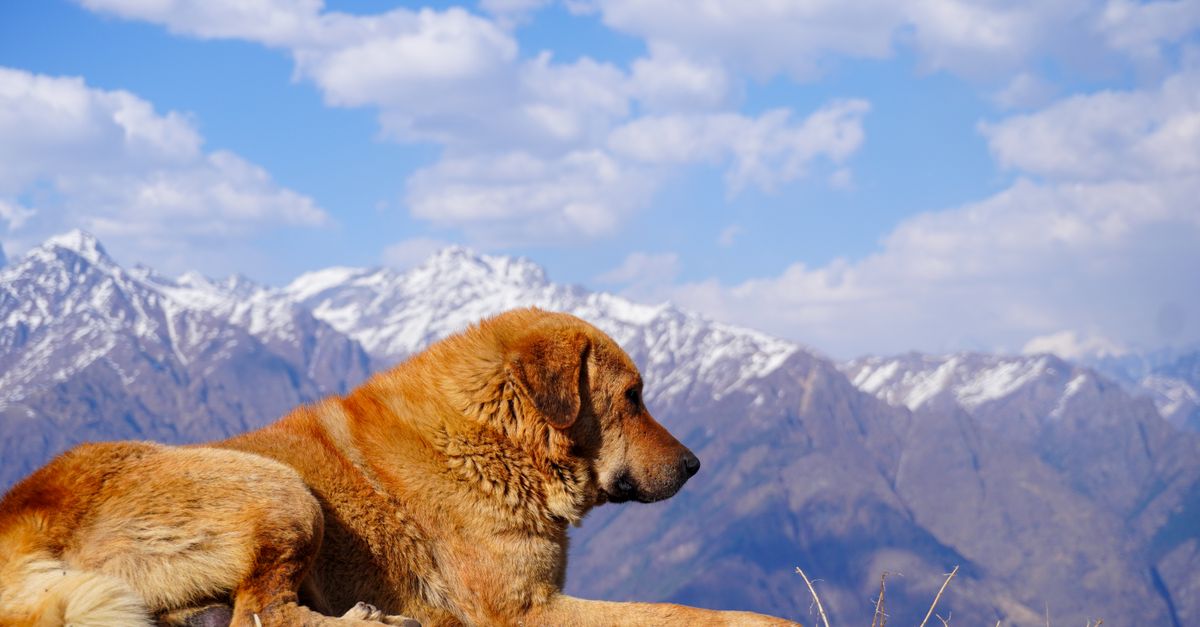
Tibetan Mastiff puppy price in USA budget: a golden, thick-coated mastiff-type dog resting with snowy mountains behind
A large guardian dog needs large gear, so budget beyond the purchase price. Photo: Pexels.

The Million-Dollar Myth and "Chinese" Tibetan Mastiffs

Headlines about million-dollar dogs still shape what people expect to pay. In 2014, Smithsonian reported that a Tibetan Mastiff puppy reportedly sold for about $1.95 million at a luxury dog show in Zhejiang Province, China. That sale was an outlier from a short-lived fad, not a guide to the Tibetan Mastiff puppy price in USA breeders charge today.

The fad did not last. In 2015, Radio Free Asia reported that buyers were leaving the market and that, as prices fell, owners turned dogs out onto the streets of Lhasa. It's a sad reminder that a high price tag says nothing about whether a dog will have a good home.

Importing a puppy: "Chinese Tibetan Mastiff" is not a separate breed; sellers often use the term for imported lines or a heavier look. Since August 2024, CDC rules require dogs entering the US to be at least six months old, microchipped and covered by a CDC Dog Import Form. Rules can change, so check the CDC site before you commit to an imported puppy.

How to Find a Responsible Tibetan Mastiff Breeder

A fair Tibetan Mastiff puppy price in USA terms means paying a breeder who does things properly. The AKC describes good breeders as people who ask you plenty of questions, let you meet the mother, share health records and offer a contract with a return-to-breeder clause.

Questions to ask before you pay a deposit

  1. How long have you bred Tibetan Mastiffs, and are you a member of the breed club?
  2. Can I see hip, elbow, eye and thyroid results for both parents?
  3. Can I meet the mother in person or on a live video call?
  4. How are the puppies socialized, and what shots have they had?
  5. What does your health guarantee cover, and will you take the dog back at any age?
  6. Exactly what is included in the price, and are there extra fees?

These build on the AKC's list of questions to ask a breeder. Good starting points include the American Tibetan Mastiff Association (tibetanmastiff.org) and the AKC Marketplace. The AKC also says the breed is not a good fit for most first-time owners, so a good breeder may ask about your experience with strong-willed dogs.

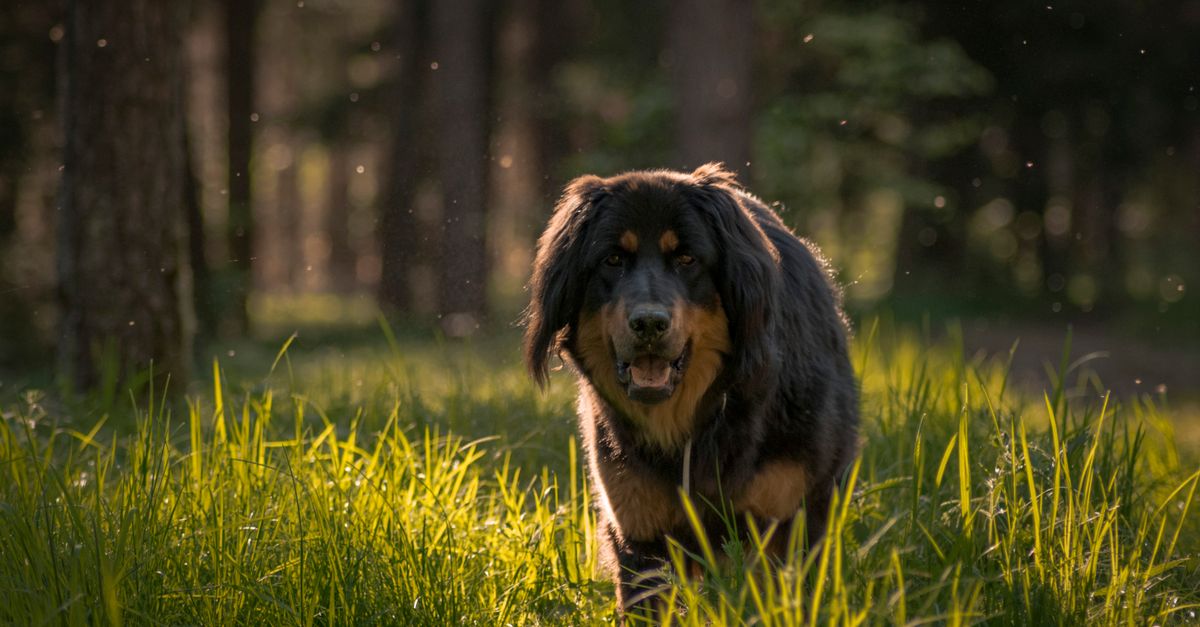
Tibetan Mastiff puppy price in USA breeder visit: a black-and-tan Tibetan Mastiff walking through tall green grass
Meeting the parents in person is one of the best ways to judge a breeder. Photo: Pexels.

Red Flags That Mean the Price Is Too Good to Be True

Because the Tibetan Mastiff puppy price in USA listings runs into the thousands, scammers target this breed. The BBB reports that more than 50% of pet scams begin on websites people find through search engines or social media, and the median reported loss in 2025 (through September) was about $600. Watch for these signs:

Red flag Why it matters
Price far below the usual range The BBB lists unusually low prices for popular breeds as a classic warning sign
Seller won't meet or video call You can't confirm the puppy or its mother exist
Extra fees for crates, shots or shipping A common way scammers keep asking for money
Pressure to pay fast Rushed deals leave no time for checks
No health records or contract The AKC lists both as signs of an irresponsible breeder

Run a reverse image search on photos in any "Tibetan Mastiff for sale" ad, and never pay for a Tibetan Mastiff puppy you haven't seen in person or on a live call.

Adoption: A Lower-Cost Way to Bring Home a Tibetan Mastiff

If the Tibetan Mastiff puppy price in USA breeder listings is out of reach, consider rescue. Rover puts typical adoption fees at about $300 to $500, and the breed club says rescue dogs regularly outnumber good homes. Tibetan Mastiff Rescue, Inc. is a national charity, and some local shelters list the breed too.

Adult rescues come with a known size and personality, which helps with planning. If you already have a dog, read our guide on introducing a new dog to your resident dog.

Example scenario (illustrative)

Carmen in Boise has wanted a Tibetan Mastiff for years. She asks, "What is a fair Tibetan Mastiff puppy price in USA terms?" One online ad offers a red puppy for $900 with shipping, but the seller refuses a video call. She walks away, joins a breed-club waitlist and puts down a deposit on a $4,000 black-and-tan puppy whose parents have hip, elbow, eye and thyroid results on record.

Tibetan Mastiff puppy price in USA: a black-and-tan Tibetan Mastiff lying in front of a mountain monastery
Tibetan Mastiffs are uncommon in the US, which helps keep breeder prices high. Photo: Pexels.

Tibetan Mastiff Puppy Price in USA: FAQs

How much is a Tibetan Mastiff puppy in the USA?

Rover estimates that a Tibetan Mastiff puppy from a breeder costs about $2,000 to $6,000. Rare red coats may reach around $10,000, while adopting from a rescue usually costs about $300 to $500. Prices vary by breeder, region, coat color and health testing.

Why are Tibetan Mastiff puppies so expensive?

The breed is uncommon in the US, so there are relatively few litters, and good breeders pay for health screening of the parents, vet care and early socialization. Unusual coat colors such as red can also push the price up.

What color Tibetan Mastiff is the most expensive?

Rover reports that red Tibetan Mastiffs can cost up to about $10,000, while black coats tend to sit at the lower end of the range. The AKC standard accepts black, brown, blue/gray and gold, with or without tan markings.

Is a Chinese Tibetan Mastiff a different breed?

No. "Chinese Tibetan Mastiff" is a sales term, often used for imported lines or a heavier look, not a separate breed. An imported puppy also has to meet CDC rules, which since August 2024 require dogs entering the US to be at least six months old.

Is a $1,000 Tibetan Mastiff puppy a good deal?

Be careful. A price far below the usual range is a common scam warning sign, according to the BBB. Ask for health test results, a video call with the puppy and its mother, and a written contract before paying anything.

Can I adopt a Tibetan Mastiff instead of buying one?

Yes. The breed club says rescue Tibetan Mastiffs regularly outnumber the good homes available. Tibetan Mastiff Rescue, Inc. and local shelters are good places to start, and adoption fees are usually a few hundred dollars.

Does the puppy price include everything I need?

No. The purchase price usually covers the puppy, first shots and paperwork. You still need a large crate, food, training, a strong fence and vet care, which can add thousands of dollars in the first year.

Final Verdict: Tibetan Mastiff Puppy Price in USA

The Tibetan Mastiff puppy price in USA breeder listings usually falls between about $2,000 and $6,000, with rare red coats reaching around $10,000 and rescue adoption at roughly $300 to $500. Pay for health-tested parents, a written contract and a breeder you can meet, and budget well beyond the purchase price for this large, independent guardian breed.

Your next steps

  1. Work out your full budget with our yearly and lifetime Tibetan Mastiff costs guide.
  2. Compare other large guardian breeds, such as the Kangal dog and its price.
  3. Explore more breed and care guides in our dogs section.

Have a Tibetan Mastiff at home? Share your story with our Facebook community.

About the author — Written and reviewed by the Pets Store Home Editorial Team: pet owners and animal lovers who check every guide against trusted US veterinary and animal-welfare sources. This article is general information, not a substitute for professional veterinary advice. Always talk to your veterinarian about your own pet's health.

How we checked this guide: Price and adoption estimates come from Rover; breed standard, colors, health testing and breeder advice from the American Kennel Club; size and rescue details from the American Tibetan Mastiff Association; scam data from the Better Business Bureau; import rules from the CDC; and the 2014 sale and later price crash from Smithsonian and Radio Free Asia. Prices change, so treat all figures as estimates. We review this article every 12 months, or sooner if guidance changes.

Last reviewed: October 2026.

Sources

How Much does a Tibetan Mastiff Cost in the USA

How Much does a Tibetan Mastiff Cost in the USA

How Much Does a Tibetan Mastiff Cost? Essential 2026 USA Cost Guide

How much does a Tibetan Mastiff cost? In the US, a puppy from a breeder is often quoted at about $2,000 to $6,000, and the first year can add roughly $2,700 to $8,600 in care. After that, expect about $2,700 to $5,700 a year. Prices vary widely by breeder, region and the dog’s health needs.

The purchase price is only the start. This guide breaks down what a Tibetan Mastiff really costs over its life: one-time setup, yearly care, insurance, grooming, health screening and the hidden costs of owning a large guardian breed.

Key takeaways

  • Breeder puppies are commonly quoted at $2,000 to $6,000; adoption is far cheaper.
  • Rover’s 2025 estimates put adult yearly costs at about $2,660 to $5,677.
  • Our calculation suggests a lifetime care cost of very roughly $32,000 to $71,000, before the purchase price.
  • The breed club recommends hip, elbow, eye and thyroid checks for breeding dogs.
  • Since August 1, 2024, the CDC requires imported dogs to be at least 6 months old and microchipped.

How Much Does a Tibetan Mastiff Cost? The Short Answer

When people ask how much does a Tibetan Mastiff cost, they usually mean the puppy price. That is just one line in the budget. Here is the full picture, using published 2025 estimates from Rover and Embrace Pet Insurance:

Cost Typical range (USD) Source
Puppy from a breeder $2,000–$6,000 Rover, Embrace
Adoption from a rescue $300–$500 Rover
First year (puppy care) $2,748–$8,588 Rover
Each adult year $2,660–$5,677 Rover
Puppy insurance premium About $30–$100 a month Embrace

Prices vary by region, breeder and vet clinic. Ask local providers for current quotes.

For a deeper look at breeder prices alone, including what can raise or lower a puppy’s price, see our Tibetan Mastiff puppy price guide. This page focuses on what the dog costs to own.

Pet Care Tip: Before you commit, open a separate savings account for your dog and set aside the first year’s budget in advance. It makes surprise vet bills far less stressful.

How much does a Tibetan Mastiff cost: a large Tibetan Mastiff with a thick double coat
How much does a Tibetan Mastiff cost to own? Food, grooming and vet care often add up to more than the puppy price. Photo: [Photographer] / Pexels.

One-Time Costs in the First Year

The first year is usually the most expensive part of the answer to how much does a Tibetan Mastiff cost. On top of the purchase or adoption fee, Rover lists these early costs:

One-time cost Estimated range
Vaccines and early preventive care $375–$1,085
Microchip $60–$80
Spay or neuter $340–$1,500
Giant crate, bed, bowls, leash and harness Varies; large sizes cost more

Source: Rover Tibetan Mastiff cost guide (2025). Spay and neuter prices often rise with a dog’s weight.

Size drives many of these costs. The American Tibetan Mastiff Association’s AKC breed flier lists males at 26 to 30 inches and 90 to 150 lbs (41–68 kg), and females at 24 to 28 inches and 70 to 120 lbs (32–54 kg). Gear, anesthesia and many medicines are priced by size or weight, so expect large-dog prices throughout.

Training and socialization

The AKC describes Tibetan Mastiffs as intelligent but stubborn guardians that are protective of home and family and wary of strangers. It recommends early training and socialization and says the breed suits experienced owners. Budget for puppy classes and, ideally, a trainer who knows guardian breeds. That spending can prevent much costlier problems later.

Adopting instead of buying

Adoption can cut the upfront part of how much does a Tibetan Mastiff cost. Rover estimates rescue adoption fees at about $300 to $500, and the fee may include some preventive care. With an adult rescue, size and temperament are easier to judge, which helps you plan for food, fencing and training. Ask breed rescues and local shelters to contact you if one comes in.

How the costs compare with other dogs

An older AKC article citing a University of Pennsylvania student study put the average first-year cost at $3,239 for large dogs and $3,536 for giant breeds. That article dates from 2018, so newer Tibetan Mastiff estimates, like Rover’s, are a better guide to today’s prices.

Yearly Costs for an Adult

Once your dog is grown, the yearly part of how much does a Tibetan Mastiff cost settles into a pattern. Rover estimates about $2,660 to $5,677 a year for an adult. The biggest drivers are:

  • Food: A dog that may weigh 70 to 150 lbs eats far more than an average pet, so food is a major yearly cost.
  • Routine vet care: Annual exams, vaccines, parasite prevention and dental care, often priced higher for large dogs.
  • Grooming: The breed flier notes the double coat usually sheds heavily once a year, when the dog “blows” its coat. Some owners book a groomer during that season.
  • Insurance: Embrace estimates puppy premiums at about $30 to $100 a month, depending on coverage, age and health.

What that means per month

Spread across the year, Rover’s adult range works out to roughly $220 to $475 a month. That is the monthly answer to how much does a Tibetan Mastiff cost once the puppy stage is over:

Budget level Per year Per month (about)
Lower-cost adult $2,660 $222
Higher-cost adult $5,677 $473

Our calculation from Rover’s 2025 yearly estimates. Insurance, grooming and boarding can push your own number higher.

Health screening and possible vet bills

The AKC lists the breed club’s recommended tests as hip, elbow, ophthalmologist and thyroid evaluations. The breed flier names hip and elbow dysplasia, low thyroid and seizure disorders as possible issues. A puppy from screened parents may cost more upfront but can lower the risk of expensive orthopedic or medical care later.

When to call a vet: Limping, trouble rising, weight gain with low energy, a seizure, or cloudy or red eyes all need a vet visit. A seizure lasting more than a few minutes, or several in a row, is an emergency, so go to a 24/7 emergency animal hospital.

Lifetime Cost Estimate

The breed flier says many Tibetan Mastiffs live to 12 and beyond. Using Rover’s ranges, here is a rough lifetime estimate for care alone:

Part of life Low estimate High estimate
First year $2,748 $8,588
11 adult years $29,260 $62,447
12-year care total About $32,000 About $71,000

Our calculation from Rover’s 2025 estimates, before the purchase price and before inflation or major illness. Treat it as a planning range, not a quote.

Add the purchase price on top. With a $4,000 puppy, the same 12-year range becomes roughly $36,000 to $75,000.

Hidden Costs Owners Forget

Some of the true answer to how much does a Tibetan Mastiff cost only shows up after the dog comes home:

  • Fencing: The AKC says the breed shouldn’t be allowed off-leash because recall is unreliable, so a tall, secure fence is often a must.
  • Air conditioning: The breed flier notes Tibetan Mastiffs need air conditioning in hot, humid climates, which can raise summer power bills in the South.
  • Boarding and pet sitters: Large guardian breeds may cost more to board, and some facilities may not accept them.
  • Home and renters insurance: Some policies and landlords restrict large guardian breeds, so check before you buy.

“Chinese” and Imported Tibetan Mastiffs

You may see ads for a “Chinese Tibetan Mastiff” at very high or very low prices. These are the same breed, and a label like this is no guarantee of quality. If a dog is coming from abroad, the CDC requires every dog entering the US since August 1, 2024, to be at least six months old, microchipped and accompanied by a CDC Dog Import Form receipt.

Dogs from countries at high risk for dog rabies face extra rules, so check the CDC’s dog travel page before paying anyone.

Before you pay: 7 cost questions to ask a breeder

  1. What is included in the price: vaccines, microchip, vet exam?
  2. Can I see hip, elbow, eye and thyroid results for both parents?
  3. How big are the parents, and what do they eat each day?
  4. Is the deposit refundable, and is there a written contract?
  5. Will you take the dog back at any age?
  6. Where were the puppies born, and do any need importing?
  7. Which local trainers and vets do your owners use?

Example Scenario (illustrative)

Mike in Boise, Idaho, wonders how much does a Tibetan Mastiff cost beyond the $3,500 puppy price he was quoted. He budgets Rover’s first-year range, prices a taller fence for his yard and gets an insurance quote of about $70 a month. The total for year one is close to $8,000. Mike decides to wait six months, save the full amount, and join a breeder’s waiting list with health-tested parents.

Common mistake Why it matters Better approach
Budgeting only for the puppy Care often costs far more over time Plan a full first-year and yearly budget
Choosing the cheapest litter Unscreened parents can mean costly joint problems Pay for health-tested parents
Skipping insurance or savings Large-dog surgery is expensive Insure early or keep an emergency fund
Forgetting fencing and cooling Both are often essential for this breed Price them before bringing a puppy home

What most owners get wrong

Many buyers focus on the puppy price and on rare colors. For a dog this size, the real money goes into food, vet care, training and the home itself. If you are also comparing other big breeds, our guide to French Mastiff puppies covers similar buyer checks.

How Much Does a Tibetan Mastiff Cost? FAQs

How much is a Tibetan Mastiff puppy in the USA?

Breeder puppies are commonly quoted at about $2,000 to $6,000, according to Rover and Embrace. Adoption from a rescue usually costs about $300 to $500.

How much does a Tibetan Mastiff cost per year?

Rover estimates about $2,660 to $5,677 a year for an adult, covering food, vet care, grooming, supplies and other routine costs.

What is the lifetime cost of a Tibetan Mastiff?

Our rough calculation from Rover’s figures is about $32,000 to $71,000 in care over 12 years, before the purchase price and any major illness.

Why are Tibetan Mastiffs so expensive?

Size is the main reason: food, gear, anesthesia and many medicines cost more for a 70- to 150-lb dog. Health screening of breeding dogs also adds to puppy prices.

Is pet insurance worth it for a Tibetan Mastiff?

Many owners find it helpful because large-dog surgery is expensive. Embrace estimates puppy premiums at about $30 to $100 a month, so compare plans early.

Is a Chinese Tibetan Mastiff a different breed?

No. It is the same breed. Imported dogs must meet CDC rules, including being at least six months old and microchipped.

Final Verdict: How Much Does a Tibetan Mastiff Cost?

So, how much does a Tibetan Mastiff cost? Expect about $2,000 to $6,000 for a breeder puppy, roughly $2,700 to $8,600 in the first year, and about $2,700 to $5,700 each year after. Over 12 years, care alone may reach $32,000 to $71,000, so budget for the whole life, not just the puppy.

Your next steps

  1. Write a first-year budget using the tables above and local quotes.
  2. Compare breeder prices in our Tibetan Mastiff puppy price guide.
  3. Explore more breed guides in our Dogs section.

Share your Tibetan Mastiff budgeting tips with other pet parents on our Pets Store Home Facebook page.

About the author: Written and reviewed by the Pets Store Home Editorial Team, a group of pet owners and animal lovers who check every guide against trusted US veterinary and animal-welfare sources. This article is general information, not a substitute for professional veterinary advice. Always talk to your veterinarian about your own pet’s health.

How we checked this guide: Cost ranges come from Rover’s 2025 Tibetan Mastiff cost guide and Embrace Pet Insurance, with an older AKC cost study for comparison. Breed size, life span, grooming and climate notes come from the American Tibetan Mastiff Association’s AKC breed flier and the AKC. Health tests come from the AKC, and import rules from the CDC. Lifetime totals are our own calculations. We review this article every 12 months, or sooner if guidance or prices change.

Last reviewed: October 2026. Sources: Rover, Embrace, AKC, American Tibetan Mastiff Association, CDC.

Help Your Dog Lose Weight

French Mastiff Puppies for sale Ohio

French Mastiff Puppies for Sale Ohio: The Essential 2026 Buyer’s Guide

Looking for French Mastiff puppies for sale Ohio breeders and rescues have listed? Start with health-tested parents, not the first ad you see. Ask for hip, elbow, shoulder and heart results, meet the dam, and check Ohio’s breeder and dog-licensing rules. Expect a giant, drooling, heat-sensitive dog with a shorter-than-average life.

The French Mastiff, also called the Dogue de Bordeaux, is a rare breed, so good litters in Ohio can be hard to find and easy to fake. This guide explains what the breed is really like, which Ohio laws protect buyers, where to look, what health checks matter and how to spot a scam before you send a deposit.

Key takeaways

  • The French Mastiff is the Dogue de Bordeaux, an AKC Working Group breed recognized in 2008.
  • Adult males weigh at least 110 lbs (50 kg) under the AKC standard, so plan for a giant dog.
  • The national breed club recommends hip, elbow, shoulder and cardiac checks for breeding dogs.
  • Ohio licenses high volume breeders, and every dog over three months must be registered with the county auditor.
  • Never pay a deposit by wire transfer or gift card, and talk to the breeder by phone or video first.

French Mastiff Puppies for Sale Ohio: The Short Answer

Before you browse French Mastiff puppies for sale Ohio sellers advertise, know what you are signing up for. The American Kennel Club describes the breed as France’s oldest dog, nearly lost in the 20th century and later revived. Here is the breed at a glance:

Trait What to expect
Height Males 23.5–27 in (60–69 cm); females 23–26 in (58–66 cm)
Weight Males at least 110 lbs (50 kg); females at least 99 lbs (45 kg)
Life expectancy Often quoted as 5–8 years
Temperament Devoted, usually calm, can be stubborn and protective
Coat Short, fawn shades; weekly brushing
Drool Heavy, every day

Sources: AKC (size and standard), WebMD Pets (life expectancy).

That short life is the hardest fact for many families, and it is why this guide focuses on the breeder rather than the price tag.

Pet Care Tip: Measure your car’s cargo area and your doorways before you commit. A grown Dogue de Bordeaux needs a giant-size crate, and you will need to move the dog to the vet if it ever cannot walk.

French Mastiff puppies for sale Ohio buyers compare: a fawn Dogue de Bordeaux puppy with a wrinkled face
French Mastiff puppies for sale Ohio breeders list should come with health results for both parents. Photo: [Photographer] / Pexels.

Ohio Rules Every Buyer Should Know

Ohio has specific state rules for larger breeders, brokers and pet stores. Knowing them helps you judge any seller offering French Mastiff puppies for sale Ohio-wide, from Cleveland to Cincinnati.

Rule What it means for you
High volume breeder license (ORC 956.04) Kennels with six or more breeding dogs that sell 40+ puppies a year to the public, or 5+ to pet stores or brokers, need a state license from the Ohio Department of Agriculture.
Vet records (ORC 956.03) Licensed high volume breeders must keep veterinary care records for each dog for three years.
Brokers and pet stores (ORC 956.051, 956.20) They may not sell a puppy under 8 weeks old and must give you a vet-signed certification naming the breeder.
Behavior notice (ORC 955.11) If you ask, a seller must give written notice of a dog’s behavior and tendencies before transfer.
Dog registration (ORC 955.02) Dogs over three months old must be registered with the county auditor, normally between December 1 and January 31; late filing adds a penalty.
Confinement (ORC 955.21) Your dog must be kept on your property by a leash, fence, enclosure or supervision, and under reasonable control.

Sources: Ohio Revised Code Chapter 955 and Chapter 956. Fees and dates can change, so confirm with your county auditor.

A hobby breeder with one or two litters a year may not need a state license, so a missing number is not proof of a bad breeder. A large kennel advertising French Mastiff puppies for sale Ohio-wide without one is a different story.

Rabies vaccination rules are often set by local health districts and cities in Ohio. Ask your vet and your county health district what applies where you live. Ohio’s dangerous-dog rules are based on a dog’s actions, not its breed, but landlords and home insurers may set their own limits on giant or guardian breeds, so check before you buy.

Where to Find Dogue de Bordeaux Puppies in Ohio

The safest French Mastiff puppies for sale Ohio buyers find usually come from a planned litter with a waiting list, so be ready to wait or look in nearby states. Start here:

  • AKC Marketplace and breed club referrals. The national breed club, the Dogue de Bordeaux Society of America, can point you to member breeders. Treat any listing as a starting point and check the parents’ health results yourself.
  • Breed rescue. Pages such as Rescue Me’s Ohio Dogue de Bordeaux page and Petfinder’s breed listings sometimes show adult dogs and mixes needing homes. With an adult, size, health and temperament are easier to judge.
  • Local shelters and county dog wardens. Mastiff-type dogs can turn up in Ohio shelters. Tell staff what you are looking for and ask to be called.

Social media and classified sites need extra care, since scammers use stolen photos there. To see how breeder quality moves the price of another giant breed, our guide to Tibetan Mastiff puppy prices is a useful comparison.

Pet Care Tip: Ask to see the puppies with their mother on a live video call. Have the breeder show the parents walking and the area where the litter lives, not just close-up puppy photos.

Health Testing to Ask For

The AKC lists the health checks the national breed club recommends for Dogue de Bordeaux breeding dogs: hip evaluation, elbow evaluation, shoulder evaluation and a cardiac exam (AKC Working Group health testing). Any French Mastiff puppies for sale Ohio breeders offer should come from parents with these results, usually listed with the Orthopedic Foundation for Animals (OFA).

Test Why it matters What to ask for
Hips Dysplasia can lead to pain and arthritis OFA or PennHIP results for sire and dam
Elbows Elbow dysplasia can cause front-leg lameness OFA elbow results for both parents
Shoulders Shoulder cartilage problems can affect young dogs OFA shoulder evaluation
Heart The breed can be affected by heart disease Cardiac exam, by a veterinary cardiologist where possible

Vetstreet lists heart conditions such as dilated cardiomyopathy and aortic stenosis among the breed’s concerns, along with footpad hyperkeratosis and ectropion, an outward-rolling lower eyelid. It also notes that the breed’s short muzzle makes it sensitive to temperature extremes.

Is bloat a risk for French Mastiff puppies?

Large, deep-chested dogs face a higher risk of gastric dilatation-volvulus (GDV), often called bloat. Cornell’s Riney Canine Health Center calls it life-threatening and lists signs such as unproductive retching, a swollen belly, restlessness and pale gums. Cornell suggests feeding two or more smaller meals a day and limiting exercise after eating. Ask your vet whether a preventive gastropexy, often done at spay or neuter, makes sense for your dog.

When to call a vet: Retching with nothing coming up, a bloated belly, heavy panting in heat, collapse or pale gums is an emergency. Go straight to your vet or a 24/7 emergency animal hospital. Do not wait to see if it passes.

Living With a French Mastiff in Ohio

Before you bring home one of the French Mastiff puppies for sale Ohio breeders advertise, picture the adult. The AKC describes the Dogue de Bordeaux as deeply devoted, usually calm and affectionate, with a stubborn, self-confident side. Early socialization and positive, reward-based training matter a lot with a dog that will soon outweigh many adults. Teach loose-leash walking before your puppy is too heavy to hold back.

Daily life is low-key but messy. Expect drool on furniture and walls, frequent shedding and face folds that need wiping and drying to prevent skin irritation. Short walks and calm play usually suit the breed. WebMD Pets advises avoiding strenuous exercise until about 18 months, while joints are still growing.

Ohio weather and a French Mastiff

Ohio summers can be hot and humid, which is hard on a short-muzzled giant. Walk early in the morning or late in the evening, keep fresh water out, and plan on air conditioning at home. In winter, icy sidewalks are a slipping risk for a heavy dog, so wipe paws after walks on salted roads and keep nails trimmed for grip.

Puppy prices vary widely, so judge a price by what it includes. A giant dog also eats more and often costs more at the vet, since many medicines are dosed by weight.

A fair price should include What to look for
Parent health results Hip, elbow, shoulder and heart
Vet check Exam and first vaccines for the puppy
Papers Registration and a written sales contract
Lifetime support A take-back promise at any age

Spotting Puppy Scams Before You Pay

Rare breeds attract fake sellers, and searches for French Mastiff puppies for sale Ohio buyers run are no exception. The AKC’s puppy scam guide lists the warning signs: email-only contact, requests for wire transfers or gift cards, prices far below normal, pressure to pay fast and reluctance to show papers. The AKC also says it does not give “badges” to breeders, so a badge on a website proves nothing.

The AKC suggests paying by credit card or another method with buyer protection, and getting papers and health records before the puppy leaves.

Before you pay a deposit: 7 questions to ask

  1. Can I see OFA hip, elbow, shoulder and cardiac results for both parents?
  2. Can I meet the mother, in person or on a live video call?
  3. How old are the parents, and how long did their relatives live?
  4. Has a vet examined the puppies, and can I see the records?
  5. Which registry are the puppies registered with?
  6. Are you an Ohio-licensed high volume breeder, and if so, what is your license number?
  7. Will you take the dog back at any age if I can no longer keep it?

Example Scenario (illustrative)

Kendra in Dayton spots French Mastiff puppies for sale Ohio-wide on a social media page, priced well below other listings. The seller will only text and wants a $500 deposit by gift card. Kendra asks for a video call and OFA numbers, and the seller stops replying. She contacts the breed club instead, joins a waiting list with a breeder who shares heart and hip results, and registers her puppy with the Montgomery County auditor once it turns three months old.

Common mistake Why it matters Better approach
Choosing the cheapest litter Low prices are a common scam sign Compare several breeders and their health results
Skipping the heart check Heart disease is a known breed concern Ask for a cardiac exam on both parents
Over-exercising a growing puppy Heavy joints are still developing Short walks and gentle play until your vet says otherwise

What most owners get wrong

Many buyers judge a litter by wrinkles and color, which say little about a long, healthy life. The parents’ health results and a written return policy matter far more. If you are also considering other breeds, see our guide to Gotti Pitbull puppies for sale for the same checks applied to another breed.

French Mastiff Puppies for Sale Ohio: FAQs

Is a French Mastiff the same as a Dogue de Bordeaux?

Yes. French Mastiff is a common name for the Dogue de Bordeaux, the breed the AKC recognized in 2008 in the Working Group.

How long do French Mastiffs live?

Their life expectancy is often quoted as 5 to 8 years. Health-tested parents, a lean body and regular vet care give a puppy its best chance.

Do I need to register my dog in Ohio?

Yes. Ohio requires dogs over three months old to be registered with the county auditor, normally between December 1 and January 31.

Does an Ohio breeder need a license?

Among breeders, only high volume breeders need a state license. That means six or more breeding dogs plus larger sales, such as 40 or more puppies a year to the public. Dog brokers and pet stores are licensed too.

Are French Mastiffs good family dogs?

Many are devoted and calm at home. Their size, drool and stubborn streak mean they suit families ready for early training and close supervision with small children.

Can I adopt a Dogue de Bordeaux in Ohio?

Sometimes. Breed rescues, Petfinder and local shelters occasionally list adult dogs and mixes. Ask shelters to call you if one comes in.

Final Verdict: French Mastiff Puppies for Sale Ohio

When you compare French Mastiff puppies for sale Ohio sellers list, choose the breeder before the puppy. Ask for hip, elbow, shoulder and heart results, meet the mother, refuse wire or gift-card deposits, and register your dog with the county auditor. Done right, you gain a calm, devoted giant for every year you share.

Your next steps

  1. Ask your county auditor about dog registration and your health district about rabies rules.
  2. Read our dog DNA test kit guide if you adopt a mastiff mix of unknown background.
  3. Browse more breed and care guides in our Dogs section.

Share your French Mastiff photos and questions with other pet parents on our Pets Store Home Facebook page.

About the author: Written and reviewed by the Pets Store Home Editorial Team, a group of pet owners and animal lovers who check every guide against trusted US veterinary and animal-welfare sources. This article is general information, not a substitute for professional veterinary advice. Always talk to your veterinarian about your own pet’s health.

How we checked this guide: Breed size, recognition and recommended health tests come from the American Kennel Club. Ohio breeder, registration and confinement rules come from Ohio Revised Code Chapters 955 and 956. Bloat guidance comes from Cornell University’s Riney Canine Health Center, and breed health notes from Vetstreet and WebMD Pets. We review this article every 12 months, or sooner if guidance changes.

Last reviewed: October 2026. Sources: AKC, Ohio Revised Code, Cornell, Vetstreet, WebMD Pets.

American Staffordshire Terrier Puppies: Essential Care Guide

American Staffordshire Terrier Puppies: Essential Care Guide

Thinking about American Staffordshire Terrier puppies? AmStaffs are muscular, athletic, people-oriented dogs that the American Kennel Club describes as smart, confident, good-natured companions. The AKC breed standard prefers a height of about 18–19 inches for males and 17–18 inches for females. Like any dog, each puppy is an individual, shaped by genetics, early experiences, training, and lifelong care.

This guide covers what to expect as an AmStaff puppy grows, how to socialize and train one, which health tests to ask breeders about, and what responsible ownership involves in the US.

Key takeaways

  • The AKC standard prefers about 18–19 inches for males and 17–18 inches for females; weight should be in proportion to height.
  • The Staffordshire Terrier Club of America (STCA) recommends health screening for hips, heart, thyroid, NCL-A, and ALPP.
  • Ask to meet the puppy and its mother, and review vet and health-test records.
  • Early, positive, controlled socialization and reward-based training matter, but no training guarantees behavior.
  • Never leave any dog unsupervised with children or other animals.
  • Check local rules, your lease, and your insurance before you bring a puppy home.

American Staffordshire Terrier Puppies: Breed Overview

The AKC describes AmStaffs as smart, confident, good-natured companions and notes that a responsibly bred, well-socialized AmStaff is a loyal, trustworthy friend. The STCA adds that the breed is not new: the AKC recognized it in 1936.

The STCA describes AmStaffs as strong, athletic, intelligent, and driven to please, but also strong-willed, exuberant, and impulsive while remaining quite sensitive. That mix makes consistent, upbeat training important from day one.

How Big Do American Staffordshire Terrier Puppies Get?

The AKC breed standard says a height of about 18 to 19 inches at the shoulders for males and 17 to 18 inches for females is preferable, and that height and weight should be in proportion. The standard doesn’t set a weight.

Measure Typical adult range Source
Height (males) About 18–19 inches AKC standard (preferred)
Height (females) About 17–18 inches AKC standard (preferred)
Weight Roughly 40–70 pounds PetMD; varies by build
Lifespan Roughly 12–16 years PetMD

These are typical ranges, not requirements. Your vet can tell you whether your dog is at a healthy weight for its frame.

Puppy Development and Vet Care

Healthy American Staffordshire Terrier puppies need a strong start. The AVMA advises scheduling a vet exam soon after you bring a new dog home, and notes that your veterinarian can advise on vaccines, parasites, nutrition, and training.

  • Vaccinations: follow the schedule your vet recommends.
  • Parasite prevention: ask about deworming, fleas, ticks, and heartworm.
  • Spay or neuter: discuss the right timing for your puppy with your vet.
  • Growth checks: regular visits help track weight and body condition.
American Staffordshire Terrier puppies: young AmStaff puppy looking at the camera
American Staffordshire Terrier puppies need early vet care, socialization, and training.


Feeding Your AmStaff Puppy

Feed a complete and balanced puppy food made for your puppy’s life stage. PetMD advises splitting a puppy’s food into at least three meals a day, then moving most adults to two meals a day starting around 1 year old. It also advises avoiding exercise right after meals.

Ask your vet how much to feed and how to check body condition as your puppy grows. Treats count toward daily calories, and keeping your AmStaff at a healthy weight is part of good long-term care.

Socializing and Training American Staffordshire Terrier Puppies

Early, positive experiences help American Staffordshire Terrier puppies grow into confident adults.

  • Socialize thoughtfully. The STCA recommends that puppies and young adults meet many other dogs, but only in controlled settings with dogs of known temperament.
  • Introduce new people, places, sounds, and surfaces gradually, and keep experiences positive.
  • Use reward-based training. The STCA says training works best when it stays fun and varied. PetMD notes AmStaffs can be strong-willed but are eager to please.
  • Enroll in puppy classes to practice manners around distractions.

Other dogs and small animals

The STCA advises that AmStaffs should not be left unsupervised with other dogs, and notes that dog aggression can develop even in well-socialized dogs. PetMD mentions a naturally strong prey drive, which can make life with small pets more challenging. Make introductions slowly and on a leash, and supervise. Our guide to dog-on-dog aggression explains warning signs and how to manage them.

Children

The STCA describes AmStaffs as very good with children, but adds that children and dogs of any breed should never be left alone together. PetMD likewise says interactions between kids and dogs of any breed always need supervision. Teach children to be gentle and to leave a dog alone when it’s eating or resting.

Exercise and Enrichment

AmStaffs are energetic. PetMD suggests adult AmStaffs get at least 60 minutes of exercise daily, which can be split into shorter sessions. Puppies need age-appropriate activity instead:

  • Short walks and gentle play sessions
  • Free play on safe, soft surfaces rather than forced long runs
  • Short training sessions throughout the day
  • Puzzle toys, chew toys, and sniff games for mental work

Build up exercise gradually as your puppy matures, and ask your vet when longer runs or more strenuous activities are appropriate.

Grooming Basics

The AmStaff’s short, stiff coat is easy to care for. PetMD suggests brushing about once every few weeks and bathing every 4–6 weeks. Routine care also includes:

  • Regular nail trims
  • Ear checks and cleaning as needed
  • Tooth brushing and dental checkups

Handle your puppy’s paws, ears, and mouth gently from an early age so grooming becomes routine.

Health Tests to Ask Breeders About

Before choosing between American Staffordshire Terrier puppies, ask for verifiable health-testing records for both parents. The STCA’s health committee recommends these tests (check the STCA health page for current guidance):

Test What it checks STCA notes
Hip evaluation Hip dysplasia OFA (final at 2 years) or PennHIP (from 16 weeks)
Congenital cardiac exam Heart disease Exam by a cardiologist; dog must be 1 year old for the OFA database
Thyroid evaluation Autoimmune thyroiditis Annual testing recommended
NCL-A DNA test Cerebellar ataxia Two carriers should never be bred together
ALPP test Juvenile laryngeal paralysis and polyneuropathy A linked-marker test, less reliable than a direct mutation test
Eye exam and elbows Inherited eye conditions; elbow dysplasia Optional

Results for these tests can be registered with the Orthopedic Foundation for Animals (OFA), so you can often look them up. No single test guarantees a puppy will never develop disease, but screened parents reduce the risk of some inherited problems. PetMD also lists elbow dysplasia, progressive retinal atrophy, hypothyroidism, cerebellar ataxia, and allergies among breed health concerns.

Choosing a Puppy and a Responsible Breeder

The AVMA notes that, when possible, you should meet the puppy’s parents, since their temperaments are often good indicators of what the puppy’s temperament will be.

  • Meet the puppy and, where possible, its mother in the place where the litter is raised.
  • Review veterinary, vaccination, and deworming records.
  • Ask for the parents’ health-test results, and check them on OFA where possible.
  • Ask about the parents’ temperaments and the puppies’ early socialization.
  • Ask about the breeder’s contract, return policy, and support after you take the puppy home.

Red flags

  • Pressure to pay immediately
  • Refusal to show records or let you visit
  • Promises that a puppy will “never” have health problems or will be guaranteed perfect with all dogs

Adoption and Rescue

Not every family needs to start with American Staffordshire Terrier puppies from a breeder. The AVMA notes that both purebred and mixed-breed dogs can be found at shelters and rescue organizations, and that some rescues focus on specific breeds. An adult AmStaff can be a great choice: the AVMA says adult dogs are often already housetrained, know some commands, and usually adapt well to a new home.

Example Scenario (illustrative)

Marcus in North Carolina is comparing two litters. One breeder shares OFA hip, cardiac, thyroid, NCL-A, and ALPP results for both parents and invites him to meet the mother. The other says the parents are “healthy” but has no paperwork and wants a deposit today. Marcus chooses the first breeder, then books a vet exam for the week his puppy comes home. This is an illustration, not a real case.

US Ownership Considerations

  • Local rules: requirements for dogs vary by city, county, and state. The AVMA suggests checking for restrictions on the number or types of pets where you live, including building, town, or state ordinances.
  • Housing: read your lease or HOA rules before you commit.
  • Insurance: check your homeowners or renters insurance terms, since policies differ.
  • Long-term commitment: raising a strong, active dog takes daily time for exercise and training, plus ongoing costs for food, vet care, and supplies. The AVMA notes that the purchase price is only the initial expense.

Planning ahead protects both you and your dog. If you’re also considering bully breeds, our guide to the tri color American Bully explains how that breed differs.

American Staffordshire Terrier Puppies: FAQs

How big do American Staffordshire Terrier puppies get?

The AKC standard prefers about 18–19 inches at the shoulder for males and 17–18 inches for females, with weight in proportion. PetMD gives a typical weight of roughly 40–70 pounds, depending on build.

What should I look for when choosing an AmStaff puppy?

Meet the puppy and its mother if possible, review vet and deworming records, check the parents’ health tests, and ask about temperament, socialization, and the breeder’s contract.

What health tests should an American Staffordshire Terrier breeder provide?

The STCA recommends hip, congenital cardiac, and thyroid evaluations, plus NCL-A and ALPP testing. Eye and elbow exams are optional. Check the STCA health page for current guidance.

Are American Staffordshire Terriers good family dogs?

Many can be. The STCA and PetMD describe AmStaffs as good with children, but both stress that kids and dogs of any breed need supervision. Each dog’s temperament, training, and socialization matter.

How should I socialize and train an AmStaff puppy?

Use reward-based training and short, fun sessions. Introduce new people and places gradually, and meet other dogs only in controlled settings with dogs of known temperament.

How much exercise does an American Staffordshire Terrier puppy need?

Puppies need short, age-appropriate play and walks rather than forced long runs. PetMD suggests at least 60 minutes daily for adults, split into sessions. Ask your vet as your puppy grows.

Can I adopt an American Staffordshire Terrier instead of buying from a breeder?

Yes. The AVMA notes purebred dogs can be found at shelters and rescues, including breed-specific rescues. Adult dogs often adapt well to new homes.

Final Verdict: American Staffordshire Terrier Puppies

American Staffordshire Terrier puppies can grow into loyal, athletic, people-loving companions, but they need time, training, and responsible care. Choose a breeder who shares STCA-recommended health tests, socialize your puppy carefully, supervise around children and other animals, and work with your vet from day one.

Your next steps

  1. Ask breeders for the parents’ OFA health results before you visit.
  2. Plan your puppy’s routine with our guide to crate training.
  3. Browse more breed guides in our dogs section.

Share your AmStaff puppy photos with our community on Facebook.

About the author

Written and reviewed by the Pets Store Home Editorial Team: pet owners and animal lovers who check every guide against trusted US veterinary and animal-welfare sources. This article is general information, not a substitute for professional veterinary advice. Always talk to your veterinarian about your own pet’s health.

How we checked this guide: We used the AKC breed page and standard, the Staffordshire Terrier Club of America’s breed and health pages, AVMA guidance on selecting a dog, and PetMD’s breed guide written by Georgina Ushi, DVM. We review this article every 12 months, or sooner if guidance changes.

Last reviewed: October 2026