Black Pug Dog: Size, Personality, Care & Health Guide

Black Pug Dog: Size, Personality, Care & Health Guide

A black pug dog is a purebred Pug with an all-black coat. It isn’t a separate breed or a rare variety. The AKC breed standard recognizes only two Pug colors, fawn and black, and black Pugs share the same compact build, wrinkled face, curled tail, and affectionate personality as their fawn littermates. Like all Pugs, they’re flat-faced dogs that need careful attention to heat, breathing, weight, and eye and skin-fold care.

This guide covers what makes a black Pug, typical size and weight, temperament, puppy care, grooming, exercise, health, and how to find a puppy responsibly in the US.

Key takeaways

  • Black is one of only two colors in the AKC Pug standard, alongside fawn.
  • Pugs typically stand about 10–13 inches tall; the standard’s desirable weight is 14–18 pounds.
  • Coat color doesn’t determine temperament or health. Black and fawn Pugs share the same breed traits and risks.
  • Pugs are brachycephalic (flat-faced), so they can overheat and have breathing difficulties. Keep exercise moderate and avoid heat.
  • Daily care includes wrinkle cleaning and drying, eye checks, dental care, and weight control.
  • Choose a breeder who shares health-test results, or consider adoption or a Pug rescue.

What Is a Black Pug Dog?

A black pug dog is simply a Pug whose coat is black all over. The AKC’s official Pug standard lists fawn and black as the only acceptable colors, and any other color is a disqualification in the show ring.

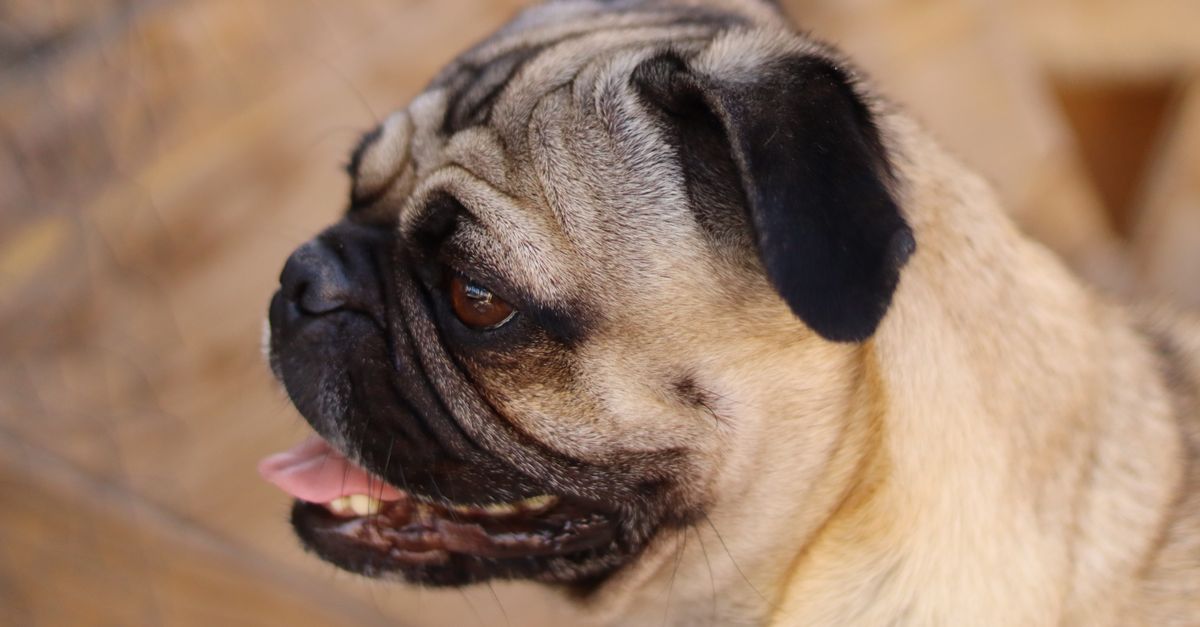
Don’t confuse an all-black Pug with a fawn Pug that has black markings. Fawn Pugs have a black mask on the muzzle, black ears, black cheek moles, a black “thumb mark” or diamond on the forehead, and often a dark line (called a trace) down the back. The standard asks for these markings to be as black as possible and to contrast clearly with the fawn coat. On a black Pug, the whole coat is black, so those markings blend in.

Be wary of “rare” color claims: Black is a standard Pug color. Sellers who advertise unusual colors such as blue, merle, or brindle as “rare” are offering colors outside the AKC standard.

Black Pug Dog Appearance and Characteristics

Beyond color, a black pug dog looks like any well-bred Pug. The AKC standard and the Pug Dog Club of America (PDCA) describe these features:

Feature What the standard describes
Coat Fine, smooth, soft, short, and glossy
Build Decidedly square and cobby (compact and sturdy)
Face Large, deep wrinkles and a short, blunt, square muzzle
Eyes Dark, very large, bold, and prominent, with a soft expression
Tail Curled as tightly as possible over the hip; a double curl is considered ideal
Colors Fawn or black only

How Big Does a Black Pug Get?

Color doesn’t change size. The AKC standard gives a desirable weight of 14 to 18 pounds for both males and females, and the PDCA and PetMD list a typical height of about 10 to 13 inches at the shoulder.

Measure Typical range Source
Height About 10–13 inches PDCA; PetMD
Weight 14–18 pounds (desirable) AKC standard
Lifespan About 13–15 years (average estimate) PetMD

Individual dogs can fall outside these ranges. Your vet can tell you whether your Pug is at a healthy weight for its frame. Claims of “teacup” or “mini” black Pugs aren’t recognized sizes, and PetMD discourages teacup Pugs because breeding for tiny size often compromises health.

Black pug dog with a short glossy black coat and wrinkled face
A black pug dog has the same build, wrinkles, and curled tail as a fawn Pug.


Black Pug Dog Temperament

The AKC standard describes the Pug as even-tempered and stable, with a playful, charming, dignified, outgoing, and affectionate disposition. The AKC also calls the Pug an “ideal house dog” that adapts well and suits owners of any age.

  • Companion-focused: PetMD says Pugs are friendly, eager to please, and happiest when they’re included in family life.
  • Family-friendly: the AKC notes that Pugs are good with children and usually get along with other dogs, especially when well socialized.
  • Food-motivated: handy for training, but it also makes weight gain easy.

A black pug dog has the same temperament as any other Pug. Coat color doesn’t change personality. Every dog is an individual, shaped by genetics, socialization, training, and daily routine, so no Pug is guaranteed to behave a certain way. Always supervise young children with any dog.

Black Pug Puppies and Adult Dogs

Black Pug puppies are born with dark coats and grow into the same compact adult shape as fawn Pugs. To give a puppy a healthy start:

  • Book a vet visit soon after you bring your puppy home. The AVMA’s pet owner resources cover vaccinations, parasite control, and routine care.
  • Socialize early and gently: introduce new people, places, sounds, and handling in short, positive sessions.
  • Start handling routines now: touch your puppy’s face folds, paws, ears, and mouth so grooming becomes easy later.
  • Feed small meals: PetMD notes puppies may need up to four meals a day to help prevent low blood sugar, while adults typically eat two or three small meals.
  • Keep play short and cool: avoid overexertion and hot weather, even with a young, energetic puppy.

As adults, Pugs are generally calm house dogs. PetMD says they need only several short walks a day and are poor candidates for running or agility work.

Grooming and Daily Care

A black Pug’s short coat is easy to maintain, but Pugs do shed. PetMD says they shed year-round, with heavier shedding in spring and fall, and the AKC notes they shed a fair amount. Shed hair can be very noticeable on light-colored furniture and clothing.

Care task What to do
Brushing The AKC recommends weekly brushing; brush more during heavy shedding
Wrinkle care PetMD advises cleaning the facial wrinkles and drying them thoroughly to help prevent infections
Eyes Check daily for redness, squinting, cloudiness, or discharge
Ears Check regularly; ask your vet how often to clean them
Nails Trim regularly, as the AKC recommends
Teeth PetMD advises daily brushing and professional cleanings because Pugs’ teeth are crowded
Vet checkups Routine visits help catch skin, eye, dental, and weight problems early

For a step-by-step approach to cleaning and drying facial folds, see our guide to wrinkle wipes and fold care. If nail trims make you nervous, our guide on trimming nails without cutting the quick can help.

Exercise, Heat, and Breathing

Every black pug dog is brachycephalic, or flat-faced. The AVMA explains that short-nosed breeds, including Pugs, often have smaller nostrils, a longer soft palate, and a narrowed trachea, which makes breathing less efficient. They can struggle to cool down during play, exercise, or stress, and extra weight makes these problems worse.

Follow these steps to keep your Pug safe:

  • Keep exercise moderate. The AKC says moderate activity keeps Pugs healthy. Short walks and indoor play usually suit them well.
  • Avoid heat and humidity. The AKC advises against strenuous exercise in hot, humid weather. The AVMA suggests shorter walks, more frequent rests, and walking at cooler times of day for short-nosed dogs.
  • Don’t run with your Pug without checking with your vet first. The AVMA notes running may be too risky for short-nosed breeds.
  • Keep your home cool in warm weather and always provide fresh water and shade.
  • Use a harness instead of pulling on a collar around the neck, and ask your vet which fit is best.

Signs of heat stress: get veterinary help right away

The AVMA lists these warning signs:

  • Unusual anxiety or weakness
  • Breathing hard and often
  • Heavy drooling
  • Gums that look discolored, dry, or sticky
  • Slower response to commands

Heat stress can quickly progress to heatstroke, which can be fatal without immediate veterinary care. PetMD also advises that heavy or labored breathing needs prompt veterinary attention.

Diet and Healthy Weight

Pugs love food, and the AKC warns that their food motivation makes weight gain easy. PetMD lists obesity as a common concern that can worsen breathing, overheating, joint problems, heart disease, and diabetes.

  • Feed a complete and balanced diet. PetMD suggests asking your vet to recommend an AAFCO-compliant food.
  • Measure meals instead of free-feeding. The right amount depends on your dog’s age, activity, and body condition, so ask your vet rather than relying on one universal figure.
  • Count treats as part of daily calories.
  • Give supplements only after talking with your vet.

If your Pug is already overweight, our guide on helping your dog lose weight explains how to work with your vet on a safe plan.

Black Pug Dog Health Concerns

Coat color doesn’t create special health problems. A black pug dog faces the same breed-related risks as a fawn Pug. Not every Pug develops these conditions, but knowing them helps you spot problems early.

Concern What to know
Breathing (BOAS) The PDCA notes not all Pugs are affected, but changes may develop with age. Snoring, noisy breathing, and exercise intolerance are worth discussing with your vet.
Eye problems The AKC says Pugs’ prominent eyes are prone to corneal ulcers and dry eye. PetMD notes eye injuries are emergencies.
Obesity Worsens breathing and heat tolerance; prevent it with measured meals
Skin and ears PetMD lists skin allergies and ear infections, aggravated by skin folds and narrow ear canals
Dental disease Crowded teeth raise the risk of gum disease
Joints and spine The PDCA lists luxating patellas, hip dysplasia, and Pug myelopathy; PetMD mentions Legg-Calvé-Perthes disease
Pug Dog Encephalitis (PDE) A serious inflammatory brain disease; the PDCA lists a genetic test for breeding dogs

Talk to your vet about any changes in breathing, eyes, skin, appetite, mobility, or behavior. Pet insurance may also help with unexpected costs, as PetMD suggests.

Black Pug resting indoors in a cool spot
Keep your Pug cool and at a healthy weight to protect its breathing.


Finding a Black Pug Dog Puppy

Choosing a responsible breeder

  • Meet the puppy and, where possible, its mother in the place where the litter is raised.
  • Review the puppy’s veterinary, vaccination, and deworming records.
  • Ask for the parents’ health-test results. The PDCA’s health page lists a PDE genetic test, an eye exam by a board-certified veterinary ophthalmologist, and a patella evaluation as its required CHIC tests, with hip, elbow, and other evaluations optional.
  • Ask about the parents’ breathing, temperament, and age, and the breeder’s contract and return policy.
  • The PDCA website also has a breeder directory under “Find a Pug.”

Red flags

  • “Rare” color claims or premium prices just because a puppy is black
  • “Teacup” or “mini” Pugs
  • No health records, no visit allowed, or pressure to pay a deposit immediately
  • Guarantees that a puppy will never have health problems

Adoption and rescue

PetMD notes that adopting from a shelter or rescue is an option. Breed-specific Pug rescues and local shelters sometimes have black Pugs and Pug mixes looking for homes, and adult dogs often come with a known personality.

What does a black Pug puppy cost?

There’s no single US price. PetMD gives a typical range of about $1,000 to $2,500 for a Pug puppy; treat this as a rough estimate, since prices vary by breeder, location, and what’s included. Adoption fees are usually lower. Budget for ongoing costs too: food, vet care, grooming supplies, and possibly pet insurance.

Black Pug Dog FAQs

Are black Pugs purebred?

Yes, a black Pug can be purebred. The AKC Pug standard recognizes two colors, fawn and black. A puppy’s registration papers and parentage, not its coat color, show whether it’s purebred.

How big does a black Pug get?

The same size as any Pug: about 10–13 inches tall, with a desirable weight of 14–18 pounds under the AKC standard. Individual dogs can vary.

How long do black Pugs live?

PetMD gives an average Pug lifespan of about 13–15 years. This is an estimate. Genetics, weight, and lifelong care all play a part.

Do black Pugs shed?

Yes. PetMD says Pugs shed year-round, with heavier shedding in spring and fall. Weekly brushing helps, and Pugs are not hypoallergenic.

Are black Pugs good family pets?

Many are. The AKC describes Pugs as affectionate, adaptable, and good with children. Every dog is an individual, so socialize your Pug and supervise young children.

Do black Pugs have special health problems?

No. Black Pugs share the same breed-related risks as fawn Pugs, including breathing difficulties, heat sensitivity, eye problems, skin-fold issues, and weight gain. Coat color doesn’t add or remove these risks.

How much does a black Pug puppy cost?

Prices vary. PetMD estimates about $1,000 to $2,500 for a Pug puppy. A black coat shouldn’t mean a higher price, and adoption is a lower-cost option.

Final Verdict: Is a Black Pug Dog Right for You?

A black pug dog is a standard-color, purebred Pug: affectionate, playful, and happiest close to its family. Its color doesn’t change its size, temperament, or health. What matters is daily care: keep it cool and at a healthy weight, clean and dry its wrinkles, watch its eyes and breathing, and choose a breeder who shares health-test results or adopt from a rescue.

Your next steps

  1. Ask breeders for the parents’ PDE, eye, and patella results before you visit.
  2. Plan for a cool home, a harness, and short daily walks.
  3. Keep your Pug’s teeth healthy with daily brushing and vet-approved dental chews.
  4. Browse more breed guides in our dogs section.

Share your black Pug photos with our community on Facebook.

About the author

Written and reviewed by the Pets Store Home Editorial Team: pet owners and animal lovers who check every guide against trusted US veterinary and animal-welfare sources. This article is general information, not a substitute for professional veterinary advice. Always talk to your veterinarian about your own pet’s health.

How we checked this guide: We used the AKC’s official Pug standard and breed guidance, the Pug Dog Club of America’s standard and health pages, AVMA guidance on short-nosed dogs and walking in heat, and PetMD’s Pug breed guide. We review this article every 12 months, or sooner if guidance changes.

Last reviewed: October 2026

Which Dog Should You Choose? A Lifestyle-Based Guide

Which Dog Should You Choose? A Lifestyle-Based Guide

Which dog should you choose? The best answer starts with your life, not a breed list. The American Kennel Club says the right match is a dog that suits your lifestyle, activity level, and living conditions. That means being honest about your time, energy, home, budget, and household, then meeting individual dogs whose needs fit. Breed tendencies can guide your research, but every dog is an individual, and a mixed-breed or adult shelter dog can be just as good a match as a puppy.

This guide shows how to choose a dog step by step: lifestyle, home, size and energy, temperament, grooming, puppy versus adult, health, cost, and where to find a dog responsibly.

Key takeaways

  • Match the dog’s exercise, grooming, and training needs to the time you actually have.
  • Size doesn’t reliably predict energy, according to the Merck Veterinary Manual.
  • No breed is guaranteed to be good with every child; adult supervision is essential.
  • The AKC says there are no 100% hypoallergenic dogs.
  • Puppies need extra time for house-training, socialization, and supervision.
  • Budget for food, vet care, training, grooming, supplies, boarding, and emergencies.
  • Adopt from a reputable shelter or rescue, or buy from a responsible breeder, and never choose on impulse.

Which Dog Should You Choose? Start With These Questions

Before you look at breeds, answer these honestly. Your answers point you toward the right kind of dog.

  1. How much time can I spend each day on walks, play, and training?
  2. How long will the dog be alone on a typical day?
  3. Do I rent or own, and do my lease, HOA, or local rules limit dogs?
  4. Who lives in my home, including children, older adults, and other pets?
  5. Does anyone in the household have allergies?
  6. How much grooming and shedding can I handle?
  7. What can I afford monthly, and for unexpected vet bills?
  8. Who will care for the dog when I travel?
  9. How might my housing, work, or family change over the dog’s lifetime?

Lifestyle and Activity Level

Your daily routine is the biggest factor in answering “which dog should you choose?” The AKC notes that active owners may want a dog that can keep up on hikes or long walks, while less active owners may be happier with a calmer dog. Petco adds that a slow breed may struggle to keep up with a jogger, and a high-energy breed can overwhelm an inactive owner.

Time alone matters too. The AVMA warns that any dog left alone all day without exercise or social contact can become bored and destructive, and Petco suggests a family that’s away most of the day may not be ready for a dog yet. If you work long hours, plan for a dog walker, daycare, or a lower-energy adult dog, and think about who will help when you travel.

Home and Living Arrangements

Where you live also matters when you ask, “which dog should you choose?” It affects how you’ll meet a dog’s needs.

  • Rentals and rules: the AVMA suggests checking whether building, town, or state rules limit the number or types of pets. Read your lease or HOA rules before you commit.
  • Apartments: the AVMA notes large or high-energy dogs may be harder to keep in apartments, but the AKC says living space matters less than whether the dog’s exercise needs are met. Petco notes Beagles are known for barking, which may not suit close neighbors.
  • Yards: Merck says large and very active dogs often do best with a fenced yard. Petco notes digging breeds such as hounds, terriers, Dachshunds, and Beagles may not suit a carefully kept garden.
  • Outdoor access: every dog needs regular trips outside for elimination and exercise.
  • Climate: Merck notes thick-coated dogs can struggle in hot climates, and short-coated dogs may have trouble in the cold.

Size and Energy Are Not the Same Thing

It’s easy to assume a small dog needs little exercise and a big dog needs a lot. The Merck Veterinary Manual cautions that size doesn’t reliably predict activity level, and notes that working breeds often need a job to stay out of trouble. Some small breeds are very energetic, and some large dogs are calm indoors. It can also be hard to predict how big a mixed-breed puppy will grow.

When choosing a dog breed, look up its typical exercise needs, not just its adult size, and ask the shelter or breeder about the individual dog’s energy level.

Which dog should you choose: dog owner spending time with a dog
Which dog should you choose? Start with your time, home, and household, then meet individual dogs.

Temperament, Children, and Other Pets

An individual dog’s temperament matters more than its breed label. Merck lists positive signs such as an active, friendly, curious nature, and warns about timidity or aggression.

Choosing a family dog

  • No breed is automatically safe with every child. Merck says training and supervision are essential, and that children and infants should never be left alone with a dog.
  • Consider size and play style. Petco notes very large, playful dogs can knock over small children, and quick, small dogs can trip older adults. Merck adds that small, active dogs may not tolerate rough play.
  • Ask about history. Merck notes an adult dog used to a child-free home may react poorly to a new child.
  • Teach children to approach gently, let the dog come to them, and leave it alone while it eats or rests.
  • Adults stay in charge. The AVMA says an adult must be willing, able, and available to supervise daily care, even when children help.

Other pets

Ask how the dog behaves with other dogs, cats, or small animals, and plan slow, supervised introductions. If you’re bringing home an adult rescue, our guide to crate training an adult rescue dog can help with the first weeks.

Which Dog Should You Choose as a First-Time Owner?

First-time owners often do best with a dog whose energy, grooming, and training needs are moderate and predictable, and with plenty of support from a trainer, vet, or shelter. Expect to invest time in daily routines, house-training, socialization, and positive training classes. An adult dog with a known temperament can be a good option, and Petco reminds readers not to assume an adult is already trained.

Grooming and Shedding

  • All dogs need grooming, including nail trims, Petco notes.
  • Coat type matters. Petco says long coats need regular brushing, short coats are easier to maintain, double-coated breeds shed seasonally, and single-coated breeds shed less heavily.
  • No dog is allergy-proof. The AKC states that there are no 100% hypoallergenic dogs, breeds, or mixes, though some coats produce less dander. If anyone has allergies, spend time with the specific dog first and talk to a doctor.

Puppy or Adult Dog?

Consideration Puppy Adult dog
Training Needs house-training, socialization, and obedience training The AVMA says often already housetrained and knows basic commands, but don’t assume
Supervision More frequent feeding and close supervision May need time to settle into a new home
Personality Still developing Easier to observe; ask about known behavior and health history
Vet care Early vaccination series and preventive care Exam soon after adoption; bring prior records

Choosing a Dog Breed: Examples by Need

These examples show how breed tendencies line up with common needs. They’re a starting point for research, not a guarantee. Individual dogs vary, and mixed-breed dogs can fit any of these profiles.

If you want or need… Breeds sources mention Keep in mind
A very active partner Border Collie, Australian Shepherd (Petco); Border Collie for agility, Papillon as a smaller option (AKC) High exercise and mental stimulation needs every day
A family-oriented dog Labrador Retriever (AKC: family-friendly, moderate exercise, little grooming) Sheds; still needs training and supervision with kids
Less shedding Poodles, Maltese, many terriers (Petco: single-coated, shed less) Not allergy-proof; coats may need regular professional grooming
Minimal brushing Short-coated breeds (Petco: easier to maintain) Still need nail trims and may shed
A long, flowing coat Yorkshire Terrier, Lhasa Apso, Collie (Petco) More grooming time or grooming costs
A quieter home Research breeds known for less barking Petco notes Beagles are known for barking; read our guide on Beagle shedding and care

The AKC suggests reading breed pages, contacting breed clubs, and attending events to learn more, and offers a “Find a Match” tool. Then meet individual dogs and ask about their known behavior and needs.

Health and Breed-Related Considerations

Health is a key part of answering “which dog should you choose?”, especially with purebreds.

  • Research known health risks for any breed you’re considering.
  • Merck suggests asking breeders whether the parents were tested for breed-specific diseases, such as hip dysplasia, and requesting health and vaccination records.
  • The AVMA notes large-breed dogs generally live shorter lives than smaller dogs.
  • Ask your veterinarian which screening and preventive care your future dog will need. If you’re considering a flat-faced breed, our Pug guide explains breathing and heat concerns.

Budget and Long-Term Responsibility

The AVMA notes that the purchase or adoption price is only the first expense. Plan for:

  • Quality food and treats
  • Routine veterinary care and preventive medications
  • Training classes
  • Grooming, supplies, and toys
  • Licensing, boarding, or pet sitting
  • Emergency veterinary care; the AVMA notes pet insurance can help with unexpected bills

Costs vary widely by dog size, coat type, health, and where you live, so get local estimates from your vet and groomers before deciding.

Adoption and Responsible Breeders

  • Shelters and rescues: the AVMA and Petco note that shelters and rescue groups have both mixed-breed and purebred dogs, and breed-specific rescues exist. Good shelters should help match a dog to your family. The AKC advises caution with rescues that charge very high fees or sell dogs online.
  • Responsible breeders: visit, meet at least one parent, and ask about temperament, socialization, and health testing. The AVMA notes the parents’ temperaments are often good indicators of a puppy’s future temperament.
  • Do your homework: Merck warns that some pet stores source from puppy mills. Ask why a dog is available and about any known health or behavior issues.
  • Avoid impulse decisions: the AVMA advises against impulse purchases and dogs given as surprise gifts.

If you’re drawn to a particular breed, adoption guides such as our page on Akita adoption can help you understand that breed’s needs first.

What about zodiac dog matches? Matching a dog to your star sign can be a fun conversation starter, but it isn’t a reliable way to answer “which dog should you choose?” Exercise needs, temperament, grooming, health, and your daily life are what make a good match.

Think Long Term

A dog may be part of your life for many years. Before you decide, consider how a move, a new job, a new baby, retirement, or a change in finances could affect your ability to care for the dog. Choosing a dog that fits both your life now and your likely future helps prevent hard decisions later.

Once your dog comes home, the AVMA recommends scheduling a veterinary exam as soon as possible and bringing any records you received. Our guide to the benefits of owning a pet covers what else to plan for.

Which Dog Should You Choose? FAQs

Which dog should you choose as a first-time owner?

Look for an individual dog with moderate exercise, grooming, and training needs that fit your schedule. An adult dog with a known temperament can be a good choice. Plan for training classes and support.

How do you choose a dog for an apartment?

Focus on exercise needs and noise, not just size. The AKC says living space matters less than meeting a dog’s exercise needs. Check your lease and building rules first.

Should you adopt an adult dog or get a puppy?

Puppies need more time for house-training, socialization, and supervision. The AVMA notes adult dogs are often housetrained and know basic commands, but every dog needs time to settle in.

What should you consider before choosing a family dog?

Consider the dog’s temperament, size, and play style, plus your children’s ages. No breed is guaranteed safe with every child, so always supervise and teach kids to interact respectfully.

How much time and money does dog ownership require?

Expect daily time for exercise, feeding, training, and grooming. Costs include food, vet care, preventive medications, training, grooming, supplies, boarding, and emergencies. They vary by dog and location.

How can you tell whether a dog fits your lifestyle?

Compare the dog’s exercise, grooming, and training needs with your real schedule and home. Spend time with the individual dog, and ask the shelter or breeder about its known behavior.

Are there hypoallergenic dog breeds?

The AKC says no dog is 100% hypoallergenic. Some breeds produce less dander, but allergy sufferers should spend time with a specific dog before committing.

Is a mixed-breed dog a good choice?

Yes. Mixed-breed dogs can make wonderful companions. The AKC notes their traits can be less predictable, so spend time with the dog before deciding.

Final Verdict: Which Dog Should You Choose?

So, which dog should you choose? The one whose needs match your time, home, household, and budget, and whose individual temperament you’ve seen for yourself. Use breed tendencies to narrow your search, consider adult shelter dogs and mixed breeds alongside puppies, ask plenty of questions, and plan for the long term. The best dog for your lifestyle is the one you can care for well for its whole life.

Your next steps

  1. Answer the nine questions at the top of this guide.
  2. Check your lease, HOA, and local pet rules.
  3. Visit local shelters, rescues, or responsible breeders and meet individual dogs.
  4. Browse breed and care guides in our dogs section.

Tell us how you chose your dog on Facebook.

About the author

Written and reviewed by the Pets Store Home Editorial Team: pet owners and animal lovers who check every guide against trusted US veterinary and dog-welfare sources. This article is general information, not a substitute for advice from your veterinarian or a qualified trainer.

How we checked this guide: We used the AVMA’s guide to selecting a pet dog, the Merck Veterinary Manual (Natalie Antinoff, DVM, DABVP), AKC guidance by Dr. Jerry Klein and AKC staff, and Petco’s guide reviewed by Whitney Miller, DVM. We review this article every 12 months.

Last reviewed: October 2026

Tiger Stripe Brindle Pitbull Mix | Light | Red Blue | Reverse Puppy

Tiger Stripe Brindle Pitbull Mix | Light | Red Blue | Reverse Puppy

Tiger Stripe Brindle Pitbull: Light, Red, Blue & Reverse Brindle Guide (2026)

A tiger stripe brindle pitbull is a pit bull–type dog whose coat has dark, tiger-like stripes over a lighter base. Brindle is a coat pattern, not a breed. It comes in light, red, blue and reverse versions, and it shows up in purebred pit bulls and pitbull mix puppies alike. The stripes alone don't change a dog's temperament or real value.

If you love that striped look, you probably want to know what the different brindle names mean and whether a "rare" brindle is worth paying extra for. This guide explains the genetics in plain English, compares light, red, blue and reverse brindle, covers brindle pitbull mixes and puppies, and flags the health and buying issues worth knowing.

Key takeaways

  • Brindle is a striped coat pattern controlled by the K locus, not a separate breed.
  • Brindle is dominant, so a brindle puppy usually has at least one brindle parent.
  • Blue brindle comes from the dilute gene; reverse brindle looks mostly dark with lighter streaks.
  • The UKC accepts any pit bull color except merle, so brindle isn't "rare."
  • Dilute (blue) coats can carry a risk of color dilution alopecia.

Brindle Pitbull: The Short Answer

A brindle pitbull is defined by its stripes, not by a special bloodline. Here is a quick guide to the names you'll see in ads and rescue listings.

Name What it usually means Key fact
Tiger stripe brindle Clear dark stripes on a fawn or tan base The classic brindle look
Light brindle Pale fawn or cream base with thinner stripes Shade varies from dog to dog
Red brindle Red or copper base, or brown (liver) striping Liver dogs often have a red-brown nose
Blue brindle Gray stripes on a muted base Caused by two copies of the dilute gene
Reverse brindle Mostly dark coat with lighter streaks Still genetically brindle

In short, two brindle dogs can look very different, but the pattern behind every version works the same way.

What Makes a Pit Bull Brindle? The Genetics

Dogster explains that brindle is linked to one of the variants at the K locus, a gene that controls coat patterning, and that dogs carrying the dominant black variant won't show brindle. The UC Davis Veterinary Genetics Laboratory notes that dogs with one copy of dominant black are sometimes brindle, which is why genetics can be tricky to read from a coat.

Modern Molosser magazine adds that brindle is dominant, so at least one parent must be brindle, and that a black coat can hide brindle genes underneath. It also notes there is no reliable commercial test for brindle, so DNA results may not confirm it directly.

What does that mean for you? If you want a brindle puppy, the most reliable clue is the parents' coats, not a DNA report. And if a solid black dog unexpectedly has striped puppies, hidden brindle genes are one possible explanation.

Brindle pitbull puppy: a young light red brindle pit bull lying in green grass with faint tiger stripes
Light and red brindle puppies show softer stripes on a warm fawn base. Photo: Pexels.

Light, Red, Blue and Reverse Brindle Colors

Each brindle shade comes from the same striped pattern sitting on a different base color or pigment.

  • Light brindle: A pale fawn or cream base with fine stripes. The stripes can look faint from a distance.
  • Red brindle: Breeders use this name in two ways: a rich red base with dark stripes, or brown stripes caused by two copies of the brown gene. Modern Molosser notes that this brown (liver) form also gives the dog a red-brown nose.
  • Blue brindle: VCA explains that two copies of the dilute gene lighten dark pigment to a gray-blue shade, so the stripes look slate gray.
  • Reverse brindle: Dogster describes light stripes on a dark base. Modern Molosser points out the term is used in opposite ways across breeds, and genetically these dogs are still just brindle.

Lighting matters too. A brindle coat may look darker indoors and redder in sunlight, so photos in ads may not match the dog in person.

Shade Base color Stripe color Typical nose
Light brindle Pale fawn or cream Dark brown or black Usually black
Red brindle Red or copper Black or liver brown Black or red-brown
Blue brindle Muted, dilute fawn Gray or blue Gray or blue
Reverse brindle Mostly dark Lighter fawn streaks Usually black

Shades blend into each other, and names vary between sellers. Ask to see the dog in daylight before trusting a label.

Is a Tiger Stripe Brindle Pitbull a Separate Breed?

No. A tiger stripe brindle pitbull is a color variety, not a breed of its own. The UKC American Pit Bull Terrier standard allows every color and pattern apart from merle, so brindle is fully allowed. The AVMA also notes that "pit bull" is a loose category of dogs rather than one breed, so many brindle pit bulls are mixes.

If you're drawn to bold coat colors, you may also like our guides to the Panther black pit bull and to blue and red nose pit bull puppies.

Dark brindle pitbull with a heavily striped coat and white chest standing in front of a brick wall
Heavily striped dogs like this may be sold as reverse brindle, though genetically they are simply brindle. Photo: Pexels.

Brindle Pitbull Mix Puppies: What to Expect

Brindle ranks above fawn and red in the K-locus order, so a brindle pitbull mix puppy usually has at least one brindle parent, though a solid black parent can carry the gene hidden. Mixed litters can include brindle, solid and patched puppies, so seeing both parents helps you predict coat color and size.

Mix What to know
Brindle pitbull lab mix Usually medium to large and energetic; size and coat depend on both parents
Brindle pit bull boxer mix Often muscular and playful; coat depends on which parent carries brindle
Brindle pit bull shepherd mix Often larger with high energy; needs consistent training
Unknown shelter mix A DNA test can estimate breed ancestry; check whether it also reports K-locus coat genes

For more on specific mixes, see our guides to the pit bull Labrador mix and the golden retriever pit bull mix. If you're curious about a shelter dog's background, our guide to dog DNA test kits explains what tests can and can't tell you.

Health: Does Coat Color Matter?

The brindle pattern itself isn't tied to any known health problem. The exception is dilute color. VCA explains that color dilution alopecia is an inherited condition seen most often in blue or fawn dilute dogs. It causes patchy thinning and flaky skin, often starting in the first few years of life, and can be managed but not cured.

Health checks for any brindle puppy

Brindle pitbull mix puppy sitting in green grass with tiger stripes on a fawn coat
Seeing both parents is the best way to predict a mixed puppy's size and coat. Photo: Pexels.

Price, Scams and Adoption

We found no reliable national data on brindle pit bull prices, and color alone shouldn't raise the price. Since brindle is fully accepted and not rare, a big premium for a "rare tiger stripe" or "exotic reverse brindle" is a warning sign.

  • Scams: The BBB reports that more than half of pet scams begin on sites found through search engines or social media. Never pay a deposit before a live video call or visit.
  • Breeders: The AKC says good breeders allow buyers to meet the puppy's mother, share health records and keep puppies until at least eight weeks old.
  • Local laws: The AVMA opposes breed-specific laws, but some US cities and counties still restrict pit bull–type dogs. Check your local rules, lease and HOA first.
  • Adoption: Shelters and rescues often have brindle pit bull–type dogs, usually for a lower fee.

Example scenario (illustrative)

Teresa in El Paso sees an ad for a "rare reverse brindle pitbull" priced far above other litters. She asks to see both parents and learns the father is a dark brindle and the mother is fawn. Realizing the pattern is common, she visits a local shelter instead and adopts a one-year-old tiger stripe brindle pitbull mix with up-to-date vaccines.

Questions to ask before you commit

  1. Can I meet both parents, or at least the mother?
  2. Which health tests have the parents had?
  3. Is either parent a dilute (blue) dog, and has either had skin or coat problems?
  4. How big are the parents, and what adult size should I expect?
  5. Will you take the dog back at any age?
Brindle pitbull: a striped pit bull-type dog on a leash standing beside its owner on a park path
A well-socialized, healthy dog matters more than the shade of its stripes. Photo: Pexels.

Brindle Pitbull FAQs

What is a tiger stripe brindle pitbull?

It's a pit bull–type dog with a brindle coat: dark, tiger-like stripes over a lighter fawn, red or tan base. Brindle is a coat pattern, not a separate breed, and it can appear in purebred and mixed pit bulls.

Is a brindle pitbull rare?

Brindle isn't considered rare in pit bull–type dogs. The UKC standard for the American Pit Bull Terrier accepts any color or pattern except merle, so brindle is fully allowed. Be wary of sellers who charge more for a "rare" brindle.

What does reverse brindle mean?

Dogster defines reverse brindle as light stripes on a dark base, so the dog looks mostly dark with lighter streaks. Breed writers use the term inconsistently, and genetically these dogs are still simply brindle.

What makes a pit bull blue brindle?

A blue brindle has two copies of the dilute gene, which turns black pigment gray or blue. The result is gray stripes on a muted fawn base, often with a gray or blue nose.

Are brindle pit bulls less healthy?

Brindle itself isn't linked to health problems. Dilute (blue) coats can carry a risk of color dilution alopecia, an inherited hair-loss condition that VCA says is manageable but not curable.

Can two non-brindle pit bulls have brindle puppies?

It can happen. Brindle shows over fawn and red, but solid black hides it, so a black parent can carry brindle without showing it. Two fawn or red parents, however, can't produce a brindle puppy.

Does coat color affect temperament?

No reliable evidence links brindle or any other coat color to temperament. Genetics, early socialization, training and the parents' behavior matter far more than stripes.

Final Verdict: Is a Brindle Pitbull Right for You?

A brindle pitbull gets its tiger stripes from a K-locus gene, not from a special breed. Light, red, blue and reverse brindle are simply different shades of the same pattern, and none of them changes temperament. Pick a dog for health and personality, ask about dilute-related skin issues in blue brindles, and consider adopting.

Your next steps

  1. Check your local laws and lease rules for pit bull–type dogs.
  2. Visit local shelters and rescues to meet brindle pit bull mixes.
  3. Browse more breed and care guides in our dogs section.

Show off your striped pup in our Facebook community.

About the author — Written and reviewed by the Pets Store Home Editorial Team: pet owners and animal lovers who check every guide against trusted US veterinary and animal-welfare sources. This article is general information, not a substitute for professional veterinary advice. Always talk to your veterinarian about your own pet's health.

How we checked this guide: Coat genetics come from the UC Davis Veterinary Genetics Laboratory, VCA Animal Hospitals, Dogster (veterinarian-reviewed) and Modern Molosser magazine; breed standards from the United Kennel Club; color dilution alopecia from VCA; breeder advice from the AKC; breed-specific laws from the AVMA; and scam data from the BBB. We found no reliable national price data for brindle pit bulls. We review this article every 12 months, or sooner if guidance changes.

Last reviewed: October 2026.

Sources

Chihuahua Pug Mix (Chug): Complete Breed & Health Guide

Chihuahua Pug Mix (Chug): Complete Breed & Health Guide

Chihuahua Pug Mix (Chug): Complete Breed & Health Guide

A Chihuahua Pug mix, usually called a Chug (or sometimes a Pughuahua), is a small designer cross between a Chihuahua and a Pug. Most adults weigh roughly 10 to 19 pounds and live about 10 to 16 years. Chugs are typically playful, affectionate and people-focused, and they suit apartments well. Because they aren’t a recognized breed, looks and personality vary a lot, even within one litter.

The biggest thing to know is health. A Chug that inherits the Pug’s short, flat face can have breathing trouble and overheat easily, while the Chihuahua side brings risks like slipping kneecaps, dental disease and heart valve problems. With the right care, though, a Chug can be a loyal, funny companion for many years.

Get emergency vet care if your Chug: struggles to breathe, has blue or gray gums or tongue, collapses, or seems overheated (heavy panting, drooling, weakness). For a tiny puppy that is weak, wobbly or trembling, low blood sugar is possible, so see a vet right away.

Key takeaways

  • A Chug is a Chihuahua crossed with a Pug; it is not a Chiweenie, which is a Chihuahua and Dachshund mix.
  • Expect a small dog of about 10 to 19 pounds, with a lifespan of roughly 10 to 16 years.
  • Flat-faced Chugs need protection from heat and hard exercise.
  • Watch for knee, eye, dental and heart problems inherited from either parent.
  • Adoption is often cheaper than buying; breeder puppies usually start around $500.

Chihuahua Pug Mix at a Glance

Trait Details
Other names Chug, Pughuahua
Parent breeds Chihuahua × Pug
Weight About 10 to 19 pounds (some sources say 18 lb or less)
Height About 9 to 14 inches
Lifespan About 10 to 16 years
Coat Short and smooth; fawn, black, brown, cream, apricot, silver or white
Temperament Playful, affectionate, attention-loving, sometimes stubborn
Exercise Moderate: short walks and indoor play
AKC recognized? No

What Is a Chihuahua Pug Mix?

PetMD describes the Chug as a cross between a Chihuahua and a Pug and notes that the American Kennel Club doesn’t recognize it. Without a breed standard, there’s no guarantee of size, coat or face shape. Two puppies from the same litter can look like different dogs.

Both parents were bred as companions rather than working dogs, which shows in the Chug’s love of being close to people. The Pug brings a sturdy, wrinkly, easygoing side, while the Chihuahua adds alertness, a longer muzzle in many dogs, and a big personality in a small body.

People sometimes confuse the Chug with the Chiweenie. A Chiweenie is a Chihuahua and Dachshund mix with a longer back, so its health concerns differ. Our Chiweenie guide explains that mix in detail.

Chihuahua Pug mix: small fawn and black Pug mix dog lying on a sunny path
Pug-leaning Chugs often have a short muzzle, dark mask and stocky body. Photo: Christopher Welsch Leveroni / Pexels.

Chihuahua Pug Mix Size, Appearance and Lifespan

Because the Chug is a mix, sources give slightly different numbers. Looking at them side by side gives a realistic range.

Source Adult weight Height Lifespan
PetMD About 18 lb or less Not listed 13 to 16 years
Petfinder 10 to 19 lb 9 to 14 in 10 to 13 years

A Chihuahua-leaning puppy may stay small and fine-boned, with upright ears and a longer nose. A Pug-leaning puppy is often stockier, with a flatter face, folded ears and forehead wrinkles. If possible, meet both parents. Their size and face shape are the best clue to how a puppy will turn out.

What to expect from a Chihuahua crossed with a Pug

When a Chihuahua is crossed with a Pug, the first-generation puppies get half their genes from each parent, but which traits show up is a lottery. Some breeders also pair two Chugs together, which can make the litter even less predictable. If you have your heart set on a longer muzzle for easier breathing, choose an adult or older puppy whose face shape is already clear, rather than guessing from a young puppy.

Coat and colors

Petfinder lists brown, black, fawn, silver, apricot, cream and white coats, in solid colors or mixes. The coat is short and smooth, but don’t expect a low-shedding dog. PetMD notes that Chugs with a Pug-like coat can shed heavily, and Petfinder confirms they aren’t hypoallergenic.

Chihuahua Pug Mix Temperament

Most Chugs are playful, affectionate little dogs that want to be part of everything you do. PetMD describes them as attention-seeking companions that can also be stubborn and independent. Petfinder calls them lively, outgoing and talkative, with a mischievous streak.

  • Velcro tendencies: Chugs dislike being alone, and PetMD warns that some bark or develop separation anxiety.
  • Barking: Petfinder calls them talkative, so some Chugs are quick to sound the alarm at noises or visitors.
  • With strangers: early, gentle socialization helps a Chug grow into a confident adult.
  • Training: Petfinder notes they respond well to positive training; expect some stubbornness along the way.

Every dog is an individual. Some Chugs are calm lap dogs, while others are busy and vocal. If you’re adopting an adult, spend time with that dog before deciding. For help with a nervous puppy, see our guide to socializing a shy or fearful puppy.

Chihuahua Pug mix parent breed: tan Chihuahua with upright ears looking at the camera
Chihuahua-leaning Chugs often have upright ears, a longer muzzle and a finer build. Photo: Anya Juárez Tenorio / Pexels.

Chihuahua Pug Mix Health Problems

A mixed breed isn’t automatically healthier. A Chug can inherit problems from either parent, so it helps to know what to watch for.

Condition Comes from Signs to watch
Brachycephalic airway syndrome Pug Loud breathing, gagging, tiring fast, overheating
Eye problems Both (prominent eyes) Squinting, redness, cloudiness, discharge
Patellar luxation Both (small breeds) Skipping, hopping on one back leg
Dental disease Both (toy breeds) Bad breath, tartar, dropping food
Mitral valve disease Chihuahua Heart murmur, coughing, tiring easily with age
Obesity Both Weight gain; worsens breathing and joints

Breathing problems and heat

Chugs with a Pug-style face may have brachycephalic syndrome. The American College of Veterinary Surgeons lists noisy breathing, gagging, exercise intolerance, blue gums and collapse as signs, often set off by activity, excitement, heat or humidity. It adds that extra weight makes the problem worse, and that surgery can help dogs with significant symptoms. Petfinder also warns that a Chug’s short snout makes it prone to heat stroke.

Eyes, knees and teeth

PetMD lists eye ulcers, glaucoma, cataracts and dry eye among the main concerns for a Chihuahua Pug mix, noting that their prominent eyes are easy to injure. Kneecap dislocation and dental disease are also common in small and toy breeds. See your vet promptly for squinting, a cloudy eye, limping or bad breath.

Heart, trachea and blood sugar (Chihuahua side)

PetMD’s Chihuahua guide reports that degenerative mitral valve disease is the leading cause of death in older Chihuahuas, and it also lists collapsing trachea and low blood sugar in young dogs. The AKC notes that tiny toy-breed puppies are at risk of hypoglycemia, with signs like weakness, trembling and collapse. Feed small puppies frequent meals, and use a harness instead of a collar to protect the windpipe.

Chihuahua Pug mix parent breed: fawn Pug with a short flat face and wrinkles
The Pug’s flat face can be passed on to a Chug, along with its risk of breathing trouble. Photo: Isa Noriega / Pexels.

Caring for Your Chug: Exercise, Grooming and Food

Exercise

Chugs need only moderate activity, such as short walks and games of fetch indoors. Walk in the cooler morning or evening, keep outings short on hot or humid days, and stop if your dog’s breathing gets loud or labored. A well-fitted harness is kinder to both the airway and a fragile trachea.

Grooming

PetMD suggests weekly brushing for most Chugs and only occasional baths to avoid dry skin. If your dog has facial wrinkles, wipe and dry the folds regularly, and check the ears for redness or odor. Brush teeth often, ideally daily, and trim nails every few weeks.

Training and house-training

Use short, upbeat sessions with tiny treats and lots of praise; harsh corrections can make a small, sensitive dog more fearful. Reward quiet behavior to curb nuisance barking, and practice short absences early so your Chug learns that being alone is safe. Small dogs have small bladders, so plan frequent potty breaks, especially for puppies, and be patient if house-training takes a little longer than it would with a larger dog.

Feeding

Feed a complete and balanced small-breed food, measured to your dog’s ideal weight. Count treats as part of the daily total. PetMD warns that Chugs can become overweight, which raises the risk of arthritis and pancreatitis, so weigh your dog regularly and ask your vet to check body condition at each visit.

Chihuahua Pug Mix Cost and Where to Find One

PetMD says Chug puppies from breeders generally cost $500 or more, and Petfinder notes that adopting from a shelter or rescue is usually much cheaper. Search Petfinder and local shelters for “Chug,” “Pug mix” or “Chihuahua mix,” and check Pug and Chihuahua rescues, which sometimes take in crosses.

If you buy, choose a breeder who lets you meet the mother, shares vet records, and can talk about the parents’ breathing, eyes, knees and hearts. The Chihuahua Club of America recommends cardiac, eye and patella screening for breeding Chihuahuas, so ask whether the Chihuahua parent had those checks. Walk away from sellers who won’t let you visit or push “teacup” sizes. Budget for food, vet care, dental cleanings and an emergency fund too.

Is a Chug Right for You?

Good fit if you… Think twice if you…
Live in an apartment or small home Want a running or hiking partner
Are home much of the day Work long hours away from home
Have adults or older, gentle kids Have toddlers or very large, rough dogs
Can budget for vet and dental care Live somewhere very hot without air conditioning

Example scenario (illustrative)

Brandon in Phoenix adopted Peanut, a 3-year-old Chihuahua Pug mix, from a local rescue. Peanut snored loudly and tired quickly on walks, so Brandon’s vet checked her airway and recommended keeping her lean and avoiding midday heat. Brandon switched to early-morning walks, used a harness, and kept her indoors with the air conditioning on during summer afternoons. Peanut slimmed down by two pounds and now plays happily indoors.

Chihuahua Pug Mix FAQs

What is a Chihuahua Pug mix called?

It’s usually called a Chug, and sometimes a Pughuahua. It is not a Chiweenie, which is a Chihuahua and Dachshund mix.

How big does a Chihuahua Pug mix get?

Most adult Chugs weigh about 10 to 19 pounds and stand around 9 to 14 inches tall, depending on the parents.

How long do Chugs live?

Estimates range from about 10 to 16 years. Weight control, dental care and regular vet visits all help.

Do Chugs have breathing problems?

Some do, especially those with a short, flat Pug-style face. Keep them cool and lean, and see a vet if breathing is loud or labored.

Are Chugs good apartment dogs?

Often, yes. They’re small and need only moderate exercise, though barking may need training.

Are Chugs hypoallergenic?

No. They shed, and Pug-like coats can shed quite a lot.

Final Verdict: Is the Chihuahua Pug Mix a Good Dog?

A Chihuahua Pug mix can be a loving, playful companion for apartments and homes where someone is around most of the day. The trade-off is health: flat-faced Chugs need protection from heat and hard exercise, and every Chug needs good dental care, weight control and regular vet checks. Meet the individual dog, ask about the parents’ health, and plan for lifelong care.

Your next steps

  1. Search Petfinder and local rescues for Chugs and Pug or Chihuahua mixes.
  2. Ask any breeder about the parents’ breathing, heart, eye and knee checks.
  3. Book a vet visit within the first week of bringing your Chug home.
  4. Browse more breed guides in our dogs section.

Share your Chug’s photo with other owners in our Facebook community.

About the author — Written and reviewed by the Pets Store Home Editorial Team: pet owners and animal lovers who check every guide against trusted US veterinary and animal-welfare sources. This article is general information, not a substitute for professional veterinary advice. Always talk to your veterinarian about your own dog’s health.

How we checked this guide: Breed details come from PetMD and Petfinder; health information from the American College of Veterinary Surgeons, PetMD’s Chihuahua guide (Katie Grzyb, DVM), the AKC and the Chihuahua Club of America. We review it every 12 months.

Last reviewed: October 2026.

Sources

Your content goes here. Edit or remove this text inline or in the module Content settings. You can also style every aspect of this content in the module Design settings and even apply custom CSS to this text in the module Advanced settings.

Panther Black Pitbull | Terrier | Hulk | Mastiff | Muscular All Puppy

Panther Black Pitbull | Terrier | Hulk | Mastiff | Muscular All Puppy

Panther Black Pitbull: What It Really Is, Plus Hulk, Terrier and Mastiff Mixes Explained

What is a panther black pitbull? It is not a recognized breed. “Panther” is a nickname some sellers use for a solid black pit bull-type dog, usually an American Pit Bull Terrier, an American Bully or a pit bull-mastiff mix. Coat color does not change temperament or health, so judge the parents, health testing and breeder, not the label.

Search for a panther black pitbull and you will find giant, glossy black dogs, big price tags and plenty of confusing claims. This guide sorts fact from marketing. You will learn which breeds sit behind the name, who Hulk the giant pit bull is, how big these dogs get, their health risks, the law, and how to choose a puppy responsibly.

Key takeaways

  • “Panther” and “Hulk” are nicknames, not breeds recognized by the AKC or UKC.
  • The American Pit Bull Terrier is recognized by the UKC (1898) and ADBA (1909), but not the AKC.
  • Per Chewy, APBT males weigh 35 to 60 pounds; mastiff mixes can be far heavier.
  • Black is an accepted color; the UKC allows any color except merle.
  • Large, deep-chested dogs face a higher risk of bloat (GDV), an emergency.
  • The AVMA opposes cosmetic ear cropping, and the ASPCA opposes breed-specific laws.

What Is a Panther Black Pitbull?

A panther black pitbull is a solid or nearly solid black dog of pit bull type. The “panther” label is a marketing term that plays on the sleek, dark coat. No major kennel club lists a “panther pitbull” breed, so two dogs sold under the name can be very different in size, ancestry and health.

“Pit bull” itself is an umbrella term. As Dogster explains, it covers several related breeds rather than one. That is why knowing the actual breed or mix behind a panther black pitbull matters far more than the name on an ad.

Panther Black Pitbull Breeds: Terrier, Bully or Mastiff Mix?

Most black dogs sold as “panthers” fall into one of these groups:

Type Recognition Typical size Key traits
American Pit Bull Terrier UKC (1898), ADBA (1909); not AKC Males 35 to 60 lbs, 18 to 21 in. Athletic, loyal, eager to please
American Staffordshire Terrier AKC (first entered 1936) Medium, muscular Close cousin of the APBT
American Bully UKC (2013) Pocket, Standard/Classic and XL sizes Bred as a companion; muscular build
Pit bull-mastiff mix Not recognized Varies; can be much heavier Size and health depend on both parents

Sources: Chewy (APBT and AmStaff facts) and United Kennel Club (American Bully).

The United Kennel Club (UKC) calls the American Bully “a natural extension of the American Pit Bull Terrier” and accepts any color except merle. Its standard describes a gentle, friendly companion and treats aggression toward people as highly undesirable.

Other black pitbull mixes

Not every black dog of this type is a bully or mastiff cross. In our experience, shelters often list black pitbull mixes with Labrador, boxer or German Shepherd ancestry. These types of pitbull breeds and mixes vary widely in size and energy, so meet the individual dog before deciding.

Panther black pitbull: a muscular solid black pit bull-type dog standing outdoors
“Panther” describes the sleek black coat, not a separate breed.

Who Is Hulk, the Giant Pit Bull?

Hulk became famous online for his huge size. In 2015, KSAT reported he weighed 175 pounds and lived in New Hampshire with Marlon and Lisa Grennan, who breed and train protection dogs under the name Dark Dynasty K9s. CBC added that he was just 18 months old. The couple said trained puppies from one litter could sell for up to $55,000 each.

Sources differ on his breeding. CBC called Hulk an American Pit Bull Terrier, while Dogster says his parents were an English Bulldog and another pit bull-type breed. Either way, a “Hulk” or “panther” pup from a similar line is usually far larger than a standard APBT, closer to a bully-type or pitbull mastiff mix. Expect a bigger dog, a bigger food bill and greater joint stress.

Panther Black Pitbull Size, Weight and Lifespan

Size depends almost entirely on the breed mix. Use the parents as your best guide, and ask the breeder for their actual weights.

Type Height Weight Lifespan
American Pit Bull Terrier (male) 18 to 21 in. 35 to 60 lbs 12 to 14 years
American Pit Bull Terrier (female) 17 to 20 in. 30 to 50 lbs 12 to 14 years
American Bully (Standard male) 17 to 20 in. Not given by the UKC Varies
American Bully (XL male) Over 20 to 23 in. Not given by the UKC Varies
Pit bull-mastiff or “Hulk” type Varies Can exceed 100 lbs; Hulk was 175 lbs Often shorter in giant dogs

Sources: Chewy (APBT), UKC (American Bully heights) and KSAT (Hulk). Lifespan for giant mixes is general guidance.

Keep a big dog lean. Extra weight adds strain to hips and knees; our guide to helping your dog lose weight explains safe steps.

Panther Black Pitbull Temperament and Training

Chewy describes the American Pit Bull Terrier as active, loyal and eager to please, and generally friendly with people, though it may chase small animals. These are strong, energetic dogs, so Chewy recommends one to two hours of vigorous activity a day.

Training matters more than color. Chewy advises starting socialization and obedience at about 8 weeks old with rewards and positive reinforcement. As general advice, avoid harsh methods and never encourage aggression or “guard” behavior in a family dog; a calm, well-socialized panther black pitbull is a safer, happier companion.

Need What it looks like
Exercise One to two hours of active play or walks daily (Chewy)
Socialization Start early with people, dogs and new places
Training style Reward-based, short and consistent sessions
Mental work Puzzle feeders, scent games and trick training

Black pitbull puppy care basics

  • First vet visit: Book one within the first week to plan vaccines and parasite control.
  • Right food: Ask your vet whether a large-breed puppy food suits a big mix.
  • Crate and house training: Use a crate sized for the adult dog, with a divider.
  • Socialization: Chewy advises starting at about 8 weeks.
  • Gentle exercise: Short play sessions protect growing joints.

Apart from the Chewy socialization advice, these black pitbull puppy tips are general guidance.

Name ideas for a black pitbull

A sleek coat inspires great names. Popular pitbull names for dark coats include Onyx, Panther, Raven, Shadow, Jet, Midnight, Ink, Bagheera, Storm and Coal. Short names with a clear sound are easiest to teach, in our experience; see our unique black pet names for more ideas.

Black pitbull puppy sitting calmly during reward-based training
Early, reward-based training builds a calm, confident adult dog.

Health Issues in Panther Black Pitbulls and Mastiff Mixes

Black coats do not cause health problems, but breed type and size do. Chewy lists these conditions in American Pit Bull Terriers:

Condition What to watch for
Hip dysplasia Stiffness, bunny-hopping, reluctance to climb
Cranial cruciate ligament injury Sudden limping on a back leg
Zinc-responsive dermatosis Crusty, scaly skin, often on the face
Allergies Itching, licking paws, ear infections
Cataracts Cloudy eyes, bumping into things

Conditions from Chewy; warning signs are general guidance. Ask breeders for health screening results on both parents.

Bigger mastiff-type mixes add another risk: bloat. The Washington State University veterinary hospital says deep-chested large and giant breeds are particularly susceptible to gastric dilatation-volvulus (GDV), an emergency in which the stomach fills and can twist. It suggests splitting food into smaller meals, slowing fast eaters, avoiding raised bowls and limiting hard exercise around mealtimes.

Panther Black Pitbull Price: What Affects the Cost?

There is no standard price, because “panther” is not a breed. Cost depends on the breeder, bloodline, health testing and location. At the extreme, Hulk’s breeders said trained protection-dog puppies could sell for up to $55,000, but that is not typical for a family pet.

Factor Why it matters
Health testing of parents Good breeders screen hips and other inherited problems
“Rare color” upsell Black is an accepted color under UKC standards; it should not command a premium on its own
Registration Ask which registry (UKC, ADBA or AKC for AmStaffs) and see the papers
Ongoing costs Large dogs eat more and need bigger beds, crates and doses of medicine

General guidance; prices vary widely.

Adoption is another option. Many shelters have black pit bull-type dogs waiting for homes, and staff can tell you about each dog’s personality. If you are unsure of a rescue dog’s background, a dog DNA test can suggest its likely mix.

Large black pitbull mastiff mix resting on a dog bed at home
Bigger mixes need more space, food and joint care.

Laws, Insurance and Ear Cropping

Some US cities and counties restrict pit bull-type dogs, and landlords or insurers may have their own rules, so check before you bring a panther black pitbull home. The ASPCA opposes breed-specific laws, saying no convincing data shows they have reduced bites anywhere. It points to breed-neutral dangerous-dog rules as a better approach.

Many “panther” ads show dogs with cropped ears. The AVMA opposes ear cropping and tail docking done only for cosmetic reasons and encourages removing them from breed standards. Leaving ears natural spares your dog an unnecessary surgery and is perfectly acceptable for a family pet.

Pet Care Tip: Meet both parents if you can, and watch how they react to strangers and other dogs. Calm, friendly parents are a better predictor of a happy panther black pitbull than any coat color or bloodline name.

When to call a vet right away: WSU lists unproductive retching, a swollen belly, drooling, restlessness and trouble breathing as signs of bloat. If your large dog shows any of these, go to your vet or a 24/7 emergency animal hospital immediately; survival falls the longer treatment is delayed.

7 questions to ask a breeder

  1. What breeds are the parents, and can I meet them?
  2. Which health screenings have the parents had?
  3. How much do the adult parents weigh?
  4. Which registry are the puppies registered with?
  5. How have the puppies been socialized?
  6. Will you take the dog back if I cannot keep it?
  7. Why is this puppy priced higher than others?

Example Scenario (illustrative)

Tyler in Atlanta saw an ad for a “rare panther pitbull” at a premium price. When he asked, the breeder could not show health screening or name a registry. Tyler instead adopted Onyx, a 2-year-old black American Pit Bull Terrier mix, from a local shelter. A DNA test suggested his likely background, and reward-based classes helped him settle into family life.

Myth Fact
“Panther pitbull is a rare breed.” It is a nickname for a black pit bull-type dog, not a recognized breed.
“Black pit bulls are more aggressive.” Coat color does not determine temperament; parents, training and socialization matter.
“Bigger is always better.” Large, deep-chested dogs face more joint stress and a higher bloat risk.
“Ear cropping is needed for the look.” The AVMA opposes cosmetic ear cropping.

What most owners get wrong

The biggest mistake is paying extra for a label like “panther” or “Hulk” without asking about health testing or the parents’ temperament. A black coat is beautiful, but color alone says nothing about health. Focus on a healthy, well-socialized dog and a breeder or rescue that will support you for life.

Panther Black Pitbull: FAQs

Is a panther black pitbull a real breed?

No. It is a nickname for a black pit bull-type dog, often an American Pit Bull Terrier, American Bully or pit bull-mastiff mix.

How big does a panther black pitbull get?

It depends on the mix. Chewy lists APBT males at 35 to 60 pounds, while mastiff-type mixes can exceed 100 pounds.

What breed is Hulk the dog?

Sources differ: CBC called him an American Pit Bull Terrier, while Dogster says his parents were an English Bulldog and another pit bull-type breed. He weighed 175 pounds in 2015.

How long do black pitbulls live?

Chewy lists the American Pit Bull Terrier lifespan as 12 to 14 years. Very large mixes may live shorter lives.

Are black pitbulls aggressive?

Coat color does not set temperament. Chewy describes the APBT as loyal and friendly with people when well socialized.

Does the AKC recognize the American Pit Bull Terrier?

No. The UKC and ADBA recognize it, while the AKC recognizes the related American Staffordshire Terrier.

Is ear cropping necessary for a pitbull?

No. The AVMA opposes ear cropping done only for appearance.

Final Verdict on the Panther Black Pitbull

A panther black pitbull is a striking dog, but the name is marketing, not a breed. Find out the real mix, meet the parents, ask for health screening, and plan for the size of a bully or mastiff cross. Train with rewards, keep your dog lean, learn the signs of bloat and check local laws before you commit.

Your next steps

  1. Ask the breeder or shelter for the real breed mix.
  2. Check local laws, your lease and your home insurance.
  3. Book a vet visit and reward-based training classes.

Join us on the Pets Store Home Facebook page, and find more breed guides in our Dogs section, plus hotels that welcome large dogs.

About the author: Written and reviewed by the Pets Store Home Editorial Team, pet owners who check every guide against trusted sources.

How we checked this guide: APBT size, lifespan, health, exercise and registry facts come from Chewy’s vet-reviewed breed guide. American Bully facts come from the UKC, Hulk facts from KSAT, CBC and Dogster, bloat guidance from Washington State University, ear cropping from the AVMA and breed laws from the ASPCA.

This guide is general information; always follow your vet. It was fully rewritten in November 2026 and is reviewed every 12 months.

Last reviewed: November 2026.

Zeus Hulk Pitbull Puppies | American | Newborn | Cute | Blue | Red Nose Puppy

Zeus Hulk Pitbull Puppies | American | Newborn | Cute | Blue | Red Nose Puppy

Zeus Hulk Pitbull Puppies: American, Newborn, Blue & Red Nose Guide (2026)

Zeus Hulk pitbull puppies aren't a separate breed. The name comes from Hulk, a roughly 175-pound pit bull from Dark Dynasty K9s in New Hampshire whose 2015 litter was valued at up to $55,000 per puppy, combined with "Zeus," a popular name for big dogs. Many Hulk pitbull puppies advertised online are likely just large pit bull–type or bully puppies with no proven link to him.

If you've searched for a cute blue or red nose puppy linked to the famous Hulk, this guide sorts fact from marketing. You'll learn who Hulk is, how big a typical American pit bull gets, what blue and red nose really mean, what newborn puppies need, and how to avoid the scams that cluster around famous dogs.

Key takeaways

  • "Zeus Hulk" is a search term, not a recognized breed or documented bloodline.
  • Hulk weighed about 173–175 lbs as a young adult, far above the UKC pit bull standard.
  • Blue nose and red nose describe color only, not temperament or breed.
  • Newborn puppies open their eyes between two and four weeks and go home at about eight weeks.
  • Famous-dog names attract scams, so see the puppy and parents before paying.

Hulk Pitbull Puppies: The Short Answer

Here are the verified facts behind the Hulk pitbull puppies story, so you can judge any listing that uses the name.

Fact What reports say Source
Who Hulk is A very large pit bull owned by Marlon and Lisa Grennan of Dark Dynasty K9s ABC11, 2015
Size About 173 lbs at roughly 17 months; later reported at about 175–180 lbs ABC11; Dogster
First litter Eight puppies in 2015 KSAT, 2015
Puppy value Owners estimated up to $55,000 each, mainly as trained protection dogs KSAT, 2015
"Zeus Hulk" No documented breed or bloodline found Our research

So when you see Zeus Hulk pitbull puppies advertised, treat the name as marketing until a seller can show real papers and parents you can meet.

Who Is Hulk, the Giant Pit Bull?

Hulk became famous online in 2015. ABC11 reported that he weighed about 173 pounds at roughly 17 months old, and that his owners, Marlon and Lisa Grennan, ran the dog-training company Dark Dynasty K9s in Carroll, New Hampshire. They described him as gentle with their young son.

Later that year, KSAT reported that Hulk had fathered a litter of eight puppies, and the Grennans estimated each one could be worth up to $55,000 if trained as a protection dog. Dogster notes that Hulk is a Dark Dynasty K9 dog and that the kennel trains extra-large pit bulls. Those headlines are likely a big reason people still search for Hulk pitbull puppies today.

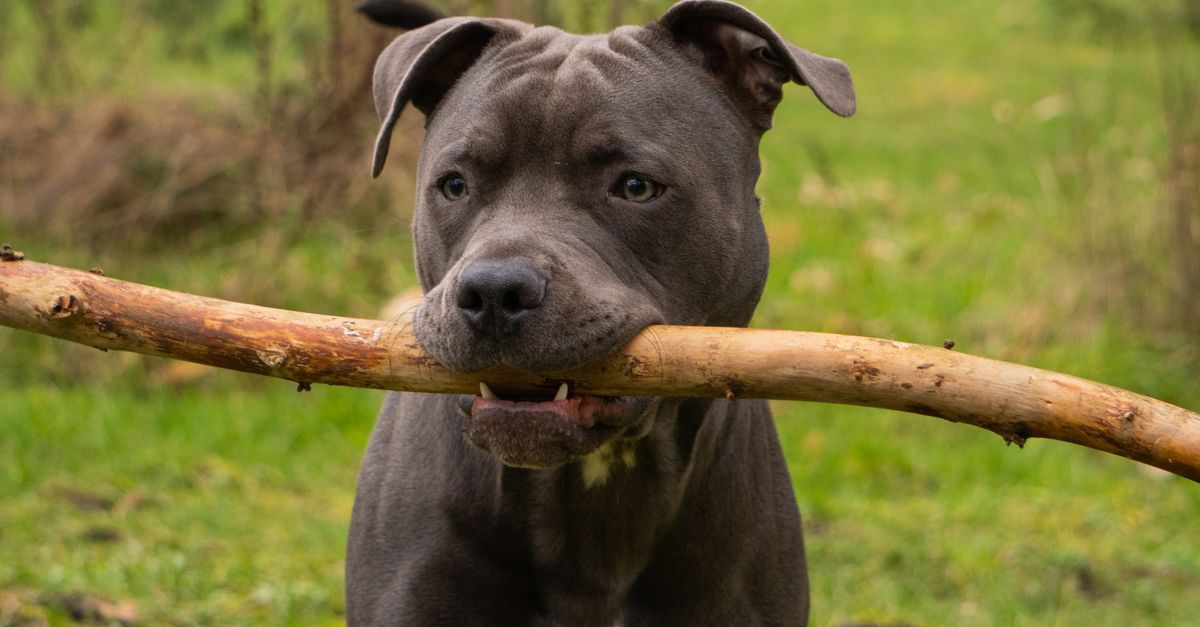
Hulk pitbull puppies: a muscular blue-gray pit bull-type dog carrying a large stick across a grassy field
Blue-gray coats are popular in bully-type dogs, but color says nothing about size or temperament. Photo: Pexels.

Are Zeus Hulk Pitbull Puppies a Real Breed?

No. Zeus Hulk pitbull puppies aren't recognized by any major US registry, and even "pit bull" isn't one breed. The AVMA describes pit bulls as a broad type of dog, not one breed. Dogster adds that Hulk was born to an English Bulldog and another pit bull breed, so he isn't a pure example of any single standard.

The American Pit Bull Terrier is registered by the United Kennel Club (UKC), not the AKC. The AKC explains that it recognized a related subset of these dogs as the American Staffordshire Terrier in 1936. Here is how the UKC standard compares with Hulk:

Trait UKC American Pit Bull Terrier standard Hulk (reported)
Male weight About 35–60 lbs About 173–180 lbs
Female weight About 30–50 lbs —
Male height About 18–21 inches Not reported
Size rule Excess size that harms health or movement is a serious fault Bred and trained as an extra-large protection dog

Standard figures from the UKC American Pit Bull Terrier breed standard; Hulk figures from ABC11 and Dogster.

That gap matters. A puppy marketed as a Hulk pitbull puppy may grow into a much heavier dog than a typical American pit bull, or it may not, depending on its parents. If you love the look of big, muscular bully dogs, compare our guide to the Panther black pit bull and other muscular types.

Blue Nose and Red Nose Pit Bulls: What the Color Means

Blue nose and red nose are color descriptions, not breeds. The UKC standard allows any nose color and accepts any coat color except merle.

  • Blue nose: VCA explains that two copies of the dilute gene turn black pigment gray or blue, which gives a slate-gray coat and nose.
  • Red nose: In red or copper dogs, a brown gene can turn the nose and paw pads brown, a shade many people call red, per VCA.
  • Temperament: Coat and nose color aren't a reliable guide to behavior. Socialization and training matter far more.

Be wary of sellers who charge extra for a "rare" blue or red Hulk pitbull puppy. Color alone doesn't make a dog healthier or more valuable.

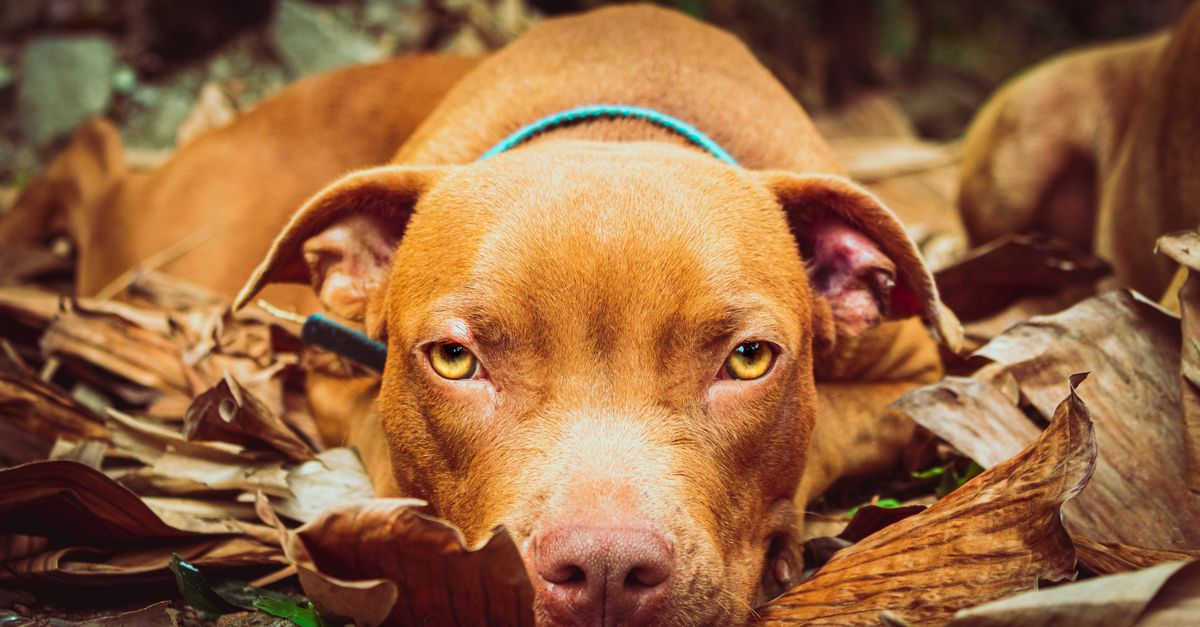
Red nose Hulk pitbull puppies color: a copper-coated pit bull with amber eyes and a reddish nose lying in fall leaves
In red or copper dogs, color genes can also turn the nose brown or red. Photo: Pexels.

Newborn and Cute Hulk Pitbull Puppies: What to Expect

Newborn Hulk pitbull puppies develop like any other puppies. The AKC's growth timeline says their eyes and ears stay closed at first and that eyes open between two and four weeks. Here is a quick guide to the early weeks:

Age What happens What a good breeder often does
Birth to 2 weeks Eyes and ears closed; puppies mostly eat and sleep Keeps the litter warm and checks that every puppy nurses
2 to 4 weeks Eyes and ears open; puppies start to wobble around Begins gentle handling
About 4 weeks Puppies can walk and play Introduces new sounds and surfaces
4 to 8 weeks The mother starts weaning Starts puppy food and early socialization
About 8 weeks Ready for a new home Hands over vet records and a contract

That cute, chunky puppy stage passes fast. A responsible breeder won't send a puppy home before about eight weeks, and the AKC lists selling younger puppies as a red flag.

Hulk Puppy Prices and Scams to Watch For

Hulk's 2015 litter set a famous headline price: up to $55,000 per puppy, according to his owners, with much of that value tied to protection-dog training. Ordinary pet puppies sold under the Hulk name don't come with that training, and many likely have no proven link to Hulk at all.

Famous names also attract scammers. The BBB reports that more than half of pet scams begin on sites people find through search engines or social media, and the median reported loss in 2025 (through September) was about $600. Warning signs include:

Red flags in a "Hulk puppy" ad

  • Claims of a direct Hulk bloodline with no papers you can verify
  • A seller who won't do a live video call or let you meet the parents
  • Surprise fees for shipping, crates or vaccinations after you pay
  • Pressure to send a deposit quickly by app payment
  • Puppies offered younger than eight weeks
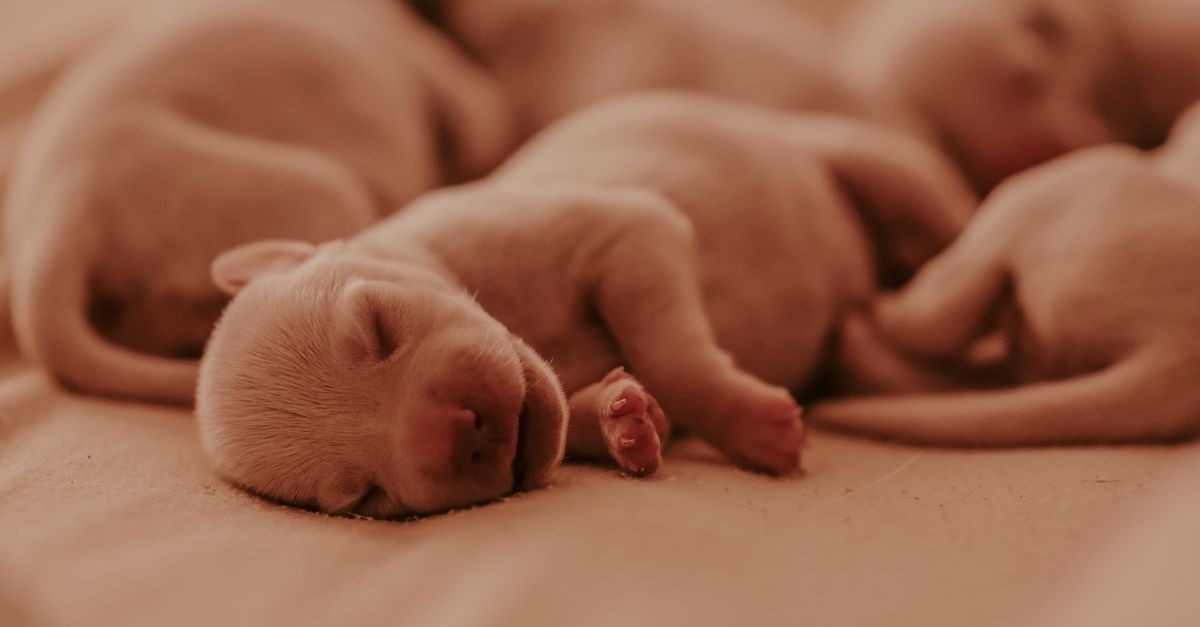
Newborn Hulk pitbull puppies stage: a litter of tiny cream-colored newborn puppies sleeping together on a soft blanket
Newborn puppies spend their first two weeks sleeping and nursing, with eyes still closed. Photo: Pexels.

Before You Bring Home a Big Pit Bull Puppy

Whether or not a puppy is linked to Hulk, a large pit bull–type dog is a long-term commitment that needs training, exercise and a home that suits a strong dog.

  • Local laws: The AVMA is against breed-specific laws, but some US cities and counties still restrict pit bull–type dogs. Check local rules, your lease and any HOA rules first.
  • Breeder checks: The AKC says good breeders health-test the parents, let you meet the mother and offer a contract with a return clause.
  • Adoption: Shelters and rescues often have pit bull–type puppies and young adults, often for a much lower fee.

For other bully-type options, see our guides to female American Bully puppies and the Razor Edge Gotti pit bull bloodline.

Example scenario (illustrative)

Jalen in Tampa finds an ad for "Zeus Hulk pitbull puppies, blue nose, $3,500." He asks for a video call with the mother and copies of any health tests. The seller refuses and asks for a $500 deposit by payment app. Jalen walks away, visits a local rescue instead, and adopts a 12-week-old blue-gray pit bull mix with vet records included.

Questions to ask any seller

  1. Can I meet both parents, or at least the mother, in person or on a live call?
  2. What health tests have the parents had, and can I see the results?
  3. Which registry are the puppies registered with, and can I verify the papers?
  4. How big are the parents, and what adult size should I expect?
  5. Will you take the dog back at any age if I can't keep it?
Hulk pitbull puppies alternative: a young red-and-white pit bull puppy with a collar sitting on a sandy path
A healthy, well-socialized puppy matters far more than a famous name. Photo: Pexels.

Hulk Pitbull Puppies: FAQs

Are Zeus Hulk pitbull puppies a real breed?

No. Hulk is a single, very large pit bull from Dark Dynasty K9s in New Hampshire, and "Zeus" is a popular dog name. We found no documented "Zeus Hulk" breed or bloodline. The AVMA describes pit bulls as a broad type of dog rather than one breed.

How big was Hulk the pit bull?

News reports in 2015 put Hulk at about 173 to 175 pounds when he was roughly 17 to 18 months old. That is far above the UKC standard for the American Pit Bull Terrier, which describes males at about 35 to 60 pounds.

How much did Hulk's puppies cost?

When Hulk fathered a litter of eight in 2015, his owners estimated each puppy could be worth up to $55,000, mainly as trained protection dogs. Most pit bull–type puppies cost far less, and adoption fees are often much lower.

Will a Hulk pitbull puppy grow as big as Hulk?

Not necessarily. Size depends on both parents, genetics, nutrition and health. A very large parent doesn't guarantee a giant puppy, and the UKC treats excessive size that harms health or movement as a serious fault.

Is a blue nose or red nose pit bull a different breed?

No. Blue nose and red nose describe color, not breed. The UKC standard allows any nose color, and color isn't a reliable guide to how a puppy will behave.

When do newborn pit bull puppies open their eyes?

The AKC says puppies' eyes open somewhere between two and four weeks of age. They usually walk by about four weeks and are ready for new homes at around eight weeks.

Are pit bull puppies allowed everywhere in the US?

Not always. Some cities and counties still have breed-specific rules, even though the AVMA is against breed-specific laws. Check your local laws, lease and HOA rules before bringing a puppy home.

Final Verdict: Are Hulk Pitbull Puppies Worth It?

Hulk pitbull puppies get their fame from one 175-pound dog and a 2015 litter valued at up to $55,000 each, but "Zeus Hulk" isn't a breed. Choose a puppy for its health, parents and temperament, not a famous name or a blue or red nose. Verify every claim, meet the parents, and consider adoption.

Your next steps

  1. Check your local laws and lease rules for pit bull–type dogs.
  2. Compare costs in our guide to American Bully prices.
  3. Browse more breed and care guides in our dogs section.

Share your pit bull puppy's photos with our Facebook community.

About the author — Written and reviewed by the Pets Store Home Editorial Team: pet owners and animal lovers who check every guide against trusted US veterinary and animal-welfare sources. This article is general information, not a substitute for professional veterinary advice. Always talk to your veterinarian about your own pet's health.

How we checked this guide: Hulk's size, owners and litter come from ABC11 (2015), KSAT (2015) and Dogster; breed standards from the United Kennel Club and the American Kennel Club; coat color genetics from VCA Animal Hospitals; puppy development and breeder advice from the AKC; breed-specific legislation from the AVMA; and scam data from the Better Business Bureau. We found no reliable record of a "Zeus Hulk" breed or bloodline. We review this article every 12 months, or sooner if information changes.

Last reviewed: October 2026.

Sources